Feeling uncertain about what to expect in your upcoming interview? We’ve got you covered! This blog highlights the most important Zoo Management and Conservation interview questions and provides actionable advice to help you stand out as the ideal candidate. Let’s pave the way for your success.
Questions Asked in Zoo Management and Conservation Interview
Q 1. Describe your experience in developing and implementing animal enrichment programs.
Developing and implementing animal enrichment programs is crucial for promoting the physical and psychological well-being of zoo animals. It involves creating stimulating environments that encourage natural behaviors, reduce stress, and enhance their overall quality of life. My approach is multifaceted and considers the species-specific needs of each animal.
- Needs Assessment: I begin by thoroughly researching the natural behaviors and environmental needs of the species. This includes studying their natural habitats, social structures, foraging patterns, and preferred substrates.
- Program Design: Based on the assessment, I design programs that incorporate a variety of enrichment activities. This might include environmental modifications like climbing structures, scent trails, puzzle feeders, or interactive toys. For example, for our orangutans, we introduced a complex system of ropes and platforms mimicking their arboreal environment, significantly increasing their activity levels and reducing stereotypic behaviors.
- Implementation and Monitoring: The program is implemented carefully, with close monitoring of the animals’ responses. This involves observing their engagement with the enrichment, noting any signs of stress or aversion, and making adjustments as needed. Data collection helps refine the program to maximize effectiveness. For instance, we tracked the time spent by our chimpanzees using different puzzle feeders to optimize their complexity and adjust the food rewards.
- Rotation and Innovation: To prevent habituation and maintain interest, enrichment activities are regularly rotated and new ones are introduced. Keeping the program fresh and challenging is crucial for long-term success.
Ultimately, a successful enrichment program results in animals that are active, engaged, and exhibiting natural behaviors, minimizing stress and improving their overall health and welfare.
Q 2. Explain your approach to managing a crisis situation involving an animal escape.
Managing an animal escape is a serious crisis requiring a rapid, coordinated response. My approach prioritizes safety – both human and animal – while aiming for a swift and humane resolution.
- Immediate Containment & Public Safety: The first step is to establish a perimeter to prevent further escape and ensure public safety. This often involves using barriers, tranquilizer darts (used only when deemed safe and necessary by trained professionals), and trained personnel to guide the animal. Clear and concise communication with the public and emergency services is paramount.
- Animal Assessment: Once the animal is contained, its health and well-being are assessed by veterinary staff. Determining if it is stressed, injured, or otherwise compromised dictates the next steps.
- Safe Return & Root Cause Analysis: The animal is then safely returned to its enclosure. A thorough investigation is immediately launched to identify the cause of the escape. This may involve reviewing enclosure integrity, staff protocols, or potential external factors. Improvements to prevent future incidents are implemented.
- Post-Incident Review: A formal review of the event is conducted to identify areas for improvement in emergency response protocols and preventative measures. This may involve training updates, facility upgrades, or changes to operational procedures. We use this as a learning opportunity to strengthen our response systems.
Effective crisis management necessitates rigorous planning, well-trained staff, and a commitment to continuous improvement.
Q 3. How do you ensure the ethical sourcing of animals for your zoo?
Ethical sourcing of animals is non-negotiable in modern zoo management. We adhere strictly to international guidelines and prioritize animals born in accredited zoos or conservation breeding programs. We avoid animals from the wild whenever possible.
- Collaboration with Conservation Organizations: We work closely with reputable conservation organizations and breeding programs to ensure that any animals we acquire are sourced responsibly and contribute to conservation efforts. This may include participation in Species Survival Plans (SSPs) which aim to maintain healthy and genetically diverse populations of endangered species.
- Documentation & Transparency: We maintain meticulous records documenting the provenance of every animal in our collection, including its birth location, parentage, and any relevant health information. This ensures complete transparency and accountability.
- Avoidance of Wild-Caught Animals: We strongly oppose the removal of animals from the wild, unless it is absolutely essential for rescue or conservation purposes, as approved by relevant authorities. The focus is always on in-situ conservation and habitat preservation.
- Strict Adherence to Regulations: We meticulously follow all local, national, and international regulations related to the import, export, and handling of animals, ensuring adherence to the highest ethical standards.
Ethical sourcing is not just a matter of compliance but a fundamental aspect of our commitment to conservation and animal welfare.
Q 4. What are your strategies for maintaining the health and well-being of zoo animals?
Maintaining the health and well-being of zoo animals is a top priority, achieved through a comprehensive approach encompassing preventative medicine, nutrition, and environmental management.
- Preventative Veterinary Care: A dedicated team of veterinary professionals provides regular health checks, vaccinations, and preventative parasite control. This includes comprehensive blood work, fecal exams, and dental care. Early detection and intervention are critical in preventing serious health issues.
- Species-Specific Nutrition: Our nutritionists develop specialized diets tailored to the unique dietary needs of each species. This includes providing fresh fruits, vegetables, and other appropriate food items, as well as supplements when necessary. Diets are regularly reviewed and adjusted to meet changing needs.
- Environmental Enrichment: As mentioned earlier, animal enrichment is essential for maintaining both physical and mental health. Providing stimulating environments that promote natural behaviors is key to preventing stress-related illnesses.
- Behavioral Monitoring: Zookeepers meticulously observe the animals’ behavior daily, noting any changes that might indicate illness or distress. This proactive monitoring helps to identify potential health problems early on.
- Quarantine Protocols: All newly acquired animals are placed under strict quarantine to prevent the introduction of infectious diseases into the existing population.
Ultimately, a holistic approach to animal health involves continuous monitoring, preventative care, and a commitment to providing optimal living conditions.
Q 5. Discuss your experience with managing budgets and resources within a zoological setting.
Managing budgets and resources effectively is crucial for the success of any zoo. My experience involves developing and implementing detailed budgets, tracking expenses, and securing funding for various projects.
- Budget Development: I have extensive experience in developing comprehensive budgets encompassing animal care, facility maintenance, staffing, and educational programs. This includes forecasting revenue and expenses, prioritizing needs, and allocating resources effectively.
- Resource Allocation: I prioritize resource allocation based on the needs of the animals, the demands of conservation programs, and the needs of the public. This often requires making difficult choices and balancing competing priorities. For instance, I may need to prioritize funds for a critical infrastructure repair over a new exhibit, based on risk assessment and overall zoo operations.
- Grant Writing & Fundraising: I have a successful track record of securing funding through grant applications, fundraising events, and private donations. Developing compelling proposals that demonstrate the impact of zoo projects is crucial in securing external funding.
- Financial Reporting & Accountability: I ensure accurate and transparent financial reporting, providing regular updates to stakeholders and adhering to strict accounting practices. Maintaining accurate financial records is essential for demonstrating accountability and securing future funding.
Responsible financial management is essential for the long-term sustainability and success of a zoological institution.
Q 6. How do you balance the needs of conservation with the demands of public entertainment?
Balancing the needs of conservation with the demands of public entertainment is a central challenge in zoo management. It requires a delicate balance that ensures both the well-being of the animals and the engagement of the visitors.
- Conservation-Focused Exhibits: We design exhibits that highlight the conservation challenges facing the species on display, educating the public about their habitats and the threats they face. This approach integrates entertainment with education and conservation messaging.
- Support for Conservation Projects: A portion of zoo revenue is consistently allocated to support in-situ conservation projects – protecting animals in their natural habitats. This demonstrates a clear commitment to conservation beyond the zoo walls.
- Educational Programs: We implement educational programs for visitors of all ages, emphasizing the importance of conservation and wildlife protection. This approach engages the public and promotes awareness of conservation issues.
- Sustainable Practices: The zoo incorporates sustainable practices throughout its operations, reducing environmental impact and setting a positive example for environmental stewardship.
- Research Collaboration: We actively participate in collaborative research initiatives that enhance our understanding of animal behavior, ecology, and conservation strategies. This research directly informs our conservation efforts and management practices.
Ultimately, a successful zoo achieves both goals by creating engaging experiences that are underpinned by a clear commitment to conservation.
Q 7. Describe your experience with animal training and behavioral modification techniques.
Animal training and behavioral modification techniques are essential for maintaining animal health, safety, and facilitating veterinary procedures. My experience spans various positive reinforcement methods tailored to different species.
- Positive Reinforcement: We exclusively use positive reinforcement techniques, rewarding desired behaviors with treats, praise, or other positive stimuli. This approach is humane, effective, and strengthens the bond between the animal and its trainer.
- Species-Specific Training: Training methods are tailored to the specific cognitive abilities and learning styles of each species. What works for an orangutan may not work for a penguin. Flexibility and adaptability are key.
- Veterinary Procedures: Training facilitates routine veterinary procedures such as blood draws, vaccinations, and physical examinations, minimizing stress and ensuring animal safety.
- Behavioral Modification: We use training to address undesirable behaviors, such as stereotypies (repetitive behaviors caused by stress or boredom), by providing alternative outlets for natural behaviors through enrichment and training.
- Target Training: A common technique we use is target training, where animals are trained to touch a target with their nose or paw, allowing for precise guidance during examinations or movement within their enclosures. This reduces the need for physical restraint.
Careful and consistent training ensures the well-being of the animals, facilitates efficient management, and provides opportunities for engaging educational displays.
Q 8. How do you handle conflict between staff members or with the public?
Conflict resolution is paramount in a zoo environment, involving both staff and the public. My approach is proactive and multi-faceted. With staff, I believe in fostering open communication and a respectful work environment. This starts with clear expectations and regular team meetings where concerns can be voiced without fear of reprisal. If conflicts arise, I employ a mediation style, focusing on understanding each perspective before collaboratively finding solutions. This might involve adjusting roles, clarifying responsibilities, or providing additional training.
For conflicts with the public, patience and empathy are key. I approach each situation with the goal of de-escalation, listening actively to understand their concerns. Clear communication, perhaps offering alternative solutions or explaining zoo policies, is essential. In cases of aggressive or disruptive behavior, I would involve security personnel to ensure the safety of both staff and other visitors. For example, if a visitor was upset about an animal’s enclosure, I’d explain the enrichment and conservation strategies in place, showing them the dedication to animal welfare. Documentation of all incidents is crucial for learning and improvement.
Q 9. Explain your understanding of animal welfare regulations and compliance procedures.
Animal welfare is the cornerstone of ethical zoo management. My understanding encompasses a wide range of regulations, from the Association of Zoos and Aquariums (AZA) standards in the US to local and international laws pertaining to animal care and conservation. Compliance procedures involve meticulous record-keeping, regular inspections, and adherence to strict protocols for animal housing, nutrition, health, and enrichment. This includes detailed documentation of animal health records, enrichment activities, and any incidents. We conduct regular audits to ensure compliance and identify areas for improvement. Any non-compliance is addressed immediately through corrective action plans, with staff training and improvements to facilities as needed. For example, maintaining accurate records on animal diets, ensuring appropriate veterinary care, and regularly inspecting enclosures for safety and hygiene are all vital components of compliance.
Q 10. What are your methods for assessing and mitigating risks associated with animal handling?
Risk assessment in animal handling is a systematic process. It starts with identifying potential hazards—these could range from animal aggression to equipment malfunctions or human error. We then analyze the likelihood and severity of each risk. This involves considering animal species-specific behaviors, individual animal temperaments, and staff training levels. Mitigation strategies are then developed and implemented, incorporating safety protocols, specialized equipment (e.g., protective gear, tranquilizer equipment), and staff training. Regular safety drills and emergency response plans ensure that our staff is prepared to handle unexpected situations. For example, when handling a potentially aggressive primate, we’d use specialized tools, appropriate PPE, and trained personnel following a strict protocol. Continual review and updating of our risk assessments are critical as animals change and our understanding of best practices evolves.
Q 11. How do you evaluate the success of a conservation program?
Evaluating the success of a conservation program requires a multifaceted approach using both quantitative and qualitative data. Quantitative measures might include population size changes, genetic diversity within a population, and habitat restoration progress. For instance, tracking the population growth of a critically endangered species within a breeding program would be a key indicator. Qualitative data might involve assessing changes in ecosystem health or community engagement. We’d also examine the program’s effectiveness in achieving its stated goals and objectives. We might analyze whether the program has improved the species’ conservation status or increased public awareness. Regular monitoring, evaluation, and adaptive management are crucial for ensuring that conservation strategies remain effective and are updated based on the latest scientific knowledge and data.
Q 12. Describe your experience with breeding programs and population management.
My experience with breeding programs and population management involves participation in Species Survival Plans (SSPs) coordinated by organizations like the AZA. These programs aim to maintain healthy, genetically diverse populations of threatened and endangered species. This includes detailed record-keeping of pedigrees, health assessments, and reproductive success. I have directly overseen several breeding programs, employing techniques such as artificial insemination and hormonal management to improve reproductive outcomes. Population management also involves careful consideration of carrying capacity, habitat suitability, and genetic diversity within the zoo population and in relation to wild populations. A successful program requires collaboration with other zoos globally to avoid inbreeding and maximize genetic diversity. For example, I’ve coordinated the transfer of animals between zoos to maintain genetic health and expand breeding opportunities for a particular species.
Q 13. What are your strategies for engaging the public in conservation efforts?
Engaging the public is crucial for successful conservation efforts. My strategies encompass a range of approaches, from educational programs and interactive exhibits to community outreach and social media campaigns. We utilize engaging storytelling to connect visitors with animals and their conservation needs. Interactive exhibits allow visitors to actively participate in learning and understanding conservation challenges. We organize educational programs for schools and community groups, tailoring them to different age groups and interests. Through social media, we share updates on our conservation projects and animals, creating a connection with the public and encouraging their participation. For example, we’ve created a successful campaign using social media to raise awareness about illegal wildlife trade, encouraging visitors to report suspicious activities. Public engagement is not a one-way street; we actively seek feedback to refine our strategies and better connect with the public.
Q 14. How do you ensure the safety of both animals and visitors within a zoo environment?
Ensuring the safety of both animals and visitors is paramount. This involves multiple layers of security and safety measures. For animals, we create secure, species-appropriate enclosures designed to prevent escapes and injuries. Enrichment programs promote natural behaviors and reduce stress, which minimizes the likelihood of aggression. For visitors, we maintain clear pathways, signage, and barriers separating visitors from animals. We enforce strict rules regarding animal interaction, including no feeding or harassing animals. Emergency response plans are in place to handle any incidents, and staff receive extensive training in animal handling and emergency procedures. Regular safety inspections ensure that enclosures and visitor areas are maintained to the highest standards. For instance, we might use specific barriers and escape-proof latches for dangerous animals, while educational signage would keep visitors at a safe distance from animals known to be sensitive to human proximity. Continuous monitoring and evaluation of safety procedures are integral to ensuring a safe environment for everyone.
Q 15. Discuss your knowledge of different animal housing requirements and designs.
Animal housing design is paramount for the well-being and conservation of zoo animals. It necessitates a deep understanding of each species’ natural habitat, social structures, and behavioral needs. We strive to create environments that mimic these natural conditions as closely as possible, considering factors like space, temperature, humidity, lighting, substrate, and enrichment opportunities.
- Primates: For arboreal primates like orangutans, spacious enclosures with climbing structures, varied vegetation, and opportunities for social interaction are crucial. Poor housing can lead to stereotypical behaviours like pacing.
- Large Carnivores: Lions or tigers require large, naturalistic enclosures with varied terrain, hiding places, and opportunities for hunting-like behaviours (e.g., puzzle feeders) to prevent boredom and stress. Insufficient space can result in aggression and poor health.
- Aquatic Mammals: Animals like dolphins need vast, deep pools with appropriate water quality, temperature control, and environmental enrichment such as toys or interactive training sessions. Lack of proper water quality can lead to infections and other health issues.
The design process often involves collaboration with veterinarians, animal keepers, and specialists in animal behavior and environmental science. We use a holistic approach, carefully evaluating the enclosure’s impact on animal welfare, conservation goals, and visitor experience.
Career Expert Tips:
- Ace those interviews! Prepare effectively by reviewing the Top 50 Most Common Interview Questions on ResumeGemini.
- Navigate your job search with confidence! Explore a wide range of Career Tips on ResumeGemini. Learn about common challenges and recommendations to overcome them.
- Craft the perfect resume! Master the Art of Resume Writing with ResumeGemini’s guide. Showcase your unique qualifications and achievements effectively.
- Don’t miss out on holiday savings! Build your dream resume with ResumeGemini’s ATS optimized templates.
Q 16. How do you use data to inform decision-making in zoo management?
Data-driven decision making is fundamental to modern zoo management. We utilize various data sources to monitor animal health, behaviour, breeding success, and visitor engagement. This data informs our strategies for animal care, conservation efforts, and overall zoo operations. For instance:
- Animal Health Data: We track weight, diet, blood work, and veterinary records to identify potential health issues early on. This allows for timely interventions and improves animal lifespan.
- Behavioral Data: Observation records and video analysis help us assess animal well-being. Changes in behaviour can signal stress, illness, or environmental problems. We might see a decrease in activity, an increase in self-mutilation, or changes in social interactions. We then adjust the environment or management protocols as needed.
- Breeding Data: We meticulously document breeding cycles, genetic lineage, and offspring survival rates to inform captive breeding programs and maximize genetic diversity. This helps ensure the long-term viability of endangered populations.
- Visitor Data: Attendance figures, visitor surveys, and feedback help optimize the zoo experience, informing decisions about exhibit design, educational programs, and marketing efforts.
We employ various software and analytical tools to manage and interpret this data. This helps us make evidence-based decisions that improve animal welfare, enhance conservation outcomes, and increase visitor satisfaction.
Q 17. Describe your experience working with diverse teams and stakeholders.
My experience involves collaborating with diverse teams, including veterinarians, animal keepers, researchers, educators, volunteers, and marketing staff, as well as external stakeholders like conservation organizations, government agencies, and funding bodies. Effective communication and teamwork are crucial in a zoo environment.
For example, during a recent project to improve the enclosure for our Sumatran orangutans, I worked closely with the animal care team to understand their daily observations and concerns, with researchers to ensure the enclosure promoted natural behaviours, and with the construction team to translate the design into a functional and safe space. Regular meetings, clear communication channels, and a collaborative problem-solving approach were essential for success.
Building consensus and managing differing perspectives among stakeholders requires strong interpersonal skills, active listening, and a willingness to compromise. I always prioritize inclusivity and create an environment where everyone feels valued and their input is respected.
Q 18. How do you adapt your management style to different situations and personnel?
Adaptability is key in zoo management. My management style is flexible and adapts to the specific demands of different situations and team members. I utilize different approaches depending on the context and individuals involved.
- Situational Leadership: I adjust my leadership style (e.g., delegative, participative, directive) based on the task, the team’s expertise, and the urgency of the situation.
- Individualized Approach: I recognize that different team members have unique strengths, weaknesses, and motivations. I tailor my communication and support to their individual needs, providing appropriate levels of guidance and autonomy.
- Conflict Resolution: When disagreements arise, I facilitate open communication and collaborative problem-solving, aiming for win-win solutions that benefit both the team and the zoo.
For instance, when dealing with an emergency, such as a sudden illness in an animal, I adopt a directive style to ensure swift and efficient action. However, when developing a long-term conservation strategy, I prefer a more participative approach, involving all relevant stakeholders in the decision-making process. This ensures buy-in and shared ownership of the goals.
Q 19. Explain your understanding of captive breeding programs and their role in conservation.
Captive breeding programs are essential for the conservation of endangered species. They provide a safety net against extinction, preserving genetic diversity and increasing population numbers for species facing threats in the wild. These programs are carefully managed to maintain genetic health and avoid inbreeding.
The success of a captive breeding program relies on a multi-faceted approach including:
- Species-Specific Knowledge: Understanding the animal’s reproductive biology, social behavior, and environmental requirements is crucial for creating optimal breeding conditions.
- Genetic Management: Using studbooks and sophisticated genetic analysis, we maintain a genetically diverse population, reducing the risk of inbreeding depression.
- Environmental Enrichment: Providing a stimulating and enriching environment encourages natural mating behaviors and improves reproductive success.
- Veterinary Care: Regular veterinary checkups and specialized reproductive care are essential for maximizing breeding success and minimizing health problems.
- Reintroduction Programs: Successful captive breeding efforts often culminate in reintroduction programs, where animals are released back into their natural habitats. This requires extensive planning and collaboration with field researchers and conservation organizations.
For example, the successful captive breeding of the California condor, once critically endangered, showcases the power of these programs to bring species back from the brink of extinction. However, it’s vital to remember that captive breeding is a tool to support, not replace, in-situ conservation efforts.
Q 20. How do you ensure the accuracy of animal records and data?
Maintaining accurate animal records and data is critical for effective zoo management and conservation efforts. We utilize a combination of strategies to ensure data integrity:
- Standardized Record-Keeping Systems: We use specialized software to record animal health data, breeding history, genetics, diet, and behavior. This ensures consistency and facilitates data analysis.
- Data Validation and Verification: Multiple staff members independently verify data entries, reducing the risk of errors. Data quality checks and audits are conducted regularly.
- Regular Backups and Data Security: We implement robust data backup procedures to protect against data loss and ensure data security.
- Training and Protocols: All staff members receive comprehensive training in data collection and recording procedures. Clear protocols and guidelines minimize inconsistencies.
Accurate records are essential for tracking animal health, informing breeding decisions, assessing the effectiveness of conservation programs, and responding effectively to unexpected events. They also provide crucial information for research and contribute to the global knowledge base of zoological science.
Q 21. What is your experience with fundraising and securing grants for conservation projects?
Fundraising and securing grants are crucial for supporting zoo operations and conservation initiatives. My experience involves developing compelling grant proposals, cultivating relationships with potential donors, and effectively managing funds.
My approach includes:
- Identifying Funding Opportunities: We proactively research and identify relevant funding opportunities from various sources, including government agencies, private foundations, and corporate sponsors.
- Developing Compelling Proposals: I craft proposals that clearly articulate the project’s objectives, methodology, budget, and expected impact, highlighting the significance of the work for conservation and public education.
- Building Relationships with Donors: I cultivate relationships with potential donors through networking, presentations, and site visits, showcasing the zoo’s accomplishments and highlighting the importance of our conservation work.
- Transparent Financial Management: We maintain meticulous financial records, demonstrating accountability and responsible use of funds. This builds trust and confidence with donors.
Successful fundraising requires a strategic approach that combines strong communication skills, compelling storytelling, and a clear demonstration of the impact of the funding on conservation outcomes. For example, a recent successful grant application to restore a vital habitat for endangered primates demonstrated the direct link between funding and on-the-ground conservation impact.
Q 22. Describe your experience with developing and implementing educational programs.
Developing and implementing engaging educational programs is crucial for zoos, serving both conservation and public awareness goals. My approach is multifaceted, encompassing diverse learning styles and age groups.
- Curriculum Development: I start by identifying target audiences (e.g., school children, families, adults) and their existing knowledge levels. Then, I design programs aligned with current scientific understanding, using interactive exhibits, animal encounters (where appropriate and safe), and hands-on activities. For example, a program on primate conservation might include a presentation on habitat loss, a Q&A with a primate keeper, and a craft activity where children create habitats from recycled materials.
- Program Delivery: Effective delivery relies on skilled educators who can connect with the audience and translate complex information simply. I ensure consistent training for our team, emphasizing active learning techniques and the importance of fostering curiosity. We regularly evaluate programs and make adjustments based on participant feedback and educational effectiveness.
- Assessment and Evaluation: To gauge impact, we use pre- and post-program quizzes, surveys, and informal observation. This allows us to measure knowledge gains, changes in attitudes towards conservation, and the program’s overall effectiveness. For example, we might track changes in children’s understanding of endangered species or their willingness to engage in environmentally friendly practices.
In my previous role, I spearheaded a new program on sustainable agriculture that involved a demonstration garden and workshops focusing on reducing carbon footprint in daily life. The program’s success was measured by a 30% increase in participant knowledge and a significant rise in reported changes in home practices.
Q 23. How do you maintain a safe and healthy work environment for your staff?
Maintaining a safe and healthy work environment is paramount, focusing on both physical and mental well-being. It requires a proactive and multi-pronged strategy.
- Safety Training: Comprehensive training programs covering animal handling, hazard identification (e.g., chemicals, equipment), and emergency procedures are mandatory for all staff. Regular refresher courses and practical drills reinforce safety protocols. We use a combination of classroom sessions, videos, and hands-on simulations to ensure effective learning.
- Risk Assessment and Mitigation: Regular risk assessments identify potential hazards and inform the development of preventative measures. For example, we might implement new safety protocols after evaluating the risks associated with a particular enclosure or piece of equipment. This proactive approach helps prevent accidents.
- Occupational Health: We offer access to health professionals, ergonomic assessments to prevent work-related injuries, and stress management resources, recognising that mental health is equally important as physical health. Employee wellness programs and regular check-ins promote a supportive atmosphere.
- Open Communication: Fostering a culture of open communication ensures employees feel comfortable reporting safety concerns or hazards without fear of retribution. Regular safety meetings provide opportunities for discussion and feedback.
For example, after an incident involving a minor equipment malfunction, we immediately conducted a thorough investigation, implemented new safety measures, and revised our training protocols to prevent similar occurrences.
Q 24. Explain your understanding of the impact of climate change on wildlife populations.
Climate change significantly impacts wildlife populations, altering habitats, disrupting breeding cycles, and increasing the risk of extinction. The effects are diverse and complex, varying across species and ecosystems.
- Habitat Loss and Fragmentation: Rising sea levels, changes in precipitation patterns, and increased frequency of extreme weather events lead to habitat loss and fragmentation, reducing the availability of suitable environments for many species. For instance, coral bleaching due to rising ocean temperatures destroys vital coral reef habitats.
- Range Shifts and Mismatches: Changing climates force species to shift their geographic ranges in search of suitable conditions. However, this can lead to range mismatches, where species fail to find suitable habitats or food sources in their new locations. For instance, a migrating bird might arrive at its breeding grounds to find that its crucial food source has disappeared due to climate-induced changes.
- Increased Disease Risk: Warmer temperatures can expand the range of disease vectors, increasing the risk of infectious diseases in wildlife populations. Changes in rainfall patterns may create stagnant water sources that breed disease vectors such as mosquitoes.
- Changes in Phenology: Climate change alters the timing of seasonal events such as migration, breeding, and flowering. This can lead to mismatches between the timing of crucial life-cycle events, affecting reproductive success and survival. For instance, if an insect’s emergence doesn’t coincide with the blooming of its primary food source, the insect population might decline.
Understanding these impacts is critical for developing effective conservation strategies. For example, we are actively involved in research projects that track the range shifts of specific species in response to climate change and inform management practices.
Q 25. How do you incorporate sustainability practices into zoo operations?
Incorporating sustainability practices is integral to responsible zoo operations. It reduces our environmental footprint and demonstrates a commitment to conservation.
- Energy Efficiency: We employ energy-efficient technologies, such as LED lighting and solar panels, to reduce our reliance on fossil fuels. We also monitor energy consumption and implement strategies to optimize energy use.
- Water Conservation: Implementing water-saving technologies, such as low-flow fixtures and rainwater harvesting systems, reduces water consumption. We also educate staff and visitors on water conservation techniques.
- Waste Reduction and Recycling: We have a robust recycling program that encompasses various materials, from paper and plastic to food waste. We actively minimize waste generation through responsible purchasing practices and composting programs.
- Sustainable Sourcing: We prioritize sourcing food, materials, and other supplies from sustainable sources, reducing the environmental impact of our operations. This includes using locally-sourced produce whenever possible.
- Green Building Practices: When constructing new facilities, we incorporate green building principles, using sustainable materials and minimizing environmental impact throughout the construction process.
For instance, our recent habitat renovation project used reclaimed wood, energy-efficient heating and cooling systems, and native landscaping to create a low-impact, sustainable environment.
Q 26. What are your strategies for responding to changing regulations and policies?
Responding to changing regulations and policies requires flexibility, proactive monitoring, and effective internal communication.
- Regulatory Monitoring: We actively monitor changes in relevant regulations (e.g., animal welfare, environmental protection, import/export) at local, national, and international levels. We use multiple channels, including government websites, professional organizations, and legal advisors, to stay informed.
- Policy Adaptation: Upon identification of policy changes, we assess their impact on our operations and develop adaptation strategies. This may involve updating our protocols, modifying our facilities, or engaging in advocacy efforts.
- Internal Communication: Effective communication within our organization is essential to ensure all staff understand and comply with updated regulations and policies. We utilize various means, including staff meetings, training sessions, and internal memos, to disseminate information and facilitate compliance.
- Proactive Engagement: We actively participate in consultations and dialogues with regulatory bodies to provide input and help shape policies that support both animal welfare and conservation goals.
For example, when new animal welfare standards were introduced, we immediately reviewed our housing protocols, implemented necessary changes, and provided thorough training to all staff to ensure compliance.
Q 27. Describe your experience in collaborating with other zoos and conservation organizations.
Collaboration is critical for successful conservation efforts. We actively engage with other zoos and conservation organizations through various initiatives.
- Species Survival Plans (SSPs): We participate in SSPs for various endangered species, collaborating with other zoos to manage captive populations, maintain genetic diversity, and support reintroduction programs. This collaborative approach ensures the long-term survival of threatened species.
- Joint Research Projects: We engage in collaborative research projects with other zoos and universities, pooling resources and expertise to address critical conservation challenges. This might involve conducting research on disease management, reproductive biology, or habitat restoration.
- Conservation Partnerships: We forge partnerships with conservation organizations working in the field to support in-situ conservation efforts, such as habitat protection, anti-poaching initiatives, and community-based conservation programs.
- Information Sharing: We participate in professional networks and conferences to share best practices, research findings, and conservation strategies with other organizations. This facilitates a collective approach to conservation challenges.
For example, we recently collaborated with a conservation organization in Africa to support a black rhino reintroduction program, providing expertise in animal management and contributing financially to the project.
Q 28. How do you assess and manage potential disease outbreaks within an animal population?
Assessing and managing potential disease outbreaks requires a proactive, multi-layered approach focusing on prevention, early detection, and rapid response.
- Biosecurity Protocols: Strict biosecurity protocols are implemented to prevent the introduction and spread of diseases. These include quarantine procedures for new animals, stringent hygiene practices for staff and visitors, and effective waste management. We meticulously document all animal health information.
- Surveillance and Monitoring: Regular health checks, including physical examinations, blood tests, and fecal analysis, provide early detection of disease. We use sophisticated monitoring systems to quickly identify any unusual mortality patterns or behavioral changes. Early detection is critical for effective intervention.
- Veterinary Care: We have a dedicated team of veterinarians and veterinary technicians with expertise in wildlife medicine. They provide routine care, develop individualized treatment plans for animals, and manage any outbreaks that occur. We utilize modern diagnostics to quickly identify the pathogen and tailor treatments.
- Emergency Response Plan: A detailed emergency response plan outlines the procedures to follow in case of a disease outbreak, including isolation protocols, treatment strategies, and communication protocols with external authorities.
- Collaboration and Communication: In the event of an outbreak, we immediately collaborate with veterinary diagnostic laboratories, wildlife health authorities, and other zoos to share information and access specialized expertise. Transparent communication with stakeholders (including the public) is crucial to manage public concerns and prevent panic.
For instance, our rigorous biosecurity measures and early detection system allowed us to quickly contain a recent avian influenza outbreak, preventing further spread within the zoo and the wider community.
Key Topics to Learn for Zoo Management and Conservation Interview
- Animal Welfare and Husbandry: Understanding animal behavior, nutrition, health, and enrichment programs. Practical application: Developing and implementing husbandry plans for specific species, addressing welfare concerns.
- Conservation Biology and Breeding Programs: Species survival plans (SSPs), population management, genetic diversity, and reintroduction programs. Practical application: Analyzing population data to inform breeding decisions, contributing to conservation efforts beyond the zoo.
- Zoo Exhibit Design and Animal Habitats: Creating naturalistic and enriching environments that meet the specific needs of different species. Practical application: Evaluating existing exhibits for improvements, designing new exhibits based on animal welfare principles.
- Zoo Operations and Management: Budgeting, staffing, visitor management, safety protocols, and regulatory compliance. Practical application: Developing operational plans, managing budgets effectively, and ensuring compliance with relevant regulations.
- Public Education and Outreach: Developing educational programs, engaging with visitors, and promoting conservation awareness. Practical application: Creating engaging presentations, delivering educational talks, and collaborating on outreach initiatives.
- Sustainable Practices in Zoo Management: Implementing environmentally friendly practices, reducing waste, and conserving resources. Practical application: Designing and implementing waste reduction strategies, promoting sustainable energy use within zoo operations.
- Fundraising and Development: Securing funding for conservation projects, exhibits, and operational needs. Practical application: Developing proposals for grant applications, managing fundraising campaigns.
Next Steps
Mastering Zoo Management and Conservation opens doors to a fulfilling career dedicated to animal welfare and environmental protection. It allows you to contribute significantly to global conservation efforts and make a real difference in the lives of animals. To maximize your job prospects, crafting a strong, ATS-friendly resume is crucial. ResumeGemini is a trusted resource that can help you build a professional and impactful resume tailored to highlight your skills and experience effectively. Examples of resumes tailored specifically to Zoo Management and Conservation roles are available for your review, providing valuable templates and guidance. Invest time in refining your resume to showcase your passion and expertise—it’s your key to unlocking exciting opportunities in this rewarding field.
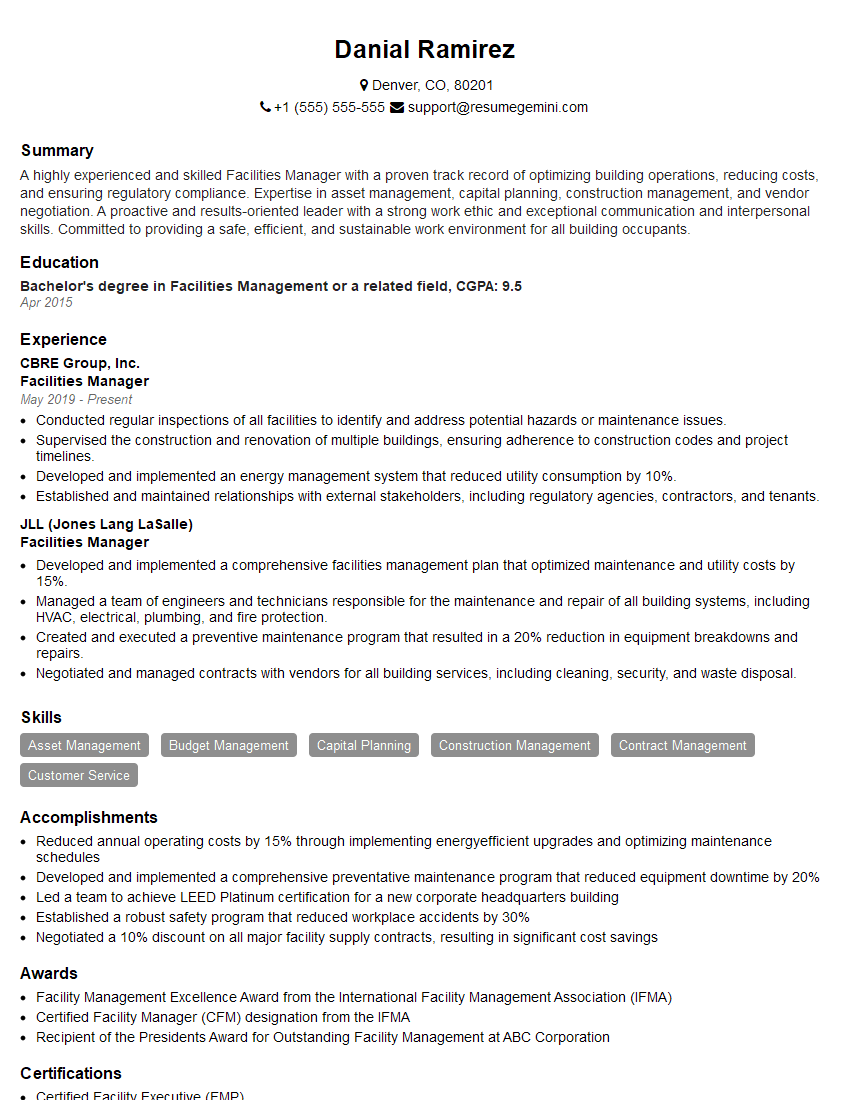
Facilities Manager Resume Sample
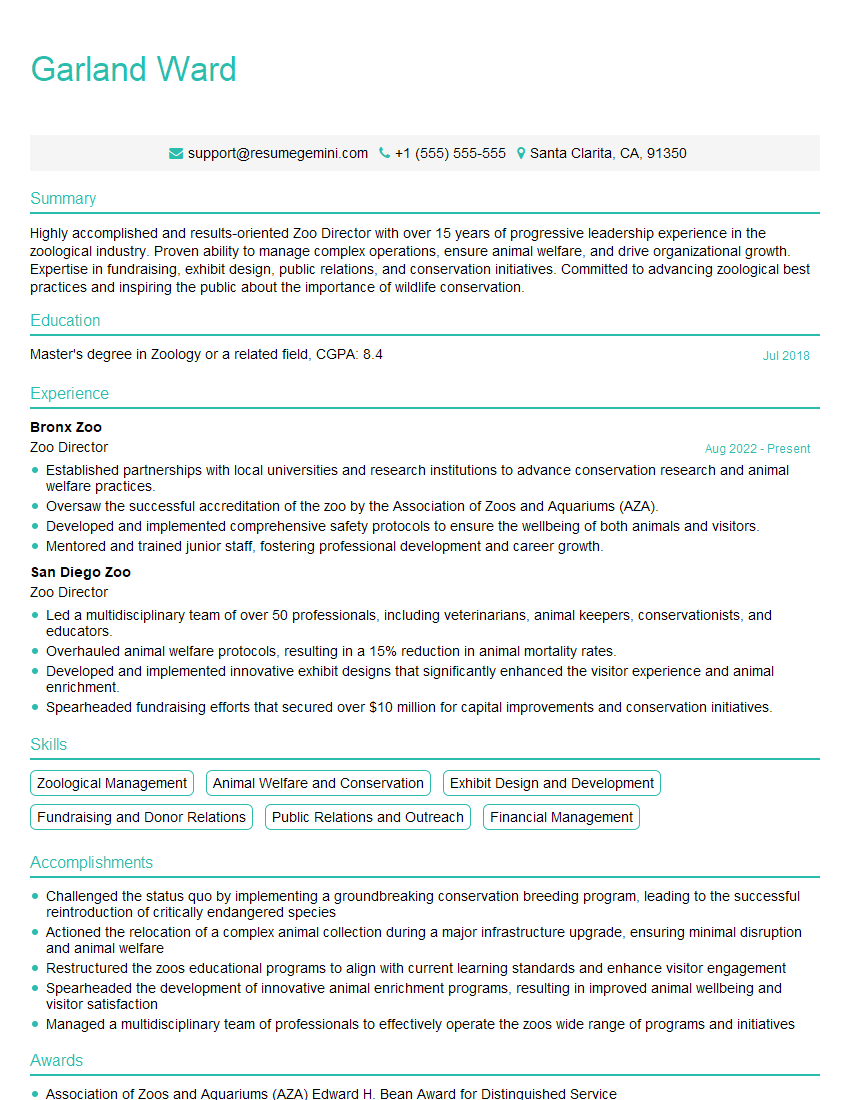
Zoo Director Resume Sample
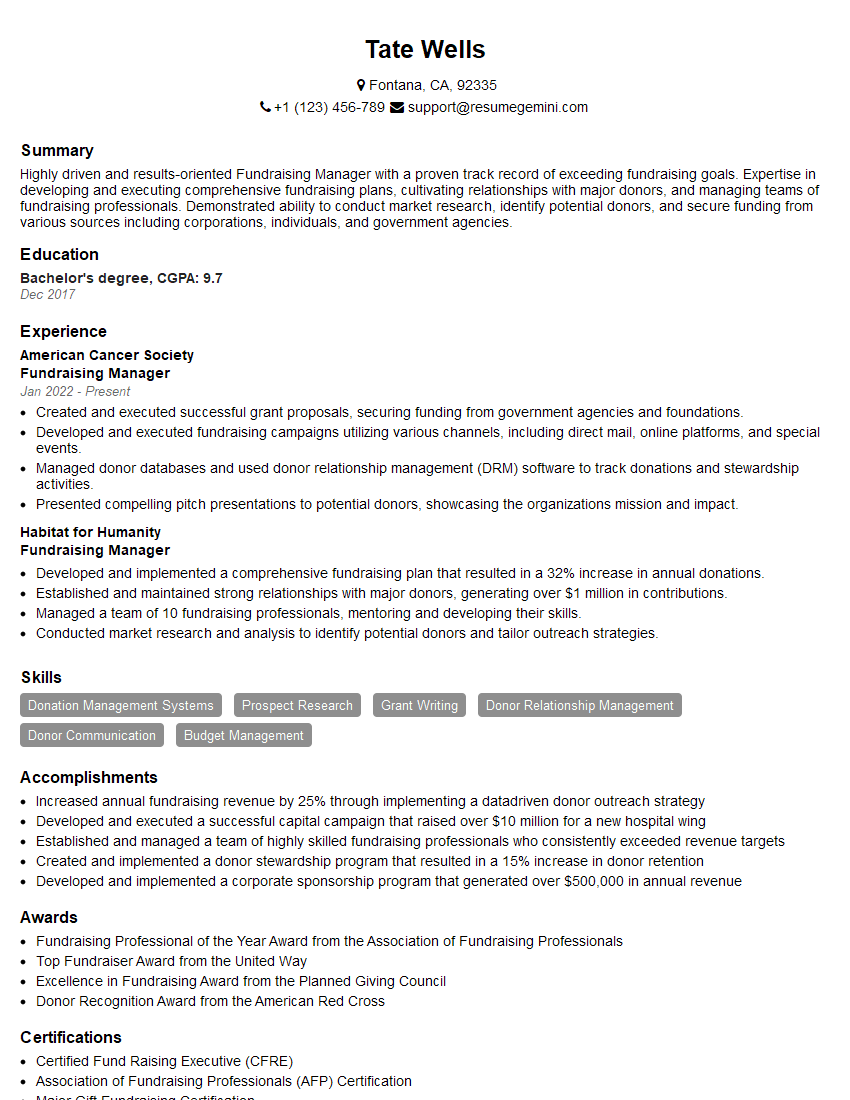
Fundraising Manager Resume Sample
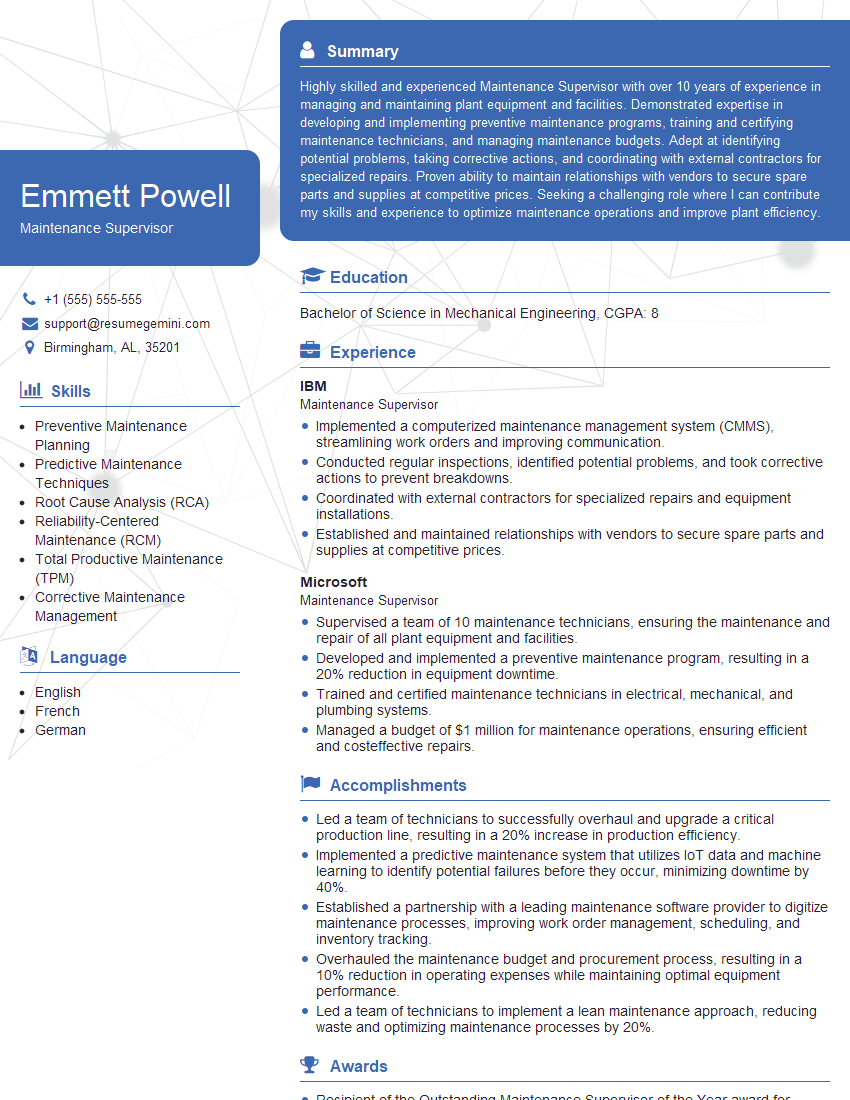
Maintenance Supervisor Resume Sample
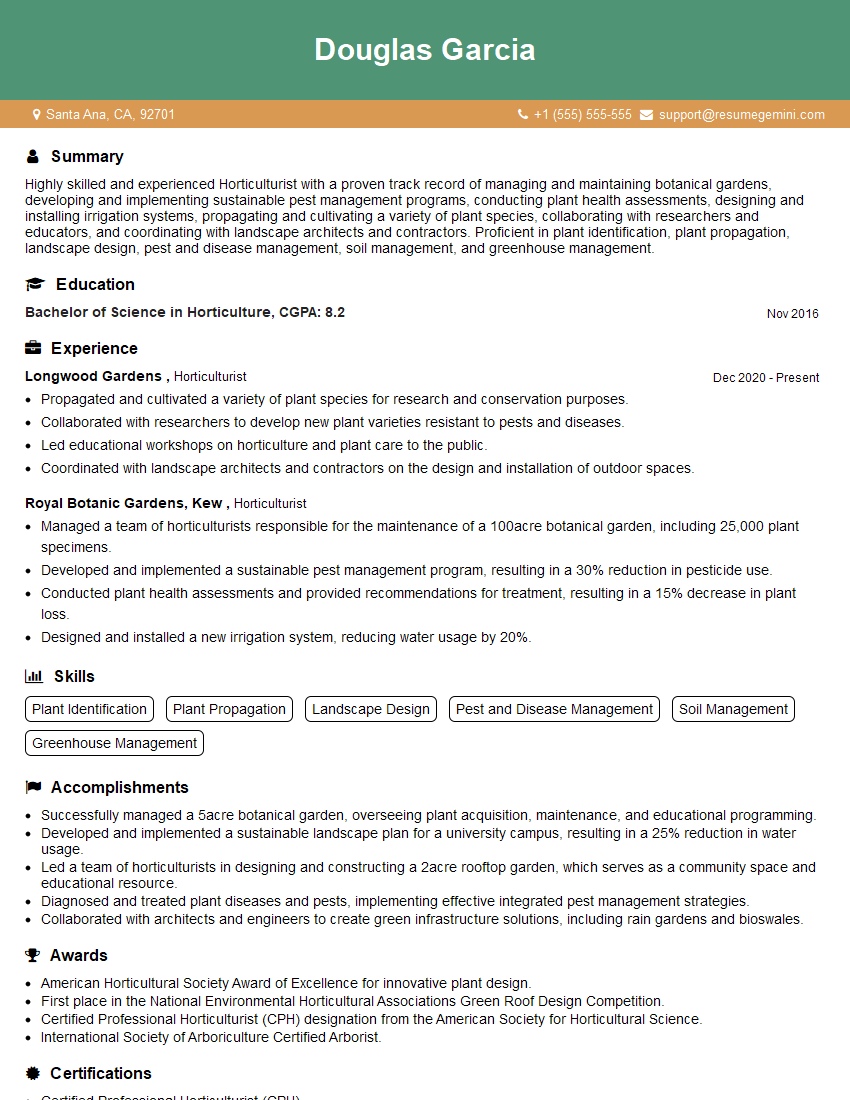
Horticulturist Resume Sample
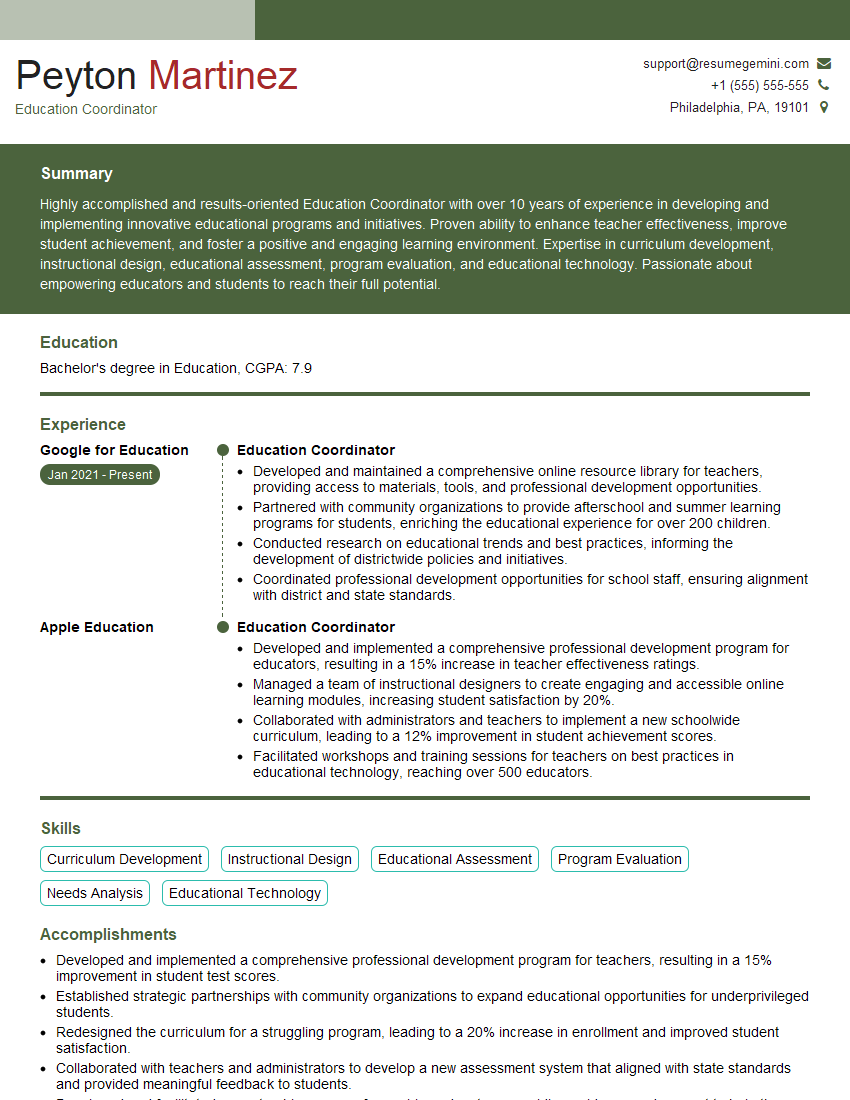
Education Coordinator Resume Sample
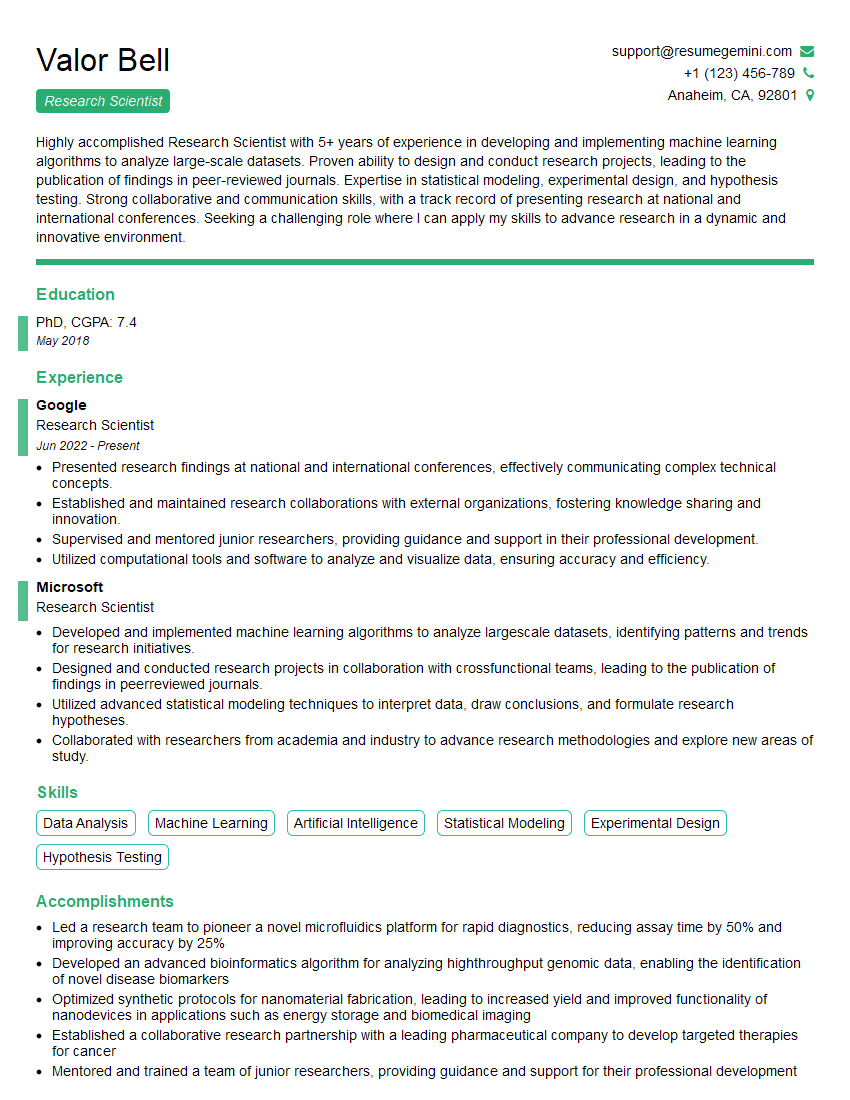
Research Scientist Resume Sample
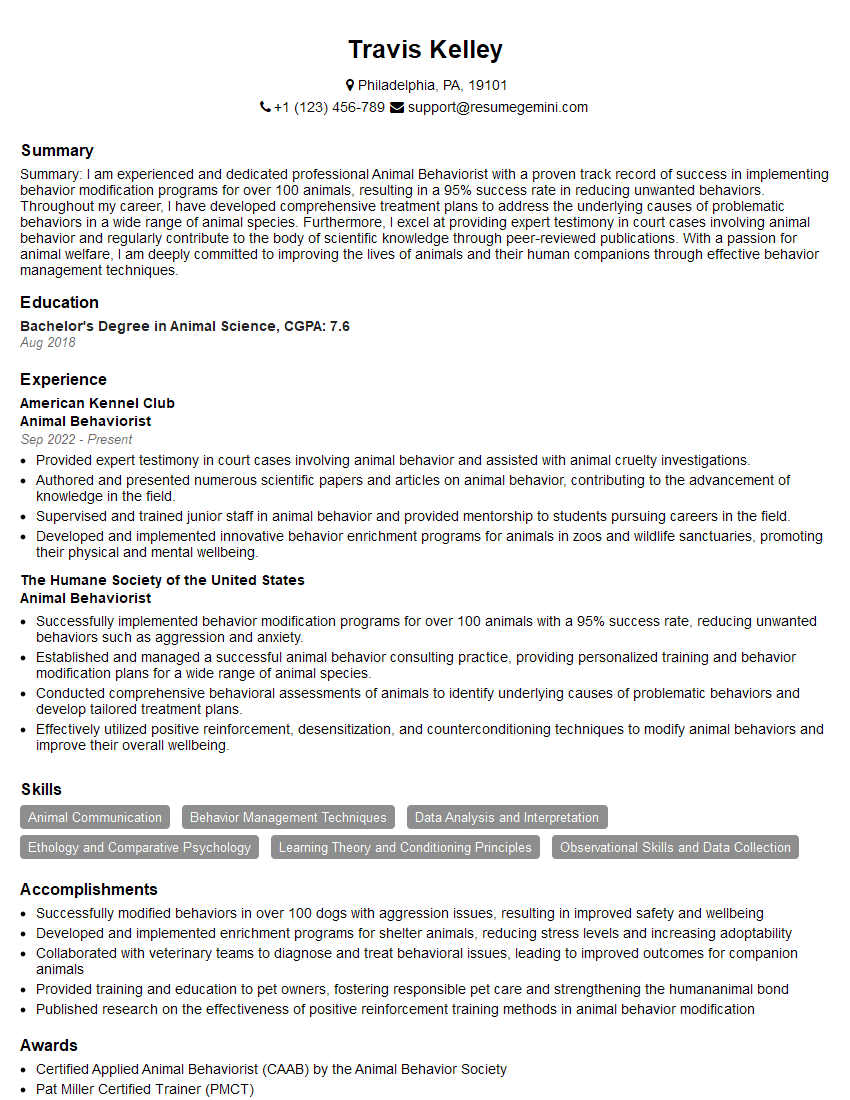
Animal Behaviorist Resume Sample
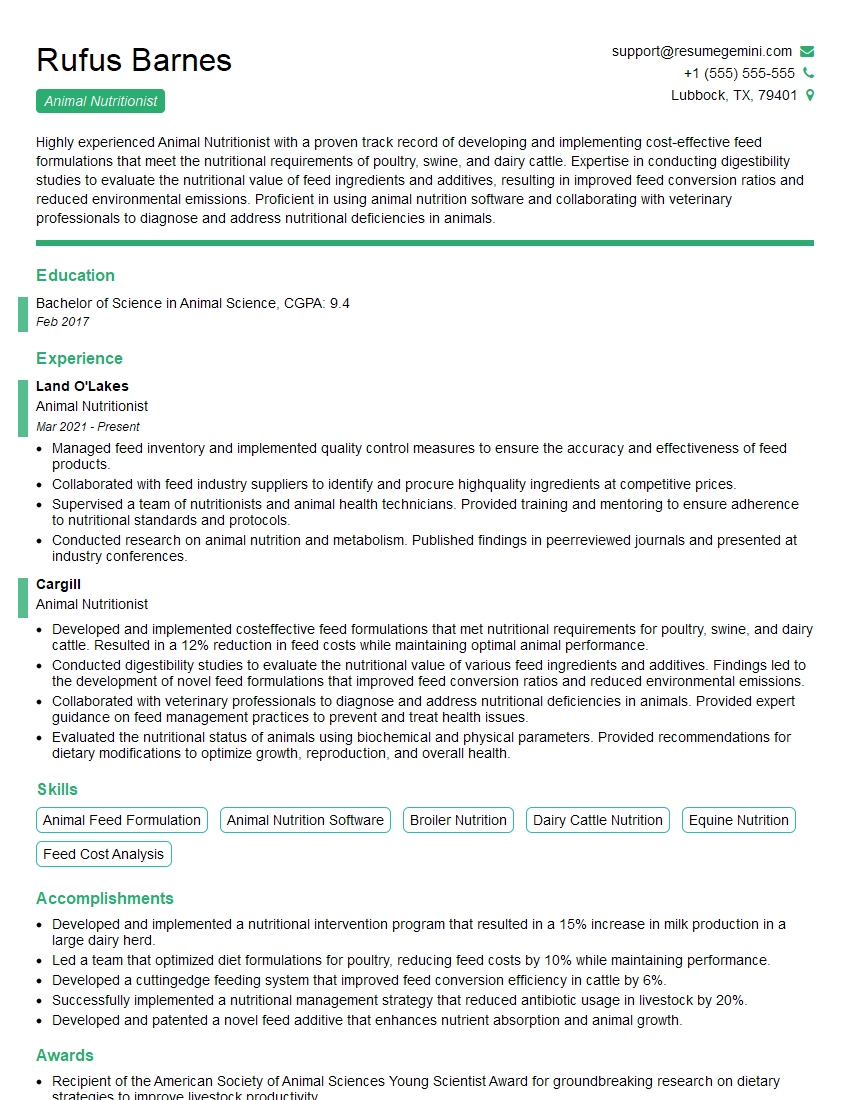
Animal Nutritionist Resume Sample
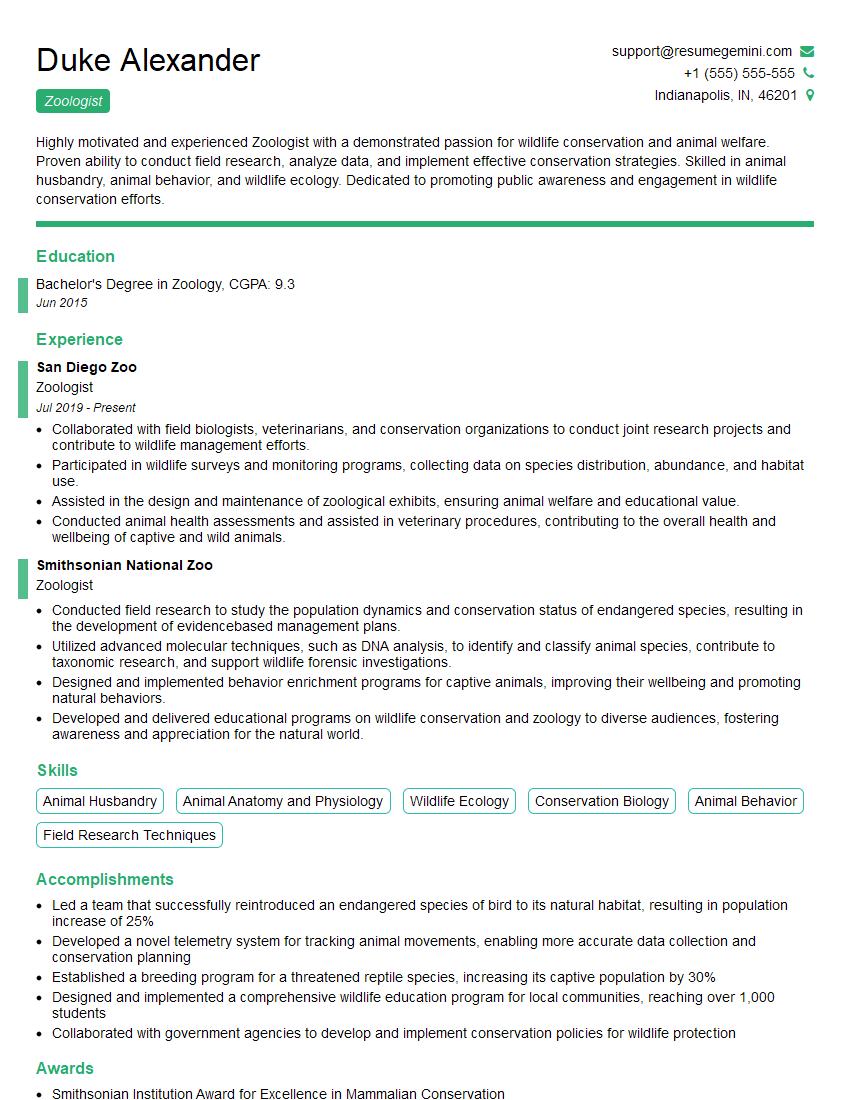
Zoologist Resume Sample
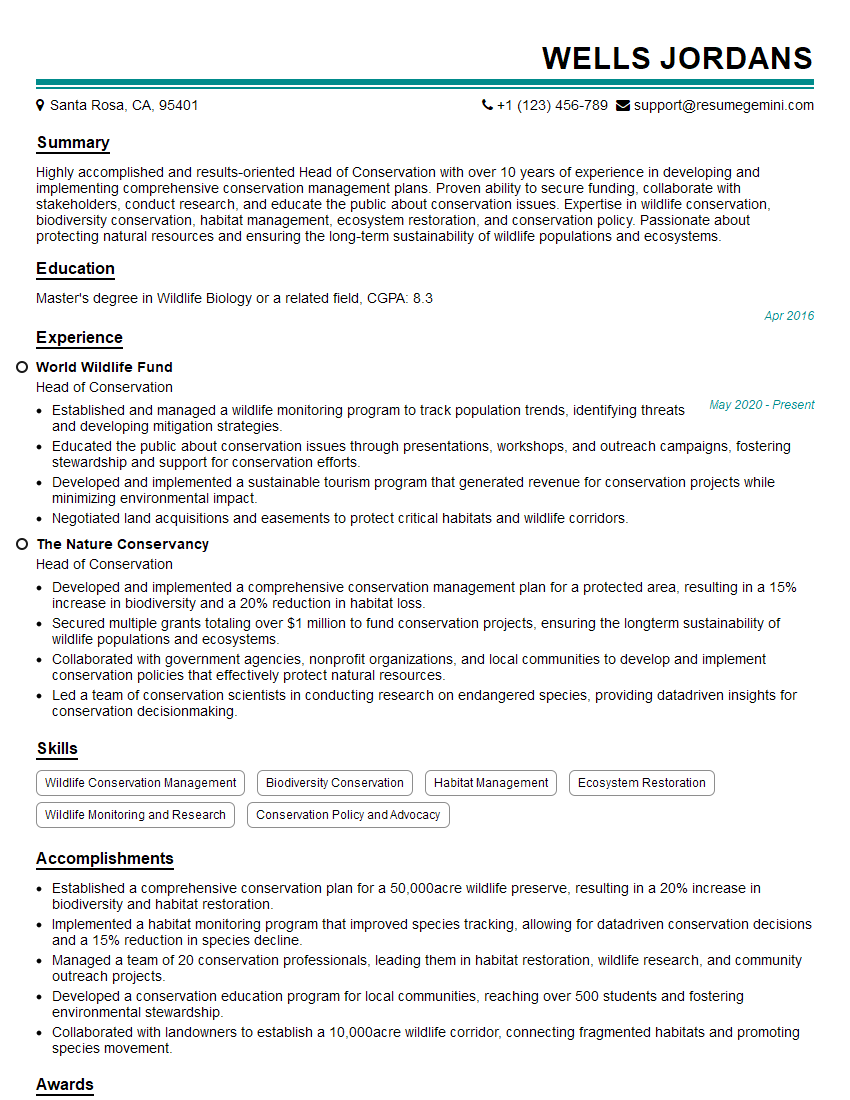
Head of Conservation Resume Sample
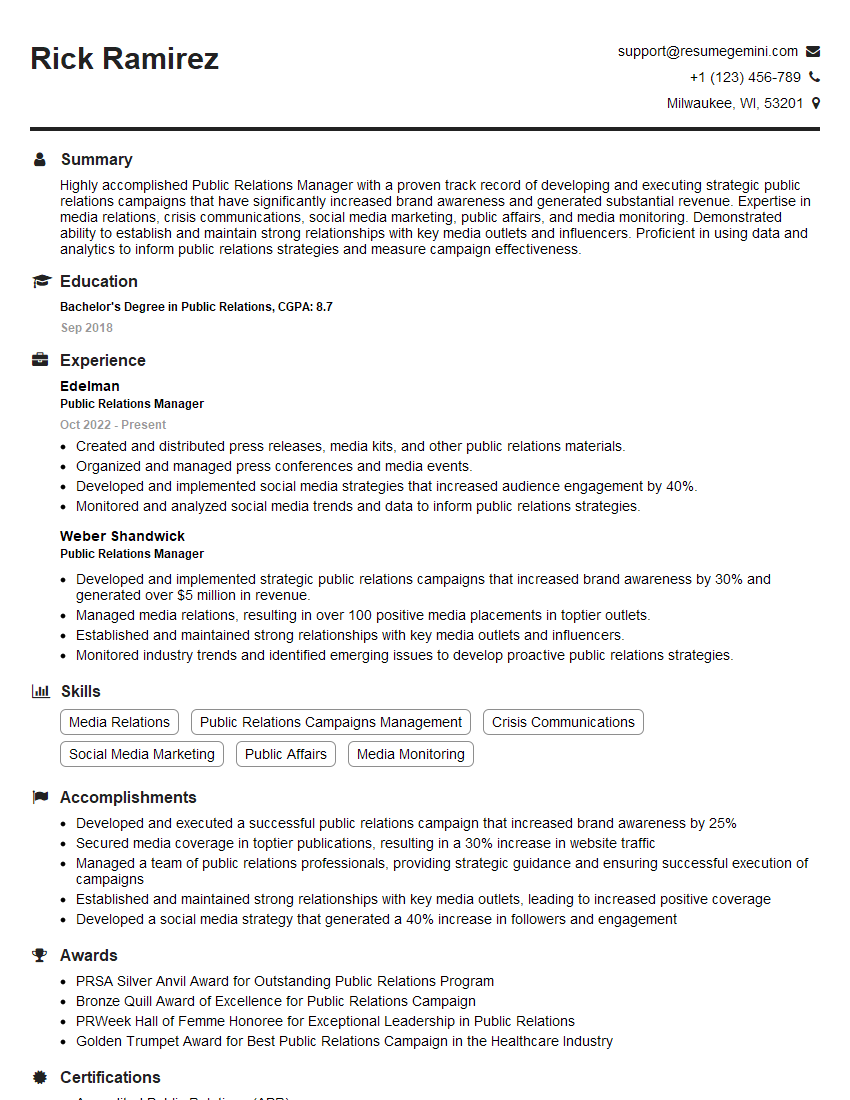
Public Relations Manager Resume Sample
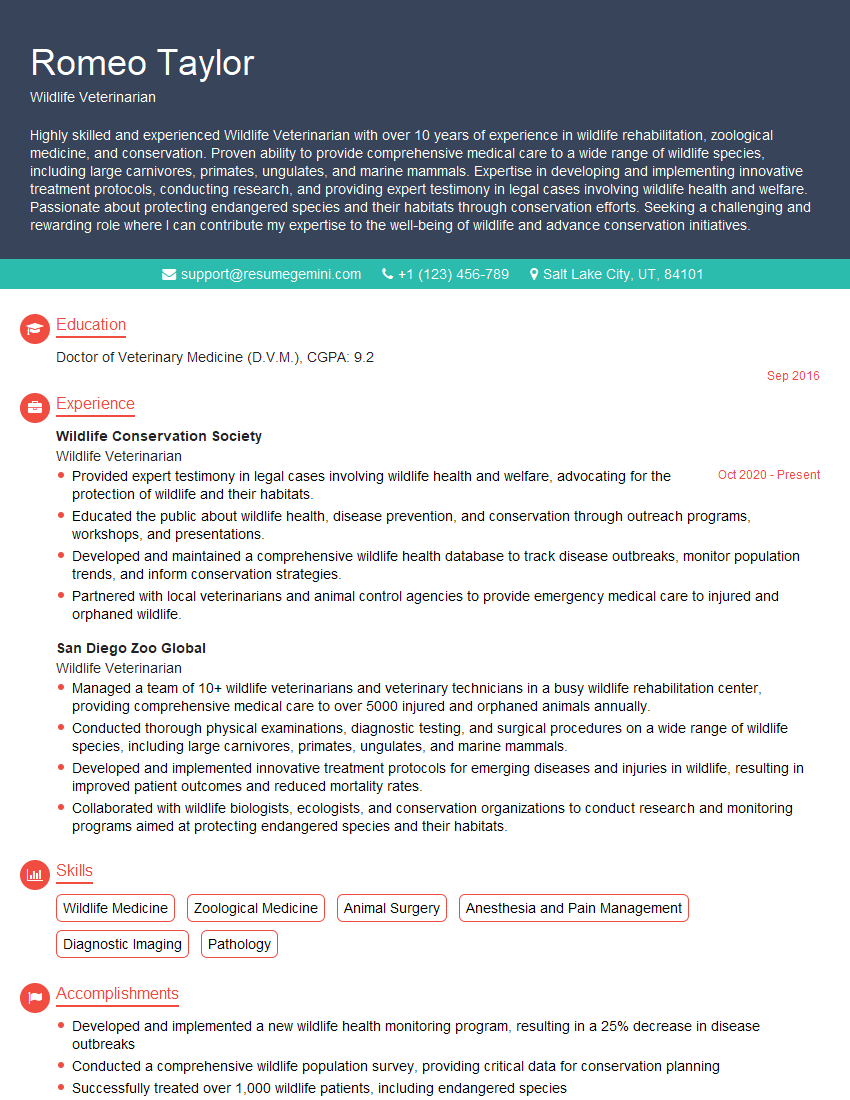
Wildlife Veterinarian Resume Sample
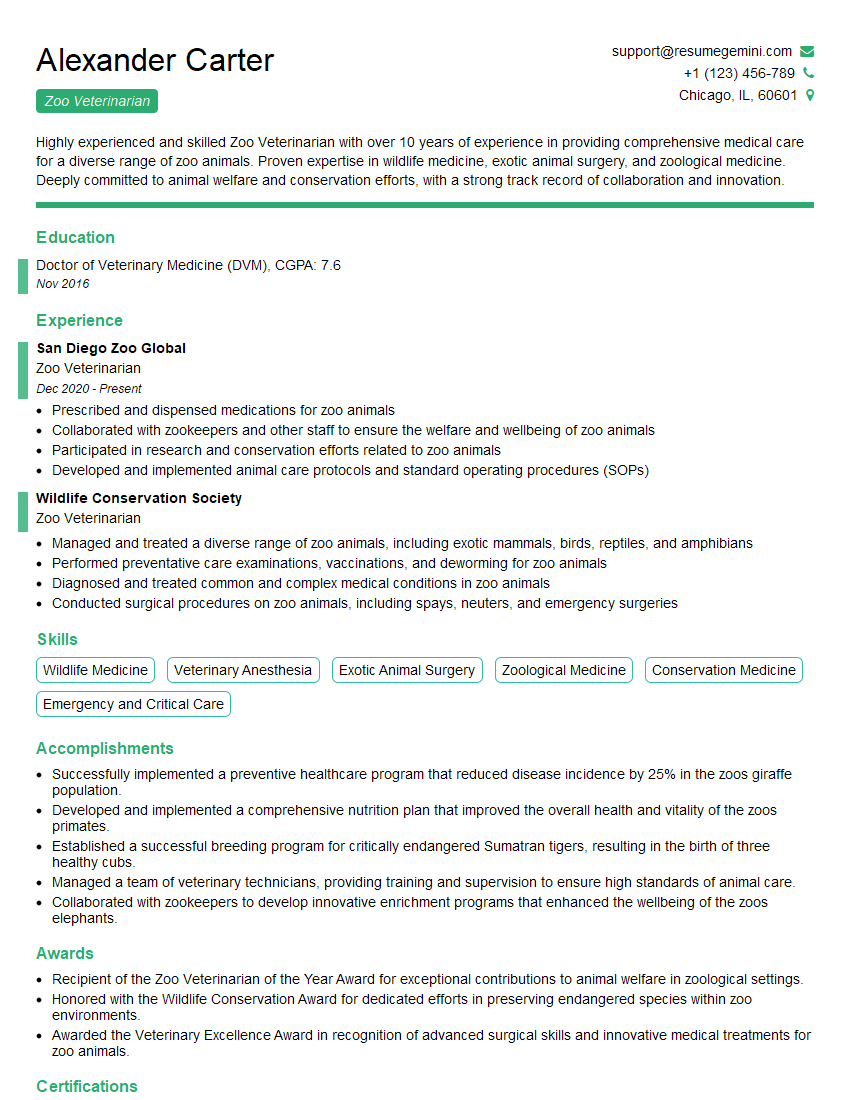
Zoo Veterinarian Resume Sample
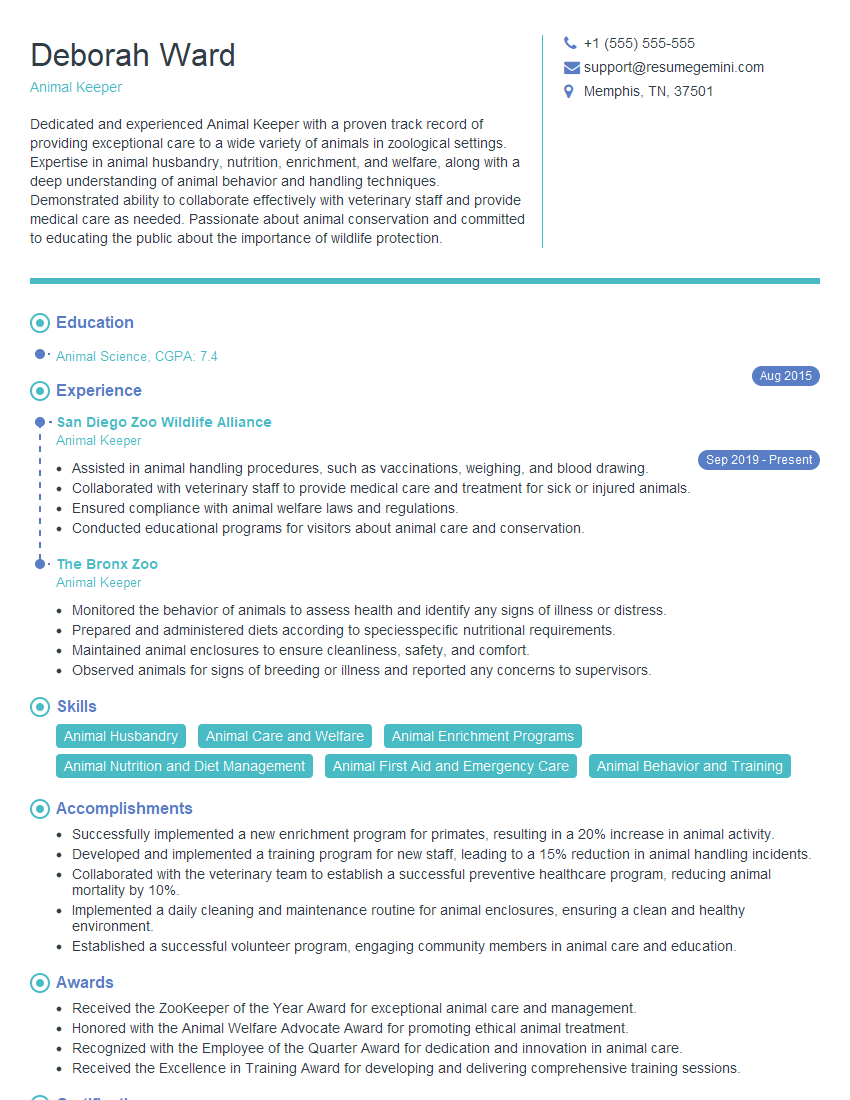
Animal Keeper Resume Sample
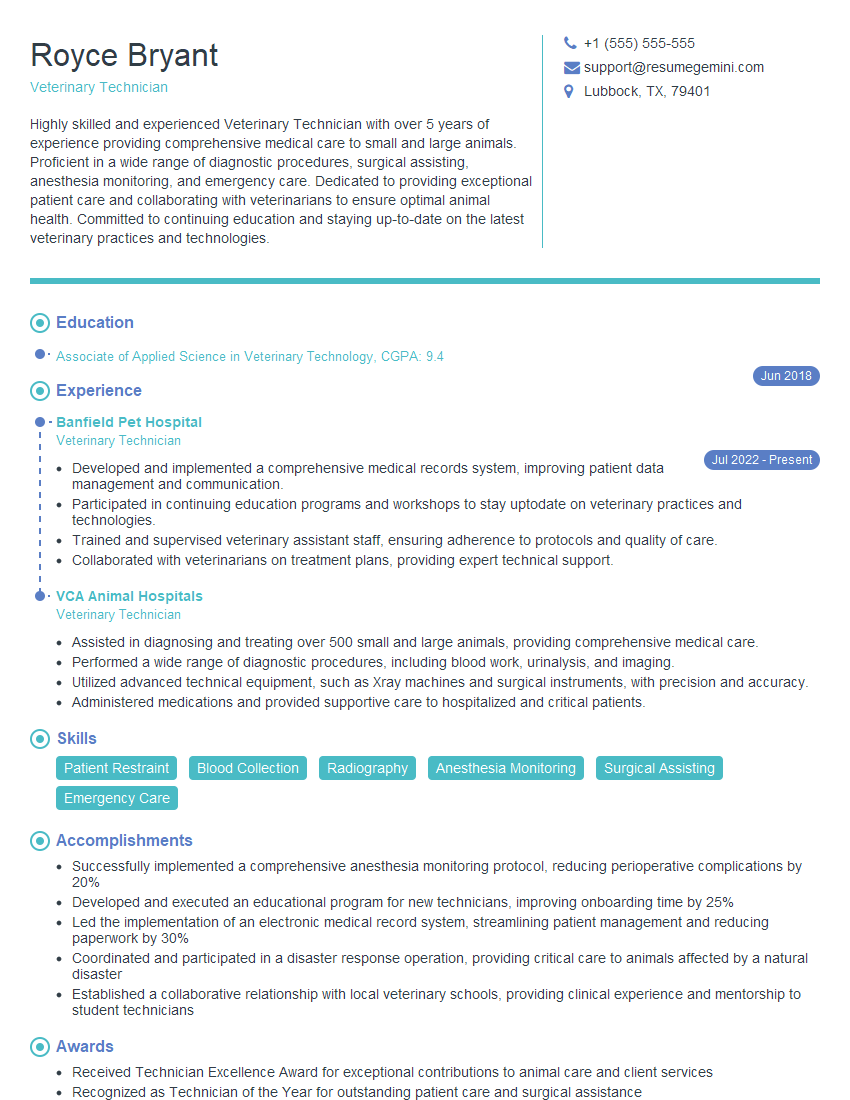
Veterinary Technician Resume Sample
- Facilities Manager
- Zoo Director
- Fundraising Manager
- Maintenance Supervisor
- Horticulturist
- Education Coordinator
- Research Scientist
- Animal Behaviorist
- Animal Nutritionist
- Zoologist
- Head of Conservation
- Public Relations Manager
- Wildlife Veterinarian
- Zoo Veterinarian
- Animal Keeper
- Veterinary Technician
Explore more articles
Users Rating of Our Blogs
Share Your Experience
We value your feedback! Please rate our content and share your thoughts (optional).
What Readers Say About Our Blog
Amazing blog
hello,
Our consultant firm based in the USA and our client are interested in your products.
Could you provide your company brochure and respond from your official email id (if different from the current in use), so i can send you the client’s requirement.
Payment before production.
I await your answer.
Regards,
MrSmith
hello,
Our consultant firm based in the USA and our client are interested in your products.
Could you provide your company brochure and respond from your official email id (if different from the current in use), so i can send you the client’s requirement.
Payment before production.
I await your answer.
Regards,
MrSmith
These apartments are so amazing, posting them online would break the algorithm.
https://bit.ly/Lovely2BedsApartmentHudsonYards
Reach out at BENSON@LONDONFOSTER.COM and let’s get started!
Take a look at this stunning 2-bedroom apartment perfectly situated NYC’s coveted Hudson Yards!
https://bit.ly/Lovely2BedsApartmentHudsonYards
Live Rent Free!
https://bit.ly/LiveRentFREE
Interesting Article, I liked the depth of knowledge you’ve shared.
Helpful, thanks for sharing.
Hi, I represent a social media marketing agency and liked your blog
Hi, I represent an SEO company that specialises in getting you AI citations and higher rankings on Google. I’d like to offer you a 100% free SEO audit for your website. Would you be interested?