The thought of an interview can be nerve-wracking, but the right preparation can make all the difference. Explore this comprehensive guide to Scheduling and Project Management interview questions and gain the confidence you need to showcase your abilities and secure the role.
Questions Asked in Scheduling and Project Management Interview
Q 1. Explain the difference between a Gantt chart and a PERT chart.
Both Gantt charts and PERT charts are visual tools used in project scheduling, but they differ in their focus and representation. A Gantt chart is a bar chart that illustrates the schedule of tasks, showing their duration and overlap. It’s excellent for visualizing project timelines and dependencies at a high level. Think of it as a roadmap showing when each task begins and ends. A PERT chart (Program Evaluation and Review Technique), on the other hand, focuses on task dependencies and the critical path—the sequence of tasks that determines the shortest possible project duration. It uses a network diagram to show the relationships between tasks, often including three time estimates (optimistic, pessimistic, and most likely) for each task to account for uncertainty.
Example: Imagine building a house. A Gantt chart would show the start and finish dates for tasks like ‘foundation,’ ‘framing,’ ‘electrical,’ etc., all on a timeline. A PERT chart would further illustrate the dependencies—you can’t start framing until the foundation is complete, and plumbing might need to happen concurrently with electrical work. The PERT chart would highlight the critical path (e.g., foundation, framing, roofing) as the path that dictates the overall project duration.
Q 2. Describe your experience with different project scheduling methodologies (e.g., Agile, Waterfall).
Throughout my career, I’ve successfully employed both Agile and Waterfall methodologies, tailoring my approach to the specific project needs. Waterfall is a sequential approach where each phase (requirements, design, implementation, testing, deployment) must be completed before the next begins. It’s suitable for projects with clearly defined requirements and minimal anticipated changes. I’ve used Waterfall on several large-scale infrastructure projects where changes were costly and needed careful planning.
Agile, conversely, is iterative and incremental, emphasizing flexibility and collaboration. It uses short development cycles (sprints) to deliver working software incrementally. I’ve led Agile projects in software development, where frequent feedback and adaptation to changing requirements were crucial for success. For example, in a recent web application project, we used Scrum, an Agile framework, to deliver features in two-week sprints, allowing for continuous improvement and stakeholder feedback.
My experience spans hybrid approaches as well, where aspects of both Waterfall and Agile are combined to leverage the strengths of each methodology depending on the project phase or specific tasks. For instance, using a phased Waterfall approach for the initial design and a subsequent Agile approach for the development phase.
Q 3. How do you handle schedule conflicts and resource constraints?
Schedule conflicts and resource constraints are common challenges in project management. My approach involves a multi-pronged strategy:
- Proactive Planning: Careful resource allocation during the planning phase is paramount. I utilize resource leveling techniques to distribute workloads effectively and identify potential conflicts early on. This may involve adjusting task durations, sequencing tasks differently, or bringing in additional resources.
- Prioritization: When conflicts arise, I work with stakeholders to prioritize tasks based on their criticality and impact on the project goals. This often involves a collaborative discussion to determine which tasks can be delayed or adjusted to accommodate resource limitations.
- Negotiation and Communication: Open communication with team members and stakeholders is vital. I work to find mutually acceptable solutions, explaining the constraints and involving everyone in the decision-making process. This fosters understanding and buy-in.
- Contingency Planning: I always build buffer time into the schedule to account for unforeseen delays or resource issues. This allows for flexibility in case of unexpected problems.
Example: In a recent project, we faced a conflict where two key developers were needed for two critical tasks simultaneously. By prioritizing tasks based on their impact on the project’s overall timeline, we adjusted task durations and successfully navigated the constraint, avoiding significant delays.
Q 4. What are the critical path and critical chain methods, and how do you apply them?
The critical path is the longest sequence of tasks in a project network that determines the shortest possible project duration. Any delay on the critical path directly impacts the project’s completion date. The critical chain method is a more sophisticated approach that accounts for resource constraints and individual team member uncertainties. It focuses on managing the constraints and buffering the critical chain, not individual tasks.
Application: I use the critical path method (CPM) to identify tasks that require the most attention and where delays would be most impactful. This informs resource allocation and risk mitigation strategies. For example, if a task on the critical path is consistently delayed, I’ll explore options like adding resources or streamlining the process. With critical chain, I focus on identifying resource bottlenecks and adding buffers at the chain level to protect the overall project timeline from individual task delays.
Example: In a software development project, the critical path might involve coding, testing, and deployment. Using the critical chain method, I’d focus on making sure the testers are available when the code is ready and there is sufficient capacity for deployment. Buffers are added to the whole chain to account for potential individual delays in coding, testing, and deployment.
Q 5. How do you identify and mitigate project risks?
Risk identification and mitigation is an ongoing process throughout a project’s lifecycle. My approach involves:
- Risk Register: I maintain a comprehensive risk register, documenting potential risks, their likelihood, impact, and proposed mitigation strategies.
- Risk Brainstorming Sessions: I conduct regular brainstorming sessions with the project team to identify potential risks proactively. This often involves using techniques like SWOT analysis and checklists specific to the project type.
- Qualitative and Quantitative Risk Analysis: I assess the likelihood and impact of identified risks using both qualitative (e.g., high, medium, low) and quantitative (e.g., probability and impact matrices) methods.
- Mitigation Strategies: For each identified risk, I develop mitigation strategies to reduce its likelihood or impact. These can include contingency plans, risk transfer (insurance), risk avoidance (changing project scope), or risk acceptance (acknowledging and monitoring the risk).
- Risk Monitoring and Control: I continually monitor identified risks throughout the project lifecycle, updating the risk register as needed and implementing contingency plans as required.
Example: In a construction project, a potential risk is inclement weather delaying the construction schedule. The mitigation strategy could involve purchasing weather insurance (risk transfer), adjusting the schedule to allow for potential delays (risk acceptance), or accelerating critical path tasks before expected bad weather (risk mitigation).
Q 6. What software or tools do you use for project scheduling and management?
My experience encompasses a range of project management software and tools. I’m proficient in using Microsoft Project for creating and managing Gantt charts, tracking progress, and analyzing resource allocation. For Agile projects, I frequently use Jira or Asana for task management, sprint planning, and collaborative work. These tools facilitate communication, track progress visually, and enable efficient collaboration among team members.
In addition, I utilize tools like MS Excel for data analysis, reporting, and creating custom dashboards to track key project metrics. My choice of tools depends on the project’s size, complexity, and the chosen methodology. For example, for smaller projects with limited resources, Asana’s simplicity and ease of use are beneficial. However, for larger projects with complex dependencies, the robust features of Microsoft Project are essential.
Q 7. Explain your experience with Earned Value Management (EVM).
Earned Value Management (EVM) is a project management technique that integrates scope, schedule, and cost to provide a comprehensive assessment of project performance. It uses three key metrics: Planned Value (PV), Earned Value (EV), and Actual Cost (AC).
- Planned Value (PV): The budgeted cost of work scheduled to be completed at a specific point in time.
- Earned Value (EV): The value of the work actually completed at a specific point in time.
- Actual Cost (AC): The actual cost incurred to complete the work up to a specific point in time.
Using these metrics, EVM calculates key performance indicators (KPIs) such as Schedule Variance (SV), Cost Variance (CV), Schedule Performance Index (SPI), and Cost Performance Index (CPI) to assess project performance and forecast future outcomes.
Example: Let’s say a project has a budget of $100,000 (PV) and is scheduled to be 50% complete at a specific point in time. If the actual work completed is only worth $40,000 (EV) and the cost to complete that work is $45,000 (AC), then the SV is -10,000 ($50,000 – $40,000), the CV is -5,000 ($40,000 – $45,000), SPI is 0.8, and CPI is 0.88. These metrics clearly indicate that the project is behind schedule and over budget.
I’ve used EVM on several projects to provide a holistic view of project performance, allowing for early detection of issues and proactive corrective action. It’s particularly useful for large, complex projects with significant financial implications.
Q 8. How do you create a project schedule from scratch?
Creating a project schedule from scratch involves a structured approach. It’s like building a house – you need a solid foundation before you start constructing the walls and roof. First, you define the project scope, breaking it down into smaller, manageable tasks. This process, called Work Breakdown Structure (WBS), is crucial. Think of it as creating a detailed blueprint. Each task needs a clear description, responsible party, and estimated duration. Then, you identify dependencies between these tasks – which tasks must be completed before others can begin? This is depicted in a network diagram or Gantt chart, showcasing the sequence and timing. For instance, you can’t install the roof (task B) before the walls are up (task A). We use tools like Microsoft Project or Smartsheet to visualize and manage these dependencies. Next, I estimate the duration of each task, considering factors like resource availability, complexity, and potential risks. Finally, I review and refine the schedule, incorporating feedback from stakeholders and potentially adjusting the timeline based on resource constraints or risk assessment. Iterative refinement is key; it’s not a one-time process.
- Define Scope & Create WBS: Break down the project into smaller, manageable tasks.
- Identify Task Dependencies: Determine the order in which tasks must be completed.
- Estimate Task Durations: Account for resource availability, complexity, and potential risks.
- Develop Schedule: Use a project management tool to visualize the schedule (Gantt chart, network diagram).
- Review & Refine: Iterate based on stakeholder feedback and resource constraints.
Q 9. Describe your approach to monitoring and controlling project schedules.
Monitoring and controlling project schedules is an ongoing process, not a one-time event. It’s like navigating a ship – you constantly need to adjust the course based on the conditions. My approach uses a combination of techniques. Regular status meetings with the team are crucial to track progress against the plan. We discuss completed tasks, identify roadblocks, and re-evaluate timelines as needed. I use project management software to track task completion, monitor resource allocation, and identify potential schedule slips. Key Performance Indicators (KPIs) such as task completion percentage, schedule variance, and cost variance are regularly reviewed. When deviations occur, I analyze the root cause. Was it due to underestimated task duration, resource unavailability, or unforeseen issues? Based on this analysis, we develop corrective actions, which might involve re-allocating resources, adjusting task durations, or communicating changes to stakeholders. Proactive risk management plays a vital role. Identifying potential risks early allows for proactive mitigation strategies, preventing unexpected delays.
Example KPI: Schedule Variance = Actual Progress - Planned ProgressQ 10. How do you communicate project status and progress to stakeholders?
Communicating project status effectively is paramount to keep stakeholders informed and engaged. Think of it as a regular heartbeat check-up for the project. My approach is tailored to the specific needs of each stakeholder group. For executive-level stakeholders, I provide high-level summaries, focusing on key milestones and overall progress. For team members, I communicate more granular details regarding their individual tasks and dependencies. I use a multi-channel communication strategy, utilizing various tools depending on the audience and the urgency of the information. Regular progress reports (weekly or bi-weekly) are distributed, incorporating visualizations like Gantt charts or progress dashboards. For urgent updates or critical issues, I leverage email or instant messaging for quick communication. In addition to formal reports, I hold regular status meetings to foster open dialogue and address concerns. Transparency and honesty are key to building trust and maintaining credibility. Finally, any changes to the schedule or scope are communicated proactively to avoid surprises and ensure stakeholders remain aligned with the project’s direction.
Q 11. How do you handle scope creep?
Scope creep, the uncontrolled expansion of project requirements, is a major threat to schedules and budgets. It’s like building an addition to a house without proper planning – it can destabilize the entire structure. My approach involves proactive prevention and reactive management. Prevention involves establishing a clearly defined scope at the project outset, documented in a detailed scope statement and signed off by stakeholders. Any change requests are formally documented, analyzed for their impact on the schedule and budget, and approved through a formal change control process. This ensures that all changes are evaluated and not simply accepted. For reactive management, when scope creep does occur (which it often does), I use a change request system where any change is formally submitted, assessed for its impact (time, cost, resources), and prioritized. If a change is approved, the schedule and budget are updated accordingly, and stakeholders are notified. In many cases, we find alternatives and compromises to balance adding features with maintaining the project timeline and budget.
Q 12. Describe a time you had to make a difficult scheduling decision. What was the outcome?
In a previous project involving software development, we faced a critical delay in the delivery of a key component from a third-party vendor. This component was on the critical path, meaning any delay would impact the overall project completion date. We had two options: wait for the vendor, risking a significant project delay, or find an alternative solution. Waiting would have incurred penalties and risked missing a crucial market window. The alternative was to develop a temporary workaround within our team, which would be less efficient but would keep the project on track. This involved additional work and overtime. The decision to develop the workaround was difficult because it involved increased costs and pressure on the team. However, the outcome was positive. We successfully launched the project on time, minimizing the overall impact of the vendor delay, and learning a valuable lesson about vendor risk management and contingency planning. While the temporary workaround was more expensive, it avoided far greater penalties and risks associated with missing deadlines.
Q 13. What is your experience with buffer management in project scheduling?
Buffer management is crucial for absorbing unexpected delays and ensuring project success. Buffers are like airbags in a car – they provide a cushion to absorb shocks. I use two main types of buffers: time buffers and resource buffers. Time buffers are added to the project schedule to account for potential delays in tasks. These are strategically placed along the critical path or on tasks with high uncertainty. Resource buffers involve assigning extra resources to critical tasks, allowing for faster completion even if unforeseen issues arise. The size of the buffer depends on the risk level associated with the task or the project as a whole. High-risk projects or tasks with high uncertainty require larger buffers. It’s vital to monitor buffer utilization throughout the project and adjust them based on actual progress and emerging risks. Overly large buffers can lead to resource waste; too small buffers leave the project vulnerable to delays. Determining the optimal buffer size requires experience and careful risk assessment. A common approach is to use a percentage of the task duration, usually between 10% and 20%, for tasks with uncertainty or dependency on external factors.
Q 14. Explain your understanding of the critical path method (CPM).
The Critical Path Method (CPM) is a project management technique used to identify the longest sequence of tasks in a project, known as the critical path. These tasks determine the shortest possible duration to complete the project. Imagine it as the most congested route on a highway; any delay on this path will delay the entire journey. CPM uses a network diagram to represent the tasks and their dependencies. Each task has a duration, and the total duration of the critical path determines the minimum project duration. Any delay on the critical path directly impacts the project completion date. CPM helps prioritize tasks on the critical path, allowing for focused resource allocation and risk management. Identifying the critical path enables proactive measures to prevent delays, such as adding buffers, allocating additional resources, or closely monitoring progress on critical tasks. Software tools like Microsoft Project often automatically calculate the critical path and highlight it in the project schedule, making it easy to identify and manage.
Q 15. How do you ensure accuracy in your project schedule estimations?
Accurate project schedule estimations are crucial for success. They’re not about guesswork; they’re built on a foundation of detailed planning and realistic assessment. My approach involves several key steps:
- Work Breakdown Structure (WBS): I begin by meticulously breaking down the project into smaller, manageable tasks. This granular level of detail allows for more precise time estimations for each component.
- Three-Point Estimating: Instead of a single guess, I use three-point estimating, considering optimistic, pessimistic, and most likely scenarios for each task’s duration. This helps account for uncertainty and variability. For example, if a task’s optimistic estimate is 2 days, pessimistic is 8 days, and most likely is 5 days, the weighted average provides a more robust estimate.
- Historical Data Analysis: I leverage past project data to inform my estimations. By analyzing similar tasks from previous projects, I can identify trends and refine my predictions. This historical context provides valuable insights into potential challenges and resource requirements.
- Expert Consultation: I actively involve subject matter experts (SMEs) in the estimation process. Their insights provide a reality check and help identify potential risks or unforeseen complexities that might affect the schedule.
- Contingency Buffer: Finally, I always incorporate a contingency buffer into the overall schedule. This buffer accounts for unexpected delays or issues that inevitably arise in any project. This buffer is crucial for managing risk and ensuring project completion within a reasonable timeframe.
By combining these methods, I strive for estimations that are both realistic and accurate, minimizing the risk of schedule slippage.
Career Expert Tips:
- Ace those interviews! Prepare effectively by reviewing the Top 50 Most Common Interview Questions on ResumeGemini.
- Navigate your job search with confidence! Explore a wide range of Career Tips on ResumeGemini. Learn about common challenges and recommendations to overcome them.
- Craft the perfect resume! Master the Art of Resume Writing with ResumeGemini’s guide. Showcase your unique qualifications and achievements effectively.
- Don’t miss out on holiday savings! Build your dream resume with ResumeGemini’s ATS optimized templates.
Q 16. How familiar are you with resource leveling?
Resource leveling is a crucial technique in project scheduling. It’s all about optimizing the allocation of resources – be it people, equipment, or materials – to balance workload and prevent over-allocation or under-utilization. I’m highly familiar with various resource leveling strategies.
Imagine a scenario where multiple tasks require the same specialized skillset, potentially leading to resource conflicts. Resource leveling techniques help to resolve such issues. Tools like Microsoft Project or Primavera P6 offer built-in functionalities for resource leveling, allowing for the analysis of resource utilization and adjustment of schedules to optimize resource availability.
My approach involves:
- Identifying Resource Conflicts: Utilizing project management software to visually identify resource over-allocation.
- Prioritization: Prioritizing tasks based on criticality and dependencies.
- Schedule Adjustment: Shifting task start and finish dates within constraints to level out resource demands.
- Resource Acquisition: If leveling isn’t sufficient, exploring options like hiring additional resources or outsourcing certain tasks.
Effective resource leveling ensures efficient resource utilization, minimizes project delays due to resource constraints, and enhances overall project efficiency.
Q 17. How do you manage dependencies between tasks in a project schedule?
Managing task dependencies is paramount in creating a realistic and achievable project schedule. Dependencies define the relationships between tasks; one task cannot begin until its predecessor is complete. I use a combination of methods to accurately define and manage these dependencies.
- Precedent Diagramming Method (PDM): This is my preferred approach, visually representing task dependencies using a network diagram. Each task is represented by a node, and arrows show the dependencies between them. This offers a clear and concise view of the project’s flow and critical path.
- Dependency Types: I carefully classify dependencies into different types – Finish-to-Start (FS), Finish-to-Finish (FF), Start-to-Start (SS), and Start-to-Finish (SF) – to accurately reflect the relationship between tasks. For example, a ‘Finish-to-Start’ dependency means task B cannot start until task A is finished.
- Software Tools: Project management software like MS Project or Primavera P6 makes it easy to define and track dependencies, automatically calculating critical paths and identifying potential delays.
- Regular Review and Updates: I routinely review and update the dependency diagram throughout the project lifecycle. Changes in project scope or unforeseen issues necessitate adjustments to dependencies to maintain accuracy.
Properly managing dependencies prevents schedule disruptions by ensuring tasks are sequenced correctly and resources are available when needed.
Q 18. How do you deal with unexpected delays or issues during a project?
Unexpected delays and issues are inevitable in project management. My approach to handling them focuses on proactive mitigation and reactive problem-solving.
- Risk Management Plan: A comprehensive risk management plan, created at the outset of the project, identifies potential risks and outlines mitigation strategies. This proactive approach helps minimize the impact of unforeseen events.
- Change Control Process: A formal change control process ensures that any necessary changes to the schedule or scope are documented, evaluated, and approved before implementation, preventing unplanned disruptions.
- Problem-Solving Framework: When issues arise, I utilize a structured problem-solving framework, such as the 5 Whys technique, to identify the root cause of the delay and develop appropriate solutions. This ensures that the underlying problem is addressed, not just the symptoms.
- Communication: Open and transparent communication with stakeholders is critical. I keep everyone informed of delays, their impact, and the steps being taken to address them. This fosters understanding and cooperation.
- Schedule Re-evaluation: After resolving the issue, I re-evaluate the project schedule to incorporate the changes and determine the new completion date. This requires updating the project plan to reflect the reality of the situation.
My goal is to minimize the impact of unexpected delays and keep the project on track, or at least to manage expectations realistically.
Q 19. What metrics do you use to track project progress and schedule performance?
Tracking project progress and schedule performance requires a robust set of metrics. I rely on several key indicators:
- Schedule Variance (SV): This measures the difference between the planned and actual progress. A positive SV indicates ahead-of-schedule progress, while a negative SV signifies a delay.
- Schedule Performance Index (SPI): This shows the efficiency of the schedule. An SPI greater than 1 indicates that the project is progressing faster than planned, while an SPI less than 1 suggests a slowdown.
- Critical Path Method (CPM): Monitoring the critical path – the sequence of tasks that determine the shortest possible project duration – allows for proactive identification of potential delays.
- Earned Value Management (EVM): EVM provides a comprehensive approach to measuring project performance by integrating scope, schedule, and cost data. Key metrics include Earned Value (EV), Planned Value (PV), and Actual Cost (AC).
- Burn-down Charts: These visually represent the remaining work against the schedule, providing a clear picture of progress and potential challenges.
By regularly monitoring these metrics, I can identify potential problems early and take corrective action before they significantly impact the project schedule.
Q 20. What is your process for reporting on project schedule performance?
My process for reporting on project schedule performance is designed for clarity, accuracy, and actionable insights. I typically use a combination of methods:
- Regular Status Meetings: I conduct regular meetings with the project team and stakeholders to discuss progress, address issues, and review schedule performance against the baseline. This promotes transparency and enables prompt action on any problems.
- Visual Reports: I use visual aids like Gantt charts, burn-down charts, and other dashboards to illustrate progress, highlighting areas of concern and successes. Visual representations are easily understandable and facilitate quick comprehension.
- Written Reports: I prepare comprehensive written reports summarizing project performance, including key metrics like SV, SPI, and critical path analysis. These reports provide a detailed record of progress and inform decision-making.
- Red-Yellow-Green System: To quickly communicate overall project health, I utilize a simple color-coded system. Green signifies that the project is on track, yellow indicates potential issues that need monitoring, and red indicates critical problems requiring immediate attention.
- Proactive Communication: Rather than waiting for problems to become critical, I proactively communicate potential schedule risks and deviations to stakeholders, allowing for timely intervention and mitigation strategies.
My goal is to provide timely, accurate, and actionable insights to stakeholders, allowing them to make informed decisions and manage expectations effectively.
Q 21. Explain your experience with project baselining.
Project baselining is a critical step in project management. It involves formally establishing a performance measurement baseline – a snapshot of the project plan at a specific point in time. This baseline serves as a benchmark against which future performance is measured. It’s not just a static document; it’s a living reference point.
My experience includes:
- Establishing the Baseline: This typically happens after the project plan has been finalized and approved. It involves capturing the approved schedule, budget, and scope, establishing a clear baseline for tracking progress.
- Change Management: Any changes to the baseline are rigorously managed through a formal change control process, ensuring that changes are documented, reviewed, approved, and then incorporated into an updated baseline. This maintains the integrity of the project’s reference point.
- Variance Analysis: The baseline is essential for variance analysis. By comparing actual performance against the baseline, I can identify variances (deviations) in schedule, budget, or scope. This is critical for taking corrective actions and adjusting plans as needed.
- Performance Reporting: The baseline provides the foundation for performance reports, allowing for the accurate measurement of schedule performance against the original plan.
- Software Support: I utilize project management software to establish and maintain the baseline, simplifying the process and facilitating accurate tracking of variances.
In essence, project baselining provides a stable reference point, allowing for objective measurement of progress and effective management of project performance.
Q 22. How do you identify and manage project constraints?
Identifying and managing project constraints is crucial for successful project delivery. Constraints are limitations that restrict options and impact the project’s scope, schedule, or budget. They can be categorized as time, cost, scope, resources, or even legal and regulatory factors.
My approach involves a proactive three-step process:
- Identification: I begin by brainstorming with the project team, stakeholders, and subject matter experts to identify potential constraints. This often involves reviewing project documentation, conducting risk assessments, and holding workshops. For instance, in a software development project, constraints could include limited developer availability, dependency on third-party APIs, or regulatory compliance deadlines.
- Analysis: Once identified, I analyze the impact of each constraint. This involves assessing the severity, likelihood, and potential mitigation strategies. For example, limited developer availability might necessitate adjusting the project timeline or prioritizing features. We use tools like critical path analysis to understand the dependencies and impact of constraints on the overall schedule.
- Mitigation and Management: Based on the analysis, we develop strategies to mitigate or manage the constraints. This could involve negotiating extended deadlines, reallocating resources, adjusting the scope, or implementing risk response plans. Regular monitoring and progress tracking are crucial to ensure the effectiveness of these strategies. For example, weekly progress meetings and the use of burn-down charts help us track progress against the constraints and adjust plans as needed.
Q 23. Describe your experience working with different project management software (e.g., MS Project, Jira).
I have extensive experience with various project management software, including Microsoft Project, Jira, and Asana. My proficiency extends beyond simply using these tools; I understand their strengths and weaknesses in different project contexts.
Microsoft Project: I’ve used MS Project extensively for managing complex, traditional projects with well-defined scopes and dependencies. Its Gantt chart capabilities are invaluable for visualizing schedules, identifying critical paths, and managing resources efficiently. For instance, in a construction project, I used MS Project to track the progress of various teams, manage resource allocation (e.g., assigning specific equipment and personnel to different tasks), and monitor deadlines effectively.
Jira: Jira is my go-to tool for Agile projects, particularly software development. Its Kanban and Scrum board functionalities, issue tracking, and reporting capabilities are ideal for managing iterative development, tracking sprints, and monitoring progress in real-time. I’ve utilized Jira to manage backlogs, assign tasks to developers, track sprint progress and velocity, and generate reports on project performance. A key benefit is its ability to seamlessly integrate with other development tools.
Asana: I’ve used Asana for smaller projects and teams, appreciating its simplicity and collaborative features. Its task management, timeline views, and communication tools are excellent for projects requiring less complex scheduling and resource management compared to MS Project or Jira.
Q 24. How do you prioritize tasks in a project schedule?
Task prioritization is crucial for efficient project management. My approach combines several techniques, depending on the project’s context and goals.
- MoSCoW Method: This helps categorize tasks into Must have, Should have, Could have, and Won’t have. This prioritization framework ensures that critical tasks are addressed first.
- Prioritization Matrix (Eisenhower Matrix): I use this matrix to categorize tasks based on urgency and importance. This helps focus on urgent and important tasks first, delegate less urgent but important ones, and eliminate or postpone less important tasks.
- Value vs. Effort: I often plot tasks on a matrix showing their relative value to the project’s goals versus the effort required to complete them. This highlights high-value, low-effort tasks for early completion.
- Dependency Analysis: I identify task dependencies to ensure tasks are prioritized logically. A task with many dependencies might need to be prioritized earlier than seemingly simpler ones.
Ultimately, the chosen technique depends on the project’s specific needs and stakeholder input. For example, in a marketing campaign, I might prioritize tasks based on their impact on conversion rates or customer engagement metrics. Regular review and adjustments are also important as project priorities may evolve.
Q 25. What is your approach to resolving schedule conflicts between different project teams?
Resolving schedule conflicts between project teams requires collaborative communication, negotiation, and a clear understanding of project dependencies. My approach involves these steps:
- Identify the Conflict: Clearly define the nature and extent of the conflict, including the specific tasks or resources involved and the teams affected.
- Facilitate Communication: Bring the involved teams together to discuss the conflict openly. Create a safe environment for each team to express their concerns and perspectives.
- Analyze Dependencies: Identify the critical path and any dependencies that contribute to the conflict. Understanding these dependencies allows for informed decision-making.
- Explore Solutions: Brainstorm potential solutions collaboratively. This could include adjusting timelines, reallocating resources, re-prioritizing tasks, or even re-negotiating project scopes. Sometimes, trade-offs are necessary.
- Negotiate and Decide: Based on the proposed solutions, negotiate a mutually acceptable resolution that considers the needs and constraints of each team. Documentation of the agreed-upon solution is essential.
- Monitor and Adjust: Continuously monitor the situation to ensure the chosen solution effectively resolves the conflict and doesn’t create new problems.
For example, if one team requires access to a shared resource that another team also needs, we might negotiate a shared access schedule or find an alternative resource.
Q 26. How do you ensure that your project schedules are realistic and achievable?
Ensuring realistic and achievable project schedules requires a meticulous approach to planning and estimation. I use a combination of techniques:
- Realistic Estimation: Avoid optimistic estimations. I encourage the team to provide realistic estimates based on their experience, considering potential risks and uncertainties. Techniques like three-point estimation (optimistic, most likely, pessimistic) help account for variability.
- Bottom-Up Scheduling: I advocate for a bottom-up approach where individual tasks are estimated and then aggregated to create the overall project schedule. This provides greater accuracy than top-down estimations.
- Resource Allocation: Account for resource availability and limitations when creating the schedule. Over-allocating resources can lead to unrealistic timelines.
- Critical Path Analysis: Identify the critical path (the sequence of tasks that determine the shortest possible project duration) to pinpoint potential bottlenecks and focus on optimizing those critical tasks.
- Contingency Planning: Build in buffer time to account for unforeseen delays or issues. This makes the schedule more robust and less susceptible to disruptions.
- Regular Review and Adjustment: Regularly review the schedule against actual progress and adjust accordingly. This ensures the schedule remains relevant and achievable.
For example, in a software project, I might add a buffer of 10% to the estimated development time to account for unexpected bugs or technical challenges.
Q 27. Describe your experience with Agile project scheduling and sprint planning.
My experience with Agile project scheduling and sprint planning is extensive. Agile methodologies emphasize iterative development and flexibility, requiring a different approach to scheduling compared to traditional waterfall methods.
Sprint Planning: I facilitate sprint planning sessions where the team collaboratively selects tasks from the product backlog for the upcoming sprint. We consider the sprint’s capacity, team velocity (the amount of work the team can complete in a sprint), and dependencies between tasks. The outcome is a sprint backlog—a list of tasks committed to for the sprint.
Daily Scrum Meetings: I lead or participate in daily Scrum meetings where the team discusses progress, identifies impediments, and plans the day’s work. This daily check-in ensures that the sprint remains on track.
Sprint Reviews and Retrospectives: I participate in sprint reviews to demonstrate completed work to stakeholders and gather feedback. Sprint retrospectives help the team identify areas for improvement in their processes and planning for future sprints.
Tools: I typically use tools like Jira or Asana to manage Agile projects, utilizing their Kanban or Scrum board functionalities to visualize workflow, track progress, and manage the sprint backlog. The focus is on delivering working software incrementally and adapting to change along the way.
For instance, in a recent web application development project, we used a two-week sprint cycle. Each sprint involved planning, development, testing, and a final demonstration to the client. This iterative approach allowed us to adapt to changing requirements and deliver value early and often.
Q 28. How do you handle changes to project requirements that impact the schedule?
Handling changes to project requirements that impact the schedule requires a structured and controlled approach. My process includes:
- Change Request Process: Establish a formal process for submitting and reviewing change requests. This involves documenting the change, assessing its impact on the schedule, budget, and scope, and obtaining stakeholder approval.
- Impact Assessment: Carefully evaluate the impact of the change request on the existing schedule. This often involves updating the project schedule and critical path analysis to understand the ripple effects.
- Reprioritization: If necessary, re-prioritize tasks to accommodate the change. This might involve delaying some tasks, accelerating others, or adjusting the project scope.
- Communication: Communicate the change and its implications to all relevant stakeholders, ensuring transparency and alignment.
- Schedule Update: Update the project schedule to reflect the approved changes. Ensure the updated schedule is realistic and achievable.
For example, if a new feature is added during the development phase, we assess its impact on the schedule, potentially adjusting the sprint backlog and potentially extending the project timeline. The client is informed of the impact and the new timeline.
Key Topics to Learn for Scheduling and Project Management Interview
- Project Initiation & Planning: Understanding project lifecycles, defining scope, identifying stakeholders, and creating detailed project plans. Practical application: Describe your experience in defining project scope and managing stakeholder expectations.
- Scheduling Techniques: Mastering Gantt charts, critical path method (CPM), and other scheduling tools. Practical application: Explain how you’ve used scheduling tools to manage complex projects and mitigate risks.
- Resource Allocation & Management: Efficiently assigning and managing resources (human, financial, material) throughout the project lifecycle. Practical application: Describe a situation where you optimized resource allocation to meet deadlines and budget constraints.
- Risk Management & Mitigation: Identifying, assessing, and mitigating potential project risks. Practical application: Explain your approach to proactively identifying and addressing potential project roadblocks.
- Communication & Collaboration: Effectively communicating project status, managing stakeholder expectations, and fostering teamwork. Practical application: Describe your experience in leading team meetings and ensuring clear communication channels.
- Monitoring & Controlling: Tracking project progress, identifying deviations from the plan, and implementing corrective actions. Practical application: Explain how you’ve used KPIs and other metrics to monitor project performance and make data-driven decisions.
- Project Closure & Evaluation: Formally closing out the project, conducting post-project reviews, and documenting lessons learned. Practical application: Describe a post-project review you conducted and the actionable insights you gained.
- Agile Methodologies (Optional): Understanding and applying agile principles like Scrum or Kanban. Practical application: Describe your experience working in an agile environment (if applicable).
Next Steps
Mastering Scheduling and Project Management is crucial for career advancement, opening doors to leadership roles and higher earning potential. A well-crafted resume is your key to unlocking these opportunities. Creating an ATS-friendly resume is essential to ensure your application gets noticed by recruiters. ResumeGemini is a trusted resource to help you build a professional and impactful resume that showcases your skills and experience effectively. We offer examples of resumes tailored to Scheduling and Project Management to help guide you.
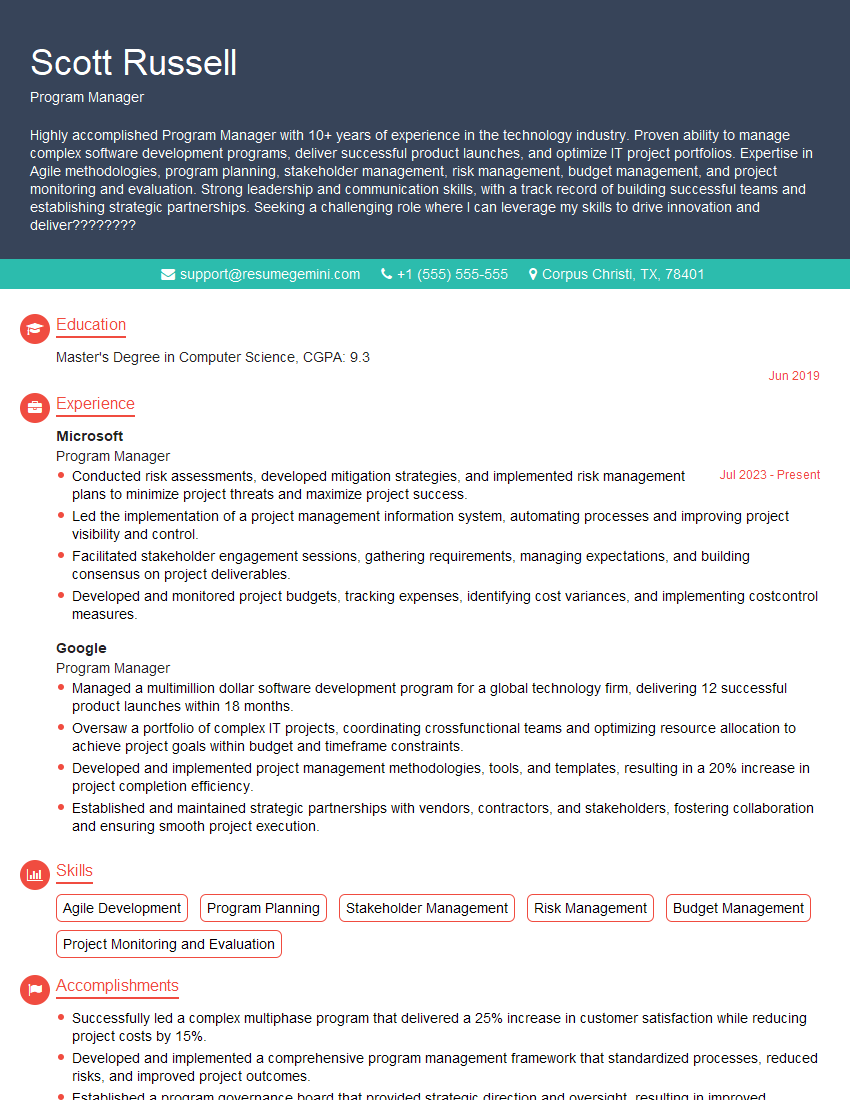
Program Manager Resume Sample

Operations Manager Resume Sample
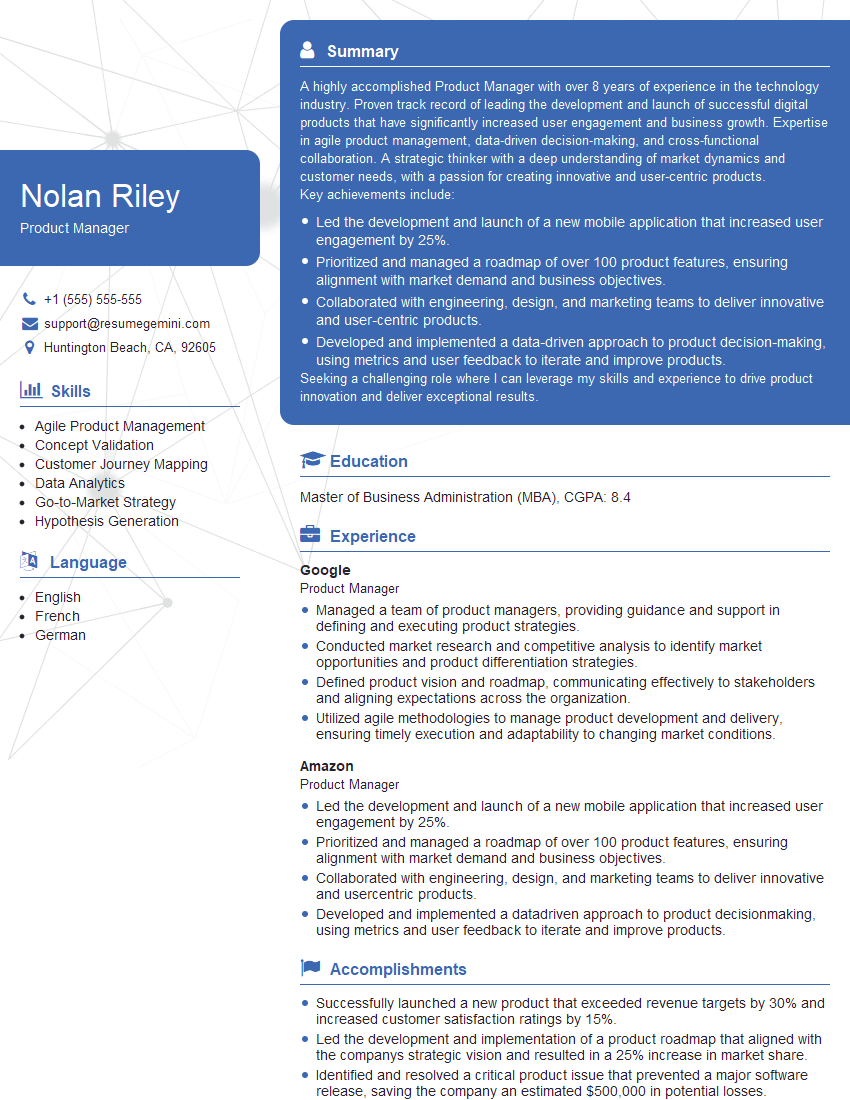
Product Manager Resume Sample
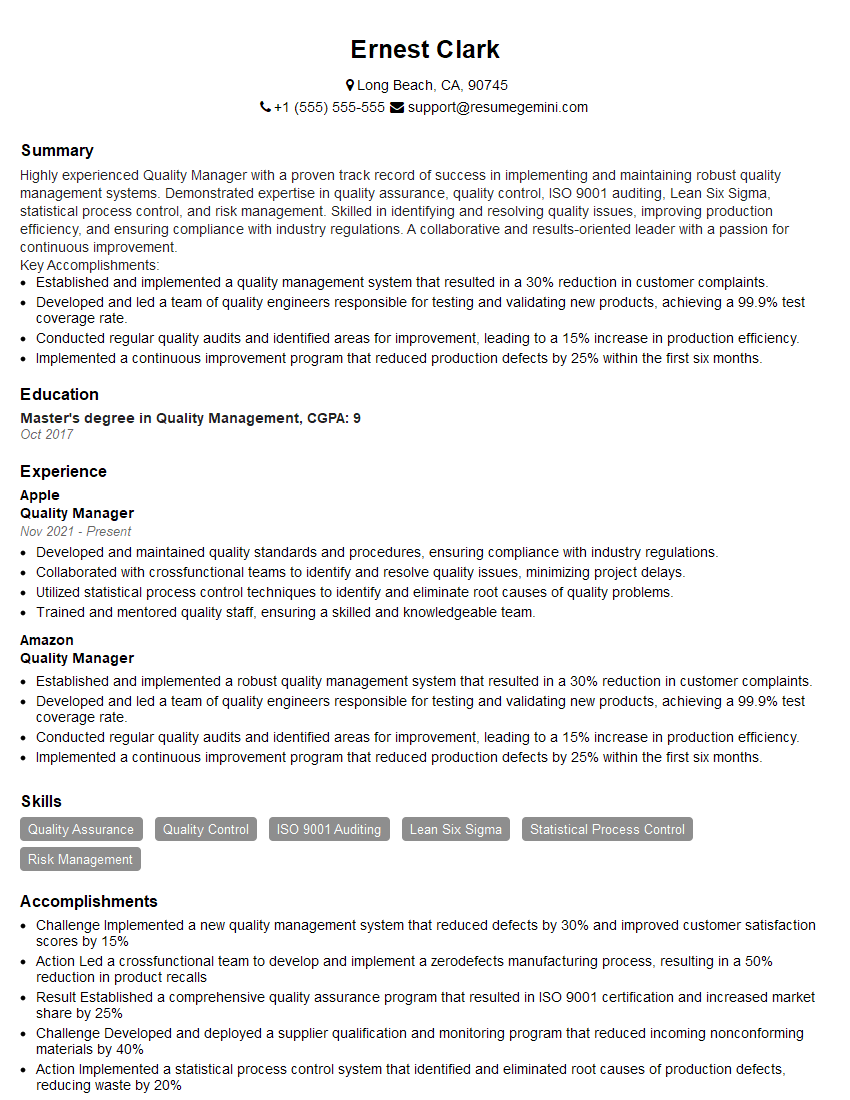
Quality Manager Resume Sample
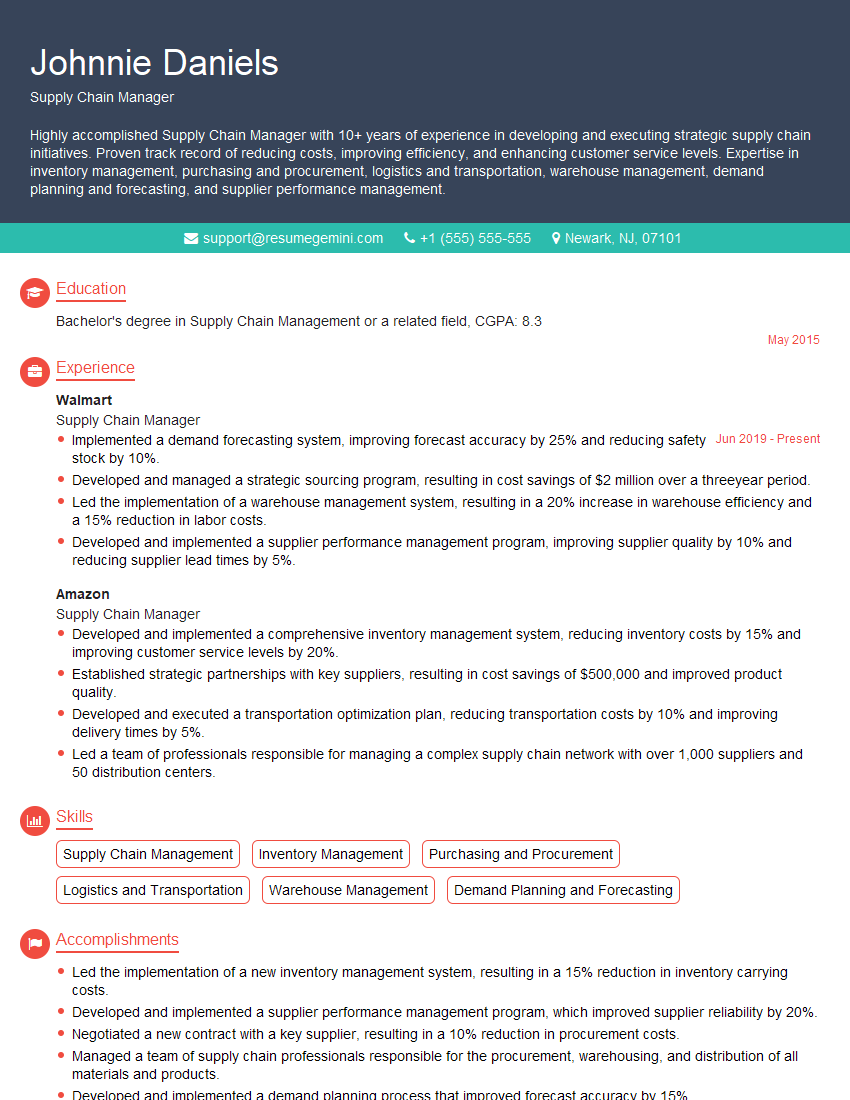
Supply Chain Manager Resume Sample
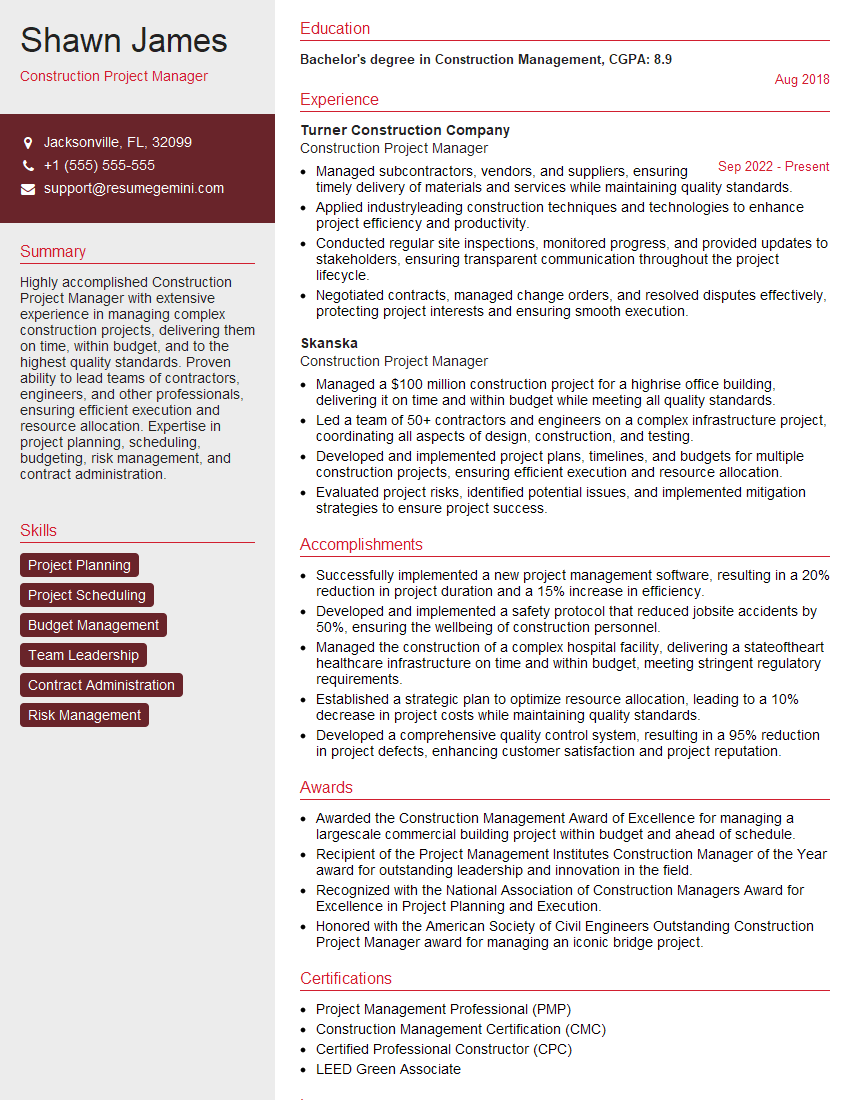
Construction Project Manager Resume Sample
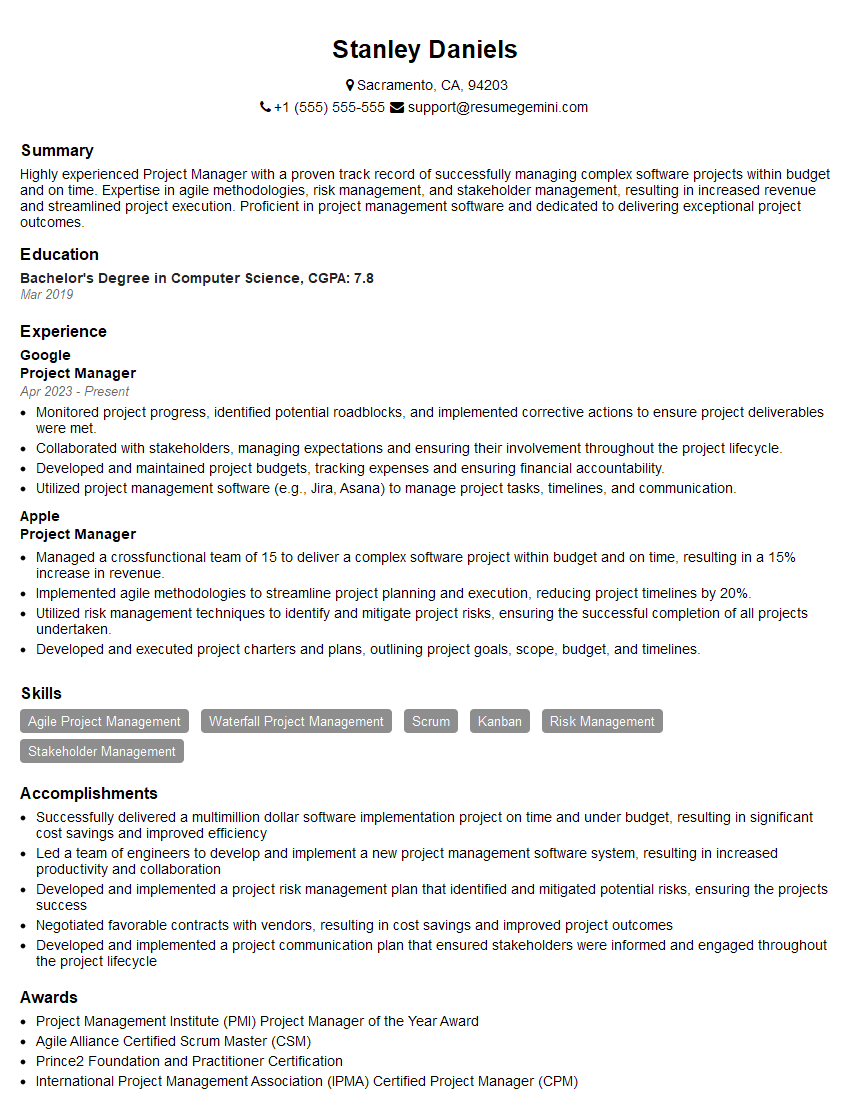
Project Manager Resume Sample
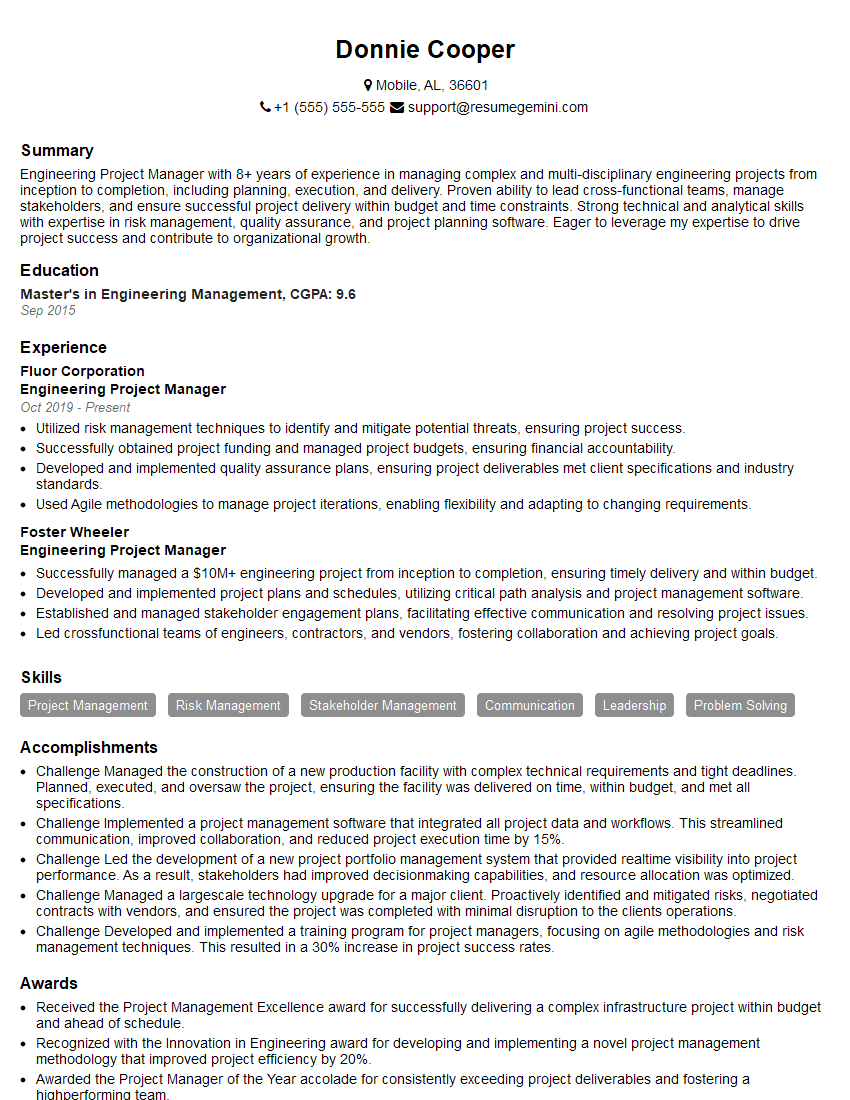
Engineering Project Manager Resume Sample
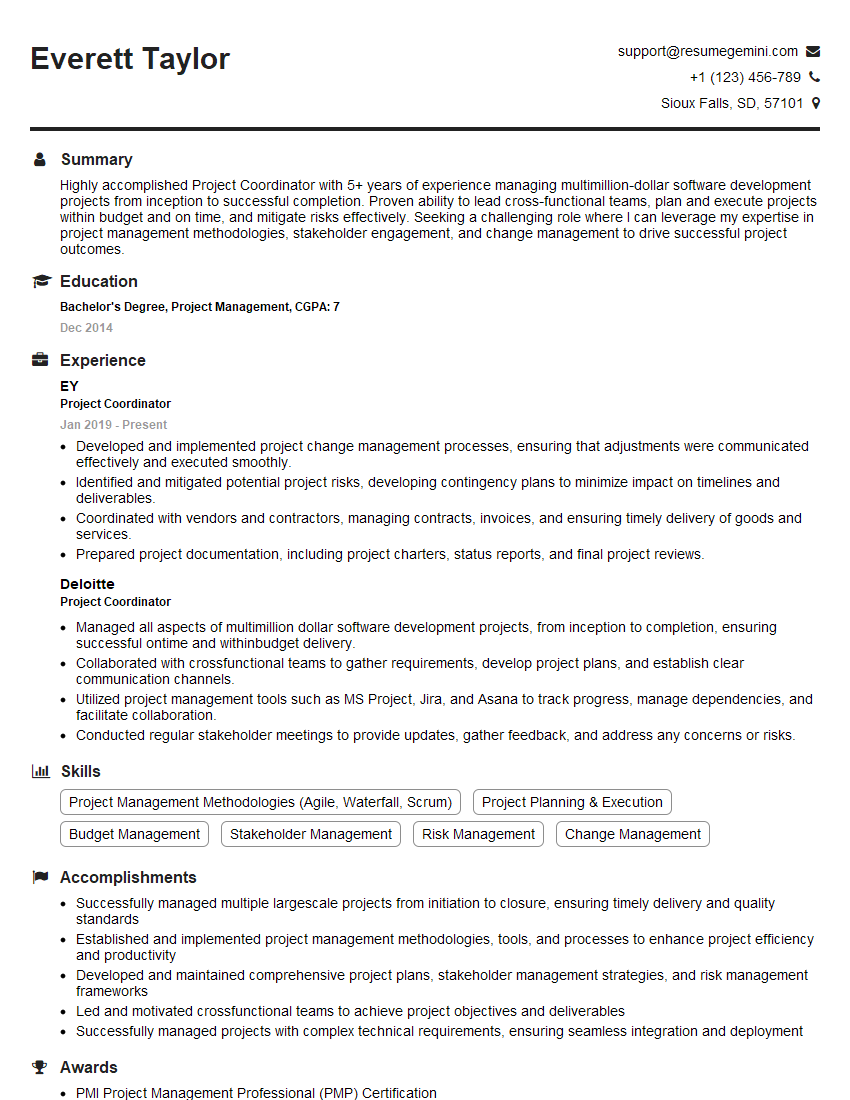
Project Coordinator Resume Sample
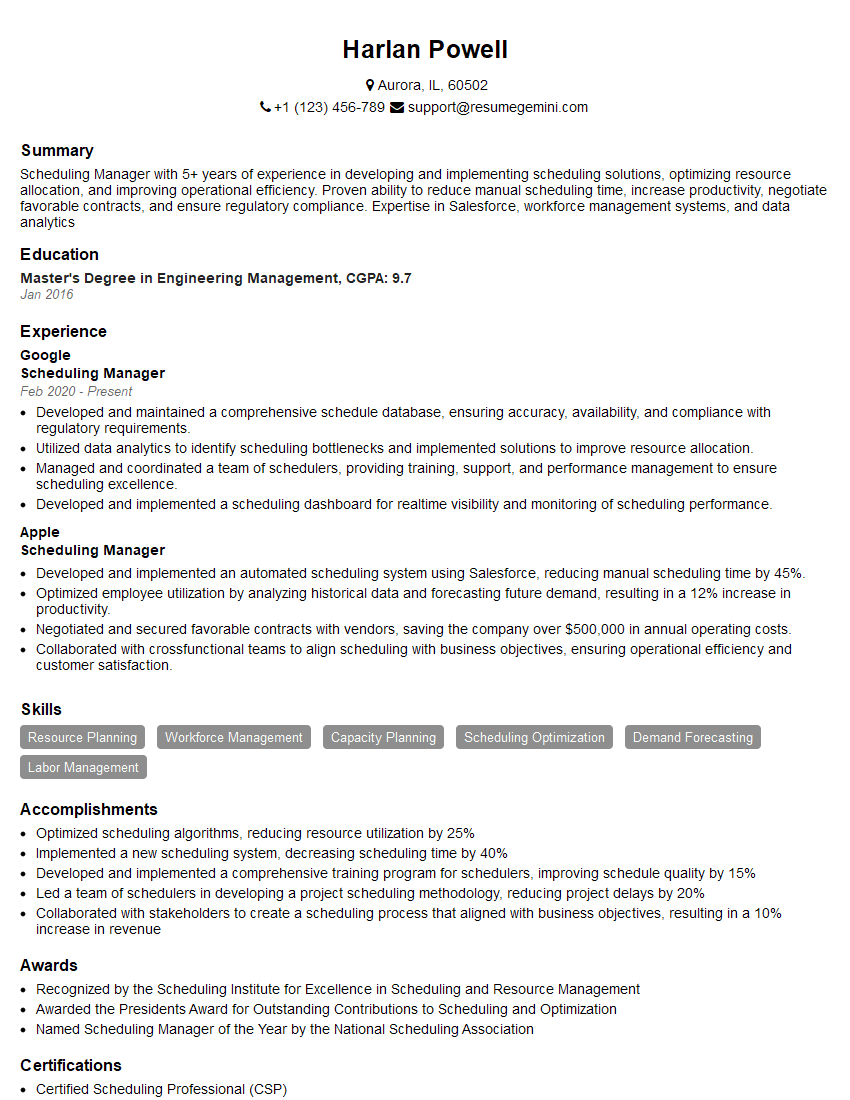
Scheduling Manager Resume Sample
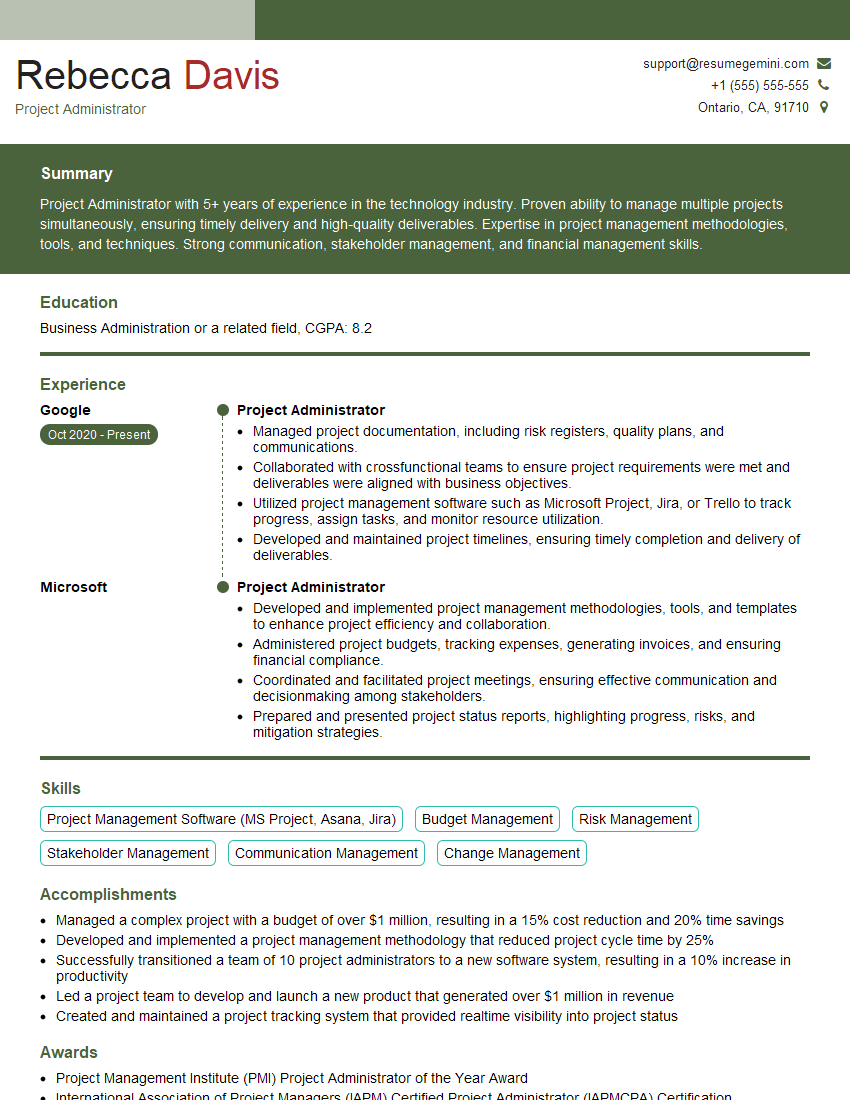
Project Administrator Resume Sample
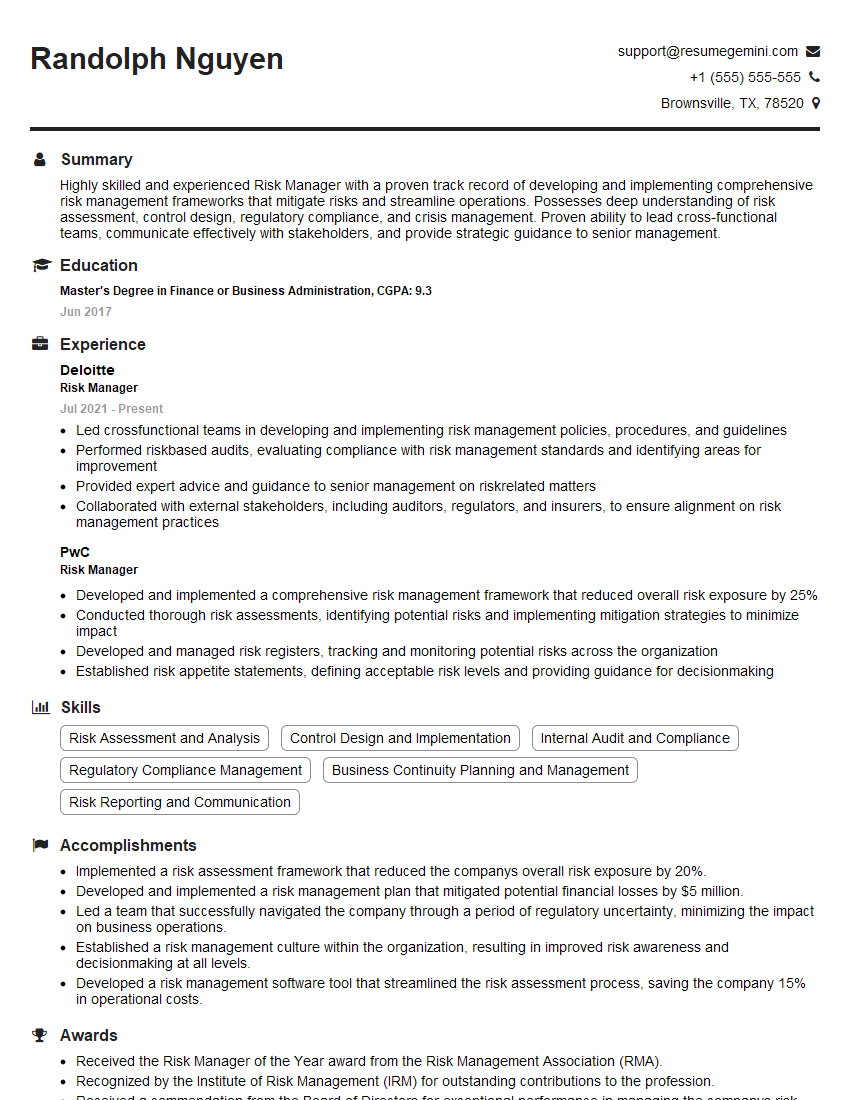
Risk Manager Resume Sample
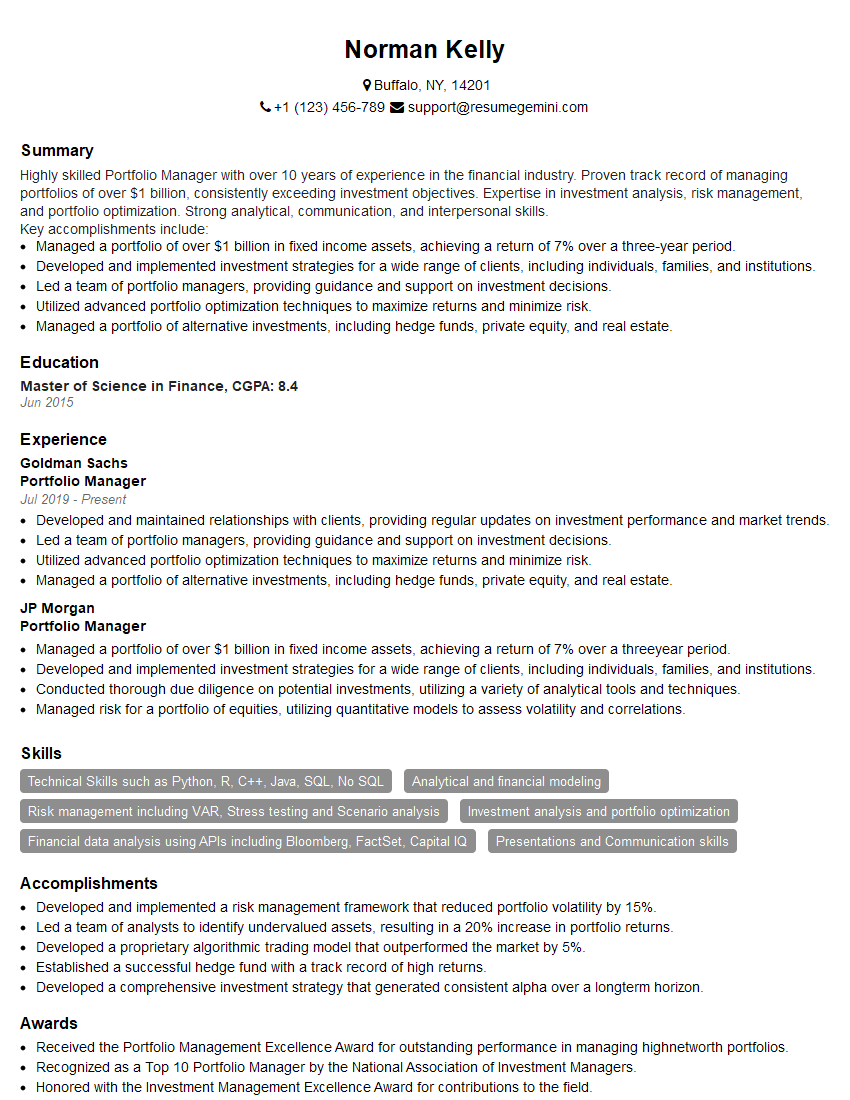
Portfolio Manager Resume Sample
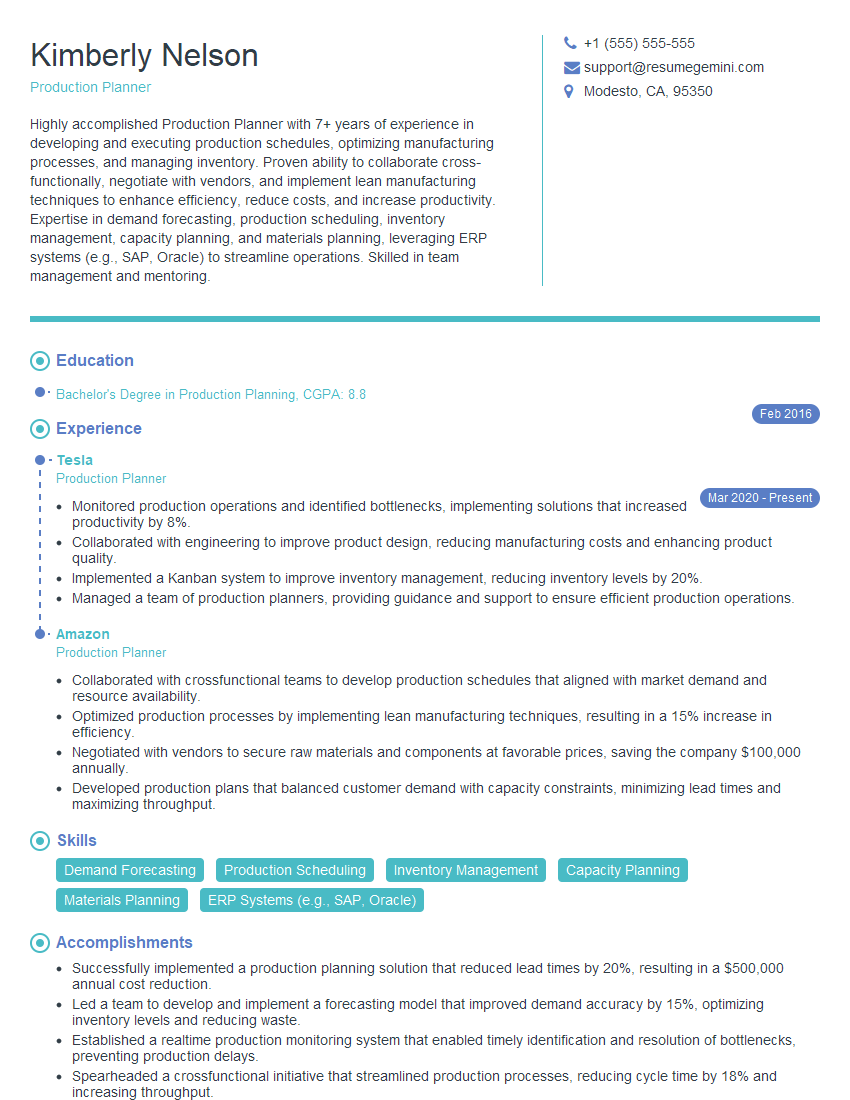
Production Planner Resume Sample
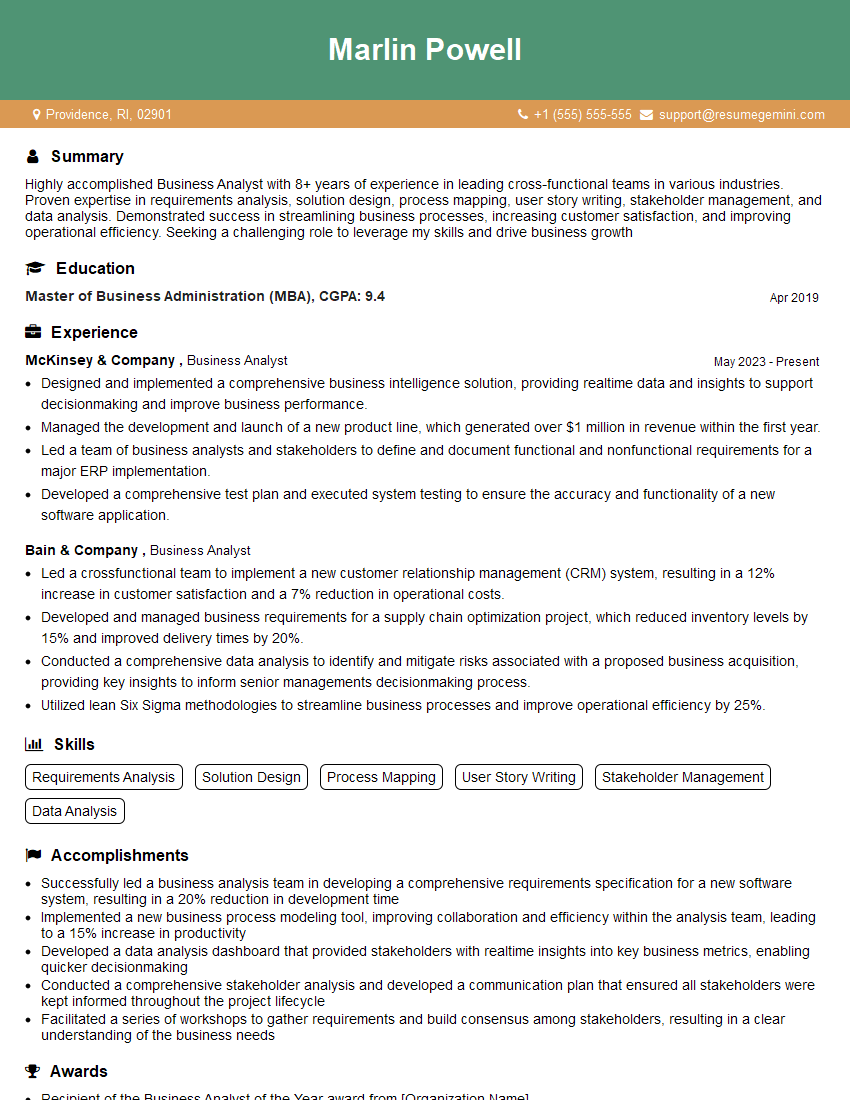
Business Analyst Resume Sample
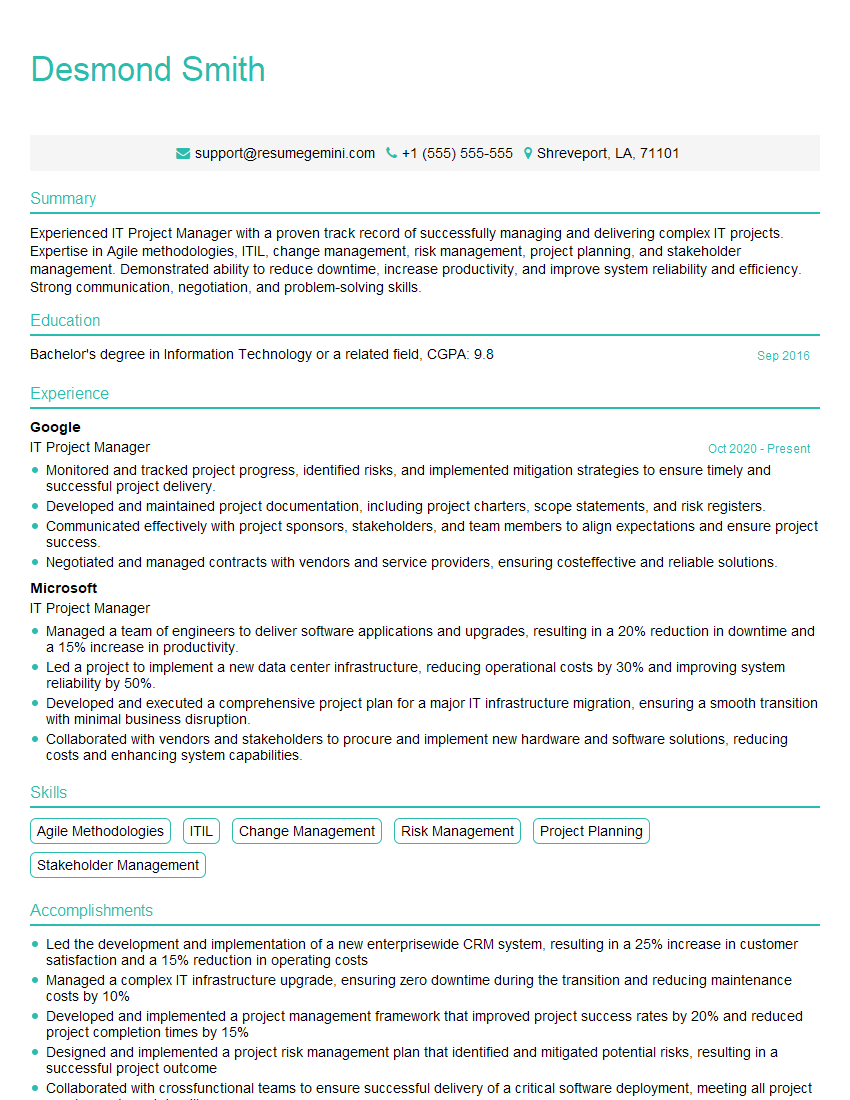
IT Project Manager Resume Sample
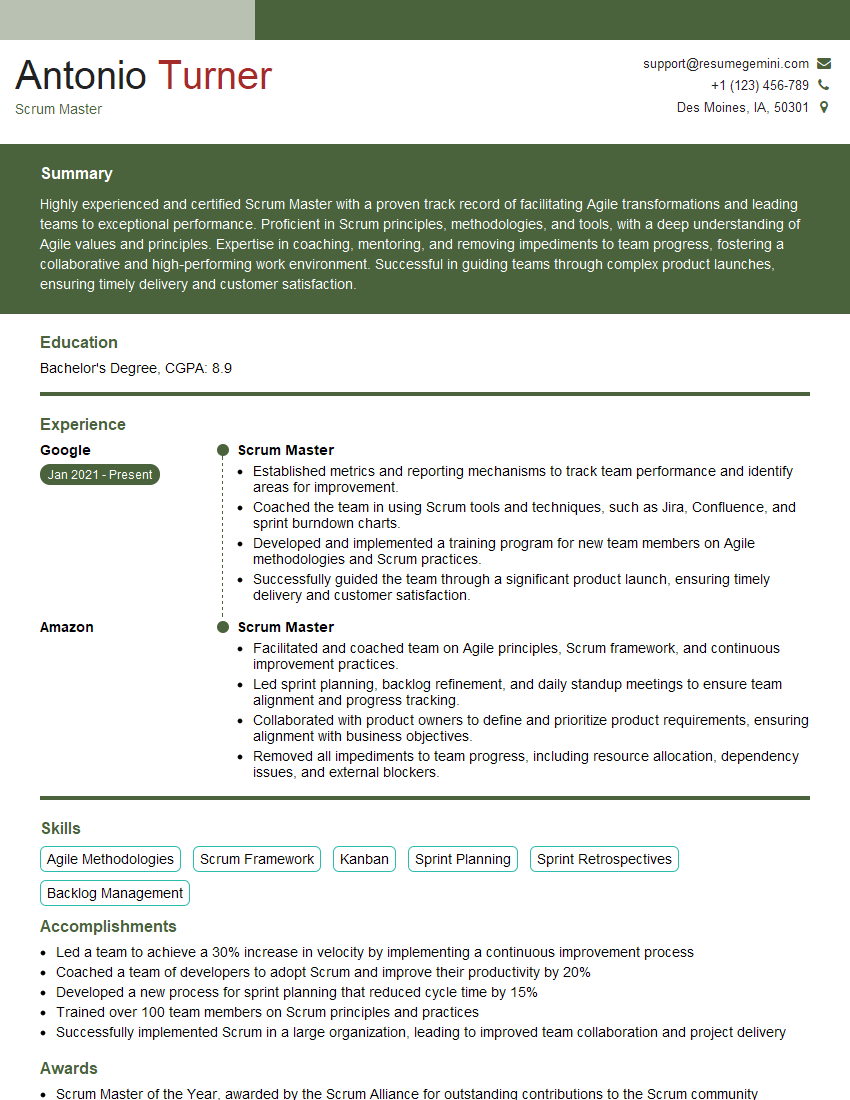
Scrum Master Resume Sample
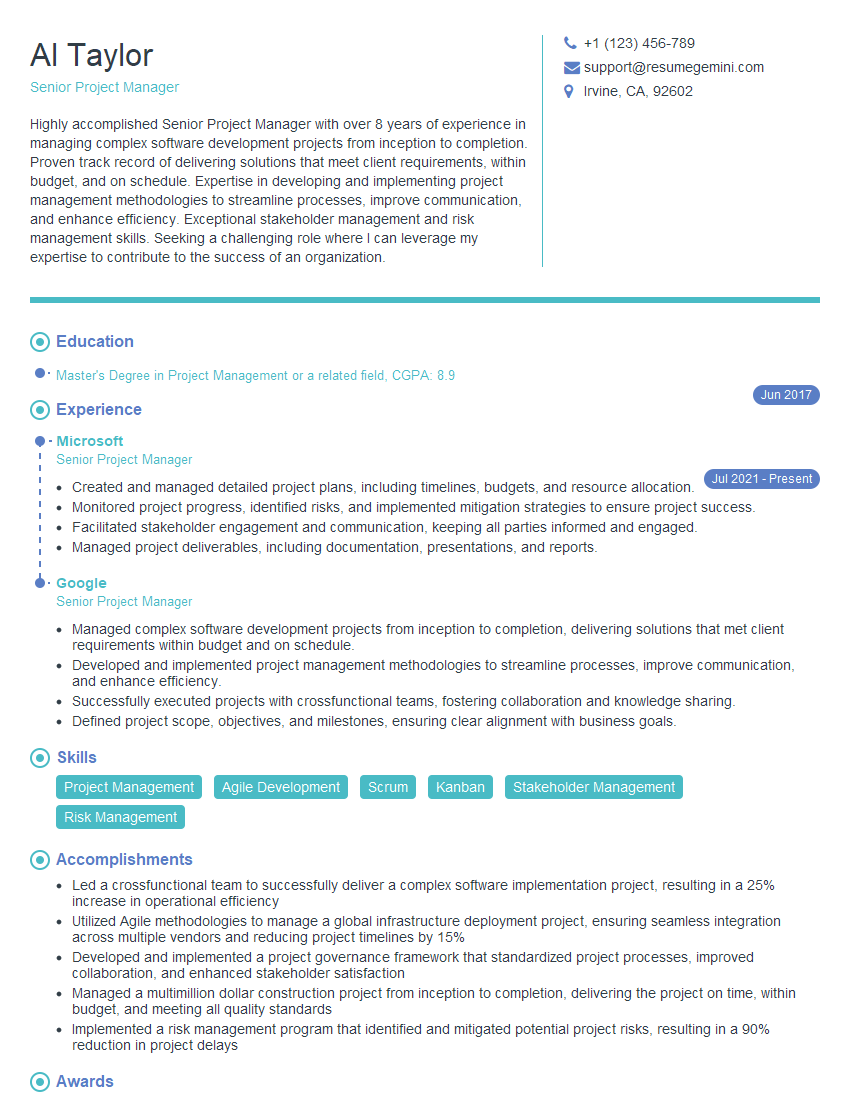
Senior Project Manager Resume Sample
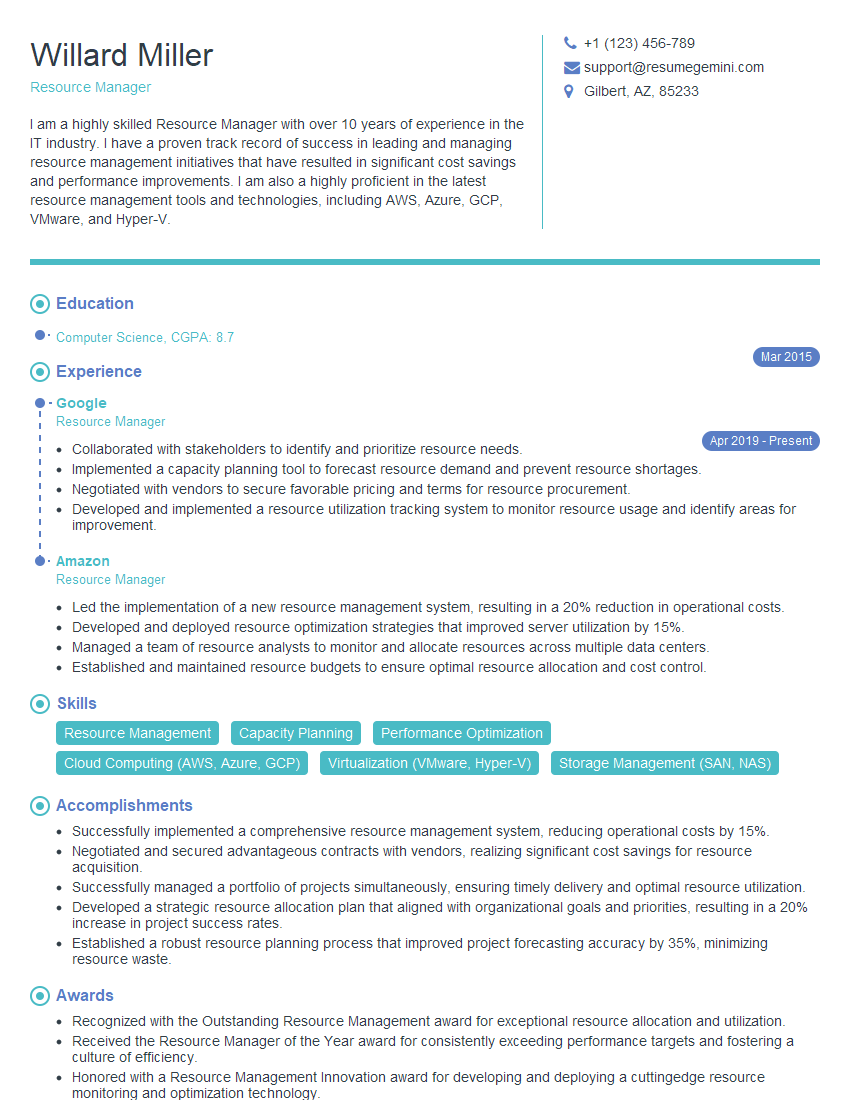
Resource Manager Resume Sample
- Program Manager
- Operations Manager
- Product Manager
- Quality Manager
- Supply Chain Manager
- Construction Project Manager
- Project Manager
- Engineering Project Manager
- Project Coordinator
- Scheduling Manager
- Project Administrator
- Risk Manager
- Portfolio Manager
- Production Planner
- Business Analyst
- IT Project Manager
- Scrum Master
- Senior Project Manager
- Resource Manager
Explore more articles
Users Rating of Our Blogs
Share Your Experience
We value your feedback! Please rate our content and share your thoughts (optional).
What Readers Say About Our Blog
Amazing blog
hello,
Our consultant firm based in the USA and our client are interested in your products.
Could you provide your company brochure and respond from your official email id (if different from the current in use), so i can send you the client’s requirement.
Payment before production.
I await your answer.
Regards,
MrSmith
hello,
Our consultant firm based in the USA and our client are interested in your products.
Could you provide your company brochure and respond from your official email id (if different from the current in use), so i can send you the client’s requirement.
Payment before production.
I await your answer.
Regards,
MrSmith
These apartments are so amazing, posting them online would break the algorithm.
https://bit.ly/Lovely2BedsApartmentHudsonYards
Reach out at BENSON@LONDONFOSTER.COM and let’s get started!
Take a look at this stunning 2-bedroom apartment perfectly situated NYC’s coveted Hudson Yards!
https://bit.ly/Lovely2BedsApartmentHudsonYards
Live Rent Free!
https://bit.ly/LiveRentFREE
Interesting Article, I liked the depth of knowledge you’ve shared.
Helpful, thanks for sharing.
Hi, I represent a social media marketing agency and liked your blog
Hi, I represent an SEO company that specialises in getting you AI citations and higher rankings on Google. I’d like to offer you a 100% free SEO audit for your website. Would you be interested?