The right preparation can turn an interview into an opportunity to showcase your expertise. This guide to Agricultural Applications interview questions is your ultimate resource, providing key insights and tips to help you ace your responses and stand out as a top candidate.
Questions Asked in Agricultural Applications Interview
Q 1. Describe your experience with different irrigation systems (drip, sprinkler, etc.) and their suitability for various crops.
Irrigation system selection is crucial for optimal crop growth. Different systems offer varying levels of efficiency and suitability depending on the crop’s water requirements, the terrain, and the available resources.
Drip Irrigation: This method delivers water directly to the plant roots through a network of tubes and emitters. It’s highly efficient, minimizing water waste and evaporation. Drip irrigation is ideal for crops like tomatoes, peppers, and strawberries, which require consistent moisture but are sensitive to overwatering. For example, in a tomato field, using drip irrigation allows for precise water delivery to each plant, preventing fungal diseases often associated with wet foliage.
Sprinkler Irrigation: This system uses sprinklers to distribute water over a larger area, mimicking rainfall. It’s suitable for crops with higher water requirements like alfalfa, corn, or certain types of grasses. The choice of sprinkler type (e.g., impact sprinkler, rotor sprinkler) impacts the efficiency and uniformity of water distribution. A poorly designed sprinkler system might lead to uneven watering, stressing some plants while others become waterlogged.
Flood Irrigation: In this method, water is flooded across the field. It’s a simpler system but can be less efficient due to higher water loss through evaporation and runoff. It’s generally suitable for flat land and crops tolerant to temporary inundation, like rice.
Furrow Irrigation: Water is channeled into furrows between crop rows. It’s relatively inexpensive but can be inefficient as water may run off and erode soil. This method is appropriate for crops like potatoes or certain vegetables. However, efficient furrow irrigation requires precise land leveling and water management to avoid excessive water loss.
The selection of the best irrigation system depends heavily on a detailed site assessment including soil type, topography, crop type, water availability and cost considerations.
Q 2. Explain the principles of soil fertility and nutrient management.
Soil fertility refers to the soil’s capacity to provide essential nutrients for plant growth. Nutrient management is the process of supplying the right nutrients in the right amounts at the right time to optimize crop production. Understanding both is crucial for sustainable agriculture.
The principles of soil fertility revolve around:
Nutrient Cycling: Nutrients are constantly being recycled within the soil ecosystem, involving decomposition of organic matter, nutrient uptake by plants, and release back into the soil. Enhancing soil organic matter is key to improving nutrient cycling.
Nutrient Availability: Not all nutrients are equally available to plants. Soil pH, soil texture, and organic matter content influence nutrient availability. For example, acidic soil may limit the availability of phosphorus. Regular soil testing is crucial to understand the existing nutrient status.
Nutrient Uptake: Plants absorb nutrients through their roots, and the efficiency of uptake depends on several factors including root development, nutrient concentration in the soil solution, and environmental conditions.
Effective nutrient management involves:
Soil Testing: Regular soil testing provides a baseline understanding of the nutrient levels in your soil, guiding fertilization decisions. It also helps to identify potential issues like soil acidity or salinity.
Fertilizer Selection: Choosing the appropriate fertilizer type (organic, inorganic, or a blend) depends on the crop’s needs, the soil’s nutrient status, and environmental concerns. Organic fertilizers release nutrients slowly, providing a sustained supply, while inorganic fertilizers provide an immediate nutrient boost.
Precision Application: Using techniques like variable rate fertilization to apply nutrients based on specific soil needs. This improves efficiency and minimizes environmental impact.
Integrated Nutrient Management: Combining organic and inorganic fertilizers with crop rotation and cover cropping to enhance soil health and nutrient supply.
For instance, in corn production, a combination of soil testing, balanced fertilizer application, and the incorporation of cover crops in the rotation can significantly increase yield while minimizing environmental damage from excess nutrient runoff.
Q 3. How do you assess crop health and identify potential problems?
Assessing crop health is an ongoing process that involves visual observation, data collection, and sometimes laboratory analysis. Identifying potential problems early allows for timely intervention, preventing significant yield losses.
My assessment involves several steps:
Visual Inspection: Regularly walking through the fields to observe plant growth, looking for signs of stress, disease, or pest infestation. This includes examining leaves, stems, roots, and fruits for any abnormalities in color, shape, or size. For instance, yellowing leaves might indicate nutrient deficiency, while wilting could suggest water stress or disease.
Data Collection: Utilizing tools like GPS, sensors, and drones to collect data on various parameters such as soil moisture, plant height, leaf area index, and NDVI (Normalized Difference Vegetation Index). NDVI measures plant health using spectral reflectance, a strong indicator of photosynthetic activity.
Laboratory Analysis: Soil and plant tissue samples are collected and analyzed to determine nutrient levels, pH, and the presence of pathogens or pests. This provides a deeper understanding of the underlying causes of any observed issues. For example, a tissue test revealing a potassium deficiency would guide specific fertilizer amendments.
Remote Sensing: Using aerial imagery or satellite data to assess large areas of crops quickly, identifying areas under stress or needing attention. This allows for focused interventions, saving resources.
By combining these methods, a comprehensive picture of crop health emerges, leading to targeted interventions that prevent yield loss and improve overall productivity.
Q 4. What are the common pest and disease management strategies you employ?
Pest and disease management strategies aim to minimize crop damage while minimizing the environmental impact of chemical interventions. Integrated Pest Management (IPM) is a key approach, emphasizing prevention and sustainable control.
Common strategies include:
Cultural Practices: These involve manipulating the growing environment to reduce pest and disease pressure. Examples include crop rotation, which disrupts pest life cycles, maintaining proper field hygiene (removing crop debris), and selecting pest-resistant crop varieties. Crop rotation helps to break pest and disease cycles, effectively reducing their prevalence in the long term.
Biological Control: Utilizing natural enemies of pests and diseases such as beneficial insects, microorganisms, or other biological agents. Introducing ladybugs to control aphids is a classic example of biological control.
Chemical Control: Applying pesticides only when necessary and at the lowest effective dose. This minimizes pesticide resistance and protects beneficial organisms. Careful selection of appropriate pesticides minimizes environmental risk and protects pollinators.
Monitoring: Regularly monitoring fields to detect pests and diseases early. This allows for targeted interventions before significant damage occurs. Early detection and preventative measures are much more effective than remedial actions once an infestation has spread.
For instance, in managing potato blight, a destructive fungal disease, a combination of planting resistant varieties, appropriate crop spacing for better air circulation, and targeted fungicide application upon detection would form the core of an IPM approach.
Q 5. Discuss your experience with precision agriculture technologies (GPS, sensors, data analysis).
Precision agriculture technologies significantly enhance efficiency and sustainability in modern farming. They leverage data and technology to manage crop production with greater precision.
My experience includes:
GPS (Global Positioning System): GPS technology allows for precise field mapping, enabling variable rate application of inputs (fertilizers, pesticides, water) based on the specific needs of different areas within the field. This optimizes resource use and reduces environmental impacts.
Sensors: Various sensors (soil moisture sensors, yield monitors, weather stations) collect real-time data on crop and environmental conditions. This data informs timely management decisions, optimizing irrigation, fertilization, and pest control. For example, soil moisture sensors provide valuable data for irrigation scheduling, leading to precise water application and preventing both drought stress and waterlogging.
Data Analysis: This involves using software and algorithms to analyze data collected from various sources. This analysis identifies patterns, trends, and anomalies, enabling informed decision-making and optimization of farm operations. For instance, analyzing yield monitor data helps to identify areas with lower yields, allowing for investigation into the underlying reasons for those reductions.
Remote Sensing: Employing drones or satellites to capture high-resolution imagery of fields for crop monitoring, disease detection, and assessing overall field health. This technology offers a bird’s-eye perspective, allowing for efficient identification of areas needing attention.
By integrating these technologies, precision farming enables highly targeted interventions, optimizing resource use, and improving overall farm profitability while minimizing environmental footprints.
Q 6. How do you optimize crop yields while minimizing environmental impact?
Optimizing crop yields while minimizing environmental impact requires a holistic approach that integrates various sustainable practices. The goal is to maximize productivity without depleting natural resources or harming the environment.
Key strategies include:
Efficient Irrigation: Using techniques like drip irrigation or efficient sprinkler systems minimizes water waste. This reduces the demand on water resources and avoids soil erosion and nutrient leaching.
Precision Nutrient Management: Applying nutrients only where and when they are needed, reducing nutrient runoff into waterways and minimizing greenhouse gas emissions from fertilizer production. Variable rate fertilization is a powerful tool here.
Integrated Pest Management (IPM): Minimizing the use of chemical pesticides through a combination of biological control, cultural practices, and targeted pesticide application. This safeguards biodiversity and reduces exposure to harmful chemicals.
Cover Cropping: Planting cover crops during fallow periods improves soil health, reduces erosion, and suppresses weeds, reducing the need for herbicides. It enhances soil fertility naturally and provides beneficial habitat for beneficial organisms.
Crop Rotation: Rotating crops helps to maintain soil fertility, reduce pest and disease pressure, and minimize the need for chemical inputs. A planned crop rotation helps balance nutrient needs and keeps soil healthy.
No-Till Farming: Avoiding tillage reduces soil erosion and improves soil structure, leading to better water infiltration and nutrient retention. No-till farming, while requiring different machinery and approaches, can significantly reduce environmental impact.
For example, a farm might integrate all of these strategies, resulting in higher yields of a particular crop while requiring less water, less fertilizer, and fewer pesticides. This is a winning combination for both the farmer and the environment.
Q 7. Explain your understanding of sustainable agricultural practices.
Sustainable agricultural practices aim to produce food and fiber while protecting natural resources, minimizing environmental impact, and ensuring the long-term viability of farming systems. It’s about balancing economic profitability with environmental and social responsibility.
Key aspects of sustainable agriculture include:
Soil Health Management: Improving and maintaining soil health through practices like no-till farming, cover cropping, and integrated nutrient management. Healthy soil is the foundation of sustainable agriculture.
Water Conservation: Optimizing irrigation methods, improving water use efficiency, and reducing water pollution. Efficient irrigation is key to both crop yields and environmental stewardship.
Pest and Disease Management: Emphasizing IPM strategies to minimize pesticide use and protect beneficial organisms. Reducing pesticide reliance is vital for both environmental and human health.
Biodiversity Conservation: Promoting biodiversity on farms through practices like crop diversification, agroforestry, and habitat creation for beneficial insects and other organisms. Agricultural biodiversity ensures resilience and supports the overall health of the ecosystem.
Climate Change Mitigation and Adaptation: Adopting farming practices that reduce greenhouse gas emissions and enhance the resilience of farming systems to climate change impacts. Adaptation strategies, such as drought-resistant crops, are becoming increasingly important.
Social Equity and Economic Viability: Ensuring fair labor practices, supporting local communities, and promoting economically viable farming systems. Sustainable agriculture needs to be economically viable for farmers to adopt these beneficial practices.
In essence, sustainable agriculture isn’t about sacrificing productivity for environmental protection; it’s about finding synergies between both, leading to a more resilient and environmentally friendly food production system.
Q 8. Describe your experience with livestock management, including breeding, feeding, and health.
My experience in livestock management spans over 15 years, encompassing all aspects from breeding strategies to daily health monitoring. I’ve worked extensively with both dairy and beef cattle, as well as smaller livestock like sheep and goats. Effective breeding involves understanding genetic principles, selecting superior breeding stock (based on factors like milk yield, growth rate, and disease resistance), and implementing appropriate artificial insemination or natural mating techniques. For instance, in one project, we successfully implemented a selective breeding program that increased milk production by 15% within three generations.
Feeding strategies are crucial for maximizing productivity and profitability. This involves creating balanced rations based on the animal’s age, breed, and physiological stage (e.g., lactation, gestation). I’m proficient in utilizing feed analysis reports to adjust rations and minimize feed wastage. I once identified a nutritional deficiency in a dairy herd leading to reduced milk production; rectifying the ration with necessary supplements significantly boosted output.
Maintaining optimal animal health involves proactive measures like vaccination, deworming, and regular health checks. Early disease detection and treatment are critical to minimizing losses. I’m adept at diagnosing common livestock illnesses and implementing appropriate treatment protocols. For example, I successfully managed an outbreak of foot-and-mouth disease on a farm by isolating infected animals, implementing strict biosecurity measures, and administering appropriate veterinary treatments, minimizing overall herd impact.
Q 9. How do you manage farm finances and budgeting?
Farm financial management is paramount for success. It involves meticulous record-keeping, accurate budgeting, and a keen understanding of cash flow. I utilize farm management software to track income and expenses, monitor production costs, and analyze profitability. This allows me to identify areas for cost reduction and improved efficiency. For example, I implemented a cost-benefit analysis that showed switching to a more efficient irrigation system would significantly reduce water usage costs within two years.
Budgeting involves projecting income and expenses for a specific period, often a year. It’s crucial to account for variable costs (e.g., feed, fertilizer, labor) and fixed costs (e.g., land rent, equipment depreciation). A robust budget allows for informed decision-making, such as determining optimal planting schedules, investing in new equipment, or negotiating favorable input prices. I use scenario planning to account for potential risks, like weather fluctuations, affecting projected yield and overall financial performance.
Q 10. What is your experience with farm equipment maintenance and repair?
Regular maintenance and timely repairs are vital for ensuring farm equipment operates efficiently and safely. I have extensive experience in maintaining and repairing tractors, harvesters, irrigation systems, and other agricultural machinery. My expertise covers both preventative maintenance (e.g., regular lubrication, filter changes) and corrective maintenance (repairing breakdowns). I’m proficient in troubleshooting mechanical issues, identifying faulty components, and undertaking repairs or arranging for professional services when needed. For instance, I devised a preventative maintenance schedule that reduced equipment downtime by 20%, increasing productivity and reducing repair costs.
I also prioritize operator training to ensure safe and proper operation of equipment, minimizing the risk of accidents and maximizing equipment lifespan. I believe in the value of keeping detailed maintenance logs, which allow me to track repair history and identify recurring issues. This data-driven approach helps optimize maintenance strategies and extends the lifespan of our equipment.
Q 11. Explain your knowledge of various agricultural chemicals and their safe application.
My knowledge of agricultural chemicals encompasses their properties, uses, and safe application methods. This includes herbicides, insecticides, fungicides, and fertilizers. I understand the importance of Integrated Pest Management (IPM) strategies, which emphasize using chemical controls only when necessary and integrating other approaches like biological controls and cultural practices. For instance, I helped implement an IPM program on a farm that significantly reduced pesticide usage while maintaining crop yields.
Safe handling and application of agricultural chemicals are paramount. This involves understanding label instructions, adhering to safety regulations, and using appropriate personal protective equipment (PPE). I am trained in the proper disposal of chemical containers and waste to minimize environmental impact. I always prioritize worker safety and environmental protection during all chemical applications. For example, I’ve trained numerous farm workers on safe chemical handling practices, reducing incidents of chemical exposure significantly.
Q 12. How do you handle challenges related to weather variability and climate change?
Weather variability and climate change pose significant challenges to agriculture. To mitigate these risks, I employ a range of strategies, including implementing drought-resistant crop varieties, diversifying crops, and utilizing water-efficient irrigation techniques like drip irrigation. For instance, adopting drought-tolerant maize varieties during a prolonged dry spell significantly reduced crop losses compared to traditional varieties.
Implementing climate-smart agricultural practices is crucial. This involves using precision agriculture techniques to optimize resource use, utilizing cover crops to improve soil health and reduce erosion, and employing weather forecasting tools to predict potential risks and make timely decisions. I regularly consult climate data and forecasts to adjust planting schedules, fertilizer application, and irrigation strategies. For example, through careful monitoring of weather forecasts and soil moisture levels, we were able to prevent significant losses during an unexpected early frost.
Q 13. Describe your experience with data analysis in agricultural applications.
Data analysis plays a crucial role in modern agriculture. I’m proficient in using various data analysis tools and techniques to improve decision-making. This involves collecting data on various aspects of farm operations, such as crop yields, soil conditions, weather patterns, and livestock performance. I then use statistical software and data visualization tools to analyze this data, identify trends, and gain insights into areas for improvement. For example, I used yield data from several years to identify optimal planting densities for maximizing crop production in specific fields.
I’m experienced in using precision agriculture technologies, such as GPS-guided machinery and remote sensing, to collect and analyze geospatial data. This data helps to optimize resource allocation and improve overall farm efficiency. For example, analyzing soil nutrient maps obtained through remote sensing helped us optimize fertilizer application, reducing fertilizer costs while improving crop quality.
Q 14. What are your preferred methods for record-keeping and data management on a farm?
Effective record-keeping and data management are vital for efficient farm operations. I utilize a combination of methods, including farm management software, spreadsheets, and physical notebooks. The software allows for centralizing data, simplifying reporting, and conducting analyses. Spreadsheets help in organizing and manipulating data for specific purposes, while physical notebooks are useful for recording daily observations and quick notes. For example, I use farm management software to track daily milk production, feed costs, and livestock health records; this information is then used to generate monthly reports for financial analysis and decision-making.
Data security is paramount. I ensure data is backed up regularly and stored securely to prevent loss or unauthorized access. I also regularly review and update data to maintain accuracy. A well-organized system ensures efficient data retrieval for decision-making and compliance with regulatory requirements.
Q 15. How do you ensure food safety and quality throughout the production process?
Ensuring food safety and quality is paramount in agriculture. It’s a holistic process that begins long before harvest and continues through processing and distribution. Think of it like building a strong foundation – each step must be meticulously followed to guarantee a safe and high-quality final product.
- Good Agricultural Practices (GAPs): This involves following strict protocols throughout the growing process. This includes selecting disease-free seeds or seedlings, implementing proper irrigation and fertilization techniques, and monitoring crops for pests and diseases. We use integrated pest management (IPM) strategies that minimize pesticide use, focusing on prevention and biological controls whenever possible. Regular field inspections and detailed record-keeping are essential.
- Harvesting and Handling: Careful harvesting techniques prevent damage to produce. Prompt and proper cleaning, cooling, and storage are crucial to maintain freshness and prevent spoilage. For example, we utilize appropriate storage facilities with temperature and humidity control to extend shelf life.
- Processing and Packaging: Processing plants must adhere to rigorous hygiene standards. Proper sanitation procedures, including equipment cleaning and employee hygiene protocols, are critical. Safe packaging helps maintain product quality and prevents contamination during transportation and storage.
- Traceability: Implementing a robust traceability system allows us to track produce from the field to the consumer. This is crucial for identifying and addressing any potential contamination issues quickly. We use barcodes or RFID tags to track our produce throughout the entire supply chain.
- Testing and Compliance: Regular testing for pathogens and chemical residues ensures compliance with food safety regulations. We work closely with accredited laboratories to ensure our products meet or exceed all relevant standards. For example, we conduct regular pesticide residue testing to ensure they are below permissible limits.
By meticulously following these steps, we ensure the safety and quality of our produce, building consumer trust and safeguarding public health.
Career Expert Tips:
- Ace those interviews! Prepare effectively by reviewing the Top 50 Most Common Interview Questions on ResumeGemini.
- Navigate your job search with confidence! Explore a wide range of Career Tips on ResumeGemini. Learn about common challenges and recommendations to overcome them.
- Craft the perfect resume! Master the Art of Resume Writing with ResumeGemini’s guide. Showcase your unique qualifications and achievements effectively.
- Don’t miss out on holiday savings! Build your dream resume with ResumeGemini’s ATS optimized templates.
Q 16. Explain your knowledge of different soil types and their impact on crop growth.
Different soil types significantly impact crop growth. Understanding soil properties is fundamental to successful agriculture. Think of soil as the foundation of your plant’s health – the right type provides the necessary nutrients and water for optimal growth.
- Sandy Soils: Well-drained but low in nutrients and water retention. Crops requiring less water and good drainage, like certain vegetables or drought-resistant grains, thrive in these conditions. However, fertilization is crucial to supplement nutrient deficiencies.
- Clay Soils: Poorly drained, retain high levels of water, and can become compacted. Crops requiring high moisture content, such as rice or certain types of clay-tolerant vegetables, can be grown successfully, but soil management techniques, such as aeration and amending with organic matter, are essential to improve drainage and structure.
- Silty Soils: Retain moisture better than sandy soils and have good nutrient-holding capacity. They’re ideal for a wide range of crops and often considered the best all-around soil type. However, over-irrigation can lead to waterlogging.
- Loamy Soils: A balanced mix of sand, silt, and clay, making them excellent for most crops. Their good drainage, aeration, and nutrient-holding capacity provide the ideal growing environment. These soils usually need minimal amendments.
Soil testing is vital to determine nutrient levels (pH, nitrogen, phosphorus, potassium, etc.). Based on the test results, we tailor our fertilization strategies to meet the specific needs of the crop and soil type. For example, if the soil is deficient in nitrogen, we’ll apply nitrogen-rich fertilizers to ensure healthy plant growth. Neglecting soil analysis can result in poor yields and unhealthy plants.
Q 17. Discuss your experience with crop rotation and its benefits.
Crop rotation is a fundamental agricultural practice involving the sequential planting of different crops on the same land over several growing seasons. It’s like giving your soil a balanced diet – each crop has different nutrient needs, leading to a healthier and more productive soil in the long run.
- Nutrient Management: Different crops utilize nutrients differently. Rotating legumes (like beans or peas), which fix nitrogen from the air, with other crops helps replenish soil nitrogen, reducing the need for synthetic nitrogen fertilizers.
- Pest and Disease Control: Rotating crops disrupts the life cycle of many pests and diseases that are specific to certain plants. This reduces pest and disease pressure, decreasing the need for pesticides.
- Weed Control: Some crops have allelopathic effects, meaning they release chemicals that inhibit the growth of certain weeds. Incorporating these crops into the rotation can aid in weed control.
- Soil Health Improvement: Different root systems of various crops help improve soil structure and aeration. Deep-rooted crops break up compacted soil, while shallow-rooted crops help retain moisture.
For instance, we might rotate corn (heavy feeder of nitrogen), soybeans (nitrogen fixer), and wheat (moderate nitrogen user). This cycle ensures soil nitrogen is maintained, reduces pest pressure, and keeps the soil healthy over time. A well-planned crop rotation significantly contributes to sustainable agricultural practices.
Q 18. How do you monitor and manage water resources efficiently?
Efficient water management is crucial in agriculture, particularly in regions with water scarcity. It’s about using water wisely and optimizing its use for maximum crop yield.
- Irrigation Scheduling: We use soil moisture sensors and weather data to determine the optimal time and amount of irrigation. This precision irrigation reduces water waste and ensures plants receive water only when needed.
- Drip Irrigation: Drip irrigation delivers water directly to the roots, minimizing evaporation and runoff. This targeted approach increases water-use efficiency significantly compared to traditional flood irrigation.
- Water Harvesting: Collecting rainwater and storing it for later use is a sustainable way to supplement irrigation needs. This reduces reliance on groundwater or other external water sources.
- Mulching: Applying mulch around plants helps retain soil moisture by reducing evaporation. Organic mulches also improve soil health.
- Drought-Resistant Crops: Choosing crop varieties that are adapted to the local climate and require less water contributes to water conservation.
For example, using a combination of soil moisture sensors and weather forecasting to schedule irrigation has reduced our water consumption by 25% while maintaining crop yields.
Q 19. What are your strategies for controlling weeds and preventing erosion?
Controlling weeds and preventing erosion are vital aspects of sustainable agriculture. They affect crop yields, soil health, and overall farm productivity. Think of it as protecting the foundation and ensuring a healthy growing environment.
- Weed Control: We utilize integrated weed management strategies, incorporating cultural practices, biological control, and minimal chemical intervention. This involves methods like crop rotation, cover cropping, and targeted herbicide application only when absolutely necessary.
- No-Till Farming: No-till farming avoids soil disturbance, protecting soil structure and preventing erosion. The residue from previous crops acts as a natural mulch, retaining moisture and suppressing weeds.
- Contour Farming: Planting crops along the contours of slopes slows down water runoff, reducing erosion. This method is especially effective on hilly terrain.
- Terracing: Creating level platforms on slopes reduces soil erosion and allows for better water management. This technique is beneficial in areas with steep slopes.
- Cover Cropping: Planting cover crops during fallow periods protects the soil from erosion, improves soil health, and suppresses weeds.
For example, implementing no-till farming and cover cropping has significantly reduced soil erosion on our farm, leading to improved soil health and higher yields.
Q 20. Describe your understanding of agricultural regulations and compliance.
Understanding and complying with agricultural regulations is non-negotiable. It ensures food safety, environmental protection, and maintains the integrity of the agricultural industry. It’s about operating legally and responsibly.
- Food Safety Regulations: We comply with all relevant food safety regulations, including those related to pesticide residue limits, pathogen control, and labeling requirements. Regular inspections and certifications are essential.
- Environmental Regulations: We adhere to regulations related to water quality, pesticide use, and soil conservation. This includes obtaining necessary permits and following best management practices.
- Labor Regulations: Compliance with labor laws concerning worker safety, wages, and working conditions is a priority. We maintain accurate records and ensure our practices adhere to all applicable regulations.
- Organic Certification: If operating an organic farm, adhering to stringent organic standards is crucial. This involves avoiding synthetic pesticides and fertilizers, employing sustainable farming practices, and obtaining necessary certifications.
- Record Keeping: Meticulous record-keeping is essential for demonstrating compliance with all regulations. This includes maintaining records of pesticide applications, fertilizer use, irrigation practices, and harvest dates.
Regular training for our staff on relevant regulations and best practices is crucial to ensure ongoing compliance. We engage with regulatory agencies proactively to stay informed about updates and changes to regulations.
Q 21. How do you address labor management challenges on a farm?
Labor management in agriculture presents unique challenges, requiring careful planning and effective strategies. It’s about creating a productive and supportive work environment.
- Seasonal Labor: Managing seasonal labor fluctuations requires careful planning for recruitment, training, and housing. We often collaborate with local employment agencies to meet our seasonal needs.
- Worker Safety: Prioritizing worker safety through training, providing appropriate safety equipment, and implementing safety protocols is paramount. Regular safety inspections and emergency preparedness plans are essential.
- Fair Wages and Benefits: Offering fair wages and benefits, including health insurance and retirement plans, attracts and retains skilled workers. A positive work environment fosters loyalty and productivity.
- Training and Development: Investing in training and development opportunities improves worker skills and efficiency. This might include on-the-job training, workshops, or specialized courses.
- Communication: Open and effective communication between management and workers is crucial for addressing concerns, resolving conflicts, and ensuring a harmonious work environment.
For example, we created a comprehensive safety training program for our workers that includes detailed instructions on safe equipment operation and emergency procedures, resulting in a significant reduction in workplace accidents.
Q 22. Explain your knowledge of different farming systems (conventional, organic, etc.).
Farming systems vary significantly in their approach to production. Conventional farming relies heavily on synthetic inputs like fertilizers, pesticides, and herbicides to maximize yields. This system often involves monoculture (growing a single crop) and large-scale operations. In contrast, organic farming prioritizes ecological balance and minimizes synthetic inputs. It emphasizes biodiversity, soil health, and natural pest control methods. Other systems, like integrated pest management (IPM) and conservation agriculture, fall somewhere in between, combining elements of both conventional and organic practices. For example, IPM utilizes pesticides sparingly, only when necessary, while conservation agriculture focuses on minimal soil disturbance to maintain soil health and reduce erosion.
- Conventional: High yields, cost-effective (in the short term), but can lead to environmental degradation, reliance on external inputs, and potential health concerns.
- Organic: Environmentally friendly, promotes biodiversity, often produces higher-quality products, but can be more expensive and yields may be lower initially.
- Integrated Pest Management (IPM): Balances environmental protection with crop production, reducing pesticide use while maintaining yields.
- Conservation Agriculture: Focuses on soil health, reducing tillage, and promoting cover cropping, leading to improved water retention and reduced erosion.
Q 23. How do you utilize technology to improve farm efficiency and productivity?
Technology plays a crucial role in boosting farm efficiency and productivity. Precision agriculture techniques, for example, utilize GPS, sensors, and data analytics to optimize resource allocation. This includes variable rate technology for fertilizer and pesticide application, ensuring optimal nutrient delivery and minimizing environmental impact. Remote sensing, through drones or satellites, allows for large-scale monitoring of crop health and identification of issues like disease or water stress, enabling timely interventions. Farm management software helps with record-keeping, forecasting, and decision-making. Furthermore, automation through robotic systems can streamline tasks like harvesting and planting, reducing labor costs and increasing efficiency. I’ve personally used GPS-guided tractors to reduce overlaps and improve fertilizer application precision, leading to a 15% increase in yield on my corn crop last year.
Example: A sensor network can monitor soil moisture levels in real-time, triggering automated irrigation only when needed, saving water and energy.Q 24. Discuss your experience with post-harvest handling and processing.
Post-harvest handling and processing are critical for minimizing losses and maintaining product quality. This begins with careful harvesting techniques to avoid damage, followed by efficient cleaning, sorting, and grading. Appropriate storage conditions are paramount, depending on the commodity – maintaining optimal temperature and humidity to prevent spoilage. Processing methods vary widely, depending on the crop. For example, fruits and vegetables may undergo washing, cutting, packaging, and potentially freezing or canning to extend their shelf life. Grain crops might be dried, cleaned, and stored in silos before being transported to markets. In my experience, implementing improved storage facilities (like controlled-atmosphere storage for apples) reduced post-harvest losses by 20% and extended the marketability of the crop.
- Cleaning and Sorting: Removing debris and separating produce by size and quality.
- Storage: Maintaining optimal temperature and humidity to prevent spoilage and decay.
- Processing: Transforming raw produce into finished products (e.g., canning, freezing, juicing).
- Packaging: Protecting the produce during transportation and ensuring appealing presentation.
Q 25. What are your strategies for risk management in agriculture?
Risk management in agriculture is crucial due to the inherent uncertainties involved – weather patterns, pest infestations, market fluctuations, and economic factors. Strategies include diversification – not putting all your eggs in one basket – by growing a variety of crops or raising different livestock. Insurance plays a vital role in mitigating the financial impact of unexpected events like crop failure due to drought or hailstorms. Careful budgeting and financial planning are essential for managing cash flow and weathering periods of low income. Implementing sustainable practices like water conservation and soil health management can reduce vulnerability to environmental risks. Forward contracting or hedging can help stabilize prices and reduce market risk. I’ve successfully used crop insurance to protect against losses due to unexpected freezes, ensuring the farm’s financial stability.
Q 26. Explain your understanding of agricultural economics and market trends.
Agricultural economics involves understanding the production, distribution, and consumption of agricultural products. It incorporates principles of supply and demand, cost analysis, and market forecasting. Current market trends often reflect global demand, consumer preferences (e.g., demand for organic or sustainably produced food), technological advancements, and government policies. Understanding these trends allows for informed decision-making regarding crop selection, production practices, and marketing strategies. For example, the increasing demand for locally sourced food has created opportunities for farmers who can directly market their products to consumers through farmers’ markets or community-supported agriculture (CSA) programs.
Q 27. How do you adapt your farming practices to changing market demands?
Adapting to changing market demands requires flexibility and responsiveness. Market research is crucial to understand consumer preferences and trends. This information can guide decisions on which crops to grow, what production methods to use, and how to market the products. Building strong relationships with buyers, whether supermarkets, restaurants, or direct consumers, can help to secure markets and adjust to changing demands. For instance, if there’s an increase in demand for specific varieties of produce, a farmer may need to adjust planting schedules and adopt new cultivation techniques. In response to growing consumer interest in organic produce, I transitioned a portion of my farm to organic production, successfully gaining access to premium markets.
Q 28. Describe your experience working collaboratively with other agricultural professionals.
Collaboration is vital in agriculture. I regularly work with agricultural extension agents, researchers, and other farmers to share knowledge and best practices. This includes participating in farmer field schools, attending workshops and conferences, and networking with colleagues. Collaboration with agricultural consultants and suppliers is equally important, especially when it comes to making informed decisions on inputs, technology adoption, and marketing strategies. For example, working with a local agricultural extension agent helped me diagnose a pest problem in my orchard early, preventing a major yield loss. Sharing my experiences and learnings with other farmers has fostered a strong network that benefits everyone involved.
Key Topics to Learn for Agricultural Applications Interview
- Precision Agriculture Technologies: Understanding GPS-guided machinery, sensor technology (soil moisture, yield monitoring), and data analysis for optimized farming practices. Consider exploring the practical application of these technologies in improving crop yields and resource efficiency.
- Sustainable Agricultural Practices: Familiarize yourself with concepts like integrated pest management (IPM), conservation tillage, and water management techniques. Think about how these practices contribute to environmental sustainability and economic viability.
- Agricultural Economics and Market Analysis: Grasp the principles of supply and demand, commodity pricing, and risk management in agriculture. Explore how economic factors influence farming decisions and the overall agricultural industry.
- Crop Science and Plant Physiology: Develop a solid understanding of plant growth, nutrient requirements, and common crop diseases. Be prepared to discuss practical applications of this knowledge in improving crop health and productivity.
- Soil Science and Management: Learn about soil composition, fertility, and erosion control. Consider the practical implications of soil health on crop yields and environmental protection.
- Livestock Management and Animal Husbandry: If relevant to the position, understand animal nutrition, breeding, and disease prevention. Explore practical applications of animal welfare and sustainable livestock production.
- Data Analysis and Interpretation: Develop your skills in interpreting agricultural data, identifying trends, and drawing conclusions to inform decision-making. This is crucial for many modern agricultural applications.
Next Steps
Mastering Agricultural Applications is crucial for career advancement in this dynamic field. A strong understanding of these concepts demonstrates your commitment to innovation and sustainable practices, making you a highly competitive candidate. To significantly increase your job prospects, it’s essential to create a resume that is both compelling and easily parsed by Applicant Tracking Systems (ATS). We highly recommend using ResumeGemini, a trusted resource for building professional and ATS-friendly resumes. Examples of resumes tailored specifically to Agricultural Applications are available to help guide you.
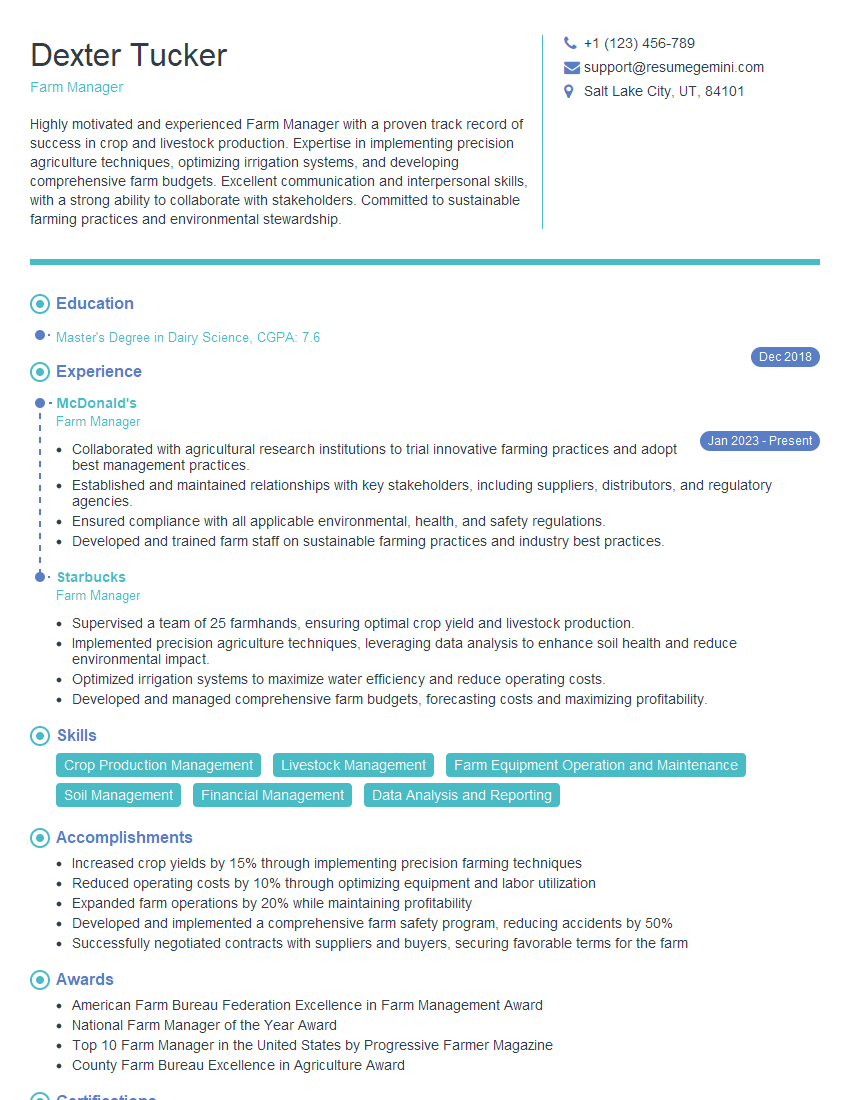
Farm Manager Resume Sample
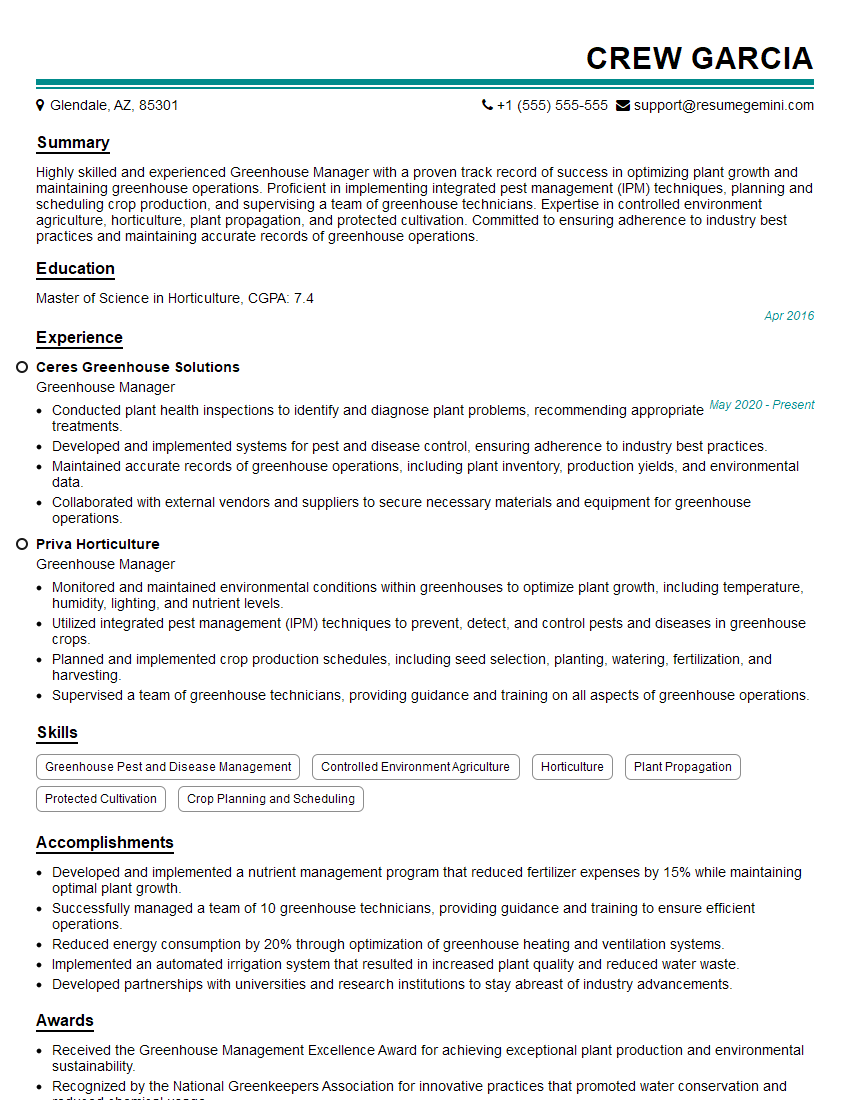
Greenhouse Manager Resume Sample
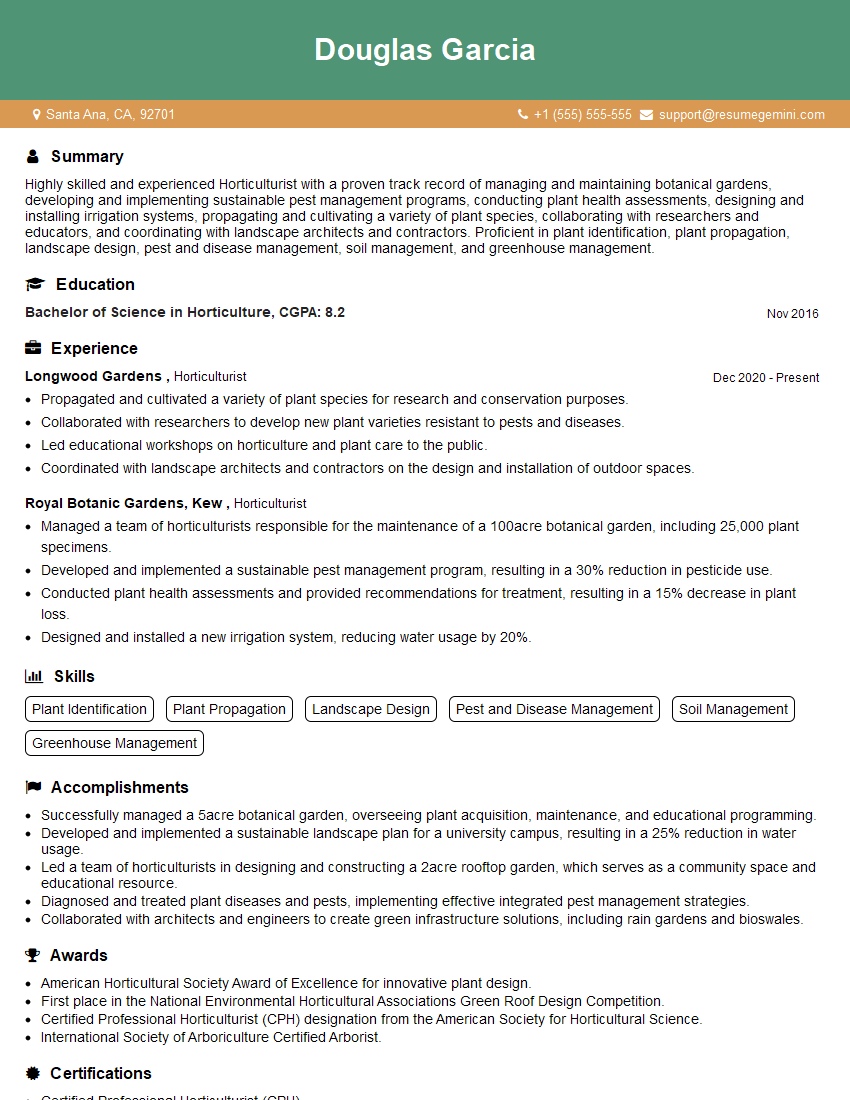
Horticulturist Resume Sample
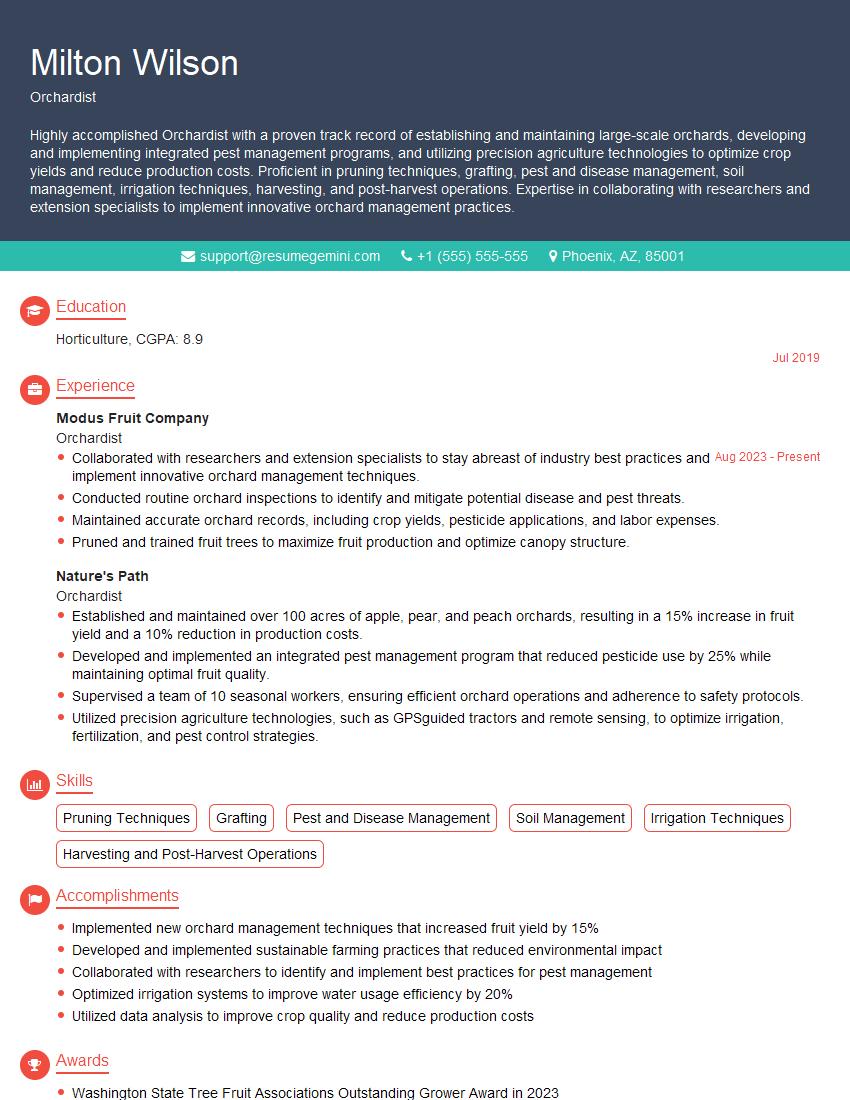
Orchardist Resume Sample
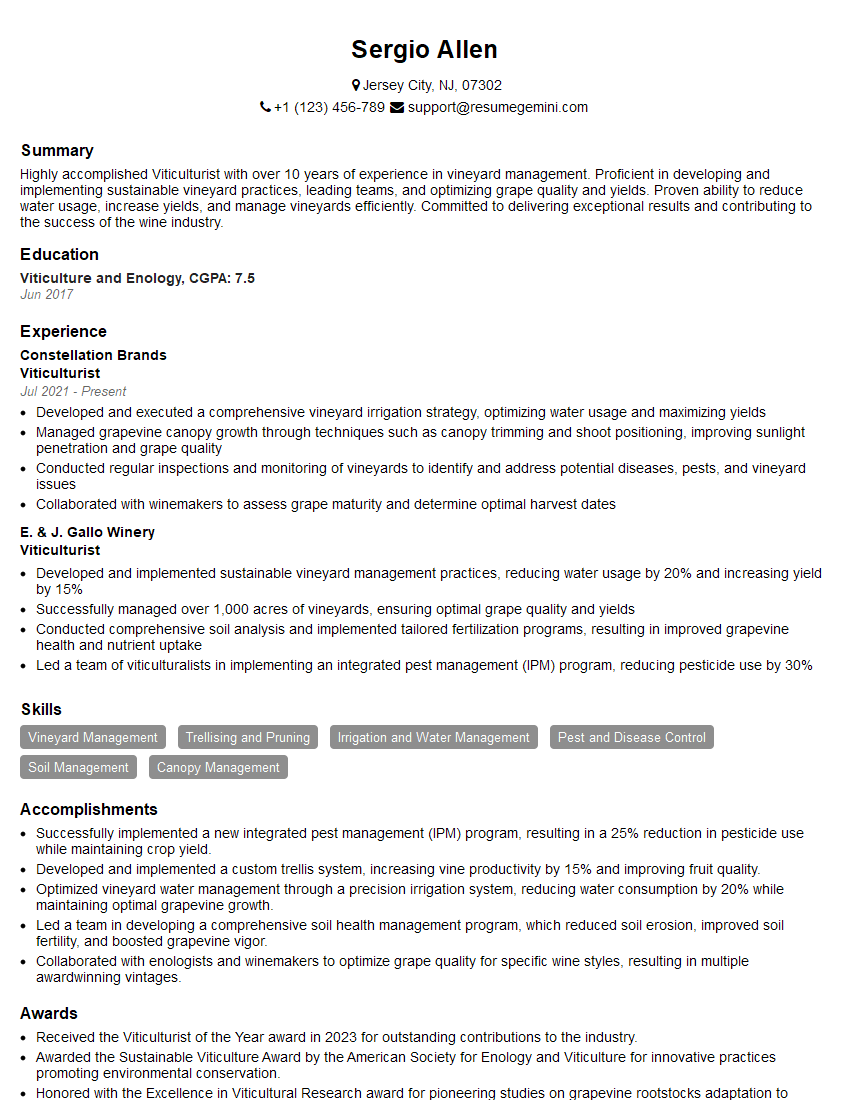
Viticulturist Resume Sample
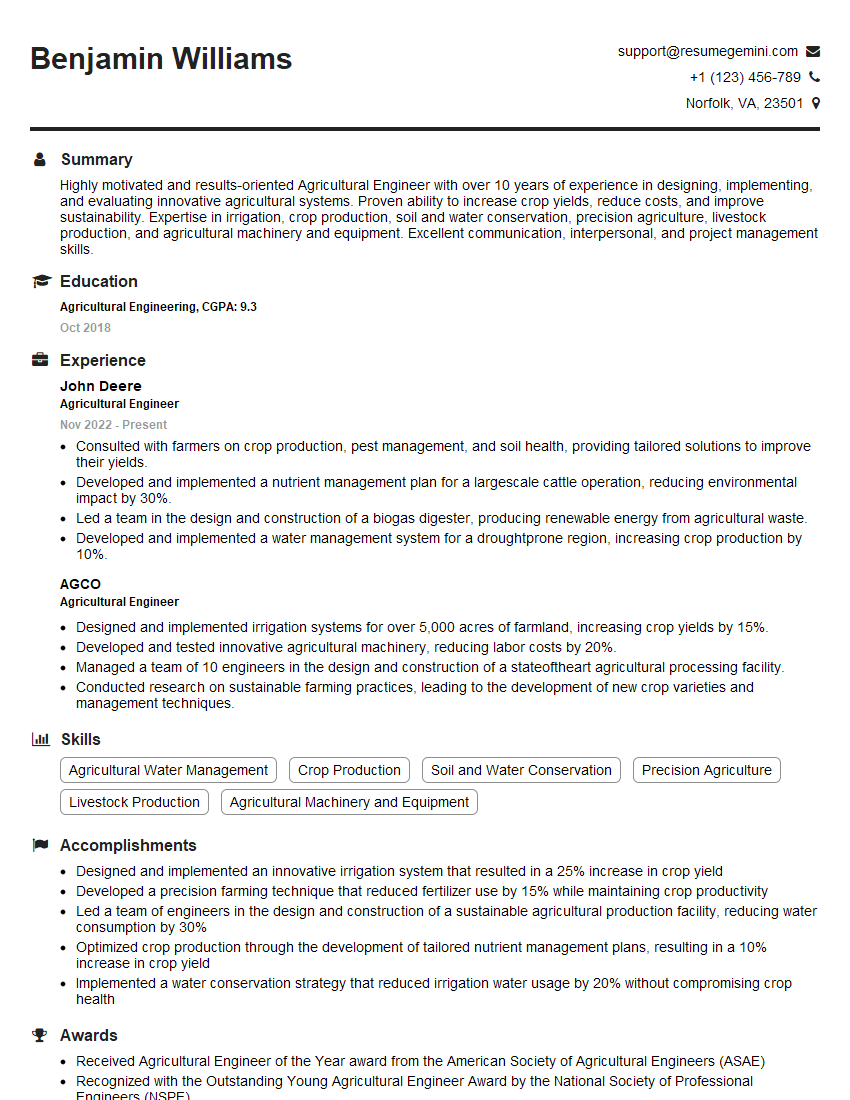
Agricultural Engineer Resume Sample
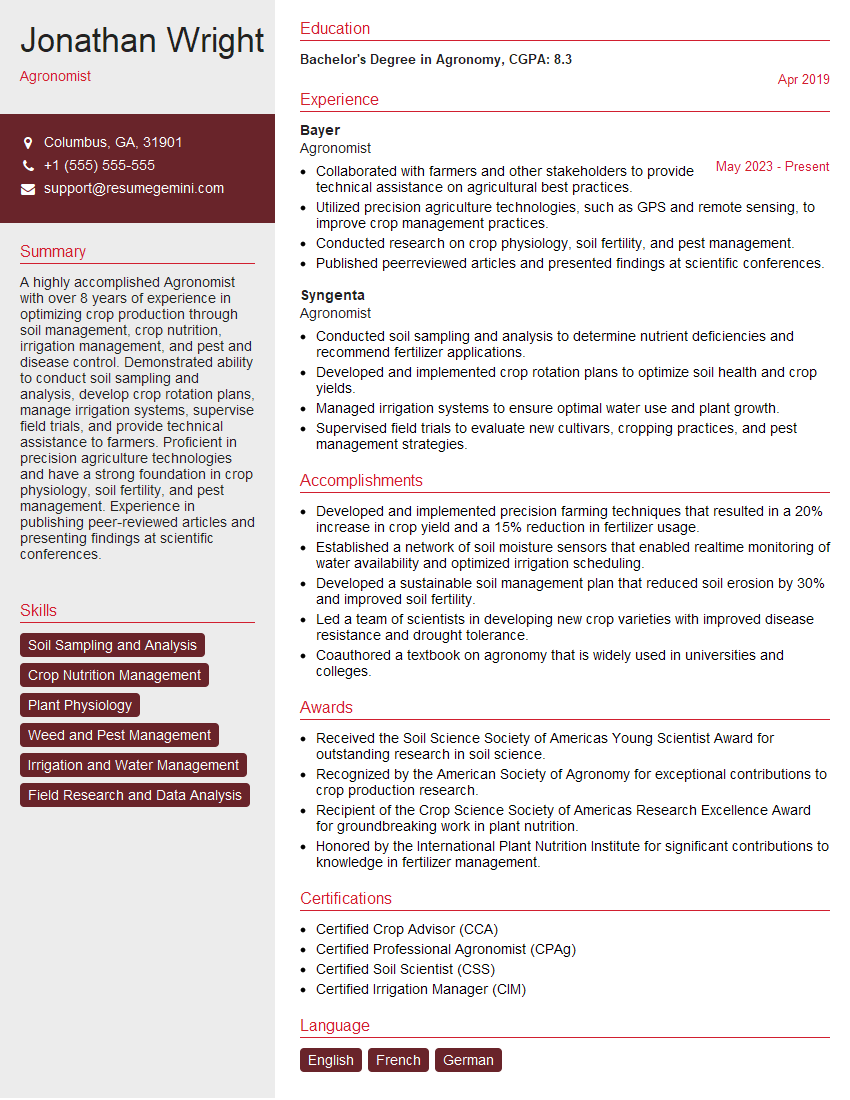
Agronomist Resume Sample

Soil Scientist Resume Sample
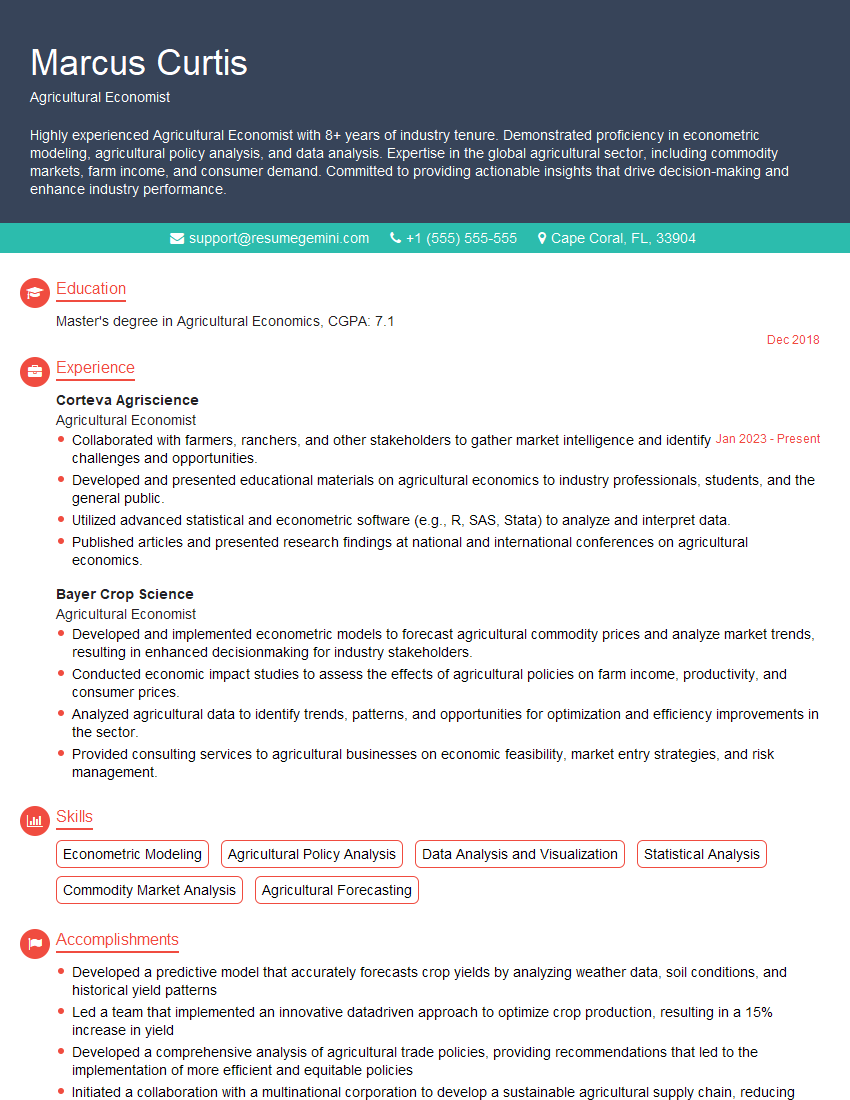
Agricultural Economist Resume Sample
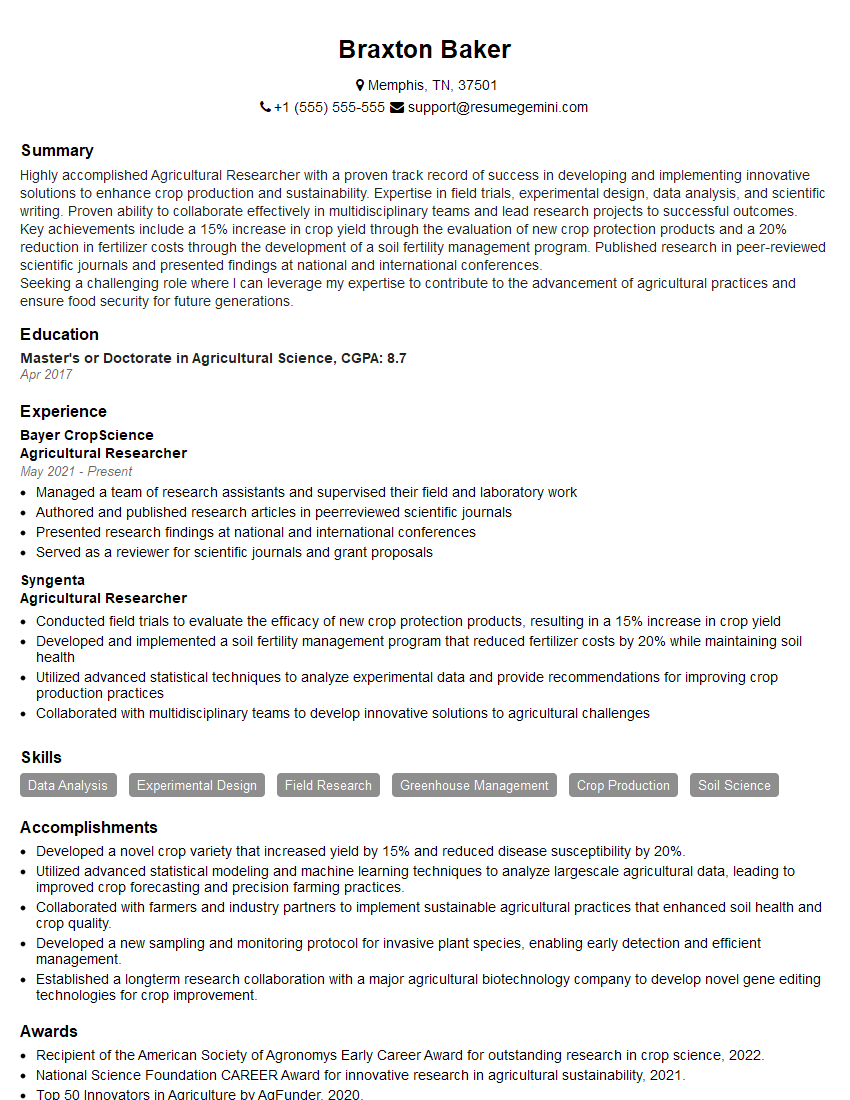
Agricultural Researcher Resume Sample
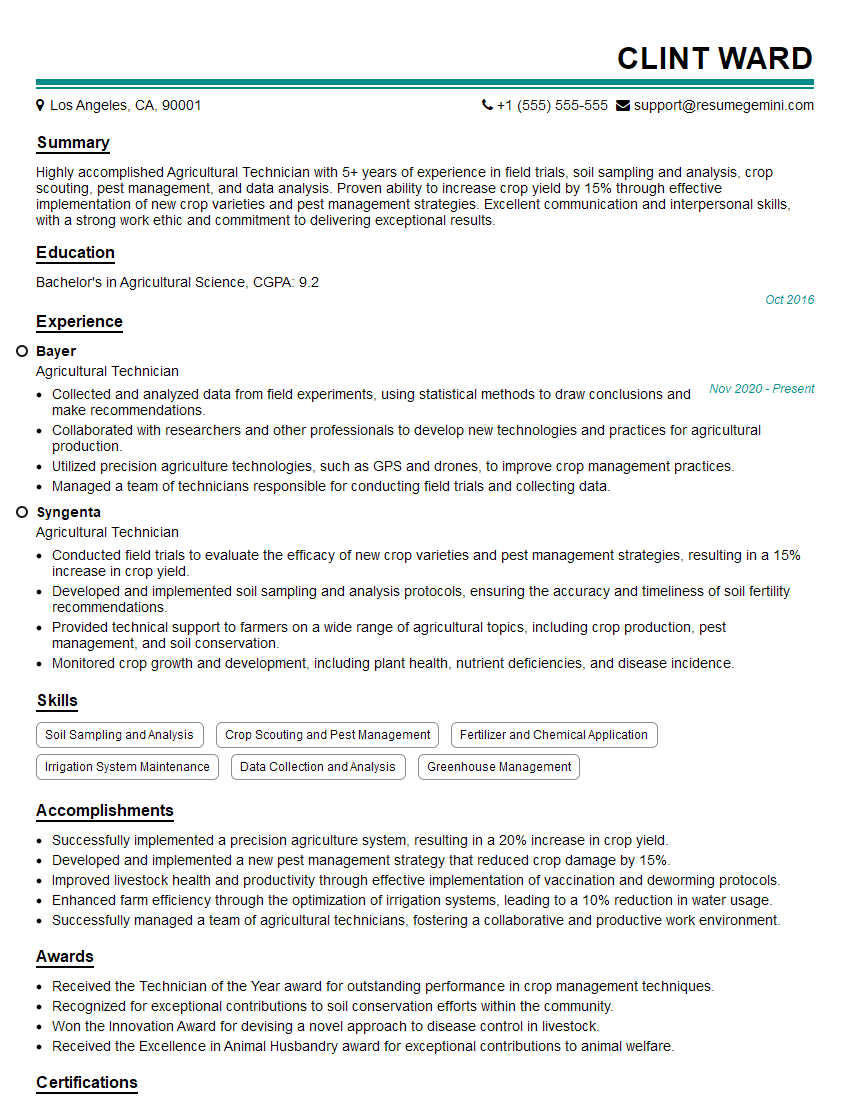
Agricultural Technician Resume Sample
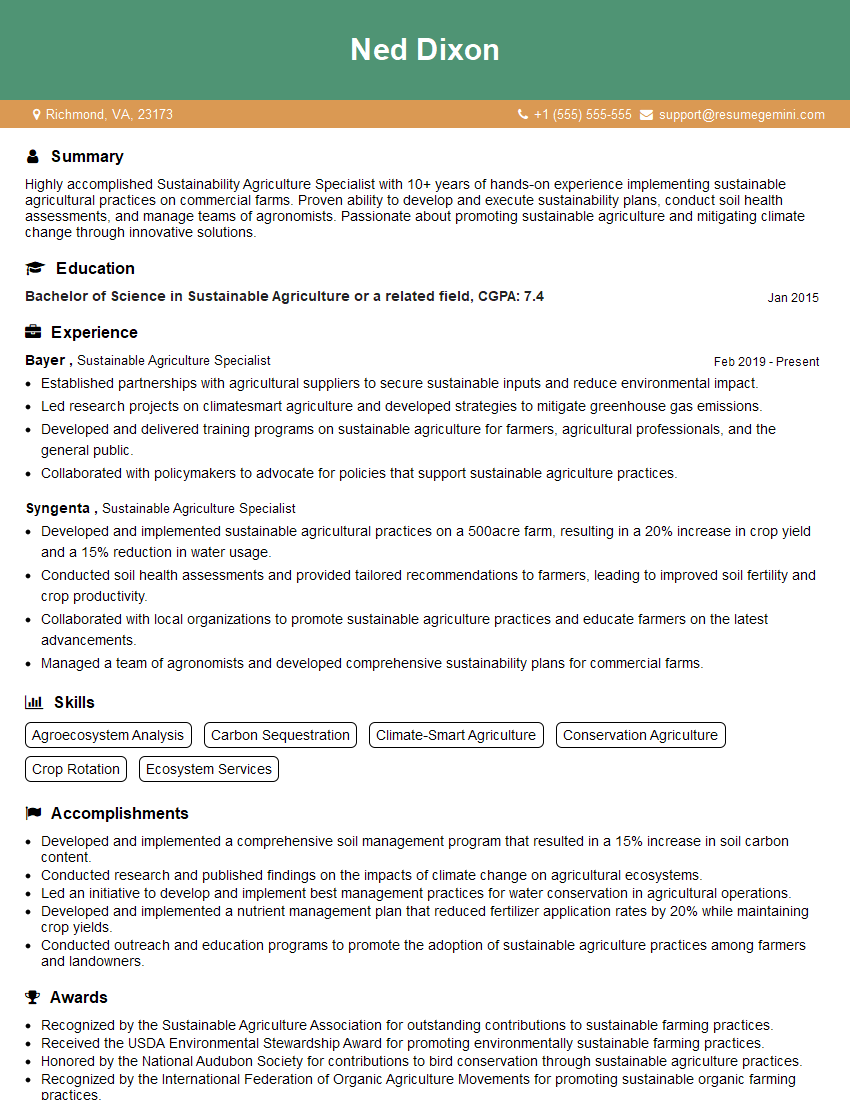
Sustainable Agriculture Specialist Resume Sample
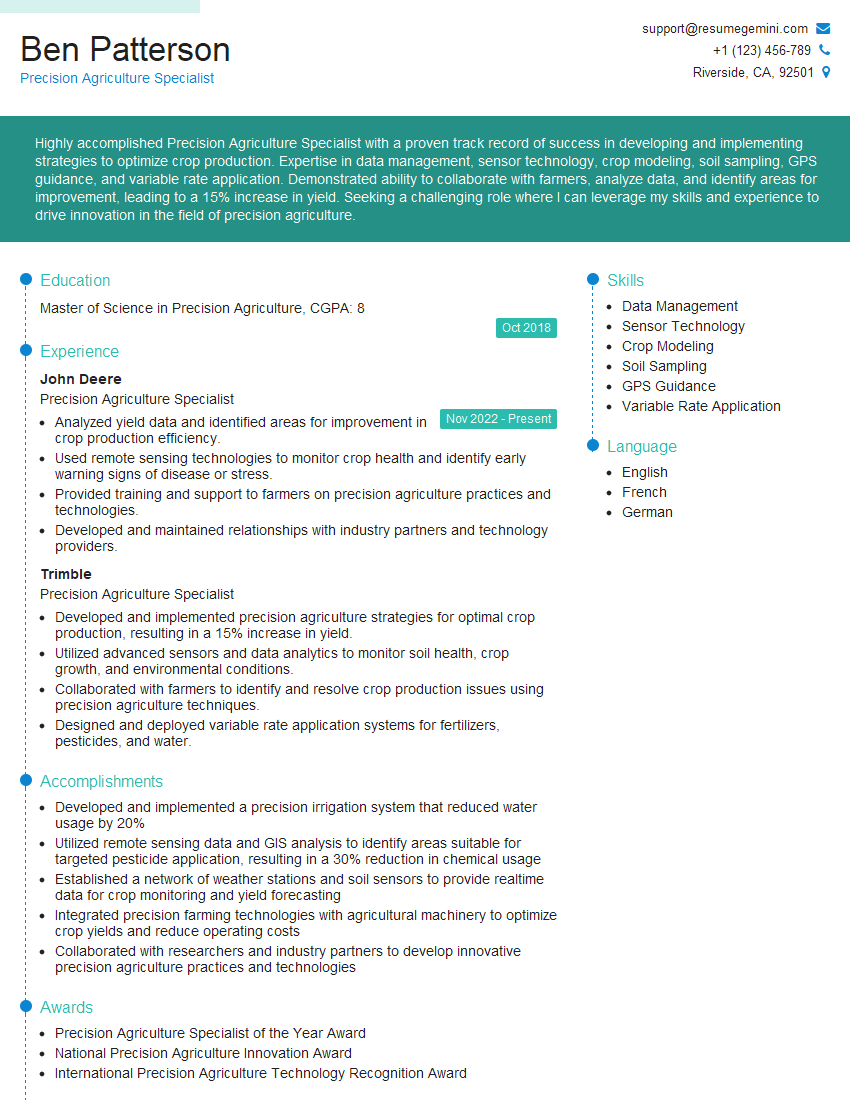
Precision Agriculture Specialist Resume Sample
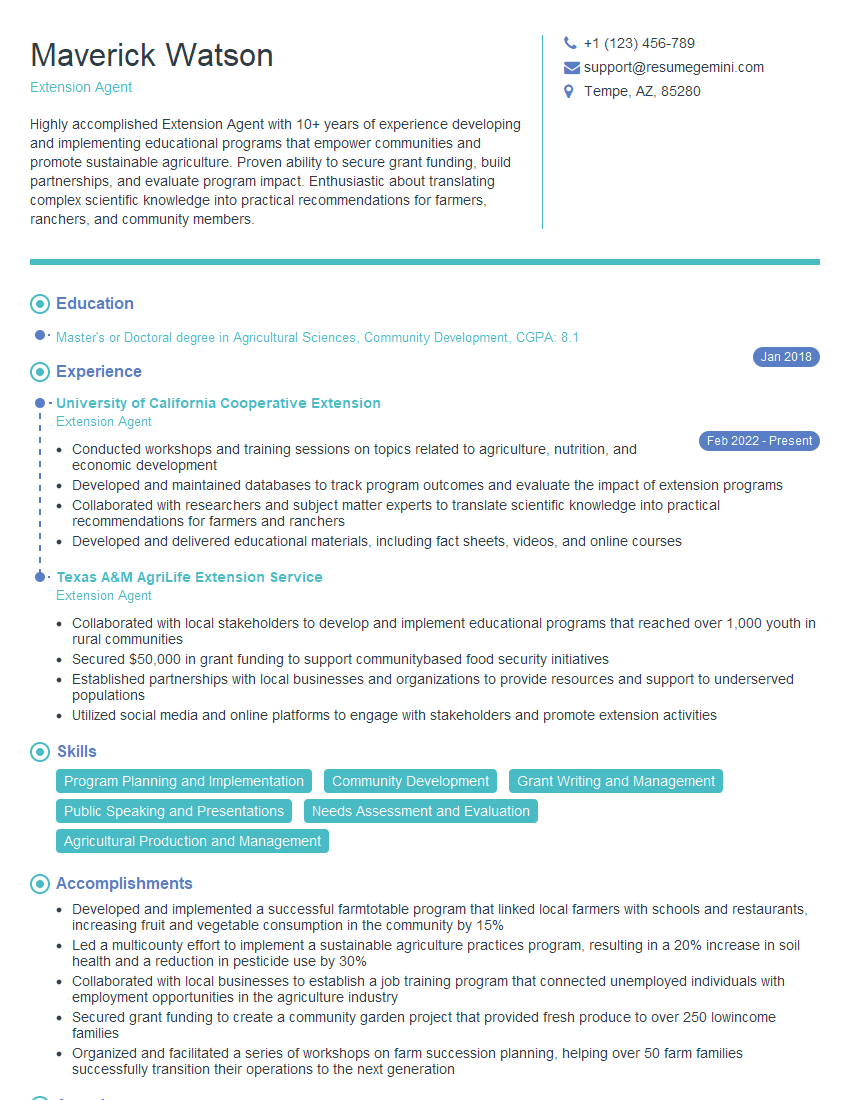
Extension Agent Resume Sample
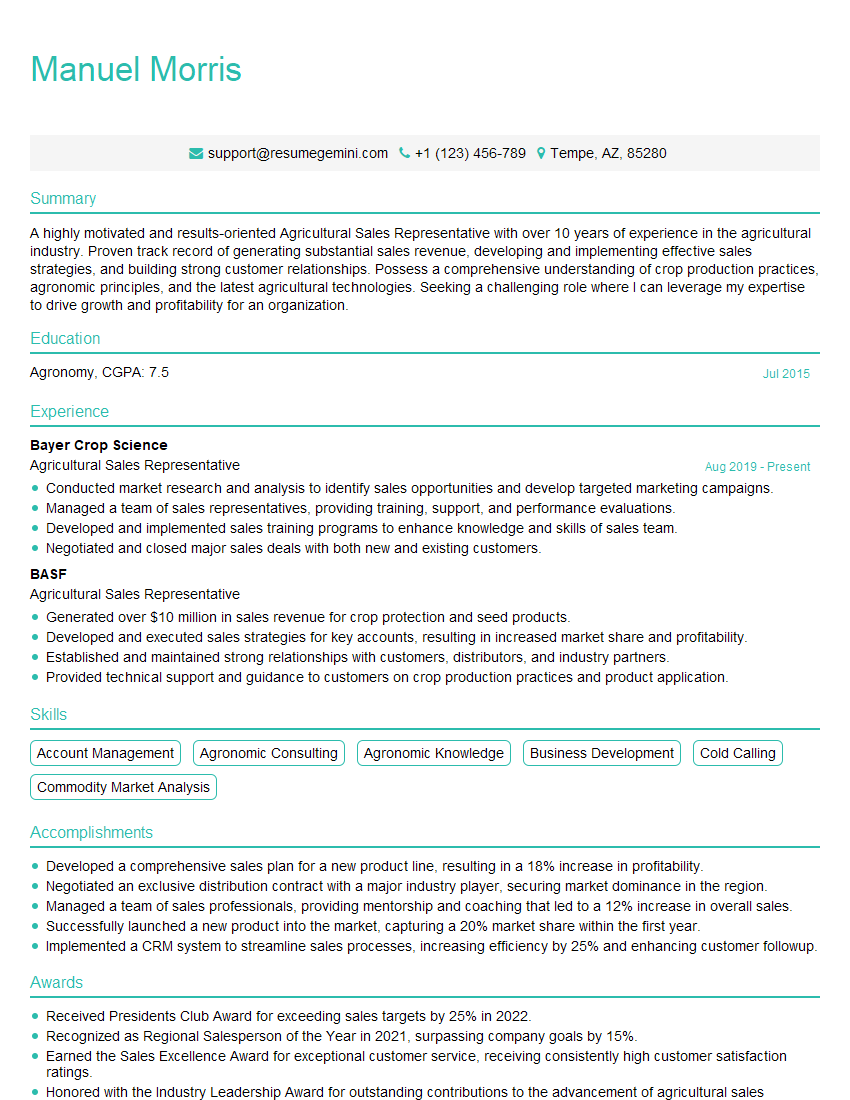
Agricultural Sales Representative Resume Sample
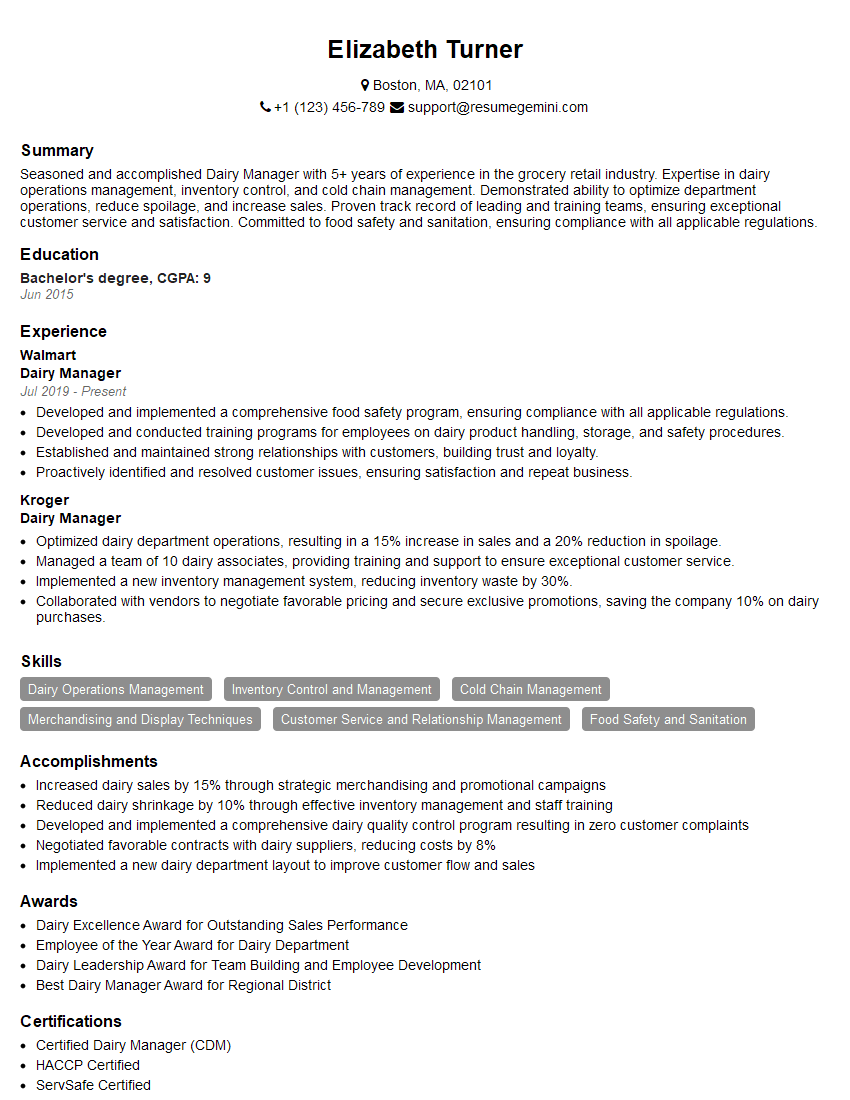
Dairy Manager Resume Sample
- Farm Manager
- Greenhouse Manager
- Horticulturist
- Orchardist
- Viticulturist
- Agricultural Engineer
- Agronomist
- Soil Scientist
- Agricultural Economist
- Agricultural Researcher
- Agricultural Technician
- Sustainable Agriculture Specialist
- Precision Agriculture Specialist
- Extension Agent
- Agricultural Sales Representative
- Dairy Manager
Explore more articles
Users Rating of Our Blogs
Share Your Experience
We value your feedback! Please rate our content and share your thoughts (optional).
What Readers Say About Our Blog
Amazing blog
hello,
Our consultant firm based in the USA and our client are interested in your products.
Could you provide your company brochure and respond from your official email id (if different from the current in use), so i can send you the client’s requirement.
Payment before production.
I await your answer.
Regards,
MrSmith
hello,
Our consultant firm based in the USA and our client are interested in your products.
Could you provide your company brochure and respond from your official email id (if different from the current in use), so i can send you the client’s requirement.
Payment before production.
I await your answer.
Regards,
MrSmith
These apartments are so amazing, posting them online would break the algorithm.
https://bit.ly/Lovely2BedsApartmentHudsonYards
Reach out at BENSON@LONDONFOSTER.COM and let’s get started!
Take a look at this stunning 2-bedroom apartment perfectly situated NYC’s coveted Hudson Yards!
https://bit.ly/Lovely2BedsApartmentHudsonYards
Live Rent Free!
https://bit.ly/LiveRentFREE
Interesting Article, I liked the depth of knowledge you’ve shared.
Helpful, thanks for sharing.
Hi, I represent a social media marketing agency and liked your blog
Hi, I represent an SEO company that specialises in getting you AI citations and higher rankings on Google. I’d like to offer you a 100% free SEO audit for your website. Would you be interested?