Feeling uncertain about what to expect in your upcoming interview? We’ve got you covered! This blog highlights the most important Excellent Organizational and Prioritization Skills interview questions and provides actionable advice to help you stand out as the ideal candidate. Let’s pave the way for your success.
Questions Asked in Excellent Organizational and Prioritization Skills Interview
Q 1. Describe your approach to prioritizing tasks with competing deadlines.
My approach to prioritizing tasks with competing deadlines relies on a structured methodology combining urgency and importance. I utilize a matrix, often visualized as a quadrant, categorizing tasks based on their urgency (immediate, short-term, long-term) and importance (impact on goals, strategic value, risk mitigation).
- Urgent & Important: These tasks require immediate attention and are tackled first. Think of a critical bug fix or a last-minute client presentation.
- Important but Not Urgent: These are strategically important tasks crucial for long-term goals, such as planning a new product launch or developing a key client relationship. These are scheduled proactively to avoid last-minute rushes.
- Urgent but Not Important: These tasks may require immediate action, but they might not directly contribute to key objectives. I try to delegate or automate these, or re-evaluate their urgency to see if postponing is feasible (e.g., some non-critical emails).
- Neither Urgent nor Important: These tasks are often eliminated or delegated. These might include low-priority tasks that can be tabled or eliminated.
This matrix allows for clear visualization of what needs immediate attention and what can be planned for later. I continuously review and adjust this matrix as priorities evolve.
Q 2. How do you handle unexpected interruptions that disrupt your workflow?
Unexpected interruptions are a part of daily life, and my approach is to manage them proactively, rather than letting them control my workflow. I utilize a few key strategies:
- Time Blocking: I dedicate specific blocks of time for focused work, reducing the likelihood of interruptions during crucial tasks. This allows me to dive deeply into tasks without constant distractions.
- Communication Protocols: I communicate my work schedule and availability to my team, setting boundaries to minimize unnecessary interruptions during focused work periods.
- Quick Capture: When interruptions do occur, I quickly capture the new task or information using a system like a note-taking app or a task manager. This prevents me from forgetting the interruption, while allowing me to return to my prior work.
- Batching Similar Tasks: I group similar tasks together. For example, responding to emails is done at specific times, preventing email interruptions throughout the day.
By being proactive and using these strategies, I minimize the impact of disruptions on my overall productivity and maintain focus on my high-priority tasks.
Q 3. Explain your method for organizing complex projects with multiple moving parts.
Organizing complex projects involves a multi-faceted approach that centers around clear planning and execution. I typically follow these steps:
- Project Breakdown: I begin by breaking down the project into smaller, manageable tasks. This makes the project less daunting and facilitates better tracking of progress.
- Task Dependencies: I identify dependencies between tasks, understanding which tasks need to be completed before others can begin. This avoids bottlenecks and allows for efficient sequencing.
- Gantt Charts/Kanban Boards: I use visual tools like Gantt charts or Kanban boards to represent the project timeline, dependencies, and progress. This provides a clear overview and facilitates team communication.
- Regular Check-ins: I schedule regular check-in meetings with team members to discuss progress, address roadblocks, and make necessary adjustments to the plan.
- Risk Management: I identify potential risks and develop mitigation plans to ensure project success, even in the face of unforeseen challenges.
For example, in a recent website redesign project, I used a Kanban board to track the progress of design, development, and testing phases. This allowed the team to visualize the workflow, identify bottlenecks, and ensure timely completion.
Q 4. What tools or techniques do you use to manage your time effectively?
Effective time management is crucial for productivity. I combine several tools and techniques to optimize my time:
- Time Blocking: Allocating specific time slots for particular tasks.
- Prioritization Matrices: As described earlier, using a matrix to categorize tasks by urgency and importance.
- Pomodoro Technique: Working in focused bursts of 25 minutes followed by short breaks to maintain concentration.
- Task Management Software: Utilizing tools like Asana, Trello, or Monday.com to track tasks, deadlines, and progress.
- Calendar Management: Blocking out time for meetings, focused work, and personal appointments.
The key is to find a combination of techniques that suits individual preferences and working style. Experimentation is key to finding what works best.
Q 5. How do you delegate tasks to maximize team efficiency?
Delegating tasks effectively is about choosing the right person for the right job and ensuring they have the necessary support. My approach is based on these principles:
- Assess Team Members’ Strengths: Identify each team member’s skills and experience to assign tasks that align with their expertise.
- Clear Expectations: Provide clear instructions, deadlines, and desired outcomes for each delegated task. Ambiguity can lead to errors and inefficiency.
- Provide Necessary Resources: Ensure that team members have access to the resources they need to complete the task, including tools, information, and support.
- Regular Check-ins: Maintain open communication by checking in with team members regularly to provide support and address any questions or challenges.
- Empowerment: Trust team members to complete their tasks independently, offering guidance only when necessary.
For instance, if a team member is exceptionally skilled in graphic design, I would delegate all design-related tasks to them, allowing them to focus on their strengths and contribute more effectively.
Q 6. Describe a situation where you had to re-prioritize tasks due to changing circumstances.
During a large-scale software development project, we were on track to meet the initial deadline. However, a critical security vulnerability was discovered in a third-party library we were using. This required immediate attention and necessitated re-prioritization.
We immediately convened a team meeting to assess the situation. We utilized our risk management plan and decided to temporarily halt several less critical features to focus on addressing the security vulnerability. This involved shifting resources and re-allocating engineers to the security team. Although this delayed some features, addressing the vulnerability was paramount for the project’s success and overall security.
The successful remediation of the vulnerability prevented a much larger problem and demonstrated the importance of flexibility and adaptability in project management. Through effective communication and a collaborative effort, we adjusted the timeline and still delivered a successful, secure product.
Q 7. How do you ensure accuracy and completeness in your work while managing multiple tasks?
Ensuring accuracy and completeness while managing multiple tasks requires a combination of meticulous planning, consistent monitoring, and effective review processes:
- Detailed Task Lists: Breaking down tasks into smaller steps with clear expectations ensures nothing is missed.
- Checklists: Using checklists before, during and after each task helps prevent errors and omissions.
- Quality Control: Building quality control checks into the workflow, for example, peer reviews or testing procedures, ensures accuracy.
- Regular Reviews: Regularly reviewing progress and identifying any potential problems early prevents major issues later.
- Documentation: Maintaining detailed records of completed tasks, decisions, and modifications ensures transparency and facilitates future reference.
For instance, I always review each project phase before moving on, ensuring adherence to standards and completeness. By building in these checks at every stage, I ensure accuracy and completeness without compromising efficiency.
Q 8. What strategies do you employ to avoid feeling overwhelmed by a heavy workload?
Feeling overwhelmed by a heavy workload is a common experience, but it’s crucial to develop strategies to manage it effectively. My approach is multifaceted and focuses on proactive planning, effective delegation, and mindful time management. I begin by breaking down large tasks into smaller, more manageable chunks. This makes the overall project less daunting and provides a sense of accomplishment as each smaller task is completed. For example, instead of thinking ‘write the marketing report,’ I might break it down into ‘research market trends,’ ‘write the executive summary,’ ‘create data visualizations,’ and so on. Secondly, I prioritize tasks based on urgency and importance (more on this later). This ensures I tackle the most critical tasks first. Finally, I schedule regular breaks throughout the day to avoid burnout. Think of it like sprinting – you need rest periods to maintain your energy levels and prevent injury (metaphorically, of course!).
Q 9. How do you stay organized when working on multiple projects simultaneously?
Juggling multiple projects simultaneously requires a highly structured approach. I rely heavily on project management tools and methodologies. I utilize a combination of Kanban boards and Gantt charts. Kanban boards visually represent the workflow, allowing me to see the status of each task across all projects. Gantt charts help me visualize timelines and dependencies between tasks. For example, I might use a Kanban board to track the progress of individual tasks in each project, using different colors to represent project categories. A Gantt chart would then provide a timeline of all projects, highlighting milestones and deadlines. This dual approach ensures both a granular view of individual tasks and a comprehensive view of the bigger picture.
Q 10. Describe your process for setting and achieving daily, weekly, and monthly goals.
My goal-setting process is iterative and aligned with the SMART framework – Specific, Measurable, Achievable, Relevant, and Time-bound. Daily goals are typically focused on completing specific tasks, contributing to larger weekly and monthly objectives. Weekly goals involve achieving milestones within projects, while monthly goals focus on broader outcomes. For instance, a daily goal might be ‘complete the first draft of section 2 of the report.’ A weekly goal could be ‘finish the first draft of the entire report.’ A monthly goal might be ‘complete the entire report and submit it for review.’ I use a combination of digital calendar apps and to-do lists to track my progress and ensure accountability. Regular reviews, either daily or weekly, help me adjust my plans as needed, ensuring I stay on track.
Q 11. How do you use technology to enhance your organizational and prioritization skills?
Technology is an indispensable tool in enhancing my organizational and prioritization skills. I use project management software like Asana or Trello for task management, collaboration, and progress tracking. Calendar apps like Google Calendar or Outlook Calendar help me schedule tasks and meetings effectively. Note-taking apps like Evernote or OneNote help me capture ideas, decisions, and meeting minutes. Finally, time-tracking apps provide insights into how I spend my time, allowing me to identify areas for improvement. For example, tracking my time reveals that I’m spending too much time on low-priority emails, prompting me to allocate specific times for email responses rather than constantly checking.
Q 12. How do you determine the urgency and importance of tasks?
I employ the Eisenhower Matrix (also known as the Urgent-Important Matrix) to determine the urgency and importance of tasks. This matrix categorizes tasks into four quadrants: Urgent and Important, Important but Not Urgent, Urgent but Not Important, and Neither Urgent nor Important. Tasks in the ‘Urgent and Important’ quadrant require immediate attention. ‘Important but Not Urgent’ tasks need to be scheduled proactively to avoid becoming urgent. ‘Urgent but Not Important’ tasks can often be delegated or eliminated. ‘Neither Urgent nor Important’ tasks should be avoided. This framework helps me prioritize tasks based on their impact and time sensitivity.
Q 13. Explain your method for tracking progress on multiple projects.
Tracking progress on multiple projects requires a systematic approach. I use a combination of project management software, regular progress reports, and visual dashboards. Project management software allows me to track tasks, deadlines, and resource allocation for each project. Regular progress reports, either weekly or bi-weekly, help me assess completion rates and identify potential roadblocks. Visual dashboards provide a high-level overview of the progress of all projects, helping me identify potential bottlenecks or areas needing attention. These combined tools offer a comprehensive view of project progress, ensuring that I’m well-informed and can proactively address any issues.
Q 14. How do you handle conflicting priorities from different stakeholders?
Conflicting priorities from different stakeholders require careful negotiation and communication. I start by clearly understanding each stakeholder’s needs and priorities. I then try to find common ground and solutions that meet the majority of stakeholder expectations. If a compromise isn’t possible, I prioritize tasks based on the overall strategic goals of the organization. Open and transparent communication with all stakeholders is critical, explaining my reasoning and ensuring everyone is informed about the decision-making process. This approach minimizes misunderstandings and builds trust.
Q 15. Describe a time you successfully managed a high-pressure situation requiring strong organizational skills.
In a previous role, we faced a critical deadline for launching a new software product. Unexpected bugs emerged just two weeks before launch, creating a high-pressure environment. My organizational skills were crucial in mitigating the crisis. I immediately initiated a project triage. First, I used a Kanban board to visually map out all remaining tasks, identifying dependencies and critical paths. This provided a clear overview of the situation. Then, I held a meeting with the development team to prioritize bug fixes based on their severity and impact on the core functionalities. We divided the tasks amongst the team, assigning roles and responsibilities clearly. Daily stand-up meetings were implemented to track progress, identify roadblocks, and ensure everyone remained aligned. Finally, I implemented a robust communication plan to keep all stakeholders informed of progress and potential delays. Through this systematic approach, we managed to successfully launch the product on time, demonstrating the effectiveness of organized, collaborative problem-solving under immense pressure.
Career Expert Tips:
- Ace those interviews! Prepare effectively by reviewing the Top 50 Most Common Interview Questions on ResumeGemini.
- Navigate your job search with confidence! Explore a wide range of Career Tips on ResumeGemini. Learn about common challenges and recommendations to overcome them.
- Craft the perfect resume! Master the Art of Resume Writing with ResumeGemini’s guide. Showcase your unique qualifications and achievements effectively.
- Don’t miss out on holiday savings! Build your dream resume with ResumeGemini’s ATS optimized templates.
Q 16. How do you ensure all deadlines are met, even with unforeseen challenges?
Meeting deadlines, especially when facing the unexpected, requires a proactive and adaptable approach. My strategy hinges on meticulous planning and regular monitoring. I begin by creating realistic schedules, factoring in buffer time for unforeseen delays. I utilize project management tools to track progress visually, such as Gantt charts, which allow for easy identification of potential slippage. When unexpected challenges arise, I immediately reassess the project timeline and priorities. I communicate transparently with team members and stakeholders, explaining the situation and collaboratively finding solutions. This might involve renegotiating deadlines, re-allocating resources, or adjusting the scope of work. Regular progress reviews and proactive risk management are key to preventing minor issues from becoming major delays. I always believe in open communication to find optimal solutions to unforeseen obstacles, making sure everyone stays informed and understands the revised plan.
Q 17. What’s your preferred method for documenting project progress and information?
My preferred method for documenting project progress and information is a combination of digital and physical tools. For larger projects, I use project management software like Jira or Asana to track tasks, deadlines, and progress. These platforms allow for easy collaboration, version control, and real-time updates. Within these tools, I meticulously document decisions, risk assessments, and changes to the project scope. For smaller tasks or quick notes, I utilize a digital notebook, ensuring accessibility and searchability. I also hold regular meetings to ensure consistent communication and clear documentation of key decisions. This multi-faceted approach ensures that all information is readily available, accessible, and consistently updated. This approach helps maintain transparency and avoids confusion, making it easier to revisit past decisions and actions.
Q 18. How do you identify and address potential bottlenecks in your workflow?
Identifying and addressing bottlenecks requires a keen eye for detail and a proactive approach. I regularly review project progress, looking for tasks that are consistently behind schedule or causing delays in other areas. This often involves analyzing task dependencies and resource allocation. For instance, if a particular team member is consistently overloaded, it’s clear that there’s a resource bottleneck. To address this, I might re-allocate tasks, provide additional support, or adjust the project timeline. If the bottleneck is due to a process issue, I’ll work with the team to streamline the workflow, removing unnecessary steps or improving efficiency. Regular communication is key; actively soliciting feedback from team members helps identify hidden bottlenecks early on.
Q 19. How do you measure your success in terms of organization and prioritization?
I measure my success in organization and prioritization by several key metrics. First, I assess the on-time and within-budget completion of projects. This indicates efficient resource allocation and effective scheduling. Secondly, I track team morale and productivity. A well-organized workflow and clear priorities contribute to a more positive and efficient work environment. Thirdly, I evaluate the quality of the final product or outcome. A well-prioritized approach usually leads to higher-quality results, as important tasks receive the appropriate attention. Finally, I analyze the overall efficiency of my processes. Continuous improvement is vital, so I regularly review my methods to identify areas where further optimization is possible. These combined metrics provide a holistic view of my success in managing organization and prioritization.
Q 20. Describe a situation where you had to make a difficult decision regarding task prioritization.
In one project, we had two high-priority tasks with conflicting deadlines. One involved a critical bug fix impacting a major client, and the other was a new feature launch for another crucial client. Both needed immediate attention. To make a decision, I used a decision matrix, weighing factors like client impact, potential financial losses, and long-term strategic goals. I involved senior stakeholders in the decision-making process to ensure transparency and buy-in. Ultimately, we prioritized the bug fix due to the immediate risk of significant financial losses and reputational damage. While this meant delaying the new feature launch, we implemented a clear communication plan to manage expectations with the client and worked to minimize the delay, demonstrating a rational and communicative approach to difficult choices.
Q 21. How do you communicate priorities effectively to your team members?
Communicating priorities effectively requires clear, concise, and consistent messaging. I use a multi-pronged approach. First, I hold regular team meetings to discuss priorities, outlining the rationale behind each task’s ranking. I use visual tools like Kanban boards or Gantt charts to demonstrate dependencies and timelines. I ensure that each team member understands their responsibilities and how their work contributes to the overall project goals. Secondly, I provide clear written documentation outlining priorities and deadlines, which can be easily accessed and referenced. Thirdly, I encourage open communication and feedback, ensuring that team members have the opportunity to ask questions and raise concerns. This collaborative approach ensures that everyone is on the same page and works together efficiently.
Q 22. How do you stay proactive and anticipate potential organizational challenges?
Proactive organizational skills aren’t about reacting to problems; they’re about anticipating them. I achieve this through a combination of techniques. First, I conduct thorough initial planning. This involves deeply understanding project goals, potential roadblocks, and stakeholder expectations. Imagine building a house – you wouldn’t start without blueprints! Similarly, detailed planning forms the foundation for anticipating potential challenges.
Second, I regularly review progress against the plan, looking for deviations or emerging risks. This could involve daily stand-ups, weekly progress reports, or even just taking a few minutes each day to reflect on the day’s successes and challenges. This allows me to identify small issues before they escalate into major problems. Think of it as a preventative car maintenance check – small issues are easier (and cheaper!) to fix early.
Third, I actively seek feedback from my team and stakeholders. Different perspectives often highlight blind spots I might miss. Encouraging open communication fosters a culture where potential problems are identified and addressed proactively. Finally, I stay updated on industry trends and best practices. This ensures I’m aware of potential external factors that could impact my work.
Q 23. What are your strategies for minimizing errors and improving accuracy in your work?
Minimizing errors and maximizing accuracy is crucial. My strategies revolve around several key principles. Firstly, I employ a meticulous approach to my work – double-checking calculations, verifying data sources, and using checklists to ensure nothing is overlooked. Think of a pilot conducting a pre-flight checklist – every item is crucial for safety.
Secondly, I leverage technology where appropriate. This might involve using automated tools for data entry, validation software for ensuring accuracy, or project management software to track tasks and deadlines. Technology acts as a safety net, catching potential errors.
Thirdly, I embrace a culture of continuous improvement. When an error does occur (and they inevitably do!), I conduct a thorough root cause analysis to understand why it happened and implement measures to prevent recurrence. This prevents repetitive mistakes and improves overall process efficiency. This is like learning from a mistake in a recipe – you’ll adjust your approach next time!
Q 24. How do you ensure consistency in your organizational methods?
Consistency in organizational methods is essential for efficiency and team collaboration. I achieve this by establishing and documenting clear standards and processes. This includes using consistent file naming conventions, standardized templates for reports and documents, and a well-defined system for task management. Think of a well-organized library – everything has its place, making it easy to find what you need.
I also utilize project management tools that allow for shared access and consistent tracking of tasks and progress. This ensures everyone on the team is working from the same playbook, using the same tools and following the same processes. This collaborative approach builds a shared understanding of how things work and helps maintain consistency across the board.
Regular reviews and updates to these standards are crucial. As projects evolve and new tools or techniques emerge, it’s important to adapt the systems to maintain their effectiveness. This iterative approach ensures the organizational methods remain relevant and functional.
Q 25. What steps do you take to improve your organizational and prioritization skills continuously?
Continuous improvement is a cornerstone of my approach. I actively seek out opportunities for professional development, attending workshops, webinars, and online courses focused on organizational techniques and project management methodologies. I also actively participate in professional networks, engaging with peers and experts in the field to exchange ideas and best practices.
I regularly reflect on my own work habits, identifying areas for improvement. This might involve analyzing my time usage to identify time-wasting activities or experimenting with different organizational tools and techniques to find what works best for me. I also solicit feedback from colleagues and managers to identify blind spots I might not recognize.
Finally, I embrace a growth mindset, viewing challenges as opportunities for learning and improvement. By continuously seeking knowledge and adapting my methods, I consistently refine my organizational and prioritization skills.
Q 26. Describe your experience using project management software or methodologies.
I have extensive experience using various project management software and methodologies. I’m proficient in tools like Asana, Trello, and Monday.com, leveraging their functionalities for task assignment, progress tracking, and collaborative workflows. I understand and can implement Agile methodologies like Scrum and Kanban, adapting them to the specific needs of each project.
For example, in a recent project involving the development of a new software application, we used Scrum to manage the project. We held daily stand-up meetings, prioritized tasks based on the product backlog, and utilized sprints to deliver incremental functionality. The use of Scrum allowed for flexibility and responsiveness to changing requirements, while maintaining focus on delivering value at each iteration. My experience allows me to select and implement the most appropriate tools and methodologies depending on the specific project and team dynamics.
Q 27. How do you handle conflicting deadlines and limited resources?
Conflicting deadlines and limited resources are common challenges. My approach involves a structured prioritization process. I start by clearly defining the objectives for each task, assessing their relative importance and urgency using a prioritization matrix (like Eisenhower’s Urgent/Important matrix). This helps me identify tasks that are crucial and need immediate attention, differentiating them from those that can be delegated or rescheduled.
Once priorities are set, I allocate resources accordingly. This might involve negotiating extended deadlines where possible, reassigning tasks to team members with available capacity, or identifying and eliminating non-essential tasks. Open and honest communication with stakeholders is vital in this process – setting realistic expectations and managing their understanding of potential delays.
In situations with truly unavoidable conflicts, I employ a risk assessment approach, identifying potential impacts of missed deadlines and working with stakeholders to mitigate risks. Sometimes it’s about focusing on delivering the most critical aspects of the project, even if other elements need to be adjusted or postponed.
Q 28. How do you maintain a balance between strategic planning and day-to-day task management?
Maintaining a balance between strategic planning and day-to-day task management is crucial for long-term success. I approach this through a structured system of planning and review cycles. I dedicate specific time blocks for strategic planning, focusing on long-term goals, identifying potential opportunities, and developing strategies to achieve them. This might involve creating a yearly plan broken down into quarterly and monthly milestones.
Simultaneously, I utilize robust task management systems to ensure day-to-day tasks are completed efficiently and effectively. This involves breaking down larger projects into smaller, manageable tasks, assigning responsibilities, setting deadlines, and using tools to monitor progress. However, I ensure that these daily tasks directly contribute to the overarching strategic goals identified in the planning phase. This creates a seamless integration of long-term vision with short-term actions.
Regular review cycles, such as weekly or monthly meetings, help me assess progress against both strategic and operational goals. This allows for course correction and ensures that day-to-day activities remain aligned with the overall strategic objectives. This integrated approach prevents being bogged down in the details and losing sight of the bigger picture.
Key Topics to Learn for Excellent Organizational and Prioritization Skills Interview
- Time Management Techniques: Understanding and applying various time management methodologies like Eisenhower Matrix (urgent/important), Pomodoro Technique, and time blocking to maximize productivity and meet deadlines.
- Task Prioritization Strategies: Learning to effectively prioritize tasks based on urgency, importance, and dependencies. This includes identifying and delegating tasks where appropriate.
- Project Management Fundamentals: Demonstrating knowledge of project planning, execution, and monitoring techniques. This could involve discussing your experience with project management tools or methodologies (e.g., Agile, Kanban).
- Workflow Optimization: Identifying and streamlining inefficient processes to improve overall efficiency and reduce wasted time and resources. This includes the ability to analyze workflows and suggest improvements.
- Goal Setting and Achievement: Articulating your approach to setting SMART (Specific, Measurable, Achievable, Relevant, Time-bound) goals and consistently tracking progress towards their achievement. Showcase examples of successful goal attainment.
- Stress Management and Resilience: Highlighting your ability to manage workload effectively under pressure and maintain composure in demanding situations. Discuss strategies for managing stress and maintaining focus.
- Communication and Collaboration: Demonstrating how you effectively communicate priorities and collaborate with team members to ensure efficient project completion. This involves active listening and clear communication of expectations.
- Tool and Technology Proficiency: Showcase your familiarity with relevant organizational tools (e.g., project management software, calendar applications, note-taking apps) and how you leverage them to enhance your efficiency.
Next Steps
Mastering excellent organizational and prioritization skills is crucial for career advancement. Employers highly value candidates who can manage their time effectively, prioritize tasks efficiently, and contribute meaningfully to team projects. To significantly boost your job prospects, focus on creating an ATS-friendly resume that clearly showcases these abilities. ResumeGemini is a trusted resource that can help you build a professional resume tailored to highlight your strengths. Examples of resumes specifically designed to emphasize excellent organizational and prioritization skills are available to help you create a compelling application.
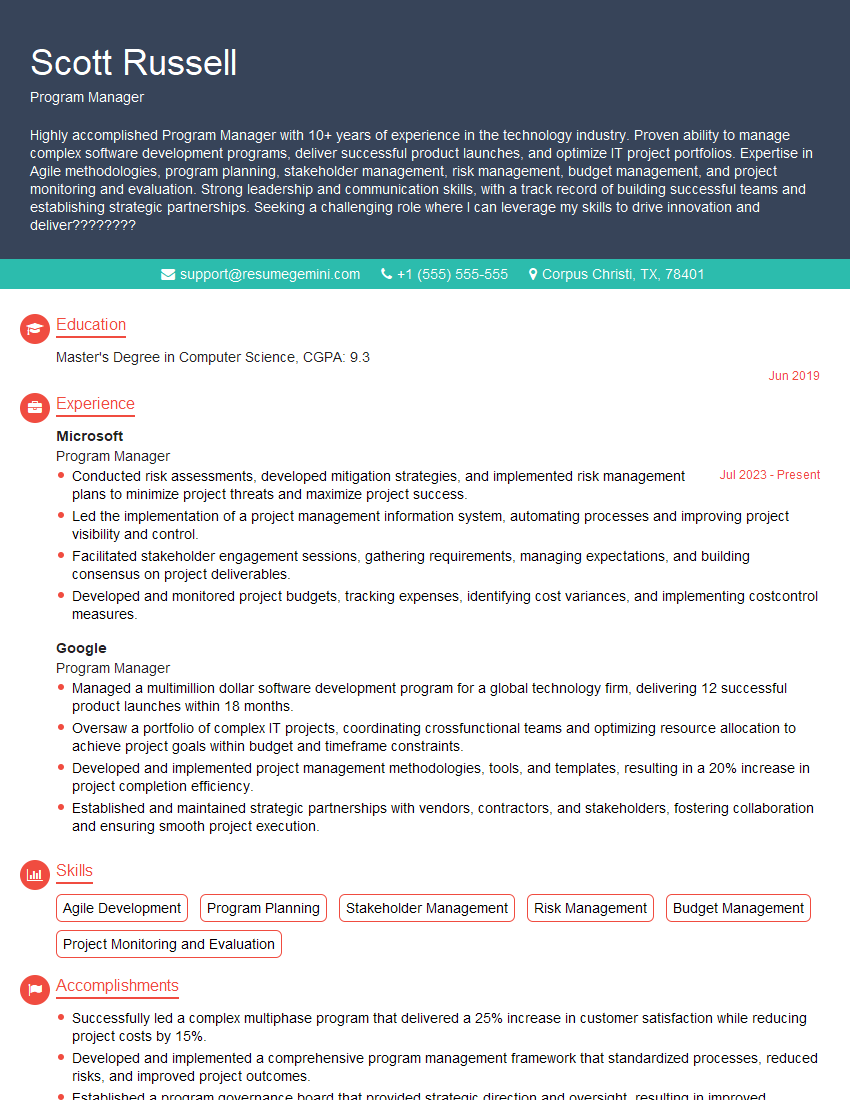
Program Manager Resume Sample
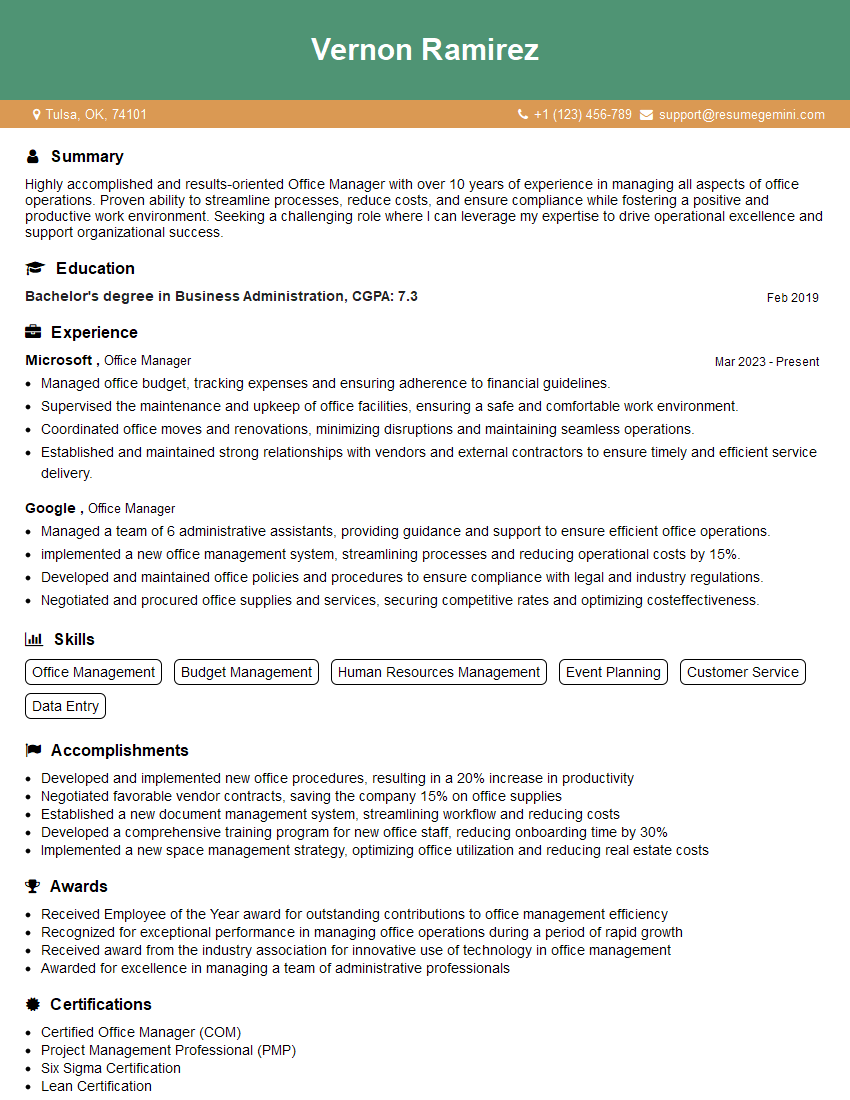
Office Manager Resume Sample

Operations Manager Resume Sample
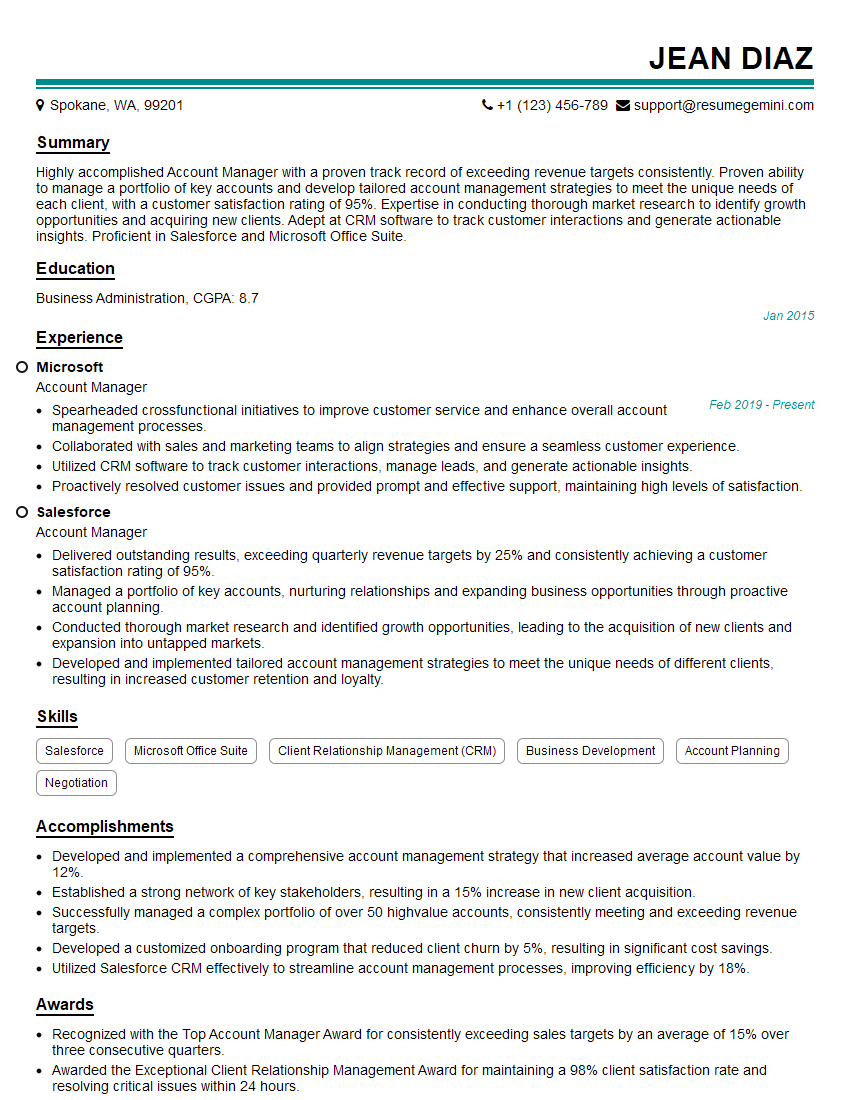
Account Manager Resume Sample
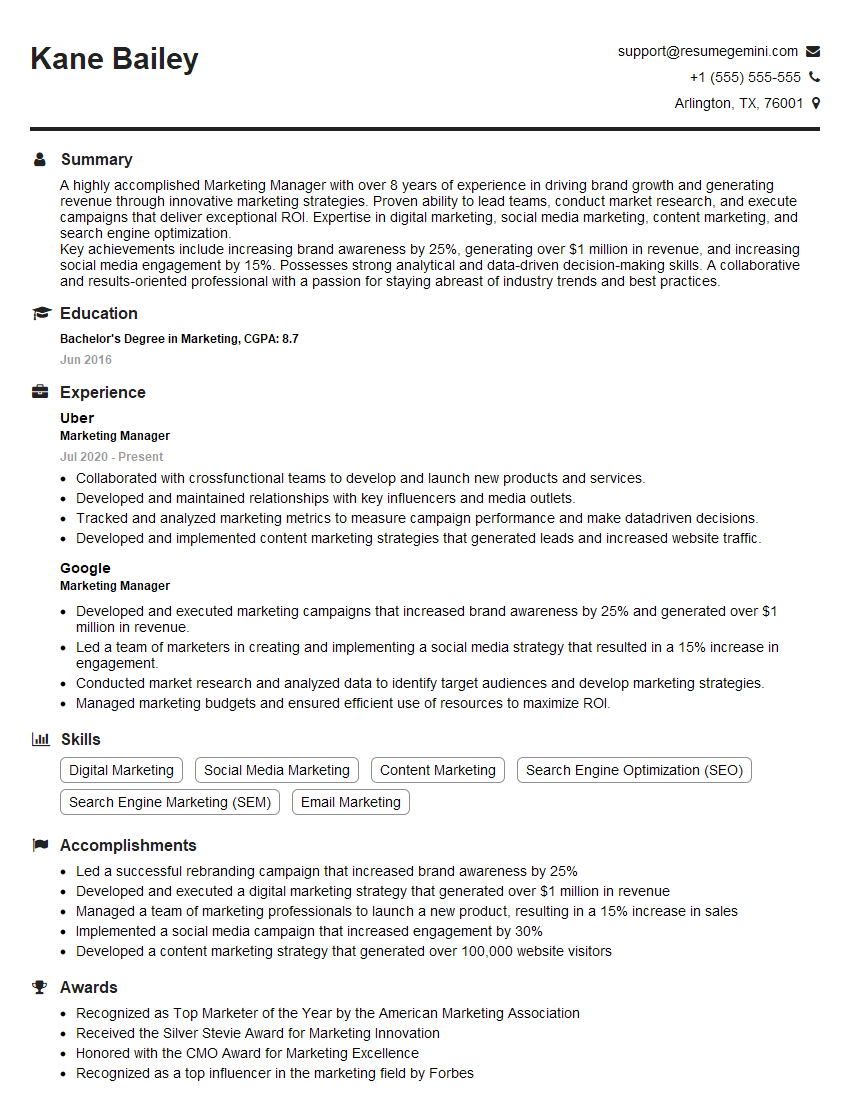
Marketing Manager Resume Sample
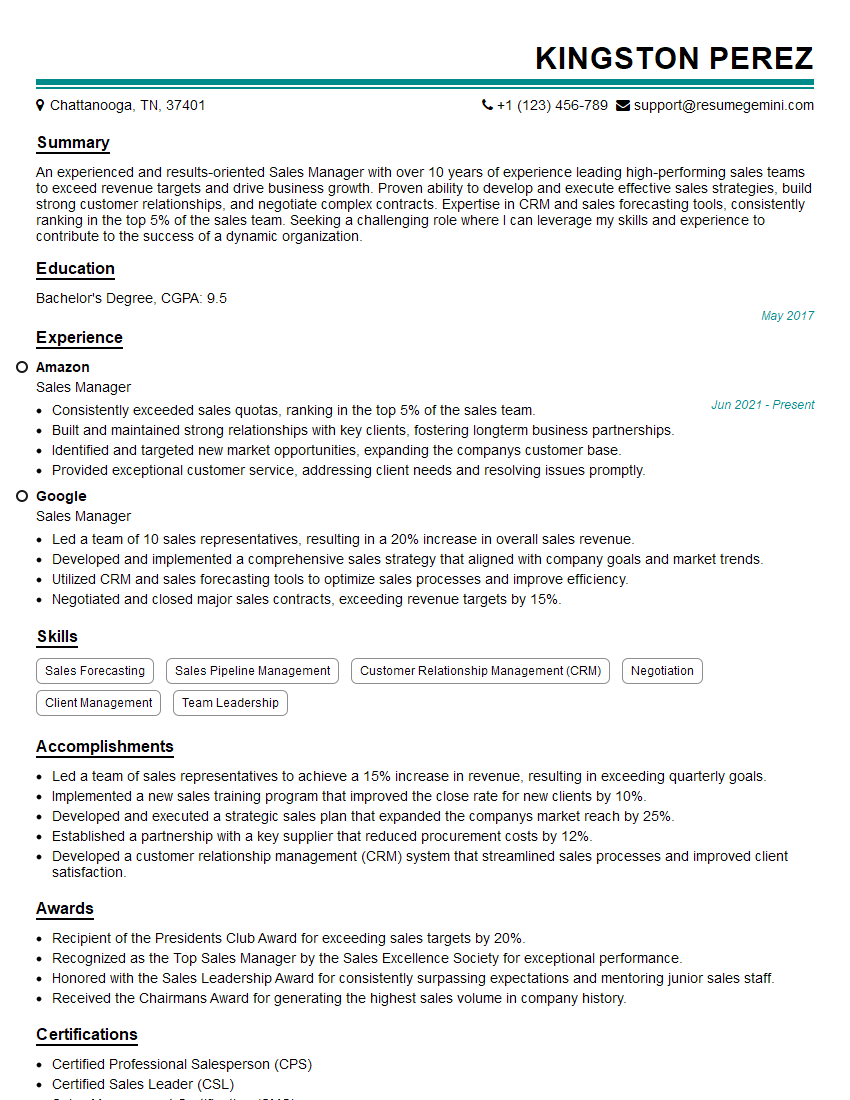
Sales Manager Resume Sample
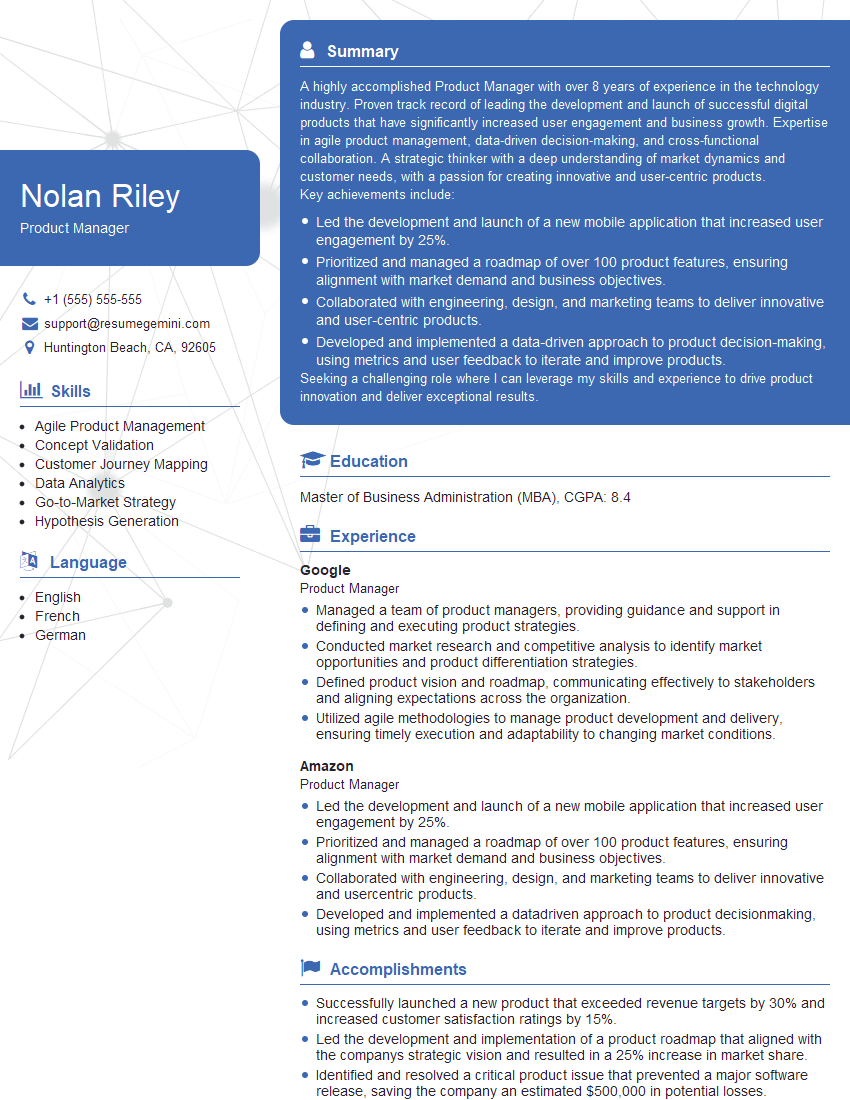
Product Manager Resume Sample
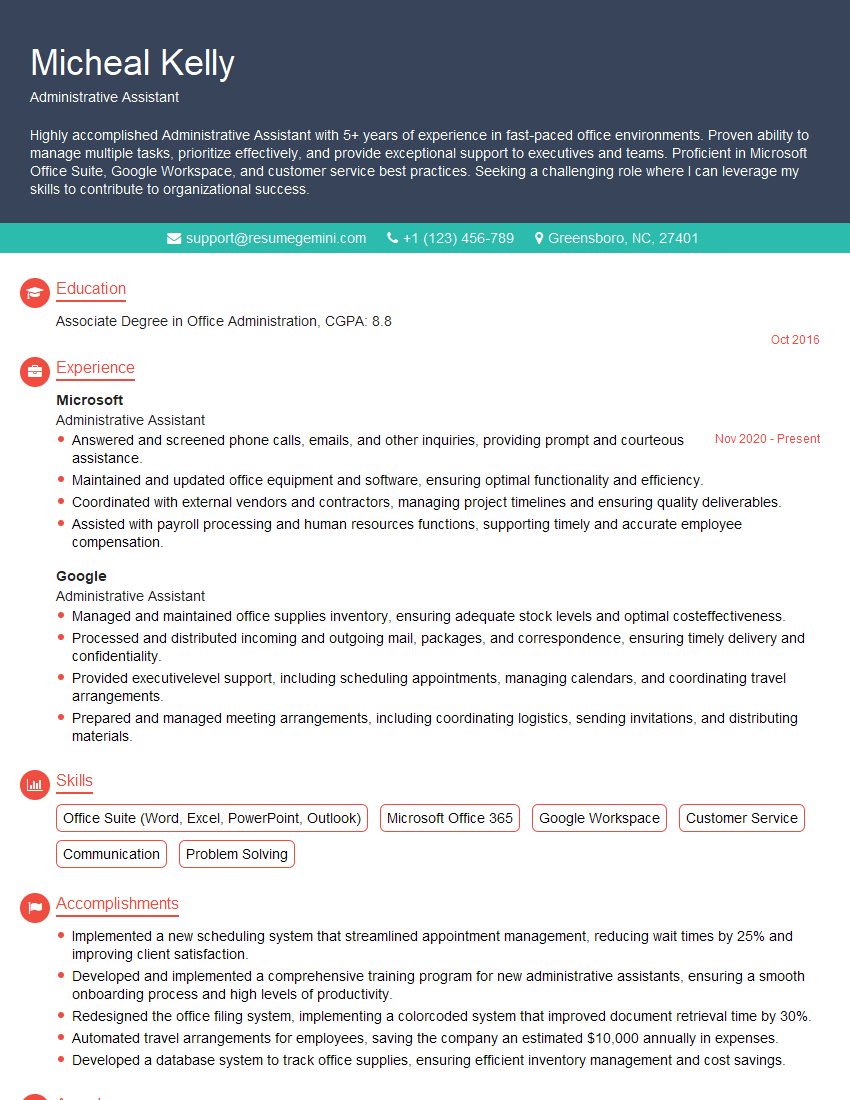
Administrative Assistant Resume Sample
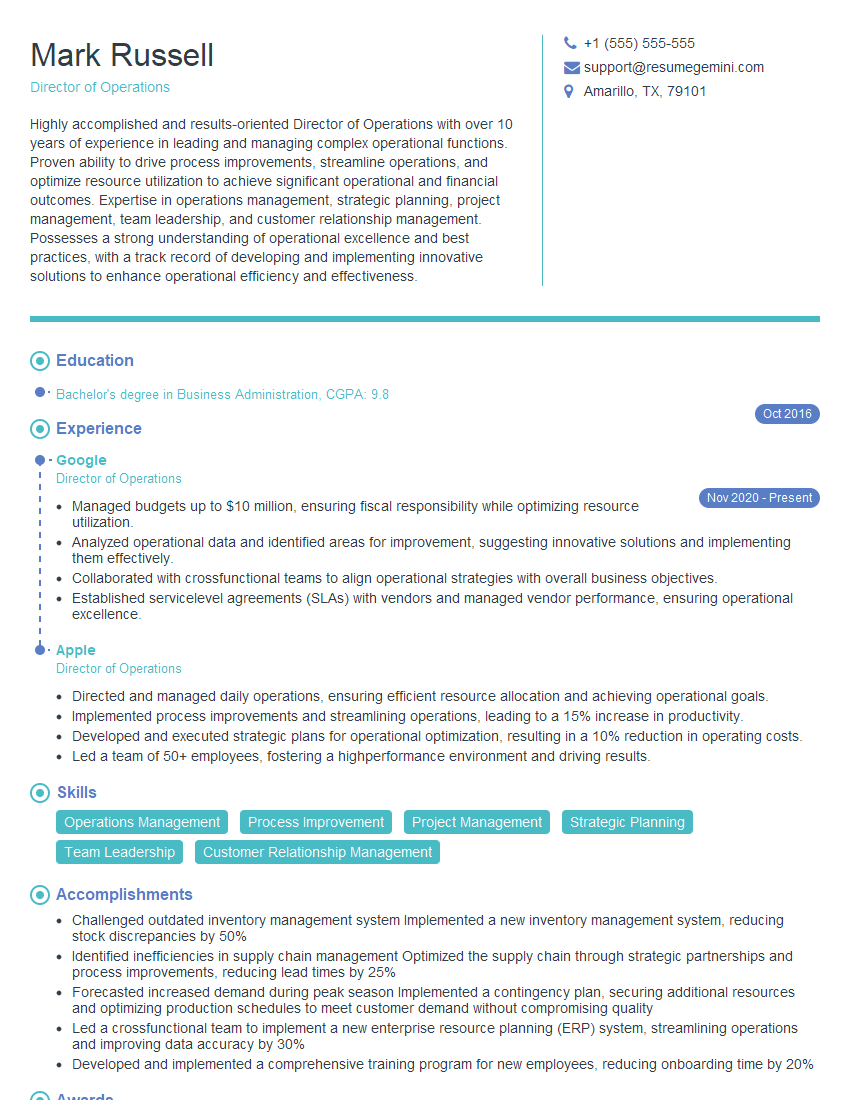
Director of Operations Resume Sample
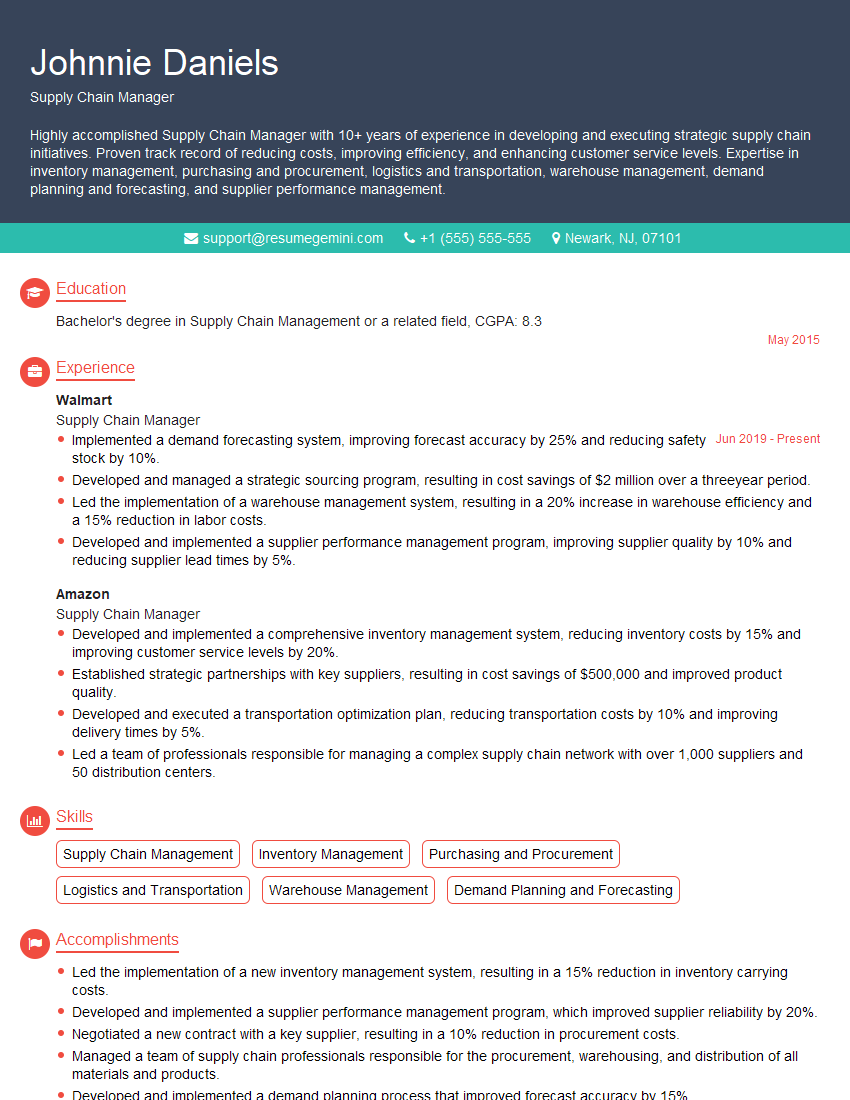
Supply Chain Manager Resume Sample
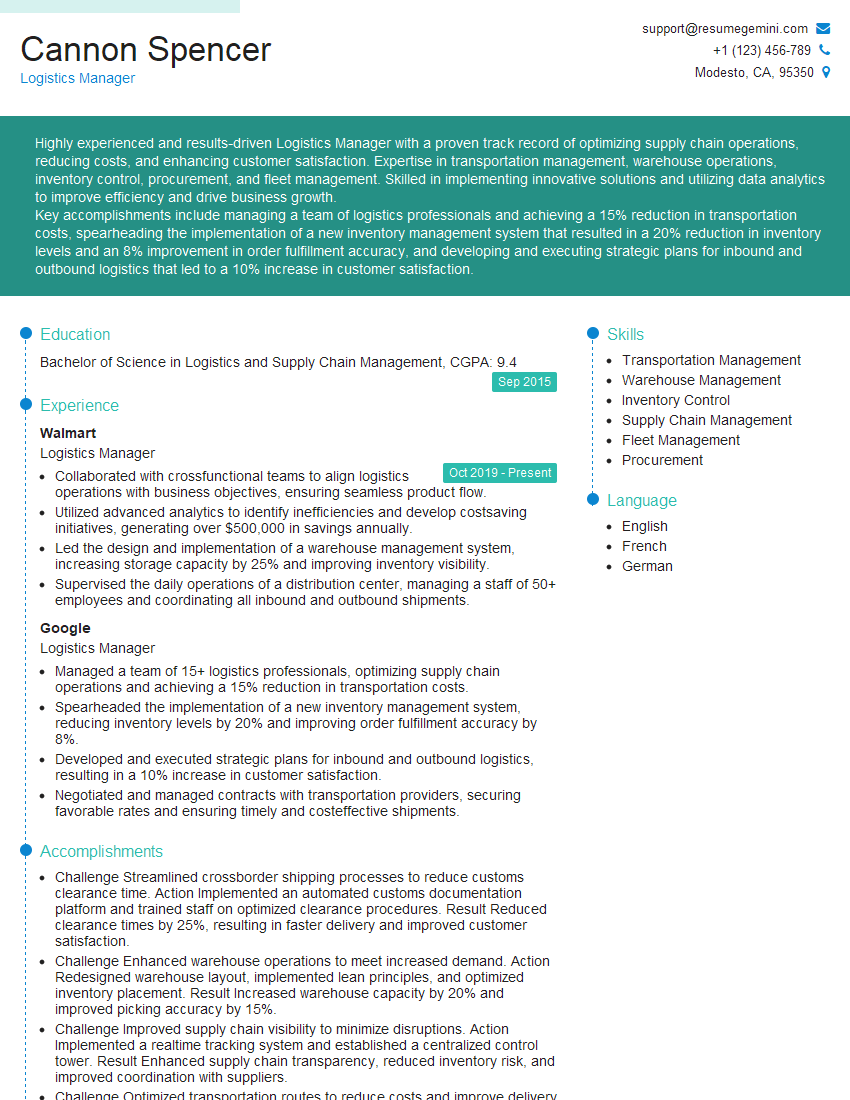
Logistics Manager Resume Sample
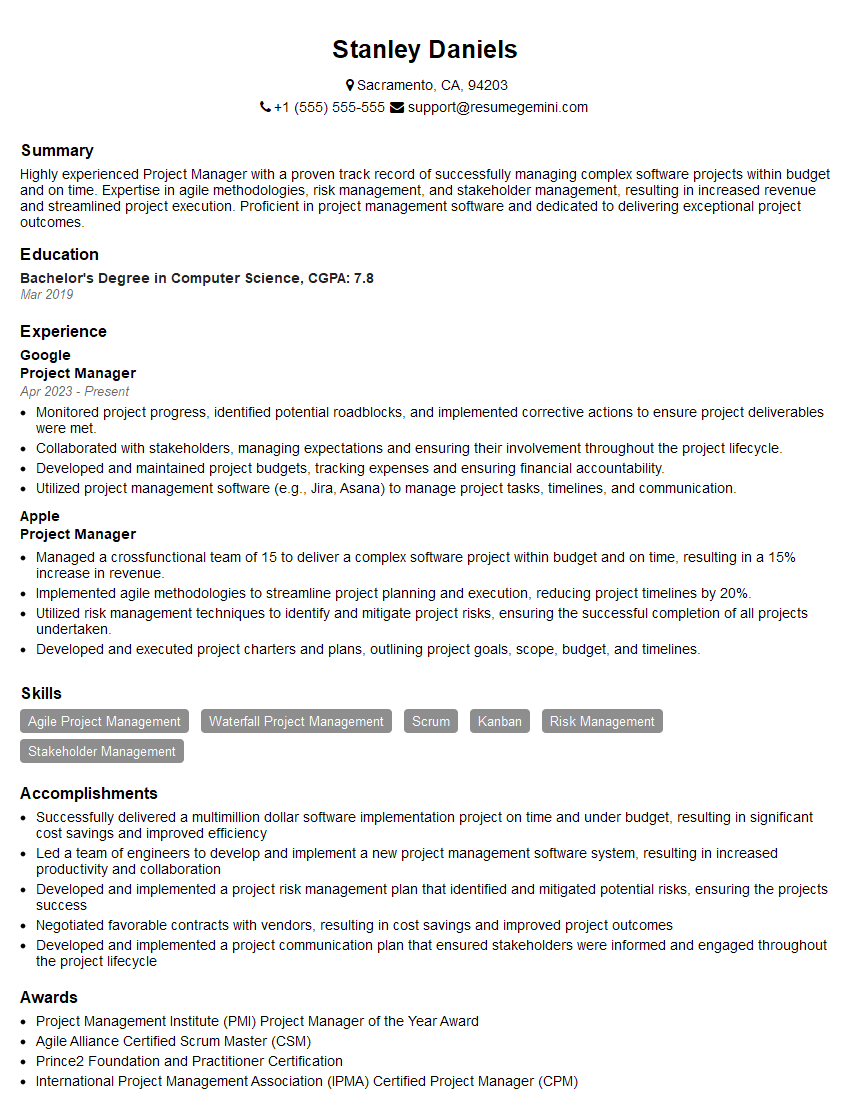
Project Manager Resume Sample
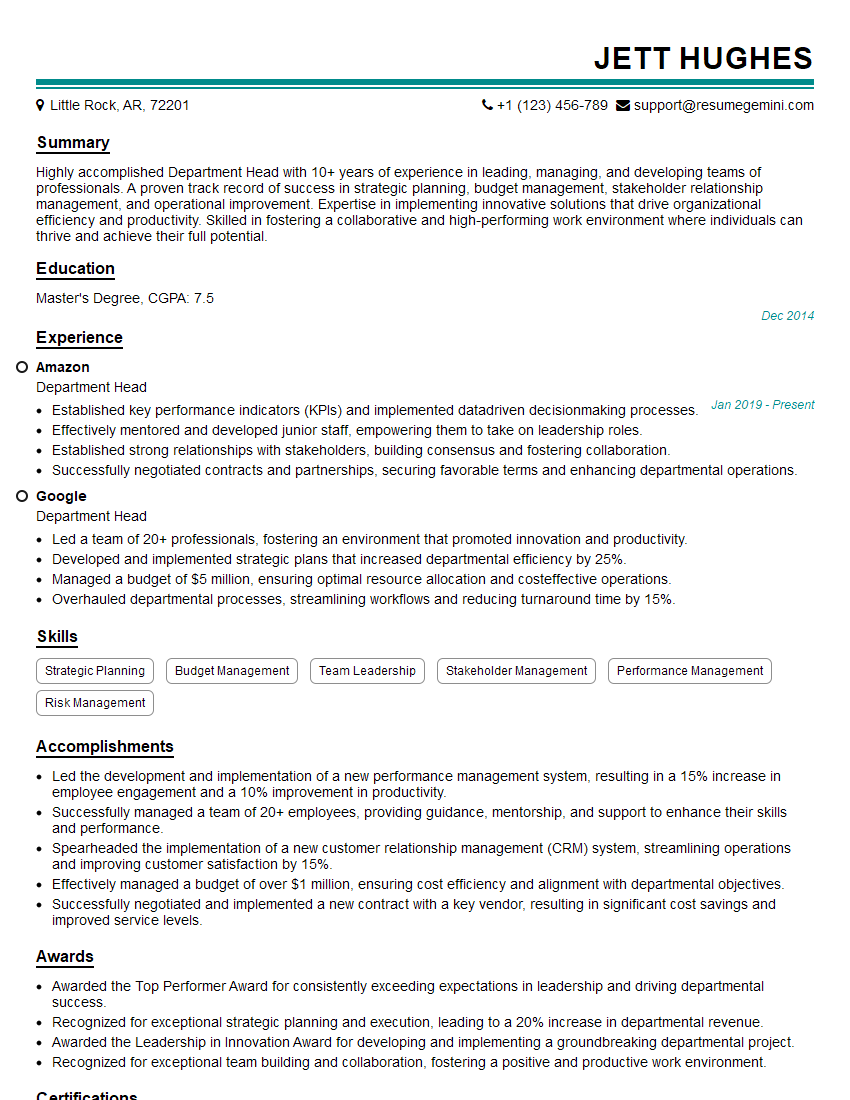
Department Head Resume Sample

Chief of Staff Resume Sample
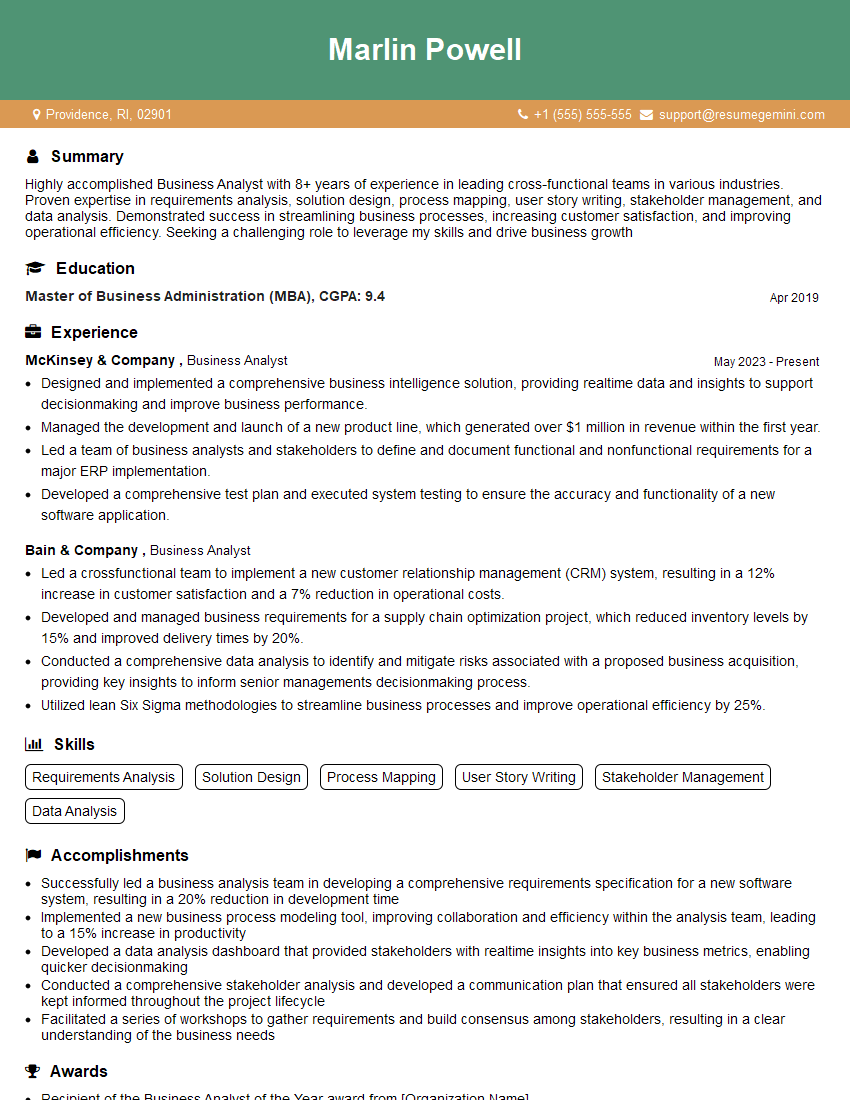
Business Analyst Resume Sample
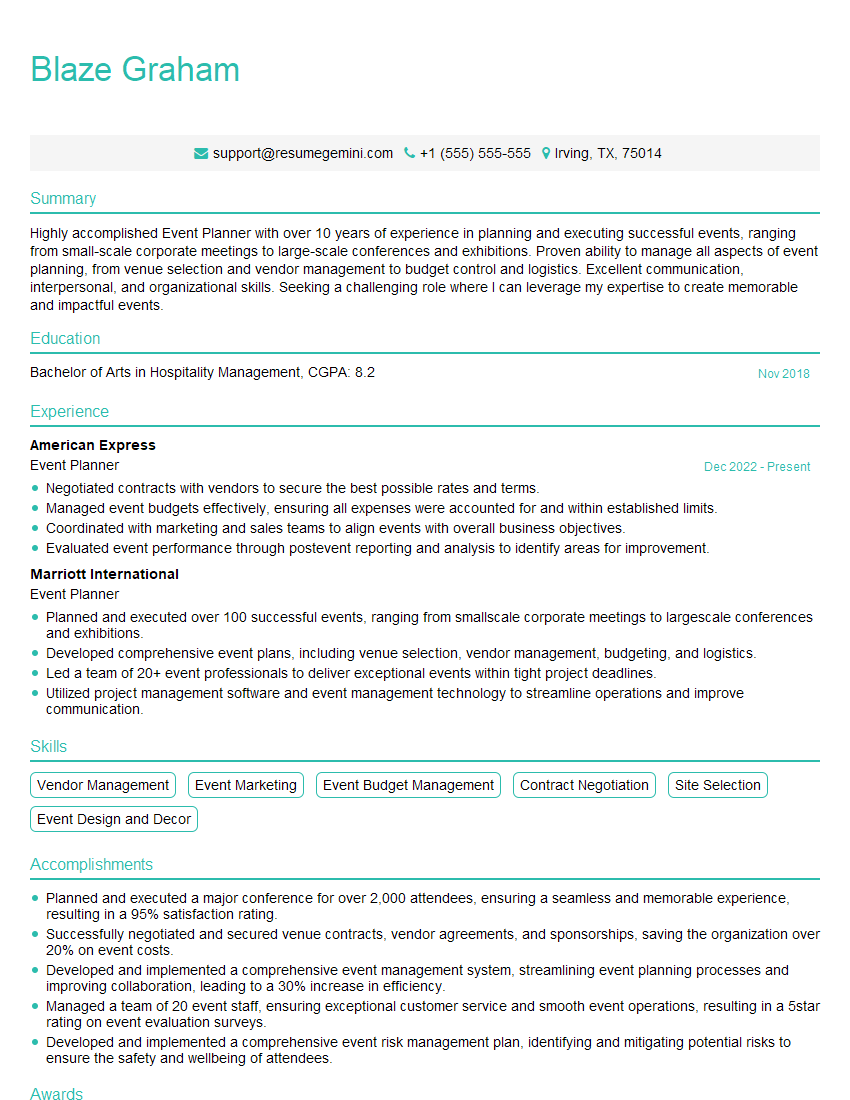
Event Planner Resume Sample

Scheduling Coordinator Resume Sample
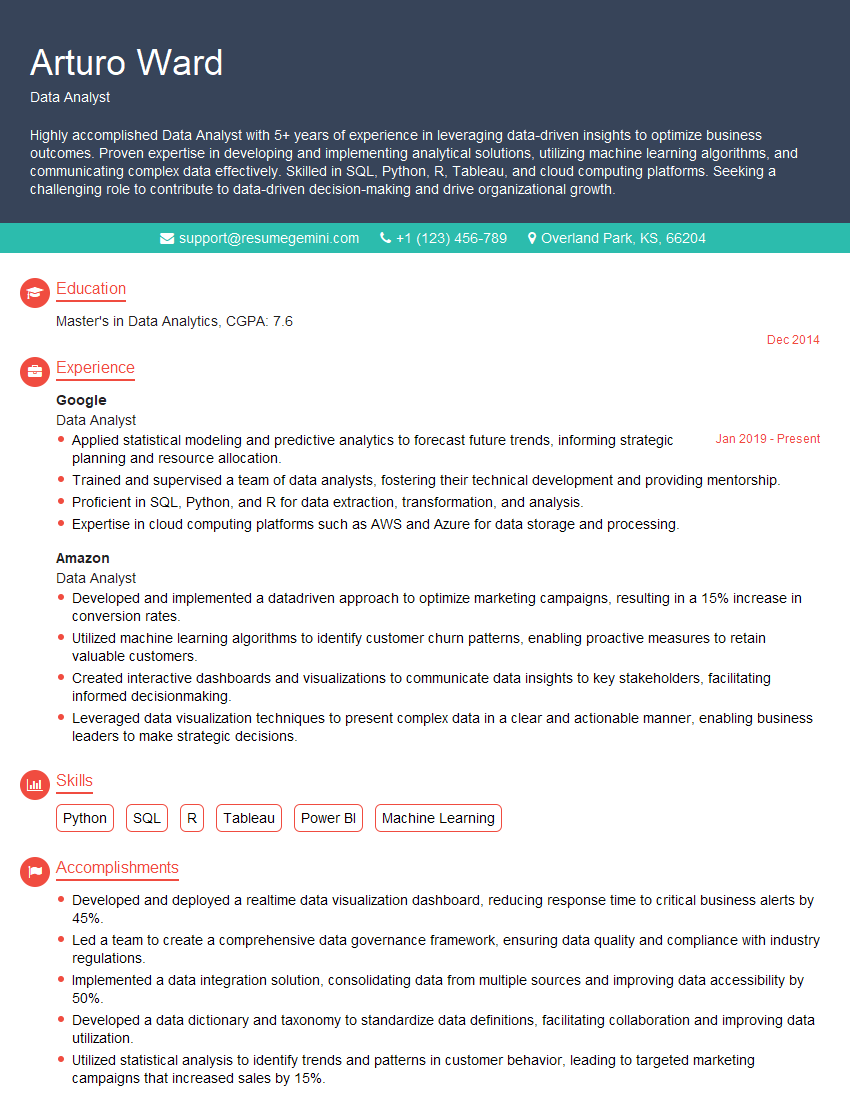
Data Analyst Resume Sample
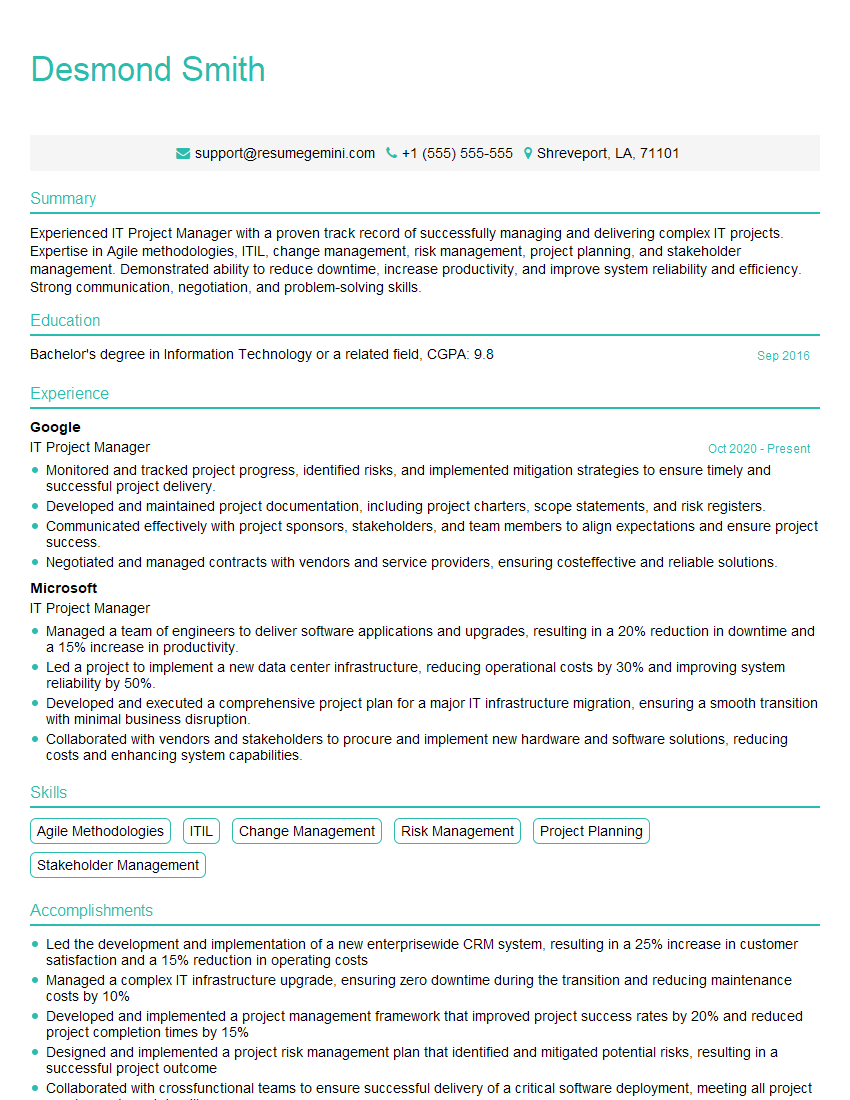
IT Project Manager Resume Sample
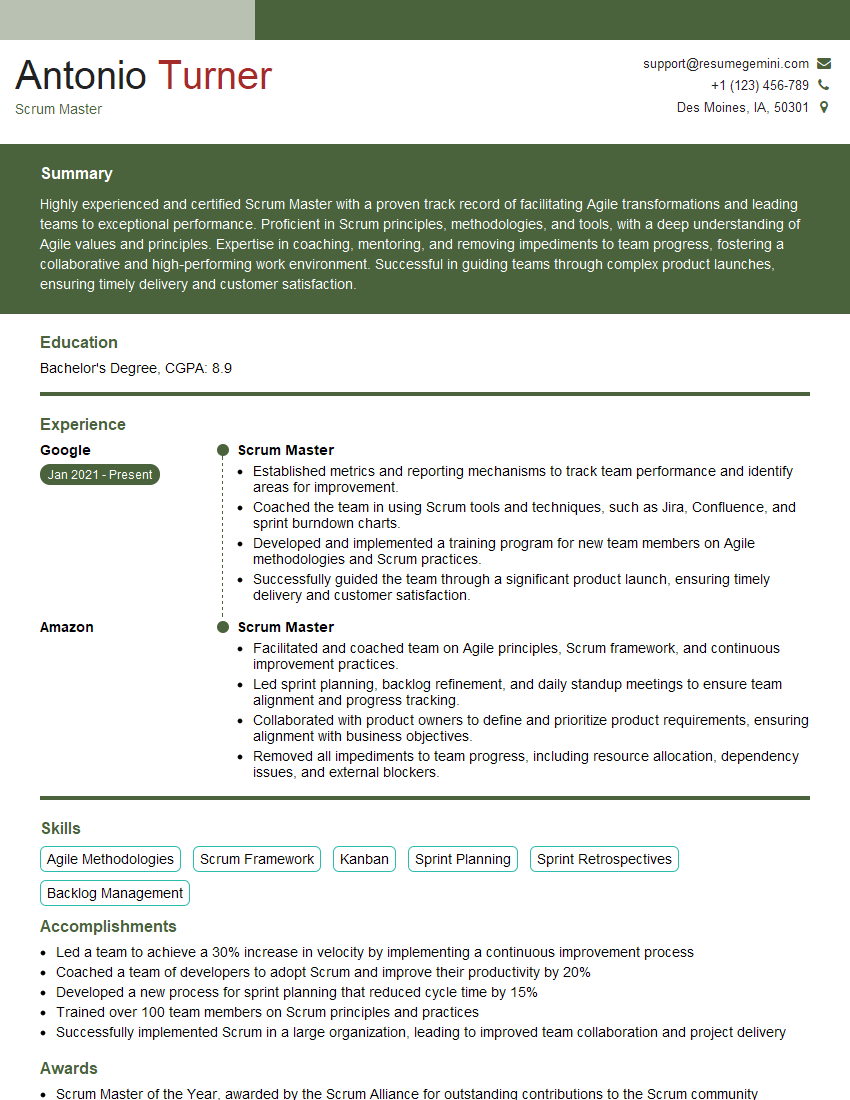
Scrum Master Resume Sample
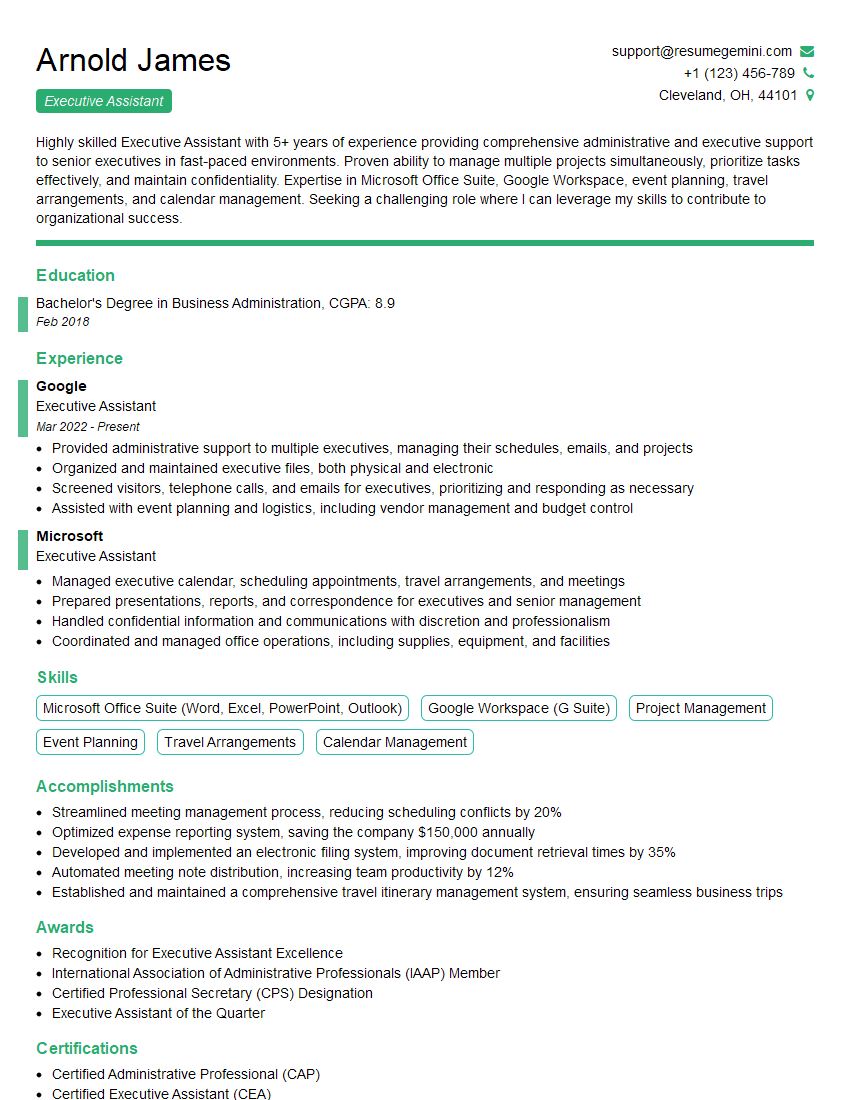
Executive Assistant Resume Sample
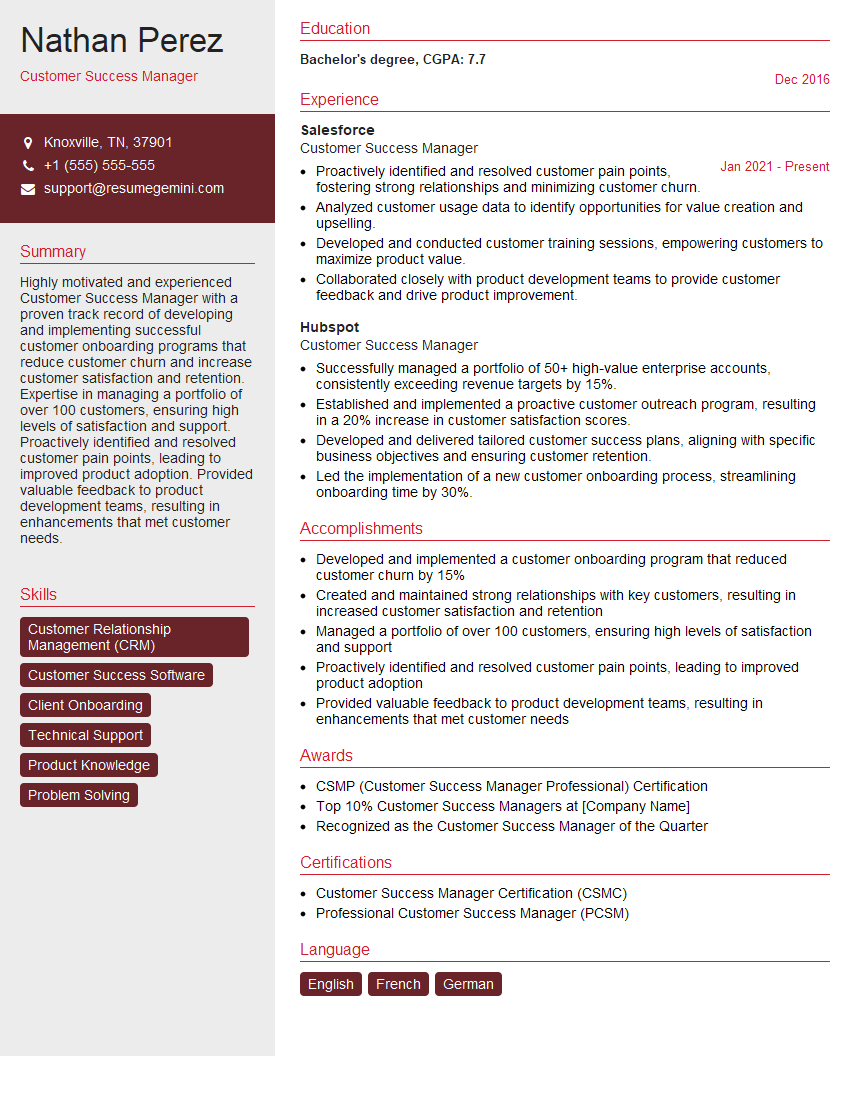
Customer Success Manager Resume Sample
- Program Manager
- Office Manager
- Operations Manager
- Account Manager
- Marketing Manager
- Sales Manager
- Product Manager
- Administrative Assistant
- Director of Operations
- Supply Chain Manager
- Logistics Manager
- Project Manager
- Department Head
- Chief of Staff
- Business Analyst
- Event Planner
- Scheduling Coordinator
- Data Analyst
- IT Project Manager
- Scrum Master
- Executive Assistant
- Customer Success Manager
Explore more articles
Users Rating of Our Blogs
Share Your Experience
We value your feedback! Please rate our content and share your thoughts (optional).
What Readers Say About Our Blog
Amazing blog
hello,
Our consultant firm based in the USA and our client are interested in your products.
Could you provide your company brochure and respond from your official email id (if different from the current in use), so i can send you the client’s requirement.
Payment before production.
I await your answer.
Regards,
MrSmith
hello,
Our consultant firm based in the USA and our client are interested in your products.
Could you provide your company brochure and respond from your official email id (if different from the current in use), so i can send you the client’s requirement.
Payment before production.
I await your answer.
Regards,
MrSmith
These apartments are so amazing, posting them online would break the algorithm.
https://bit.ly/Lovely2BedsApartmentHudsonYards
Reach out at BENSON@LONDONFOSTER.COM and let’s get started!
Take a look at this stunning 2-bedroom apartment perfectly situated NYC’s coveted Hudson Yards!
https://bit.ly/Lovely2BedsApartmentHudsonYards
Live Rent Free!
https://bit.ly/LiveRentFREE
Interesting Article, I liked the depth of knowledge you’ve shared.
Helpful, thanks for sharing.
Hi, I represent a social media marketing agency and liked your blog
Hi, I represent an SEO company that specialises in getting you AI citations and higher rankings on Google. I’d like to offer you a 100% free SEO audit for your website. Would you be interested?