Cracking a skill-specific interview, like one for Understanding of Safety Regulations and Compliance, requires understanding the nuances of the role. In this blog, we present the questions you’re most likely to encounter, along with insights into how to answer them effectively. Let’s ensure you’re ready to make a strong impression.
Questions Asked in Understanding of Safety Regulations and Compliance Interview
Q 1. Describe your experience with OSHA regulations.
My experience with OSHA regulations spans over ten years, encompassing various roles in safety management. I’ve worked extensively with OSHA’s General Duty Clause, which mandates employers provide a workplace free from recognized hazards. This has involved staying current with updated standards and interpreting them for practical application across diverse industries. I’ve directly implemented OSHA standards related to lockout/tagout procedures, hazard communication (HazCom), personal protective equipment (PPE), and fall protection. For example, I was instrumental in developing and implementing a comprehensive lockout/tagout program for a manufacturing facility, reducing near-miss incidents by 30% within the first year. This involved training employees, conducting regular inspections, and maintaining detailed records to ensure compliance. My knowledge extends to OSHA recordkeeping, including completing OSHA 300 logs accurately and effectively and responding to OSHA inspections with complete documentation and a thorough understanding of relevant regulations.
Q 2. Explain the importance of risk assessments in workplace safety.
Risk assessments are the cornerstone of any effective workplace safety program. They’re a systematic process of identifying hazards, analyzing their potential risks (likelihood and severity), and determining appropriate control measures. Think of it like this: a risk assessment is your safety blueprint, helping you proactively prevent accidents before they happen, rather than reacting to them afterward. The importance lies in its ability to:
- Proactive Hazard Control: Identifying potential hazards before they cause incidents.
- Prioritization of Resources: Focusing resources on the highest-risk areas first.
- Compliance with Regulations: Meeting legal requirements and reducing liability.
- Improved Safety Culture: Fostering a culture of safety awareness and responsibility.
- Reduced Costs: Preventing accidents saves money through reduced medical expenses, lost productivity, and insurance premiums.
For instance, a risk assessment for a construction site might identify potential fall hazards from heights. This would lead to the implementation of fall protection measures like harnesses, guardrails, and safety nets, significantly decreasing the risk of injuries.
Q 3. How do you conduct a safety audit?
Conducting a safety audit involves a systematic and thorough examination of a workplace to identify existing and potential hazards, assess compliance with safety regulations, and evaluate the effectiveness of safety programs. My approach follows a structured methodology:
- Planning: Defining the scope, objectives, and timeline of the audit, identifying key areas to focus on.
- Data Collection: Using various methods like walkthroughs, interviews with employees, review of safety documentation, and examination of equipment.
- Hazard Identification: Identifying and documenting all potential hazards, including those related to machinery, chemicals, electricity, ergonomics, and procedures.
- Compliance Assessment: Comparing workplace practices with relevant safety regulations (OSHA, local, industry-specific).
- Effectiveness Evaluation: Determining the efficacy of current safety programs, training, and procedures.
- Reporting: Summarizing findings, highlighting deficiencies, and recommending corrective actions.
- Follow-up: Ensuring that corrective actions are implemented and verifying effectiveness.
For example, during a safety audit at a chemical plant, I might inspect the storage and handling of hazardous materials, assess the effectiveness of emergency response procedures, and check the calibration of safety equipment.
Q 4. What are the key elements of an effective safety program?
An effective safety program is built on several key pillars:
- Leadership Commitment: Demonstrated support and involvement from top management is crucial. This sets the tone for the entire organization.
- Hazard Identification and Risk Assessment: Regularly identifying and evaluating workplace hazards.
- Hazard Control: Implementing engineering controls, administrative controls, and personal protective equipment (PPE) to mitigate risks.
- Training and Education: Providing comprehensive safety training to all employees, covering relevant regulations, hazards, and safe work practices.
- Emergency Response Planning: Developing and practicing emergency procedures for various scenarios.
- Incident Investigation and Reporting: Thoroughly investigating all incidents and near misses to identify root causes and prevent recurrence.
- Communication and Consultation: Establishing open communication channels and actively involving employees in safety processes.
- Recordkeeping and Documentation: Maintaining accurate records of training, inspections, and incidents.
- Continuous Improvement: Regularly reviewing and updating the safety program to reflect changing conditions and lessons learned.
A successful safety program is not a static document; it’s a living entity that adapts to the needs of the workplace and continuously strives for improvement.
Q 5. How do you handle safety violations?
Handling safety violations requires a systematic and fair approach. My process begins with a thorough investigation to determine the facts, causes, and severity of the violation. This might involve reviewing incident reports, interviewing witnesses, and inspecting the work area. Depending on the severity, actions could range from:
- Verbal Warning: For minor infractions, a verbal warning may be sufficient, coupled with retraining or reinforcement of procedures.
- Written Warning: More serious violations may warrant a written warning, documented in the employee’s file.
- Corrective Action Plan: This involves implementing specific steps to rectify the situation and prevent recurrence.
- Suspension: In cases of serious violations or repeated offenses, suspension may be necessary.
- Termination: For willful or egregious violations that endanger others, termination may be warranted.
Throughout this process, maintaining fairness and consistency is vital. Employees should be made aware of the violation, the consequences, and the steps needed to prevent future occurrences. Proper documentation is crucial for both legal and organizational reasons.
Q 6. Explain your understanding of hazard identification and control.
Hazard identification and control is a continuous cycle aimed at proactively minimizing risks in the workplace. Hazard identification involves systematically identifying potential dangers, while hazard control focuses on implementing measures to eliminate or reduce those dangers. This process utilizes a hierarchy of controls, prioritizing the most effective methods:
- Elimination: The most effective control is removing the hazard entirely. For example, replacing a hazardous chemical with a safer alternative.
- Substitution: Replacing a hazard with a less hazardous alternative. For example, replacing a manual lifting task with a mechanical lift.
- Engineering Controls: Modifying the workplace or equipment to reduce the risk. Examples include installing guards on machinery or implementing ventilation systems.
- Administrative Controls: Changing work procedures, scheduling, or training to minimize exposure to hazards. Examples include implementing permit-to-work systems or providing safety training.
- Personal Protective Equipment (PPE): Providing workers with PPE to protect them from hazards when other controls are insufficient. This is always the last line of defense.
A thorough understanding of this hierarchy allows for the implementation of the most effective and sustainable control measures. For instance, instead of relying solely on PPE for fall protection, implementing engineering controls like guardrails and administrative controls like fall protection training would significantly reduce risks.
Q 7. Describe your experience with incident investigation and reporting.
My experience with incident investigation and reporting encompasses a structured approach that aims not just to assign blame, but to understand root causes and prevent future occurrences. I typically follow these steps:
- Immediate Response: Secure the scene, provide first aid if necessary, and notify relevant personnel.
- Data Gathering: Collect information from various sources, including witnesses, injured parties, and documentation such as incident reports, equipment logs, and maintenance records.
- Root Cause Analysis: Use techniques like the ‘5 Whys’ or fault tree analysis to delve beyond immediate causes and uncover the underlying issues.
- Corrective Actions: Develop and implement specific corrective actions to eliminate the root cause(s).
- Reporting: Document the incident thoroughly, including the root causes, corrective actions, and lessons learned. This includes adhering to all regulatory requirements for reporting.
- Follow-up: Monitor the effectiveness of implemented corrective actions.
For example, investigating a near-miss incident involving a forklift might reveal a lack of proper training, leading to the implementation of enhanced training programs and improved signage in the warehouse. A key aspect of my approach is to foster a culture of open reporting, where employees feel safe reporting incidents without fear of retribution, enabling proactive problem-solving.
Q 8. How do you ensure compliance with environmental regulations?
Ensuring compliance with environmental regulations requires a proactive and multi-faceted approach. It begins with a thorough understanding of all applicable laws and regulations specific to the industry and location. This involves staying updated on changes and amendments, which often necessitates subscribing to relevant regulatory updates and attending industry conferences.
Next, we conduct regular environmental audits and assessments. This involves systematically reviewing our operational processes to identify any potential non-compliance issues. For example, we might check for proper disposal of hazardous waste, adherence to emission limits, and effective management of water resources. We use checklists and standardized procedures to ensure consistency and thoroughness.
Following this, we develop and implement environmental management plans. These plans detail how we’ll achieve compliance, including specific targets, responsibilities, and monitoring procedures. They might include things like implementing pollution prevention techniques, conducting regular monitoring of environmental parameters (e.g., air and water quality), and investing in pollution control technologies. For instance, in a manufacturing plant, this could involve installing scrubbers to reduce air emissions.
Finally, meticulous record-keeping is crucial. We maintain detailed records of all environmental activities, including permits, audits, monitoring data, and corrective actions. This documentation is vital for demonstrating compliance to regulatory bodies during inspections. We often utilize specialized software to manage this data effectively and ensure its accessibility.
Q 9. What is your experience with developing and delivering safety training?
I have extensive experience in developing and delivering safety training programs, tailored to various audiences and skill levels. My approach emphasizes a blend of theoretical knowledge and practical application. I utilize a variety of methods including interactive workshops, hands-on simulations, and online modules, choosing the most effective approach based on the specific training needs and learning styles of the participants.
For example, I once developed a comprehensive safety training program for a construction company that included modules on fall protection, hazard communication, and emergency response procedures. The program incorporated interactive exercises, realistic simulations using virtual reality technology, and scenario-based discussions to ensure active learning and knowledge retention. I also regularly assess the effectiveness of the training through post-training evaluations and observation of on-the-job performance.
I always focus on making training engaging and relevant. I believe that safety training should not be a dry recitation of rules, but a collaborative process that encourages questions and discussion, fosters a safety culture, and empowers employees to take ownership of their safety and the safety of their colleagues.
Q 10. How do you communicate safety information to employees?
Effective communication of safety information is paramount. I employ a multi-channel approach to reach employees effectively, understanding that one size doesn’t fit all. This includes:
- Regular safety meetings: These provide a forum for discussing current safety issues, upcoming changes, and reinforcing key safety messages.
- Safety alerts and bulletins: These are used for immediate communication of critical safety information or changes in procedures.
- Visual aids and signage: Clear and concise signage in the workplace is crucial for highlighting hazards and reinforcing safety procedures. Pictures are particularly helpful for overcoming language barriers.
- Online learning platforms: These provide access to online safety training modules and resources, making information accessible 24/7.
- One-on-one coaching and mentoring: This provides opportunities for personalized feedback and addressing specific concerns.
Beyond the methods, the message itself is critical. I always strive to use clear, concise language, avoiding jargon whenever possible, and tailoring the information to the specific audience’s understanding. Feedback mechanisms are also essential for ensuring the information is understood and acted upon.
Q 11. Describe your experience with safety management systems (SMS).
Safety Management Systems (SMS) are crucial for proactively managing safety risks. My experience encompasses the implementation and maintenance of SMS across various industries. I’m familiar with internationally recognized standards like ISO 45001. An effective SMS involves several key elements:
- Hazard identification and risk assessment: Proactively identifying potential hazards and assessing their likelihood and severity.
- Risk control measures: Implementing controls to mitigate identified risks, ranging from engineering controls (e.g., machine guards) to administrative controls (e.g., training programs) and personal protective equipment (PPE).
- Emergency preparedness and response: Developing and regularly testing emergency response plans to handle incidents effectively.
- Incident investigation and reporting: Thoroughly investigating incidents to determine root causes and implement corrective actions to prevent recurrence.
- Continuous improvement: Regularly reviewing and improving the SMS based on performance data, audits, and lessons learned.
I have personally led the implementation of SMS in several organizations, resulting in demonstrable improvements in safety performance, reduced incident rates, and a strengthened safety culture. This includes documenting all processes, training employees, and regularly auditing the system for effectiveness.
Q 12. How do you prioritize safety risks?
Prioritizing safety risks involves a systematic approach, often using a risk matrix that considers both the likelihood and severity of potential incidents. The severity might be measured in terms of potential injuries, environmental damage, or financial losses, while likelihood might be based on historical data, risk assessments, or expert judgment.
For example, a risk matrix might categorize risks as low, medium, high, or critical. Risks are then prioritized based on their position in the matrix – high-likelihood, high-severity risks receive the highest priority. This prioritization informs resource allocation, with more resources dedicated to addressing critical risks first.
Beyond the matrix, other factors might also influence prioritization, such as regulatory requirements, stakeholder concerns, and the potential impact on operations. It’s important to involve relevant stakeholders in the prioritization process to ensure that all perspectives are considered and to foster a shared understanding of the risks and their management.
Q 13. Explain your understanding of emergency response procedures.
Understanding emergency response procedures is about being prepared for the unexpected. A comprehensive approach involves several key components:
- Hazard identification: Identifying all potential hazards that could lead to an emergency.
- Emergency response plan development: Creating a detailed plan outlining procedures for various types of emergencies, including evacuation plans, communication protocols, and first aid procedures. This plan should include designated roles and responsibilities for all personnel.
- Training and drills: Regular training and drills are essential for ensuring employees know how to respond effectively in an emergency. Drills should simulate real-life scenarios to test the effectiveness of the plan and identify areas for improvement.
- Emergency equipment and supplies: Ensuring adequate emergency equipment and supplies, such as fire extinguishers, first-aid kits, and emergency communication systems, are readily available and in good working order.
- Post-incident analysis: After any emergency, a thorough analysis is conducted to identify areas for improvement in the response plan and procedures.
I’ve been involved in developing and implementing emergency response plans for various settings, from manufacturing facilities to construction sites. This has involved collaborating with emergency services, conducting regular training sessions, and ensuring that the plans are kept up-to-date and readily accessible to all employees.
Q 14. How do you manage safety documentation and records?
Effective management of safety documentation and records is crucial for demonstrating compliance, facilitating investigations, and supporting continuous improvement. This involves a structured system for creating, storing, retrieving, and disposing of documents.
We typically utilize a combination of physical and digital systems. Physical files are maintained for critical records requiring legal preservation, while a digital system, often a dedicated software application, manages the majority of documents. This allows for easy searching, retrieval, and version control. The system includes features for access control, ensuring only authorized personnel can access sensitive information.
Examples of safety documents include safety training records, incident investigation reports, permit-to-work documents, equipment inspection reports, and emergency response plans. We maintain a detailed document control system, ensuring that all documents are reviewed and updated regularly. We also have a defined retention policy outlining how long each type of document needs to be stored, complying with all legal requirements. This systematic approach ensures that safety information is readily available when needed and that compliance requirements are met.
Q 15. What are your experiences with safety inspections and monitoring?
My experience with safety inspections and monitoring spans over ten years, encompassing various industries including manufacturing, construction, and healthcare. I’ve conducted hundreds of inspections, ranging from routine checks to comprehensive audits, utilizing established checklists and industry best practices. I’m proficient in identifying hazards, assessing risks, and ensuring corrective actions are implemented effectively. For instance, during a recent inspection at a manufacturing plant, I discovered a missing safety guard on a machine. This posed a significant risk of injury to operators. I immediately documented the finding, issued a stop-work order until the guard was reinstalled, and followed up to verify the corrective action was completed and documented. My monitoring extends beyond inspections; I leverage data analysis to track accident rates, near-miss incidents, and the effectiveness of implemented safety controls, identifying trends and areas requiring further attention.
I also have experience using various inspection software and databases to streamline the process and ensure thorough documentation. This allows for efficient tracking of findings, corrective actions, and follow-up procedures.
Career Expert Tips:
- Ace those interviews! Prepare effectively by reviewing the Top 50 Most Common Interview Questions on ResumeGemini.
- Navigate your job search with confidence! Explore a wide range of Career Tips on ResumeGemini. Learn about common challenges and recommendations to overcome them.
- Craft the perfect resume! Master the Art of Resume Writing with ResumeGemini’s guide. Showcase your unique qualifications and achievements effectively.
- Don’t miss out on holiday savings! Build your dream resume with ResumeGemini’s ATS optimized templates.
Q 16. How do you stay up-to-date on changes in safety regulations?
Staying current on evolving safety regulations requires a multifaceted approach. I subscribe to relevant professional journals and newsletters, such as those published by OSHA (Occupational Safety and Health Administration) and other regulatory bodies. I actively participate in industry conferences and workshops, networking with peers and experts to gain insights into emerging trends and best practices. I also utilize online resources such as government websites and industry-specific databases to access updated legislation and guidance documents. Furthermore, I’m involved in professional organizations dedicated to safety, allowing me to receive updates and participate in discussions on regulatory changes. This continuous learning ensures I’m always equipped with the latest information and can adapt our safety programs accordingly.
Q 17. Describe your experience with developing and implementing safety policies.
Developing and implementing safety policies requires a systematic approach. I begin by conducting a thorough risk assessment of the workplace, identifying potential hazards and evaluating their severity and likelihood. This assessment informs the development of specific policies addressing those identified risks. For example, in a previous role, we implemented a comprehensive lockout/tagout procedure to prevent accidental machine startups during maintenance. This involved training all personnel, providing clear guidelines, and establishing a rigorous inspection process. The policies are then clearly communicated to all employees through training sessions, posters, and regular updates. I emphasize employee involvement in this process, ensuring that policies are practical, understandable, and contribute to a strong safety culture. Finally, we use data-driven methods to track compliance, identify areas needing improvement, and regularly review and update our policies based on performance indicators and emerging risks.
Q 18. How do you measure the effectiveness of your safety programs?
Measuring the effectiveness of safety programs is crucial. We use a combination of leading and lagging indicators. Lagging indicators, such as accident rates and lost-time injury frequencies, show the outcome of our programs. However, these are reactive measures. Leading indicators are more proactive; they measure our efforts to prevent incidents. Examples include the number of safety training hours completed, the frequency of safety inspections conducted, and the number of near-miss reports submitted. By monitoring these indicators, we can identify areas for improvement early on. We also conduct regular employee surveys to gauge their perception of safety awareness and engagement within the workplace. Data analysis using spreadsheets and specialized safety management software helps us identify trends and patterns, allowing for targeted interventions and continuous improvement of our safety initiatives. For instance, a high number of near-miss reports might indicate a specific area needing further training or improved safety procedures.
Q 19. Explain your understanding of different types of personal protective equipment (PPE).
Personal Protective Equipment (PPE) is crucial for safeguarding workers from workplace hazards. My understanding encompasses various types, categorized by the hazard they protect against. This includes:
- Respiratory protection: Respirators, dust masks, and self-contained breathing apparatus (SCBA) protect against airborne hazards such as dust, fumes, and gases.
- Eye and face protection: Safety glasses, goggles, face shields protect against impacts, splashes, and radiation.
- Head protection: Hard hats protect against falling objects and impacts.
- Hand protection: Gloves protect against cuts, abrasions, chemicals, and extreme temperatures.
- Foot protection: Safety shoes and boots protect against punctures, crushing, and electrical hazards.
- Hearing protection: Earplugs and earmuffs protect against excessive noise.
- Body protection: Aprons, coveralls, and high-visibility clothing protect against chemicals, impacts, and weather conditions.
Selecting the appropriate PPE requires a thorough risk assessment to match the protection level to the specific hazard. Training on proper use, maintenance, and limitations of PPE is equally important to ensure effectiveness.
Q 20. How do you handle conflicts related to safety issues?
Conflicts related to safety issues are handled through a structured approach that prioritizes open communication and collaboration. I encourage employees to voice their concerns without fear of retribution. I start by actively listening to all perspectives, ensuring everyone feels heard. If a disagreement arises about a safety procedure or risk assessment, I facilitate a discussion involving all relevant stakeholders to find a mutually acceptable solution that prioritizes safety. This often involves reviewing the relevant regulations, safety data sheets, and conducting further risk assessments to reach a consensus. If the conflict cannot be resolved internally, I escalate the issue to management for further intervention and potential mediation. Documentation of all discussions, decisions, and outcomes is essential for maintaining transparency and accountability.
Q 21. How do you adapt safety procedures to different work environments?
Adapting safety procedures to different work environments necessitates a flexible and adaptable approach. I begin by conducting a thorough site-specific risk assessment, tailoring the assessment to the unique hazards presented by the specific work environment. This informs the modification or development of safety procedures that directly address these identified hazards. For instance, safety procedures for a construction site will differ significantly from those in an office setting. Construction sites require procedures for fall protection, heavy equipment operation, and trench safety, which are not relevant to office environments. I ensure that the adapted procedures comply with all applicable regulations and industry best practices. This also involves providing targeted training specific to the work environment and the updated procedures. Regular reviews and updates of the adapted procedures are critical to maintain their effectiveness and address any new hazards or changing work conditions.
Q 22. Describe your experience with safety-related budgeting and resource allocation.
Safety-related budgeting requires a strategic approach balancing immediate needs with long-term investments. My experience involves developing comprehensive budgets encompassing various aspects of safety, from personal protective equipment (PPE) and training programs to safety audits and emergency response planning. This includes forecasting costs, justifying expenditures to upper management, and prioritizing resource allocation based on risk assessments and regulatory requirements.
For instance, in my previous role, we identified a high risk of slips and falls in a warehouse environment. Through a detailed risk assessment, we quantified the potential costs of accidents (lost time, medical expenses, legal fees). This data informed our budget allocation, prioritizing the purchase of anti-slip flooring and specialized training on safe lifting techniques over other, less critical safety initiatives. We also factored in potential savings from reduced workplace accidents, showcasing the return on investment (ROI) to secure funding.
My approach always involves regular monitoring and adjustments to the budget based on actual expenditure and changing circumstances. This proactive management ensures efficient resource utilization and the effective implementation of safety measures throughout the organization.
Q 23. What is your experience with conducting safety performance reviews?
Conducting safety performance reviews goes beyond simply identifying incidents; it’s about a thorough evaluation of the overall effectiveness of the safety program. My approach involves a multi-faceted review process which includes analyzing leading and lagging indicators. Lagging indicators are things that have already happened, like the number of accidents or near misses. Leading indicators are things we can measure to see if accidents are likely, such as the number of safety training hours completed or safety inspections performed.
I use various techniques including reviewing safety incident reports, auditing safety procedures, analyzing safety data from different sources (incident reports, inspections, employee feedback), and conducting interviews with employees and managers to gather feedback and perspectives. The review also encompasses evaluating the effectiveness of safety training programs, the adequacy of safety equipment, and the overall compliance with safety regulations.
For example, a consistently high number of near misses in a specific area might indicate a need for additional training or a redesign of the work process, even if those near misses did not turn into incidents. The performance review provides actionable insights to improve the safety program and prevent future incidents, rather than simply reacting to incidents after they’ve already occurred.
Q 24. How do you use data to improve safety performance?
Data is crucial for driving continuous improvement in safety performance. I utilize a data-driven approach, collecting and analyzing data from various sources like incident reports, near-miss reports, inspection checklists, and employee surveys. This data is then used to identify trends, pinpoint areas needing improvement, and measure the effectiveness of implemented safety initiatives.
For example, if the data shows a spike in hand injuries within a particular department, I’d investigate the root cause. This might involve analyzing the type of tasks performed, the PPE used, and the training received. This analysis can lead to targeted interventions like enhanced training, the provision of new equipment, or adjustments to the work process.
I often use data visualization techniques like dashboards and charts to present findings clearly and effectively to stakeholders. This ensures that everyone understands the safety performance and the areas requiring attention. This approach ensures a more objective and evidence-based approach to safety management, moving away from assumptions to data-driven decision-making.
Q 25. Explain your understanding of legal liability related to workplace safety.
Legal liability related to workplace safety is significant. Employers have a legal and ethical obligation to provide a safe working environment for their employees, minimizing risks and complying with all applicable safety regulations. Failure to do so can result in severe consequences, including:
- Civil lawsuits: Employees or their families can sue employers for injuries or deaths resulting from workplace accidents caused by negligence.
- Criminal charges: In cases of gross negligence or willful disregard for safety, employers can face criminal charges and hefty fines.
- Regulatory fines and penalties: Regulatory bodies can impose significant fines for violations of safety regulations.
- Reputational damage: Negative publicity surrounding workplace accidents can severely damage an organization’s reputation and affect its ability to attract and retain talent.
A strong safety program, proactive risk management, and thorough documentation of safety procedures are essential to mitigate this liability. Understanding the specific regulations relevant to the industry and location is paramount to effective risk management.
Q 26. Describe your experience with working with external safety regulatory bodies.
I have extensive experience collaborating with external safety regulatory bodies, including OSHA (Occupational Safety and Health Administration) and other relevant agencies. This involves maintaining open communication, proactively addressing any concerns, and ensuring full compliance with all applicable regulations. This includes participating in inspections, responding to inquiries, and implementing corrective actions as needed.
For example, during a recent OSHA inspection, we proactively presented our safety program documentation, including our risk assessments, safety training records, and incident reports. This transparency and cooperation fostered a positive relationship and facilitated a smooth inspection process. Understanding the regulatory landscape and maintaining consistent compliance minimizes the risk of penalties and ensures a safe work environment.
Building strong relationships with regulatory bodies is crucial for staying informed about changes in legislation and best practices, facilitating effective collaboration, and demonstrating a commitment to safety.
Q 27. How do you address employee concerns about workplace safety?
Addressing employee concerns about workplace safety is critical for fostering a culture of safety. I create open channels of communication, encouraging employees to report hazards or concerns without fear of reprisal. This might involve suggestion boxes, regular safety meetings, or anonymous reporting systems.
When an employee raises a safety concern, I follow a structured process: I listen carefully and acknowledge their concern, investigate the issue thoroughly, determine the level of risk, and take immediate action to mitigate the hazard. This might include implementing immediate corrective actions, modifying work procedures, or providing additional training. Following up with the employee to ensure their concern has been addressed is also crucial.
Transparency and open communication are essential. Employees need to know that their concerns are taken seriously and that the organization is committed to creating a safe work environment.
Q 28. What are your strategies for fostering a strong safety culture?
Fostering a strong safety culture is paramount for long-term safety success. This involves more than just implementing rules and regulations; it’s about creating a shared understanding and commitment to safety among all employees. My strategies include:
- Leadership commitment: Visible and active support from leadership is crucial. Leaders should model safe behaviors and prioritize safety in decision-making.
- Employee empowerment: Encourage employees to identify and report hazards, participate in safety discussions, and contribute to safety improvement initiatives.
- Effective communication: Regularly communicate safety information, promote open communication channels, and recognize and reward safe behaviors.
- Continuous improvement: Regularly review safety performance, analyze data to identify areas for improvement, and implement corrective actions.
- Training and education: Provide comprehensive safety training programs that are relevant, engaging, and easily accessible to all employees.
- Regular safety audits and inspections: Conducting regular safety audits and inspections to identify hazards and ensure compliance with safety regulations.
By creating a culture where safety is everyone’s responsibility, a safer and more productive work environment can be achieved.
Key Topics to Learn for Understanding of Safety Regulations and Compliance Interview
- Regulatory Frameworks: Understanding relevant national and international safety standards, legislation, and best practices. This includes knowing how these regulations apply in different contexts (e.g., industry-specific regulations).
- Hazard Identification and Risk Assessment: Mastering methods for identifying potential hazards, analyzing risks, and implementing control measures. Be prepared to discuss practical examples from your experience.
- Incident Investigation and Reporting: Knowing the procedures for investigating accidents, near misses, and other safety incidents, including root cause analysis and reporting requirements. Practice explaining your approach to a hypothetical scenario.
- Safety Training and Communication: Understanding the importance of effective safety training programs and communication strategies for employees at all levels. Consider how to tailor training to different audiences and learning styles.
- Emergency Preparedness and Response: Familiarity with emergency response plans, procedures, and relevant equipment. Be ready to discuss your experience with emergency drills and response protocols.
- Compliance Monitoring and Auditing: Understanding the processes for ensuring ongoing compliance with safety regulations, including internal audits and inspections. Be able to describe your experience with compliance monitoring and corrective actions.
- Safety Management Systems (SMS): Knowledge of different SMS frameworks (e.g., ISO 45001) and their implementation. Consider the practical application of these frameworks in different operational settings.
Next Steps
Mastering Understanding of Safety Regulations and Compliance is crucial for career advancement in many sectors. Demonstrating a strong understanding of these principles not only ensures a safe working environment but also showcases your commitment to responsible and ethical practices, making you a highly valuable asset to any organization. To maximize your job prospects, focus on building an ATS-friendly resume that clearly highlights your skills and experience. ResumeGemini is a trusted resource that can help you craft a professional and impactful resume. We provide examples of resumes tailored to the Understanding of Safety Regulations and Compliance field to give you a head start.
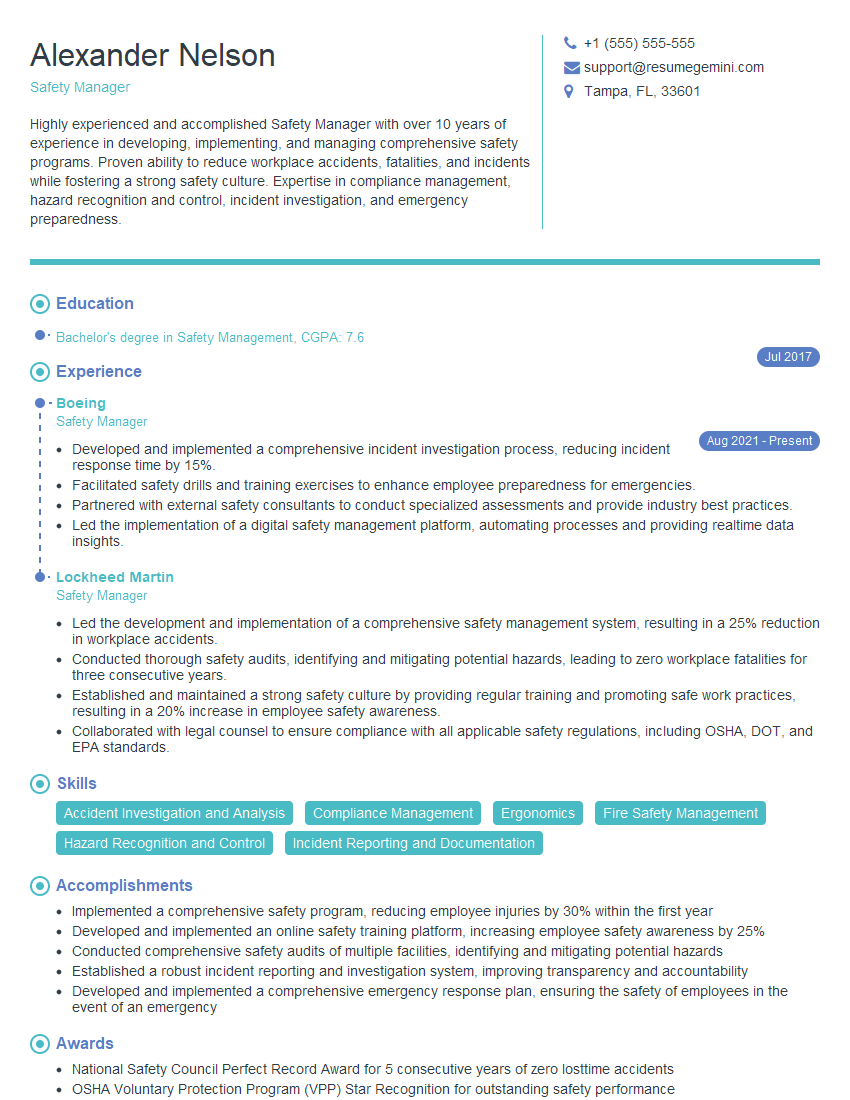
Safety Manager Resume Sample
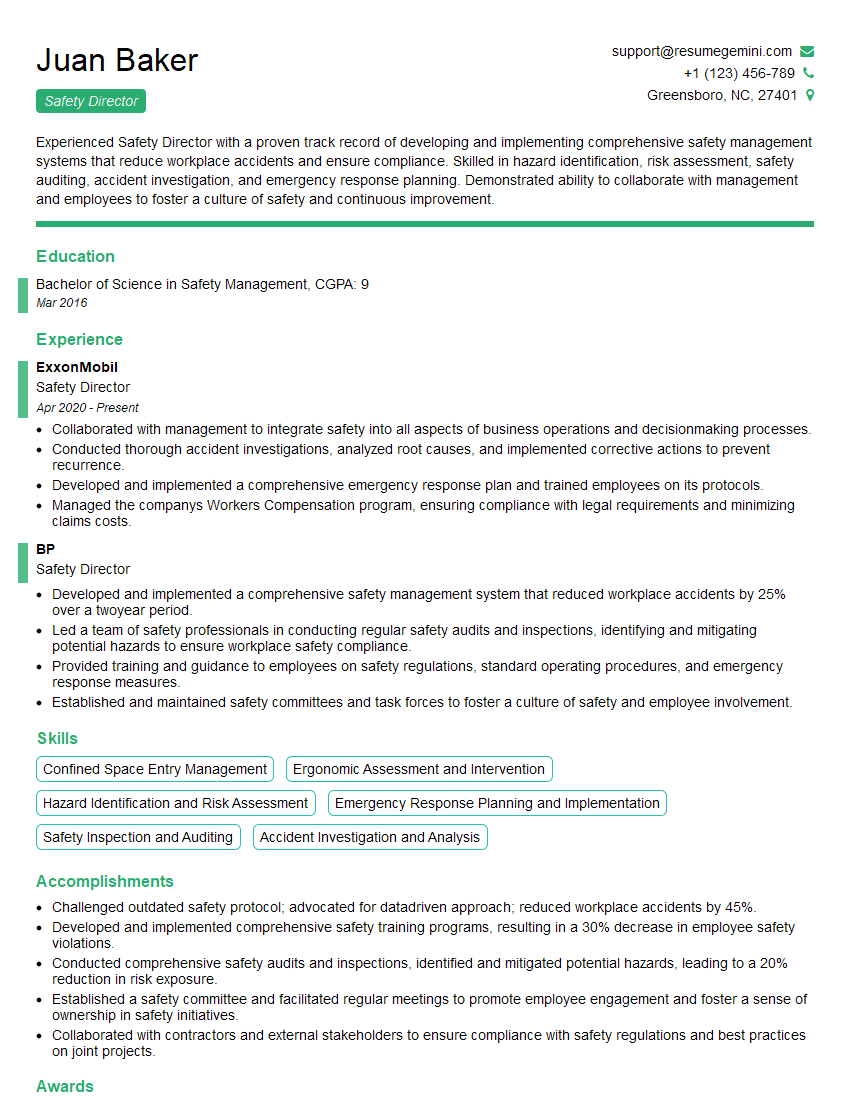
Safety Director Resume Sample
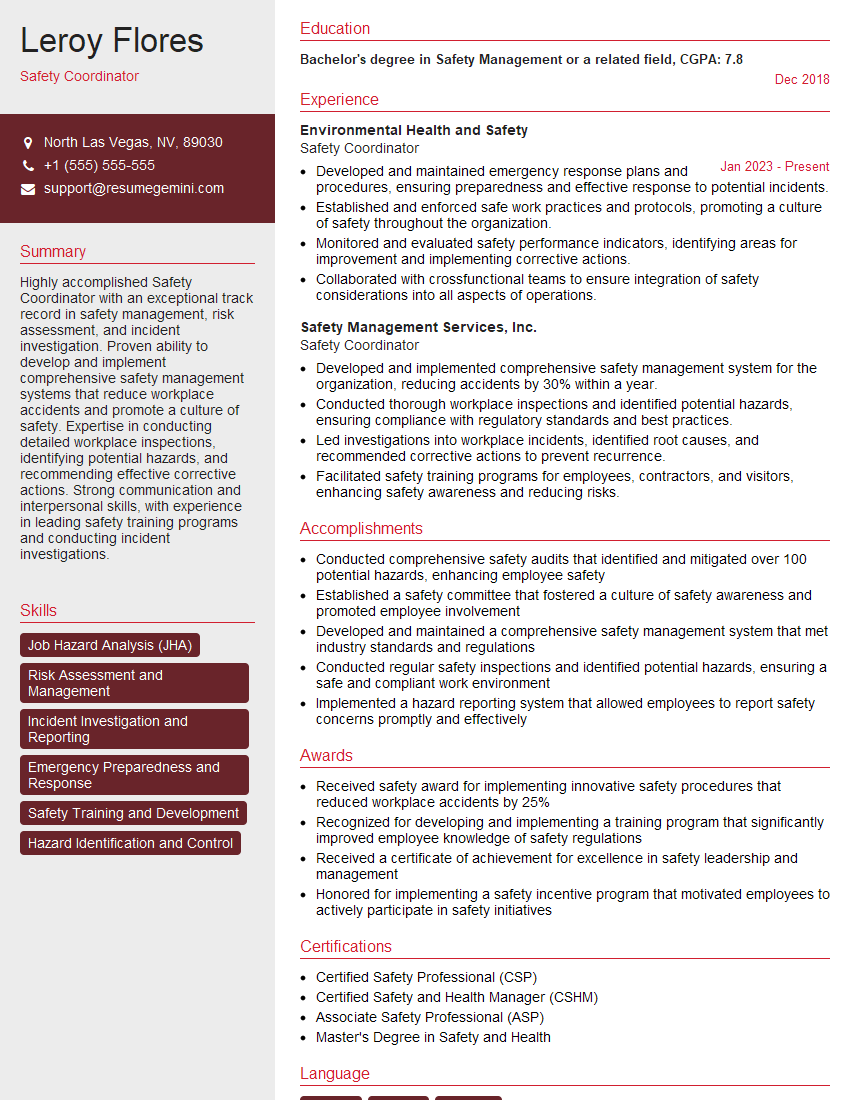
Safety Coordinator Resume Sample
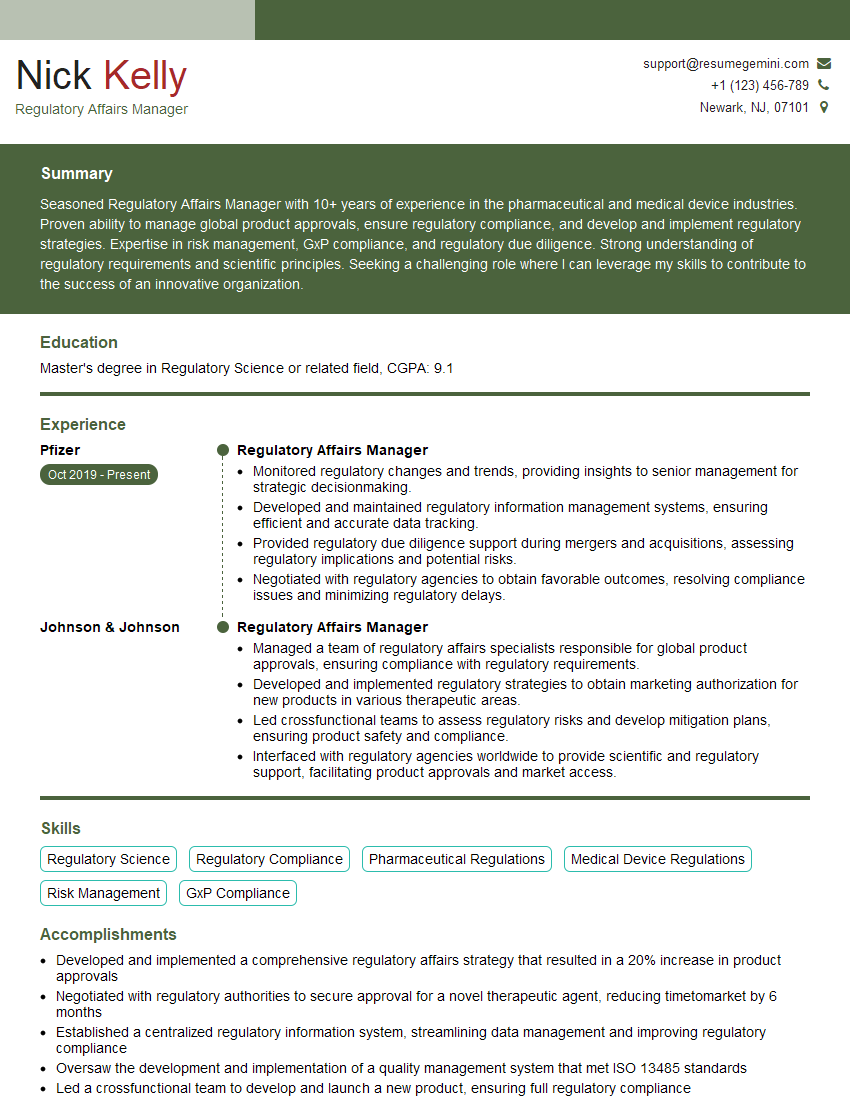
Regulatory Affairs Manager Resume Sample
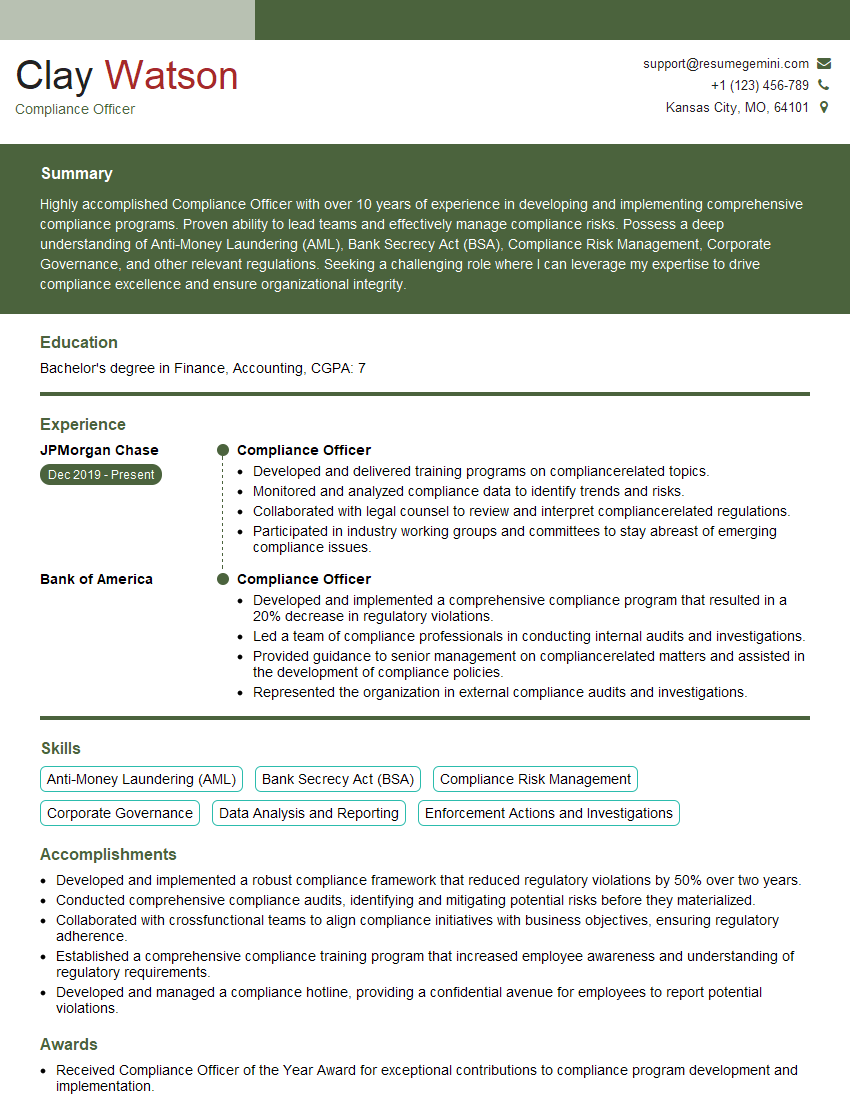
Compliance Officer Resume Sample
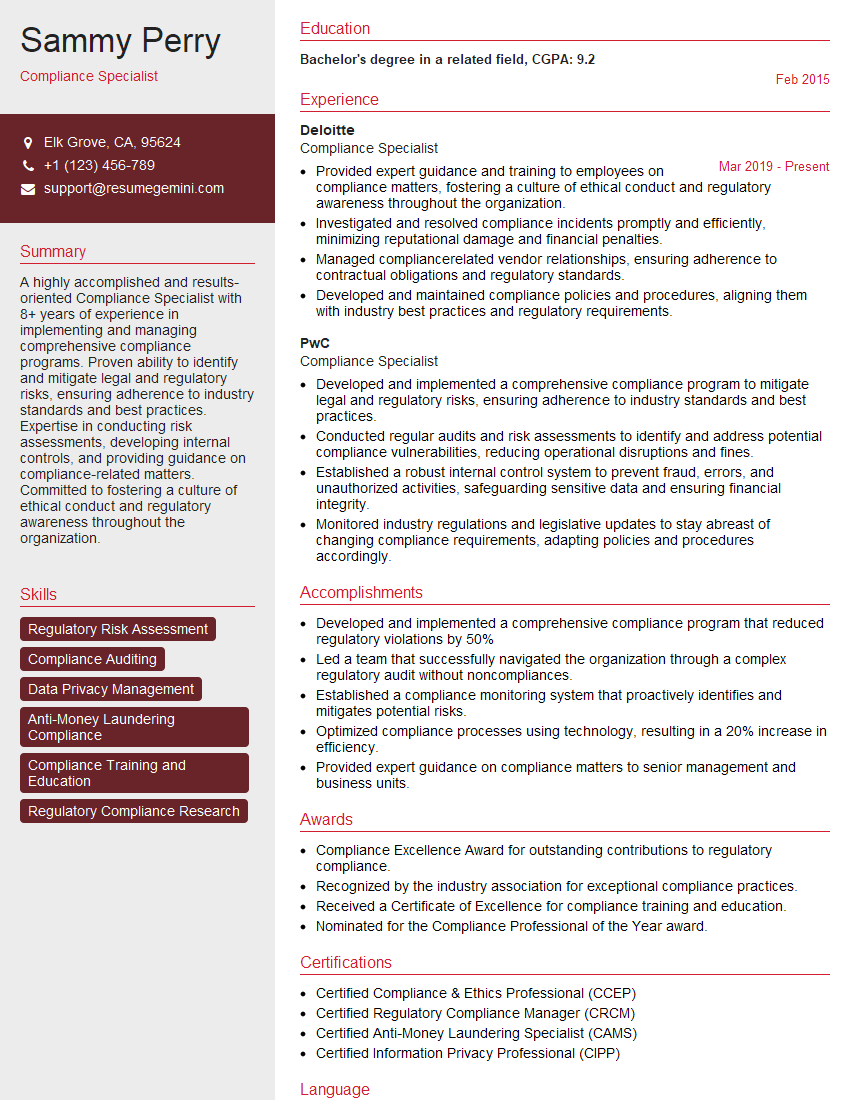
Compliance Specialist Resume Sample
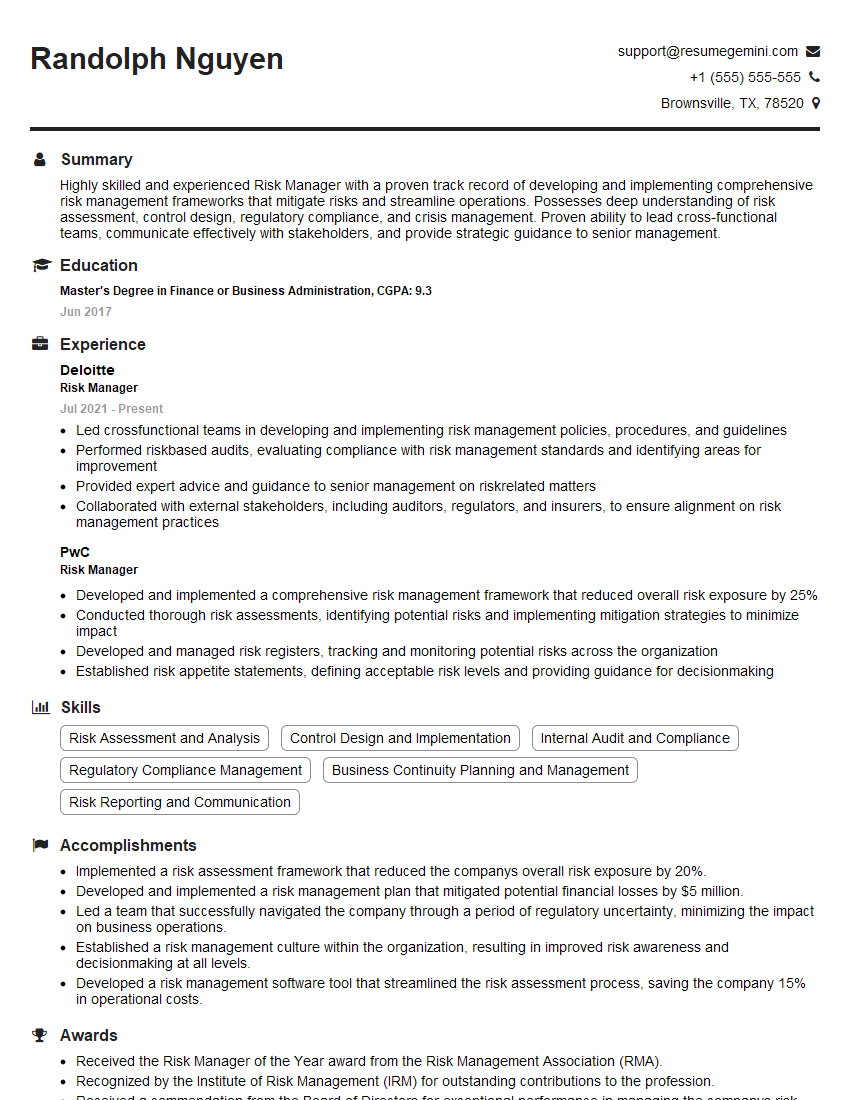
Risk Manager Resume Sample
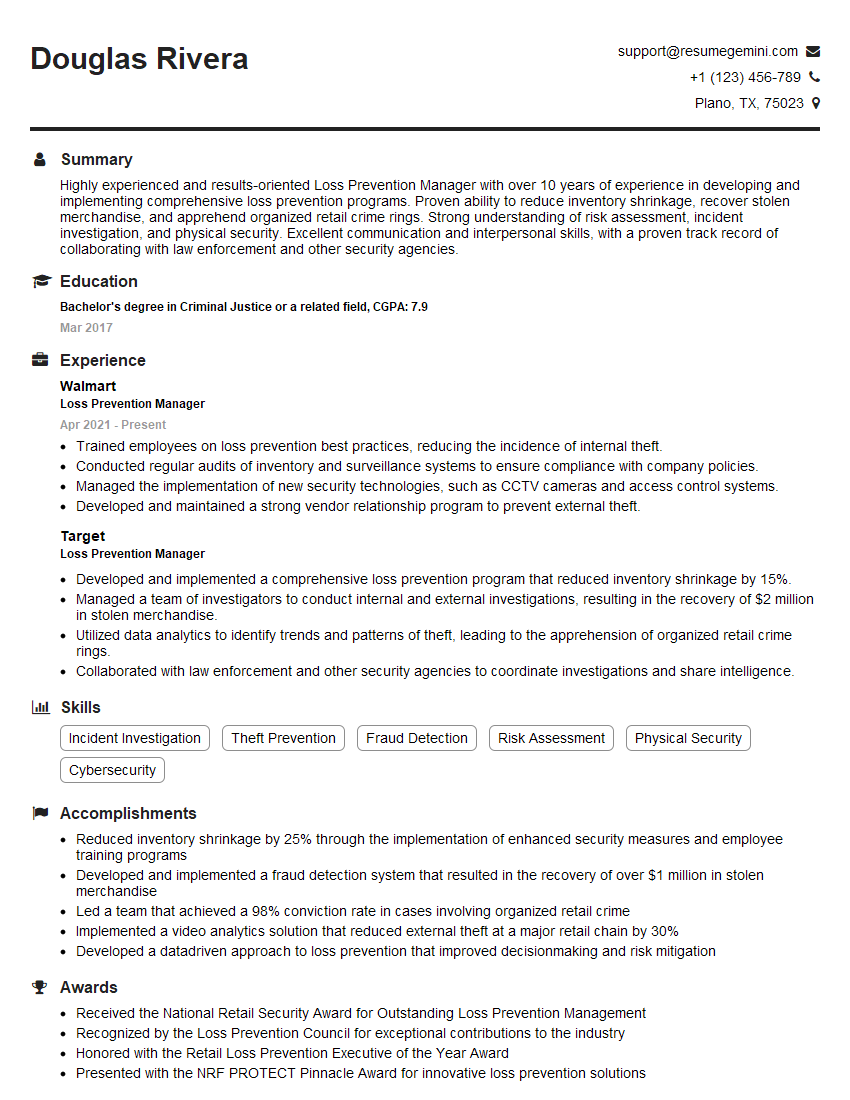
Loss Prevention Manager Resume Sample
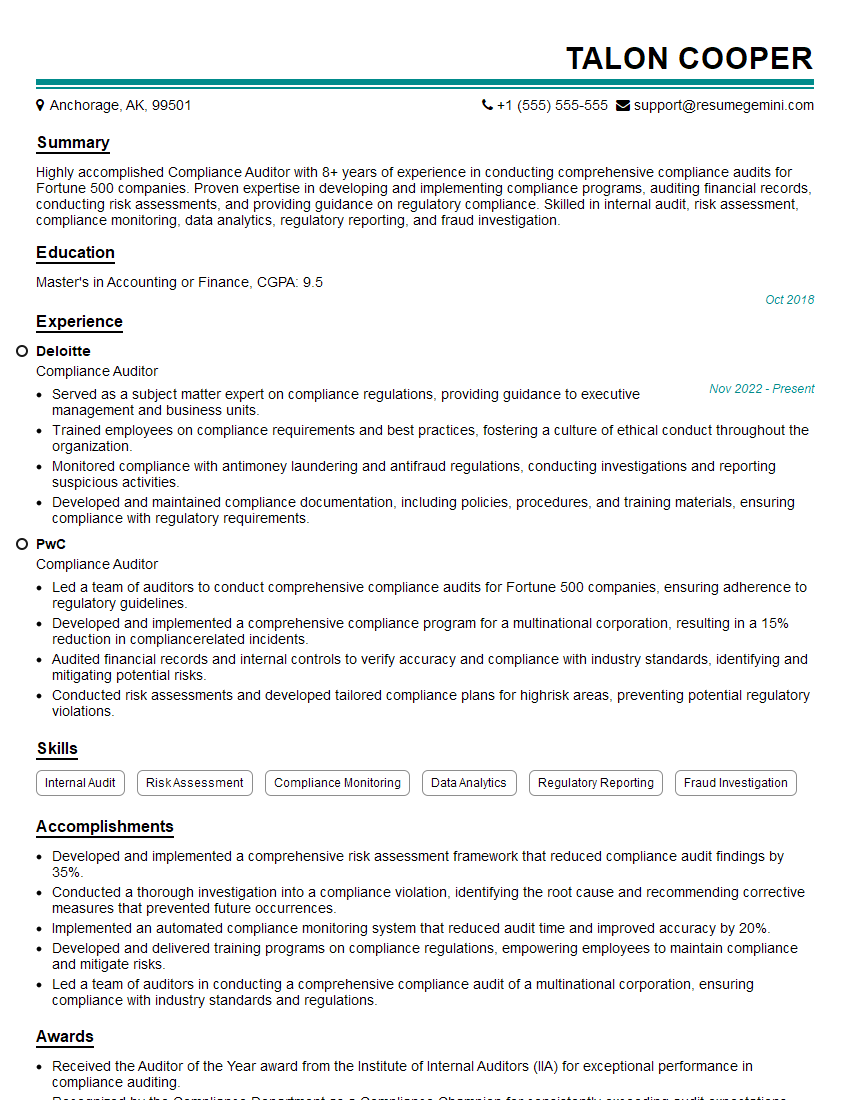
Compliance Auditor Resume Sample
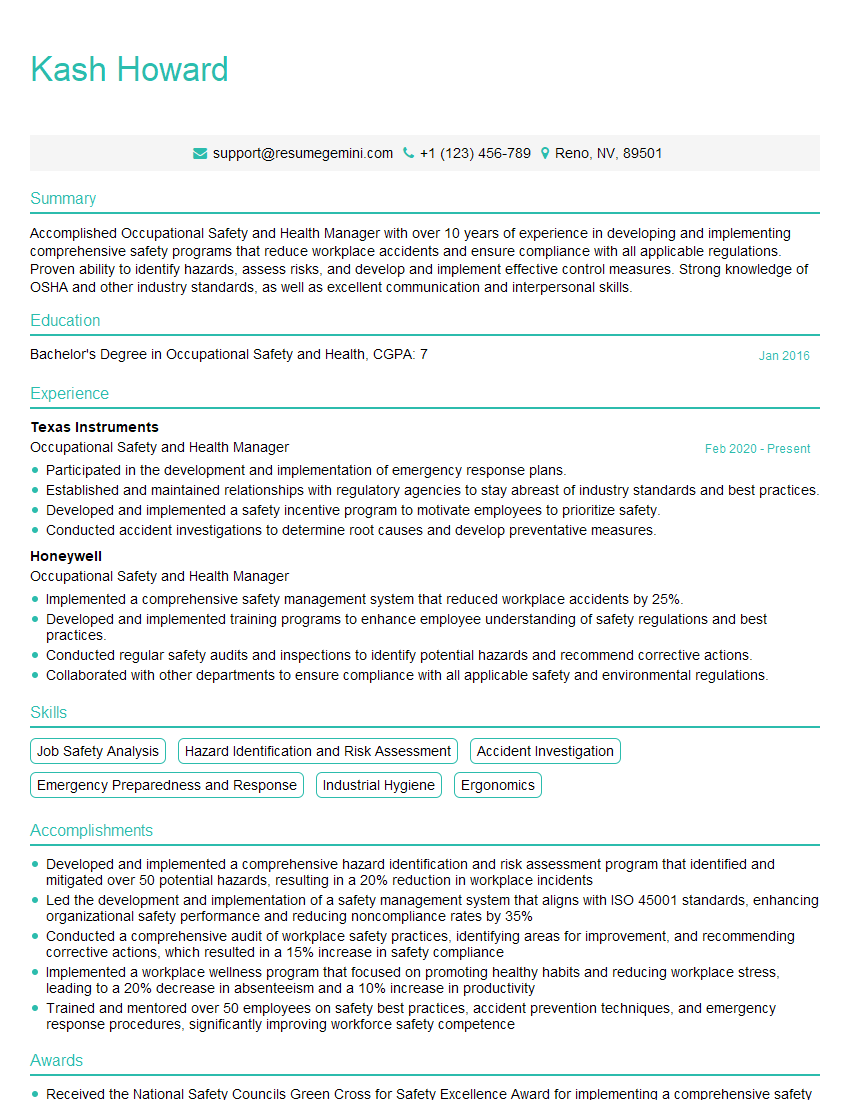
Occupational Safety and Health Manager Resume Sample
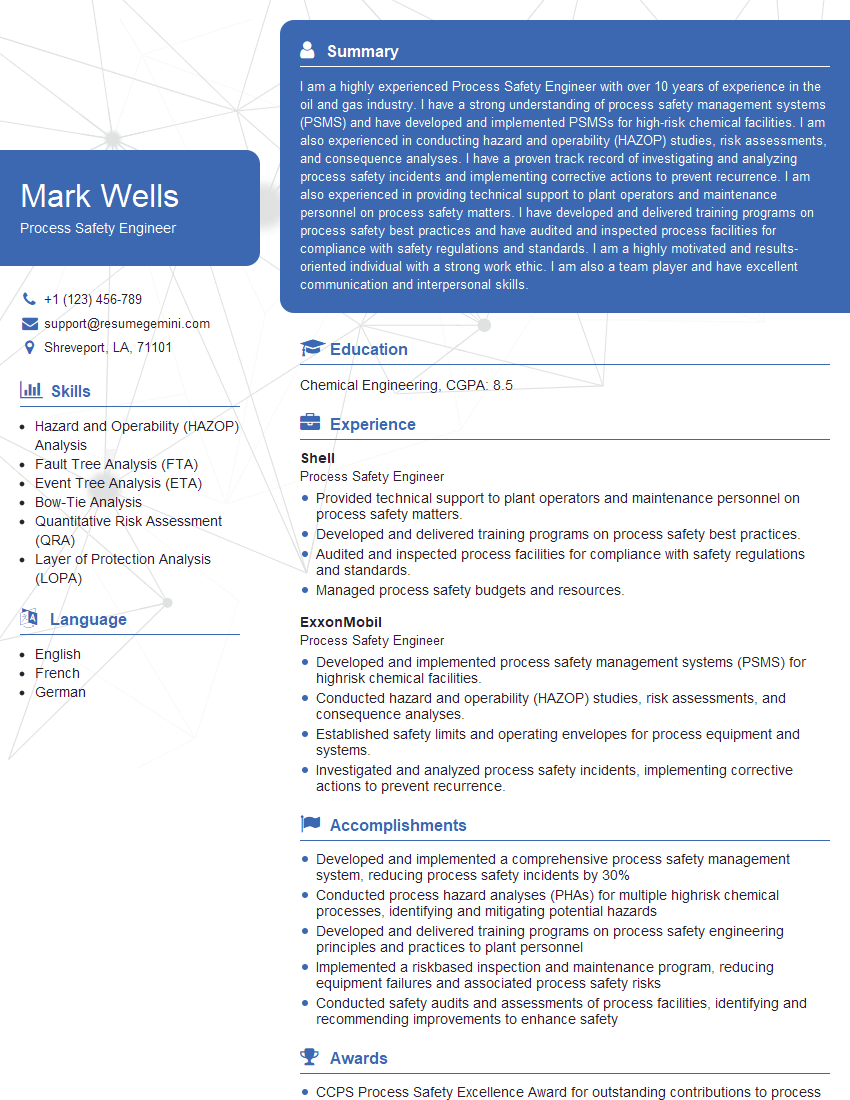
Process Safety Engineer Resume Sample
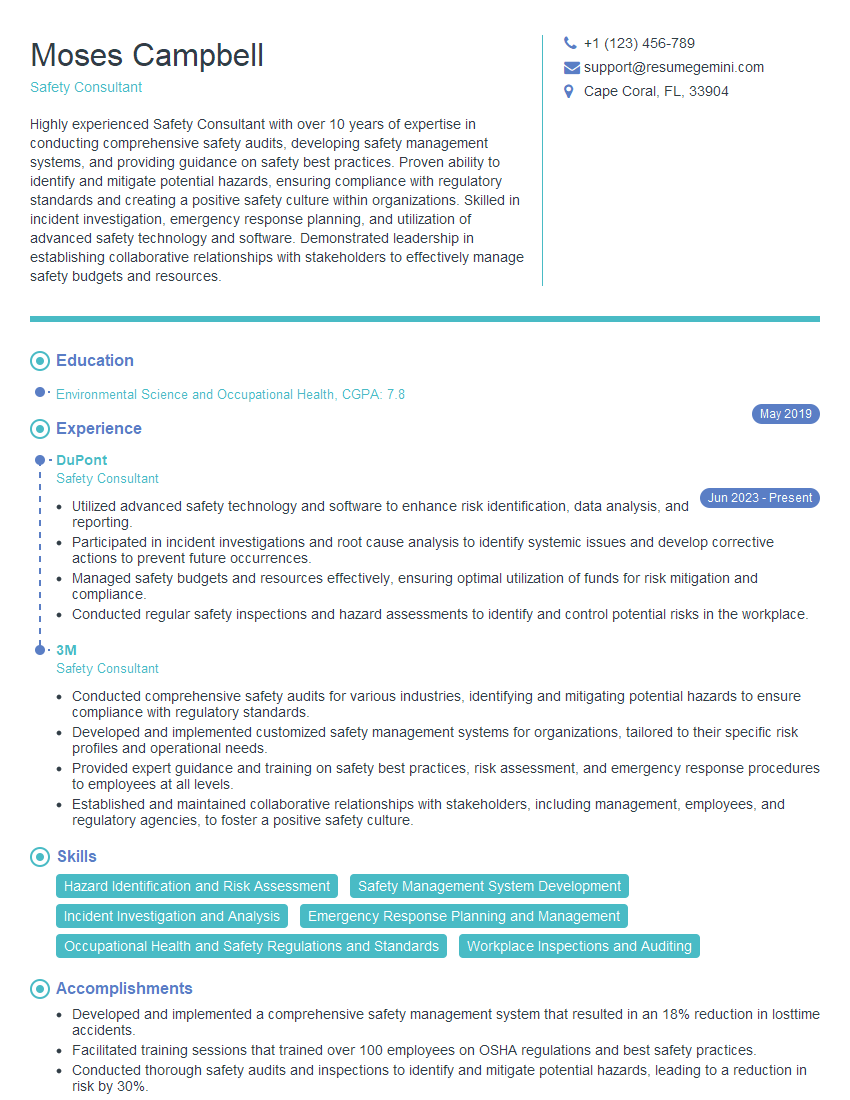
Safety Consultant Resume Sample
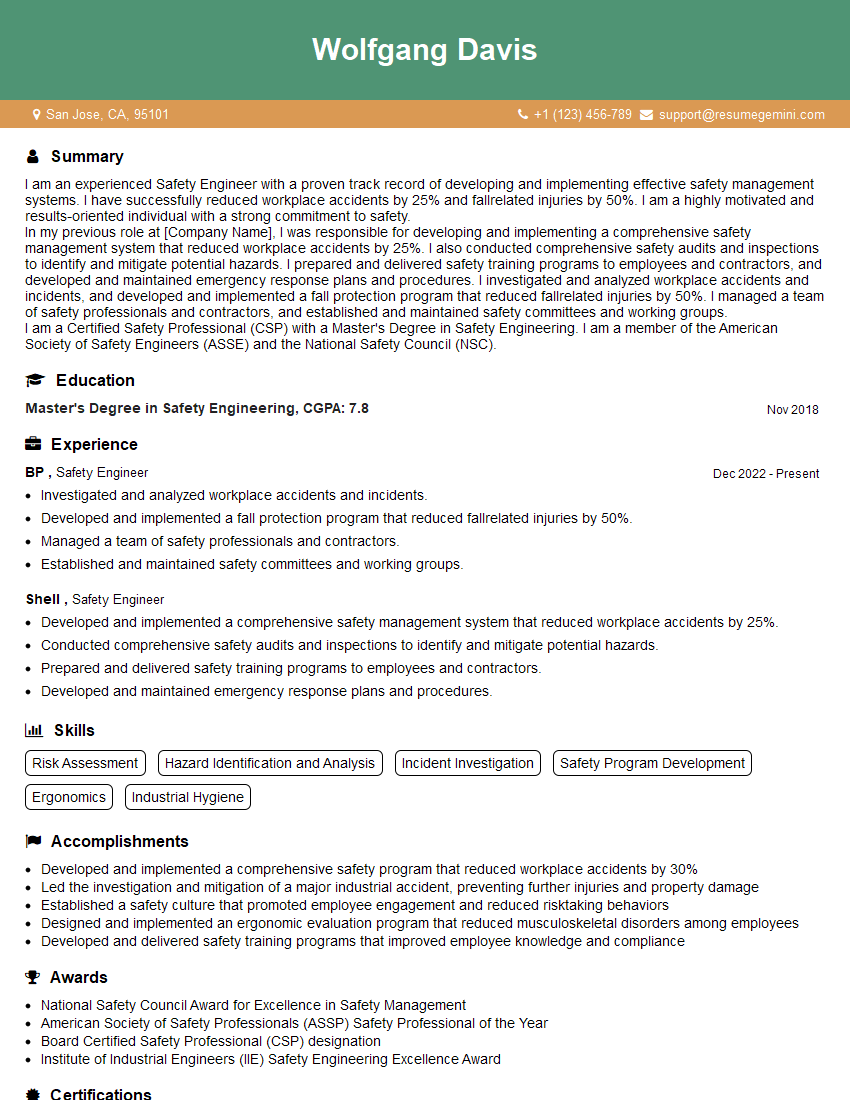
Safety Engineer Resume Sample
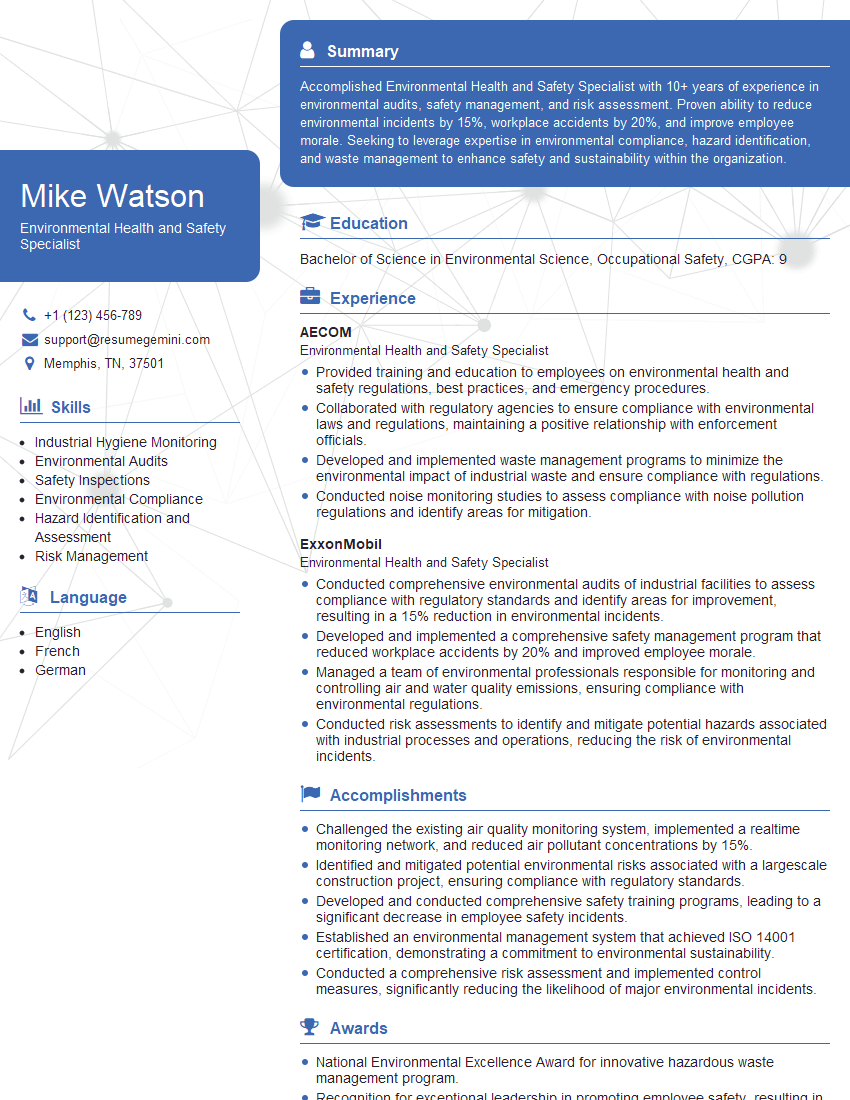
Environmental Health and Safety Specialist Resume Sample
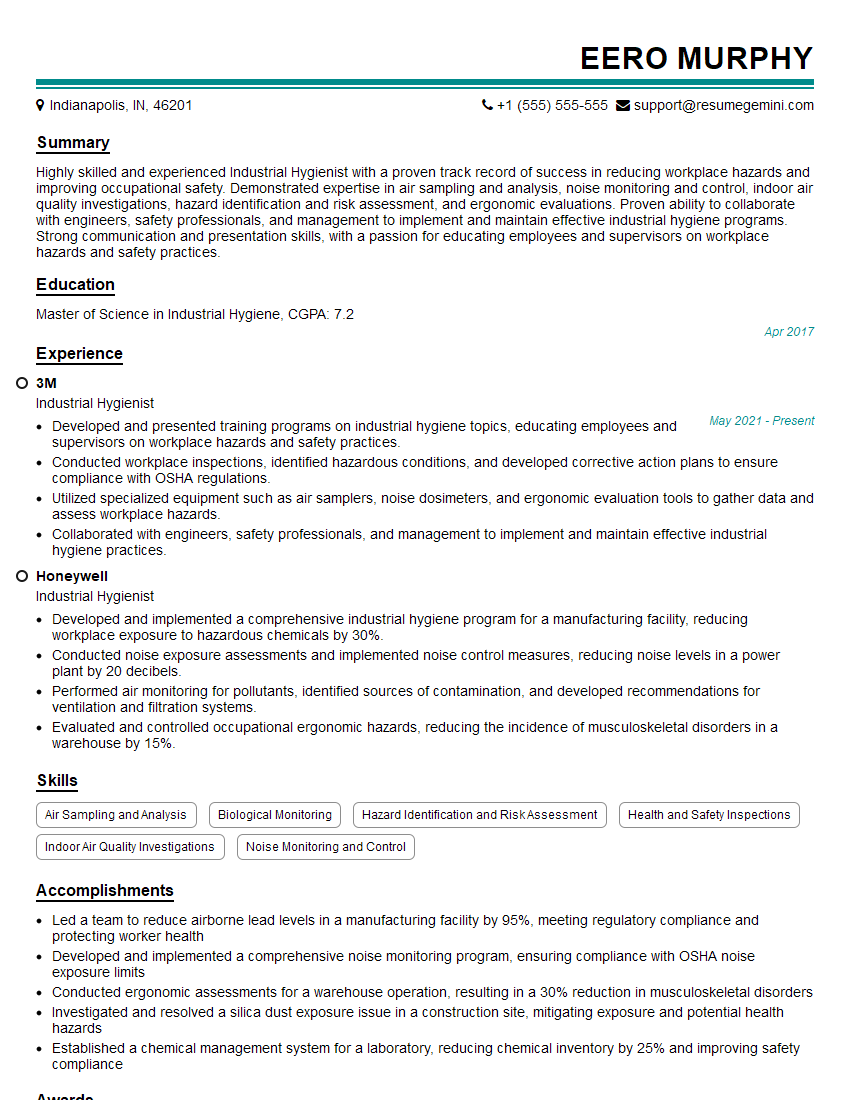
Industrial Hygienist Resume Sample
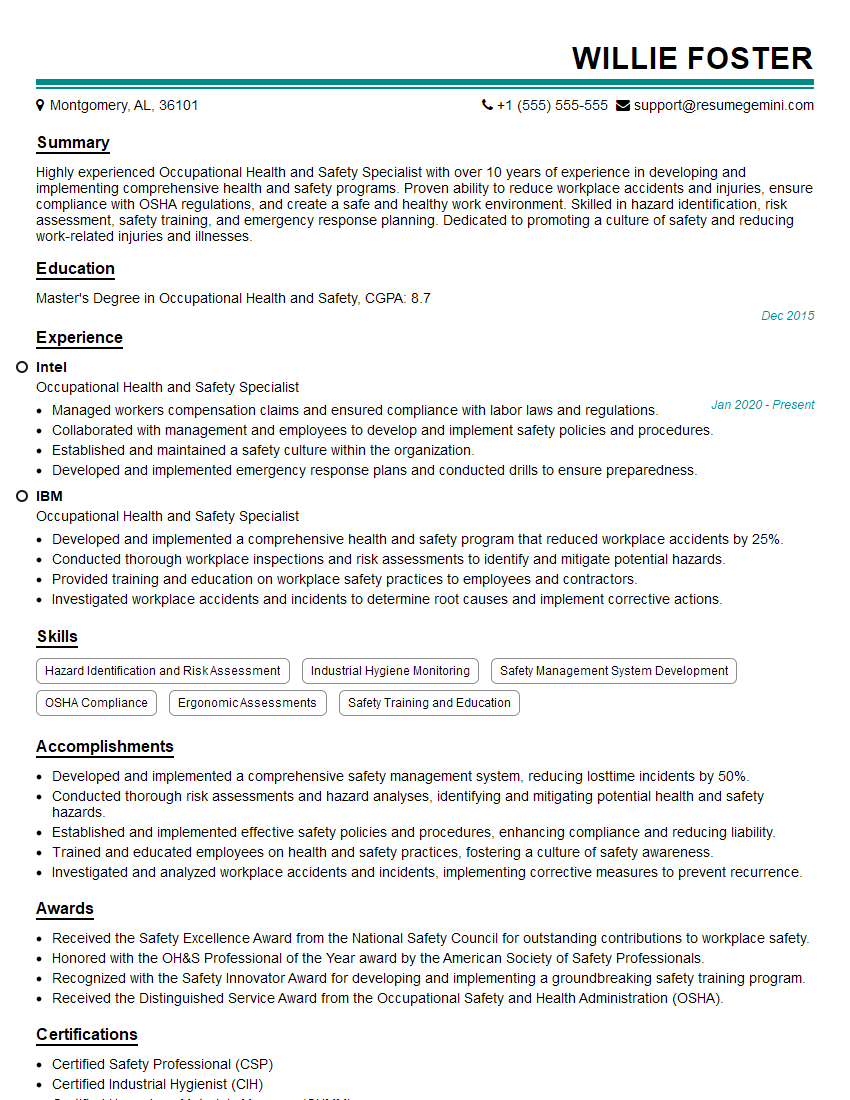
Occupational Health and Safety Specialist Resume Sample
- Safety Manager
- Safety Director
- Safety Coordinator
- Regulatory Affairs Manager
- Compliance Officer
- Compliance Specialist
- Risk Manager
- Loss Prevention Manager
- Compliance Auditor
- Occupational Safety and Health Manager
- Process Safety Engineer
- Safety Consultant
- Safety Engineer
- Environmental Health and Safety Specialist
- Industrial Hygienist
- Occupational Health and Safety Specialist
Explore more articles
Users Rating of Our Blogs
Share Your Experience
We value your feedback! Please rate our content and share your thoughts (optional).
What Readers Say About Our Blog
Amazing blog
hello,
Our consultant firm based in the USA and our client are interested in your products.
Could you provide your company brochure and respond from your official email id (if different from the current in use), so i can send you the client’s requirement.
Payment before production.
I await your answer.
Regards,
MrSmith
hello,
Our consultant firm based in the USA and our client are interested in your products.
Could you provide your company brochure and respond from your official email id (if different from the current in use), so i can send you the client’s requirement.
Payment before production.
I await your answer.
Regards,
MrSmith
These apartments are so amazing, posting them online would break the algorithm.
https://bit.ly/Lovely2BedsApartmentHudsonYards
Reach out at BENSON@LONDONFOSTER.COM and let’s get started!
Take a look at this stunning 2-bedroom apartment perfectly situated NYC’s coveted Hudson Yards!
https://bit.ly/Lovely2BedsApartmentHudsonYards
Live Rent Free!
https://bit.ly/LiveRentFREE
Interesting Article, I liked the depth of knowledge you’ve shared.
Helpful, thanks for sharing.
Hi, I represent a social media marketing agency and liked your blog
Hi, I represent an SEO company that specialises in getting you AI citations and higher rankings on Google. I’d like to offer you a 100% free SEO audit for your website. Would you be interested?