Interviews are more than just a Q&A session—they’re a chance to prove your worth. This blog dives into essential Industrial machinery and equipment operation interview questions and expert tips to help you align your answers with what hiring managers are looking for. Start preparing to shine!
Questions Asked in Industrial machinery and equipment operation Interview
Q 1. Describe your experience with preventative maintenance procedures.
Preventative maintenance (PM) is crucial for maximizing equipment lifespan and minimizing downtime. It involves regularly scheduled inspections and servicing to identify and address potential issues before they escalate into major failures. My experience encompasses developing and implementing PM schedules based on manufacturer recommendations and operational data analysis. This includes creating checklists for routine tasks like lubrication, cleaning, and component inspections.
- Example: In my previous role, we implemented a PM schedule for our CNC milling machines that included weekly lubrication checks, monthly spindle inspections, and quarterly coolant system flushes. This significantly reduced unexpected breakdowns and extended the machines’ operational life.
- Example: We used a computerized maintenance management system (CMMS) to track PM activities, generate reports, and schedule future maintenance tasks, ensuring consistency and accountability.
Beyond routine checks, I’m proficient in predictive maintenance techniques using vibration analysis and thermal imaging to detect anomalies that may signal impending failure, allowing for proactive intervention.
Q 2. Explain the troubleshooting process for a malfunctioning machine.
Troubleshooting a malfunctioning machine involves a systematic approach. It’s akin to detective work, using observation, testing, and knowledge of the machine’s systems to pinpoint the root cause. My process typically follows these steps:
- Safety First: Isolate the machine, lock out/tag out power sources, and ensure the area is safe before proceeding.
- Gather Information: What error codes or alarms are present? When did the malfunction start? Were there any preceding events? Witness testimonies can be valuable.
- Visual Inspection: Check for obvious signs of damage, loose connections, leaks, or unusual wear and tear.
- Systematic Testing: Use diagnostic tools, multimeters, pressure gauges, etc., to check various components and verify their functionality. I often follow a process of elimination, checking the most likely causes first.
- Consult Documentation: Refer to the machine’s manuals, schematics, and historical maintenance records.
- Repair or Replacement: Once the fault is identified, repair or replace the faulty component, ensuring proper reassembly and testing.
- Documentation: Record the problem, the troubleshooting steps, and the solution. This helps prevent recurrence and informs future PM schedules.
Example: I once diagnosed a sudden stop in a conveyor system. By systematically checking each section, I discovered a jammed sensor due to accumulated material. A simple cleaning resolved the issue, preventing costly downtime.
Q 3. What safety protocols do you follow when operating industrial machinery?
Safety is paramount when operating industrial machinery. My adherence to safety protocols is unwavering. These include:
- Lockout/Tagout (LOTO): Always following proper LOTO procedures before performing any maintenance or repair work to prevent accidental starts.
- Personal Protective Equipment (PPE): Consistent use of safety glasses, hearing protection, steel-toed boots, gloves, and other appropriate PPE depending on the task.
- Machine Guards: Ensuring all safety guards are in place and functioning correctly before operating any machinery.
- Emergency Stops: Knowing the location and proper use of all emergency stop buttons and switches.
- Training and Certification: Maintaining updated certifications and training on specific machines and safety procedures.
- Awareness of Surroundings: Maintaining situational awareness and avoiding distractions while operating machinery. Reporting any unsafe conditions immediately.
Example: Before working on a hydraulic press, I always ensure the hydraulic power is completely shut off and locked out, then visually inspect the system for leaks or pressure before commencing work.
Q 4. How do you identify and address potential hazards in a manufacturing setting?
Identifying and addressing potential hazards is an ongoing process requiring vigilance and proactive measures. My approach includes:
- Regular Inspections: Regularly inspecting the work area for potential hazards such as spills, obstructions, damaged equipment, and electrical hazards.
- Hazard Assessments: Conducting thorough risk assessments to identify potential hazards and develop control measures to mitigate those risks.
- Safe Work Practices: Enforcing and promoting safe work practices among colleagues, ensuring everyone understands and follows safety protocols.
- Reporting and Documentation: Promptly reporting any identified hazards and documenting the corrective actions taken.
- Employee Training: Participating in or leading training sessions to educate employees about workplace hazards and safety procedures.
- Ergonomics: Considering ergonomic factors to reduce the risk of musculoskeletal injuries.
Example: I noticed a loose cable near a power source posing a tripping hazard. I immediately reported it to management, and it was promptly addressed, preventing a potential accident.
Q 5. Describe your experience with different types of industrial machinery.
My experience spans a variety of industrial machinery, including:
- CNC Machines: Extensive experience operating and maintaining CNC milling machines, lathes, and routers. Proficient in G-code programming and machine setup.
- Conveyors: Experienced in troubleshooting and maintaining various types of conveyor systems, including belt conveyors, roller conveyors, and chain conveyors.
- Presses: Familiarity with hydraulic and mechanical presses, including safety procedures and maintenance requirements.
- Welding Equipment: Experienced with various welding processes, including MIG, TIG, and stick welding, and proficient in maintaining welding equipment.
- Robotics: Basic programming and operation experience with industrial robots.
This broad experience allows me to quickly adapt to new machinery and troubleshoot issues effectively.
Q 6. What is your experience with PLC programming and troubleshooting?
I possess significant experience in PLC programming and troubleshooting, primarily using Allen-Bradley and Siemens PLCs. My skills encompass:
- Programming: Proficient in ladder logic programming, creating and modifying PLC programs for various industrial automation applications.
- Troubleshooting: Experienced in diagnosing and resolving PLC related malfunctions using diagnostic tools and programming software.
- HMI Programming: Experience with creating and modifying Human Machine Interfaces (HMIs) for improved operator interaction.
- Networking: Understanding of industrial network protocols (e.g., Ethernet/IP, Profibus) used in PLC communication.
Example: I successfully resolved a production line stoppage by identifying a faulty logic statement in the PLC program that caused an incorrect sequence operation. I modified the program, tested the changes, and restored full production within a short time frame.
// Example Ladder Logic snippet (Allen-Bradley): //XIC Input1 OTE Output1
Q 7. How familiar are you with hydraulic and pneumatic systems?
I am very familiar with hydraulic and pneumatic systems, understanding their principles, components, and troubleshooting techniques. My experience includes:
- Hydraulics: Experienced in identifying and repairing leaks, troubleshooting hydraulic pumps, cylinders, and valves. Familiar with hydraulic schematics and system diagnostics.
- Pneumatics: Proficient in troubleshooting pneumatic systems, including air compressors, valves, cylinders, and actuators. Experienced in identifying air leaks and pressure issues.
- System Maintenance: Experienced in performing preventative maintenance on both hydraulic and pneumatic systems, including filter changes, oil changes, and lubrication.
Example: I recently diagnosed a slow-acting hydraulic cylinder by identifying a leak in the seal. I replaced the seal, and the cylinder returned to its full operational capacity.
Q 8. Explain your experience with reading and interpreting technical manuals.
Reading and interpreting technical manuals is fundamental to my work. It’s not just about understanding the words; it’s about visualizing the machinery and processes described. My approach involves a multi-stage process. First, I skim the manual to get an overview – like reading the table of contents of a book. Then, I dive into the specific sections relevant to the task at hand, paying close attention to diagrams, schematics, and safety precautions. I often use highlighting and note-taking to identify key information. For example, when troubleshooting a hydraulic press, I’d meticulously review the hydraulic system diagrams, noting component numbers, pressure ratings, and flow rates. Finally, I cross-reference information across different sections to ensure a complete understanding. This systematic approach ensures I’m fully prepared before working on any equipment.
I’ve found that working with manuals for different manufacturers requires adapting my approach. Some are highly detailed, others more concise. Learning to quickly identify critical information regardless of the manual’s style is crucial.
Q 9. How do you ensure the quality and accuracy of your work?
Quality and accuracy are paramount in my field. I employ several strategies to ensure both. Firstly, I meticulously follow established procedures and checklists. This minimizes errors and ensures consistency. Secondly, I conduct thorough inspections at every stage of a job. This could involve visually inspecting welds for defects, checking pressure gauges for accuracy, or verifying alignment using precision measuring tools. Thirdly, I utilize various testing and measurement equipment to validate my work. For example, I’d use a torque wrench to ensure bolts are tightened to the correct specifications and a multimeter to check electrical continuity. Finally, I document every step of my work, including any deviations from the standard procedure and their justifications. This detailed record allows for traceability and helps in identifying areas for improvement.
Imagine building a complex assembly. Relying solely on intuition could lead to costly errors. My methodical approach ensures that every component is correctly installed and functions as intended.
Q 10. Describe your experience with different types of welding techniques.
My welding experience encompasses several techniques, including Shielded Metal Arc Welding (SMAW), Gas Metal Arc Welding (GMAW), and Gas Tungsten Arc Welding (GTAW). SMAW, commonly known as stick welding, is ideal for outdoor applications and requires skill in controlling the arc length and maintaining consistent bead formation. I’ve used this extensively for repairing structural components on heavy machinery. GMAW, or MIG welding, provides faster deposition rates and is well-suited for joining thinner materials. I’ve utilized this for fabricating custom parts. GTAW, or TIG welding, offers superior precision and is crucial for welding thin materials and joining dissimilar metals. This technique is essential for applications requiring high-quality welds and aesthetic appeal. My experience includes choosing the appropriate welding technique based on material type, thickness, and application requirements. For instance, I would use TIG welding for stainless steel components due to its ability to create clean and strong welds.
Beyond the basic techniques, I am proficient in various welding positions, including flat, vertical, and overhead, further demonstrating my adaptability and skill.
Q 11. How do you handle unexpected equipment downtime?
Unexpected equipment downtime is a challenge that requires a systematic approach. My first step is to ensure the safety of personnel and the equipment. Then, I systematically troubleshoot the problem. This usually involves checking for obvious issues like power supply, hydraulic fluid levels, or loose connections. If the problem isn’t immediately apparent, I’ll consult technical manuals, diagrams, and past maintenance records. If the problem persists, I may need to involve specialized technicians or engineers. Throughout the process, I maintain clear and concise communication with supervisors and other relevant personnel to keep them informed of the situation and the progress of the troubleshooting. I prioritize identifying the root cause to prevent recurrence. For instance, if a bearing failure caused the downtime, I would investigate the cause of the failure (e.g., lubrication issues, excessive load) to implement preventative measures.
Effective communication is vital during downtime; a quick, well-informed update can prevent a small problem from escalating into a major production halt.
Q 12. What is your experience with robotic systems?
My experience with robotic systems includes programming, operation, and maintenance of industrial robots used in automated welding and assembly lines. I’m familiar with various robot controllers and programming languages like RAPID (ABB) and KRL (KUKA). My experience extends to troubleshooting robotic systems, identifying and resolving mechanical, electrical, and software issues. For example, I’ve resolved issues with robot end-of-arm tooling (EOAT) by adjusting sensors or replacing worn parts. I also have experience with integrating robots into existing production lines and optimizing their performance. In one instance, I improved the cycle time of a robotic welding cell by adjusting the robot’s path planning and welding parameters.
Working with robots requires a blend of mechanical aptitude, programming skills, and a safety-conscious mindset. Understanding the limitations of the robot and its programming is key to maximizing efficiency and safety.
Q 13. How do you maintain a clean and organized workspace?
Maintaining a clean and organized workspace is not just about aesthetics; it’s crucial for safety and efficiency. My approach is based on the principles of 5S: Sort, Set in Order, Shine, Standardize, and Sustain. I begin by sorting through tools, materials, and equipment, discarding anything unnecessary. Then, I organize everything logically, ensuring easy access to frequently used items. Regular cleaning and tidying keep the workspace free from debris and hazards. I follow standardized procedures for tool storage and equipment maintenance. Finally, I maintain the organization through regular checks and by encouraging others to follow the same practices. A clean and organized environment significantly reduces the risk of accidents and streamlines workflow, making it easier to locate tools and materials when needed. It also improves overall morale and creates a professional atmosphere.
Think of it like a well-stocked kitchen versus a cluttered one – in a clean, organized space, tasks are performed much more efficiently and safely.
Q 14. Describe your experience with calibration and measurement techniques.
Calibration and measurement techniques are integral to my work, ensuring accuracy and reliability. I’m proficient in using various measuring instruments, including micrometers, calipers, dial indicators, and laser alignment tools. I understand the importance of regular calibration of these instruments to maintain accuracy. I follow established calibration procedures, which often involve comparing the instrument readings to known standards or traceable references. For example, I’ve calibrated pressure gauges using a certified pressure calibrator and verified the accuracy of torque wrenches using a torque wrench calibrator. Beyond simple instruments, I’m experienced with more sophisticated measurement systems used for alignment and dimensional checks on machinery. Accurate measurements are vital, whether checking the alignment of a machine’s components or verifying the dimensions of a custom-fabricated part. Inaccurate measurements can lead to malfunctions, downtime, and even safety hazards. Therefore, the accuracy of measurement is always paramount.
Regular calibration is crucial; otherwise, small inaccuracies can accumulate, leading to significant errors over time.
Q 15. How do you prioritize tasks in a fast-paced manufacturing environment?
Prioritizing tasks in a fast-paced manufacturing environment requires a structured approach. I utilize a combination of techniques, starting with a clear understanding of the production schedule and any critical deadlines. This often involves reviewing the Manufacturing Execution System (MES) data to identify bottlenecks or urgent orders. Then, I employ a prioritization matrix, considering factors like urgency, importance, and resource availability. For example, an order with a tight deadline for a critical component would naturally take precedence over a less urgent request, even if the latter involves a larger quantity. Furthermore, I regularly communicate with team members to coordinate tasks and ensure smooth workflow. This collaborative approach minimizes conflicts and allows for efficient task completion. Think of it like conducting an orchestra – every instrument needs to play its part at the right time for a harmonious outcome.
A visual Kanban board helps tremendously in this process, allowing me to track the progress of different tasks and easily identify potential delays. This helps in proactively addressing any roadblocks and ensuring the smooth flow of production. Ultimately, effective task prioritization in a fast-paced environment is a dynamic process that requires adaptability, communication, and a proactive approach to problem-solving.
Career Expert Tips:
- Ace those interviews! Prepare effectively by reviewing the Top 50 Most Common Interview Questions on ResumeGemini.
- Navigate your job search with confidence! Explore a wide range of Career Tips on ResumeGemini. Learn about common challenges and recommendations to overcome them.
- Craft the perfect resume! Master the Art of Resume Writing with ResumeGemini’s guide. Showcase your unique qualifications and achievements effectively.
- Don’t miss out on holiday savings! Build your dream resume with ResumeGemini’s ATS optimized templates.
Q 16. What is your understanding of different manufacturing processes?
Manufacturing processes are diverse, spanning various techniques depending on the product and material. My understanding encompasses a wide range, including:
- Casting: Creating parts by pouring molten material into a mold. I’ve worked extensively with die casting, particularly in aluminum alloy parts for automotive applications.
- Forging: Shaping metal using compressive forces. I’m familiar with both hot and cold forging techniques, having worked with steel forgings in the production of heavy machinery components.
- Machining: Removing material to create precise shapes. This includes milling, turning, drilling, and grinding, skills central to my experience in CNC machining (further discussed in the next answer).
- Welding: Joining materials using heat. My expertise covers various welding methods, including MIG, TIG, and spot welding, used across numerous projects.
- Additive Manufacturing (3D Printing): Building parts layer by layer, increasingly important for rapid prototyping and customized production. I have practical experience with Fused Deposition Modeling (FDM) and Stereolithography (SLA) techniques.
Understanding the strengths and limitations of each process is critical for selecting the most efficient and cost-effective method for a given project. This includes considering factors such as material properties, production volume, and desired precision.
Q 17. How familiar are you with different types of CNC machines?
I have significant experience operating and programming various CNC machines. My proficiency includes:
- 3-axis Milling Machines: Used for a wide array of milling operations, including face milling, end milling, and pocketing. I’m proficient in programming these machines using G-code, and familiar with CAM software like Mastercam and Fusion 360.
- Lathes: Used for turning operations, creating cylindrical parts. I can operate both engine lathes and CNC lathes, understanding the intricacies of various turning techniques such as facing, turning, boring, and threading.
- Multi-axis Milling Machines (4-axis and 5-axis): These machines allow for complex shapes and intricate designs. My experience includes programming and operating 5-axis machines for aerospace components.
- CNC Turning Centers: Highly automated machines combining turning and milling capabilities in a single setup. I have experience optimizing programs for these machines to maximize efficiency and minimize cycle time.
My expertise extends beyond basic operation; I understand the importance of proper tool selection, setup, and maintenance for optimal performance and to prevent machine damage. I’m also comfortable troubleshooting common issues and performing basic machine maintenance.
Q 18. Explain your experience with material handling equipment.
My experience with material handling equipment is extensive, covering various types of equipment and safety protocols. I’ve operated and maintained:
- Forklifts: Experienced in safely operating various forklift types, including counterbalance, reach trucks, and order pickers. I hold a valid forklift operator’s license and adhere strictly to all safety guidelines.
- Overhead Cranes: Proficient in operating overhead cranes for lifting and moving heavy materials, ensuring safe and efficient movement of loads.
- Conveyors: Experienced in troubleshooting and maintaining various conveyor systems, understanding the importance of proper alignment and lubrication to prevent breakdowns and jams.
- Automated Guided Vehicles (AGVs): Familiar with operating and maintaining AGVs for automated material handling in a factory environment. I understand their programming and safety protocols.
Beyond operation, I understand the importance of proper load securing, load balancing and preventative maintenance to ensure equipment longevity and safety.
Q 19. How do you ensure compliance with safety regulations?
Ensuring compliance with safety regulations is paramount in any industrial setting. My approach is proactive and multi-faceted:
- Understanding Regulations: I’m thoroughly familiar with OSHA (or equivalent local) regulations pertaining to industrial machinery, including lockout/tagout procedures, personal protective equipment (PPE) requirements, and machine guarding standards.
- Safe Operating Procedures: I always follow established safe operating procedures for all machinery and equipment, and I ensure all team members do the same. This includes regular safety meetings and training sessions to reinforce best practices.
- PPE Usage: I consistently use appropriate PPE, including safety glasses, hearing protection, and steel-toed boots, and I ensure my colleagues do the same. This is non-negotiable.
- Reporting and Prevention: I immediately report any safety hazards or incidents, no matter how minor. I actively participate in hazard identification and risk assessment processes, suggesting improvements and contributing to a culture of safety.
- Lockout/Tagout Procedures: I’m highly proficient in lockout/tagout procedures, ensuring machinery is properly de-energized before any maintenance or repair work is undertaken. This minimizes the risk of accidental injury.
Safety isn’t just a set of rules; it’s a mindset. A commitment to safety is fundamental to my work ethic.
Q 20. Describe your experience with using measuring tools (e.g., micrometers, calipers).
I’m highly proficient in using various measuring tools, including micrometers, calipers, and dial indicators. My experience includes:
- Micrometers: I can accurately measure dimensions to thousandths of an inch (or micrometers) using both outside and inside micrometers. I understand the importance of proper zeroing and handling techniques to ensure accurate measurements.
- Calipers: I can utilize both vernier calipers and digital calipers to measure internal, external, and depth dimensions with precision. I’m familiar with various types of calipers suited for specific applications.
- Dial Indicators: I use dial indicators for precise measurement of runout, straightness, and other geometric characteristics. I understand how to set up and interpret dial indicator readings accurately.
- Other Tools: My experience extends to other measuring tools like height gauges, protractors, and levels. I understand the importance of selecting the appropriate tool for the task and using it correctly.
Accurate measurements are critical for ensuring quality and precision in manufacturing. My experience allows me to select, use, and maintain these tools effectively, ensuring the accuracy and reliability of my work.
Q 21. How familiar are you with Lean Manufacturing principles?
I’m very familiar with Lean Manufacturing principles, which focus on eliminating waste and maximizing efficiency. My understanding encompasses:
- Value Stream Mapping: I can effectively map out the entire production process to identify areas of waste and inefficiency. I’ve used this to streamline processes and reduce lead times in past projects.
- 5S Methodology: I’ve implemented 5S (Sort, Set in Order, Shine, Standardize, Sustain) in various work environments to improve workplace organization and efficiency. This results in reduced search time and a safer work environment.
- Kaizen (Continuous Improvement): I actively participate in Kaizen events, proposing and implementing improvements to processes and workflows. This continuous improvement mindset is integral to my approach.
- Just-in-Time (JIT) Inventory: I understand the principles of JIT inventory management, minimizing waste by delivering materials only when needed. I’ve seen firsthand how this approach can optimize production flow and reduce storage costs.
- Poka-Yoke (Mistake-Proofing): I’ve worked to implement poka-yoke methods to prevent errors and defects from occurring in the first place. This involves designing processes and equipment to make it difficult or impossible to make mistakes.
Lean Manufacturing is more than just a set of tools; it’s a philosophy that encourages continuous improvement and waste reduction. My commitment to this philosophy ensures efficient and effective production.
Q 22. Explain your understanding of root cause analysis.
Root cause analysis (RCA) is a systematic process for identifying the underlying causes of problems, not just the symptoms. It’s crucial in industrial settings to prevent recurrence and improve overall efficiency. Instead of just fixing a broken part, RCA digs deeper to understand why it broke. This prevents a band-aid approach and addresses the root issue.
A common technique is the “5 Whys.” Let’s say a conveyor belt stopped working.
- Why? The motor burned out.
- Why? The motor overheated.
- Why? The bearings were seized.
- Why? Insufficient lubrication.
- Why? The lubrication system wasn’t properly maintained.
The root cause isn’t the burned-out motor; it’s the lack of proper lubrication system maintenance. Other methods include fault tree analysis and fishbone diagrams, all aiming to pinpoint the fundamental flaw leading to the failure.
Q 23. How do you document and report maintenance activities?
Documentation of maintenance activities is crucial for traceability, accountability, and continuous improvement. We utilize a computerized maintenance management system (CMMS). This system allows for detailed logging of all maintenance tasks. Each entry includes:
- Equipment ID: A unique identifier for the specific machine.
- Date and Time: Precise record of when the maintenance was performed.
- Type of Maintenance: Preventive, corrective, or predictive.
- Work Performed: A detailed description of the tasks completed, including parts replaced (with serial numbers if applicable).
- Labor Hours: Time spent by technicians on the job.
- Materials Used: List of parts and materials consumed.
- Technician’s Signature/ID: Accountability for the work performed.
- Photos/Videos (when relevant): Visual documentation of the problem and its resolution.
Regular reports are generated from the CMMS data, highlighting trends, maintenance costs, and equipment downtime. These reports are used to optimize maintenance schedules, predict potential failures, and track overall equipment effectiveness (OEE).
Q 24. Describe your experience with working within a team.
Teamwork is paramount in industrial settings. In my previous role, we had a cross-functional team responsible for the maintenance of a large-scale automated production line. We included electricians, mechanics, and process engineers. I thrived in this collaborative environment.
My role involved coordinating tasks, ensuring everyone had the necessary resources, and troubleshooting issues collectively. We regularly held meetings to discuss challenges, share knowledge, and brainstorm solutions. Open communication, mutual respect, and a shared commitment to safety and efficiency were key to our success. I’m adept at listening to diverse perspectives, offering constructive criticism, and working towards consensus.
Q 25. How do you adapt to changes in manufacturing processes?
Adaptability is critical in manufacturing due to constant technological advancements and shifting production demands. I approach changes with a structured approach:
- Training and Upskilling: I actively seek out training opportunities to learn new technologies and processes. This includes attending workshops, online courses, and studying manufacturer documentation.
- Mentorship and Collaboration: I leverage the expertise of colleagues and seek guidance from supervisors when facing unfamiliar procedures.
- Data-Driven Approach: I rely on data analysis to understand the impact of changes and identify areas for improvement. We use performance metrics to assess the effectiveness of new processes.
- Problem Solving: I am proactive in identifying potential challenges associated with changes and develop mitigation strategies.
For example, when our plant implemented a new automated system, I participated in extensive training, worked closely with the system integrators, and contributed to developing standardized operating procedures. This ensured a smooth transition and minimized downtime.
Q 26. Describe a time you had to troubleshoot a complex equipment problem.
During my time at [Previous Company Name], a critical component of a hydraulic press failed, causing a significant production halt. The initial diagnosis pointed to a faulty hydraulic pump, but replacing it didn’t solve the problem.
I systematically investigated the entire hydraulic system. I checked pressure gauges, inspected valves, and analyzed oil samples. Eventually, I discovered a small leak in a high-pressure line that was hidden behind a panel. This leak caused a significant pressure drop, leading to the pump’s failure. By carefully tracing the hydraulic circuit, I identified and repaired the leak, restoring the press to full operation. This demonstrated my ability to systematically troubleshoot complex systems, focusing on methodical investigation rather than relying solely on initial assumptions.
Q 27. What are your strengths and weaknesses as an industrial equipment operator?
My strengths include a strong mechanical aptitude, a systematic approach to problem-solving, and a commitment to safety. I am also a quick learner and work effectively both independently and within a team. I am proactive in identifying potential issues and take initiative to prevent them.
My weakness is sometimes being overly detail-oriented, which can occasionally slow down the process. However, I am actively working on improving my time management skills and prioritizing tasks effectively to mitigate this.
Q 28. What are your salary expectations?
My salary expectations are in the range of $[Lower Bound] to $[Upper Bound] annually, commensurate with my experience and skills, and considering the responsibilities and compensation offered by this role.
Key Topics to Learn for Industrial Machinery and Equipment Operation Interview
- Safety Procedures and Regulations: Understanding and adhering to all relevant safety protocols, including lockout/tagout procedures, personal protective equipment (PPE) use, and hazard identification. Practical application involves demonstrating knowledge of specific safety regulations within different industrial settings.
- Machine Operation and Maintenance: Comprehensive knowledge of operating various industrial machinery, including troubleshooting common malfunctions, performing preventative maintenance, and understanding the limitations of each machine. Practical application involves explaining the process of diagnosing a specific malfunction and outlining the necessary repair steps.
- Hydraulic and Pneumatic Systems: Understanding the principles of hydraulic and pneumatic systems, including their applications in industrial machinery, troubleshooting common issues, and performing basic maintenance. Practical application includes explaining how pressure, flow rate, and fluid properties impact machine performance.
- Electrical Systems (Basic): Fundamental understanding of electrical systems within industrial machinery, including voltage, amperage, and basic troubleshooting techniques. Practical application involves describing safe practices for working with electrical components.
- Quality Control and Production Efficiency: Understanding the importance of quality control in industrial processes, and how machine operation impacts overall production efficiency. Practical application involves describing methods to monitor and improve machine output and quality.
- Preventive Maintenance and Predictive Maintenance Techniques: Understanding the difference between preventative and predictive maintenance and the implementation of strategies to minimize downtime and maximize equipment lifespan. Practical application involves outlining a preventative maintenance schedule for a specific machine.
- Troubleshooting and Problem-Solving: Develop strong analytical and problem-solving skills applicable to diagnosing and resolving malfunctions in various machinery. This includes a systematic approach to identifying the root cause of failures.
Next Steps
Mastering industrial machinery and equipment operation is crucial for career advancement in this in-demand field. A strong understanding of these principles opens doors to higher-paying positions and increased responsibilities. To maximize your job prospects, it’s essential to create a resume that effectively showcases your skills and experience to Applicant Tracking Systems (ATS). ResumeGemini is a trusted resource that can help you build a professional, ATS-friendly resume, highlighting your expertise in industrial machinery and equipment operation. Examples of resumes tailored to this field are available within ResumeGemini to guide you. Invest time in crafting a compelling resume—it’s your first impression on potential employers.
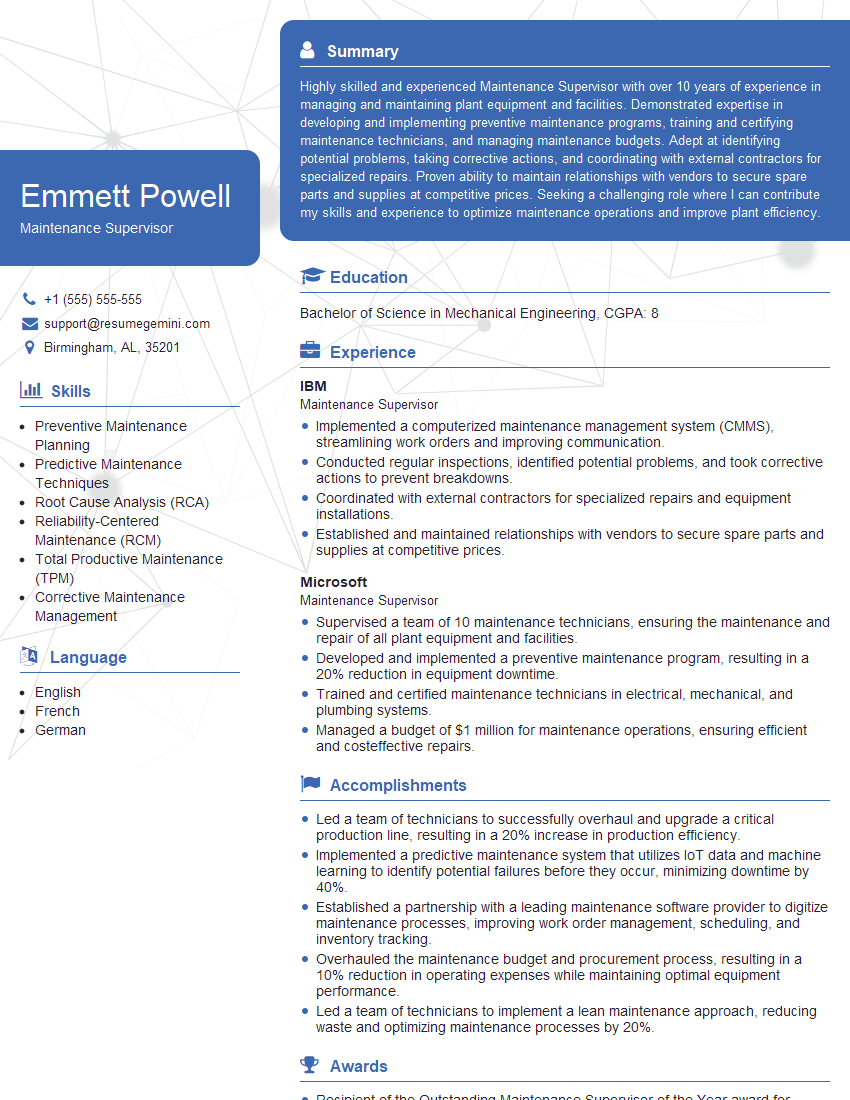
Maintenance Supervisor Resume Sample
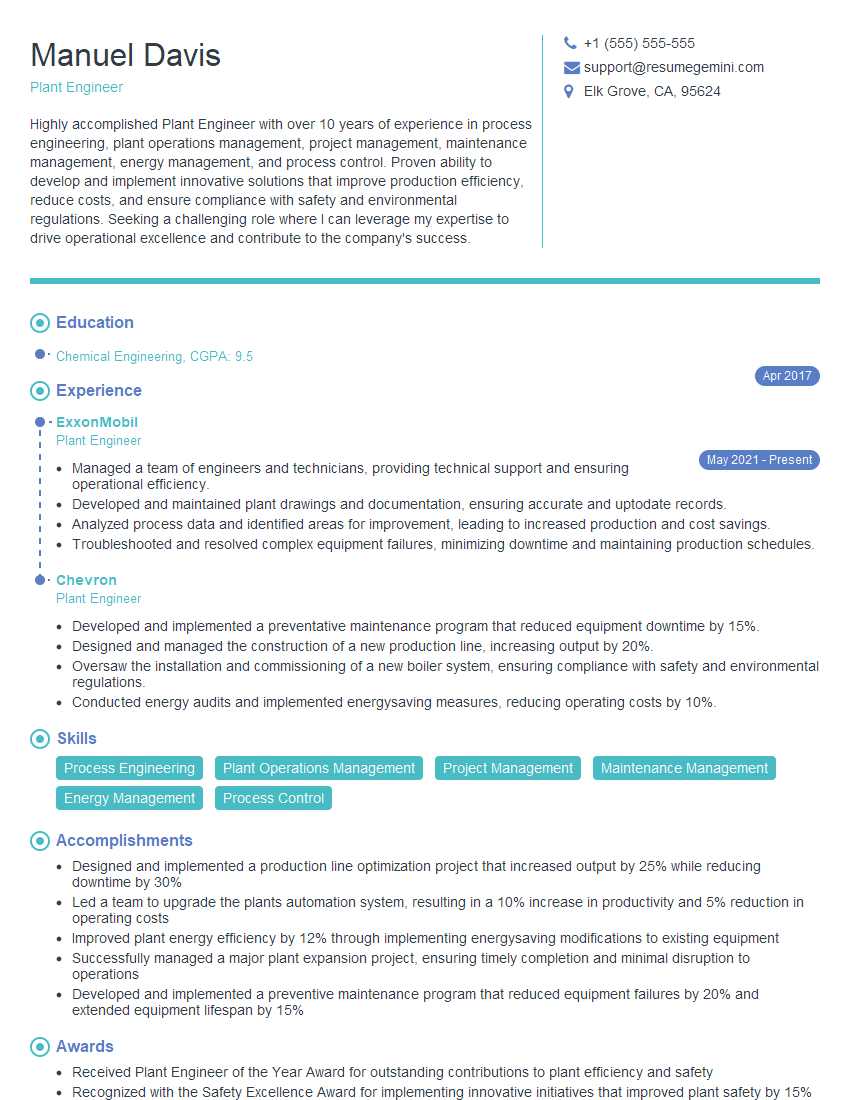
Plant Engineer Resume Sample
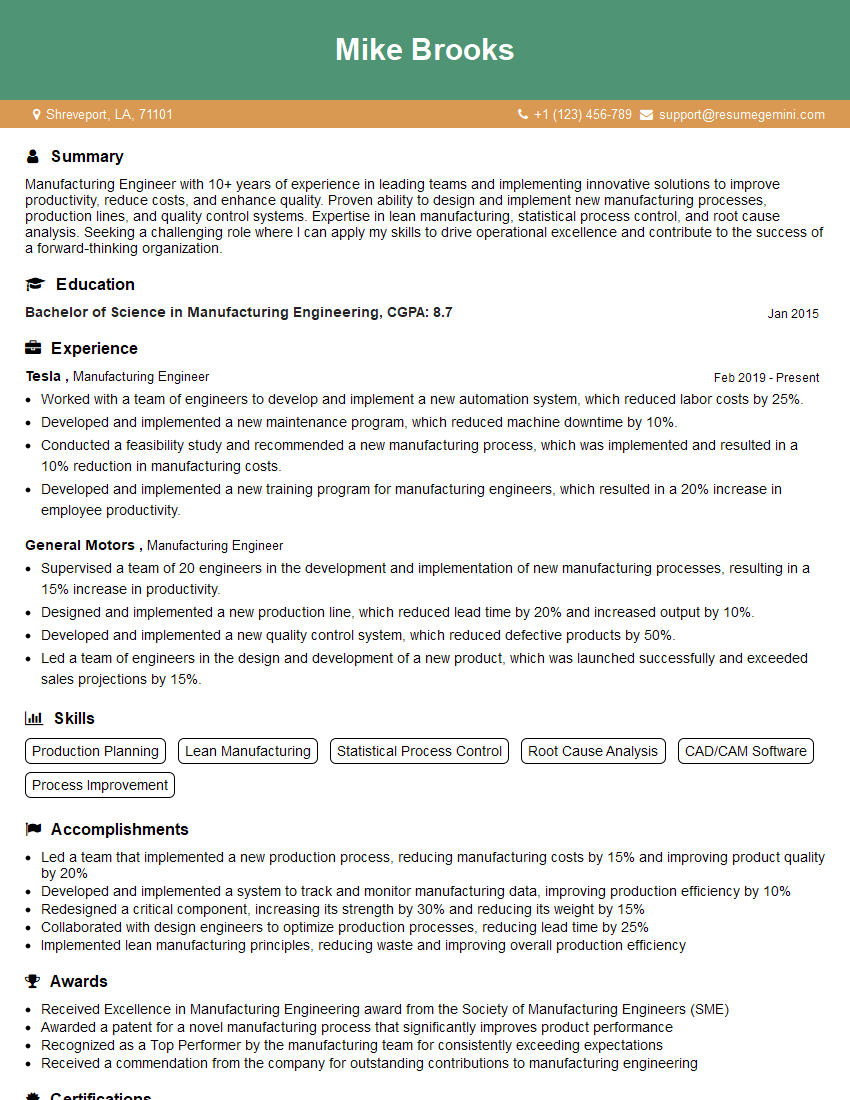
Manufacturing Engineer Resume Sample
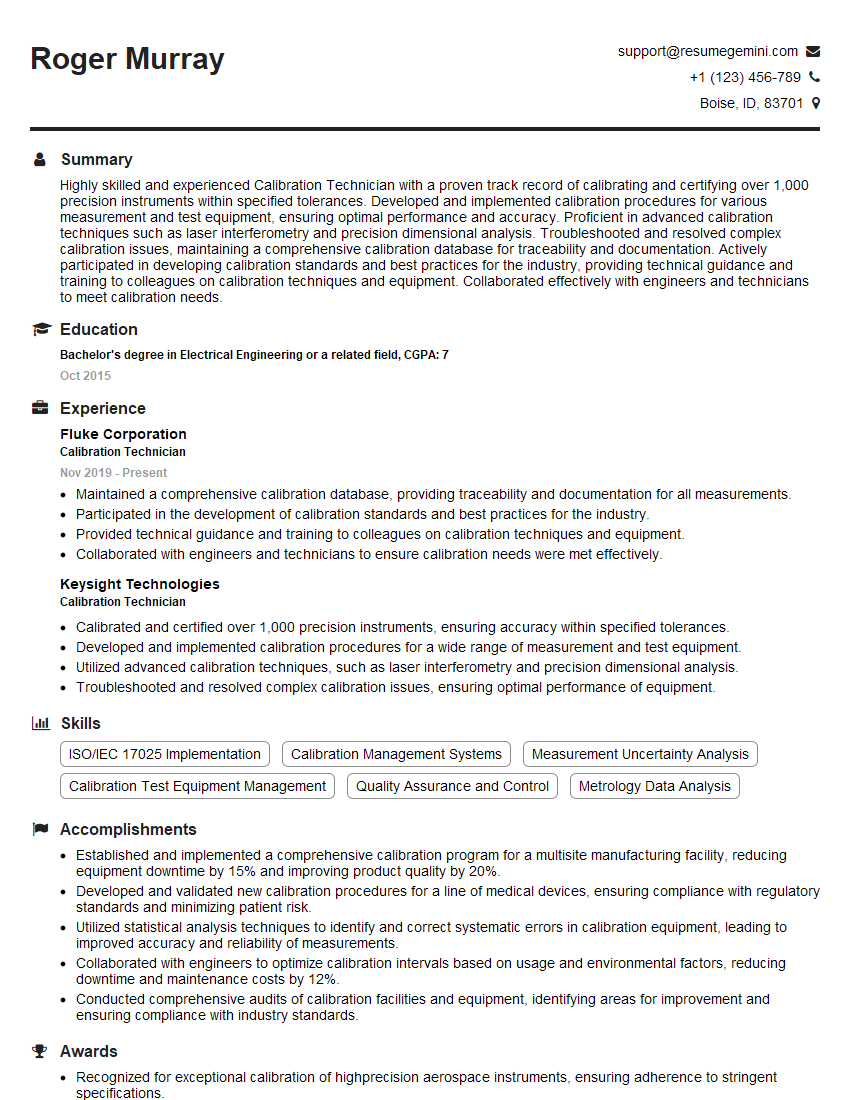
Calibration Technician Resume Sample
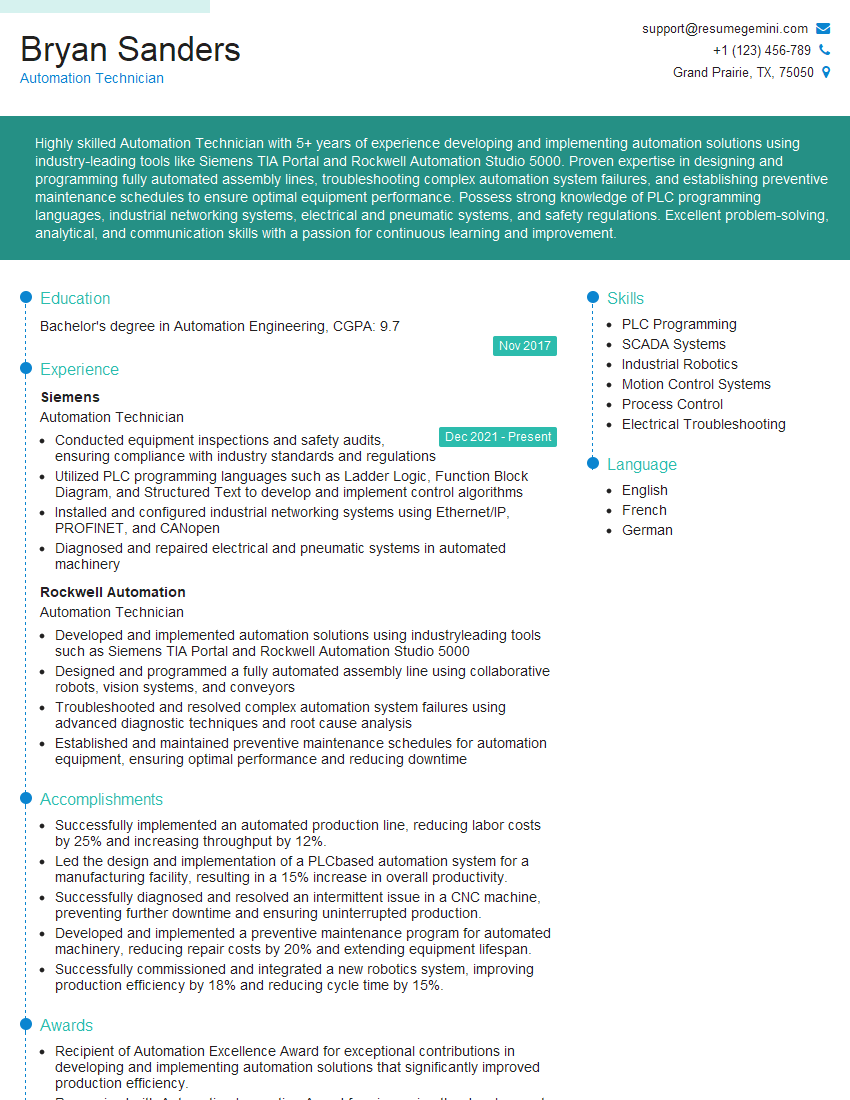
Automation Technician Resume Sample
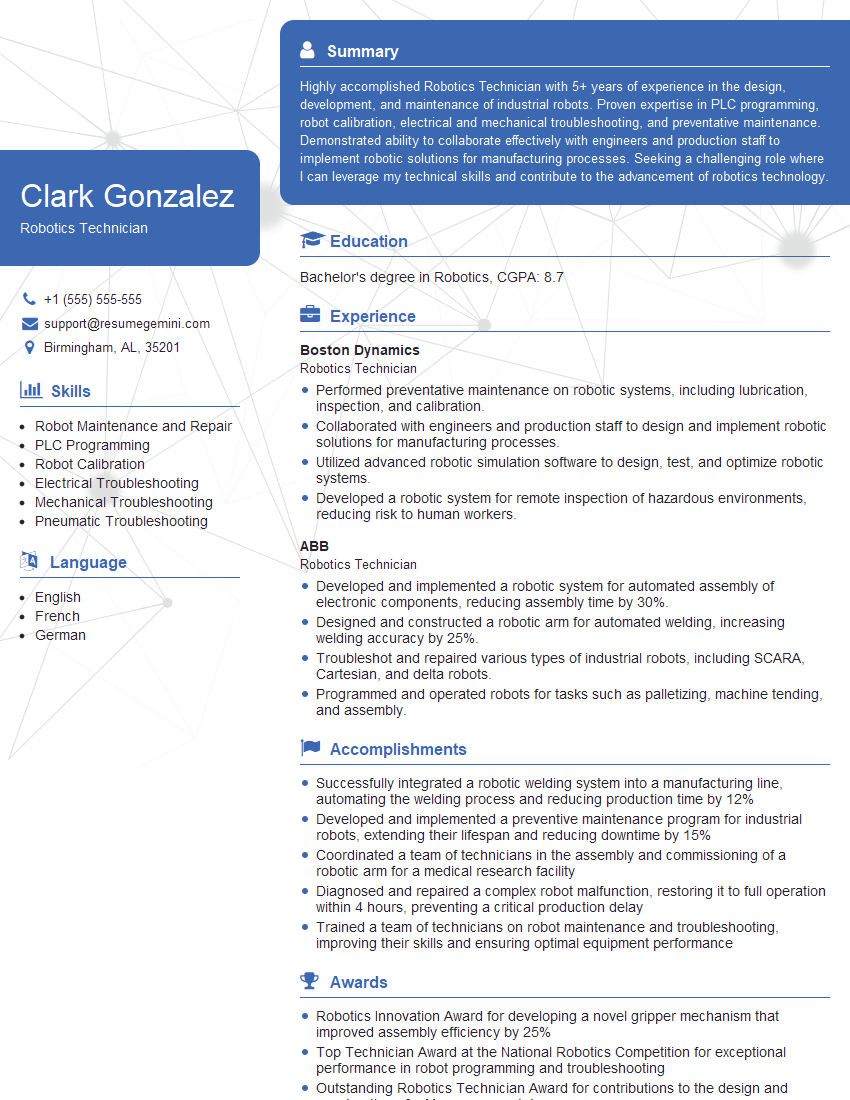
Robotics Technician Resume Sample
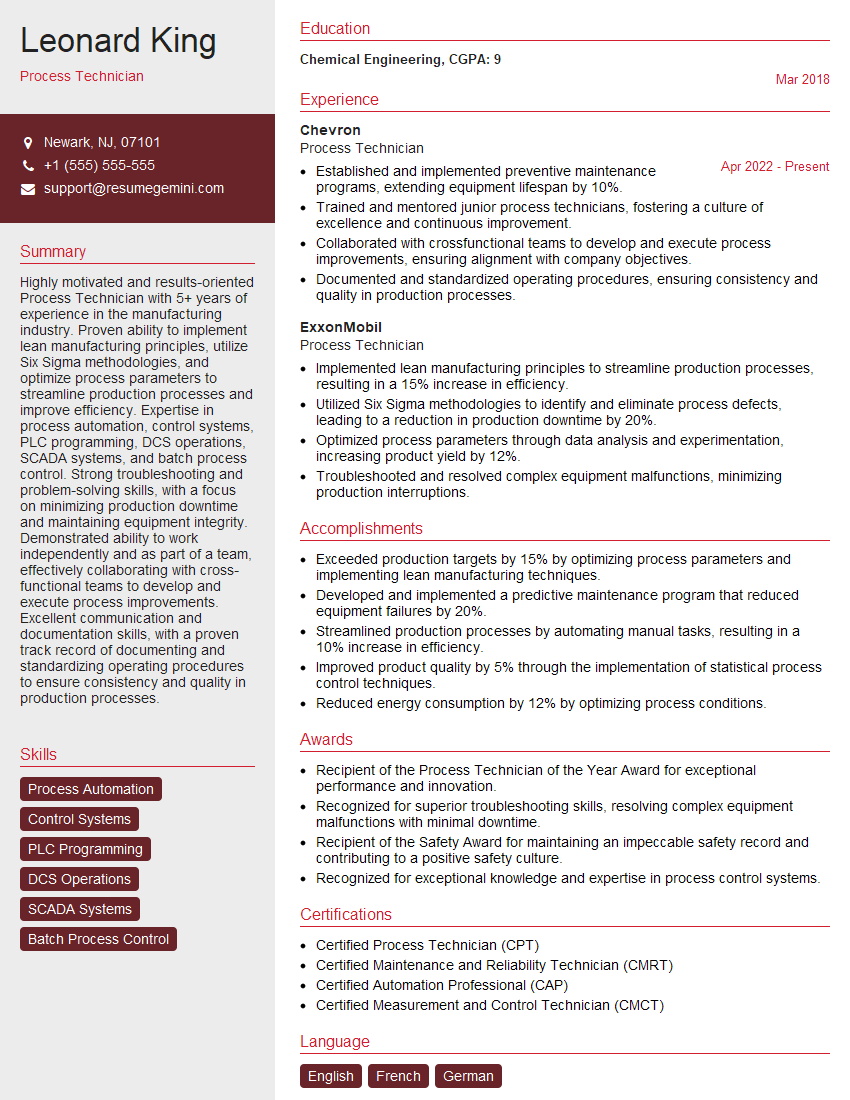
Process Technician Resume Sample
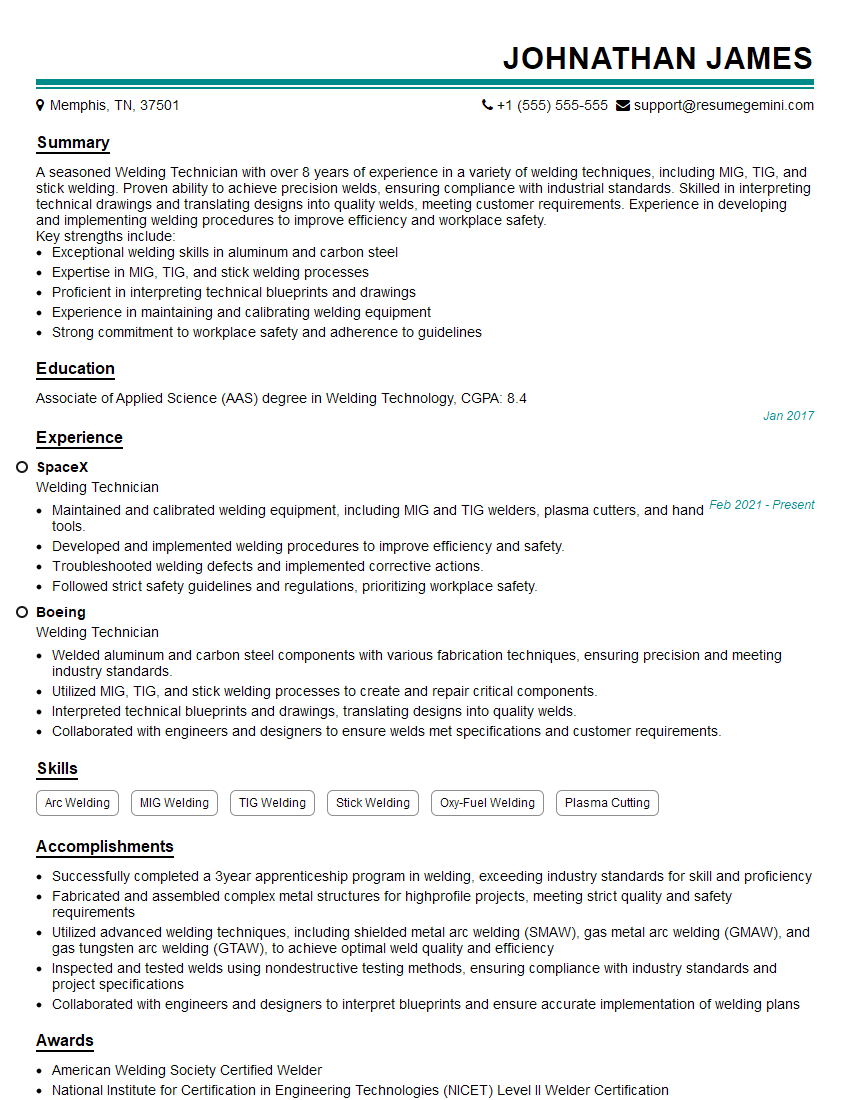
Welding Technician Resume Sample
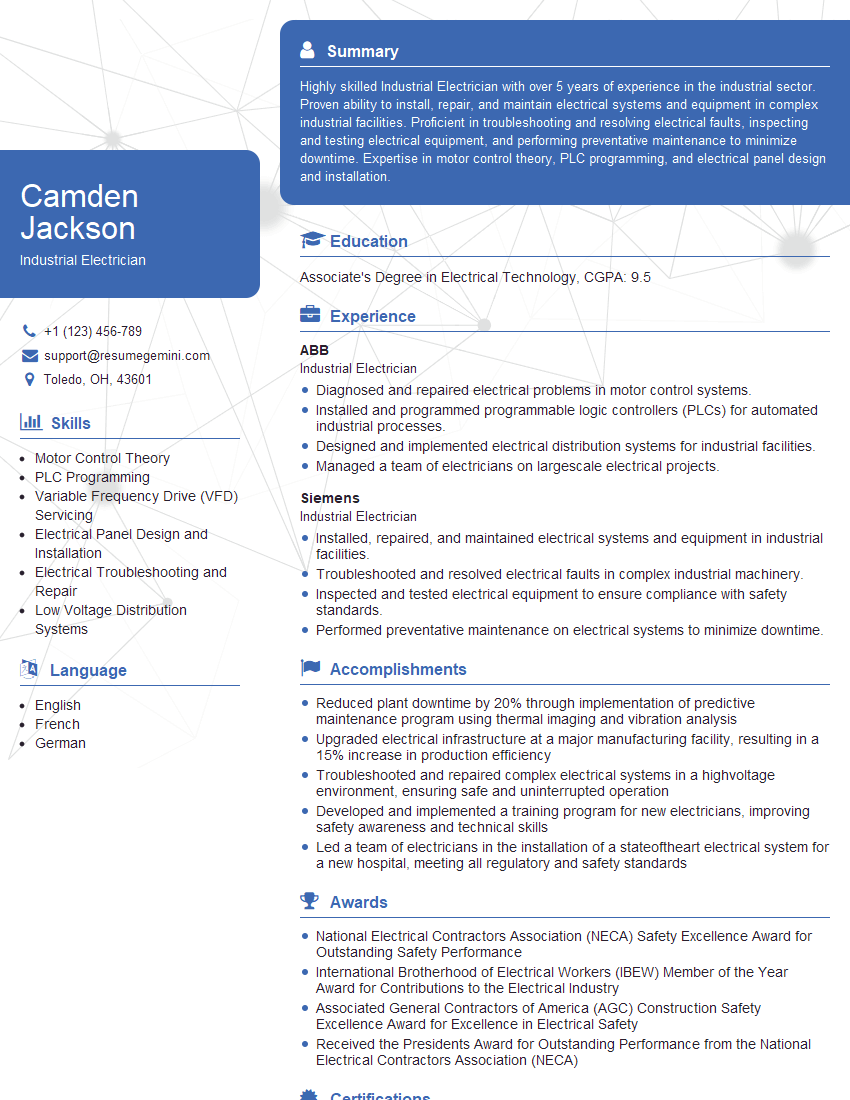
Industrial Electrician Resume Sample
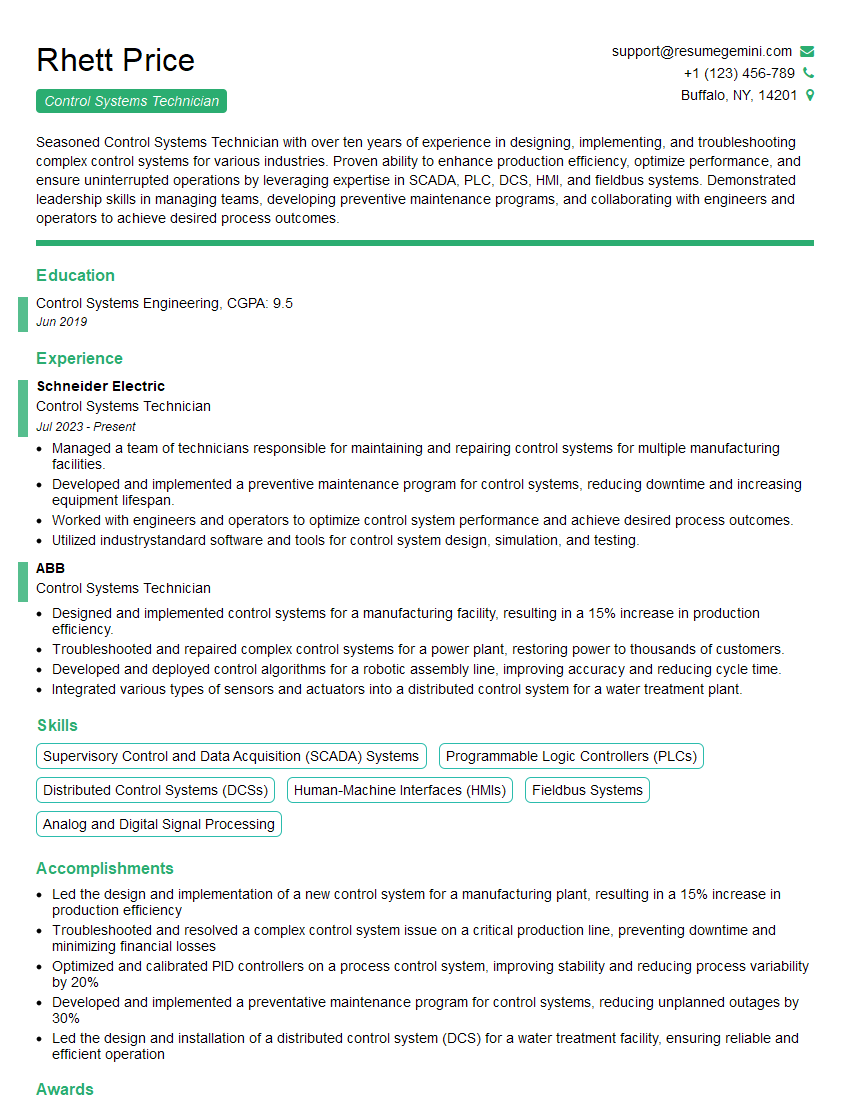
Control Systems Technician Resume Sample
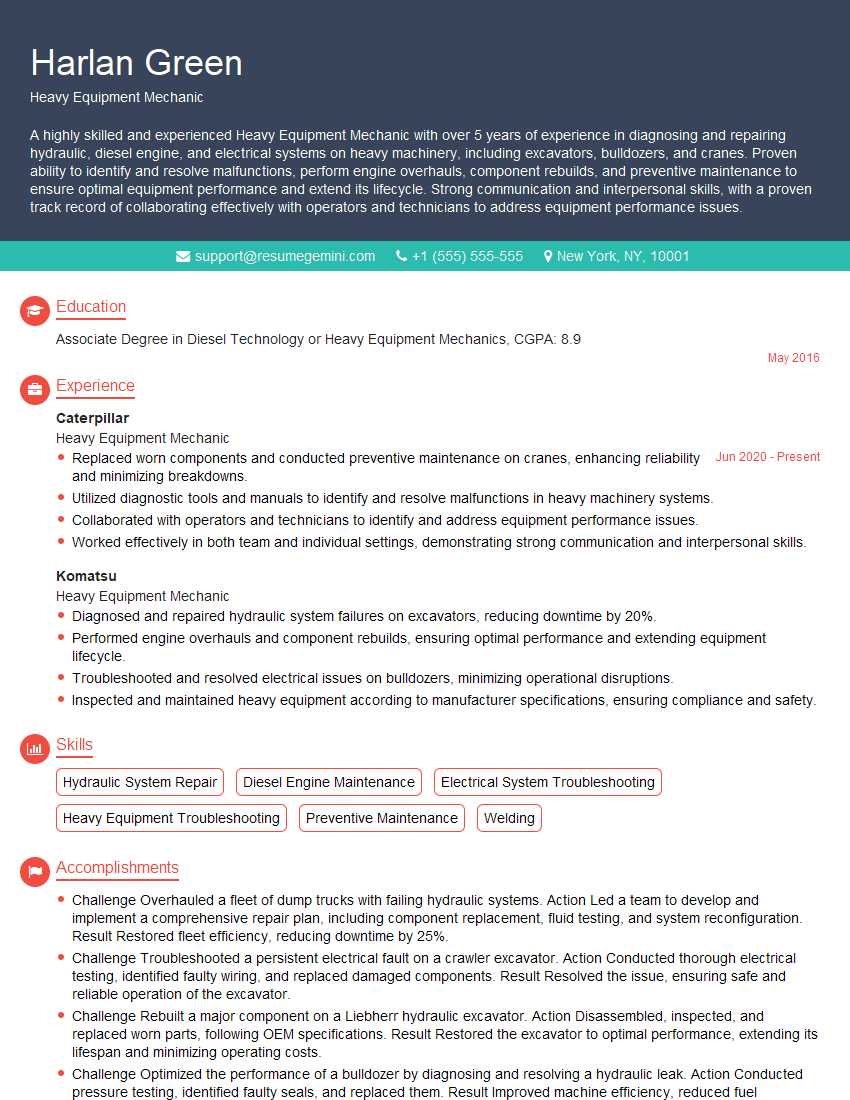
Heavy Equipment Mechanic Resume Sample
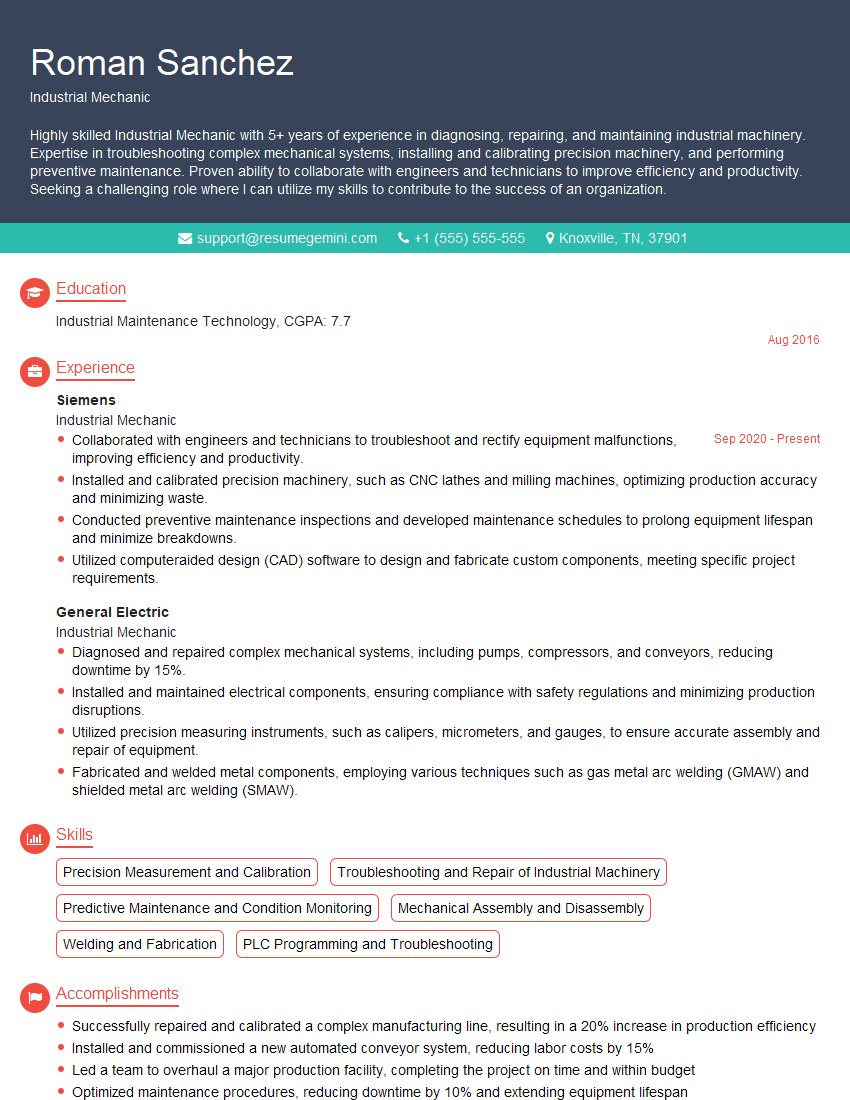
Industrial Mechanic Resume Sample
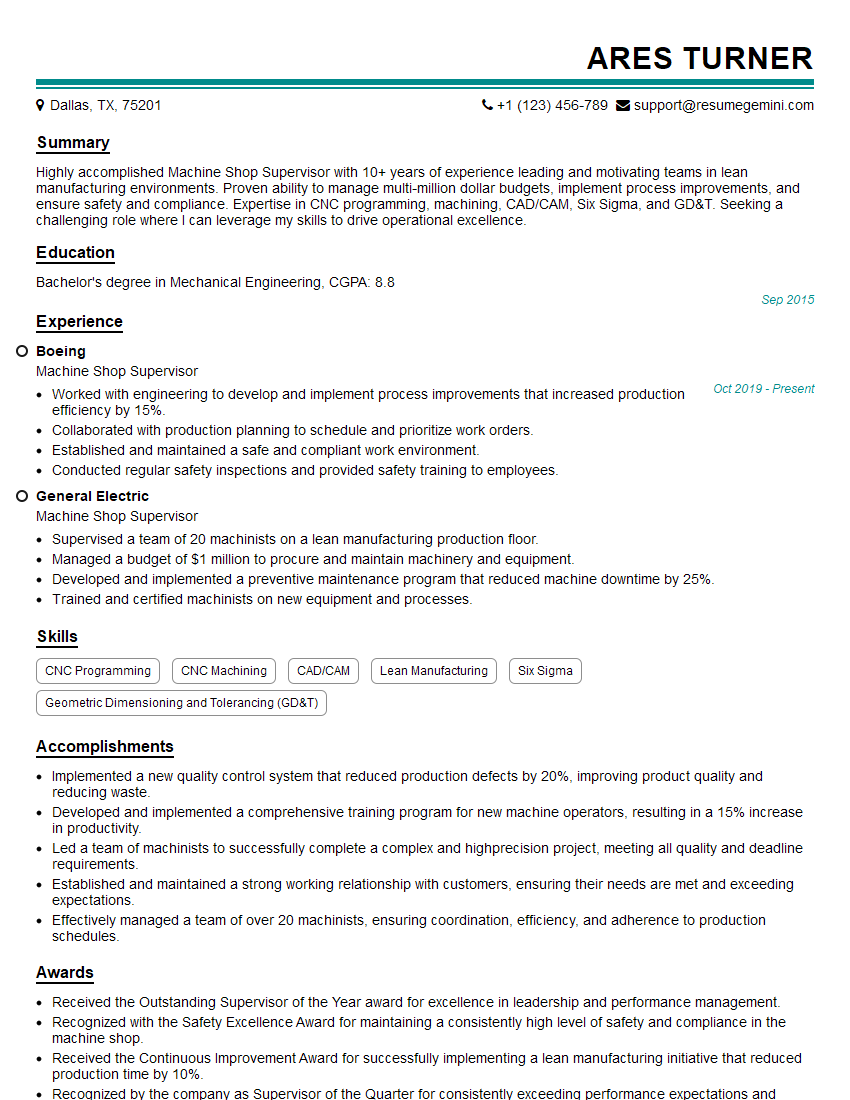
Machine Shop Supervisor Resume Sample
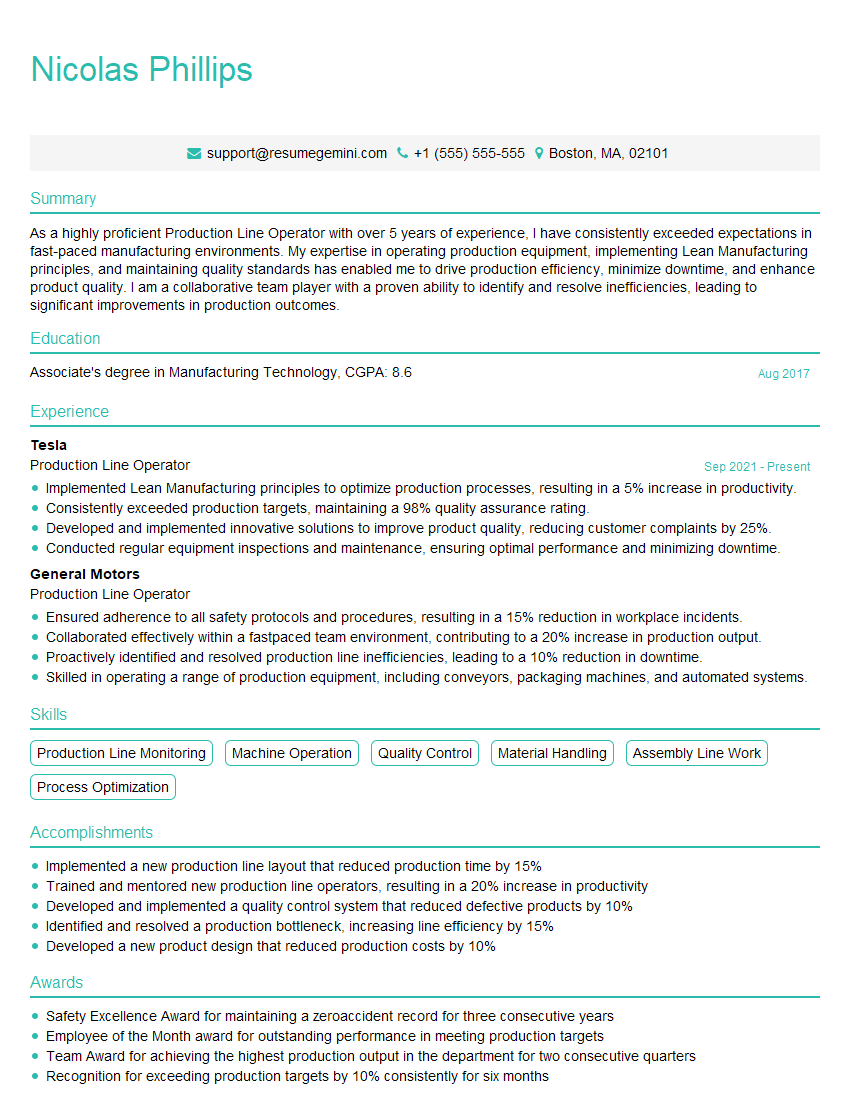
Production Line Operator Resume Sample
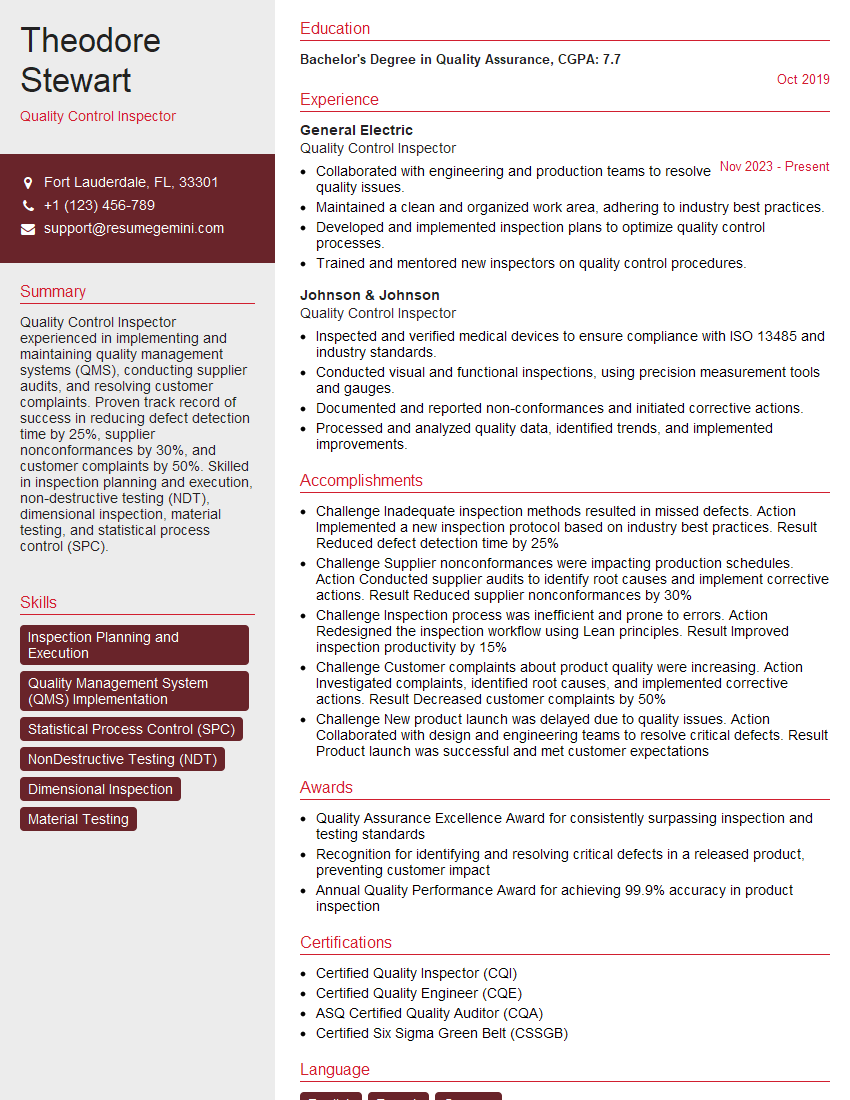
Quality Control Inspector Resume Sample
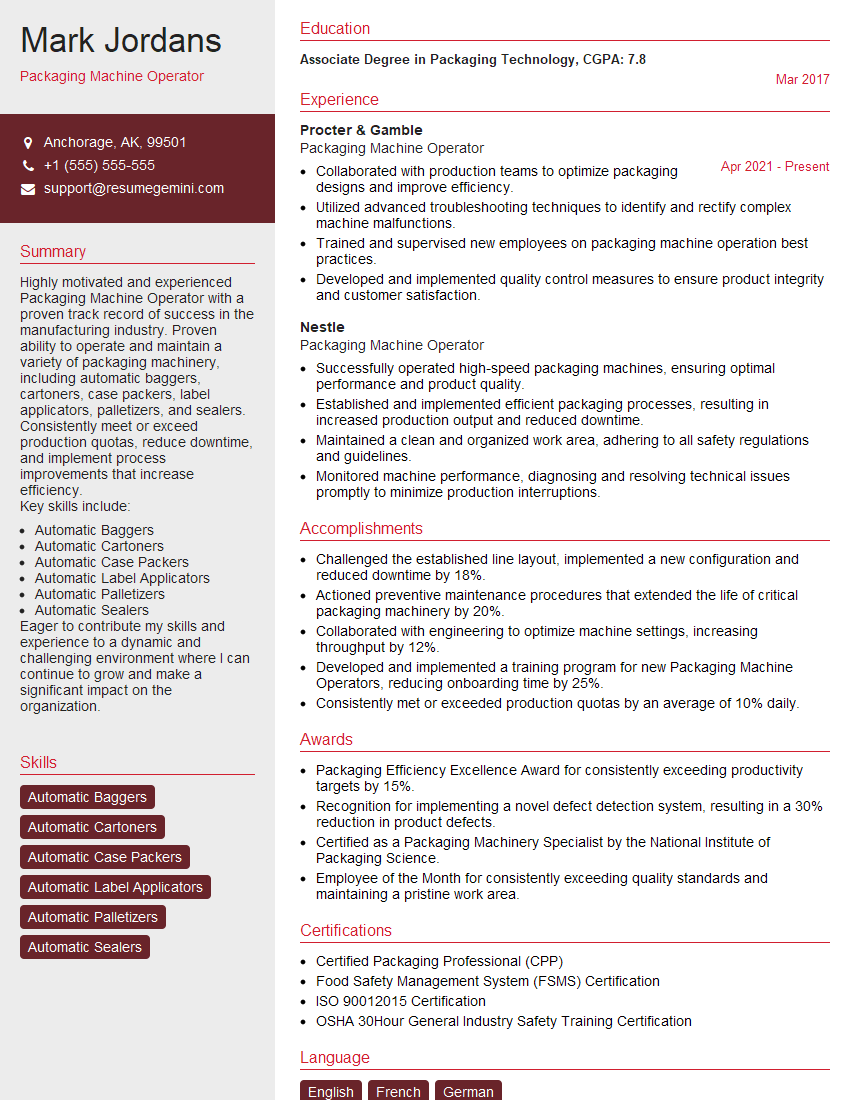
Packaging Machine Operator Resume Sample
- Maintenance Supervisor
- Plant Engineer
- Manufacturing Engineer
- Calibration Technician
- Automation Technician
- Robotics Technician
- Process Technician
- Welding Technician
- Industrial Electrician
- Control Systems Technician
- Heavy Equipment Mechanic
- Industrial Mechanic
- Machine Shop Supervisor
- Production Line Operator
- Quality Control Inspector
- Packaging Machine Operator
Explore more articles
Users Rating of Our Blogs
Share Your Experience
We value your feedback! Please rate our content and share your thoughts (optional).
What Readers Say About Our Blog
Amazing blog
Interesting Article, I liked the depth of knowledge you’ve shared.
Helpful, thanks for sharing.