Preparation is the key to success in any interview. In this post, we’ll explore crucial Gage calibration and measurement techniques interview questions and equip you with strategies to craft impactful answers. Whether you’re a beginner or a pro, these tips will elevate your preparation.
Questions Asked in Gage calibration and measurement techniques Interview
Q 1. Explain the difference between accuracy and precision in measurement.
Accuracy and precision are crucial concepts in measurement, often confused but distinctly different. Accuracy refers to how close a measurement is to the true or accepted value. Think of it like aiming for the bullseye on a dartboard – a highly accurate measurement hits the bullseye. Precision, on the other hand, describes the reproducibility of measurements. It’s how close repeated measurements are to each other. Imagine several darts clustered tightly together; this represents high precision, even if they are not near the bullseye. A measurement can be precise but not accurate (all darts clustered but off-center) or accurate but not precise (darts scattered but the average is near the center), or ideally both accurate and precise (darts clustered in the bullseye).
Example: Let’s say the true diameter of a shaft is 10mm. A measurement of 10.1mm is more accurate than a measurement of 9.8mm. However, if we take multiple readings and get 10.1, 10.2, and 10.0mm, we have higher precision than if the readings were 10.1, 9.5, and 10.7mm, even if the average is closer to 10mm in the latter case.
Q 2. Describe the process of calibrating a micrometer.
Calibrating a micrometer involves verifying its accuracy against a known standard. This is typically done using gage blocks, which are precisely manufactured blocks with known dimensions traceable to national or international standards. The process generally follows these steps:
- Clean the micrometer: Thoroughly clean both the micrometer and the gage blocks to remove any debris that could affect the measurement.
- Zero check: Close the micrometer jaws completely and verify that the reading is zero. If not, adjust accordingly (if possible, otherwise this is a defect and needs service).
- Gage block measurement: Measure a series of gage blocks of known dimensions, recording the micrometer readings. Start with smaller blocks and progress to larger ones, covering the full range of the micrometer.
- Compare readings: Compare the micrometer readings to the known dimensions of the gage blocks. Calculate the difference between the measured and known values for each block. This difference represents the error at that point on the micrometer’s scale.
- Error analysis: Analyze the errors to determine if they fall within acceptable tolerances. If not, the micrometer may require adjustment or repair.
- Documentation: Record all measurements, errors, and calibration data in a calibration log or certificate.
Important Note: Calibration should be performed by trained personnel using appropriate equipment in a controlled environment to ensure accuracy and traceability.
Q 3. What are the different types of Gage R&R studies?
Gage Repeatability and Reproducibility (Gage R&R) studies assess the variability of a measurement system. There are different approaches depending on the experimental design and software capabilities. Common types include:
- Cross-Study Design: Multiple operators measure multiple parts multiple times. This design assesses both repeatability (variation within a single operator) and reproducibility (variation between operators).
- Nested Design: This design is similar to the cross design but may have a more complex structure, accounting for additional factors like different measurement instruments or locations.
- ANOVA (Analysis of Variance) Based Methods: These methods use statistical analysis to partition the total variation into components attributable to different sources (part-to-part, operator-to-operator, and measurement error).
The choice of design depends on factors like the number of parts, operators, and repetitions available. Each design provides unique statistical insights into measurement system variability.
Q 4. How do you calculate Gage R&R using ANOVA?
Gage R&R using ANOVA involves partitioning the total variation in measurements into components representing part-to-part variation, operator-to-operator variation, and measurement error. The specific calculation details differ depending on the ANOVA model used (e.g., mixed-effects model). Statistical software packages like Minitab or JMP are commonly used to perform these calculations. The output typically includes:
- Components of Variance: Estimates of variance for each source of variation (part, operator, error).
- %Contribution: The percentage of total variation attributed to each source.
- Study Variation: The overall variation in the measurement system.
- %Study Variation: Percentage of the total variance that is due to the measurement system.
Illustrative Example (Conceptual): The ANOVA output might show that 50% of the total variation is due to part-to-part differences, 20% is due to operator variation, and 30% is due to measurement error. This would indicate that the measurement system has a significant contribution to the overall variability.
Note: The actual calculations are complex and involve multiple statistical formulas. Using specialized statistical software is essential for accurate results.
Q 5. What are the common sources of measurement error?
Measurement errors are inevitable; understanding their sources is crucial for improving measurement quality. Common sources include:
- Instrument Error: Inaccuracies in the measuring instrument itself due to wear, tear, miscalibration, or inherent limitations.
- Operator Error: Mistakes made by the person taking the measurement, such as incorrect reading, improper handling of the instrument, or subjective interpretation of the measurement.
- Environmental Error: Effects of temperature, humidity, vibration, or other environmental factors on the measurement process.
- Part Variation: Natural variability in the parts being measured; a part may not be perfectly uniform in its dimensions.
- Method Error: Errors related to the measurement method itself, such as incorrect procedure, insufficient sampling, or inappropriate statistical analysis.
Example: Using a micrometer in a very hot environment could lead to thermal expansion affecting the accuracy. An operator consistently misreading the dial could lead to systematic bias.
Q 6. Explain the concept of traceability in calibration.
Traceability in calibration means establishing an unbroken chain of comparisons that links a measurement standard to a national or international standard. This ensures that the measurements are consistent and reliable. It’s like a family tree for measurements, showing how each standard is derived from a more fundamental one. The highest level is typically a national metrology institute (like NIST in the US or NPL in the UK), which maintains primary standards.
Example: A micrometer is calibrated against a set of gage blocks. These gage blocks themselves have been calibrated against a reference standard, which has in turn been traced back to the national standard. This chain of comparison ensures that the micrometer’s measurements are accurate and reliable within a known uncertainty.
Traceability is essential for demonstrating the validity and reliability of measurements in various industries, especially those subject to strict regulatory requirements.
Q 7. What is the purpose of a calibration certificate?
A calibration certificate is a formal document that provides evidence that a measuring instrument has been calibrated against a traceable standard. It documents the results of the calibration, including:
- Instrument identification: Serial number, model, etc.
- Calibration date: The date the calibration was performed.
- Calibration method: The procedures and standards used.
- Measurement results: Readings obtained during the calibration process, including any corrections or adjustments made.
- Uncertainty: The degree of uncertainty associated with the measurements.
- Calibration interval: The recommended time between subsequent calibrations.
- Calibration lab accreditation information: Details about the lab’s accreditation (if applicable).
Calibration certificates are essential for ensuring the accuracy and reliability of measurement instruments and often required by regulatory bodies or customers as proof of compliance.
Q 8. How often should gages be calibrated?
The frequency of gage calibration depends heavily on several factors: the type of gage, its use, the stability of the environment it operates in, and the criticality of the measurements it provides. There isn’t a one-size-fits-all answer. Think of it like this: a simple ruler used for rough estimations in a woodworking shop might only need calibration annually, while a micrometer used for precision machining in aerospace manufacturing might require monthly calibration or even more frequently.
Generally, calibration schedules are established based on manufacturer recommendations, industry best practices, and internal quality control procedures. These schedules are often documented in a formal calibration plan. Factors to consider include:
- Measurement Uncertainty: Higher precision instruments require more frequent calibration to maintain accuracy.
- Usage Frequency: Gages used heavily will degrade faster and need more frequent checks.
- Environmental Conditions: Extreme temperature fluctuations or harsh environments (vibration, humidity) can affect accuracy and necessitate more frequent calibration.
- Regulatory Requirements: Some industries have strict regulatory requirements dictating calibration frequency (e.g., medical devices, aerospace).
Regular calibration ensures your measurements remain reliable and traceable, minimizing the risk of errors and ensuring product quality.
Q 9. What are the different methods for calibrating pressure gages?
Pressure gage calibration methods generally involve comparing the gage’s reading against a known standard, typically a deadweight tester or a calibrated pressure transducer. Here are the primary methods:
- Deadweight Tester Method: This is considered the most accurate method. A deadweight tester uses precisely known weights to generate a precise pressure. The pressure gage is then compared to this known pressure. This method is highly reliable and traceable to national standards.
- Electronic Pressure Transducer Method: A calibrated electronic pressure transducer serves as the reference standard. The pressure gage under test is compared to the transducer’s reading across a range of pressures. While very convenient, this method requires the transducer itself to be meticulously calibrated and regularly checked.
- Comparison to Master Gage: A calibrated master pressure gage (already calibrated against a known standard) can be used to calibrate other gages. This is a less precise method suitable for internal checks when the accuracy requirements aren’t extremely stringent.
Regardless of the method chosen, a complete calibration process would involve applying different pressures across the gage’s range, noting the readings, and generating a calibration certificate demonstrating the gage’s accuracy and uncertainty.
Q 10. Describe the process for calibrating a torque wrench.
Calibrating a torque wrench involves verifying its accuracy in delivering the specified torque. This is crucial for ensuring proper tightening of bolts and preventing damage or failure. The process typically involves:
- Selecting the appropriate calibration equipment: This might include a calibrated torque wrench or a torque meter.
- Preparing the equipment: Ensure both the wrench being calibrated and the calibration equipment are clean and in good working order.
- Applying torque at various points within the wrench’s range: The wrench should be tested at several points across its torque range, usually at multiple points, and a few times at each point. This helps identify inconsistencies or deviations across the wrench’s range.
- Comparing the wrench’s reading against the standard: Record any discrepancies between the wrench’s indicated torque and the actual torque applied.
- Analyzing the results: Determine if the wrench meets the required accuracy specifications.
- Documentation: Record all measurements and generate a calibration certificate that includes the date, results, and calibration traceability.
It’s also important to follow the manufacturer’s instructions for calibrating the specific model of torque wrench. Some torque wrenches might require specific adaptors or procedures for accurate calibration.
Q 11. What are the different types of calibration standards?
Calibration standards are the reference points against which measuring instruments are compared. These standards need to be traceable to national or international standards to ensure consistency and reliability. Different types of standards exist:
- Primary Standards: These are the most accurate standards, often maintained by national metrology institutes (like NIST in the US). They are rarely used directly for calibrating everyday instruments due to their high cost and sensitivity. Think of them as the ultimate truth in measurement.
- Secondary Standards: These are calibrated against primary standards and are used to calibrate working standards. They offer a more practical level of accuracy for most calibration laboratories.
- Working Standards: These are used regularly in calibration laboratories to verify the accuracy of the measuring instruments. These standards are frequently checked against higher level standards. These would be the standards you’d typically use every day.
The choice of standard depends on the level of accuracy needed and the purpose of the calibration.
Q 12. Explain the significance of uncertainty in measurement.
Uncertainty in measurement represents the range of values within which the true value of a measurement lies with a certain probability (usually 95%). It quantifies the doubt associated with a measurement result. It’s not about the accuracy or inaccuracy of the device itself; it’s about the inherent limitations in any measurement process. Consider measuring a piece of wood. Even using a precision instrument, factors like the angle of measurement, the variability in the wood’s density, or even the calibration of the instrument will create uncertainty. A smaller uncertainty value means higher confidence in the measurement.
Uncertainty is crucial because it tells us how much confidence we can place in our measurements. Reporting uncertainty is a critical aspect of maintaining traceability and transparency in any measurement process, and allows others to understand the reliability of reported measurements.
Q 13. How do you handle out-of-tolerance measurements?
Handling out-of-tolerance measurements requires a systematic approach that prioritizes identifying the root cause and taking corrective action. The steps usually include:
- Verify the measurement: Repeat the measurement several times using the same gage and, if possible, a different, calibrated gage. This helps to rule out random errors.
- Investigate the gage: Check the gage for damage, wear, or improper handling. Ensure the gage itself is within its calibration tolerances.
- Check the calibration of the gage: If the gage is suspected to be the issue, recalibrate it or send it back to a calibration laboratory.
- Investigate the measurement process: Examine the entire measurement process for potential sources of error: environmental factors, operator technique, or the item being measured.
- Corrective Actions: Based on the root cause analysis, implement corrective actions. This might involve repairing or replacing equipment, retraining personnel, or modifying the measurement process.
- Documentation: Document all findings, corrective actions, and verification of corrected processes.
Ignoring out-of-tolerance measurements can lead to significant errors, affecting product quality, safety, and compliance. A thorough investigation and corrective actions are vital.
Q 14. What is the difference between systematic and random error?
Systematic and random errors are two main types of errors affecting measurements. They have different characteristics and require different approaches to mitigation.
- Systematic Errors: These are consistent, repeatable errors that always occur in the same direction. They are often caused by flaws in the instrument or method. Think of a scale that’s consistently off by 2 grams – every measurement will be consistently too high or low. Sources include: incorrect calibration, instrument bias, environmental factors consistently affecting measurements, and consistent operator errors.
- Random Errors: These are unpredictable, variable errors that occur randomly and have no consistent direction. These arise from unpredictable variations in the measurement process, for instance, small vibrations affecting a precise measurement, slight variations in the material being measured, or human error that’s not always consistent.
Systematic errors can be corrected by calibration, while random errors are reduced by repeating measurements and using statistical analysis to minimize their effects. Both types of error contribute to the overall measurement uncertainty.
Q 15. Describe your experience with different calibration software.
My experience with calibration software spans several leading platforms. I’m proficient in using software that manages calibration schedules, tracks instrument performance, and generates comprehensive reports. For example, I’ve extensively used Fluke Calibration software for managing our wide range of electronic test equipment, including multimeters and oscilloscopes. This software’s features, such as automated reporting and data analysis, significantly streamline our calibration processes. I’ve also worked with more specialized software tailored to specific instrument types, like those designed for calibrating pressure transducers or dimensional measuring equipment. My expertise extends beyond simple data entry; I’m adept at configuring software parameters, customizing reports, and troubleshooting any issues that may arise. In essence, I’m not just a user, but someone who understands the underlying principles and can optimize software utilization for maximum efficiency and accuracy.
Career Expert Tips:
- Ace those interviews! Prepare effectively by reviewing the Top 50 Most Common Interview Questions on ResumeGemini.
- Navigate your job search with confidence! Explore a wide range of Career Tips on ResumeGemini. Learn about common challenges and recommendations to overcome them.
- Craft the perfect resume! Master the Art of Resume Writing with ResumeGemini’s guide. Showcase your unique qualifications and achievements effectively.
- Don’t miss out on holiday savings! Build your dream resume with ResumeGemini’s ATS optimized templates.
Q 16. How do you ensure the integrity of calibration records?
Maintaining the integrity of calibration records is paramount. We adhere to a strict procedure involving a multi-layered approach. First, all records are digitally stored in a secure, password-protected database, ensuring data confidentiality and preventing unauthorized access. Secondly, we implement a version control system, meticulously tracking all changes made to a record, creating an audit trail to ensure transparency and accountability. Thirdly, regular backups are performed and stored off-site, safeguarding against data loss due to hardware failure or unforeseen circumstances. Furthermore, our records adhere to the appropriate standards, such as ISO 17025, including clear identification of the instrument, calibration date, results, and the identity of the calibrator. We conduct internal audits to verify the accuracy and completeness of our records, ensuring their integrity throughout the entire calibration lifecycle. Think of it like a meticulous financial ledger – every entry is accounted for and easily verifiable.
Q 17. What is your experience with different types of measuring instruments?
My experience encompasses a broad spectrum of measuring instruments, ranging from simple hand tools like micrometers and calipers to sophisticated electronic equipment like oscilloscopes, multimeters, and pressure transducers. I’m also familiar with dimensional measuring equipment like CMMs (Coordinate Measuring Machines) and optical comparators. My experience extends beyond the use of these instruments to include a deep understanding of their operational principles, limitations, and potential sources of error. For example, I understand the importance of proper environmental control when calibrating temperature-sensitive instruments and the need for specialized techniques when working with high-precision equipment. This experience allows me to effectively select the appropriate instrument and calibration method for any given application, ensuring the most accurate and reliable results.
Q 18. Explain your understanding of statistical process control (SPC).
Statistical Process Control (SPC) is a powerful tool for monitoring and improving processes by identifying and addressing variations. It utilizes statistical methods to analyze data and make informed decisions, reducing defects and enhancing quality. In the context of calibration, SPC helps us monitor the consistency and accuracy of our calibration processes. By plotting data on control charts (like X-bar and R charts), we can quickly identify trends, patterns, and outliers that might indicate a problem. For example, consistently high or low readings on a control chart might signal a need for recalibration of our reference standards or a potential issue with the calibration procedure itself. SPC allows for proactive identification of problems before they significantly impact product quality, creating a continuous improvement cycle.
Q 19. How do you interpret control charts?
Interpreting control charts involves looking for patterns that deviate from the expected behavior. Points consistently falling outside the control limits signal a problem needing immediate attention. Trends, or consecutive points showing a consistent upward or downward movement, suggest a gradual shift in the process. Stratification, or points clustering in specific areas, indicates potential assignable causes of variation. For example, if points consistently cluster near the upper control limit, it might suggest a systematic error in the measurement process. Conversely, random scatter within the control limits signifies a stable and predictable process. Proper interpretation requires a combination of statistical knowledge and understanding of the underlying process. Think of it as reading a vital sign chart in a hospital – subtle changes can signal a serious issue, requiring prompt action.
Q 20. Describe your experience with different calibration methods (e.g., comparison, substitution).
I’m experienced with a variety of calibration methods. Comparison calibration involves directly comparing the instrument under test against a known standard. For example, we might compare a digital thermometer to a calibrated reference thermometer. Substitution calibration involves replacing the standard with the instrument under test in a specific measurement setup. This method is particularly useful for instruments that are difficult to compare directly. I also have experience with other methods, such as using specialized calibration equipment or software. The choice of method depends on several factors including the type of instrument, its precision, and the required accuracy. Selecting the right method is crucial for ensuring the accuracy and reliability of the calibration process.
Q 21. What is your familiarity with ISO 9001 and its relevance to calibration?
ISO 9001 is an internationally recognized standard that outlines requirements for a quality management system. Its relevance to calibration is significant as it provides a framework for ensuring the accuracy and traceability of measurement results. Calibration processes must be documented, controlled, and regularly audited to meet ISO 9001 requirements. This ensures consistency, reliability, and compliance. Specifically, ISO 9001 dictates requirements for managing calibration equipment, maintaining calibration records, and addressing non-conformances. Adherence to ISO 9001 demonstrates a commitment to quality and provides confidence to customers and regulatory bodies that our calibration services meet the highest standards. It’s essentially a guarantee that our work is performed to a globally recognized benchmark of excellence.
Q 22. How do you manage calibration schedules and deadlines?
Managing calibration schedules and deadlines effectively requires a robust system. I typically employ a computerized maintenance management system (CMMS) to track all our measurement equipment. This system allows me to input the manufacturer’s recommended calibration intervals, the last calibration date, and any specific requirements for each gage. The CMMS then automatically generates alerts and schedules based on these parameters, ensuring timely calibrations and preventing costly downtime. For example, if a micrometer needs calibration every six months, the system will automatically flag it three months prior, providing ample time for scheduling. This proactive approach prevents last-minute rushes and ensures adherence to deadlines. I also utilize color-coded labels on the equipment itself to quickly identify items nearing their calibration due date, adding an extra layer of visual management. This layered approach combining software and physical reminders ensures that no calibration is missed.
Q 23. Describe your experience with calibration laboratory management.
In my previous role, I was responsible for overseeing a calibration laboratory accredited to ISO 17025. This involved managing a team of technicians, overseeing equipment maintenance and calibration, handling customer requests, and ensuring compliance with all relevant standards. My responsibilities included establishing and maintaining calibration procedures, developing and implementing quality control measures, and managing the laboratory’s inventory of calibration standards. A significant challenge was optimizing the workflow to minimize turnaround time while maintaining the highest accuracy. We implemented a lean methodology, analyzing each step in the calibration process to identify and eliminate bottlenecks. This involved streamlining paperwork, optimizing equipment utilization, and improving technician training. The result was a significant reduction in turnaround time and an improvement in overall efficiency. Successfully navigating the intricacies of accreditation audits, ensuring compliance with ISO 17025 standards was a crucial element of my success.
Q 24. What are your preferred methods for documenting calibration procedures?
My preferred method for documenting calibration procedures involves a combination of electronic and paper-based systems. We use a dedicated software system to store digital copies of all procedures, ensuring version control and easy access for all technicians. These digital procedures include detailed step-by-step instructions, diagrams, and acceptance criteria. Critical aspects like traceability to national standards are meticulously documented. In addition, each technician maintains a hard copy of the relevant procedure in the calibration area. This ensures easy access even if the computer system is down. All calibration data, including readings, adjustments, and certificates, are meticulously recorded and stored digitally. We maintain a detailed audit trail for complete traceability. This dual approach ensures both ease of access and redundancy, adhering to regulatory requirements and maintaining data integrity.
Q 25. How do you troubleshoot issues related to measurement discrepancies?
Troubleshooting measurement discrepancies involves a systematic approach. First, I verify the calibration status of the measuring instrument. A gage that’s out of calibration is an obvious culprit. Then, I investigate potential environmental factors, such as temperature and humidity fluctuations, which can significantly impact measurement accuracy. Next, I check for proper instrument handling and operator technique – a simple error in the measurement process can lead to large discrepancies. If the instrument is calibrated and environmental factors and operator error are ruled out, I examine the instrument itself for damage or wear and tear. Finally, if the problem persists, I might trace the problem back to the calibration standards themselves or even explore potential systematic errors within the measurement process. For example, if multiple readings from a particular micrometer are consistently off by a fixed amount, this may indicate a problem with the instrument’s zero adjustment. This methodical approach helps isolate the source of the discrepancy efficiently.
Q 26. Explain your experience with different types of gage blocks and their applications.
I have extensive experience with various gage blocks, including steel, carbide, and ceramic types. Steel gage blocks are widely used for their cost-effectiveness and good dimensional stability under controlled conditions. Carbide gage blocks offer superior wear resistance and are ideal for high-precision applications where prolonged use is expected. Ceramic gage blocks are excellent for applications requiring exceptional dimensional stability and resistance to corrosion. The choice depends on the application’s specific requirements. For instance, in a workshop environment where cost is a factor and the environment is relatively stable, steel gage blocks may suffice. However, for a precision manufacturing facility requiring extreme accuracy and longevity, carbide or ceramic gage blocks are preferred. I’ve used these blocks in various applications, including calibrating other measuring instruments, setting up precision machinery, and performing dimensional inspections.
Q 27. What are some common problems encountered during Gage calibration?
Common problems encountered during gage calibration include:
- Damage to gage surfaces: Scratches, nicks, or dents can affect accuracy.
- Improper cleaning: Residue or contaminants can interfere with measurements.
- Environmental factors: Temperature and humidity variations can impact measurements.
- Wear and tear: Regular use can cause wear, impacting precision over time.
- Calibration standard issues: Problems with the reference standards used for calibration can propagate errors.
- Operator error: Incorrect procedures or handling can lead to inaccurate calibrations.
Q 28. How do you maintain the cleanliness and proper handling of measurement equipment?
Maintaining cleanliness and proper handling of measurement equipment is critical for accuracy and longevity. We use lint-free cloths and appropriate cleaning solutions, specific to the material of the equipment, to remove any dirt, oil, or debris. Compressed air, carefully applied, can remove dust particles. Instruments are stored in designated protective cases or cabinets to prevent damage and contamination. Proper handling techniques are emphasized through regular training sessions, focusing on avoiding dropping or bumping the instruments. We also utilize anti-static mats and tools to prevent electrostatic discharge damage, particularly critical for sensitive electronic equipment. A strict policy on proper handling, cleaning, and storage is a fundamental part of our quality control procedures. Regular inspections and maintenance logs ensure that equipment is always in top condition. This rigorous approach reduces the risk of inaccurate measurements and extends the lifespan of our valuable measurement equipment.
Key Topics to Learn for Gage Calibration and Measurement Techniques Interview
- Understanding Measurement Uncertainty: Grasping the concepts of accuracy, precision, repeatability, and reproducibility. Knowing how to calculate and analyze measurement uncertainty is crucial.
- Calibration Standards and Traceability: Familiarize yourself with different calibration standards (e.g., NIST, ISO) and understand the importance of maintaining a traceable calibration chain.
- Calibration Methods and Procedures: Learn about various calibration methods (e.g., comparison calibration, substitution calibration) and the proper procedures for calibrating different types of gages.
- Gage R&R Studies (Gauge Repeatability and Reproducibility): Understand how to conduct and interpret Gage R&R studies to assess the variability of measurement systems and ensure their suitability for intended use.
- Statistical Process Control (SPC) in Calibration: Learn how SPC charts and techniques are applied to monitor calibration data and identify potential problems in the measurement process.
- Calibration Software and Data Management: Become familiar with common calibration software and understand the importance of proper data management and record-keeping.
- Different Types of Gages and their Calibration Requirements: Gain knowledge about various gage types (e.g., micrometers, calipers, pressure gauges) and their specific calibration needs.
- Troubleshooting Calibration Issues: Develop problem-solving skills to identify and resolve common calibration problems and discrepancies.
- Calibration Documentation and Reporting: Understand the importance of accurate and complete calibration documentation and reporting.
- Safety Procedures in Calibration: Learn about the safety procedures and precautions necessary while handling and calibrating measurement equipment.
Next Steps
Mastering Gage calibration and measurement techniques is vital for advancement in many technical fields, opening doors to higher-paying roles and increased responsibility. A strong resume is your key to unlocking these opportunities. Creating an ATS-friendly resume is crucial for getting your application noticed by recruiters and hiring managers. To build a powerful, ATS-optimized resume that highlights your skills and experience in Gage calibration and measurement, consider using ResumeGemini. ResumeGemini offers a user-friendly platform and provides examples of resumes tailored to this specific field, helping you present your qualifications effectively. Take the next step towards your dream career today!

Quality Assurance Manager Resume Sample

Quality Control Manager Resume Sample
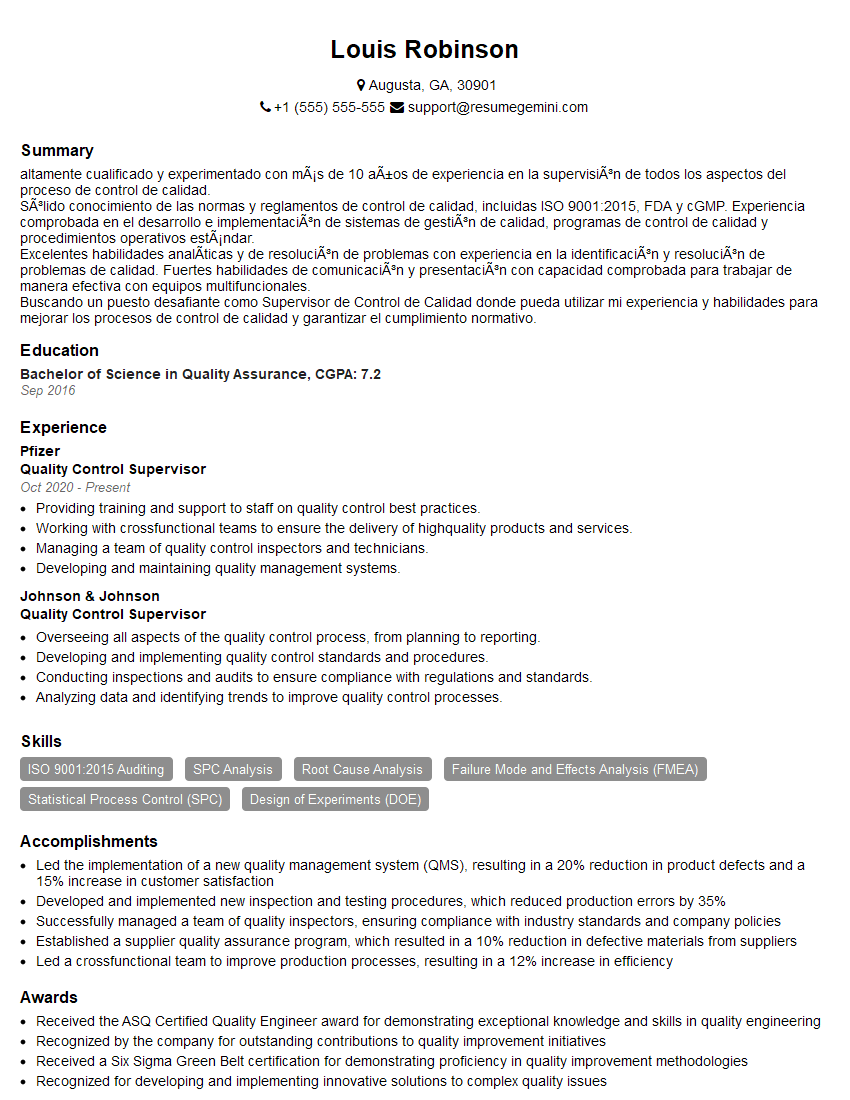
Quality Control Supervisor Resume Sample
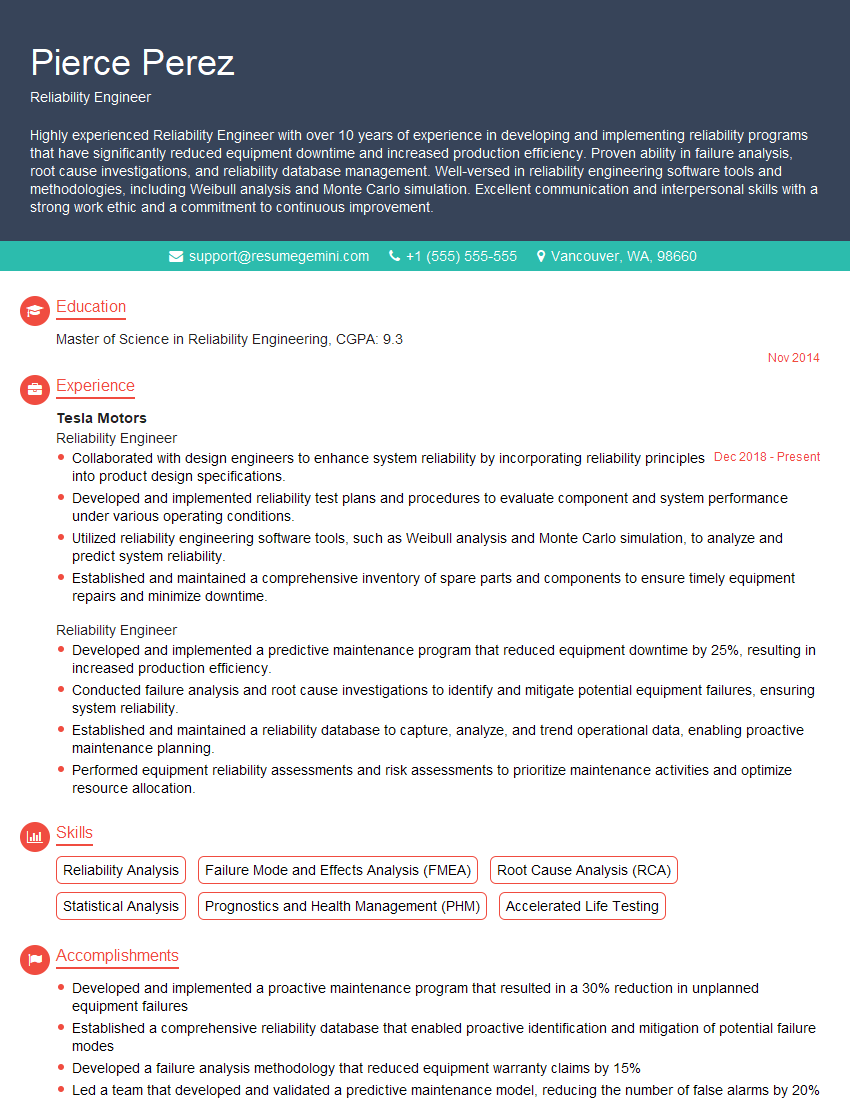
Reliability Engineer Resume Sample
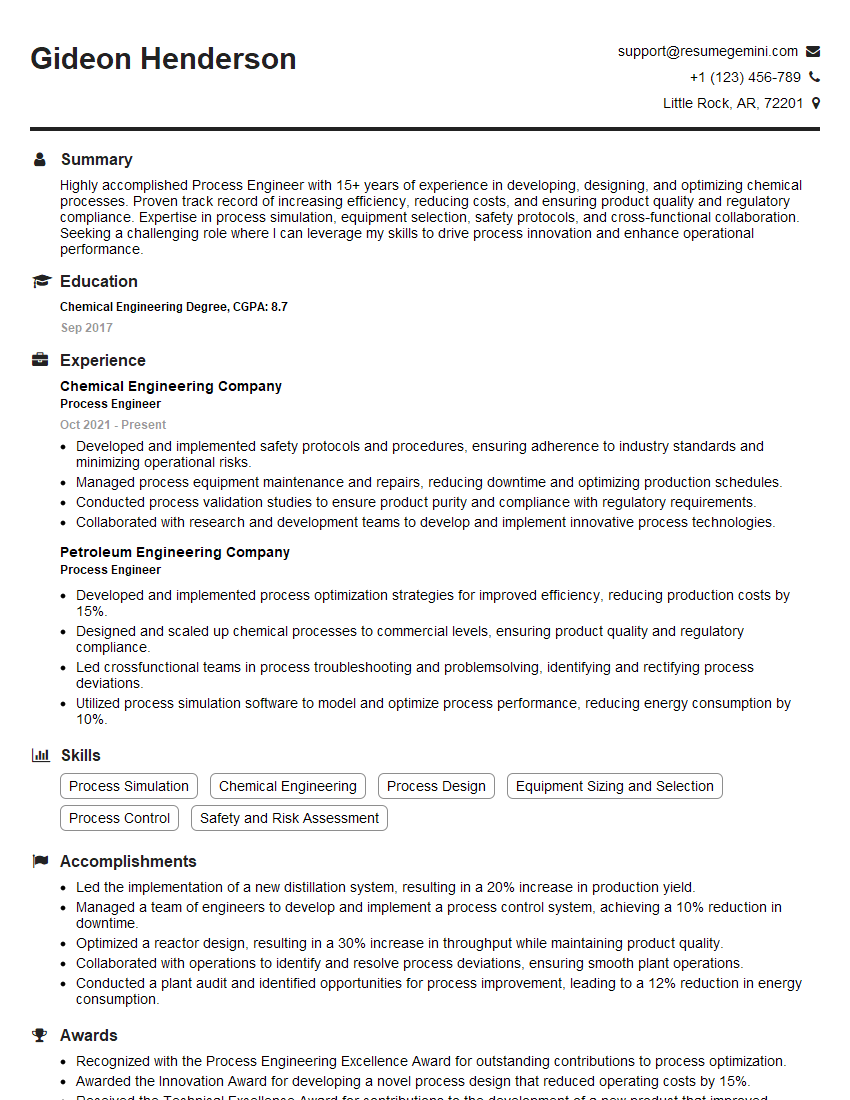
Process Engineer Resume Sample
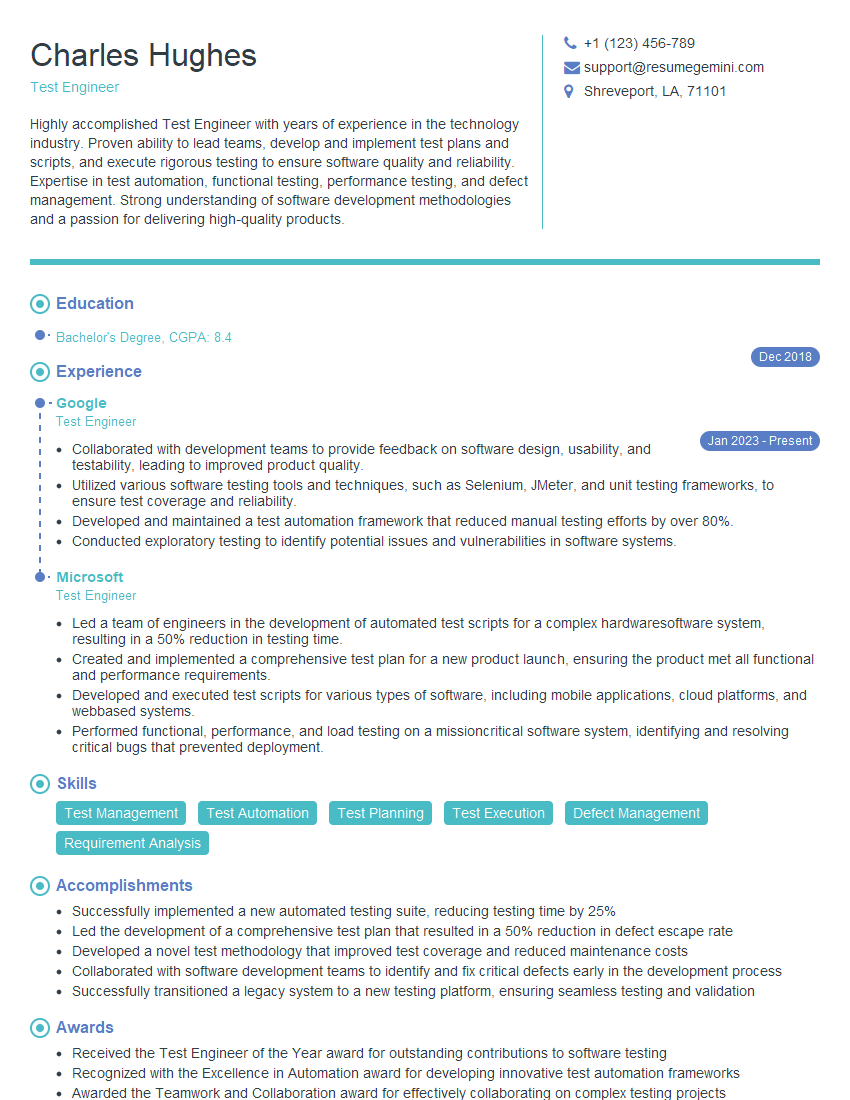
Test Engineer Resume Sample
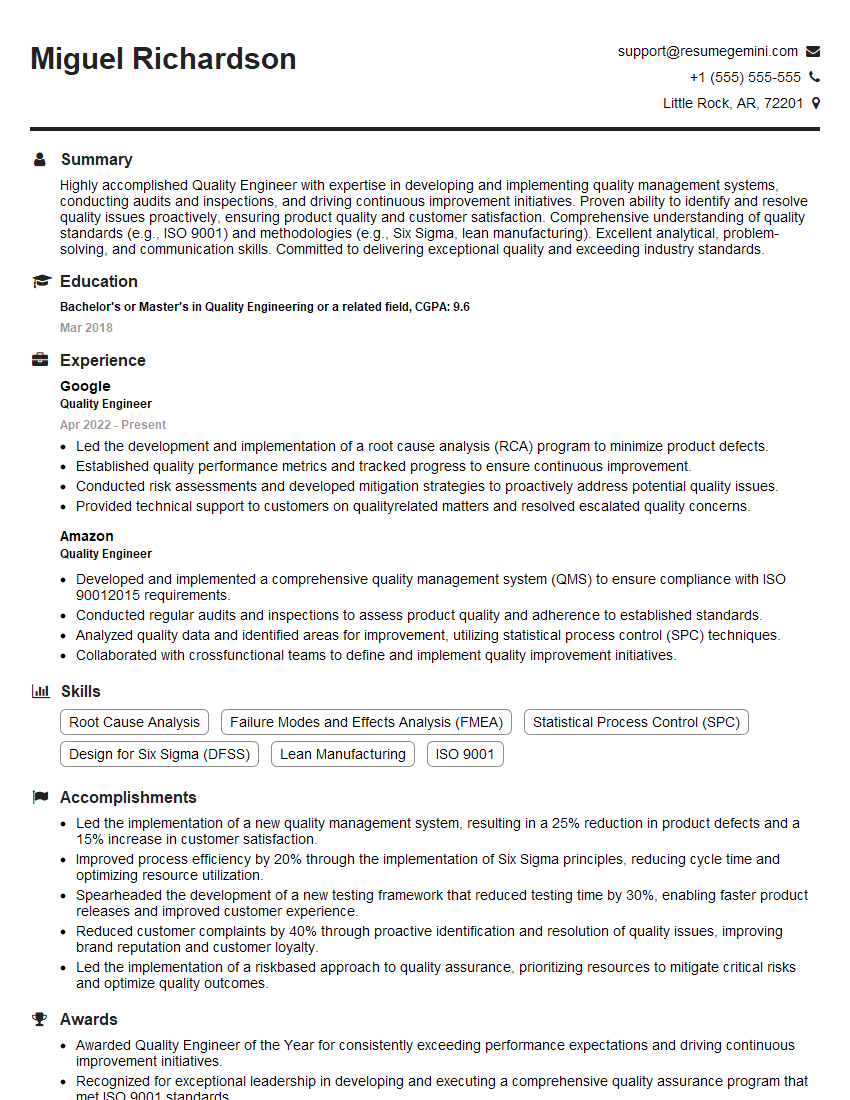
Quality Engineer Resume Sample
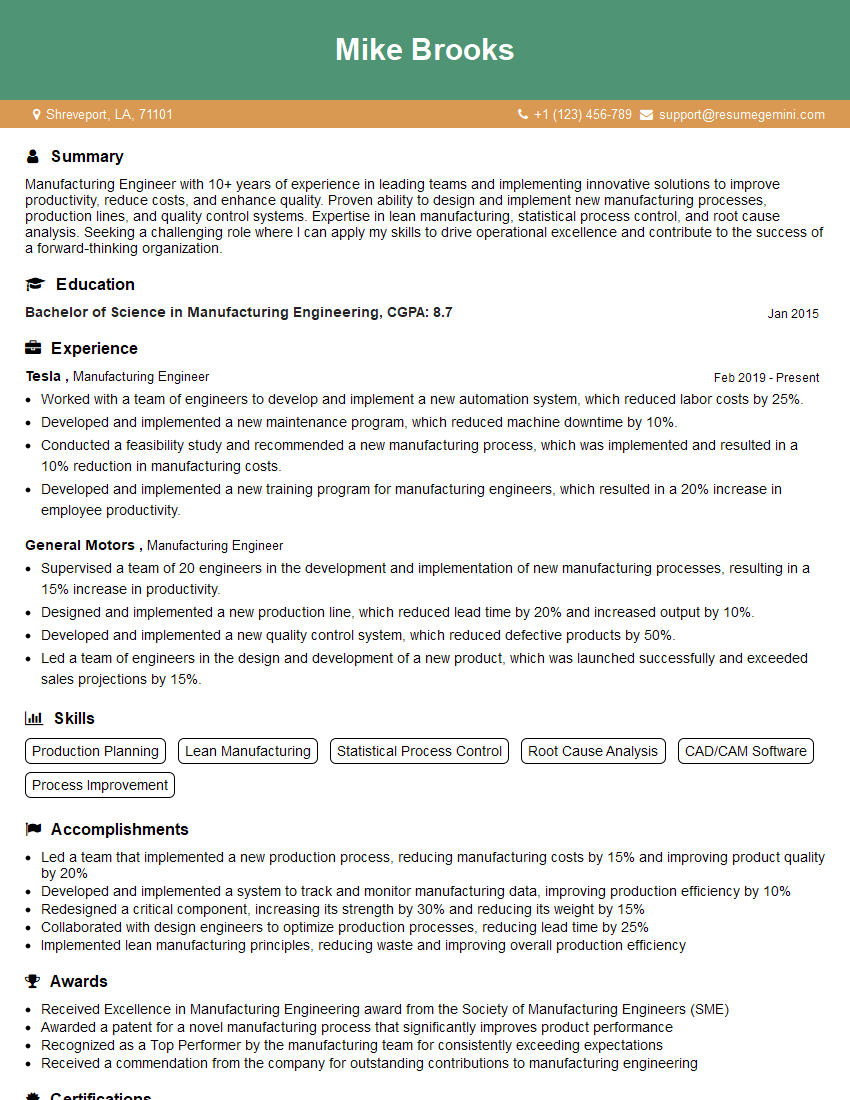
Manufacturing Engineer Resume Sample
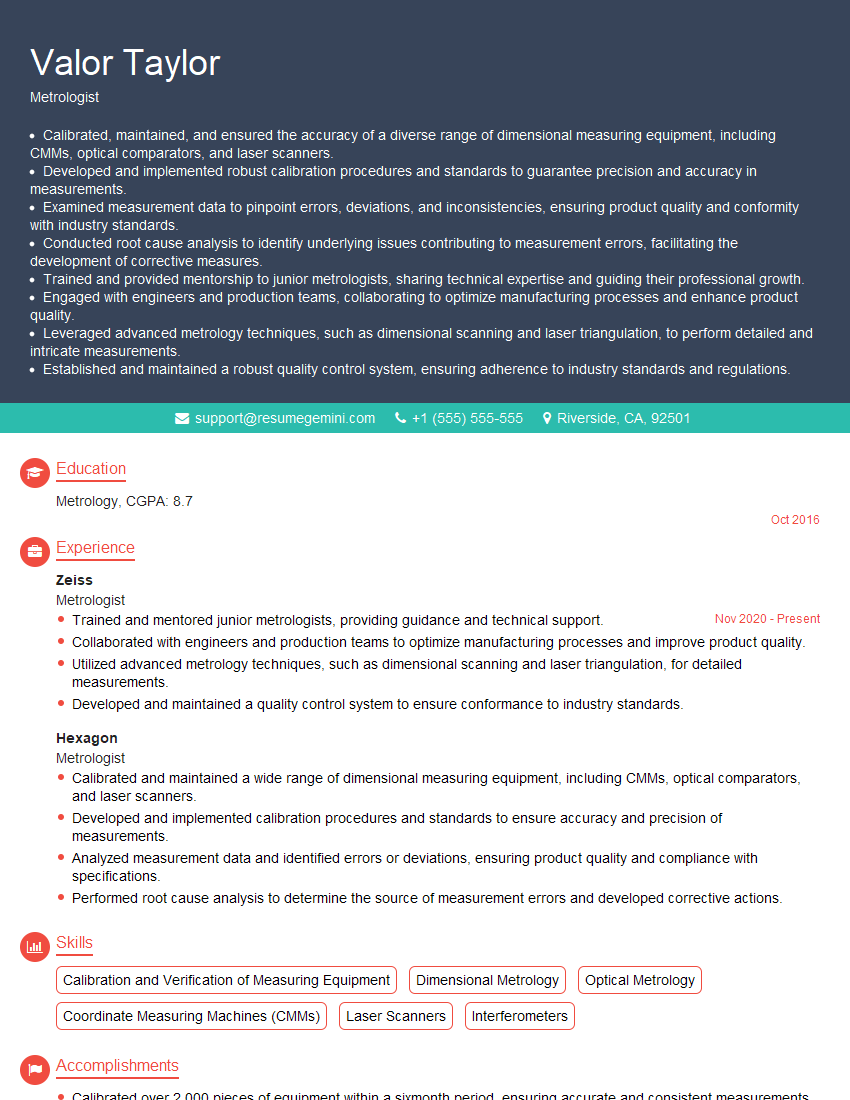
Metrologist Resume Sample
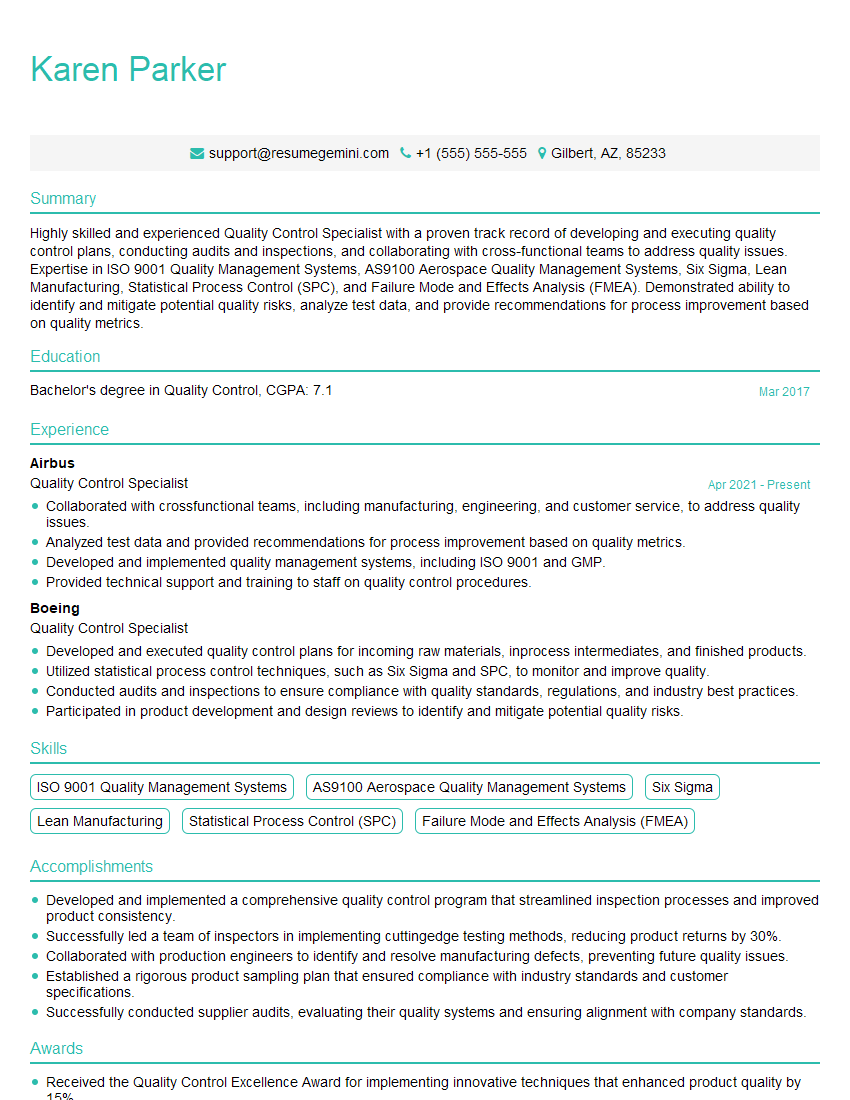
Quality Control Specialist Resume Sample
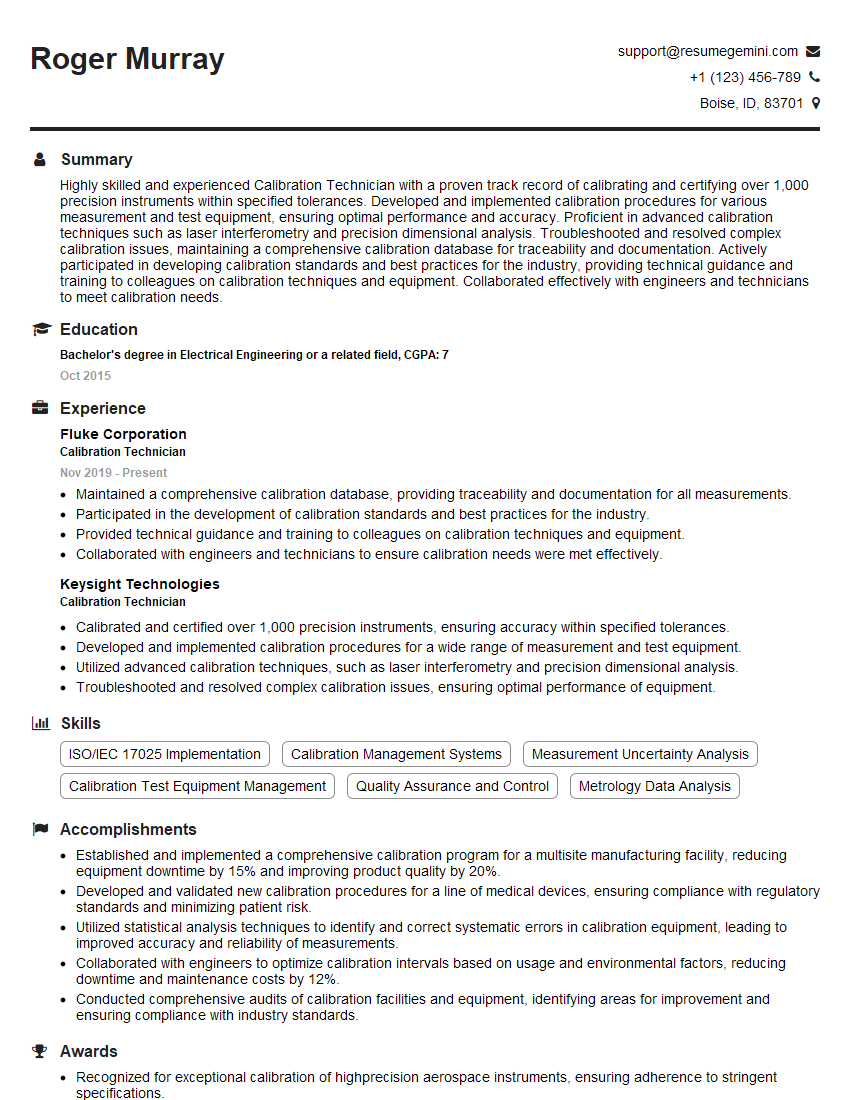
Calibration Technician Resume Sample
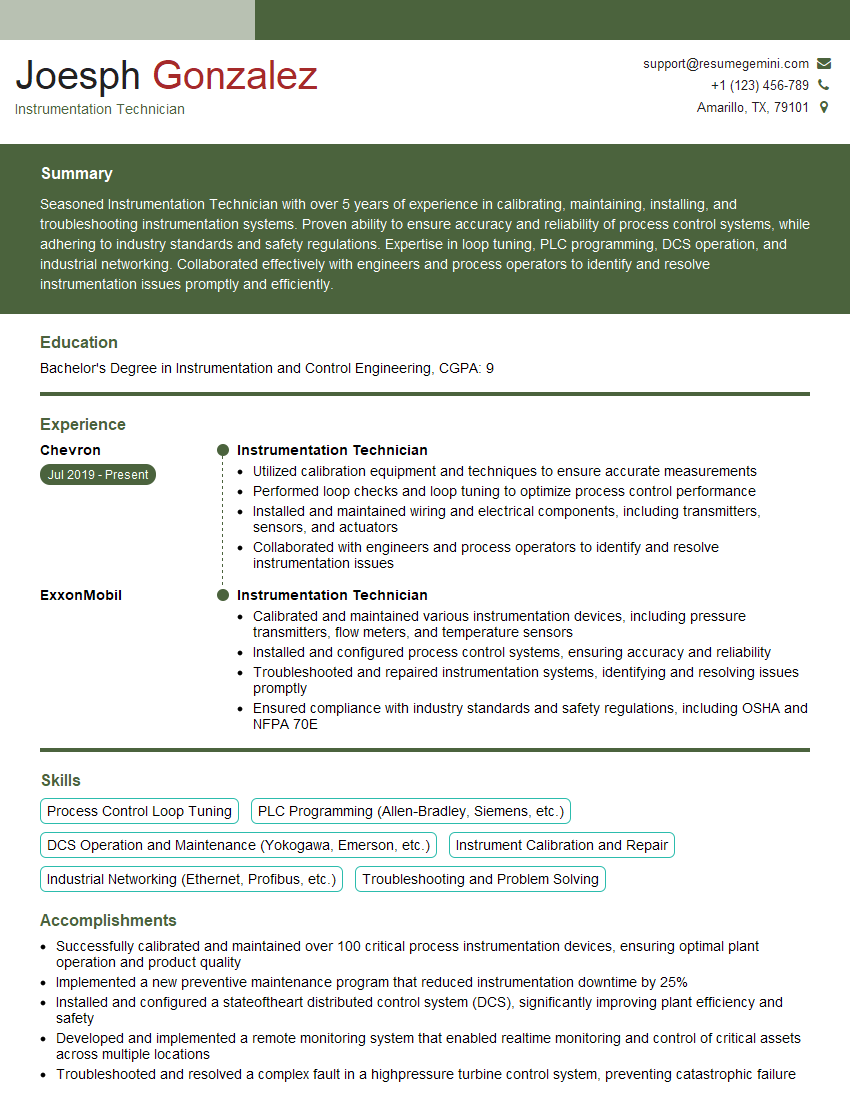
Instrumentation Technician Resume Sample
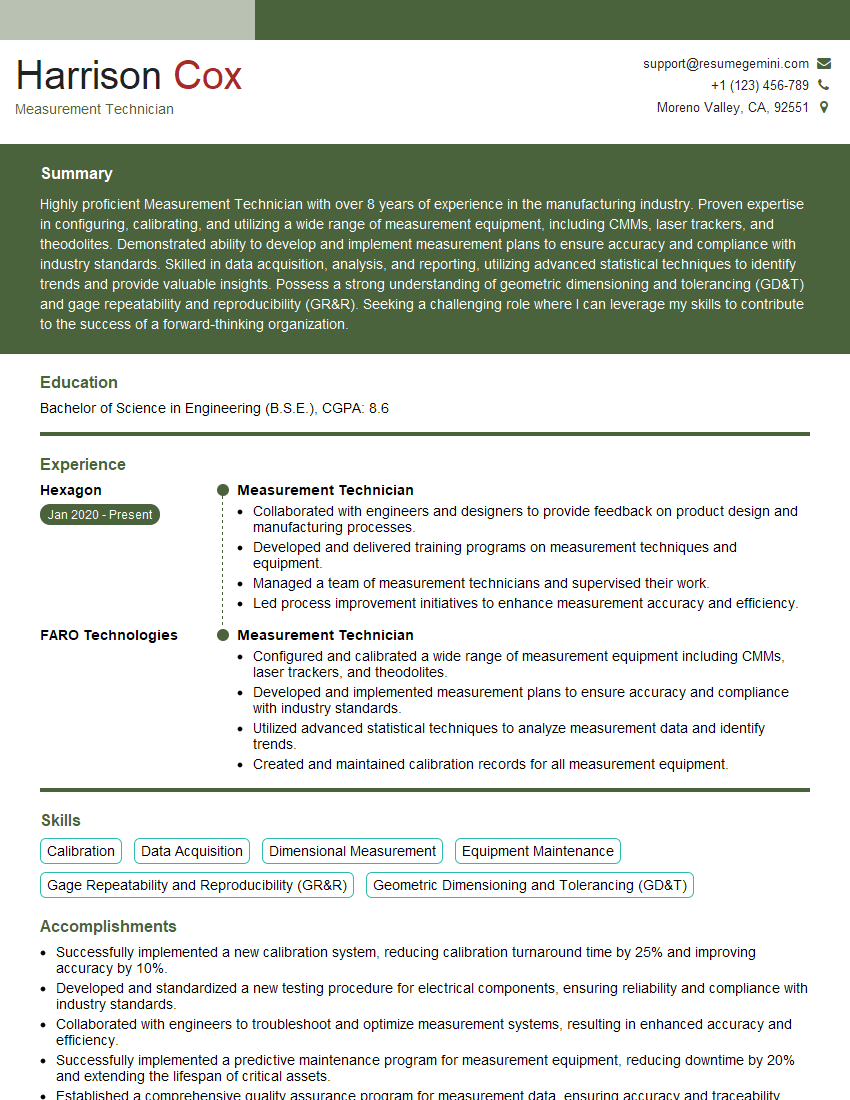
Measurement Technician Resume Sample
Explore more articles
Users Rating of Our Blogs
Share Your Experience
We value your feedback! Please rate our content and share your thoughts (optional).
What Readers Say About Our Blog
Amazing blog
hello,
Our consultant firm based in the USA and our client are interested in your products.
Could you provide your company brochure and respond from your official email id (if different from the current in use), so i can send you the client’s requirement.
Payment before production.
I await your answer.
Regards,
MrSmith
hello,
Our consultant firm based in the USA and our client are interested in your products.
Could you provide your company brochure and respond from your official email id (if different from the current in use), so i can send you the client’s requirement.
Payment before production.
I await your answer.
Regards,
MrSmith
These apartments are so amazing, posting them online would break the algorithm.
https://bit.ly/Lovely2BedsApartmentHudsonYards
Reach out at BENSON@LONDONFOSTER.COM and let’s get started!
Take a look at this stunning 2-bedroom apartment perfectly situated NYC’s coveted Hudson Yards!
https://bit.ly/Lovely2BedsApartmentHudsonYards
Live Rent Free!
https://bit.ly/LiveRentFREE
Interesting Article, I liked the depth of knowledge you’ve shared.
Helpful, thanks for sharing.
Hi, I represent a social media marketing agency and liked your blog
Hi, I represent an SEO company that specialises in getting you AI citations and higher rankings on Google. I’d like to offer you a 100% free SEO audit for your website. Would you be interested?