Interviews are more than just a Q&A session—they’re a chance to prove your worth. This blog dives into essential Andon systems and continuous improvement interview questions and expert tips to help you align your answers with what hiring managers are looking for. Start preparing to shine!
Questions Asked in Andon systems and continuous improvement Interview
Q 1. Explain the purpose and benefits of an Andon system.
An Andon system is a visual signaling system used in manufacturing and other process industries to alert management and/or workers to problems on a production line. Think of it as a sophisticated, real-time alarm system. Its primary purpose is to immediately identify and address issues that disrupt the production flow, minimizing downtime and improving overall efficiency.
The benefits are numerous. Faster problem resolution is a key advantage, leading to reduced downtime and increased output. Improved product quality is another, as early identification prevents defects from propagating further down the line. Andon systems also promote a culture of continuous improvement by making problems visible and encouraging proactive problem-solving. Finally, they enhance worker empowerment by allowing them to directly flag issues and participate in their resolution.
Q 2. Describe different types of Andon systems and their applications.
Andon systems come in various forms, each tailored to specific needs. Simple systems might involve a basic light system with different colors signifying different issues (e.g., red for stop, yellow for caution). More advanced systems incorporate digital displays, providing more detailed information such as the nature of the problem, its location, and the time it occurred. These might be integrated with MES (Manufacturing Execution System) or ERP (Enterprise Resource Planning) systems, allowing for centralized monitoring and data analysis.
- Simple Andon Lights: These are the most basic, using colored lights to signal different statuses (stop, slow, run). Suitable for smaller lines or simple processes.
- Andon Boards: These display more information than simple lights, often including location, issue type, and time of occurrence. They improve visibility and communication across a larger production area.
- Computerized Andon Systems: These use software and hardware to integrate real-time data from the production line and alert relevant personnel via various means, such as email, SMS, or digital dashboards. This offers comprehensive monitoring and advanced analytics.
The application depends on the complexity of the process and the level of detail required. A simple light system might suffice for a small workshop, while a large factory employing complex automation would benefit from a fully computerized system.
Q 3. How do you integrate an Andon system with existing MES/ERP systems?
Integrating an Andon system with existing MES/ERP systems requires a structured approach. This involves establishing clear data exchange protocols between the Andon system and the existing enterprise systems. Data points such as production line status, error codes, and machine downtime need to be transmitted seamlessly. APIs (Application Programming Interfaces) are crucial for this integration. The Andon system would act as a real-time data source, feeding information into the MES/ERP systems for analysis and reporting. This enables tracking of key performance indicators (KPIs), providing a more complete picture of production efficiency and problem resolution times.
For example, a computerized Andon system might send a signal to the MES when a machine stops due to a malfunction. This signal would be logged in the MES, providing context such as the time of the stoppage, the machine ID, and potentially the type of error. This data, in turn, can be fed to the ERP system for analysis of overall production efficiency and cost calculations associated with downtime.
Q 4. What are the key performance indicators (KPIs) for evaluating Andon system effectiveness?
Key performance indicators (KPIs) for evaluating Andon system effectiveness focus on quantifying its impact on efficiency and problem resolution. Some crucial KPIs include:
- Mean Time To Repair (MTTR): This metric measures the average time it takes to resolve a problem after an Andon signal is triggered. Lower MTTR indicates better system responsiveness.
- Downtime Reduction: A direct measure of the system’s impact on production efficiency. A significant reduction in downtime signifies effective problem prevention and resolution.
- Number of Andon Signals/Production Units: This ratio helps identify potential areas for improvement. A high ratio might suggest underlying process issues needing attention.
- First Pass Yield: Measures the percentage of products manufactured without defects. An improved FPY indicates that the system is helping to prevent defects early on.
- Overall Equipment Effectiveness (OEE): A comprehensive measure that considers availability, performance, and quality. An increase in OEE reflects the positive impact of the Andon system on overall equipment efficiency.
Q 5. Describe your experience with Andon system implementation and troubleshooting.
In a previous role, I was involved in the implementation of a computerized Andon system in a large automotive parts manufacturing plant. The project involved extensive system configuration, integrating the Andon system with existing MES and ERP systems, and developing custom reports. We faced challenges related to data synchronization and user training. To overcome the data synchronization issues, we implemented robust error handling mechanisms and regular data reconciliation processes. For user training, we conducted hands-on workshops, developed user-friendly documentation, and provided ongoing support to ensure smooth system adoption.
Troubleshooting involved analyzing system logs, examining data streams, and working with equipment maintenance teams to resolve hardware issues. One instance involved a recurring false alarm triggered by a faulty sensor. By analyzing the system logs and collaborating with the maintenance team, we identified and replaced the faulty sensor, eliminating the false alarm and restoring the system’s reliability.
Q 6. How do you address false alarms or excessive Andon pulls?
Addressing false alarms and excessive Andon pulls requires a multi-faceted approach that focuses on both system optimization and operator training. Root cause analysis is essential for identifying the sources of false alarms. This might involve reviewing system logs, conducting on-site inspections, and interviewing operators. Once the root cause is identified, corrective actions can be implemented, ranging from sensor recalibration to process adjustments. Excessive Andon pulls, on the other hand, might suggest a lack of operator training or unclear procedures. This calls for enhanced training programs to ensure operators understand when and how to utilize the Andon system appropriately.
For example, we might implement a system where multiple verifications are required before an Andon signal is activated. This prevents accidental or frivolous use. Also, clear guidelines and training can prevent unnecessary Andon pulls, reducing disruption to production flow.
Q 7. Explain the relationship between Andon systems and Lean manufacturing principles.
Andon systems are intrinsically linked to Lean manufacturing principles. They directly support several key Lean concepts:
- Visual Management: Andon systems provide a highly visible representation of the production line’s status, immediately highlighting any issues.
- Just-in-Time (JIT) Production: By quickly identifying and resolving problems, Andon systems help to maintain the smooth flow of materials and prevent bottlenecks, crucial for JIT systems.
- Problem Solving: Andon systems facilitate quick response and problem-solving by immediately alerting the relevant personnel. This fosters a proactive approach to eliminating waste.
- Continuous Improvement (Kaizen): The data collected by Andon systems can be used to identify recurring problems and inform improvement initiatives. This contributes to the continuous improvement cycle.
- Respect for People: Empowering workers to stop the line when problems arise demonstrates respect for their judgment and expertise.
Essentially, an Andon system helps visualize waste, facilitates rapid response to disruptions, and empowers teams to continuously improve processes – all core tenets of Lean manufacturing.
Q 8. How do you use data from an Andon system to drive continuous improvement?
Andon systems are visual signaling tools that instantly alert management to production issues. The data they generate—the frequency, type, and location of alerts—is invaluable for continuous improvement. We can use this data in several ways:
- Trend Analysis: By tracking the frequency and types of alerts over time, we identify recurring problems. For example, if we see a spike in alerts related to a specific machine, it signals a potential maintenance or process issue needing attention.
- Root Cause Analysis: The data helps pinpoint areas requiring deeper investigation. A high number of alerts from a particular workstation could indicate training gaps, process inefficiencies, or equipment malfunction.
- Performance Metrics: We can track key performance indicators (KPIs) like Overall Equipment Effectiveness (OEE) and Mean Time To Repair (MTTR) using Andon data. This allows us to measure the effectiveness of implemented improvements.
- Prioritization: The data enables us to prioritize improvement efforts by focusing on issues with the highest frequency or greatest impact on production.
For instance, in a previous role, consistent alerts related to a specific assembly step revealed a poorly designed jig. After redesigning the jig, alerts related to that step dropped significantly, increasing efficiency and reducing downtime.
Q 9. Describe your experience with root cause analysis related to Andon system alerts.
My experience with root cause analysis (RCA) within the context of Andon alerts involves using a structured approach like the 5 Whys or Fishbone diagrams. It’s crucial to go beyond simply addressing the immediate symptom and uncover the underlying cause.
Example: Let’s say an Andon alert indicates a machine stop due to a jammed part.
- Why did the part jam? (It was too large.)
- Why was the part too large? (Incorrect material was used.)
- Why was the wrong material used? (The label on the material bin was unclear.)
- Why was the label unclear? (It hadn’t been updated after a material change.)
- Why wasn’t the label updated? (Lack of established procedure for material change communication.)
The RCA process uncovered a systemic issue, not just a one-off event. The solution involved implementing a standardized procedure for material change communication and improved labeling practices, thereby reducing the frequency of this type of Andon alert significantly.
Q 10. How do you ensure operator buy-in and effective use of an Andon system?
Operator buy-in is paramount for Andon system success. It’s not just about installing the system; it’s about fostering a culture where operators see it as a valuable tool, not a way to get them in trouble.
- Training and Education: Comprehensive training is crucial. Operators must understand the system’s functionality, how to use it correctly, and why its effective use benefits them and the company.
- Empowerment: Operators should feel empowered to use the system. It shouldn’t be seen as a tool for management to reprimand them, but rather a way to quickly flag issues and get assistance.
- Feedback and Recognition: Actively solicit feedback from operators on system usability and effectiveness. Recognize and reward responsible Andon usage. Celebrating successes reinforces positive behavior.
- Continuous Improvement Culture: Andon systems should be incorporated into the overall continuous improvement strategy. Make it clear that the data helps make processes better, benefiting everyone.
In one instance, we held regular meetings with operators to discuss Andon alerts and collectively brainstorm solutions. This collaborative approach built trust and resulted in higher operator engagement and more effective problem-solving.
Q 11. What are the potential challenges in implementing an Andon system, and how do you mitigate them?
Implementing an Andon system can present several challenges:
- Resistance to Change: Some operators or managers might resist adopting a new system, fearing increased scrutiny or workload.
- Cost of Implementation: The initial investment in hardware, software, and training can be substantial.
- Integration with Existing Systems: Integrating the Andon system with existing manufacturing systems (MES, ERP) can be complex.
- Data Overload: Without proper data analysis and prioritization, the sheer volume of alerts can become overwhelming and unproductive.
- False Alerts: Incorrect or frequent false alerts can erode trust and lead to system neglect.
Mitigation Strategies:
- Pilot Program: Start with a pilot program in a limited area to test the system and refine the process before a full-scale rollout.
- Phased Implementation: Implement the system in stages, gradually expanding its reach.
- Change Management Plan: Develop a comprehensive change management plan that addresses potential resistance and facilitates smooth adoption.
- Data Analysis and Prioritization: Implement robust data analysis tools to manage and filter alerts, focusing on the most critical issues.
- Continuous Training and Monitoring: Provide ongoing training and system maintenance to ensure its optimal function and user confidence.
Q 12. Explain your understanding of Value Stream Mapping and its connection to Andon systems.
Value Stream Mapping (VSM) is a lean manufacturing technique that visually represents the flow of materials and information within a process. Andon systems are strongly connected to VSM because they highlight bottlenecks and inefficiencies within that flow.
During VSM creation, we identify process steps. Then, an Andon system can be strategically placed at key points within the value stream where problems frequently occur, or where immediate attention is crucial for preventing larger issues downstream.
For instance, in a VSM, a significant bottleneck might be revealed at a specific inspection station. An Andon system installed there allows for immediate notification of problems such as failed inspections, thereby enabling quicker response and prevention of further delays down the line. The data from the Andon system then feeds directly back into VSM improvement efforts, allowing for a data-driven approach to process optimization.
Q 13. How do you use 5S principles to support the effective functioning of an Andon system?
The 5S methodology (Sort, Set in Order, Shine, Standardize, Sustain) significantly enhances Andon system effectiveness.
- Sort: Eliminate unnecessary items around Andon displays and equipment to ensure clear visibility and prevent confusion.
- Set in Order: Organize Andon equipment and displays logically, making them easy to access and understand.
- Shine: Keep Andon equipment clean and well-maintained, ensuring optimal functionality and system reliability.
- Standardize: Establish standard operating procedures for using and maintaining the Andon system, ensuring consistency and preventing errors.
- Sustain: Continuously monitor and improve Andon system performance, ensuring ongoing effectiveness and user compliance.
By applying 5S, we create a visually appealing and easily understandable system that encourages proactive use and minimizes the likelihood of errors. A clean, organized workspace promotes efficiency and helps reduce the chance of equipment malfunctions that might trigger unnecessary Andon alerts.
Q 14. How would you design an Andon system for a specific manufacturing process?
Designing an Andon system for a specific manufacturing process requires a structured approach:
- Process Mapping: First, thoroughly map the entire manufacturing process, identifying key steps and potential problem areas.
- Identify Critical Points: Determine the points in the process where real-time visibility is most critical. These would be areas with high defect rates, frequent stoppages, or potential for significant disruption.
- Select Andon Technology: Choose the appropriate Andon technology (lights, displays, software) that fits the scale and complexity of the process and the plant environment.
- Define Alert Types: Define specific alert types and their corresponding actions to streamline responses. Examples could include ‘Machine Malfunction,’ ‘Material Shortage,’ ‘Quality Issue,’ etc.
- System Placement and Configuration: Strategically place Andon devices at identified critical points. Ensure clear visibility and easy access for operators.
- Data Integration: Integrate the Andon system with other systems like MES, ERP, or CMMS for seamless data flow and analysis.
- Training and Documentation: Develop comprehensive training materials and documentation to educate operators and maintenance personnel on the system’s use and functionality.
- Testing and Refinement: Thoroughly test the system to identify and resolve any bugs or inefficiencies. Iterate on the design based on feedback and data analysis.
For example, in a high-speed packaging line, Andon lights could be placed at each machine, signaling different issues with specific colors. A central Andon display could summarize the overall status of the line, allowing managers to quickly identify and address critical problems.
Q 15. What are the cost considerations involved in implementing and maintaining an Andon system?
Implementing and maintaining an Andon system involves several cost considerations, spanning initial investment and ongoing operational expenses. The initial investment includes the purchase or licensing of hardware (lights, displays, sensors), software (for data collection, analysis, and reporting), and potentially the cost of system integration with existing manufacturing execution systems (MES). This also includes professional services for design, installation, and configuration.
Ongoing maintenance costs include software updates and licensing fees, hardware repairs or replacements, and the cost of ongoing training and support for operators and maintenance personnel. Consideration should also be given to the potential cost of downtime during system upgrades or maintenance. Hidden costs can include the time investment from personnel involved in data analysis and process improvement initiatives spurred by Andon alerts. A thorough cost-benefit analysis, comparing these expenses against the potential savings from reduced downtime, improved quality, and increased efficiency, is crucial before implementation.
For example, a simple visual Andon system with basic lights might have a lower initial cost, but a sophisticated system with real-time data analytics and integration with other systems will be significantly more expensive. Proper budgeting and planning are critical to success.
Career Expert Tips:
- Ace those interviews! Prepare effectively by reviewing the Top 50 Most Common Interview Questions on ResumeGemini.
- Navigate your job search with confidence! Explore a wide range of Career Tips on ResumeGemini. Learn about common challenges and recommendations to overcome them.
- Craft the perfect resume! Master the Art of Resume Writing with ResumeGemini’s guide. Showcase your unique qualifications and achievements effectively.
- Don’t miss out on holiday savings! Build your dream resume with ResumeGemini’s ATS optimized templates.
Q 16. Describe your experience with different Andon system technologies (e.g., lights, software, etc.).
My experience encompasses a wide range of Andon system technologies. I’ve worked with simple, traditional Andon light systems, where colored lights (red, yellow, green) signal the status of a production line. These are cost-effective for smaller operations but lack the data capture and analytical capabilities of more advanced systems.
I have extensive experience with software-based Andon systems that integrate with MES and other enterprise systems. These systems offer real-time data visualization, detailed reporting, and alerts based on various parameters. This allows for proactive identification of potential problems. I’ve worked with cloud-based systems, offering scalability and accessibility, and on-premise solutions, providing greater control over data security.
Furthermore, my experience includes integrating various sensors with Andon systems to provide real-time data on machine performance, environmental conditions (temperature, humidity), and other relevant factors. This enriched data enhances the system’s predictive capabilities and allows for more targeted improvements.
Q 17. How do you ensure data accuracy and integrity within an Andon system?
Data accuracy and integrity are paramount for an effective Andon system. Several strategies ensure this. Firstly, rigorous testing and validation of the system’s sensors and data acquisition processes are essential. This includes regular calibration of sensors and verification of data against independent sources. Secondly, implementing robust data validation rules within the software helps to identify and flag inconsistent or erroneous data points.
Clear procedures for data entry and updates are crucial. This includes standardized reporting formats, operator training on accurate data entry, and regular audits of data quality. Implementing audit trails to track changes and identify the source of any discrepancies is another vital step. Finally, employing data redundancy and backup mechanisms ensures data protection against loss or corruption. Data visualization techniques that highlight anomalies and inconsistencies can also assist in maintaining data integrity.
For example, if a sensor consistently reports incorrect values, this could be identified through regular calibration and data validation checks. Any deviation from expected values can trigger an alert, prompting investigation and correction. A well-designed system should self-diagnose data quality issues.
Q 18. How do you train operators on the proper use and procedures of an Andon system?
Operator training is crucial for the successful implementation of an Andon system. Training should be tailored to different roles and skill levels. It should include both theoretical and practical components. The theoretical component should cover the system’s functionality, its purpose in continuous improvement, and the importance of accurate data entry.
The practical component should involve hands-on training with the system, covering scenarios such as initiating alerts, responding to alerts, and using the system’s reporting features. Simulations and role-playing exercises can be useful to practice different scenarios and problem-solving techniques. Regular refresher training and ongoing support are crucial to maintain operator proficiency and address any evolving system changes.
A comprehensive training program, coupled with readily available reference materials and ongoing support, ensures that operators are comfortable and confident in using the system effectively and reporting issues accurately.
Q 19. Explain your understanding of Poka-Yoke and its role in preventing Andon alerts.
Poka-Yoke, meaning ‘mistake-proofing’ in Japanese, is a crucial methodology for preventing defects and reducing the need for Andon alerts. It involves designing processes and equipment to prevent errors from occurring in the first place. This is achieved by implementing various mechanisms to make it difficult or impossible for operators to make mistakes.
Examples of Poka-Yoke include using jigs and fixtures to guide parts into the correct position, color-coding parts to prevent mismatches, and employing sensors to detect errors in real-time. By anticipating potential errors and proactively preventing them, Poka-Yoke significantly reduces the frequency of Andon alerts, improving overall efficiency and reducing waste. This allows the Andon system to focus on more significant issues that require immediate attention rather than repetitive minor errors.
Integrating Poka-Yoke principles into the design of work processes and equipment is a proactive approach that complements the reactive nature of the Andon system, creating a more robust and efficient production environment. The fewer alerts an Andon system shows, the better its performance.
Q 20. How do you measure the return on investment (ROI) of an Andon system?
Measuring the ROI of an Andon system requires a multi-faceted approach. It’s not solely about direct cost savings; rather, it’s a holistic assessment of its impact on various key performance indicators (KPIs).
Key metrics include reductions in downtime, improved product quality (leading to lower scrap rates and rework), increased overall equipment effectiveness (OEE), and enhanced throughput. Quantifying these improvements through before-and-after comparisons provides a robust assessment of the system’s value. The improved efficiency often translates to higher production output and increased profitability. The reduction in waste materials due to proactive problem identification also contributes to cost savings.
Furthermore, the improved employee engagement and empowerment resulting from a more transparent and proactive production environment should be considered as intangible benefits when assessing the overall ROI. A comprehensive ROI analysis should carefully weigh these factors against the initial investment and ongoing operational costs.
Q 21. How do you prioritize improvements identified through an Andon system?
Prioritizing improvements identified through an Andon system requires a structured approach. I typically employ a combination of quantitative and qualitative methods. Quantitative methods involve analyzing data collected by the Andon system, focusing on the frequency, duration, and root causes of alerts. This allows for identification of recurring problems that significantly impact productivity and quality.
Qualitative methods involve gathering input from operators and other stakeholders through interviews, surveys, and feedback sessions. This provides valuable context and insights that may not be readily apparent from the quantitative data alone. A Pareto analysis (80/20 rule) can help to identify the vital few problems that account for the majority of disruptions. This helps focus efforts on the most impactful improvements.
Prioritization often involves a risk assessment, considering the potential impact of each problem and its likelihood of occurrence. High-impact, high-likelihood issues should be prioritized over low-impact, low-likelihood ones. This systematic approach ensures that resources are allocated effectively to address the most critical issues, maximizing the return on improvement initiatives.
Q 22. Describe your experience with using statistical process control (SPC) in conjunction with an Andon system.
Statistical Process Control (SPC) is a powerful tool for monitoring and controlling process variation, and its integration with an Andon system significantly enhances its effectiveness. Imagine an Andon system displaying real-time production data – cycle times, defect rates, etc. SPC charts, like control charts (e.g., X-bar and R charts, p-charts, c-charts), are overlaid on this data. This allows operators and managers to immediately visualize whether the process is operating within its expected limits of variation. For instance, if a control chart shows a point outside the control limits, it triggers an Andon alert, indicating a potential problem needing immediate attention. This proactive approach helps prevent larger-scale issues by catching them early. Furthermore, the data collected by the Andon system, especially when combined with root cause analysis, is crucial for improving SPC charts over time. We can use this data to adjust control limits, refine processes, and ultimately reduce variation.
In a practical scenario, I was working with a factory producing automotive parts. We integrated SPC into our Andon system. When a machine producing a specific part consistently exceeded its upper control limit for defect rate (as indicated by a p-chart), the Andon system would automatically trigger an alarm, alerting the team. This allowed for immediate intervention, leading to a substantial reduction in defective parts and ultimately improved overall process efficiency.
Q 23. How do you handle situations where an Andon system identifies a systemic issue?
When an Andon system highlights a recurring or systemic issue, it’s not just about addressing the immediate problem; it’s about identifying and eliminating the root cause to prevent future occurrences. My approach involves a structured problem-solving methodology, often using tools like the 5 Whys or a fishbone diagram. This involves:
- Data Collection: Gathering comprehensive data from the Andon system, including the frequency, nature, and time of occurrence of the issue.
- Root Cause Analysis: Employing a systematic method (like 5 Whys) to delve deeper into the underlying causes of the problem, moving beyond just the symptoms.
- Countermeasure Development: Identifying and implementing effective solutions that directly address the root cause.
- Verification and Validation: Monitoring the effectiveness of the implemented solutions through the Andon system itself to confirm improvement and prevent recurrence.
- Standardization: Documenting the solutions and incorporating them into standard operating procedures (SOPs) to prevent the issue from reappearing.
For example, if the Andon system consistently flagged issues related to a specific machine, we would investigate the machine’s maintenance schedule, operator training, and potential design flaws. This holistic approach ensures long-term improvement instead of just temporary fixes.
Q 24. What are your preferred methods for analyzing Andon system data?
My preferred methods for analyzing Andon system data combine quantitative and qualitative techniques to gain a comprehensive understanding. I primarily use:
- Data Visualization: Tools like dashboards and charts (bar graphs, line graphs, pie charts) to quickly identify trends, patterns, and anomalies in the data. This visual representation makes it easy to spot recurring issues.
- Statistical Analysis: Applying statistical methods to identify correlations between variables and assess the significance of observed trends. This allows for data-driven decision making.
- Root Cause Analysis Techniques: Employing techniques like 5 Whys, Pareto analysis (to identify the vital few contributing factors), and Fishbone diagrams (to map out potential causes). This aids in pinpointing the root cause of the problem.
- Process Mapping: Visualizing the workflow to identify bottlenecks or areas of inefficiency that might be contributing to the problems flagged by the Andon system.
By combining these approaches, I can get a holistic view of the problems, develop effective countermeasures, and ensure sustainable improvement.
Q 25. Describe a situation where you improved a process using data from an Andon system.
In a previous role at a pharmaceutical manufacturing facility, our Andon system frequently alerted us to stoppages on a critical filling line. Initial analysis suggested various reasons – machine malfunctions, material shortages, and operator errors. However, by carefully analyzing the Andon data over a longer period using Pareto analysis, we discovered that the majority of stoppages were due to a single component’s recurring quality issue. This component, a small valve, was causing blockages. Using this data, we initiated a root cause analysis, which revealed a flaw in the valve’s manufacturing process at the supplier’s end. We worked collaboratively with the supplier to implement corrective actions and implemented enhanced incoming quality checks at our facility. The result? A dramatic reduction in stoppages on the filling line, resulting in significant improvements in production efficiency and reduced waste.
Q 26. How do you balance the need for immediate response with proactive problem solving using Andon?
Balancing immediate response with proactive problem-solving in an Andon system requires a well-defined escalation process and a proactive approach to data analysis. It’s like a two-pronged approach: firefighting and prevention.
Immediate Response: A clear escalation matrix defines who responds to which alerts and how quickly. This ensures that critical issues are addressed immediately, minimizing downtime and preventing escalation. For less critical alerts, a prioritization system helps focus efforts effectively.
Proactive Problem-Solving: This involves regularly reviewing Andon data to identify trends and patterns. By analyzing recurring issues, we can proactively implement preventative measures before they cause significant disruptions. This involves root cause analysis, process improvement projects, and improvements to standard operating procedures (SOPs).
For instance, a recurring alert related to a specific machine could trigger a proactive maintenance schedule, or operator retraining. This proactive approach significantly reduces the frequency of the alerts.
Q 27. How do you ensure that Andon system alerts are promptly addressed and resolved?
Ensuring prompt addressing and resolution of Andon system alerts requires a multi-faceted approach:
- Clear Roles and Responsibilities: A clearly defined escalation path and responsibility matrix ensures that each alert is assigned to the appropriate personnel, fostering accountability.
- Effective Communication: Establish clear communication channels for reporting, updating, and escalating issues. This could involve a dedicated team, software notification systems, or a combination.
- Real-time Monitoring: Implement a system for real-time monitoring of alerts and their resolution status. This allows for timely intervention and prevents issues from lingering.
- Regular Reporting and Review: Regularly review Andon data, resolution times, and overall effectiveness to identify areas for improvement in the system and response processes.
- Continuous Improvement: Use the data collected to refine the process, improving the system’s efficiency and enhancing response times.
In practice, this involves using a combination of automated alerts, visual management boards, and regular team meetings to ensure transparency and accountability, turning Andon alerts into opportunities for learning and improvement.
Key Topics to Learn for Andon Systems and Continuous Improvement Interviews
- Understanding Andon Systems: Fundamentals of Andon systems, their purpose, and various types (visual, auditory, etc.). Explore the benefits and limitations of different implementations.
- Practical Applications of Andon: Analyzing real-world case studies of Andon system implementations in manufacturing, healthcare, or other relevant industries. Consider the impact on efficiency, quality, and safety.
- Continuous Improvement Methodologies (CI): Familiarize yourself with Lean Manufacturing principles, Six Sigma, Kaizen, and other relevant CI methodologies. Understand how Andon systems integrate with these approaches.
- Data Analysis and Andon: Learn how data collected from Andon systems is used for process improvement. Explore techniques for interpreting data to identify bottlenecks and areas for optimization.
- Problem-Solving with Andon: Practice applying root cause analysis (RCA) techniques to issues identified through Andon systems. Develop your skills in identifying and resolving problems efficiently.
- Andon System Design and Implementation: Understand the considerations involved in designing and implementing an effective Andon system, including stakeholder engagement and change management.
- Technology and Andon: Explore the role of technology in modern Andon systems, such as sensors, data analytics platforms, and automated alerts.
- Metrics and KPIs: Learn to define and track relevant Key Performance Indicators (KPIs) to measure the effectiveness of Andon systems and continuous improvement initiatives.
Next Steps
Mastering Andon systems and continuous improvement methodologies is crucial for career advancement in today’s competitive landscape. These skills demonstrate your commitment to efficiency, quality, and problem-solving – highly sought-after attributes in many industries. To significantly boost your job prospects, creating an ATS-friendly resume is essential. ResumeGemini is a trusted resource to help you build a professional and effective resume that highlights your skills and experience. Examples of resumes tailored to Andon systems and continuous improvement are available to help you get started. Take the next step towards your dream career – invest in your resume today!
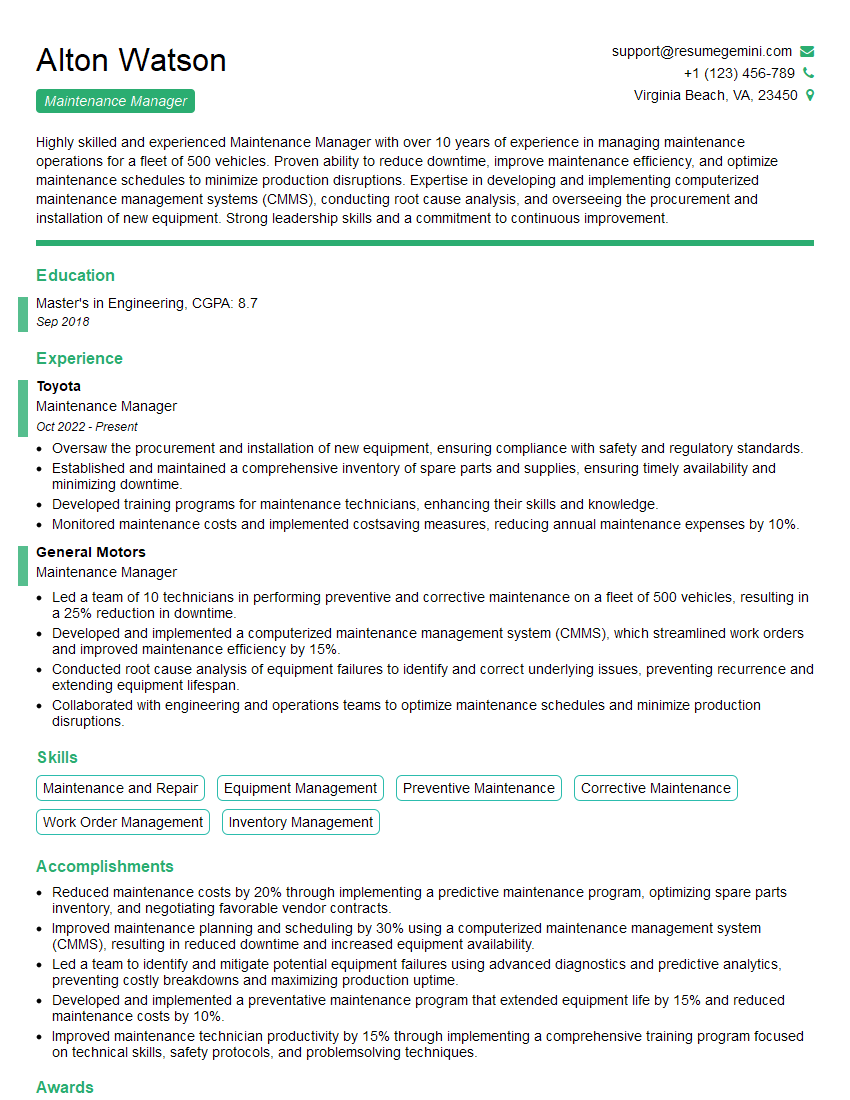
Maintenance Manager Resume Sample
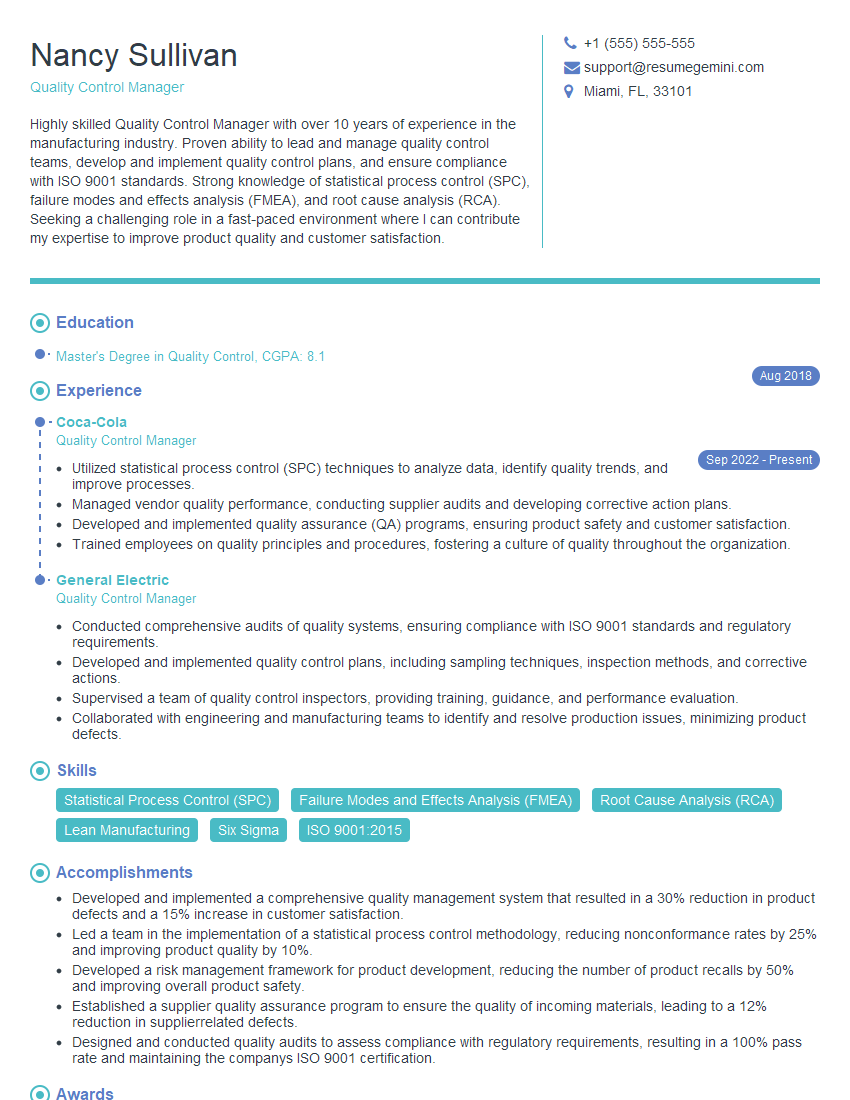
Quality Control Manager Resume Sample
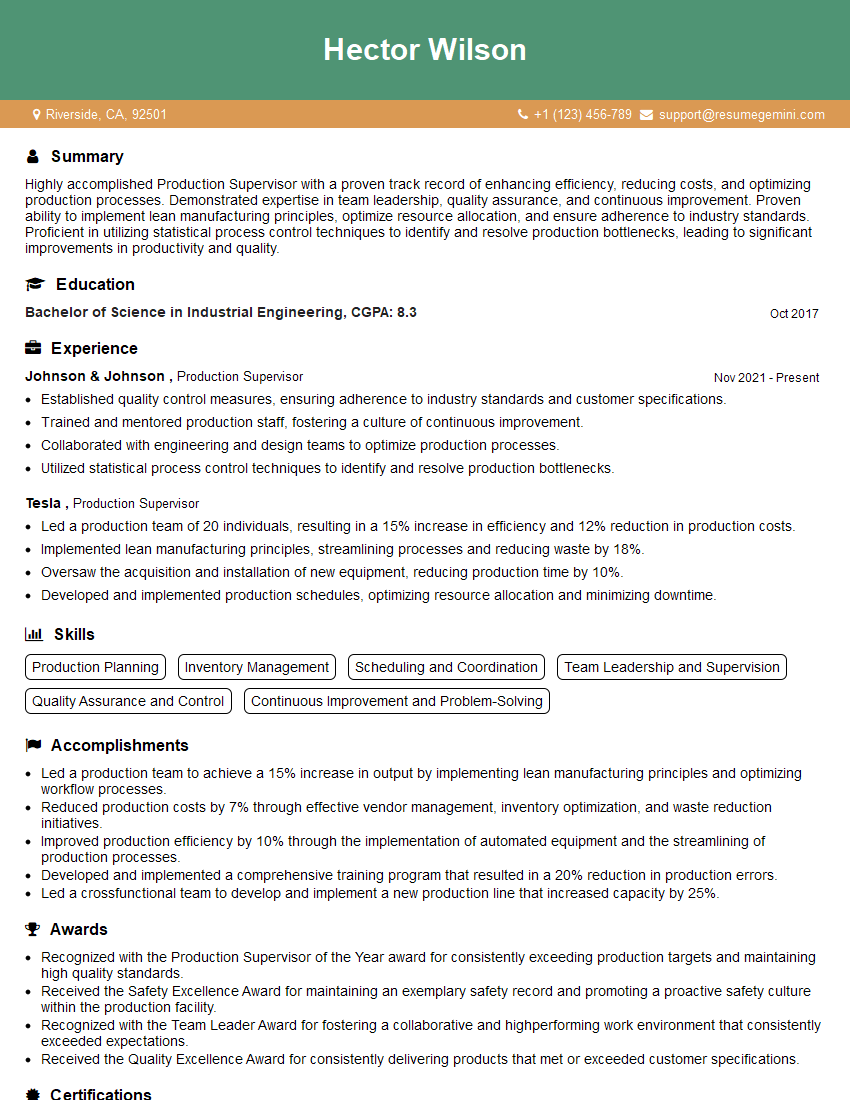
Production Supervisor Resume Sample
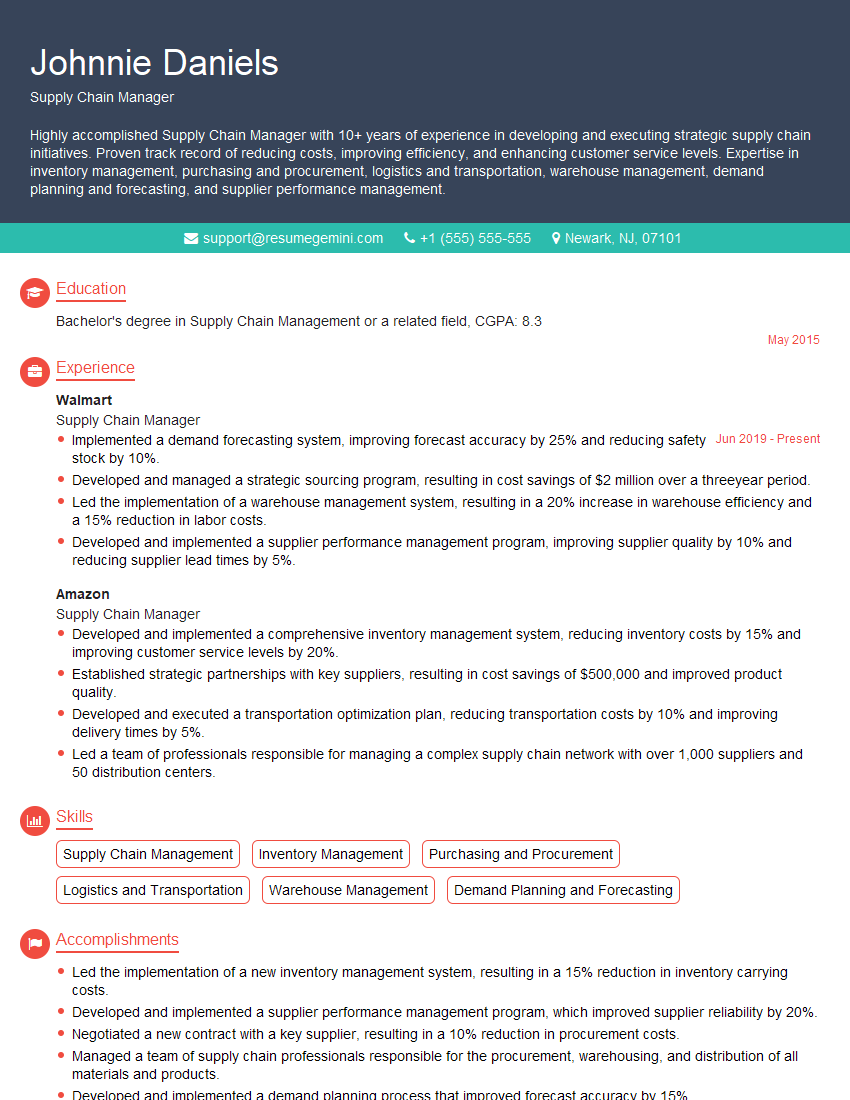
Supply Chain Manager Resume Sample

Reliability Engineer Resume Sample
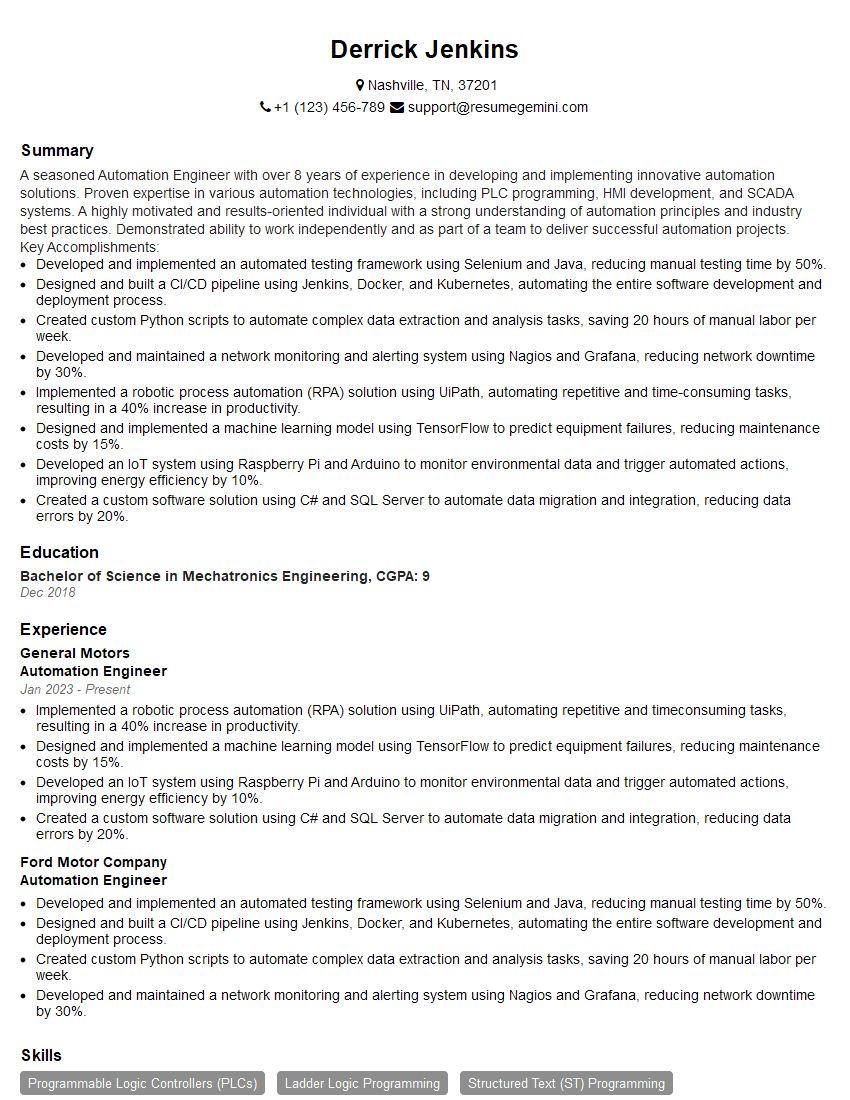
Automation Engineer Resume Sample
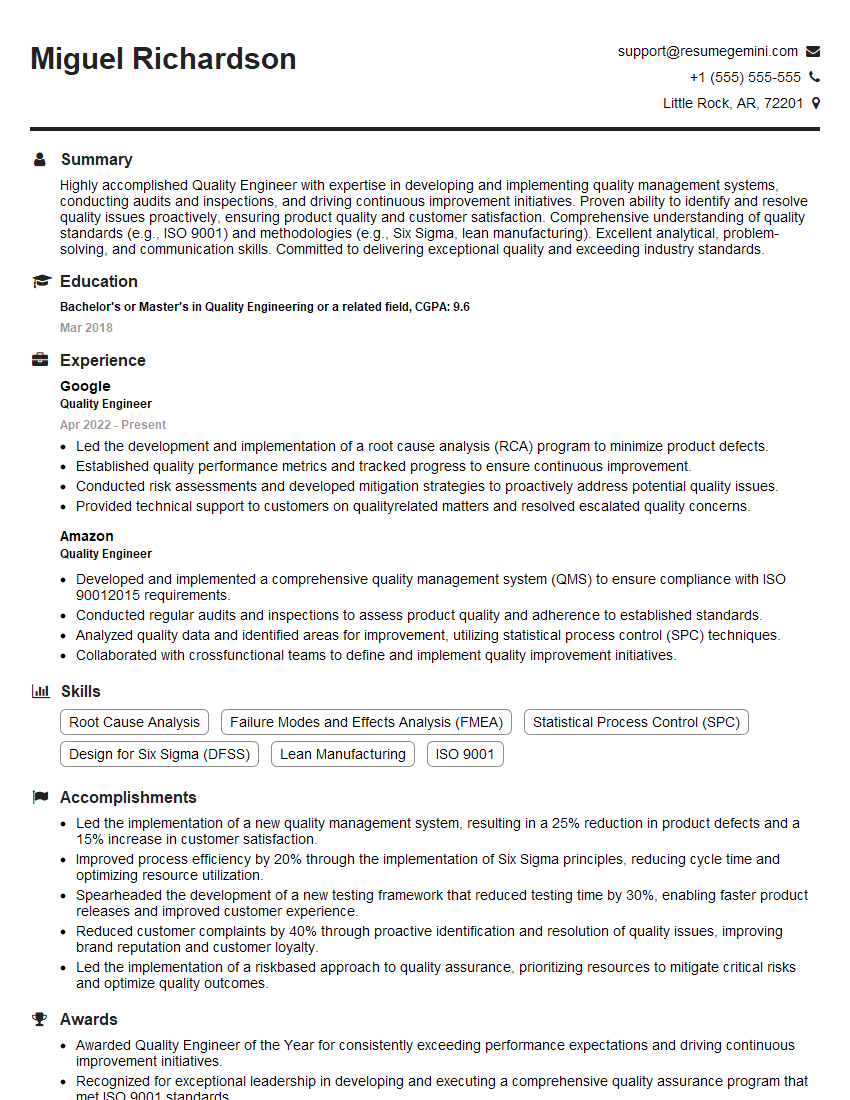
Quality Engineer Resume Sample
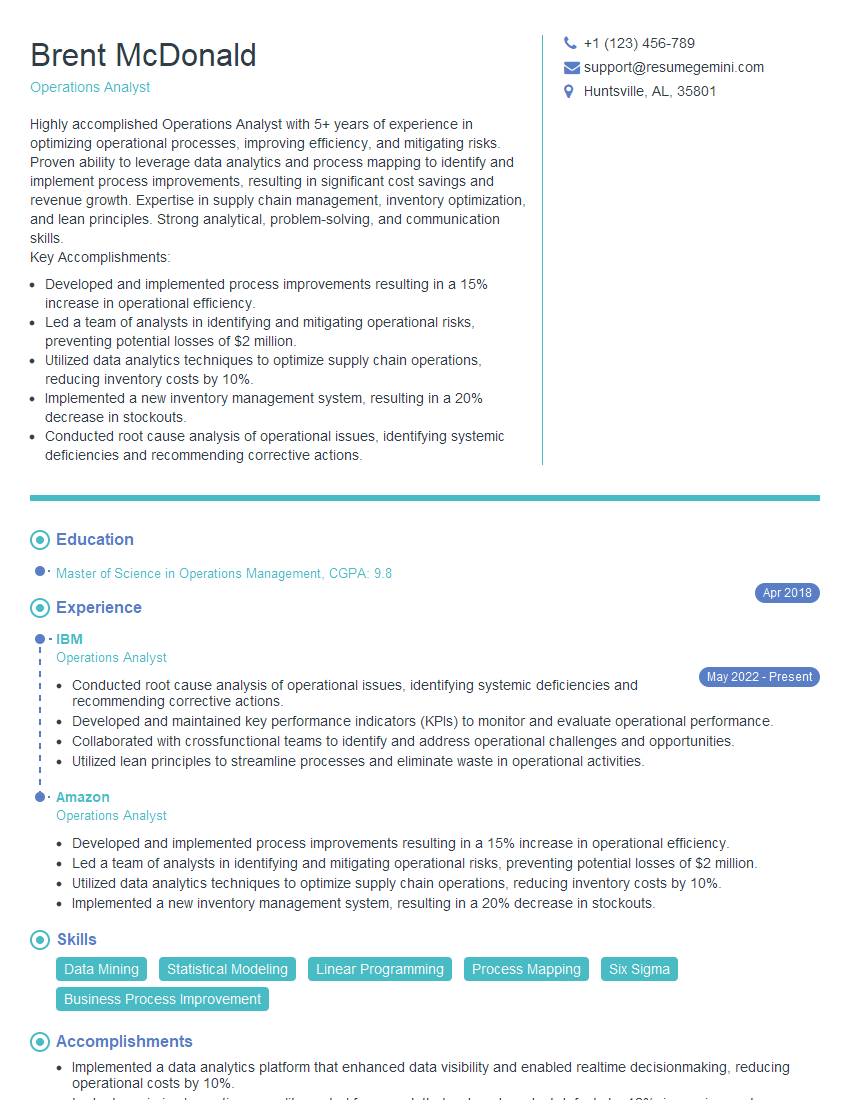
Operations Analyst Resume Sample
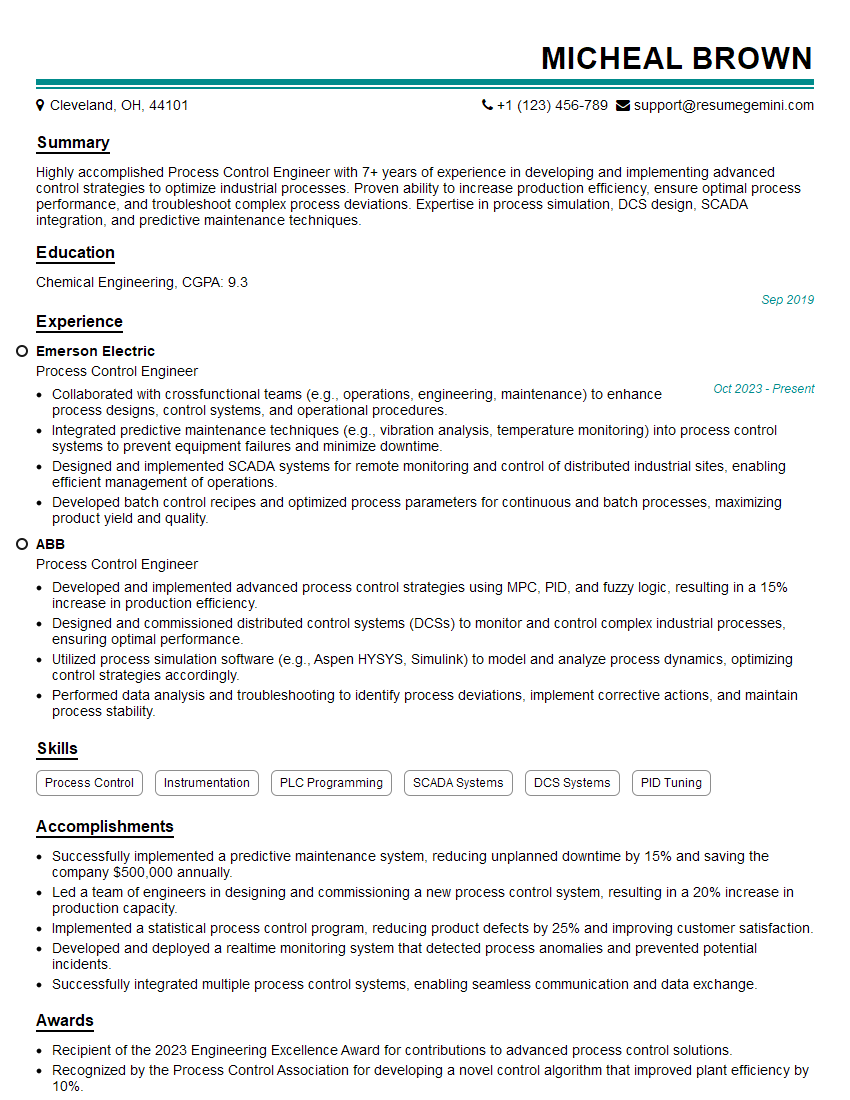
Process Control Engineer Resume Sample
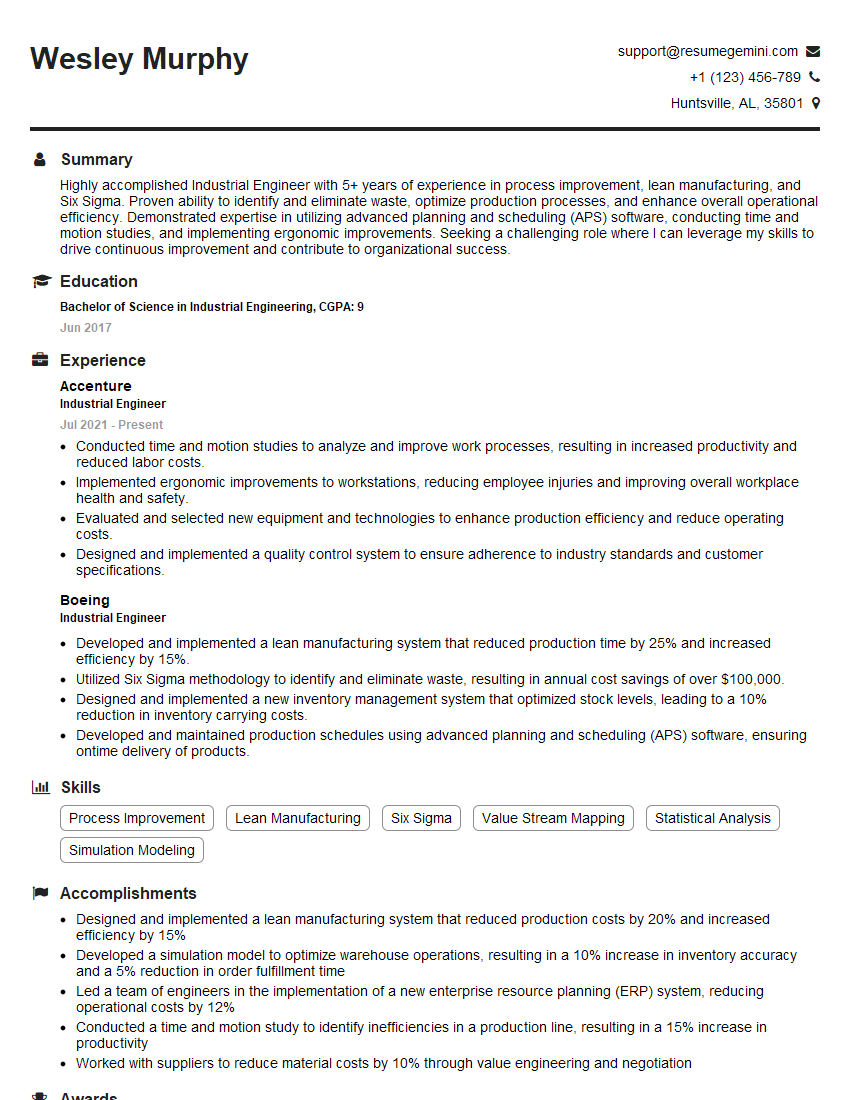
Industrial Engineer Resume Sample
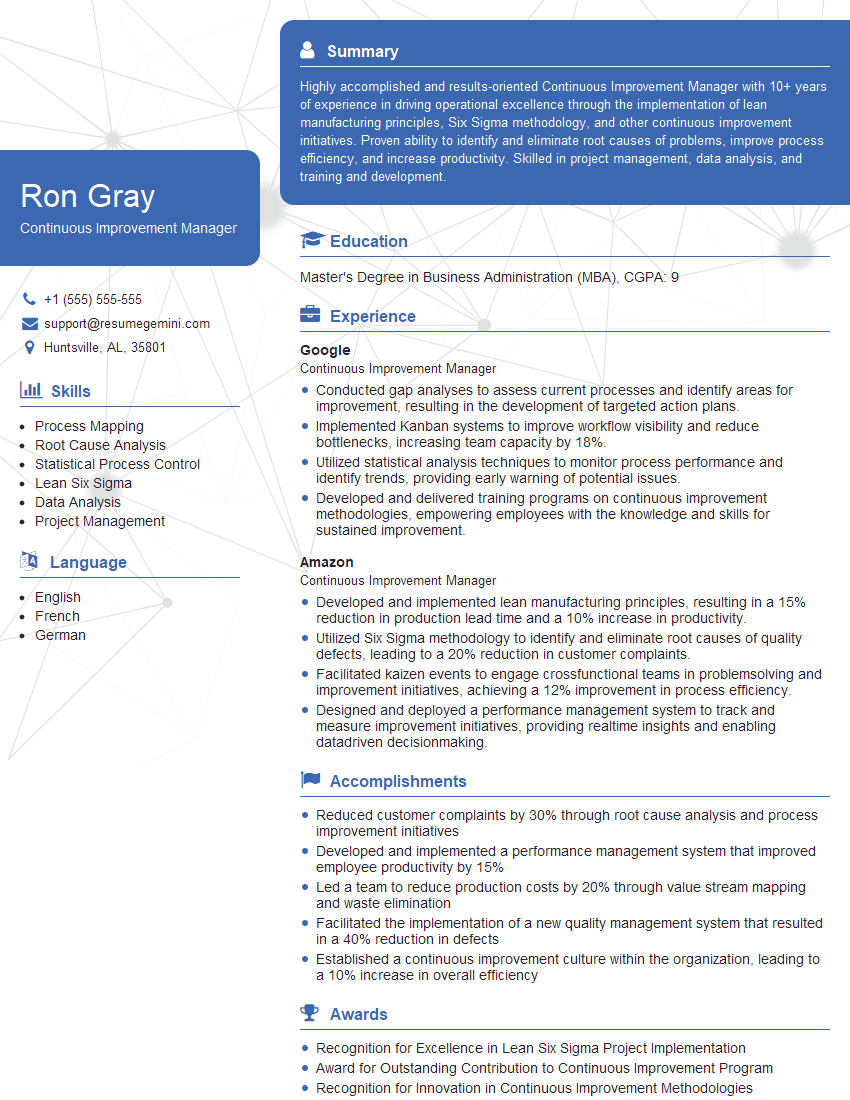
Continuous Improvement Manager Resume Sample
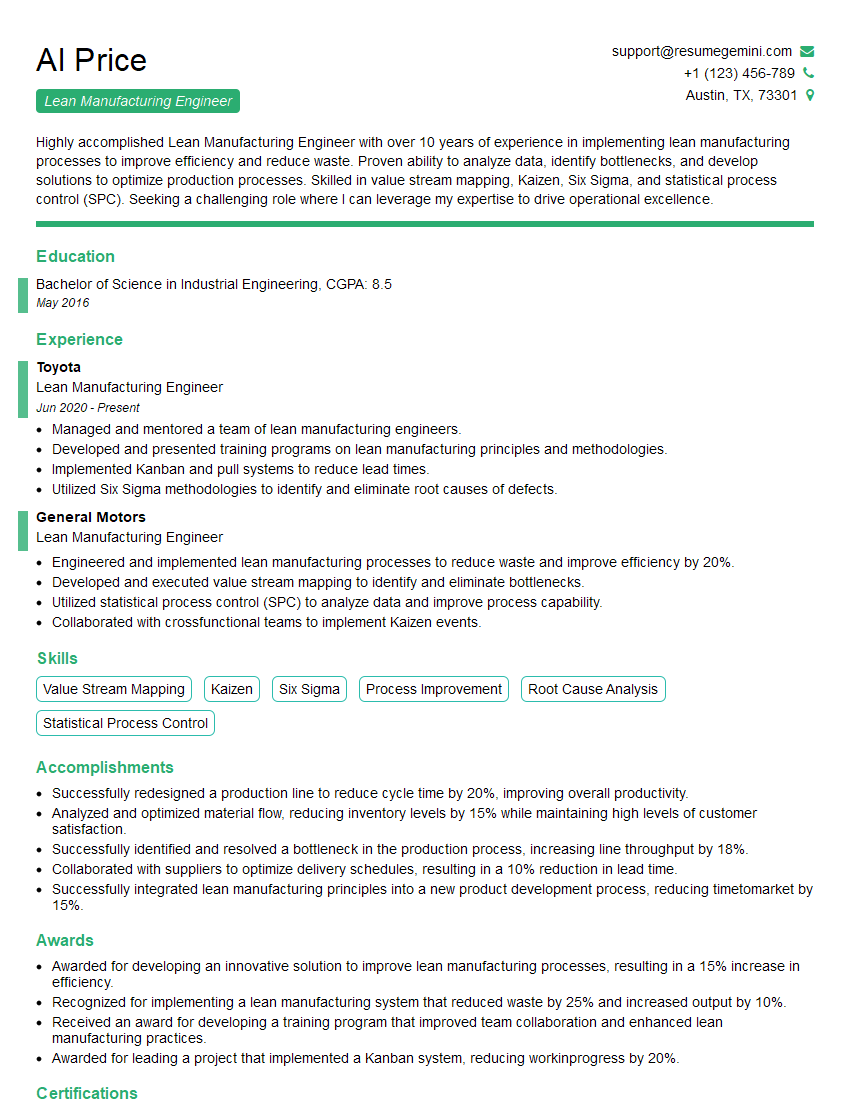
Lean Manufacturing Engineer Resume Sample
Explore more articles
Users Rating of Our Blogs
Share Your Experience
We value your feedback! Please rate our content and share your thoughts (optional).
What Readers Say About Our Blog
Amazing blog
hello,
Our consultant firm based in the USA and our client are interested in your products.
Could you provide your company brochure and respond from your official email id (if different from the current in use), so i can send you the client’s requirement.
Payment before production.
I await your answer.
Regards,
MrSmith
hello,
Our consultant firm based in the USA and our client are interested in your products.
Could you provide your company brochure and respond from your official email id (if different from the current in use), so i can send you the client’s requirement.
Payment before production.
I await your answer.
Regards,
MrSmith
These apartments are so amazing, posting them online would break the algorithm.
https://bit.ly/Lovely2BedsApartmentHudsonYards
Reach out at BENSON@LONDONFOSTER.COM and let’s get started!
Take a look at this stunning 2-bedroom apartment perfectly situated NYC’s coveted Hudson Yards!
https://bit.ly/Lovely2BedsApartmentHudsonYards
Live Rent Free!
https://bit.ly/LiveRentFREE
Interesting Article, I liked the depth of knowledge you’ve shared.
Helpful, thanks for sharing.
Hi, I represent a social media marketing agency and liked your blog
Hi, I represent an SEO company that specialises in getting you AI citations and higher rankings on Google. I’d like to offer you a 100% free SEO audit for your website. Would you be interested?