Unlock your full potential by mastering the most common Skill in Handling Delicate Materials interview questions. This blog offers a deep dive into the critical topics, ensuring you’re not only prepared to answer but to excel. With these insights, you’ll approach your interview with clarity and confidence.
Questions Asked in Skill in Handling Delicate Materials Interview
Q 1. Describe your experience handling delicate electronic components.
My experience with delicate electronic components spans over a decade, encompassing work with everything from intricate microchips to delicate circuit boards. I’ve worked in cleanroom environments assembling and repairing high-end audio equipment, medical devices, and aerospace components. This involved tasks like soldering microscopic components under magnification, installing delicate connectors, and handling components susceptible to static discharge.
For instance, while working on a satellite communication system, I was responsible for handling and installing miniature transceivers. These components were extremely sensitive to even the slightest touch. My precise handling and adherence to ESD (Electrostatic Discharge) protocols ensured their flawless integration.
Another example involves repairing a high-resolution medical imaging device. The components were so small and fragile that even slight pressure could cause irreparable damage. Using specialized tools and techniques, I successfully repaired the malfunctioning parts, highlighting my ability to handle intricate components effectively.
Q 2. What safety precautions do you take when working with fragile items?
Safety is paramount when handling fragile items. My approach involves a multi-layered strategy. First, I always ensure a clean, clutter-free workspace. This minimizes the risk of accidental drops or damage from external sources. Second, I utilize appropriate personal protective equipment (PPE), such as ESD wrist straps, cleanroom gloves, and anti-static mats, to prevent electrostatic damage. Third, I select the right tools for the job, using tweezers, specialized vacuum pens, or micro-manipulators to handle components without causing stress or damage.
Furthermore, I always follow the manufacturer’s handling instructions carefully. This includes paying close attention to recommended techniques for lifting, positioning, and securing delicate items. I regularly inspect my tools to ensure they are in good working condition, as damaged tools can accidentally scratch or damage the materials.
Q 3. Explain your process for inspecting delicate materials for damage.
Inspecting delicate materials requires a methodical approach. It starts with visual inspection under appropriate magnification – sometimes using microscopes – to detect any cracks, chips, or surface imperfections. I look for signs of bending, warping, or other physical damage. For certain materials, I might use specialized equipment, such as X-ray or ultrasonic testing, for a more thorough inspection, especially if internal damage is suspected. The inspection process is always documented, with photographic evidence included when applicable.
For example, when inspecting a delicate glass lens, I’d use a magnifying glass to look for any scratches or imperfections on the surface, carefully examining the edges for chips or cracks. If I were inspecting a circuit board, I’d use a microscope to check for hairline fractures in the solder joints or damaged components.
Q 4. How do you handle situations where a delicate item is damaged during handling?
Damage to a delicate item is always treated seriously. My first step is to document the damage meticulously, including photographs and a detailed description of the extent of the damage. This documentation helps in understanding the cause of the damage and prevents future incidents. Then, I assess the possibility of repair. If repair is feasible, I proceed using the appropriate techniques and tools. If the item is beyond repair, I carefully package the damaged item for disposal or return to the supplier, adhering to all relevant safety and disposal regulations.
A key aspect is thorough reporting. I would report the incident to my supervisor, providing detailed information to facilitate analysis and identify any systemic issues that may have contributed to the damage. This allows for corrective actions to prevent similar occurrences in the future.
Q 5. What tools and equipment are you proficient in using for handling delicate materials?
My proficiency encompasses a wide range of tools and equipment for handling delicate materials. These include ESD-safe tweezers with various tips (fine, blunt, pointed), vacuum pens for picking up minute components, anti-static brushes for cleaning, specialized micro-manipulators for precise positioning, microscopes for detailed inspection, and various soldering irons and stations appropriate for the materials being handled.
I am also experienced in using cleanroom equipment such as HEPA filtered workstations and glove boxes, especially when handling materials requiring a controlled environment. Understanding and maintaining the calibration and functionality of these instruments is crucial for maintaining precision and accuracy.
Q 6. Describe a time you had to handle a particularly fragile or valuable item.
I once had to handle a prototype micro-fluidic chip for a medical research project. This chip was incredibly fragile, made of a specialized biocompatible glass and containing micro-channels only a few micrometers wide. Any damage could have jeopardized the entire research project. I worked in a class 100 cleanroom, using a specialized microscope and micro-manipulator to carefully place the chip into its testing apparatus. The success of this process required extreme precision and patience, which I demonstrated by completing the task without incident, ensuring the integrity of the valuable research tool.
Q 7. How do you ensure the cleanliness and sterility of delicate materials in a controlled environment?
Maintaining cleanliness and sterility in a controlled environment for delicate materials involves rigorous adherence to protocols. This includes wearing appropriate cleanroom garments (bunny suits, gloves, face masks), using cleanroom-compatible tools, and maintaining a clean and organized workstation. Regular cleaning of the environment using isopropyl alcohol or other approved cleaning agents is also critical. All materials and tools are thoroughly inspected before entering the controlled area. For particularly sensitive materials, the use of HEPA filters, laminar flow hoods, and glove boxes is essential to prevent contamination.
Regular monitoring of environmental parameters such as temperature, humidity, and particle counts are essential for maintaining the required cleanliness standards. Documentation is crucial, including cleaning logs and environmental monitoring data, to demonstrate compliance with the stringent protocols in place.
Q 8. What are the common causes of damage to delicate materials, and how do you prevent them?
Damage to delicate materials stems from a variety of sources, broadly categorized as physical, environmental, and handling-related. Physical damage includes impacts, pressure, and abrasion. Environmental factors like temperature fluctuations, humidity, and exposure to UV light can also cause significant deterioration. Improper handling techniques, such as excessive force, improper gripping, or lack of support, are frequently the primary culprits.
Prevention involves a multi-pronged approach. First, proper packaging is crucial. This might involve using custom-fit foam inserts, climate-controlled containers, or specialized cushioning materials to absorb shocks and vibrations. Second, environmental controls are vital. Maintaining stable temperature and humidity levels, along with shielding materials from direct sunlight, is essential. Third, rigorous training and adherence to established handling procedures are necessary. This includes using appropriate lifting techniques, wearing clean gloves, and employing the right tools for the job. For instance, when handling antique porcelain, I would always utilize soft gloves and a padded lifting sling to prevent chipping or breakage. Similarly, transporting delicate artwork requires sturdy, climate-controlled crates and specialized handling during loading and unloading.
Q 9. Explain your understanding of different material properties and how they influence handling techniques.
Understanding material properties is paramount. Different materials exhibit varying levels of fragility, flexibility, and sensitivity to environmental factors. For example, glass is brittle and prone to shattering, requiring extremely careful handling, while silk is delicate and susceptible to tearing. Metals like gold or silver might be softer and more susceptible to scratching.
These properties dictate handling techniques. Brittle materials demand gentle, supported handling, minimizing the risk of impact or pressure. Flexible materials need to be handled smoothly to avoid stretching or tearing. Materials sensitive to light require protection from UV rays. For instance, handling a Ming vase requires a completely different approach than handling a roll of fine silk. With the vase, the focus is on supporting its weight and preventing impact. The silk demands a gentler approach focused on avoiding snags and tears. My handling strategy always adapts to the unique properties of the material.
Q 10. How do you prioritize speed and precision when handling delicate materials?
Balancing speed and precision when handling delicate materials requires meticulous planning and execution. Rushing invariably leads to errors. My approach involves careful assessment of the task, planning the most efficient route, and employing the appropriate tools and techniques. This is particularly important in high-volume operations like an art gallery or museum. The key is not to sacrifice quality for speed. For instance, when unpacking a collection of fragile figurines, I would first lay out the necessary tools and protective materials. Then I would work methodically, removing each item with care, ensuring its proper support. I would focus on a steady, controlled rhythm rather than attempting to rush the task.
Q 11. What is your experience with specialized packaging and transportation of delicate items?
I have extensive experience with specialized packaging and transportation of delicate items. This includes selecting appropriate cushioning materials (e.g., acid-free tissue paper, foam inserts, air-ride suspensions), custom-designed crates to provide maximum protection during transit, and coordinating climate-controlled shipping. I am proficient in using various packaging materials, including bubble wrap, foam peanuts, and corrugated cardboard, selecting the best option based on the item’s fragility and the transportation method. I also understand the importance of proper labeling and documentation to ensure safe handling and delivery. For example, when shipping antique clocks, I would use custom-fit wooden crates with internal bracing to prevent movement, and temperature-sensitive data loggers to monitor the environment throughout the shipping process.
Q 12. Describe your approach to maintaining a clean and organized workspace when handling delicate materials.
Maintaining a clean and organized workspace is fundamental when handling delicate materials. A cluttered environment increases the risk of accidents and damage. My approach involves establishing a dedicated workspace, organizing tools and materials logically, and ensuring surfaces are clean and free from debris. This includes using lint-free cloths to prevent scratching or contamination. I regularly clean the workspace, discarding any unnecessary items. For example, when processing a batch of archival documents, I would establish a workspace free from dust and debris. I would use specialized archival-quality gloves to avoid damaging the documents. Each completed item would then be carefully filed in its designated place, keeping the workspace tidy throughout the process.
Q 13. How do you adapt your handling techniques based on the specific material and its fragility?
Adaptability is crucial. My handling techniques are tailored to the specific material and its fragility. For instance, handling a delicate lace garment requires different techniques than handling a heavy antique sculpture. With the lace, I would use soft gloves and gentle movements to avoid stretching or tearing. With the sculpture, I would focus on using appropriate lifting techniques to avoid strain or accidental drops. The key is to understand the material’s unique vulnerabilities and tailor your handling approach accordingly. I always prioritize safety and prevention of any potential damage.
Q 14. Have you worked with any specialized handling tools or equipment? Describe your experience.
Yes, I have extensive experience with specialized handling tools and equipment, including: anti-static gloves to prevent electrostatic discharge damage to electronics; specialized lifting slings and straps designed for various shapes and weights; vacuum lifters for delicate artworks; archival-quality gloves for handling documents and artifacts; and climate-controlled storage units for sensitive materials. My proficiency extends to using these tools correctly and safely, ensuring they are always in proper working order to prevent further damage. My expertise includes understanding the limitations of each tool and using them appropriately to achieve the most efficient and safe handling procedure.
Q 15. Explain your understanding of the importance of following established procedures when handling delicate items.
Following established procedures when handling delicate items is paramount to preventing damage, ensuring safety, and maintaining quality. Think of it like baking a cake – you wouldn’t just throw ingredients together; you follow a recipe for a predictable outcome. These procedures outline best practices, minimizing risks associated with the specific material’s fragility, sensitivity to environmental factors (like temperature and humidity), and potential hazards.
- Clear Instructions: Procedures provide step-by-step instructions, ensuring consistency in handling across different individuals. This reduces the chance of human error, a common cause of damage.
- Risk Mitigation: Procedures often incorporate safety measures, such as using specific tools or protective equipment, thereby reducing the likelihood of accidents or contamination.
- Traceability: Documented procedures create a clear audit trail, allowing for investigation in case of an incident and continuous improvement.
For example, in a museum, established procedures for handling ancient artifacts might include using specialized gloves, controlled environmental conditions, and meticulous documentation of every step of the handling process.
Career Expert Tips:
- Ace those interviews! Prepare effectively by reviewing the Top 50 Most Common Interview Questions on ResumeGemini.
- Navigate your job search with confidence! Explore a wide range of Career Tips on ResumeGemini. Learn about common challenges and recommendations to overcome them.
- Craft the perfect resume! Master the Art of Resume Writing with ResumeGemini’s guide. Showcase your unique qualifications and achievements effectively.
- Don’t miss out on holiday savings! Build your dream resume with ResumeGemini’s ATS optimized templates.
Q 16. How do you document the handling and storage of delicate materials to maintain a complete audit trail?
Maintaining a complete audit trail for delicate materials is critical for accountability and traceability. This involves meticulous documentation at each stage, from receipt to storage and disposal. I typically utilize a combination of methods:
- Detailed Logs: Maintaining detailed electronic or paper logs recording every interaction with the material, including date, time, handler’s identification, actions taken, and any observations (e.g., changes in condition). This could be a simple spreadsheet or a dedicated database.
- Barcoding or RFID Tagging: Using barcodes or RFID tags for unique identification allows for efficient tracking and monitoring of the material’s location and handling history.
- Photography and Videography: Capturing images and videos, especially before and after any handling, provides visual evidence of the item’s condition and any changes that occurred.
- Chain of Custody Documentation: For high-value or sensitive materials, a formal chain of custody document might be required, meticulously documenting the transfer of responsibility from one individual to another.
Imagine a pharmaceutical lab handling sensitive biological samples; a robust documentation system is critical for regulatory compliance and maintaining the integrity of research data.
Q 17. Describe your experience with quality control measures for handling delicate materials.
Quality control in handling delicate materials is crucial for preserving their integrity. My experience encompasses several key measures:
- Regular Inspections: Performing routine visual inspections to detect any signs of damage, contamination, or deterioration. This includes checking for scratches, cracks, discoloration, or any other irregularities.
- Environmental Monitoring: Maintaining appropriate environmental conditions (temperature, humidity, light) within storage and handling areas, using sensors and monitoring systems to ensure optimal conditions are maintained.
- Sampling and Testing: For certain materials, regular sampling and testing might be necessary to verify their stability and quality. For example, in food handling, this could involve microbial testing.
- Calibration of Equipment: Ensuring all handling equipment (e.g., scales, specialized tools) is regularly calibrated and properly maintained to ensure accurate and reliable performance.
- Use of Control Samples: Including control samples in the handling process allows for comparison and helps assess the effectiveness of handling procedures.
For instance, in a semiconductor manufacturing facility, rigorous quality control measures are essential to prevent contamination and ensure the functionality of the delicate chips.
Q 18. How do you handle situations where you encounter unexpected challenges while handling delicate items?
Unexpected challenges are inevitable when handling delicate items. My approach involves a systematic problem-solving strategy:
- Assess the Situation: Carefully evaluate the nature of the challenge. Is it damage to the item, a malfunction of equipment, or a change in environmental conditions?
- Document the Issue: Thoroughly document the unexpected event, including photos or videos, if possible. This aids in analysis and future prevention.
- Consult Resources: Refer to established procedures, safety manuals, or seek guidance from experienced colleagues or supervisors.
- Implement Corrective Actions: Take appropriate steps to address the challenge, prioritizing the safety of the item and personnel. This might involve using alternative handling techniques, modifying equipment, or seeking specialized expertise.
- Report and Analyze: Report the incident through the appropriate channels, conduct a thorough analysis to determine the root cause, and implement preventive measures to reduce the likelihood of recurrence.
For example, if a valuable painting is accidentally damaged during transit, my response would involve immediate documentation, contacting conservation experts, and modifying the packaging and transportation procedures to prevent future occurrences.
Q 19. What are your strategies for minimizing the risk of contamination or damage during the handling process?
Minimizing the risk of contamination or damage requires a multi-pronged approach:
- Cleanliness: Maintaining a clean and organized workspace is essential. Regular cleaning and disinfection of surfaces and equipment are paramount, especially in environments prone to contamination.
- Protective Equipment: Using appropriate gloves (nitrile, latex, cotton, etc., depending on the material), eye protection, and other personal protective equipment (PPE) as needed helps prevent contamination and protects the handler.
- Controlled Environment: Controlling environmental factors like temperature, humidity, and light exposure can significantly reduce damage and deterioration. This might involve using climate-controlled storage areas or specialized cases.
- Proper Packaging: Using appropriate packaging materials, such as custom-fit cases, foam inserts, and protective wraps, helps to cushion and secure delicate items during transport and storage.
- Handling Techniques: Employing proper lifting, gripping, and handling techniques minimizes stress on the items, reducing the likelihood of damage.
Think of handling electronic components: static electricity can be devastating; anti-static mats, wrist straps, and careful handling are vital to prevent damage.
Q 20. How do you communicate effectively with others to ensure the safe handling of delicate materials?
Effective communication is the cornerstone of safe handling. I prioritize clear and concise communication, tailored to the audience:
- Pre-handling Briefing: Before commencing any handling procedure, I ensure everyone involved understands the specific requirements, potential risks, and safety protocols.
- Clear Instructions: Providing clear, unambiguous instructions, using both verbal and written communication, to minimize misunderstandings.
- Feedback Mechanisms: Establishing mechanisms for feedback and open communication to address any concerns or questions.
- Documentation: Maintaining comprehensive documentation that serves as a reference for all involved parties.
- Collaboration: Working collaboratively with colleagues to share knowledge and expertise, improving overall efficiency and safety.
Imagine a team moving a large, delicate sculpture; clear communication regarding lifting points, movement paths, and potential obstacles is crucial to prevent accidents.
Q 21. Describe your experience with using different types of gloves or protective equipment for handling delicate materials.
My experience includes using a variety of gloves and protective equipment, selected according to the specific needs of the material being handled:
- Nitrile Gloves: Offer excellent chemical resistance and are suitable for handling many delicate items, providing good dexterity.
- Latex Gloves: Provide good barrier protection, but are less durable and can cause allergic reactions in some individuals.
- Cotton Gloves: Provide minimal protection but are ideal for situations where chemical resistance is not required and maximum dexterity is important.
- Specialized Gloves: For specific materials, more specialized gloves may be required. For example, anti-static gloves for handling electronic components or cleanroom gloves for handling materials in a contamination-sensitive environment.
- Other PPE: Beyond gloves, other PPE, such as safety glasses, face shields, and lab coats, are utilized where appropriate to protect the handler from potential hazards.
The choice of gloves is not arbitrary; it depends on the context – delicate artwork might require cotton gloves, while handling chemicals needs nitrile gloves.
Q 22. Explain your understanding of the proper use and maintenance of specialized handling tools and equipment.
Proper use and maintenance of specialized handling tools and equipment are paramount when working with delicate materials. This involves understanding the specific tools required for each material and task, and following manufacturer guidelines meticulously. Neglecting this can lead to damage, injury, and costly repairs.
For example, when handling delicate microelectronics, anti-static wrist straps and mats are essential to prevent electrostatic discharge (ESD) damage. These tools must be regularly checked for proper grounding and functionality. Similarly, tools used for handling fragile glass components, like vacuum lifters or specialized tweezers, require careful cleaning and regular maintenance to ensure optimal grip and prevent scratches or breakage. This includes lubrication of moving parts as needed and prompt replacement of worn-out components. I always create a checklist for each project to ensure that all necessary tools are present and in good working order before beginning any work.
- Regular Inspection: Visual inspection of tools for wear and tear before each use.
- Cleaning and Lubrication: Cleaning tools after each use and lubricating moving parts as needed, using appropriate lubricants.
- Calibration: For precision instruments, regular calibration is crucial to ensure accuracy.
- Proper Storage: Storing tools in a clean, organized, and protected environment to prevent damage and extend their lifespan.
Q 23. How do you ensure the accuracy and precision required for handling delicate components in assembly or repair work?
Accuracy and precision are fundamental when handling delicate components. This requires a combination of skill, the right tools, and a methodical approach. Imagine assembling a tiny watch mechanism – even a slight misalignment can render the entire piece dysfunctional.
To ensure accuracy, I employ a multi-pronged strategy: I use magnification tools (microscopes or magnifying glasses) when necessary, ensuring proper lighting to minimize shadows and improve visibility. I use appropriate fixtures and jigs to hold components securely and consistently, preventing accidental damage or misalignment during assembly or repair. I also utilize specialized tools designed for the specific task at hand, such as fine-tipped tweezers, micro-soldering irons, and precision screwdrivers. Beyond tools, a methodical approach, including double-checking each step and using appropriate testing methods before proceeding to the next stage, is crucial. Before any assembly, I always create a detailed plan and follow that plan diligently.
Q 24. Describe a time you had to troubleshoot a problem related to the handling or storage of delicate materials.
During a project involving the assembly of a complex optical instrument, we experienced a significant increase in the rate of component breakage during the final assembly stage. Initially, we suspected operator error. However, after a thorough investigation, we discovered that the storage conditions for the delicate optical lenses were inadequate. They were stored in a poorly climate-controlled area, leading to fluctuations in temperature and humidity. This caused stress on the lenses, resulting in micro-fractures that weren’t visible to the naked eye but caused breakage under pressure during assembly.
To troubleshoot this, we implemented several steps: We moved the lens storage to a climate-controlled environment with stable temperature and humidity. We introduced a more robust inspection process before the final assembly, including the use of non-destructive testing methods to detect any pre-existing damage. Finally, we conducted thorough training for all operators on the proper handling and storage procedures for the components.
Q 25. How do you stay updated on best practices for handling delicate materials in your field?
Staying updated on best practices is crucial in this field, as new materials and techniques constantly emerge. I actively participate in industry conferences and workshops to learn about advancements in handling methods and equipment. I subscribe to relevant trade journals and online publications, and I regularly engage with online professional communities to stay informed about new research and best practices. I also seek out professional development opportunities and certification programs to maintain and upgrade my skills.
Q 26. What are your personal strategies for maintaining focus and precision when working with delicate materials for extended periods?
Maintaining focus and precision over extended periods requires careful self-management. I utilize techniques like regular breaks to prevent fatigue and maintain concentration. These breaks involve simple stretching or walking to improve circulation and reduce physical strain. I also prioritize a healthy lifestyle, ensuring adequate sleep, nutrition, and hydration to enhance mental clarity and physical endurance. Minimizing distractions, by creating a dedicated and organized workspace, is vital to maintaining concentration.
Another effective strategy is to break down complex tasks into smaller, manageable steps. This allows me to focus on one step at a time, reducing the overall cognitive load and minimizing the risk of errors. Regular self-assessment helps identify areas where I might be prone to errors and allows me to implement strategies to counteract these tendencies.
Q 27. Describe your experience with different types of delicate materials, such as glass, ceramics, or electronics.
My experience encompasses a wide range of delicate materials. I’ve worked extensively with fragile glass components, such as optical lenses and scientific glassware, requiring careful handling to prevent scratches, chipping, or breakage. This often involves specialized tools like vacuum lifters and soft-tipped tweezers. With ceramics, I’ve dealt with intricate components in microelectronics and medical devices; these materials require precision handling to prevent cracking and damage to delicate surfaces. I’ve also worked extensively with electronics, including microchips, printed circuit boards, and other sensitive components. Here, ESD protection is paramount to prevent damage from static electricity.
Each material demands a unique approach. For example, the handling of thin-film coatings on optical lenses necessitates the use of cleanroom environments and specialized cleaning techniques to prevent contamination and damage. In contrast, handling electronics necessitates careful grounding and the use of anti-static tools and work surfaces.
Key Topics to Learn for Skill in Handling Delicate Materials Interview
- Understanding Material Properties: Learn to identify and classify delicate materials based on their physical and chemical characteristics (e.g., fragility, flexibility, reactivity). This includes understanding the impact of temperature, humidity, and other environmental factors.
- Appropriate Handling Techniques: Master safe and efficient techniques for handling delicate materials, including proper lifting, carrying, cleaning, and storage methods. Consider different material types and the specific precautions needed for each.
- Protective Equipment and Safety Protocols: Familiarize yourself with the appropriate personal protective equipment (PPE) for handling different delicate materials and the relevant safety protocols to prevent damage and injury. Understand relevant safety regulations and best practices.
- Prevention and Management of Damage: Develop strategies for preventing damage to delicate materials during handling and transport. This includes understanding common causes of damage and implementing preventative measures. Be prepared to discuss how you would handle a damaged item.
- Specialized Tools and Equipment: Become familiar with specialized tools and equipment used in handling delicate materials, such as specialized gloves, tweezers, or lifting devices. Understand their proper use and maintenance.
- Documentation and Record Keeping: Understand the importance of accurate record-keeping related to the handling and storage of delicate materials. This might involve tracking inventory, maintenance logs, or damage reports.
- Problem-Solving and Adaptability: Practice your ability to quickly assess and adapt to unexpected situations during material handling, such as unexpected damage or equipment malfunction. Be prepared to explain your approach to problem-solving in these situations.
Next Steps
Mastering the skill of handling delicate materials is crucial for career advancement in many fields, demonstrating your responsibility, attention to detail, and commitment to safety. A strong resume is your key to unlocking these opportunities. To increase your chances of landing your dream job, create an ATS-friendly resume that highlights your expertise. ResumeGemini can help you build a professional and impactful resume tailored to your skills. Examples of resumes specifically designed for candidates with expertise in handling delicate materials are available through ResumeGemini, allowing you to showcase your abilities effectively and increase your interview success rate.
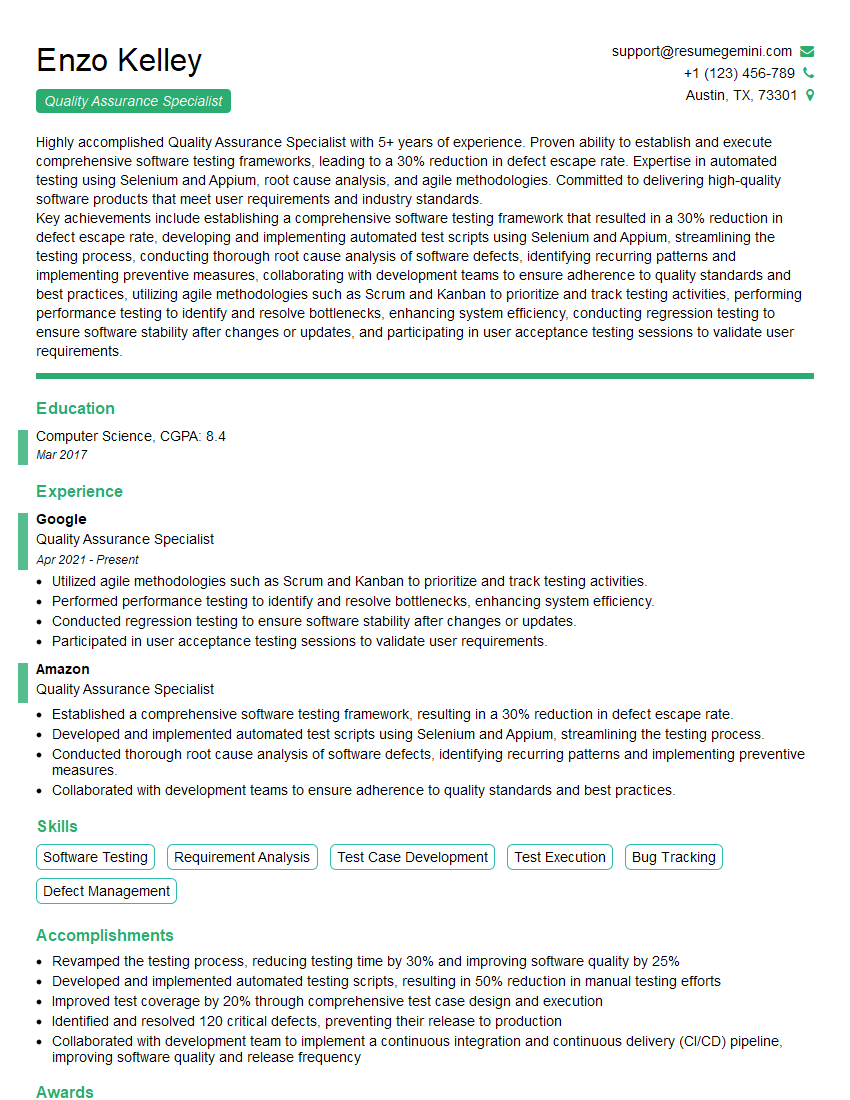
Quality Assurance Specialist Resume Sample
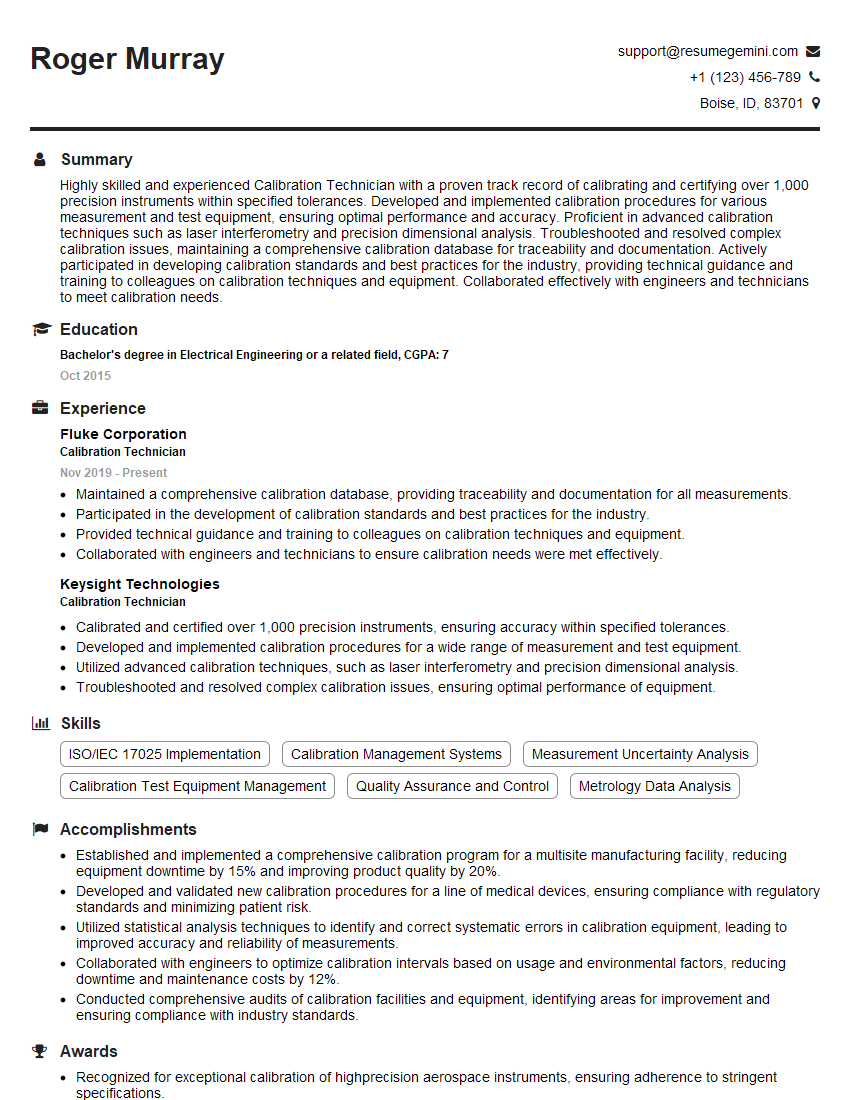
Calibration Technician Resume Sample
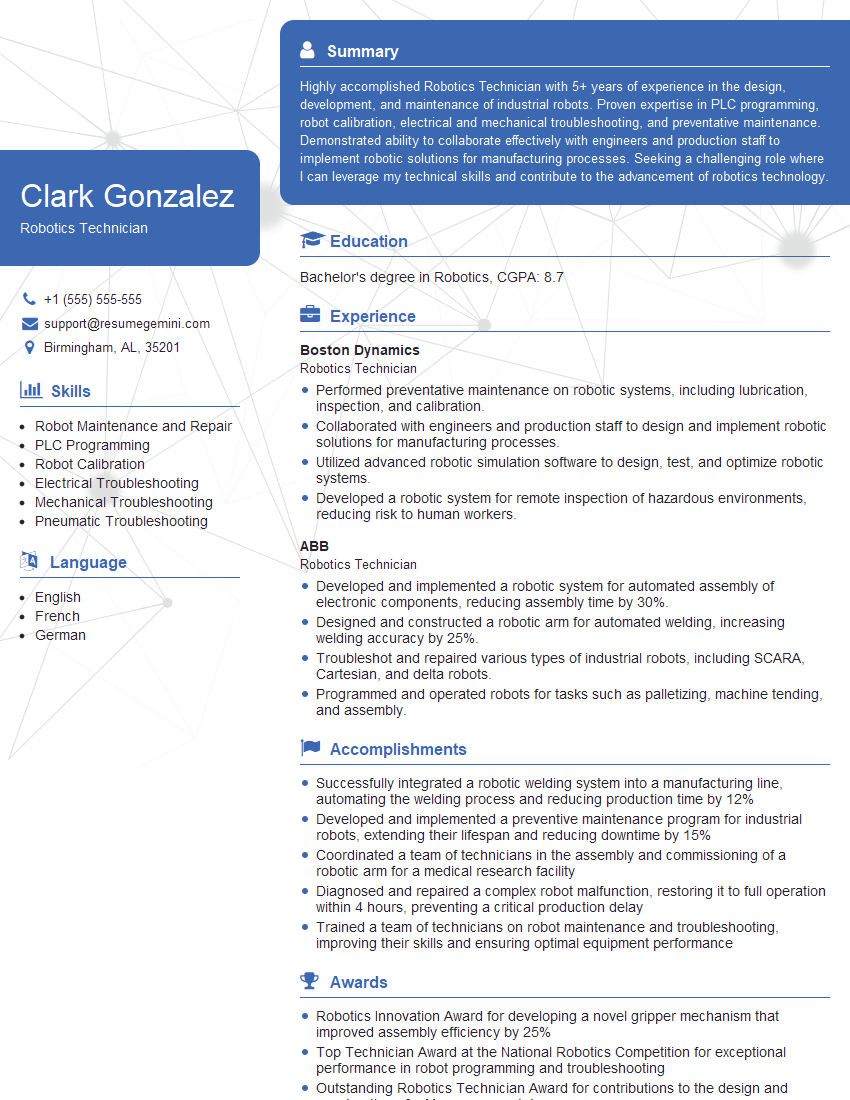
Robotics Technician Resume Sample
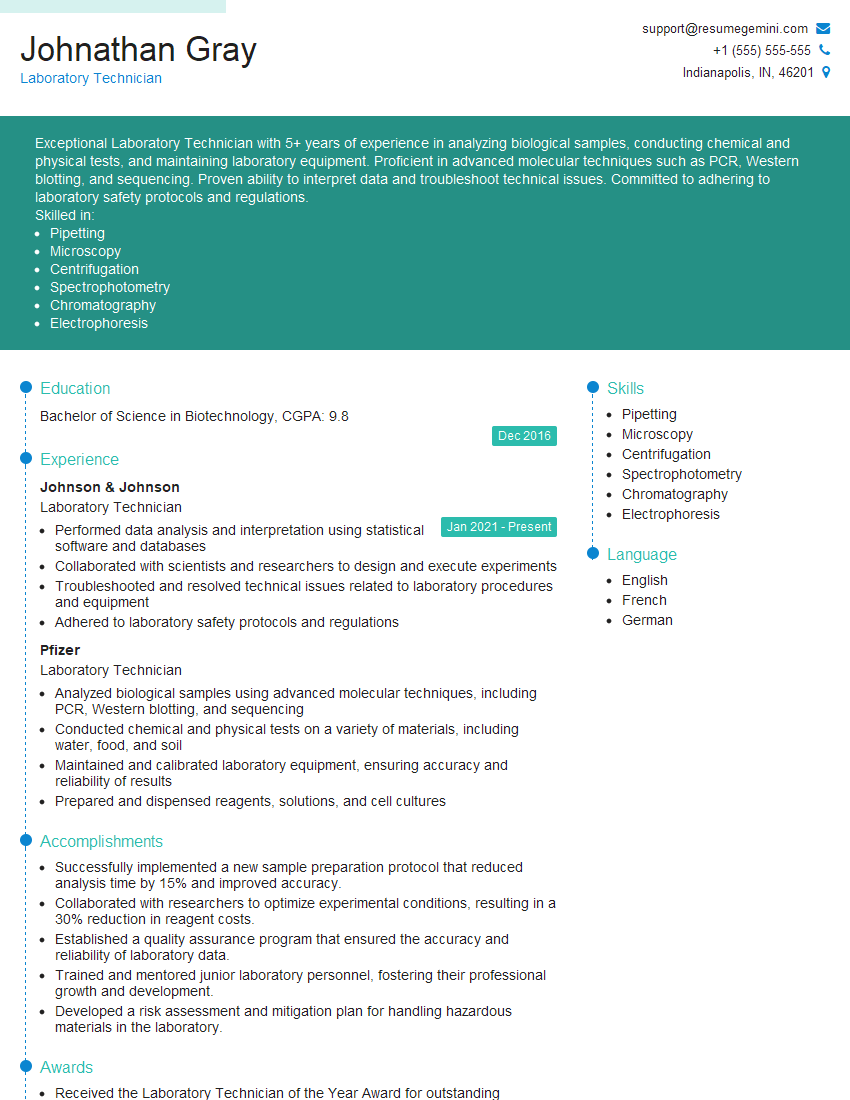
Laboratory Technician Resume Sample
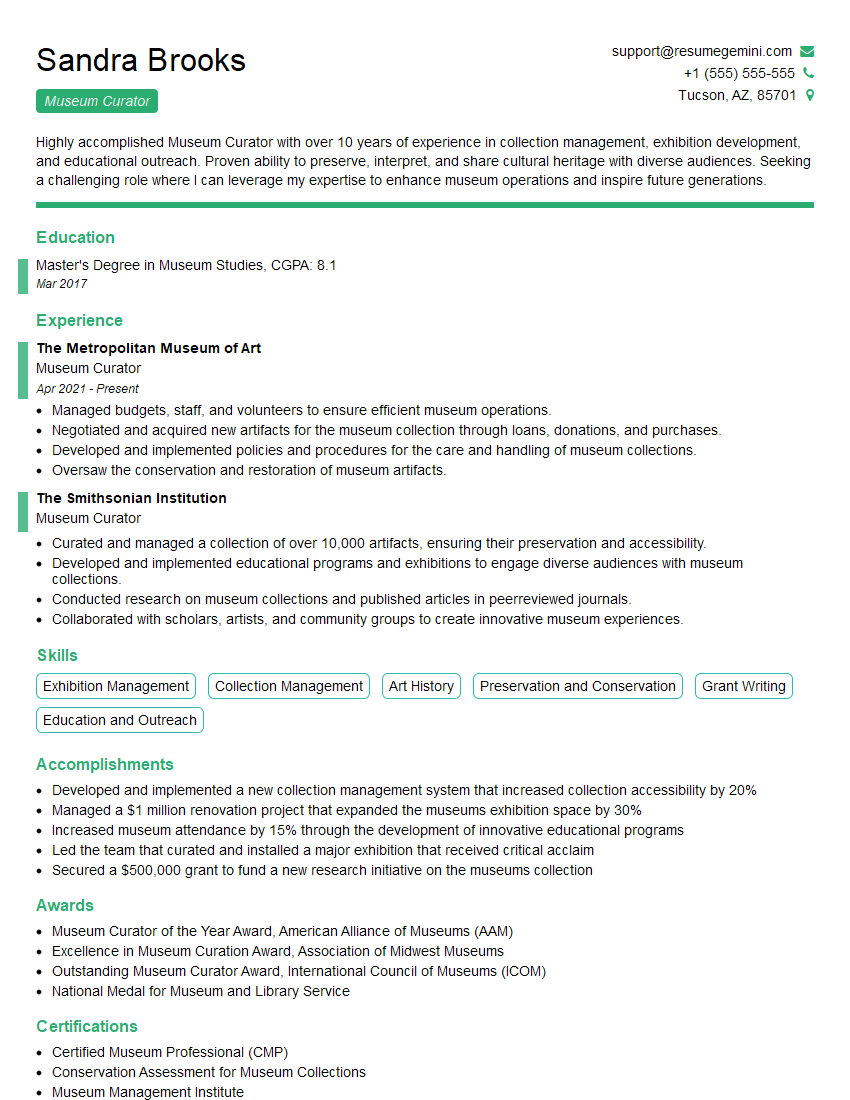
Museum Curator Resume Sample
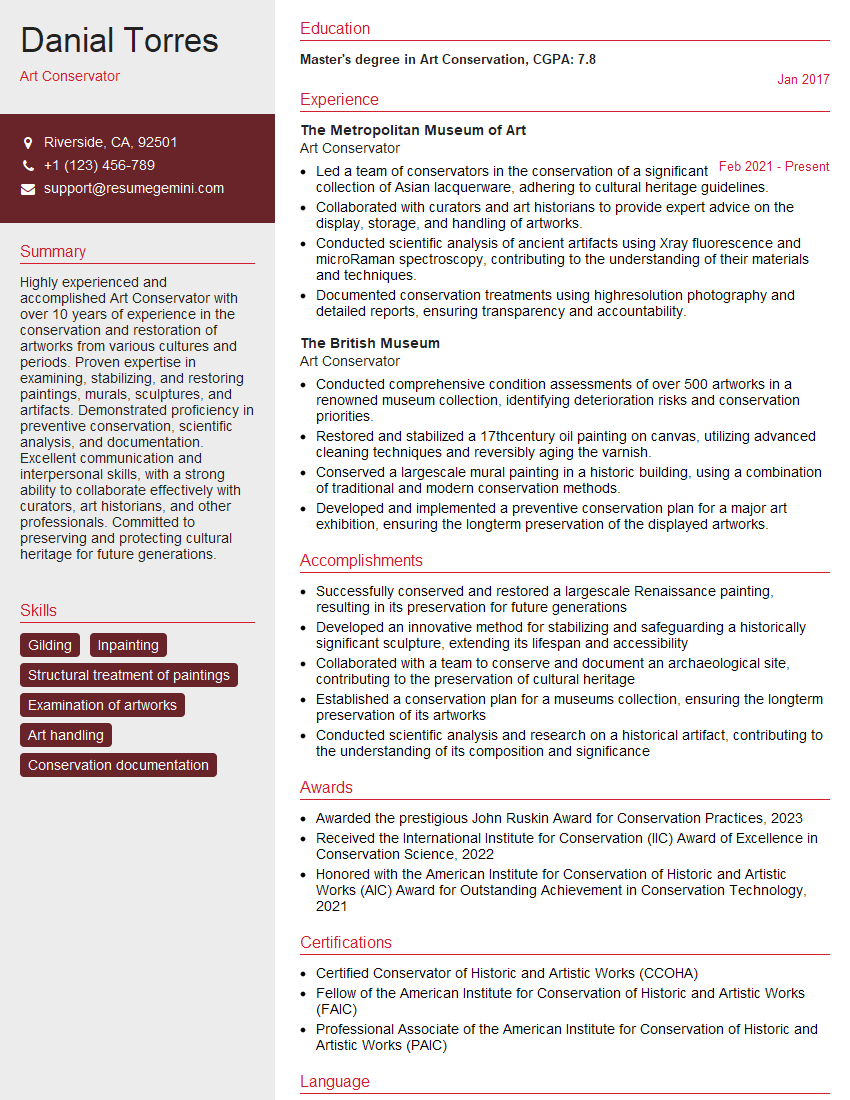
Art Conservator Resume Sample
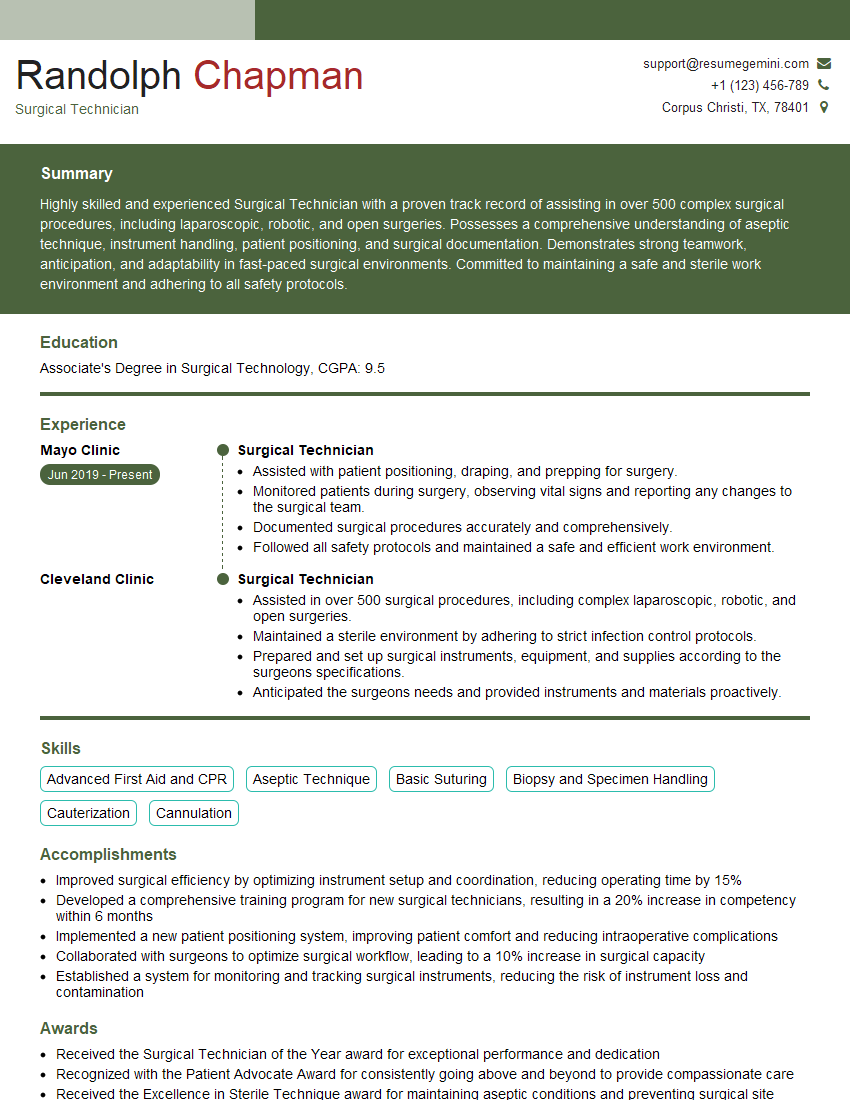
Surgical Technician Resume Sample
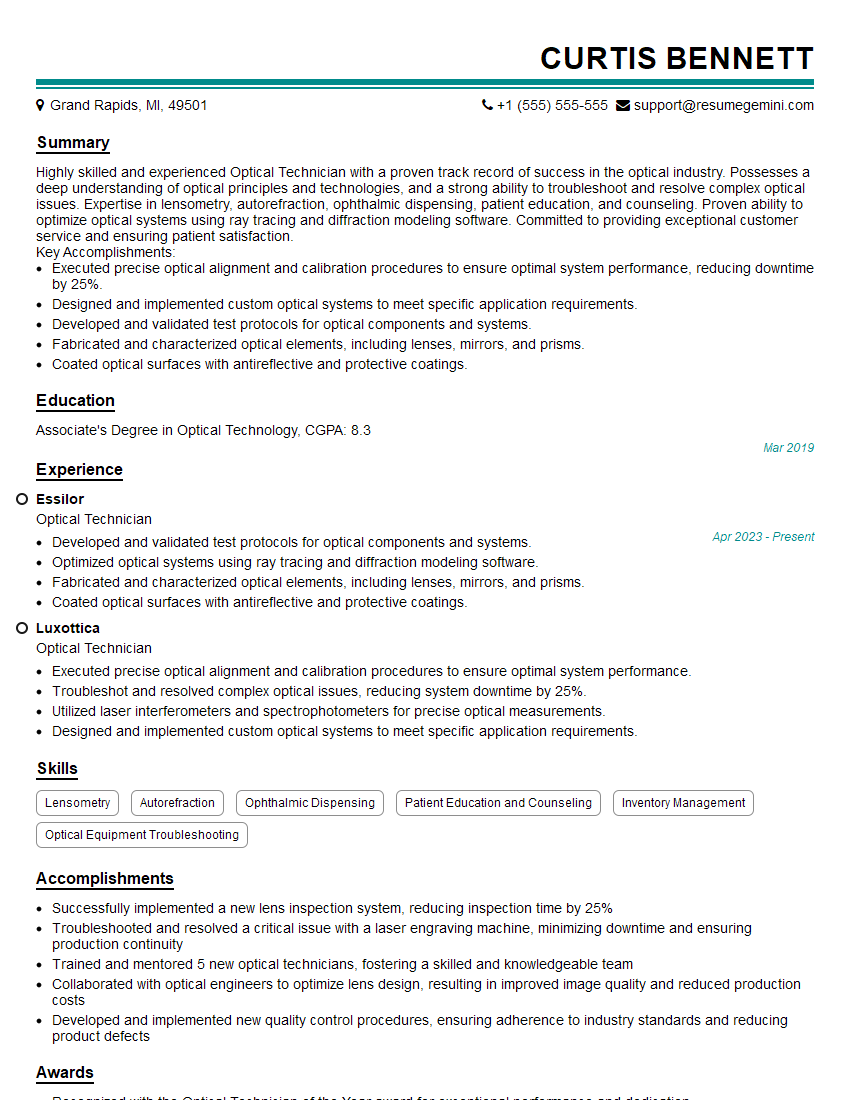
Optical Technician Resume Sample
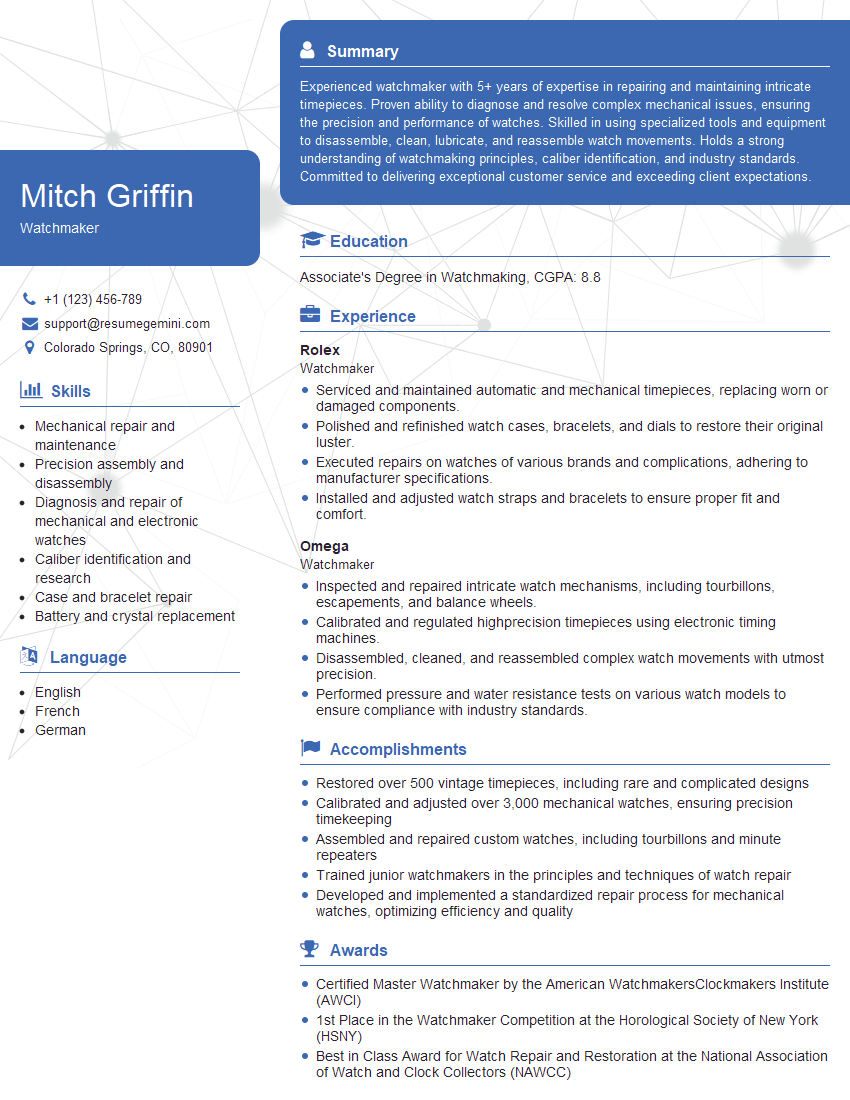
Watchmaker Resume Sample
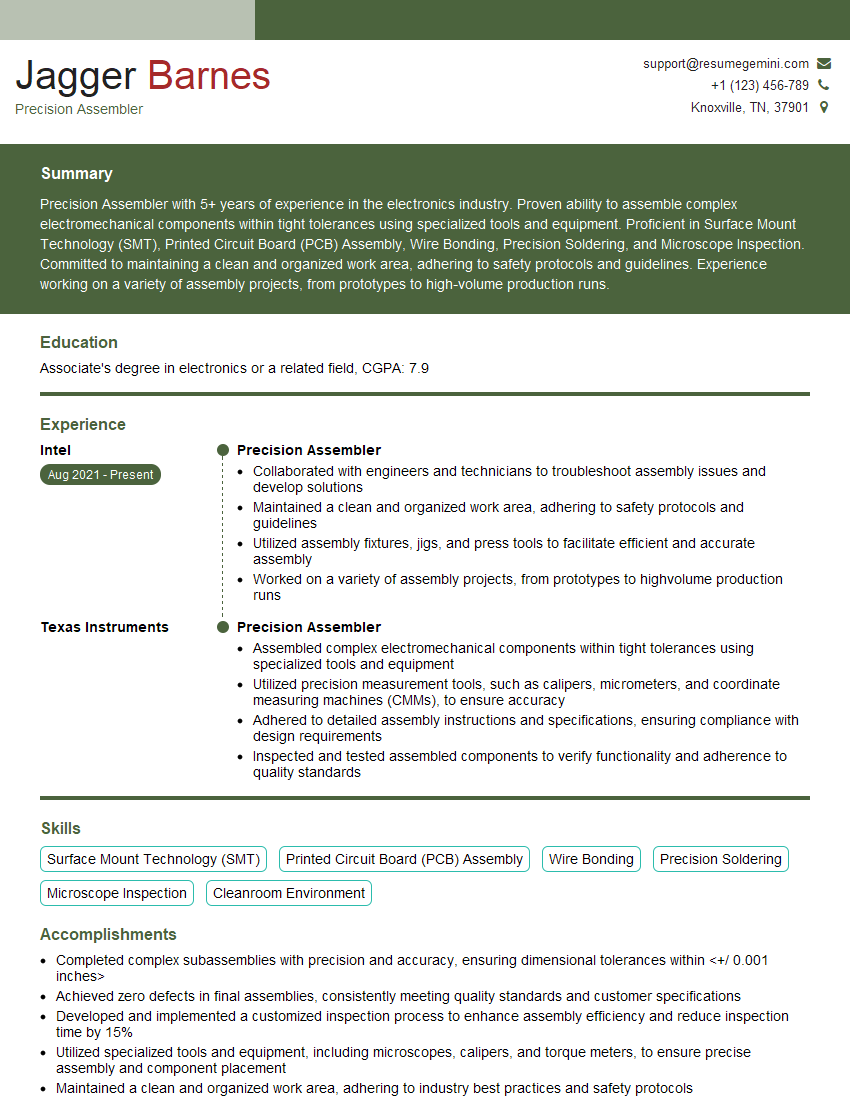
Precision Assembler Resume Sample
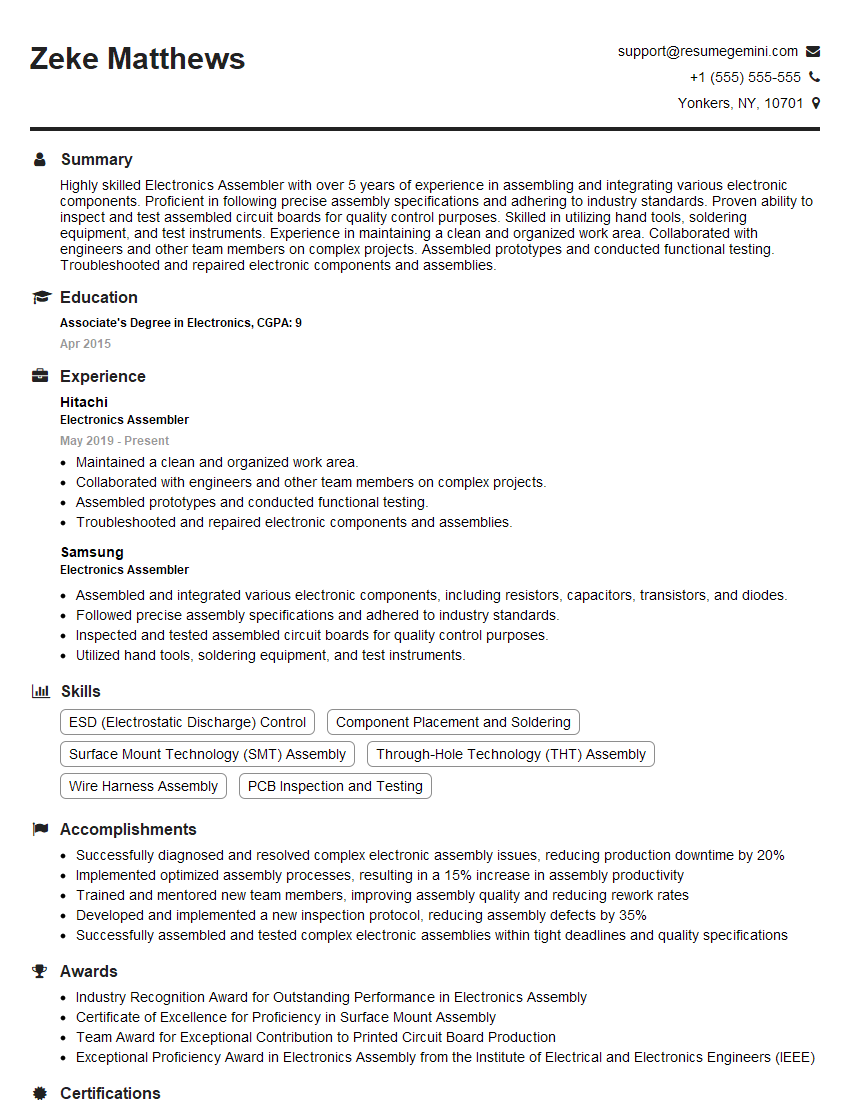
Electronics Assembler Resume Sample

Quality Control Inspector Resume Sample
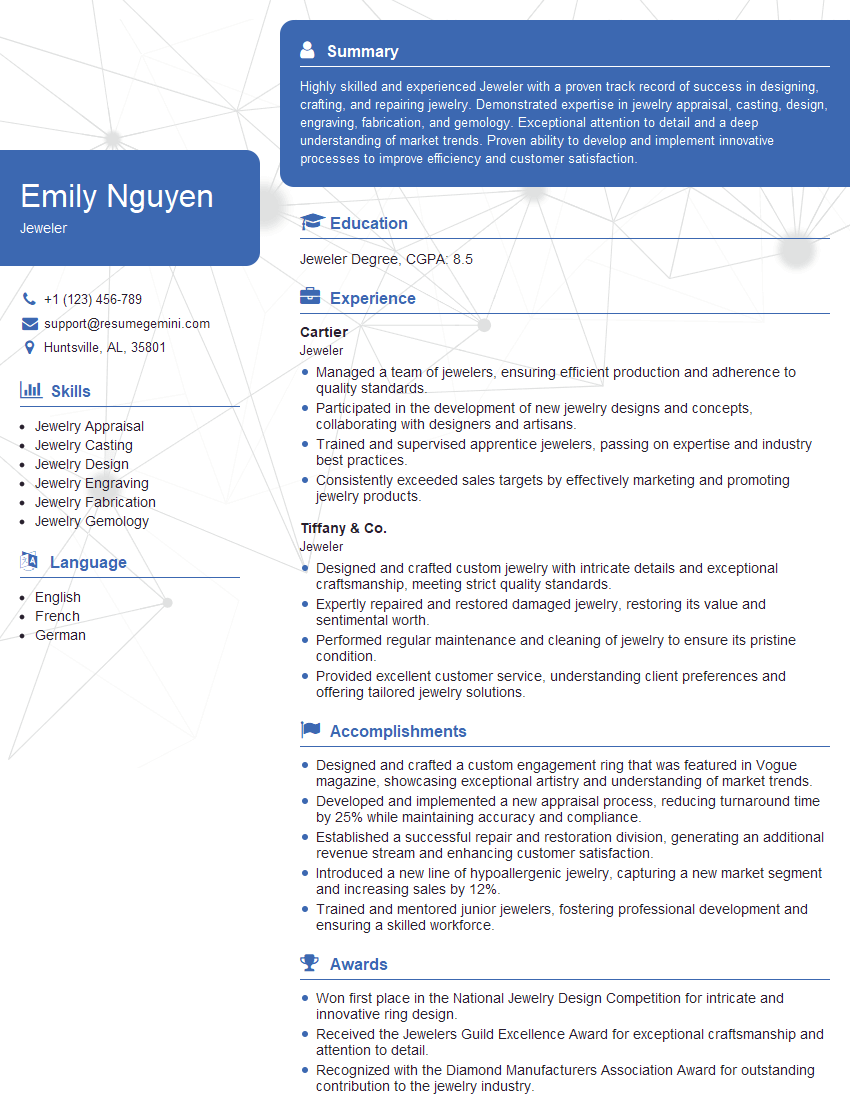
Jeweler Resume Sample
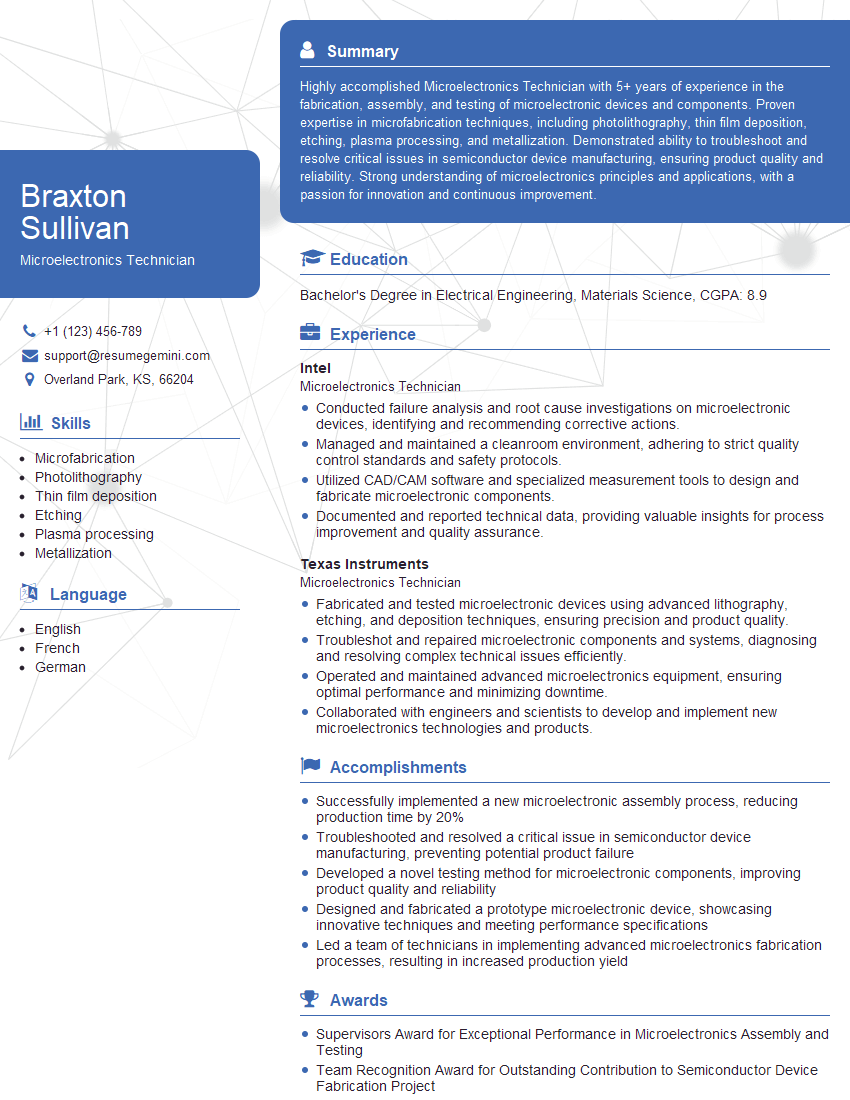
Microelectronics Technician Resume Sample
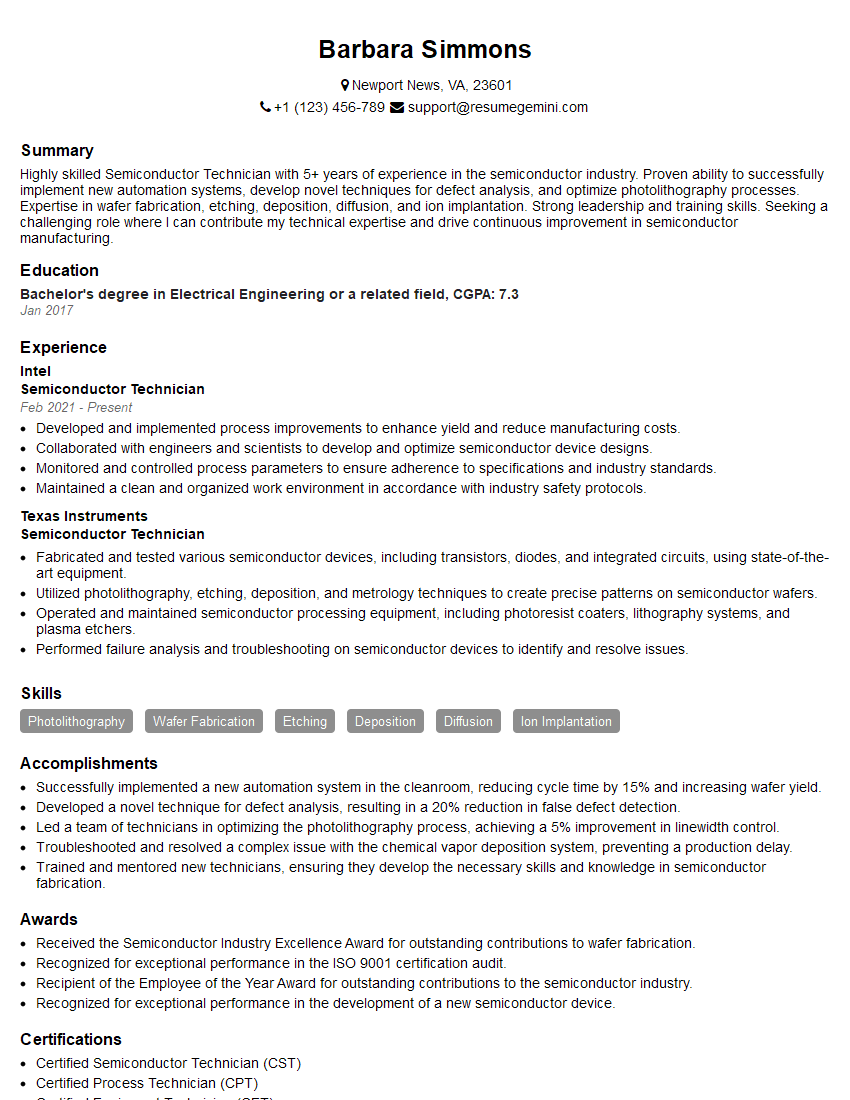
Semiconductor Technician Resume Sample
- Quality Assurance Specialist
- Calibration Technician
- Robotics Technician
- Laboratory Technician
- Museum Curator
- Art Conservator
- Surgical Technician
- Optical Technician
- Watchmaker
- Precision Assembler
- Electronics Assembler
- Quality Control Inspector
- Jeweler
- Microelectronics Technician
- Semiconductor Technician
Explore more articles
Users Rating of Our Blogs
Share Your Experience
We value your feedback! Please rate our content and share your thoughts (optional).
What Readers Say About Our Blog
Amazing blog
hello,
Our consultant firm based in the USA and our client are interested in your products.
Could you provide your company brochure and respond from your official email id (if different from the current in use), so i can send you the client’s requirement.
Payment before production.
I await your answer.
Regards,
MrSmith
hello,
Our consultant firm based in the USA and our client are interested in your products.
Could you provide your company brochure and respond from your official email id (if different from the current in use), so i can send you the client’s requirement.
Payment before production.
I await your answer.
Regards,
MrSmith
These apartments are so amazing, posting them online would break the algorithm.
https://bit.ly/Lovely2BedsApartmentHudsonYards
Reach out at BENSON@LONDONFOSTER.COM and let’s get started!
Take a look at this stunning 2-bedroom apartment perfectly situated NYC’s coveted Hudson Yards!
https://bit.ly/Lovely2BedsApartmentHudsonYards
Live Rent Free!
https://bit.ly/LiveRentFREE
Interesting Article, I liked the depth of knowledge you’ve shared.
Helpful, thanks for sharing.
Hi, I represent a social media marketing agency and liked your blog
Hi, I represent an SEO company that specialises in getting you AI citations and higher rankings on Google. I’d like to offer you a 100% free SEO audit for your website. Would you be interested?