The thought of an interview can be nerve-wracking, but the right preparation can make all the difference. Explore this comprehensive guide to Skilled in Using Hand and Power Tools interview questions and gain the confidence you need to showcase your abilities and secure the role.
Questions Asked in Skilled in Using Hand and Power Tools Interview
Q 1. What safety precautions do you take when using power tools?
Safety is paramount when using power tools. My approach is based on a three-pronged strategy: preparation, execution, and post-use. Preparation includes a thorough inspection of the tool itself – checking for loose parts, damaged cords, and ensuring all guards are properly in place. I always wear appropriate personal protective equipment (PPE), including safety glasses, hearing protection, and work gloves. The type of PPE can vary depending on the task; for example, a dust mask is crucial when working with materials that create fine dust. For tasks involving flying debris, a face shield might be added to the safety glasses.
During execution, I maintain a firm grip on the tool, keeping my body balanced and clear of the cutting path. I never force the tool, as this can lead to kickback or injury. I always focus on the task at hand, avoiding distractions. After completing the task, I always unplug the power tool before cleaning or storing it. I regularly inspect the tool for any signs of wear and tear and replace worn-out parts promptly.
For example, when using a circular saw, I always use a push stick to guide the material close to the blade, keeping my fingers safe from the cutting area. When operating a router, I make sure the depth stop is correctly adjusted to avoid damaging the workpiece or myself.
Q 2. Describe your experience with various types of saws (circular, miter, reciprocating).
I have extensive experience with various saws. Circular saws are my workhorse for straight cuts in wood and other materials. I’m proficient in adjusting the blade depth and bevel for precise cuts, and I understand the importance of using the correct blade for the material being cut. Miter saws offer unparalleled accuracy for angled cuts, essential for framing and trim work. I regularly use these for creating precise joints in woodworking projects, ensuring the blade is correctly aligned and the fence is secure. Reciprocating saws, with their versatility, are perfect for demolition, cutting curves, and reaching tight spaces where other saws are less effective. I’ve used them extensively for both rough cutting and more delicate work, understanding how to change blades quickly and safely for different materials.
Imagine building a birdhouse – I’d use the circular saw for cutting the main pieces of wood to size, the miter saw for precisely cutting the angled pieces that form the roof, and the reciprocating saw to carefully cut the entry hole. Each saw has a specific role to maximize efficiency and accuracy.
Q 3. How do you maintain hand tools to ensure their longevity and safety?
Maintaining hand tools is crucial for their longevity and, more importantly, my safety. Regular cleaning is the first step. I use a wire brush to remove sawdust and debris from tools like chisels and screwdrivers. For rust prevention, I apply a thin coat of oil to the metal parts, ensuring the joints are lubricated and move freely. Sharpening is another essential aspect; I regularly hone my chisels and plane blades using sharpening stones to maintain a sharp edge. This not only improves the tool’s performance but also significantly reduces the risk of slips and accidents.
A dull chisel, for instance, is much more likely to slip and cause injury than a sharp one. Similarly, a rusty wrench can slip, damaging the workpiece or leading to a hand injury. Proper storage is the final piece of the puzzle; tools are kept in a dry, organized location to prevent rust and damage. A well-maintained tool is not only more efficient but is a vital element of a safe working environment.
Q 4. Explain the proper use and maintenance of a drill press.
The drill press is a versatile and powerful tool for precise drilling operations. Before using it, I always check that the chuck is securely tightened and the drill bit is firmly clamped. I adjust the height of the table to ensure the bit is positioned correctly relative to the workpiece, preventing a damaging collision. The speed is crucial, so I select the appropriate speed setting for the material and the drill bit, avoiding excessive speed, which could lead to burning the wood or breaking the bit. After drilling, I always carefully remove the drill bit and clean the chuck. Regular maintenance includes lubricating moving parts and keeping the area around the drill press clean and free from debris.
For example, when drilling a pilot hole for a large screw in hardwood, I’d start with a small drill bit at a slower speed to avoid splitting the wood. Then I would increase the drill bit size gradually as needed. After finishing, lubricating moving parts helps prevent wear and tear, ensuring a long tool life.
Q 5. What are the differences between different types of wood screws and how do you choose the right one?
Wood screws come in various types, each suited for different applications. The most common types include Phillips head, slotted head, and Robertson (square) head. Phillips and slotted heads are very common, with Phillips heads being preferred in most cases due to their resistance to cam-out (the screw slipping from the screwdriver). Robertson head screws are less prone to cam-out. Beyond the head type, screw length and material matter. The material, typically steel or brass, determines corrosion resistance and strength. Length selection depends on the thickness of the wood and the desired penetration.
Choosing the right screw involves considering the wood type, its density, and the intended function. For example, I would use a longer, thicker screw for attaching heavier components to dense hardwoods and a shorter, thinner screw for joining softer woods like pine. Using the wrong type of screw will either result in stripping the screw head or failing to provide the necessary strength for the intended application.
Q 6. Describe your experience with different types of hammers and their applications.
My experience with hammers spans various types, each with its unique application. The claw hammer is my go-to for general carpentry tasks like driving nails and removing them. Its claw is invaluable for demolition work. A ball-peen hammer, with its rounded peen, is perfect for shaping metal. I use it for riveting or setting punches. A mallet, typically made from wood or rubber, is gentler and is ideal for tasks where you need to avoid damaging the workpiece. For example, using a mallet to gently set a mortise and tenon joint prevents damage to the wood.
Consider building a cabinet – the claw hammer would be perfect for assembling the frame, the mallet for fine work, and even the ball-peen hammer could assist in creating metal hinges. Choosing the right hammer minimizes damage and optimizes performance.
Q 7. How do you measure and cut materials accurately using hand tools?
Accurate measurement and cutting with hand tools require precision and patience. I start by carefully measuring the material using a reliable tape measure, ensuring the measurement is accurate and double-checked. For straight cuts, I use a combination square and marking gauge to transfer the measurements onto the material. Marking accurately ensures a clean, precise cut. Then, I use the appropriate hand saw (hand saw, tenon saw, coping saw depending on the material and cut) and cut along the marked line, guiding the saw steadily and smoothly to avoid tearing the wood. Checking for squareness throughout and making adjustments as necessary is crucial for accurate results.
For example, if I need to cut a precise 45-degree angle on a piece of wood for a picture frame, I would use a miter box and back saw, ensuring that the blade is aligned correctly with the guides in the miter box to achieve that angle. If needed, I use a plane to fine-tune the cut if it is slightly off. Patience, steady hands, and the right tool for the job are key.
Q 8. What are the safety measures you would take when using a grinder?
Safety is paramount when using a grinder, a powerful tool capable of causing serious injury. My approach involves a multi-layered safety protocol. First, I always inspect the grinder before use, checking for damage to the guard, ensuring the wheel is properly secured and not cracked or worn, and confirming that the power cord is intact. I then select the appropriate grinding wheel for the material I’m working with – a crucial step often overlooked. Using the wrong wheel can lead to catastrophic failure.
Secondly, I always wear appropriate personal protective equipment (PPE), including safety glasses with side shields (to protect against flying debris), hearing protection (grinders are incredibly loud), a respirator mask (to prevent inhaling dust and metal particles), and work gloves. A sturdy apron or jacket provides further protection.
Thirdly, I maintain a secure grip on the grinder, using both hands to control it, avoiding sudden movements or excessive pressure. I also ensure the work area is well-lit, clean, and free of obstacles to prevent trips and falls. The workpiece should be securely clamped or held in a vise to minimize movement. Finally, I always turn the grinder off and allow it to come to a complete stop before setting it down or making any adjustments.
For example, during a recent project involving the grinding of stainless steel, I meticulously followed these steps, resulting in a smooth, clean finish and a zero-incident outcome. Neglecting any of these measures could have easily resulted in a serious injury.
Q 9. Explain your experience working with various types of metal.
My experience encompasses a wide range of metals, from soft materials like aluminum and copper to harder materials such as steel, stainless steel, and cast iron. I’m comfortable working with ferrous (iron-containing) and non-ferrous metals, each requiring different techniques and tools. For instance, aluminum is relatively easy to cut and shape, requiring less force and a sharper cutting tool, while steel demands more power and specialized cutting equipment like a metal-cutting saw or a grinder with a metal-cutting disc.
Working with stainless steel requires even more care due to its hardness and tendency to work-harden. I understand the importance of selecting the correct cutting fluid to prevent overheating and maintain a clean cut. Cast iron, on the other hand, is brittle and requires careful handling to prevent chipping or fracturing. I’ve learned to adjust my techniques accordingly, adapting my approach based on the specific properties of the metal. My experience also includes working with exotic metals in limited cases, always ensuring that I thoroughly research the proper safety and handling procedures before starting any work.
Q 10. Describe your experience with different types of welding equipment.
My welding experience includes proficiency in various welding processes, including MIG (Metal Inert Gas), TIG (Tungsten Inert Gas), and stick welding. I’m familiar with the operation and maintenance of various welding equipment, including power sources, torches, and safety gear. I’m comfortable setting up and adjusting the welding parameters based on the base material and desired weld characteristics.
MIG welding, for example, is ideal for fast, high-volume work, while TIG welding provides superior control and precision for intricate work. Stick welding, though often less precise, is versatile and suitable for outdoor work or in situations where access to power is limited. I understand the importance of safety precautions in welding – wearing appropriate PPE like a welding helmet, gloves, and flame-retardant clothing – and I am adept at managing the hazards of sparks, fumes, and extreme heat. I regularly inspect my equipment to ensure it is functioning correctly and safely, a habit which prevents accidents and ensures high-quality welds.
Q 11. How do you troubleshoot common problems with power tools?
Troubleshooting power tools starts with a systematic approach. First, I check the power source – ensuring the outlet is working and the cord is not damaged. Next, I examine the tool itself for any obvious problems, such as loose connections, damaged parts, or a jammed mechanism. A simple visual inspection often reveals the issue.
If the problem persists, I refer to the tool’s manual for troubleshooting steps and diagrams. I may also check for any safety interlocks or switches that might have inadvertently been triggered. For example, if a circular saw won’t start, it may be a simple matter of resetting the safety switch or replacing a worn brush. A jammed drill may require cleaning out debris from the chuck. For more complex problems, I will utilize online resources and consult with experienced colleagues to gain a broader understanding of the potential repair needs.
However, if the problem is beyond my expertise, I will not attempt a risky repair, instead opting to have the tool serviced by a qualified technician. Safety is always the priority.
Q 12. What is your experience with using measuring tools such as tape measures, levels, and squares?
Accurate measurements are fundamental to any construction or fabrication project. I’m proficient in using a variety of measuring tools, including tape measures, levels, and squares. I understand the limitations of each tool and how to choose the appropriate one for a given task. A tape measure is used for linear measurements, levels ensure surfaces are horizontal or vertical, and squares ensure angles are perfectly 90 degrees.
For instance, when constructing a cabinet, I’ll use a tape measure to determine the dimensions of the pieces, a level to ensure the cabinet is square and plumb, and a square to ensure the corners are right angles. My experience has taught me to double-check measurements and verify accuracy before proceeding with any cuts or assembly. A simple mistake in measurement can easily lead to significant problems down the line, highlighting the importance of precision.
Q 13. How do you read and interpret blueprints or schematics related to your work?
Reading and interpreting blueprints and schematics is a crucial skill. I can efficiently understand various types of technical drawings, including orthographic projections, isometric drawings, and assembly diagrams. I start by identifying the key elements of the drawing, such as dimensions, tolerances, and material specifications.
For example, I would carefully analyze dimensions to determine the size and shape of individual components and their relationships to one another. Understanding tolerances is vital for ensuring proper fit and function. Material specifications help in selecting the appropriate materials for the project. I regularly use such blueprints to construct custom jigs, fixtures, and parts in my work, ensuring complete accuracy and precise functionality in the final product.
Q 14. Describe your experience working with different types of fasteners (nails, bolts, screws).
My experience with fasteners encompasses a wide variety of types, including nails, bolts, screws, rivets, and other specialized fasteners. I understand the different applications and advantages of each type. For example, nails are suitable for quick, temporary fastening, while screws offer greater strength and adjustability. Bolts provide superior strength and reusability for heavier-duty applications.
I’m familiar with various screw drives (Phillips, flathead, Torx, etc.) and know how to select the correct size and type of fastener based on the material and application. I also understand the importance of using the proper torque when tightening bolts to prevent stripping or damage. In a recent project involving the assembly of a complex mechanical fixture, I carefully selected each type of fastener based on its application, leading to a robust and reliable final product. This careful selection ensured that every component was securely held in place, even under stress.
Q 15. What are the different types of woodworking joints and how are they created?
Woodworking joints are the crucial connections that hold pieces of wood together. The choice of joint depends heavily on the project’s structural requirements and aesthetic goals. There’s a huge variety, but some common ones include:
- Butt Joint: The simplest, where two ends meet squarely. It’s weak on its own but strengthened with glue, screws, or dowels. Think of a simple picture frame.
- Lap Joint: One piece overlaps the other, creating a stronger connection than a butt joint. Variations include half-lap, where both pieces are equally recessed, and miter lap, using angled cuts.
- Dovetail Joint: A very strong and visually appealing joint, featuring interlocking ‘tails’ and ‘pins’. Traditionally hand-cut, but machines can also create them. Common in drawers and fine furniture.
- Mortise and Tenon Joint: A strong joint where a projecting ‘tenon’ fits into a mortise (a hole). Variations exist, including through tenons, blind tenons, and wedged tenons. Think of chair legs and table legs.
- Dado Joint: A groove (dado) is cut into one piece of wood to accept a piece of wood (typically a shelf). This is a very strong shelf support.
Creating these joints involves precise measurement, marking, and cutting using various tools like hand saws, chisels, routers, and joiners. Accuracy is paramount for a strong and aesthetically pleasing joint. For example, a poorly cut dovetail will be weak and unattractive.
Career Expert Tips:
- Ace those interviews! Prepare effectively by reviewing the Top 50 Most Common Interview Questions on ResumeGemini.
- Navigate your job search with confidence! Explore a wide range of Career Tips on ResumeGemini. Learn about common challenges and recommendations to overcome them.
- Craft the perfect resume! Master the Art of Resume Writing with ResumeGemini’s guide. Showcase your unique qualifications and achievements effectively.
- Don’t miss out on holiday savings! Build your dream resume with ResumeGemini’s ATS optimized templates.
Q 16. How do you ensure the safety of yourself and others when working at heights?
Safety at heights is non-negotiable. It requires a multi-layered approach. Before starting any work, I always assess the risks. This includes checking the structural integrity of the platform, ensuring proper access points, and identifying potential hazards like overhead power lines or unstable ground.
I always use appropriate fall protection equipment, such as a harness and lanyard connected to a robust anchor point. This is especially crucial if working above a certain height (regulations vary by location, so I always check local rules). When possible, I use scaffolding that’s properly erected and inspected. When using ladders, I make sure they are properly placed, on stable ground and that I’m aware of my center of gravity and have a spotter when necessary.
Communication is key. If working with a team, we establish clear communication protocols to avoid accidents. For example, we may use hand signals or radios to coordinate movements, ensuring everyone is aware of what’s happening and where everyone is positioned. Regular safety check-ins are part of our routine.
Q 17. Describe your experience with using pneumatic tools.
I have extensive experience using a wide range of pneumatic tools, including nail guns, staple guns, impact wrenches, and sanders. I’m familiar with their operation, maintenance, and safety precautions.
For instance, I’ve used pneumatic nail guns extensively in framing and decking projects, appreciating their speed and efficiency in driving nails accurately. I know the importance of regularly lubricating the tools, checking air pressure, and ensuring the safety mechanisms are functioning correctly to prevent accidental firing. Impact wrenches are invaluable for quickly tightening or loosening nuts and bolts, especially in automotive applications. I am confident in performing maintenance on these tools and troubleshooting issues.
Safety is paramount. I always wear appropriate eye and ear protection, and ensure the air compressor is correctly maintained and situated away from work zones to reduce the risk of tripping.
Q 18. What is your experience with using hydraulic tools?
My experience with hydraulic tools is primarily focused on larger-scale projects, involving heavy machinery. While I haven’t used them daily, I am familiar with their operation and safety protocols. This includes understanding the pressure systems and how to use and maintain hydraulic jacks, presses, and various lifting equipment.
For example, I’ve assisted in projects requiring the use of hydraulic presses for bending or shaping large pieces of metal, or hydraulic jacks for lifting heavy loads during construction. I always prioritize safety checks before using hydraulic tools, verifying the equipment is properly maintained and the pressure gauges are operating within specified ranges. It’s crucial to understand the potential risks associated with high-pressure systems. Improper operation or maintenance can lead to serious injuries. I understand proper procedures, safety equipment needs and emergency response measures.
Q 19. How do you handle unexpected issues or malfunctions while using tools?
When unexpected issues or malfunctions arise, my first priority is safety. I immediately shut down the tool and assess the situation, ensuring there are no immediate dangers to myself or others. I never attempt to force a malfunctioning tool to operate.
Next, I troubleshoot the problem systematically. This may involve checking for simple issues like a clogged air filter, dull blades, or loose connections. If I can’t identify the problem or resolve it safely, I’ll consult the tool’s manual or seek assistance from a more experienced colleague or professional. I document the issue and any corrective actions taken for future reference. Learning from mistakes is a key part of my growth and development as a skilled tradesperson.
For example, if a circular saw blade binds, I immediately turn it off and investigate the cause. Is the wood too hard? Is the blade dull or damaged? Addressing this immediately prevents injuries and improves the quality of the finished project.
Q 20. What is your experience working with different types of adhesives?
I have experience with a range of adhesives, including wood glues (like PVA and polyurethane), epoxy resins, and construction adhesives. The choice of adhesive depends heavily on the materials being bonded, the required strength, and the environmental conditions.
For example, PVA glue is excellent for general woodworking, providing a strong bond that’s easily cleaned up. Epoxy resins are ideal for high-strength bonds, filling gaps, or joining dissimilar materials. Construction adhesives are useful for a quick grab in various projects, though often needing more time for full curing strength. I understand the importance of following the manufacturer’s instructions regarding application, curing time, and clamping pressure. Proper surface preparation is also critical for a successful bond. Poor preparation can lead to adhesive failure.
Q 21. What type of personal protective equipment (PPE) do you use while using hand and power tools?
Personal Protective Equipment (PPE) is essential for my safety and is always prioritized. The specific PPE I use depends on the task. However, some items are consistently used:
- Safety Glasses or Goggles: To protect my eyes from flying debris.
- Hearing Protection: Earplugs or muffs to mitigate noise from power tools.
- Dust Mask or Respirator: To prevent inhalation of wood dust, particularly when sanding or using certain finishes.
- Work Gloves: To protect my hands from cuts, splinters, and abrasions.
- Safety Shoes: Steel-toed boots to protect my feet from falling objects.
- Appropriate Clothing: Long sleeves, pants, and closed-toe shoes to prevent skin exposure to sharp objects and other hazards.
In specific situations, additional PPE might be needed, such as a full-face shield when working with particularly dangerous tools or materials. Proper PPE selection is part of a professional approach to any job and ensures my safety and well-being.
Q 22. Explain your knowledge of different types of wood and their properties.
Understanding wood properties is crucial for any woodworking project. Different species possess unique characteristics impacting their workability, durability, and aesthetic appeal. For example, hardwoods like oak and maple are known for their strength, density, and beautiful grain patterns, making them ideal for furniture and flooring. They’re harder to work with, requiring sharper tools and more power. Softwoods like pine and fir are easier to cut and shape, are more readily available and less expensive, but are less durable and prone to dents.
- Hardwoods: Oak (strength, durability), Maple (hardness, smooth finish), Mahogany (rich color, fine grain), Cherry (warm color, rich tones)
- Softwoods: Pine (affordability, ease of working), Fir (straight grain, lightweight), Cedar (aromatic, rot-resistant), Redwood (durability, weather resistance)
Choosing the right wood depends on the project’s demands – a sturdy table needs a hardwood like oak, while a simple birdhouse might use readily available pine. The grain pattern also plays a role; a highly figured wood adds visual interest but may be more challenging to work with.
Q 23. How do you choose the right bit or blade for a specific task?
Selecting the correct bit or blade is paramount for achieving precise cuts, preventing tool damage, and ensuring safety. The choice depends on several factors: the material being cut (wood type, thickness), the type of cut desired (crosscut, rip cut, dado, mortise), and the specific tool being used (router, table saw, jigsaw).
- For wood: A crosscut blade has teeth designed for cutting across the grain, while a rip blade is for cutting with the grain. Dado blades create wider grooves, and mortise chisels are for precise holes.
- For routers: Bits vary widely – straight bits for straight cuts, round-over bits for curved edges, and many specialized bits for intricate profiles. The bit’s diameter and bearing size must match the project’s requirements.
For example, cutting a delicate inlay in cherry wood requires a very sharp, fine-toothed blade to avoid tearing. Conversely, roughing out a large piece of pine might use a coarser blade for speed. Always consult the manufacturer’s recommendations for specific bits and blades and their appropriate use.
Q 24. What experience do you have working with specialized tools (e.g., routers, planers)?
I have extensive experience with routers, planers, and other specialized woodworking tools. I’ve used routers for creating intricate profiles, raised panels, and decorative edges, proficiently adjusting bit depth and speed for optimal results. My experience with planers includes surfacing lumber to precise thicknesses, creating perfectly flat surfaces for joinery. I’m comfortable with various types of planers – hand planers for fine finishing work, and power planers for larger projects. I also have experience with shapers, jointers, and thickness planers.
For instance, on a recent project involving a custom entertainment center, I used a router to create a decorative cove profile along the edges of the doors, and a planer to ensure all the components were perfectly flat and parallel before assembly. This combination of tools allowed me to create a professional-looking piece with high precision.
Q 25. Describe a time you had to repair a broken tool. What steps did you take?
During a particularly demanding project, the chuck on my drill press malfunctioned, preventing me from securely clamping bits. Instead of immediately replacing it, I investigated the problem. Through careful disassembly, I discovered a worn-down clamping mechanism.
My repair involved:
- Diagnosis: Thoroughly inspecting the chuck mechanism to pinpoint the exact cause of the malfunction.
- Parts Sourcing: I found replacement parts online, specifying the exact model of my drill press to ensure compatibility.
- Reassembly: Carefully reassembling the chuck according to the manufacturer’s specifications, paying close attention to proper alignment.
- Testing: Testing the drill press with various bits to ensure the chuck was functioning correctly and clamping securely.
This repair saved time and money, showcasing my problem-solving skills and commitment to resourcefulness. It also reinforced the importance of understanding the inner workings of tools for better maintenance and repair.
Q 26. Explain the importance of regular tool maintenance and inspection.
Regular tool maintenance and inspection are critical for safety, efficiency, and the longevity of tools. Neglecting this can lead to accidents, poor quality work, and costly repairs. This involves both routine checks and more in-depth maintenance.
- Routine Checks: Regularly check for loose screws, damaged cables, worn-out cutting edges (sharpening or replacing as needed), and proper lubrication.
- In-depth Maintenance: This includes thorough cleaning after each use, removing sawdust and debris, and lubricating moving parts as per the manufacturer’s instructions. Power tools require specific care, such as inspecting cords for damage, checking electrical connections, and testing for proper grounding.
For example, a dull blade on a table saw increases the risk of kickback, a dangerous situation that can cause injury. Regular sharpening ensures clean, accurate cuts and prevents this hazard. Similarly, a poorly maintained router bit can lead to uneven cuts and damage to the work piece.
Q 27. How do you stay updated with the latest tools and technologies in your field?
Staying updated on the latest tools and technologies is crucial in this ever-evolving field. I utilize several methods to stay informed:
- Trade Publications and Magazines: I regularly read industry magazines and online publications focusing on woodworking tools and techniques.
- Industry Websites and Blogs: I follow woodworking blogs and websites that review new products and share best practices.
- Workshops and Training: I attend workshops and training sessions to gain hands-on experience with new tools and techniques.
- Networking with Peers: I engage with other woodworking professionals through online forums and local woodworking clubs, exchanging information and learning from their experiences.
This approach keeps me abreast of the latest innovations in tool design, safety features, and efficient techniques, enhancing my skills and helping me deliver top-quality workmanship.
Key Topics to Learn for Skilled in Using Hand and Power Tools Interview
- Safety Procedures and Regulations: Understanding and applying relevant safety protocols for hand and power tools, including personal protective equipment (PPE) use and hazard identification.
- Hand Tool Proficiency: Demonstrating practical knowledge and experience using various hand tools such as hammers, screwdrivers, wrenches, measuring tools, and saws. This includes understanding their proper application and maintenance.
- Power Tool Operation and Maintenance: Knowing how to safely operate common power tools like drills, saws (circular, reciprocating, miter), sanders, and routers. This involves understanding their functionality, limitations, and routine maintenance needs.
- Material Selection and Application: Demonstrating knowledge of different materials (wood, metal, plastic) and selecting the appropriate tools and techniques for each. This also includes understanding material properties and potential challenges.
- Project Planning and Execution: Explaining the ability to plan projects, measure accurately, and execute tasks efficiently and safely, considering project timelines and resource allocation.
- Troubleshooting and Problem-Solving: Describing your approach to identifying and resolving common issues encountered while using hand and power tools, such as malfunctioning equipment or material defects.
- Precision and Accuracy: Highlighting your ability to achieve precise cuts, measurements, and alignments while working with hand and power tools.
- Working with Drawings and Specifications: Demonstrating the ability to interpret technical drawings and specifications to accurately complete tasks.
Next Steps
Mastering the skilled use of hand and power tools is crucial for career advancement in many trades and technical fields. It showcases your practical skills, problem-solving abilities, and commitment to safety. To significantly increase your job prospects, create an ATS-friendly resume that highlights your expertise. ResumeGemini is a trusted resource to help you build a professional and impactful resume. Examples of resumes tailored to showcasing your skills in using hand and power tools are available to guide you. Invest time in crafting a compelling resume; it’s your first impression with potential employers.
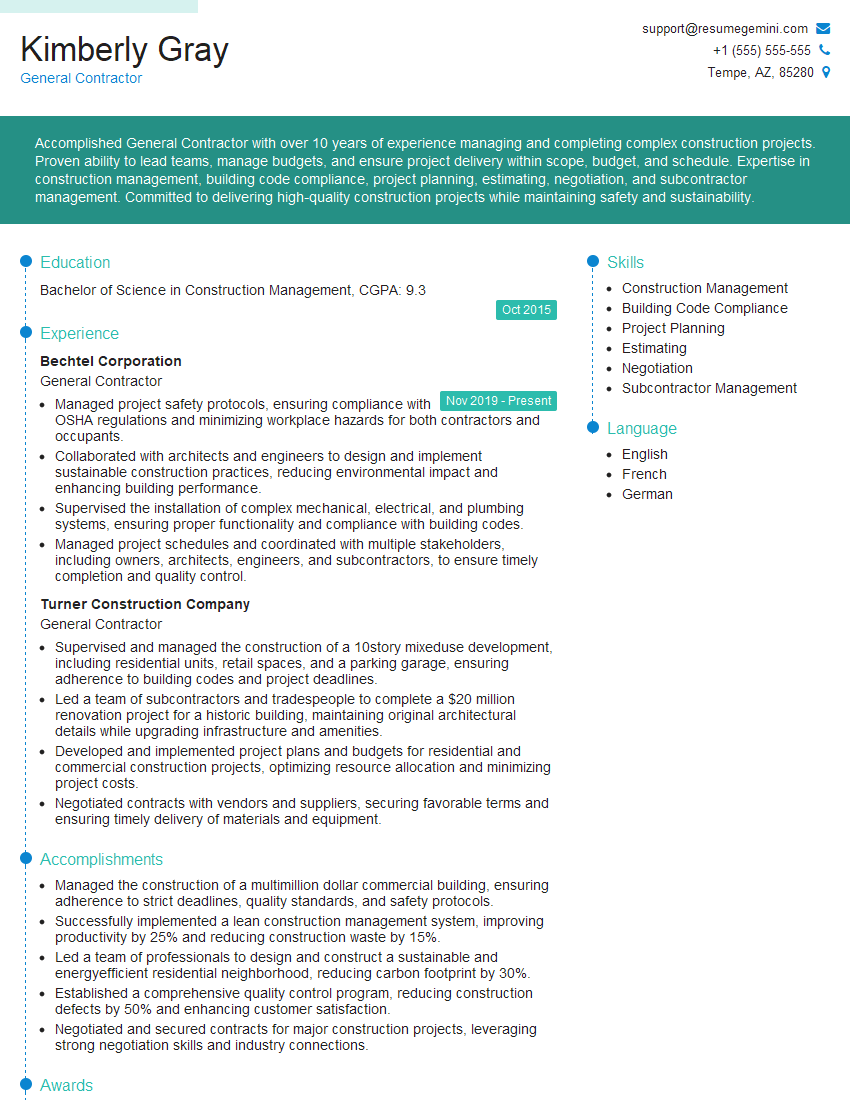
General Contractor Resume Sample
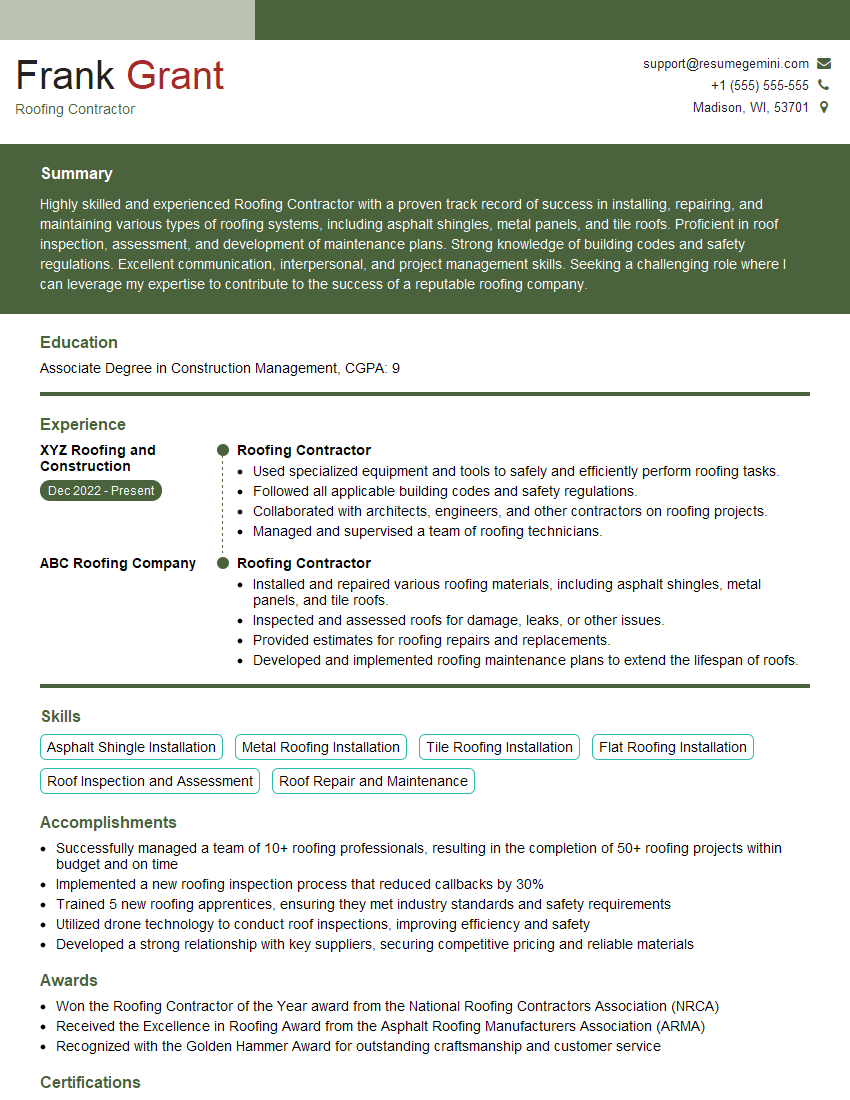
Roofing Contractor Resume Sample
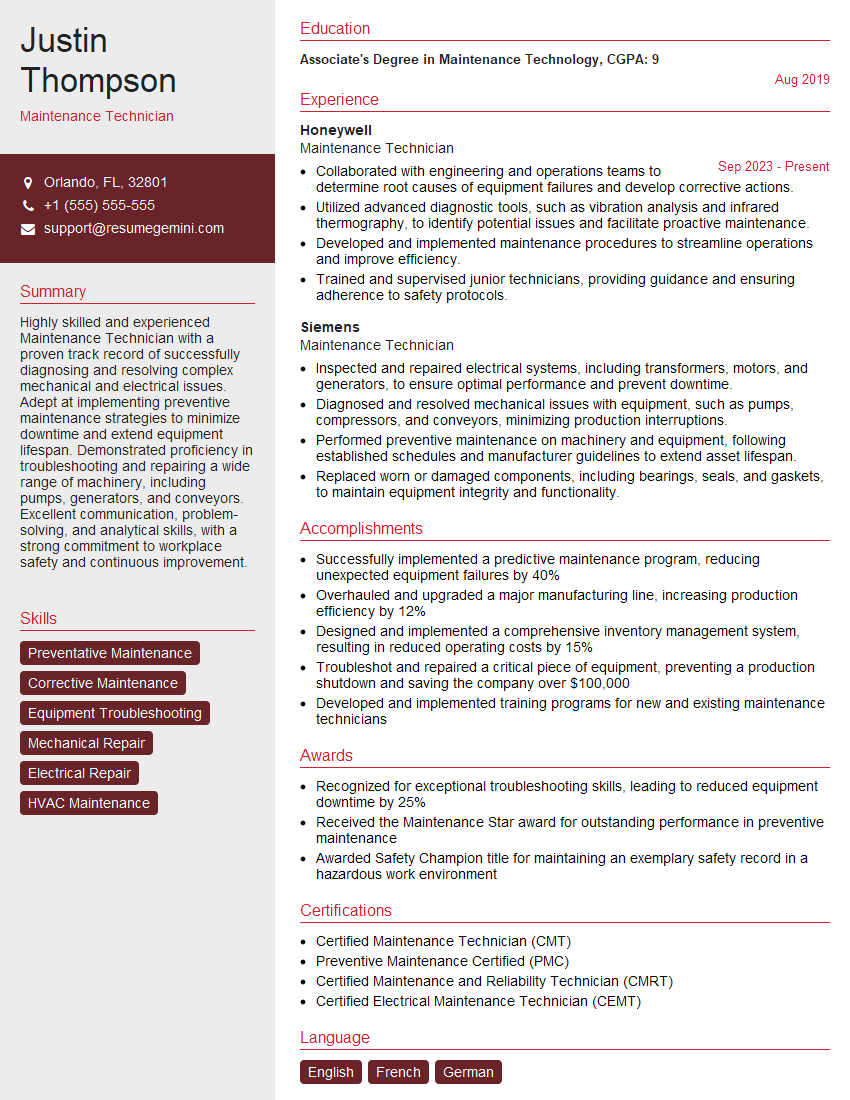
Maintenance Technician Resume Sample

Robotics Technician Resume Sample

Machinist Resume Sample
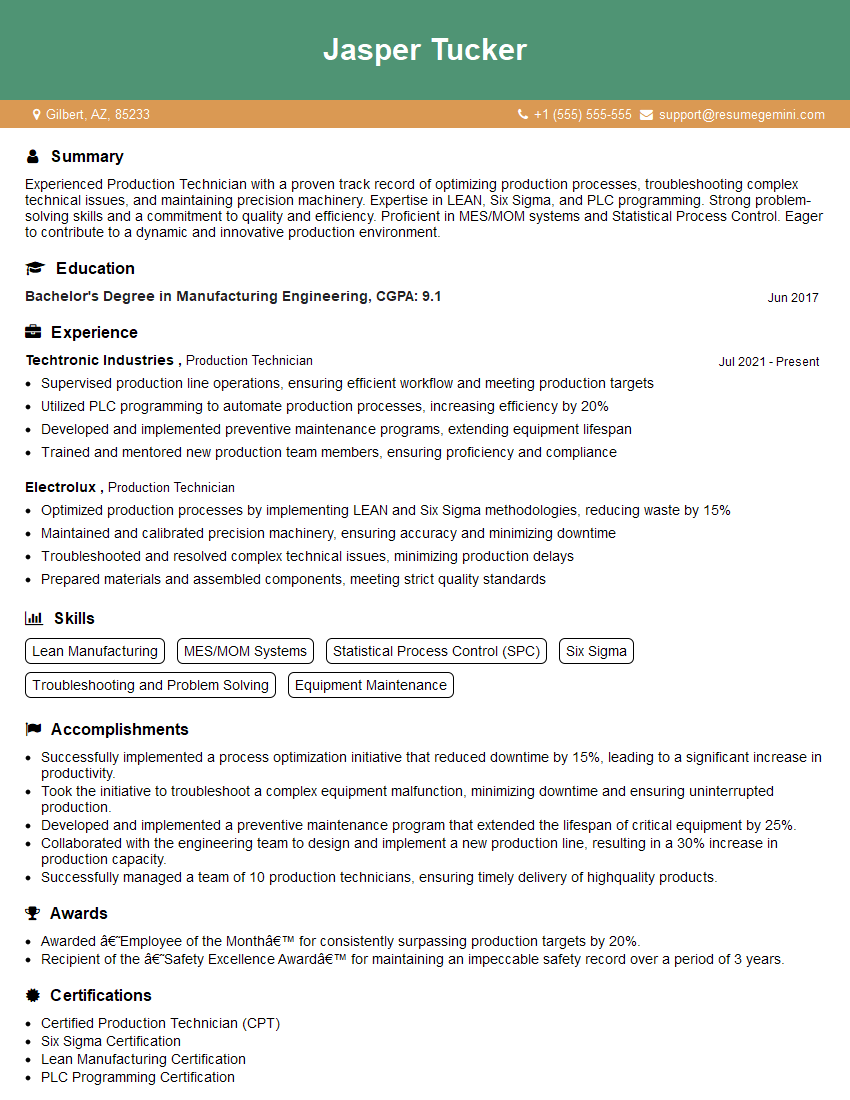
Production Technician Resume Sample
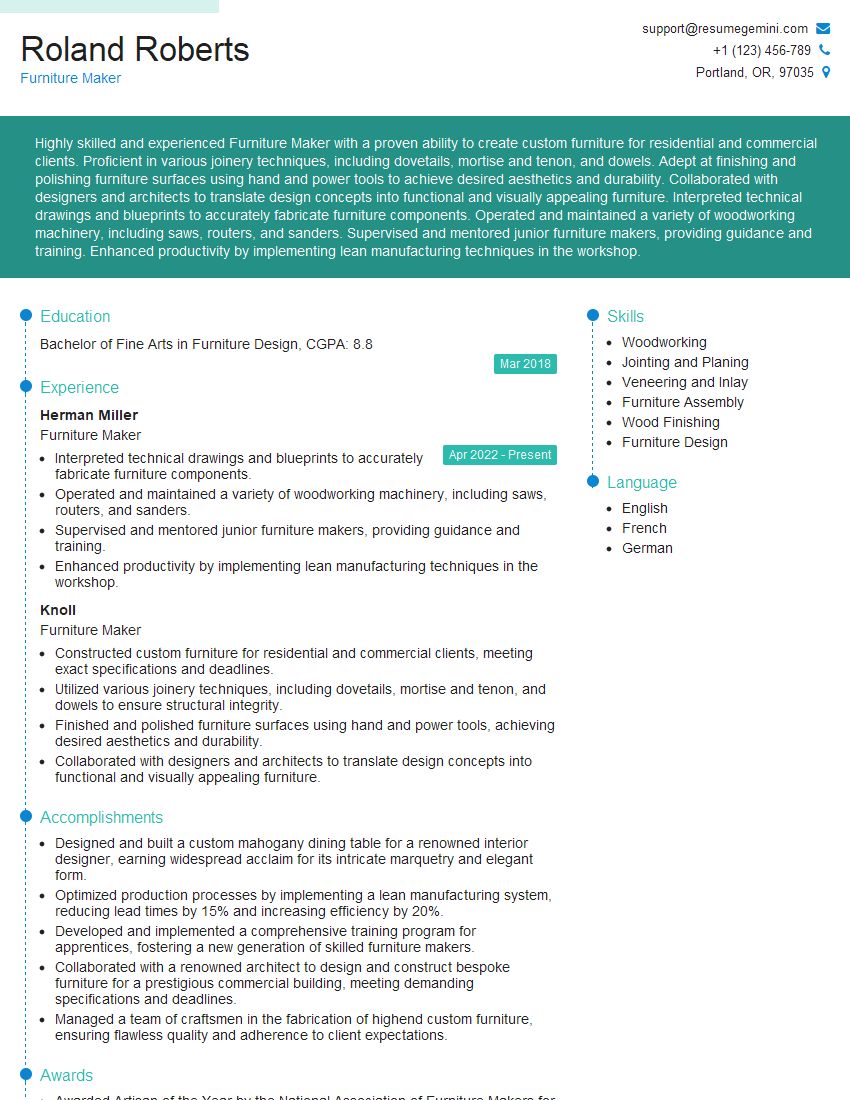
Furniture Maker Resume Sample
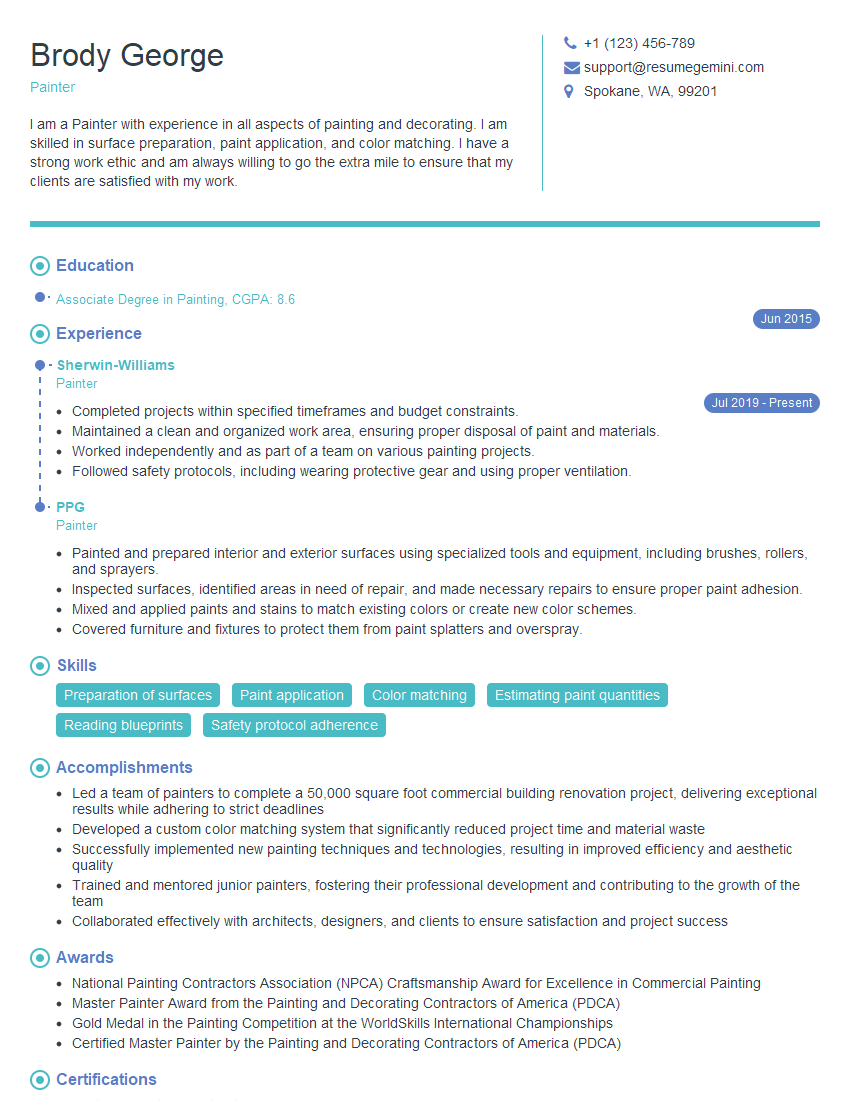
Painter Resume Sample
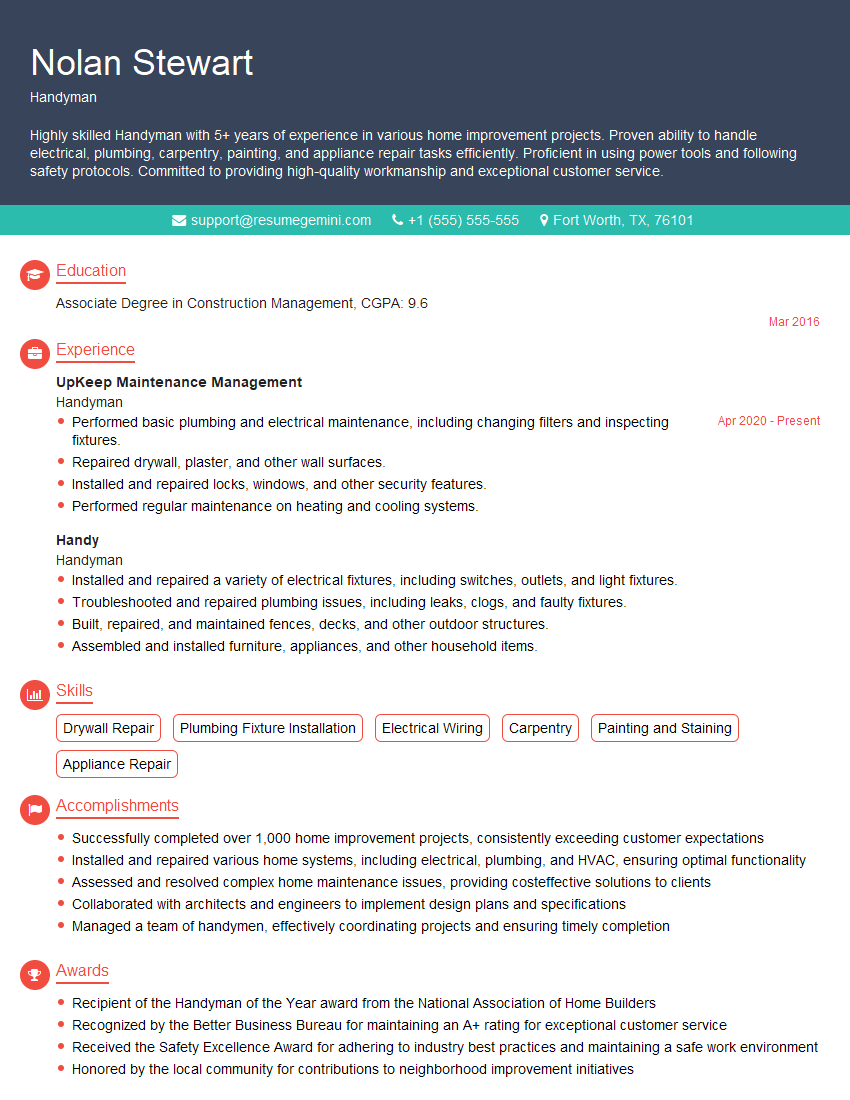
Handyman Resume Sample
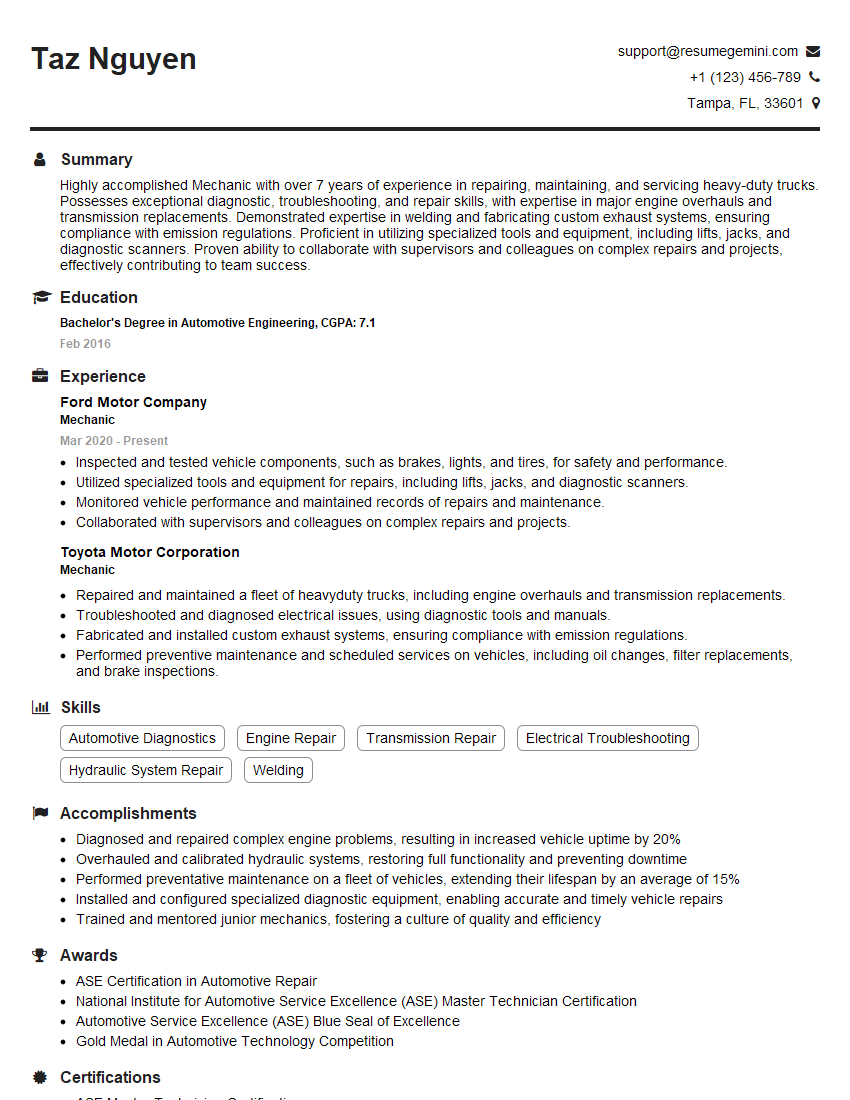
Mechanic Resume Sample
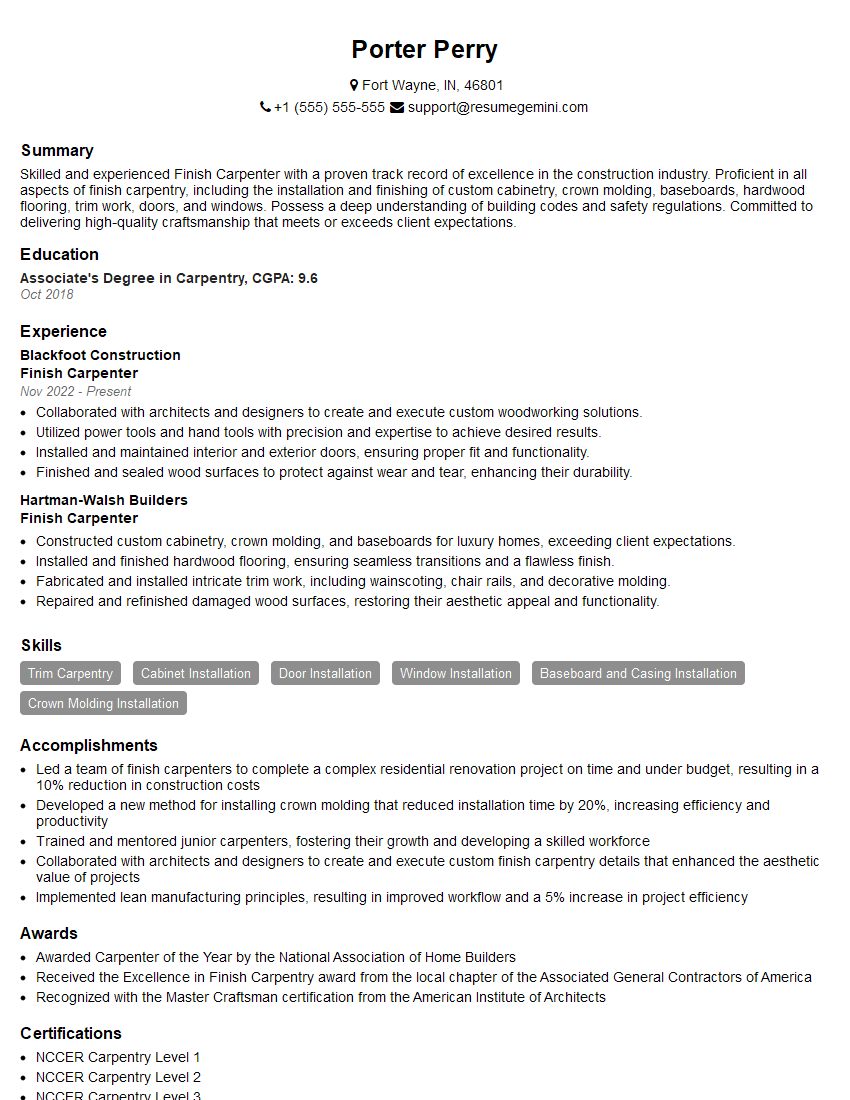
Finish Carpenter Resume Sample
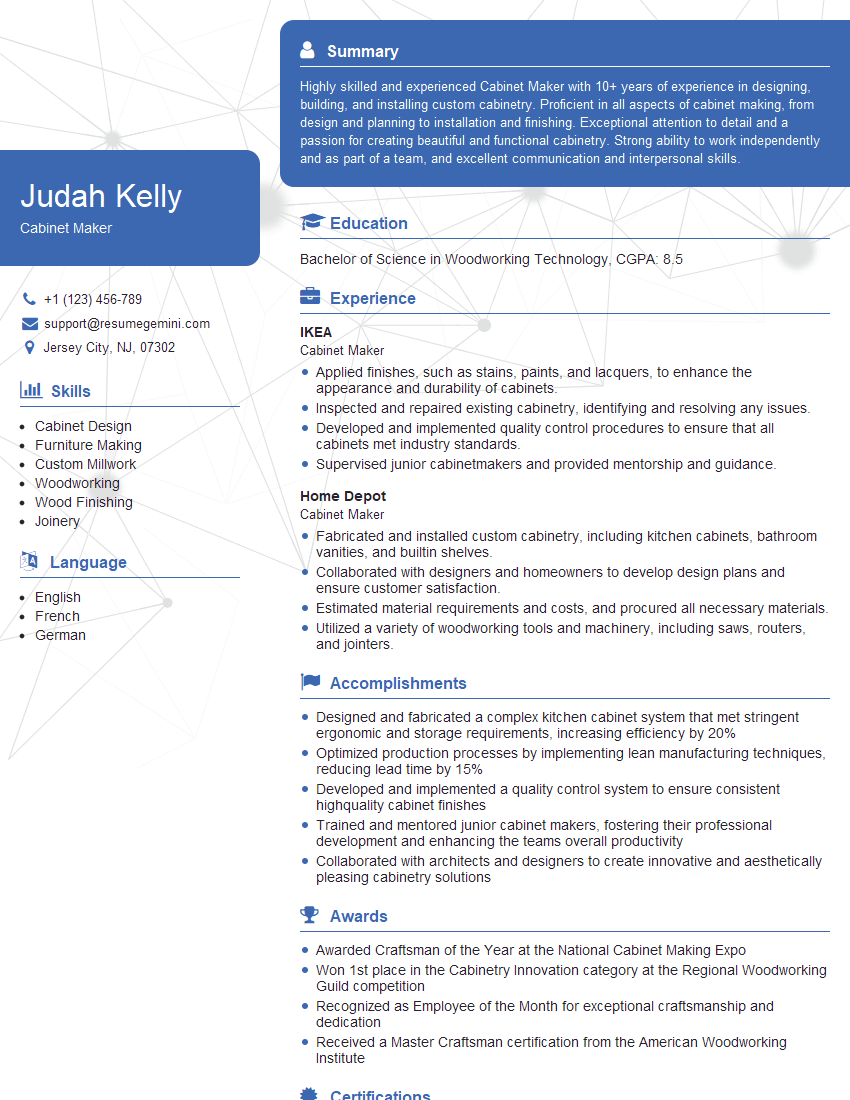
Cabinet Maker Resume Sample
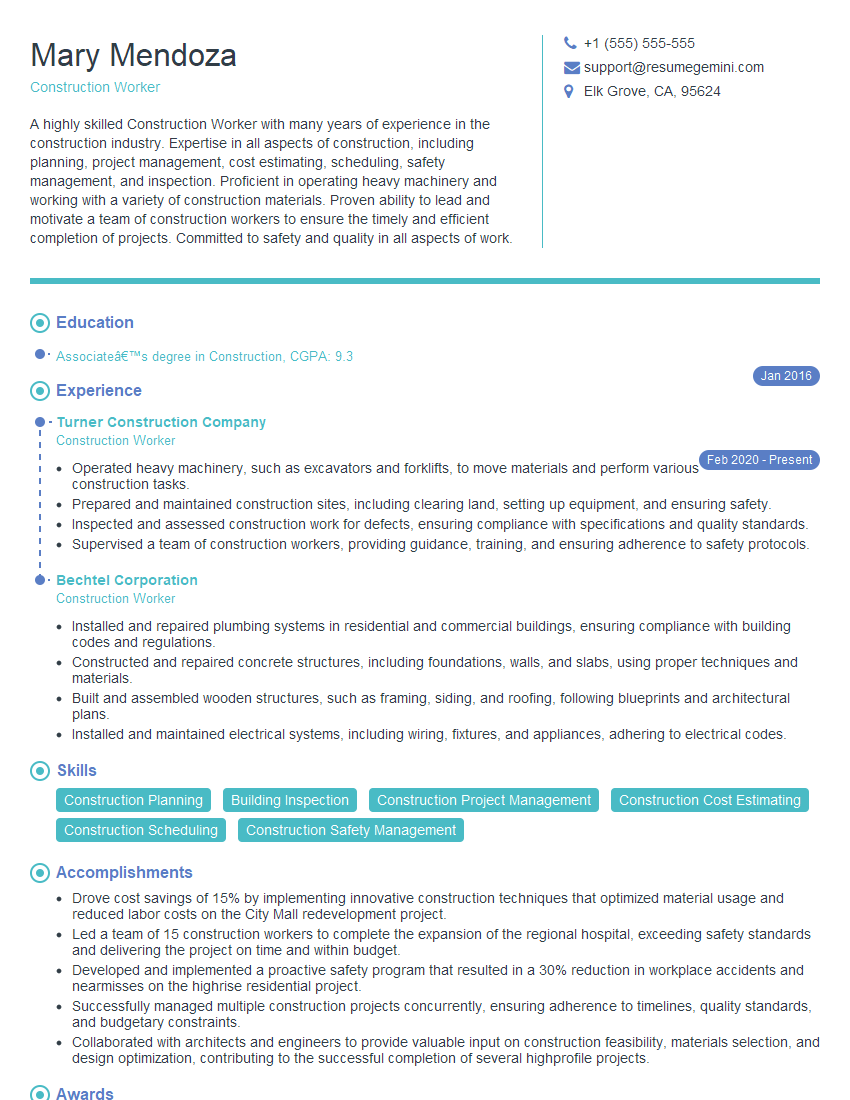
Construction Worker Resume Sample
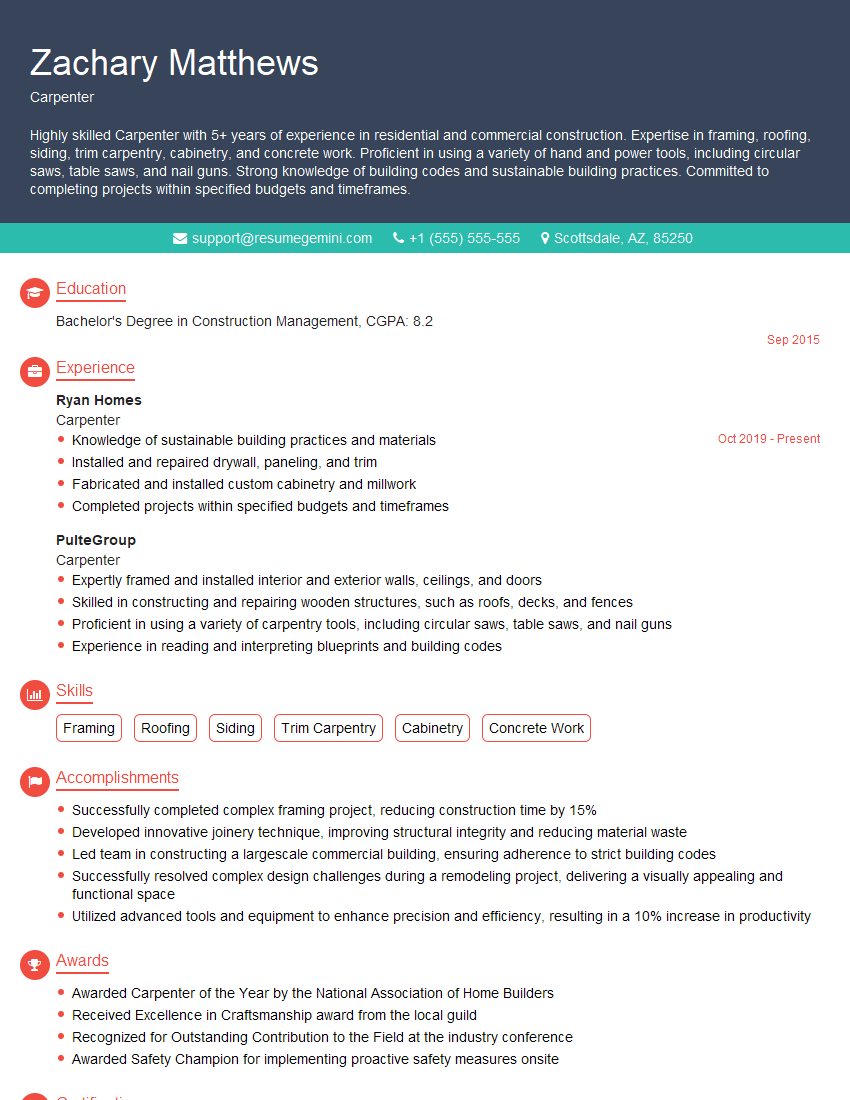
Carpenter Resume Sample
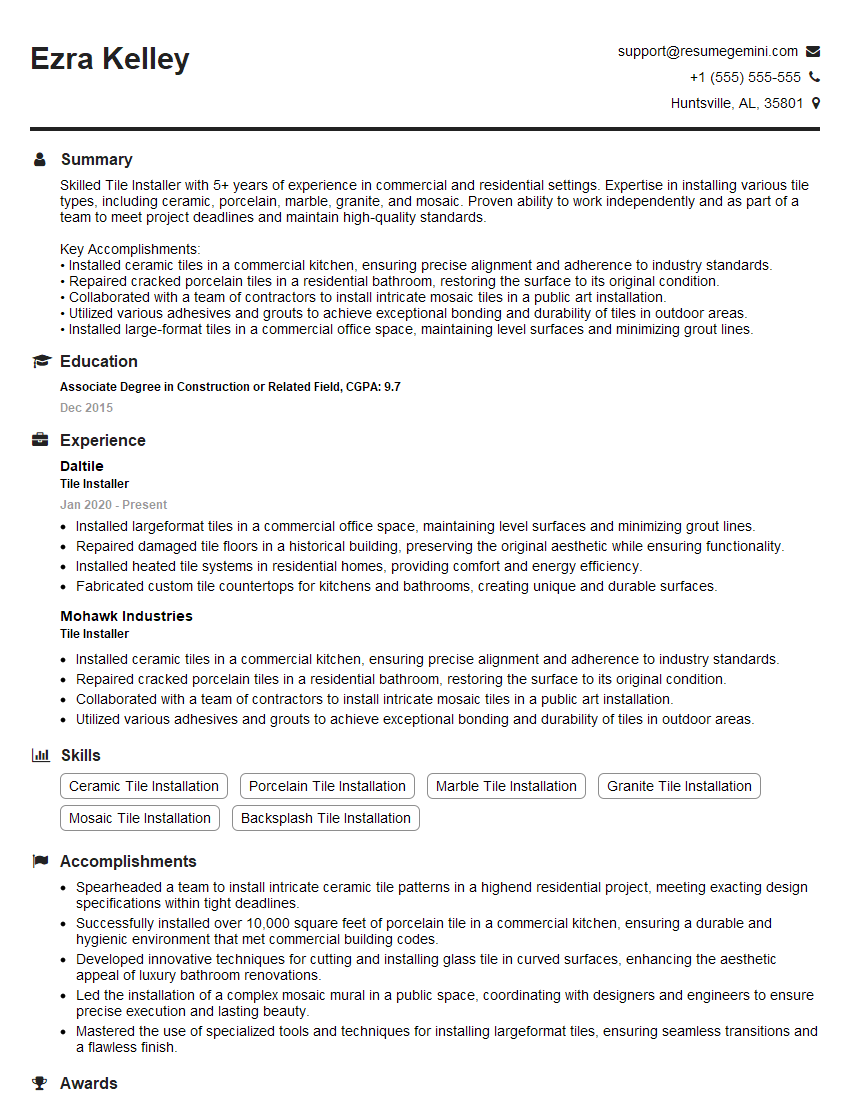
Tile Installer Resume Sample
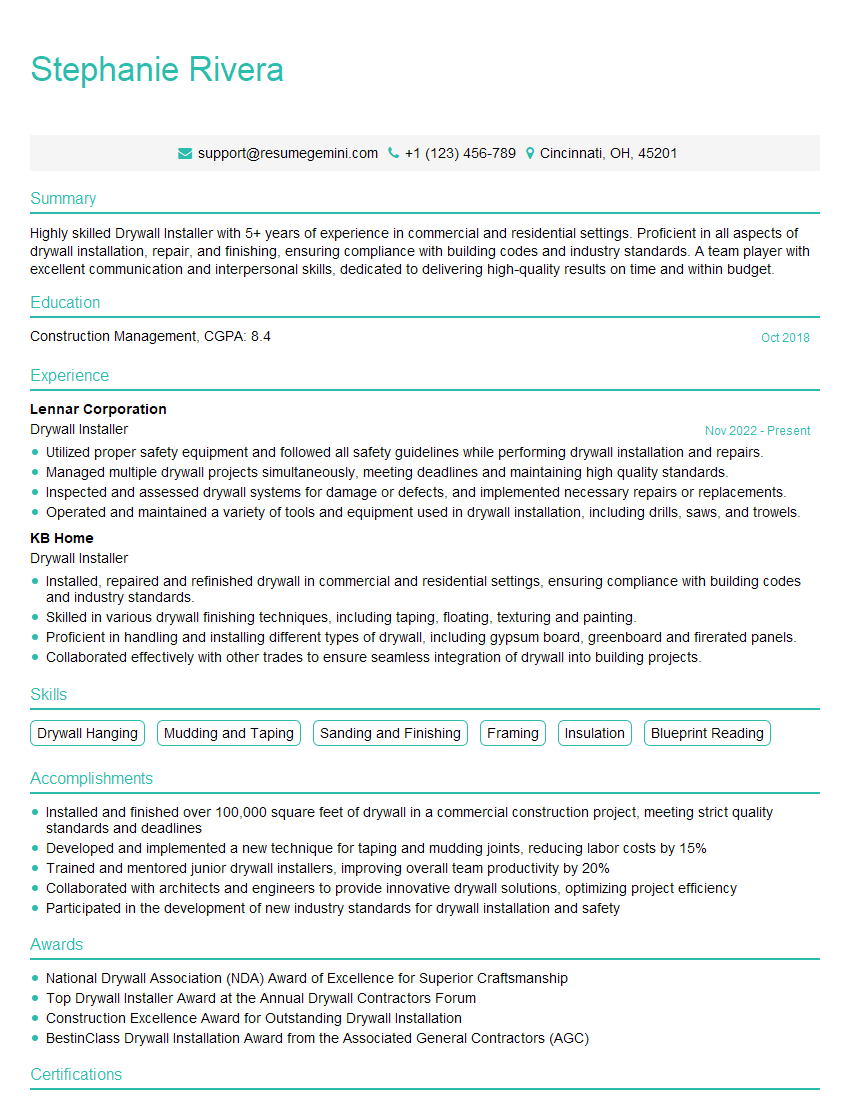
Drywall Installer Resume Sample
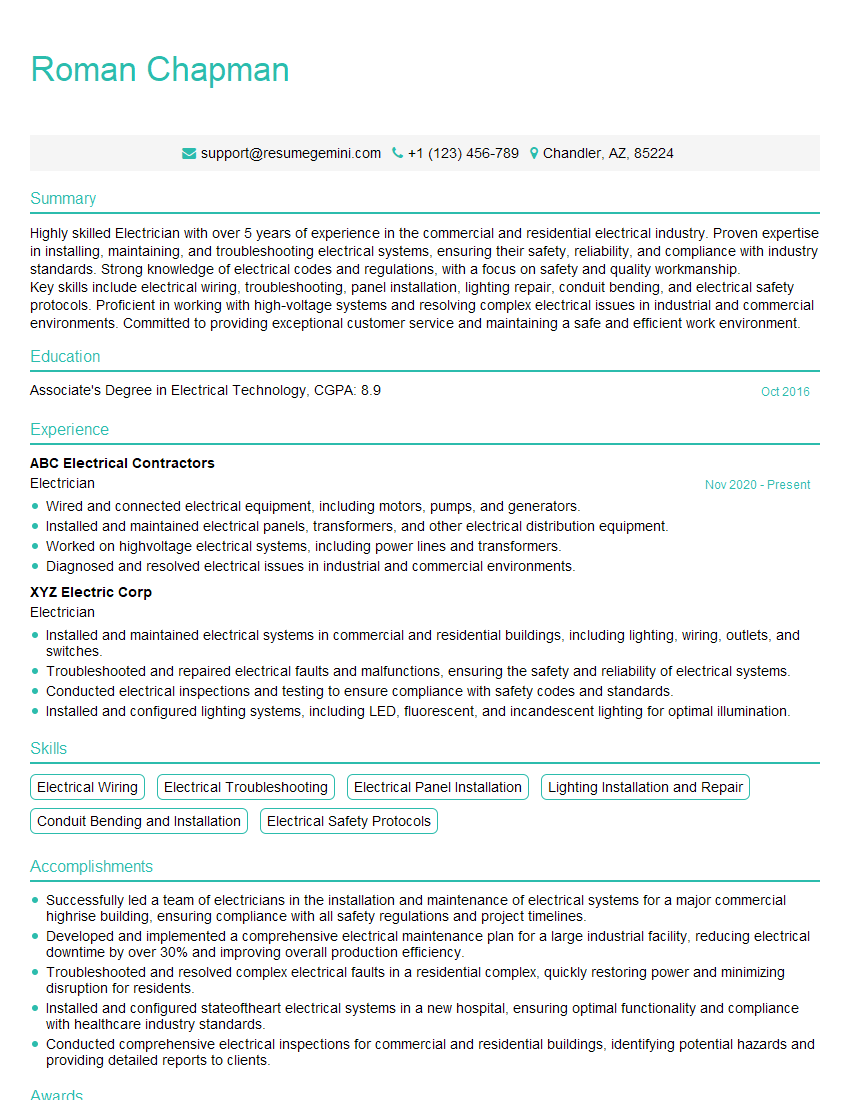
Electrician Resume Sample

Plumber Resume Sample
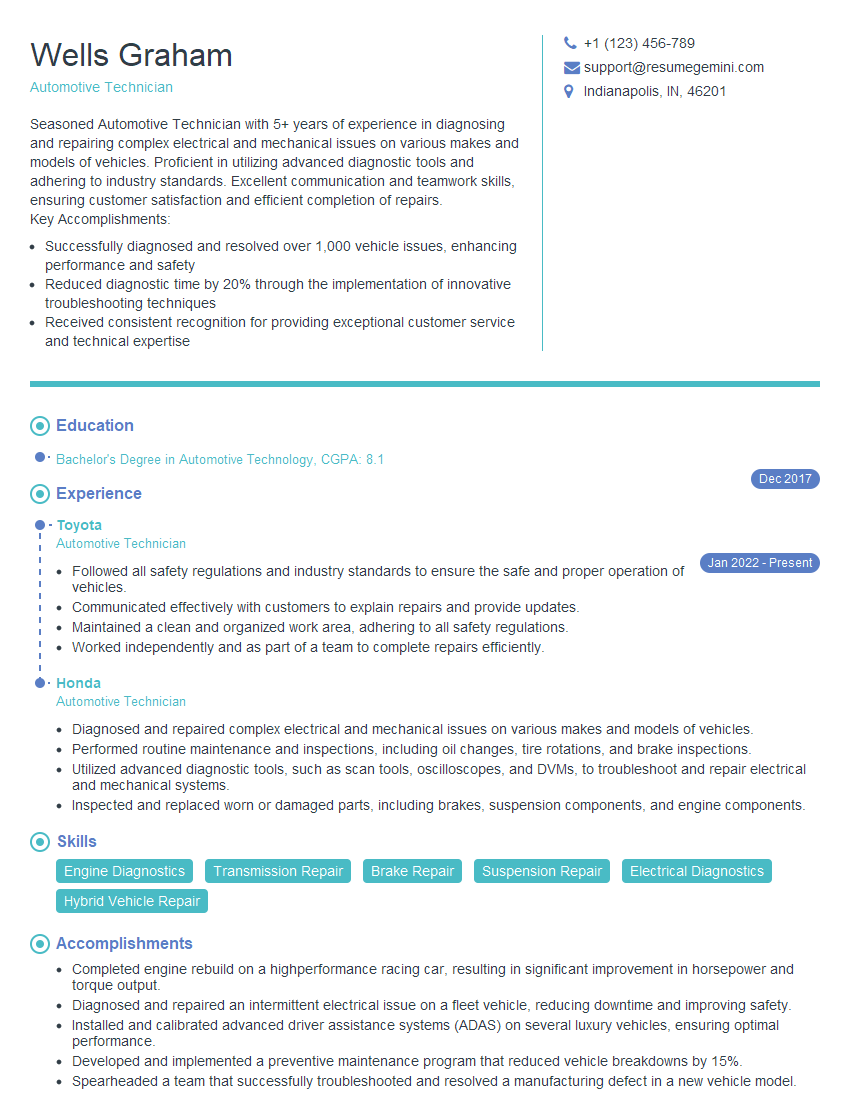
Automotive Technician Resume Sample
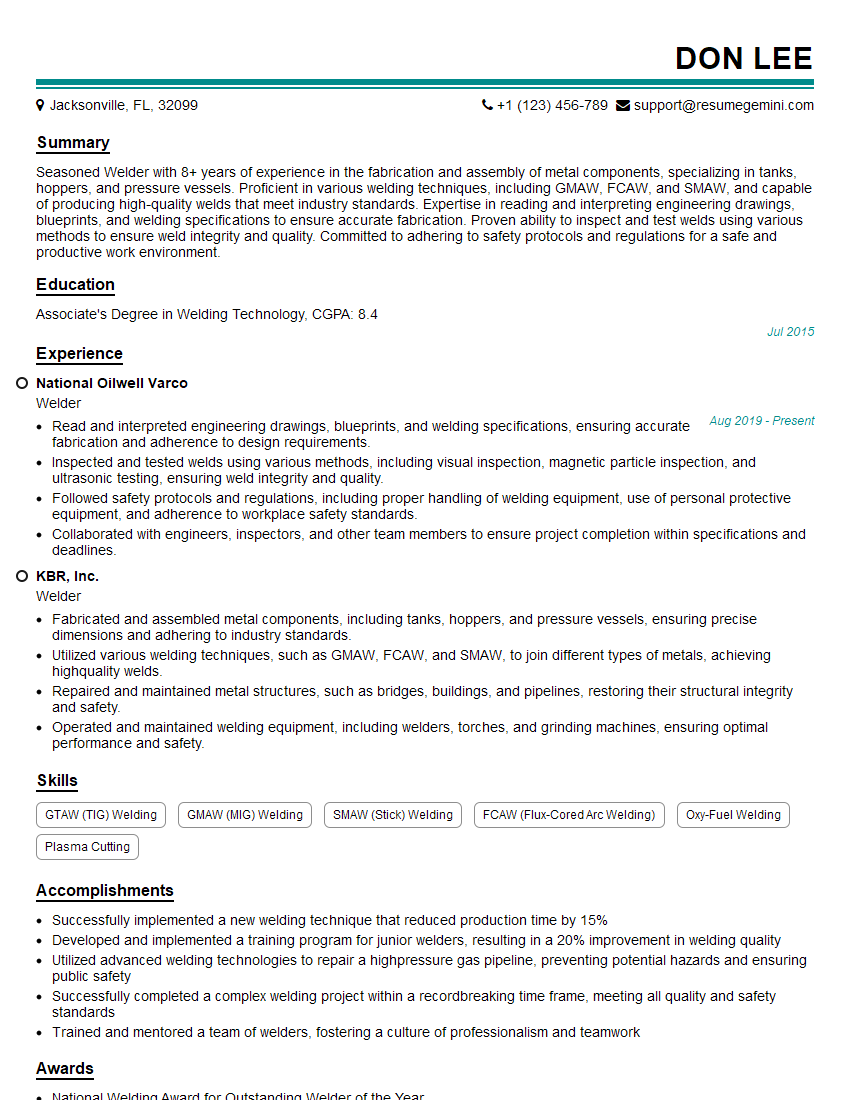
Welder Resume Sample
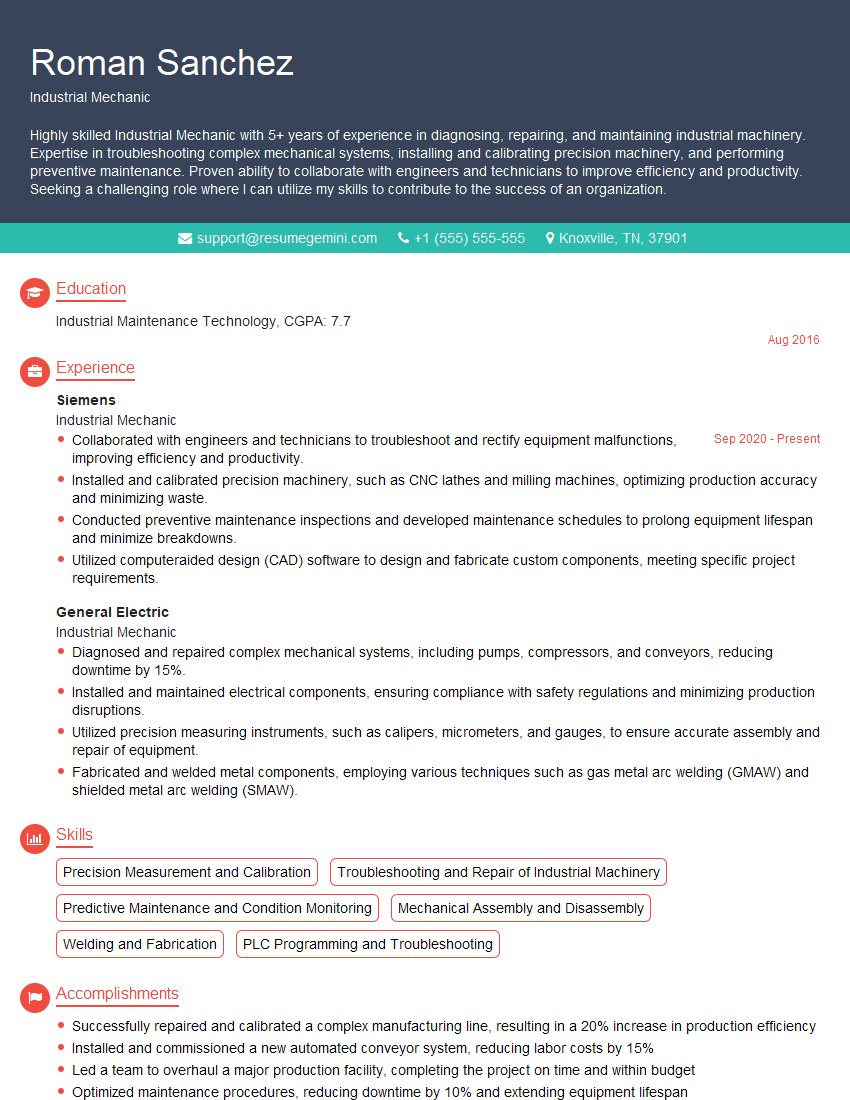
Industrial Mechanic Resume Sample
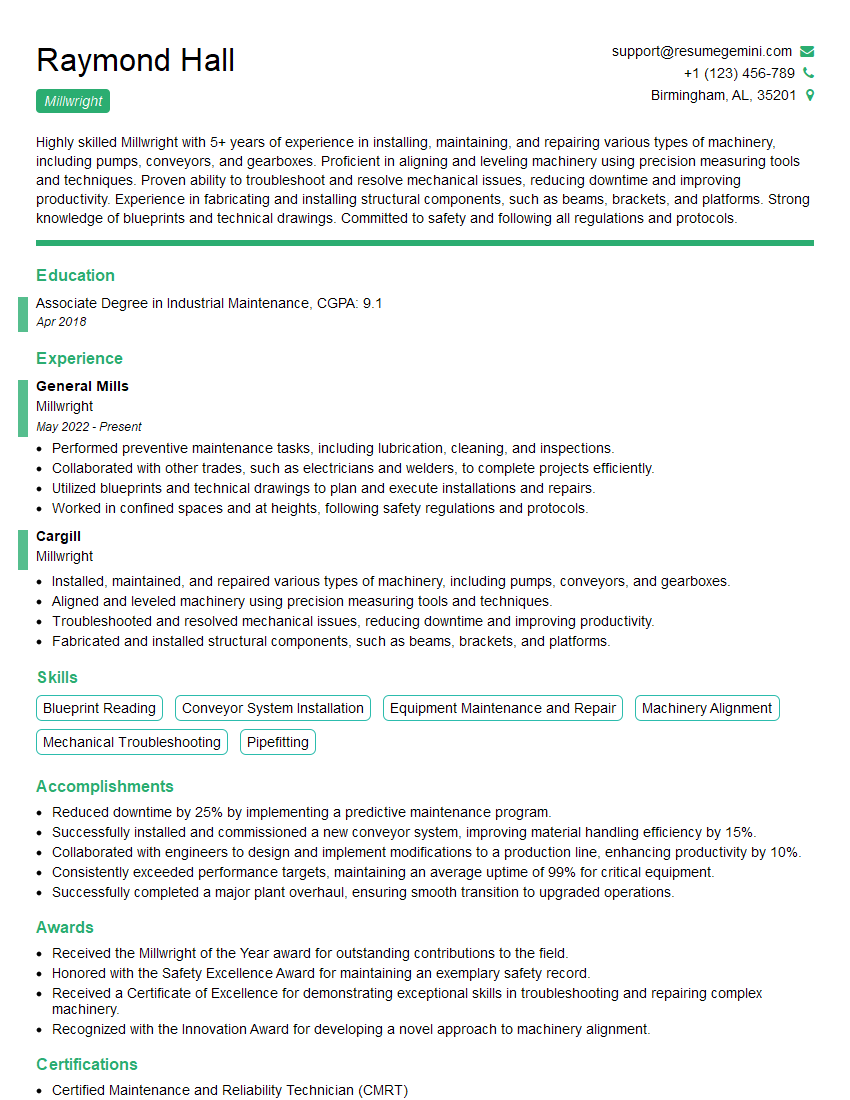
Millwright Resume Sample
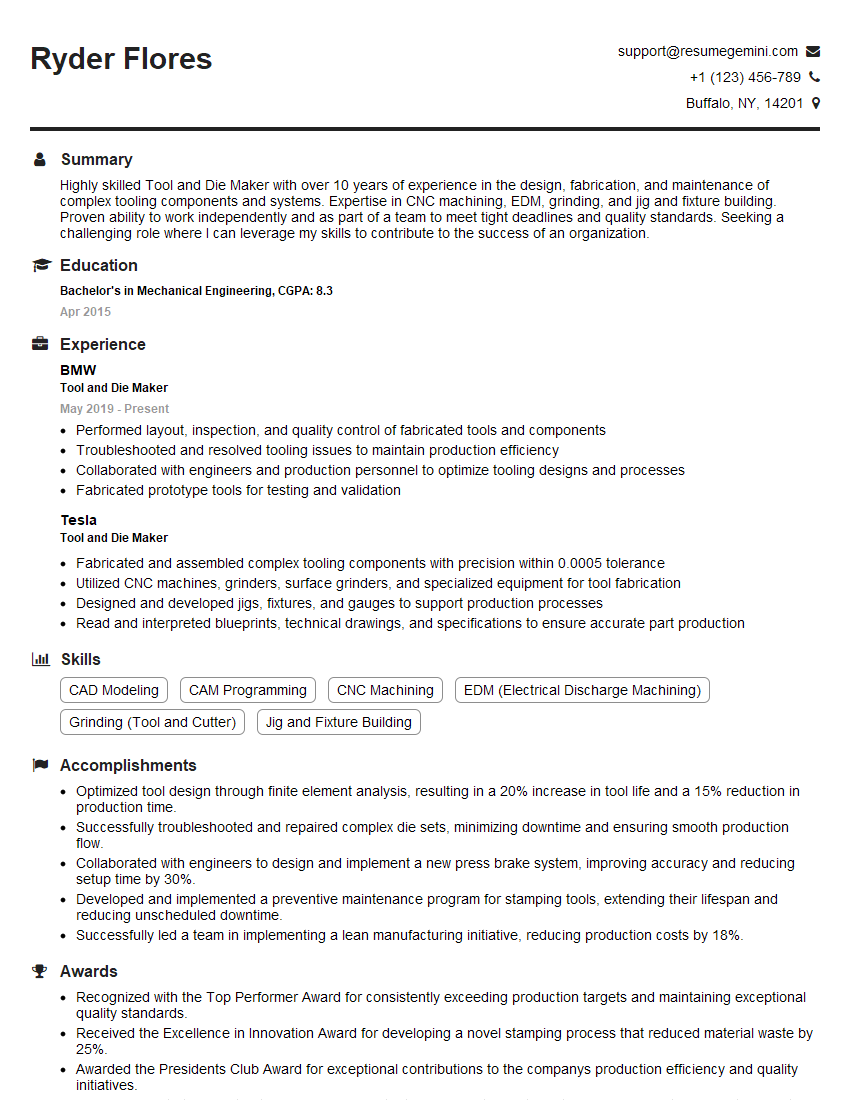
Tool and Die Maker Resume Sample

HVAC Technician Resume Sample
- General Contractor
- Roofing Contractor
- Maintenance Technician
- Robotics Technician
- Machinist
- Production Technician
- Furniture Maker
- Painter
- Handyman
- Mechanic
- Finish Carpenter
- Cabinet Maker
- Construction Worker
- Carpenter
- Tile Installer
- Drywall Installer
- Electrician
- Plumber
- Automotive Technician
- Welder
- Industrial Mechanic
- Millwright
- Tool and Die Maker
- HVAC Technician
Explore more articles
Users Rating of Our Blogs
Share Your Experience
We value your feedback! Please rate our content and share your thoughts (optional).
What Readers Say About Our Blog
Amazing blog
hello,
Our consultant firm based in the USA and our client are interested in your products.
Could you provide your company brochure and respond from your official email id (if different from the current in use), so i can send you the client’s requirement.
Payment before production.
I await your answer.
Regards,
MrSmith
hello,
Our consultant firm based in the USA and our client are interested in your products.
Could you provide your company brochure and respond from your official email id (if different from the current in use), so i can send you the client’s requirement.
Payment before production.
I await your answer.
Regards,
MrSmith
These apartments are so amazing, posting them online would break the algorithm.
https://bit.ly/Lovely2BedsApartmentHudsonYards
Reach out at BENSON@LONDONFOSTER.COM and let’s get started!
Take a look at this stunning 2-bedroom apartment perfectly situated NYC’s coveted Hudson Yards!
https://bit.ly/Lovely2BedsApartmentHudsonYards
Live Rent Free!
https://bit.ly/LiveRentFREE
Interesting Article, I liked the depth of knowledge you’ve shared.
Helpful, thanks for sharing.
Hi, I represent a social media marketing agency and liked your blog
Hi, I represent an SEO company that specialises in getting you AI citations and higher rankings on Google. I’d like to offer you a 100% free SEO audit for your website. Would you be interested?