Unlock your full potential by mastering the most common Proficient in Framing Materials and Techniques interview questions. This blog offers a deep dive into the critical topics, ensuring you’re not only prepared to answer but to excel. With these insights, you’ll approach your interview with clarity and confidence.
Questions Asked in Proficient in Framing Materials and Techniques Interview
Q 1. What types of wood are commonly used in framing, and what are their respective strengths and weaknesses?
Several wood types are commonly used in framing, each with its own advantages and disadvantages. The choice often depends on budget, availability, and the specific project requirements. Here are a few:
- Spruce: Relatively lightweight, strong, and readily available, making it a cost-effective choice. However, it’s prone to knotting, which can affect its strength in certain areas.
- Pine: Another popular and affordable option, pine is relatively easy to work with. However, it can be more susceptible to warping and insect damage than some other species. Different grades of pine exist, impacting strength and price.
- Fir: Known for its strength and stiffness, fir is a good choice for heavier-duty framing applications. It’s more expensive than spruce or pine but offers superior durability.
- Douglas Fir: A strong and durable option, often preferred for larger projects due to its strength and resistance to bending and compression. It’s a more expensive choice than the others.
The selection process involves considering the load-bearing requirements, moisture content of the wood, and the overall structural integrity needed. For instance, I might choose Douglas Fir for a heavy-duty beam supporting a second story, while spruce might suffice for less critical interior wall framing.
Q 2. Explain the process of calculating the amount of lumber needed for a framing project.
Accurately calculating lumber needs is crucial for efficient project management and cost control. The process involves detailed planning and precise measurements.
First, you must create detailed plans with accurate dimensions of all the framing members (studs, joists, rafters, etc.). These plans should include the number, size, and length of each piece.
Next, you’ll need to calculate the total length of each lumber size required. For example, if you need 20 studs, each 8 feet long, you’ll need 160 feet of 8-foot studs. You should account for waste due to cuts and imperfect lumber. I typically add 5-10% extra to cover waste and potential errors.
Finally, you consider the quantity of lumber available in standard lengths. Lumber is usually sold in lengths like 8, 10, 12, and 16 feet. This means you might need to buy longer pieces than strictly necessary and cut them down, which impacts waste calculations.
Software programs and online calculators can help streamline this process, but it’s always crucial to have a double-check for accuracy. In one recent project, I used a spreadsheet to track lumber requirements, carefully accounting for cuts and waste to minimize unnecessary purchases.
Q 3. Describe different framing techniques for walls, floors, and roofs.
Various framing techniques exist depending on the structure being framed. Here are examples for walls, floors, and roofs:
- Walls: Common techniques include platform framing (building walls on a flat surface), and balloon framing (extending studs from the foundation to the roof). Platform framing is more prevalent now due to its efficiency and safety. It’s built in sections, floor by floor. We use top plates and sole plates to create a strong, stable structure.
- Floors: Floor framing typically involves using joists supported by beams or girders. The spacing and size of joists determine the floor’s load-bearing capacity. We often use engineered wood products like I-joists for longer spans and increased load capacity. Properly fastening the joists to the beams using hangers is critical for structural integrity.
- Roofs: Roof framing is more complex and involves creating a truss system or using rafters. Trusses are prefabricated and offer advantages in speed and precision, while rafters are cut and assembled on-site, offering more design flexibility. The design needs to account for the roof’s pitch, load-bearing requirements, and snow loads, among other considerations.
The choice of technique depends on building codes, the project’s complexity, and cost considerations. For instance, a large commercial building might utilize prefabricated trusses, while a smaller residential project might employ on-site rafter framing.
Q 4. How do you ensure proper squareness and plumbness during framing?
Ensuring squareness and plumbness is fundamental to the structural integrity of any framing project. Inaccuracy can lead to significant problems later on. Here’s how we achieve this:
- Squareness: We use a framing square or a measuring tape to ensure the corners of the structure are exactly 90 degrees. Diagonal measurements are crucial: equal diagonals indicate a square structure. We adjust the framing until the diagonals are equal.
- Plumbness: A plumb bob or a level ensures that walls and posts are perfectly vertical. We use temporary bracing to hold the framing elements in place until they’re properly fastened. Checking plumbness at multiple points is essential, especially for tall structures.
Regular checks throughout the framing process are crucial. It’s far easier and cheaper to correct minor deviations early than to rectify major problems later. Think of it like building a house of cards: if the base isn’t square and plumb, the entire structure will be unstable.
Q 5. What are the common building codes and regulations related to framing?
Building codes and regulations regarding framing vary by location but generally focus on safety and structural integrity. Common aspects include:
- Spacing of studs, joists, and rafters: Codes specify maximum spacing to ensure adequate load-bearing capacity.
- Size and type of lumber: Codes dictate minimum dimensions based on the load requirements.
- Fastener requirements: Specific types and numbers of nails, screws, or bolts are required for different framing members.
- Fire resistance: Specific requirements for fire-resistant materials in certain areas might apply.
- Seismic design: In earthquake-prone areas, codes might require special framing techniques to withstand seismic activity.
Staying updated with local codes is vital. Ignoring codes can lead to costly rework, project delays, and potential legal issues. Before any project, I always consult the local building department to ensure compliance.
Q 6. What safety precautions do you take when working with framing materials and tools?
Safety is paramount when working with framing materials and tools. My safety practices include:
- Personal Protective Equipment (PPE): I always wear safety glasses, hearing protection, work gloves, and appropriate footwear. A hard hat is essential when working at heights.
- Proper Tool Use: I ensure all power tools are maintained, properly grounded, and used according to manufacturer’s instructions. I regularly inspect tools for damage before use.
- Lifting Techniques: I use proper lifting techniques to avoid back injuries, utilizing equipment like lifting straps or asking for assistance with heavy loads.
- Fall Protection: When working at heights, I use appropriate fall protection equipment, such as harnesses and safety lines.
- Housekeeping: Maintaining a clean and organized worksite minimizes trip hazards and prevents accidents.
Ignoring safety precautions can lead to serious injuries. Safety is not just a set of rules; it’s a mindset that should be integrated into every aspect of the job.
Q 7. How do you handle unexpected issues or changes during a framing project?
Unexpected issues are common in construction. My approach involves:
- Thorough Planning: Comprehensive planning minimizes unexpected problems. However, issues still arise, and thorough planning helps to tackle them with a methodical approach.
- Problem Assessment: Identifying the problem’s nature and scope is the first step. Accurate assessment dictates the best solution.
- Creative Solutions: Sometimes, standard solutions won’t work. I brainstorm creative solutions with my team, considering the project’s constraints and budget.
- Communication: Open communication with clients and team members is essential. Transparent updates prevent misunderstandings and allow for collaborative problem-solving.
- Documentation: I always document all changes, solutions, and their impact, updating the project plans accordingly.
For instance, I once discovered hidden plumbing during a framing project. We had to creatively adjust the framing to accommodate the pipes, requiring some extra time and material. By communicating the change promptly and documenting it meticulously, we ensured the project remained on track.
Q 8. Describe your experience with different types of engineered wood products.
Engineered wood products have revolutionized framing, offering consistent strength and predictable performance. My experience encompasses a wide range, including:
- Laminated Veneer Lumber (LVL): LVL is made by bonding thin layers of wood veneer with adhesive under high pressure. It’s incredibly strong and straight, ideal for long spans and beams where traditional lumber might warp or bow. I’ve used it extensively in heavy-duty applications like roof trusses and long-span floor joists. For instance, on a recent project, LVL allowed us to create a dramatic, open-concept living space without the need for bulky support columns.
- Parallel Strand Lumber (PSL): PSL utilizes strands of wood veneer oriented parallel to each other and bonded together. Similar to LVL, it offers high strength-to-weight ratio but has a different structural profile, making it suitable for specific applications. I’ve found it particularly useful in creating robust headers and other structural elements requiring exceptional load-bearing capacity.
- Glulam Beams: Glulam (glue-laminated timber) beams are created by joining smaller pieces of lumber together with adhesive. This allows for the creation of massive, customized beams with incredible strength and aesthetic appeal. I’ve employed glulams in high-end residential projects and commercial buildings where visual appeal is just as critical as structural integrity, such as exposed beam ceilings.
- Oriented Strand Board (OSB): OSB is a widely used sheathing material made from wood flakes oriented in layers. Its strength, consistency, and affordability make it a preferred choice for wall and roof sheathing. I frequently specify OSB for its reliable performance and ease of installation.
My experience extends to specifying and working with these products based on project requirements, considering factors such as span, load, moisture content, and budget constraints. Each product has its unique properties, and selecting the right one is crucial for ensuring structural safety and cost-effectiveness.
Q 9. What are the advantages and disadvantages of using metal framing versus wood framing?
Metal and wood framing each have their own set of advantages and disadvantages. The choice depends heavily on the project’s scale, budget, and design requirements.
- Metal Framing (Steel):
- Advantages: High strength-to-weight ratio, resistance to fire and pests, dimensional stability (less prone to warping or shrinking), and faster construction time in some cases.
- Disadvantages: Higher initial cost, susceptibility to corrosion, thermal bridging (can impact energy efficiency), requires specialized tools and expertise, and can be more challenging to modify on site.
- Wood Framing:
- Advantages: Lower initial cost, readily available, easy to work with using common tools, good insulation properties, and relatively easy on-site modifications.
- Disadvantages: Susceptible to fire and pest damage, can shrink, warp, or rot if not properly treated, and requires careful attention to moisture control.
For instance, in high-rise construction or areas prone to seismic activity, steel framing’s superior strength might be preferable despite its higher cost. Conversely, for smaller residential projects, wood framing’s cost-effectiveness and ease of use often make it the better choice. The decision is often a careful balancing act between factors like budget, performance needs, and local building codes.
Q 10. Explain the importance of proper bracing and sheathing in a framed structure.
Proper bracing and sheathing are absolutely critical to a framed structure’s stability and ability to withstand loads. Think of it like the bones and skin of a building.
- Bracing: Bracing provides lateral stability, resisting forces like wind and seismic activity. It’s often achieved using diagonal members (e.g., plywood sheathing acting as a diaphragm or specifically placed bracing members) that tie the wall framing together. Without adequate bracing, a structure can easily rack or collapse under lateral forces. I’ve seen firsthand the devastating consequences of inadequate bracing in structures damaged by storms.
- Sheathing: Sheathing (typically plywood, OSB, or other panels) acts as a diaphragm, connecting the framing members and distributing loads across the entire structure. It also provides a surface for exterior finishes. Proper sheathing installation, including proper fastening, is essential to ensure the diaphragm works as intended.
In practice, I always ensure that bracing and sheathing comply with local building codes and engineering requirements. We typically use engineered analysis software to determine the necessary bracing and sheathing requirements for a particular project. Failing to properly brace and sheath a building can lead to significant structural weaknesses and pose serious safety risks.
Q 11. How do you read and interpret framing plans and blueprints?
Reading and interpreting framing plans and blueprints requires careful attention to detail and a thorough understanding of construction drawings. I approach it systematically:
- Review the Key Plan Information: Begin by carefully reviewing the title block, which contains essential information about the project, the scale, and the revision date. This ensures I am working with the most up-to-date documents.
- Understand the Symbols and Conventions: Construction drawings use standardized symbols and notations. Understanding these is crucial for correctly interpreting wall layouts, foundation details, and other elements. I’m proficient in interpreting symbols for various framing members (studs, joists, rafters, etc.) and connections.
- Analyze the Different Views: Framing plans typically include several views, such as floor plans, elevations, sections, and details. These views provide a comprehensive understanding of the structure. I meticulously analyze each view, noting dimensions, material specifications, and any special instructions or details.
- Identify the Structural Elements: I carefully identify the key structural elements like load-bearing walls, columns, beams, and foundations. Understanding the load paths is essential to ensure the stability of the entire structure.
- Confirm Material Quantities: Once I understand the plans, I perform a detailed take-off to determine the quantity of materials needed for the project. This is critical for accurate bidding and material ordering.
My experience includes working with both hand-drawn and computer-generated blueprints. I always clarify any ambiguities or inconsistencies with the design team before commencing any work.
Q 12. What are the different types of connections used in framing (e.g., nails, screws, connectors)?
Framing employs a variety of connections to ensure structural integrity. The choice depends on factors like the load, material type, and aesthetic requirements.
- Nails: Common fasteners for many framing applications. Different sizes and types (e.g., common nails, galvanized nails, ring-shank nails) are selected based on strength and material properties.
- Screws: Offer greater holding power than nails, especially in shear, and are particularly useful in engineered wood products. They are preferred in applications requiring higher strength or resistance to withdrawal.
- Metal Connectors: These include a wide range of specialized connectors such as joist hangers, hurricane ties, and hold-downs, offering increased strength and design flexibility. They’re often critical in high-load situations or areas with high seismic activity.
- Bolts: Used for heavier loads and larger structural members, often in conjunction with metal plates.
- Wood Connectors: These include toothed plates and other devices used to strengthen joints and connections between lumber members.
For example, I would use joist hangers for supporting floor joists, hurricane ties to secure wall framing to foundations in high-wind areas, and toothed plates for creating strong connections in trusses. The selection of the correct connector is crucial to the safety and stability of the entire structure. Improper connection can lead to failure.
Q 13. How do you ensure the structural integrity of a framed building?
Ensuring the structural integrity of a framed building is a multifaceted process that begins even before construction starts. It involves:
- Adherence to Building Codes and Standards: All aspects of the framing must comply with relevant building codes and standards. This ensures the structure can withstand anticipated loads and environmental conditions.
- Proper Design and Engineering: The framing design must be structurally sound and capable of supporting all intended loads (dead loads, live loads, snow loads, wind loads, seismic loads). This usually involves structural engineering calculations.
- Quality Materials: Using high-quality lumber, engineered wood products, and fasteners is crucial. Materials should be appropriately graded and treated to resist rot, insects, and fire.
- Precise Construction Techniques: Following precise construction methods, such as proper spacing of studs, maintaining plumbness and levelness, and ensuring proper connections, is essential. Sloppy workmanship can compromise the structure’s integrity.
- Regular Inspections: Throughout the construction process, regular inspections are necessary to catch and correct any errors or deficiencies. Inspections also confirm that the construction is following the approved plans.
- Load Testing (Where Applicable): In certain situations, especially in larger or more complex projects, load testing might be performed to verify the structure’s strength and stability.
My experience includes working closely with engineers, inspectors, and other professionals to ensure every stage of construction meets the highest standards of safety and quality. The result is a building that is safe, durable, and stands the test of time.
Q 14. Describe your experience working with different types of framing tools.
My experience with framing tools is extensive, ranging from basic hand tools to specialized power equipment.
- Hand Tools: I am proficient in the use of levels, squares, measuring tapes, hammers, saws (hand saws and reciprocating saws), and chisels for precise cuts and adjustments.
- Power Tools: I regularly use nail guns (both pneumatic and cordless), circular saws, drills, impact drivers, and various other power tools to improve efficiency and precision.
- Specialized Tools: This includes tools such as specialized cutting tools for engineered wood products, pneumatic nailers for various applications, and laser levels for ensuring accuracy in layout and construction.
The safe and effective use of these tools is critical for both efficiency and safety. I’m very familiar with the safety precautions and maintenance procedures associated with each tool. For instance, regularly maintaining my nail guns ensures consistent performance and prevents malfunctions that could lead to injury.
Q 15. What is your experience with using CAD software for framing design?
I’ve been using CAD software for framing design for over 10 years, primarily AutoCAD and Revit. My experience encompasses everything from initial conceptual design to detailed shop drawings. I’m proficient in creating accurate 2D and 3D models, incorporating precise dimensions, material specifications, and connection details. For example, on a recent multi-family dwelling project, I used Revit to model the entire framing system, including walls, floors, and roof trusses, which allowed for seamless coordination with other trades and significantly reduced on-site conflicts. This software not only speeds up the design process but also allows for better material estimation and helps to identify potential clashes before construction begins. I’m also comfortable utilizing various plugins and add-ons to optimize the design for efficiency and cost-effectiveness.
Career Expert Tips:
- Ace those interviews! Prepare effectively by reviewing the Top 50 Most Common Interview Questions on ResumeGemini.
- Navigate your job search with confidence! Explore a wide range of Career Tips on ResumeGemini. Learn about common challenges and recommendations to overcome them.
- Craft the perfect resume! Master the Art of Resume Writing with ResumeGemini’s guide. Showcase your unique qualifications and achievements effectively.
- Don’t miss out on holiday savings! Build your dream resume with ResumeGemini’s ATS optimized templates.
Q 16. What is your approach to managing material waste on a framing project?
Managing material waste is crucial for both environmental responsibility and project profitability. My approach involves a multi-stage strategy. First, meticulous planning is essential. This includes using CAD software to optimize material cutting lists and minimizing off-cuts. I often employ nesting software to arrange lumber efficiently on sheets for minimal waste. Second, I prioritize the use of pre-engineered components, like trusses and I-joists, which are manufactured to precise dimensions, reducing waste at the construction site. Third, we implement a strict inventory management system on-site, tracking all materials and ensuring proper reuse of off-cuts where possible. Finally, we establish clear communication channels with the lumber supplier to return any excess materials and reduce unnecessary purchasing. For instance, on a recent project, through careful planning and utilization of off-cuts for smaller components, we managed to reduce waste by 15%, resulting in significant cost savings for the client.
Q 17. How do you identify and address potential problems with framing materials?
Identifying and addressing problems with framing materials requires a keen eye for detail and a thorough understanding of material properties. My approach begins with a rigorous inspection of all materials upon delivery. I check for signs of damage, such as warping, cracking, or insect infestation. I also verify that the material specifications meet the project requirements. During construction, I regularly monitor the framing for any signs of distress, such as deflection or excessive movement. I use various testing methods, like moisture meters, to ensure that the lumber is within acceptable moisture content ranges to avoid future problems. If issues are detected, I immediately document them, discuss them with the project manager, and develop a remediation plan that may involve replacing damaged materials or adjusting the framing system to address structural concerns. For example, discovering a batch of lumber with excessive moisture content early on allowed us to replace it before it caused significant issues, preventing costly delays and potential structural problems.
Q 18. What are the different types of foundations and how do they affect framing?
Different foundation types significantly impact framing design and the overall structural integrity of the building. Common foundation types include slab-on-grade, crawl space, and basement foundations. A slab-on-grade foundation offers a simple and cost-effective solution, often requiring less extensive framing adjustments. A crawl space foundation provides accessibility for plumbing and electrical but demands careful consideration of ventilation to avoid moisture problems, potentially affecting the framing lumber’s longevity. Basements provide ample storage and living space, often requiring more robust framing to support the additional load and accommodate the connection between the foundation walls and the framing superstructure. The choice of foundation influences the height of the sill plate, the design of the floor system, and the overall building’s height and structural behavior. Proper consideration of the foundation’s load-bearing capacity and the soil conditions are critical for successful framing design.
Q 19. Explain your understanding of load-bearing walls and non-load-bearing walls.
Load-bearing walls are crucial structural elements that transfer the weight of the building to the foundation. They support floors, roofs, and other structural components. Non-load-bearing walls, on the other hand, primarily serve as partitions or dividers, offering privacy or aesthetic benefits but don’t contribute significantly to the overall structural integrity. Identifying load-bearing walls is vital for safe construction practices. Removing a load-bearing wall without proper engineering and structural reinforcement could lead to catastrophic structural failure. Distinguishing between the two is crucial for planning modifications or additions to an existing structure and for ensuring the safety and stability of the entire building. Accurate plans and structural drawings are critical in this identification process.
Q 20. What are the different types of roof trusses and their applications?
Several types of roof trusses exist, each with its own applications and advantages. Common types include gable trusses, hip trusses, and scissor trusses. Gable trusses are versatile and widely used in residential construction, creating a classic pitched roofline. Hip trusses provide a more complex roof design with sloping sides on all four faces, enhancing structural stability and water runoff. Scissor trusses are visually striking, creating high ceilings with a dramatic effect but might require more specialized engineering and design considerations. The selection of the appropriate truss type depends on various factors, including roof slope, span, snow load, and architectural style. Proper truss design ensures the roof’s structural integrity and ability to withstand environmental loads. I have extensive experience specifying and overseeing the installation of various truss types to suit different architectural designs.
Q 21. Describe your experience with installing windows and doors within a framed structure.
Installing windows and doors within a framed structure requires precision and attention to detail. I have significant experience in this area, ensuring proper framing around openings to accommodate these elements accurately. This involves precise measurements, the use of proper flashing and sealing materials to prevent water infiltration, and the creation of appropriate headers and sills to support the weight of the window or door units. The installation process should follow manufacturer’s specifications to guarantee a proper seal and prevent air leaks. I’ve worked with various window and door types, including wood, vinyl, and aluminum, and have a deep understanding of different installation techniques, ensuring a secure and airtight fit within the framed structure, maximizing energy efficiency and contributing to the overall building performance. Accurate and efficient installation saves time and reduces the likelihood of post-construction issues such as drafts or water damage.
Q 22. What is your experience with working on both residential and commercial framing projects?
My experience encompasses a wide range of residential and commercial framing projects. In residential settings, I’ve worked on everything from small additions and renovations to large custom homes, gaining proficiency in various framing techniques tailored to different architectural styles and budgets. This includes experience with platform framing, balloon framing, and post-and-beam construction. On the commercial side, I’ve contributed to the framing of multi-unit dwellings, office buildings, and retail spaces, requiring a focus on speed, precision, and adherence to strict building codes and safety regulations. This experience has honed my ability to adapt to diverse project scales and demands, consistently delivering high-quality results.
For example, on a recent commercial project, we needed to frame a large open-plan office space with complex internal wall configurations to accommodate various teams and work zones. My team and I utilized advanced framing techniques to optimize material usage, reduce waste, and meet the project’s tight timeline. On a recent residential project, we had to incorporate intricate rooflines and dormers into a craftsman-style home, requiring precise measurements and detailed planning to ensure structural integrity and aesthetic appeal.
Q 23. Describe your experience with different types of insulation used in framing.
My experience with insulation is extensive, covering a variety of materials commonly used in framing. This includes batt insulation (fiberglass and mineral wool), spray foam insulation (open-cell and closed-cell), rigid foam board insulation (polyisocyanurate, extruded polystyrene, and expanded polystyrene), and loose-fill insulation (cellulose and fiberglass). I understand the thermal performance characteristics, fire-resistance properties, and installation methods specific to each material. The selection of insulation depends on several factors, including the climate, building code requirements, budget, and desired R-value (thermal resistance).
For instance, in colder climates, I would often opt for spray foam insulation in walls and attics for its superior air sealing and thermal performance, reducing energy costs. In warmer climates, a combination of rigid foam board and batt insulation might be a more cost-effective choice. I am also familiar with the proper techniques for installing insulation to avoid thermal bridging and ensure optimal energy efficiency. Understanding these factors is crucial for delivering a well-insulated and energy-efficient building.
Q 24. How do you manage your time and resources effectively on a framing project?
Effective time and resource management is crucial in framing. I utilize several strategies to achieve this. Firstly, I meticulously review project plans and blueprints to identify potential challenges and develop a detailed schedule with realistic timelines for each phase of the project. This involves breaking down the framing process into manageable tasks and assigning responsibilities to team members. Secondly, I maintain a close inventory of materials, ordering supplies in advance to avoid delays. This often involves utilizing software for material take-offs and ordering, ensuring we have the necessary components when needed. Finally, I consistently monitor progress, making adjustments as necessary to stay on schedule and within budget. Effective communication with the project team and stakeholders is paramount.
For example, on a large residential project, we employed a Kanban board to visualize the workflow and track task completion, which significantly improved productivity and transparency. Regular progress meetings ensured any issues were addressed promptly, minimizing disruptions and potential cost overruns.
Q 25. Explain your experience with working with subcontractors on a framing project.
Working with subcontractors is a regular part of framing projects. My experience includes coordinating with electricians, plumbers, HVAC installers, and drywallers. To ensure smooth collaboration, I establish clear communication channels, including regular meetings and detailed specifications for each subcontractor’s work. I provide them with clear instructions, timelines, and access to the necessary areas. I also maintain detailed records of their work, including inspections and payment schedules. Building strong, trusting relationships with subcontractors is essential for project success. This often involves selecting reliable and experienced professionals with a proven track record.
For instance, on a recent project, I pre-arranged with the electrician to install conduit for wiring before the interior walls were framed, saving time and preventing conflicts later in the process. Open communication and pre-planning are critical for seamless integration with subcontractors’ work.
Q 26. Describe a time you encountered a problem during framing and how you solved it.
On one project, we encountered a problem with a load-bearing wall that had been improperly placed according to the original plans. This was discovered during framing inspection. Initially, it was disheartening, as it risked delaying the entire project. However, I immediately convened a meeting with the architect, project manager, and my team. We reviewed the plans, assessed the structural implications, and brainstormed solutions. The solution involved a minor redesign that required modifying the framing of the affected area and some additional structural support. We carefully documented the changes, secured the necessary approvals, and implemented the modifications. While it added some time, our proactive response mitigated a potentially more significant setback. The extra time was minimal compared to the repercussions of ignoring the issue.
Q 27. How do you ensure the quality of your work meets or exceeds building standards?
Ensuring quality is paramount. I adhere strictly to all relevant building codes and safety regulations. This includes using high-quality materials, following precise construction techniques, and conducting regular quality checks throughout the framing process. I also utilize advanced tools and technologies, such as laser levels and digital measuring devices, to ensure accuracy and precision. Furthermore, I regularly inspect the work, identifying and addressing any potential issues early on. This proactive approach minimizes errors and ensures that the final product meets or exceeds building standards. Finally, I maintain meticulous documentation of the framing process, including plans, inspections, and material certifications, which can be utilized as proof of quality and adherence to regulations.
Q 28. What are your salary expectations for this position?
My salary expectations are commensurate with my experience and skills, and are in line with the industry standard for a professional with my qualifications in this geographic area. I am open to discussing a competitive compensation package that reflects my value and contributions to the organization. I am confident that my skills and experience will significantly benefit your team.
Key Topics to Learn for Proficient in Framing Materials and Techniques Interview
- Understanding Framing Materials: Explore the properties and applications of various framing materials, including lumber types (e.g., softwood, hardwood), engineered wood products (e.g., plywood, LVL), and metal framing components. Consider their strengths, weaknesses, and suitability for different project types.
- Framing Techniques and Methods: Master different framing techniques such as platform framing, balloon framing, and post and beam construction. Understand the principles of load bearing, shear walls, and bracing systems. Be prepared to discuss the advantages and disadvantages of each method.
- Blueprint Reading and Interpretation: Demonstrate your ability to accurately read and interpret construction blueprints, specifically focusing on framing plans, including foundation plans, wall framing details, and roof framing details. This includes understanding dimensions, symbols, and specifications.
- Construction Codes and Regulations: Familiarize yourself with relevant building codes and safety regulations pertaining to framing practices. Be able to discuss compliance and best practices for safe and efficient framing.
- Practical Application and Problem-Solving: Be ready to discuss your experience in addressing common framing challenges, such as squaring corners, ensuring proper alignment, managing material waste, and adapting to unforeseen site conditions. Highlight your problem-solving skills and ability to find efficient solutions.
- Tools and Equipment: Demonstrate familiarity with common framing tools and equipment, including saws, drills, nailers, levels, and measuring tools. Be able to discuss their safe and effective use.
- Estimating and Cost Control: Understand the principles of material estimation and cost control within a framing project. Be prepared to discuss how to minimize waste and optimize material usage.
Next Steps
Mastering Proficient in Framing Materials and Techniques is crucial for career advancement in the construction industry, opening doors to higher-paying roles and increased responsibility. An ATS-friendly resume is key to getting your application noticed by potential employers. To ensure your resume effectively highlights your skills and experience, we strongly recommend using ResumeGemini. ResumeGemini provides a user-friendly platform to create professional, impactful resumes. Examples of resumes tailored to showcasing expertise in Proficient in Framing Materials and Techniques are available, providing valuable templates and guidance to help you present your qualifications in the best possible light.
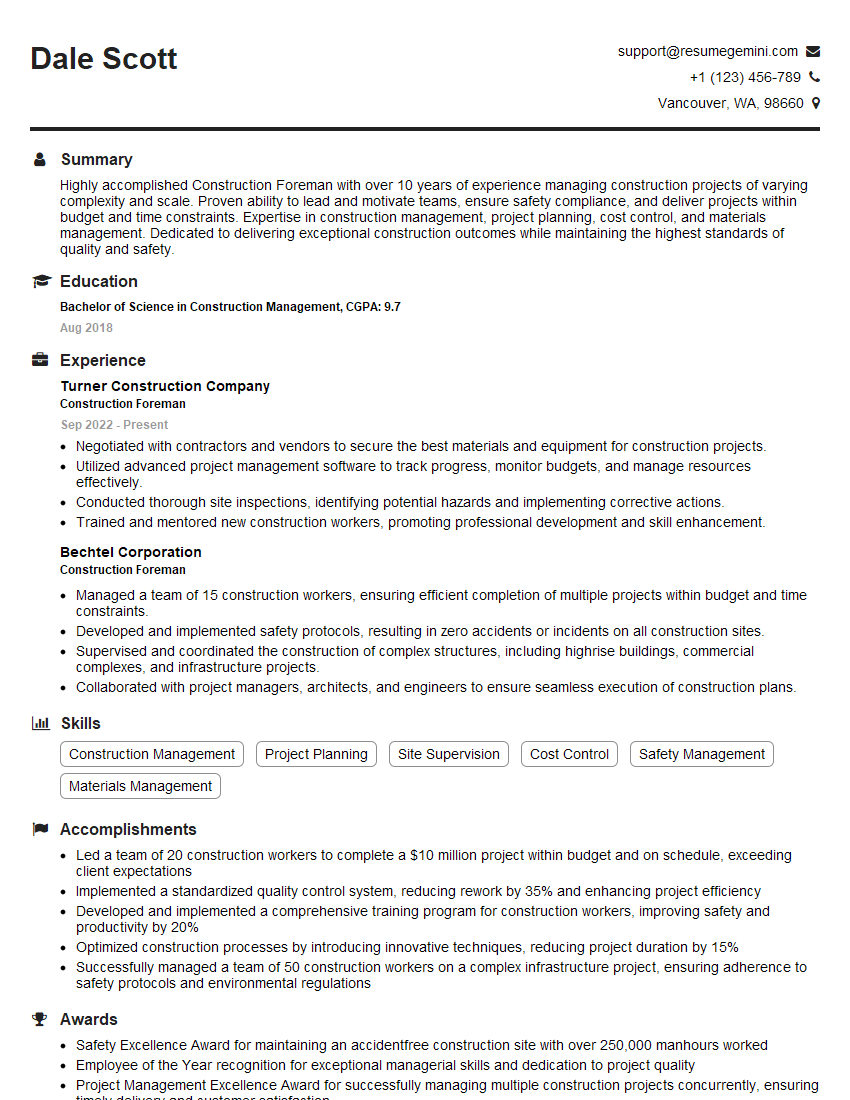
Construction Foreman Resume Sample

Construction Superintendent Resume Sample
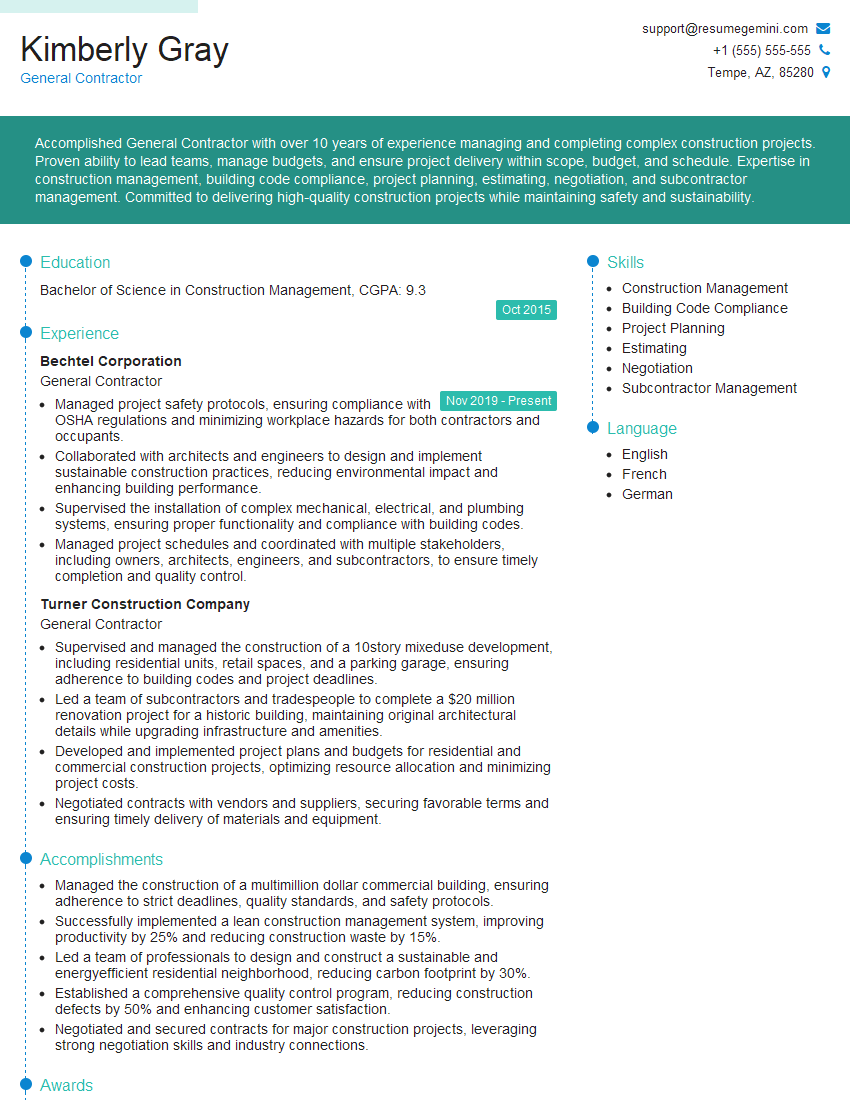
General Contractor Resume Sample
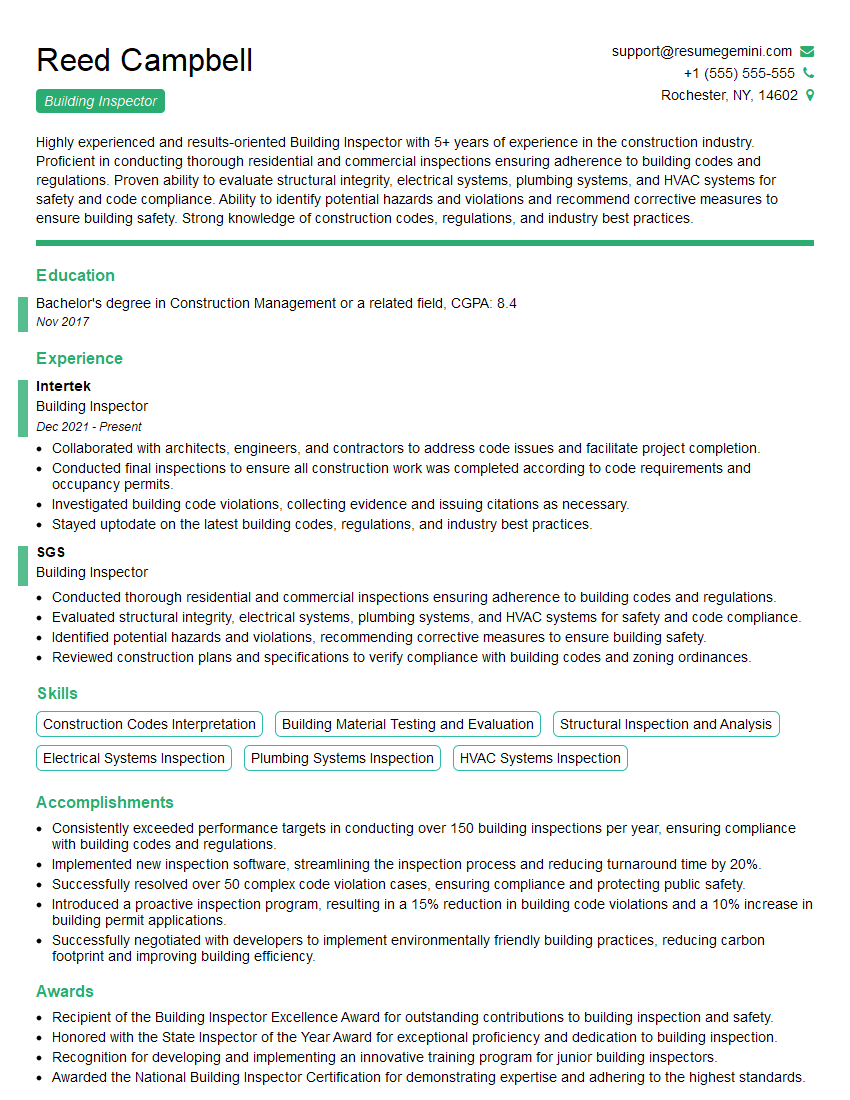
Building Inspector Resume Sample
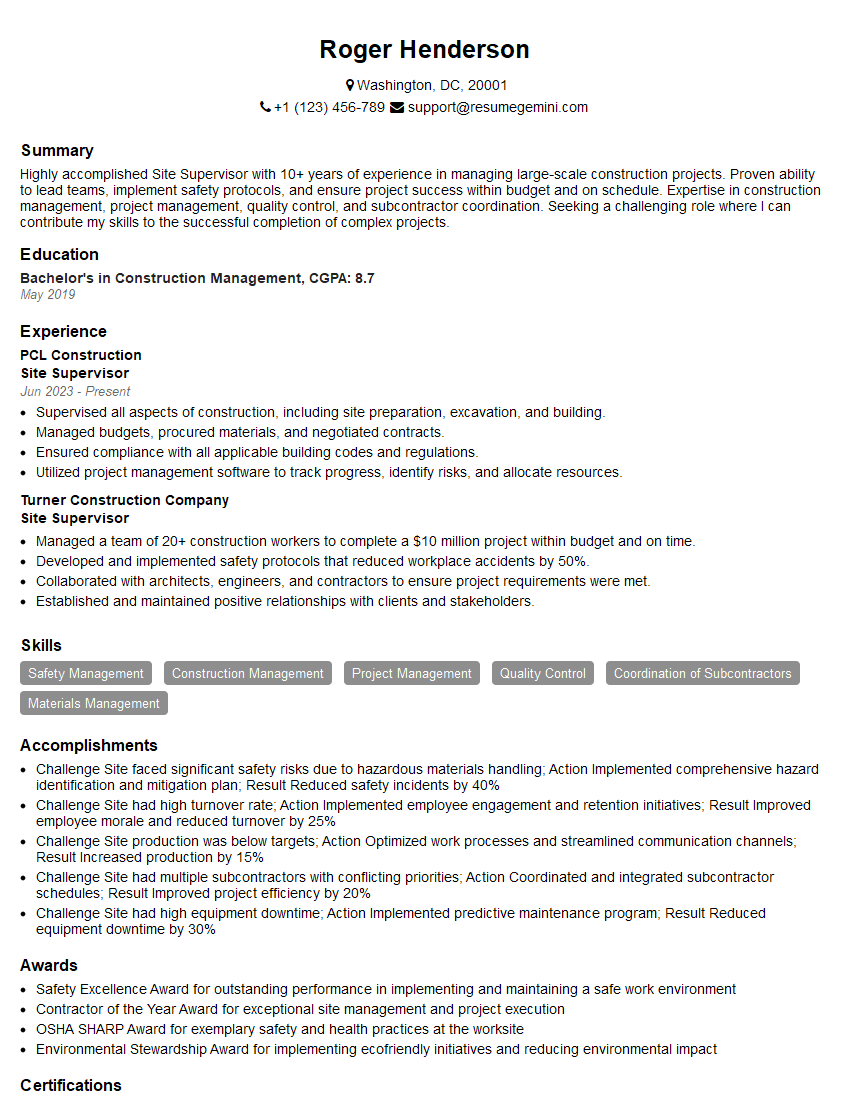
Site Supervisor Resume Sample
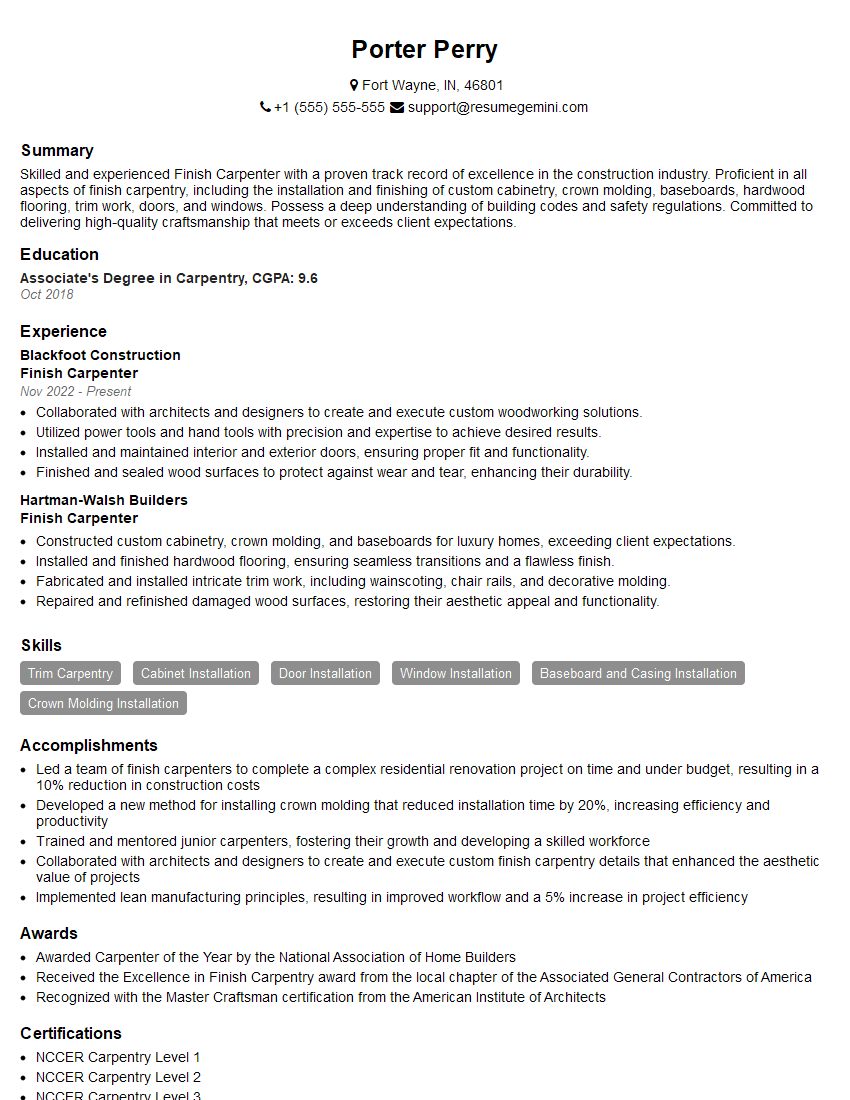
Finish Carpenter Resume Sample
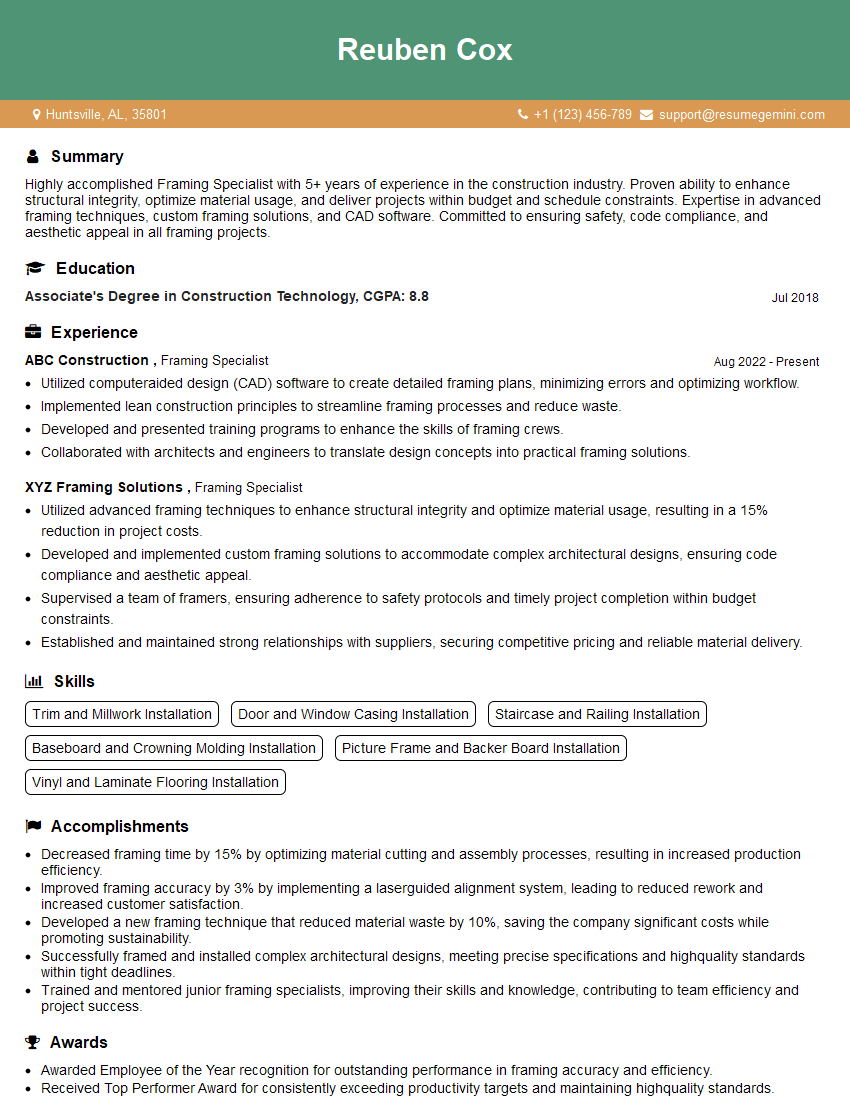
Framing Specialist Resume Sample
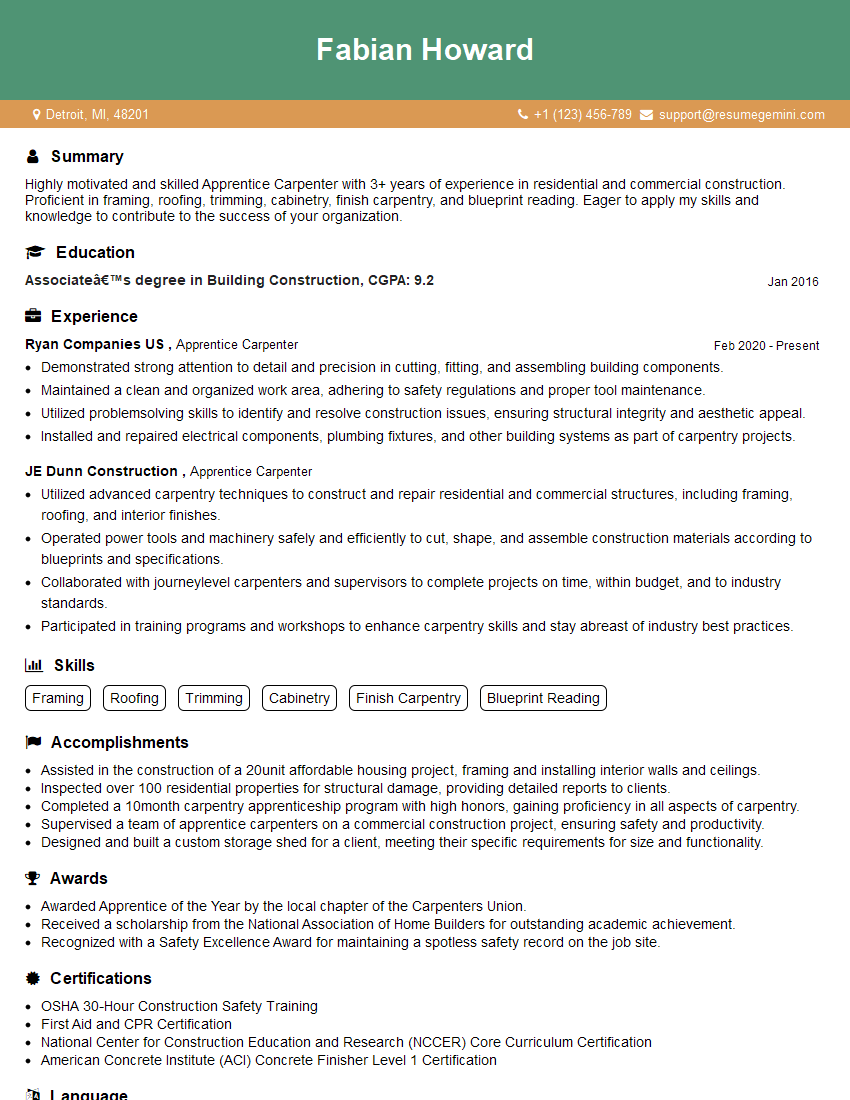
Apprentice Carpenter Resume Sample
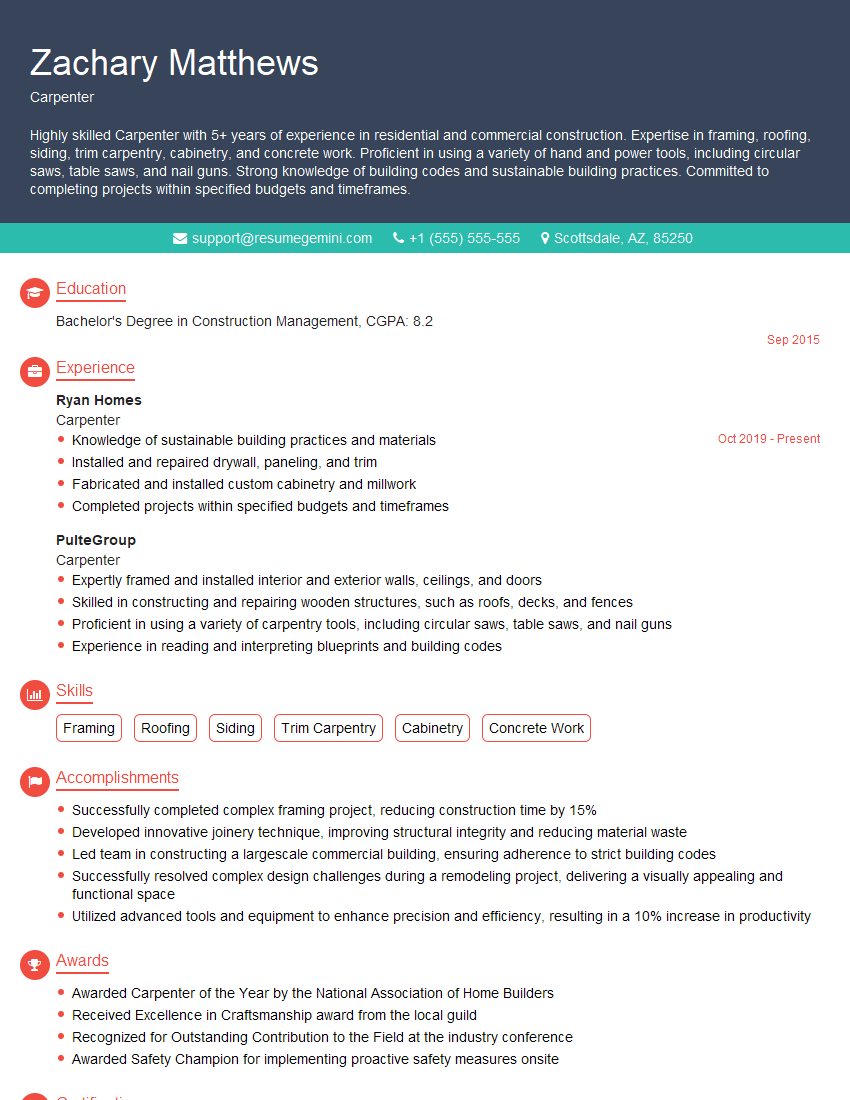
Carpenter Resume Sample
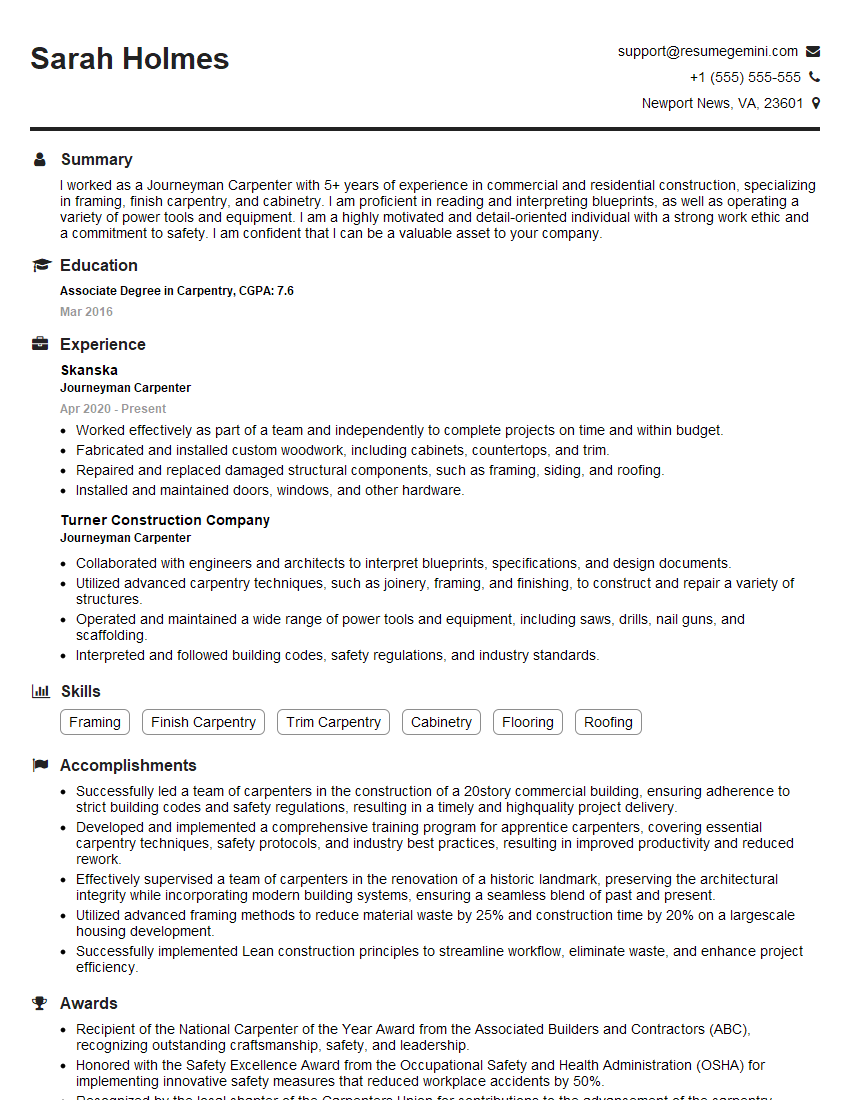
Journeyman Carpenter Resume Sample
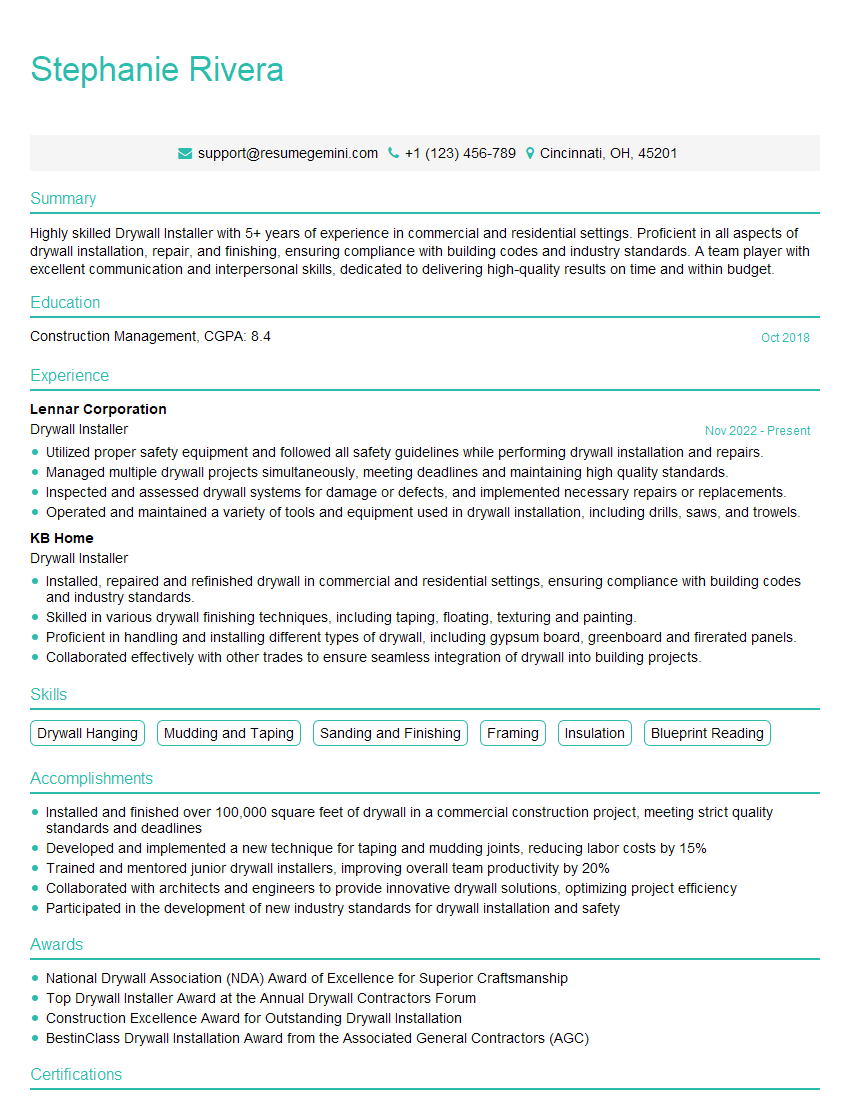
Drywall Installer Resume Sample
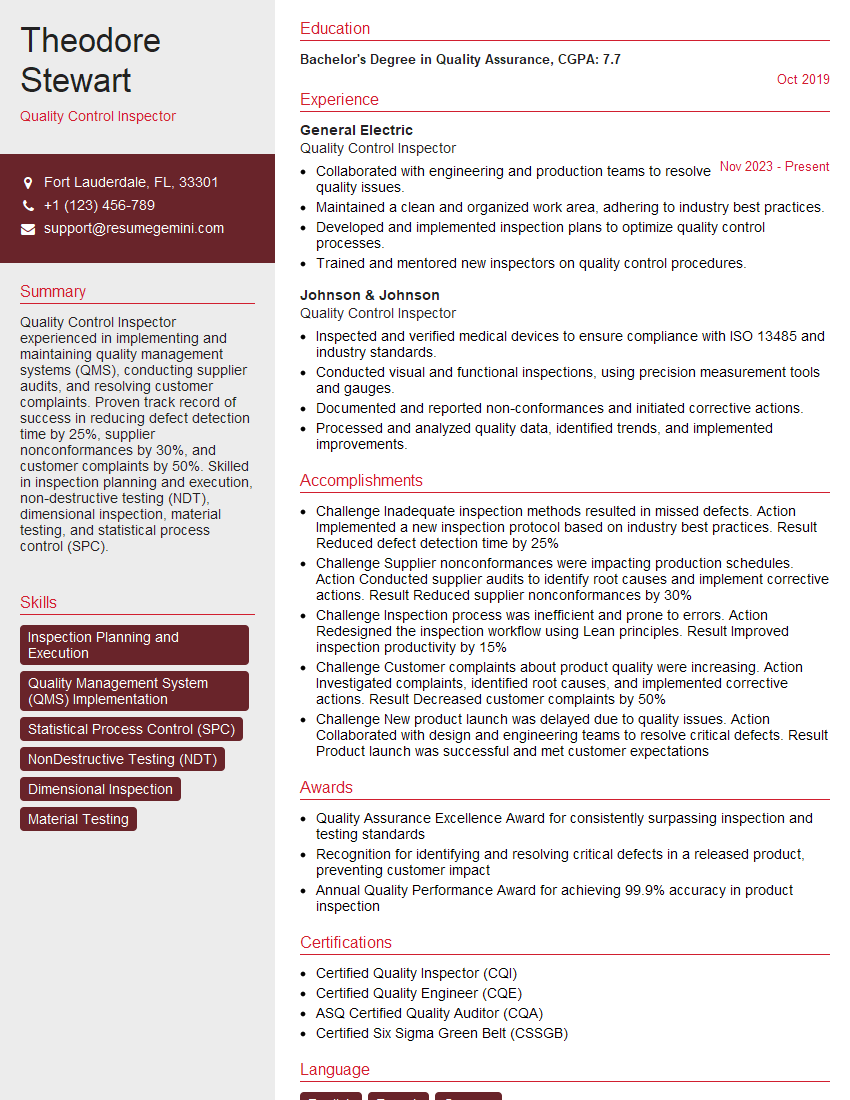
Quality Control Inspector Resume Sample
Explore more articles
Users Rating of Our Blogs
Share Your Experience
We value your feedback! Please rate our content and share your thoughts (optional).
What Readers Say About Our Blog
Amazing blog
hello,
Our consultant firm based in the USA and our client are interested in your products.
Could you provide your company brochure and respond from your official email id (if different from the current in use), so i can send you the client’s requirement.
Payment before production.
I await your answer.
Regards,
MrSmith
hello,
Our consultant firm based in the USA and our client are interested in your products.
Could you provide your company brochure and respond from your official email id (if different from the current in use), so i can send you the client’s requirement.
Payment before production.
I await your answer.
Regards,
MrSmith
These apartments are so amazing, posting them online would break the algorithm.
https://bit.ly/Lovely2BedsApartmentHudsonYards
Reach out at BENSON@LONDONFOSTER.COM and let’s get started!
Take a look at this stunning 2-bedroom apartment perfectly situated NYC’s coveted Hudson Yards!
https://bit.ly/Lovely2BedsApartmentHudsonYards
Live Rent Free!
https://bit.ly/LiveRentFREE
Interesting Article, I liked the depth of knowledge you’ve shared.
Helpful, thanks for sharing.
Hi, I represent a social media marketing agency and liked your blog
Hi, I represent an SEO company that specialises in getting you AI citations and higher rankings on Google. I’d like to offer you a 100% free SEO audit for your website. Would you be interested?