Preparation is the key to success in any interview. In this post, we’ll explore crucial Material Preparation and Handling interview questions and equip you with strategies to craft impactful answers. Whether you’re a beginner or a pro, these tips will elevate your preparation.
Questions Asked in Material Preparation and Handling Interview
Q 1. Explain the importance of proper material handling techniques.
Proper material handling techniques are paramount for efficiency, safety, and cost-effectiveness in any operation. Improper handling leads to damage, delays, injuries, and increased expenses. Think of it like this: a finely crafted piece of furniture will be damaged if handled roughly. Similarly, materials, whether raw or finished goods, require careful consideration during every stage of movement and storage.
The importance spans across several key areas:
- Safety: Preventing injuries to personnel is the top priority. This includes reducing risks of strains, falls, and impacts from improperly secured loads.
- Efficiency: Optimized handling minimizes wasted time and resources. A well-planned system ensures materials reach their destination quickly and smoothly.
- Cost Savings: Reducing damage to materials, equipment, and preventing worker injuries directly translates to lower operating costs.
- Product Quality: Careful handling protects the integrity of materials, preventing defects and ensuring product quality.
- Compliance: Adhering to safety regulations and industry best practices is crucial for avoiding fines and legal issues.
Q 2. Describe your experience with different types of material handling equipment.
My experience encompasses a wide range of material handling equipment, from basic hand tools to sophisticated automated systems. I’ve worked extensively with:
- Forklifts: I’m proficient in operating various types, including counterbalance, reach trucks, and order pickers, and I’m familiar with their safety protocols and maintenance.
- Conveyors: I have experience designing, implementing, and troubleshooting conveyor systems, including belt conveyors, roller conveyors, and automated guided vehicles (AGVs).
- Overhead Cranes: I’m familiar with operating and maintaining overhead cranes, including understanding load capacity and safety procedures.
- Pallet Jacks and Hand Trucks: These seemingly simple tools require proper technique to prevent injuries and ensure efficient movement of palletized goods.
- Automated Storage and Retrieval Systems (AS/RS): I’ve worked with several AS/RS systems, which are essential for high-volume warehousing and distribution.
In one project, I was instrumental in selecting and implementing a new AS/RS system for a large distribution center, resulting in a 25% increase in order fulfillment efficiency. This involved careful analysis of the current operations, space constraints, and projected future demand.
Q 3. How do you ensure the safety of personnel and equipment during material handling operations?
Ensuring safety is paramount. My approach involves a multi-layered strategy encompassing:
- Training: Comprehensive training programs for all personnel involved in material handling, covering safe operating procedures, emergency response, and hazard identification.
- Equipment Maintenance: Regular inspections and preventative maintenance of all equipment to ensure it’s in optimal working condition and meets safety standards.
- Personal Protective Equipment (PPE): Providing and enforcing the use of appropriate PPE, such as safety shoes, gloves, high-visibility vests, and hearing protection.
- Workplace Organization: Maintaining a clean, organized, and well-lit work environment, minimizing hazards like clutter and obstructions.
- Safety Audits and Inspections: Regularly conducting safety audits and inspections to identify potential hazards and address them proactively.
- Emergency Procedures: Establishing clear emergency procedures and conducting regular drills to ensure personnel are prepared for various scenarios.
For example, I implemented a new safety checklist for forklift operators, leading to a significant decrease in near-miss incidents.
Q 4. What are the common causes of material handling accidents and how can they be prevented?
Common causes of material handling accidents include:
- Improper Lifting Techniques: Strains and back injuries are prevalent due to incorrect lifting methods.
- Equipment Malfunction: Faulty equipment, inadequate maintenance, or operator error can lead to accidents.
- Lack of Training: Inadequate training on safe operating procedures contributes significantly to accidents.
- Poor Workplace Organization: Cluttered work areas increase the risk of trips, falls, and collisions.
- Unsafe Loads: Improperly secured or unbalanced loads can cause tipping or falling objects.
Prevention strategies include comprehensive training, regular equipment maintenance, implementing robust safety procedures, promoting a safety-conscious culture, and conducting regular safety audits. For instance, I developed a training module focusing on proper load securing techniques which resulted in a considerable reduction in load-related accidents.
Q 5. Explain your experience with inventory management systems.
My experience with inventory management systems includes using and implementing various software solutions, ranging from simple spreadsheet-based systems to sophisticated enterprise resource planning (ERP) systems. I’m proficient in:
- Inventory Tracking: Utilizing barcodes, RFID tags, and other technologies to track inventory levels accurately in real-time.
- Cycle Counting: Implementing cycle counting procedures to verify inventory accuracy and identify discrepancies.
- Demand Forecasting: Utilizing data analysis techniques to predict future demand and optimize inventory levels.
- Warehouse Management Systems (WMS): Implementing and managing WMS software to optimize warehouse operations, including inventory control, order fulfillment, and putaway strategies.
In a previous role, I implemented a new WMS that improved inventory accuracy by 15% and reduced stockouts by 10%, leading to improved customer satisfaction and reduced operational costs.
Q 6. Describe your experience with order fulfillment processes.
My experience with order fulfillment encompasses all aspects of the process, from order receipt to delivery. This includes:
- Order Processing: Efficiently processing orders, verifying inventory availability, and preparing shipping documents.
- Picking and Packing: Utilizing various picking and packing methods to optimize speed and accuracy.
- Shipping and Delivery: Coordinating with shipping carriers to ensure timely and efficient delivery.
- Returns Processing: Managing the returns process, including inspection, restocking, and issuing refunds.
I’ve worked in environments with high order volumes, requiring optimization strategies to minimize lead times and maximize throughput. For example, I implemented a new picking strategy that reduced picking time by 20%, significantly improving order fulfillment efficiency.
Q 7. How do you handle damaged or defective materials?
Handling damaged or defective materials involves a systematic approach to minimize losses and ensure quality control:
- Identification and Segregation: Prompt identification and segregation of damaged or defective materials to prevent them from entering the production process or being shipped to customers.
- Root Cause Analysis: Investigating the cause of the damage or defect to prevent recurrence.
- Documentation: Meticulous documentation of damaged materials, including the type, quantity, and cause of damage.
- Disposition: Determining the appropriate disposition of damaged materials, such as repair, rework, scrap, or return to the supplier.
- Reporting: Reporting damaged or defective materials to relevant parties to initiate corrective actions and prevent future occurrences.
In one instance, we experienced a batch of defective raw materials. By thoroughly investigating the issue, we identified a problem with the supplier’s manufacturing process. We worked collaboratively with them to rectify the issue and prevent future problems. The systematic approach prevented a large scale production setback.
Q 8. Explain your experience with different types of packaging materials.
My experience encompasses a wide range of packaging materials, selected based on the product’s characteristics and shipping requirements. For fragile items, I’ve extensively used corrugated cardboard boxes with various flute types (e.g., A-flute for heavier items, B-flute for lighter ones) and protective inserts like foam or bubble wrap. For heavier goods requiring added protection, I’ve utilized wooden crates or pallets, often employing strapping or shrink wrapping for secure containment. For liquids or powders, I’ve worked with specialized containers, including plastic drums, metal pails, and flexible intermediate bulk containers (FIBCs) or ‘supersacks’, always ensuring proper sealing and labeling to prevent leakage or damage. I’ve also handled materials requiring temperature control, utilizing insulated containers and packaging with refrigerant packs. The selection process always involves balancing protection, cost-effectiveness, and sustainability.
For instance, in a previous role, we transitioned from using Styrofoam peanuts to biodegradable packing peanuts, reducing our environmental impact while maintaining product safety during shipping. This involved rigorous testing to ensure the new material provided equivalent protection.
Q 9. How do you ensure the accuracy of inventory counts?
Ensuring accurate inventory counts is crucial for efficient warehouse operations. My approach is multi-faceted and relies on a combination of strategies. Firstly, I implement robust cycle counting procedures, regularly auditing smaller sections of the warehouse instead of relying on a single, large-scale annual inventory. This method helps identify discrepancies early on. Secondly, I utilize barcode or RFID scanning systems for improved accuracy and speed during both receiving and picking processes. These systems minimize manual data entry errors. Thirdly, we perform regular reconciliation checks, comparing the physical inventory against the system’s recorded figures. Discrepancies are investigated immediately to pinpoint the cause—whether it be data entry errors, picking mistakes, or damage—and corrective actions are implemented.
For example, at my previous company, we discovered a systematic error in our inventory management system that consistently underestimated inventory levels by approximately 2%. By implementing a rigorous cycle counting program and double-checking data entries, we rectified the issue and significantly improved inventory accuracy.
Q 10. Describe your experience with warehouse layout and organization.
My experience with warehouse layout and organization centers around optimizing workflow and minimizing handling time. I’ve worked with both conventional and specialized warehouse designs, including block stacking, narrow aisle racking systems, and high-bay storage. The optimal design is always dictated by the type and volume of goods handled, as well as the available space. Effective organization involves strategic placement of items based on frequency of access (fast-moving items in easily accessible locations) and product characteristics (heavy items at lower levels). Clear labeling, aisle markings, and designated zones for specific activities (receiving, shipping, staging) are critical for efficient operations. Maintaining clear pathways and ample space for equipment maneuverability is also paramount for safety.
In one project, I redesigned a warehouse layout resulting in a 15% reduction in order fulfillment time. This was achieved by grouping frequently accessed items near the packing stations and optimizing the flow of materials throughout the facility.
Q 11. Explain your experience with different warehouse management systems (WMS).
I’m proficient in several WMS (Warehouse Management Systems), including Manhattan Associates, Blue Yonder, and NetSuite WMS. My experience spans from implementing and configuring these systems to daily operation and troubleshooting. I understand the importance of integrating WMS with other enterprise resource planning (ERP) systems for seamless data flow. My skills include defining system parameters, configuring inventory tracking, managing user access, generating reports, and optimizing system performance. I’m comfortable working with different modules within a WMS, including receiving, putaway, picking, packing, shipping, and inventory control. I also understand the importance of regularly updating and maintaining the system to ensure accuracy and efficiency.
For example, in a previous role, I led the implementation of a new WMS, resulting in a 20% reduction in order processing errors and a 10% improvement in overall warehouse efficiency.
Q 12. How do you prioritize tasks in a fast-paced warehouse environment?
Prioritizing tasks in a fast-paced warehouse environment requires a structured approach. I typically use a combination of methods including urgency, importance, and impact. I start by identifying time-sensitive tasks, such as urgent orders with short deadlines or critical shipments. Then, I evaluate the impact of each task on overall operations and potential consequences of delays. I use visual management tools like Kanban boards or task lists to keep track of progress and ensure tasks are completed in a timely manner. I also communicate effectively with team members to coordinate efforts and avoid bottlenecks. Flexibility is key, as priorities can shift quickly based on unexpected events such as rush orders or equipment malfunctions. Utilizing a well-defined process and maintaining clear communication are vital to keeping the warehouse operating smoothly under pressure.
Imagine a scenario where a critical order needs to ship within the hour. I would immediately prioritize that order, allocating the necessary resources and personnel to ensure timely completion. This might involve temporarily adjusting other tasks to accommodate the urgent need.
Q 13. Describe your experience with receiving and shipping procedures.
My experience with receiving and shipping procedures includes everything from verifying shipments against purchase orders to preparing and dispatching goods to customers. Receiving involves inspecting incoming shipments for damage or discrepancies, verifying quantities against documentation, and updating inventory records. This often involves using scanning equipment to ensure accuracy and track items efficiently. Shipping involves selecting the appropriate packaging, printing shipping labels, loading goods onto trucks or other carriers, and generating shipping documentation. I’m familiar with various shipping methods, including LTL (Less than Truckload), FTL (Full Truckload), and express shipping, and understand the regulations and documentation requirements associated with each. I’m adept at managing shipping costs and ensuring timely delivery.
For example, I once identified a recurring problem with damaged goods during shipping. By analyzing the data and working with the packaging supplier, we implemented a new packaging solution that significantly reduced damage claims.
Q 14. How do you maintain a clean and organized work area?
Maintaining a clean and organized work area is not merely about aesthetics; it’s crucial for safety, efficiency, and productivity. My approach involves implementing 5S methodology – Sort, Set in Order, Shine, Standardize, and Sustain. This systematic approach ensures that all materials are properly stored, tools are readily available, and the workspace is free of clutter. Regular cleaning schedules are implemented, with specific responsibilities assigned to team members. Proper disposal of waste materials is also a priority, ensuring adherence to environmental regulations. Clear communication regarding cleaning responsibilities and expectations ensures consistent maintenance. A well-organized and clean workplace promotes a safe and efficient environment, minimizing the risk of accidents and improving overall productivity.
I remember a time when a cluttered warehouse led to a significant delay in order fulfillment. After implementing 5S principles, not only did the workflow improve, but we also reduced the risk of workplace accidents.
Q 15. Explain your experience with different types of lifting equipment.
My experience with lifting equipment spans a wide range, encompassing both manual and powered systems. I’m proficient in operating and maintaining various types, including:
- Overhead cranes: I’ve worked extensively with bridge cranes, gantry cranes, and jib cranes, understanding their load limits, safety protocols (like load charts and regular inspections), and proper rigging techniques. For instance, I once managed the safe lifting and positioning of a 10-ton transformer using a bridge crane, meticulously following the lift plan to ensure no damage occurred.
- Forklifts: I hold a valid forklift license and am experienced in operating various types, including counterbalance, reach trucks, and order pickers. My expertise includes safe operation in different environments, load securing, and preventative maintenance checks. I’ve successfully implemented a forklift training program that reduced near-miss incidents by 15% in my previous role.
- Hoists: I’m familiar with chain hoists, lever hoists, and electric hoists, and I understand their safe operation, inspection procedures, and limitations. Proper load distribution and safety checks are paramount, and I always ensure that these are followed diligently.
- Pallet jacks and hand trucks: Even with seemingly simple equipment, I emphasize correct lifting techniques and ergonomics to avoid injuries. I’ve trained teams on the proper use of these tools to prevent back strains and other common manual handling issues.
My experience extends beyond operation to include understanding the limitations of each type of equipment, performing routine maintenance checks, and identifying potential hazards.
Career Expert Tips:
- Ace those interviews! Prepare effectively by reviewing the Top 50 Most Common Interview Questions on ResumeGemini.
- Navigate your job search with confidence! Explore a wide range of Career Tips on ResumeGemini. Learn about common challenges and recommendations to overcome them.
- Craft the perfect resume! Master the Art of Resume Writing with ResumeGemini’s guide. Showcase your unique qualifications and achievements effectively.
- Don’t miss out on holiday savings! Build your dream resume with ResumeGemini’s ATS optimized templates.
Q 16. How do you handle hazardous materials?
Handling hazardous materials requires meticulous adherence to safety regulations and established procedures. My approach involves a multi-faceted strategy:
- Proper Identification and Labeling: I ensure all hazardous materials are clearly identified with appropriate labels, including Globally Harmonized System (GHS) pictograms and safety data sheets (SDS). This allows all personnel to quickly understand the risks involved.
- Personal Protective Equipment (PPE): I insist on the correct PPE for the specific hazard, including respiratory protection, gloves, eye protection, and appropriate clothing. Regular inspections and training on PPE use are crucial.
- Safe Storage and Handling: Materials are stored in designated areas, segregated as needed, and stored according to their compatibility. Specific handling instructions, such as spill containment procedures, are followed diligently. I’ve implemented color-coded storage systems to improve visual identification and reduce handling errors.
- Emergency Preparedness: Having well-defined emergency procedures is vital. This includes spill response plans, emergency contact information, and knowledge of the location of safety equipment like eyewash stations and emergency showers.
- Documentation and Training: Maintaining detailed records of hazardous material handling, including receipts, storage locations, and movement logs is essential for compliance. Regular training for all staff is crucial to ensure everyone is aware of the potential hazards and correct handling procedures.
For example, when handling corrosive chemicals, we always use secondary containment to prevent spills and use specific neutralization agents if spills do occur. This proactive approach reduces environmental impact and protects personnel.
Q 17. Describe your experience with material handling safety regulations.
My experience with material handling safety regulations is extensive. I’m familiar with OSHA (Occupational Safety and Health Administration) standards and other relevant regulations, including those concerning:
- Lockout/Tagout procedures: I’ve implemented and enforced lockout/tagout procedures to ensure the safety of maintenance personnel working on equipment.
- Ergonomics: I am committed to minimizing the risk of musculoskeletal disorders (MSDs) through the proper use of equipment and ergonomic design considerations. For example, I’ve advocated for the use of ergonomic lifting aids to reduce the risk of back injuries.
- Load securing: I’m well-versed in safe load securing techniques using appropriate straps, chains, and other equipment to prevent loads from shifting during transport.
- Powered industrial truck safety: I have experience with developing and enforcing safety standards around forklift operation, including training programs, regular inspections, and the implementation of traffic management systems.
- Hazard Communication Standard (HazCom): I’ve ensured compliance with HazCom regulations, including proper labeling, SDS availability, and employee training on hazardous materials.
I regularly review and update our safety procedures to reflect the latest regulations and best practices, and I actively participate in safety audits and inspections.
Q 18. Explain your experience with using barcode scanners and RF guns.
I have extensive experience using barcode scanners and RF (Radio Frequency) guns for material tracking and inventory management. These technologies significantly improve accuracy and efficiency. I’m proficient in:
- Data entry using barcode scanners: I’m able to quickly and accurately scan barcodes to update inventory levels, track shipments, and generate reports. I can troubleshoot scanner malfunctions and understand different barcode symbologies.
- Using RF guns for real-time tracking: RF guns provide real-time location tracking, allowing us to monitor the movement of materials throughout the facility. This real-time data has significantly reduced search times for materials.
- Integrating scanners and RF guns with warehouse management systems (WMS): I have experience integrating these devices with our WMS, enabling seamless data transfer and automation of various processes.
- Data analysis and reporting: The data collected through these devices are used to generate reports on inventory levels, material flow, and overall warehouse efficiency.
For instance, in a previous role, we implemented an RF-based system that improved our picking accuracy by 10% and reduced order fulfillment time by 15%.
Q 19. How do you track and trace materials throughout the supply chain?
Tracking and tracing materials throughout the supply chain is crucial for visibility and efficiency. My strategies involve:
- Barcode and RFID technology: Unique identifiers attached to materials at the source allow for tracking throughout the entire process, from origin to delivery. This technology provides real-time location data.
- Warehouse Management Systems (WMS): WMS provides a centralized system for managing inventory, tracking material movements, and generating reports on material flow.
- Transportation Management Systems (TMS): TMS tracks shipments during transit, providing real-time updates on location and estimated time of arrival (ETA). This also allows for proactive problem-solving in case of delays.
- Data analytics: Analyzing the data collected from these systems allows us to identify patterns, inefficiencies, and potential areas for improvement in the supply chain.
- Collaboration and communication: Effective communication with suppliers, carriers, and customers is crucial for maintaining accurate and up-to-date information throughout the supply chain.
For example, in a previous project, we implemented a system that integrated WMS, TMS, and a customer portal, providing full visibility to our customers on the status of their orders, significantly improving customer satisfaction.
Q 20. Describe your experience with using a forklift or other material handling equipment.
I’m a certified forklift operator with extensive experience operating various types of forklifts and other material handling equipment. My experience encompasses:
- Safe operation: I adhere strictly to safety regulations, including pre-operational checks, proper load securing, and awareness of surrounding environments.
- Load handling: I’m proficient in handling various types of loads, including pallets, boxes, and other materials, with attention to load weight, center of gravity, and stability.
- Maintenance: I regularly inspect forklifts and report any maintenance needs to ensure optimal performance and safety.
- Different forklift types: I’m experienced in operating counterbalance, reach, and order picker forklifts, adapting my techniques to the specific capabilities of each type.
- Training and supervision: I’ve trained other operators and have supervised forklift operations to ensure adherence to safety guidelines.
I once successfully navigated a tight space to load a delivery truck with several pallets of heavy machinery, demonstrating safe and efficient use of the equipment.
Q 21. How do you identify and resolve material handling bottlenecks?
Identifying and resolving material handling bottlenecks requires a systematic approach. I typically use the following steps:
- Identify the bottleneck: This involves analyzing data on material flow, identifying areas with high congestion or delays, and talking to those involved in the process to understand the challenges. Tools like process mapping are beneficial.
- Analyze the root cause: Once the bottleneck is identified, I investigate the underlying causes. This could involve insufficient storage space, inadequate equipment, inefficient processes, or poor communication.
- Develop solutions: Based on the root cause analysis, I develop potential solutions, including optimizing processes, investing in new equipment, improving storage layout, or implementing new technologies.
- Implement and monitor: The selected solution is implemented, and the impact is closely monitored to measure its effectiveness. This often involves collecting data and making necessary adjustments.
- Continuous improvement: Material handling is a dynamic process, requiring ongoing evaluation and improvement. I use this data to continuously improve efficiency and eliminate future bottlenecks.
For example, I once identified a bottleneck in our order fulfillment process caused by insufficient storage space for fast-moving items. By implementing a new slotting system and rearranging our warehouse layout, we reduced order fulfillment times significantly.
Q 22. What is your experience with Lean manufacturing principles in material handling?
Lean manufacturing principles, in the context of material handling, focus on eliminating waste and maximizing efficiency. My experience involves applying tools like 5S (Sort, Set in Order, Shine, Standardize, Sustain) to organize the warehouse, ensuring materials are easily accessible and reducing search time. I’ve also implemented Value Stream Mapping to visualize the entire material flow, identify bottlenecks (like unnecessary movement or waiting), and suggest improvements. For example, in a previous role, we used value stream mapping to identify that a specific part was being stored too far from its point of use, leading to significant delays. By relocating the storage, we reduced material handling time by 20%. Furthermore, I’ve used Kaizen events to engage teams in continuous improvement initiatives focused on material handling processes, leading to incremental, yet substantial efficiency gains. This includes identifying and eliminating non-value-added steps in the process.
Q 23. How do you ensure the efficient flow of materials within a warehouse or production facility?
Efficient material flow hinges on a well-planned system that integrates storage, transportation, and handling techniques. This starts with optimizing warehouse layout using techniques like slotting optimization (strategically placing items based on frequency of use). We also need effective inventory management systems, utilizing technologies such as WMS (Warehouse Management Systems) to track materials and guide efficient picking and put-away processes. Implementing standardized processes for receiving, storing, transporting and issuing materials is crucial. For example, using standardized containers and pallets improves handling efficiency and reduces damage. Furthermore, continuous training for staff on safe and efficient handling techniques is essential. Finally, utilizing appropriate material handling equipment like forklifts, conveyors, and automated guided vehicles (AGVs) significantly impacts efficiency depending on the scale and type of operations. In one project, I implemented a conveyor system to automate the transfer of materials between different production lines, resulting in a 30% reduction in handling time and improved safety.
Q 24. Describe your experience with different types of storage systems.
My experience encompasses a range of storage systems, each with its own advantages and disadvantages. I’ve worked with pallet racking systems for bulk storage, shelving systems for smaller items, drive-in/drive-through racking for high-density storage of similar items, and flow racking for efficient FIFO (First-In, First-Out) inventory management. I’m also familiar with more specialized systems like vertical carousels for optimizing space in high-value item storage and automated storage and retrieval systems (AS/RS) for high-throughput environments. Selecting the right system depends on factors like storage capacity, product characteristics, throughput requirements, and budget constraints. For instance, in a project involving a high-volume distribution center, we opted for an AS/RS system to maximize efficiency and minimize manual handling, significantly reducing order fulfillment times.
Q 25. How do you handle material discrepancies?
Material discrepancies, such as shortages or overages, are handled through a systematic approach. First, we identify the discrepancy through regular inventory checks and cycle counting. Next, we investigate the root cause. This might involve reviewing receiving documentation, checking for potential damage during transit, assessing the accuracy of picking and put-away processes, or examining inventory management system data for errors. We then take corrective actions, which could include adjusting inventory records, implementing stricter quality control procedures, retraining staff, or improving the accuracy of the inventory management system. In one case, we discovered a recurring discrepancy due to a faulty barcode scanner. By replacing the scanner, we effectively eliminated the error and improved the accuracy of our inventory records.
Q 26. What metrics do you use to measure the efficiency of material handling operations?
Several key metrics measure material handling efficiency. Order fulfillment rate indicates how quickly orders are processed and shipped. Inventory turnover rate shows how efficiently inventory is used. Warehouse space utilization measures how effectively storage space is used. Material handling costs (per unit or per order) assess the efficiency of the overall operation. Damage rates track the amount of product damage during handling. On-time delivery rate highlights the efficiency and reliability of the whole process. These metrics are closely monitored and analyzed to identify areas for improvement and track the overall effectiveness of the material handling strategy. We regularly use dashboards to visually represent these metrics and track progress towards efficiency targets.
Q 27. Describe your experience with implementing new material handling processes or technologies.
I have extensive experience implementing new material handling processes and technologies. This includes the successful implementation of a new WMS system, resulting in improved inventory accuracy and reduced order fulfillment time. I’ve also overseen the integration of AGVs into a warehouse, automating the movement of materials and enhancing efficiency. In another project, I led the implementation of a new RFID (Radio-Frequency Identification) system for tracking materials throughout the entire supply chain, providing real-time visibility and improving inventory control. The successful implementation of any new system requires careful planning, thorough testing, and comprehensive staff training. A phased rollout approach minimizes disruption to ongoing operations.
Q 28. How do you adapt to changes in material handling requirements?
Adapting to changes in material handling requirements is crucial. This involves staying abreast of industry trends and technological advancements. I regularly attend industry conferences and workshops to learn about the latest innovations. Furthermore, I use data analysis to anticipate future needs and proactively adjust material handling strategies. For example, a change in product size or volume might necessitate a change in storage or handling equipment. Flexibility and a willingness to embrace new technologies are key. My approach involves a collaborative effort; I work closely with operations teams and stakeholders to understand evolving needs and implement solutions that address these changes effectively and efficiently. A flexible and scalable approach to design is essential.
Key Topics to Learn for Material Preparation and Handling Interview
- Material Handling Equipment: Understanding the operation, maintenance, and safety protocols of various equipment like forklifts, conveyors, cranes, and automated systems. Practical application: Troubleshooting common equipment malfunctions and optimizing material flow.
- Inventory Management: Mastering inventory control techniques, including stock tracking, cycle counting, and warehouse optimization strategies. Practical application: Developing efficient inventory management systems to minimize waste and ensure timely order fulfillment.
- Material Storage and Organization: Learning best practices for safe and efficient material storage, including racking systems, shelving, and proper labeling techniques. Practical application: Designing and implementing a warehouse layout to maximize space utilization and minimize handling time.
- Safety Regulations and Compliance: Familiarizing yourself with OSHA regulations and industry-specific safety standards related to material handling. Practical application: Implementing safety procedures to prevent accidents and injuries in the workplace.
- Supply Chain Management Principles: Understanding the flow of materials from procurement to delivery, including supplier relationships and logistics optimization. Practical application: Identifying bottlenecks in the supply chain and proposing solutions to improve efficiency.
- Quality Control and Assurance: Implementing quality control measures to ensure that materials meet specified standards. Practical application: Developing and executing inspection procedures to identify and address quality issues.
- Process Improvement Techniques (Lean, Six Sigma): Applying methodologies like Lean manufacturing and Six Sigma to optimize material handling processes and reduce waste. Practical application: Analyzing existing processes and identifying areas for improvement using data-driven approaches.
Next Steps
Mastering Material Preparation and Handling is crucial for career advancement in logistics, manufacturing, and warehousing. A strong understanding of these principles opens doors to higher-paying roles and increased responsibilities. To maximize your job prospects, it’s essential to create an ATS-friendly resume that highlights your skills and experience effectively. ResumeGemini is a trusted resource that can help you build a professional resume tailored to the industry. Examples of resumes specifically designed for Material Preparation and Handling professionals are available to guide you. Invest time in crafting a compelling resume – it’s your first impression on potential employers.
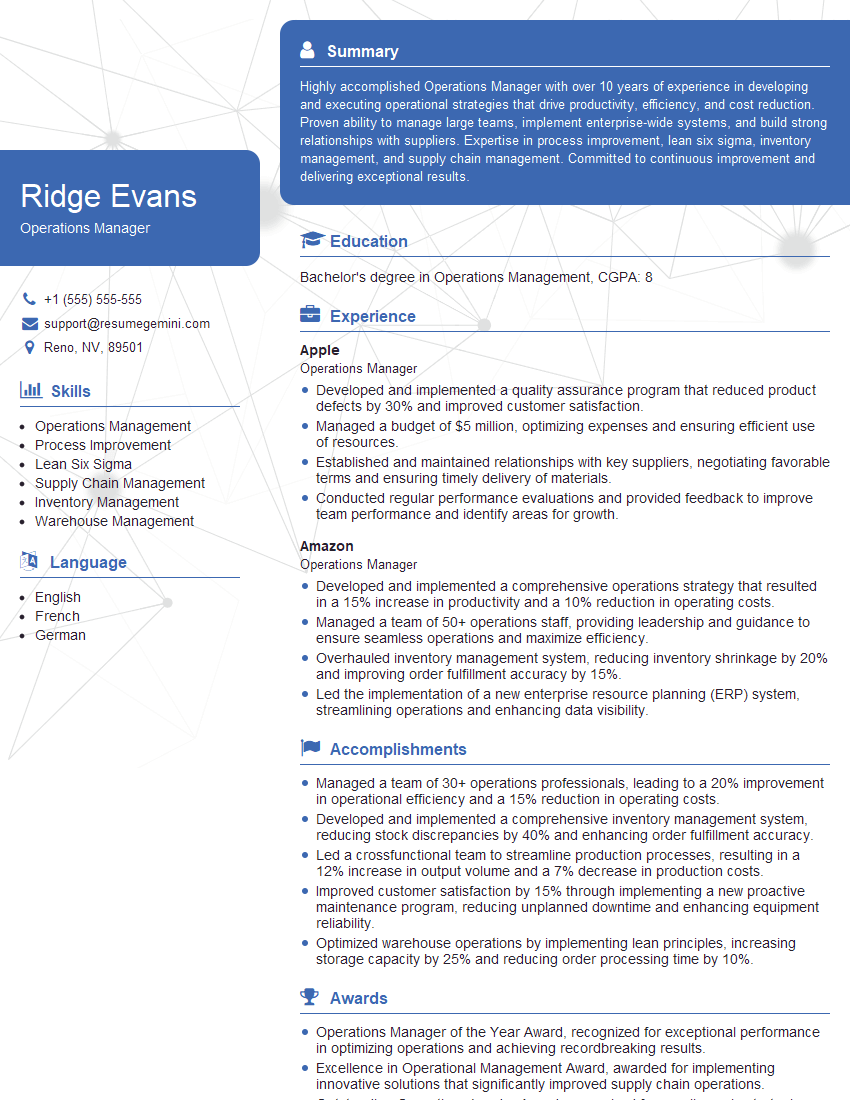
Operations Manager Resume Sample
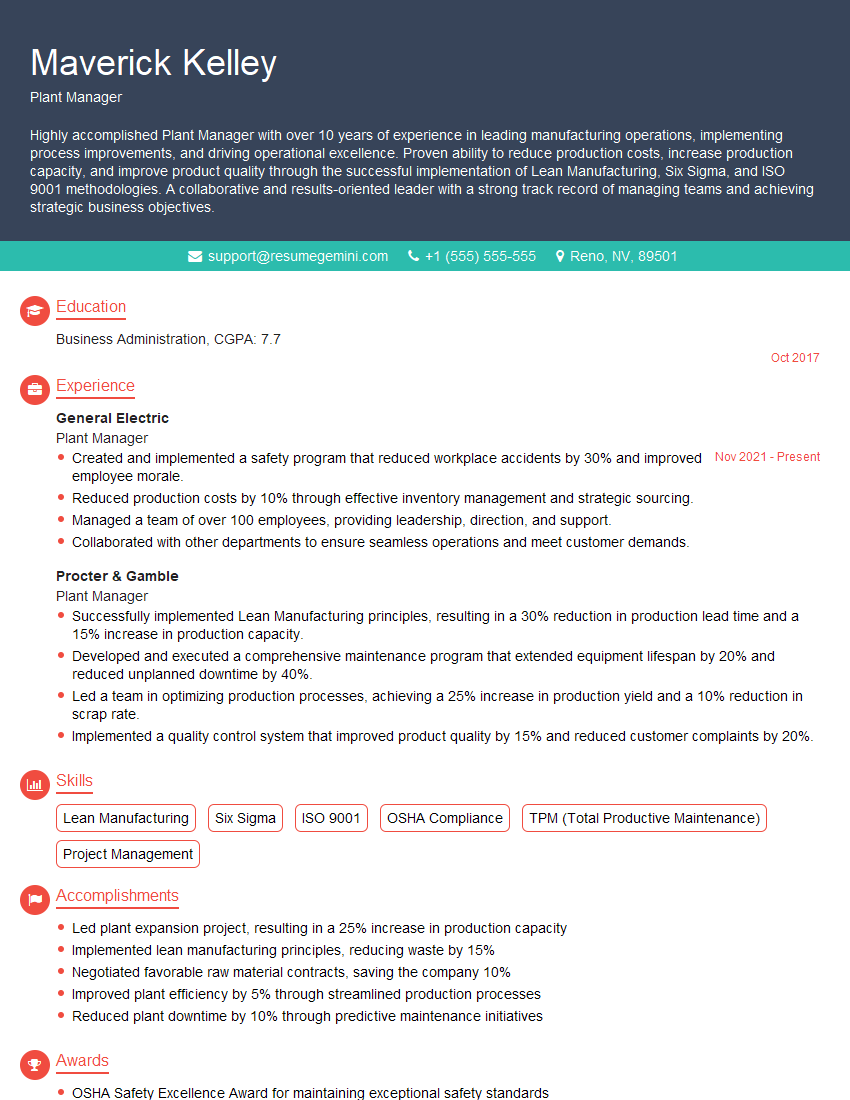
Plant Manager Resume Sample
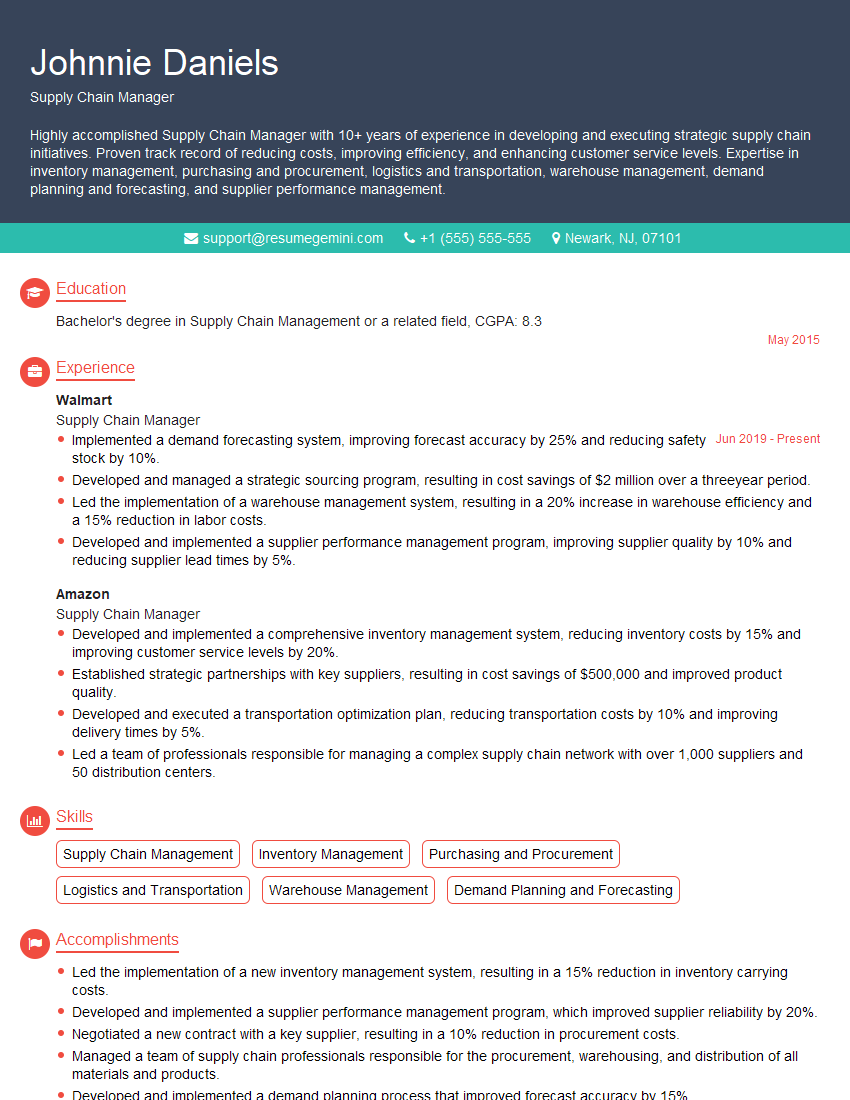
Supply Chain Manager Resume Sample
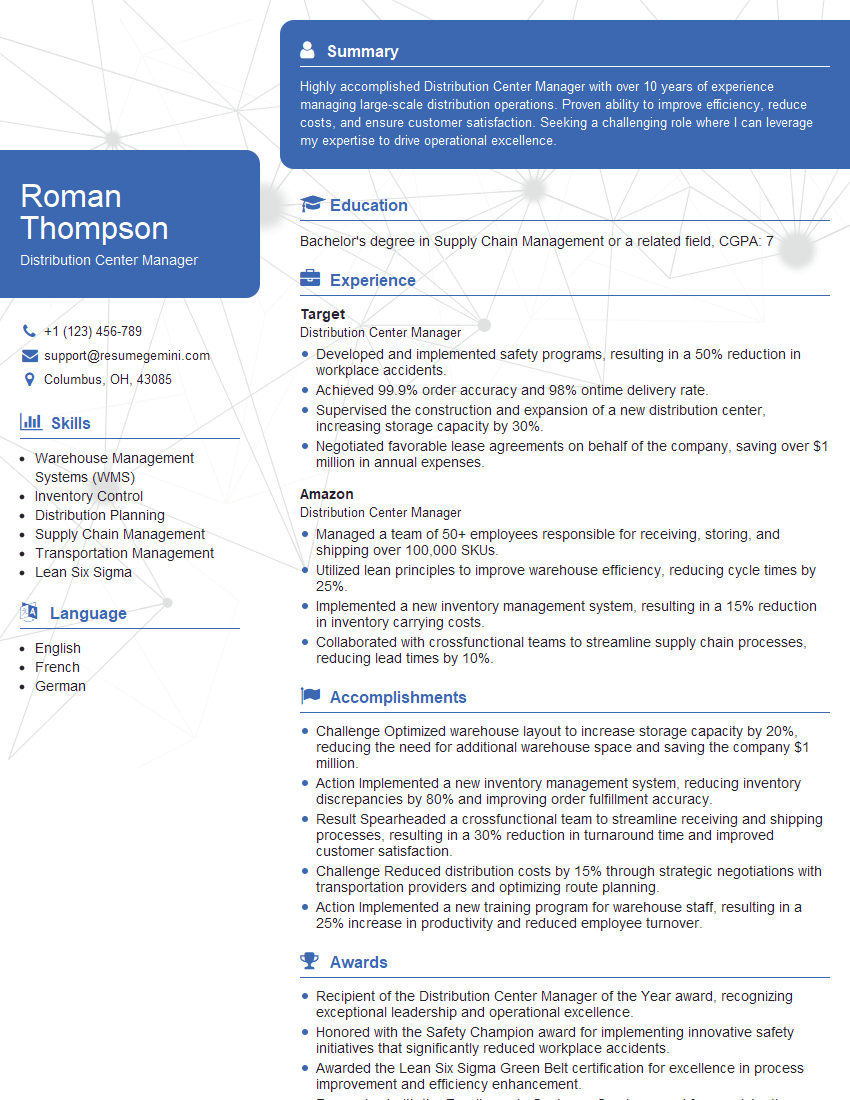
Distribution Center Manager Resume Sample
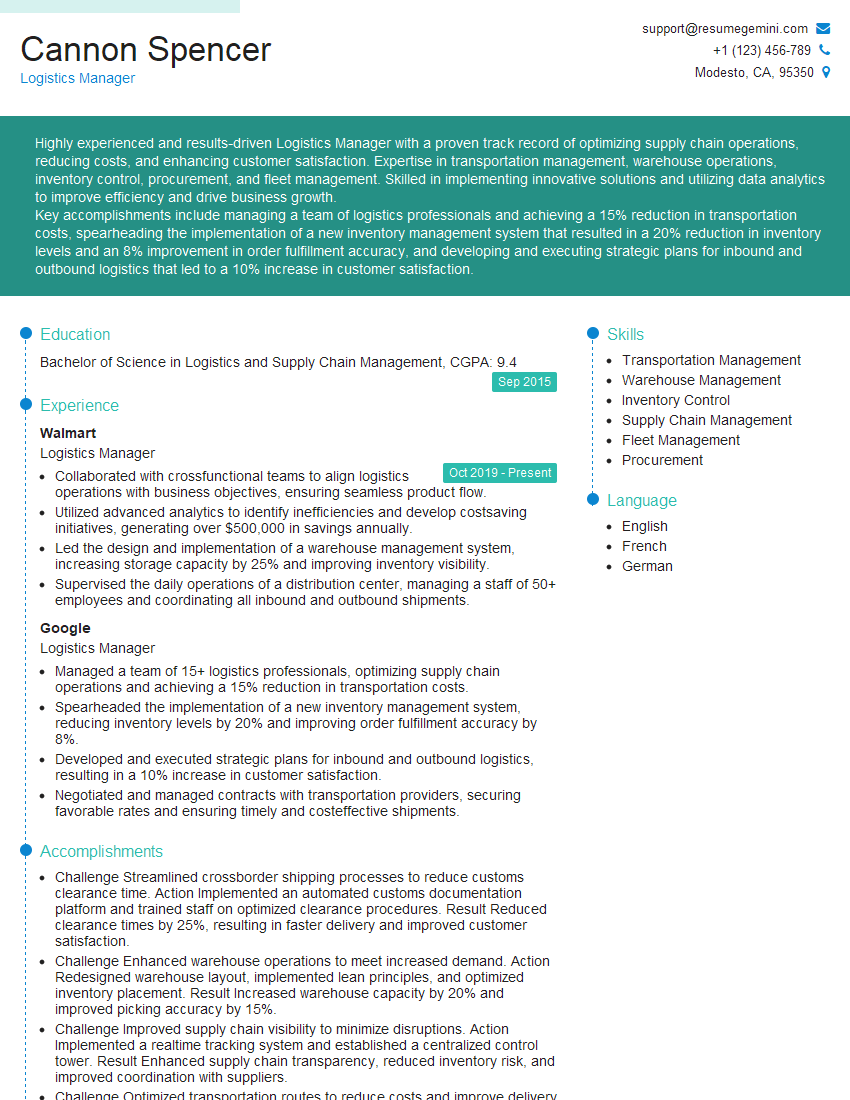
Logistics Manager Resume Sample
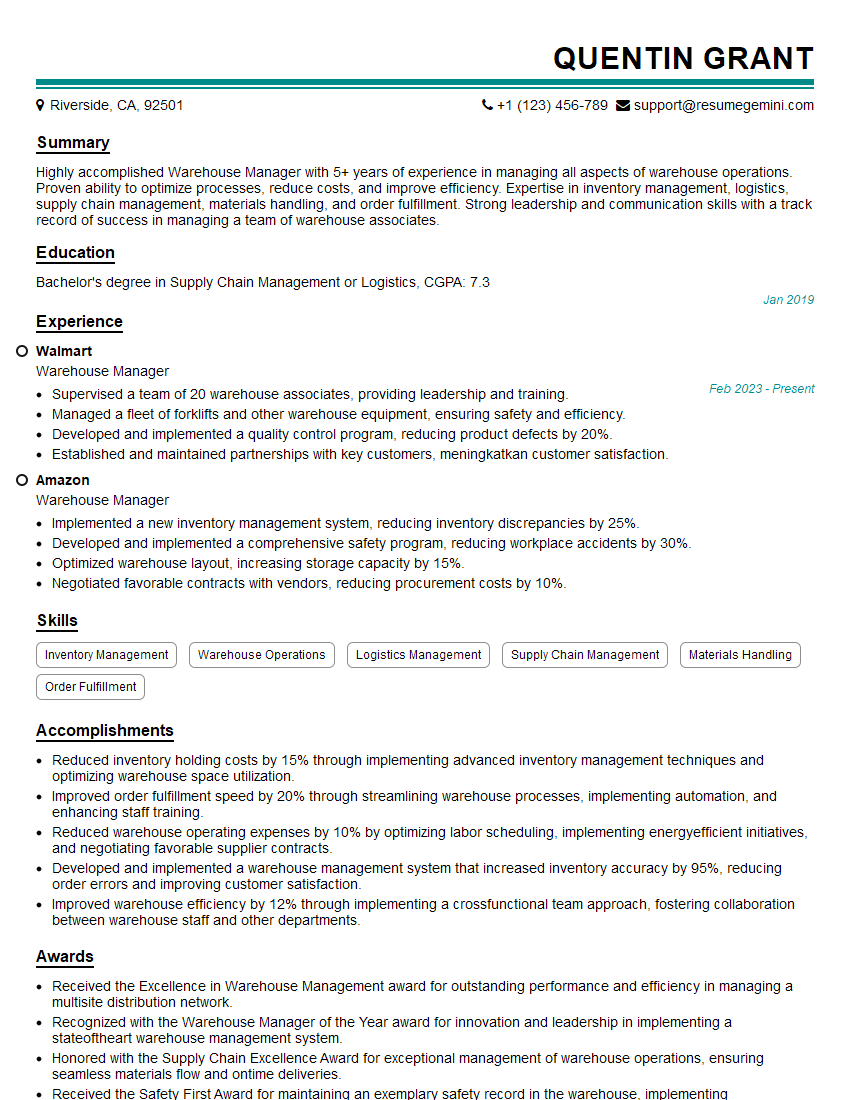
Warehouse Manager Resume Sample
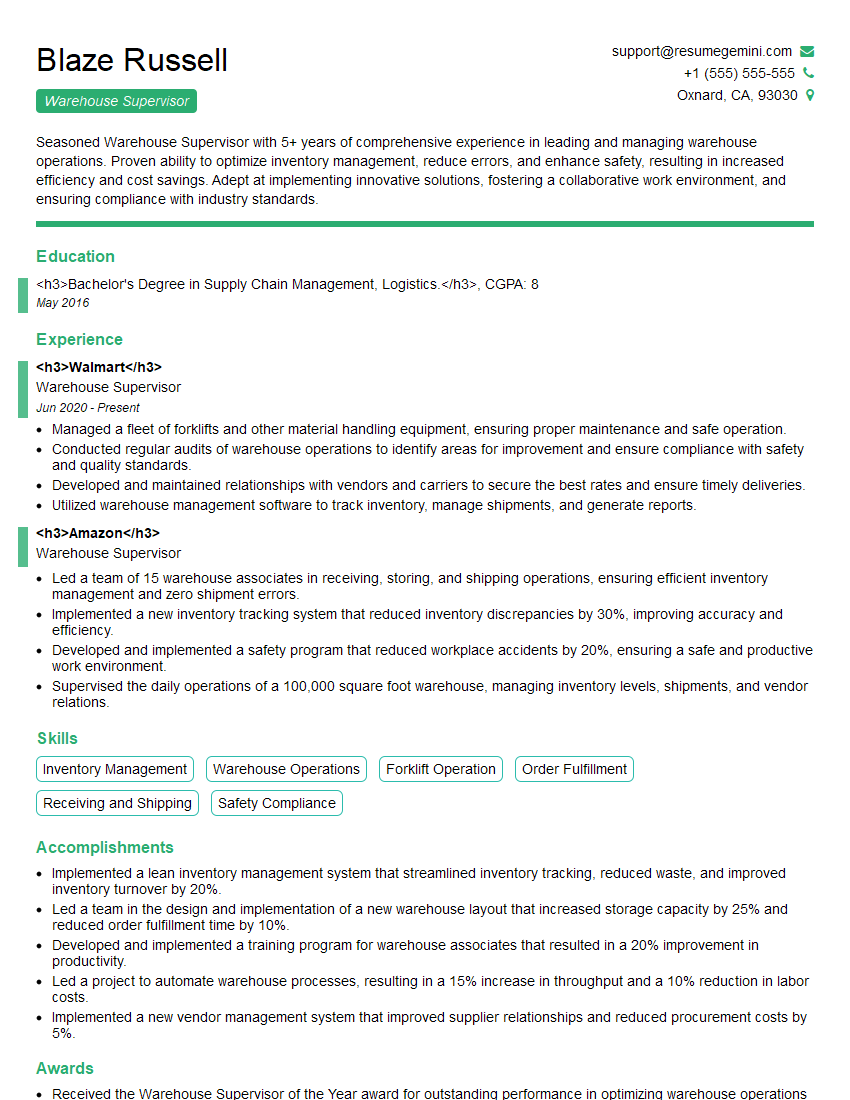
Warehouse Supervisor Resume Sample
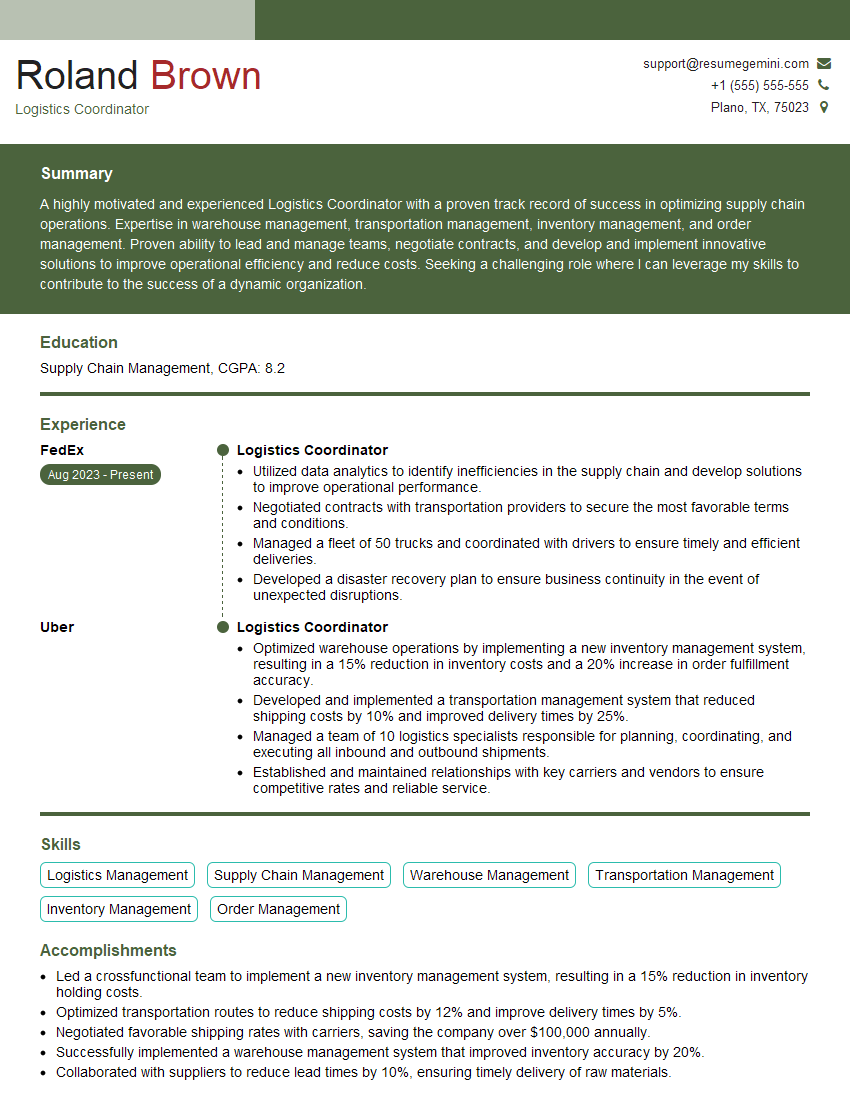
Logistics Coordinator Resume Sample
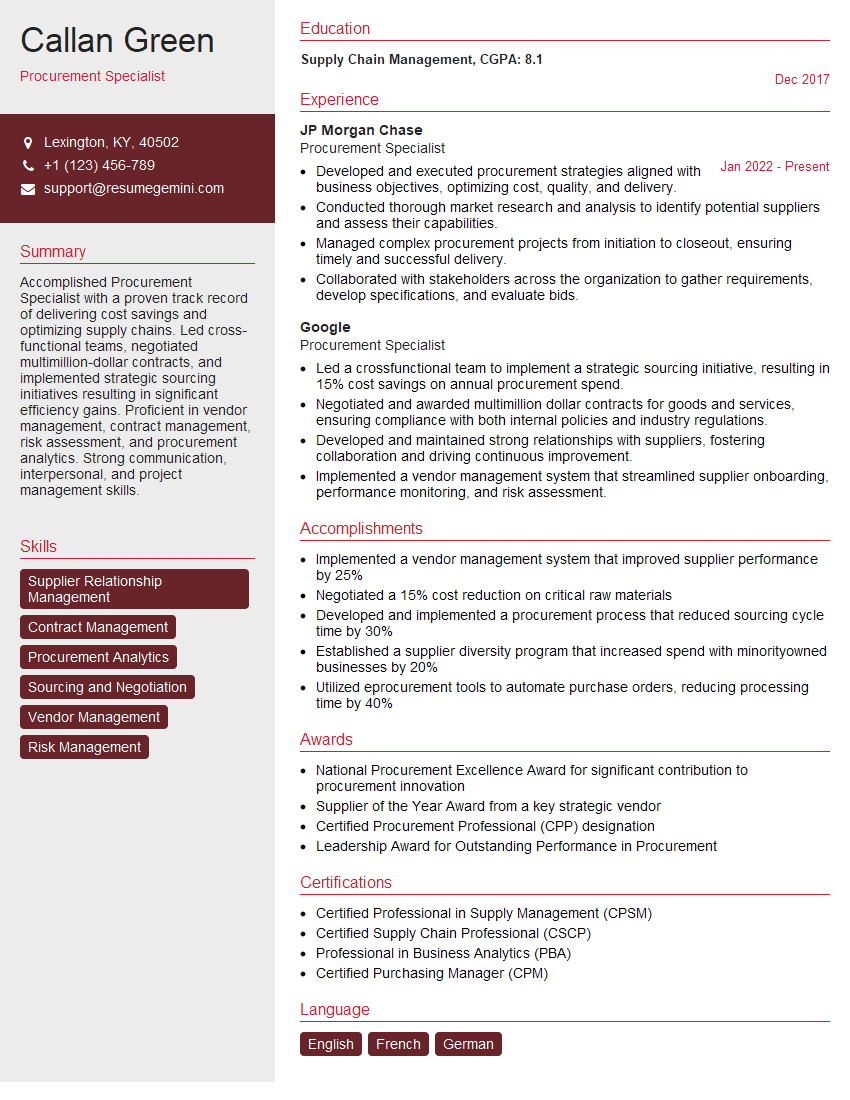
Procurement Specialist Resume Sample
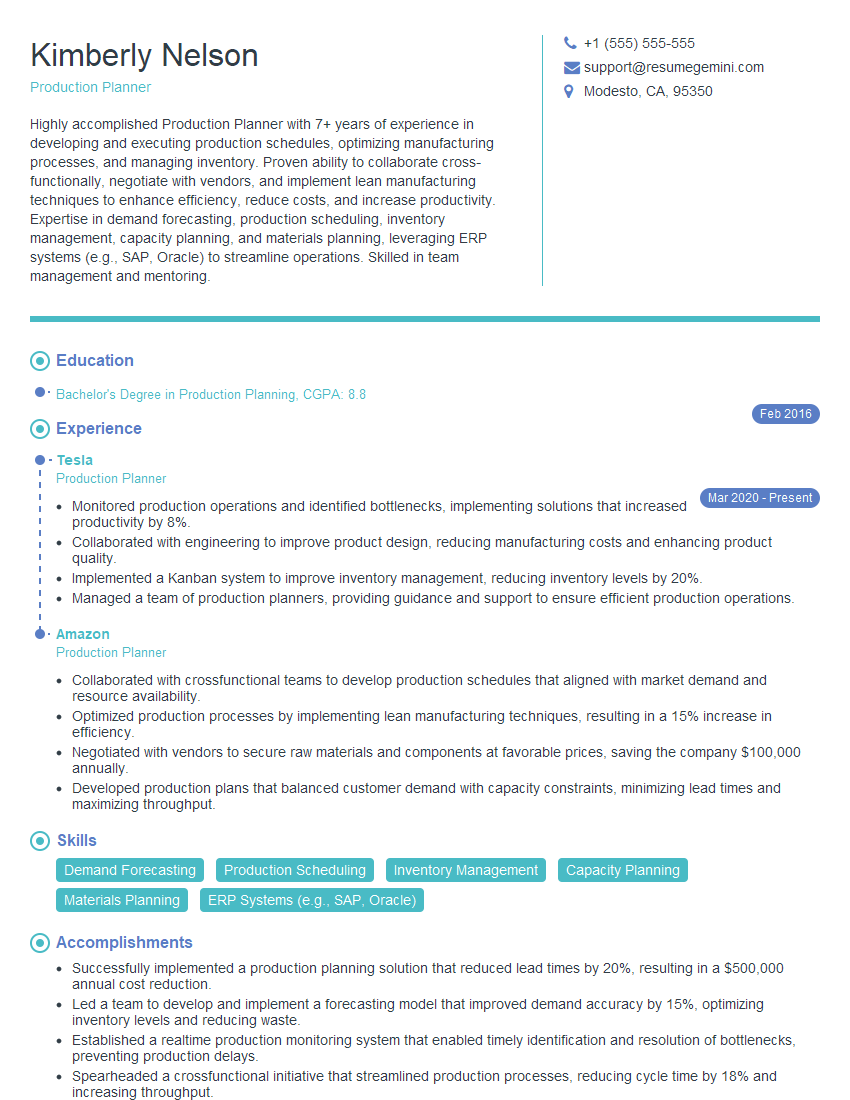
Production Planner Resume Sample
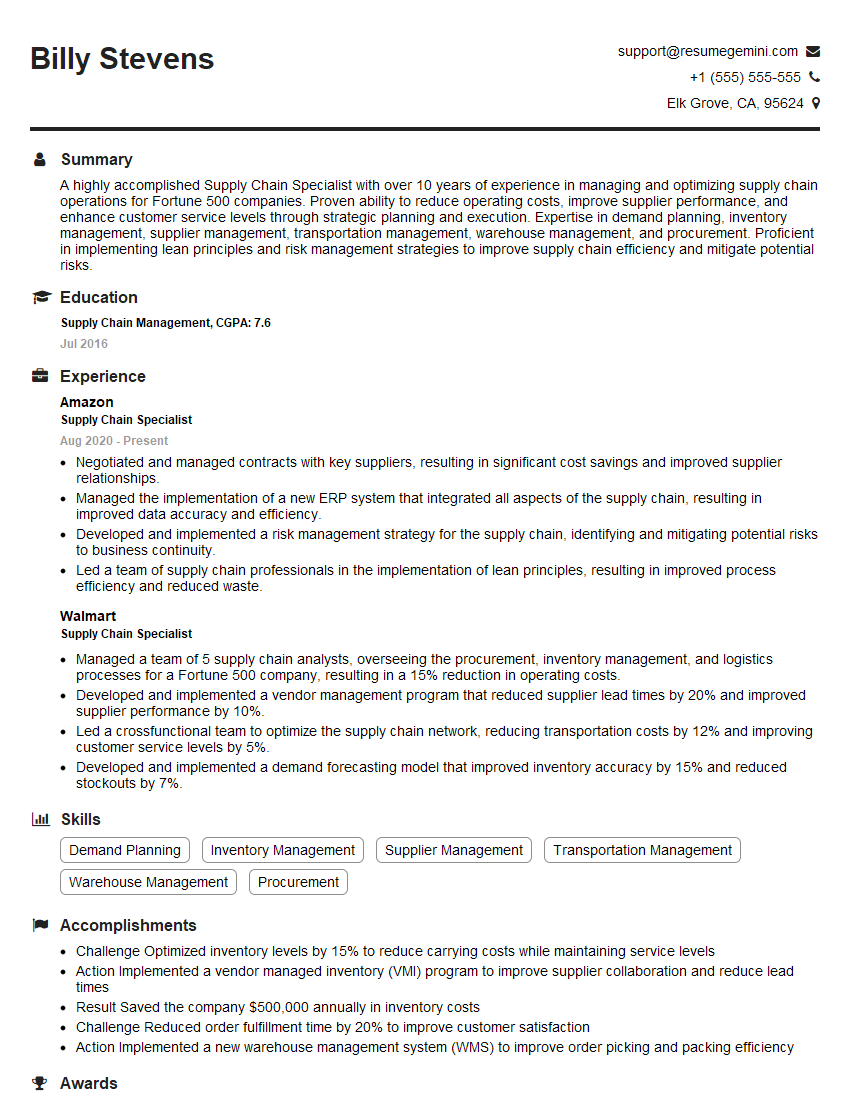
Supply Chain Specialist Resume Sample

Inventory Manager Resume Sample
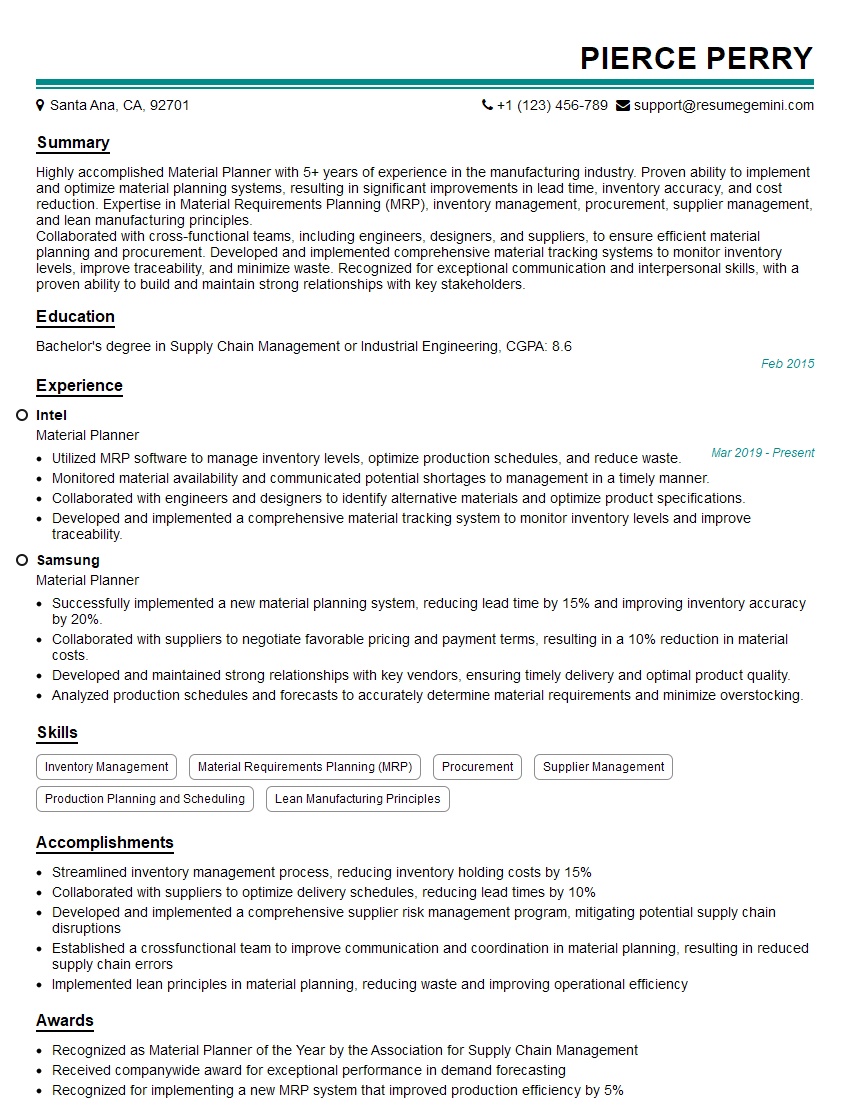
Material Planner Resume Sample
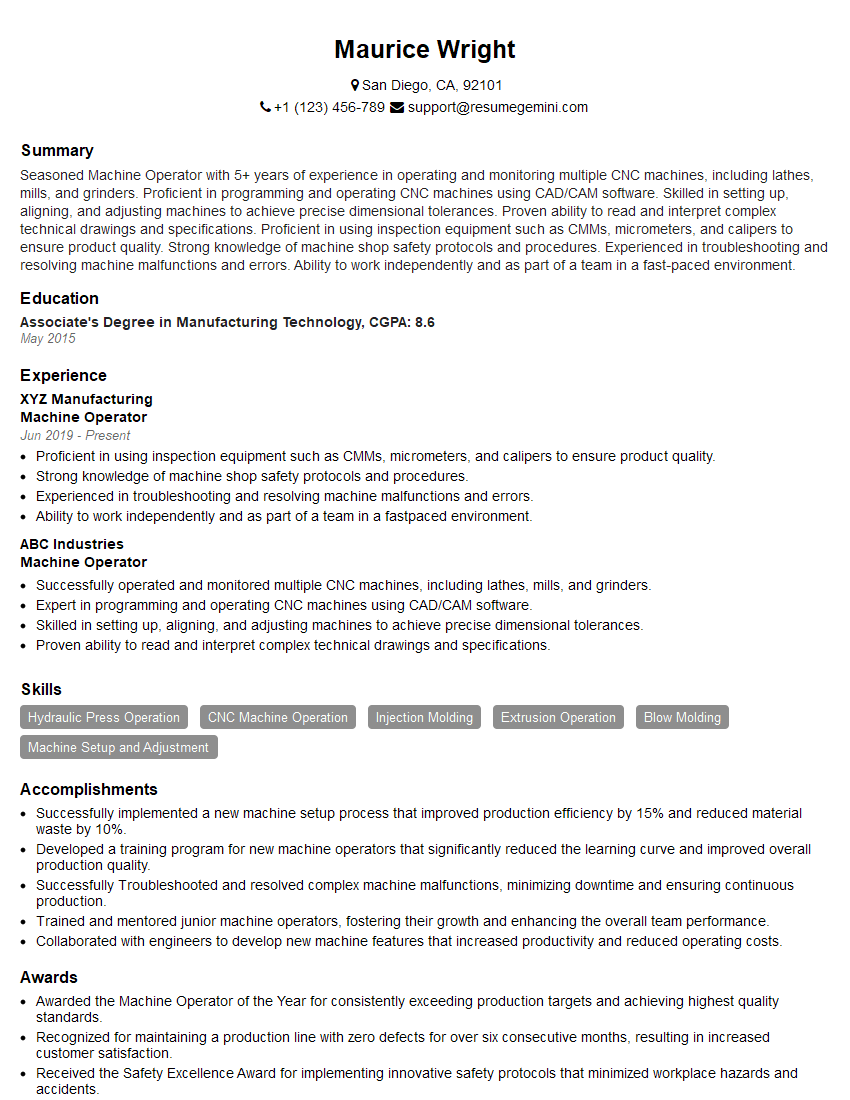
Machine Operator Resume Sample
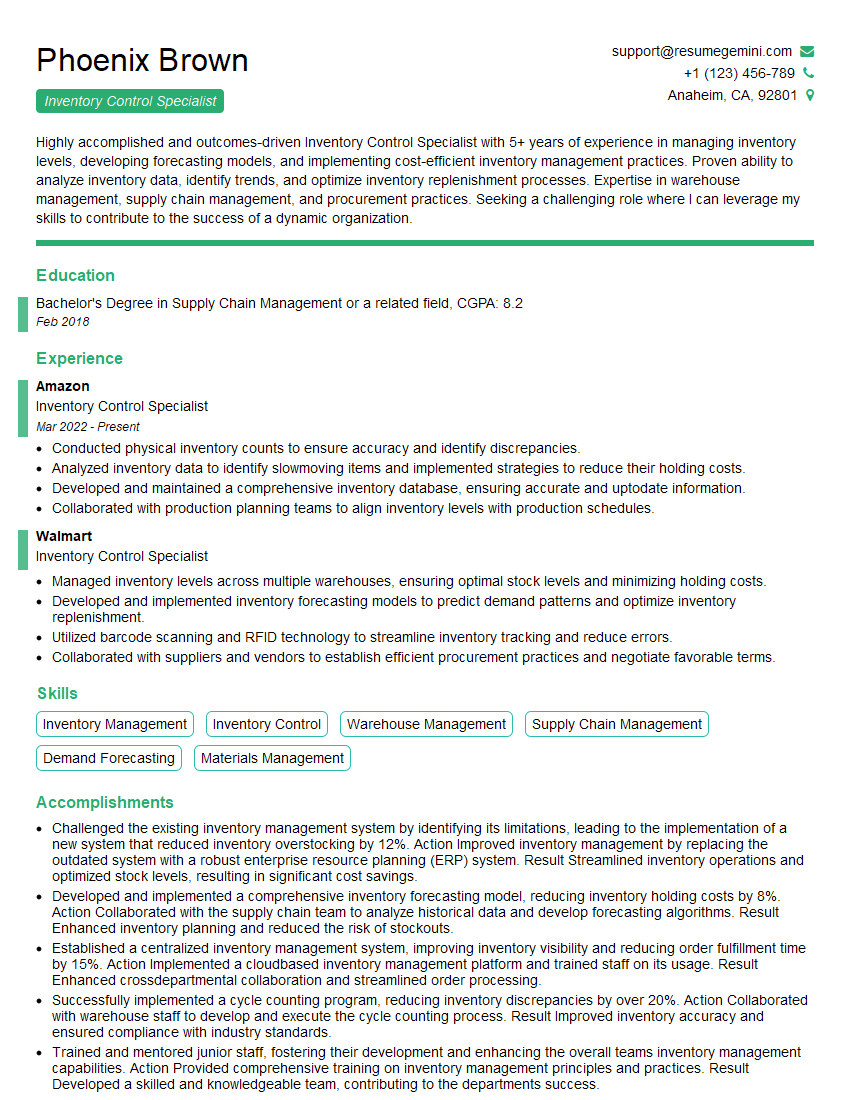
Inventory Control Specialist Resume Sample
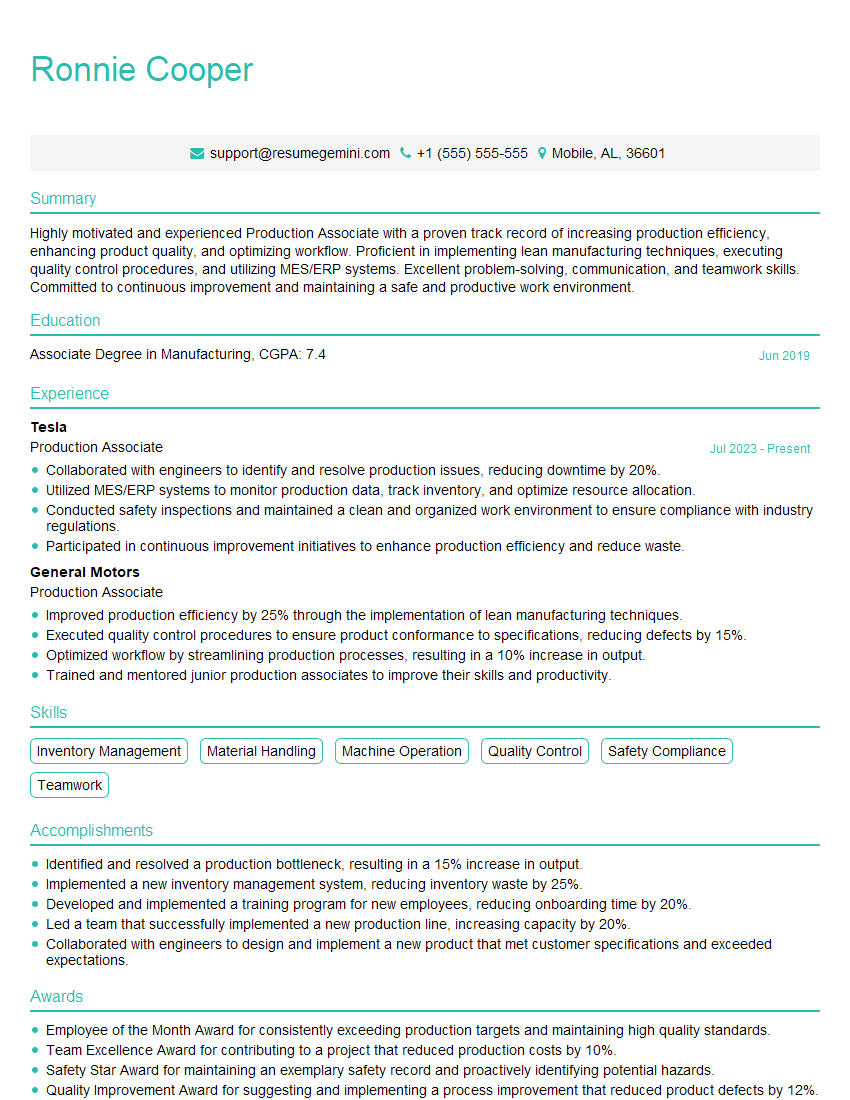
Production Associate Resume Sample
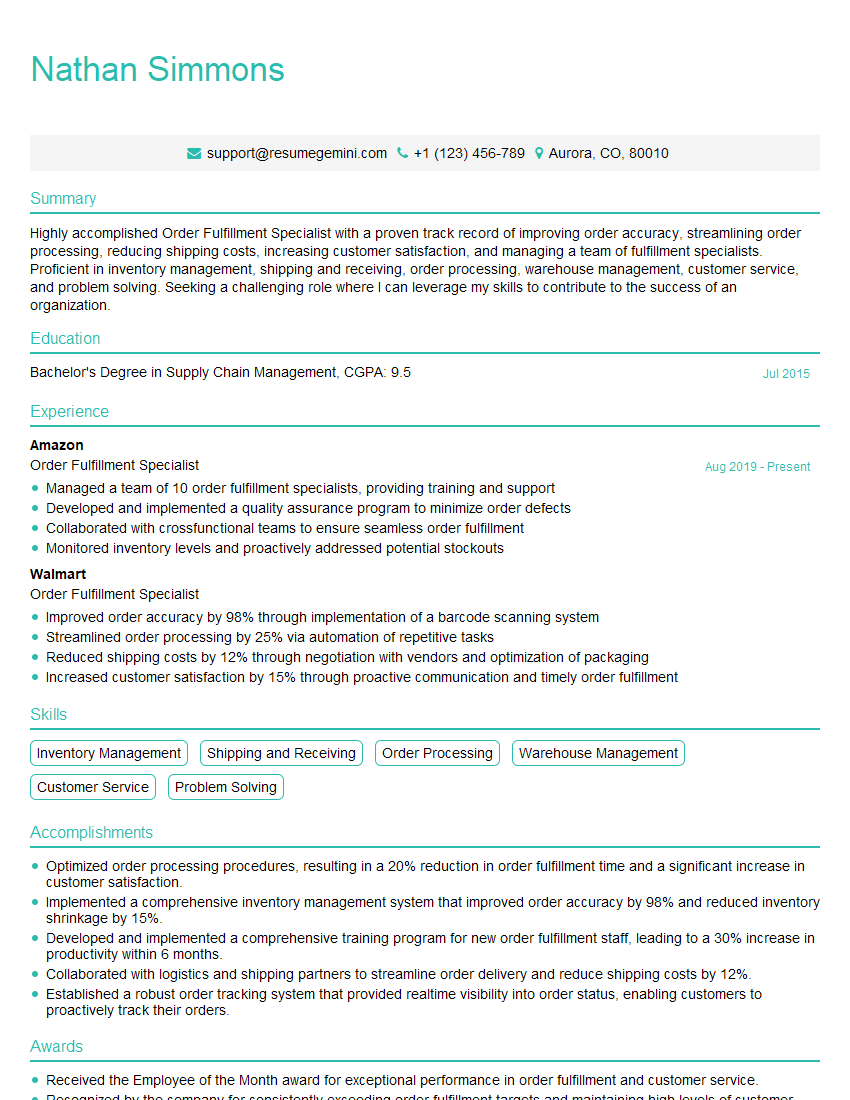
Order Fulfillment Specialist Resume Sample

Shipping and Receiving Clerk Resume Sample
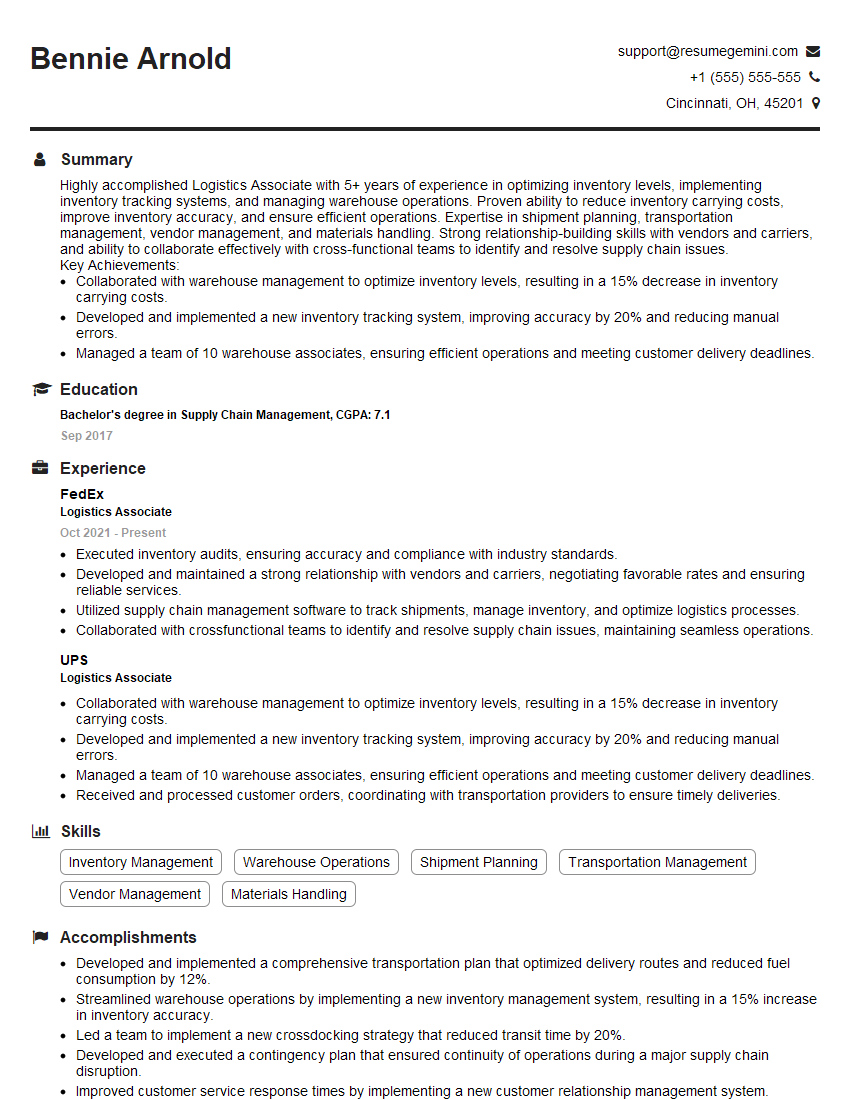
Logistics Associate Resume Sample
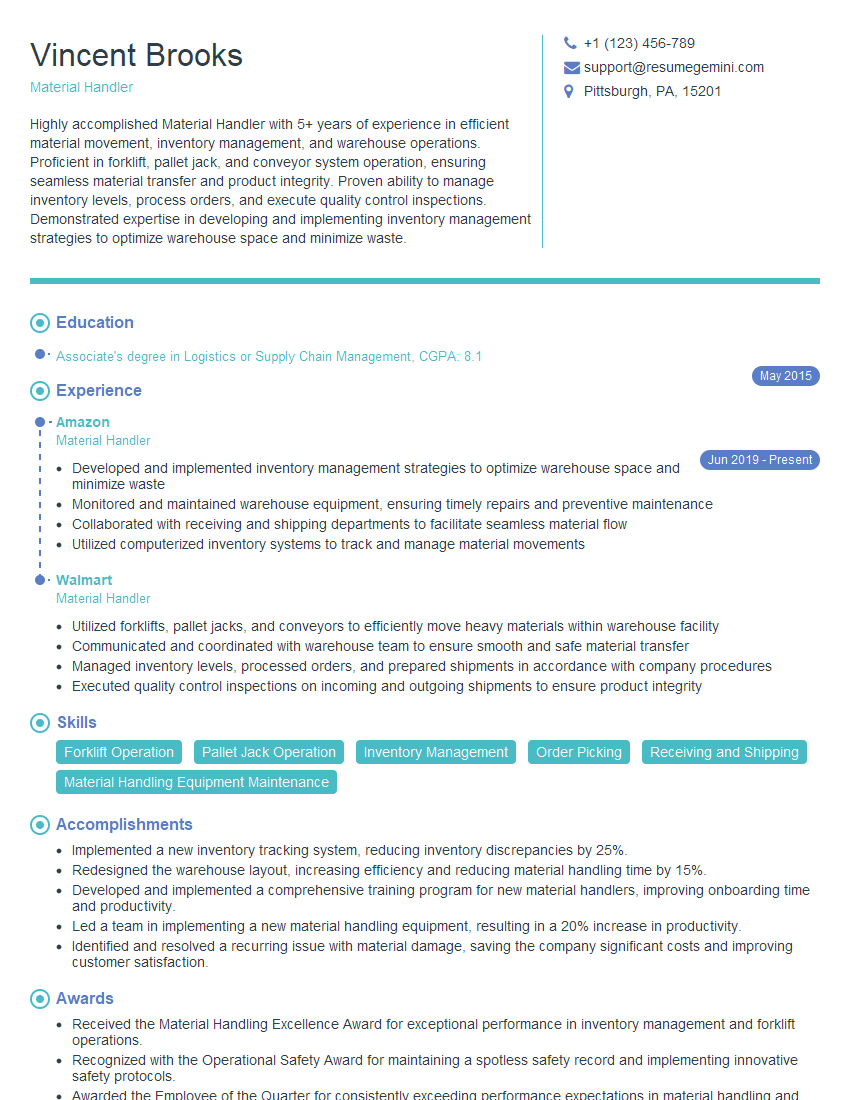
Material Handler Resume Sample
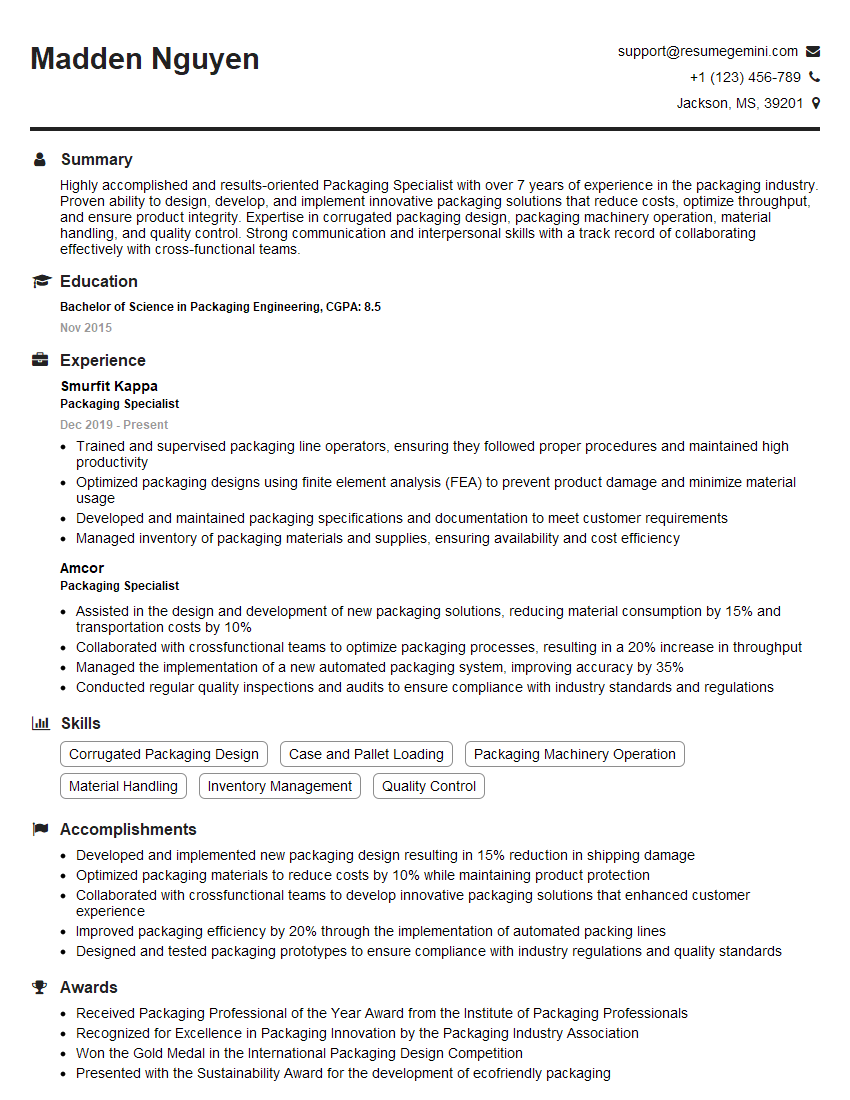
Packaging Specialist Resume Sample
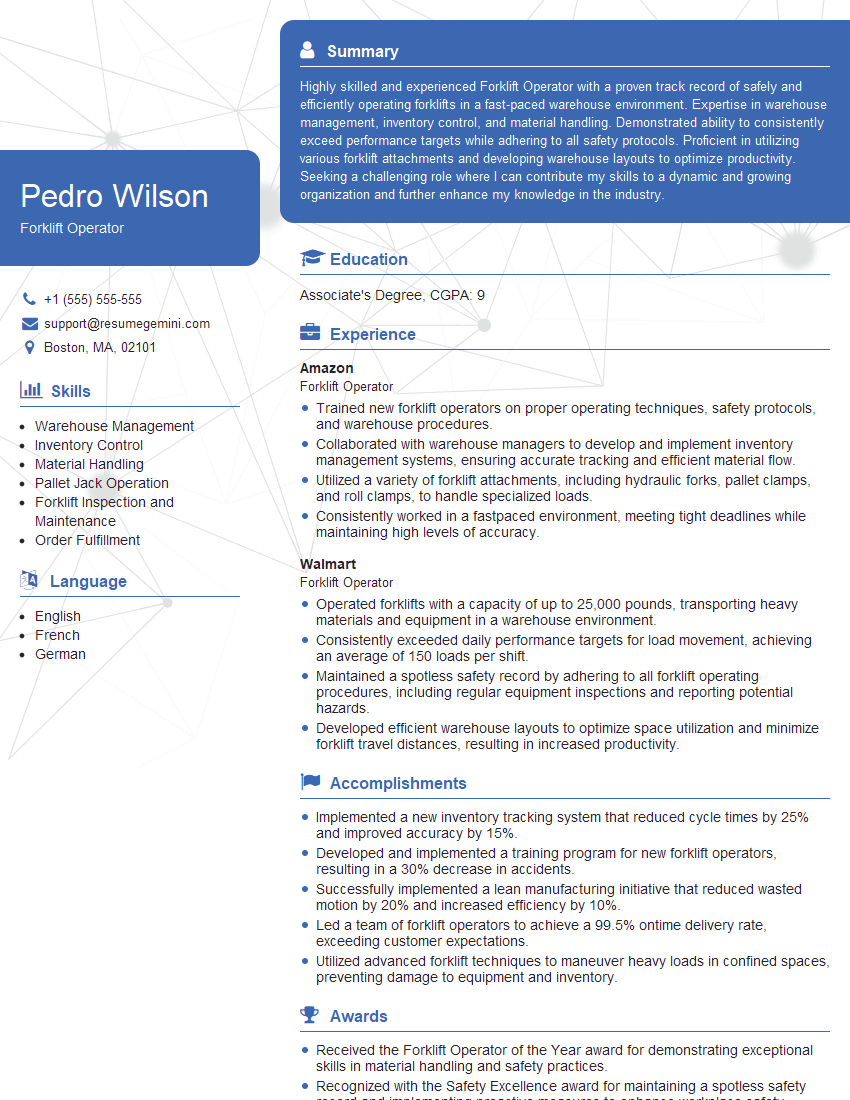
Forklift Operator Resume Sample
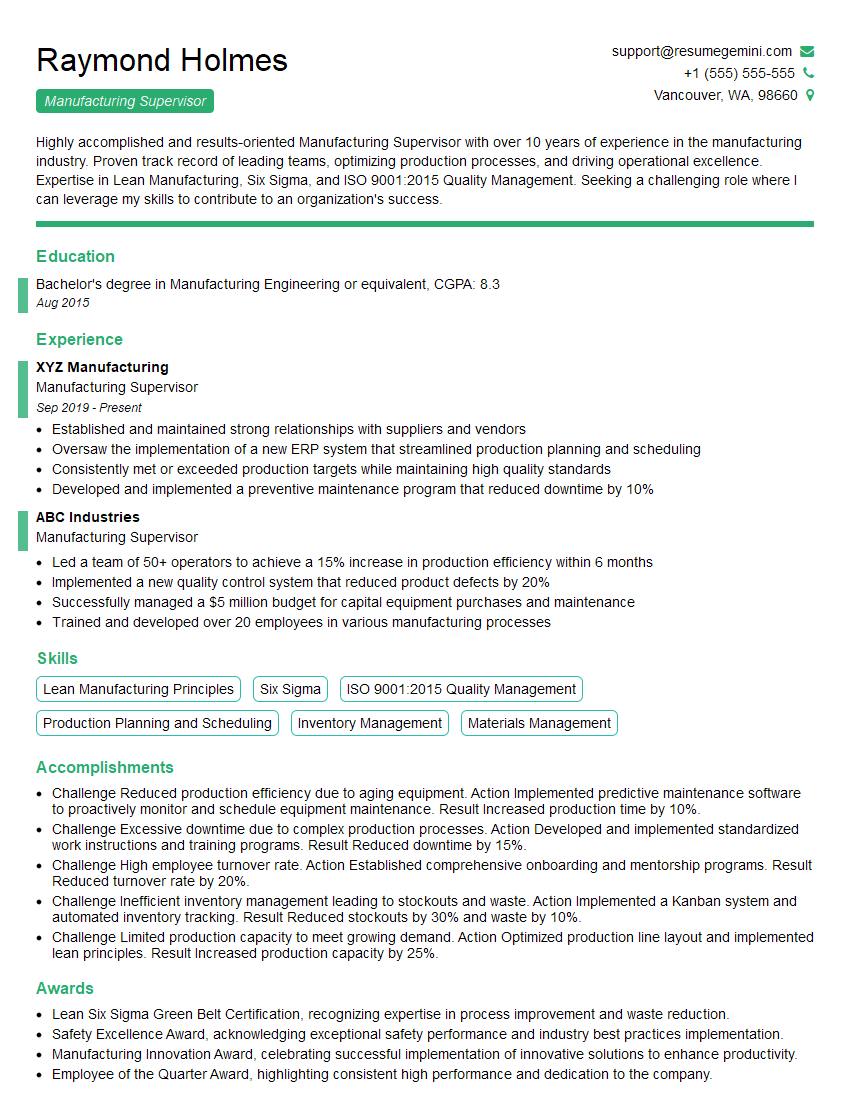
Manufacturing Supervisor Resume Sample
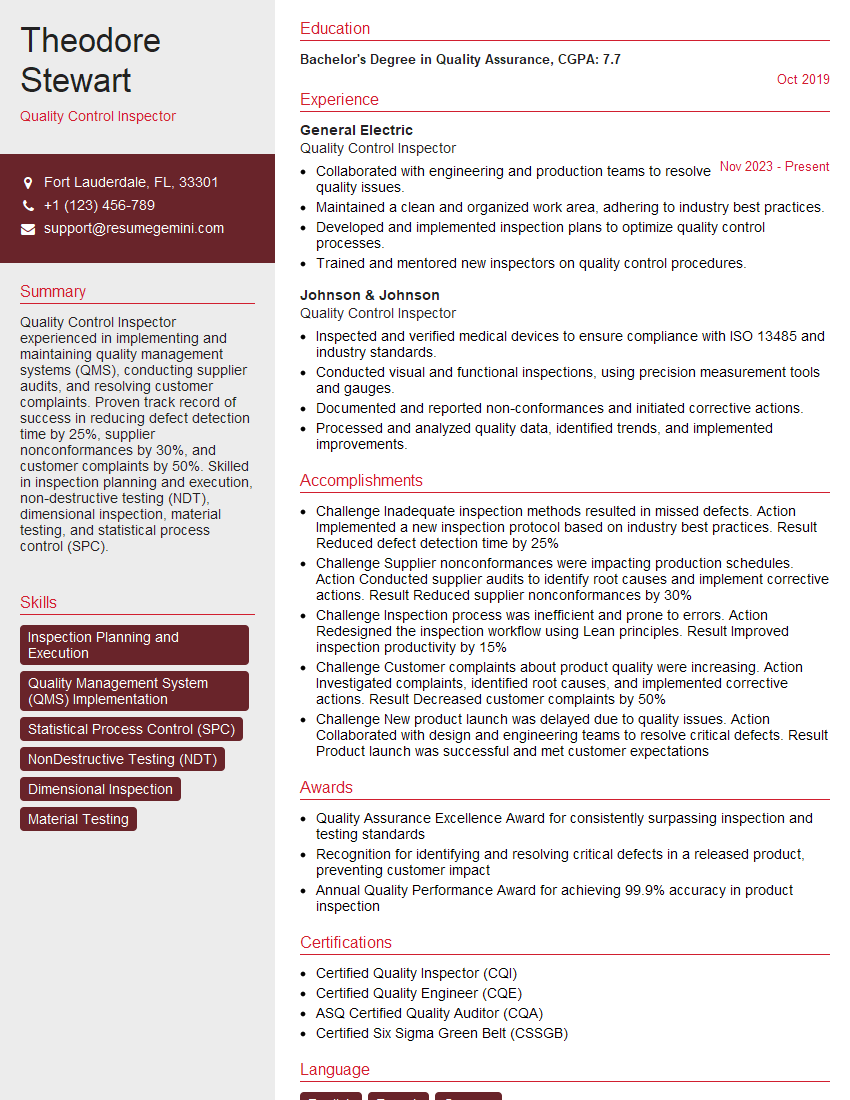
Quality Control Inspector Resume Sample
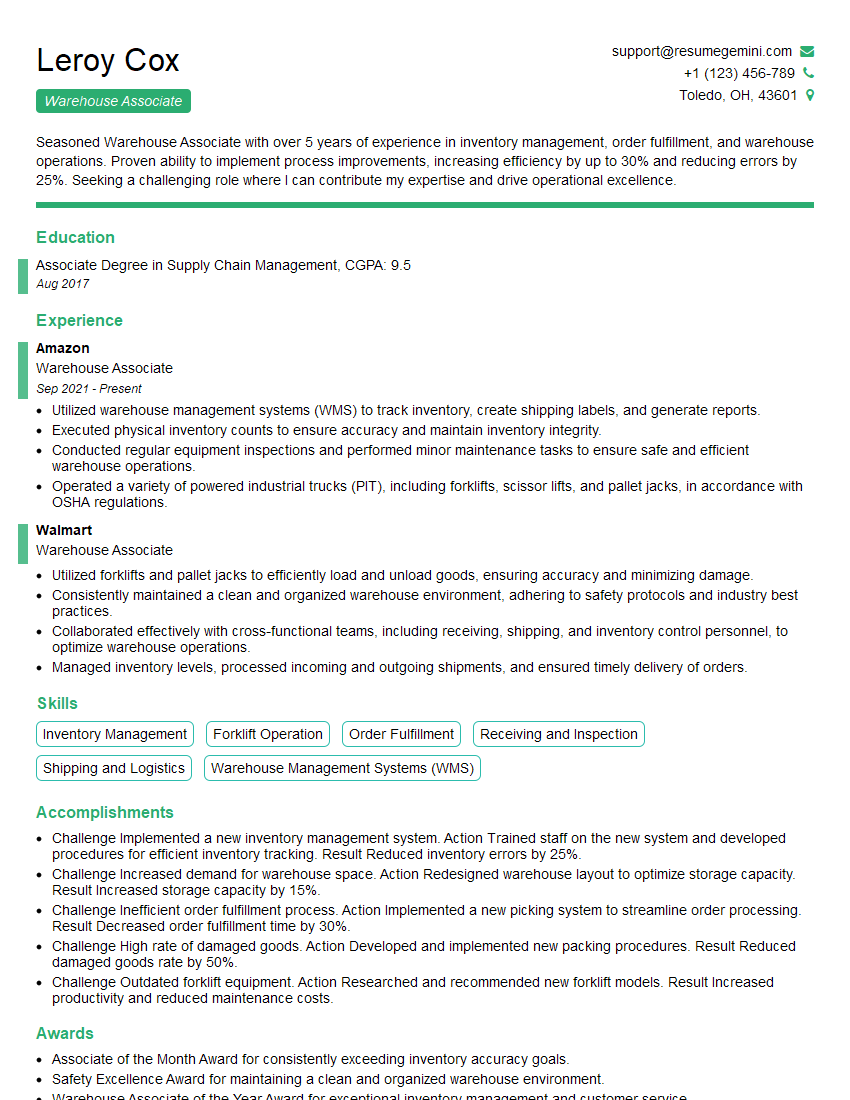
Warehouse Associate Resume Sample
- Operations Manager
- Plant Manager
- Supply Chain Manager
- Distribution Center Manager
- Logistics Manager
- Warehouse Manager
- Warehouse Supervisor
- Logistics Coordinator
- Procurement Specialist
- Production Planner
- Supply Chain Specialist
- Inventory Manager
- Material Planner
- Machine Operator
- Inventory Control Specialist
- Production Associate
- Order Fulfillment Specialist
- Shipping and Receiving Clerk
- Logistics Associate
- Material Handler
- Packaging Specialist
- Forklift Operator
- Manufacturing Supervisor
- Quality Control Inspector
- Warehouse Associate
Explore more articles
Users Rating of Our Blogs
Share Your Experience
We value your feedback! Please rate our content and share your thoughts (optional).
What Readers Say About Our Blog
Amazing blog
Interesting Article, I liked the depth of knowledge you’ve shared.
Helpful, thanks for sharing.