Feeling uncertain about what to expect in your upcoming interview? We’ve got you covered! This blog highlights the most important Set Assembly interview questions and provides actionable advice to help you stand out as the ideal candidate. Let’s pave the way for your success.
Questions Asked in Set Assembly Interview
Q 1. Describe your experience with different types of set construction materials.
My experience encompasses a wide range of set construction materials, each with its own strengths and weaknesses. I’m proficient working with wood, both hardwoods and softwoods, understanding the importance of choosing the right type for the specific application – for example, using plywood for its stability and strength in larger structures, or using dimensional lumber for framing. I’m also experienced with various metals, including steel and aluminum, appreciating their durability and the need for proper safety precautions when handling them. My skills extend to working with plastics, such as PVC and acrylic, and I understand how to achieve clean cuts and seamless joins. Furthermore, I have experience using composite materials, which offer a unique blend of properties, and I can select and use them appropriately for different design challenges. Finally, I’m familiar with the proper techniques for handling and assembling fabrics and other soft goods commonly used in set construction.
For instance, on a recent project, we used reclaimed wood for a rustic aesthetic, while incorporating steel for structural support. This blended approach showcased both the material’s individual strengths and the ability to combine diverse materials effectively.
Q 2. Explain your understanding of safety regulations on a set assembly.
Safety is paramount in set assembly. My understanding of safety regulations is comprehensive and includes adhering to all relevant OSHA guidelines, as well as any production-specific safety protocols. This covers everything from proper personal protective equipment (PPE), including safety glasses, hearing protection, and work gloves, to the safe operation of power tools and the correct handling of hazardous materials. I meticulously follow guidelines for fall protection when working at heights, ensuring proper scaffolding and harness usage. I also enforce a strict policy of tool maintenance and proper storage. Before commencing any task, I conduct a thorough risk assessment to identify and mitigate potential hazards.
For example, before using a circular saw, I always check the blade’s sharpness and ensure the safety guard is properly in place. I also maintain a clean and organized work area to prevent accidents caused by tripping or falling objects.
Q 3. How do you handle unexpected challenges during set assembly?
Unexpected challenges are inevitable in set construction. My approach involves a combination of proactive planning and adaptable problem-solving. I always ensure sufficient contingency planning, anticipating potential material shortages or design flaws. When faced with an unexpected issue, my first step is to assess the situation calmly, identifying the root cause and the potential impact on the schedule and safety. Then, I brainstorm potential solutions with the team, drawing upon my experience and knowledge base to identify the most practical and effective approach. This often involves communicating the problem and potential solutions to the relevant supervisors.
For example, if a crucial piece of lumber is damaged, I wouldn’t panic. Instead, I would immediately check our inventory, explore alternative materials that could work, and then communicate the change to the design team to get approval for any necessary adjustments.
Q 4. What are your preferred methods for reading and interpreting blueprints?
My method for reading and interpreting blueprints is systematic and detailed. I begin by carefully reviewing the title block, identifying the project’s scale, revision number, and other key information. Then, I meticulously review each drawing, starting with the general arrangement drawings to understand the overall layout before moving on to detailed drawings of individual components. I use a combination of visual inspection and dimensional analysis to ensure a complete understanding of the design. I cross-reference different drawings to ensure consistency and identify potential conflicts or ambiguities. I also rely heavily on section views and details to get a complete grasp of the construction and assembly sequences. If any information is unclear or ambiguous, I immediately clarify with the design team before proceeding.
I find that using different colored pencils to highlight key dimensions and components on the blueprints helps me stay organized and focused during the construction process.
Q 5. Describe your experience working with power tools.
I possess extensive experience operating a variety of power tools, including circular saws, jigsaws, drills, routers, and sanders. My proficiency extends to understanding the safe and effective use of each tool, including proper setup, technique, and maintenance. I regularly undergo training to stay updated on safety regulations and best practices, ensuring my skills are current and my knowledge of the latest tools is up-to-date. I also understand the importance of regularly maintaining these tools to ensure they operate safely and efficiently.
For example, before using a circular saw, I always ensure the blade is sharp and the safety guard is in place. I also double check the depth of cut to avoid any accidental damage to the material.
Q 6. How do you ensure the accuracy and precision of your work in set assembly?
Accuracy and precision are fundamental to successful set assembly. I employ several strategies to ensure the highest quality workmanship. Precise measurements using accurate measuring tools are essential, followed by careful marking of materials before cutting. I double-check all measurements and carefully follow the blueprints. I use jigs and templates whenever possible to ensure consistent and accurate cuts and assembly. In addition, I regularly check my work against the blueprints throughout the assembly process, identifying and correcting any discrepancies early on.
For instance, when assembling a complex framework, I use a combination square and level to ensure all components are perfectly aligned and square.
Q 7. Explain your process for assembling complex set pieces.
Assembling complex set pieces requires a systematic approach. I begin by carefully reviewing the blueprints and related documentation to fully understand the design and assembly process. Then, I meticulously organize the materials and tools needed, ensuring everything is readily accessible. I often break down complex assemblies into smaller, manageable sub-assemblies, assembling each one individually before integrating them into the larger structure. This modular approach allows for more efficient assembly and simplifies troubleshooting. Throughout the process, I constantly check for accuracy and alignment, ensuring that each component is correctly positioned and secured. Finally, I conduct a thorough inspection of the completed assembly to verify that it meets the design specifications and is structurally sound.
For a large, multi-part set piece, I’d likely create a detailed assembly schedule, outlining each step, allocating resources, and establishing a clear timeline for completion.
Q 8. How do you manage your time effectively during a busy set assembly period?
Effective time management during a busy set assembly period is crucial. I approach it using a combination of proactive planning and flexible execution. Before the build begins, I meticulously review the set design, identify critical path tasks (those that must be completed before others can begin), and create a detailed schedule, breaking down large tasks into smaller, manageable ones. I utilize project management software to track progress, assign tasks to team members, and monitor deadlines. During the assembly, I prioritize tasks based on their dependency and urgency, focusing on the critical path. Regular communication with the team helps identify and address potential bottlenecks quickly. I’m also flexible enough to adapt the schedule when unforeseen problems arise, prioritizing safety and maintaining communication to keep the team informed. For instance, on a recent musical production, we had a delay in receiving custom-built props. I immediately adjusted the schedule, prioritizing the construction of the backdrop, which could proceed independently, ensuring we remained on track for the opening night.
Q 9. What is your experience with rigging techniques and safety protocols?
Rigging is a critical aspect of set assembly, and safety is paramount. I have extensive experience with various rigging techniques, including counterweight systems, motorized winches, and manual pulley systems. I’m proficient in knot-tying (e.g., bowline, clove hitch, figure eight), ensuring the secure attachment of scenery and lighting instruments. My experience includes working with both simple and complex rigging setups, ensuring load-bearing calculations are precise and that safety protocols, including regular inspections, pre-show checks, and the use of appropriate safety equipment (e.g., harnesses, lanyards), are strictly followed. I always adhere to local and industry safety regulations. For instance, on one occasion, a section of scenery unexpectedly shifted during rehearsal; my immediate response, based on our established safety procedures, involved halting the rehearsal, assessing the situation, identifying the cause (a faulty connection), and rectifying the issue before resuming work. This quick response prevented a potential accident.
Q 10. How do you collaborate with other team members during set construction?
Collaboration is essential for successful set construction. I believe in fostering a positive and communicative team environment. Before starting the build, I conduct thorough team briefings, ensuring everyone understands the design, their roles, and the schedule. I actively encourage open communication, making myself available to answer questions and address concerns. I rely on clear and concise instruction, both verbal and written, often using visual aids like diagrams and mockups. I also actively seek input from team members, valuing their expertise and experience. I believe in a collaborative problem-solving approach, where challenges are addressed collectively. For example, on a recent set build, we encountered a design flaw that would have caused instability. By working together, the team identified a creative solution to reinforce the structure, completing the build on time and within budget.
Q 11. Describe your experience with different types of fasteners and their applications.
My experience encompasses a wide range of fasteners, each suited for specific applications. I’m familiar with wood screws, machine screws, bolts (carriage, machine, eye bolts), nuts (hex, wing), washers (flat, lock), and various types of nails. I understand the importance of selecting the appropriate fastener for the material being joined (wood, metal, plastic) and the load it will bear. For example, I’d use heavy-duty carriage bolts for connecting significant structural elements, while wood screws would be sufficient for attaching less critical components. I also consider factors like corrosion resistance (using stainless steel fasteners in outdoor settings) and aesthetic considerations. I always ensure that fasteners are properly tightened to prevent loosening and maintain structural integrity. Choosing the wrong fastener can lead to structural failure, compromising safety and requiring costly repairs, which is something I always meticulously avoid.
Q 12. Explain your understanding of weight distribution and load-bearing capabilities in set design.
Understanding weight distribution and load-bearing capabilities is critical to ensure set stability and safety. I use calculations and diagrams to determine the center of gravity for each set piece, considering the weight of materials (wood, metal, fabrics) and the placement of heavy elements. I carefully analyze the load-bearing capacity of the materials and the supporting structures. This involves considering factors such as material strength, the size and type of connections, and any potential stresses or forces that the set will experience. I ensure that the weight is evenly distributed to prevent stress concentrations or instability. For example, when constructing a large platform, I’d ensure that the support beams are strategically placed and adequately sized to distribute the weight effectively. Neglecting this could lead to structural failure, possibly resulting in injuries or damage.
Q 13. How familiar are you with different types of stage rigging systems?
I’m familiar with various stage rigging systems, including counterweight systems (typically found in larger theatres), chain hoists, and electric winches. I understand the principles of each system, including their operation, limitations, and safety considerations. I’m experienced in working with both simple and complex rigging layouts, ensuring safe and efficient operation. My experience extends to the use of different types of ropes, cables, and shackles, choosing the appropriate materials based on load capacity and environmental factors. I always perform thorough inspections and checks before using any rigging system, adhering strictly to safety regulations. Understanding these different systems allows me to adapt to various venue setups and production demands. A good understanding of rigging is not just about technical expertise; it’s about ensuring the safety of both performers and crew.
Q 14. How do you ensure the structural integrity of a constructed set?
Ensuring the structural integrity of a constructed set is a top priority. I achieve this through careful planning, precise execution, and rigorous inspection. This starts with a thorough review of the set design, ensuring structural soundness from the outset. During construction, I use appropriate tools and techniques, following building codes and safety guidelines. Regular inspections are conducted at various stages of the build, checking for any defects, loose connections, or potential weaknesses. I use appropriate load testing where necessary to validate the strength of critical structural components. I also account for potential stresses (e.g., wind loads for outdoor sets), using bracing or reinforcement where needed. For instance, on a set with a large suspended element, we conducted a load test to ensure the suspension system could handle the weight without exceeding its safety limits. This multi-layered approach minimizes the risk of structural failure and ensures a safe working environment for everyone.
Q 15. Describe your experience working with various types of scenic materials.
My experience with scenic materials is extensive, encompassing a wide range from traditional lumber like pine and hardwoods (oak, maple) to more contemporary options such as plywood (various grades and thicknesses), MDF (medium-density fiberboard), and various plastics like PVC and ABS. I’m also comfortable working with metals—steel, aluminum—and various fabrics for upholstery, drapes, and other textural elements. For example, on a recent period drama set, we used reclaimed wood beams for a rustic tavern scene, while for a futuristic sci-fi project, we incorporated polished aluminum panels and custom-fabricated plastic components.
Understanding the properties of each material is crucial. Hardwoods offer strength and durability but can be more challenging to work with; MDF provides a smooth, paintable surface, ideal for intricate details; plastics are versatile but require specialized tools and techniques. Selecting the right material depends on budget, aesthetic requirements, and the structural needs of the set piece.
Career Expert Tips:
- Ace those interviews! Prepare effectively by reviewing the Top 50 Most Common Interview Questions on ResumeGemini.
- Navigate your job search with confidence! Explore a wide range of Career Tips on ResumeGemini. Learn about common challenges and recommendations to overcome them.
- Craft the perfect resume! Master the Art of Resume Writing with ResumeGemini’s guide. Showcase your unique qualifications and achievements effectively.
- Don’t miss out on holiday savings! Build your dream resume with ResumeGemini’s ATS optimized templates.
Q 16. How do you troubleshoot problems encountered during set construction?
Troubleshooting is a daily occurrence in set construction. My approach involves a systematic process:
- Identify the problem: Precisely define the issue—is it a structural weakness, a measurement error, or a material defect?
- Analyze the cause: Investigate the root cause. Was it a design flaw, a mistake in fabrication, or an unforeseen environmental factor?
- Develop solutions: Brainstorm multiple solutions, considering their feasibility, cost, and time constraints. This often involves consulting with the design team or other members of the crew.
- Implement and test: Choose the best solution and implement it. Thoroughly test the fix to ensure it solves the problem and doesn’t create new ones.
- Document the process: Record the issue, the solution, and the outcome for future reference. This helps avoid repeating the same mistakes.
For instance, if a wall section proves unstable, I might reinforce it with additional bracing, or if a join is failing, I’d consider using a stronger adhesive or a different type of joint entirely.
Q 17. Explain your experience with different types of finishes for set pieces.
My experience encompasses a wide array of set piece finishes. These range from simple paint applications (using various primers, paints, and sealants to achieve specific textures and colors) to more complex techniques like faux finishes (e.g., distressing, marbleizing, wood graining), metallic leafing, and specialized coatings. I’ve also worked with various stains and varnishes for wood, and specialized finishes for plastics and metals (powder coating, anodizing). For example, in a historical piece we used a combination of aged paint and subtle distressing techniques to create a realistic weathered look, while a modern set required sleek, high-gloss finishes applied with specialized spray equipment.
The choice of finish is dictated by the design, the material being finished, and the desired aesthetic. Durability and longevity are also key considerations, especially for pieces that will endure repeated use or handling.
Q 18. How do you maintain a clean and organized workspace during set assembly?
Maintaining a clean and organized workspace is paramount for efficiency and safety. My methods involve:
- Designated areas for tools and materials: Tools are stored in designated toolboxes or racks, while materials are organized by type and project.
- Regular cleanup: Regularly clear away scraps, debris, and unused materials, and sweep the floor.
- Labeling and storage: Clearly label materials and tools to facilitate easy retrieval.
- Waste disposal: Properly dispose of waste materials according to safety regulations.
- 5S methodology: I often employ elements of the 5S methodology (Sort, Set in Order, Shine, Standardize, Sustain) to ensure consistent organization.
A clean and organized space reduces the risk of accidents, speeds up workflow, and fosters a more productive work environment.
Q 19. What are your methods for measuring and cutting materials accurately?
Accuracy in measuring and cutting is critical. I use a combination of tools and techniques to achieve precision:
- Measuring tapes: For initial measurements, I use reliable measuring tapes, double-checking dimensions.
- Speed squares: For accurate angles and marking cuts.
- Precision cutting tools: I use a variety of tools, from hand saws and circular saws to more specialized equipment like table saws and miter saws, depending on the material and the complexity of the cut.
- Jigs and fixtures: For repetitive cuts, I create jigs and fixtures to ensure consistency and accuracy.
- Digital measuring tools: For increased precision, I use digital calipers and measuring devices.
Before any final cuts, I always double-check my measurements. Wasting materials due to inaccuracy is both expensive and time-consuming. Taking the time to measure accurately ensures efficiency and reduces waste.
Q 20. Describe your experience with working from detailed drawings and technical specifications.
Working from detailed drawings and technical specifications is fundamental to my role. I’m proficient in interpreting architectural and engineering drawings, shop drawings, and detailed construction documents. I understand the importance of scaling, dimensions, materials specifications, and construction details. I routinely cross-reference different drawings to ensure consistency and accuracy, and use the specifications to source appropriate materials and tools. For instance, I’ve successfully built complex set pieces based solely on provided blueprints, including intricate joinery and detailed millwork, ensuring that the final product adheres precisely to the design intent.
My ability to accurately interpret and translate technical specifications into tangible constructions has been repeatedly vital to project success.
Q 21. Explain your familiarity with different types of woodworking joints.
My familiarity with woodworking joints is extensive, encompassing various types, each suited to different applications and stress requirements. I regularly use:
- Butt joints: Simple, end-to-end joints, often reinforced with glue and screws or dowels.
- Lap joints: Overlapping joints, offering increased strength and stability.
- Miter joints: Angled joints, often used for picture frames and decorative elements. These require precise cuts.
- Dovetail joints: Interlocking finger joints, highly strong and aesthetically pleasing, ideal for drawers and strong connections.
- Mortise and tenon joints: A strong, traditional joint where a tenon (projection) fits into a mortise (hole), often reinforced with glue.
- Biscuit joints: Using oval-shaped wood biscuits to aid in joining large flat surfaces.
The selection of the appropriate joint depends on factors such as the type of wood, the load bearing requirements, and the aesthetic considerations. My experience allows me to choose the most suitable and efficient joint for the task at hand.
Q 22. How do you adapt to changing requirements and deadlines during set construction?
Adapting to changing requirements and deadlines in set construction is crucial. It’s like navigating a river – the course might shift unexpectedly, but a skilled navigator adjusts accordingly. My approach involves several key strategies. First, I prioritize clear and constant communication with the production team. This ensures everyone is aware of any changes, and we can collaboratively find solutions. Second, I utilize project management software to track progress and identify potential bottlenecks. This allows us to proactively address issues before they impact the schedule. Third, I foster a flexible team environment where adaptability is valued. This allows us to quickly re-prioritize tasks and reallocate resources as needed. For example, on a recent film set, we had a last-minute change to the set design, requiring a significant alteration to the already constructed central piece. By quickly assessing the situation, communicating the changes to the team, and re-allocating carpentry resources, we completed the modification without delaying filming.
Q 23. Describe your experience with setting up lighting and sound equipment within a set.
My experience with lighting and sound setup encompasses a wide range of projects, from small-scale theatre productions to large-scale film sets. I’m proficient in rigging lighting instruments – including fresnels, PAR cans, and LED panels – ensuring safe and effective illumination. I understand the importance of color temperature matching and light diffusion techniques to achieve the desired aesthetic. With sound, I’m comfortable setting up microphones (boom mics, lavalier mics, etc.), speakers, and mixing consoles. I’m familiar with audio signal flow, gain staging, and troubleshooting common audio issues. I prioritize safety in all my work, ensuring proper grounding and cable management to prevent accidents. On one occasion, we encountered a problem with a lighting fixture suddenly malfunctioning during a rehearsal. By quickly identifying the issue as a faulty power cable and replacing it, we avoided a potential safety hazard and maintained the rehearsal schedule.
Q 24. How familiar are you with the use of CAD software in set design and construction?
I’m highly proficient in using CAD software, primarily AutoCAD and SketchUp, for set design and construction. CAD allows for precise design, detailed planning, and efficient communication amongst team members. I use it to create detailed 2D and 3D models of sets, ensuring accurate measurements and material estimations. This reduces material waste and streamlines the construction process. CAD also allows me to simulate lighting and camera angles, which assists in pre-visualization and problem-solving. For example, I used SketchUp to create a virtual model of a complex multi-level set for a television commercial. This allowed us to identify potential construction challenges early on and make necessary adjustments to the design before starting construction, saving time and money.
Q 25. What are your methods for quality control during set assembly?
Quality control is paramount in set construction. My methods are multi-faceted and begin even before construction commences. First, a thorough review of the design plans and specifications is carried out to ensure accuracy and feasibility. During construction, regular inspections are performed to verify that each element conforms to the design. This includes checking dimensions, material quality, and the proper execution of joinery and other construction techniques. A final walkthrough is conducted once construction is complete, meticulously checking for any imperfections or safety hazards. Documentation, including photos and checklists, is maintained throughout the process. If any issues are found, they are immediately addressed and documented before moving to the next phase. It’s like building a house – each step must meet the highest standards to ensure structural integrity and aesthetic appeal.
Q 26. How do you maintain compliance with industry health and safety regulations?
Maintaining compliance with health and safety regulations is non-negotiable. I’m familiar with OSHA (Occupational Safety and Health Administration) guidelines and relevant industry standards. This includes ensuring proper use of personal protective equipment (PPE) such as safety glasses, hard hats, and gloves. Safe handling procedures are strictly enforced for all materials, particularly those with potential hazards like paints, solvents, and power tools. Regular safety meetings are crucial for reminding team members of best practices and reporting any potential hazards. The workplace is kept clean and organized to prevent accidents. For example, on a recent project involving potentially hazardous materials, I implemented a detailed safety plan which included specific protocols for handling those materials, designated storage areas, and mandatory PPE usage, ensuring the safety of the entire team.
Q 27. Explain your experience working with various types of metal fabrication techniques.
My experience with metal fabrication techniques is extensive. I’m proficient in welding (MIG, TIG, stick), cutting (plasma, oxy-acetylene), and bending techniques. I can work with various metals including steel, aluminum, and stainless steel. I’m also skilled in using other metalworking tools such as grinders, drills, and saws. I understand the importance of proper safety procedures while working with these tools and materials. This expertise is valuable in constructing sturdy and aesthetically pleasing set elements. For instance, I fabricated a complex steel framework for a large-scale stage set using MIG welding. The project required precision and attention to detail to ensure the structure was both robust and visually appealing.
Q 28. Describe your experience with managing inventory and materials during a set assembly project.
Efficient inventory and material management is critical for successful set assembly projects. I use a combination of methods to track materials, from digital spreadsheets to physical inventory checks. Accurate material lists are created upfront, based on the design plans. Regular inventory checks are performed to ensure sufficient materials are available and to identify any discrepancies. Proper storage and organization are also essential to prevent loss or damage. A robust system of tracking materials from ordering to usage ensures that the project stays on budget and on schedule. For example, on a recent large-scale production, I implemented a barcoding system for materials which helped streamline the inventory process, minimizing waste and ensuring we had the necessary resources at the right time.
Key Topics to Learn for Set Assembly Interview
- Understanding Set Design Principles: Explore the fundamental principles guiding set construction, including spatial relationships, visual storytelling, and the integration of practical elements.
- Materials and Construction Techniques: Familiarize yourself with common materials used in set building (wood, metal, plastics, etc.) and various construction methods, including joining techniques and safety protocols.
- Blueprint Reading and Interpretation: Develop the ability to accurately read and interpret technical drawings, including scale, measurements, and specifications for set pieces and components.
- Tool Knowledge and Safe Usage: Demonstrate proficiency with relevant hand and power tools, emphasizing safe operating procedures and maintenance practices.
- Problem-Solving and Troubleshooting: Practice identifying and resolving potential issues during set assembly, including adapting to unexpected challenges and finding creative solutions.
- Teamwork and Communication: Understand the importance of effective communication and collaboration within a team environment, as set assembly often requires coordinated effort.
- Budgeting and Resource Management: Gain insight into efficient resource allocation and cost-effective strategies for set construction.
- Health and Safety Regulations: Become familiar with relevant health and safety regulations pertaining to set construction and demonstrate an understanding of safe work practices.
Next Steps
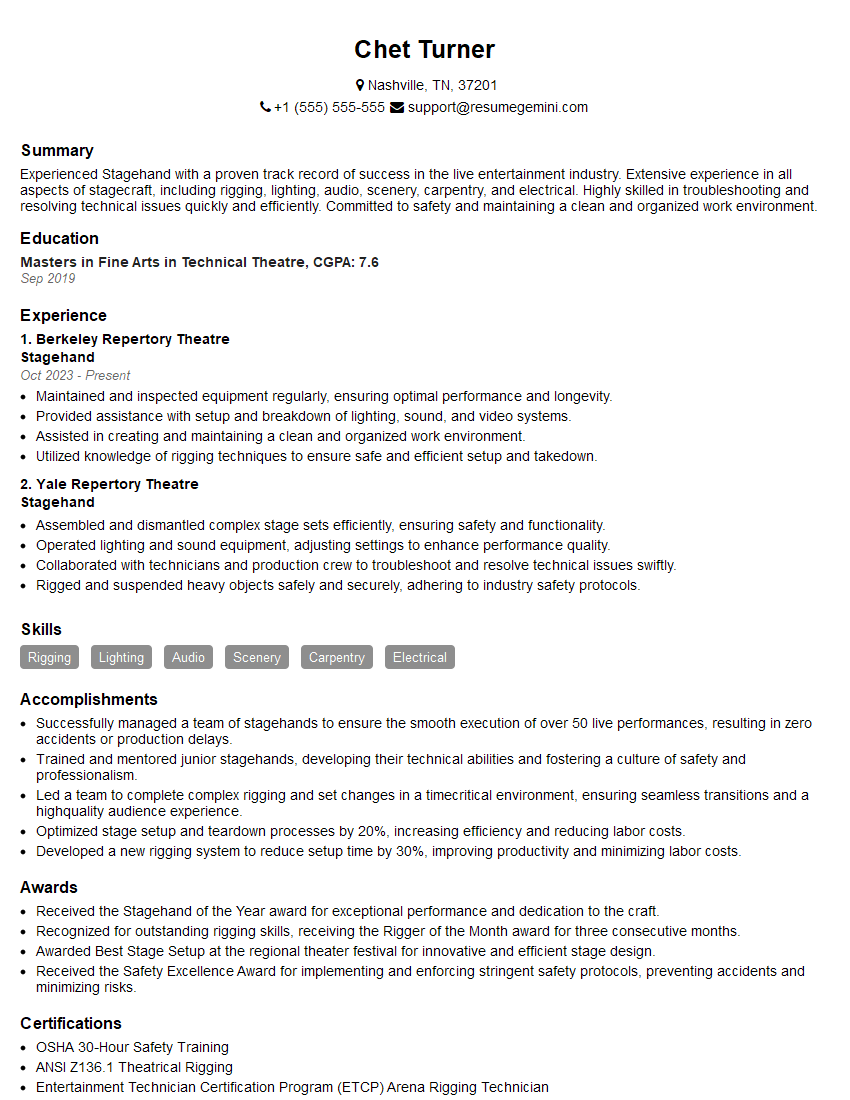
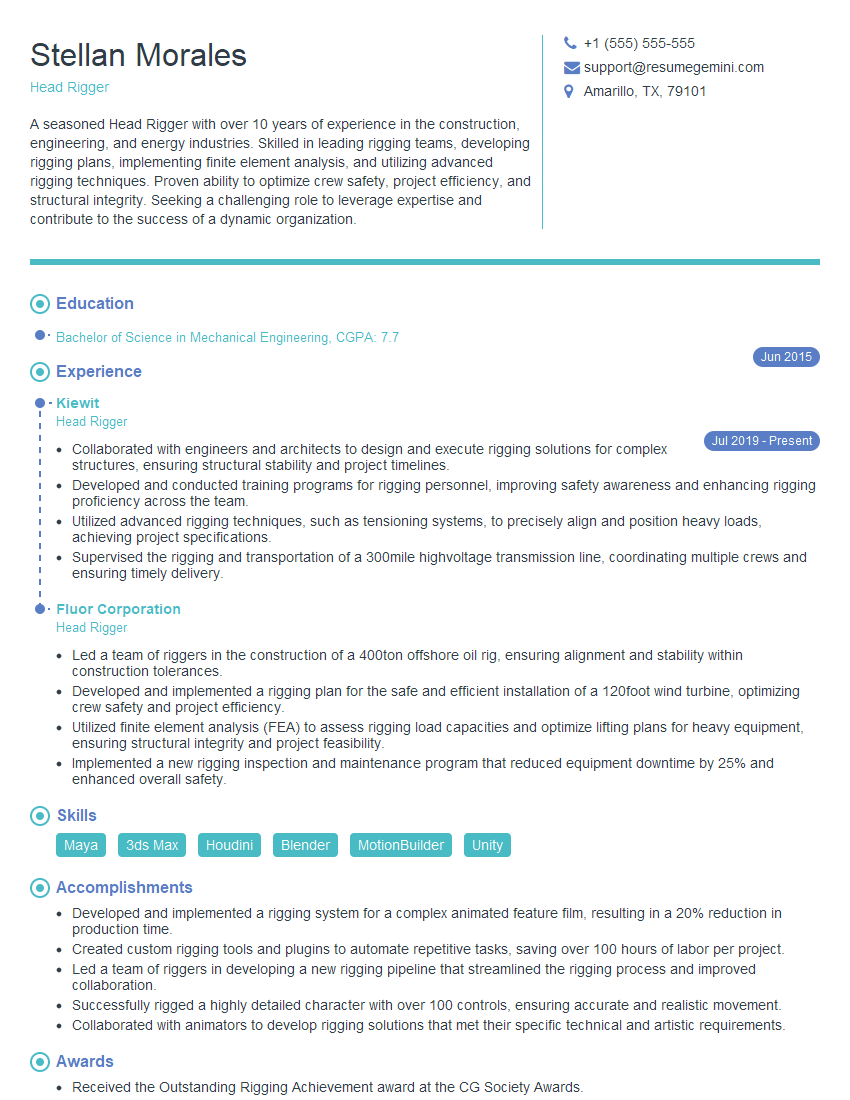
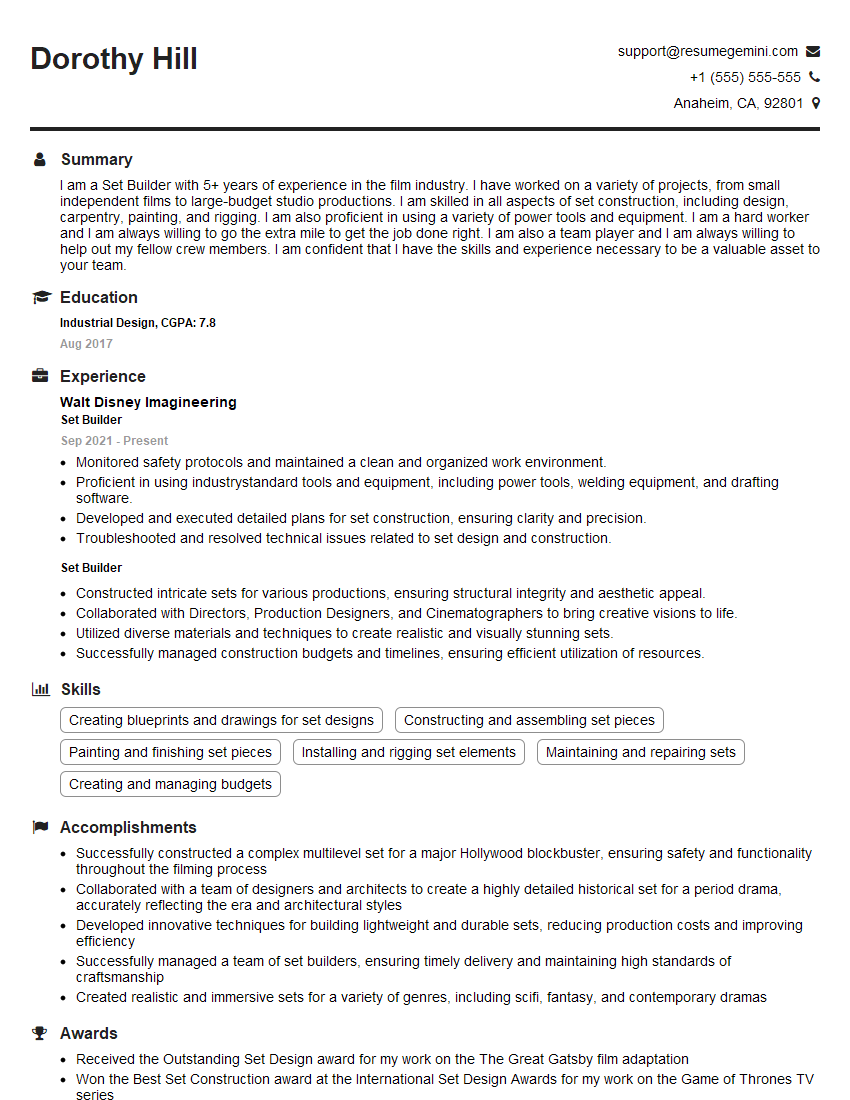
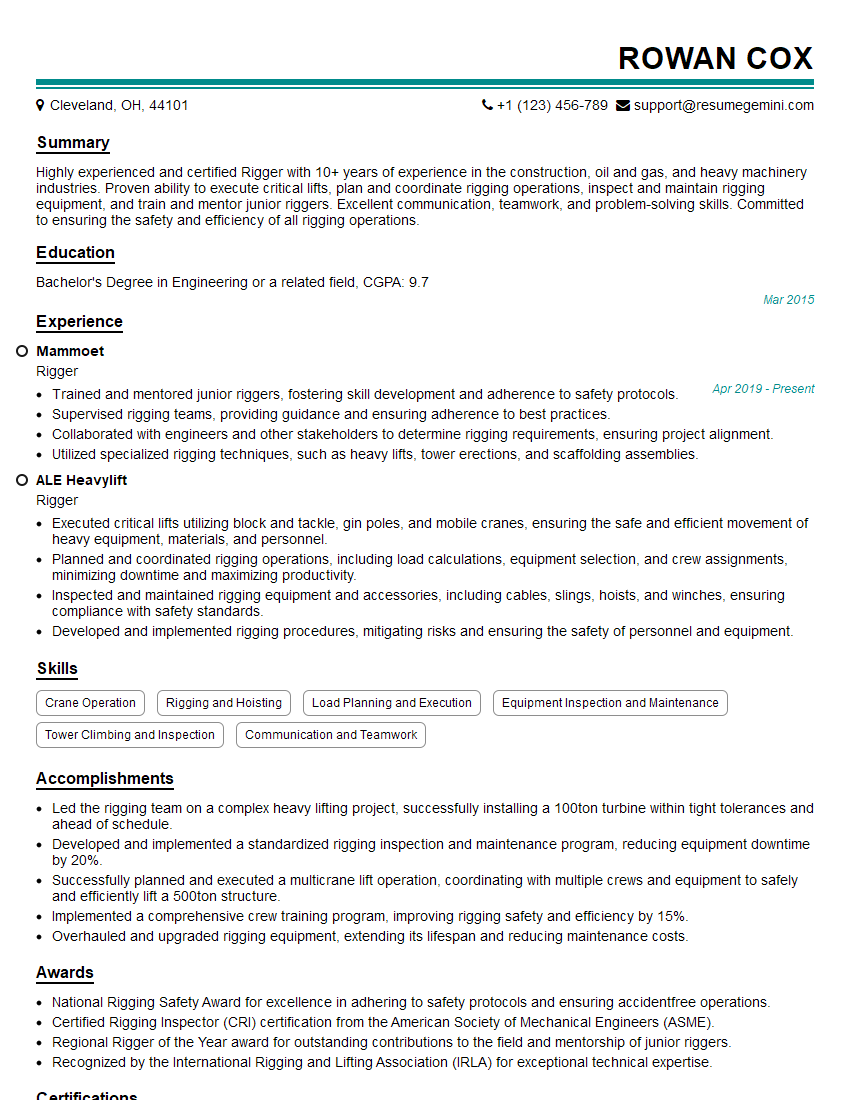
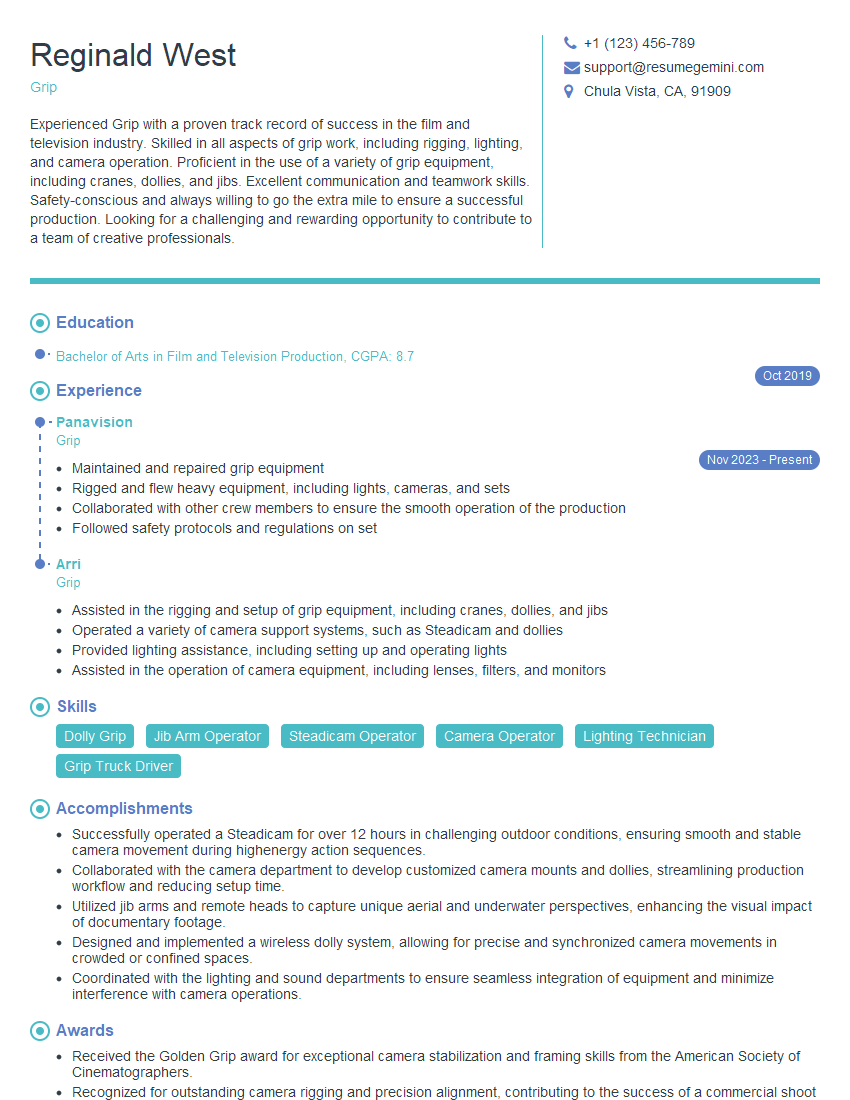
Mastering Set Assembly opens doors to exciting and rewarding careers in film, television, theatre, and events. A strong understanding of these principles is highly valued by employers. To maximize your job prospects, creating an ATS-friendly resume is crucial. ResumeGemini is a trusted resource that can help you build a professional and impactful resume, ensuring your skills and experience shine through to potential employers. Examples of resumes tailored to Set Assembly are available to further guide your preparation.
Explore more articles
Users Rating of Our Blogs
Share Your Experience
We value your feedback! Please rate our content and share your thoughts (optional).
What Readers Say About Our Blog
Amazing blog
hello,
Our consultant firm based in the USA and our client are interested in your products.
Could you provide your company brochure and respond from your official email id (if different from the current in use), so i can send you the client’s requirement.
Payment before production.
I await your answer.
Regards,
MrSmith
hello,
Our consultant firm based in the USA and our client are interested in your products.
Could you provide your company brochure and respond from your official email id (if different from the current in use), so i can send you the client’s requirement.
Payment before production.
I await your answer.
Regards,
MrSmith
These apartments are so amazing, posting them online would break the algorithm.
https://bit.ly/Lovely2BedsApartmentHudsonYards
Reach out at BENSON@LONDONFOSTER.COM and let’s get started!
Take a look at this stunning 2-bedroom apartment perfectly situated NYC’s coveted Hudson Yards!
https://bit.ly/Lovely2BedsApartmentHudsonYards
Live Rent Free!
https://bit.ly/LiveRentFREE
Interesting Article, I liked the depth of knowledge you’ve shared.
Helpful, thanks for sharing.
Hi, I represent a social media marketing agency and liked your blog
Hi, I represent an SEO company that specialises in getting you AI citations and higher rankings on Google. I’d like to offer you a 100% free SEO audit for your website. Would you be interested?