Feeling uncertain about what to expect in your upcoming interview? We’ve got you covered! This blog highlights the most important Financial Accounting and Auditing interview questions and provides actionable advice to help you stand out as the ideal candidate. Let’s pave the way for your success.
Questions Asked in Financial Accounting and Auditing Interview
Q 1. Explain the difference between accrual and cash accounting.
The core difference between accrual and cash accounting lies in when revenue and expenses are recognized. Cash accounting records transactions only when cash changes hands – when money is received or paid out. Accrual accounting, on the other hand, records revenue when it’s earned and expenses when they’re incurred, regardless of when cash actually flows.
Example: Imagine a bakery selling a cake for $20 on December 30th, but the customer pays on January 5th. Under cash accounting, the $20 revenue would be recorded on January 5th. Under accrual accounting, the revenue is recorded on December 30th, when the cake was sold (earned), even though payment is received later. This is because the bakery provided the service (the cake) on December 30th.
Accrual accounting provides a more accurate picture of a company’s financial performance over time, as it matches revenues with the expenses incurred to generate those revenues. This is crucial for making informed business decisions and for complying with Generally Accepted Accounting Principles (GAAP) or International Financial Reporting Standards (IFRS) which typically mandate accrual accounting for most businesses.
Q 2. What are the key components of a balance sheet?
A balance sheet is a snapshot of a company’s financial position at a specific point in time. It follows the fundamental accounting equation: Assets = Liabilities + Equity.
- Assets: These are what a company owns, including resources that provide future economic benefits. Examples include cash, accounts receivable (money owed to the company), inventory, property, plant, and equipment (PP&E), and investments.
- Liabilities: These are what a company owes to others. Examples include accounts payable (money owed to suppliers), loans payable, salaries payable, and deferred revenue (money received for goods or services not yet delivered).
- Equity: This represents the owners’ stake in the company. It’s the residual interest in the assets after deducting liabilities. For corporations, this includes retained earnings (accumulated profits) and contributed capital (money invested by shareholders).
Think of it like this: your house (assets) is paid for partly by your mortgage (liabilities) and partly by your own savings (equity).
Q 3. Describe the process of preparing a trial balance.
A trial balance is a crucial step in the accounting cycle. It’s a summary of all the debit and credit balances in a company’s general ledger accounts at a specific point in time. The purpose is to ensure that the total debits equal the total credits, demonstrating that the accounting equation (Assets = Liabilities + Equity) is balanced.
The process involves these steps:
- Prepare a list of accounts: List all the accounts from the general ledger.
- Enter debit and credit balances: For each account, enter its debit or credit balance from the general ledger.
- Sum the debit and credit columns: Add up the debit balances and the credit balances separately.
- Verify equality: Check if the total debits equal the total credits. If they do, the trial balance is balanced, indicating that the accounting equation is balanced. If not, it indicates an error that needs to be identified and corrected. This might involve checking for errors in journal entries, postings to the general ledger, or omissions.
A balanced trial balance doesn’t guarantee the absence of errors in the accounting records. For example, an error that involves two accounts with equal but opposite balances might still lead to a balanced trial balance, but the underlying entries may be wrong.
Q 4. How do you identify and address material misstatements in financial statements?
Identifying and addressing material misstatements is a cornerstone of financial statement auditing. A material misstatement is an error or omission in the financial statements that could influence the decisions of users. The materiality threshold is determined based on the nature and size of the misstatement relative to the company’s overall financial position.
Identifying Material Misstatements:
- Analytical Procedures: Comparing financial data to prior periods, industry benchmarks, or expected results. Significant variances warrant further investigation.
- Tests of Details: Substantive tests verifying specific account balances and transactions through things like confirmations, inspections, and recalculations.
- Professional Judgment: Auditors use their expertise and experience to assess the risk of material misstatements and to determine the appropriate audit procedures.
Addressing Material Misstatements:
- Corrective Entries: If the misstatement is identified early, management may correct it.
- Adjusting Entries: Auditors may propose adjusting entries to correct misstatements discovered during the audit.
- Qualified or Adverse Opinions: If the misstatement is material and cannot be corrected, the auditor may issue a qualified or adverse opinion on the financial statements.
Consider a scenario where a significant inventory item is valued incorrectly. Through careful inventory observation (inspection) and testing (recalculation), the auditor uncovers a material overstatement. This requires investigation, potential adjustment, and a thorough documentation trail.
Q 5. Explain the concept of revenue recognition.
Revenue recognition is an accounting principle that dictates when a company should recognize revenue in its financial statements. The core principle is that revenue is recognized when it is earned, not necessarily when cash is received. The specific criteria for revenue recognition can be complex and depend on the nature of the transaction.
Key aspects of revenue recognition under IFRS 15 and ASC 606 (US GAAP):
- Performance Obligation: A contract exists, and the company has a performance obligation (a promise to provide a distinct good or service to a customer).
- Collectability: It’s probable that the company will collect the consideration (payment) from the customer.
- Measurement: The amount of revenue can be reliably measured.
Example: A software company sells a subscription. Revenue isn’t recognized all at once on the sale date; rather, it’s recognized over the subscription period as the service is provided.
Q 6. What are the key audit procedures used to verify accounts receivable?
Verifying accounts receivable involves auditing the amounts owed to a company by its customers. Key audit procedures include:
- Confirmation: Sending direct requests to customers to confirm the amount they owe. This is a highly reliable procedure.
- Substantive Analytical Procedures: Comparing current year’s receivables to prior years, analyzing aging of receivables, and evaluating the allowance for doubtful accounts.
- Inspection: Examining sales invoices, shipping documents, and customer payment records.
- Recalculation: Verifying the mathematical accuracy of calculations related to receivables.
- Tracing: Tracing sales transactions from the sales journal to the accounts receivable ledger to confirm accurate recording.
- Vouching: Vouching entries in the accounts receivable ledger back to supporting sales documentation to ensure that recorded sales are valid and properly authorized.
The choice of specific procedures will depend on the assessed risk of material misstatement and the characteristics of the accounts receivable.
Q 7. Describe the different types of audit opinions.
An audit opinion is the auditor’s formal statement expressing their conclusions about the fairness of a company’s financial statements. There are several types:
- Unqualified Opinion (Clean Opinion): This is the most favorable opinion, indicating that the financial statements are fairly presented in all material respects in accordance with applicable accounting standards. It suggests the auditor found no significant issues.
- Qualified Opinion: This indicates that the financial statements are fairly presented, except for a specific material misstatement or limitation on the scope of the audit. The auditor qualifies their opinion due to some specific issue(s).
- Adverse Opinion: This is a highly unfavorable opinion, stating that the financial statements are not fairly presented. This is reserved for situations with pervasive material misstatements.
- Disclaimer of Opinion: This indicates that the auditor was unable to obtain sufficient appropriate audit evidence to form an opinion on the financial statements. This could be due to significant scope limitations.
Imagine a scenario where a company fails to adequately disclose a contingent liability. This could lead to a qualified or even an adverse opinion depending on the materiality of the omission.
Q 8. What is the purpose of internal controls?
Internal controls are processes and procedures implemented by an organization to safeguard assets, ensure the reliability of financial reporting, promote operational efficiency, and comply with laws and regulations. Think of them as the guardrails of a business, preventing errors and fraud.
These controls span various aspects, including authorization of transactions, segregation of duties (ensuring no single person controls all aspects of a transaction), physical controls over assets (like locked storage), and regular reconciliations. For example, a strong internal control might involve requiring two signatures for large payments, preventing any single individual from making unauthorized payments. Another example could be regularly counting inventory and comparing this count against the records to detect any discrepancies.
- Preventive Controls: Designed to prevent errors or irregularities from occurring in the first place (e.g., requiring approvals before purchases).
- Detective Controls: Designed to detect errors or irregularities that have already occurred (e.g., bank reconciliations).
- Corrective Controls: Designed to correct errors or irregularities that have been detected (e.g., adjusting journal entries).
Q 9. How do you perform a bank reconciliation?
A bank reconciliation is the process of comparing the bank statement with the company’s cash records to identify any discrepancies and ensure the accuracy of both. It’s like comparing two different versions of the same story to make sure they match.
The process involves the following steps:
- Obtain the bank statement: Download or receive the bank statement for the period.
- Prepare a bank reconciliation: Start with the bank statement balance. Add deposits in transit (deposits made by the company but not yet recorded by the bank) and subtract outstanding checks (checks issued by the company but not yet cashed).
- Compare the bank balance to the company’s book balance: Start with the company’s cash balance. Add any bank credits (e.g., interest earned) and subtract any bank debits (e.g., bank charges) that the company may not have recorded yet. Identify any discrepancies.
- Investigate discrepancies: Errors can include mistakes in recording transactions, timing differences, or even fraud. Each discrepancy must be thoroughly investigated and resolved.
- Adjust the company’s books: Make any necessary journal entries to correct errors identified during the reconciliation process.
For example, a deposit in transit would be added to the bank side because it’s already in the company’s books but hasn’t shown up on the bank statement yet. Similarly, outstanding checks would be subtracted from the bank side because the company has recorded them as payments, but the checks haven’t cleared the bank yet.
Q 10. Explain the concept of depreciation and its methods.
Depreciation is the systematic allocation of the cost of a tangible asset over its useful life. Think of it as spreading the cost of a car over the years you own and drive it. It doesn’t represent the actual decline in market value; rather it reflects the cost being expensed over time.
Several methods exist:
- Straight-line method: The simplest method; it allocates an equal amount of depreciation expense each year.
Depreciation Expense = (Cost - Salvage Value) / Useful Life - Declining balance method: An accelerated method that allocates more depreciation expense in the early years of an asset’s life. It uses a constant depreciation rate applied to the net book value (cost less accumulated depreciation) each year.
- Units of production method: This method allocates depreciation expense based on the actual use of the asset. For example, if you own a delivery truck, depreciation will be higher in years when the truck is driven more miles.
Choosing the appropriate method depends on factors like the asset’s nature, anticipated usage pattern, and industry practices. For example, a company might use the straight-line method for office furniture but the declining balance method for equipment that experiences significant technological obsolescence.
Q 11. How do you handle inventory valuation?
Inventory valuation is the process of determining the cost of goods sold (COGS) and the value of ending inventory. This is crucial for accurate financial reporting, as inventory affects both the income statement (COGS) and the balance sheet (inventory).
Common methods include:
- First-In, First-Out (FIFO): Assumes that the oldest inventory items are sold first. In times of inflation, this method results in a lower COGS and higher net income.
- Last-In, First-Out (LIFO): Assumes that the newest inventory items are sold first. In times of inflation, this method results in a higher COGS and lower net income. (Note: LIFO is not permitted under IFRS).
- Weighted-Average Cost: Calculates the average cost of all inventory items and assigns this average cost to both COGS and ending inventory. This method smooths out price fluctuations.
The choice of method impacts a company’s financial statements and tax liability. For example, during periods of inflation, FIFO would show higher profits compared to LIFO, potentially resulting in higher tax payments.
Q 12. What are the key ratios used to analyze financial statements?
Key financial ratios provide insights into a company’s profitability, liquidity, solvency, and efficiency. They are crucial for assessing a company’s financial health and performance.
Some important ratios include:
- Profitability Ratios: Gross profit margin, net profit margin, return on assets (ROA), return on equity (ROE). These show how efficiently a company generates profits.
- Liquidity Ratios: Current ratio, quick ratio. These indicate a company’s ability to meet its short-term obligations.
- Solvency Ratios: Debt-to-equity ratio, times interest earned ratio. These assess a company’s ability to meet its long-term obligations.
- Efficiency Ratios: Inventory turnover, accounts receivable turnover. These measure how efficiently a company manages its assets and liabilities.
Analyzing these ratios in context, comparing them to industry averages, and tracking them over time reveals trends and potential areas of concern. For instance, a consistently low current ratio could signal a liquidity problem.
Q 13. Explain the concept of working capital.
Working capital represents the difference between a company’s current assets and its current liabilities. It’s the readily available funds a company has to meet its short-term obligations. Think of it as the company’s short-term cash cushion.
Working Capital = Current Assets - Current Liabilities
A healthy working capital balance is essential for day-to-day operations and smooth financial functioning. A positive working capital indicates the company has enough liquid assets to pay its immediate debts. A negative working capital, on the other hand, suggests potential short-term financial difficulties.
Current assets include cash, accounts receivable, and inventory, while current liabilities include accounts payable, short-term debt, and accrued expenses. A company with high inventory levels might appear to have high working capital, but if much of that inventory is obsolete or slow-moving, the actual liquidity position might be weaker than it seems.
Q 14. How do you identify and assess risks in an audit?
Risk assessment in an audit involves identifying and evaluating potential misstatements in a company’s financial statements. Auditors use a risk-based approach, focusing resources where the risk of material misstatement is highest.
The process usually involves these steps:
- Understanding the entity and its environment: This involves learning about the company’s business, industry, and regulatory environment, internal controls, and risks inherent in its operations.
- Identifying risks of material misstatement: This includes considering inherent risks (risks arising from the nature of the business) and control risks (risks that controls will not prevent or detect material misstatements).
- Assessing the risks of material misstatement: This involves determining the likelihood and potential impact of identified risks. High-risk areas require more audit attention.
- Responding to assessed risks: The auditor tailors their audit procedures to address the identified risks. High-risk areas may require more extensive testing.
For example, if an audit is being conducted for a company in a highly competitive industry facing economic headwinds, the inherent risk of revenue misstatement is higher. This would necessitate closer scrutiny of the revenue recognition process and potentially more testing of sales transactions.
Q 15. What is the importance of Sarbanes-Oxley Act (SOX)?
The Sarbanes-Oxley Act of 2002 (SOX) is a landmark piece of legislation in the United States designed to protect investors by improving the accuracy and reliability of corporate disclosures. It was enacted in response to major corporate accounting scandals like Enron and WorldCom. SOX’s importance lies in its far-reaching impact on corporate governance, financial reporting, and auditing practices.
- Enhanced Corporate Responsibility: SOX holds senior executives directly accountable for the accuracy of financial statements. The CEO and CFO must personally certify the financial reports, making them liable for any misrepresentations.
- Improved Audit Quality: The act established the Public Company Accounting Oversight Board (PCAOB), which oversees the audits of public companies. This ensures greater independence and objectivity in the audit process.
- Strengthened Internal Controls: SOX mandates the establishment and maintenance of robust internal controls over financial reporting. Companies must assess and document their internal controls annually, and independent auditors must attest to their effectiveness.
- Increased Transparency and Disclosure: The act requires more detailed and transparent financial disclosures, helping investors make more informed decisions.
Imagine SOX as a set of strong safety regulations for the financial world. It aims to prevent future accounting scandals and build investor confidence by ensuring transparency and accountability.
Career Expert Tips:
- Ace those interviews! Prepare effectively by reviewing the Top 50 Most Common Interview Questions on ResumeGemini.
- Navigate your job search with confidence! Explore a wide range of Career Tips on ResumeGemini. Learn about common challenges and recommendations to overcome them.
- Craft the perfect resume! Master the Art of Resume Writing with ResumeGemini’s guide. Showcase your unique qualifications and achievements effectively.
- Don’t miss out on holiday savings! Build your dream resume with ResumeGemini’s ATS optimized templates.
Q 16. Explain the concept of fraud and its detection methods.
Fraud is an intentional misrepresentation of facts to deceive another party for personal gain. In accounting, it can take many forms, including fraudulent financial reporting (manipulating financial statements) and misappropriation of assets (theft of company funds or resources). Detection methods rely on a combination of preventative and detective controls.
- Preventative Controls: These are designed to deter fraud from happening in the first place. Examples include strong segregation of duties, authorization procedures, regular reconciliations, and a robust internal audit function.
- Detective Controls: These are aimed at identifying fraud after it has occurred. Examples include analytical procedures (comparing actual results to budgets or forecasts), data analytics techniques (identifying unusual patterns or outliers), surprise audits, whistleblower hotlines, and independent audits.
Let’s say a company notices unusual spikes in expenses compared to previous periods. This might trigger further investigation, potentially uncovering a fraudulent scheme involving expense reimbursements. Using data analytics, auditors can identify anomalies and focus their investigations on high-risk areas.
Q 17. How do you handle accounting for intangible assets?
Intangible assets are non-physical assets with economic value, like patents, copyrights, trademarks, and goodwill. Accounting for them requires careful consideration of their acquisition cost, amortization (for assets with finite useful lives), and impairment (if their value declines).
- Acquisition Cost: This is the cost to acquire the intangible asset, including all directly attributable costs.
- Amortization: Intangible assets with finite lives are amortized over their useful lives, systematically allocating their cost to expense over time. The amortization method should reflect the pattern of using up the asset’s economic benefits. For example, a patent might be amortized using the straight-line method over its legal life.
- Impairment: If the carrying amount of an intangible asset exceeds its recoverable amount (the higher of fair value less costs to sell and value in use), an impairment loss is recognized.
Consider a company acquiring a patent for $1 million with a useful life of 10 years. It would amortize the patent at $100,000 per year ($1 million/10 years). If, after five years, the market value of the patent drops significantly, the company needs to assess it for impairment.
Q 18. Describe the process of auditing revenue recognition.
Auditing revenue recognition involves verifying that a company’s revenue is recorded in accordance with Generally Accepted Accounting Principles (GAAP) or International Financial Reporting Standards (IFRS). This process focuses on ensuring that revenue is recognized when it’s earned and realized or realizable.
- Understanding Revenue Recognition Criteria: The auditor begins by understanding the company’s revenue recognition policies and how they align with relevant accounting standards. This includes examining contracts, sales agreements, and pricing models.
- Testing the Revenue Cycle: This involves tracing transactions from origination to financial statement reporting. Procedures may include examining sales invoices, shipping documents, customer contracts, and cash receipts. This allows auditors to verify that the revenue was actually earned and collected.
- Analytical Procedures: Comparing revenue trends over time, against industry benchmarks, or to the company’s budget helps identify potential anomalies and areas requiring further investigation.
- Substantive Testing: This involves detailed testing of the accounting records. For example, confirming receivables with customers and reviewing sales returns and allowances.
Imagine auditing a software company. The auditor would verify that revenue for software licenses is recognized over the period the software is being used, not when the license is signed. They would trace sales transactions, check for proper authorization and confirm the software has been delivered and accepted by customers.
Q 19. How do you assess the effectiveness of internal controls?
Assessing the effectiveness of internal controls involves evaluating the design and operating effectiveness of a company’s controls over financial reporting. This is crucial for preventing and detecting fraud and ensuring the reliability of financial statements.
- Understanding the Control Environment: This involves assessing the company’s overall commitment to control, including the tone at the top, ethics, and organizational structure.
- Risk Assessment: Identifying potential risks to the reliability of financial reporting, such as fraud risks and errors.
- Control Activities: Evaluating the design and operating effectiveness of specific controls, such as segregation of duties, authorizations, reconciliations, and performance reviews. This often involves testing various controls by performing procedures like walkthroughs or inquiries.
- Information and Communication: Determining if information relevant to financial reporting is properly captured, processed, and communicated throughout the organization.
- Monitoring Activities: Evaluating the processes in place to monitor the effectiveness of the controls over time, including periodic reviews, audits, and exception reporting.
A common approach is using a framework like COSO (Committee of Sponsoring Organizations of the Treadway Commission). Auditors typically use a combination of testing, observation, and inquiry to assess the effectiveness. They might test the accuracy of bank reconciliations or observe the segregation of duties in the accounts payable department.
Q 20. Explain the concept of auditing sampling.
Auditing sampling is a statistical technique used by auditors to test a subset of a population (e.g., transactions, accounts receivable) to draw conclusions about the entire population. It’s not feasible or cost-effective to examine every single item, so sampling allows auditors to make efficient and reasonably reliable inferences.
- Defining the Population: Clearly identifying the items to be sampled.
- Determining Sample Size: The sample size depends on factors such as the desired level of assurance, the acceptable risk of error, and the expected error rate in the population. Statistical methods are used to calculate the appropriate sample size.
- Selecting the Sample: Various methods can be used, including random sampling, stratified sampling, and systematic sampling. Random sampling ensures every item has an equal chance of being selected, while stratified sampling allows for focusing on higher-risk areas.
- Performing the Audit Procedures: The selected items are tested according to relevant audit procedures.
- Projecting the Results: Based on the findings from the sample, the auditor projects the results to the entire population. This involves using statistical techniques to estimate the overall error rate.
Imagine an auditor wants to test the accuracy of 10,000 accounts receivable. Instead of examining each account, they might select a statistically valid sample of 100 accounts to test. If the sample shows a low error rate, the auditor can conclude with reasonable assurance that the overall accounts receivable balance is fairly stated.
Q 21. How do you handle accounting for foreign currency transactions?
Accounting for foreign currency transactions involves converting transactions denominated in a foreign currency into the reporting currency of the company. This process uses exchange rates to translate the transactions and involves recognizing gains or losses.
- Exchange Rate Determination: The appropriate exchange rate depends on the timing of the transaction and the type of transaction (e.g., purchase, sale, loan). The exchange rate at the transaction date is typically used.
- Translation of Monetary Items: Monetary items, such as receivables, payables, and loans, are translated using the exchange rate at the balance sheet date.
- Translation of Non-Monetary Items: Non-monetary items, such as inventory and property, plant, and equipment, are generally translated using the historical exchange rate, unless it’s deemed appropriate to use another rate.
- Foreign Exchange Gains and Losses: Gains or losses are recognized in the income statement when the foreign currency transaction is settled or at the end of each reporting period if the transaction is not settled. These are essentially accounting for the difference between the exchange rate at the time of the transaction and the settlement date.
Consider a US company that purchases goods from a UK supplier for £10,000. If the exchange rate is $1.30/£ on the transaction date, the initial recording would be a debit to inventory and a credit to accounts payable for $13,000. If the exchange rate changes by the time the payment is made, a foreign exchange gain or loss will be recognized.
Q 22. What are the key differences between GAAP and IFRS?
Generally Accepted Accounting Principles (GAAP) and International Financial Reporting Standards (IFRS) are both sets of accounting rules designed to ensure consistency and transparency in financial reporting. However, they differ significantly in their approach and specific requirements. Think of it like this: GAAP is the US-specific recipe book for accounting, while IFRS is the international one, aiming for global standardization.
Rules-based vs. Principles-based: GAAP is more rules-based, providing detailed prescriptions for specific transactions. IFRS is more principles-based, offering broader guidelines that require professional judgment in application. This means IFRS allows for more flexibility but potentially less comparability across companies.
Inventory Valuation: GAAP allows for either FIFO (First-In, First-Out) or LIFO (Last-In, First-Out) for inventory valuation, while IFRS only permits FIFO or weighted-average cost. LIFO is particularly relevant in inflationary environments as it can lower taxable income.
Revenue Recognition: GAAP and IFRS both moved towards a more comprehensive revenue recognition standard, but the specific implementation details may still vary slightly, leading to potential differences in how revenue is reported.
Goodwill Amortization: Under GAAP, goodwill was amortized (expensed over time). IFRS requires an impairment test instead, only recognizing an expense when the value of the asset decreases. This reflects a more current market valuation.
Understanding these differences is crucial for anyone analyzing financial statements from companies operating under different accounting standards, particularly in cross-border investment or analysis.
Q 23. How do you analyze financial statements to detect fraud?
Analyzing financial statements for fraud requires a keen eye for inconsistencies and anomalies. It’s like being a detective, looking for clues that point towards something suspicious. My approach is multi-faceted:
Ratio Analysis: I examine key financial ratios such as gross profit margin, inventory turnover, and accounts receivable turnover for unusual fluctuations. For example, a sudden and significant drop in gross profit margin could indicate revenue manipulation or understated costs.
Trend Analysis: I look for trends over time to identify any unusual patterns or abrupt changes. A consistent increase in expenses without corresponding revenue growth is a red flag.
Horizontal and Vertical Analysis: These techniques help to compare line items across periods (horizontal) and as a percentage of a base figure (vertical), respectively. They allow for the identification of atypical relationships between items. For example, a significant increase in a company’s accounts payable might suggest that the company is delaying payments to its vendors to maintain a better reported liquidity position.
Benford’s Law: This mathematical law states that certain digits appear more frequently than others in naturally occurring numerical data. Deviations from Benford’s Law in financial data can be indicative of manipulation.
Data Analytics: I leverage data analytics tools to identify outliers and anomalies in large datasets, helping me uncover patterns that would be difficult to detect manually. For example, using audit software can help identify duplicate invoices or unusual transaction patterns.
It’s important to remember that no single indicator proves fraud. Instead, I look for a combination of red flags that, when taken together, suggest a higher risk of fraudulent activity. A thorough understanding of the business and its industry is crucial for interpreting the financial data effectively.
Q 24. What is your experience with audit software?
I have extensive experience with a variety of audit software packages, including ACL, IDEA, and CaseWare. My proficiency extends beyond basic data extraction and manipulation to encompass advanced analytical techniques. For example, I’ve used ACL to perform data sampling, identify outliers in large datasets, and conduct Benford’s Law analysis. I’ve used IDEA to perform complex joins and analysis across multiple databases. CaseWare’s ability to create and manage audit documentation is key for my workflow. I find these tools essential for efficiently auditing large volumes of financial data and ensuring a high level of accuracy and thoroughness in my work.
Q 25. Describe your experience with specific accounting software (e.g., SAP, Oracle, etc.)
In my previous role, I worked extensively with SAP ERP and Oracle Financials. My experience includes:
SAP ERP: I was involved in configuring and customizing various modules such as Financial Accounting (FI), Controlling (CO), and Materials Management (MM) to meet specific business requirements. This entailed understanding and mapping business processes onto the system, testing configurations, and providing user training. I have also performed data analysis within SAP to identify discrepancies and improve data accuracy.
Oracle Financials: I used Oracle Financials for financial reporting, account reconciliation, and budget preparation. I have experience generating financial statements, managing general ledger accounts, and using the system’s reporting tools to create customized reports. I also used Oracle’s workflow tools for processing and approving transactions.
My familiarity with these systems allows me to effectively analyze financial data, identify potential issues, and contribute to efficient and accurate financial reporting.
Q 26. Explain your experience in preparing tax returns.
I have significant experience in preparing various types of tax returns, including individual, corporate, and partnership returns. My experience covers a range of tax laws and regulations. This includes understanding tax implications of various transactions, identifying deductions and credits, preparing tax forms and schedules, and filing electronically. I am proficient in using tax preparation software and staying updated on changes in tax legislation to ensure accuracy and compliance. I have also dealt with tax audits and prepared amended returns when necessary, making sure I understand both compliance and best practice for tax efficiency. For example, I’ve helped clients optimize their tax strategies through proactive planning and using tax-advantaged investment vehicles.
Q 27. How do you handle intercompany transactions?
Handling intercompany transactions requires meticulous attention to detail and a robust process to ensure accuracy and compliance. Intercompany transactions are transactions between related entities of the same corporate group. These transactions can significantly impact the financial reporting of each entity, so they need to be carefully tracked. My approach focuses on:
Clear Documentation: Maintaining detailed documentation of each intercompany transaction, including the transaction date, amount, description, and the involved entities. This documentation is crucial for audit trails and reconciliation.
Consistent Accounting Policies: Ensuring that consistent accounting policies are applied across all related entities in recording and reporting intercompany transactions. Inconsistent accounting can create artificial financial results and hinder meaningful comparison across entities.
Regular Reconciliation: Performing regular reconciliations between the intercompany accounts of the related entities to ensure that all transactions are properly recorded and matched. This is often the most crucial part.
Elimination Entries: Preparing elimination entries at the consolidation level to remove the effects of intercompany transactions from the consolidated financial statements. These are crucial for removing the double-counting from intercompany transactions. Failing to do this leads to inaccurate consolidated financial statements and misleading investor information.
A well-defined process for managing intercompany transactions not only ensures accuracy in financial reporting but also helps prevent discrepancies and improves operational efficiency.
Q 28. Describe your experience with SEC reporting.
My SEC reporting experience encompasses the preparation and filing of various reports, including Form 10-K, Form 10-Q, and other required disclosures. I understand the importance of timely and accurate reporting to comply with SEC regulations. This includes a deep understanding of accounting standards, disclosure requirements, and the processes involved in preparing these filings. I’m familiar with XBRL tagging requirements, which ensure the data is machine-readable and facilitates efficient data analysis by the SEC and investors. I have also supported companies through the process of responding to SEC comments and resolving any discrepancies. In summary, my SEC reporting experience goes beyond simple filing; I ensure that all information presented to investors complies with regulations and fairly represents the financial position and performance of the organization. This requires great attention to detail and maintaining strict adherence to deadlines.
Key Topics to Learn for Financial Accounting and Auditing Interview
- Financial Statement Preparation: Understand the creation and analysis of balance sheets, income statements, and cash flow statements. Practice preparing these statements under different accounting methods (e.g., accrual, cash).
- Generally Accepted Accounting Principles (GAAP): Master the core principles and standards that govern financial reporting. Be prepared to discuss their practical application in real-world scenarios.
- Internal Controls: Learn about the design and implementation of internal controls to mitigate financial risks. Understand the importance of Sarbanes-Oxley Act (SOX) compliance where applicable.
- Auditing Procedures: Familiarize yourself with different audit techniques, including substantive testing, internal control testing, and risk assessment. Understand the audit process from planning to reporting.
- Revenue Recognition: Grasp the complexities of revenue recognition under GAAP, including the five-step model and its application in various industries.
- Inventory Accounting: Understand different inventory costing methods (FIFO, LIFO, weighted-average) and their impact on financial statements.
- Accounting for Leases: Become familiar with the new lease accounting standards (ASC 842) and their implications for financial reporting.
- Problem-Solving & Analytical Skills: Practice analyzing financial data, identifying discrepancies, and formulating solutions to accounting challenges. Develop your ability to explain complex financial information clearly and concisely.
Next Steps
Mastering Financial Accounting and Auditing opens doors to a rewarding career with significant growth potential in various industries. A strong foundation in these areas is crucial for success in roles requiring financial expertise and analytical skills. To maximize your job prospects, crafting a compelling and ATS-friendly resume is essential. ResumeGemini is a trusted resource that can help you build a professional and impactful resume. They offer examples of resumes tailored to Financial Accounting and Auditing to guide you through the process, ensuring your qualifications shine through. Invest the time to create a standout resume – it’s a key step towards landing your dream job.
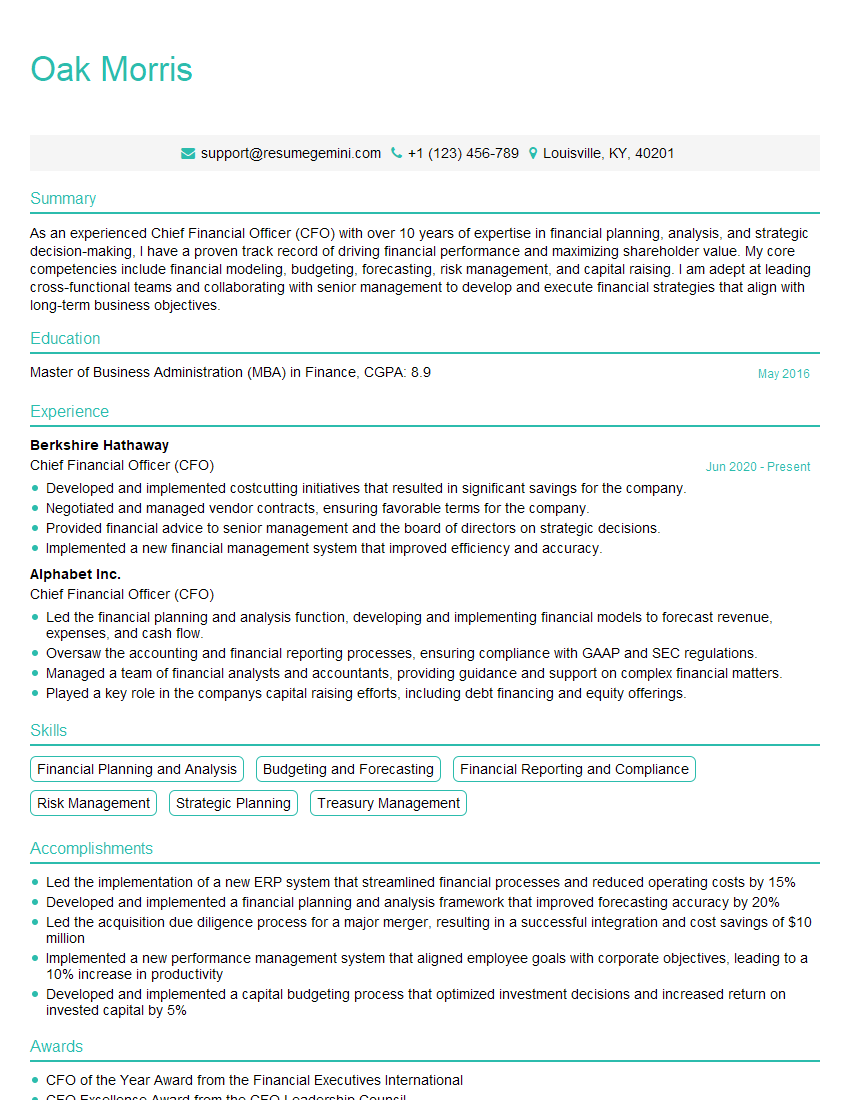
Chief Financial Officer (CFO) Resume Sample
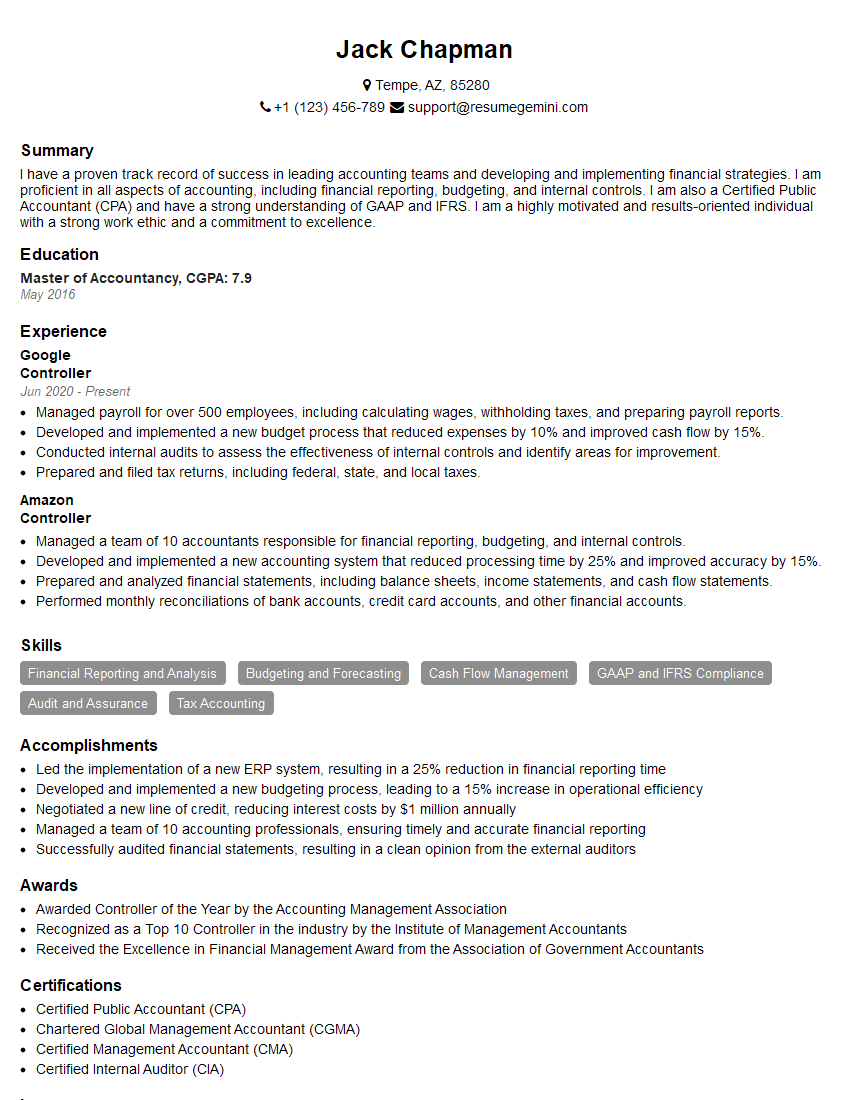
Controller Resume Sample
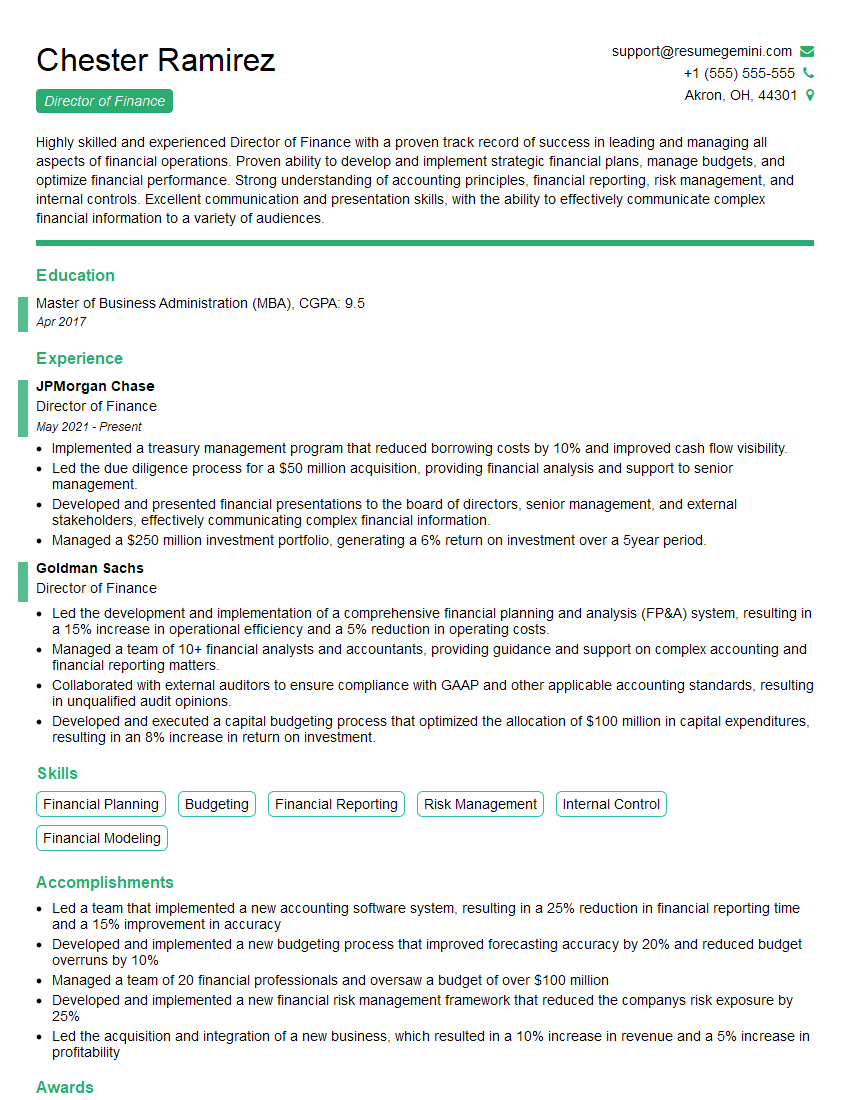
Director of Finance Resume Sample
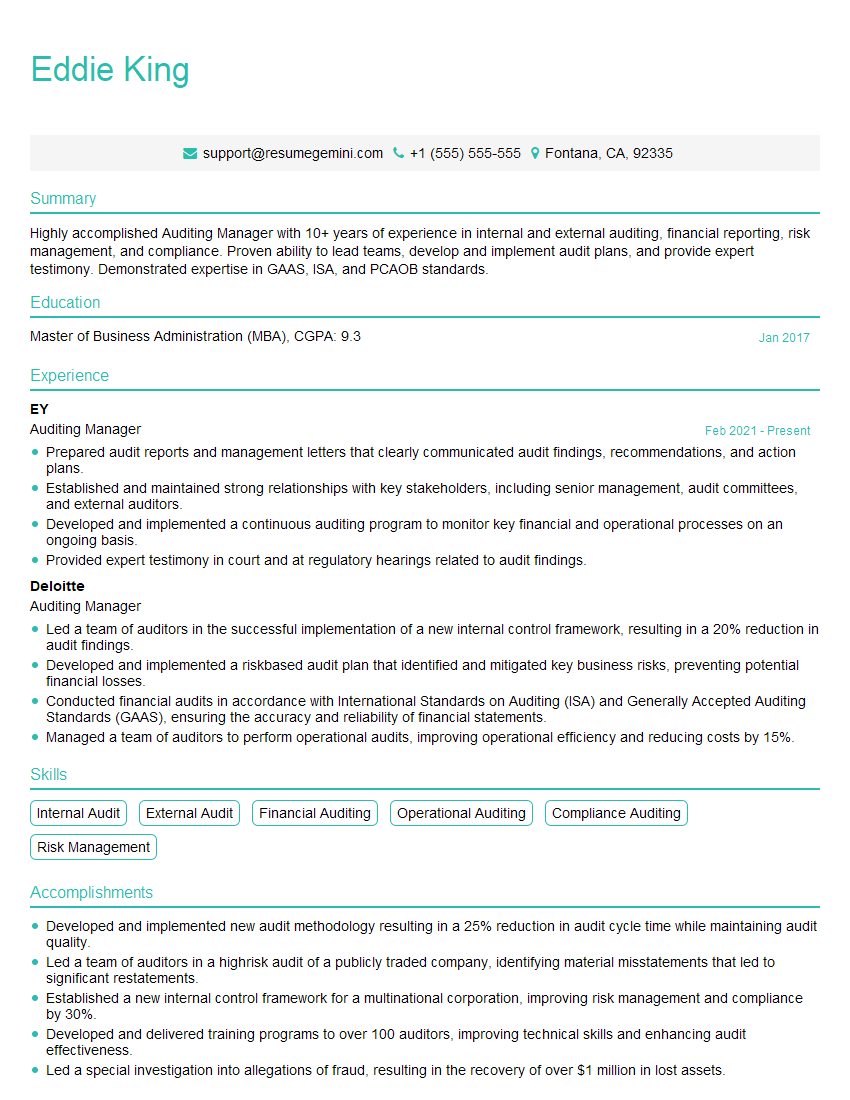
Auditing Manager Resume Sample
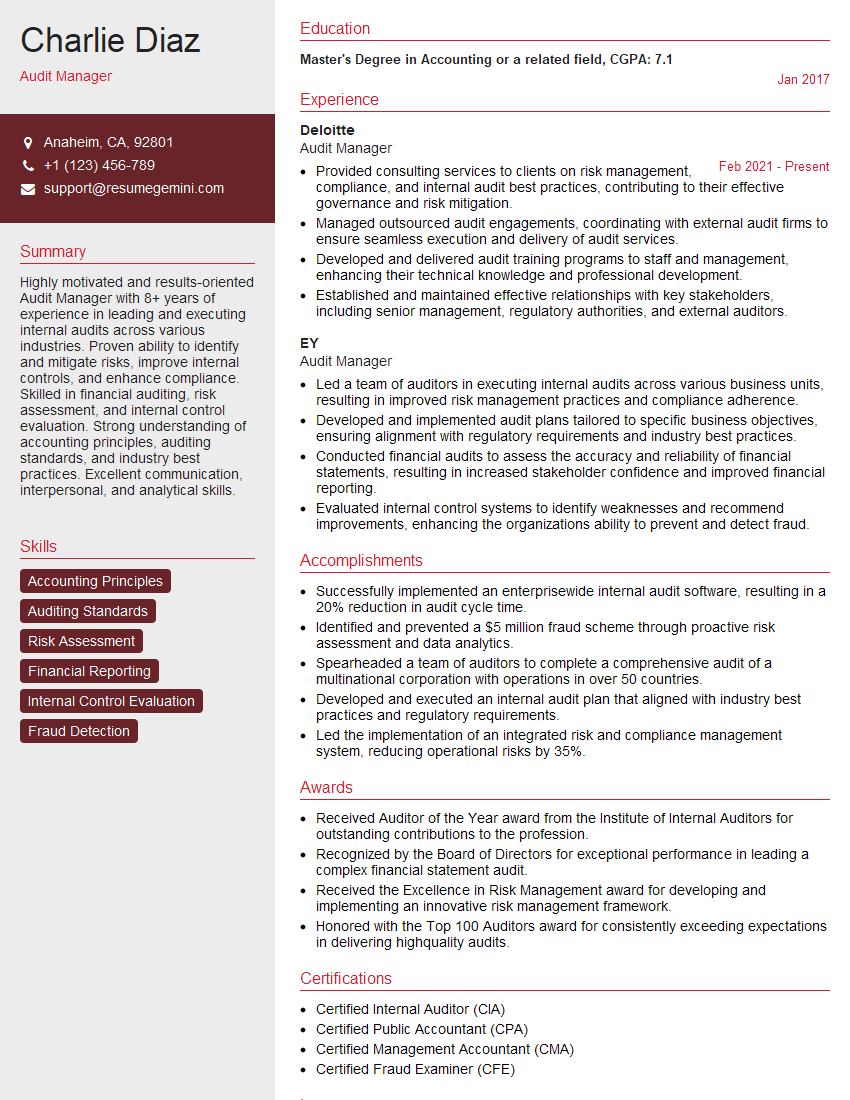
Audit Manager Resume Sample

Compliance Officer Resume Sample
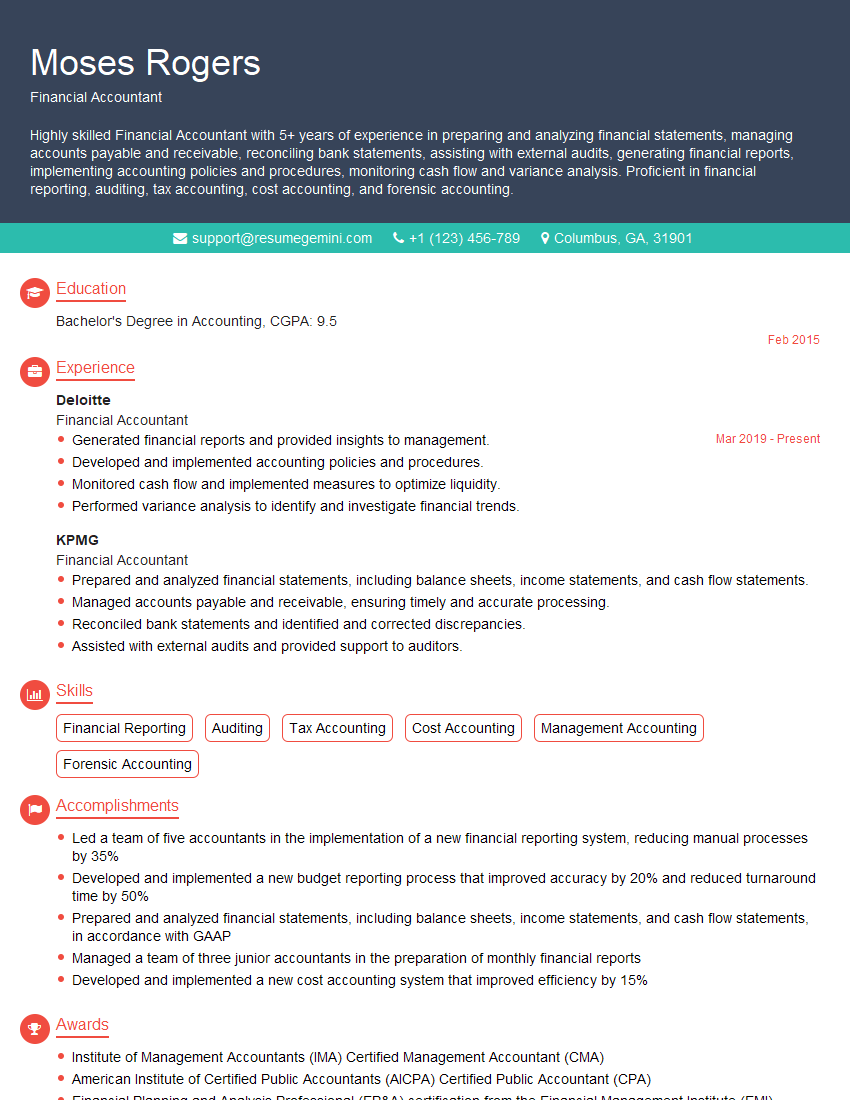
Financial Accountant Resume Sample
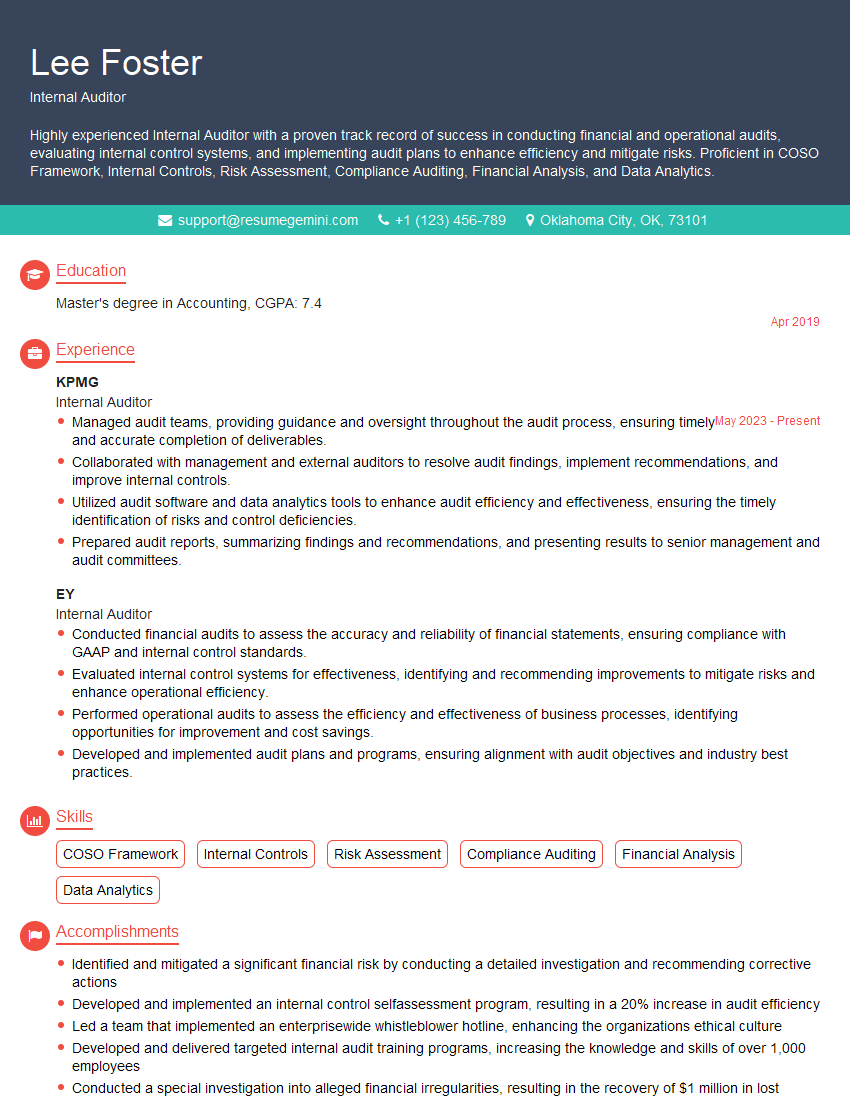
Internal Auditor Resume Sample
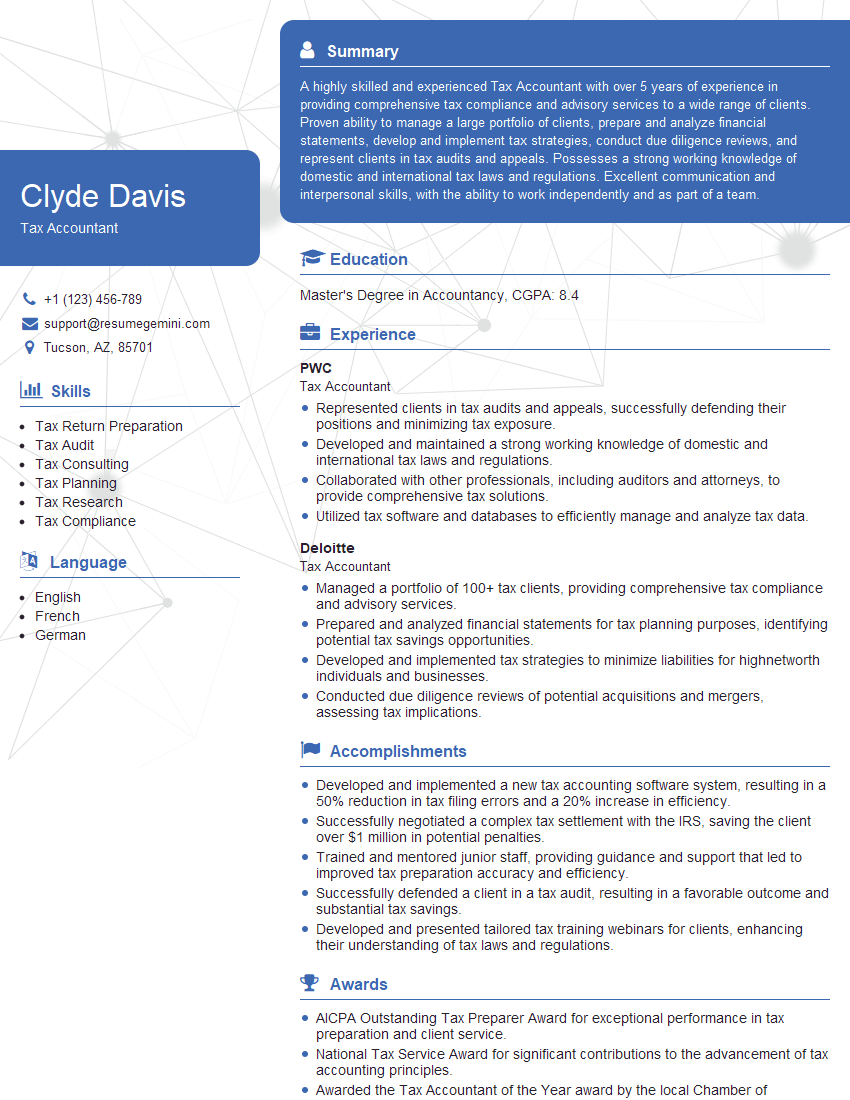
Tax Accountant Resume Sample
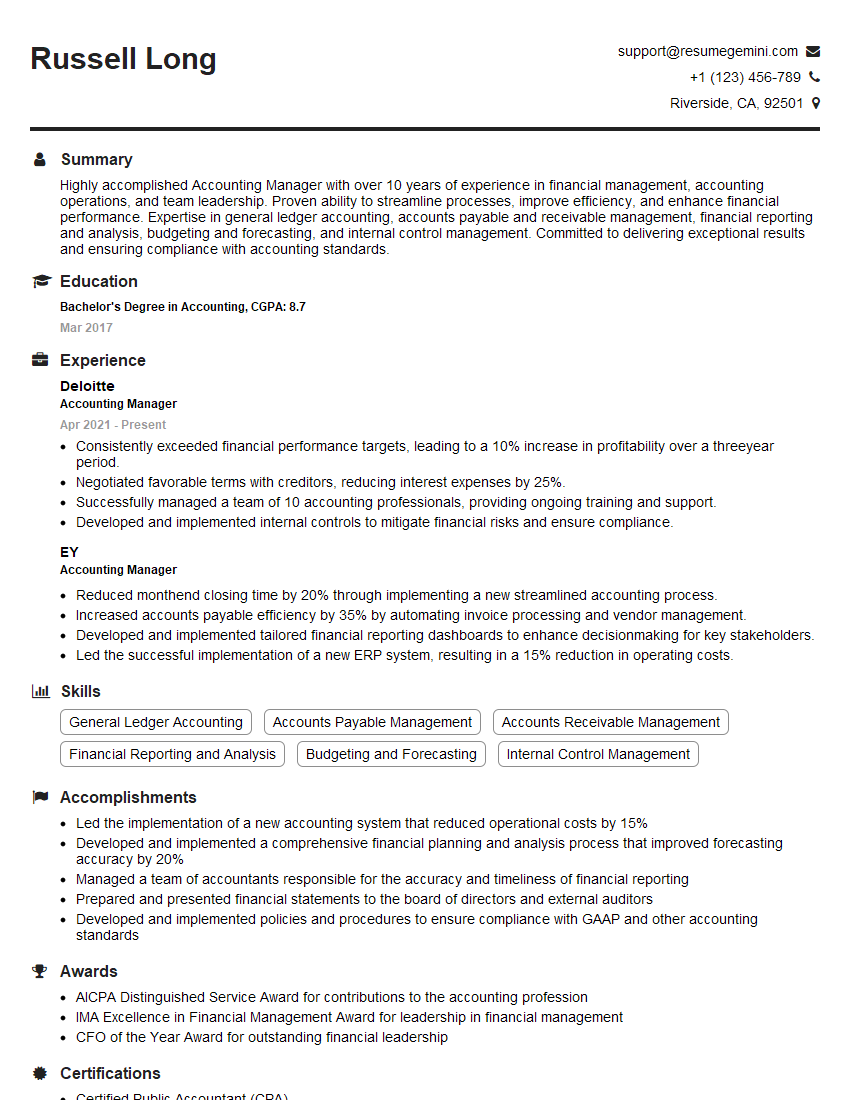
Accounting Manager Resume Sample
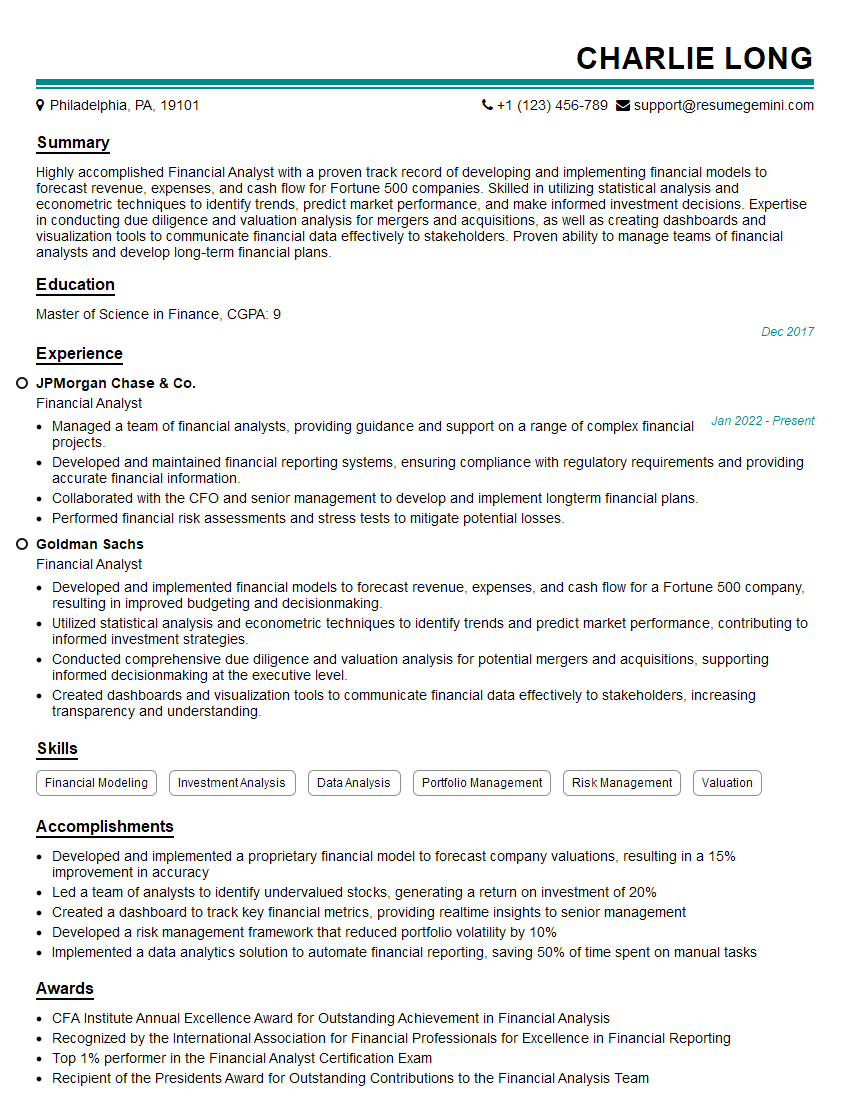
Financial Analyst Resume Sample
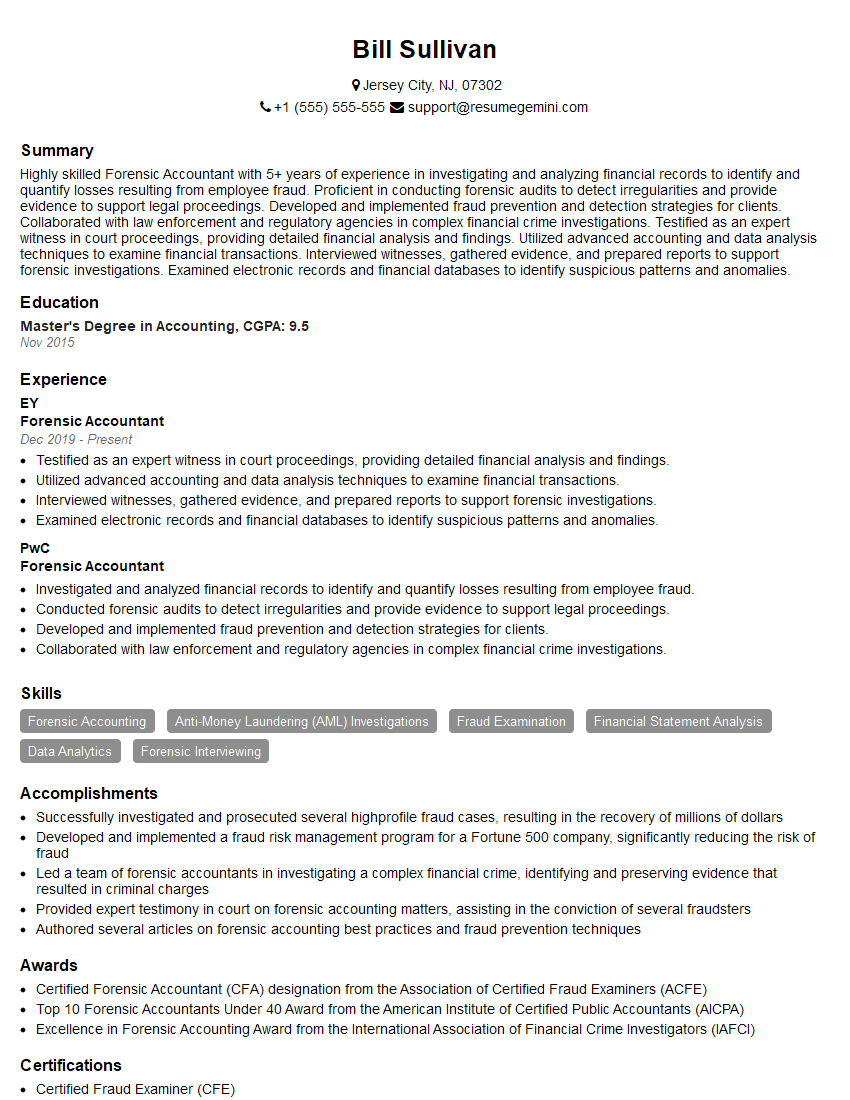
Forensic Accountant Resume Sample
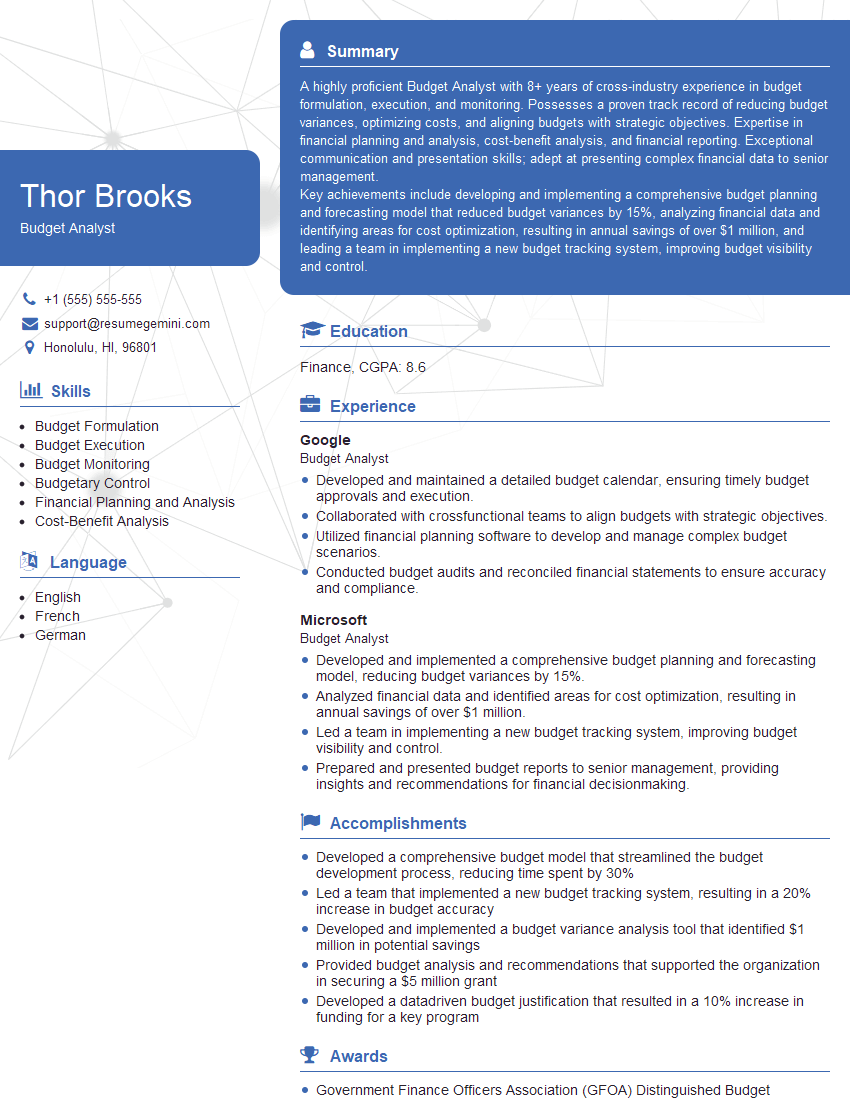
Budget Analyst Resume Sample
Explore more articles
Users Rating of Our Blogs
Share Your Experience
We value your feedback! Please rate our content and share your thoughts (optional).
What Readers Say About Our Blog
Amazing blog
hello,
Our consultant firm based in the USA and our client are interested in your products.
Could you provide your company brochure and respond from your official email id (if different from the current in use), so i can send you the client’s requirement.
Payment before production.
I await your answer.
Regards,
MrSmith
hello,
Our consultant firm based in the USA and our client are interested in your products.
Could you provide your company brochure and respond from your official email id (if different from the current in use), so i can send you the client’s requirement.
Payment before production.
I await your answer.
Regards,
MrSmith
These apartments are so amazing, posting them online would break the algorithm.
https://bit.ly/Lovely2BedsApartmentHudsonYards
Reach out at BENSON@LONDONFOSTER.COM and let’s get started!
Take a look at this stunning 2-bedroom apartment perfectly situated NYC’s coveted Hudson Yards!
https://bit.ly/Lovely2BedsApartmentHudsonYards
Live Rent Free!
https://bit.ly/LiveRentFREE
Interesting Article, I liked the depth of knowledge you’ve shared.
Helpful, thanks for sharing.
Hi, I represent a social media marketing agency and liked your blog
Hi, I represent an SEO company that specialises in getting you AI citations and higher rankings on Google. I’d like to offer you a 100% free SEO audit for your website. Would you be interested?