The thought of an interview can be nerve-wracking, but the right preparation can make all the difference. Explore this comprehensive guide to Knowledge of Economics interview questions and gain the confidence you need to showcase your abilities and secure the role.
Questions Asked in Knowledge of Economics Interview
Q 1. Explain the difference between microeconomics and macroeconomics.
Microeconomics and macroeconomics are two branches of economics that examine the economy from different perspectives. Think of it like looking at a forest: microeconomics focuses on individual trees (individual consumers, firms, and markets), while macroeconomics examines the forest as a whole (the overall economy, national income, inflation, and unemployment).
- Microeconomics: Analyzes the behavior of individual economic agents and their interactions within specific markets. For example, it might study how a change in the price of coffee affects the quantity demanded, or how a firm decides how many workers to hire. It’s about the small-scale picture.
- Macroeconomics: Studies the economy as a whole, focusing on aggregate measures like national income, inflation, unemployment, and economic growth. For instance, it might analyze the impact of government spending on national output or the causes of a recession. It’s about the big picture.
While distinct, micro and macroeconomics are interconnected. Macroeconomic trends, such as inflation, can significantly impact individual firms and consumers, which are the focus of microeconomics. Similarly, the aggregate behavior of many individual firms and consumers contributes to macroeconomic outcomes.
Q 2. Define GDP and explain its components.
Gross Domestic Product (GDP) is the total monetary or market value of all the finished goods and services produced within a country’s borders in a specific time period. It’s a key indicator of a nation’s economic health and is usually calculated on an annual or quarterly basis.
GDP is comprised of four main components, often remembered by the acronym C+I+G+(X-M):
- C (Consumption): Spending by households on goods and services. This is the largest component of GDP in most economies, encompassing everything from groceries to new cars.
- I (Investment): Spending by businesses on capital goods (machinery, equipment, factories), residential construction, and changes in inventories. This represents investment in future production capacity.
- G (Government Spending): Spending by all levels of government on goods and services, such as national defense, infrastructure, and education. This excludes transfer payments like social security benefits.
- (X-M) (Net Exports): The difference between the value of exports (goods and services sold to other countries) and imports (goods and services bought from other countries). A positive value indicates a trade surplus, while a negative value represents a trade deficit.
Understanding GDP’s components allows economists to analyze the drivers of economic growth and identify areas of strength or weakness within an economy. For example, a surge in investment spending might signal strong business confidence and future growth potential.
Q 3. What is inflation, and how is it measured?
Inflation is a general increase in the prices of goods and services in an economy over a period of time. When the price level rises, each unit of currency buys fewer goods and services. Consequently, inflation reflects a reduction in the purchasing power per unit of money – a loss of real value in the medium of exchange and unit of account within the economy.
Inflation is measured using various price indices, the most common being the Consumer Price Index (CPI) and the Producer Price Index (PPI).
- CPI: Tracks the average change in prices paid by urban consumers for a basket of consumer goods and services. This basket includes items like food, housing, transportation, and healthcare. The CPI is widely used to monitor inflation and adjust things like wages and pensions.
- PPI: Measures the average change in prices received by domestic producers for their output. It focuses on prices at the wholesale level, providing an early warning signal of potential future changes in consumer prices.
Different methods exist for calculating inflation rates, and the choice of index and methodology can affect the reported inflation numbers. Understanding how inflation is measured is crucial for policymakers who use this data to make informed decisions about monetary and fiscal policies.
Q 4. Describe the Phillips curve and its implications.
The Phillips curve illustrates the inverse relationship between inflation and unemployment. It suggests that a decrease in unemployment will cause an increase in inflation, and vice versa. This relationship was originally observed empirically, but its validity and interpretation have been debated extensively.
The original Phillips curve implied a stable trade-off between inflation and unemployment. Policymakers could choose a point along the curve, accepting a higher inflation rate to achieve lower unemployment or vice versa. However, this simple inverse relationship doesn’t always hold true in practice.
The expectations-augmented Phillips curve is a more refined model that incorporates inflationary expectations. It suggests that there’s no long-run trade-off between inflation and unemployment; in the long run, the unemployment rate settles at its natural rate, regardless of the inflation rate. High inflation can only temporarily reduce unemployment if it’s unexpected.
The implications of the Phillips curve are significant for policymakers. It highlights the complexities involved in managing the economy and suggests that policies aimed at reducing unemployment might lead to increased inflation, and vice versa. The curve serves as a tool for understanding the relationship between these two key macroeconomic variables, but its precise form and implications remain a subject of ongoing research and debate.
Q 5. Explain the concept of elasticity of demand.
Elasticity of demand measures the responsiveness of the quantity demanded of a good or service to a change in one of its determinants, most commonly price. It tells us how much the quantity demanded will change in percentage terms in response to a percentage change in price (or other factor).
There are several types of elasticity of demand:
- Price elasticity of demand: Measures the responsiveness of quantity demanded to a change in price. Demand is considered elastic if a small price change leads to a large change in quantity demanded (e.g., luxury goods). It’s inelastic if a large price change leads to only a small change in quantity demanded (e.g., essential goods like gasoline).
- Income elasticity of demand: Measures the responsiveness of quantity demanded to a change in consumer income. Normal goods have positive income elasticity (demand increases with income), while inferior goods have negative income elasticity (demand decreases with income).
- Cross-price elasticity of demand: Measures the responsiveness of quantity demanded of one good to a change in the price of another good. Substitutes have positive cross-price elasticity (an increase in the price of one increases demand for the other), while complements have negative cross-price elasticity (an increase in the price of one decreases demand for the other).
Understanding elasticity is crucial for businesses in pricing strategies, forecasting demand, and making informed decisions about production and marketing. For example, a business selling an inelastic good can potentially increase prices without significantly reducing demand.
Q 6. Discuss the role of supply and demand in determining market prices.
Supply and demand are fundamental economic forces that interact to determine market prices and quantities traded. The law of demand states that, all else equal, as the price of a good increases, the quantity demanded decreases, and vice versa. The law of supply states that, all else equal, as the price of a good increases, the quantity supplied increases, and vice versa.
The interplay of supply and demand is best illustrated through a supply and demand graph. The point where the supply and demand curves intersect represents the market equilibrium – the price and quantity at which the quantity demanded equals the quantity supplied. At this point, there is no excess supply (surplus) or excess demand (shortage).
Market forces constantly push the market towards equilibrium. If the price is above equilibrium, there will be a surplus, leading to price reductions. If the price is below equilibrium, there will be a shortage, leading to price increases. This continuous adjustment process ensures that the market efficiently allocates resources.
Several factors can shift the supply and demand curves, leading to changes in the equilibrium price and quantity. For example, changes in consumer income, tastes, input prices, technology, and government policies can affect either supply or demand, or both.
Q 7. What are the different types of market structures?
Market structure refers to the organizational characteristics of a market, including the number of firms, the nature of the product, barriers to entry, and the degree of competition.
The main types of market structures are:
- Perfect Competition: Many buyers and sellers, homogeneous products, free entry and exit, and perfect information. Firms are price takers, meaning they have no control over the market price. This is a theoretical ideal rarely observed in reality.
- Monopolistic Competition: Many buyers and sellers, differentiated products (allowing for some control over price), relatively easy entry and exit. Firms compete through product differentiation and advertising.
- Oligopoly: A few large firms dominate the market, which can lead to strategic interactions and interdependence among firms. Products can be homogeneous or differentiated. High barriers to entry typically exist.
- Monopoly: A single firm controls the entire market, with significant control over price and output. High barriers to entry prevent competition.
The type of market structure significantly impacts firm behavior, pricing strategies, and economic efficiency. For example, monopolies can lead to higher prices and lower output compared to more competitive market structures. Understanding market structures is crucial for analyzing market power, competition, and regulatory policy.
Q 8. Explain the concept of market equilibrium.
Market equilibrium is the state where the supply of a good or service equals the demand for that good or service at a specific price. Think of it like a balancing act – the point where buyers and sellers are both satisfied. At this equilibrium price, there’s no excess supply (surplus) or excess demand (shortage).
For example, imagine the market for apples. If the price is too high, fewer people will buy apples, leading to a surplus. Farmers will then likely lower their prices to sell their apples. Conversely, if the price is too low, demand will outstrip supply, creating a shortage. Farmers will respond by raising prices to capitalize on the high demand. This push and pull continues until the equilibrium price is reached, where the quantity demanded equals the quantity supplied.
Understanding market equilibrium is crucial for businesses in pricing strategies and for economists in analyzing market dynamics and predicting price changes.
Q 9. Describe the Keynesian economic theory.
Keynesian economics is a macroeconomic theory that emphasizes the role of aggregate demand in influencing economic output and employment. Developed by John Maynard Keynes, this theory posits that government intervention is necessary to stabilize the economy, especially during recessions. Unlike classical economics which assumes that markets self-correct quickly, Keynesians argue that markets can remain in disequilibrium for extended periods.
A core tenet is that aggregate demand (total spending in the economy) is the primary driver of economic growth. When aggregate demand is low, businesses reduce production, leading to unemployment. Keynesians advocate for government spending and tax cuts to stimulate aggregate demand during recessions. This could involve infrastructure projects, unemployment benefits, or tax cuts to boost consumer spending.
For instance, the massive government spending during the Great Depression and the stimulus packages implemented after the 2008 financial crisis are examples of applying Keynesian principles. The effectiveness of Keynesian policies remains a subject of ongoing debate, with some economists questioning their long-term impact and potential inflationary consequences.
Q 10. Explain the concept of monetary policy.
Monetary policy refers to actions undertaken by a central bank to manipulate the money supply and credit conditions to stimulate or restrain economic activity. The primary goal is usually to maintain price stability, promote full employment, and achieve sustainable economic growth. Central banks achieve this through various tools.
One key tool is the policy interest rate, the rate at which commercial banks borrow money from the central bank. By raising the interest rate, the central bank makes borrowing more expensive, thus slowing down economic activity and curbing inflation. Conversely, lowering the interest rate stimulates borrowing and investment, boosting economic growth. Other tools include reserve requirements (the amount of money banks must keep in reserve), and open market operations (buying or selling government bonds to influence the money supply).
Consider the US Federal Reserve (the Fed). During periods of high inflation, the Fed might raise interest rates to cool down the economy. Conversely, during recessions, it might lower rates to encourage borrowing and investment to stimulate economic recovery. The effectiveness of monetary policy depends on various factors, including the state of the economy, the credibility of the central bank, and the responsiveness of economic agents to policy changes.
Q 11. Discuss the role of fiscal policy in managing the economy.
Fiscal policy involves the government’s use of spending and taxation to influence the economy. It’s a powerful tool to manage the business cycle, addressing issues like unemployment and inflation. Fiscal policy can be expansionary (stimulating the economy) or contractionary (slowing it down).
Expansionary fiscal policy involves increasing government spending or cutting taxes. This injects more money into the economy, boosting aggregate demand. For example, during a recession, the government might increase infrastructure spending or provide tax breaks to encourage businesses to invest and consumers to spend. This can create jobs and stimulate economic growth.
Contractionary fiscal policy, conversely, involves decreasing government spending or raising taxes. This reduces the money supply, curbing inflation and reducing aggregate demand. For instance, during periods of high inflation, the government might cut spending on non-essential programs or raise taxes to reduce inflationary pressure. The effectiveness of fiscal policy can be influenced by factors such as the size of the government’s debt, the responsiveness of the economy to government actions, and the political climate.
Q 12. What is the balance of payments, and what are its components?
The balance of payments (BoP) is a record of all economic transactions between the residents of a country and the rest of the world in a particular period (usually a year). It’s a crucial indicator of a country’s economic health and its interactions with the global economy. The BoP is divided into two main accounts: the current account and the capital and financial account.
The current account records transactions related to goods and services, income, and current transfers. This includes exports and imports of goods (trade balance), services (tourism, transportation), income from investments, and government transfers (foreign aid).
The capital and financial account records transactions related to capital flows and financial investments. This includes foreign direct investment (FDI), portfolio investment (stocks and bonds), and changes in foreign exchange reserves.
A country’s BoP must always balance (assets = liabilities). A persistent current account deficit might indicate that a country is consuming more than it produces, relying on borrowing from abroad. Conversely, a current account surplus might suggest that a country is saving more than it is investing domestically. Analyzing the BoP provides insights into a country’s economic competitiveness, its reliance on foreign capital, and its overall economic health.
Q 13. Explain the concept of comparative advantage.
Comparative advantage is an economic principle that explains why it is beneficial for countries (or individuals) to specialize in producing goods and services where they have a relatively lower opportunity cost. It doesn’t necessarily mean a country is absolutely more efficient at producing something, but rather that it can produce it at a lower opportunity cost than another country.
Opportunity cost represents what you give up to produce something else. Let’s say Country A can produce 10 cars or 20 computers, while Country B can produce 5 cars or 15 computers. Country A has an absolute advantage in producing both cars and computers. However, Country A gives up 2 computers for every car (20/10), while Country B gives up 3 computers for every car (15/5). Country A has a lower opportunity cost for producing cars, giving it a comparative advantage in car production. Country B, conversely, has a lower opportunity cost for producing computers (1/3 vs. 1/2), giving it a comparative advantage in computer production.
By specializing and trading based on comparative advantage, both countries can gain. Country A focuses on cars, Country B on computers, and they exchange goods, resulting in higher overall production and consumption than if they tried to produce everything themselves.
Q 14. Describe the different types of unemployment.
Unemployment encompasses various types, each reflecting different aspects of the labor market. The most commonly discussed types include:
- Frictional Unemployment: This is short-term unemployment that occurs when workers are between jobs. It’s a natural part of the labor market, as people change jobs or enter the workforce. For example, a recent graduate searching for their first job experiences frictional unemployment.
- Structural Unemployment: This arises from a mismatch between the skills possessed by workers and the skills demanded by employers. Technological advancements, changes in industry structure, or geographical shifts can all contribute to structural unemployment. For example, a coal miner whose skills aren’t transferable to other industries faces structural unemployment.
- Cyclical Unemployment: This is unemployment directly related to the business cycle. During economic downturns, businesses reduce production and lay off workers, resulting in cyclical unemployment. This is often the most concerning type of unemployment.
- Seasonal Unemployment: This is temporary unemployment that occurs due to seasonal variations in demand for labor. For example, construction workers or agricultural workers might experience seasonal unemployment.
Understanding the different types of unemployment is crucial for policymakers in designing effective policies to address unemployment. Policies to combat frictional unemployment might focus on improving job search services. Policies for structural unemployment often involve retraining and education programs. Cyclical unemployment, in contrast, is typically addressed through macroeconomic policies like fiscal and monetary policies.
Q 15. What is the business cycle, and what are its phases?
The business cycle refers to the periodic fluctuations in economic activity measured by indicators like real GDP, employment, and inflation. It’s not a perfectly regular cycle, but rather a series of expansions and contractions. Think of it like the waves of the ocean – sometimes calm, sometimes turbulent.
- Expansion: This phase is characterized by increasing employment, rising production, and growing consumer spending. Businesses invest more, and overall economic confidence is high. Think of the ‘roaring twenties’ in the US as an example of a prolonged expansion.
- Peak: The peak marks the highest point of the expansion. Resource utilization is at its maximum, and inflation may start to rise.
- Contraction (Recession): A contraction is a significant decline in economic activity spread across the economy, lasting more than a few months, normally visible in real GDP, real income, employment, industrial production, and wholesale-retail sales. The 2008 financial crisis is a prime example of a severe contraction.
- Trough: The trough represents the lowest point of the contraction. Economic activity bottoms out, and the economy begins to prepare for recovery.
Understanding the business cycle is crucial for policymakers, businesses, and individuals to make informed decisions about investment, spending, and hiring.
Career Expert Tips:
- Ace those interviews! Prepare effectively by reviewing the Top 50 Most Common Interview Questions on ResumeGemini.
- Navigate your job search with confidence! Explore a wide range of Career Tips on ResumeGemini. Learn about common challenges and recommendations to overcome them.
- Craft the perfect resume! Master the Art of Resume Writing with ResumeGemini’s guide. Showcase your unique qualifications and achievements effectively.
- Don’t miss out on holiday savings! Build your dream resume with ResumeGemini’s ATS optimized templates.
Q 16. Explain the concept of economic growth.
Economic growth refers to an increase in the production of goods and services in an economy over a specific period. It’s usually measured as the percentage change in real GDP (Gross Domestic Product), adjusted for inflation. This means we’re looking at the actual increase in output, not just an increase due to prices going up.
Several factors drive economic growth, including:
- Increases in Capital Stock: More factories, machinery, and technology lead to greater productivity.
- Technological advancements: Innovations improve efficiency and create new products and services.
- Improvements in Human Capital: A better-educated and healthier workforce is more productive.
- Increases in Labor Force: A larger workforce contributes to higher output.
- Institutional factors: Good governance, property rights protection, and a stable political environment promote investment and growth.
Sustained economic growth is essential for raising living standards, reducing poverty, and improving overall societal well-being. Imagine a village where everyone only has basic tools; with economic growth, they could invest in better tools and techniques, leading to higher yields and a better quality of life.
Q 17. Discuss the impact of globalization on the economy.
Globalization, the increasing interconnectedness of economies through trade, investment, and technology, has profoundly impacted the world economy. It’s a double-edged sword with both positive and negative consequences.
Positive Impacts:
- Increased Trade and Economic Growth: Countries specialize in producing goods and services where they have a comparative advantage, leading to higher overall output and lower prices for consumers.
- Foreign Direct Investment (FDI): Globalization facilitates capital flows to developing countries, boosting investment and economic development.
- Technological Diffusion: The spread of technology and innovation across borders accelerates economic progress.
Negative Impacts:
- Job Displacement: Globalization can lead to job losses in developed countries as companies relocate production to countries with lower labor costs.
- Increased Income Inequality: The benefits of globalization may not be evenly distributed, exacerbating income inequality within and between countries.
- Environmental Concerns: Increased production and transportation can lead to environmental degradation.
The impact of globalization is complex and multifaceted. Managing its downsides while harnessing its benefits requires careful policy design and international cooperation.
Q 18. What are the challenges of measuring economic inequality?
Measuring economic inequality presents several challenges. While we often use metrics like the Gini coefficient (a number between 0 and 1, where 0 represents perfect equality and 1 represents perfect inequality) or the Palma ratio (the ratio of the richest 10%’s share of national income to the poorest 40%’s share), these measures have limitations.
- Data Availability and Quality: Accurate data on income and wealth distribution is crucial but often lacking, especially in developing countries.
- Defining Income and Wealth: What constitutes income? Should we include informal income, capital gains, or inherited wealth? These are difficult questions with no easy answers, and different choices can lead to different conclusions.
- Household vs. Individual Measurement: Measuring inequality at the household level can mask inequality within households, while individual-level data can be challenging to collect.
- Dynamic vs. Static Measurement: Static measures capture a snapshot in time, neglecting intergenerational mobility and changes in the distribution over time. A rich person this year might be poor next year and vice versa.
- International Comparability: Differences in data collection methods and definitions make comparing inequality across countries challenging.
Despite these challenges, understanding and measuring economic inequality is critical for designing effective policies to promote fairness and social justice.
Q 19. Explain the role of international trade in economic development.
International trade plays a vital role in economic development. By allowing countries to specialize in producing goods and services where they have a comparative advantage, it leads to increased efficiency and overall economic growth. Think of it like a team where each member focuses on what they are best at; the overall output is greater than if everyone tried to do everything.
- Increased Productivity and Efficiency: Specialization allows countries to focus on their strengths, leading to higher productivity and lower production costs.
- Access to Larger Markets: International trade provides access to wider markets, allowing businesses to expand their operations and achieve economies of scale.
- Technological Transfer and Diffusion: Trade facilitates the transfer of technology and knowledge across borders, accelerating economic progress.
- Foreign Direct Investment (FDI): Trade often attracts foreign direct investment, providing capital and technology for economic development.
- Competition and Innovation: Competition from foreign firms stimulates innovation and efficiency improvements in domestic industries.
However, it’s crucial to remember that the benefits of international trade are not always evenly distributed, and appropriate policies are needed to mitigate potential negative impacts.
Q 20. Discuss the impact of government regulation on the economy.
Government regulation significantly impacts the economy. It can both stimulate and hinder economic activity, depending on its design and implementation. The goal is to find a balance between ensuring market efficiency and protecting societal interests.
Positive Impacts:
- Protecting Consumers and Workers: Regulations like consumer protection laws and labor standards safeguard consumers and workers from exploitation.
- Environmental Protection: Environmental regulations help mitigate pollution and resource depletion, promoting sustainable development. Think of regulations that limit carbon emissions from factories.
- Promoting Competition: Antitrust laws prevent monopolies and promote fair competition, benefitting consumers through lower prices and greater choice.
- Maintaining Economic Stability: Monetary and fiscal policies help stabilize the economy during periods of recession or inflation. For example, the central bank can adjust interest rates to influence economic activity.
Negative Impacts:
- Increased Costs for Businesses: Regulations can increase compliance costs for businesses, potentially reducing investment and competitiveness.
- Reduced Innovation: Overly burdensome regulations can stifle innovation and reduce the dynamism of the economy.
- Market Distortions: Poorly designed regulations can create market distortions, leading to inefficiencies and unintended consequences.
Effective regulation requires careful consideration of its potential costs and benefits and should be based on sound economic principles and evidence.
Q 21. Explain the concept of opportunity cost.
Opportunity cost is the value of the next best alternative forgone when making a decision. It represents the potential benefit that is given up when choosing one option over another. It’s not just about the money spent; it’s about what you could have achieved with that time, money, or resources instead.
Example: Imagine you have $10,000 to invest. You can either invest in stocks, which could potentially yield a 10% return, or buy a new car. If you choose to buy the car, the opportunity cost is the potential $1,000 return you would have earned by investing in stocks.
Understanding opportunity cost is vital for making rational decisions in all aspects of life, from personal finance to business strategy. It helps individuals and businesses evaluate trade-offs and make choices that maximize their overall well-being.
Q 22. Describe the different types of economic systems.
Economic systems are the way societies organize the production, distribution, and consumption of goods and services. There are several main types, each with varying degrees of government intervention and market control:
- Traditional Economy: Relies on customs, traditions, and beliefs to determine economic activity. Production is often done using traditional methods passed down through generations. Think of small, isolated communities where bartering might be common. This system is less common today.
- Market Economy (Free Market): Driven by supply and demand with minimal government intervention. Private individuals and businesses make most economic decisions. The United States, while not purely a market economy, leans heavily on market principles.
- Command Economy (Planned Economy): The government controls all aspects of production and distribution. Central planning determines what is produced, how it’s produced, and who receives it. North Korea provides a contemporary example, albeit a highly imperfect one, showcasing the inherent challenges of centralized economic planning.
- Mixed Economy: A combination of market and command elements. Most modern economies fall under this category. Governments regulate certain aspects of the economy (e.g., setting minimum wage, enforcing safety standards), while market forces still play a significant role. The majority of developed countries like Canada, the UK, and France operate as mixed economies.
The differences between these systems lie primarily in the degree of government intervention and the role of market forces in allocating resources. Each system has its own strengths and weaknesses, with no single ‘best’ system universally applicable.
Q 23. What are the determinants of aggregate demand?
Aggregate demand (AD) represents the total demand for goods and services in an economy at a given price level. Several factors influence it:
- Consumer Spending (C): Household consumption is the largest component of AD. It’s affected by factors like income, consumer confidence, and interest rates.
- Investment Spending (I): Businesses’ investment in capital goods (machinery, equipment, etc.) is influenced by factors like interest rates, business confidence, and technological advancements.
- Government Spending (G): Government expenditure on goods and services affects AD directly. This includes infrastructure projects, defense spending, and social programs.
- Net Exports (NX): The difference between exports (goods and services sold to other countries) and imports (goods and services bought from other countries). Exchange rates and global economic conditions significantly impact net exports.
Think of it like this: if consumers feel optimistic about the future (high consumer confidence), they will spend more, thus increasing AD. Conversely, if interest rates are high, businesses might postpone investment, decreasing AD. These factors interact complexly to determine the overall level of aggregate demand.
Q 24. What are the determinants of aggregate supply?
Aggregate supply (AS) represents the total supply of goods and services in an economy at a given price level. Key determinants include:
- Resource Prices: The cost of labor, raw materials, and energy significantly impacts production costs and thus the overall AS. A rise in oil prices, for example, can lead to a decrease in AS.
- Technology: Technological advancements improve productivity, allowing businesses to produce more output with the same or fewer resources, thereby increasing AS.
- Government Regulations: Regulations such as environmental protection laws or labor laws can impact production costs and therefore AS. Stringent regulations might lead to a decrease in AS.
- Productivity: Increases in worker productivity (output per worker) lead to a rise in AS, as the same number of workers can produce more.
- Expected Prices: If businesses expect prices to rise, they might increase their supply now to capitalize on higher prices later, thereby increasing short-run aggregate supply.
For example, a technological breakthrough in manufacturing could drastically reduce production costs and boost AS. Conversely, a significant increase in minimum wage could raise production costs and contract AS in the short run.
Q 25. Explain the concept of externalities.
Externalities are the costs or benefits of an economic activity that affect a third party who is not directly involved in the transaction. They can be positive or negative:
- Negative Externalities: Impose costs on third parties. Examples include pollution from a factory affecting nearby residents’ health or noise pollution from a concert disturbing neighbors. These costs aren’t reflected in the market price of the good or service causing the externality, leading to overproduction.
- Positive Externalities: Provide benefits to third parties. Examples include education, which benefits not only the individual but also society through a more skilled workforce, or vaccination, which protects the wider community from disease. These benefits aren’t fully captured in the market price, leading to underproduction.
Governments often intervene to address externalities. For example, carbon taxes can discourage pollution (a negative externality), while subsidies can encourage education (a positive externality). The goal is to internalize the externality, making sure that the cost or benefit is fully reflected in the price of the good or service.
Q 26. Discuss the role of central banks in managing inflation.
Central banks play a crucial role in managing inflation through monetary policy. Their primary tools include:
- Interest Rate Adjustments: Raising interest rates makes borrowing more expensive, reducing consumer spending and investment, thus cooling down demand-pull inflation. Lowering interest rates stimulates borrowing and spending, which can combat deflation or stimulate growth.
- Reserve Requirements: Adjusting the amount of money banks must keep in reserve affects the money supply. Increasing reserve requirements reduces the amount of money available for lending, dampening inflation. Decreasing reserve requirements has the opposite effect.
- Open Market Operations: Buying or selling government securities (bonds) in the open market. Buying bonds injects money into the economy, increasing the money supply and potentially increasing inflation. Selling bonds withdraws money, reducing the money supply and potentially decreasing inflation.
Central banks aim for price stability, usually defined as a low and stable inflation rate. The optimal inflation rate varies by country and economic conditions, but most central banks target a low positive rate (e.g., 2%) to avoid deflation, which can be economically harmful. The central bank’s actions must be carefully calibrated to balance the risks of inflation and recession.
Q 27. How does economic growth impact employment?
Economic growth, typically measured by an increase in real GDP, generally leads to increased employment. As the economy expands, businesses need more workers to produce goods and services to meet growing demand. This increased demand for labor leads to job creation and lower unemployment rates.
However, the relationship isn’t always linear. Technological advancements, for instance, can increase productivity but also lead to job displacement in some sectors. Furthermore, the nature of job creation can vary. Economic growth driven by investments in capital goods (machines, technology) might not create as many jobs as growth driven by increased consumer spending on services. It is also important to consider the type of jobs created, as they may not always be high-paying or fulfilling jobs.
Sustained economic growth is usually associated with lower unemployment rates, but the specifics depend on the types of growth and the structural characteristics of the labor market.
Q 28. Describe the relationship between inflation and interest rates.
Inflation and interest rates typically have an inverse relationship, although it’s not always a simple one-to-one correspondence. High inflation usually leads to higher interest rates, and vice-versa.
How it works: When inflation rises, the purchasing power of money declines. To counteract this, central banks typically raise interest rates. Higher interest rates make borrowing more expensive, discouraging spending and investment, thus helping to control inflation. Conversely, during periods of low inflation or deflation, central banks often lower interest rates to stimulate economic activity by making borrowing cheaper.
Exceptions: The relationship isn’t always straightforward. Sometimes, unexpected shocks to the economy can disrupt this relationship. For example, if inflation is caused by supply-side issues (like a sudden surge in oil prices), raising interest rates might not effectively curb inflation, but it could exacerbate a recession.
In summary, while the inverse relationship between inflation and interest rates is a general tendency, central banks must carefully consider various economic factors before adjusting interest rates to effectively manage inflation.
Key Topics to Learn for Your Economics Interview
Acing your economics interview requires a solid understanding of both theoretical frameworks and their real-world applications. Focus your preparation on these key areas:
- Microeconomics: Understand supply and demand, market structures (perfect competition, monopolies, etc.), consumer behavior, and production theory. Consider how these concepts play out in diverse industries.
- Macroeconomics: Grasp key macroeconomic indicators (GDP, inflation, unemployment), fiscal and monetary policy, international trade, and economic growth models. Be ready to discuss current economic events and their implications.
- Econometrics: Familiarize yourself with basic statistical methods used in economic analysis, including regression analysis and hypothesis testing. Understanding data interpretation is crucial.
- Behavioral Economics: Explore how psychological factors influence economic decisions. This area demonstrates a nuanced understanding of human behavior within economic systems.
- Game Theory: Understand the principles of strategic interaction and decision-making in competitive environments. This is particularly relevant for roles involving market analysis or strategic planning.
- Specific Economic Models: Be prepared to discuss prominent economic models relevant to your target role, such as the Solow growth model or the Keynesian cross.
- Problem-Solving Approach: Practice applying economic principles to solve hypothetical problems. Demonstrate your ability to analyze scenarios, identify relevant concepts, and offer well-reasoned solutions.
Next Steps: Unlock Your Economic Potential
Mastering economics opens doors to exciting and impactful careers. To maximize your job prospects, it’s essential to present your skills effectively. A well-crafted, ATS-friendly resume is your first impression – make it count! Use ResumeGemini to build a professional resume that showcases your expertise in economics and highlights your unique qualifications. ResumeGemini offers examples of resumes tailored specifically to economics roles, giving you a head start in crafting a compelling application.
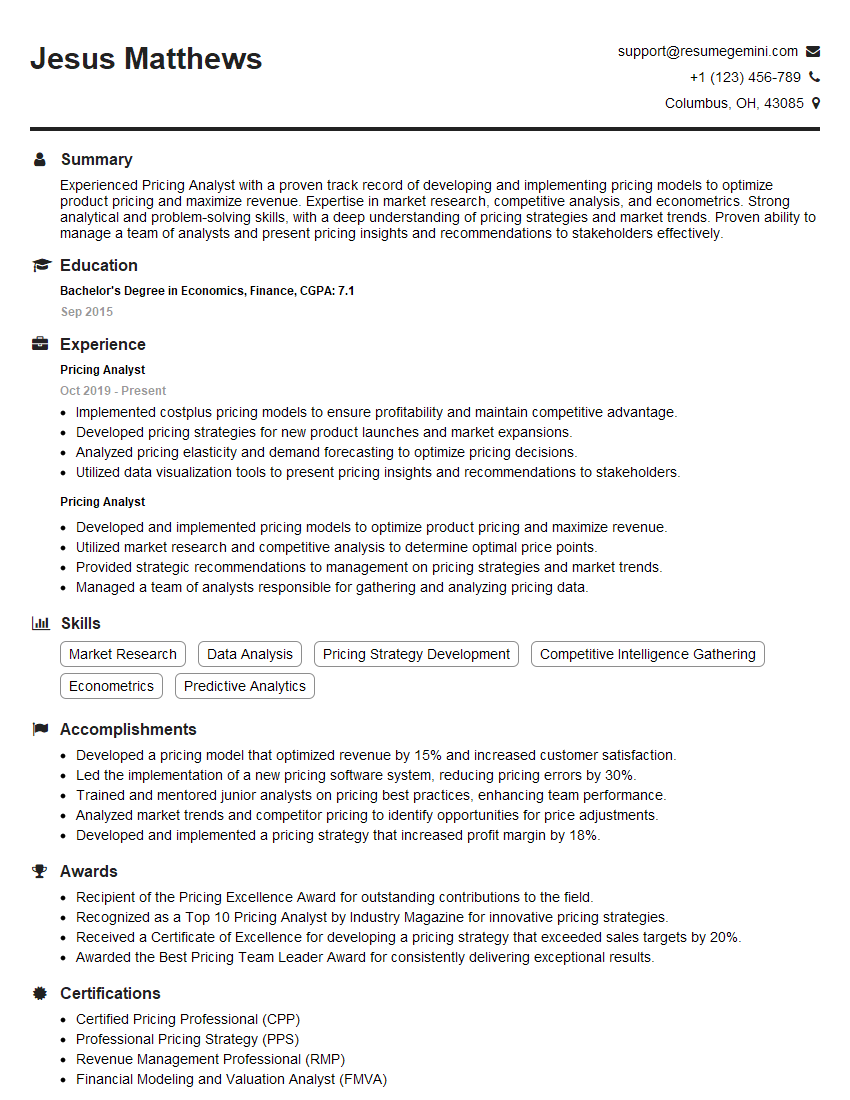
Pricing Analyst Resume Sample
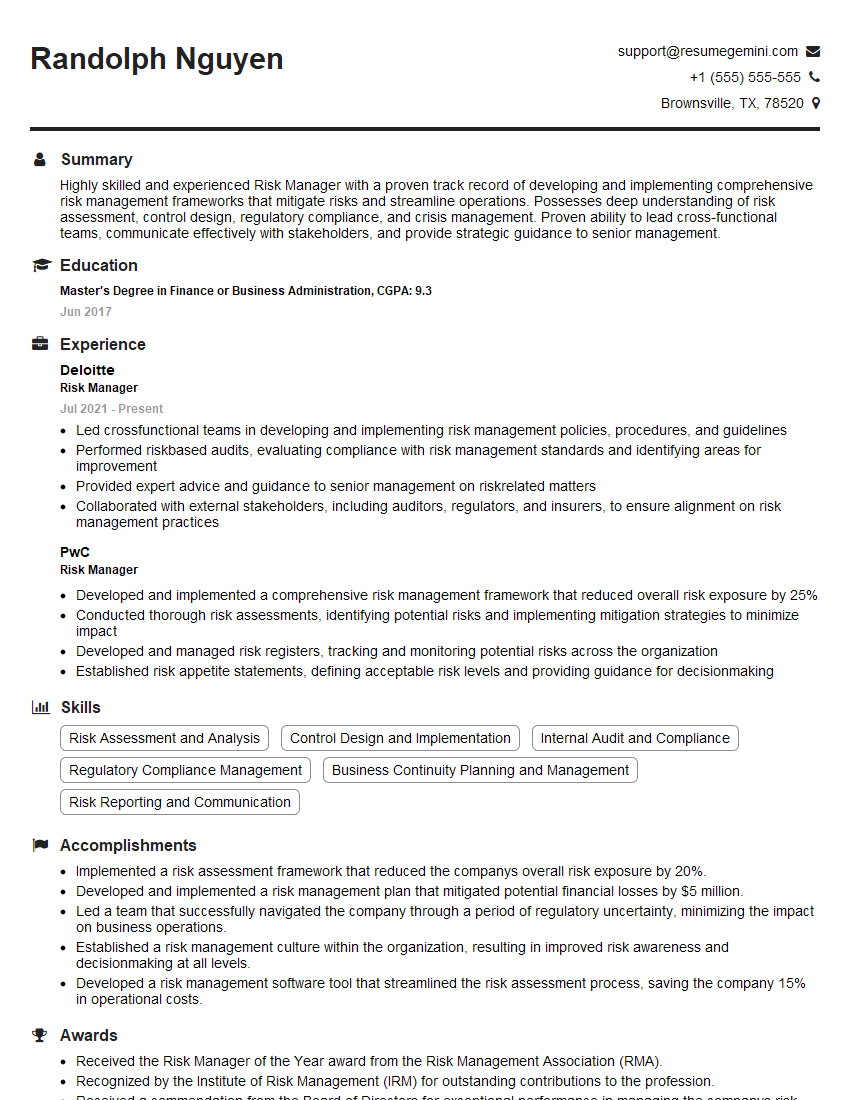
Risk Manager Resume Sample
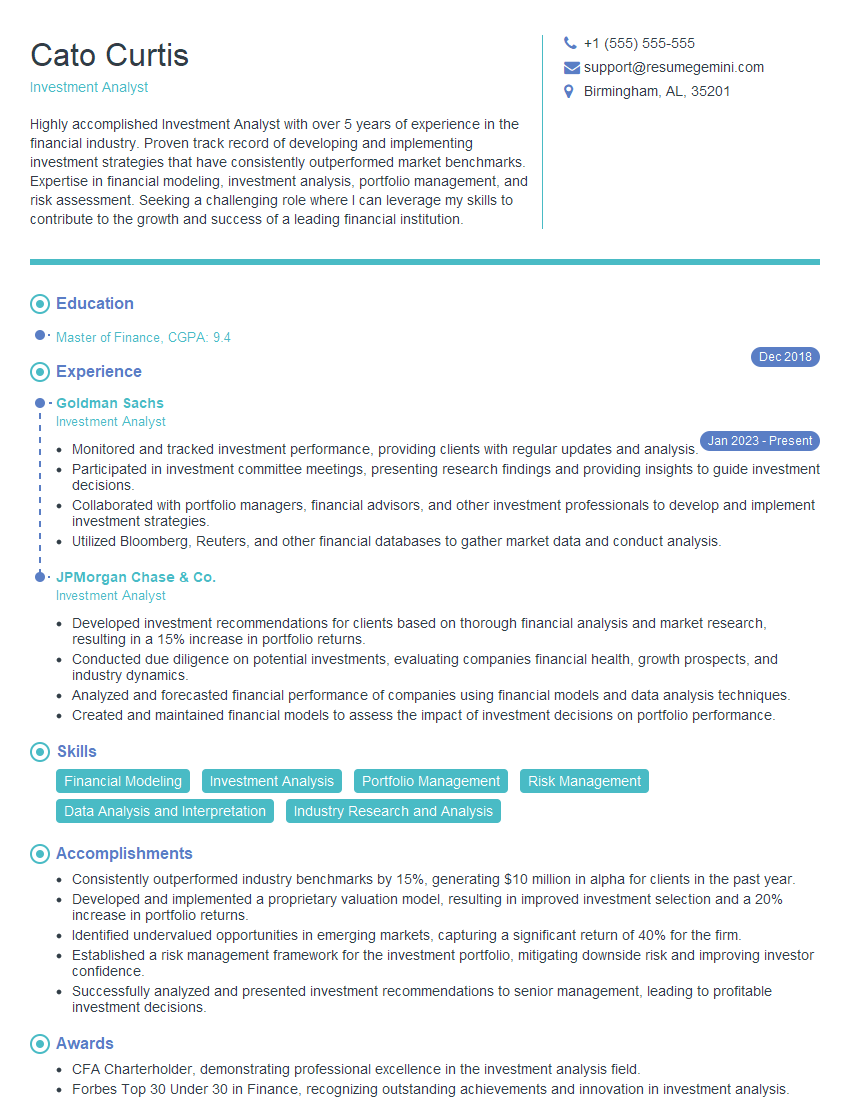
Investment Analyst Resume Sample
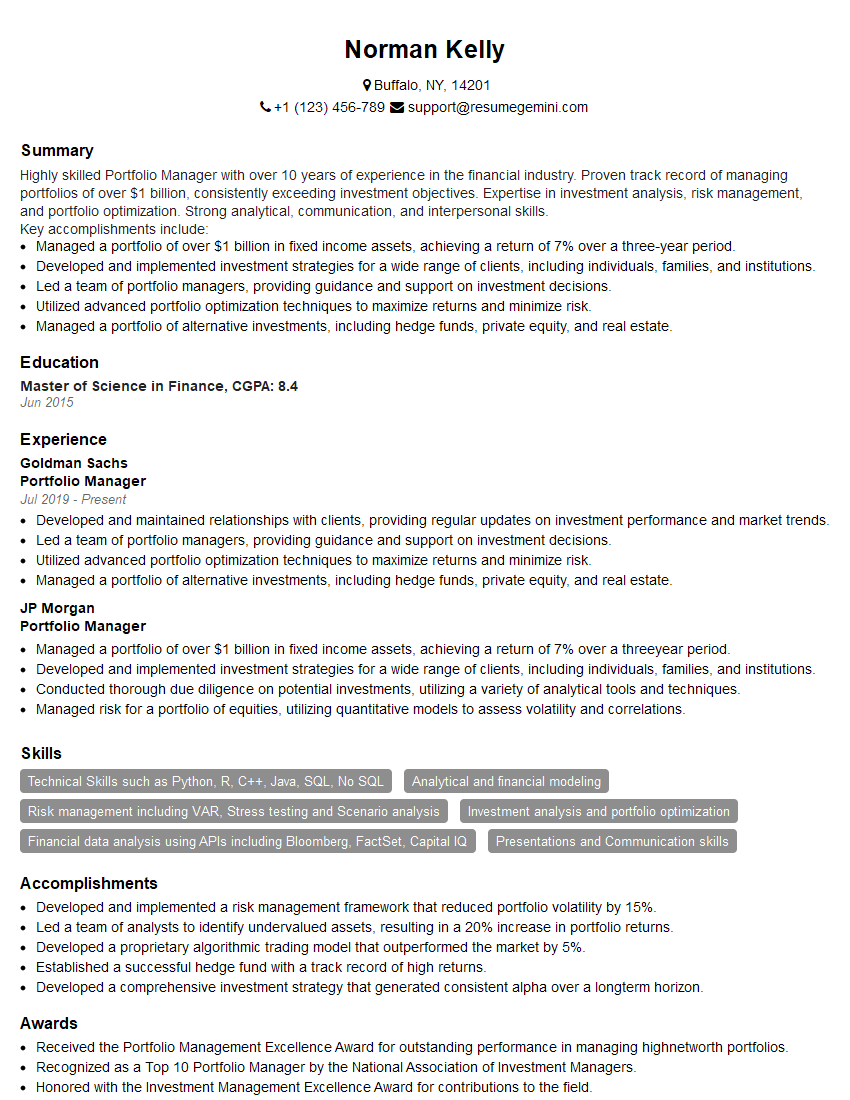
Portfolio Manager Resume Sample
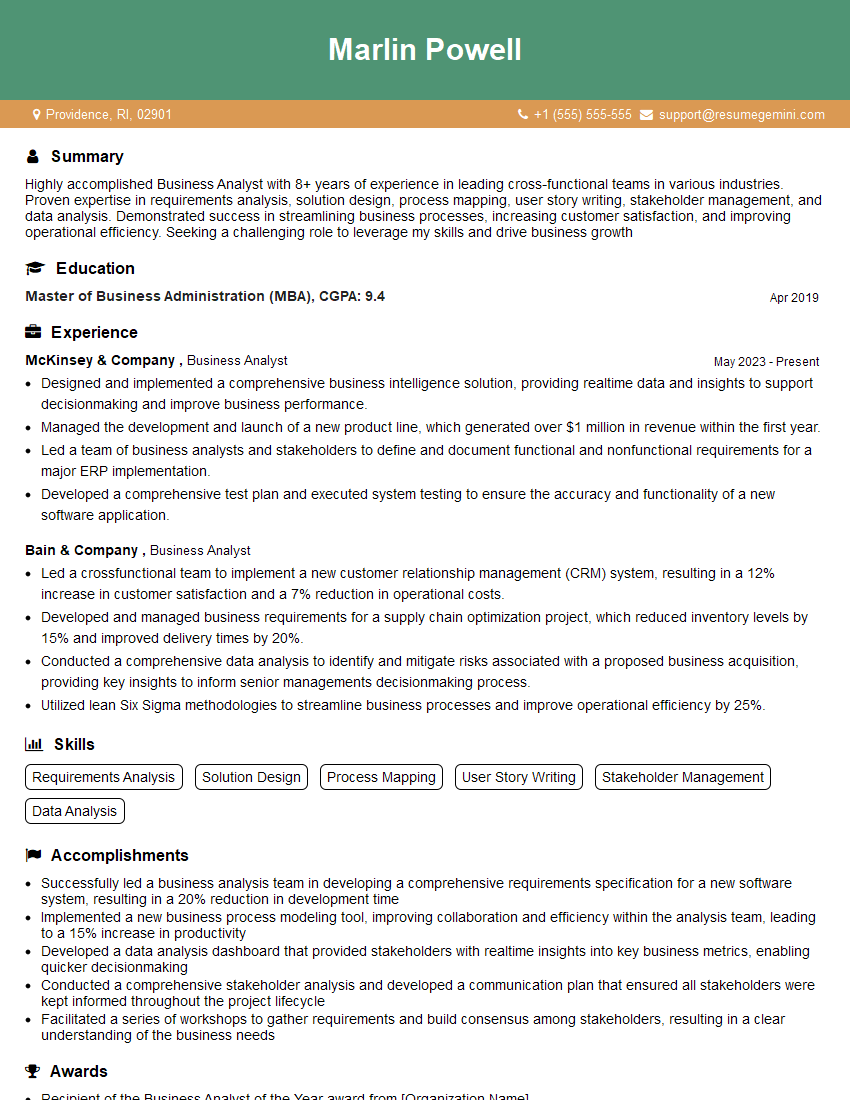
Business Analyst Resume Sample
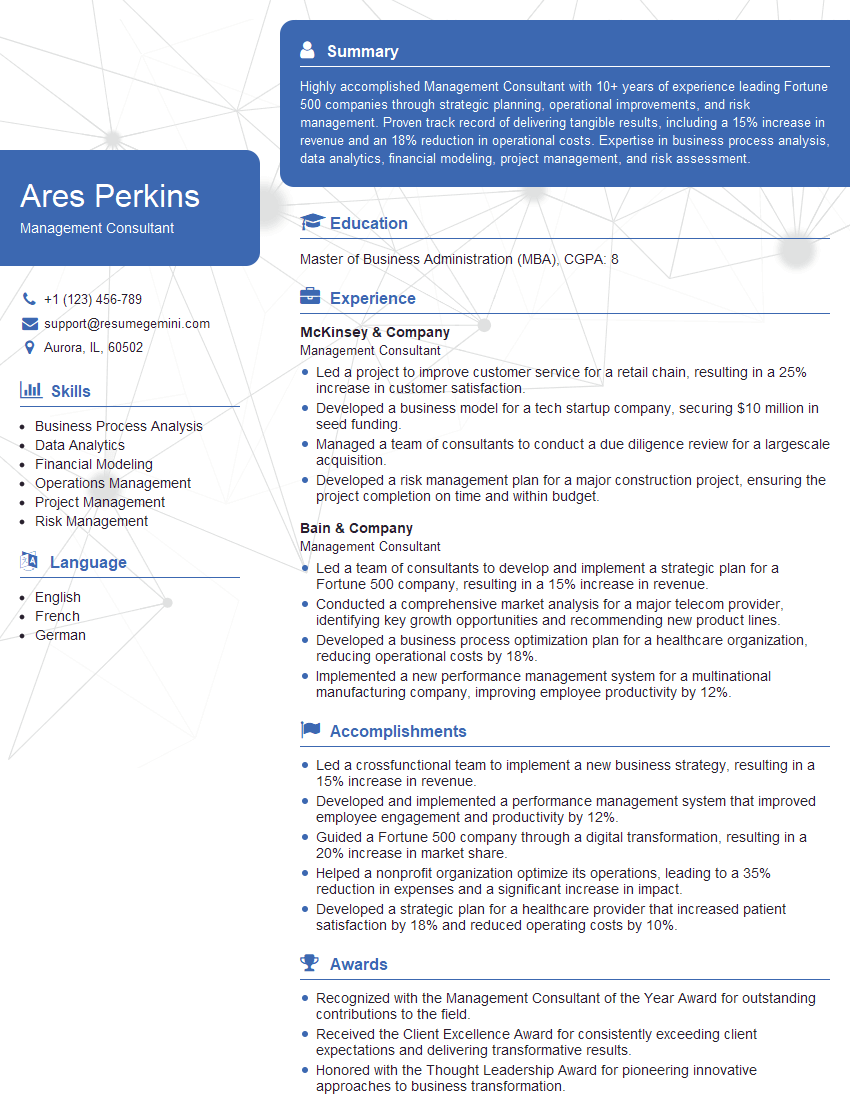
Management Consultant Resume Sample
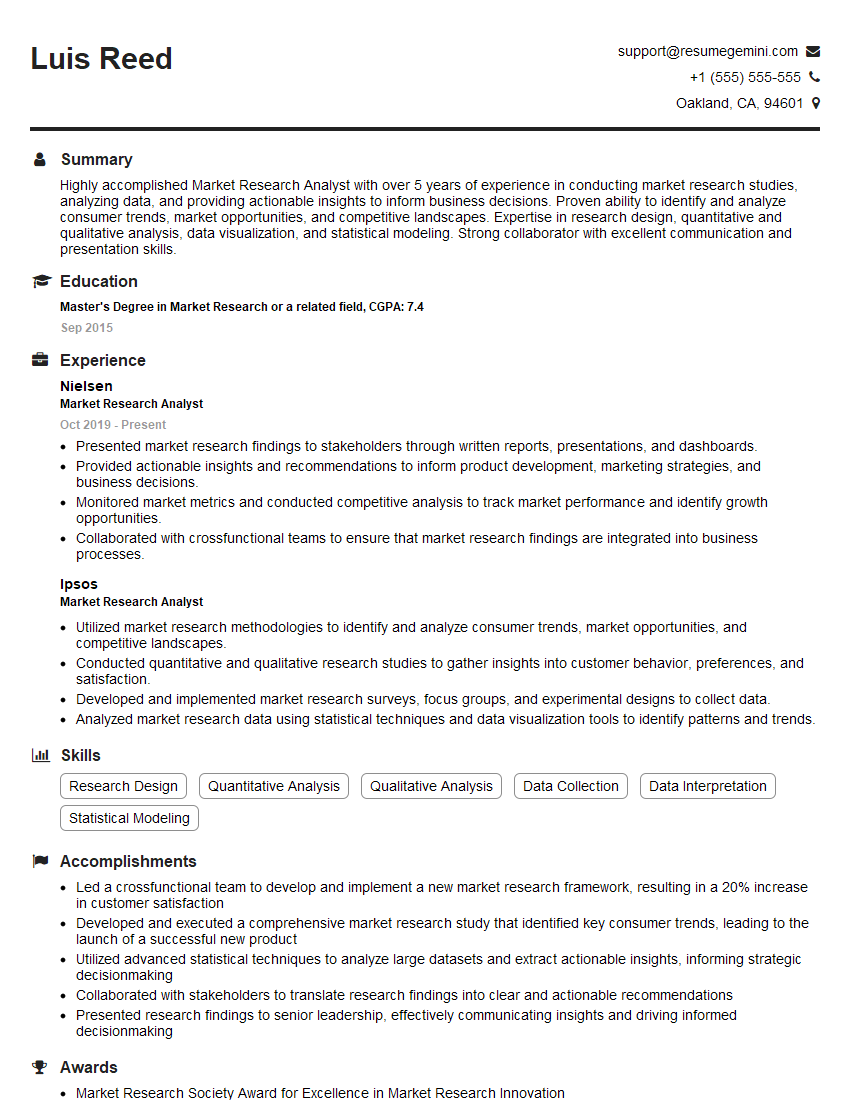
Market Research Analyst Resume Sample
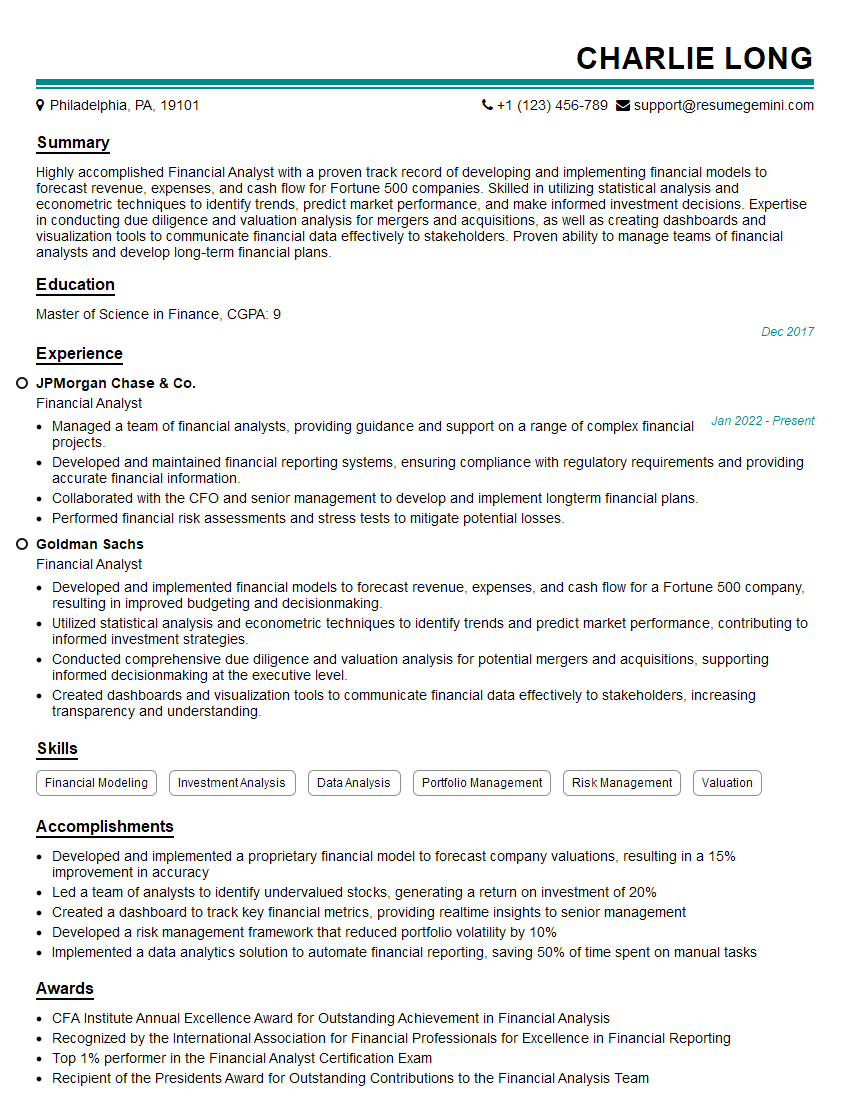
Financial Analyst Resume Sample
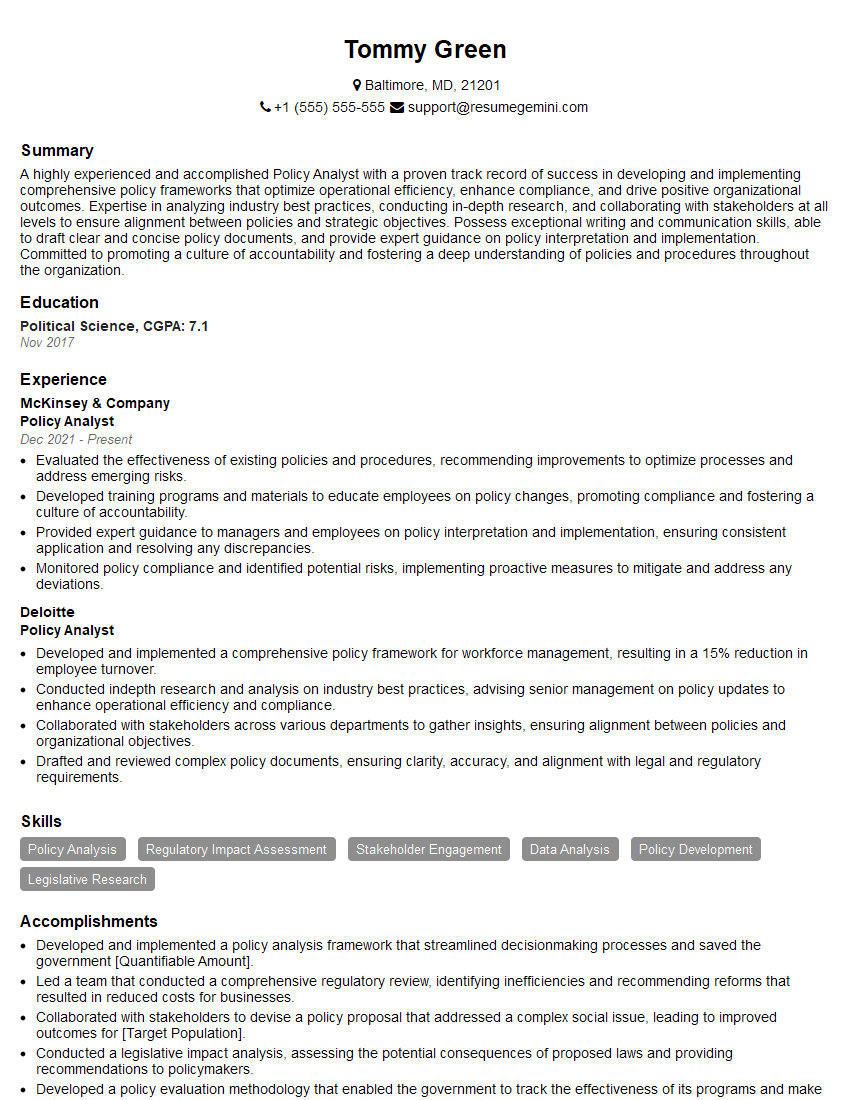
Policy Analyst Resume Sample
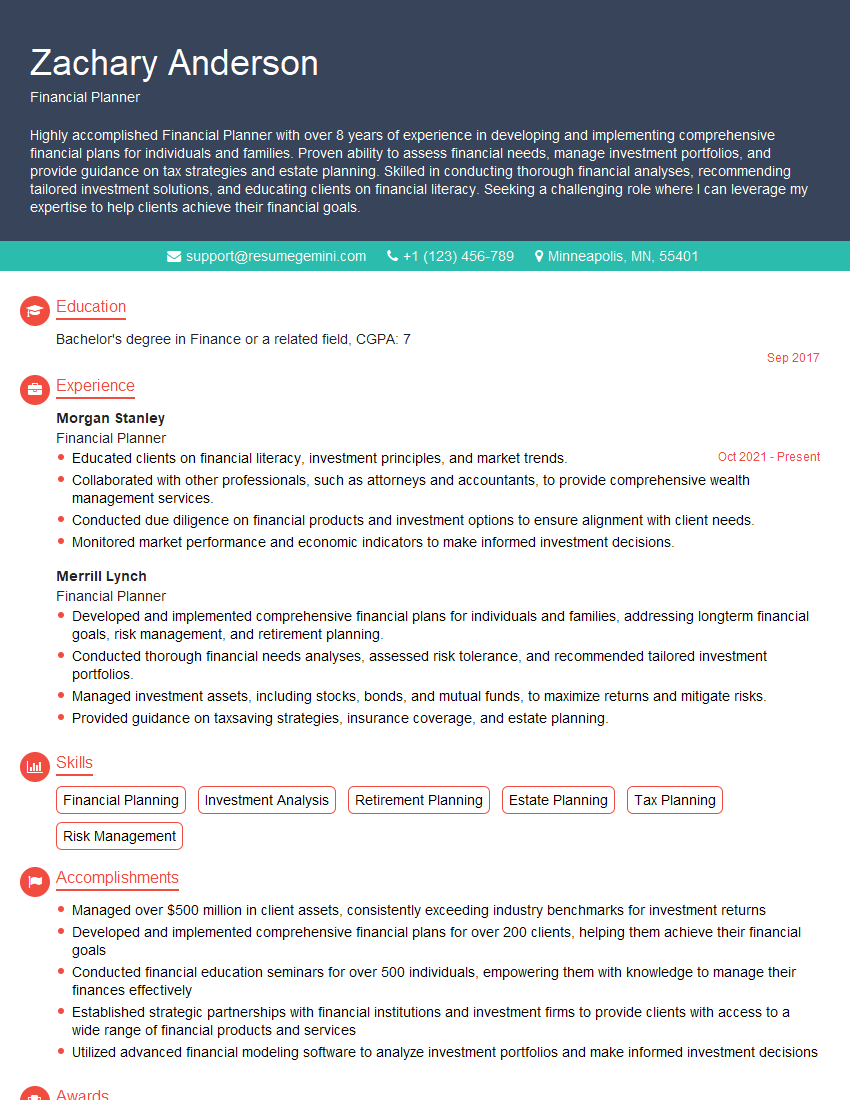
Financial Planner Resume Sample
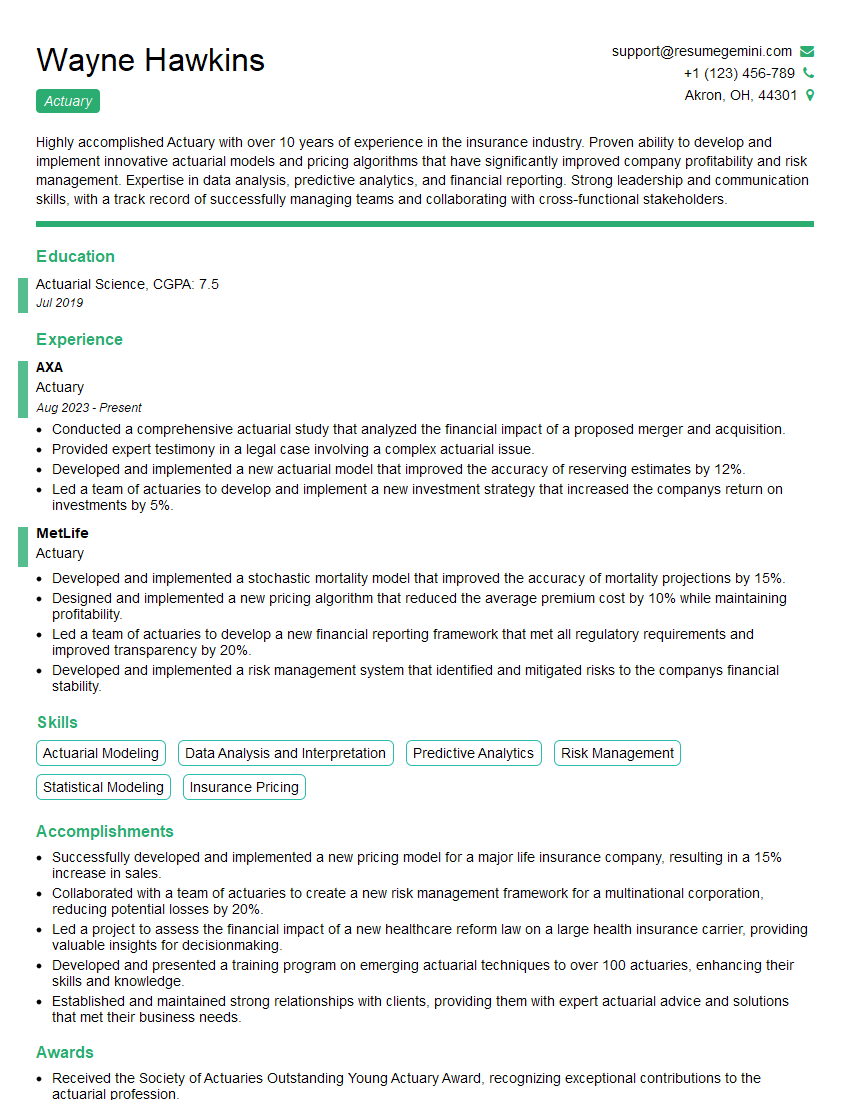
Actuary Resume Sample
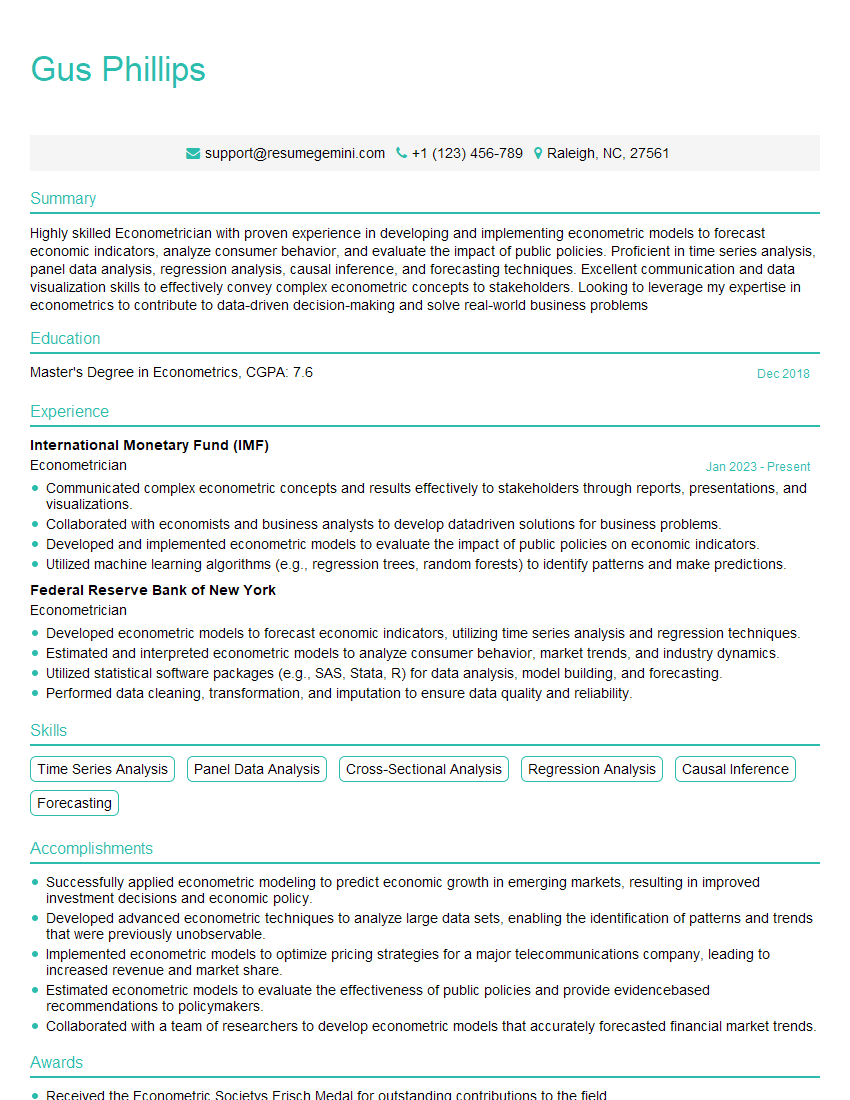
Econometrician Resume Sample
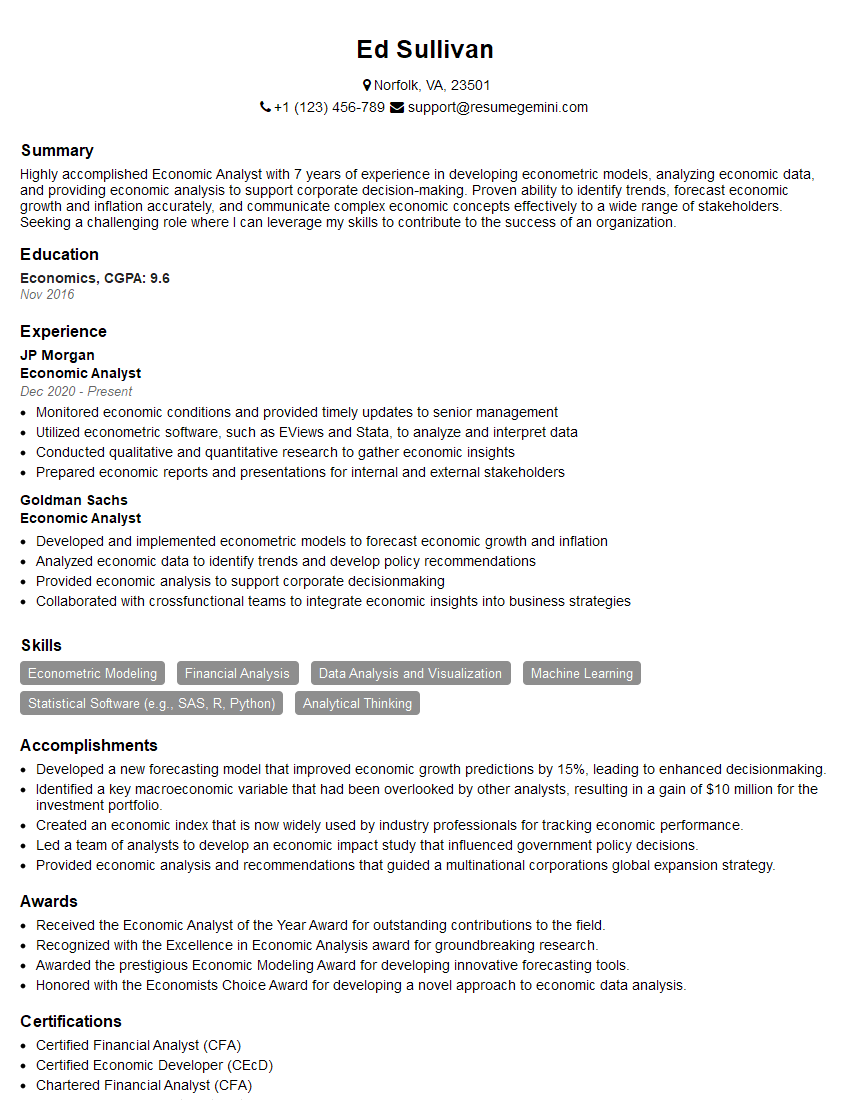
Economic Analyst Resume Sample
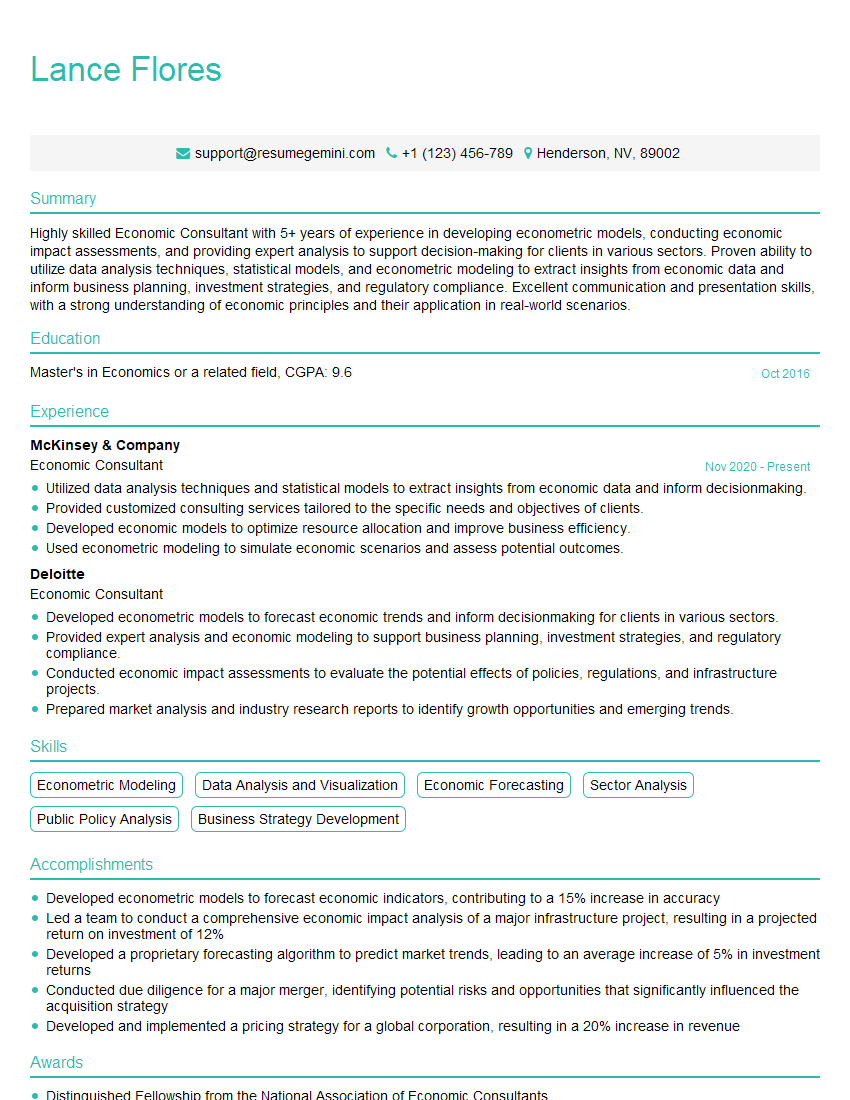
Economic Consultant Resume Sample
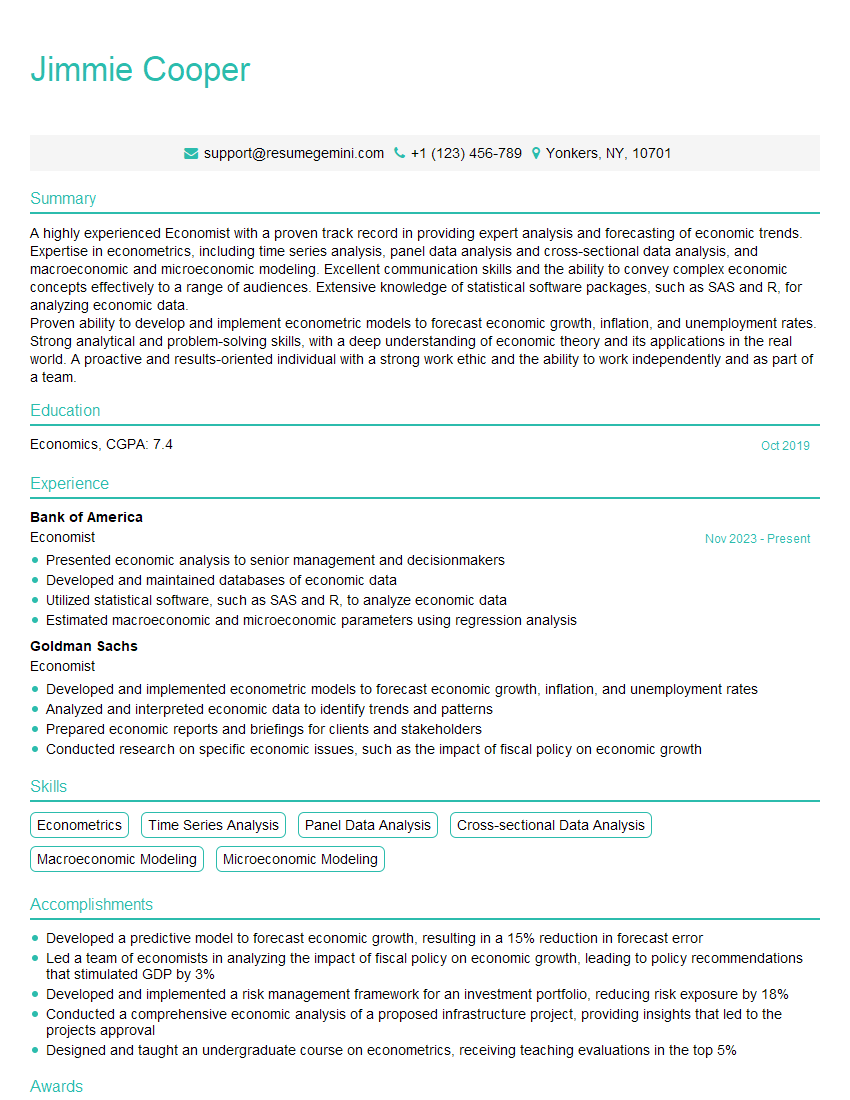
Economist Resume Sample
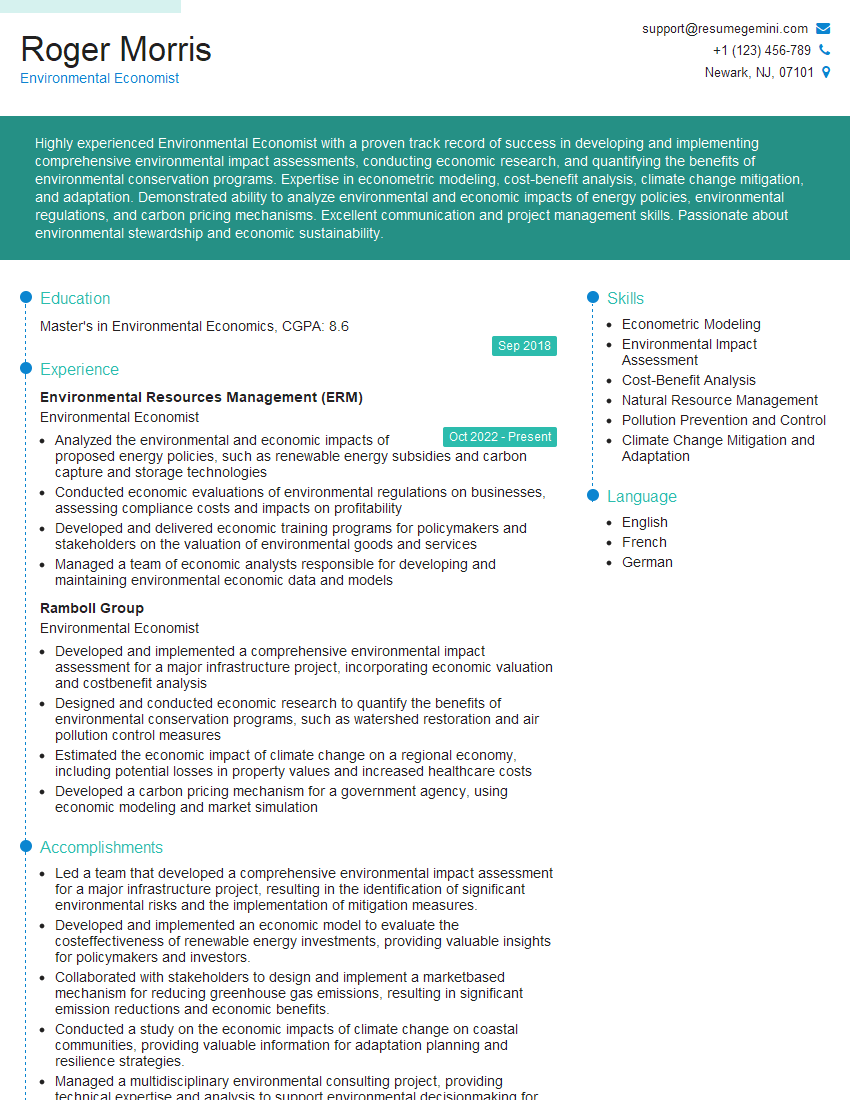
Environmental Economist Resume Sample
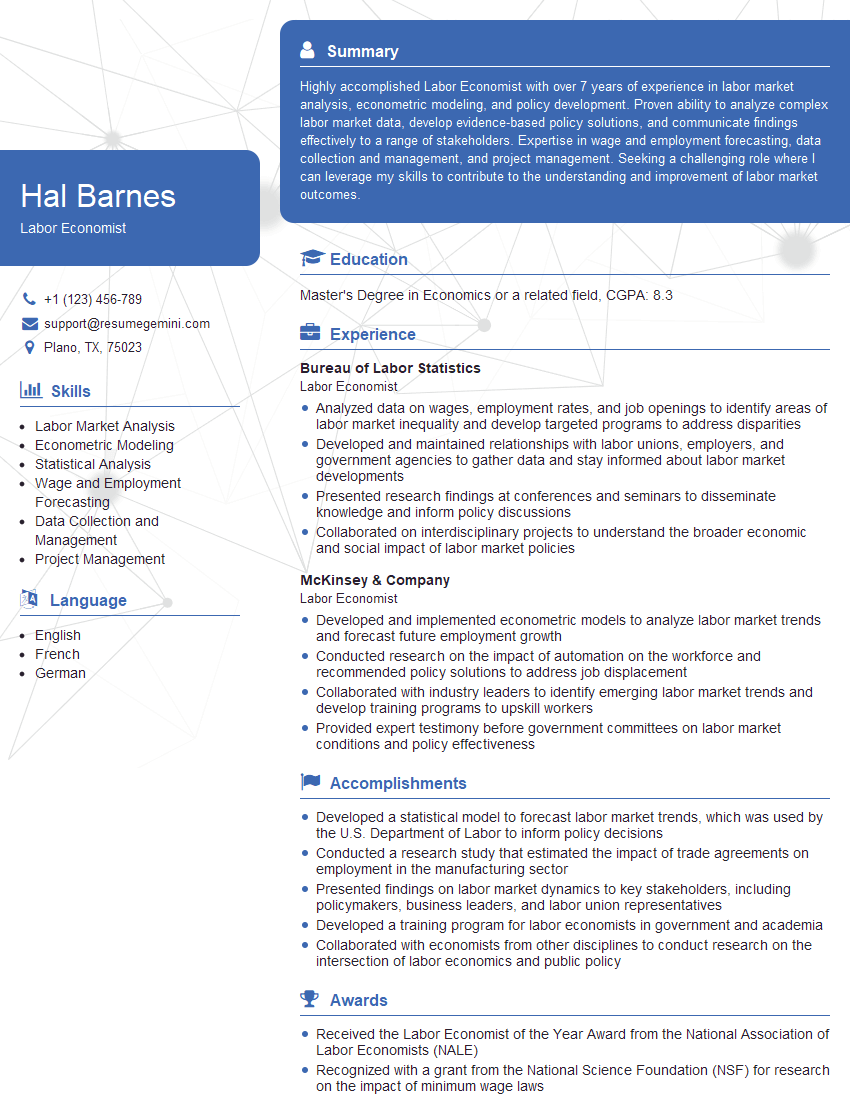
Labor Economist Resume Sample
Explore more articles
Users Rating of Our Blogs
Share Your Experience
We value your feedback! Please rate our content and share your thoughts (optional).
What Readers Say About Our Blog
Amazing blog
hello,
Our consultant firm based in the USA and our client are interested in your products.
Could you provide your company brochure and respond from your official email id (if different from the current in use), so i can send you the client’s requirement.
Payment before production.
I await your answer.
Regards,
MrSmith
hello,
Our consultant firm based in the USA and our client are interested in your products.
Could you provide your company brochure and respond from your official email id (if different from the current in use), so i can send you the client’s requirement.
Payment before production.
I await your answer.
Regards,
MrSmith
These apartments are so amazing, posting them online would break the algorithm.
https://bit.ly/Lovely2BedsApartmentHudsonYards
Reach out at BENSON@LONDONFOSTER.COM and let’s get started!
Take a look at this stunning 2-bedroom apartment perfectly situated NYC’s coveted Hudson Yards!
https://bit.ly/Lovely2BedsApartmentHudsonYards
Live Rent Free!
https://bit.ly/LiveRentFREE
Interesting Article, I liked the depth of knowledge you’ve shared.
Helpful, thanks for sharing.
Hi, I represent a social media marketing agency and liked your blog
Hi, I represent an SEO company that specialises in getting you AI citations and higher rankings on Google. I’d like to offer you a 100% free SEO audit for your website. Would you be interested?