Cracking a skill-specific interview, like one for AIChE, requires understanding the nuances of the role. In this blog, we present the questions you’re most likely to encounter, along with insights into how to answer them effectively. Let’s ensure you’re ready to make a strong impression.
Questions Asked in AIChE Interview
Q 1. Explain the difference between laminar and turbulent flow.
Laminar and turbulent flow describe two fundamentally different patterns of fluid movement. Imagine pouring honey (high viscosity) versus water (low viscosity) into a glass. The honey flows smoothly in parallel layers – that’s laminar flow. The water, however, might create swirls and eddies – that’s turbulent flow.
More formally, laminar flow is characterized by smooth, ordered fluid motion where fluid particles move in parallel layers with minimal mixing. Turbulent flow, on the other hand, is chaotic, with significant mixing and eddies. The transition between these flow regimes is determined by the Reynolds number (discussed later).
Practical Implications: In a chemical plant, understanding the flow regime is crucial for efficient design. Laminar flow in a heat exchanger promotes efficient heat transfer due to better contact between fluids, but it might have lower throughput. Turbulent flow ensures better mixing in a reactor but could increase pressure drop and energy consumption.
Q 2. Describe the principles of mass and energy balances.
Mass and energy balances are fundamental principles in chemical engineering, stating that mass and energy are conserved within a system. Think of it like accounting for materials and energy in a chemical process.
Mass balance: The total mass entering a system must equal the total mass leaving the system plus any accumulation within the system. This principle is expressed mathematically as:
Input - Output + Accumulation = 0Energy balance: The total energy entering a system must equal the total energy leaving the system plus any change in the system’s internal energy. This includes heat transfer, work done, and changes in kinetic and potential energy.
Example: In a distillation column, the mass balance accounts for the feed stream, distillate (top product), and bottoms (bottom product). The energy balance considers the heat supplied to the reboiler and heat removed from the condenser.
Practical Application: These balances are essential for designing and optimizing chemical processes, ensuring safe operation, and predicting process performance.
Q 3. What are the different types of reactors and their applications?
Chemical reactors are vessels where chemical reactions occur. Different reactor types are chosen based on the reaction kinetics, desired product distribution, and other process parameters.
- Batch Reactor: Reactants are added, the reaction proceeds, and the products are removed at the end. Think of baking a cake – you mix ingredients, bake, and then take out the cake. Suitable for small-scale operations and reactions requiring precise control.
- Continuous Stirred Tank Reactor (CSTR): Reactants are continuously fed, and products are continuously withdrawn. Imagine a constantly stirred mixing tank. Ideal for liquid-phase reactions and processes requiring good mixing.
- Plug Flow Reactor (PFR): Reactants flow through a tube or pipe with negligible mixing. Similar to a river flowing. Offers higher conversion for reactions with favorable kinetics.
- Fluidized Bed Reactor: Solid catalyst particles are suspended in a gas stream, providing a large surface area for reaction. Used extensively in catalytic cracking in refineries.
Applications: Batch reactors are suitable for specialty chemicals; CSTRs for many industrial processes; PFRs for gas-phase reactions; and fluidized bed reactors for catalytic processes requiring high surface area.
Q 4. Explain the concept of heat exchangers and their design considerations.
Heat exchangers are devices that transfer heat between two or more fluids at different temperatures. Think of a car radiator – it cools the engine’s hot coolant by transferring heat to the surrounding air.
Design Considerations:
- Heat Transfer Area: Larger area implies more efficient heat transfer.
- Temperature Difference: Larger temperature difference between the fluids leads to higher heat transfer rates.
- Fluid Flow Rate and Velocity: These influence heat transfer coefficients.
- Materials of Construction: Chosen based on temperature, pressure, and chemical compatibility.
- Fouling: Build-up of deposits on heat transfer surfaces reduces efficiency; design needs to consider fouling mitigation.
Types: Shell and tube heat exchangers, plate heat exchangers, double-pipe heat exchangers are common types. The choice depends on the application and process requirements.
Practical Application: Heat exchangers are ubiquitous in the chemical industry – from cooling reactors to heating feed streams to condensing vapors.
Q 5. How do you calculate the Reynolds number and what does it signify?
The Reynolds number (Re) is a dimensionless number that predicts whether the flow of a fluid is laminar or turbulent. It is given by:
Re = (ρVD)/μwhere:
- ρ is the fluid density
- V is the fluid velocity
- D is the characteristic length (e.g., pipe diameter)
- μ is the dynamic viscosity
Significance:
- Re < 2000: Generally considered laminar flow
- Re > 4000: Generally considered turbulent flow
- 2000 < Re < 4000: Transition region, flow can be either laminar or turbulent.
Example: Calculating the Reynolds number for water flowing through a pipe helps determine whether the flow is laminar or turbulent, impacting heat and mass transfer.
Q 6. Describe different separation techniques used in chemical engineering.
Separation techniques are crucial for purifying and isolating components from mixtures. Common techniques include:
- Distillation: Separates components based on boiling point differences. Used extensively in refineries and petrochemical plants.
- Absorption: Uses a solvent to selectively remove a component from a gas stream. Used in gas purification.
- Extraction: Separates components based on their solubility in different solvents. Used in pharmaceuticals and other industries.
- Filtration: Separates solids from liquids or gases using a porous medium. Used extensively in many industries for solids removal.
- Crystallization: Separates solids from liquids by forming crystals. Widely used in the pharmaceutical and food industries.
- Chromatography: Separates components based on their differential adsorption on a stationary phase. Used for analyzing complex mixtures.
Practical Application: The choice of separation technique depends on the nature of the mixture, the desired purity of the components, and economic considerations.
Q 7. What are the common types of pumps used in process industries?
Various pumps are used in process industries, each suited for specific applications. Common types include:
- Centrifugal Pumps: These use a rotating impeller to increase the fluid’s velocity and pressure. Widely used due to their high flow rates and relatively simple design. Suitable for liquids with low viscosity.
- Positive Displacement Pumps: These pumps trap a fixed volume of fluid and move it through the system. Examples include piston pumps, gear pumps, and diaphragm pumps. Suitable for high-viscosity fluids and precise flow control.
- Rotary Pumps: A broad category, including gear, lobe, and screw pumps. They offer high flow rates and are often used for viscous fluids or those containing solids.
Selection criteria: Factors like fluid viscosity, flow rate, pressure requirements, fluid corrosiveness, and cost determine the appropriate pump type for a particular application.
Example: Centrifugal pumps are commonly used for transporting water and other low-viscosity liquids in large volumes, while positive displacement pumps are preferred for handling viscous fluids like molasses or slurries.
Q 8. Explain the concept of process control and instrumentation.
Process control and instrumentation is the science and art of maintaining a chemical process at its desired operating conditions. Think of it like driving a car – you need instruments (speedometer, gas gauge) to tell you where you are, and controls (steering wheel, gas pedal, brakes) to get you where you want to go. In a chemical plant, instruments measure variables like temperature, pressure, flow rate, and composition. These measurements are then fed to controllers, which manipulate control elements (valves, pumps, heaters) to keep the process within specified setpoints.
For example, imagine a reactor where temperature needs to remain constant at 150°C. A thermocouple measures the temperature and sends the signal to a proportional-integral-derivative (PID) controller. If the temperature drops, the controller opens a valve to let in more steam, increasing the temperature. If it rises, the controller reduces steam flow. Instrumentation provides the feedback, and control systems implement the necessary adjustments.
- Instruments: These are devices that measure process variables like temperature, pressure, flow, level, and composition. Examples include thermocouples, pressure transmitters, flow meters, and gas chromatographs.
- Control Systems: These systems use the instrument readings to manipulate actuators (valves, pumps, heaters) to maintain desired operating conditions. Common control strategies include PID control, cascade control, and ratio control.
Q 9. Describe your experience with process simulation software (e.g., Aspen Plus, HYSYS).
I have extensive experience using Aspen Plus and HYSYS for process simulation and design. In my previous role, I used Aspen Plus to model and optimize a complex distillation column used in the production of high-purity chemicals. This involved defining the chemical components, establishing the thermodynamic model (e.g., using the NRTL model for non-ideal solutions), specifying the column parameters (number of trays, reflux ratio), and running simulations to determine the optimal operating conditions to achieve the required product purity and yield. I used the simulation results to generate design specifications for the equipment, ensuring safe and efficient operation.
HYSYS, on the other hand, was invaluable in evaluating different process flowsheets for the production of a new polymer. By comparing various reactor designs and separation schemes, I was able to identify the most cost-effective and environmentally friendly option. I frequently leveraged the software’s capabilities for sensitivity analysis and optimization to minimize energy consumption and waste generation.
My expertise extends beyond just running simulations; I’m proficient in model validation using experimental data and incorporating rigorous thermodynamic and kinetic models. I’m also skilled in using these tools to identify potential bottlenecks and optimize performance parameters to improve efficiency and profitability.
Q 10. How do you ensure safety in a chemical processing plant?
Safety in a chemical processing plant is paramount and achieved through a multi-layered approach. It’s not just about following regulations; it’s about fostering a safety culture where everyone takes responsibility. This includes:
- Engineering Controls: Implementing robust design features like redundant safety systems, emergency shutdown systems (ESD), pressure relief valves, fire suppression systems, and proper ventilation to mitigate hazards.
- Administrative Controls: Establishing thorough safety procedures, regular training programs for personnel, comprehensive risk assessments, and stringent maintenance schedules. This also entails robust permitting and operating procedures.
- Personal Protective Equipment (PPE): Providing and enforcing the use of appropriate PPE, such as respirators, protective clothing, safety glasses, and hearing protection.
- Emergency Response Plans: Developing and regularly practicing comprehensive emergency response plans to handle various scenarios, from leaks to fires.
- Safety Audits and Inspections: Conducting regular safety audits and inspections to identify and address potential hazards before they cause incidents.
For example, in a plant handling flammable materials, implementing an inerting system that prevents the formation of flammable mixtures in storage tanks is crucial. Furthermore, regular inspections of pressure relief valves and their associated piping are essential for ensuring their proper functioning in case of an overpressure scenario.
Q 11. Explain your understanding of HAZOP studies.
HAZOP (Hazard and Operability Study) is a systematic technique used to identify potential hazards and operability problems in a chemical process. It’s a structured brainstorming session where a team of experts examines the process flow diagram and systematically considers deviations from the intended design or operation. Each deviation, or ‘hazard,’ is evaluated for its potential consequences and severity.
The process involves using guide words (e.g., ‘no,’ ‘more,’ ‘less,’ ‘part of,’ ‘reverse,’ ‘other than’) to probe the process parameters and identify deviations. For each deviation, the team identifies the causes, consequences, and possible safeguards. The output is a comprehensive list of potential hazards and recommended mitigation strategies.
For example, in a reactor, the guide word ‘more’ applied to ‘temperature’ might lead to the identification of a potential hazard: ‘more temperature than expected.’ This could be caused by a malfunctioning temperature controller or runaway reaction. The consequence could be equipment damage or a fire. Mitigation strategies could include adding a secondary temperature control system, an emergency quench system, and improved operator training.
HAZOP studies are crucial for proactive risk management and preventing accidents. They provide a structured and systematic approach to identifying and addressing potential problems before they occur.
Q 12. What are the key environmental regulations affecting the chemical industry?
The chemical industry is heavily regulated to protect human health and the environment. Key regulations vary by region but generally address:
- Air Emissions: Regulations limit the release of pollutants like volatile organic compounds (VOCs), hazardous air pollutants (HAPs), and greenhouse gases (GHGs). Examples include the Clean Air Act (US) and the Industrial Emissions Directive (EU).
- Water Discharges: Strict limits are imposed on the discharge of wastewater containing pollutants. Regulations focus on parameters like biochemical oxygen demand (BOD), chemical oxygen demand (COD), and various toxic substances. The Clean Water Act (US) and the Water Framework Directive (EU) are key examples.
- Waste Management: Regulations govern the handling, storage, treatment, and disposal of hazardous waste. The Resource Conservation and Recovery Act (RCRA) in the US and the Waste Framework Directive in the EU are prominent examples.
- Chemical Safety: Regulations address the safe handling, storage, and transportation of chemicals, including hazard communication and worker protection. The Occupational Safety and Health Administration (OSHA) regulations in the US and equivalent regulations in other countries are relevant here.
Compliance with these regulations is vital for the chemical industry, involving detailed reporting, monitoring, and potential penalties for non-compliance.
Q 13. Describe your experience with process optimization techniques.
My experience with process optimization encompasses a range of techniques, including:
- Statistical Process Control (SPC): Using SPC charts to monitor process variables, identify trends, and detect deviations from setpoints. This allows for early detection of potential problems and proactive adjustments.
- Data-Driven Optimization: Leveraging advanced analytics and machine learning to identify optimal operating conditions based on historical data. This can improve efficiency and reduce waste.
- Model Predictive Control (MPC): Implementing MPC systems that predict future process behavior and optimize control actions to achieve desired performance. This is particularly useful for complex, multivariable processes.
- Process Simulation and Optimization: Using process simulation software (like Aspen Plus and HYSYS) to explore the impact of various design and operating parameters on process performance. This allows for identifying optimal configurations and operating conditions before implementation.
For example, in one project, I used data-driven optimization to improve the yield of a chemical reaction. By analyzing historical process data and using machine learning techniques, I identified a set of operating conditions (temperature, pressure, reactant concentrations) that increased the yield by 15%, leading to significant cost savings.
Q 14. How do you troubleshoot process upsets and deviations?
Troubleshooting process upsets and deviations involves a systematic approach:
- Identify the Problem: Clearly define the upset or deviation by analyzing instrument readings, alarm logs, and operator observations.
- Gather Data: Collect relevant data, including process variables, historical data, and any unusual events preceding the upset.
- Analyze the Data: Use process understanding, simulation results, and data analysis techniques to identify potential root causes.
- Develop Hypotheses: Formulate hypotheses about the root cause of the problem based on the analysis.
- Test Hypotheses: Experimentally verify or refute the hypotheses using process simulations, small-scale tests, or adjustments to process parameters.
- Implement Corrective Actions: Implement appropriate corrective actions based on the validated root cause. This could involve adjusting control parameters, performing maintenance, or modifying the process design.
- Monitor and Evaluate: Monitor the process to ensure that the corrective actions have been successful and evaluate the effectiveness of the solution.
For instance, if a distillation column experiences a decrease in product purity, the troubleshooting process would involve checking for issues like fouling, changes in feed composition, changes in operating parameters (reflux ratio, boilup rate), and instrument malfunctions. Data analysis, coupled with process knowledge, helps pinpoint the exact cause and suggest a suitable remediation strategy.
Q 15. Explain your experience with statistical process control (SPC).
Statistical Process Control (SPC) is a powerful methodology used to monitor and control manufacturing processes by identifying and addressing variations. It relies heavily on data analysis, primarily through control charts, to detect shifts in process performance before they lead to significant quality issues or product defects. My experience encompasses implementing and interpreting various control charts, such as X-bar and R charts for continuous data and p-charts and c-charts for attribute data.
For instance, in a previous role at a pharmaceutical manufacturing plant, we utilized X-bar and R charts to monitor the tablet weight during production. By setting control limits based on historical data, we could quickly identify any deviations from the target weight and investigate the root cause. This proactive approach minimized waste, ensured product consistency, and prevented potential regulatory issues. We successfully reduced out-of-specification batches by 15% within six months of implementing the SPC program. We also used capability analysis to ensure the process was capable of meeting the required specifications.
Beyond chart interpretation, my expertise also includes understanding the underlying statistical principles behind SPC, which enables me to make informed decisions about sampling frequency, sample size, and appropriate control chart selection. This knowledge is critical for designing effective SPC programs tailored to specific process needs.
Career Expert Tips:
- Ace those interviews! Prepare effectively by reviewing the Top 50 Most Common Interview Questions on ResumeGemini.
- Navigate your job search with confidence! Explore a wide range of Career Tips on ResumeGemini. Learn about common challenges and recommendations to overcome them.
- Craft the perfect resume! Master the Art of Resume Writing with ResumeGemini’s guide. Showcase your unique qualifications and achievements effectively.
- Don’t miss out on holiday savings! Build your dream resume with ResumeGemini’s ATS optimized templates.
Q 16. How do you design and implement a new process?
Designing and implementing a new chemical process is a multi-stage endeavor requiring a systematic approach. It starts with defining the problem and establishing clear objectives – what product are we making, at what scale, and to what specifications? Then, we move into the process design phase:
- Process Synthesis: Identifying and evaluating alternative process routes based on thermodynamic principles, reaction kinetics, and economic considerations. This might involve considering different reactor types, separation techniques, and overall process flowsheets.
- Process Simulation: Using software like Aspen Plus or COMSOL to model the process, predict performance, and optimize parameters. This involves defining process units, specifying operating conditions, and analyzing stream compositions.
- Equipment Sizing and Selection: Based on the simulation results, we select appropriate equipment (reactors, heat exchangers, pumps, etc.) and determine their sizes to handle the desired throughput.
- Process Control Strategy Development: Designing a control system to maintain the process within the specified operating parameters and ensure stability and safety. This might involve implementing feedback control loops and advanced process control techniques.
Implementation involves constructing the plant, commissioning the equipment, and performing rigorous testing and validation to ensure it meets specifications. Throughout, safety and environmental considerations are paramount. For example, in the design of a new polymerization plant, we used Aspen Plus to optimize reactor temperature and residence time to maximize yield while minimizing byproduct formation. Safety considerations were integral to the design, including the implementation of emergency shutdown systems and process hazard analysis (PHA).
Q 17. Describe your experience with project management in a chemical engineering context.
My project management experience in chemical engineering has been extensive, encompassing various project lifecycle phases from conceptualization to completion. I’m proficient in utilizing project management methodologies like Agile and PRINCE2. I have led and participated in teams responsible for projects ranging from process optimization to new plant construction.
A key project involved the optimization of a batch crystallization process. I was responsible for defining project scope, creating detailed schedules, managing resources, and tracking progress. We used critical path method (CPM) scheduling to identify critical tasks and ensure timely completion. Regular team meetings, status reports, and risk assessments ensured transparency and proactive mitigation of potential issues. The project was completed on time and within budget, leading to a 10% increase in product yield. My experience includes using project management software like MS Project to monitor progress and manage tasks.
Q 18. What are your strengths and weaknesses as a chemical engineer?
My strengths lie in my analytical problem-solving skills, strong understanding of chemical engineering principles, and my ability to work effectively in teams. I am also a quick learner, eager to embrace new challenges and technologies. For example, I independently learned advanced process control techniques and applied them to improve the efficiency of a distillation column, leading to significant cost savings.
One area I’m actively working to improve is my public speaking skills, particularly in presenting complex technical information to non-technical audiences. I’m currently addressing this through participation in professional development workshops and actively seeking opportunities to present my work in diverse settings.
Q 19. Explain your understanding of different types of distillation columns.
Distillation columns are crucial for separating liquid mixtures based on their boiling points. Several types exist, each tailored to specific applications.
- Simple/Flash Distillation: A single-stage process where a liquid mixture is partially vaporized, resulting in a vapor richer in the more volatile component and a liquid richer in the less volatile component. Simple, but inefficient for complex separations.
- Fractional Distillation: Uses multiple stages (trays or packing) to achieve a high degree of separation. More efficient than simple distillation, capable of producing high-purity products. This is the most common type.
- Azeotropic Distillation: Used when dealing with azeotropes – mixtures that cannot be separated by conventional distillation because their vapor and liquid compositions are identical at a particular boiling point. Entrainers are added to break the azeotrope.
- Extractive Distillation: Similar to azeotropic distillation, but instead of an entrainer, a solvent is added to selectively interact with one component, modifying the relative volatilities and allowing separation.
- Vacuum Distillation: Used for separating heat-sensitive materials or those with high boiling points. Reducing the pressure lowers the boiling point, preventing decomposition.
The choice of column type depends on factors such as the relative volatility of the components, the desired purity, the feed composition, and economic constraints. Understanding these factors is essential for effective process design.
Q 20. How do you handle conflicts and disagreements within a team?
Conflict resolution is a crucial skill in teamwork. My approach emphasizes open communication and collaborative problem-solving. When disagreements arise, I encourage everyone to express their viewpoints clearly and respectfully. I focus on identifying the root cause of the conflict, rather than assigning blame. I believe in finding a solution that satisfies the needs of all parties involved, even if it requires compromise. For example, in a previous project, disagreements arose regarding the optimal operating temperature of a reactor. By facilitating a discussion, we identified concerns about both yield and safety. We compromised by adopting a slightly lower temperature, ensuring a balance between yield and safety margins.
My aim is to foster a positive and productive team environment where all members feel valued and heard.
Q 21. Describe your experience with different types of chemical reactors.
Chemical reactors are the heart of many chemical processes. Different reactor types are chosen based on reaction kinetics, thermodynamics, and economic factors.
- Batch Reactors: Simple design, suitable for small-scale production or reactions requiring precise control. However, they are not ideal for large-scale, continuous operation.
- Continuous Stirred Tank Reactors (CSTRs): Provide excellent mixing and temperature control. Suitable for large-scale production, but maintaining steady-state operation can be challenging.
- Plug Flow Reactors (PFRs): Ideal for reactions with favorable kinetics. They provide high conversions but mixing can be less efficient than CSTRs.
- Fluidized Bed Reactors: Used for gas-solid reactions, particularly those involving heterogeneous catalysts. Excellent heat and mass transfer.
- Fixed Bed Reactors: Used for heterogeneous catalytic reactions. Simpler design than fluidized bed reactors but can be challenging to regenerate the catalyst.
Selecting the appropriate reactor requires a detailed analysis of the reaction mechanism, rate constants, and desired level of conversion. For instance, in a previous project involving the production of a fine chemical, we selected a CSTR because it offered the best balance between conversion and mixing for that specific reaction.
Q 22. How do you ensure the quality of products in a chemical plant?
Ensuring product quality in a chemical plant is a multifaceted process that begins with meticulous planning and extends throughout the entire production lifecycle. It’s like baking a cake – you need the right ingredients, precise measurements, and careful baking to achieve the desired outcome. In our context, this involves a robust Quality Control (QC) system incorporating several key aspects:
- Raw Material Inspection: Before anything else, the quality of incoming raw materials is rigorously checked against specifications. This might involve analyzing purity, particle size distribution, and other relevant properties. Think of this as checking if your flour is fresh and your eggs are intact before you even start mixing.
- In-Process Monitoring: During the manufacturing process, critical parameters such as temperature, pressure, flow rate, and reaction yields are constantly monitored and logged. Deviation from pre-defined setpoints triggers alarms and prompts corrective actions. This is like constantly checking your oven temperature and adjusting it as needed.
- Finished Product Testing: Once production is complete, the finished product undergoes comprehensive testing to ensure it meets the required specifications for purity, composition, and performance. This could involve chemical analysis, physical property measurements, and even specialized performance tests. This is analogous to tasting your cake to ensure it is cooked perfectly and tastes as expected.
- Statistical Process Control (SPC): SPC techniques are employed to track process variability and identify potential problems before they lead to product defects. Control charts help visualize process performance and detect trends, preventing off-spec products. This provides a systematic and data-driven approach to quality management.
- Good Manufacturing Practices (GMP): Adherence to GMP guidelines is crucial. This ensures consistency in manufacturing processes, minimizes contamination, and promotes safe working conditions, all contributing to product quality. GMP is the cake recipe itself – following it precisely guarantees the best results.
Ultimately, a robust quality system is a continuous improvement loop, constantly striving to refine processes and improve product quality. Regular audits and performance reviews are vital parts of this continuous improvement cycle.
Q 23. Explain your knowledge of different types of valves used in process industries.
Valves are essential components in any process industry, controlling the flow of fluids. They are like the arteries and veins of a chemical plant, directing the flow of materials precisely where needed. There are many types, categorized based on their function and operating mechanisms. Here are some key examples:
- Gate Valves: These are on/off valves, used for completely stopping or allowing full flow. Think of a simple tap in your home.
- Globe Valves: These offer more precise flow control than gate valves, suitable for throttling (reducing flow) and on/off applications. They’re used in cases where finer flow regulation is necessary.
- Ball Valves: These are quarter-turn valves, providing quick on/off control. Their simple design and compact size make them ideal for many applications.
- Butterfly Valves: These use a rotating disc to control flow, similar to ball valves, but are often preferred for larger diameters and higher flow rates. They are commonly found in large pipelines.
- Check Valves: These are automatic valves that prevent backflow in a system, ensuring unidirectional flow. They’re vital for protecting pumps and other equipment from reverse pressure.
- Control Valves: These are used for precise, automated flow control, often incorporating pneumatic or electric actuators for remote operation. They’re crucial for maintaining process parameters within specified ranges and are commonly part of a process control system.
The choice of valve depends heavily on the application, including the fluid properties, pressure, temperature, and required flow control precision. Selecting the wrong valve can lead to inefficiencies, safety hazards, and equipment damage.
Q 24. How do you manage time effectively during a complex project?
Managing time effectively during a complex project requires a structured approach. It’s like building a house; you wouldn’t start laying bricks before you have the foundation.
- Project Planning: Thorough planning, including detailed task breakdown, timeline creation, and resource allocation, is paramount. Tools like Gantt charts are extremely useful here.
- Prioritization: Identifying and prioritizing critical tasks is crucial. Focusing on high-impact activities first ensures that the most important aspects of the project are addressed promptly.
- Time Tracking: Monitoring time spent on each task helps identify potential delays and adjust the schedule accordingly. Time-tracking software can automate this process.
- Regular Meetings: Scheduled meetings with the team to discuss progress, address challenges, and make necessary adjustments are essential for keeping the project on track.
- Contingency Planning: Building in buffer time for unforeseen issues and challenges is important. This allows for flexibility when obstacles arise.
- Effective Communication: Open and effective communication among team members is critical. Clear expectations, regular updates, and prompt feedback can prevent misunderstandings and delays.
Adopting these strategies helps maintain a focus on efficient time usage and allows for effective project management even when facing complexity.
Q 25. Explain your understanding of fluid mechanics principles.
Fluid mechanics is the study of fluids (liquids and gases) in motion and at rest. Understanding these principles is fundamental to process engineering. Consider a river; its flow is governed by fluid mechanics principles. Similarly, in a chemical plant, fluids are moved through pipes and vessels, governed by similar principles.
- Fluid Statics: This deals with fluids at rest, focusing on concepts like pressure, density, and buoyancy. For instance, understanding hydrostatic pressure is essential for designing storage tanks and ensuring they can withstand the pressure exerted by the stored liquid.
- Fluid Dynamics: This explores fluids in motion, including concepts such as flow rate, viscosity, pressure drop, and turbulence. Designing efficient piping systems requires a deep understanding of these principles.
- Conservation Laws: The principles of conservation of mass, momentum, and energy are crucial in analyzing fluid flow. These are the fundamental laws governing any flow system.
- Dimensional Analysis: This technique is used to simplify complex problems by reducing the number of variables and identifying key dimensionless parameters. This is frequently used in scaling up or downscaling processes.
- Pipe Flow: Understanding concepts like friction factors, Reynolds number, and different flow regimes (laminar vs. turbulent) is vital for designing and sizing pipelines.
In a chemical plant, these principles are used to design pumps, compressors, reactors, heat exchangers and piping systems. Ignoring these principles can lead to inefficient designs, safety hazards, and process inefficiencies.
Q 26. Describe your experience with different types of piping systems.
Piping systems are the circulatory system of a chemical plant, transporting fluids throughout the facility. Different types of piping systems are chosen based on factors like fluid properties, temperature, pressure, and corrosiveness. It’s like choosing the right plumbing for your house – you’d use different materials for hot and cold water.
- Carbon Steel Piping: Commonly used for many applications due to its strength and relatively low cost, suitable for many non-corrosive fluids.
- Stainless Steel Piping: Highly resistant to corrosion, used where corrosion resistance is paramount, such as in handling acidic or reactive chemicals.
- PVC Piping: Used for handling less aggressive fluids and usually at lower pressures, favored for its chemical resistance and ease of installation.
- High-Pressure Piping: Designed for higher pressure applications, requiring thicker walls and specialized fittings. The design considers the material’s yield strength to ensure it can handle the high internal pressure without failing.
- Cryogenic Piping: Used to handle cryogenic fluids (extremely low temperatures), requiring specialized materials to withstand the low temperatures and prevent embrittlement.
Proper design and selection of piping systems are critical for ensuring safe and efficient operation. This involves careful material selection, proper sizing to avoid excessive pressure drops, and appropriate support structures to prevent stress and failure.
Q 27. What are the key challenges in scaling up a chemical process?
Scaling up a chemical process from the lab to industrial production presents several challenges. It’s like moving from baking a single cupcake to baking hundreds in a commercial bakery – the scale and complexities are vastly different.
- Heat and Mass Transfer: Heat and mass transfer rates can change significantly with scale. What works well in a small lab reactor might be inefficient or even dangerous in a large-scale reactor. This often requires adjustments to equipment design and operating parameters.
- Mixing and Agitation: Achieving adequate mixing in a large-scale reactor can be challenging. Efficient mixing is essential for achieving uniform reaction conditions and preventing hot spots or stagnant regions.
- Reaction Kinetics: The kinetics of a reaction may change with scale due to factors such as altered residence time or heat transfer limitations. This might require optimization of reaction conditions or even changes to the process itself.
- Process Control: Maintaining tight process control becomes more complex on a larger scale. More sophisticated control systems and sensors are often needed to ensure stable operation.
- Safety: Safety concerns increase with scale. Larger quantities of reactants and products pose greater risks, requiring robust safety systems and procedures.
Scaling up requires careful consideration of these factors and often involves pilot plant studies to test the process on an intermediate scale before full-scale implementation. Successful scale-up requires a thorough understanding of process engineering principles and a methodical approach to design and testing.
Q 28. Explain your experience with process safety management (PSM).
Process Safety Management (PSM) is a critical aspect of chemical plant operation, focusing on preventing accidents and protecting workers, the environment, and the community. It’s like having a comprehensive safety plan for your home – you wouldn’t want to have a fire and not know how to respond.
- Hazard Identification and Risk Assessment: This involves identifying potential hazards associated with the process, evaluating the risks, and implementing control measures to mitigate these risks.
- Operating Procedures: Detailed operating procedures are developed to ensure that the process is operated safely and consistently. These procedures guide workers on proper startup, shutdown, and emergency response procedures.
- Emergency Response Planning: Comprehensive emergency response plans are essential for responding effectively to accidents. This includes training personnel and ensuring adequate safety equipment.
- Training: Comprehensive training programs are developed to ensure that personnel are adequately trained to operate the process safely and respond to emergencies. Regular refresher training is also vital.
- Compliance: Adherence to all relevant regulations and standards is crucial for maintaining a safe and compliant operation. This involves keeping up-to-date with evolving safety regulations.
- Incident Investigation: Thorough incident investigations are conducted to analyze the causes of accidents and implement corrective actions to prevent similar events from occurring in the future.
PSM is not just a set of rules but a culture of safety that permeates the entire organization. It requires constant vigilance, continuous improvement, and a commitment from all levels of management and personnel.
Key Topics to Learn for AIChE Interview
- Thermodynamics: Understand fundamental concepts like enthalpy, entropy, and Gibbs free energy. Be prepared to discuss applications in process design and optimization.
- Fluid Mechanics: Master principles of fluid flow, pressure drop calculations, and pump/compressor selection. Consider practical applications in pipeline design and reactor engineering.
- Heat and Mass Transfer: Know the underlying principles of conduction, convection, and radiation. Be ready to discuss examples in heat exchangers and distillation columns.
- Chemical Reaction Engineering: Understand reactor types, kinetics, and design. Prepare to discuss catalyst selection and process control strategies.
- Process Control: Familiarize yourself with control loops, instrumentation, and process simulation. Be ready to discuss examples of process optimization and troubleshooting.
- Process Design and Economics: Understand process flow diagrams (PFDs), piping and instrumentation diagrams (P&IDs), and cost estimation techniques. Prepare to discuss process safety and environmental considerations.
- Transport Phenomena: Gain a strong understanding of momentum, heat, and mass transfer, and their interrelationships in various processes.
- Separation Processes: Develop a solid understanding of various separation techniques such as distillation, absorption, extraction, and membrane separation.
- Biochemical Engineering (if applicable): If your target role involves biochemical engineering, prepare to discuss bioreactors, fermentation processes, and downstream processing.
Next Steps
Mastering these AIChE fundamentals is crucial for a successful career in chemical engineering. A strong understanding of these principles will significantly enhance your problem-solving abilities and make you a highly sought-after candidate. To increase your job prospects, creating an ATS-friendly resume is essential. ResumeGemini is a trusted resource to help you build a professional and impactful resume that highlights your skills and experience effectively. Examples of resumes tailored to AIChE roles are available through ResumeGemini to guide you in building yours.
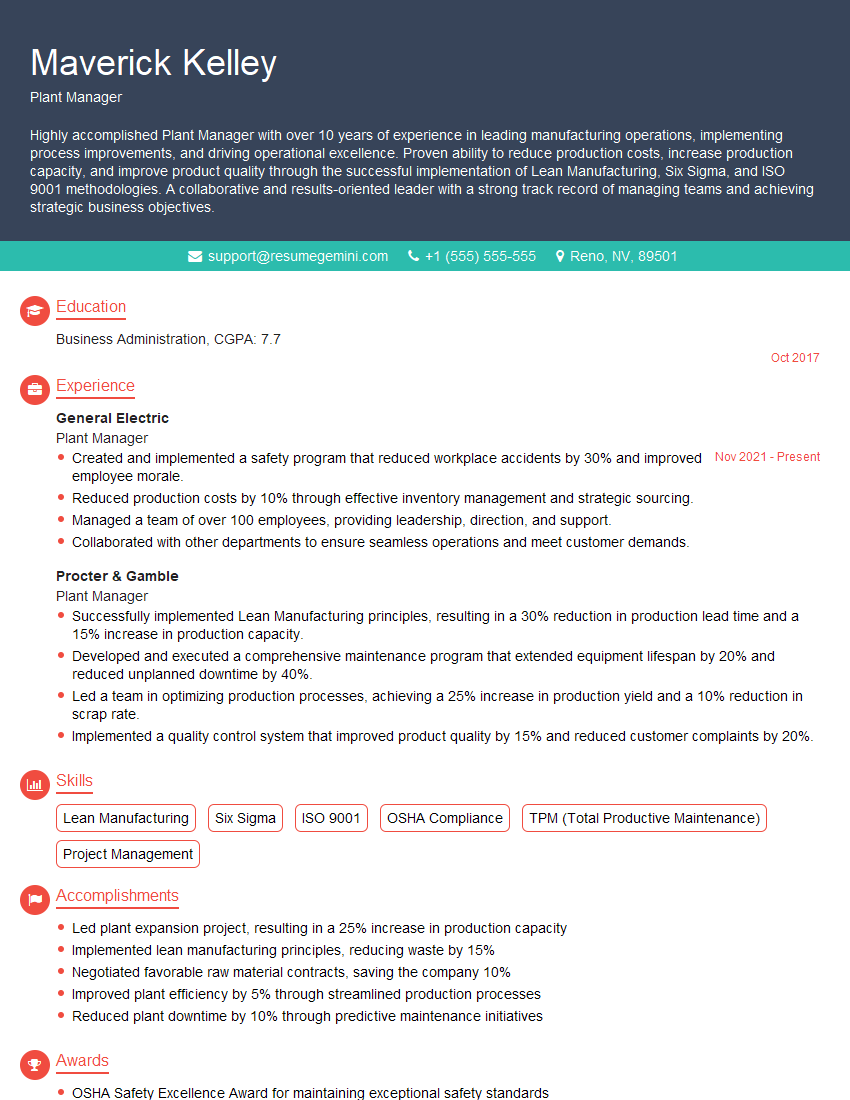
Plant Manager Resume Sample
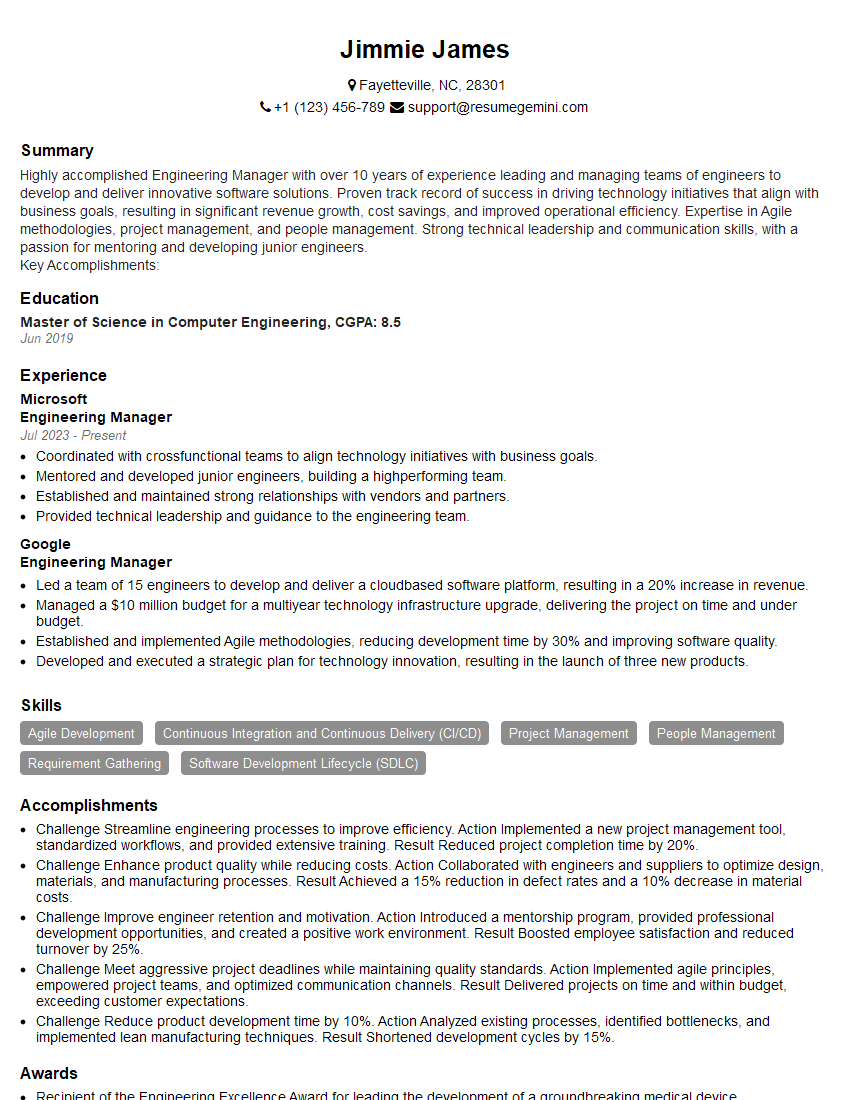
Engineering Manager Resume Sample
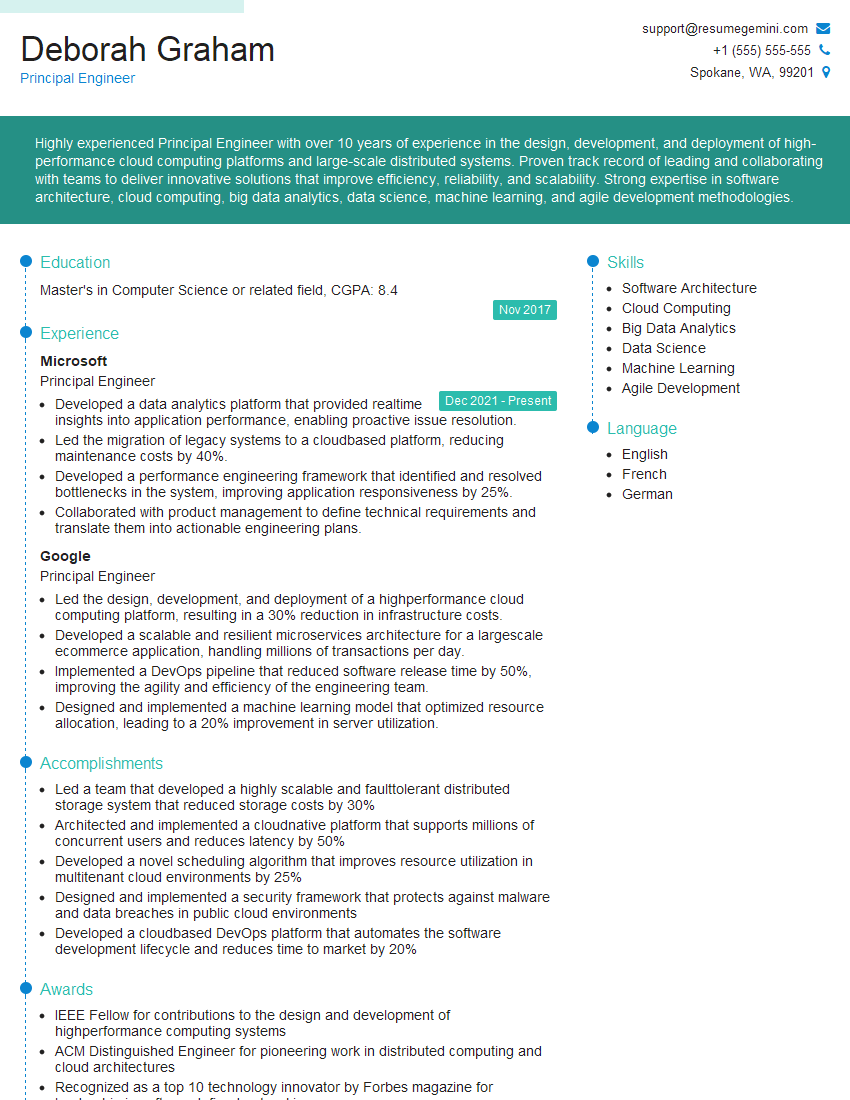
Principal Engineer Resume Sample

Project Engineer Resume Sample
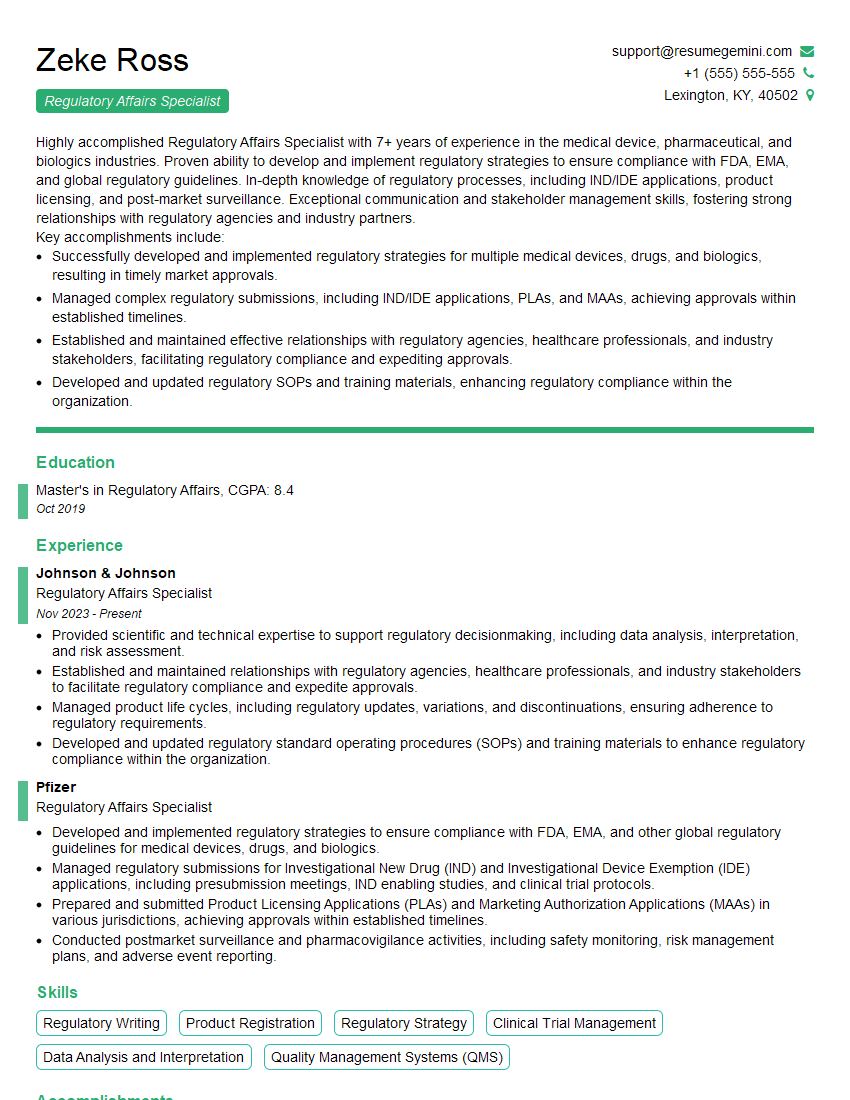
Regulatory Affairs Specialist Resume Sample
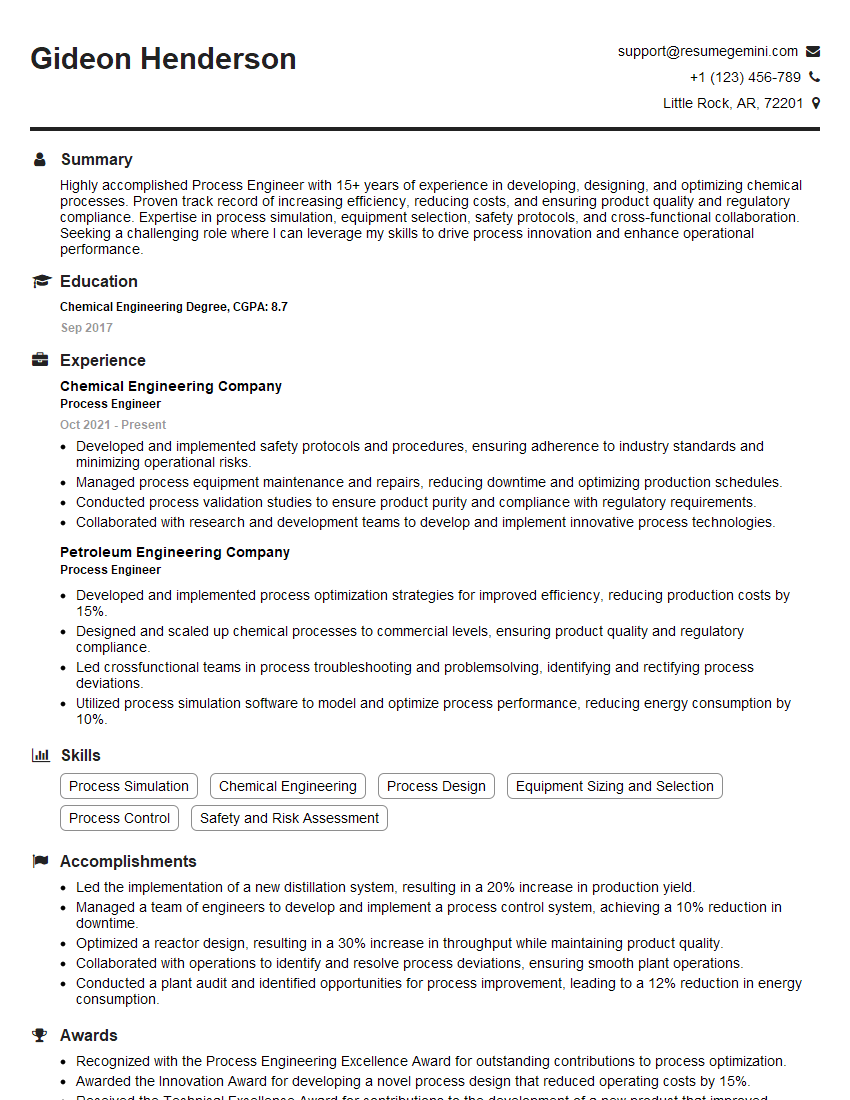
Process Engineer Resume Sample
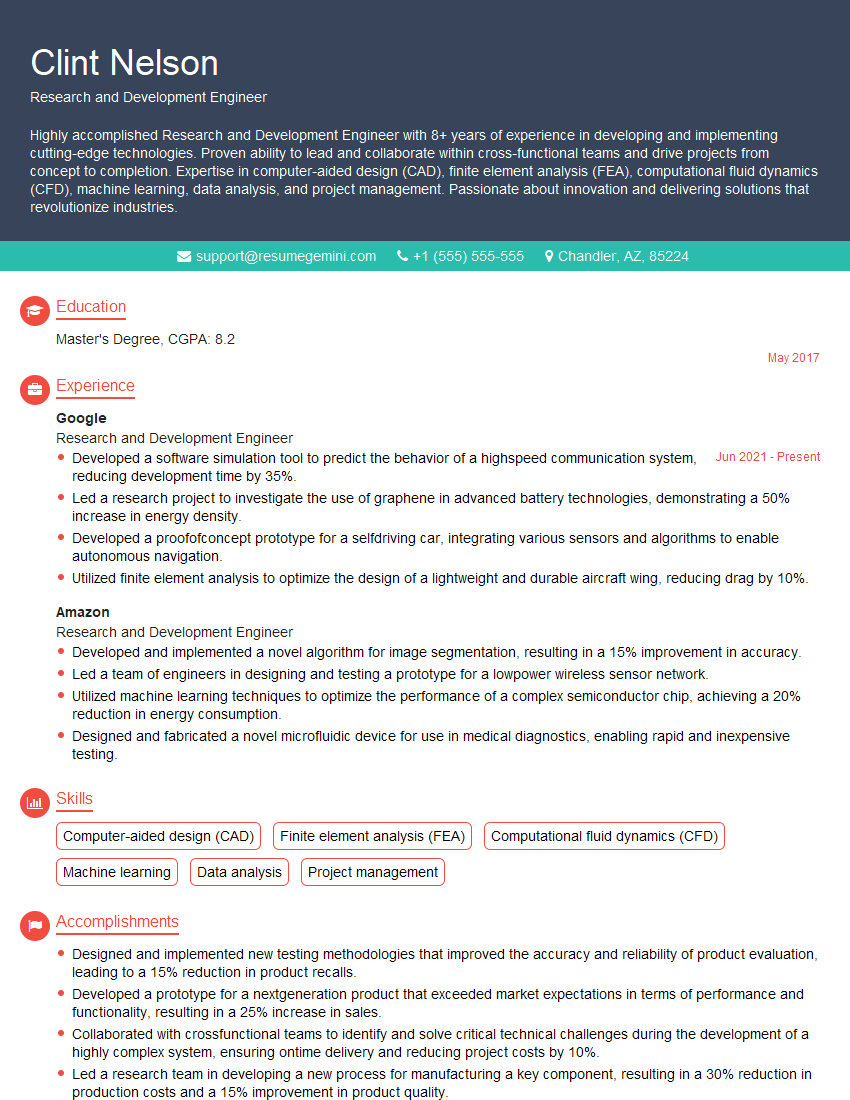
Research and Development Engineer Resume Sample

Research Scientist Resume Sample
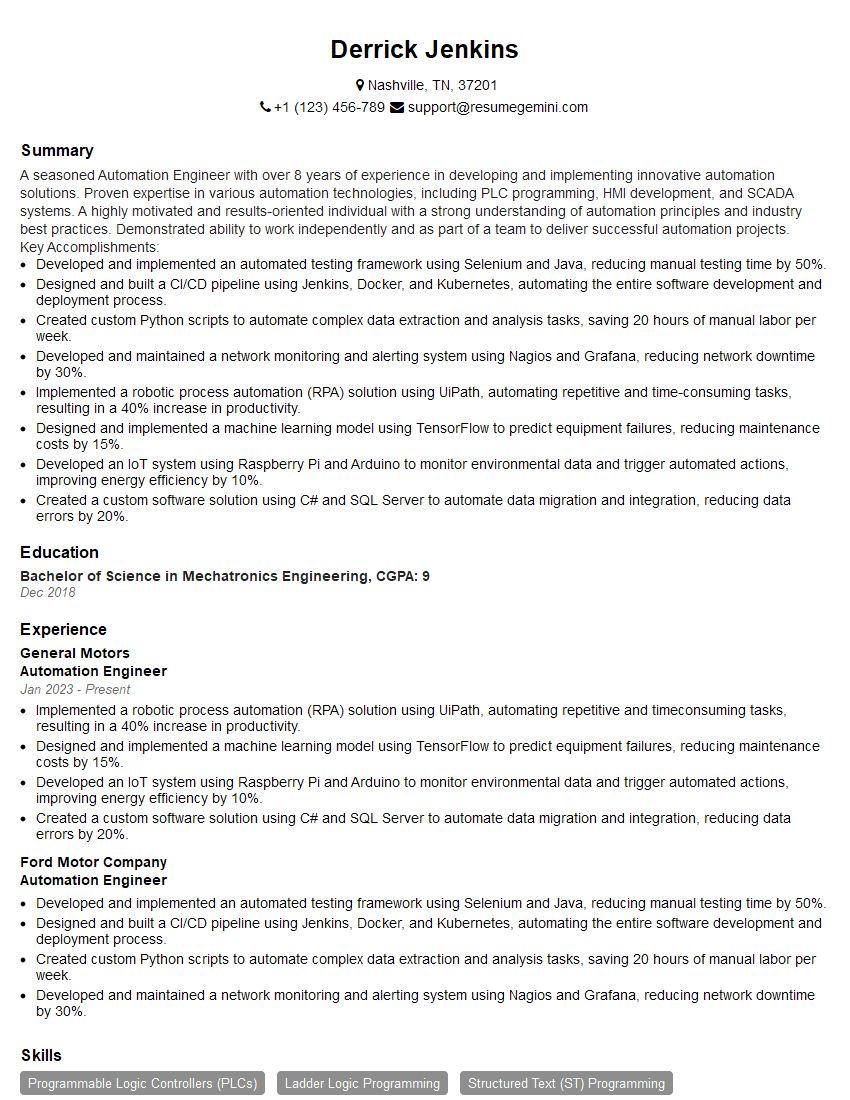
Automation Engineer Resume Sample
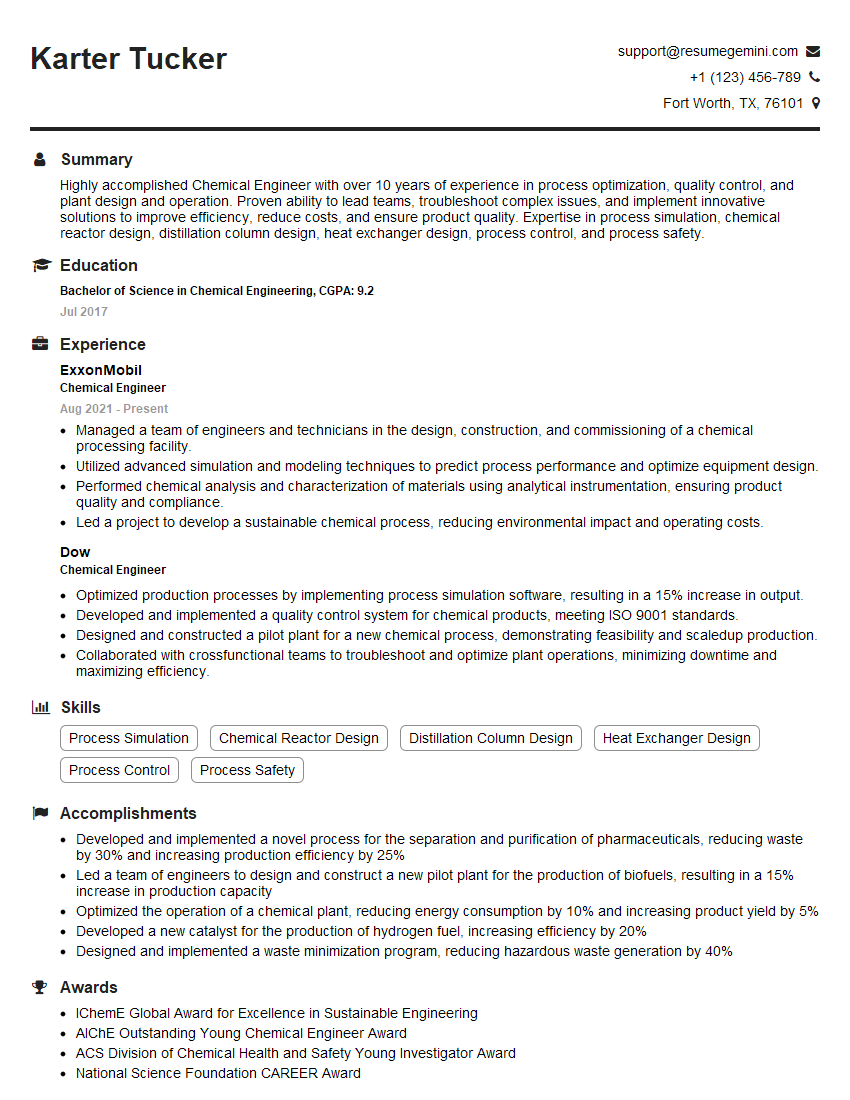
Chemical Engineer Resume Sample
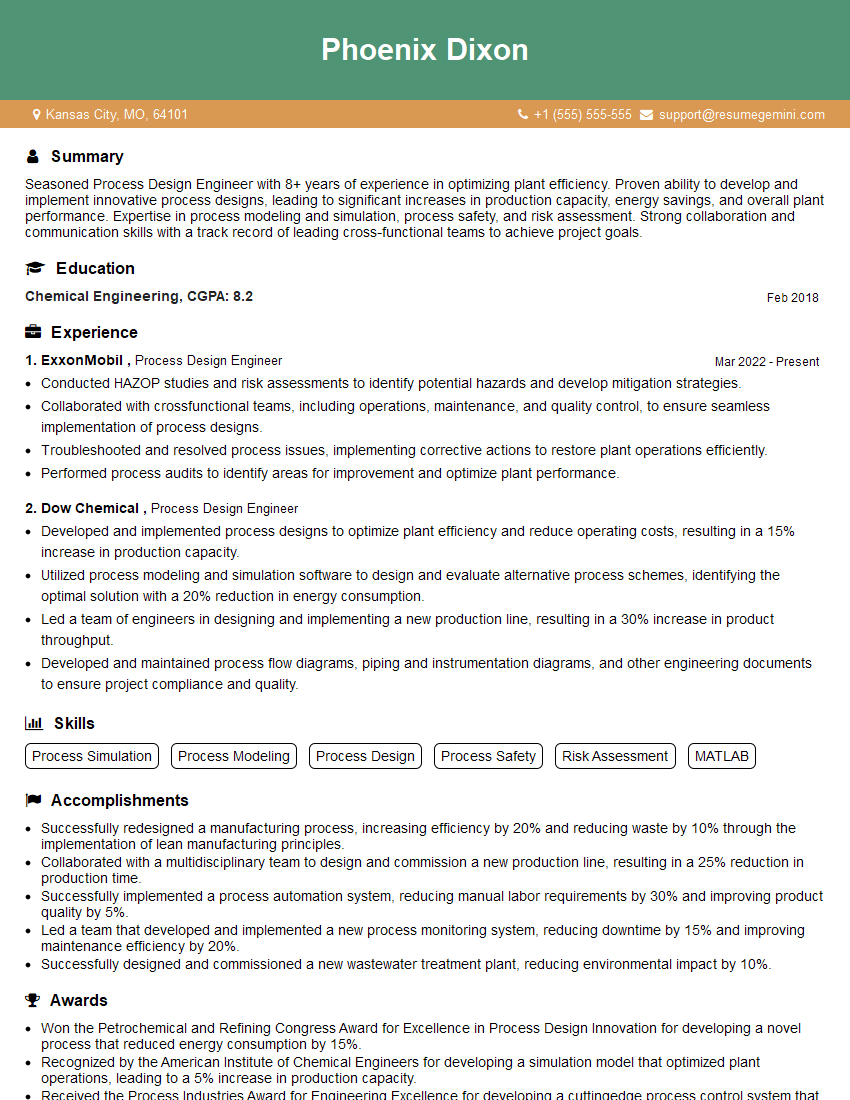
Process Design Engineer Resume Sample
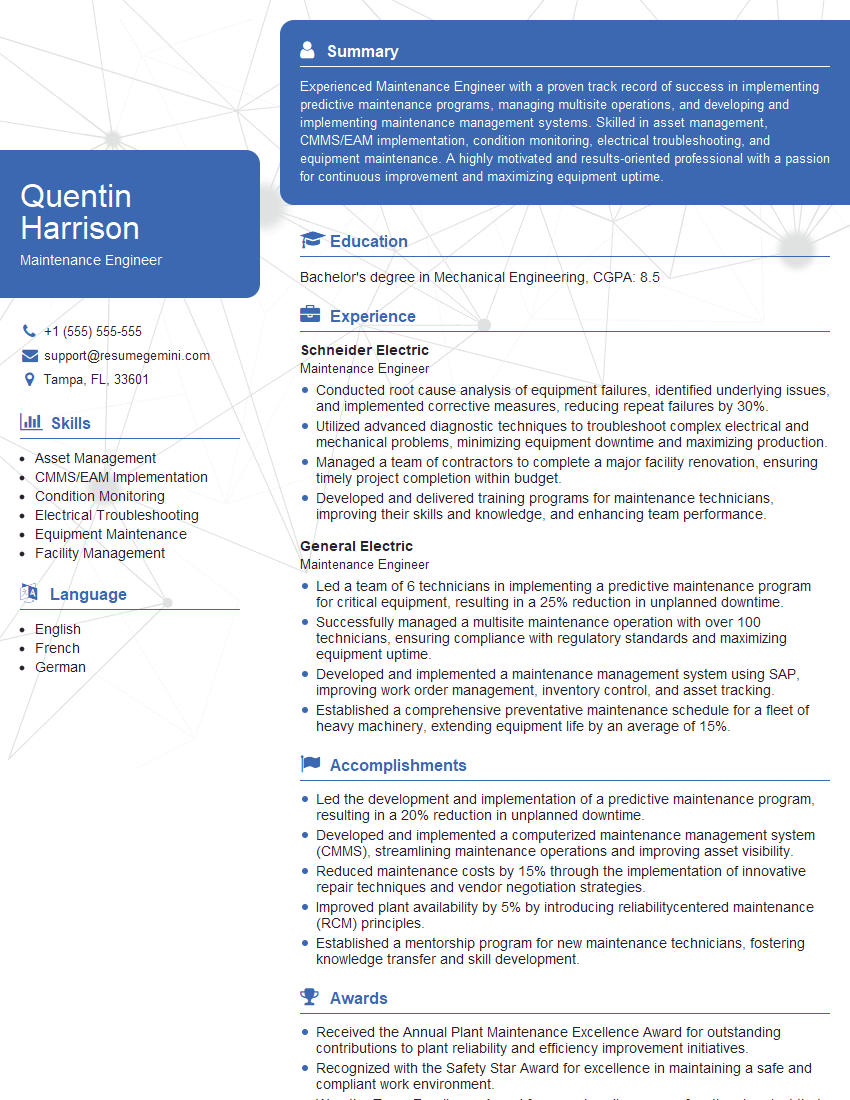
Maintenance Engineer Resume Sample
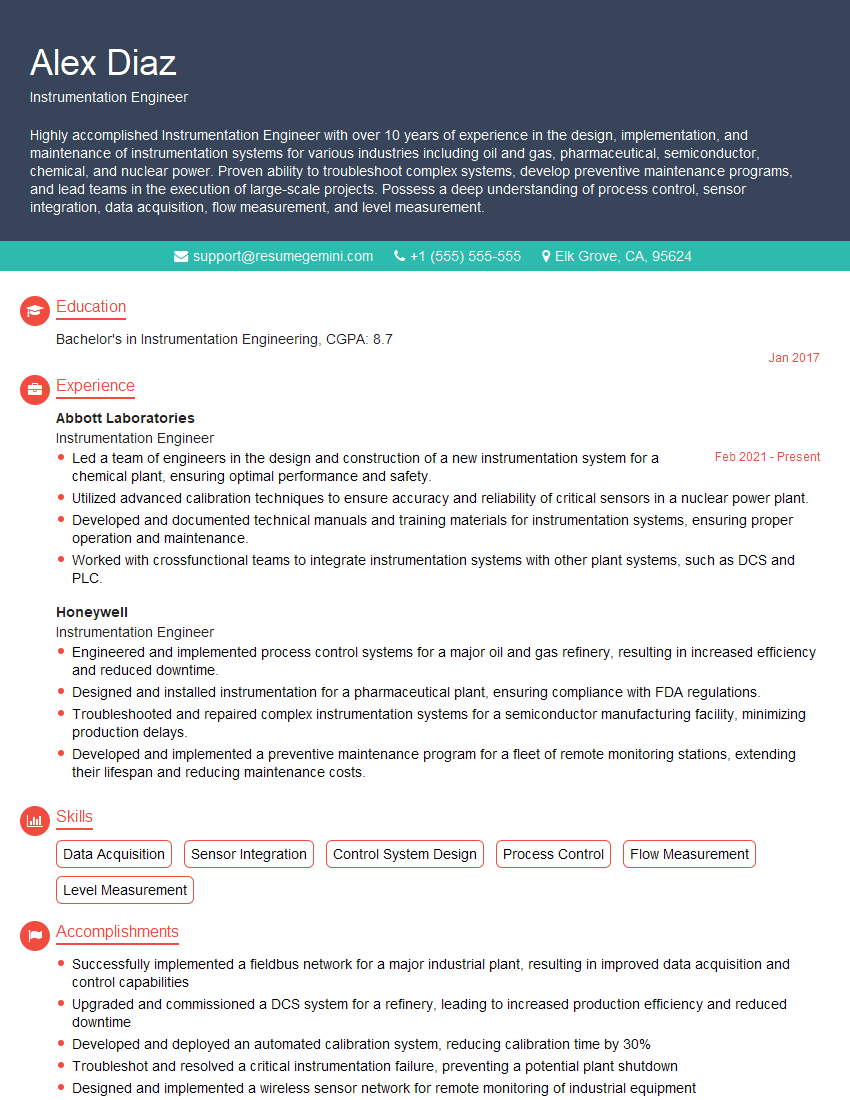
Instrumentation Engineer Resume Sample
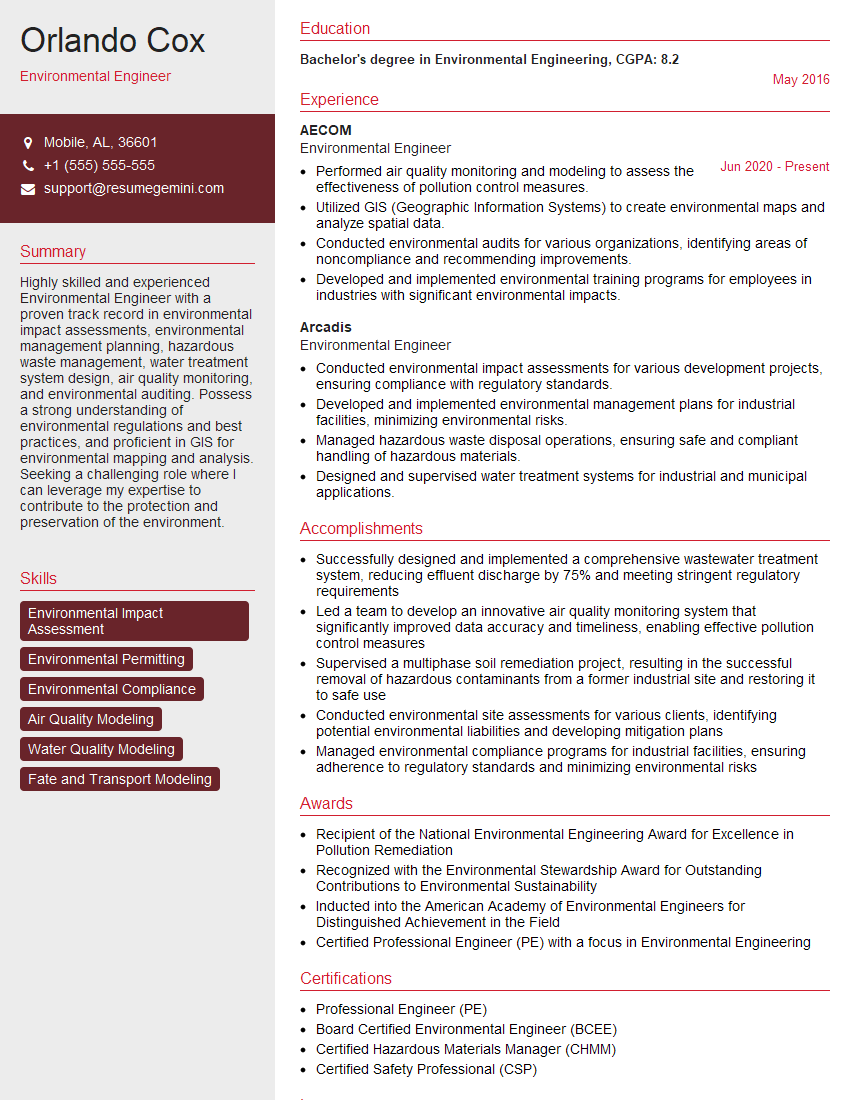
Environmental Engineer Resume Sample
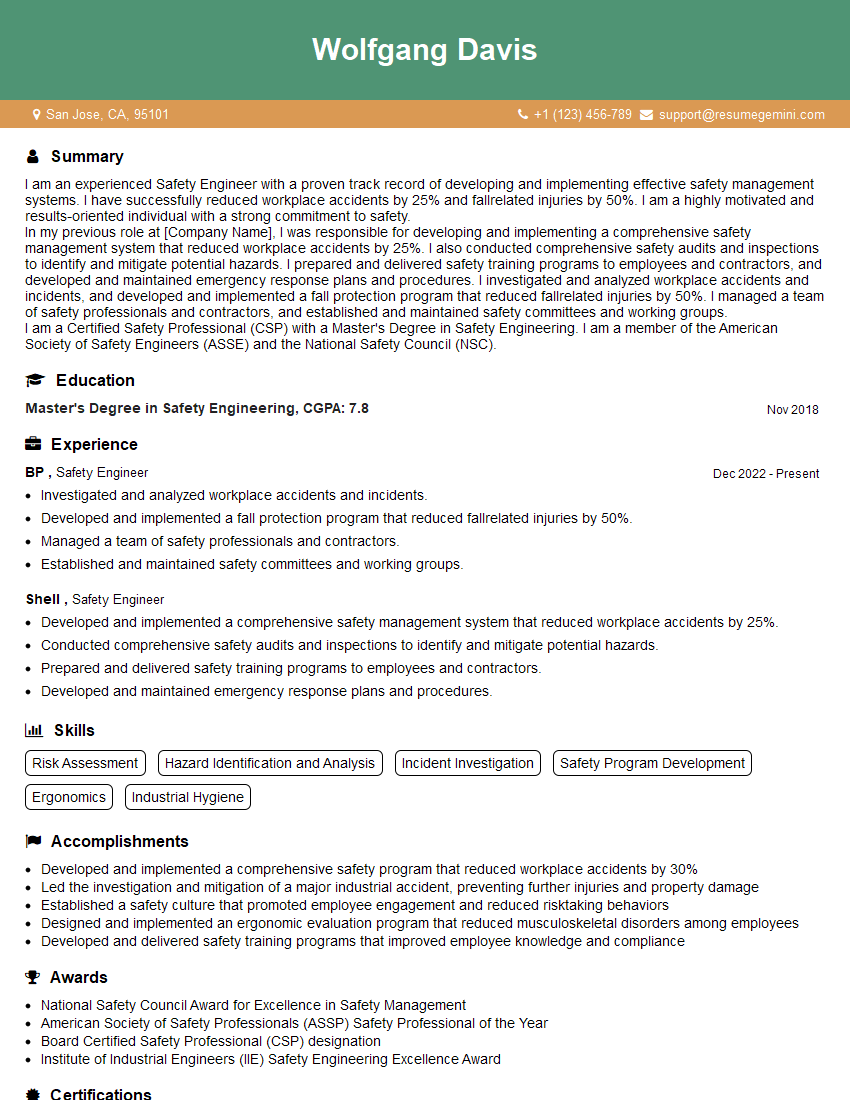
Safety Engineer Resume Sample
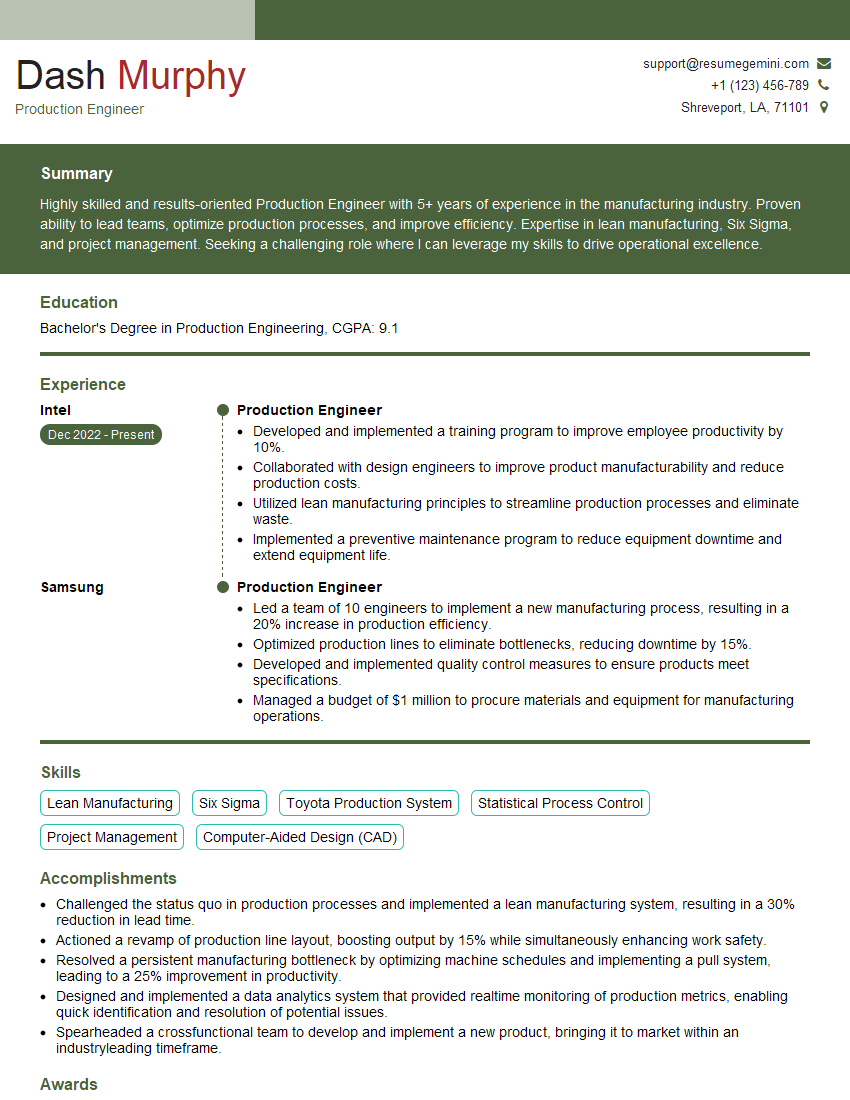
Production Engineer Resume Sample
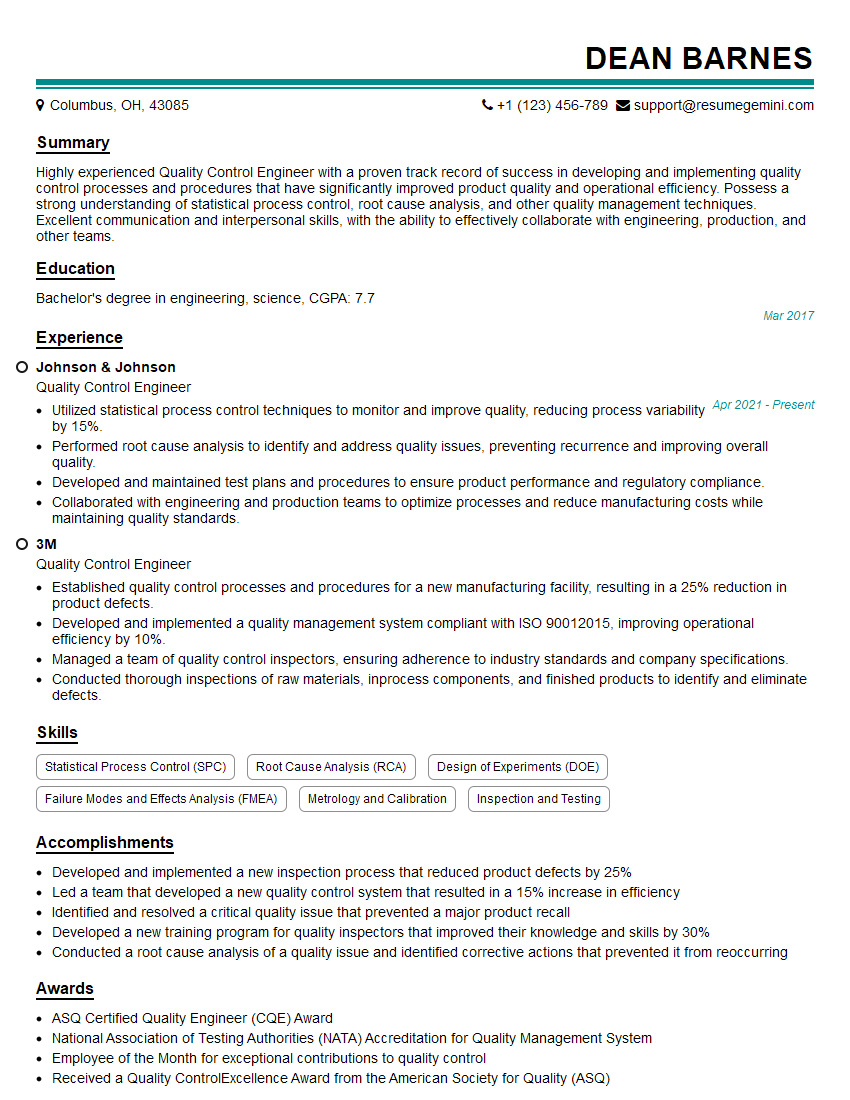
Quality Control Engineer Resume Sample
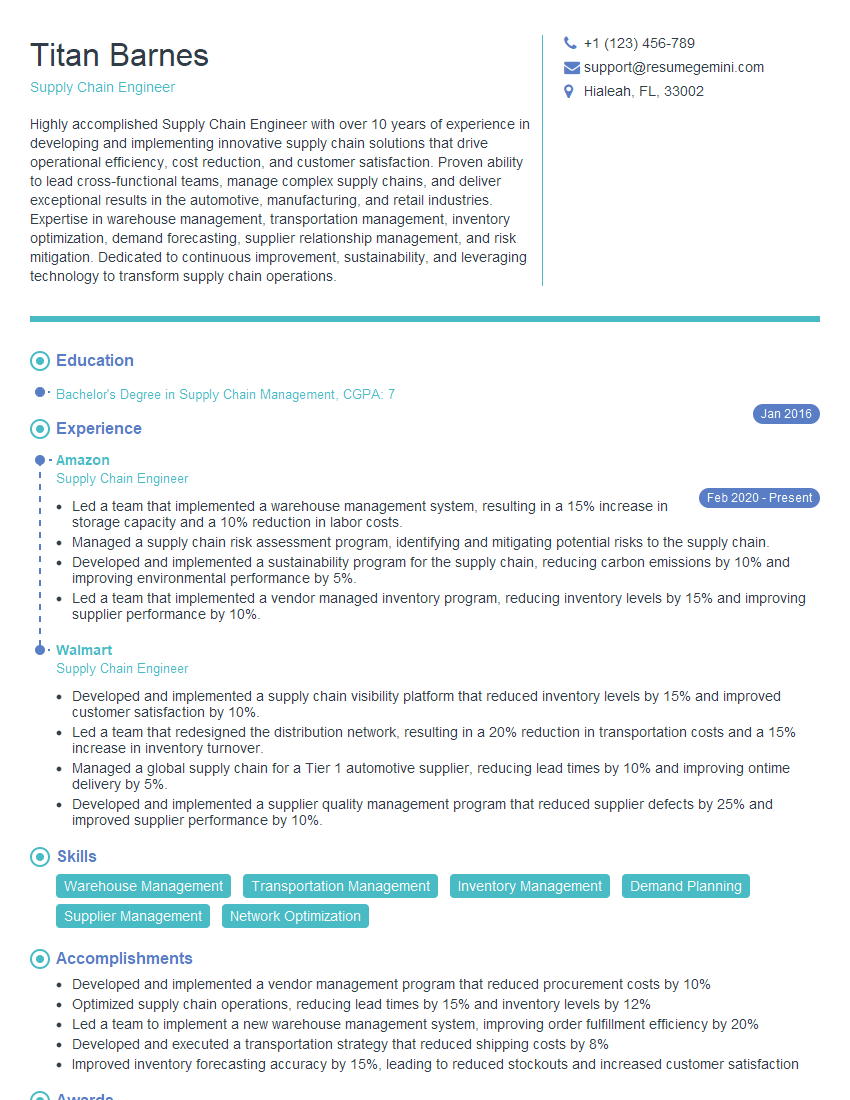
Supply Chain Engineer Resume Sample
Control Systems Engineer Resume Sample
Technical Sales Engineer Resume Sample
- Plant Manager
- Engineering Manager
- Principal Engineer
- Project Engineer
- Regulatory Affairs Specialist
- Process Engineer
- Research and Development Engineer
- Research Scientist
- Automation Engineer
- Chemical Engineer
- Process Design Engineer
- Maintenance Engineer
- Instrumentation Engineer
- Environmental Engineer
- Safety Engineer
- Production Engineer
- Quality Control Engineer
- Supply Chain Engineer
- Control Systems Engineer
- Technical Sales Engineer
Explore more articles
Users Rating of Our Blogs
Share Your Experience
We value your feedback! Please rate our content and share your thoughts (optional).
What Readers Say About Our Blog
Amazing blog
hello,
Our consultant firm based in the USA and our client are interested in your products.
Could you provide your company brochure and respond from your official email id (if different from the current in use), so i can send you the client’s requirement.
Payment before production.
I await your answer.
Regards,
MrSmith
hello,
Our consultant firm based in the USA and our client are interested in your products.
Could you provide your company brochure and respond from your official email id (if different from the current in use), so i can send you the client’s requirement.
Payment before production.
I await your answer.
Regards,
MrSmith
These apartments are so amazing, posting them online would break the algorithm.
https://bit.ly/Lovely2BedsApartmentHudsonYards
Reach out at BENSON@LONDONFOSTER.COM and let’s get started!
Take a look at this stunning 2-bedroom apartment perfectly situated NYC’s coveted Hudson Yards!
https://bit.ly/Lovely2BedsApartmentHudsonYards
Live Rent Free!
https://bit.ly/LiveRentFREE
Interesting Article, I liked the depth of knowledge you’ve shared.
Helpful, thanks for sharing.
Hi, I represent a social media marketing agency and liked your blog
Hi, I represent an SEO company that specialises in getting you AI citations and higher rankings on Google. I’d like to offer you a 100% free SEO audit for your website. Would you be interested?