Feeling uncertain about what to expect in your upcoming interview? We’ve got you covered! This blog highlights the most important IATA Ground Handling Manual Proficiency interview questions and provides actionable advice to help you stand out as the ideal candidate. Let’s pave the way for your success.
Questions Asked in IATA Ground Handling Manual Proficiency Interview
Q 1. Describe the process of weight and balance calculations for aircraft loading.
Weight and balance calculations are crucial for safe and efficient aircraft operation. They ensure the aircraft’s center of gravity remains within prescribed limits throughout the flight, preventing instability and potential accidents. This involves meticulously accounting for the weight of everything on board: passengers, crew, baggage, cargo, fuel, and even the aircraft itself.
The process typically involves these steps:
- Determining the aircraft’s empty weight: This is the weight of the aircraft without fuel, passengers, cargo, or baggage. This data is readily available in the aircraft’s documentation.
- Calculating the weight of passengers and crew: Average weights are often used, but more accurate estimations are preferable. Some airlines use passenger manifests to determine precise weights.
- Weighing baggage and cargo: Baggage is weighed individually, and cargo is weighed according to its manifest. Total weights are then summed up.
- Determining fuel weight: This is calculated based on the flight plan and fuel consumption rates. The type of fuel and its density are also crucial factors.
- Calculating the center of gravity (CG): This is the point where the aircraft’s weight is considered to be concentrated. The CG is determined by considering the weight and location of each item on board. Specialized software or calculation charts are often used.
- Comparing CG and weight to limits: The calculated CG and total weight are compared to the aircraft’s certified limits. If the values fall outside these limits, adjustments must be made, such as shifting cargo or baggage, to ensure safe operation.
Example: Imagine a small aircraft with an empty weight of 5000kg. If you add 10 passengers (averaging 75kg each), 200kg of baggage, 1000kg of cargo, and 2000kg of fuel, the total weight will be 8850kg. The software then calculates the CG, and if it’s outside the permitted range, adjustments are made – perhaps by shifting some heavy cargo to a more forward location.
Q 2. Explain the different types of aircraft ground support equipment (GSE) and their functions.
Aircraft Ground Support Equipment (GSE) is essential for the safe and efficient operation of aircraft on the ground. Different types of GSE cater to various needs, ensuring smooth ground handling processes.
- Pushback tractors: Used to move aircraft away from the gate, reducing engine wear and noise. Different sizes exist for various aircraft types.
- Tow tractors: More powerful than pushback tractors, used for towing larger aircraft or over longer distances.
- Baggage carts and belts: Used for efficient and safe transportation of baggage between the aircraft and terminal.
- Passenger stairs/lifts: Provide access to the aircraft for passengers and crew.
- Aircraft lavatory service units: Empty and service aircraft lavatories.
- Air start units: Provide compressed air to start aircraft engines.
- Ground power units (GPU): Provide electrical power to aircraft while on the ground.
- Water/fuel trucks: Refuel and provide water for aircraft.
- De-icing trucks: Remove ice and snow from the aircraft before takeoff, especially crucial in cold climates.
Example: A GPU is crucial for powering the aircraft’s systems before takeoff. Without it, vital onboard systems would be inactive, potentially delaying or grounding the flight. Similarly, pushback tractors minimize noise and engine wear around terminals, crucial for reducing environmental impact and maintaining aircraft engine longevity.
Q 3. What are the key safety regulations related to aircraft pushback and towing procedures?
Safety is paramount in aircraft pushback and towing procedures. Stringent regulations and procedures are in place to prevent accidents. Key safety regulations include:
- Clear communication: A designated marshal guides the tractor driver, ensuring clear communication through hand signals or radio. Miscommunication can lead to serious accidents.
- Pre-pushback checks: Thorough checks of the aircraft and equipment are conducted before any movement. This includes confirming the brakes are engaged and the tow bar is securely attached.
- Designated areas and pathways: Pushback and towing operations are conducted in designated areas to avoid collisions with other aircraft or ground equipment. Designated pathways minimize the risk of accidents.
- Emergency procedures: Clear emergency procedures are in place for any unexpected events, such as equipment failure or sudden changes in weather.
- Proper training: All personnel involved must receive thorough training to ensure they are aware of safety procedures and their roles and responsibilities.
- Visibility and signage: Appropriate lighting and signage are essential during night-time operations to ensure clear visibility and prevent accidents.
Example: A poorly connected tow bar could result in detachment during towing, leading to aircraft damage or injury. Similarly, incorrect hand signals from the marshal could cause the tractor to move in the wrong direction, potentially resulting in a collision.
Q 4. How do you manage baggage handling, ensuring on-time departures and minimizing mishandling?
Efficient baggage handling is critical for on-time departures and minimizing mishandling. A well-managed baggage system integrates various processes and technologies to ensure smooth operations.
- Barcoded baggage tags: These tags allow for automated tracking of baggage throughout the process, reducing the chance of mishandling and improving efficiency.
- Automated baggage handling systems: These systems use conveyors and other automated equipment to move baggage efficiently, reducing manual handling and the risk of damage or loss.
- Real-time tracking: Sophisticated systems allow real-time tracking of baggage, enabling quick identification and resolution of any issues.
- Proper loading procedures: Baggage is loaded in a systematic way, following weight and balance requirements to maintain aircraft stability.
- Staff training: Baggage handlers receive training on proper handling techniques to minimize damage and loss.
- Regular maintenance of equipment: Well-maintained equipment reduces breakdowns and delays.
Example: A system that uses barcodes allows immediate identification of misplaced bags, helping to locate them quickly and get them to their destination. Efficient loading procedures, including weight and balance considerations, prevent delays associated with readjustments.
Q 5. Explain the importance of Dangerous Goods regulations in ground handling.
Dangerous Goods (DG) regulations are critical in ground handling to ensure safety and prevent accidents. These regulations cover the transportation of hazardous materials, including explosives, flammable liquids, and toxic substances.
The importance of DG regulations stems from the potential risks these materials pose if mishandled. Strict procedures are in place to:
- Proper identification and classification of DG: Materials must be correctly identified and classified according to their hazard class.
- Packaging and labeling: DG must be packaged and labeled according to specific regulations to ensure safe containment and identification.
- Documentation: Accurate documentation is required for each shipment, including details on the nature of the goods and the proper handling procedures.
- Storage and handling: DG must be stored and handled according to specific regulations to prevent accidents.
- Training: Ground handling personnel must receive proper training on the identification, handling, and emergency procedures related to DG.
Example: Failure to properly label a package containing flammable materials could lead to a fire. Improper storage of DG could result in a hazardous situation, potentially harming personnel or causing damage to the aircraft.
Q 6. Describe the procedures for handling irregular operations (e.g., delays, diversions).
Handling irregular operations, such as delays and diversions, requires a flexible and efficient response. The procedures depend on the nature of the irregularity but generally involve:
- Swift communication: Immediate communication with all relevant parties (airlines, passengers, ground handling teams) is crucial to ensure information flows smoothly.
- Replanning: Delays necessitate adjusting schedules and resources to minimize disruption. Diversions require finding alternative handling facilities and arranging transportation.
- Passenger assistance: Passengers require information and assistance during irregular operations, including accommodation, rebooking, and baggage handling.
- Coordination with authorities: Coordination with airport authorities is vital for managing delays and diversions, adhering to regulations and ensuring safety.
- Documentation: Meticulous documentation is important for tracking events and reporting to relevant authorities.
Example: If a flight is delayed due to bad weather, the ground handling team needs to communicate with the airline, manage passenger expectations, and ensure baggage is handled efficiently once a slot is available. If a flight is diverted, alternative arrangements for fuel, ground handling services, and passenger accommodation must be swiftly organized.
Q 7. How do you ensure compliance with IATA Ground Handling Manual recommendations?
Compliance with IATA Ground Handling Manual recommendations is essential for maintaining safety and efficiency in ground operations. Several strategies ensure compliance:
- Regular training: Ground handling personnel must receive regular training on the latest IATA recommendations and best practices.
- Implementation of procedures: The recommendations should be integrated into clear and concise procedures and work instructions.
- Internal audits: Regular internal audits assess adherence to the recommendations and identify areas for improvement.
- Use of technology: Technology can play a vital role in ensuring compliance by automating procedures and tracking performance.
- Continuous improvement: A continuous improvement culture fosters a proactive approach to compliance, identifying and addressing issues before they escalate.
- Communication: Clear and effective communication channels are important for disseminating information, ensuring that everyone understands and adheres to the recommendations.
Example: Regular audits can identify gaps in compliance. For instance, an audit might reveal that staff are not properly following procedures for dangerous goods handling. This allows for immediate corrective action, preventing potential accidents.
Q 8. What are the key performance indicators (KPIs) for ground handling operations?
Key Performance Indicators (KPIs) for ground handling are crucial for measuring efficiency, safety, and customer satisfaction. They’re essentially metrics that track how well various aspects of ground operations are performing. These KPIs are often categorized and reported regularly to management and stakeholders.
- On-Time Performance (OTP): This measures the percentage of flights that depart and arrive on schedule. Delays directly impact customer experience and operational costs. A target OTP of 95% or higher is common.
- Aircraft Turnaround Time (TAT): This KPI tracks the time taken to prepare an aircraft for its next flight after arrival. Reducing TAT is key to maximizing aircraft utilization and profitability. Targets are set based on aircraft type and airport infrastructure.
- Baggage Handling Efficiency: Measured by on-time baggage delivery rate, mishandled baggage rate, and the number of delayed bags. Efficient baggage handling minimizes passenger complaints and operational disruptions.
- Cargo Handling Efficiency: Similar to baggage handling, this looks at on-time delivery, damage rates, and adherence to security protocols. This is especially crucial for time-sensitive cargo.
- Safety Incidents: The number of ground handling accidents or incidents per operation. A low incident rate indicates a safe working environment and proactive safety measures.
- Customer Satisfaction: This is often measured through surveys and feedback mechanisms, gauging passenger satisfaction with ground services.
- Cost per Flight/Operation: This tracks the overall cost associated with ground handling per flight or operation. Efficient processes directly lead to lower operational costs.
By monitoring these KPIs, ground handling companies can identify areas for improvement, optimize processes, and enhance overall performance.
Q 9. Explain the process of aircraft turnaround and its critical time points.
Aircraft turnaround is the period between an aircraft’s arrival and its departure for the next flight. It’s a meticulously coordinated process involving various teams. Minimizing turnaround time is crucial for airline profitability and on-time performance.
Critical Time Points:
- Arrival and Parking: The aircraft needs to be safely parked at the gate, and the ground crew must gain access quickly and safely.
- Passenger Disembarkation: Efficient and organized passenger disembarkation, using jet bridges and stairs, minimizes delays.
- Baggage Unloading: Rapid and efficient baggage unloading from the aircraft’s hold, often using conveyor belts, is critical.
- Aircraft Cleaning and Servicing: This involves cleaning the cabin, refuelling, lavatory servicing, catering loading, etc. Coordination is key to prevent delays.
- Cargo Handling: Loading and unloading of cargo, following strict security protocols and documentation, is essential.
- Passenger Boarding: Efficient boarding procedures maximize turnaround speed and reduce passenger wait times.
- Departure: The aircraft is finally ready for departure, on time and safely.
Imagine a relay race; each step needs to be seamless for the team to win (achieve quick turnaround).
Q 10. How do you handle passenger complaints related to baggage or ground services?
Handling passenger complaints regarding baggage or ground services is crucial for maintaining positive customer relations and brand reputation. A structured approach is vital.
- Listen Empathetically: Actively listen to the passenger, acknowledging their frustration and validating their concerns.
- Gather Information: Collect all relevant details including flight number, baggage tag number, nature of the complaint, and contact information.
- Investigate the Issue: Thoroughly investigate the cause of the complaint, checking baggage records, security footage, or reviewing internal procedures.
- Offer a Solution: Depending on the severity of the complaint, this might involve offering compensation (e.g., a voucher, expedited baggage delivery), or a refund of relevant charges.
- Document Everything: Maintain a detailed record of the complaint, investigation, and resolution.
- Follow Up: Follow up with the passenger to ensure they are satisfied with the resolution and address any further concerns.
For example, if a passenger reports a damaged bag, I’d immediately initiate a damage report, gather photographic evidence, and offer alternative baggage. Transparency and prompt action are key to resolving the issue effectively.
Q 11. Describe your experience with cargo handling procedures, including security and documentation.
Cargo handling involves the safe and secure transport of goods, encompassing various stages from acceptance to delivery. Security and documentation are paramount.
Processes:
- Acceptance and Documentation: Verification of shipment details (weight, dimensions, contents), ensuring proper documentation (air waybills, customs declarations), and security checks.
- Handling and Storage: Safe and secure handling of cargo using appropriate equipment, including storage in designated areas based on cargo type and temperature requirements.
- Loading and Unloading: Loading cargo onto the aircraft carefully, securing it according to safety regulations, and unloading it efficiently upon arrival.
- Security Screening: Cargo undergoes security screening to prevent the transportation of dangerous or prohibited goods.
- Delivery: Ensuring timely and secure delivery to the consignee after customs clearance.
Security: This involves adherence to strict regulations from bodies like the TSA (in the US) or other international equivalents, including screening cargo and personnel for prohibited items. Proper training for cargo handlers and rigorous record-keeping are also crucial.
Documentation: Air waybills, customs declarations, hazardous materials documentation (if applicable), and internal tracking documents are vital for maintaining a clear audit trail and ensuring compliance with regulations.
Q 12. Explain the role of load control in ensuring safe and efficient aircraft loading.
Load control is the critical process of planning, managing, and controlling the weight and balance of an aircraft to ensure safety and operational efficiency during loading and flight. It prevents the aircraft from becoming overloaded or imbalanced, potentially leading to accidents or damage.
Role:
- Weight and Balance Calculations: Load controllers meticulously calculate the aircraft’s center of gravity (CG) and total weight based on the weight of passengers, baggage, cargo, and fuel.
- Load Planning: They determine the optimal placement of cargo and baggage to maintain the CG within safe limits. This often involves using specialized software.
- Manifest Preparation: They prepare detailed load manifests that show the weight and location of each item onboard.
- Communication and Coordination: Load controllers communicate with ground handling staff and the flight crew to ensure that loading is performed as planned.
- Monitoring and Adjustment: They monitor the loading process and make adjustments if necessary, always prioritizing safety and maintaining weight and balance within specified parameters.
Imagine a seesaw; load control ensures the weight is balanced to prevent it from tipping. Failure to do so could lead to serious consequences.
Q 13. What are the different types of baggage handling systems and their advantages/disadvantages?
Baggage handling systems vary in complexity depending on airport size and throughput. Here are some common types:
- Conventional System: Manual or semi-automated systems, relying on conveyors, carts, and manual sorting. Advantages: Lower initial investment. Disadvantages: Lower throughput, higher risk of mishandling, labor-intensive.
- Automated Baggage Handling System (ABHS): Fully automated systems using advanced technology like automated sorting systems, conveyor belts, and baggage tracking systems. Advantages: Higher throughput, reduced mishandling, improved tracking and efficiency. Disadvantages: High initial investment, complex maintenance, vulnerable to system-wide failures.
- Hybrid System: A combination of conventional and automated systems, aiming to optimize efficiency and cost-effectiveness. Advantages: Balances cost and efficiency. Disadvantages: Can be complex to manage and requires expertise in both manual and automated systems.
The choice of system depends on factors like passenger volume, budget, space constraints, and technology availability. ABHS are becoming increasingly common in large, busy airports for their improved efficiency and reduced mishandling.
Q 14. How do you ensure the security of aircraft and cargo during ground handling operations?
Ensuring the security of aircraft and cargo during ground handling is paramount. It involves a multi-layered approach adhering to stringent regulations and best practices.
- Access Control: Restricted access to the aircraft and cargo areas, with identification checks and authorization procedures for personnel.
- Security Screening: Personnel and cargo undergo security screening, using X-ray machines, metal detectors, and explosive trace detectors.
- CCTV Surveillance: Continuous monitoring of ground handling areas using CCTV cameras.
- Perimeter Security: Secure perimeter fencing and regular patrols to prevent unauthorized access.
- Cargo Security: Strict handling procedures for cargo, including seals, tagging, and regular inspections to prevent tampering or theft.
- Staff Training: Comprehensive security training for all ground handling personnel on security protocols, threat awareness, and reporting procedures.
- Incident Reporting: Efficient reporting and investigation of any security breaches or suspicious activities.
A layered approach is similar to a castle’s defenses—multiple layers protecting against various threats. For example, a single weak point in the security chain could easily result in serious consequences.
Q 15. Describe your experience with using GSE and performing pre-flight inspections.
My experience with Ground Support Equipment (GSE) and pre-flight inspections is extensive. I’ve worked with a wide range of equipment, including pushback tractors, baggage carts, belt loaders, and aircraft stairs. Pre-flight inspections are crucial for safety and efficiency. They involve a meticulous visual check of the GSE for any mechanical defects, fluid leaks, or damaged components. For example, I’d check the tires on a pushback tractor for wear and tear, ensuring adequate tread depth for safe maneuvering. I’d inspect the hydraulic lines for leaks and the brakes for proper function. Similarly, with a belt loader, I would check the conveyor belt for damage or debris and ensure the power source is working correctly. Before using any GSE, I always confirm that the pre-start checklist is completed and the equipment is in good working order. If any issues are detected, I immediately report them to the maintenance team, ensuring the safety of both personnel and aircraft.
Career Expert Tips:
- Ace those interviews! Prepare effectively by reviewing the Top 50 Most Common Interview Questions on ResumeGemini.
- Navigate your job search with confidence! Explore a wide range of Career Tips on ResumeGemini. Learn about common challenges and recommendations to overcome them.
- Craft the perfect resume! Master the Art of Resume Writing with ResumeGemini’s guide. Showcase your unique qualifications and achievements effectively.
- Don’t miss out on holiday savings! Build your dream resume with ResumeGemini’s ATS optimized templates.
Q 16. Explain your understanding of ramp safety regulations and procedures.
Ramp safety is paramount in ground handling. My understanding encompasses a wide range of regulations and procedures, all designed to prevent accidents. This includes strict adherence to IATA guidelines, along with any specific airport regulations. Key aspects include designated movement areas, proper signaling procedures using standardized hand signals, and the use of safety equipment such as high-visibility clothing and safety cones. I’m thoroughly familiar with procedures to prevent aircraft collisions, foreign object debris (FOD) management – including diligently sweeping around the aircraft before and after operations – and managing potential hazards like spilled fuel or dangerous goods. For instance, I always maintain a safe distance from moving aircraft and never approach an aircraft without receiving clear instructions from the pilot or designated ground crew. We utilize standardized communication protocols such as radio communication to ensure clear and unambiguous directives.
Q 17. How do you manage communication with pilots, flight crew, and other ground handling teams?
Effective communication is the backbone of safe and efficient ground handling. I use a variety of methods to communicate with pilots, flight crew, and other ground handling teams. With pilots, communication is typically through radio communication, following standard phraseology and ensuring clear, concise messages. For example, using standardized phrases like ‘ready for pushback’ or ‘aircraft ready for departure’ eliminates ambiguity. With flight crew, I might use hand signals, radio communication or direct face-to-face interaction, particularly regarding baggage and cargo handling, or special service requests. Internal ground handling communication relies on radio, standardized checklists, and digital systems for tasks and updates. Clear and timely communication is essential to coordinate activities like baggage loading, fueling, and catering services. Miscommunication can lead to delays and safety hazards, so I always ensure messages are confirmed and understood by all parties involved.
Q 18. What are the common causes of ground handling delays and how to mitigate them?
Ground handling delays are a common issue, impacting airline operations and passenger experience. Some frequent causes include late arrival of aircraft, inadequate equipment availability, insufficient staffing, and baggage handling issues. Weather conditions can also significantly contribute to delays. Mitigating these delays requires proactive strategies. For equipment, a thorough maintenance schedule and readily available backup equipment are vital. Staffing needs careful planning, especially during peak hours. Efficient baggage handling systems and processes reduce bottlenecks. Effective communication helps anticipate potential delays and inform all stakeholders. For instance, predicting delays due to weather allows us to re-prioritize tasks and re-allocate resources. Proactive monitoring of inbound flights helps estimate potential delays associated with late arrival, allowing us to adjust our schedule accordingly. Data analysis helps identify recurring delay patterns which helps in the development of preventative strategies and process improvements.
Q 19. Describe your experience with using ground handling software and systems.
I have extensive experience using various ground handling software and systems, including those for baggage tracking, flight management, and resource allocation. These systems enhance efficiency and accuracy. For example, I’ve used systems that track baggage from check-in to loading onto the aircraft, ensuring timely and accurate delivery. Flight management systems provide real-time information on aircraft arrivals and departures, helping us schedule ground handling operations optimally. Resource allocation software allows for efficient deployment of personnel and equipment, minimizing delays. The proficiency in these systems translates into optimized workflow, reduced error rates, and better overall performance. I understand the importance of data integrity and regularly update my skills to maintain a high level of proficiency in the ever-evolving landscape of ground handling software.
Q 20. Explain the importance of documentation and record-keeping in ground handling operations.
Thorough documentation and record-keeping are crucial for maintaining operational efficiency, safety compliance, and accountability in ground handling. All activities, from pre-flight inspections to baggage handling, are meticulously documented. This includes detailed records of GSE maintenance, flight details, crew communication, baggage handling events, and any incidents or irregularities. These records are vital for safety audits, incident investigations, and performance analysis. Accurate record-keeping also facilitates efficient claims processing and ensures compliance with regulatory requirements. The information documented often contributes to identifying recurring problems that could be improved upon or eliminated. For example, if we see a spike in mishandled baggage reports during a certain time period, it can prompt a review of our processes during those hours.
Q 21. How do you ensure the timely and accurate processing of baggage and cargo?
Ensuring the timely and accurate processing of baggage and cargo requires a well-coordinated and efficient system. This starts with accurate baggage tagging and scanning at check-in, followed by efficient sorting and loading processes. Utilizing conveyor systems and automated sorting machines plays a key role in this. Real-time tracking systems allow for monitoring the movement of baggage, assisting in identifying and resolving any delays or discrepancies. Close coordination with airline staff is crucial to ensure that baggage and cargo are loaded onto the correct flights. Strict adherence to weight and balance regulations are mandatory for safety, and we meticulously follow procedures to ensure items are handled with care and in accordance with hazardous materials regulations. Regular audits of the baggage handling process help identify areas for improvement and prevent errors. This combination of technology and careful procedural adherence ensures the safe, efficient, and timely processing of passenger baggage and cargo.
Q 22. Explain your understanding of different types of aircraft and their specific handling requirements.
Different aircraft types demand specific handling procedures due to variations in size, weight, and operational characteristics. Think of it like handling a delicate vase versus a heavy crate – both need care, but the approach differs greatly.
- Narrow-body aircraft (e.g., Boeing 737, Airbus A320): These are generally easier to handle, requiring standard procedures for baggage loading, passenger boarding, and pushback. Their smaller size allows for quicker turnaround times.
- Wide-body aircraft (e.g., Boeing 777, Airbus A350): These require more sophisticated handling due to their size and weight. Special equipment like high-loaders and larger baggage tugs are necessary. Detailed coordination is vital to manage passenger flow efficiently and avoid congestion.
- Cargo aircraft (e.g., Boeing 747F, Antonov An-124): These have unique loading and unloading requirements, often involving specialized cargo handling equipment and procedures to secure heavy or oversized freight. Understanding weight distribution is crucial to prevent imbalance and potential damage.
- Regional aircraft (e.g., Bombardier Q400, Embraer E190): These smaller aircraft have their own specific needs, often requiring efficient and agile ground handling to maximize turnaround times. Ground support equipment is often more compact and maneuverable.
For instance, a wide-body aircraft requires meticulous planning for baggage loading to ensure weight and balance are optimized. Incorrect weight distribution can negatively impact flight performance and fuel efficiency. In contrast, handling a regional aircraft focuses on quick and efficient turnaround, minimizing delays for passengers.
Q 23. Describe your experience in handling special cargo (e.g., live animals, perishable goods).
Handling special cargo demands strict adherence to regulations and procedures. It’s like caring for a very valuable and sensitive item; special attention is needed throughout the entire handling process.
- Live Animals: Requires maintaining appropriate temperature, ventilation, and access to food and water. Special containers are used, and handling personnel receive specific training to ensure animal welfare and safety. I’ve personally managed the ground handling of several shipments of horses, adhering to strict IATA Live Animals Regulations, which included temperature monitoring, ensuring adequate space and ensuring the animals remained calm during transit.
- Perishable Goods: These necessitate controlled temperature environments throughout the handling process, often requiring refrigerated trucks or containers. Time-sensitive handling is crucial to maintain product quality. I’ve overseen the handling of several tons of fresh produce, guaranteeing the cool chain was unbroken from aircraft to distribution, preventing significant loss.
- Dangerous Goods (DG): Requires specialized training and equipment to handle hazardous materials safely and comply with stringent regulations. Documentation is paramount, and specific procedures for segregation and packaging must be strictly adhered to. I have extensive experience in handling DG, including proper documentation, handling procedures and emergency responses.
A critical aspect of special cargo handling is meticulous documentation. Precise records must be maintained throughout the entire process, from acceptance to delivery, to ensure accountability and traceability.
Q 24. How do you resolve conflicts or disagreements among ground handling personnel?
Resolving conflicts involves clear communication and a focus on finding solutions that benefit the operation as a whole. It’s about teamwork, not winning an argument.
My approach is to:
- Listen actively: Understand each person’s perspective without interruption.
- Identify the root cause: What is the underlying issue causing the disagreement? Is it a misunderstanding, a lack of resources, or a procedural conflict?
- Collaborate on solutions: Involve all parties in brainstorming solutions that address everyone’s concerns.
- Mediate if necessary: If a solution cannot be reached easily, I will mediate, facilitating communication and guiding the parties to a mutually acceptable outcome.
- Document the resolution: Clearly record the agreed-upon solution to prevent future misunderstandings.
For example, I once mediated a dispute between baggage handlers and ramp agents about loading procedures. By carefully listening to both sides, I identified a lack of clear communication as the root cause. We revised the procedures with everyone’s input, improving efficiency and communication. The result was smoother operations and increased teamwork.
Q 25. Explain your understanding of environmental regulations related to ground handling.
Environmental regulations play a crucial role in ground handling, aiming to reduce the impact of aviation on the environment. We must handle fuel, waste, and emissions responsibly.
- Fuel handling: Adhering to strict spill prevention and response procedures to minimize fuel contamination of soil and water. This includes regular inspections of fuel handling equipment and staff training on spill response protocols.
- Waste management: Properly disposing of hazardous and non-hazardous waste following regulations and using recycling programs to reduce landfill waste. This includes clearly defined waste segregation procedures and working with certified waste disposal companies.
- Emissions reduction: Utilizing efficient ground support equipment (GSE) to minimize noise and air pollution. This includes utilizing electric GSE where feasible, optimizing ground handling procedures to reduce taxiing time, and working towards the implementation of sustainable aviation fuels (SAF).
For instance, our operation switched to electric pushback tugs, reducing noise pollution and carbon emissions around the airport. We implemented a detailed waste management program that drastically improved our recycling rates and decreased landfill waste.
Q 26. What steps do you take to ensure the safety and security of passengers during ground handling?
Passenger safety and security are paramount. Think of it as being a guardian for your passengers’ well-being during the ground handling process.
- Safe passenger boarding and disembarking: Ensuring clear pathways, assisting passengers with special needs, and preventing overcrowding near aircraft doors.
- Security checks: Collaborating with airport security personnel to ensure proper screening of passengers and baggage, according to airport regulations and government mandates.
- Emergency procedures: Being prepared for and trained in emergency response procedures, such as evacuations or medical emergencies.
- Clear signage and communication: Providing clear and visible signage to guide passengers, along with clear instructions from ground handling personnel.
For example, during a heavy snowstorm, we implemented a clear communication system to keep passengers informed about potential delays and provided assistance to those who required it, ensuring everyone reached their destination safely.
Q 27. Describe your experience with training and mentoring new ground handling personnel.
Training and mentoring new personnel is essential for maintaining high standards of safety and efficiency. It’s like passing on the torch of knowledge and skill, ensuring continuity and excellence.
My approach includes:
- On-the-job training: Providing hands-on guidance and supervision, allowing new employees to learn by doing under the watchful eye of experienced personnel.
- Classroom instruction: Conducting formal training sessions covering safety regulations, procedures, and operational techniques.
- Mentorship: Providing ongoing support and guidance, acting as a role model and answering questions.
- Performance evaluations: Regularly assessing performance to identify areas for improvement and providing constructive feedback.
I’ve successfully mentored several junior ground handling agents, guiding them from entry-level positions to becoming proficient and confident professionals. I believe in fostering a culture of learning and support.
Q 28. How do you adapt your procedures to handle different weather conditions?
Adapting to different weather conditions is crucial for ensuring safety and operational efficiency. It’s like being a flexible chess player, adjusting your strategy based on the ever-changing conditions on the board.
- Adverse weather procedures: Having pre-planned procedures for handling various weather events, including snow, rain, fog, and high winds. This might involve using de-icing equipment, employing slower loading/unloading techniques, or utilizing specialized equipment.
- Risk assessment: Conducting regular risk assessments to identify potential hazards and implement mitigating measures.
- Communication: Maintaining effective communication with pilots, air traffic control, and other ground handling teams to coordinate actions based on the prevailing weather conditions.
- Equipment adjustments: Using appropriate equipment and ensuring personnel have the necessary safety gear and training for specific weather events.
For example, during a heavy snowfall, we used specialized snow removal equipment, adjusted loading procedures to prevent damage from snow accumulation, and kept open communication lines with the pilots to ensure aircraft were safely de-iced before departure. This prevented delays and ensured passenger safety.
Key Topics to Learn for IATA Ground Handling Manual Proficiency Interview
Ace your interview by mastering these key areas of the IATA Ground Handling Manual. Remember, understanding the “why” behind the procedures is as crucial as knowing the “how.”
- Dangerous Goods Regulations: Understand the classification, handling, and documentation requirements for dangerous goods. Be prepared to discuss practical scenarios involving prohibited items and emergency procedures.
- Weight and Balance: Grasp the principles of aircraft weight and balance calculations. Practice applying this knowledge to real-world scenarios, including load planning and potential imbalances.
- Aircraft Handling Procedures: Familiarize yourself with various aircraft types and their specific handling requirements, including towing, pushback, and parking procedures. Consider the safety implications of each step.
- Ramp Safety and Security: Thoroughly understand safety protocols and security procedures on the ramp. Be prepared to discuss potential hazards and how to mitigate risks effectively.
- Cargo Handling and Documentation: Master the processes involved in receiving, handling, and dispatching cargo, including accurate documentation and adherence to regulatory compliance. Focus on problem-solving scenarios related to damaged or missing cargo.
- Passenger Handling and Services: Understand passenger service procedures, including baggage handling, passenger assistance, and the handling of special needs passengers. Be prepared to discuss efficient and compliant service delivery.
- Communication and Coordination: Discuss the importance of effective communication and coordination with various stakeholders, including pilots, flight crews, and other ground handling personnel. This includes understanding and using aviation-specific terminology.
Next Steps
Mastering IATA Ground Handling Manual proficiency significantly enhances your career prospects in the aviation industry, opening doors to diverse and rewarding roles. To make a strong impression on potential employers, it’s crucial to present your skills effectively. Creating an ATS-friendly resume is key to getting your application noticed. We highly recommend using ResumeGemini to build a professional and impactful resume that highlights your expertise in IATA Ground Handling Manual procedures. ResumeGemini offers examples of resumes tailored to this specific area, allowing you to craft a document that showcases your qualifications effectively.
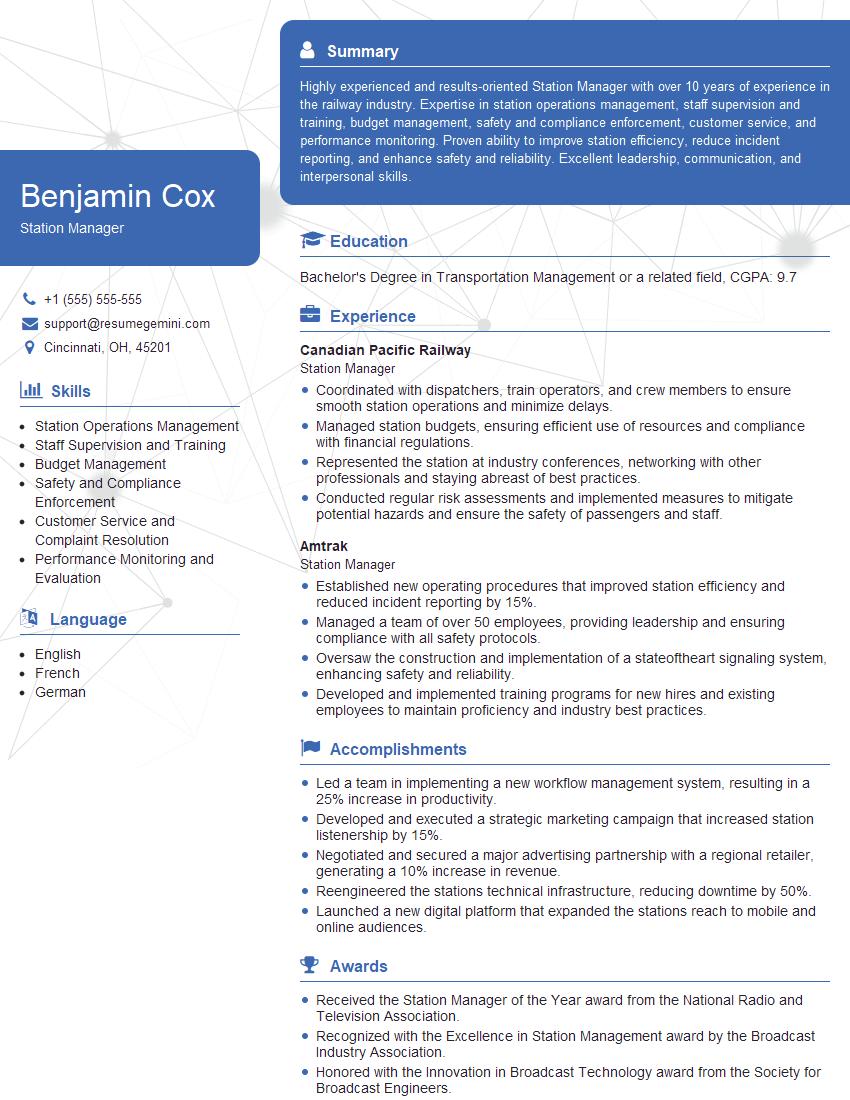
Station Manager Resume Sample

Aircraft Dispatcher Resume Sample
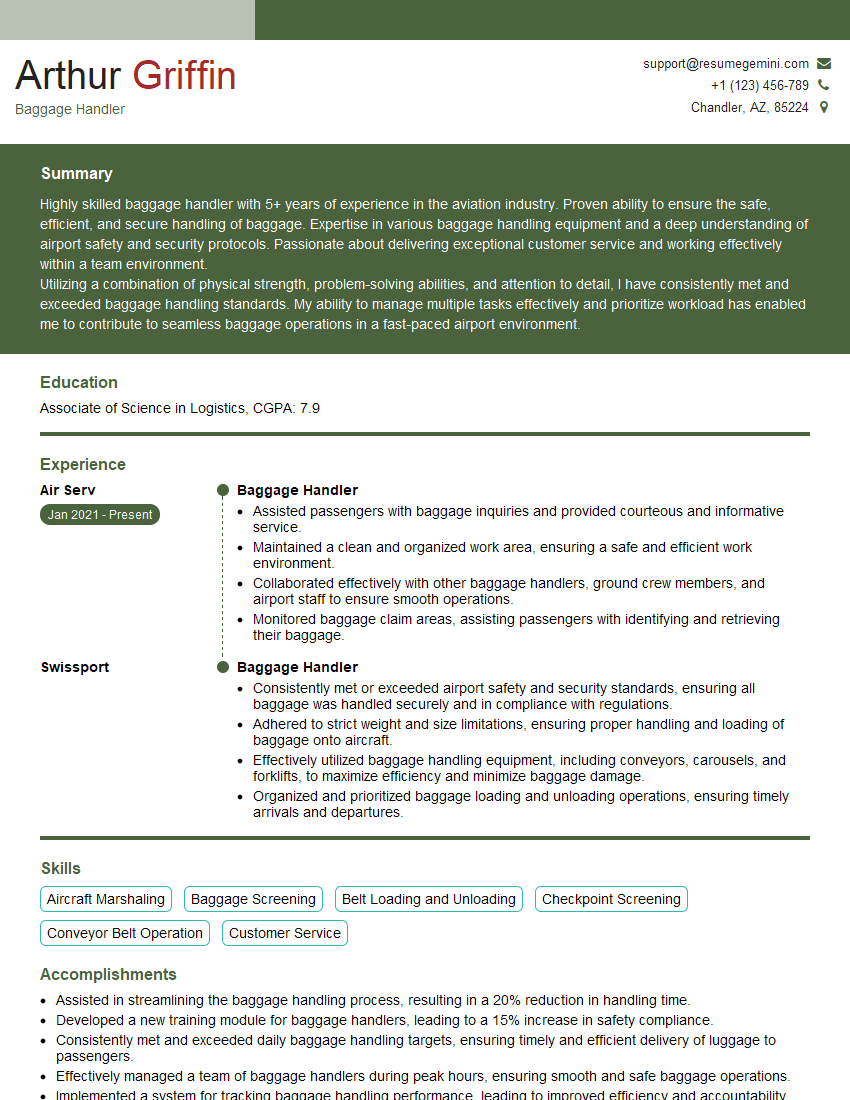
Baggage Handler Resume Sample
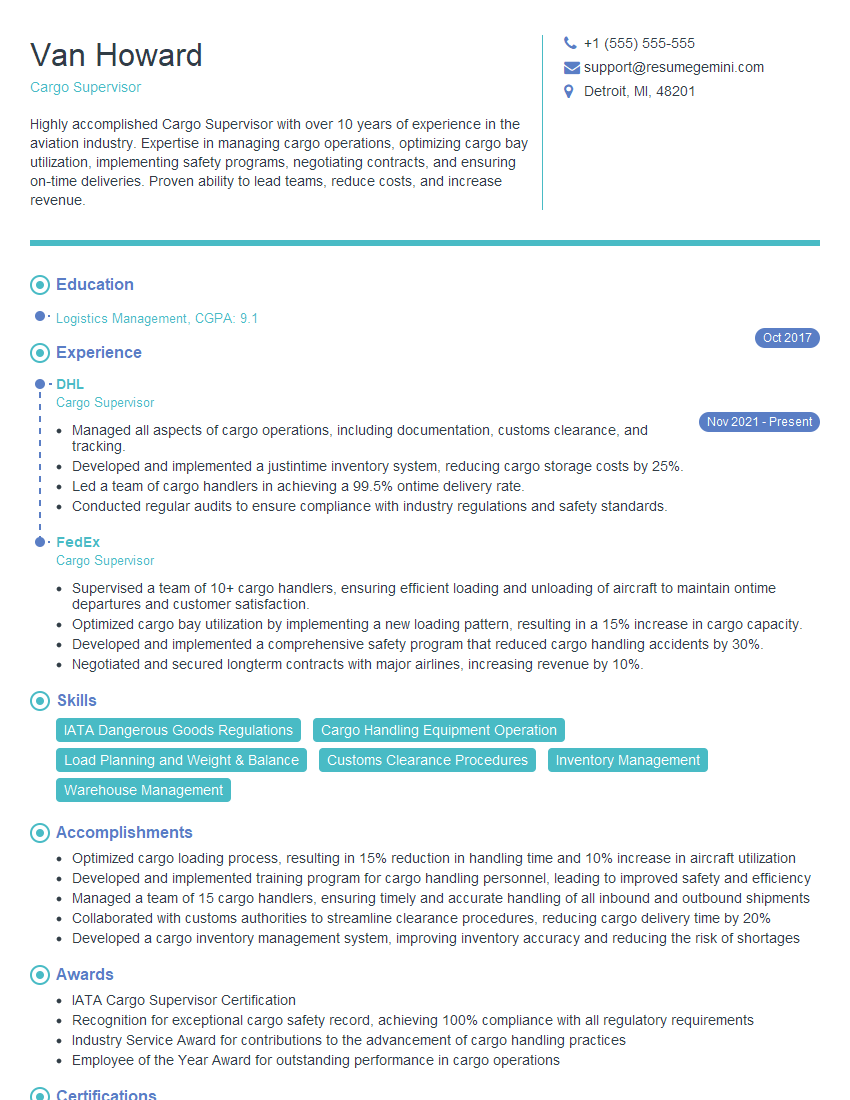
Cargo Supervisor Resume Sample
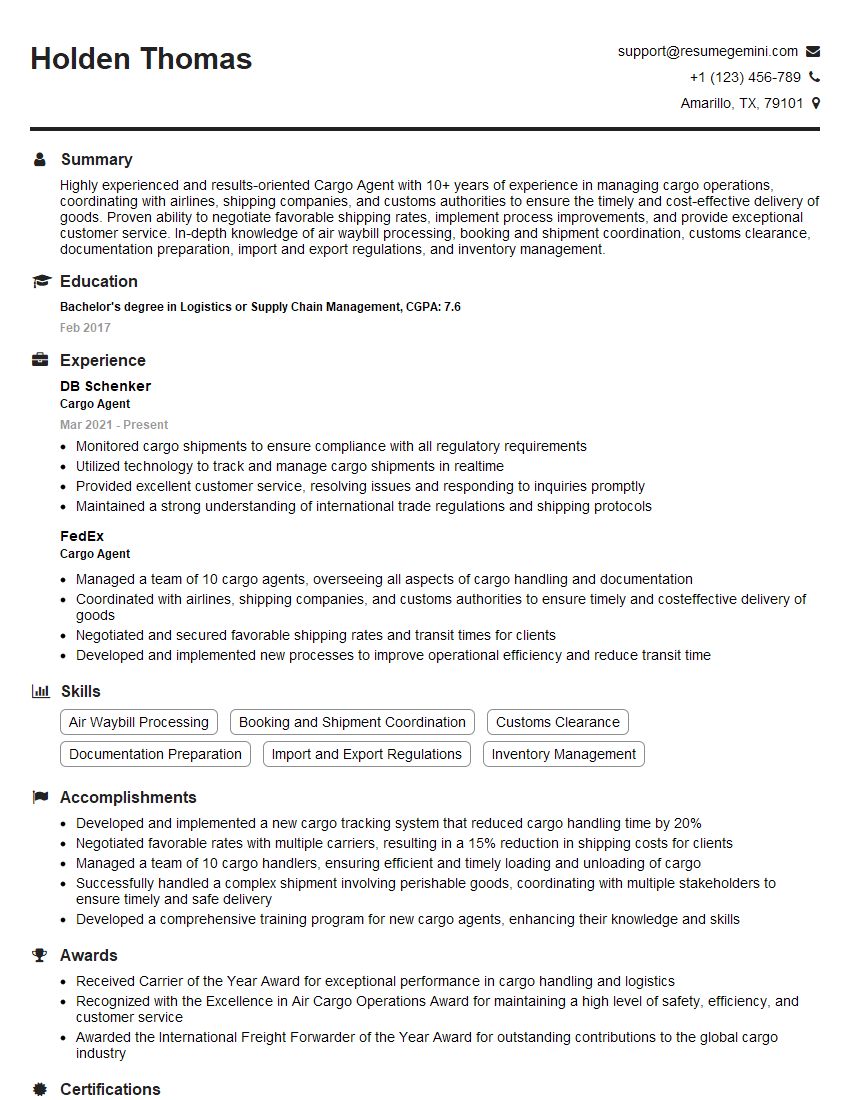
Cargo Agent Resume Sample
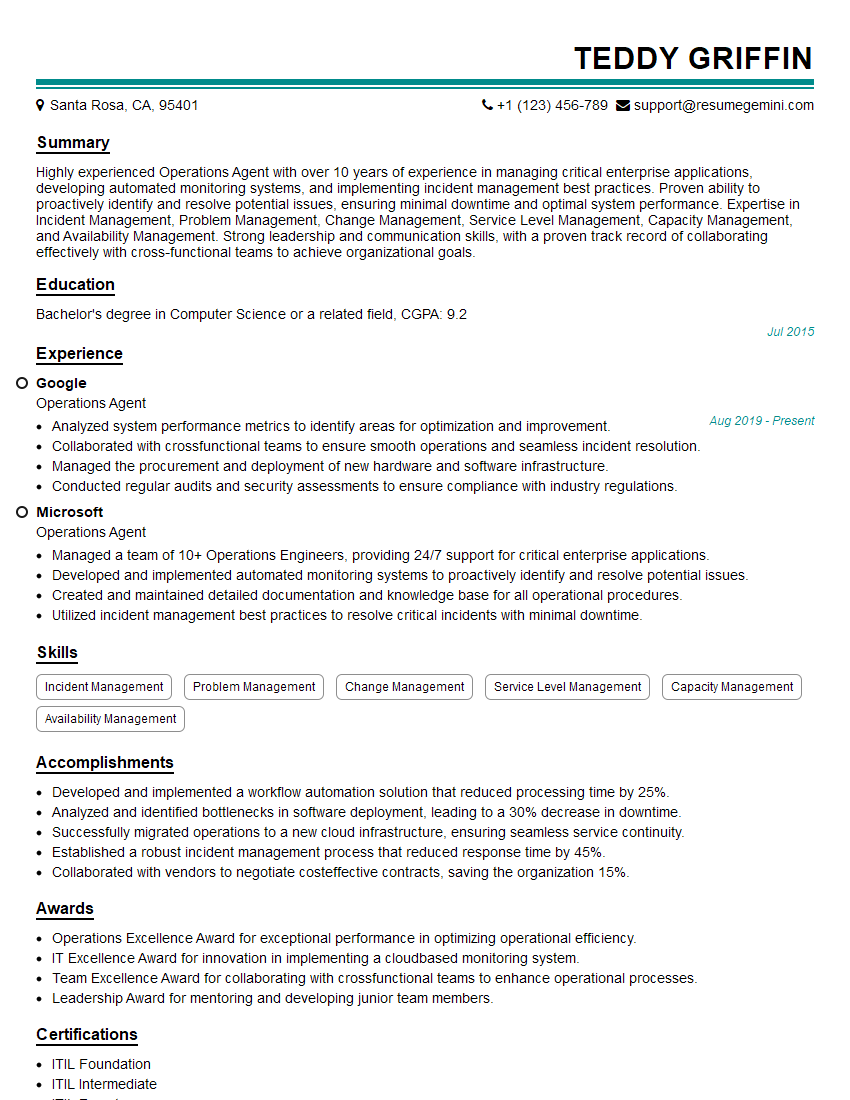
Operations Agent Resume Sample
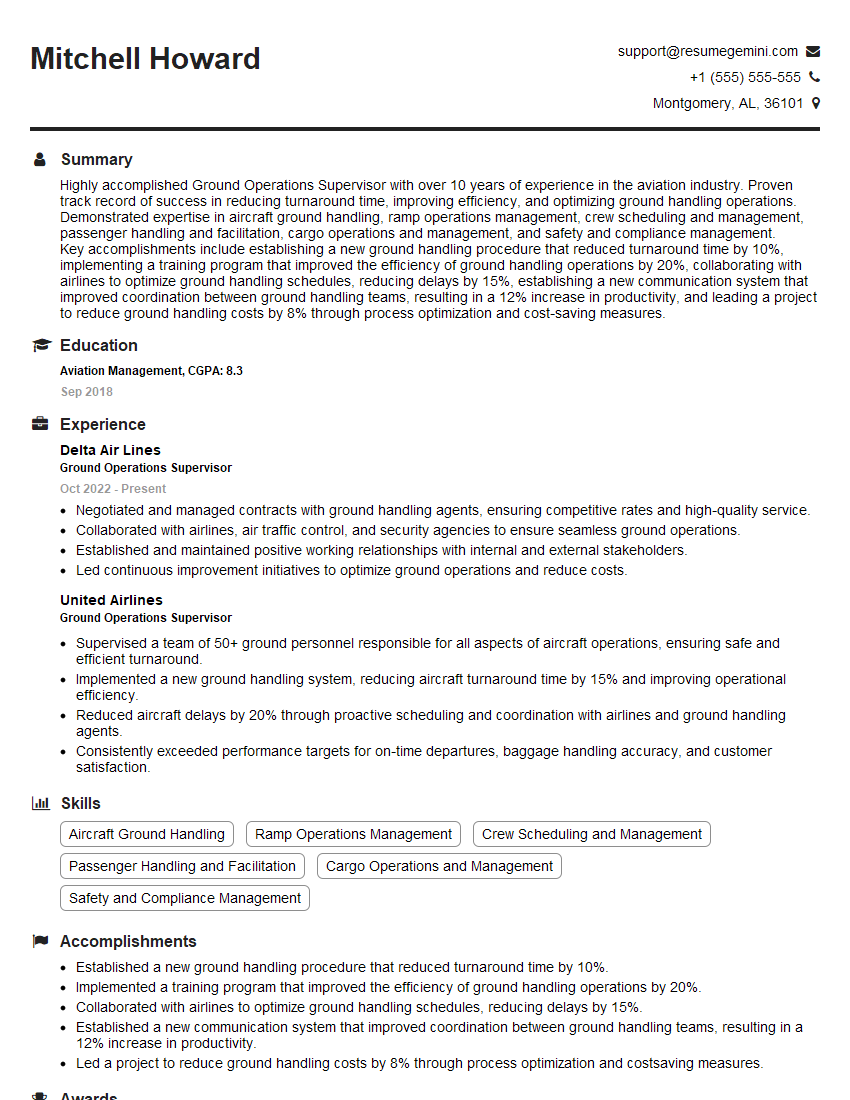
Ground Operations Supervisor Resume Sample
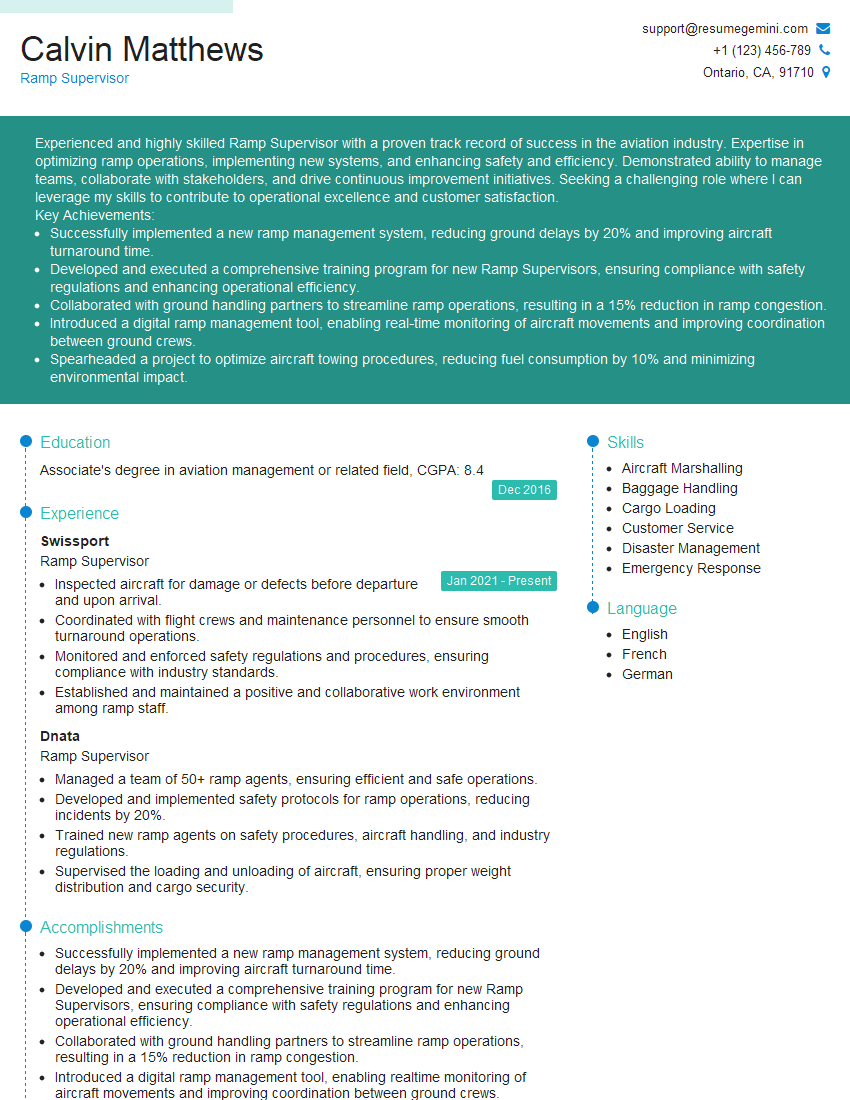
Ramp Supervisor Resume Sample
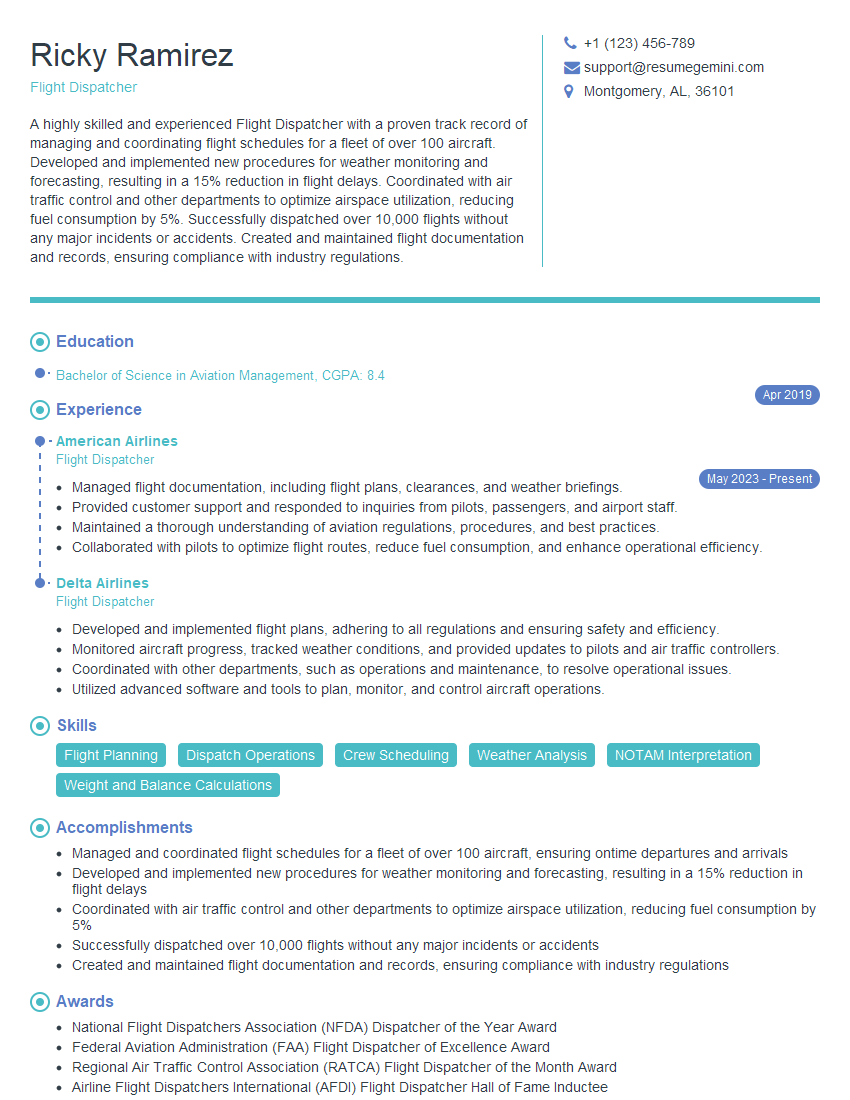
Flight Dispatcher Resume Sample
Explore more articles
Users Rating of Our Blogs
Share Your Experience
We value your feedback! Please rate our content and share your thoughts (optional).
What Readers Say About Our Blog
Amazing blog
hello,
Our consultant firm based in the USA and our client are interested in your products.
Could you provide your company brochure and respond from your official email id (if different from the current in use), so i can send you the client’s requirement.
Payment before production.
I await your answer.
Regards,
MrSmith
hello,
Our consultant firm based in the USA and our client are interested in your products.
Could you provide your company brochure and respond from your official email id (if different from the current in use), so i can send you the client’s requirement.
Payment before production.
I await your answer.
Regards,
MrSmith
These apartments are so amazing, posting them online would break the algorithm.
https://bit.ly/Lovely2BedsApartmentHudsonYards
Reach out at BENSON@LONDONFOSTER.COM and let’s get started!
Take a look at this stunning 2-bedroom apartment perfectly situated NYC’s coveted Hudson Yards!
https://bit.ly/Lovely2BedsApartmentHudsonYards
Live Rent Free!
https://bit.ly/LiveRentFREE
Interesting Article, I liked the depth of knowledge you’ve shared.
Helpful, thanks for sharing.
Hi, I represent a social media marketing agency and liked your blog
Hi, I represent an SEO company that specialises in getting you AI citations and higher rankings on Google. I’d like to offer you a 100% free SEO audit for your website. Would you be interested?