Preparation is the key to success in any interview. In this post, we’ll explore crucial HR Reporting and Analytics interview questions and equip you with strategies to craft impactful answers. Whether you’re a beginner or a pro, these tips will elevate your preparation.
Questions Asked in HR Reporting and Analytics Interview
Q 1. Explain the difference between descriptive, diagnostic, predictive, and prescriptive analytics in HR.
HR analytics leverages data to improve decision-making. We can categorize this into four levels of increasing sophistication:
- Descriptive Analytics: This is about summarizing what *has* happened. Think of it as telling a story with data. Examples include calculating employee turnover rates, average salary by department, or the number of employees completing a specific training program. It answers the ‘what’ question.
- Diagnostic Analytics: This digs deeper to understand *why* something happened. It’s about finding the root cause. For example, if turnover is high in a specific department, diagnostic analytics might explore reasons like manager effectiveness, workload, or compensation. It answers the ‘why’ question.
- Predictive Analytics: This uses historical data and statistical modeling to forecast future outcomes. For example, we might predict employee attrition risk based on factors like tenure, performance reviews, and engagement survey scores. It answers the ‘what if’ question.
- Prescriptive Analytics: This goes beyond prediction to suggest actions to optimize outcomes. It uses algorithms and simulations to recommend solutions. For instance, if the model predicts high attrition, prescriptive analytics might suggest targeted interventions like mentoring programs or salary adjustments for at-risk employees. It answers the ‘how to’ question.
In essence, these levels build upon each other. Descriptive and diagnostic analytics lay the groundwork for predictive and prescriptive analyses, providing the context and understanding necessary to make informed forecasts and recommendations.
Q 2. What key HR metrics are most important to track, and why?
The most important HR metrics to track depend heavily on an organization’s specific strategic goals. However, some key metrics consistently provide valuable insights:
- Employee Turnover Rate: This shows the percentage of employees leaving the company within a specific period. High turnover is costly and indicates potential problems with employee satisfaction, compensation, or management.
- Employee Engagement Score: Measured through surveys or pulse checks, this metric reflects employee satisfaction, commitment, and motivation. Low engagement often precedes high turnover.
- Time-to-Hire: This tracks the time it takes to fill open positions. A long time-to-hire indicates potential inefficiencies in the recruitment process.
- Cost-per-Hire: This metric measures the total cost of recruiting and hiring an employee, helping assess the efficiency of the recruitment strategy.
- Training ROI (Return on Investment): This evaluates the effectiveness of training programs by comparing the costs of training against the benefits, such as improved employee performance or reduced errors.
- Employee Satisfaction: This gauges employee happiness and morale through surveys and feedback mechanisms. It’s crucial for overall organizational health.
- Diversity and Inclusion Metrics: Tracking representation across demographics helps evaluate the effectiveness of diversity and inclusion initiatives.
Tracking these metrics provides a holistic view of the workforce’s health and helps identify areas needing improvement. Regular monitoring and analysis of these metrics allow for proactive adjustments and strategic decision-making.
Q 3. How would you measure the effectiveness of a training program using data?
Measuring training program effectiveness requires a multi-faceted approach using data gathered before, during, and after the training. Here’s a framework:
- Pre-Training Assessment: Measure participants’ knowledge and skills levels before the program begins using tests or surveys. This establishes a baseline.
- Post-Training Assessment: After the training, use the same or similar assessments to measure knowledge and skills gained. The difference between pre and post-training scores provides a measure of learning effectiveness.
- On-the-Job Performance: Track employee performance metrics (e.g., sales figures, error rates, customer satisfaction scores) after the training to assess the impact on actual work performance. This could involve comparing performance data of trained employees with a control group.
- Employee Feedback Surveys: Gather feedback on the training’s content, delivery, and usefulness. Qualitative feedback can complement quantitative metrics.
- Return on Investment (ROI): Calculate the ROI by comparing the cost of the training program to the benefits achieved, such as increased productivity, reduced errors, or improved customer satisfaction. This requires quantifying the benefits in financial terms.
By combining these data sources, a comprehensive evaluation of training program effectiveness can be made. This data-driven approach allows for continuous improvement and optimization of training initiatives. For example, if post-training performance doesn’t show significant improvement, the training content or delivery methods need review.
Q 4. Describe your experience with HR data visualization tools (e.g., Tableau, Power BI).
I have extensive experience using both Tableau and Power BI for HR data visualization. I find both tools incredibly powerful for transforming complex HR data into insightful, actionable visuals.
In my previous role, I used Tableau to create interactive dashboards displaying key metrics like employee turnover, engagement scores, and recruitment funnel performance. The ability to drill down into the data and explore different segments made it easy to identify trends and patterns that might otherwise be missed. For example, I was able to pinpoint a correlation between low manager satisfaction scores and high turnover rates in a specific team.
With Power BI, I developed reports on diversity and inclusion metrics, visualizing employee demographics and identifying areas for improvement in representation. The integration with Microsoft’s suite of products was especially useful for seamless data import and distribution.
My expertise extends beyond just creating visuals. I understand how to design dashboards for different user audiences, tailoring the complexity and information presented to their specific needs and roles. I always focus on creating clear, concise, and easily understood visualizations that effectively communicate key insights.
Q 5. How do you handle missing or incomplete data in HR datasets?
Missing or incomplete data is a common challenge in HR datasets. Handling it effectively requires a thoughtful strategy. My approach includes:
- Identification and Analysis: The first step is to identify the extent and patterns of missing data. This might involve creating visualizations to see where data is missing most frequently. Understanding *why* data is missing (e.g., data entry errors, system glitches, lack of data collection) is crucial.
- Imputation Techniques: Depending on the type and amount of missing data, I might use imputation techniques to fill in the gaps. Simple imputation methods like replacing missing values with the mean, median, or mode can be suitable for some cases. However, more sophisticated techniques like multiple imputation or k-nearest neighbors might be necessary for complex datasets to avoid bias.
- Exclusion (Careful Consideration): In some cases, excluding records with missing data may be the most appropriate solution, especially if a significant portion of the data is missing or if imputation introduces substantial bias. However, this decision needs careful consideration to prevent introducing bias by selectively removing certain demographic groups or performance levels.
- Data Collection Improvements: The most proactive approach is to improve data collection processes to minimize missing data in the future. This could involve implementing data validation checks, improving data entry procedures, and providing better training for data collectors.
The choice of method depends heavily on the specific dataset, the nature of the missing data, and the analytical goals. It’s crucial to document the methods used and their potential impact on the results to ensure transparency and reliability.
Q 6. What statistical methods are you familiar with and how have you applied them to HR data?
I am proficient in a range of statistical methods frequently used in HR analytics:
- Descriptive Statistics: I use measures of central tendency (mean, median, mode) and dispersion (standard deviation, variance) to summarize and describe HR data. For example, calculating the average salary of employees in a department or the standard deviation of employee performance scores.
- Regression Analysis: I employ regression models (linear, multiple, logistic) to predict outcomes such as employee turnover or performance based on various predictor variables (e.g., tenure, age, performance ratings). For example, a logistic regression could predict the probability of an employee leaving the company based on their engagement score and tenure.
- Hypothesis Testing: I conduct t-tests, ANOVA, and chi-square tests to determine the statistical significance of differences between groups or relationships between variables. For example, to compare the average salary of male and female employees in a particular role.
- Correlation Analysis: I utilize correlation coefficients to measure the strength and direction of linear relationships between variables. For example, assessing the correlation between employee engagement and productivity.
- Survival Analysis: This is particularly useful for analyzing time-to-event data, such as employee tenure or time to promotion, allowing for the examination of factors influencing these events.
In my previous roles, I have utilized these methods to analyze employee survey data, model employee attrition risk, and evaluate the effectiveness of different HR programs. The choice of method always depends on the specific research question and the nature of the data.
Q 7. How would you identify and address biases in HR data?
Addressing biases in HR data is critical for ensuring fairness and equity. My approach involves a multi-step process:
- Identify Potential Biases: Start by identifying potential sources of bias within the data collection and analysis processes. This might include biases in recruitment practices, performance evaluations, or compensation decisions. Analyze the data for disparities across different demographic groups.
- Data Collection Review: Evaluate the data collection methods to identify any potential biases introduced during the process. Ensure data collection instruments and processes are designed to be fair and unbiased.
- Statistical Methods: Use statistical methods to detect and quantify bias. For example, regression analysis can be used to investigate whether specific demographic variables disproportionately influence outcomes like hiring decisions or promotion rates.
- Data Preprocessing: Apply appropriate data preprocessing techniques to mitigate biases. This could involve adjusting for confounding variables or using methods like re-weighting or standardization to address imbalances in representation.
- Transparency and Reporting: Be transparent about any biases identified and the methods used to address them. Document all steps taken and clearly communicate the findings in reports and presentations.
- Continuous Monitoring: Regularly monitor HR data for ongoing biases. Implement processes for ongoing evaluation and adjustments to ensure fairness and equity.
Addressing bias requires a proactive and ongoing commitment. It’s not a one-time fix but rather an iterative process that requires careful consideration and consistent effort.
Q 8. Describe your experience with HRIS systems and reporting.
Throughout my career, I’ve worked extensively with various HR Information Systems (HRIS), including Workday, SAP SuccessFactors, and BambooHR. My experience encompasses not just using these systems for day-to-day tasks, but also leveraging their reporting capabilities to extract meaningful insights from HR data. This includes designing custom reports, utilizing pre-built templates, and extracting data for further analysis in tools like Excel, Tableau, or Power BI. For example, in my previous role at [Previous Company Name], I developed a custom report in Workday to track employee turnover rates by department and tenure, which helped identify key areas for improvement in employee retention. Another example involved using SuccessFactors to analyze employee engagement survey results, allowing us to pinpoint areas needing improvement and measure the success of subsequent interventions.
Beyond report generation, my experience extends to data integration – connecting HRIS data with other systems to create a holistic view of the workforce. This involves understanding data structures, ETL processes (Extract, Transform, Load), and ensuring data consistency across platforms. I’m comfortable working with both structured and unstructured data to build comprehensive reports and dashboards.
Q 9. How do you ensure data accuracy and integrity in HR reporting?
Ensuring data accuracy and integrity is paramount in HR reporting. My approach is multi-faceted and starts with the source. This involves validating data at the input stage, ensuring accurate data entry through training and clear guidelines for HR staff and managers responsible for data input. Regular data audits are critical; I use a combination of automated checks (e.g., validating data types and ranges) and manual spot checks to identify and correct discrepancies. Data reconciliation is also crucial; I compare data from different sources to identify inconsistencies and resolve them through investigation and collaboration with relevant stakeholders. For instance, I might compare employee data in the HRIS with payroll data to ensure consistency in salary information.
Another key aspect is data cleansing. This involves identifying and correcting or removing inaccurate, incomplete, irrelevant, duplicated, or erroneous data. This might involve using scripting languages like Python or tools within the HRIS itself to automate cleansing processes. Finally, implementing data governance policies and procedures ensures accountability and helps maintain data quality over time. This includes clearly defining data ownership, roles, and responsibilities for data management.
Q 10. Explain your understanding of data security and privacy related to HR data.
Data security and privacy are paramount when handling HR data, which often contains highly sensitive personal information. My understanding encompasses compliance with relevant regulations such as GDPR, CCPA, and other regional privacy laws. This includes implementing robust access control measures, ensuring that only authorized personnel have access to sensitive data. I am well-versed in data encryption techniques both at rest and in transit. Furthermore, I understand the importance of data anonymization and pseudonymization when sharing data for analysis or reporting. I’m experienced in working with HRIS systems that incorporate strong security features like multi-factor authentication and regular security audits. I also understand the importance of creating and maintaining comprehensive data security policies and procedures, regularly updated to address evolving threats.
I treat data breaches as a serious risk. I am familiar with incident response plans and have participated in incident response training. My approach would prioritize containing the breach, investigating its cause, and notifying relevant stakeholders and regulatory bodies according to the established procedures.
Q 11. How would you present complex HR data to a non-technical audience?
Presenting complex HR data to a non-technical audience requires clear and concise communication, focusing on the ‘so what?’ rather than getting bogged down in technical details. I use visualizations like charts, graphs, and dashboards to present key findings in an easily digestible format. Instead of presenting raw numbers, I would focus on highlighting trends, patterns, and insights relevant to the audience. For example, instead of saying “Employee turnover increased by 15% in Q3,” I would say something like “We saw a significant increase in employee turnover in Q3, which might be impacting project timelines and requiring increased recruitment costs.”
I also use storytelling techniques to connect the data to real-world implications. Using clear and simple language, avoiding jargon, and providing context are essential. I would tailor my presentation to the specific needs and interests of the audience and answer their questions clearly and patiently, avoiding technical speak. Interactive dashboards and presentations are particularly useful in engaging non-technical audiences and enabling them to explore the data independently.
Q 12. How do you prioritize competing demands when working on multiple HR reporting projects?
Prioritizing competing demands in HR reporting requires a structured approach. I utilize project management methodologies like prioritization matrices (e.g., MoSCoW method – Must have, Should have, Could have, Won’t have) to rank projects based on urgency, importance, and impact. This involves clarifying project goals, deadlines, and resource requirements for each project. I also frequently engage in communication with stakeholders to ensure alignment on priorities and manage expectations. It’s about proactive communication and realistic planning.
Time management is crucial. I often use tools like project management software to track progress, identify potential bottlenecks, and adjust timelines as needed. Sometimes, this involves breaking down large projects into smaller, more manageable tasks, allowing for more flexibility and improved focus. Delegation, when possible, is another key strategy to efficiently manage multiple projects concurrently.
Q 13. Describe a time you had to troubleshoot a complex HR data issue.
In a previous role, we encountered an issue where employee tenure data in our HRIS was inconsistent with payroll data. This discrepancy affected our calculations of average tenure, impacting our workforce planning and budget projections. The initial troubleshooting involved verifying data integrity within the HRIS system, checking for data entry errors, and comparing data with other systems. We then identified a data migration issue from an older system, where certain records had been incorrectly mapped. The solution involved a multi-step process. First, we performed a thorough data reconciliation, comparing the affected records in both systems. Next, using SQL queries, we identified the specific records with inconsistencies. Finally, we worked with IT to correct the data mapping issue in the system, ensuring future data imports were accurate. We also implemented additional data validation checks to prevent similar errors in the future.
Q 14. What is your experience with SQL or other database query languages?
I have extensive experience with SQL (Structured Query Language), utilizing it to extract, transform, and load (ETL) data from various databases for HR reporting and analysis. My SQL skills include writing complex queries involving joins, subqueries, aggregations, and window functions. For example, I regularly use SQL to generate reports on employee demographics, compensation, performance, and turnover. I can write queries to identify specific employee groups based on criteria like department, location, or performance rating, and then aggregate data to calculate key metrics. SELECT department, COUNT(*) AS employee_count FROM employees GROUP BY department; is a simple example of a query I might use to count employees per department. My experience also extends to other query languages depending on the database system in use. I’m familiar with the nuances of different database systems, understanding how to efficiently query data across different platforms.
Q 15. How do you stay current with the latest trends in HR analytics?
Staying current in HR analytics requires a multi-pronged approach. It’s not just about reading the latest research papers; it’s about actively engaging with the field. I regularly attend industry conferences like SHRM’s Annual Conference & Exposition and smaller, specialized events focusing on HR technology and data analysis. This allows me to network with peers and learn about innovative techniques firsthand. I also subscribe to leading HR publications, such as Harvard Business Review and Workforce Management, and follow influential thought leaders on platforms like LinkedIn. Further, I actively participate in online communities and forums dedicated to HR analytics, contributing to discussions and learning from the experiences shared by others. Finally, I dedicate time to self-study, exploring new tools and techniques through online courses offered by platforms like Coursera and edX, focusing on areas like predictive modeling and machine learning as they relate to HR.
Career Expert Tips:
- Ace those interviews! Prepare effectively by reviewing the Top 50 Most Common Interview Questions on ResumeGemini.
- Navigate your job search with confidence! Explore a wide range of Career Tips on ResumeGemini. Learn about common challenges and recommendations to overcome them.
- Craft the perfect resume! Master the Art of Resume Writing with ResumeGemini’s guide. Showcase your unique qualifications and achievements effectively.
- Don’t miss out on holiday savings! Build your dream resume with ResumeGemini’s ATS optimized templates.
Q 16. What is your experience with A/B testing in HR contexts?
A/B testing in HR is a powerful way to optimize processes and improve outcomes. For instance, I once worked on a project where we were trying to improve employee onboarding. We tested two different onboarding programs: one focused on a traditional classroom setting, and another utilizing a blended learning approach (online modules supplemented with workshops). We randomly assigned new hires to either program and tracked key metrics like time-to-productivity and employee satisfaction during the first three months. The results showed that the blended learning approach significantly reduced time-to-productivity and boosted employee satisfaction. This allowed us to allocate resources more effectively and improve the overall onboarding experience. Another example involved A/B testing different subject lines for employee survey invitations. By analyzing the open and response rates, we optimized our communication strategy, ultimately leading to a higher participation rate in our employee engagement surveys. The key is careful planning, clearly defined metrics, and a large enough sample size to ensure statistically significant results.
Q 17. Describe your experience with workforce planning and forecasting.
Workforce planning and forecasting are critical for aligning talent with organizational strategy. My experience encompasses using various methods, from simple regression models to more sophisticated techniques like Markov chains. I’ve worked on projects involving forecasting future headcount needs based on historical data, projected growth rates, and anticipated attrition. For example, at my previous company, we used a combination of historical data analysis and business unit projections to predict the demand for specific skill sets over the next five years. This allowed us to proactively identify talent gaps and develop targeted recruitment and training strategies. This involved building predictive models, incorporating factors like business growth, employee turnover rates, and industry trends. The resulting forecasts helped inform strategic decisions regarding hiring, training budgets, and succession planning. The crucial element is understanding the business context thoroughly and incorporating qualitative insights along with quantitative data for a more holistic view.
Q 18. How would you use data to identify high-potential employees?
Identifying high-potential employees (HiPos) requires a data-driven approach that goes beyond just performance reviews. I’d use a combination of data sources to build a comprehensive profile. This would include performance data (e.g., exceeding targets, consistently high ratings), learning agility metrics (e.g., speed of learning new skills, adaptability), leadership potential assessments (e.g., 360-degree feedback, leadership potential tests), and engagement indicators (e.g., consistent extra effort, mentoring colleagues). I’d then employ statistical techniques like regression analysis or machine learning algorithms to identify patterns and predictors of future success. For example, I might build a predictive model that weighs these factors to identify employees who are most likely to be promoted to leadership roles within the next three years. The key is to avoid bias and use a variety of data points to get a holistic picture, always keeping in mind that these are predictive models, not guarantees of future performance.
Q 19. How would you measure employee engagement using data?
Measuring employee engagement using data goes beyond simply asking employees how engaged they feel. I’d utilize a multi-faceted approach. This includes analyzing data from employee surveys (to capture sentiment and identify areas for improvement), analyzing absenteeism and turnover rates (to detect underlying issues), tracking participation in company events and initiatives (indicating engagement level), and monitoring productivity and performance metrics (to assess the impact of engagement on business outcomes). I might correlate survey responses with performance reviews or absenteeism to understand how specific aspects of engagement impact business results. For instance, I might analyze the correlation between employee satisfaction scores and project completion rates. Analyzing this data across different departments or demographics can also provide valuable insights into the factors driving engagement within different segments of the workforce.
Q 20. How would you use data to improve the recruitment process?
Data can significantly improve the recruitment process. I would analyze data on time-to-hire, cost-per-hire, source of hire, candidate quality, and the success of hires. For example, I’d track the effectiveness of different recruitment channels (e.g., LinkedIn, job boards, referrals) to optimize our sourcing strategies. Analyzing candidate screening methods would help identify biases in the selection process and improve the effectiveness of interviews and assessments. I’d also analyze the performance of hires from different sources, and use predictive modeling to forecast the likelihood of candidate success based on their profiles and interview performance. By tracking and analyzing this data, we can identify bottlenecks, improve efficiency, reduce costs, and improve the quality of hires.
Q 21. Explain your understanding of regression analysis and its applications in HR.
Regression analysis is a statistical method used to model the relationship between a dependent variable and one or more independent variables. In HR, it’s invaluable for understanding the factors driving outcomes like employee turnover, performance, or compensation. For example, I might use multiple linear regression to predict employee turnover based on factors like salary, job satisfaction, and work-life balance. The model would allow us to identify which factors are most strongly associated with turnover and prioritize interventions to mitigate it. Another application is in compensation analysis. We could use regression to understand the relationship between experience, education, skills, and salary, ensuring fair and competitive compensation practices. The key is to choose the appropriate regression model (linear, logistic, etc.) based on the nature of the dependent variable and to carefully consider potential confounding variables to avoid drawing inaccurate conclusions. Example: y = β0 + β1x1 + β2x2 + ε (where y is turnover rate, x1 is salary, x2 is job satisfaction, β0, β1, β2 are coefficients, and ε is the error term)
Q 22. What is your experience with predictive modeling in HR?
Predictive modeling in HR leverages historical data and statistical techniques to forecast future outcomes related to employees. For example, we can predict employee turnover, identify high-potential employees, or assess the effectiveness of various HR initiatives. My experience includes using various algorithms like logistic regression, random forests, and gradient boosting machines to build these models. In one project, I used a logistic regression model to predict employee attrition with 85% accuracy, enabling the company to proactively address factors contributing to turnover.
I’ve also worked extensively with feature engineering, which is crucial for model accuracy. This involves selecting and transforming relevant variables such as tenure, performance ratings, salary, and engagement survey responses to create meaningful predictors. The process involves careful consideration of data quality and handling missing values, using imputation techniques or removal strategies as appropriate. Finally, rigorous model validation using techniques like k-fold cross-validation is critical to ensure the model generalizes well to unseen data and provides reliable predictions.
Q 23. How would you use data to identify areas for improvement in employee retention?
To identify areas for improvement in employee retention, I would start by analyzing exit interview data, performance reviews, and employee engagement surveys. I’d look for patterns and correlations between employee characteristics (demographics, tenure, role), engagement levels (satisfaction, motivation, work-life balance), and attrition. This could involve creating visualizations like histograms and box plots to understand the distribution of various factors among employees who left vs. those who stayed.
For instance, a high correlation between low engagement scores and turnover would highlight the need for improving employee engagement programs. Similarly, if a particular department shows significantly higher turnover than others, it might indicate issues specific to that team’s management style or working conditions. Quantitative analysis such as survival analysis can also help to understand the time-to-event for attrition and factors related to employee longevity.
This data-driven approach ensures that retention strategies are targeted and effective, rather than relying on gut feeling or anecdotal evidence.
Q 24. What is your experience with HR dashboards and reporting tools?
I have extensive experience with various HR dashboards and reporting tools, including Tableau, Power BI, and Qlik Sense. I’m proficient in creating interactive dashboards that provide real-time insights into key HR metrics such as employee turnover, recruitment costs, training effectiveness, and diversity & inclusion metrics. My experience encompasses designing dashboards from scratch, using appropriate visualizations to effectively communicate complex data to both HR professionals and senior management.
For example, I built a dashboard in Tableau that tracked key performance indicators (KPIs) related to our recruitment process, including time-to-hire, cost-per-hire, and source of hire. This enabled us to identify bottlenecks in the recruitment process and make data-driven improvements, reducing our time-to-hire by 20%.
Beyond dashboard creation, I also have strong skills in report writing and presenting findings to stakeholders. I focus on creating clear, concise reports that highlight key trends and actionable recommendations.
Q 25. Describe your experience with data mining techniques relevant to HR.
My experience with data mining techniques in HR includes using various methods to uncover hidden patterns and insights within employee data. This involves using techniques such as association rule mining (to identify relationships between employee characteristics and performance), clustering (to segment employees based on similar attributes), and classification (to predict employee behavior, such as turnover or promotion likelihood).
For example, I used association rule mining to identify factors associated with high employee performance. This analysis revealed a strong correlation between participation in training programs and higher performance ratings, leading to increased investment in training initiatives. I also utilized clustering techniques to segment employees into different groups based on their engagement levels, allowing us to tailor engagement strategies to specific employee segments.
The process usually involves data cleaning, transformation, and feature selection before applying appropriate algorithms. Evaluating the results and interpreting findings correctly is critical in this process.
Q 26. How do you ensure your HR reports are actionable and insightful?
To ensure my HR reports are actionable and insightful, I focus on several key areas. First, I start by clearly defining the business questions or objectives that the report needs to address. This provides a clear focus and ensures that the data analysis is relevant and purposeful. Second, I use clear and concise visualizations to present the findings, avoiding jargon and technical details that may confuse non-technical audiences.
Third, I always include recommendations based on the findings. These recommendations should be specific, measurable, achievable, relevant, and time-bound (SMART). For example, instead of simply stating “Employee engagement is low,” I would provide specific recommendations such as “Implement a new employee recognition program within the next quarter to improve employee morale and engagement.”
Finally, I ensure that the report is easy to understand and navigate. This involves using a clear structure, appropriate formatting, and concise language. I frequently test the report with stakeholders to obtain feedback and refine it to ensure clarity and impact.
Q 27. How would you measure the ROI of an HR initiative?
Measuring the ROI of an HR initiative requires a clearly defined set of metrics aligned with the initiative’s objectives. For example, if the initiative aims to reduce employee turnover, the key metric would be the change in turnover rate before and after the implementation of the initiative. If the goal is to improve employee engagement, then metrics like engagement survey scores and employee satisfaction ratings would be relevant.
Beyond these direct metrics, I would also consider indirect measures of ROI such as increased productivity, improved customer satisfaction, and reduced recruitment costs. For example, if a training program leads to increased employee productivity, that productivity gain can be quantified and included in the ROI calculation. This comprehensive approach helps obtain a more holistic understanding of the initiative’s impact.
It’s important to remember that measuring ROI in HR often involves qualitative factors, which need to be carefully considered and integrated into the overall evaluation.
Q 28. How would you use data to support strategic decision-making in HR?
Data plays a crucial role in supporting strategic decision-making in HR. I would leverage data to inform decisions related to talent acquisition, development, compensation, and retention. For example, analyzing workforce demographics and skills gaps helps anticipate future talent needs and inform recruitment strategies. This might include identifying specific skills required for future projects or anticipating potential skill shortages in the market.
Similarly, performance data can be used to identify high-potential employees, inform promotion decisions, and personalize development plans. Compensation data can be used to ensure fair and competitive pay, which is critical for attracting and retaining top talent. Analyzing employee feedback and engagement data helps understand employee sentiment and identify areas for improvement in the workplace.
By using data-driven insights, HR can contribute more effectively to the overall business strategy, driving better outcomes for the organization.
Key Topics to Learn for HR Reporting and Analytics Interview
- Data Collection & Management: Understanding various HR data sources (HRIS, surveys, etc.) and methods for data cleaning, transformation, and validation. Practical application: Designing a process to ensure data accuracy and consistency for reporting.
- HR Metrics & KPIs: Defining and interpreting key HR metrics like turnover rate, time-to-hire, employee satisfaction, and engagement. Practical application: Analyzing workforce trends and identifying areas for improvement based on data insights.
- Reporting & Visualization: Creating effective and insightful reports using tools like Excel, Tableau, or Power BI. Practical application: Developing dashboards to track key performance indicators and communicate findings to stakeholders.
- Statistical Analysis & Interpretation: Applying statistical methods to analyze HR data, identify trends, and draw meaningful conclusions. Practical application: Using regression analysis to understand the relationship between employee tenure and performance.
- Data Storytelling & Communication: Effectively presenting data-driven insights to HR and business leaders, translating complex data into actionable recommendations. Practical application: Developing presentations to showcase HR initiatives’ impact on business goals.
- HR Analytics Tools & Technologies: Familiarity with common HR analytics software and platforms. Practical application: Demonstrating proficiency in using a specific HR analytics tool and explaining its advantages.
- Predictive Analytics in HR: Understanding the application of predictive modeling techniques to anticipate future HR trends (e.g., attrition risk). Practical application: Explaining how predictive modeling can be used to improve workforce planning.
Next Steps
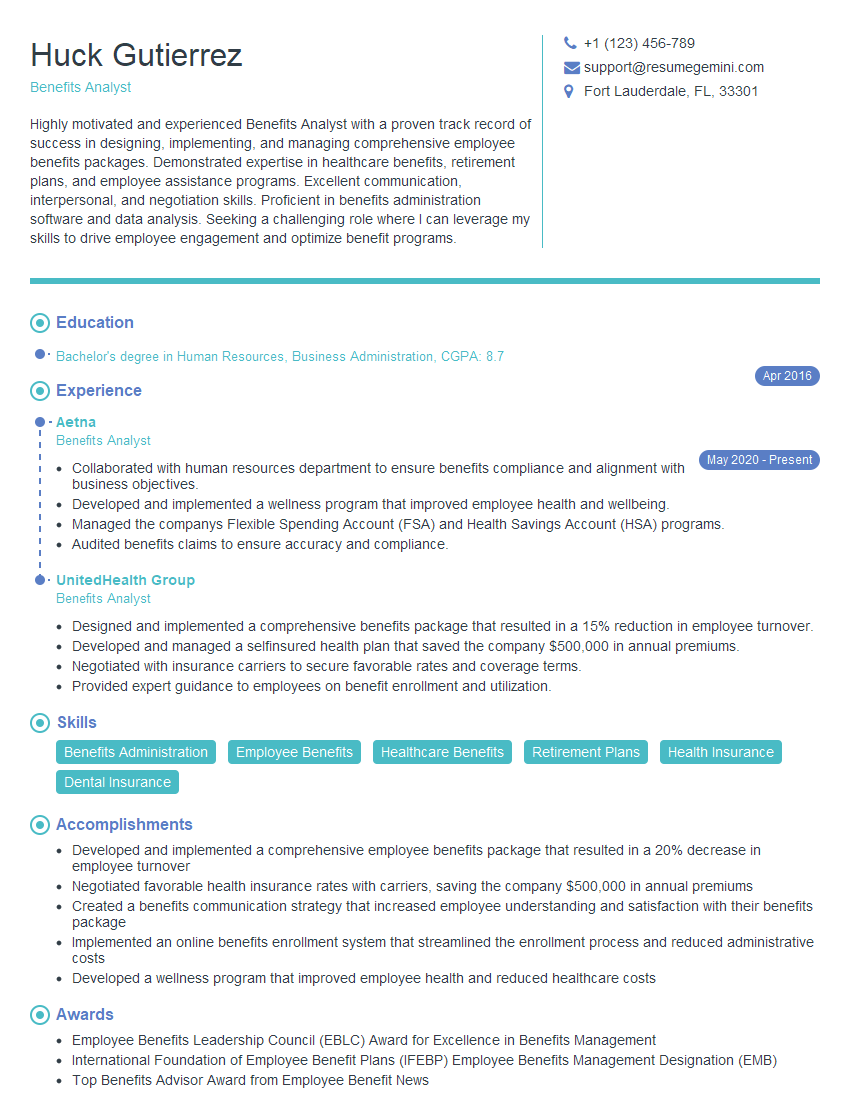
Mastering HR Reporting and Analytics is crucial for career advancement in today’s data-driven world. It allows you to contribute strategically to business success by providing actionable insights into workforce performance and trends. To maximize your job prospects, create an ATS-friendly resume that highlights your skills and accomplishments effectively. ResumeGemini is a trusted resource to help you build a professional and impactful resume. We provide examples of resumes tailored to HR Reporting and Analytics to guide you. Invest time in crafting a strong resume – it’s your first impression!
Explore more articles
Users Rating of Our Blogs
Share Your Experience
We value your feedback! Please rate our content and share your thoughts (optional).
What Readers Say About Our Blog
Amazing blog
Interesting Article, I liked the depth of knowledge you’ve shared.
Helpful, thanks for sharing.