Interviews are opportunities to demonstrate your expertise, and this guide is here to help you shine. Explore the essential Tree/Shrub Care interview questions that employers frequently ask, paired with strategies for crafting responses that set you apart from the competition.
Questions Asked in Tree/Shrub Care Interview
Q 1. What are the common symptoms of Dutch Elm disease?
Dutch Elm Disease (DED) is a devastating fungal disease affecting elm trees. It’s caused by two fungal species, Ophiostoma ulmi and the more aggressive Ophiostoma novo-ulmi, spread primarily by elm bark beetles.
- Wilting and yellowing of leaves: Often starts in the upper crown, progressing downwards. Think of it like a slow, creeping dehydration.
- Leaf browning and dropping: Leaves will turn brown, curl, and fall prematurely, even in summer. Imagine a vibrant green tree suddenly turning brown and losing its leaves out of season.
- Dieback of branches: Branches will gradually die back, starting at the tips and moving inwards. It’s like a slow decline, branch by branch.
- Discoloration of sapwood: If you were to cut into an infected branch, you’d see brown streaks in the sapwood (the lighter, living wood just beneath the bark). This is a key diagnostic feature.
- Presence of bark beetles: The beetles themselves can be found on infected trees, often in areas where the bark is splitting or peeling.
Early detection is crucial. If you suspect DED, consult an arborist immediately. Treatment options, though limited, might involve fungicide injections for early-stage infections or removal of severely affected trees to prevent the disease’s spread.
Q 2. Describe different pruning techniques for trees.
Pruning is a crucial aspect of tree care, and several techniques exist depending on the goal. Improper pruning can harm a tree, so understanding these techniques is essential.
- Thinning: Removing entire branches back to their origin point (branch collar). This improves air circulation, sunlight penetration, and overall tree structure. Think of it as giving the tree a haircut, removing the dead and overcrowded parts.
- Raising: Removing lower branches to increase clearance under the tree. This is particularly useful around buildings or walkways. Imagine raising the canopy of the tree to create more space below.
- Reduction: Shortening branches to reduce the overall size of the tree. It’s crucial to do this correctly to avoid causing damage and structural weakness. You wouldn’t just chop off a big chunk; you’d reduce the branch to a lateral branch or bud.
- Heading: Cutting back branches to stubs. This is generally discouraged as it creates an unsightly appearance and makes the tree vulnerable to diseases and pests. Avoid this unless absolutely necessary. Imagine brutally chopping a branch off without any finesse.
Proper pruning tools (sharp, clean saws and loppers) are crucial for clean cuts, minimizing stress on the tree. Always follow the three-cut method for larger branches to prevent bark tearing. Remember, a little planning and precision goes a long way!
Q 3. How do you identify and treat common tree diseases?
Identifying and treating tree diseases requires keen observation and knowledge. Symptoms vary considerably depending on the pathogen involved.
- Visual Inspection: Look for leaf discoloration, wilting, cankers (sunken, dead areas on the bark), dieback, and unusual growths (galls). Imagine yourself as a tree detective, examining every detail.
- Sample Collection: Collect samples of affected leaves, twigs, or bark and send them to a diagnostic laboratory for identification. Getting a professional diagnosis is very important.
- Cultural Practices: Proper fertilization, watering, and pruning practices can improve tree vigor and help it better resist diseases. It’s like building a strong immune system for your tree.
- Chemical Treatments: Fungicides can be effective for some fungal diseases, but application should be timed correctly and may require professional expertise. Always follow label instructions carefully.
For example, if you see cankers on a tree’s branches and the bark is splitting, that might indicate a fungal infection. Conversely, if leaves are exhibiting unusual spots or discoloration, it could be a sign of a viral or bacterial infection. Proper identification is key for effective treatment.
Q 4. Explain the importance of proper soil drainage for tree health.
Good soil drainage is fundamental to tree health. Waterlogged soil deprives roots of oxygen, leading to root rot and other problems. It’s like holding your breath underwater – eventually, you’ll drown.
- Root Suffocation: Without adequate oxygen, roots cannot function properly, leading to reduced nutrient uptake and overall weakening of the tree. The tree is literally suffocating.
- Nutrient Deficiency: Poor drainage impairs the uptake of essential nutrients from the soil. It’s like not eating properly – a lack of nutrients weakens the whole body.
- Increased Susceptibility to Disease: Stressed trees with poor root systems are more susceptible to fungal diseases, particularly root rot. A weakened tree is an easy target for diseases.
Before planting, amend heavy clay soils with organic matter like compost to improve drainage. Consider adding raised beds for trees in poorly drained areas. Proper drainage ensures that the roots get the oxygen and nutrients they need to thrive.
Q 5. What are the best practices for planting a new tree?
Planting a new tree correctly ensures its survival and future growth. It’s like giving a newborn baby the best possible start in life.
- Choose the Right Tree: Select a species that is appropriate for your climate, soil type, and available space. Match the tree to its environment.
- Dig a Proper Hole: The hole should be twice as wide as the root ball, but no deeper. You want to create a welcoming space for the roots.
- Backfill with Soil: Use a mix of native topsoil and compost to improve soil quality. Don’t use peat moss. Do not amend heavy clay soils with peat moss.
- Water Thoroughly: Water deeply after planting and provide regular supplemental watering, especially during dry periods. A good drink is crucial.
- Mulch Around the Tree: Apply a 2-3 inch layer of organic mulch around the base of the tree, keeping it a few inches away from the trunk. Mulch helps retain moisture and suppress weeds.
Proper planting establishes a strong foundation for the tree’s growth. Think of it as giving your tree the best possible start – you’re setting the stage for a long and healthy life.
Q 6. How do you assess the health of a tree?
Assessing tree health is a multifaceted process requiring a combination of observation and testing. It’s like giving your tree a thorough health check-up.
- Visual Assessment: Inspect the crown, branches, trunk, and roots for signs of disease, pests, or damage. Look for anything unusual.
- Trunk and Branch Assessment: Look for cankers, cracks, cavities, or other signs of injury. Check the strength of the tree’s structural integrity.
- Root Examination: Assess the root system’s health and spread. Exposed roots or a limited root system can be concerning.
- Soil Testing: Test the soil’s pH, nutrient levels, and drainage to ensure it provides the necessary conditions for tree growth. The soil’s health is an important factor.
Combining these assessments provides a comprehensive picture of the tree’s health. For a more in-depth analysis, you may need to consult with an arborist who can conduct more specialized testing.
Q 7. What are the risks associated with tree removal?
Tree removal is a potentially hazardous process that involves several risks if not executed properly. It’s not something to take lightly.
- Property Damage: Falling trees can cause significant damage to buildings, vehicles, and other property. This can be costly and dangerous.
- Injury or Death: Improper tree removal can result in serious injury or death to workers or bystanders. Safety is paramount.
- Environmental Impact: Improper removal can damage surrounding vegetation and soil. Consider the impact on the environment.
- Legal Liability: Homeowners or contractors can be held legally liable for damage or injuries caused by falling trees. Ensure you have the proper insurance.
Always hire a qualified and insured arborist for tree removal. A professional will use appropriate equipment and techniques to minimize risks. Never attempt tree removal yourself unless you are fully trained and experienced.
Q 8. How do you handle hazardous situations while working with trees?
Handling hazardous situations while working with trees is paramount. It starts with a thorough risk assessment before any work begins. This involves identifying potential hazards like power lines, unstable branches, difficult terrain, and unpredictable weather. We then implement safety protocols based on this assessment. This might include using proper fall protection equipment like harnesses and lanyards, employing spotters to warn of potential dangers, and using specialized equipment like aerial lifts when necessary. For instance, if a tree is near power lines, we’d contact the utility company to de-energize the lines before commencing work. If the ground is unstable, we’d utilize techniques to ensure safe footing for the crew. Regular safety briefings and ongoing training are crucial to reinforce safe practices and keep everyone aware of potential risks. We also always have a detailed emergency plan in place, including communication protocols and procedures for handling injuries.
Q 9. What are the different types of pruning cuts and when to use each?
Pruning cuts are crucial for tree health and safety. There are three main types:
- Cut 1: Heading Cut: This involves cutting a branch back to a smaller stub. It’s generally avoided as it encourages weak, bushy growth and can lead to disease. Imagine a tree branch like a pipe; a heading cut leaves a jagged end that makes it vulnerable to rot.
- Cut 2: Thinning Cut: This involves removing a branch completely at its origin point, flush with the trunk or a larger branch. This is the preferred method for most pruning as it promotes strong, natural growth and improves air circulation. Think of cleaning out overgrown bushes—thinning cuts do the job neatly.
- Cut 3: Reduction Cut: This involves shortening a large branch to a smaller lateral branch. This cut should be made at a point where the lateral branch is thick enough to support the weight of the remaining branch segment. This cut is used to reduce the size of the tree. We strive to mimic the natural form and strength of the tree during reduction cuts.
The choice of cut depends entirely on the tree, its condition, and the reason for pruning. For example, thinning cuts are ideal for removing dead, diseased, or crossing branches, while reduction cuts are used to control the size of large branches. Heading cuts are generally only used as a last resort.
Q 10. Explain the importance of proper fertilization for trees and shrubs.
Proper fertilization is vital for the health and vigor of trees and shrubs. Nutrients from the soil are essential for growth, disease resistance, and overall vitality. A deficiency can lead to stunted growth, yellowing leaves (chlorosis), and increased susceptibility to pests and diseases. Fertilization provides these necessary nutrients, supplementing what might be lacking in the soil. However, over-fertilization can be just as harmful, leading to excessive vegetative growth that’s weak and susceptible to damage. The type and amount of fertilizer depend on the species of tree or shrub, soil testing results (revealing nutrient deficiencies), and the overall health of the plant. We typically use slow-release fertilizers to provide a consistent supply of nutrients over time, mimicking natural decomposition and reducing the risk of nutrient burn.
For example, a nitrogen-deficient tree might exhibit stunted growth and pale green leaves, necessitating the use of a fertilizer higher in nitrogen. Soil testing guides our decisions, ensuring we are addressing specific deficiencies and not applying excess nutrients.
Q 11. What are the benefits of mulching around trees?
Mulching around trees offers many benefits: It helps retain soil moisture, reducing the need for frequent watering, especially crucial during dry spells. It regulates soil temperature, protecting roots from extreme heat in summer and cold in winter. The organic matter in mulch breaks down over time, improving soil structure, aeration, and fertility. This enriched soil fosters a healthier root system. Furthermore, mulch suppresses weed growth, reducing competition for nutrients and water. It also helps prevent soil erosion, keeping the root zone stable. For best results, a 2-3 inch layer of organic mulch, such as wood chips or shredded bark, is applied around the base of the tree, keeping it a few inches away from the trunk to prevent fungal diseases.
Think of mulch as a protective blanket for your tree’s roots, helping them thrive in a comfortable and stable environment.
Q 12. How do you identify different types of tree pests and diseases?
Identifying tree pests and diseases requires a keen eye and a systematic approach. We start by observing the tree carefully for any unusual symptoms, such as wilting leaves, discolored foliage, unusual growths, insect presence, or damage to branches or trunk. We then use various identification tools: This could involve referring to field guides, using diagnostic keys, and submitting samples to a diagnostic laboratory for confirmation. We might also consult with local arborists or extension specialists to discuss specific observations and get an expert opinion. Certain pests, like aphids or spider mites, are easily visible and identified by their physical characteristics. However, diseases like anthracnose or oak wilt can manifest in more subtle ways, requiring careful examination of the symptoms and the overall tree health. It’s crucial to collect detailed information such as the location, tree species, and symptoms to accurately diagnose a problem. This allows us to devise a suitable management strategy.
Q 13. What safety equipment is essential for tree care work?
Safety equipment is non-negotiable in tree care work. The minimum includes: Hard hats to protect against falling branches or objects; safety glasses or eye protection to shield from debris; gloves to protect hands from sharp branches and thorns; hearing protection to reduce noise from chainsaws and other equipment; and appropriate footwear with good traction to prevent slips and falls. For working at heights, we absolutely need harnesses, lanyards, and climbing ropes that are regularly inspected and maintained. Chainsaw safety is critical, so using chain saw chaps and following proper chainsaw safety procedures are essential. For larger crews we also use two-way radios for efficient communication and emergency response. We always adhere to the latest safety regulations and best practices when selecting and using safety equipment.
Q 14. How do you select appropriate trees for different environments?
Selecting appropriate trees for different environments is key to successful tree planting and long-term health. We consider several factors: Climate—hardiness zones, average temperatures, rainfall, and snowfall; soil type—drainage, pH, and fertility; sunlight exposure—full sun, partial shade, or full shade; space availability—mature size of the tree and its root system; and intended purpose—ornamental value, windbreak, shade, or fruit production. For example, a drought-tolerant tree is unsuitable for a consistently wet environment and vice versa. A large oak tree wouldn’t thrive in a small garden, but a dwarf variety might be ideal. By matching the tree’s needs to the environmental conditions, we ensure a healthy and long-lasting addition to the landscape. Local nurseries can offer invaluable advice on species suitable to a specific region, saving future headaches caused by planting incompatibility.
Q 15. Describe your experience with tree cabling and bracing.
Tree cabling and bracing is a crucial aspect of arboriculture focused on strengthening weakened or structurally compromised branches and limbs to prevent breakage and enhance tree health and safety. My experience encompasses a wide range of techniques, from installing simple tension cables to employing complex bracing systems for large, mature trees. I’ve worked on everything from small ornamental trees in residential settings to large, heritage trees in parks and public spaces. For example, I recently worked on a large oak suffering from a severe V-crotch. We installed a three-point bracing system using galvanized steel cables and strategically placed plates to distribute stress and prevent the crotch from splitting. We also incorporate dynamic cabling, which allows for some movement of the branches in the wind, minimizing stress on the connections. Proper assessment of the tree’s structure, using techniques like visual inspection and sometimes specialized tools like a resistograph to assess wood decay, is crucial before choosing and implementing a cabling and bracing strategy. The goal is to create a long-term, effective solution that supports the tree’s growth and longevity while ensuring public safety.
Career Expert Tips:
- Ace those interviews! Prepare effectively by reviewing the Top 50 Most Common Interview Questions on ResumeGemini.
- Navigate your job search with confidence! Explore a wide range of Career Tips on ResumeGemini. Learn about common challenges and recommendations to overcome them.
- Craft the perfect resume! Master the Art of Resume Writing with ResumeGemini’s guide. Showcase your unique qualifications and achievements effectively.
- Don’t miss out on holiday savings! Build your dream resume with ResumeGemini’s ATS optimized templates.
Q 16. Explain the importance of root pruning during tree transplanting.
Root pruning, the process of selectively cutting tree roots before transplanting, is absolutely critical for successful relocation. It’s essentially preparing the root system for the trauma of being moved. Without root pruning, a significant portion of the root system would be damaged during excavation, leading to transplant shock and potentially death. By pruning roots strategically, weeks or months prior to the move, we stimulate the tree to develop a more compact, fibrous root system better suited for its new location. Think of it as giving the tree a head start in establishing itself in its new environment. The extent of root pruning depends on factors like the tree’s size, species, and the type of soil. We use specialized tools such as root saws to cut roots cleanly and avoid damaging the remaining root system. The timing is crucial as well; too early and the tree may not fully recover, too late and the roots are unable to form a healthy new system after transplanting.
Q 17. What are the signs of root rot in trees?
Root rot, a devastating disease caused by various soilborne pathogens, manifests in several ways. Early signs can be subtle and easily missed. You might notice a decline in tree vigor, such as stunted growth or smaller leaves than usual. The foliage might exhibit discoloration, often yellowing or browning, and may appear wilted even when the soil is adequately moist. Closer inspection might reveal discolored or damaged bark at the base of the tree, sometimes with a mushy consistency. In advanced stages, the tree may exhibit leaning, and the soil around its base may be unusually soft or waterlogged. It’s important to distinguish root rot from other problems like drought stress. However, a combination of these symptoms, along with a history of waterlogged soil conditions or excessive rainfall, can strongly suggest root rot. Laboratory testing of soil and root samples can confirm the diagnosis and identify the specific pathogen.
Q 18. How do you prevent tree diseases?
Preventing tree diseases requires a multi-pronged approach that focuses on building tree health and minimizing opportunities for pathogens to take hold. This includes selecting disease-resistant tree species appropriate for your climate and location. Proper planting and site selection are critical; ensure adequate spacing to promote good airflow and reduce humidity, which can encourage disease development. Regular pruning to remove dead, damaged, or diseased branches helps reduce entry points for pathogens. Maintaining tree vigor through proper fertilization and watering practices strengthens the tree’s natural defenses. Monitoring for signs of disease and taking prompt action if any are found, such as removing infected material and possibly applying appropriate fungicides, is crucial. Sanitation is also important; remove and dispose of fallen leaves and debris that may harbor pathogens. Finally, regular inspection is crucial for early detection.
Q 19. Describe your experience with using various tree care equipment.
My experience with tree care equipment is extensive. I’m proficient in the safe and efficient operation of a wide variety of tools, from hand tools like pruning shears and saws to more specialized equipment. This includes chainsaws of different sizes, appropriate for various diameter branches, chippers for efficient disposal of pruning debris, aerial lifts for safe and effective work at heights, stump grinders for removing tree stumps, and specialized equipment for cabling and bracing. I also have experience with diagnostic tools such as resistographs to assess the health of wood and soil testing equipment. Safety is paramount, and I’m deeply familiar with the proper safety procedures and personal protective equipment (PPE) required for each piece of equipment. For example, I always use appropriate chainsaw safety gear, including safety chaps, helmets, eye protection, and gloves, when operating a chainsaw. Regular maintenance and inspection of all equipment is also a crucial part of my routine.
Q 20. What are the best practices for managing invasive plant species?
Managing invasive plant species is a crucial aspect of responsible land management. The best approach is integrated pest management (IPM), employing various strategies tailored to the specific species and the site conditions. This can involve mechanical removal, such as hand-pulling, digging, or mowing, depending on the size and density of the infestation. Herbicide application may be necessary for larger infestations, but careful selection of herbicides and application methods is essential to minimize damage to non-target plants and the environment. Biological controls, like introducing natural predators or pathogens, offer a sustainable approach in certain cases. Regular monitoring and follow-up are crucial, as invasive species can quickly re-establish themselves. Education and public awareness also play a vital role; informing the public about invasive species and how to prevent their spread helps curb their introduction and expansion.
Q 21. How do you address public safety concerns when working near power lines?
Working near power lines presents significant safety risks. My approach always prioritizes safety and compliance with all relevant regulations. Before commencing any work, I thoroughly assess the location, carefully identifying the proximity of power lines and other potential hazards. I always contact the relevant utility company to request de-energization of the lines if necessary, or to establish a safe working distance. This often involves using specialized equipment such as bucket trucks or aerial lifts that allow for working at a safe distance from power lines. If de-energization is not feasible, I employ strict safety measures and work within the designated safety zone. All personnel involved are trained in power line safety protocols and are equipped with appropriate PPE. Clear communication and coordination with the utility company and any other stakeholders are essential throughout the project. Safety is never compromised.
Q 22. How do you deal with difficult clients or unexpected problems on the job?
Handling difficult clients and unexpected problems requires a calm, professional approach. My strategy involves active listening, empathy, and clear communication. I begin by understanding the client’s concerns, validating their feelings, and then clearly explaining the situation and possible solutions. For example, if a client is unhappy with the pruning of a tree, I’d first apologize for any miscommunication or unintended consequences. Then, I’d explain the reasoning behind the pruning technique, showing them photos or diagrams if necessary. If a problem arises unexpectedly, like a sudden storm damaging a tree, I prioritize safety first, then assess the damage, and communicate transparently with the client about the next steps, offering various solutions and timelines.
Unexpected problems are inevitable. One time, a large branch fell during a pruning job, damaging a client’s fence. My immediate actions were to ensure no one was injured, then contact the client, and take full responsibility for the damage. I immediately secured the area, called for an assessment, and worked with the client and insurance to cover the repair costs. This transparent and responsible response built trust and maintained a positive client relationship.
Q 23. What are your strategies for maintaining a healthy and productive team?
Maintaining a healthy and productive team relies on fostering open communication, mutual respect, and shared goals. I encourage regular team meetings to discuss project updates, challenges, and individual contributions. Providing opportunities for professional development, like attending workshops or certifications, helps team members feel valued and invested in their growth. I also believe in leading by example, demonstrating commitment, hard work, and a positive attitude. This creates a supportive environment where everyone feels comfortable sharing ideas and supporting each other.
For instance, I organize team-building activities outside of work, like a casual lunch or a volunteering project, to strengthen relationships and improve collaboration. I also actively solicit feedback from my team members, both positive and constructive, creating a culture of continuous improvement. By recognizing individual accomplishments and celebrating team successes, I foster a sense of camaraderie and shared achievement, thereby boosting morale and productivity.
Q 24. Explain the difference between deciduous and evergreen trees.
The key difference between deciduous and evergreen trees lies in their leaf retention. Deciduous trees shed their leaves seasonally, typically in autumn or winter. This adaptation helps them conserve water and energy during periods of cold or drought. Think of maple, oak, and birch trees, which display vibrant fall colors before losing their leaves. Evergreen trees, on the other hand, retain their leaves year-round. They have adapted to maintain photosynthesis throughout the year, allowing for continuous growth. Examples include pines, firs, and spruces. It’s important to note that the term ‘evergreen’ doesn’t necessarily mean the tree never loses leaves; some evergreens gradually shed old leaves throughout the year, replacing them with new ones.
Q 25. Describe the process of diagnosing and treating nutrient deficiencies in shrubs.
Diagnosing and treating nutrient deficiencies in shrubs involves a systematic approach. First, we observe the shrub’s symptoms – for example, yellowing leaves might indicate nitrogen deficiency, while purplish leaves could suggest phosphorus deficiency. Next, a soil test is crucial to analyze the nutrient levels. This test provides quantitative data that helps us confirm the deficiency and determine its severity. Based on the test results, we formulate a customized treatment plan. This might involve applying fertilizers containing specific nutrients (e.g., nitrogen-rich fertilizer for nitrogen deficiency) or soil amendments to improve nutrient uptake.
For instance, if a soil test reveals low levels of iron, we might apply iron chelates, a form of iron that’s easily absorbed by plants. We also consider factors like soil pH, as it influences nutrient availability. Regular monitoring and follow-up soil tests are essential to track progress and adjust the treatment as needed. Prevention is key; proper mulching and soil amendment practices can prevent nutrient deficiencies from occurring in the first place.
Q 26. What methods do you use to control weed growth around trees?
Controlling weed growth around trees employs a multifaceted strategy that minimizes damage to tree roots and promotes tree health. Mulching is a highly effective method; a layer of organic mulch, like wood chips or shredded bark, suppresses weed growth by blocking sunlight and reducing soil temperature. The mulch also helps retain soil moisture and improve soil structure. In addition to mulching, hand-weeding is important, especially for persistent weeds close to the tree trunk. It’s crucial to avoid damaging the tree’s roots during weeding.
For more persistent weeds, selective herbicides can be used, but it’s vital to carefully choose a product that won’t harm the tree. Always follow the herbicide’s instructions meticulously, and apply it correctly to avoid harming the tree’s bark or foliage. Maintaining a healthy lawn surrounding the trees can help to outcompete weeds, and proper mowing techniques (avoiding scalping) help prevent weed seed germination.
Q 27. How do you maintain the safety of yourself and your team during tree care operations?
Safety is paramount in tree care operations. We start with thorough risk assessments before any work begins. This involves identifying potential hazards, such as overhead power lines, unstable branches, and uneven terrain. We utilize appropriate personal protective equipment (PPE), including hard hats, safety glasses, gloves, and high-visibility clothing. Proper training and certifications for all team members are essential, and we regularly conduct safety meetings to reinforce safe work practices and discuss potential hazards.
We use specialized equipment, such as climbing gear and chainsaws, only after receiving proper training and following all safety protocols. We ensure that the work area is properly cordoned off to prevent access by unauthorized individuals. Following established safety procedures, including proper handling of tools and equipment and maintaining awareness of surroundings, is crucial. When dealing with larger trees or complex situations, we may bring in specialized arborists or contractors with specialized equipment or expertise to ensure maximum safety.
Q 28. Explain your experience with tree inventory and assessment techniques.
My experience with tree inventory and assessment techniques is extensive. I’m proficient in various methods, including visual assessment, diameter at breast height (DBH) measurements, and the use of specialized software for data management and analysis. Visual assessments involve a thorough inspection of each tree, noting its species, size, health, and any signs of damage or disease. DBH measurements provide crucial information about tree size and growth rate. This data is essential for determining the tree’s age, potential risks, and future management needs.
I use specialized software to record and analyze the data, creating detailed inventory reports that help track tree growth, predict future needs, identify potential hazards and guide management decisions such as pruning, removal or planting strategies. For example, I recently completed an inventory for a large park, assessing over 500 trees. The detailed report provided valuable information for the park’s management, helping them prioritize maintenance efforts and create long-term plans for tree care and preservation.
Key Topics to Learn for Your Tree/Shrub Care Interview
- Plant Identification & Physiology: Understanding different tree and shrub species, their growth habits, and physiological needs (sunlight, water, nutrients).
- Pruning Techniques & Principles: Knowing how to prune effectively for shape, health, and safety; understanding different pruning methods (thinning, heading, etc.) and their applications.
- Pest & Disease Management: Identifying common pests and diseases affecting trees and shrubs; understanding integrated pest management (IPM) strategies and appropriate treatment options.
- Soil Health & Management: Recognizing healthy soil conditions; understanding soil amendments and fertilization techniques to promote optimal plant growth.
- Planting & Transplanting: Proper techniques for planting new trees and shrubs, including site selection, hole preparation, and aftercare.
- Tree & Shrub Care Equipment: Familiarity with various tools and equipment used in tree and shrub care, including their safe and effective operation.
- Safety Procedures & Regulations: Understanding safety protocols for working with trees and shrubs, including hazard identification and risk mitigation; awareness of relevant industry regulations.
- Diagnosis and Problem-Solving: Ability to diagnose plant problems based on visual symptoms and environmental factors; developing effective solutions for common tree and shrub issues.
- Client Communication & Customer Service: Effectively communicating with clients about treatment plans, maintenance schedules, and addressing concerns professionally.
Next Steps: Level Up Your Career
Mastering tree and shrub care opens doors to exciting career opportunities with increasing responsibility and earning potential. A strong resume is crucial for showcasing your skills and experience to potential employers. An ATS-friendly resume, optimized for Applicant Tracking Systems, significantly increases your chances of getting noticed. We highly recommend using ResumeGemini to build a professional, impactful resume tailored to the Tree/Shrub Care industry. ResumeGemini provides examples of resumes specifically designed for this field, helping you present your qualifications effectively and land your dream job. Take the next step towards your successful career today!

Nursery Manager Resume Sample

Landscape Architect Resume Sample

Landscape Designer Resume Sample

Arborist Resume Sample

Urban Forester Resume Sample
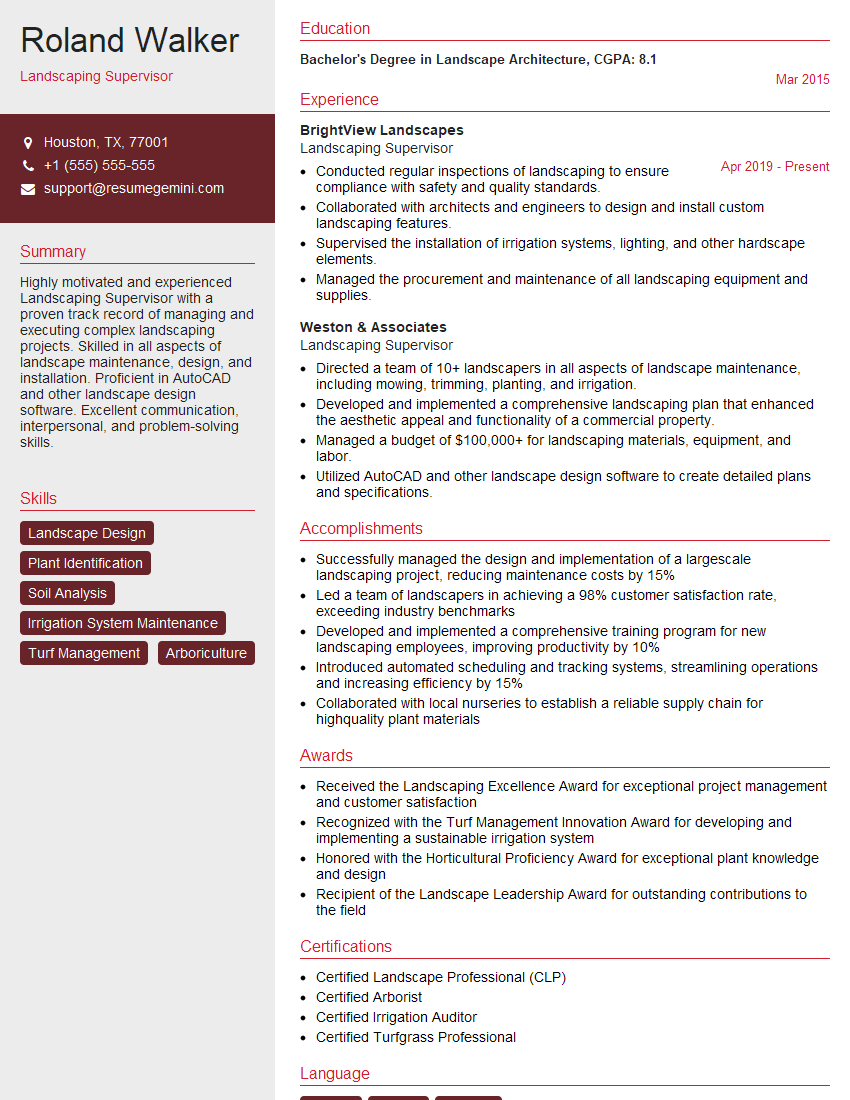
Landscaping Supervisor Resume Sample

Groundskeeper Resume Sample

Irrigation Technician Resume Sample
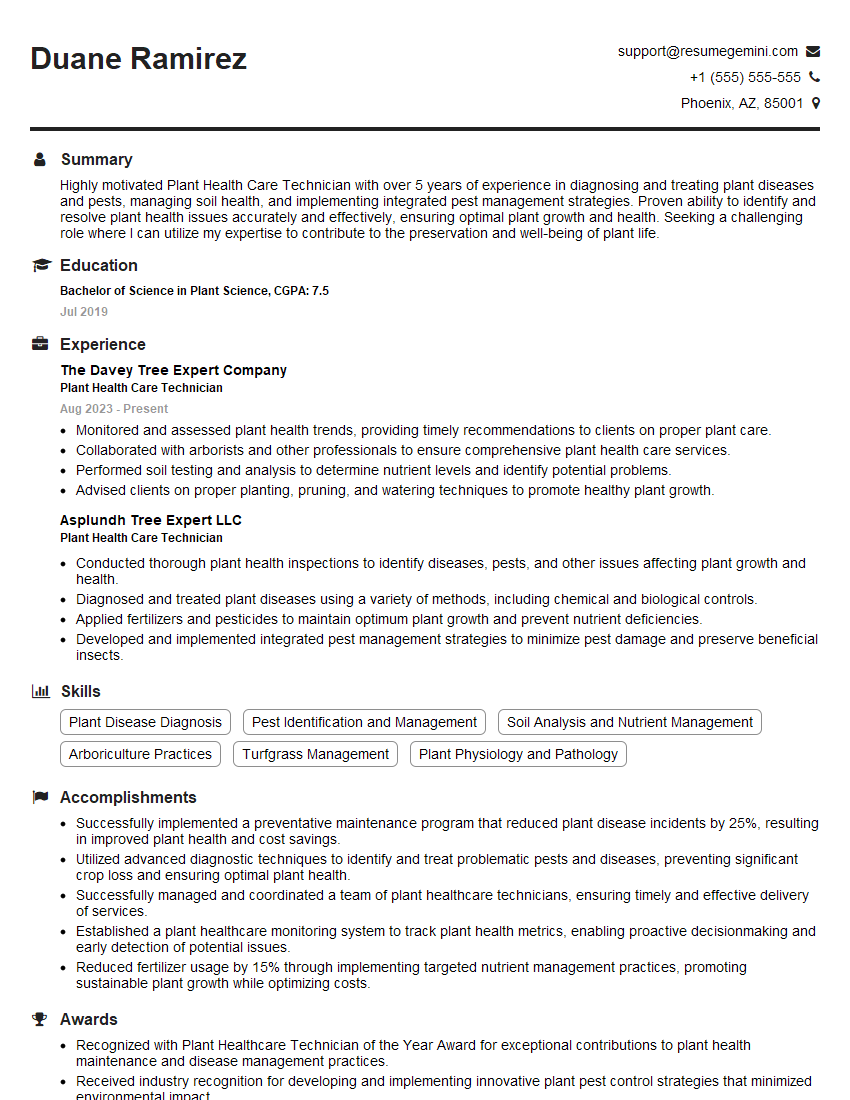
Plant Health Care Technician Resume Sample
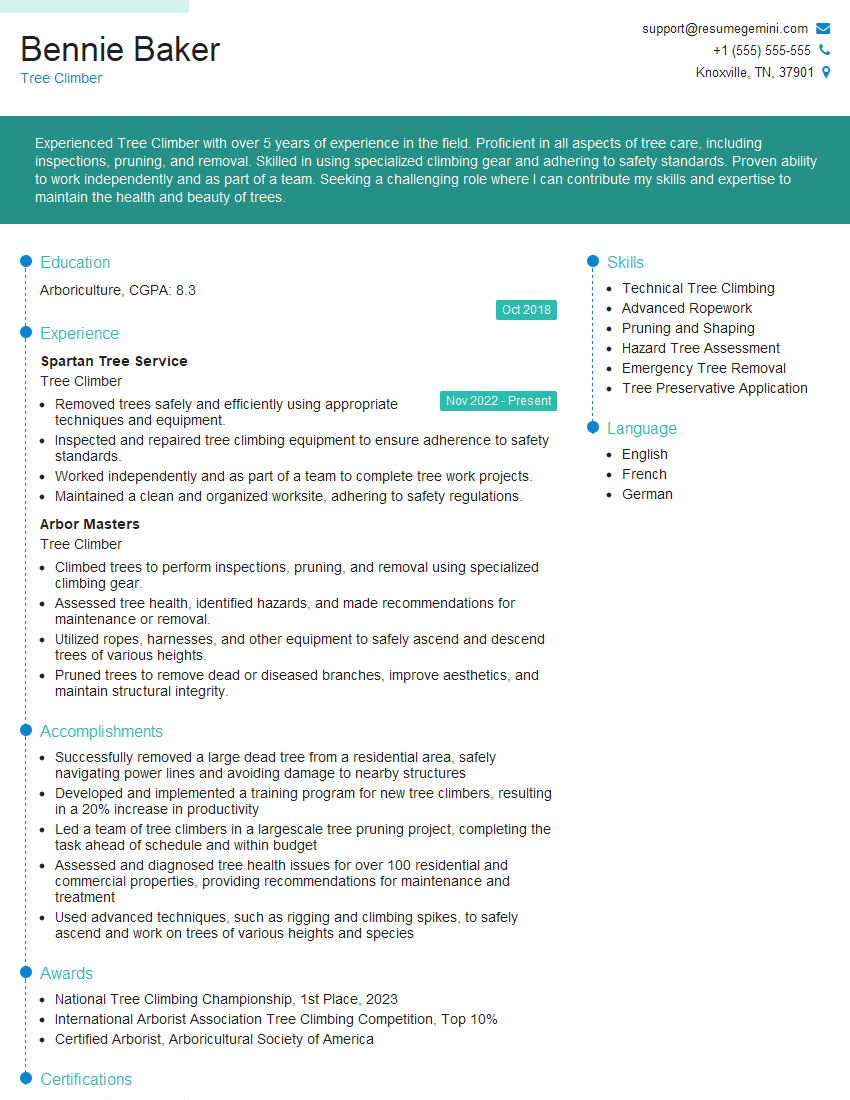
Tree Climber Resume Sample

Tree Surgeon Resume Sample

Plant Propagator Resume Sample
Explore more articles
Users Rating of Our Blogs
Share Your Experience
We value your feedback! Please rate our content and share your thoughts (optional).
What Readers Say About Our Blog
hello,
Our consultant firm based in the USA and our client are interested in your products.
Could you provide your company brochure and respond from your official email id (if different from the current in use), so i can send you the client’s requirement.
Payment before production.
I await your answer.
Regards,
MrSmith
hello,
Our consultant firm based in the USA and our client are interested in your products.
Could you provide your company brochure and respond from your official email id (if different from the current in use), so i can send you the client’s requirement.
Payment before production.
I await your answer.
Regards,
MrSmith
These apartments are so amazing, posting them online would break the algorithm.
https://bit.ly/Lovely2BedsApartmentHudsonYards
Reach out at [email protected] and let’s get started!
Take a look at this stunning 2-bedroom apartment perfectly situated NYC’s coveted Hudson Yards!
https://bit.ly/Lovely2BedsApartmentHudsonYards
Live Rent Free!
https://bit.ly/LiveRentFREE
Interesting Article, I liked the depth of knowledge you’ve shared.
Helpful, thanks for sharing.
Hi, I represent a social media marketing agency and liked your blog
Hi, I represent an SEO company that specialises in getting you AI citations and higher rankings on Google. I’d like to offer you a 100% free SEO audit for your website. Would you be interested?