Are you ready to stand out in your next interview? Understanding and preparing for HPLC and GC Techniques interview questions is a game-changer. In this blog, we’ve compiled key questions and expert advice to help you showcase your skills with confidence and precision. Let’s get started on your journey to acing the interview.
Questions Asked in HPLC and GC Techniques Interview
Q 1. Explain the principle of High-Performance Liquid Chromatography (HPLC).
High-Performance Liquid Chromatography (HPLC) is a powerful analytical technique used to separate, identify, and quantify the components of a mixture. Imagine it like a sophisticated sieve for molecules. The principle relies on the differential partitioning of sample components between a mobile phase (a liquid solvent) and a stationary phase (a solid or liquid coating on a solid support packed inside a column). Components with a higher affinity for the stationary phase will travel more slowly through the column, while those with a higher affinity for the mobile phase will travel faster. This differential migration leads to separation of the mixture into individual components, which are then detected as they elute from the column.
Think of it like a race: the stationary phase is like a muddy track, and the mobile phase is like a river. Molecules that are ‘sticky’ (high affinity for the stationary phase) will get slowed down by the mud, while molecules that prefer the river (high affinity for the mobile phase) will zoom ahead. The result? Separated racers – or in our case, separated compounds.
Q 2. Describe the different types of HPLC detectors and their applications.
HPLC utilizes a variety of detectors, each with its own strengths and weaknesses. The choice depends on the properties of the analytes being studied.
- UV-Vis Detector: This is the most common detector, measuring the absorbance of light at a specific wavelength. It’s versatile, sensitive for many compounds, and relatively inexpensive. For example, it’s widely used in pharmaceutical analysis to quantify drug purity.
- Fluorescence Detector: Highly sensitive and selective for compounds exhibiting fluorescence. It’s often used to detect trace amounts of compounds in environmental samples or biological fluids.
- Refractive Index Detector (RID): This is a universal detector, responding to changes in the refractive index of the mobile phase. However, it’s less sensitive than UV-Vis or fluorescence detectors and is susceptible to temperature fluctuations. It’s useful when other detectors are not suitable, for instance, analyzing carbohydrates.
- Electrochemical Detector (ECD): Highly sensitive to electrochemically active compounds. It is applied in the analysis of neurotransmitters or environmental pollutants.
- Mass Spectrometer (MS): A powerful detector providing both qualitative and quantitative information, including molecular weight and structural information. While expensive, MS provides unrivaled structural elucidation capabilities, making it indispensable in complex mixture analysis.
Q 3. What are the advantages and disadvantages of HPLC compared to Gas Chromatography (GC)?
HPLC and GC are both powerful separation techniques, but they have different strengths and weaknesses. The choice between them depends on the nature of the sample.
- HPLC Advantages: Can analyze a wide range of compounds, including non-volatile and thermally labile molecules that would degrade in GC. It offers great flexibility in choosing mobile phases and stationary phases to optimize separations.
- HPLC Disadvantages: Generally lower resolution compared to GC for some types of separations and can be more time-consuming to optimize.
- GC Advantages: High resolution, fast analysis times, and relatively simple instrumentation (compared to HPLC). Ideal for volatile and thermally stable compounds.
- GC Disadvantages: Limited to volatile and thermally stable compounds, making it unsuitable for many polar and large molecules.
In short, HPLC is best suited for non-volatile and thermally labile compounds, while GC excels in analyzing volatile and thermally stable compounds.
Q 4. How do you choose the appropriate HPLC column for a specific separation?
Selecting the appropriate HPLC column is crucial for successful separation. The choice depends on several factors:
- Analyte Properties: Polarity, molecular weight, and functionality of the analytes influence the choice of stationary phase. Polar analytes require polar stationary phases, and vice-versa.
- Sample Matrix: The complexity of the sample matrix (presence of interfering substances) may necessitate the use of specific columns designed to minimize interference.
- Desired Resolution: High resolution requires columns with small particle sizes, but may increase back pressure.
- Column Length: Longer columns offer better resolution but increase analysis time.
- Particle Size: Smaller particle size leads to higher efficiency but also higher back pressure.
For example, separating polar compounds like amino acids might involve a reversed-phase C18 column with a polar mobile phase. Separating non-polar compounds like hydrocarbons may require a non-polar column. The column selection is an iterative process requiring experimentation and optimization.
Q 5. Explain the concept of retention time in HPLC and its significance.
Retention time in HPLC is the time it takes for a specific analyte to elute from the column. It’s measured from the time the sample is injected to the time the analyte peak reaches the detector. Think of it as the ‘finish time’ of a particular molecule in our chromatography race. Retention time is highly significant because:
- Qualitative Analysis: Each analyte has a characteristic retention time under specific chromatographic conditions. This allows for the identification of compounds in a mixture by comparing their retention times to those of known standards.
- Quantitative Analysis: The area under the analyte peak is proportional to the concentration of the analyte, allowing for quantitative determination. By comparing peak areas, the relative amounts of different components can be measured.
Changes in retention times can also indicate changes in the chromatographic conditions or the presence of interfering substances in the sample.
Q 6. Describe the different types of GC detectors and their applications.
Gas chromatography (GC) employs a variety of detectors, each suitable for specific applications.
- Flame Ionization Detector (FID): This is a universal detector that responds to most organic compounds. It’s widely used because of its high sensitivity, simplicity, and robustness. Think of it as a general-purpose tool for organic analysis.
- Thermal Conductivity Detector (TCD): A universal detector that measures changes in the thermal conductivity of the carrier gas. It’s less sensitive than the FID but is useful for detecting inorganic gases.
- Electron Capture Detector (ECD): Highly sensitive to compounds containing electronegative atoms like halogens, nitrates, and nitriles. Frequently applied in environmental monitoring (pesticides and PCBs) due to its high sensitivity to these compounds.
- Mass Spectrometer (MS): Provides structural information and high sensitivity for identification and quantification. It’s indispensable in complex mixture analysis, allowing identification of unknown compounds.
Q 7. What are the key factors affecting the resolution in HPLC and GC?
Resolution in both HPLC and GC refers to the ability to separate two closely eluting peaks. High resolution means well-separated peaks, while low resolution means overlapping peaks.
Several factors affect resolution in both techniques:
- Column Efficiency (N): Higher efficiency (more theoretical plates) leads to better resolution. It’s influenced by column length, particle size (HPLC) or film thickness (GC), and the quality of the stationary phase.
- Selectivity (α): This reflects how differently the components interact with the stationary phase. Higher selectivity leads to better resolution. It is influenced by mobile phase composition (HPLC) and stationary phase properties (both HPLC and GC).
- Retention Factor (k’): Optimal resolution is achieved when retention factors are within a certain range, usually between 1 and 10. It is influenced by mobile phase composition and strength (HPLC) and temperature and carrier gas flow rate (GC).
Improving resolution often involves optimizing these factors through careful method development. This may include adjusting the mobile phase composition (HPLC), column temperature (GC), flow rate, or selecting a different column altogether.
Q 8. How do you troubleshoot peak tailing in HPLC?
Peak tailing in HPLC, characterized by an asymmetric peak with a long, drawn-out tail, indicates that the analyte is interacting too strongly with the stationary phase or the column itself. This can lead to poor resolution, inaccurate quantification, and reduced sensitivity. Troubleshooting involves systematically investigating several potential causes.
Column Issues: Check for column overloading (injecting too much sample). Try reducing the injection volume. Also, ensure the column is properly equilibrated with the mobile phase. Contamination of the column can also be a major culprit; if the problem persists after other checks, column replacement may be necessary.
Mobile Phase Issues: A pH outside the optimal range for the stationary phase and analyte can cause tailing. Adjust the pH of the mobile phase, keeping in mind the stability of your analyte and column. Ionic strength can also influence interactions; consider adding appropriate buffers or ion-pairing reagents to modify the mobile phase.
Sample Issues: Check your sample preparation. The presence of impurities or particulate matter can cause tailing. Filtration before injection is crucial to remove contaminants.
Injector Issues: Injection problems, such as split injection or uneven sample delivery, can cause peak asymmetry. Thorough maintenance and cleaning of the injector are important. Ensure there is no leakage or dead volume within the injection system.
Detector Issues: Although rare, check that your detector is properly configured and maintained, as detector response nonlinearity might mimic tailing.
A systematic approach, starting with the simplest solutions (injection volume, mobile phase pH adjustment), and progressing to more complex issues (column replacement), is crucial for effective troubleshooting.
Q 9. Explain the concept of method validation in HPLC and GC.
Method validation in HPLC and GC is a critical process to demonstrate that the analytical method is reliable, accurate, and fit for its intended purpose. It’s like rigorously testing a recipe before making it for a large gathering; you need to be sure it works consistently and gives you the expected results. Validation typically involves several parameters:
Specificity/Selectivity: Ensures the method measures only the target analyte and not interfering substances. This is crucial to obtain accurate results, especially in complex matrices.
Linearity: Assesses the relationship between the analyte concentration and the detector response. It ensures that the response is proportional to the concentration within a specified range.
Accuracy: Measures how close the measured value is to the true value. Techniques like recovery studies are used to assess this parameter.
Precision: Determines the reproducibility of the method. This is expressed as repeatability (intra-day) and intermediate precision (inter-day or between different analysts/instruments).
Limit of Detection (LOD) and Limit of Quantification (LOQ): Defines the lowest concentration of analyte that can be reliably detected and quantified, respectively.
Robustness: Evaluates the method’s resilience to small, deliberate variations in parameters such as temperature, mobile phase composition, or flow rate. It’s like testing your recipe under slightly different cooking conditions to see if it still works.
The specific parameters and acceptance criteria for method validation depend on the regulatory requirements and the intended use of the method. Detailed protocols and documentation are essential for successful method validation.
Q 10. What are the different types of stationary phases used in HPLC and GC?
HPLC and GC employ diverse stationary phases to separate analytes based on their physical and chemical properties. The choice of stationary phase significantly impacts separation efficiency and selectivity.
HPLC Stationary Phases: These are predominantly packed into columns and can be categorized as follows:
Reversed-Phase (RP): The most common type, using nonpolar stationary phases (e.g., C18, C8) and polar mobile phases. Separation is based on the hydrophobic interactions between the analyte and stationary phase.
Normal-Phase (NP): Uses polar stationary phases (e.g., silica) and nonpolar mobile phases. Separation relies on interactions such as dipole-dipole, hydrogen bonding, and adsorption.
Ion-Exchange: Uses charged stationary phases to separate charged analytes based on their ionic interactions. Anion-exchange and cation-exchange columns are available.
Size-Exclusion (SEC): Separates molecules based on their size and shape. Larger molecules elute faster than smaller molecules.
Affinity Chromatography: Employs a specific ligand attached to the stationary phase to selectively bind and separate specific target molecules.
GC Stationary Phases: These are coated on the inside of capillary columns. The selection depends largely on the analyte’s polarity and boiling point. Commonly used phases include:
Nonpolar: e.g., methyl silicone (polydimethyl siloxane) for separating nonpolar compounds.
Midpolar: e.g., 5% phenyl methyl silicone for separating a broader range of compounds, including some moderately polar ones.
Polar: e.g., polyethylene glycol (PEG) for separating polar compounds such as alcohols and esters.
The selection of the appropriate stationary phase depends on the analyte’s properties, the type of separation needed, and the required resolution.
Q 11. How do you identify and resolve ghost peaks in chromatography?
Ghost peaks in chromatography are spurious peaks that appear in chromatograms, unrelated to the analytes in the sample. These are like phantom signals that can obscure real peaks and lead to misinterpretations. Identifying and resolving them requires careful investigation.
Identification: The first step involves determining if the peak is truly a ghost peak. Conducting blank injections (injecting only the mobile phase or carrier gas) is essential. If the peak still appears in the blank, it points towards a system contamination issue. Analyzing the peak retention time and comparing it with known contaminants can help identify the source.
Resolution: Several strategies can resolve ghost peaks:
System Cleaning: Thoroughly cleaning the entire chromatographic system is the most effective approach. This involves cleaning the injector, column, detector, and tubing with suitable solvents. Using high-purity solvents is also essential.
Column Conditioning: Conditioning a new column or regenerating an old one might eliminate residual peaks. This involves running the column with specific solvents or conditions to remove residual contaminants.
Sample Preparation Optimization: In some cases, ghost peaks can be caused by contaminants in the sample itself. Improving sample preparation techniques to eliminate or reduce impurities can help resolve ghost peaks.
System Flushing: Run a solvent flush to clear out any lingering contaminants in the lines.
A systematic approach involving blank injections, thorough cleaning, and careful evaluation of system components is key to eliminating ghost peaks and ensuring data accuracy. Proper preventative maintenance, like regularly scheduling system cleaning, is the best preventative strategy.
Q 12. Describe the process of developing a new HPLC or GC method.
Developing a new HPLC or GC method is a multi-step process that requires careful planning and execution. It is like designing a custom-built machine to achieve a specific task. The process generally follows these steps:
Defining Objectives: Clearly define the method’s goals: what analytes need to be separated, what are the required sensitivity and resolution levels, and what is the sample matrix?
Literature Review: Search for existing methods and adapt them, if possible, to save time and effort. This is like reviewing existing blueprints before designing your machine.
Choosing a Separation Technique: HPLC is suitable for thermally labile compounds, while GC is ideal for volatile and thermally stable compounds. The appropriate technique and column are carefully selected based on the analytes of interest.
Optimization of Chromatographic Conditions: This is the most iterative phase and involves carefully adjusting parameters like mobile phase composition (HPLC) or temperature program (GC), flow rate, column temperature, and injection volume to achieve the desired separation.
Method Validation: Once a satisfactory separation is achieved, the method must be validated using the parameters discussed earlier (specificity, linearity, accuracy, precision, LOD, LOQ, robustness).
Documentation: Detailed documentation of all steps, including reagents, equipment used, and optimized conditions is crucial for reproducibility and regulatory compliance.
The development of a new method requires expertise, patience, and a systematic approach. Careful consideration of all parameters and rigorous testing are essential to ensure the quality and reliability of the final method.
Q 13. Explain the concept of system suitability testing in HPLC and GC.
System suitability testing (SST) in HPLC and GC is a crucial step performed before running samples to ensure the chromatographic system is performing adequately for the intended analysis. It’s like a pre-flight check for an airplane—you need to make sure everything is working as expected before taking off. SST involves evaluating various parameters:
Retention Time: Checks the reproducibility of retention times for specific analytes. Consistent retention times are crucial for reliable identification.
Peak Symmetry: Evaluates the symmetry of the peaks. Tailing or fronting indicates potential problems with the system or method.
Resolution: Measures the separation between adjacent peaks. A certain minimum resolution is required to accurately quantify all analytes.
Plate Count/Efficiency: Assesses the column efficiency, reflecting its ability to separate compounds.
Tailing Factor: Quantifies the tailing of a peak, an indication of peak asymmetry and interaction of the analyte with the stationary phase.
SST acceptance criteria are defined prior to analysis and are based on the requirements of the method. If SST fails to meet the pre-defined criteria, adjustments to the system or method may be necessary before proceeding with the sample analysis.
Q 14. How do you calculate the theoretical plates in HPLC and GC?
The number of theoretical plates (N) is a measure of column efficiency—a higher number indicates better separation. It essentially describes how well the column separates components.
HPLC and GC Calculation: The most common equation used to calculate N is:
N = 16*(tR/wb)2where:
N= number of theoretical platestR= retention time of the peakwb= peak width at the base
The peak width at the base (wb) is measured in the same units as the retention time (typically minutes).
Important Note: The accurate measurement of wb is crucial. Ideally, the peak should be well-defined and not significantly tailed. If peak tailing is observed, it may affect the accuracy of the theoretical plate calculation.
The higher the number of theoretical plates, the better the separation efficiency of the column. However, a high number of plates is not always desirable, as very high numbers may indicate excessively long analysis times.
Q 15. What are the common problems encountered in HPLC and GC and their solutions?
HPLC and GC, while powerful analytical techniques, are susceptible to various problems. Let’s explore some common issues and their solutions:
- HPLC:
- Peak tailing: Often caused by silanol interactions in the stationary phase (for reversed-phase HPLC). Solutions include using end-capped columns, adding triethylamine to the mobile phase, or employing different stationary phases.
- Low sensitivity: Could stem from issues like column contamination, low analyte concentration, or detector problems. Solutions include cleaning the column, optimizing the injection volume, increasing the analyte concentration, or checking the detector’s response.
- High backpressure: Can arise from particulate matter in the mobile phase or column clogging. Solutions involve filtering the mobile phase, using guard columns, or replacing the column.
- GC:
- Poor peak resolution: Often due to inappropriate column selection, incorrect temperature programming, or injector issues. Solutions include trying a different column with better selectivity, optimizing the temperature program, or checking injector settings like split ratio and injection volume.
- Ghost peaks: These appear due to column bleed or contamination of the system. Solutions require careful cleaning of the injector, detector, and column, as well as using high-purity solvents and gases.
- Baseline drift: Can be caused by detector instability or temperature fluctuations. Solutions include ensuring proper temperature equilibration, checking detector settings, and verifying gas flow rates.
Troubleshooting often involves systematic investigation – check the simplest things first (e.g., solvent purity, connections) before moving to more complex issues (e.g., column replacement, detector calibration).
Career Expert Tips:
- Ace those interviews! Prepare effectively by reviewing the Top 50 Most Common Interview Questions on ResumeGemini.
- Navigate your job search with confidence! Explore a wide range of Career Tips on ResumeGemini. Learn about common challenges and recommendations to overcome them.
- Craft the perfect resume! Master the Art of Resume Writing with ResumeGemini’s guide. Showcase your unique qualifications and achievements effectively.
- Don’t miss out on holiday savings! Build your dream resume with ResumeGemini’s ATS optimized templates.
Q 16. Explain the difference between isocratic and gradient elution in HPLC.
The key difference between isocratic and gradient elution in HPLC lies in the mobile phase composition:
- Isocratic elution: The mobile phase composition remains constant throughout the separation. This is simple and cost-effective, suitable for separating analytes with similar polarities. Imagine running a race where all runners have the same pace. Simple, but might not be efficient for separating diverse analytes.
- Gradient elution: The mobile phase composition changes systematically during the separation. Typically, a stronger solvent is gradually introduced, improving separation efficiency, especially for complex mixtures. Think of a race where runners start slow and gradually increase their pace. This allows for better separation of analytes with different polarities and retention times.
Gradient elution provides better resolution for complex samples, but requires more sophisticated equipment and method development. The choice depends on the sample complexity and desired separation efficiency. For instance, analyzing a simple mixture of similar compounds might only need isocratic elution, whereas a complex biological sample would benefit from a gradient.
Q 17. How do you prepare samples for HPLC and GC analysis?
Sample preparation is crucial for accurate and reliable results. Methods differ based on the analyte and matrix:
- HPLC: Sample preparation often involves dissolving the analyte in a suitable solvent compatible with the mobile phase. This may require filtration (0.45 μm filter) to remove particulates that can damage the column. For complex matrices, techniques like solid-phase extraction (SPE) or liquid-liquid extraction (LLE) are used to pre-concentrate and purify the analyte before injection. For example, analyzing pesticides in water might require SPE to isolate the pesticides from the water matrix.
- GC: GC necessitates volatile analytes. Samples might require derivatization – chemically modifying the analyte to increase volatility and thermal stability. For example, adding silylating agents to alcohols improves their GC response. Solid-phase microextraction (SPME) or headspace sampling can be used to introduce the analyte into the GC without extensive sample preparation for certain applications.
The choice of preparation method depends heavily on the matrix, analyte characteristics, and required sensitivity and resolution. Always ensure your preparation method doesn’t introduce contaminants.
Q 18. What are the safety precautions to be followed while working with HPLC and GC instruments?
Safety is paramount when working with HPLC and GC. Key precautions include:
- HPLC: Wear appropriate personal protective equipment (PPE), including gloves and eye protection, when handling solvents. Many HPLC solvents are flammable, toxic, or carcinogenic. Ensure proper ventilation, and follow the safety data sheets (SDS) for all chemicals used. Regular maintenance of the instrument to prevent leaks is crucial.
- GC: GC utilizes flammable gases like hydrogen and helium. Regularly check for gas leaks and ensure the lab is well-ventilated. Many GC detectors operate at high temperatures; avoid touching hot surfaces. Similar to HPLC, adhere strictly to the SDS for all chemicals and gases used.
Proper training is essential for all operators. Remember, safety is not just a rule, it’s a culture.
Q 19. Explain the concept of internal standard in chromatography.
An internal standard is a known compound, added to both the sample and the calibration standards, at a constant concentration. It helps to correct for variations in sample preparation, injection volume, and instrument response. Imagine it as a reference point that accounts for slight inconsistencies in the analytical process. It’s like using a ruler to measure things precisely instead of relying on your estimation. By comparing the analyte’s response to that of the internal standard, more accurate and precise quantification is possible. The internal standard should be chemically similar to the analyte but must be easily distinguishable chromatographically.
Q 20. How do you perform qualitative and quantitative analysis using HPLC and GC?
Both HPLC and GC enable qualitative and quantitative analysis:
- Qualitative analysis: Identifies the components present in a sample. In both techniques, this relies on retention time comparison with known standards. Matching retention times strongly suggests the presence of a specific compound. For unequivocal identification, techniques like mass spectrometry (MS) are often coupled to HPLC or GC (GC-MS, LC-MS).
- Quantitative analysis: Determines the amount of each component. This is commonly done using external or internal standard calibration methods. The peak area or height is proportional to the analyte concentration. Using an internal standard improves accuracy by accounting for variations during sample handling and analysis, as previously mentioned.
For example, in pharmaceutical analysis, HPLC coupled with UV detection is used to quantitatively determine the concentration of active pharmaceutical ingredients. GC-MS is frequently employed for environmental analysis to identify and quantify pollutants.
Q 21. What software packages are you familiar with for processing chromatography data?
I’m proficient in several chromatography data processing software packages, including:
- Chromatography Data System (CDS) software provided by various instrument manufacturers (e.g., Agilent OpenLab CDS, Waters Empower, Thermo Scientific Chromeleon). These are comprehensive software suites designed specifically for processing chromatography data, offering features such as peak integration, quantification, and report generation. They often directly interface with the instrument for seamless data acquisition.
- Open-source software packages like R or Python with dedicated chromatography packages. These offer more flexibility and allow for custom analysis and data visualization but often require a higher level of programming expertise.
My choice of software depends on the specific needs of the project. Commercial CDS software generally offers a user-friendly interface and comprehensive features. Open-source software provides more versatility for advanced data analysis.
Q 22. Describe your experience with maintaining and troubleshooting HPLC and GC instruments.
Maintaining and troubleshooting HPLC and GC instruments requires a meticulous approach combining preventative maintenance with rapid and effective troubleshooting. Preventative maintenance involves regularly checking system parameters like pump pressures, flow rates, detector signals, and column integrity. I routinely perform tasks such as replacing mobile phase filters, checking for leaks, and ensuring proper column equilibration. This proactive approach prevents costly downtime and ensures data quality.
Troubleshooting often involves systematic investigation. For example, if I encounter peak broadening in HPLC, I systematically examine potential sources such as column degradation (requiring replacement or regeneration), injector problems (requiring cleaning or repair), or issues with the mobile phase (such as incorrect mixing or degassing). Similarly, poor peak resolution in GC might indicate column contamination (requiring cleaning or replacement), incorrect oven temperature programming, or issues with the carrier gas flow.
In both techniques, I utilize diagnostic tools like pressure readings, chromatograms, and system logs to identify the root cause. For example, a sudden increase in back pressure in HPLC suggests a blocked column or filter, necessitating immediate action. Understanding the instrument’s workings, including the principles of chromatography and the specific nuances of the equipment, is key to efficient troubleshooting.
My experience includes working with different HPLC and GC brands (e.g., Agilent, Shimadzu, Waters), enabling me to adapt my troubleshooting strategies to diverse instrument designs and software interfaces. I am proficient in resolving a wide range of issues, from simple pump priming issues to complex detector malfunctions.
Q 23. How do you ensure the accuracy and precision of results in HPLC and GC analysis?
Ensuring accuracy and precision in HPLC and GC analysis involves a multi-faceted approach, starting with proper method development and validation. Accuracy refers to how close the measured value is to the true value, while precision reflects the reproducibility of the measurements. I focus on several key aspects:
- Method Validation: This crucial step involves establishing the method’s performance characteristics, including accuracy, precision, linearity, limit of detection (LOD), and limit of quantitation (LOQ). I utilize appropriate statistical methods to assess these parameters.
- Calibration: Using appropriate calibration standards (at multiple concentration levels) is essential for obtaining accurate quantitative results. Regular calibration checks are performed to ensure the method’s reliability.
- Quality Control Samples: I routinely incorporate quality control (QC) samples throughout the analytical run to monitor method performance and identify potential drift or bias. These samples are typically known concentrations of the analyte(s) of interest.
- Instrument Maintenance: Regular preventative maintenance, as previously discussed, is critical to minimizing instrumental variations and maintaining high-quality results.
- Data Analysis: Proper peak integration and data processing are essential to avoid errors. I use validated software and rigorous data review procedures to ensure the accuracy of the results.
- Internal Standards: In many cases, using internal standards helps correct for variations in injection volume, analyte recovery, and other factors. The internal standard is a known compound that is added to both standards and samples to provide a more reliable quantification.
For example, if I am analyzing pharmaceutical compounds, method validation is not only critical but also mandated by regulatory agencies to ensure consistent and reliable results for quality control and product release.
Q 24. What is the difference between normal phase and reversed-phase HPLC?
The core difference between normal phase and reversed-phase HPLC lies in the polarity of the stationary and mobile phases. Imagine the stationary phase as a magnet and the analytes as metal objects – different objects will stick more or less depending on their “magnetic” properties.
- Normal Phase: Uses a polar stationary phase (e.g., silica) and a nonpolar mobile phase (e.g., hexane). Polar analytes interact strongly with the stationary phase and elute later, while nonpolar analytes elute faster. Think of it as a magnet attracting more strongly polar compounds.
- Reversed Phase: Uses a nonpolar stationary phase (e.g., C18-modified silica) and a polar mobile phase (e.g., water/acetonitrile). Nonpolar analytes interact strongly with the stationary phase and elute later, while polar analytes elute faster. This is like the polarity being reversed, with the stationary phase now only attracting nonpolar compounds strongly.
The choice between normal and reversed phase depends on the properties of the analytes. Reversed phase is far more common due to its better reproducibility, wider range of solvents, and increased column lifetime. Normal phase can be advantageous for some highly polar compounds or when specific separations are required.
Q 25. Explain the role of mobile phase composition in HPLC separation.
Mobile phase composition is paramount in HPLC separation. It dictates the selectivity and retention of the analytes. The mobile phase’s polarity, pH, and ionic strength directly affect how strongly analytes interact with the stationary phase. Think of it as carefully selecting the solvent to dissolve and separate different substances.
For instance, in reversed-phase HPLC, increasing the percentage of organic solvent (e.g., acetonitrile or methanol) in the aqueous mobile phase reduces the polarity of the mobile phase. This weakens the interaction between polar analytes and the stationary phase, causing them to elute faster. Conversely, increasing the water content increases the polarity and strengthens the interaction, causing slower elution of polar analytes.
The mobile phase pH is crucial, especially for ionizable compounds. Adjusting the pH to the compound’s pKa can optimize separation by changing its charge and therefore its interaction with the stationary phase. For instance, a weak acid will be more retained at a higher pH where it is largely deprotonated, allowing for separation from similarly retained neutral species.
Adding ionic modifiers like salts or buffers can influence analyte retention, especially for ionic compounds. The ionic strength affects the electrostatic interactions between the analytes and the stationary phase. These parameters are carefully optimized during method development to achieve optimal separation.
Q 26. How do you determine the limit of detection (LOD) and limit of quantitation (LOQ) in chromatography?
The limit of detection (LOD) and limit of quantitation (LOQ) represent the lowest concentrations of an analyte that can be reliably detected and quantified, respectively. They are crucial parameters for method validation.
Several methods exist for determining LOD and LOQ, often relying on signal-to-noise ratios (S/N). A common approach involves analyzing a series of samples with decreasing analyte concentrations. The LOD is typically defined as the concentration producing a signal three times the baseline noise level (S/N = 3). The LOQ is often defined as ten times the baseline noise (S/N = 10), representing a concentration that can be reliably quantified with acceptable accuracy and precision.
For instance, if I’m analyzing trace impurities in a pharmaceutical product, establishing the LOD and LOQ is crucial to ensure that the method can detect and quantify any impurities present below a regulatory threshold. The method must be capable of reliable quantitation at the LOQ level, with acceptable precision and accuracy which is often expressed in terms of %RSD.
Statistical methods can also be used to estimate LOD and LOQ based on the standard deviation of the response and the slope of the calibration curve.
Q 27. Describe your experience with different sample injection techniques in HPLC and GC.
HPLC and GC utilize different sample injection techniques adapted to their specific needs. In HPLC, common techniques include:
- Manual Injection: Using a syringe to inject a precise volume of sample into the injection loop. It is simple and inexpensive but lacks precision compared to automated techniques.
- Automated Injection: Employing an autosampler, which automatically injects samples, increasing throughput and precision. This is particularly useful for high-throughput analysis.
In GC, the most common injection method is:
- Split/Splitless Injection: A precise volume of sample is injected into a heated injection port. In split injection, only a portion of the vaporized sample enters the column, reducing column overload. Splitless injection introduces the entire sample onto the column, more suitable for trace analysis.
The selection of the injection technique depends on factors like the sample volume, concentration of analytes, and the desired level of sensitivity. For example, when analyzing volatile compounds in a complex matrix at very low concentrations, splitless injection is preferred. For high-throughput analysis of many samples with sufficient analyte concentration, automated injection with a split injection method is preferred.
Q 28. How do you handle and resolve chromatographic interferences?
Chromatographic interferences, substances that coelute with the analytes of interest, can severely compromise the accuracy of results. Handling and resolving these interferences requires a systematic approach.
- Method Development: Careful optimization of the chromatographic conditions (mobile phase composition, column selection, temperature) during method development is critical to minimize interferences. This often involves trying different columns or mobile phases to achieve separation.
- Sample Preparation: Employing appropriate sample preparation techniques like extraction, clean-up (solid phase extraction), or derivatization can effectively reduce interferences. For example, using SPE helps remove interferences from a complex matrix before injection into the HPLC or GC system.
- Data Processing: While not ideal, some interferences can be handled using advanced data processing techniques like spectral deconvolution or peak purity assessment. These methods leverage the spectral information from detectors such as UV-Vis or MS detectors.
- Column Selection: Choosing the appropriate stationary phase can significantly improve separation. For example, selecting a column with different selectivity may effectively resolve the interference from the analytes of interest.
For instance, if I encounter interference from matrix components in the analysis of pesticides in soil samples, I might employ solid-phase extraction to selectively remove the pesticides and reduce matrix interferences. Or, I might need to switch to a different column that offers better selectivity for the pesticides of interest.
Key Topics to Learn for HPLC and GC Techniques Interview
- HPLC Fundamentals: Understanding basic principles, including stationary and mobile phases, retention mechanisms (normal phase, reversed phase), and column selection.
- HPLC Method Development and Optimization: Practical experience with gradient elution, isocratic separation, troubleshooting peak tailing and broadening, and optimizing chromatographic parameters for different analytes.
- GC Fundamentals: Understanding the principles of gas chromatography, including carrier gas selection, injection techniques (split/splitless), detector types (FID, TCD, MS), and column selection (packed vs. capillary).
- GC Method Development and Optimization: Practical application in optimizing temperature programs, carrier gas flow rates, and detector settings for achieving optimal separation and sensitivity.
- Data Analysis and Interpretation: Proficiency in interpreting chromatograms, identifying peaks, calculating retention times, and performing quantitative analysis (e.g., using internal standards).
- Qualitative and Quantitative Analysis: Understanding the differences between qualitative and quantitative analysis, and their application in various analytical scenarios.
- Sample Preparation Techniques: Familiarity with various sample preparation methods relevant to HPLC and GC, including extraction, derivatization, and filtration techniques.
- Troubleshooting Common Issues: Ability to diagnose and resolve common problems encountered during HPLC and GC analysis, such as peak tailing, ghost peaks, and poor resolution.
- Validation of HPLC and GC Methods: Understanding the principles of method validation, including accuracy, precision, linearity, and limit of detection/quantification.
- Regulatory Compliance (GLP/GMP): Awareness of Good Laboratory Practice (GLP) and Good Manufacturing Practice (GMP) guidelines relevant to analytical testing.
Next Steps
Mastering HPLC and GC techniques is crucial for career advancement in analytical chemistry, pharmaceuticals, environmental science, and many other fields. A strong understanding of these techniques significantly enhances your employability and opens doors to exciting opportunities. To maximize your job prospects, creating a compelling and ATS-friendly resume is essential. ResumeGemini is a trusted resource to help you build a professional resume that highlights your skills and experience effectively. Examples of resumes tailored to HPLC and GC techniques are available to guide you. Invest the time to create a strong resume – it’s your first impression with potential employers.
Environmental Analyst Resume Sample

Laboratory Manager Resume Sample
Regulatory Affairs Specialist Resume Sample
Quality Control Analyst Resume Sample

Validation Specialist Resume Sample

Laboratory Technician Resume Sample

Clinical Laboratory Scientist Resume Sample
Forensic Scientist Resume Sample

Analytical Chemist Resume Sample
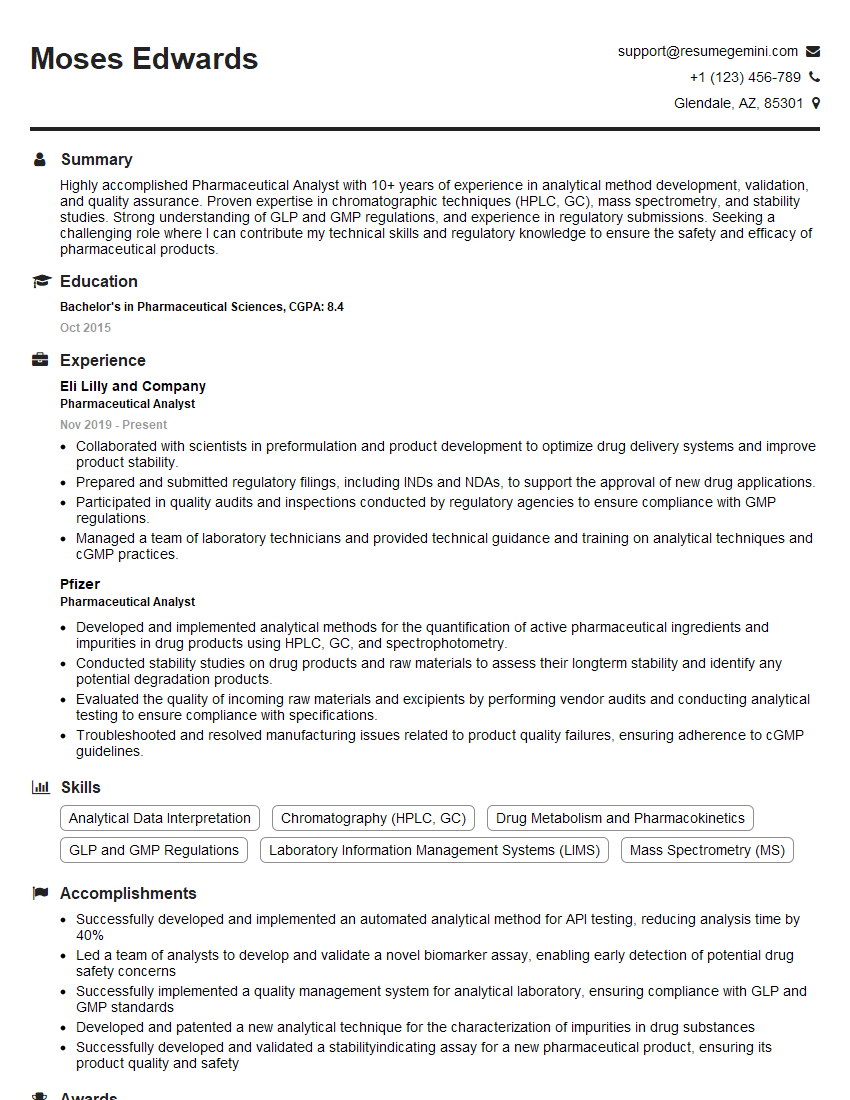
Pharmaceutical Analyst Resume Sample
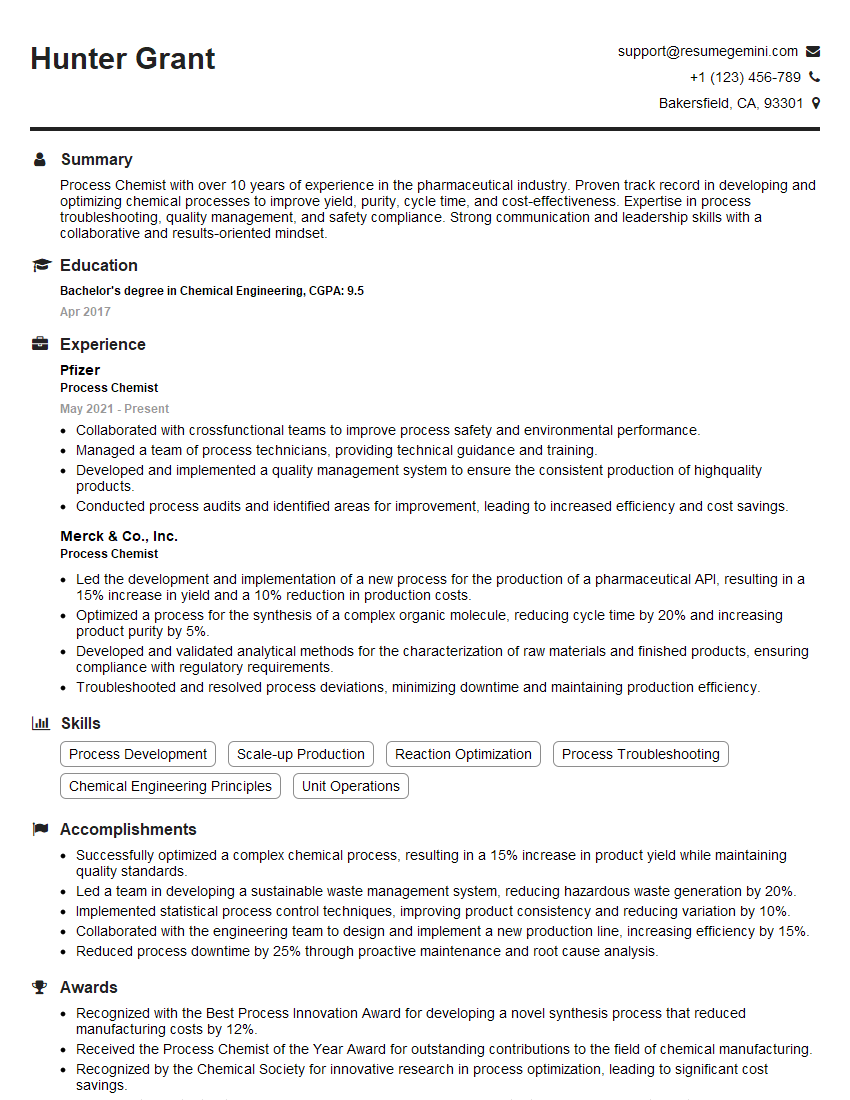
Process Chemist Resume Sample
Explore more articles
Users Rating of Our Blogs
Share Your Experience
We value your feedback! Please rate our content and share your thoughts (optional).
What Readers Say About Our Blog
hello,
Our consultant firm based in the USA and our client are interested in your products.
Could you provide your company brochure and respond from your official email id (if different from the current in use), so i can send you the client’s requirement.
Payment before production.
I await your answer.
Regards,
MrSmith
hello,
Our consultant firm based in the USA and our client are interested in your products.
Could you provide your company brochure and respond from your official email id (if different from the current in use), so i can send you the client’s requirement.
Payment before production.
I await your answer.
Regards,
MrSmith
These apartments are so amazing, posting them online would break the algorithm.
https://bit.ly/Lovely2BedsApartmentHudsonYards
Reach out at [email protected] and let’s get started!
Take a look at this stunning 2-bedroom apartment perfectly situated NYC’s coveted Hudson Yards!
https://bit.ly/Lovely2BedsApartmentHudsonYards
Live Rent Free!
https://bit.ly/LiveRentFREE
Interesting Article, I liked the depth of knowledge you’ve shared.
Helpful, thanks for sharing.
Hi, I represent a social media marketing agency and liked your blog
Hi, I represent an SEO company that specialises in getting you AI citations and higher rankings on Google. I’d like to offer you a 100% free SEO audit for your website. Would you be interested?