Unlock your full potential by mastering the most common Preclinical Development interview questions. This blog offers a deep dive into the critical topics, ensuring you’re not only prepared to answer but to excel. With these insights, you’ll approach your interview with clarity and confidence.
Questions Asked in Preclinical Development Interview
Q 1. Describe your experience designing and executing in vitro and in vivo studies.
Designing and executing in vitro and in vivo studies is central to preclinical development. In vitro studies involve experiments using cells or tissues in a controlled laboratory setting, allowing for investigation of mechanisms of action and toxicity at a cellular level. In vivo studies, on the other hand, use whole living organisms (usually animals) to evaluate drug efficacy, safety, and pharmacokinetics in a more complex, physiological environment. My experience spans both.
For instance, I’ve designed numerous in vitro assays to evaluate the potency of novel compounds against specific target enzymes or receptors, using techniques like cell viability assays, ELISA, and flow cytometry. The data obtained helps us understand the drug’s mechanism of action and refine its structure for improved potency.
In the in vivo realm, I’ve led studies involving various animal models (rodents, canines) to assess drug efficacy in disease models (e.g., tumor xenografts, induced arthritis). This involves careful study design, including dose selection, treatment schedule, and endpoint measurements (e.g., tumor volume, inflammatory markers, survival). Data analysis involved complex statistical methods, including survival analysis and ANOVA. We also used imaging techniques such as micro-CT and MRI to monitor tumor growth and response to treatment. A key aspect of my approach is meticulous attention to experimental controls and rigorous data analysis to ensure the reproducibility and reliability of the results.
Q 2. Explain the principles of Good Laboratory Practices (GLP).
Good Laboratory Practices (GLP) are a quality system designed to ensure the uniformity, consistency, reliability, reproducibility, quality, and integrity of non-clinical laboratory studies. Think of GLP as a set of detailed guidelines for conducting research to ensure its quality and validity. It’s not about the specific results, but about how those results were obtained. Imagine baking a cake – GLP is like following a recipe meticulously to ensure you get a consistent, high-quality result each time, rather than haphazardly throwing ingredients together.
Key principles include:
- Standard Operating Procedures (SOPs): Detailed written procedures for every step of the study.
- Qualified Personnel: Trained and experienced personnel conducting the studies.
- Equipment Qualification and Calibration: Ensuring all equipment is working correctly and consistently.
- Quality Assurance Unit (QAU): Independent oversight to ensure compliance with GLP.
- Data Integrity: Ensuring data is accurate, complete, and verifiable. Raw data is meticulously recorded and preserved.
- Chain of Custody: Maintaining a complete record of who handled each sample or specimen at every stage.
Adherence to GLP is crucial for regulatory submissions and gaining approval for new drugs. Failure to comply can lead to study invalidation and significant delays in the development process.
Q 3. What are the key parameters assessed in a preclinical pharmacokinetic (PK) study?
Preclinical pharmacokinetic (PK) studies assess what the body does to the drug. Key parameters include:
- Absorption (A): How quickly and completely the drug enters the bloodstream from the site of administration.
- Distribution (D): How the drug spreads throughout the body and into various tissues and organs.
- Metabolism (M): How the body chemically modifies the drug, often in the liver, leading to metabolites (often less active or inactive).
- Excretion (E): How the drug and its metabolites are eliminated from the body, typically via urine or feces.
- Area Under the Curve (AUC): A measure of the total drug exposure over time.
- Maximum Concentration (Cmax): The highest drug concentration achieved in the blood.
- Time to Maximum Concentration (Tmax): The time taken to reach Cmax.
- Half-life (t1/2): The time it takes for the blood concentration of the drug to be reduced by half.
- Clearance (CL): The rate at which the drug is removed from the body.
- Volume of Distribution (Vd): An indicator of how widely the drug is distributed throughout the body.
These parameters help us understand the drug’s behavior in the body, predict its efficacy and safety, and inform dose selection for clinical trials. For example, a low absorption rate might indicate the need for alternative formulations or routes of administration.
Q 4. How do you interpret PK/PD data?
Interpreting PK/PD data involves understanding the relationship between drug exposure (PK) and its pharmacological effects (PD). We look for correlations between PK parameters and pharmacodynamic endpoints, such as efficacy or toxicity. For instance, we might find that the drug’s efficacy correlates with AUC, implying that higher total drug exposure is associated with greater effect.
This involves several steps:
- Data visualization: Creating graphs to illustrate the PK and PD profiles.
- Statistical analysis: Employing appropriate statistical models to assess the relationship between PK and PD parameters (e.g., regression analysis).
- Model building: Developing PK/PD models to predict drug effects at various doses and regimens.
- Exposure-response modeling: Quantifying the relationship between drug exposure and effect. This informs the selection of appropriate doses for clinical studies.
For example, if we observe a strong correlation between Cmax and a toxic effect, it suggests that a lower dose or different administration schedule is needed to reduce the risk of toxicity.
Q 5. What are the different routes of administration and their implications for preclinical studies?
Different routes of administration have significant implications for preclinical studies. The choice of route affects the drug’s absorption rate, distribution profile, and overall PK/PD profile.
Common routes include:
- Intravenous (IV): Direct injection into the vein, providing rapid and complete absorption. Useful for initial PK studies but not necessarily reflective of clinical administration.
- Intramuscular (IM): Injection into a muscle. Absorption is slower than IV but still relatively fast.
- Subcutaneous (SC): Injection under the skin. Absorption is slower than IM.
- Oral (PO): Administration by mouth. This is the most clinically relevant route but is influenced by factors like gastrointestinal absorption and first-pass metabolism.
- Inhalation: Administration via the lungs. This route can lead to rapid absorption and localized delivery.
- Topical: Application to the skin. Absorption is generally slow and localized.
The selection of a route is crucial, as it impacts the study design, data interpretation, and ultimately, the translation of preclinical findings to clinical trials. For instance, a drug with poor oral bioavailability might require an alternative administration route in clinical development.
Q 6. How do you select the appropriate animal model for a preclinical study?
Selecting the appropriate animal model is critical for the success of a preclinical study. The choice depends on several factors, including:
- Relevance to the human disease: The animal model should exhibit physiological and pathological similarities to the human condition being studied.
- Species-specific differences: Consider potential differences in drug metabolism and response between animals and humans.
- Ease of handling and husbandry: Practical considerations like the cost and availability of animals should be considered.
- Ethical considerations: Minimizing animal suffering and using the minimum number of animals necessary are paramount.
- Study objectives: The model should be suitable for assessing the specific endpoints of the study.
For example, in oncology studies, xenograft models (implanting human tumor cells into immunocompromised mice) are commonly used to assess antitumor activity. However, these models may not fully capture the complexity of the human immune response. Therefore, selecting the right model often involves a careful trade-off between relevance and feasibility. For cardiovascular studies, we might use pigs, due to similarities in their cardiovascular system to humans.
Q 7. Explain the concept of ADME (Absorption, Distribution, Metabolism, Excretion).
ADME (Absorption, Distribution, Metabolism, Excretion) describes the fate of a drug in the body. It’s a crucial component of pharmacokinetics and plays a critical role in determining a drug’s efficacy and safety.
Let’s break down each component:
- Absorption: The process by which the drug enters the bloodstream from its administration site. Factors influencing absorption include route of administration, drug formulation, and gastrointestinal physiology (for oral administration).
- Distribution: The movement of the drug from the bloodstream to various tissues and organs. Factors influencing distribution include drug solubility, protein binding, and blood flow to different tissues.
- Metabolism: The process by which the body chemically modifies the drug, mainly in the liver. This often results in the formation of metabolites, which may be active, inactive, or even toxic. Enzymes like cytochrome P450s are critical in drug metabolism.
- Excretion: The elimination of the drug and its metabolites from the body, mainly via the kidneys (urine) or liver (bile). Renal function and biliary excretion are key determinants of excretion.
Understanding ADME is crucial for optimizing drug design, selecting appropriate doses, and anticipating potential drug interactions. For example, a drug with extensive first-pass metabolism (extensive hepatic metabolism before reaching systemic circulation) may require a higher dose or an alternative route of administration to achieve therapeutic levels.
Q 8. Describe your experience with data analysis and interpretation in preclinical studies.
Data analysis and interpretation are crucial in preclinical studies. It’s not just about crunching numbers; it’s about understanding the biological significance behind those numbers and drawing meaningful conclusions. My experience encompasses a wide range of statistical methods, from descriptive statistics and t-tests to more complex techniques like ANOVA, regression analysis, and survival analysis, depending on the study design and data type. For example, in a study evaluating the efficacy of a novel analgesic, we used repeated measures ANOVA to analyze pain scores over time in different treatment groups, allowing us to determine statistically significant differences between groups. Furthermore, I’m adept at visualizing data using various software packages like GraphPad Prism and R, creating clear and informative graphs for presentations and reports. I always consider potential confounding factors and ensure rigorous quality control procedures are followed during data collection and analysis to minimize bias and increase the reliability of our findings.
For instance, in one project investigating a new cancer drug, we initially observed a surprisingly high mortality rate in the high-dose treatment group. Through careful re-examination of the data, including histological analysis of tissues and detailed study of individual animal records, we uncovered a previously undetected issue with the formulation, which caused unintended local tissue irritation and ultimately contributed to mortality. This experience highlighted the importance of thorough data analysis coupled with meticulous attention to detail in experimental procedures.
Q 9. How do you handle unexpected results or deviations from the protocol in a preclinical study?
Unexpected results or deviations from the protocol are common occurrences in preclinical research and are opportunities for learning and improvement. My approach involves a systematic investigation. First, I meticulously review the experimental procedures and data quality to identify potential sources of error, such as inconsistencies in drug administration, technical issues with equipment, or unforeseen animal variability. I then work collaboratively with the study team, including other scientists and lab personnel, to brainstorm possible explanations for the deviation. This often involves consultation with experienced statisticians and toxicologists.
Once we have a clear understanding of the deviation, we document everything thoroughly, outlining the observed deviation, the investigative steps taken, and our conclusions. If necessary, we amend the protocol and implement corrective actions. In some instances, the unexpected results might necessitate additional experiments to fully understand the phenomenon. This could involve repeating parts of the experiment with better controls or utilizing different methodologies to confirm initial findings. Transparency and detailed record-keeping are critical in managing these situations, ensuring the integrity and reproducibility of the study.
Q 10. What are the regulatory requirements for preclinical studies?
Regulatory requirements for preclinical studies are stringent and vary slightly depending on the geographic location and the specific type of study. However, some overarching principles are universally applicable. Good Laboratory Practices (GLP) are a cornerstone of regulatory compliance, ensuring the quality and integrity of non-clinical laboratory studies intended to support the safety assessment of products regulated by governmental agencies. GLP covers all aspects of a study, from personnel qualifications and equipment calibration to data handling and reporting. Studies must be meticulously documented and conducted according to a detailed protocol approved before study commencement. The documentation must be sufficient to allow others to repeat the study and verify the results. Furthermore, regulatory authorities typically require comprehensive reports summarizing the study design, methods, results, and conclusions. Compliance with GLP is crucial to obtain approval to proceed to clinical trials.
For example, if conducting toxicity studies, we would ensure that animals are sourced from accredited vendors, housed under specific environmental conditions, and that all procedures follow ethical guidelines and are approved by the Institutional Animal Care and Use Committee (IACUC). We also adhere to stringent record-keeping practices to maintain complete and accurate documentation of the experimental work.
Q 11. Explain your understanding of IND (Investigational New Drug) enabling studies.
IND-enabling studies are preclinical studies specifically designed to provide the necessary data to support the submission of an Investigational New Drug (IND) application to regulatory authorities like the FDA. These studies are critical as they demonstrate the safety and potential efficacy of a drug candidate, allowing for its advancement to human clinical trials. Key components typically include:
- Pharmacokinetic (PK) studies: To assess how the drug is absorbed, distributed, metabolized, and excreted in the body.
- Pharmacodynamic (PD) studies: To evaluate the drug’s mechanism of action and effects on the body.
- Toxicity studies: To identify potential safety concerns and determine a safe starting dose for human clinical trials (this includes acute, subchronic, and often chronic toxicity studies).
- Drug metabolism and pharmacokinetic/pharmacodynamic (DMPK) studies: To evaluate drug interactions and the potential for drug accumulation in the body.
Essentially, IND-enabling studies are a crucial bridge between the discovery phase and clinical development. Successfully navigating these studies with well-designed experiments and rigorous data analysis is paramount for the progression of a drug candidate to clinical testing.
Q 12. Describe your experience with various preclinical toxicity testing methods.
My experience encompasses a wide variety of preclinical toxicity testing methods, both in vivo (using living organisms) and in vitro (using cells or tissues in culture). In vivo studies often utilize rodents (mice and rats) as model organisms due to their physiological similarities to humans and ease of handling. These studies assess various endpoints such as:
- General toxicity: Monitoring body weight, food and water consumption, clinical observations (appearance, behavior), and mortality.
- Organ system toxicity: Conducting detailed histopathological examination of major organs (liver, kidney, heart, etc.) to identify any signs of damage.
- Hematology and clinical chemistry: Evaluating changes in blood cell counts and blood biochemistry levels.
- Reproductive toxicity: Assessing potential effects on fertility and reproduction.
- Genotoxicity: Evaluating the drug’s potential to damage DNA.
- Carcinogenicity: Assessing the drug’s potential to cause cancer (typically long-term studies).
In vitro methods, such as cell viability assays and cytotoxicity tests, help identify potential toxicity mechanisms and often serve as preliminary screens before more extensive in vivo studies. The choice of method depends on the specific drug candidate, its intended use, and regulatory guidelines.
Q 13. How do you assess the safety and efficacy of a drug candidate in preclinical studies?
Assessing the safety and efficacy of a drug candidate in preclinical studies is a multifaceted process requiring careful consideration of multiple parameters. Efficacy is evaluated through in vitro and in vivo studies designed to demonstrate that the drug candidate has the desired pharmacological effect. For example, in the development of an anti-cancer drug, we might measure tumor growth inhibition in vivo, or assess the drug’s ability to induce apoptosis (programmed cell death) in cancer cells in vitro. Safety assessments, as described in the previous answers, involve comprehensive toxicity studies to identify potential adverse effects and determine a safe dose range. The overall assessment involves integrating the efficacy and safety data to determine the therapeutic index—the ratio of the toxic dose to the effective dose. A large therapeutic index indicates a greater margin of safety.
A critical aspect of this assessment is risk-benefit analysis. Even if a drug demonstrates efficacy, its potential risks must be carefully weighed against its benefits. This involves a thorough evaluation of all toxicity data and a consideration of the severity and likelihood of potential adverse effects in relation to the unmet medical need being addressed.
Q 14. What is your experience with different types of toxicity studies (e.g., acute, subchronic, chronic)?
Different types of toxicity studies provide different information about a drug’s safety profile.
- Acute toxicity studies are short-term studies (typically lasting 14 days) designed to determine the immediate effects of a single dose or multiple doses of a drug administered over a short period. These studies help determine the lethal dose (LD50) – the dose that kills 50% of the animals.
- Subchronic toxicity studies are conducted over a longer period (typically 28-90 days) and aim to assess the effects of repeated drug exposure. They provide information on the potential for organ damage, systemic toxicity, and other longer-term effects.
- Chronic toxicity studies are the longest studies (often lasting for several months or even years) and are performed to evaluate the long-term effects of drug exposure, including the potential for carcinogenicity and other late-onset effects. These studies are usually only undertaken if the drug shows promise and has passed acute and subchronic testing.
The duration and design of each toxicity study type are tailored to the specific drug and its intended use, guided by regulatory guidelines. The data gathered from these studies are essential for determining the safety margin of the drug and establishing the appropriate starting dose for clinical trials.
Q 15. Explain your understanding of carcinogenicity and genotoxicity testing.
Carcinogenicity testing assesses a substance’s potential to cause cancer, while genotoxicity testing evaluates its ability to damage genetic material (DNA). Both are crucial in preclinical drug development to identify potential safety risks before human trials.
Carcinogenicity testing typically involves long-term studies in rodents (rats and mice), exposing animals to various doses of the test substance over their lifespan. We look for increased incidence of tumors compared to a control group. These studies are resource-intensive and time-consuming, often taking two years or more. For example, a carcinogenicity study might involve administering a drug candidate to one group of mice daily for 18 months, while a control group receives a placebo. Tumor incidence and type are then meticulously analyzed.
Genotoxicity testing encompasses several assays, including the Ames test (bacterial mutation assay), the micronucleus test (detecting chromosomal damage in bone marrow cells), and the comet assay (detecting DNA strand breaks in individual cells). These tests are generally quicker and less expensive than carcinogenicity studies. For instance, the Ames test involves exposing bacteria to the test substance and observing whether it increases the rate of mutations. A positive result in a genotoxicity test raises significant safety concerns, often leading to the discontinuation of a drug candidate.
Career Expert Tips:
- Ace those interviews! Prepare effectively by reviewing the Top 50 Most Common Interview Questions on ResumeGemini.
- Navigate your job search with confidence! Explore a wide range of Career Tips on ResumeGemini. Learn about common challenges and recommendations to overcome them.
- Craft the perfect resume! Master the Art of Resume Writing with ResumeGemini’s guide. Showcase your unique qualifications and achievements effectively.
- Don’t miss out on holiday savings! Build your dream resume with ResumeGemini’s ATS optimized templates.
Q 16. How do you determine the appropriate dose range for preclinical studies?
Determining the appropriate dose range for preclinical studies is a critical step, balancing the need for efficacy assessment with safety considerations. It’s a multi-step process.
- Literature Review: We start by reviewing existing literature on similar compounds to get an initial idea of potential effective and toxic doses. This provides a starting point, but isn’t sufficient on its own.
- In Vitro Studies: Initial in vitro (cell culture) studies can help define a preliminary dose range. These studies can identify the concentration of the drug that is effective at the target, alongside the level at which it’s potentially toxic.
- Range-finding Studies (Pilot Studies): Small-scale in vivo (animal) studies are then conducted using a broad range of doses. The goal is to identify the Maximum Tolerated Dose (MTD) – the highest dose that doesn’t cause significant toxicity – and the Minimum Effective Dose (MED) – the lowest dose showing a significant effect. This helps refine the dose range for the main study.
- Dose Selection for Main Study: Based on the range-finding study, we select a dose range for the main preclinical study. This usually includes doses below the MED, at the MED, and a few doses above the MED, up to and including the MTD. We also include a vehicle control group (receiving the drug vehicle without the active compound).
For example, if our range-finding study suggests an MTD of 100mg/kg and an MED of 10mg/kg, the main study might use doses of 1, 3, 10, 30, and 100 mg/kg.
Q 17. What is your experience with statistical analysis in preclinical studies?
Statistical analysis is fundamental to interpreting data from preclinical studies and drawing valid conclusions. My experience includes applying various statistical methods, including:
- Descriptive Statistics: Calculating means, standard deviations, medians, and other descriptive statistics to summarize data.
- Inferential Statistics: Using t-tests, ANOVA, non-parametric tests (like Mann-Whitney U test or Kruskal-Wallis test) to compare groups and assess statistical significance.
- Regression Analysis: Modeling relationships between variables (e.g., dose and response).
- Survival Analysis: Analyzing time-to-event data (e.g., tumor incidence in carcinogenicity studies).
I’m proficient in using statistical software packages such as SAS, R, and GraphPad Prism. For example, in a toxicology study, I might use ANOVA to compare the average body weight of animals in different dose groups. In a pharmacokinetic study, I might use non-linear regression to model drug concentration over time.
It’s crucial to choose appropriate statistical methods based on the nature of the data and the research question. Incorrect statistical analysis can lead to flawed conclusions, potentially delaying or derailing drug development. I always ensure the study design is robust enough to provide statistically meaningful results.
Q 18. How do you ensure the quality and integrity of data generated in preclinical studies?
Data quality and integrity are paramount in preclinical studies. Ensuring this involves a multi-faceted approach.
- Standard Operating Procedures (SOPs): Strict adherence to SOPs for all experimental procedures is essential. These detailed protocols ensure consistency and minimize variability.
- Calibration and Maintenance: Regular calibration and maintenance of equipment, such as analytical balances and spectrophotometers, are crucial to obtain accurate and reliable measurements.
- Quality Control (QC) Checks: Implementing QC checks at every stage of the study, including sample collection, processing, and analysis, helps identify and correct errors early on.
- Data Management System (DMS): Utilizing a DMS to track and manage data electronically reduces errors and improves traceability. This allows for easier auditing and review.
- Blind/Double-Blind Studies: In certain studies, blinding the personnel involved in data collection and analysis reduces bias. For instance, in a behavioral test, blinding ensures that the evaluator is unaware of the treatment group assigned to each animal.
- Audits and Inspections: Regular internal audits and external inspections ensure compliance with regulatory guidelines (like GLP – Good Laboratory Practice).
Maintaining meticulous records and detailed documentation are critical aspects of ensuring data integrity and supporting the validity of findings.
Q 19. Describe your experience with report writing and data presentation.
I have extensive experience in writing comprehensive and clear preclinical study reports, incorporating both textual descriptions and visual representations. I utilize various methods to present data effectively.
- Report Structure: My reports follow a standardized structure, including an introduction, materials and methods, results, discussion, and conclusion, compliant with regulatory guidelines.
- Data Visualization: I use appropriate graphs and tables to present data clearly and concisely. For instance, I might use bar graphs to compare means between groups, scatter plots to show correlations between variables, and Kaplan-Meier curves for survival analysis.
- Clear and Concise Language: I employ clear and concise language, avoiding jargon where possible, and defining all technical terms. I focus on presenting the key findings and their implications in a straightforward manner.
- Software Proficiency: I am proficient in using software such as Microsoft Word, PowerPoint, and specialized statistical software to create professional-quality reports and presentations.
A well-written and visually appealing report is crucial for effective communication of preclinical findings and ensures that the results are easily understood by both technical and non-technical audiences. I always strive to present data in a way that is both accurate and engaging.
Q 20. How familiar are you with different types of drug delivery systems?
I’m familiar with a wide range of drug delivery systems, each with its own advantages and disadvantages depending on the drug’s properties and the target site. My knowledge encompasses:
- Oral Administration: Tablets, capsules, solutions – the most common route, but bioavailability can be affected by factors like first-pass metabolism.
- Parenteral Administration: Intravenous (IV), intramuscular (IM), subcutaneous (SC) injections – providing rapid drug delivery, but often requiring trained personnel for administration.
- Topical Administration: Creams, ointments, gels – suitable for treating skin conditions, but penetration depth can be limited.
- Inhalation Administration: Aerosols, dry powders – ideal for lung diseases, but requires careful formulation to achieve efficient drug delivery.
- Transdermal Administration: Patches – providing sustained drug release, but limited to drugs that can penetrate the skin.
- Targeted Drug Delivery: Liposomes, nanoparticles, antibody-drug conjugates – designed to deliver drugs specifically to target cells or tissues, improving efficacy and reducing side effects. For example, using liposomes to encapsulate a hydrophobic drug to enhance its water solubility and bioavailability.
Understanding the characteristics of different delivery systems is vital for selecting the optimal approach in preclinical development. The chosen delivery method significantly influences the pharmacokinetic and pharmacodynamic profiles of the drug candidate.
Q 21. Describe your experience with preclinical formulation development.
Preclinical formulation development is crucial for ensuring that a drug candidate is stable, bioavailable, and safe. My experience includes:
- Solubility and Stability Studies: Determining the solubility and stability of the drug candidate in various solvents and excipients. This helps select appropriate solvents and stabilizers to enhance the drug’s shelf life and prevent degradation.
- Formulation Development: Designing and developing various formulations (e.g., tablets, capsules, injections) to optimize drug delivery and achieve the desired pharmacokinetic profile. This might involve experimenting with different excipients, such as fillers, binders, and disintegrants to optimize the performance of a solid oral dosage form.
- Bioavailability Studies: Conducting in vitro and in vivo studies to assess the bioavailability of different formulations. This evaluates how much of the drug reaches the systemic circulation and how quickly.
- Scale-up and Manufacturing: Working with formulation scientists to develop methods for scaling up the manufacturing process to produce larger quantities of the drug candidate for further testing.
A well-formulated drug candidate is critical for successful preclinical and clinical development, as it directly impacts the drug’s efficacy, safety, and patient compliance. For example, if a drug is poorly soluble, it may not be effectively absorbed, reducing efficacy. Therefore, we might use a solubility enhancer to improve its performance.
Q 22. How do you assess the potential for drug-drug interactions in preclinical studies?
Assessing the potential for drug-drug interactions (DDIs) in preclinical studies is crucial to ensure patient safety and efficacy. We primarily use in vitro and in vivo approaches. In vitro methods, like enzyme inhibition assays (e.g., cytochrome P450 inhibition assays), help identify if a drug candidate inhibits or induces the enzymes responsible for metabolizing other drugs. This is often done using recombinant enzymes or liver microsomes. For example, we might test our drug candidate against CYP3A4, a major enzyme involved in drug metabolism. If significant inhibition is observed, it suggests a potential for DDIs in vivo.
In vivo studies are then employed to confirm these findings and evaluate the clinical relevance. These studies typically involve co-administering the drug candidate with a known substrate of a specific enzyme, or with a clinically relevant drug, in animal models. We carefully monitor plasma concentrations of both drugs to determine if there is any alteration in their pharmacokinetic profiles (e.g., increased exposure to one drug due to the other drug inhibiting its metabolism).
Data analysis involves comparing pharmacokinetic parameters (AUC, Cmax, clearance) of the drug candidate and the co-administered drug in the presence and absence of the other. Statistical analysis helps determine the significance of any observed changes. Ultimately, the results guide decisions on whether further investigation or mitigation strategies are needed.
Q 23. How do you interpret histological findings in toxicology studies?
Interpreting histological findings in toxicology studies involves a systematic approach. We start by examining the tissue slides under a microscope, looking for any abnormalities compared to control groups. These abnormalities might include inflammation, necrosis (cell death), hyperplasia (increased cell number), hypertrophy (increased cell size), fibrosis (scarring), or neoplasia (tumor formation). The location, severity, and distribution of the lesions are carefully documented.
For example, observing widespread hepatocellular necrosis in the liver would suggest significant liver toxicity. The severity is graded using standardized scoring systems, often including parameters like the percentage of affected tissue and the severity of the lesion itself. We also consider the dose-response relationship, meaning whether the severity of the findings increases with increasing doses of the drug candidate. Histopathological findings are then correlated with other data, such as clinical chemistry and organ weight changes, to provide a comprehensive understanding of the drug’s toxicity profile.
Imaging techniques such as immunohistochemistry (IHC) can further enhance our understanding. IHC can help identify specific proteins or markers within the affected tissue, potentially indicating the mechanism of toxicity. For instance, IHC could reveal the presence of inflammatory markers in areas of inflammation, providing further insights into the toxicological process.
Q 24. Explain your understanding of biomarkers and their use in preclinical studies.
Biomarkers are measurable indicators of a biological state or process. In preclinical studies, they play a vital role in evaluating drug efficacy and toxicity. They can be molecules, cells, or even physiological parameters. For example, tumor size might serve as a biomarker for anti-cancer drug efficacy, while elevated liver enzymes (like ALT and AST) could signal liver toxicity.
We use biomarkers in several ways: First, to monitor drug efficacy, we might track changes in biomarkers related to the disease process. For instance, in Alzheimer’s disease research, measuring amyloid-beta plaques or tau protein levels in the brain could reflect the effectiveness of a drug targeting these pathological hallmarks. Second, we use biomarkers to assess the safety profile of the drug. Changes in biomarkers indicative of organ damage (like kidney function markers) could suggest toxicity, allowing for early detection and adjustments to the study design.
Selecting appropriate biomarkers is critical. Ideally, a biomarker should be specific, sensitive, and measurable in a relevant biological sample (e.g., blood, tissue, urine). The choice of biomarker depends heavily on the disease indication and the mechanism of action of the drug candidate. Careful validation of the biomarker’s reliability and relevance is crucial before integrating it into preclinical studies.
Q 25. Describe your experience with using various analytical techniques (e.g., HPLC, LC-MS/MS).
I have extensive experience with HPLC (High-Performance Liquid Chromatography) and LC-MS/MS (Liquid Chromatography-Tandem Mass Spectrometry) for quantification and characterization of drug candidates and their metabolites in biological samples. HPLC provides excellent separation of compounds, allowing us to measure drug concentrations accurately. LC-MS/MS adds another layer of specificity and sensitivity, allowing us to identify and quantify compounds even at very low concentrations, particularly useful for metabolite identification.
For example, in a pharmacokinetic study, we might use LC-MS/MS to measure plasma concentrations of a drug candidate and its metabolites at various time points after administration. HPLC might be used for purity assessment of drug substance or drug product. The choice between HPLC and LC-MS/MS often depends on the specific analytical challenge – HPLC is generally simpler and faster for routine quantification, while LC-MS/MS is crucial for complex matrices or when high sensitivity and selectivity are required. Method development and validation, including linearity, accuracy, precision, and limit of quantification (LOQ) are essential steps in our analytical workflow, ensuring the reliability of the data generated.
I am also proficient in data analysis using chromatography software (e.g., Empower, MassHunter) and statistical software (e.g., GraphPad Prism) for processing and interpreting the analytical data.
Q 26. How do you collaborate with other scientists and departments in a preclinical setting?
Collaboration is paramount in preclinical development. I regularly interact with various scientists and departments, including:
- Toxicologists: Close collaboration is vital for designing and interpreting toxicology studies, ensuring that the right types of toxicity tests are performed and the results are appropriately analyzed and interpreted.
- Pharmacologists: We work closely with pharmacologists to design in vivo studies, analyze pharmacokinetic and pharmacodynamic data, and interpret the results in terms of drug efficacy and safety.
- Analytical chemists: They are essential for developing and validating analytical methods for measuring drug concentrations, supporting the pharmacokinetic and bioanalytical aspects of our research.
- DMPK scientists: We work in close collaboration with DMPK (drug metabolism and pharmacokinetics) scientists to understand the absorption, distribution, metabolism, and excretion of drug candidates.
- Project managers: Regular communication with project managers ensures that our work is aligned with project goals and timelines.
Effective communication, regular meetings, and shared data platforms are key to successful collaboration. We use tools such as electronic lab notebooks (ELNs) and project management software to facilitate seamless information sharing and collaboration among team members.
Q 27. What are your strategies for managing time and prioritizing tasks in a fast-paced preclinical environment?
Managing time and prioritizing tasks in a fast-paced preclinical environment requires a strategic approach. I utilize several strategies:
- Prioritization Matrix: I use a prioritization matrix (like Eisenhower Matrix – Urgent/Important) to categorize tasks based on urgency and importance, ensuring that critical activities are addressed first. This helps me focus on high-impact activities and avoid getting bogged down in less important tasks.
- Detailed Project Plans: I create detailed project plans with clear timelines and milestones for each study or project. This provides a roadmap for my work and allows me to track progress effectively.
- Time Blocking: I allocate specific time blocks for different activities, minimizing interruptions and maximizing productivity. This focused approach helps me to avoid task switching and maintain momentum.
- Regular Reviews and Adjustments: I regularly review my progress against the project plans and adjust my priorities as needed, responding to changing needs and unexpected delays effectively. Flexibility and adaptability are key in this environment.
- Effective Delegation: When possible, I delegate tasks appropriately to other team members, maximizing efficiency and allowing me to focus on more complex or strategic activities.
Regular communication with colleagues and supervisors is crucial to ensure that priorities are aligned and potential conflicts are addressed proactively.
Key Topics to Learn for Preclinical Development Interview
- In Vitro Studies: Understanding cell culture techniques, assay development, and data analysis. Practical application: Designing and interpreting experiments to assess drug efficacy and toxicity in cell-based models.
- In Vivo Pharmacology & Toxicology: Familiarize yourself with animal models, study design (e.g., PK/PD, toxicology studies), and data interpretation. Practical application: Evaluating the pharmacokinetic and pharmacodynamic properties of a drug candidate and assessing its safety profile.
- Drug Metabolism and Pharmacokinetics (DMPK): Grasping the principles of absorption, distribution, metabolism, and excretion (ADME) and their impact on drug efficacy and safety. Practical application: Predicting drug exposure and clearance in preclinical species and extrapolating to humans.
- Study Design and Statistical Analysis: Mastering experimental design principles and statistical methods used in preclinical studies. Practical application: Critically evaluating the validity and reliability of preclinical data.
- GLP Compliance and Regulatory Affairs: Understanding Good Laboratory Practice (GLP) guidelines and their importance in ensuring the quality and integrity of preclinical data. Practical application: Understanding the regulatory requirements for submitting preclinical data to regulatory agencies.
- Data Interpretation and Problem-Solving: Developing skills in analyzing complex datasets, identifying trends, and drawing meaningful conclusions. Practical application: Troubleshooting experimental challenges and proposing solutions to improve study design and data quality.
- Specific Therapeutic Areas: Depending on the job description, focus on relevant therapeutic areas (e.g., oncology, immunology, neuroscience). Explore the unique preclinical challenges and approaches within those areas.
Next Steps
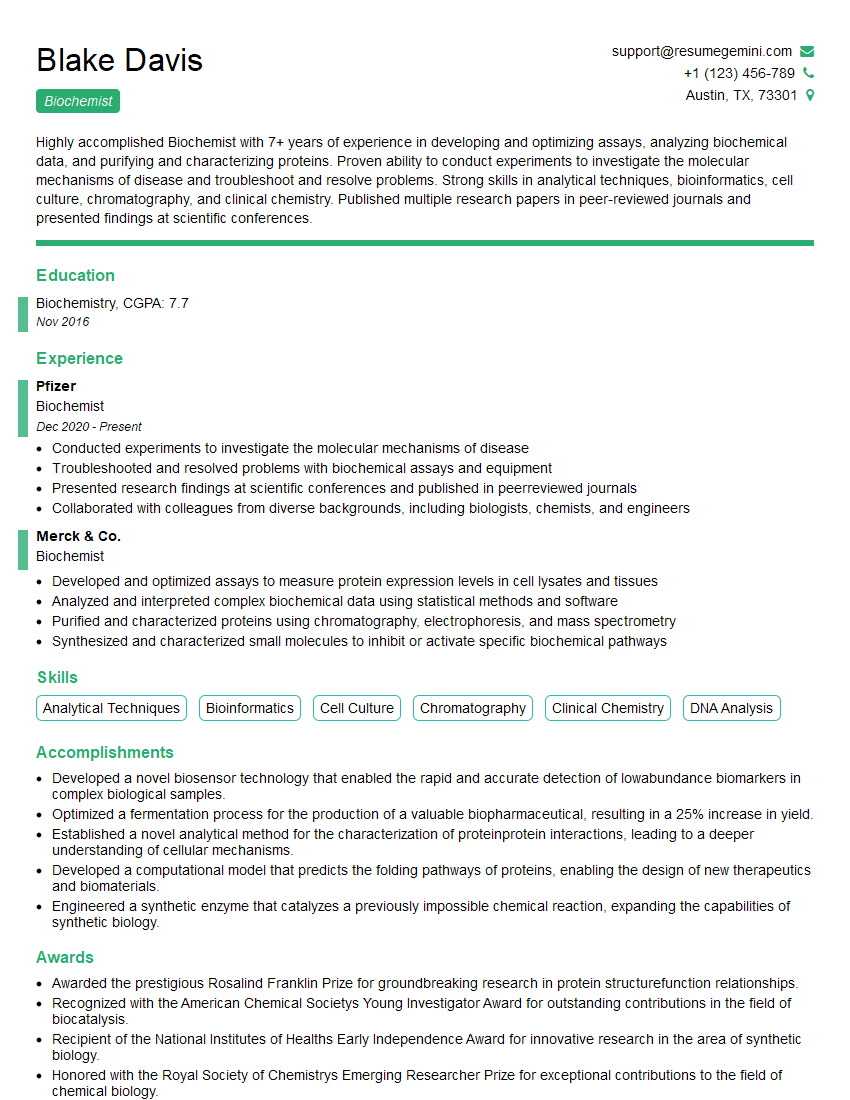
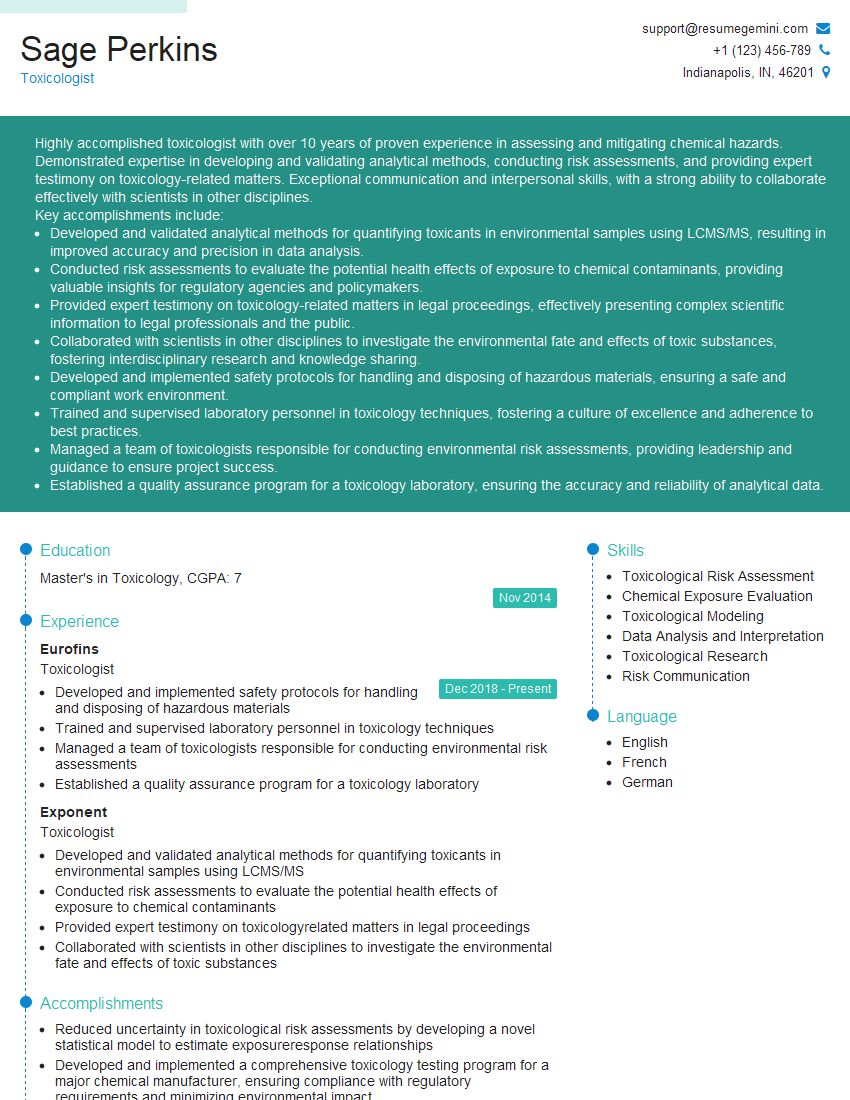
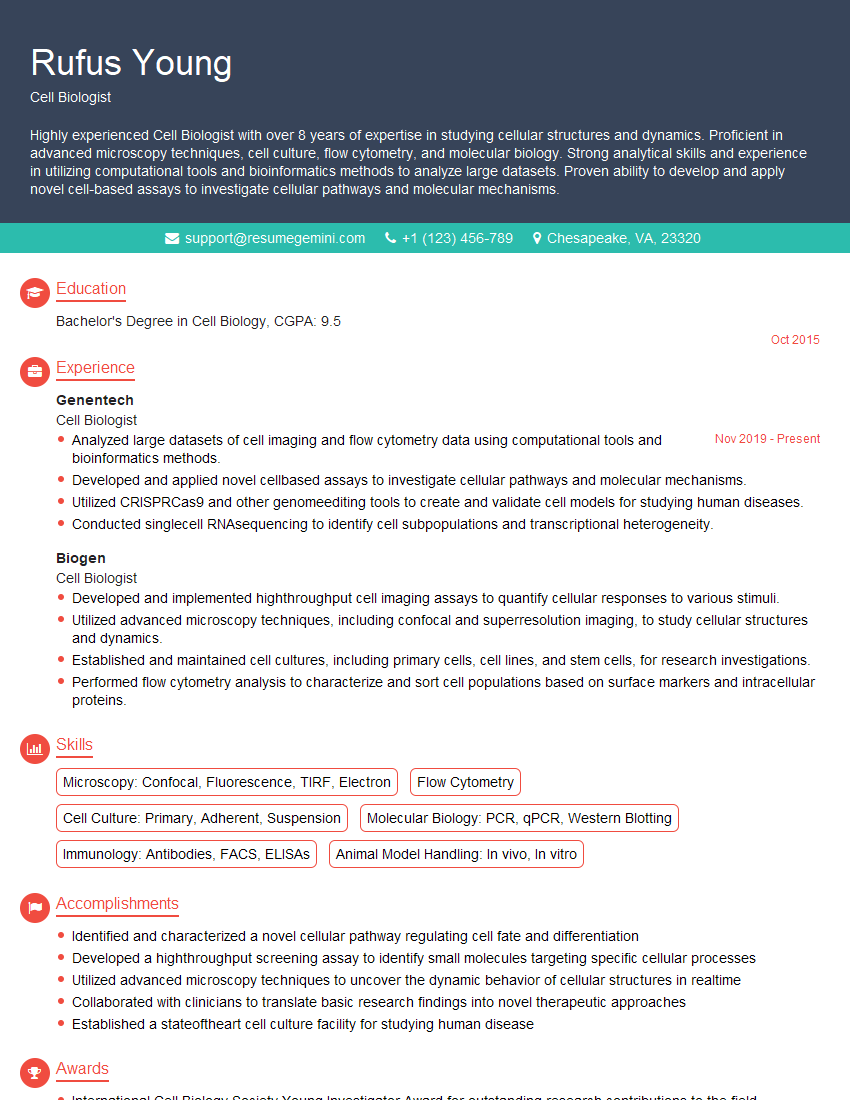
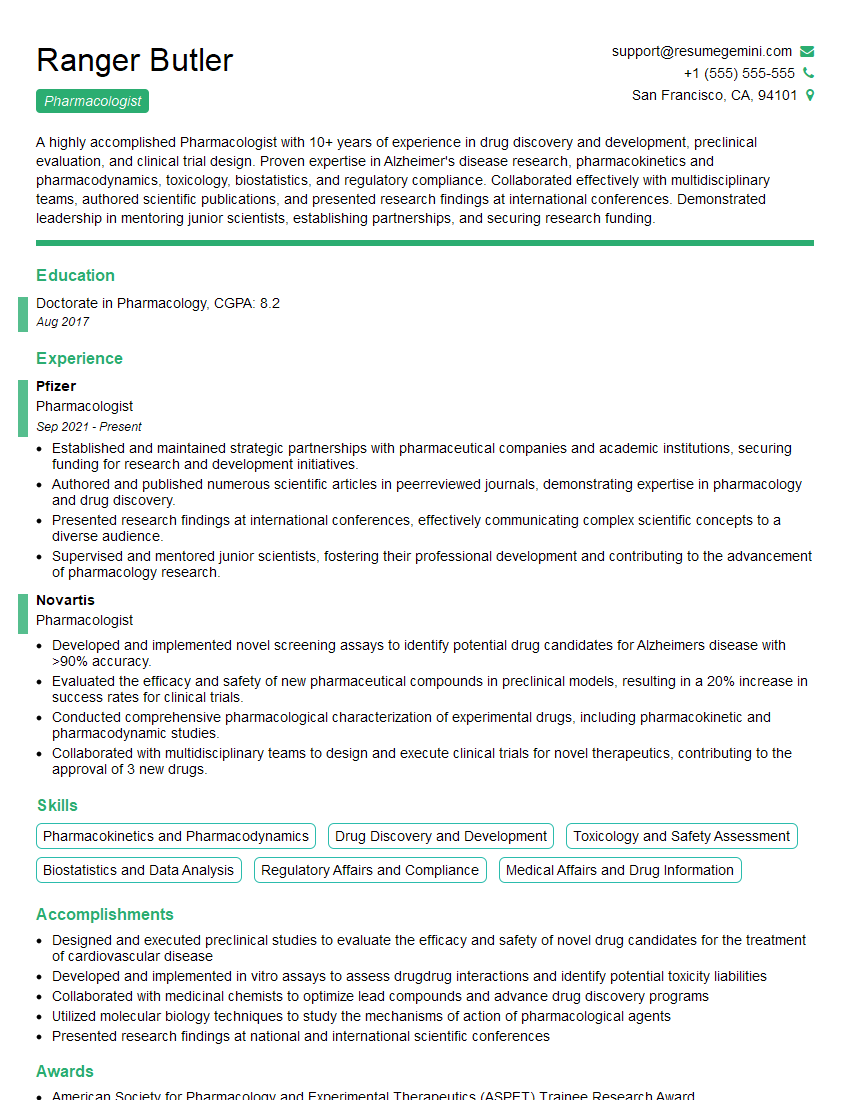
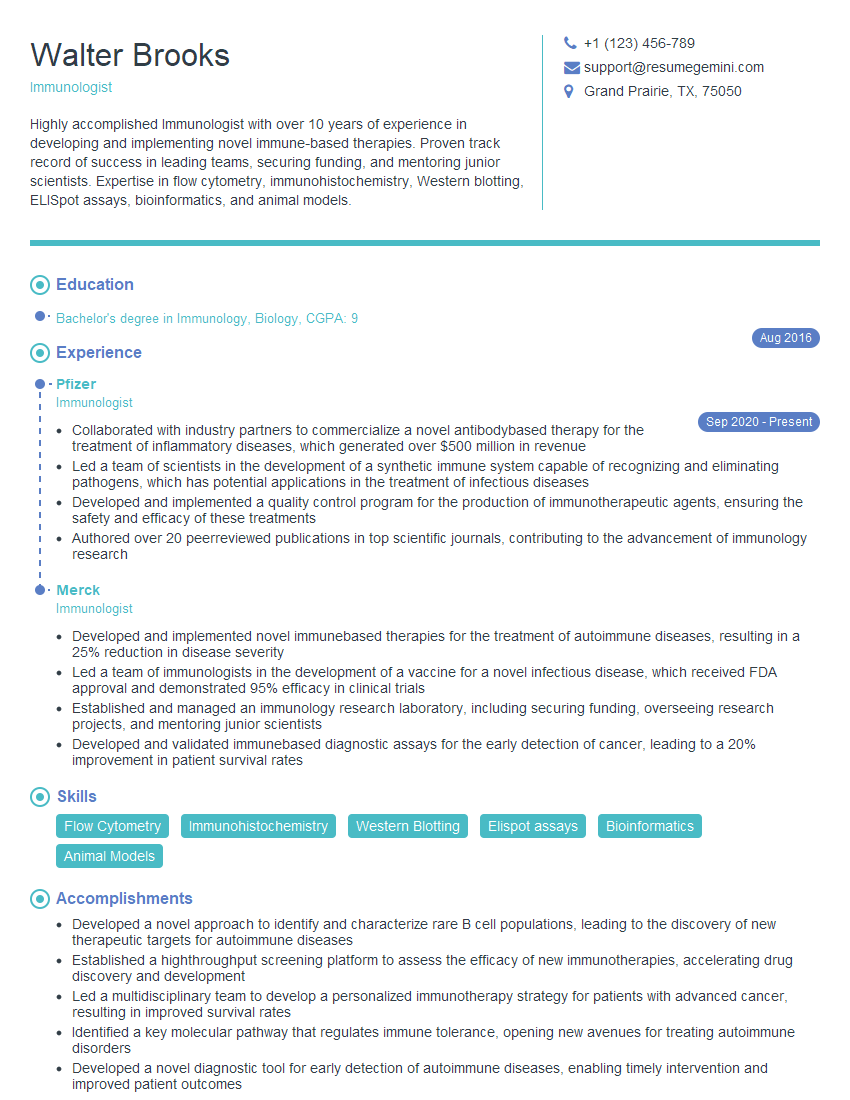
Mastering preclinical development principles is crucial for a successful and rewarding career in the pharmaceutical or biotech industry. It opens doors to diverse roles with increasing responsibility and impact. To maximize your job prospects, it’s essential to present your skills and experience effectively. Creating an ATS-friendly resume is key to getting your application noticed. We highly recommend using ResumeGemini to build a professional and impactful resume that highlights your qualifications. ResumeGemini offers examples of resumes specifically tailored to Preclinical Development roles to guide you through the process.

Explore more articles
Users Rating of Our Blogs
Share Your Experience
We value your feedback! Please rate our content and share your thoughts (optional).
What Readers Say About Our Blog
hello,
Our consultant firm based in the USA and our client are interested in your products.
Could you provide your company brochure and respond from your official email id (if different from the current in use), so i can send you the client’s requirement.
Payment before production.
I await your answer.
Regards,
MrSmith
hello,
Our consultant firm based in the USA and our client are interested in your products.
Could you provide your company brochure and respond from your official email id (if different from the current in use), so i can send you the client’s requirement.
Payment before production.
I await your answer.
Regards,
MrSmith
These apartments are so amazing, posting them online would break the algorithm.
https://bit.ly/Lovely2BedsApartmentHudsonYards
Reach out at [email protected] and let’s get started!
Take a look at this stunning 2-bedroom apartment perfectly situated NYC’s coveted Hudson Yards!
https://bit.ly/Lovely2BedsApartmentHudsonYards
Live Rent Free!
https://bit.ly/LiveRentFREE
Interesting Article, I liked the depth of knowledge you’ve shared.
Helpful, thanks for sharing.
Hi, I represent a social media marketing agency and liked your blog
Hi, I represent an SEO company that specialises in getting you AI citations and higher rankings on Google. I’d like to offer you a 100% free SEO audit for your website. Would you be interested?