Are you ready to stand out in your next interview? Understanding and preparing for Expansion Gap Calculation interview questions is a game-changer. In this blog, we’ve compiled key questions and expert advice to help you showcase your skills with confidence and precision. Let’s get started on your journey to acing the interview.
Questions Asked in Expansion Gap Calculation Interview
Q 1. Define Expansion Gap Calculation and its significance in financial modeling.
Expansion Gap Calculation is a financial modeling technique used to quantify the difference between a company’s projected future revenue and its desired or potential revenue. It essentially highlights the untapped market opportunity. Its significance lies in identifying areas for strategic growth, guiding investment decisions, and informing resource allocation. A large expansion gap suggests substantial potential, while a small gap might indicate market saturation or the need for a revised growth strategy.
For example, if a company projects $10 million in revenue but believes it could realistically achieve $20 million given market conditions and its capabilities, the expansion gap is $10 million. This gap then becomes the focus of strategic planning.
Q 2. Explain the difference between organic growth and inorganic growth in the context of expansion gap.
In the context of the expansion gap, organic growth refers to revenue expansion achieved through internal means, such as increased sales volume, product innovation, or market penetration within existing channels. Inorganic growth, conversely, involves external strategies like mergers and acquisitions, strategic partnerships, or entering new geographical markets. Both contribute to closing the expansion gap, but the strategies involved and the timeframes differ significantly.
Imagine a bakery: organic growth might be launching a new line of pastries to attract new customers or improving marketing to increase sales of existing products. Inorganic growth could be acquiring a competing bakery in a neighboring town to instantly expand market share.
Q 3. What are the key drivers of the expansion gap?
Several key drivers influence the expansion gap. These include:
- Market Size and Growth Potential: A larger, faster-growing market provides a wider opportunity for expansion.
- Competitive Landscape: Intense competition might constrain growth, while a less competitive environment presents more opportunities.
- Company Capabilities: A company’s resources, skills, and brand reputation determine its ability to capitalize on market opportunities.
- Marketing and Sales Effectiveness: Efficient marketing and sales strategies are crucial in reaching target customers.
- Product Innovation and Differentiation: Offering unique or superior products can significantly boost market share and revenue.
- Economic Conditions: Macroeconomic factors, such as economic growth or recession, heavily influence consumer spending and market demand.
Q 4. How do you identify and quantify market opportunities for expansion?
Identifying and quantifying market opportunities requires a multi-faceted approach:
- Market Research: Conduct thorough market research to understand market size, demographics, customer preferences, and competitor analysis. Tools like surveys, focus groups, and data analysis are essential.
- SWOT Analysis: Assess the company’s internal strengths and weaknesses, as well as external opportunities and threats.
- Segmentation: Divide the market into distinct segments based on characteristics such as demographics, geographic location, or purchasing behavior to identify target markets with the highest potential.
- Sales Forecasting: Use historical data, market trends, and predictive modeling techniques to estimate potential revenue from each segment.
For example, a company might discover a significant unmet need in a specific demographic, enabling them to quantify the potential revenue from addressing that need.
Q 5. Describe your approach to forecasting future revenue growth and market share.
Forecasting future revenue growth and market share involves a combination of qualitative and quantitative methods:
- Time Series Analysis: Analyze historical revenue data to identify trends and patterns using statistical models.
- Regression Analysis: Identify relationships between revenue and key drivers such as marketing spend, pricing, and economic indicators.
- Market Sizing and Share Estimation: Estimate the total addressable market and the company’s potential share based on market research and competitive analysis.
- Scenario Planning: Develop different scenarios based on different assumptions about future market conditions and company performance.
- Expert Judgment: Integrate insights from industry experts and internal stakeholders to refine forecasts.
It is important to account for uncertainty and incorporate sensitivity analysis to understand the potential impact of various factors on the forecasts.
Q 6. Explain how you would calculate the expansion gap for a specific company or industry.
Calculating the expansion gap for a specific company or industry involves these steps:
- Project Future Revenue: Develop a forecast of the company’s revenue based on the methods described in the previous answer.
- Estimate Potential Revenue: Assess the maximum achievable revenue given the market size, competitive landscape, and company’s capabilities. This often involves considering market penetration rates and pricing strategies.
- Calculate the Gap: Subtract the projected revenue from the potential revenue. This difference represents the expansion gap.
Expansion Gap = Potential Revenue - Projected Revenue
For instance, if a company projects $5 million in revenue in the next year but its market analysis suggests a potential revenue of $12 million, then the expansion gap is $7 million.
Q 7. What are the limitations of Expansion Gap Calculation?
Expansion Gap Calculation has limitations:
- Uncertainties and Assumptions: Forecasts are inherently uncertain and rely on assumptions about future market conditions and company performance. Changes in these factors can significantly impact the accuracy of the gap calculation.
- Data Availability and Reliability: Accurate market data may be scarce or unreliable, affecting the accuracy of potential revenue estimation.
- Oversimplification: The calculation might oversimplify the complexities of the market and the company’s competitive dynamics.
- Strategic Limitations: The calculation doesn’t automatically suggest actionable strategic initiatives to close the gap; further analysis is needed to identify specific strategies and resource allocation.
It is crucial to acknowledge these limitations and interpret the results carefully, using the expansion gap as a guide rather than a definitive prediction.
Q 8. How do you incorporate qualitative factors into your Expansion Gap analysis?
Incorporating qualitative factors into Expansion Gap analysis is crucial because purely quantitative assessments can be misleading. While the gap itself (the difference between current performance and potential performance) is numerical, the reasons behind that gap are often complex and nuanced. We need to understand the ‘why’ behind the numbers.
For instance, a large expansion gap might be due to limited marketing budget (a quantifiable factor), but also due to brand perception issues (a qualitative factor) or lack of skilled workforce (another qualitative factor).
- Market Research: Qualitative data from customer surveys, focus groups, and competitive analysis can reveal unmet needs, brand perception challenges, and market saturation levels, informing the interpretation of quantitative expansion gap data.
- Internal Assessment: Interviews with employees across different departments can provide valuable insights into operational inefficiencies, internal communication breakdowns, and cultural factors limiting growth, offering a human perspective on the numbers.
- SWOT Analysis: A structured SWOT (Strengths, Weaknesses, Opportunities, Threats) analysis incorporates both quantitative (market size, financial resources) and qualitative (brand reputation, competitive landscape) factors to provide a holistic picture.
By combining quantitative data with qualitative insights, we can develop more accurate and actionable strategies to bridge the expansion gap. For example, if the analysis shows a lack of skilled workers is a significant qualitative factor, we can factor in additional training budget or recruitment strategies when setting expansion goals.
Q 9. How does the expansion gap relate to valuation?
The expansion gap is fundamentally linked to valuation. A larger expansion gap, indicating significant untapped potential, generally suggests a higher valuation potential. Investors are willing to pay a premium for companies with a demonstrably larger runway for growth.
Think of it this way: Two companies might have similar current revenues, but one has identified a large expansion gap due to a clear path to new markets or product lines. This company, despite its current smaller revenue, is likely to be valued more highly because investors see the potential for future growth embedded in that gap. This potential for future growth is a core component of valuation models like discounted cash flow (DCF).
Conversely, a small expansion gap might signal limited future growth prospects, leading to a lower valuation. The process of assessing the expansion gap helps to refine future cash flow projections, which are a critical input into most valuation models.
Q 10. What are some common errors in Expansion Gap Calculation?
Several common errors can significantly skew Expansion Gap calculations. These errors often stem from assumptions, data limitations, or a lack of holistic perspective.
- Inaccurate Market Size Estimation: Overestimating the total addressable market (TAM) or the serviceable available market (SAM) can lead to an inflated expansion gap. This is a frequent error and requires robust market research.
- Ignoring Competitive Landscape: Failing to account for competitive pressures and market saturation can overstate the achievable expansion. A thorough competitive analysis is essential.
- Unrealistic Market Share Assumptions: Projecting overly optimistic market share gains without a clear strategy to achieve them is another common pitfall. Realistic market penetration scenarios should be considered.
- Neglecting Qualitative Factors: As mentioned earlier, focusing solely on quantitative data and ignoring important qualitative factors (e.g., brand reputation, regulatory hurdles) can lead to flawed analysis.
- Poor Data Quality: Using unreliable data sources or making assumptions based on incomplete data will inevitably produce inaccurate results. Data validation and verification are paramount.
Addressing these potential errors requires rigorous data collection, careful analysis, and a balanced approach that incorporates both quantitative and qualitative information.
Q 11. How do you handle uncertainty and risk in your Expansion Gap analysis?
Uncertainty and risk are inherent in any Expansion Gap analysis. We address this through several techniques.
- Scenario Planning: Developing multiple scenarios—best-case, worst-case, and most-likely—allows us to assess the expansion gap under varying conditions. This helps to identify potential threats and opportunities.
- Sensitivity Analysis: This technique assesses the impact of changes in key variables (e.g., market size, marketing effectiveness, competitor actions) on the expansion gap. This helps to quantify the uncertainty around our assumptions.
- Monte Carlo Simulation: For more complex situations, Monte Carlo simulation can generate a probability distribution of possible expansion gap outcomes. This provides a more comprehensive understanding of the risk involved.
- Risk Mitigation Strategies: Identifying potential risks (e.g., regulatory changes, technological disruption) and developing strategies to mitigate them allows us to reduce uncertainty and increase confidence in our analysis.
By acknowledging and actively managing uncertainty, we can develop a more robust and reliable expansion gap analysis that better informs decision-making.
Q 12. How would you present your Expansion Gap findings to senior management?
Presenting Expansion Gap findings to senior management requires a clear, concise, and visually compelling approach.
My presentation would begin with a high-level overview of the expansion gap, illustrating the difference between current performance and potential performance using simple, easily understandable visuals such as charts and graphs. I would then delve into the key drivers of the gap, highlighting both quantitative and qualitative factors. This part of the presentation would include supporting evidence from market research, internal assessments, and competitive analysis.
I would also clearly articulate the assumptions made in the analysis and the potential risks and uncertainties involved. Finally, I would propose actionable strategies to bridge the expansion gap, outlining specific initiatives and their expected impact. A strong emphasis would be placed on quantifiable metrics and clear timelines.
The presentation should be tailored to the audience; senior management will be interested in the key takeaways and strategic implications rather than minute technical details.
Q 13. How can the expansion gap inform investment decisions?
The expansion gap is a powerful tool for informing investment decisions. It helps determine the potential return on investment (ROI) of different expansion strategies. A large expansion gap suggests significant growth potential, justifying higher investment levels, while a small gap might indicate that investment resources should be focused elsewhere.
For example, if the analysis reveals a significant expansion gap due to untapped market segments, it might justify investment in new product development, marketing campaigns, or expansion into new geographic regions. Conversely, if the gap is small due to market saturation or strong competitive pressures, it might advise against further investment in that specific area.
Ultimately, the expansion gap provides a quantitative and qualitative framework for making informed decisions about resource allocation, ensuring investments are targeted at areas with the greatest potential for return.
Q 14. Describe a situation where you used Expansion Gap Calculation to support a business decision.
In a previous role, we were considering expanding our SaaS product into a new geographical market. We conducted a thorough Expansion Gap analysis, incorporating both quantitative data (market size, customer demographics, competitor activity) and qualitative data (customer interviews, cultural nuances, regulatory environment). Our quantitative analysis initially suggested a substantial expansion gap.
However, the qualitative analysis revealed significant cultural barriers to adoption and complex regulatory hurdles that could significantly delay market entry. This holistic approach to the Expansion Gap analysis resulted in a more realistic assessment of potential ROI. Based on the integrated findings, we decided to adjust our expansion strategy, focusing on a phased rollout with a targeted marketing campaign designed to address the identified cultural and regulatory challenges. This adjusted approach, informed by the complete Expansion Gap analysis, significantly improved our chances of successful market entry and maximized our ROI.
Q 15. How do you incorporate competitor analysis into your expansion gap calculation?
Competitor analysis is crucial in expansion gap calculations because it provides a benchmark against which to measure your potential. It helps determine your realistic market share and informs assumptions about pricing, marketing spend, and overall market dynamics. For example, if a competitor controls 60% of the market with a similar product and marketing strategy, it’s unrealistic to assume you can capture 80% without significant differentiation and investment. We analyze competitors’ market share, pricing strategies, product offerings, marketing campaigns, and customer acquisition costs. This data helps refine the forecast of your potential revenue and market penetration, leading to a more accurate expansion gap calculation.
Consider a hypothetical scenario where we’re assessing the expansion gap for a new coffee shop chain. Analyzing competitor locations, menu offerings, and pricing reveals an underserved market segment focusing on organic, locally-sourced coffee. This segment analysis informs the forecast of realistic market share and revenue, directly influencing our expansion gap calculation.
Career Expert Tips:
- Ace those interviews! Prepare effectively by reviewing the Top 50 Most Common Interview Questions on ResumeGemini.
- Navigate your job search with confidence! Explore a wide range of Career Tips on ResumeGemini. Learn about common challenges and recommendations to overcome them.
- Craft the perfect resume! Master the Art of Resume Writing with ResumeGemini’s guide. Showcase your unique qualifications and achievements effectively.
- Don’t miss out on holiday savings! Build your dream resume with ResumeGemini’s ATS optimized templates.
Q 16. How does macroeconomic factors influence expansion gap?
Macroeconomic factors significantly influence the expansion gap. These factors, which are largely outside a company’s direct control, directly affect consumer spending, investment levels, and overall economic growth. For example, a recession can dramatically reduce consumer disposable income, making expansion plans unrealistic. Conversely, robust economic growth increases market opportunities and can reduce the expansion gap.
Specific factors include interest rates (which affect borrowing costs and investment decisions), inflation (which impacts pricing and consumer behaviour), unemployment rates (which impact consumer confidence and disposable income), and government regulations. We incorporate these factors by conducting sensitivity analyses – varying assumptions about these macroeconomic variables to understand the range of potential outcomes and the robustness of our expansion plans. For instance, we might forecast our expansion gap under different inflation scenarios: a low-inflation scenario, a moderate inflation scenario, and a high-inflation scenario. This approach reveals the potential risks and opportunities associated with various macroeconomic environments.
Q 17. What are the different methods for calculating organic growth potential?
Calculating organic growth potential involves estimating the maximum growth achievable through internal resources and existing capabilities, without external funding or acquisitions. Several methods exist:
- Market Penetration: Increasing market share within existing markets. This method analyzes the potential for expanding to new customer segments within the current market or increasing sales to existing customers. For example, offering loyalty programs or expanding product lines.
- Product Development: Introducing new products or services to existing customers. This method assesses the potential demand for new product offerings based on market research and consumer trends. For example, a bakery could expand into catering.
- Market Development: Expanding into new geographic markets or customer segments with existing products or services. This strategy leverages existing product offerings to reach new customer bases. For example, a regional restaurant expanding into a national chain.
- Regression Analysis: Using historical data to project future growth based on statistical relationships. This method involves building a model that relates sales to various factors like marketing expenditure, economic conditions etc. This provides an objective quantitative assessment.
The chosen method depends on the specific business and its opportunities. Often, a combination of approaches is used for a comprehensive assessment.
Q 18. How can you use scenario analysis to assess the expansion gap?
Scenario analysis is vital for assessing the expansion gap’s robustness to uncertainty. It involves creating multiple plausible scenarios based on different assumptions about key variables and then calculating the expansion gap under each scenario. This provides a range of potential outcomes, enabling informed decision-making.
For example, in expanding a retail business, we might model three scenarios:
- Optimistic Scenario: Higher-than-expected customer demand, strong economic growth, and lower-than-expected competition.
- Base Case Scenario: Average market demand, stable economic growth, and moderate competition – reflecting most likely outcomes.
- Pessimistic Scenario: Lower-than-expected customer demand, weak economic growth, and intense competition.
By comparing the expansion gap across these scenarios, management gains insights into the potential risks and rewards associated with expansion and can develop contingency plans. This allows for a more risk-informed evaluation than relying solely on a single forecast.
Q 19. What are the key assumptions that you usually make when calculating the expansion gap?
Key assumptions in expansion gap calculations vary depending on the specific business and industry, but common ones include:
- Market Size and Growth Rate: Accurate estimations are crucial. Often involves analyzing market research reports, industry trends, and historical data.
- Market Share: A realistic assessment of the achievable market share given competition, pricing strategy, and product differentiation.
- Pricing Strategy: Assumptions about pricing levels, discounts, and promotional activities influence revenue projections. Sensitivity analysis should consider varying price points.
- Operating Costs: Accurate estimations of expenses, including fixed and variable costs, which are crucial for profit margin calculations.
- Capital Expenditures: Accurate projections of investment needs for new facilities, equipment, and other assets.
- Customer Acquisition Costs: Understanding the costs involved in acquiring new customers impacts the profitability of expansion.
- Discount Rate: Reflecting the risk associated with the investment. Higher risk justifies a higher discount rate.
Transparency and clear documentation of these assumptions are essential for ensuring the reliability and credibility of the expansion gap calculation.
Q 20. How do you determine the appropriate discount rate for future cash flows in expansion gap calculation?
The appropriate discount rate is crucial for accurately valuing future cash flows in expansion gap calculations. It represents the minimum return an investor requires to compensate for the risk involved in the investment. A higher discount rate lowers the present value of future cash flows, increasing the perceived expansion gap. Determining the appropriate discount rate involves considering various factors:
- Risk-Free Rate: The return on a virtually risk-free investment, such as a government bond. This establishes the baseline rate.
- Company’s Beta: A measure of the company’s systematic risk – how volatile its returns are relative to the overall market. A higher beta implies higher risk, requiring a higher discount rate.
- Market Risk Premium: The expected return on the market above the risk-free rate. It reflects the extra return investors demand for taking on market risk.
- Project-Specific Risk: This factor accounts for any unique risks associated with the specific expansion project, such as regulatory hurdles, technological obsolescence, or competitive threats.
The Weighted Average Cost of Capital (WACC) is often used as the discount rate, reflecting the overall cost of financing the expansion project. However, project-specific risk should be carefully considered in setting a suitable discount rate to provide an accurate assessment of the project’s viability.
Q 21. What is the impact of different capital structures on the expansion gap?
Different capital structures significantly impact the expansion gap calculation. Capital structure refers to the proportion of debt and equity financing used by a company. A higher proportion of debt financing, while reducing equity requirements, increases financial risk. The increased financial risk translates into a higher cost of capital, which increases the discount rate used in the expansion gap calculation. Conversely, a higher proportion of equity financing lowers the financial risk and the cost of capital, leading to a lower discount rate and a potentially smaller expansion gap.
Imagine two companies expanding into a new market. Company A uses primarily debt financing (high leverage), while Company B uses a more balanced approach with a mix of debt and equity. Company A’s higher financial risk will result in a higher discount rate, potentially increasing its calculated expansion gap compared to Company B. This highlights the importance of optimizing capital structure to minimize the expansion gap and maximize project value.
Q 22. How does the expansion gap relate to the company’s strategic plan?
The expansion gap, essentially the difference between a company’s current market reach and its desired future reach, is intrinsically linked to the company’s strategic plan. It’s not just a number; it represents the ambition and growth trajectory outlined in the plan. A well-defined strategic plan will explicitly or implicitly define a target market share, geographic expansion, or new product penetration. The expansion gap calculation then quantifies the distance between the current state and that aspirational future state. For example, if a company aims to become the market leader in a specific region within five years, the expansion gap would represent the market share they need to gain to achieve that goal. The strategic plan dictates the scope and ambition of the gap analysis, shaping the resources allocated and the timeline established for closure.
In essence, the expansion gap acts as a crucial performance metric against the strategic plan, enabling continuous monitoring and adjustment to ensure the company remains on track to achieve its objectives.
Q 23. What are the key performance indicators (KPIs) you would monitor to track progress in closing the expansion gap?
Key Performance Indicators (KPIs) for tracking progress in closing the expansion gap vary depending on the specific strategic goals, but some crucial metrics include:
- Market Share Growth: Tracking the percentage increase in market share within target segments.
- New Customer Acquisition Rate: Monitoring the rate at which new customers are acquired in the targeted expansion areas.
- Revenue Growth in New Markets/Segments: Measuring revenue generated from expanded areas to assess the financial impact of the expansion strategy.
- Brand Awareness in New Markets: Assessing brand recognition and recall through surveys or social media analytics.
- Sales Force Productivity in New Territories: Evaluating the effectiveness of sales teams in newly expanded regions.
- Customer Acquisition Cost (CAC) in New Markets: Monitoring the efficiency of customer acquisition strategies in expanded areas.
By meticulously monitoring these KPIs, we can identify early warning signs of potential setbacks and make timely adjustments to our expansion strategy, ensuring we remain on track to close the gap efficiently and effectively.
Q 24. How can you use the expansion gap to identify potential areas for acquisition or divestiture?
The expansion gap analysis is a powerful tool for identifying potential acquisition or divestiture opportunities. By analyzing the gap in different market segments or geographic areas, we can pinpoint where organic growth might be slow or challenging.
For example, if the expansion gap analysis reveals a significant unmet need in a specific market segment that is difficult to address organically due to regulatory barriers or lack of internal expertise, acquiring a company already operating successfully in that segment could efficiently bridge the gap. Conversely, if certain areas are contributing minimally to overall growth despite significant investment, divesting those non-performing assets can free up resources to be channeled into higher-potential areas that align better with the strategic plan and help close the expansion gap more effectively. Essentially, the gap analysis guides strategic decisions about resource allocation, focusing investments where they yield the greatest return and achieving a more efficient market footprint.
Q 25. Describe your experience with financial modeling software and its application to Expansion Gap Calculation.
I have extensive experience using financial modeling software such as Excel, Power BI, and dedicated financial planning and analysis (FP&A) tools. These tools are invaluable for expansion gap calculations because they allow for complex scenario planning and what-if analysis. For instance, we can model different growth strategies, factoring in variables like marketing spend, sales force expansion, and pricing strategies.
//Example of a simple expansion gap calculation in Excel: //Current Market Share = 10% //Target Market Share = 50% //Expansion Gap = Target Market Share - Current Market Share = 40% //This would then be further broken down by region, product etc.
The software enables data visualization and the creation of dynamic dashboards that provide clear insights into the gap and track progress over time. This allows for more informed decision-making and supports the strategic planning process.
Q 26. How do you validate your Expansion Gap analysis?
Validating the expansion gap analysis is critical. We use a multi-faceted approach:
- Data Triangulation: We use data from multiple sources – market research reports, internal sales data, competitor analysis, and customer surveys – to ensure the data is reliable and consistent.
- Sensitivity Analysis: We conduct sensitivity analysis to assess how changes in key assumptions (e.g., market growth rate, pricing) impact the expansion gap calculation. This helps us understand the robustness of our projections.
- Peer Group Comparison: We compare our projected market share and growth rates to those of similar companies in the same industry to identify any significant deviations and validate our assumptions.
- Regular Monitoring and Adjustments: We regularly monitor actual results against our projections and make necessary adjustments to our model based on new information. This iterative approach ensures that our analysis remains relevant and accurate.
Through this rigorous validation process, we ensure that our expansion gap analysis is robust, reliable, and provides a sound basis for strategic decision-making.
Q 27. How do you handle discrepancies between projected and actual results in Expansion Gap Calculation?
Discrepancies between projected and actual results in expansion gap calculations are inevitable. It’s not a sign of failure, but an opportunity for learning and improvement. When such discrepancies arise, I follow these steps:
- Investigate the Root Cause: We thoroughly investigate the reasons for the variance. This might involve examining market conditions, competitive actions, internal operational issues, or unforeseen external factors.
- Update Assumptions: Based on the root cause analysis, we update our assumptions in the model, reflecting the actual market dynamics and performance data.
- Refine the Model: We may need to refine our expansion gap model to incorporate new insights and better capture the complexities of the market.
- Develop Corrective Actions: Based on the analysis, we develop and implement corrective actions to bring actual performance in line with the revised targets. This could include changes in marketing strategies, sales processes, or product development.
- Communicate Findings: We communicate the findings and corrective actions to relevant stakeholders, ensuring transparency and alignment across the organization.
This iterative process of analysis, adaptation, and correction allows us to learn from past performance, improve the accuracy of our projections, and ultimately close the expansion gap more effectively.
Q 28. How would you explain a complex Expansion Gap Calculation to a non-financial audience?
Imagine you’re baking a cake. You have a recipe (your strategic plan) that outlines the size and type of cake you want to bake (your target market reach). Currently, you’ve only baked a small cupcake (your current market reach). The expansion gap is simply the difference in size – the amount of cake you still need to bake to reach your goal. To close the gap, you need to increase your baking capacity (resources, marketing etc.), improve your recipe (strategy adjustments), and ensure you’re baking consistently (monitoring progress against targets).
We use data to measure how big your current cupcake is and how big the target cake should be. We then create a plan that outlines how much more cake we need to bake and how we’re going to achieve it. This helps us allocate our resources effectively – focusing our time and ingredients on making the largest cake possible, achieving our overall strategic goal.
Key Topics to Learn for Expansion Gap Calculation Interview
- Understanding the Fundamentals: Grasp the core principles behind expansion gap calculations, including the definition and its significance in various contexts.
- Different Calculation Methods: Explore and compare various methods used to calculate expansion gaps, understanding their strengths and weaknesses and when to apply each.
- Data Analysis and Interpretation: Learn how to effectively analyze relevant data, identify potential sources of error, and interpret the results of your calculations.
- Practical Applications: Understand real-world applications of expansion gap calculations across different industries and scenarios. Consider examples in engineering, finance, or other relevant fields.
- Problem-Solving Strategies: Develop a systematic approach to problem-solving involving expansion gap calculations, focusing on identifying the key variables and applying appropriate formulas.
- Scenario-Based Analysis: Practice analyzing hypothetical scenarios that require the application of expansion gap calculations, focusing on adapting your approach based on specific constraints and data availability.
- Advanced Techniques: Explore more advanced techniques and considerations relevant to expansion gap calculations, such as handling uncertainty or incorporating external factors.
Next Steps
Mastering expansion gap calculation significantly enhances your problem-solving skills and demonstrates a valuable quantitative aptitude – highly sought-after attributes in many competitive fields. To maximize your career prospects, invest time in crafting a compelling, ATS-friendly resume that highlights these skills. ResumeGemini is a trusted resource to help you build a professional and effective resume that showcases your abilities. We provide examples of resumes tailored specifically to highlight expertise in Expansion Gap Calculation to help you get started.
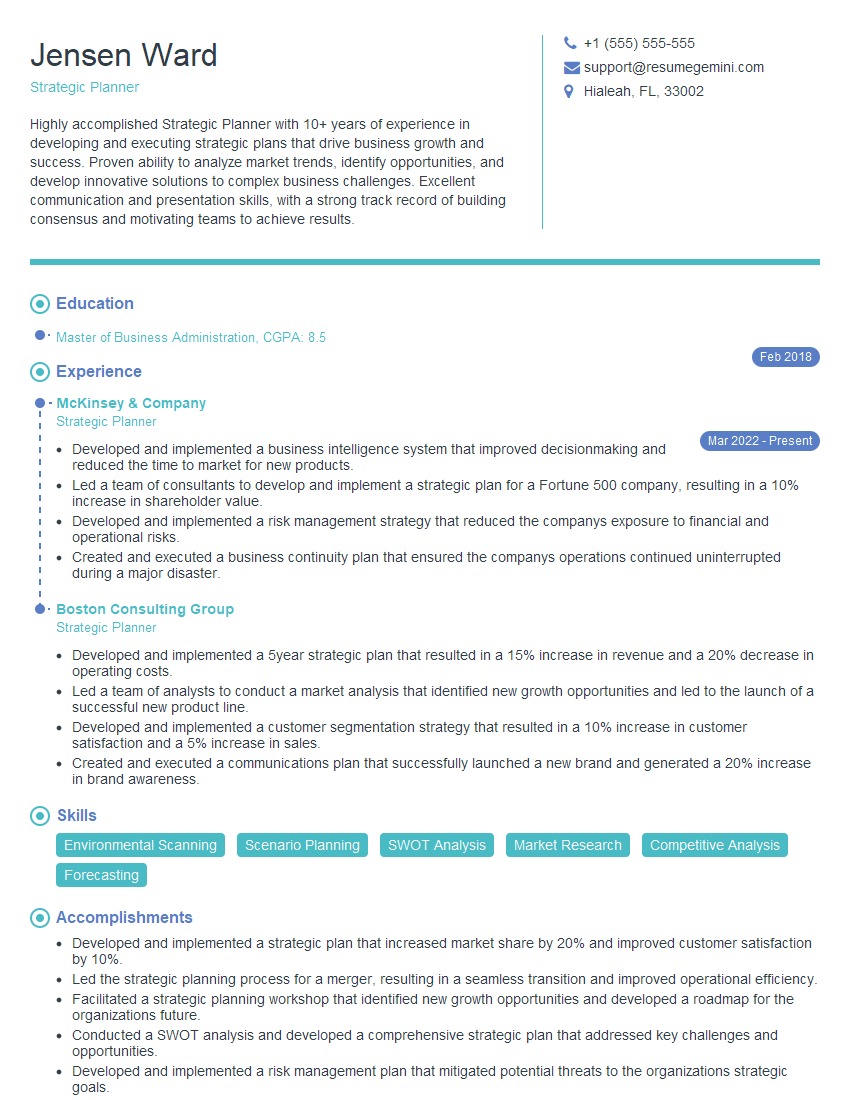
Strategic Planner Resume Sample
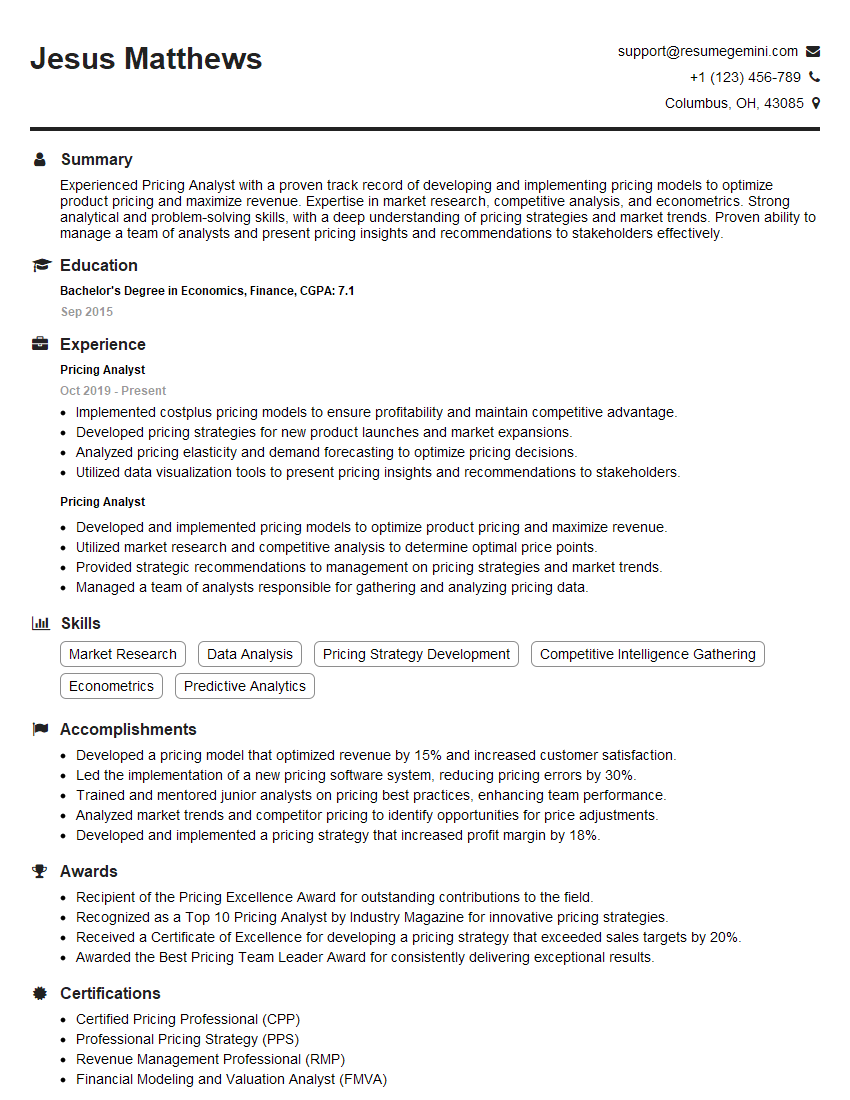
Pricing Analyst Resume Sample
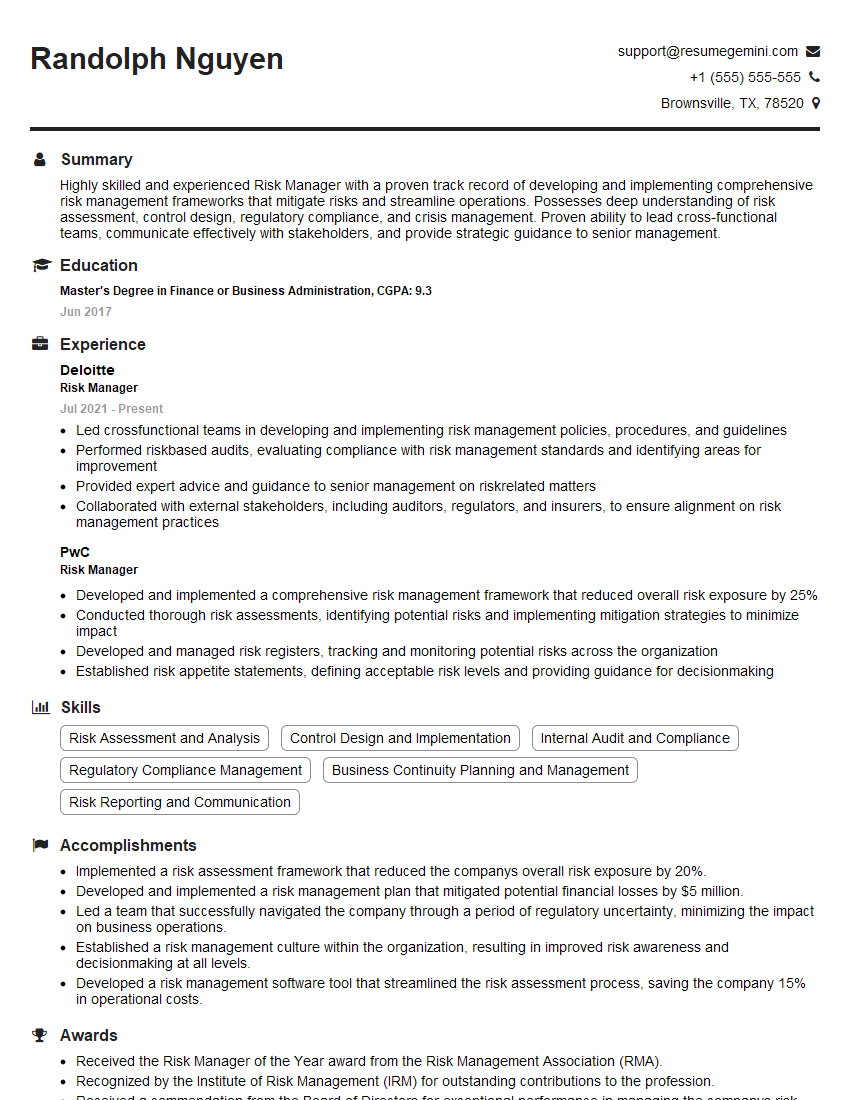
Risk Manager Resume Sample
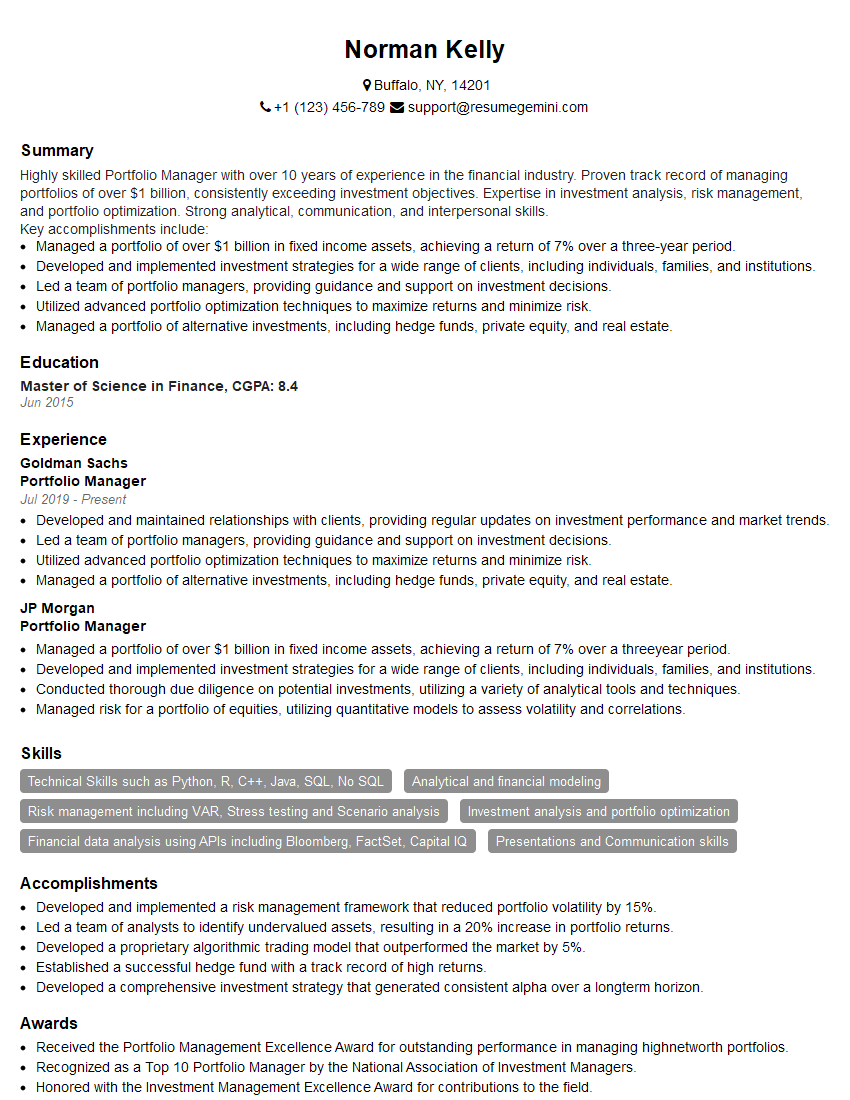
Portfolio Manager Resume Sample
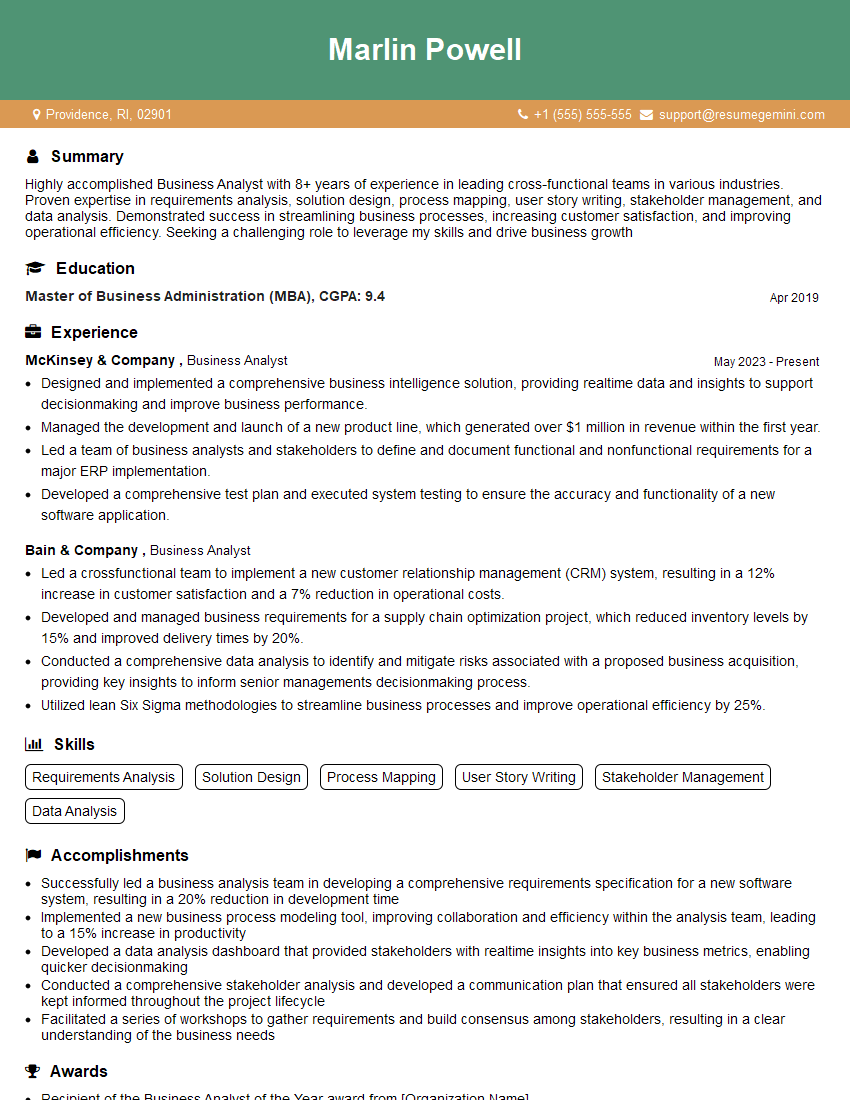
Business Analyst Resume Sample
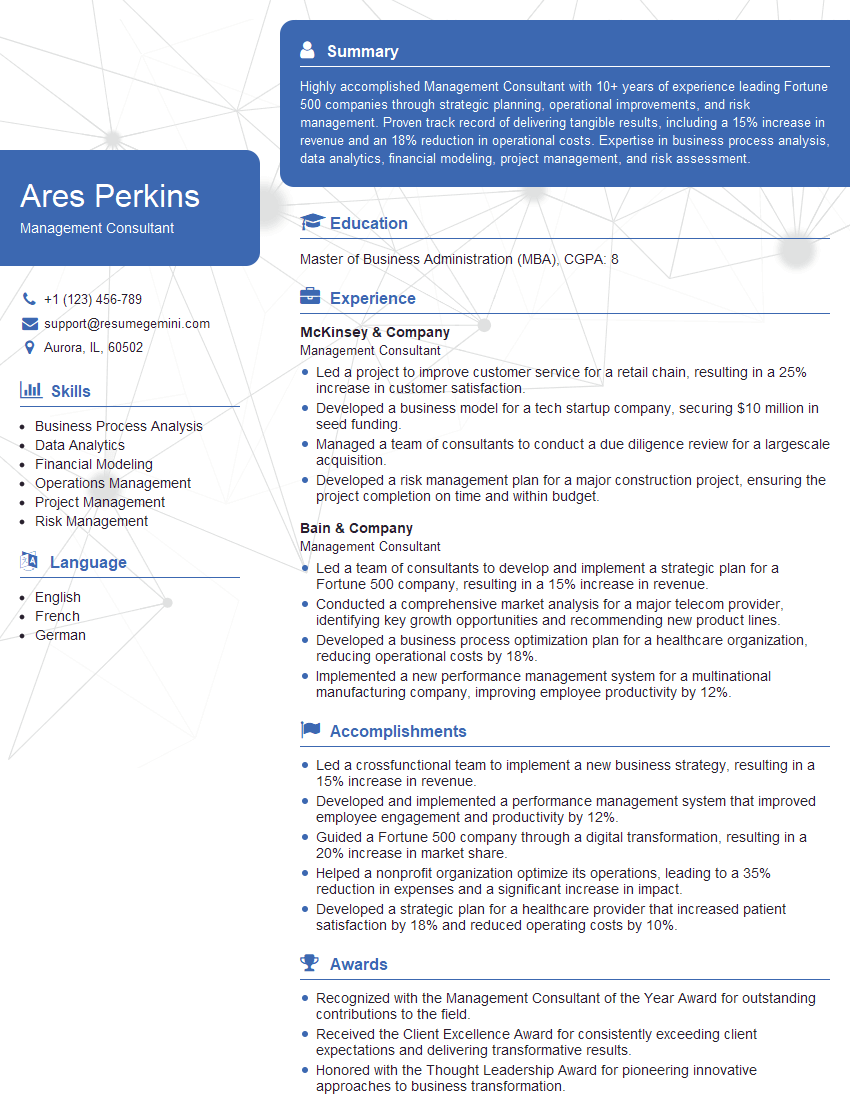
Management Consultant Resume Sample
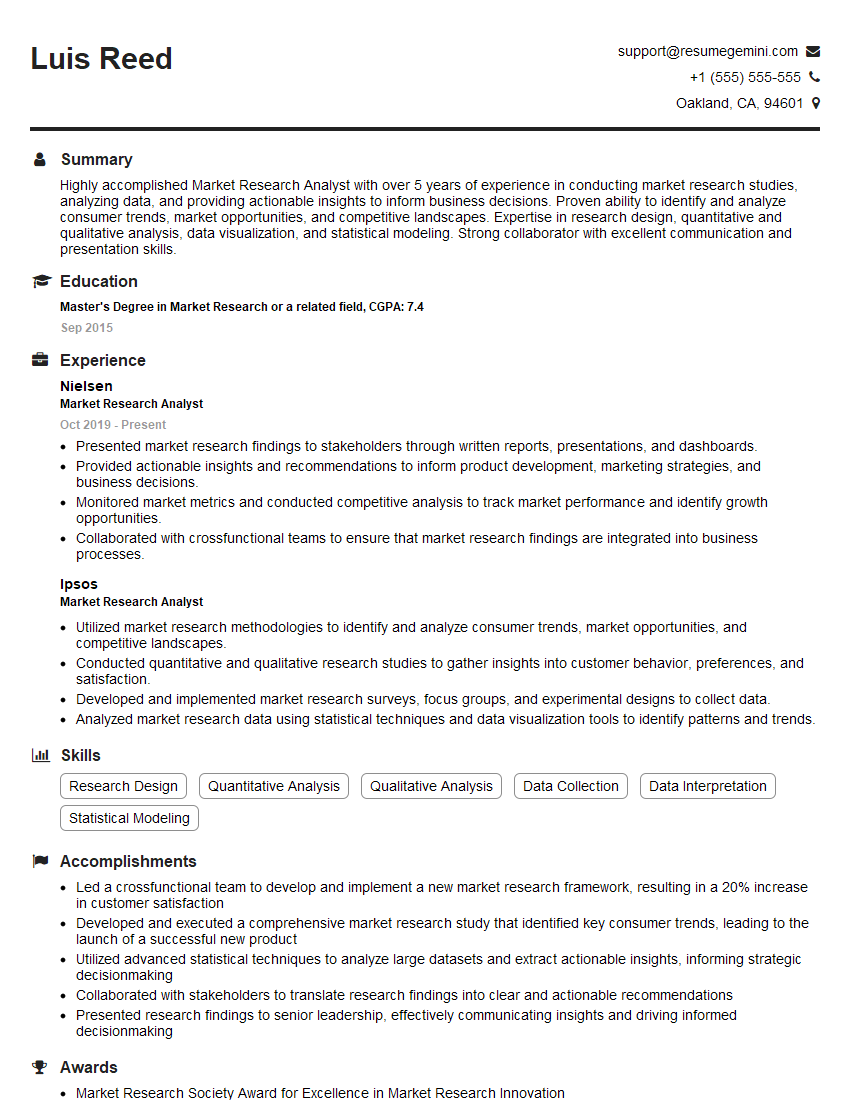
Market Research Analyst Resume Sample
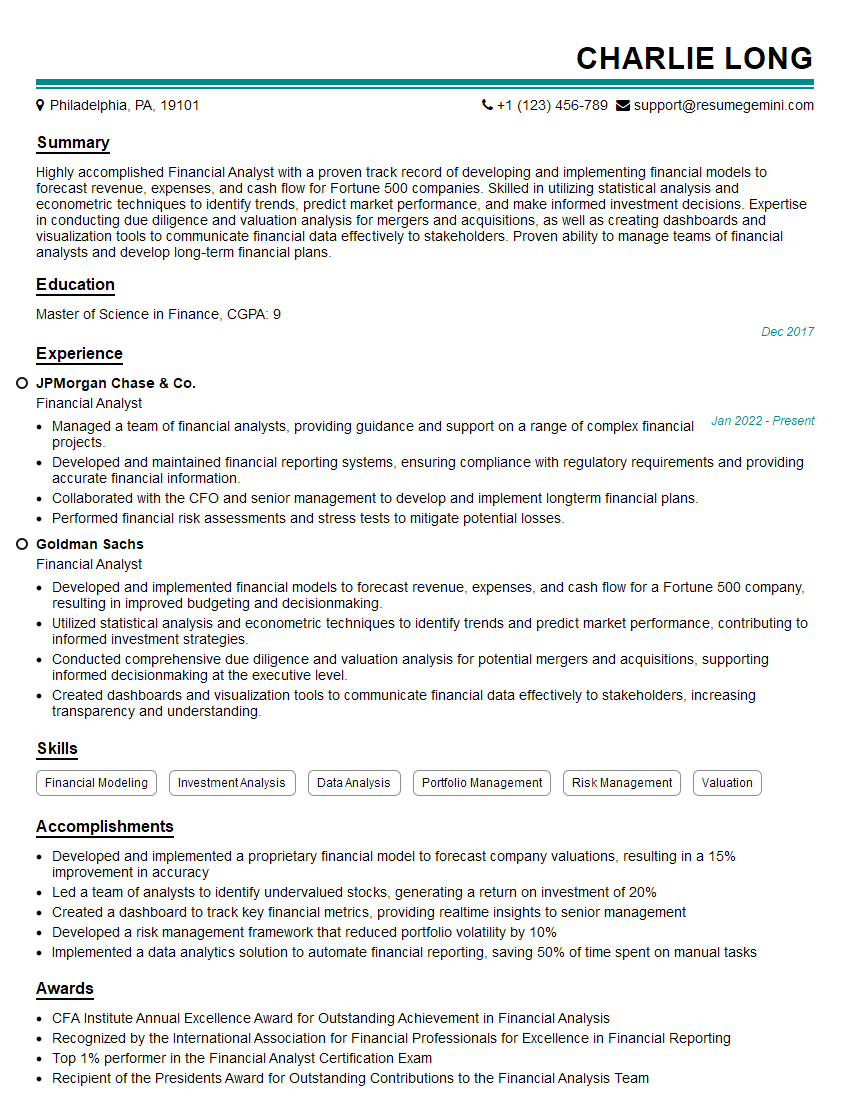
Financial Analyst Resume Sample
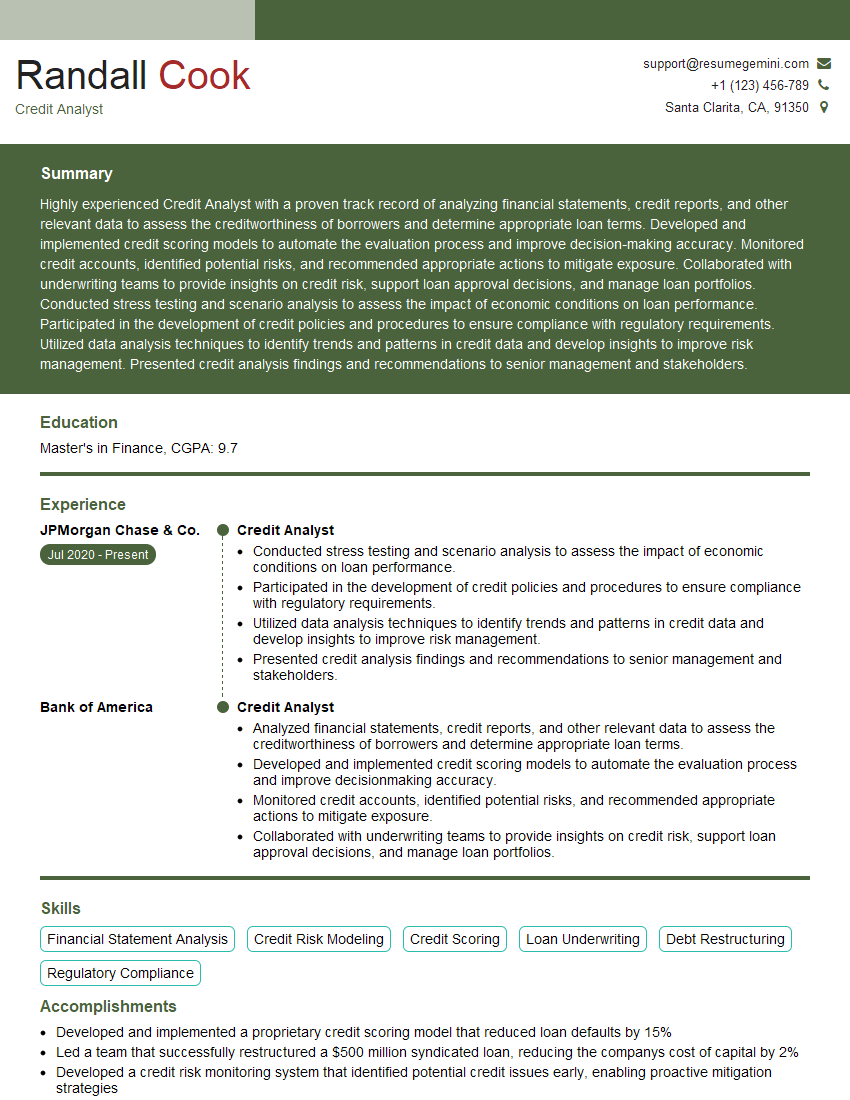
Credit Analyst Resume Sample
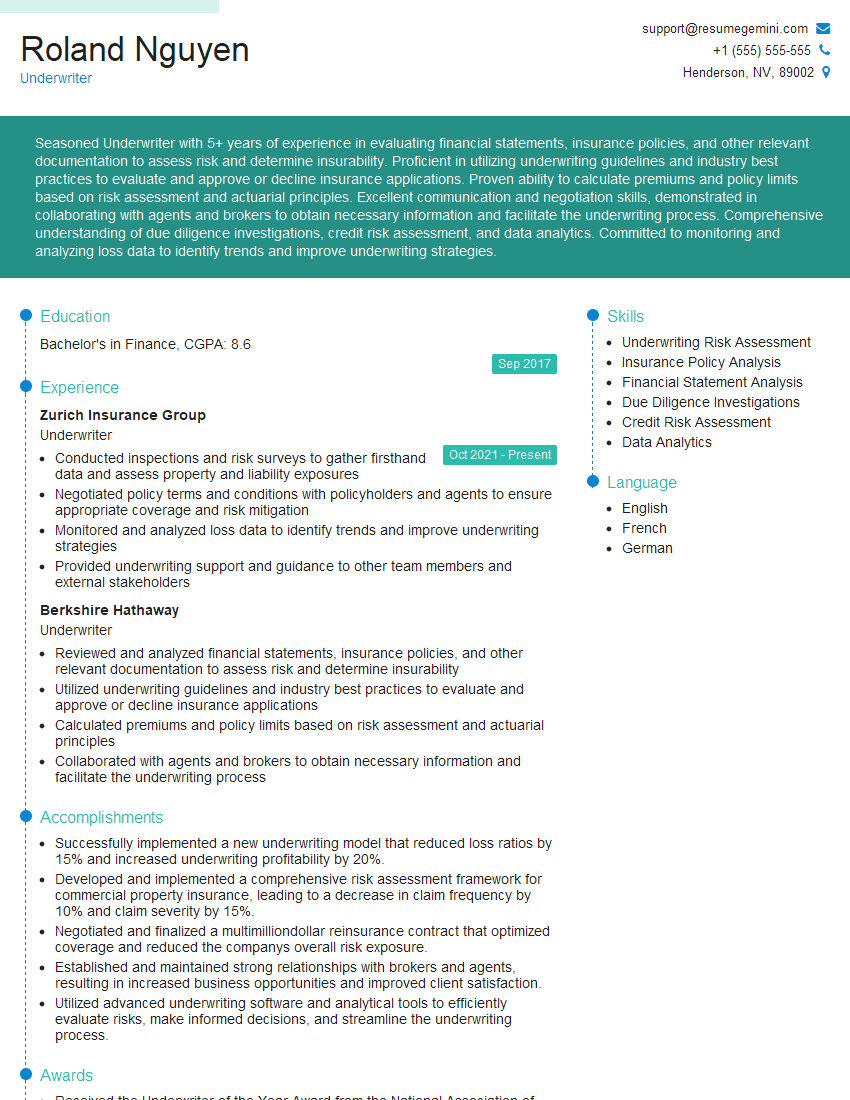
Underwriter Resume Sample
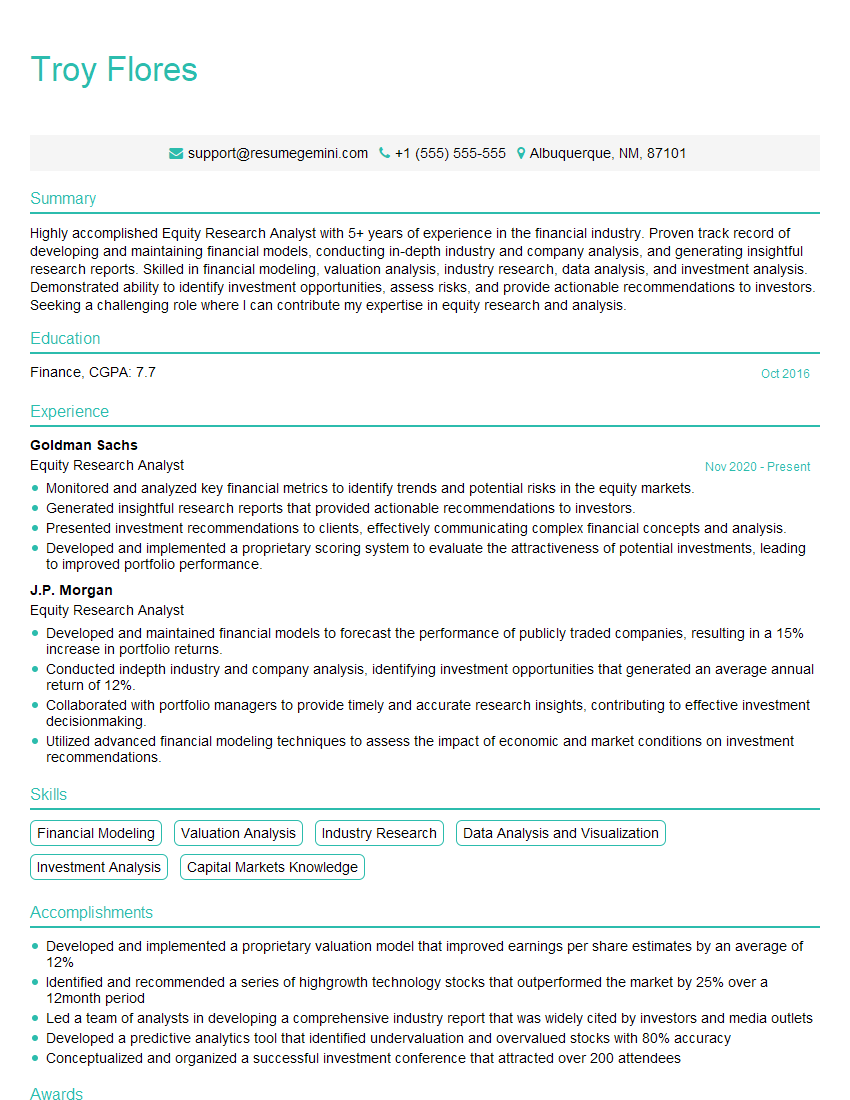
Equity Research Analyst Resume Sample
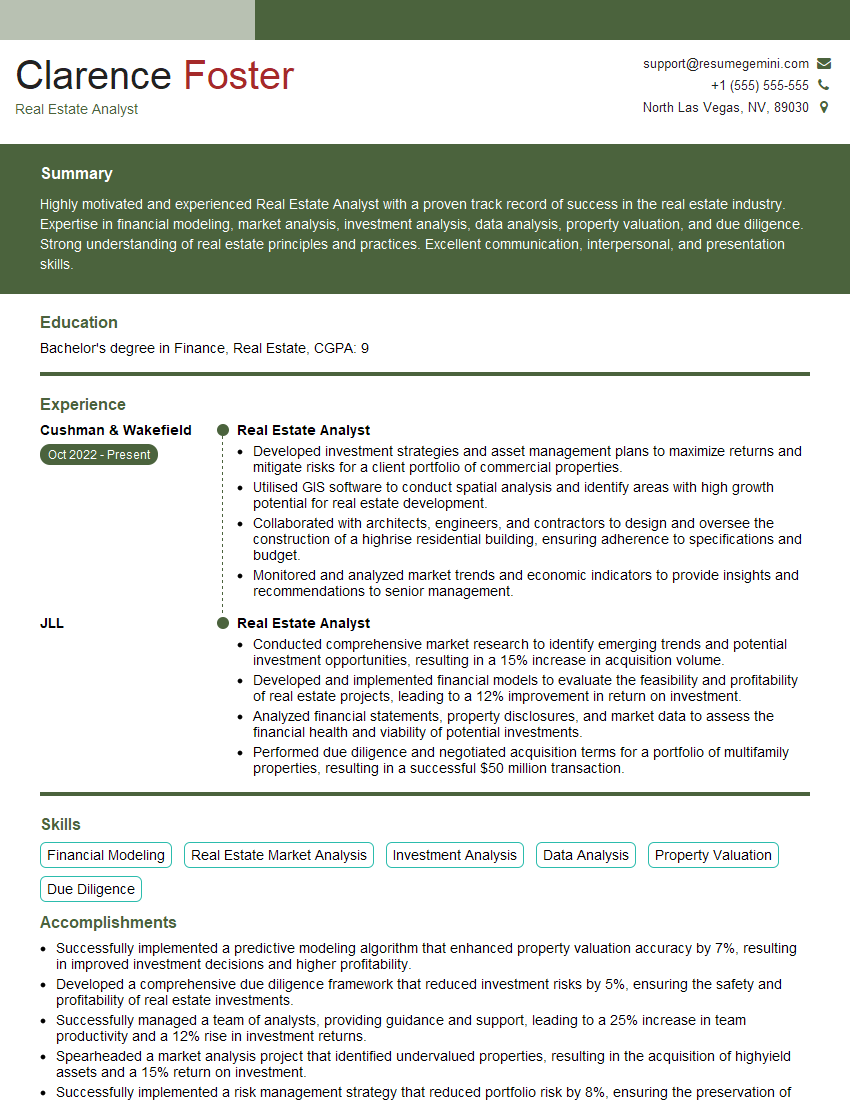
Real Estate Analyst Resume Sample
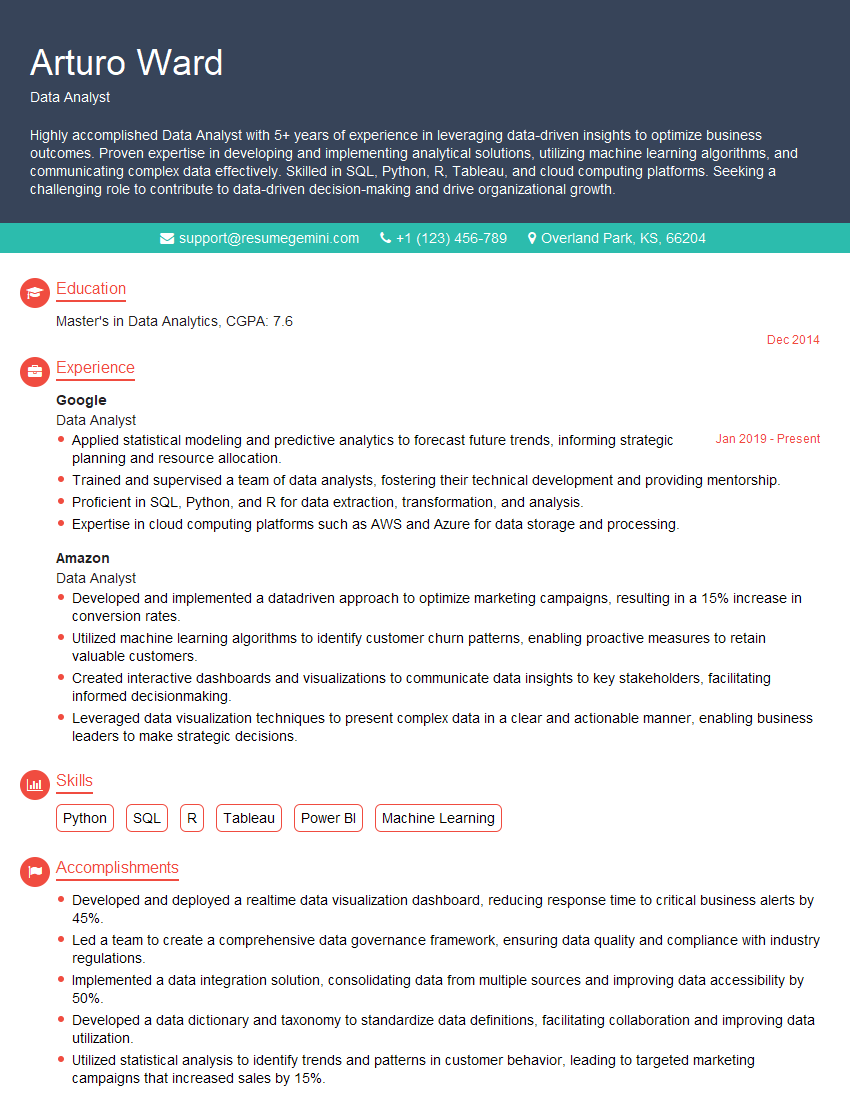
Data Analyst Resume Sample
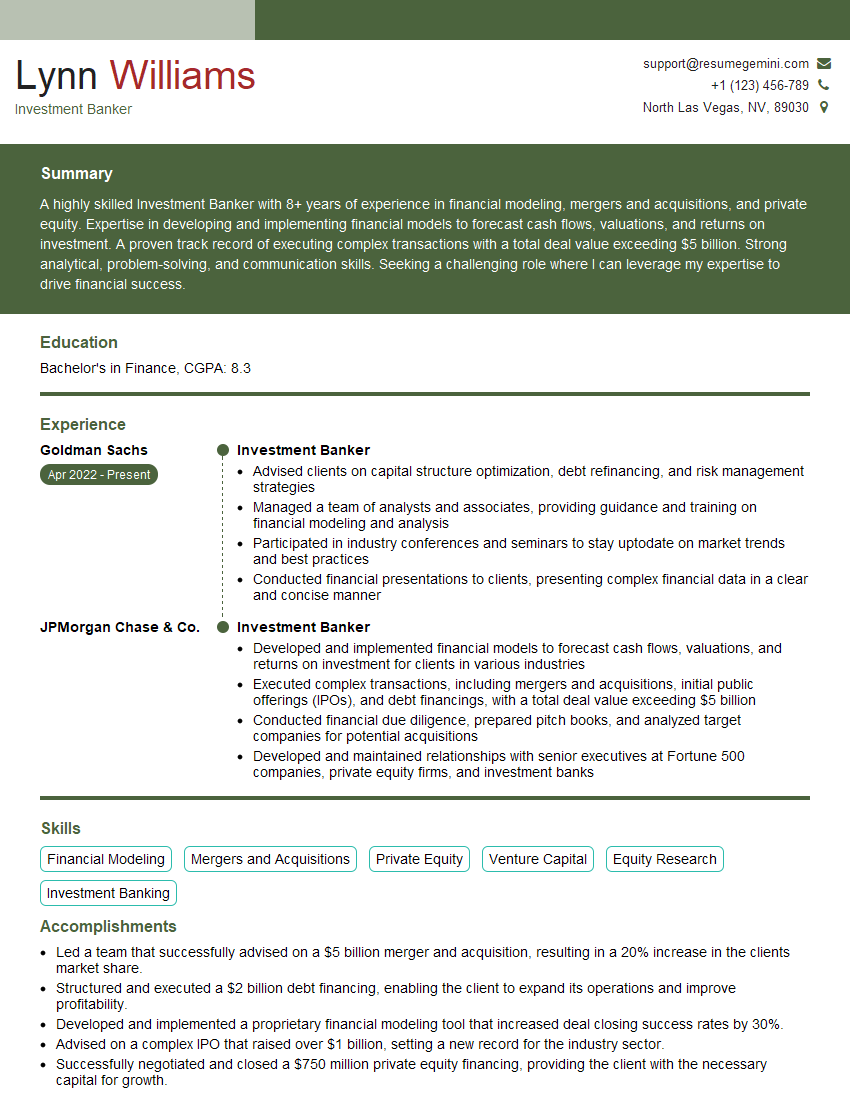
Investment Banker Resume Sample
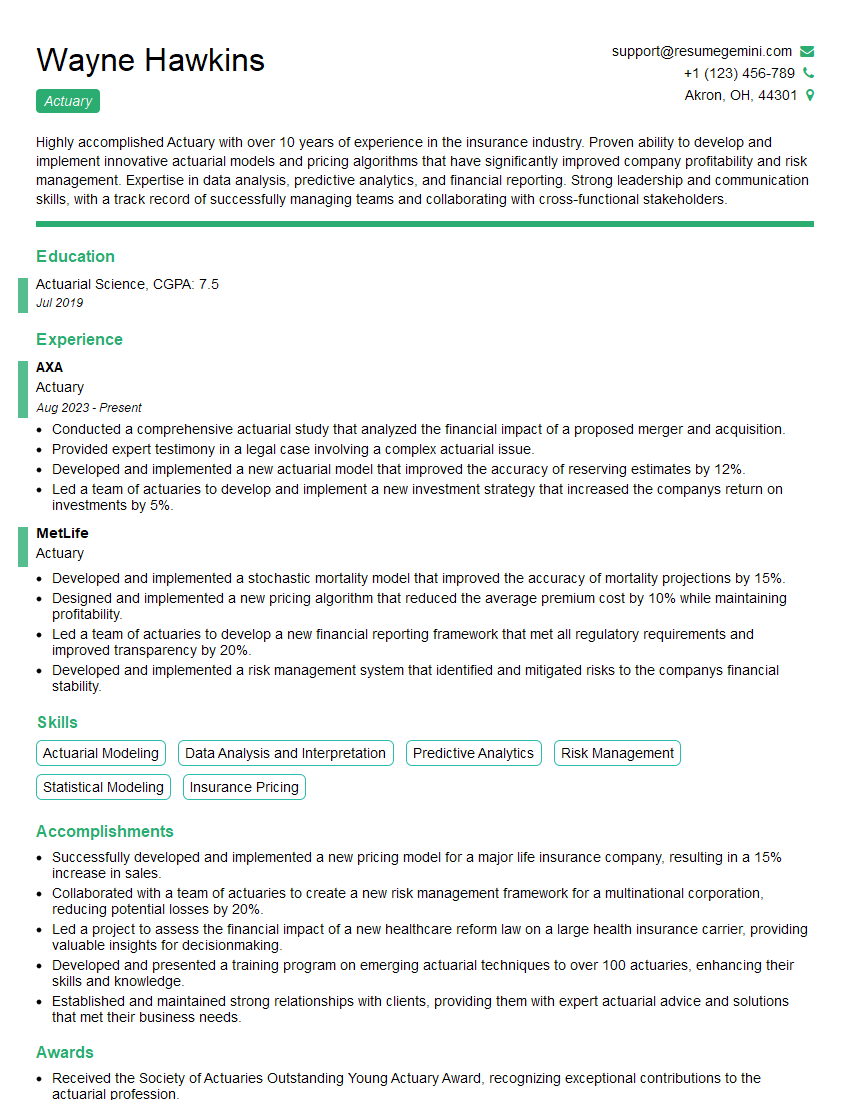
Actuary Resume Sample
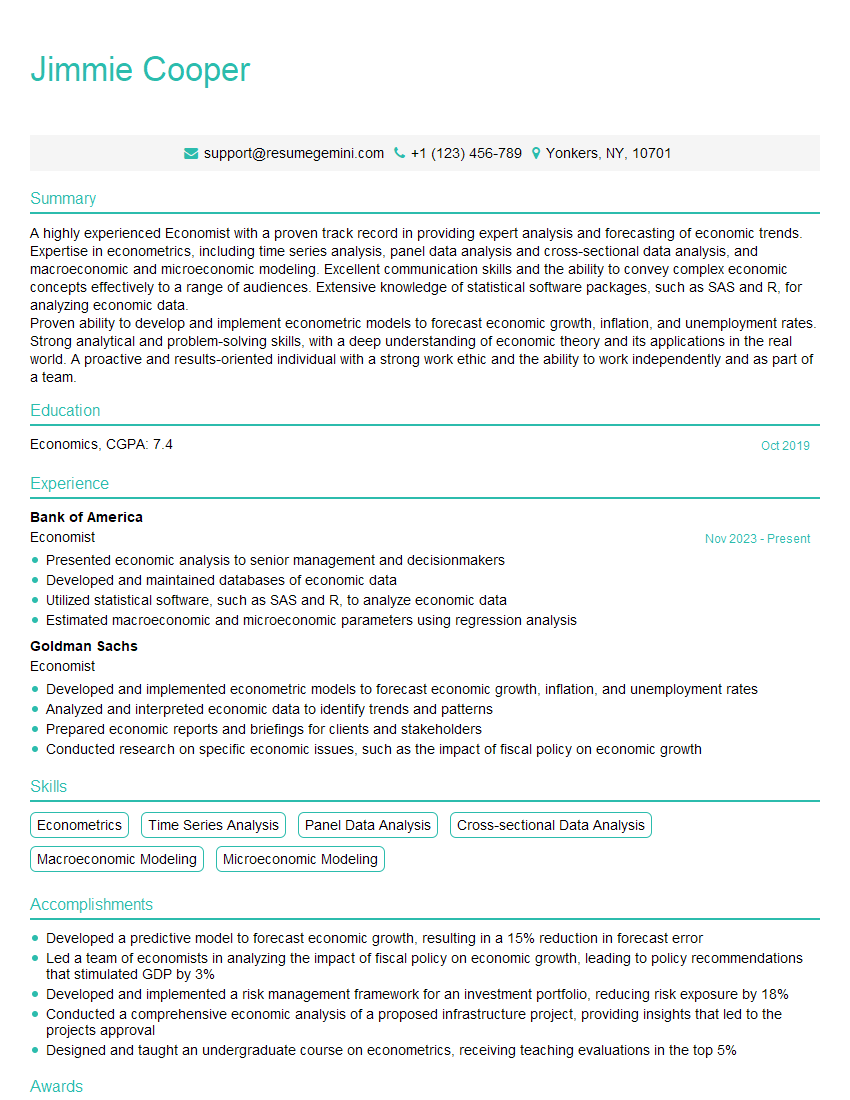
Economist Resume Sample
Explore more articles
Users Rating of Our Blogs
Share Your Experience
We value your feedback! Please rate our content and share your thoughts (optional).
What Readers Say About Our Blog
Amazing blog
hello,
Our consultant firm based in the USA and our client are interested in your products.
Could you provide your company brochure and respond from your official email id (if different from the current in use), so i can send you the client’s requirement.
Payment before production.
I await your answer.
Regards,
MrSmith
hello,
Our consultant firm based in the USA and our client are interested in your products.
Could you provide your company brochure and respond from your official email id (if different from the current in use), so i can send you the client’s requirement.
Payment before production.
I await your answer.
Regards,
MrSmith
These apartments are so amazing, posting them online would break the algorithm.
https://bit.ly/Lovely2BedsApartmentHudsonYards
Reach out at BENSON@LONDONFOSTER.COM and let’s get started!
Take a look at this stunning 2-bedroom apartment perfectly situated NYC’s coveted Hudson Yards!
https://bit.ly/Lovely2BedsApartmentHudsonYards
Live Rent Free!
https://bit.ly/LiveRentFREE
Interesting Article, I liked the depth of knowledge you’ve shared.
Helpful, thanks for sharing.
Hi, I represent a social media marketing agency and liked your blog
Hi, I represent an SEO company that specialises in getting you AI citations and higher rankings on Google. I’d like to offer you a 100% free SEO audit for your website. Would you be interested?