Preparation is the key to success in any interview. In this post, we’ll explore crucial Material Selection and Installation interview questions and equip you with strategies to craft impactful answers. Whether you’re a beginner or a pro, these tips will elevate your preparation.
Questions Asked in Material Selection and Installation Interview
Q 1. Explain the process of selecting materials for a high-temperature application.
Selecting materials for high-temperature applications requires a meticulous approach, prioritizing materials with exceptional thermal stability and resistance to degradation. The process involves several key steps:
- Defining the Temperature Range: First, precisely determine the maximum and minimum temperatures the material will encounter. This dictates the material’s allowable operating temperature range.
- Identifying the Thermal Environment: Consider factors beyond temperature, such as the presence of oxidizing or reducing atmospheres, thermal shock potential (rapid temperature changes), and radiation exposure. For example, a material suitable for a continuously high temperature might fail under repeated thermal cycling.
- Material Property Review: Research materials known for their high-temperature performance. This often involves consulting material property databases and considering options like superalloys (e.g., Inconel, Hastelloy), ceramics (e.g., silicon carbide, alumina), and advanced polymers (e.g., PEEK, PPS). Key properties to review include melting point, coefficient of thermal expansion, thermal conductivity, strength at elevated temperatures, and oxidation resistance.
- Testing and Validation: Laboratory testing is crucial to verify the material’s suitability. This can include thermal cycling tests, creep tests (measuring deformation under constant stress at high temperature), and oxidation tests. Real-world testing, such as pilot runs, provides additional validation.
- Cost-Benefit Analysis: High-performance materials often come at a premium. A cost-benefit analysis weighs the material’s performance against its cost, considering the lifespan of the application and potential failure consequences.
Example: In designing a heat shield for a rocket nozzle, the selection process would involve carefully considering the extreme temperatures, the oxidative environment, and the need for lightweight yet structurally sound materials. Superalloys might be initially selected, followed by rigorous testing to ensure they withstand the launch conditions.
Q 2. Describe your experience with different types of adhesives and their suitability for various substrates.
My experience encompasses a wide range of adhesives, from simple epoxies to advanced structural adhesives. The choice depends heavily on the substrates involved and the application’s requirements.
- Epoxies: Versatile, widely used for bonding various materials like metals, plastics, and composites. Different epoxy formulations offer varying strength, cure times, and temperature resistance. For instance, a high-temperature epoxy might be used for electronics while a flexible epoxy would suit applications requiring stress absorption.
- Cyanoacrylates (Super Glues): Fast-curing, suitable for bonding small parts and quick repairs. However, they generally offer lower strength and temperature resistance compared to epoxies.
- Anaerobic Adhesives: Cure in the absence of air, ideal for sealing threaded parts and preventing leaks. They are commonly used in automotive and hydraulic systems.
- Structural Adhesives: High-strength adhesives designed for structural bonding, frequently used in aerospace and automotive applications. These often require specialized curing processes.
- Hot Melt Adhesives: Applied in molten form, rapidly solidifying upon cooling. Suitable for fast assembly and automation.
Substrate Compatibility: Prior to adhesive selection, surface preparation is critical. Proper cleaning, surface treatment (e.g., priming), and appropriate surface roughness influence the adhesive’s bond strength. Certain adhesives have specific compatibility issues; for example, some epoxies may not adhere well to certain plastics.
Example: In bonding a carbon fiber composite to an aluminum alloy, I’d likely select a structural adhesive specifically formulated for high-strength bonding between dissimilar materials, ensuring thorough surface preparation to achieve optimal adhesion.
Q 3. How do you determine the compatibility of different materials in a complex assembly?
Determining material compatibility in complex assemblies requires a systematic approach that considers both chemical and physical interactions.
- Material Compatibility Chart: Start by creating a matrix outlining all materials in the assembly and their potential interactions. Identify materials known to be incompatible (e.g., certain metals reacting with specific chemicals or plastics degrading in the presence of solvents).
- Chemical Compatibility Testing: Conduct tests like immersion tests, where materials are exposed to potential contaminants or solvents present in the assembly, to assess chemical reactivity and degradation.
- Physical Compatibility Testing: Assess thermal expansion differences between materials, as significant mismatch can lead to stress and failure. This often involves calculations based on the coefficient of thermal expansion and the operating temperature range.
- Electrochemical Compatibility: If dissimilar metals are present, investigate the potential for galvanic corrosion, using a galvanic series to predict relative reactivity.
- Stress Analysis: Finite element analysis (FEA) or similar simulations can model stress and strain distributions in the assembly, identifying potential points of failure due to material incompatibility.
Example: In a multi-layered electronic device, compatibility issues might arise between the various metals used (e.g., copper, aluminum, gold), the polymeric insulation materials, and any solvents or gases present. A comprehensive compatibility assessment prevents corrosion, delamination, and device failure.
Q 4. What are the key factors to consider when specifying materials for outdoor applications?
Specifying materials for outdoor applications demands careful consideration of environmental factors that can significantly affect material performance and lifespan.
- UV Degradation: Exposure to ultraviolet (UV) radiation from sunlight causes degradation in many polymers, leading to discoloration, embrittlement, and reduced strength. Materials with UV stabilizers or inherently high UV resistance are needed.
- Moisture and Humidity: Moisture can cause corrosion in metals, swelling and degradation in some polymers, and promote biological growth (mold, mildew). Water-resistant coatings, sealants, and materials with inherent water resistance are crucial.
- Temperature Fluctuations: Significant temperature variations can cause thermal stress, leading to cracking and other forms of material failure. Materials with a low coefficient of thermal expansion and high thermal shock resistance are preferable.
- Weathering: Exposure to wind, rain, snow, and ice necessitates materials that can withstand the effects of abrasion and erosion.
- Biological Agents: Materials should resist attack by insects, fungi, and other biological agents.
Example: In designing outdoor furniture, selecting a rot-resistant wood (e.g., cedar, teak) or a durable polymer with UV resistance and water repellency would be essential. Protective coatings could further extend the furniture’s lifespan.
Q 5. Explain the importance of material safety data sheets (MSDS) in material selection.
Material Safety Data Sheets (MSDS), now often referred to as Safety Data Sheets (SDS), are crucial documents providing comprehensive information on the hazards associated with a particular material and safe handling procedures. Their importance in material selection cannot be overstated.
- Hazard Identification: SDS documents list potential health hazards (e.g., toxicity, carcinogenicity), physical hazards (e.g., flammability, reactivity), and environmental hazards (e.g., water pollution). This allows for proactive risk assessment and mitigation.
- Safe Handling Procedures: SDS provides guidelines on safe handling, storage, and disposal of the material, minimizing risks to workers and the environment. This ensures compliance with workplace safety regulations.
- Emergency Response Information: SDS contains information crucial for emergency response, including first-aid measures and spill cleanup procedures. This is vital in case of accidents involving the material.
- Regulatory Compliance: Using materials with readily available and compliant SDS demonstrates adherence to relevant safety regulations and industry best practices.
Example: Before specifying a new adhesive for a project, I’d thoroughly review its SDS to assess potential health risks (e.g., skin irritation, respiratory hazards), ensuring appropriate personal protective equipment (PPE) is provided to workers, and that disposal procedures align with environmental regulations.
Q 6. How do you handle material shortages or delays during a project?
Material shortages and delays are unfortunately common in project management. Effective handling requires proactive planning and contingency measures.
- Risk Assessment: During the planning phase, identify potential supply chain vulnerabilities and the likelihood of material shortages. This may involve researching multiple suppliers or considering alternative materials.
- Lead Time Management: Establish clear lead times for all materials and maintain open communication with suppliers to track order status and address any potential delays promptly.
- Alternative Material Sourcing: Develop a list of alternative materials with similar properties, ensuring they meet project specifications and are readily available. This necessitates detailed knowledge of material properties and substitution possibilities.
- Project Scheduling Adjustments: If a delay is unavoidable, adjust the project schedule accordingly, communicating the change to all stakeholders.
- Communication and Transparency: Maintain transparent communication with project stakeholders, keeping them informed of any delays and the measures taken to mitigate their impact.
Example: If a critical component experiences a delay, I’d first attempt to expedite delivery with the supplier. Simultaneously, I’d evaluate alternative materials and potentially adjust the project schedule, communicating the delay’s implications to the client and exploring whether the alternative materials will introduce any new constraints.
Q 7. Describe your experience with different installation techniques for composite materials.
My experience with composite material installation encompasses various techniques tailored to the specific material and application requirements.
- Hand Lay-up: A manual process where layers of reinforcing fibers (e.g., carbon fiber, fiberglass) are embedded in a resin matrix. This is suitable for small-scale applications or complex geometries, but labor-intensive and prone to inconsistencies.
- Vacuum Bagging/Autoclave Cure: Used for larger, high-performance components, these methods apply vacuum pressure during resin curing to eliminate voids and ensure uniform consolidation. Autoclave curing uses heat and pressure for even greater consolidation and improved mechanical properties.
- Resin Transfer Molding (RTM): A more automated process where resin is injected into a mold containing the reinforcing fibers. RTM is highly efficient for high-volume production of parts with consistent quality.
- Pultrusion: A continuous process for producing long, straight profiles of composite materials. This is very efficient for large-scale manufacturing of components like beams or rods.
- Filament Winding: Used to manufacture cylindrical structures like pressure vessels or pipes. Reinforcing fibers are wound onto a mandrel, impregnated with resin, and cured.
Installation Considerations: Proper surface preparation, precise alignment of components, controlled curing conditions (temperature, pressure, humidity), and quality control inspections are critical for successful installation. Incorrect installation can result in voids, poor adhesion, and reduced structural integrity.
Example: In installing a carbon fiber composite panel on an aircraft, vacuum bagging or autoclave curing would be used to ensure void-free consolidation and high mechanical strength. Post-cure inspection is also important to verify the integrity of the bond.
Q 8. What are the common challenges in installing materials in confined spaces?
Installing materials in confined spaces presents unique challenges due to limited access, maneuverability restrictions, and often poor visibility. This can lead to difficulties in precise placement, proper fastening, and overall quality control.
- Limited Access: Working in tight spaces restricts the use of large tools and equipment, potentially requiring specialized, smaller tools or manual methods. For example, installing insulation in a crawl space might necessitate hand-fitting sections rather than using a spray-foam applicator.
- Maneuverability: Awkward angles and limited room for movement increase the risk of injury and damage to both the materials and the surrounding structure. Imagine installing drywall in a narrow attic – you’ll need to carefully plan the sequence and potentially use smaller, more manageable pieces.
- Poor Visibility: Lack of adequate lighting and obstructed views can lead to errors during installation. Using high-intensity work lights and potentially even a camera system for remote inspection can mitigate this challenge, particularly when working in ductwork or underground utility tunnels.
- Ergonomics: Sustained awkward postures can lead to worker fatigue and potential musculoskeletal injuries. Proper planning, including the use of ergonomic tools and adequate breaks, is crucial.
Q 9. How do you ensure the proper installation of materials to meet quality standards?
Ensuring proper installation to meet quality standards requires a multi-faceted approach involving meticulous planning, precise execution, and rigorous inspection. This begins with a thorough understanding of material specifications, the relevant building codes, and best practices.
- Detailed Plans: Preparation is key. Detailed drawings and specifications should be reviewed and understood by all involved. This includes understanding tolerances, sequence of installation, and potential challenges.
- Proper Tool Selection: Using the right tools for the job is essential. This avoids damage to the material and ensures accurate installation. For example, using a specialized drill bit for a specific material prevents stripping the fastener hole.
- Adherence to Manufacturer’s Instructions: Always follow the manufacturer’s guidelines for installation, curing times, and environmental conditions. This ensures optimal performance and warranty compliance.
- Quality Control Checks: Regular inspections throughout the installation process help identify and correct errors early on. This might involve visual checks, measurements, and even non-destructive testing for hidden defects.
- Documentation: Maintaining accurate records of the materials used, installation methods, and inspections is crucial for future reference, maintenance, and warranty claims.
Q 10. What methods do you use to inspect installed materials for defects?
Inspecting installed materials for defects involves a combination of visual examination, dimensional checks, and sometimes more advanced techniques. The specific methods depend on the material and application.
- Visual Inspection: A careful examination of the installed material for visible flaws such as cracks, gaps, misalignment, or damage. This is often the first and most basic step.
- Dimensional Checks: Using measuring tools to verify that the installation meets the required dimensions and tolerances. For example, checking the squareness of a wall or the levelness of a floor.
- Non-Destructive Testing (NDT): For concealed or critical applications, NDT methods such as ultrasonic testing or radiography can be employed to detect internal flaws without damaging the material. This is common in structural steel or concrete applications.
- Functional Testing: In some cases, functional testing is necessary to confirm the proper operation of the installed material. For example, testing the water tightness of a seal or the structural integrity of a joint.
- Documentation: Thorough photographic and written documentation of the inspection process, including any defects found, is crucial for record-keeping and potential warranty claims.
Q 11. Describe your experience with different types of fasteners and their applications.
My experience encompasses a wide range of fasteners, each with its own strengths and limitations. The selection depends heavily on the materials being joined, the environmental conditions, and the required load-bearing capacity.
- Nails: Common for wood framing, inexpensive and readily available, but can be prone to splitting wood if not used correctly. Different types exist, such as common nails, finish nails, and brads, each suited for specific applications.
- Screws: Offer superior holding power and are reusable. Materials include wood screws, metal screws (self-tapping, machine screws), and specialized screws like lag bolts for heavy-duty applications.
- Bolts: Used for high-strength connections, typically require pre-drilled holes. Types include carriage bolts, machine bolts, and anchor bolts, with variations based on head style and thread type.
- Rivets: Permanent fasteners used where disassembly isn’t needed, often in metal fabrication. They offer good shear strength and are suitable for high-vibration applications.
- Adhesives: Can be used alone or in conjunction with other fasteners, offering excellent bonding strength for certain materials. Selection depends on the materials involved and the environmental exposure.
For example, I recently worked on a project involving the installation of a steel staircase. High-strength bolts were chosen for the structural connections due to the significant loads involved, while self-tapping screws were used for attaching the handrail components.
Q 12. How do you address conflicts between material specifications and budget constraints?
Addressing conflicts between material specifications and budget constraints requires a careful balance of performance requirements and cost effectiveness. It’s about finding the optimal solution that doesn’t compromise structural integrity or safety.
- Value Engineering: Explore alternative materials that offer comparable performance at a lower cost. This might involve substituting a slightly less expensive grade of steel or using a different type of insulation that still meets the thermal requirements.
- Quantity Adjustments: Reducing the quantity of high-cost materials where possible without sacrificing quality. For example, using less expensive material in areas with lower stress.
- Negotiation with Suppliers: Exploring potential discounts or bulk purchasing options with suppliers can help reduce the overall cost.
- Phased Approach: Breaking down the project into phases and prioritizing the use of higher-cost materials in critical areas. For example, using premium materials for structural elements and less expensive materials for cosmetic finishes.
- Alternative Construction Methods: Consider alternative construction methods that might achieve the same result with less expensive materials. This might involve modular construction techniques or prefabrication.
It’s crucial to clearly document the decisions made, along with the rationale and justification for any deviations from the initial specifications.
Q 13. Explain your understanding of material degradation and its impact on structural integrity.
Material degradation refers to the deterioration of a material’s properties over time due to environmental factors, physical stress, or chemical reactions. This degradation can significantly impact the structural integrity of a building or structure, leading to safety hazards and costly repairs.
- Environmental Factors: Exposure to moisture, temperature fluctuations, UV radiation, and pollutants can cause materials like wood to rot, metals to corrode, and plastics to degrade.
- Physical Stress: Repeated loading and unloading cycles (fatigue), vibrations, and impact can lead to cracking, weakening, and eventual failure of materials.
- Chemical Reactions: Exposure to chemicals, such as acids or alkalis, can lead to chemical reactions that degrade the material’s properties. This is a concern with concrete exposed to de-icing salts.
- Biological Degradation: Microorganisms such as fungi and bacteria can cause biodeterioration in materials like wood and some polymers.
Understanding the mechanisms of material degradation is crucial for selecting appropriate materials and implementing preventative measures, such as protective coatings, to extend their lifespan and maintain structural integrity. Ignoring degradation can lead to premature failure, potentially resulting in costly repairs or even catastrophic structural collapse.
Q 14. What are the key considerations for selecting sustainable materials?
Selecting sustainable materials involves considering their entire life cycle, from extraction and manufacturing to use and disposal. The goal is to minimize environmental impact and promote responsible resource management.
- Embodied Carbon: Consider the carbon footprint associated with the material’s production and transportation. Look for materials with low embodied carbon, like timber from sustainably managed forests or recycled steel.
- Recycled Content: Prioritize materials with a high percentage of recycled content, reducing the demand for virgin materials and diverting waste from landfills. Recycled aluminum, for example, significantly reduces the environmental impact compared to primary aluminum production.
- Durability and Longevity: Choose durable materials with a long lifespan to reduce the need for frequent replacements. This minimizes the environmental impact associated with material production and disposal.
- Renewable Resources: Utilize materials derived from renewable resources like bamboo or rapidly renewable wood species.
- Local Sourcing: Consider sourcing materials locally to reduce transportation distances and associated greenhouse gas emissions. This also often supports local economies.
- End-of-Life Considerations: Evaluate the material’s recyclability, reusability, or biodegradability at the end of its service life. This minimizes waste and promotes a circular economy.
Life-cycle assessment (LCA) tools can help quantify the environmental impacts of different material choices, providing a more informed basis for decision-making.
Q 15. How do you manage the disposal of hazardous materials after installation?
Hazardous material disposal is paramount for safety and environmental responsibility. My process begins with meticulous identification of each hazardous material used, referencing Safety Data Sheets (SDS) for specific handling and disposal instructions. This includes materials like solvents, paints containing heavy metals, and certain types of adhesives. We segregate waste materials according to their hazard class – flammable, corrosive, toxic, etc. – using clearly labeled containers.
Next, I coordinate with licensed waste disposal companies specializing in hazardous waste. These companies provide the necessary documentation, transportation, and proper disposal at certified facilities, ensuring compliance with all local, state, and federal regulations. I maintain detailed records of all disposal activities, including the type and quantity of waste, the disposal company, and the date of disposal. This meticulous record-keeping provides a transparent audit trail and demonstrates our commitment to environmental stewardship. For example, during a recent project involving asbestos abatement, we adhered strictly to EPA guidelines, using specialized contractors and ensuring air quality monitoring throughout the process. The entire procedure, from material handling to final disposal, was meticulously documented and reviewed.
Career Expert Tips:
- Ace those interviews! Prepare effectively by reviewing the Top 50 Most Common Interview Questions on ResumeGemini.
- Navigate your job search with confidence! Explore a wide range of Career Tips on ResumeGemini. Learn about common challenges and recommendations to overcome them.
- Craft the perfect resume! Master the Art of Resume Writing with ResumeGemini’s guide. Showcase your unique qualifications and achievements effectively.
- Don’t miss out on holiday savings! Build your dream resume with ResumeGemini’s ATS optimized templates.
Q 16. Describe your experience using CAD software for material selection and design.
I’m proficient in several CAD software packages, including AutoCAD, SolidWorks, and Revit. My experience extends beyond basic modeling; I utilize these tools extensively throughout the material selection and design process. In the selection phase, I use CAD to create detailed 3D models of components, allowing me to precisely assess material requirements and identify potential design flaws early on. For example, I might use finite element analysis (FEA) within SolidWorks to simulate stress and strain on a part under various loads, ensuring the chosen material can withstand anticipated forces.
During the design phase, I leverage CAD’s parametric modeling capabilities to explore different material options and their impact on the overall design. This allows for rapid prototyping and iterative design refinement. Imagine designing a lightweight yet durable bracket. I can quickly swap materials in the CAD model (aluminum, steel, carbon fiber) and instantly visualize changes in weight, strength, and cost. This iterative process, enabled by CAD software, leads to optimized designs that meet performance requirements while minimizing material costs.
Q 17. How do you ensure the accuracy of material quantity calculations for a project?
Accurate material quantity calculations are crucial for project success, preventing costly overages or material shortages. My approach involves a multi-step process. First, I meticulously review the project blueprints and specifications, extracting precise dimensions and quantities for each material. I then use CAD software to generate detailed material takeoffs, leveraging its automation capabilities to minimize errors. For complex geometries, I might break down the calculations into smaller, manageable sections.
Beyond the CAD takeoff, I incorporate a contingency factor to account for potential waste, material defects, or unforeseen changes during installation. This factor varies depending on the complexity of the project and the material involved. Finally, I always perform a thorough cross-check of the calculations with other team members, ensuring that everyone is on the same page and that no errors have been overlooked. For instance, on a recent large-scale flooring project, we used a combination of CAD takeoffs and manual measurements to account for the irregularities of the subfloor. The cross-check ensured that our final material order was accurate, minimizing waste and delays.
Q 18. Explain your understanding of material stress and strain.
Material stress and strain are fundamental concepts in material science. Stress refers to the internal force per unit area within a material caused by an external force. Strain, on the other hand, is the measure of deformation of a material under stress, expressed as the change in length divided by the original length. Think of stretching a rubber band: the force you apply creates stress within the rubber, and the resulting elongation is the strain.
Understanding the relationship between stress and strain is vital for material selection. The stress-strain curve provides valuable insights into a material’s mechanical properties, such as its elastic limit (the point beyond which permanent deformation occurs), yield strength (the stress required to initiate plastic deformation), and ultimate tensile strength (the maximum stress a material can withstand before failure). For example, when designing a bridge, engineers carefully consider the expected stress on different components (due to vehicle loads, wind, etc.) and select materials with sufficient strength and stiffness to avoid failure. The stress-strain curve for each material is consulted to ensure it can withstand the anticipated forces without exceeding its yield strength.
Q 19. How do you handle unexpected issues during material installation?
Unexpected issues during material installation are inevitable. My approach centers on proactive problem-solving. First, I assess the nature of the issue; is it a material defect, an incompatibility with existing infrastructure, or a design oversight? Next, I meticulously document the problem, including photographic evidence, and communicate it immediately to the project team. This transparency ensures everyone understands the situation and can contribute to finding a solution.
Depending on the severity, I will explore various solutions. This could involve substituting a suitable replacement material, implementing temporary fixes to allow the project to proceed, or modifying the design to accommodate the unforeseen issue. For instance, discovering unexpected water damage during the installation of drywall prompted us to temporarily halt work, address the water damage first (mitigating mold growth), and then implement a more robust moisture barrier before resuming installation. Effective communication and a systematic approach to problem-solving are crucial in these situations to prevent further delays and cost overruns.
Q 20. What experience do you have with different types of welding or joining techniques?
I have extensive experience with various welding and joining techniques, tailored to the specific materials and application requirements. This includes:
- Shielded Metal Arc Welding (SMAW): A versatile technique suitable for various metals, especially in outdoor environments or situations lacking power.
- Gas Metal Arc Welding (GMAW): Ideal for high-speed and high-quality welds on steel and aluminum.
- Gas Tungsten Arc Welding (GTAW): Excellent for precision welding on thinner materials, producing very clean welds.
- Resistance Welding (spot, seam, projection): Used for joining sheet metal parts, often in automated assembly lines.
- Brazing and Soldering: Lower-temperature joining methods ideal for dissimilar metals or situations where a high-strength weld isn’t required.
My selection of the appropriate technique depends on factors such as the material’s thickness, the required joint strength, accessibility, and the overall project constraints. I always prioritize safety, ensuring adherence to relevant safety codes and best practices, including proper ventilation and protective equipment.
Q 21. Describe your experience with non-destructive testing (NDT) methods for material inspection.
Non-destructive testing (NDT) methods are crucial for ensuring the quality and integrity of materials and installed components. My experience encompasses several NDT techniques, including:
- Visual Inspection (VT): The most basic method, identifying surface defects like cracks, corrosion, and misalignments.
- Ultrasonic Testing (UT): Uses high-frequency sound waves to detect internal flaws in materials.
- Radiographic Testing (RT): Uses X-rays or gamma rays to create images of internal structures, revealing hidden defects.
- Magnetic Particle Testing (MT): Detects surface and near-surface cracks in ferromagnetic materials.
- Liquid Penetrant Testing (PT): Reveals surface-breaking defects by using a dye that penetrates cracks and is then made visible.
The choice of NDT method depends on the material type, the type of defect being sought, and the accessibility of the component. For example, during the inspection of a welded joint, we might use UT to check for internal weld defects and then PT to check for surface cracks. I ensure all NDT procedures are performed by certified personnel and documented meticulously, providing evidence of the materials’ structural integrity.
Q 22. What are the key differences between various types of concrete and their applications?
Concrete types differ significantly in their composition, strength, and intended applications. Think of it like choosing the right tool for a job – you wouldn’t use a hammer to screw in a screw!
- Normal Strength Concrete: This is the most common type, suitable for general-purpose applications like foundations, slabs, and driveways. It’s relatively inexpensive and easy to work with. For instance, a standard residential driveway would typically use normal strength concrete.
- High-Strength Concrete: This boasts significantly higher compressive strength, making it ideal for structures requiring greater durability and load-bearing capacity, such as high-rise buildings, bridges, and large industrial structures. Imagine the concrete needed for a skyscraper’s columns – high-strength is essential there.
- Lightweight Concrete: Uses lightweight aggregates like expanded clay or shale, reducing its overall weight. This is crucial in applications where minimizing dead load is paramount, like tall buildings or areas with soil instability. Think of it as a ‘diet’ concrete – lighter but still strong enough for the job.
- Fiber-Reinforced Concrete: Includes fibers (steel, synthetic, or natural) to improve its tensile strength, crack resistance, and durability. This is a fantastic choice for pavements and areas susceptible to cracking due to stress. Picture a heavily trafficked warehouse floor – fiber reinforcement prevents premature failure.
- Prestressed Concrete: Concrete is subjected to tensile stress during its curing process, resulting in a stronger material. Think of a tightly coiled spring, resisting forces in a way normal concrete wouldn’t. Used in bridges, beams, and other structural elements requiring high strength and resistance to bending.
The selection process involves considering factors such as compressive strength, durability requirements, cost constraints, and environmental conditions. A thorough understanding of these factors ensures optimal performance and longevity of the concrete structure.
Q 23. How do you ensure the proper curing of materials after installation?
Proper curing is critical for achieving the design strength and durability of any material, especially concrete. It’s the process of maintaining moisture and temperature to allow the hydration reaction to proceed optimally. Think of it as giving the concrete time to ‘mature’ and reach its full potential.
- Water Curing: Keeps the concrete surface moist by ponding water, spraying, or covering with wet burlap sacks. This is cost-effective and effective for most applications.
- Membrane Curing: Uses a waterproof membrane to reduce moisture loss. This is a good option for hot and windy conditions where water evaporation would be rapid.
- Chemical Curing: Applies a curing compound that seals the surface and reduces evaporation. It’s a convenient option but can be more expensive than water curing. We often use this for exposed surfaces where aesthetic qualities are important.
The duration of curing depends on the material, ambient temperature, and desired strength. Typically, concrete requires at least 7 days of continuous curing, but this can be extended based on project specifications and climatic conditions. Failure to cure properly can lead to reduced strength, increased cracking, and premature failure of the structure.
Q 24. What are your preferred methods for documenting material selection and installation procedures?
Effective documentation is essential for project success and future reference. My preferred methods include a combination of digital and physical records.
- Digital Documentation: I utilize project management software (e.g., Microsoft Project, Primavera P6) to maintain detailed schedules, material lists, and installation procedures. I also use cloud storage for all drawings, specifications, and material data sheets, enabling easy access for the entire project team.
- Physical Documentation: I maintain a comprehensive hard-copy binder containing the original drawings, specifications, material test reports, and inspection checklists. This allows for quick reference during site inspections and provides a backup in case of electronic system failure. It’s the trusty ‘paper trail’ you need for accountability.
- Photography and Videography: Thoroughly documenting the installation process using high-quality photos and videos can be invaluable for future reference, quality control, and dispute resolution. A picture is worth a thousand words – especially when resolving site conflicts.
This combined approach ensures comprehensive documentation, clarity, traceability, and ease of access for all stakeholders.
Q 25. Describe your experience with different types of coatings and their application methods.
Coatings provide protection and enhance the aesthetic appeal of various surfaces. My experience includes a range of coating types and application methods.
- Epoxy Coatings: Excellent chemical and abrasion resistance. I’ve used them extensively for industrial flooring where heavy machinery or corrosive chemicals are present. The application typically involves careful surface preparation, followed by multiple coats to achieve the required thickness and protection.
- Polyurethane Coatings: Offer excellent flexibility, waterproofing, and UV resistance. They are commonly used for protective coatings on steel structures or in marine environments. Proper surface cleaning and even temperature are vital for successful application.
- Acrylic Coatings: Water-based, easy to apply, and environmentally friendly. I use these for exterior walls and residential applications where aesthetics are important. They need careful surface preparation to ensure good adhesion.
- Intumescent Coatings: Expand when exposed to fire, providing a protective layer and delaying structural damage. These are essential in fire safety systems for steel structures. Application needs careful attention to even coat thickness for effectiveness.
Application methods range from brush and roller application for smaller areas to airless spray systems for large surfaces. The choice depends on the coating type, substrate, and project requirements. Proper surface preparation – from cleaning to priming – is key to successful coating installation and long-term performance.
Q 26. How do you interpret and apply engineering drawings and specifications related to materials?
Engineering drawings and specifications are the blueprints of a project. Understanding them is paramount for selecting and installing the correct materials.
My approach involves:
- Thorough Review: I carefully review all drawings and specifications to understand the project requirements, material specifications, and installation tolerances.
- Material Identification: I identify the required materials from the specifications, confirming their compliance with industry standards and codes.
- Quantity Takeoff: I accurately calculate the required quantities of each material, factoring in waste and potential losses.
- Tolerance Verification: I verify that the materials’ properties and dimensions meet the specified tolerances. This is vital to ensure proper fit and function.
- Coordination with Other Disciplines: I actively coordinate with other disciplines, such as structural engineers and architects, to ensure compatibility and seamless integration of materials.
Any discrepancies or ambiguities are promptly clarified with the design team to avoid errors and delays. This meticulous approach ensures that the material selection and installation aligns perfectly with the project’s design intent.
Q 27. Explain your experience with different types of sealants and their applications.
Sealants are crucial for preventing leaks, creating watertight joints, and providing structural integrity. My experience covers a variety of sealant types, each with unique properties and applications.
- Silicone Sealants: Flexible, weather-resistant, and suitable for a wide range of applications. I use them for sealing gaps around windows, doors, and other exterior joints. They’re very common and versatile.
- Polyurethane Sealants: High strength, excellent adhesion, and fast curing. I’ve used these in structural applications, such as sealing expansion joints in concrete structures. Their strength is their defining feature.
- Acrylic Sealants: Paintable, easy to apply, and suitable for interior applications. They are a common choice for caulking around bathtubs and sinks.
- Butyl Sealants: Excellent resistance to water, moisture, and UV radiation. They’re often used in roofing applications to seal seams and prevent leaks.
Choosing the right sealant requires considering factors like substrate compatibility, movement capability, environmental conditions, and required durability. Proper surface preparation and application techniques are critical for achieving a long-lasting, watertight seal.
Q 28. How do you prioritize tasks and manage multiple material installation projects simultaneously?
Managing multiple projects simultaneously requires a systematic approach. I prioritize tasks and manage projects using these strategies:
- Prioritization Matrix: I use a prioritization matrix (e.g., Eisenhower Matrix) to categorize tasks based on urgency and importance. This helps me focus on critical tasks that have the biggest impact on project success.
- Detailed Scheduling: I create detailed schedules for each project, including deadlines, resource allocation, and potential risks. This enables proactive management and timely adjustments.
- Regular Progress Monitoring: I regularly monitor the progress of each project through site inspections, communication with subcontractors, and review of project documentation. This ensures that the projects are on track and any issues are addressed promptly.
- Effective Communication: I maintain clear and regular communication with the project team, clients, and other stakeholders. This promotes collaboration, transparency, and reduces potential conflicts.
- Risk Management: I identify and assess potential risks and develop mitigation strategies for each project. This allows me to proactively handle potential challenges and maintain project schedules.
By using these strategies, I ensure that all projects are completed on time and within budget, maintaining the highest standards of quality and efficiency. The key is meticulous planning, proactive risk management, and consistent communication – the trifecta of successful project management.
Key Topics to Learn for Material Selection and Installation Interview
- Material Properties: Understanding material characteristics like strength, durability, cost, and environmental impact. This includes knowing how to interpret datasheets and specifications.
- Code Compliance and Regulations: Familiarity with building codes, safety standards, and relevant regulations impacting material selection and installation in your field.
- Estimating and Cost Analysis: Accurately calculating material quantities, labor costs, and overall project budgeting. This involves proficiency in relevant software or manual calculation techniques.
- Installation Techniques and Best Practices: Demonstrating knowledge of proper installation procedures, adhering to manufacturer’s guidelines, and ensuring quality workmanship. This includes understanding various installation methods and their suitability for different materials and applications.
- Sustainability and Lifecycle Analysis: Evaluating the environmental footprint of materials and exploring sustainable alternatives. Understanding the material’s impact throughout its lifespan from sourcing to disposal.
- Troubleshooting and Problem-Solving: Demonstrating the ability to identify and resolve common issues encountered during material selection and installation, showcasing your practical experience.
- Health and Safety: Understanding relevant safety protocols, personal protective equipment (PPE), and hazard identification and risk mitigation for various materials and installations.
- Quality Control and Inspection: Knowledge of inspection techniques to ensure materials meet specifications and installations are performed correctly. This includes understanding quality control documentation and reporting.
Next Steps
Mastering Material Selection and Installation opens doors to exciting career opportunities, offering diverse roles with increasing responsibility and compensation. A strong resume is crucial to showcasing your skills and experience effectively. Crafting an ATS-friendly resume is essential for getting your application noticed by recruiters. To help you build a compelling and effective resume, we recommend using ResumeGemini. ResumeGemini provides a user-friendly platform and offers examples of resumes tailored specifically to Material Selection and Installation, helping you present your qualifications in the best possible light. Invest time in building a strong resume; it’s your first impression and your key to unlocking your career potential.
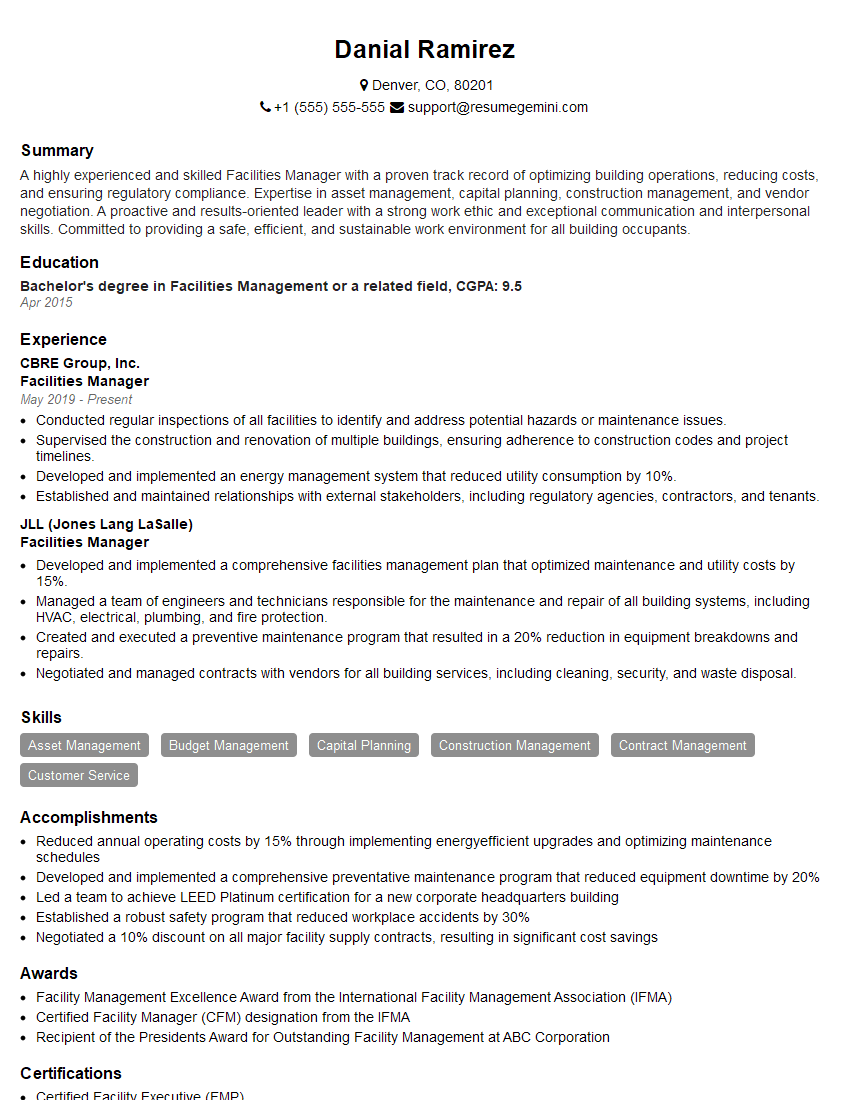
Facilities Manager Resume Sample
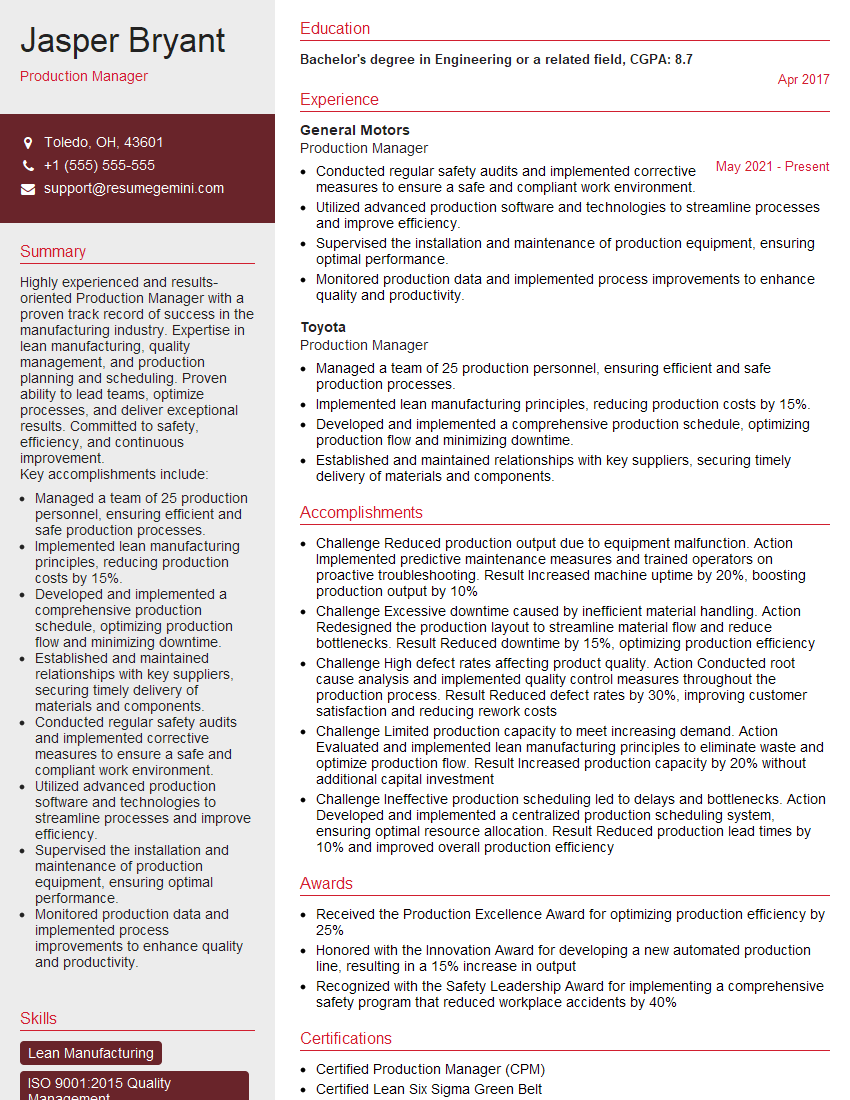
Production Manager Resume Sample

Maintenance Manager Resume Sample
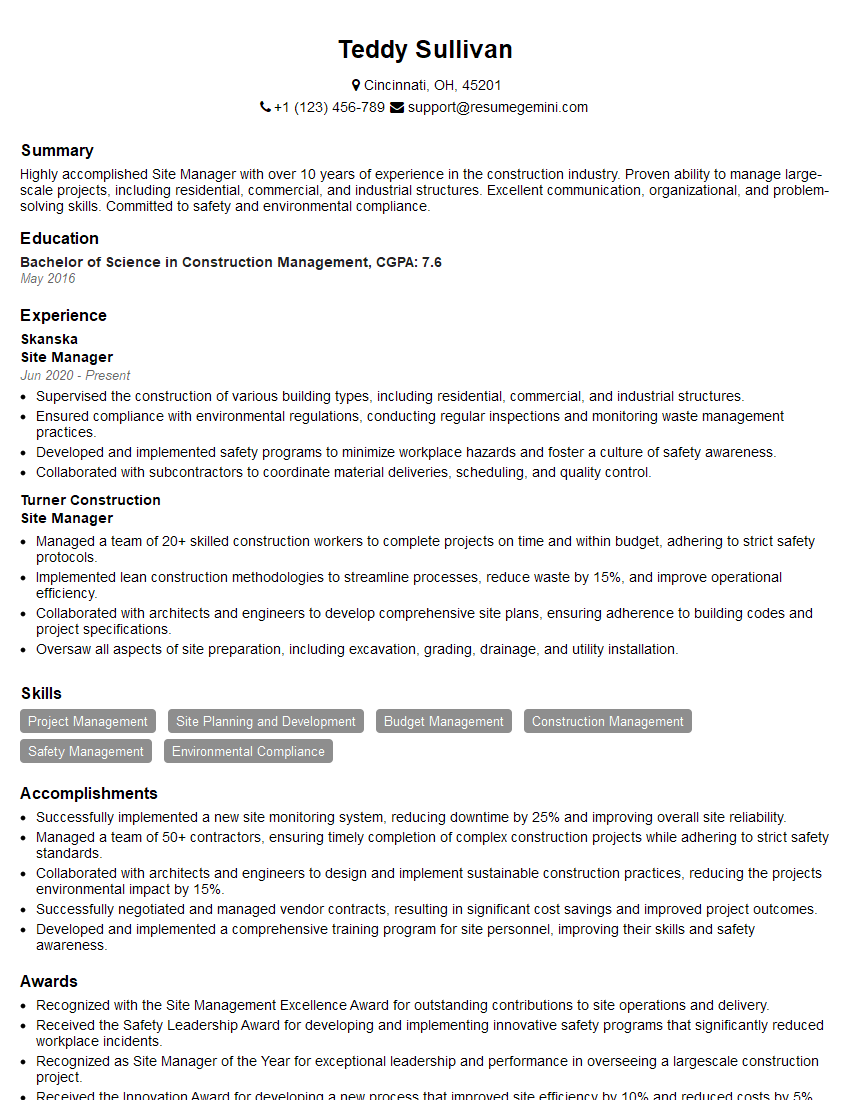
Site Manager Resume Sample

Supply Chain Manager Resume Sample
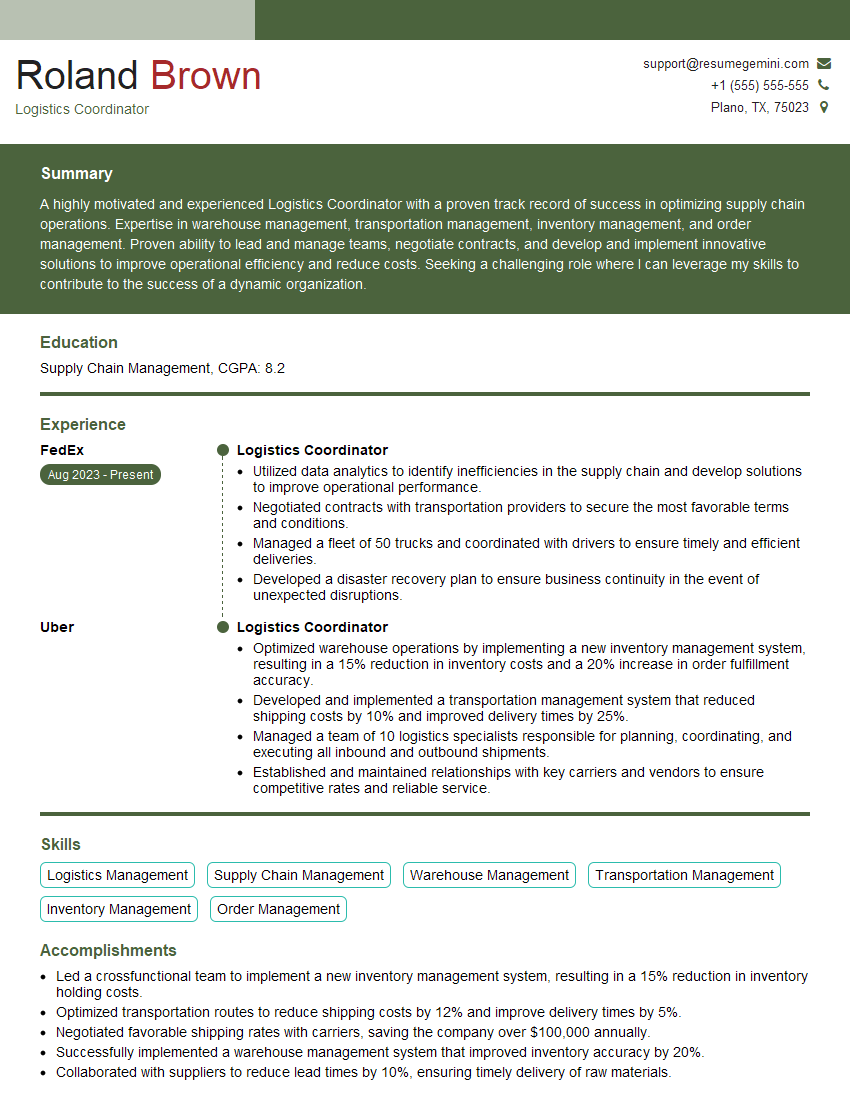
Logistics Coordinator Resume Sample
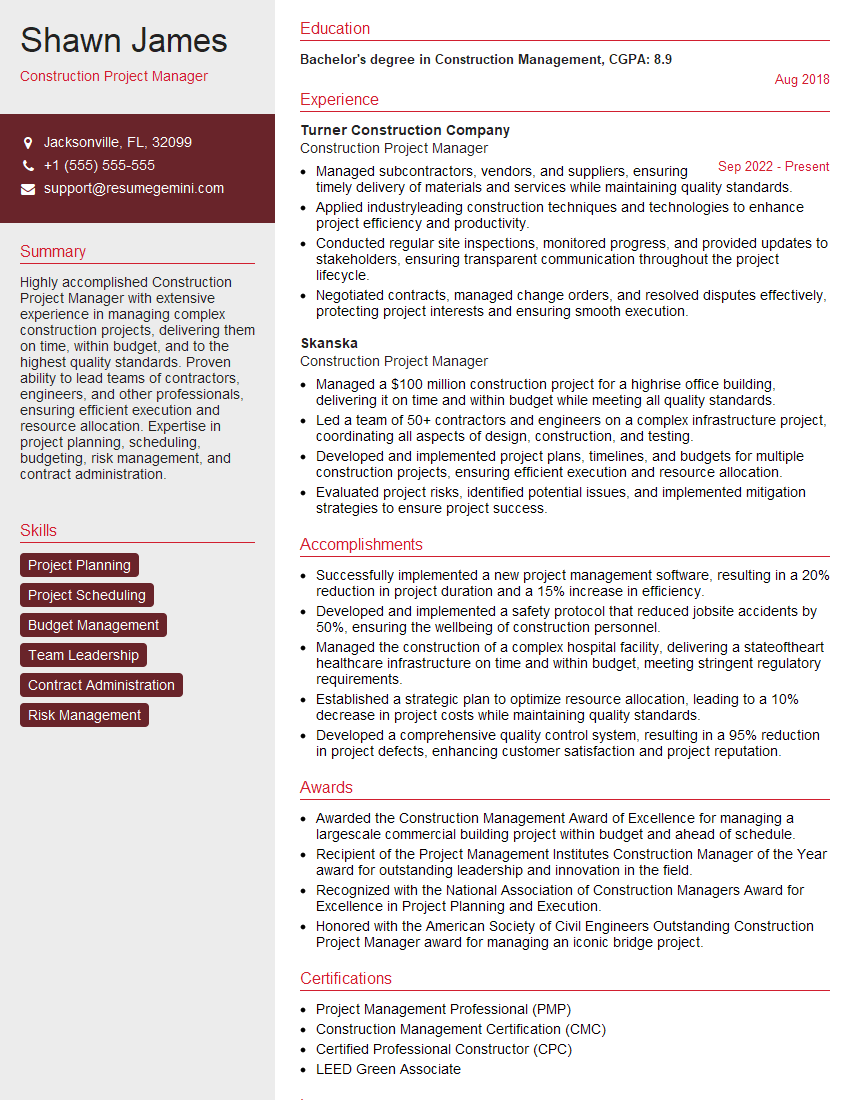
Construction Project Manager Resume Sample

Construction Superintendent Resume Sample

Compliance Officer Resume Sample
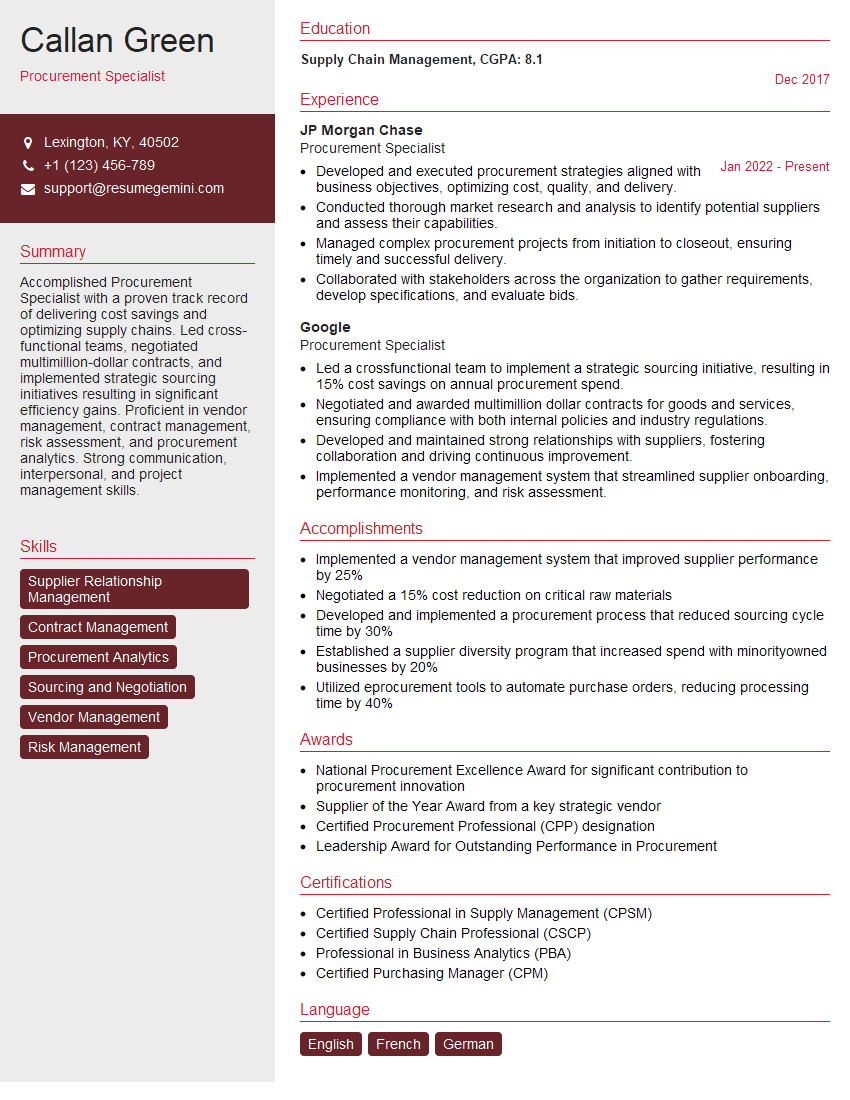
Procurement Specialist Resume Sample
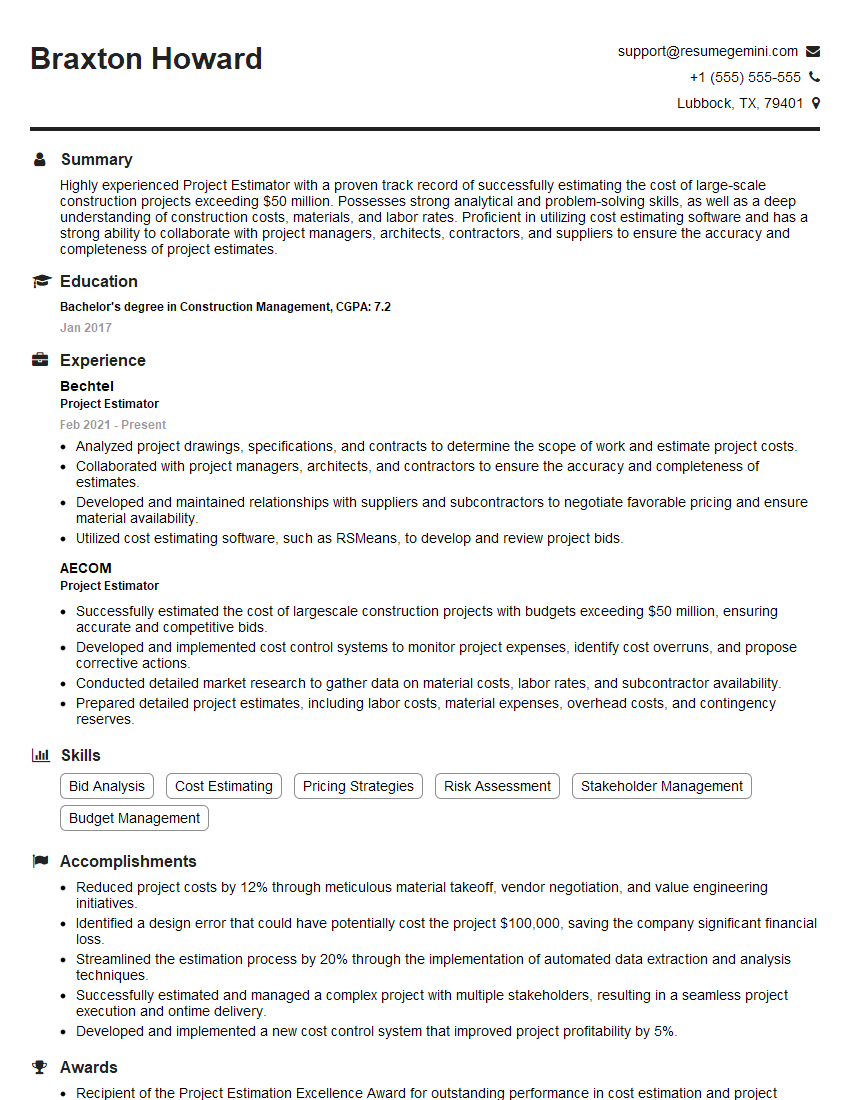
Project Estimator Resume Sample

Inventory Manager Resume Sample
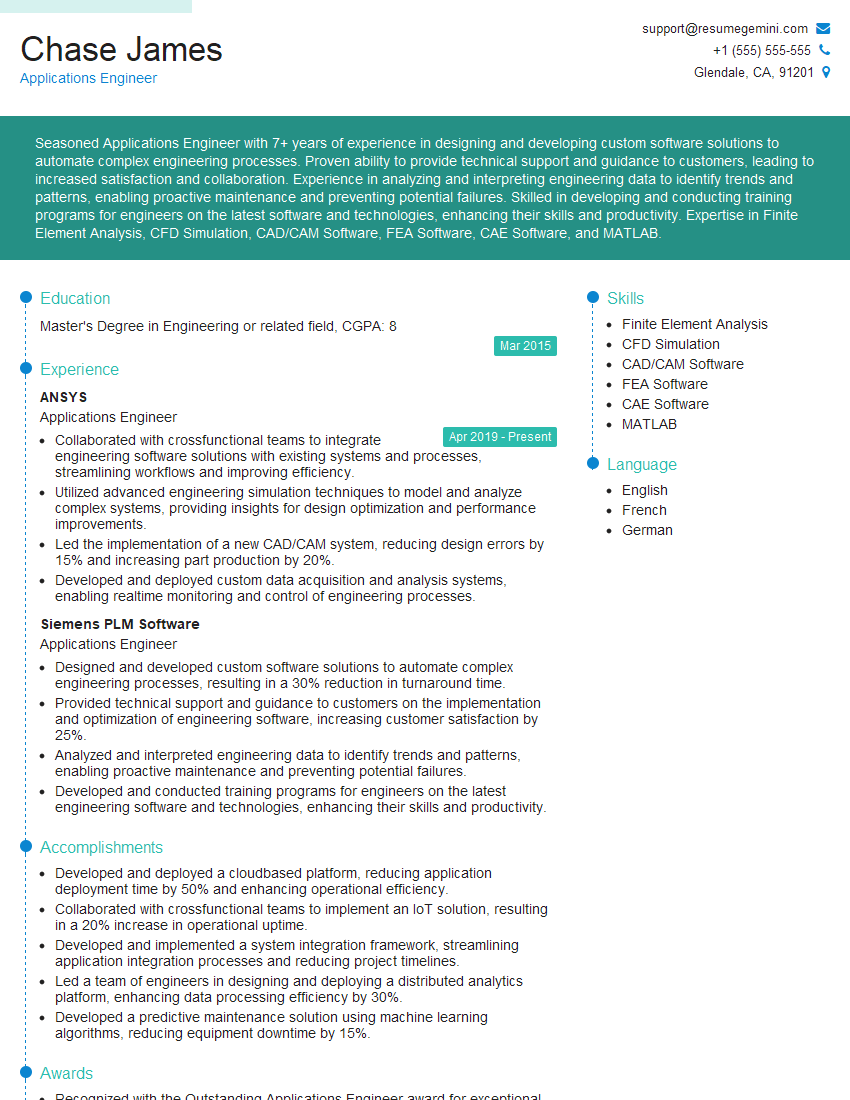
Applications Engineer Resume Sample
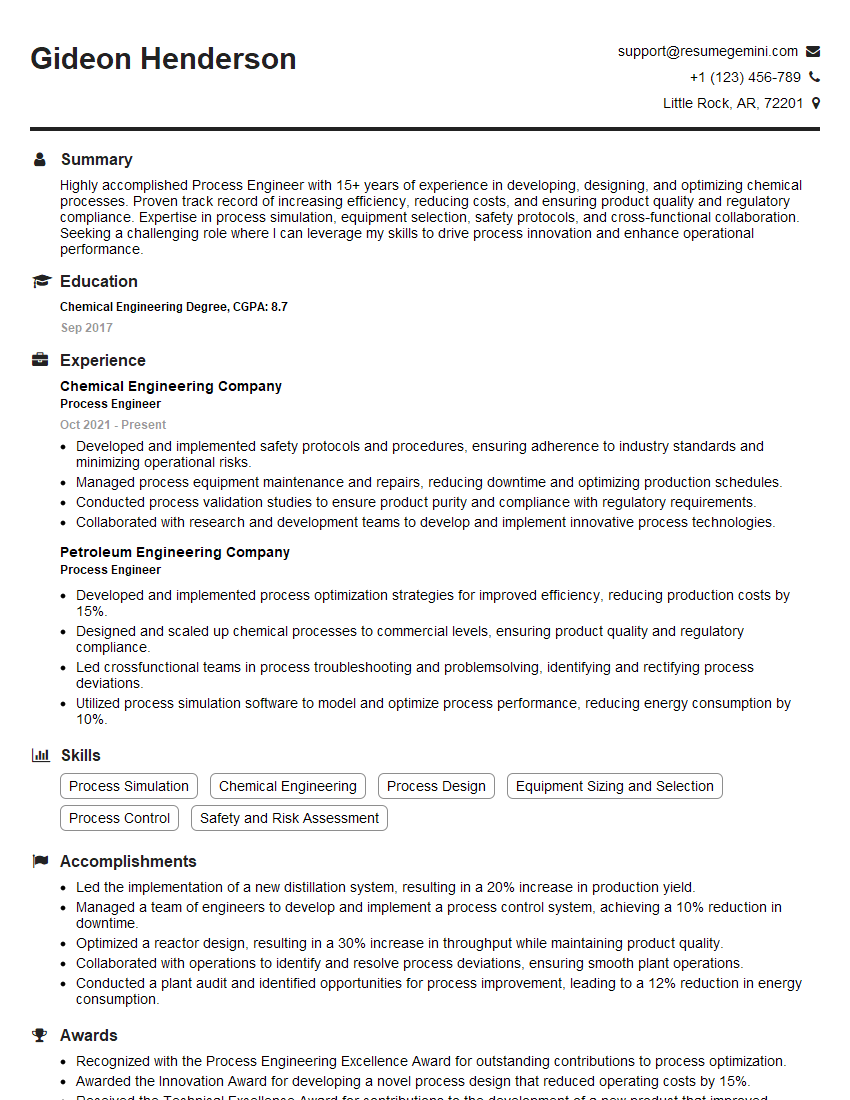
Process Engineer Resume Sample
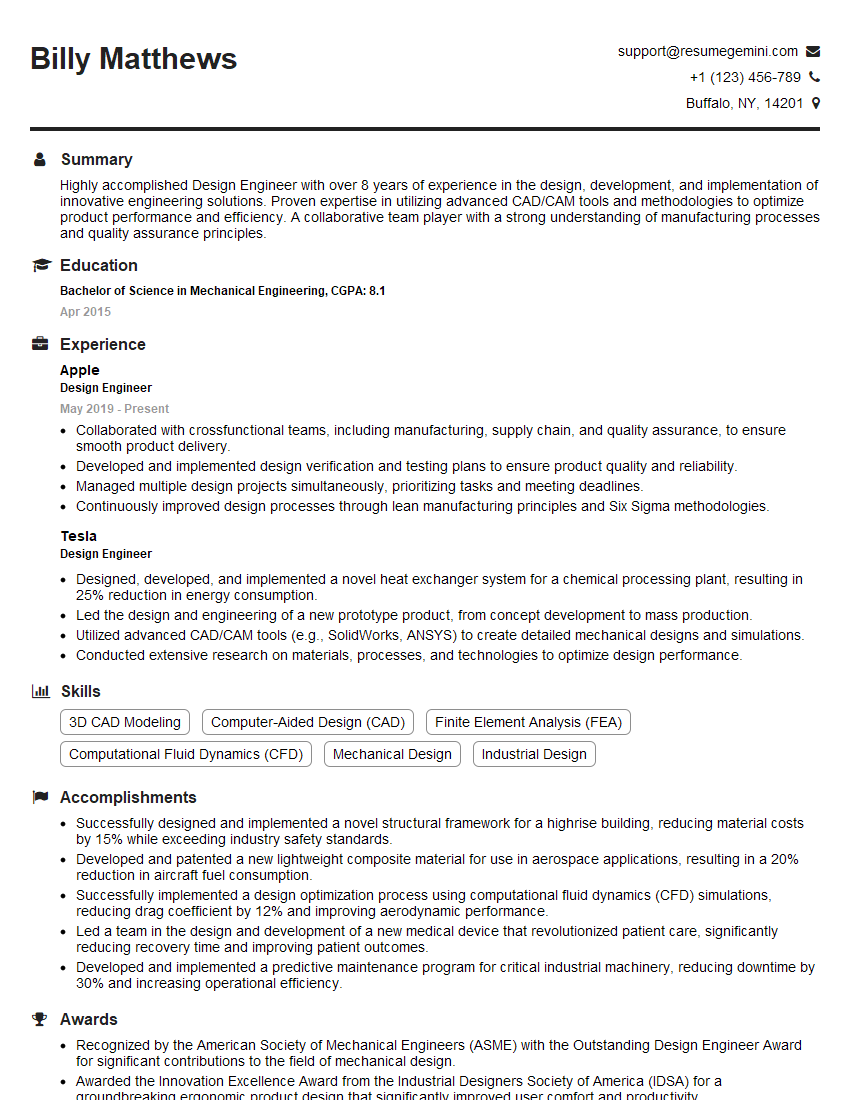
Design Engineer Resume Sample
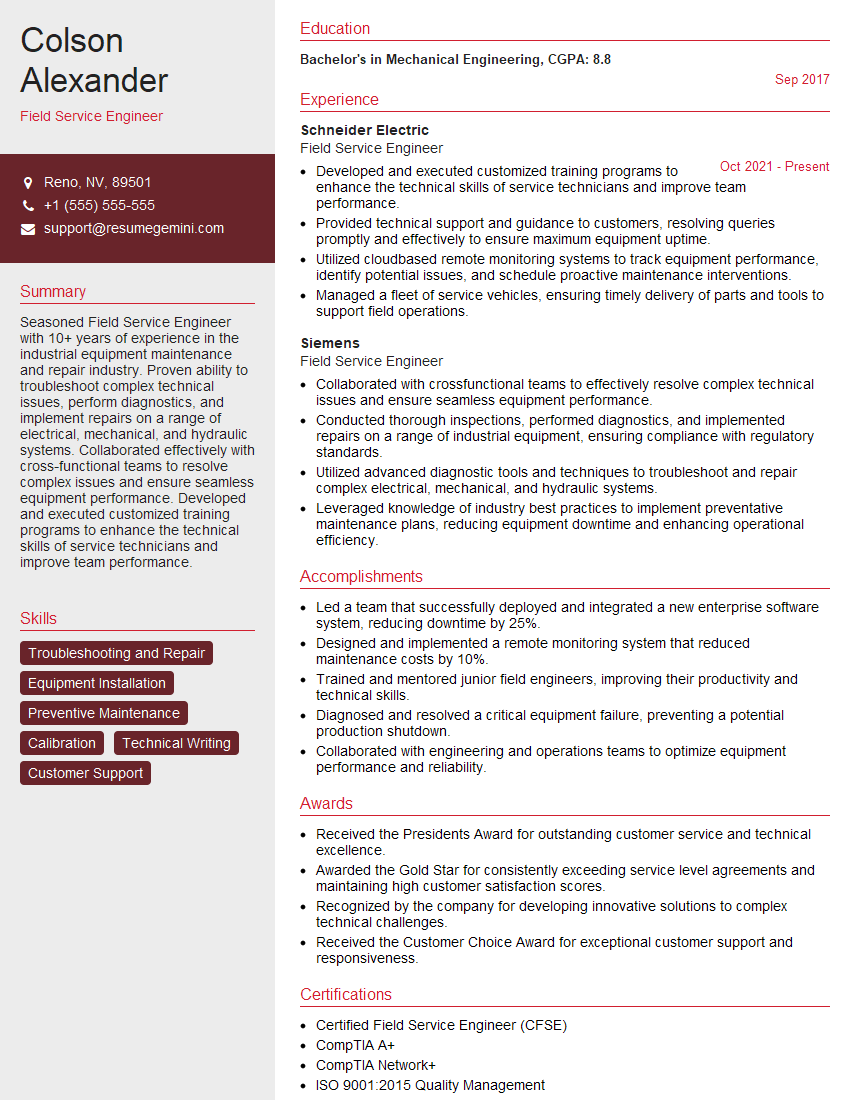
Field Service Engineer Resume Sample
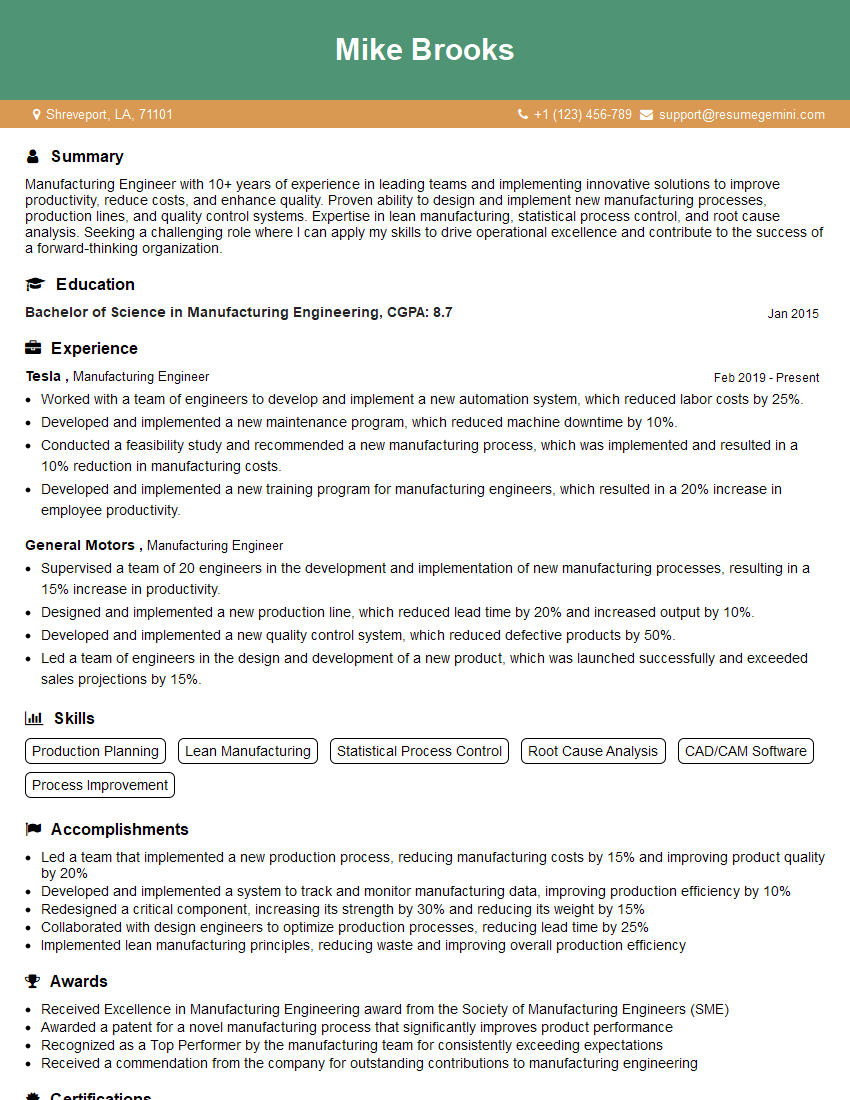
Manufacturing Engineer Resume Sample
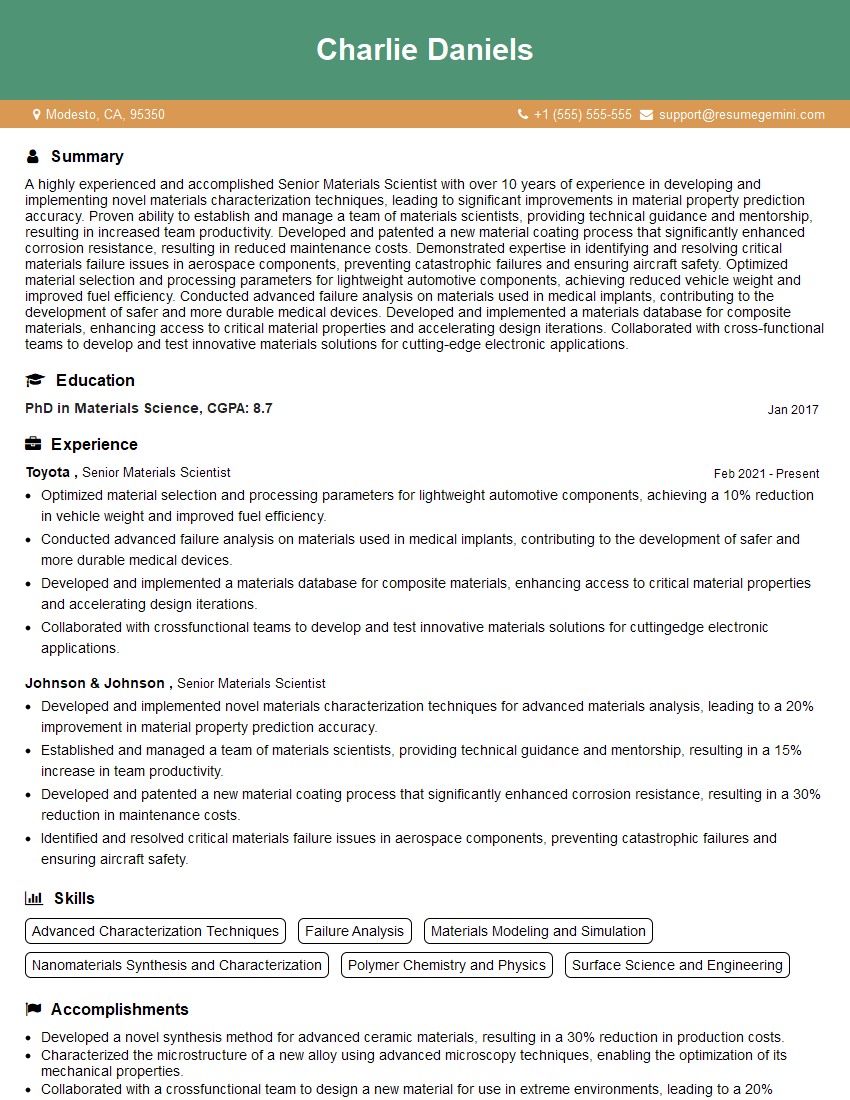
Senior Materials Scientist Resume Sample
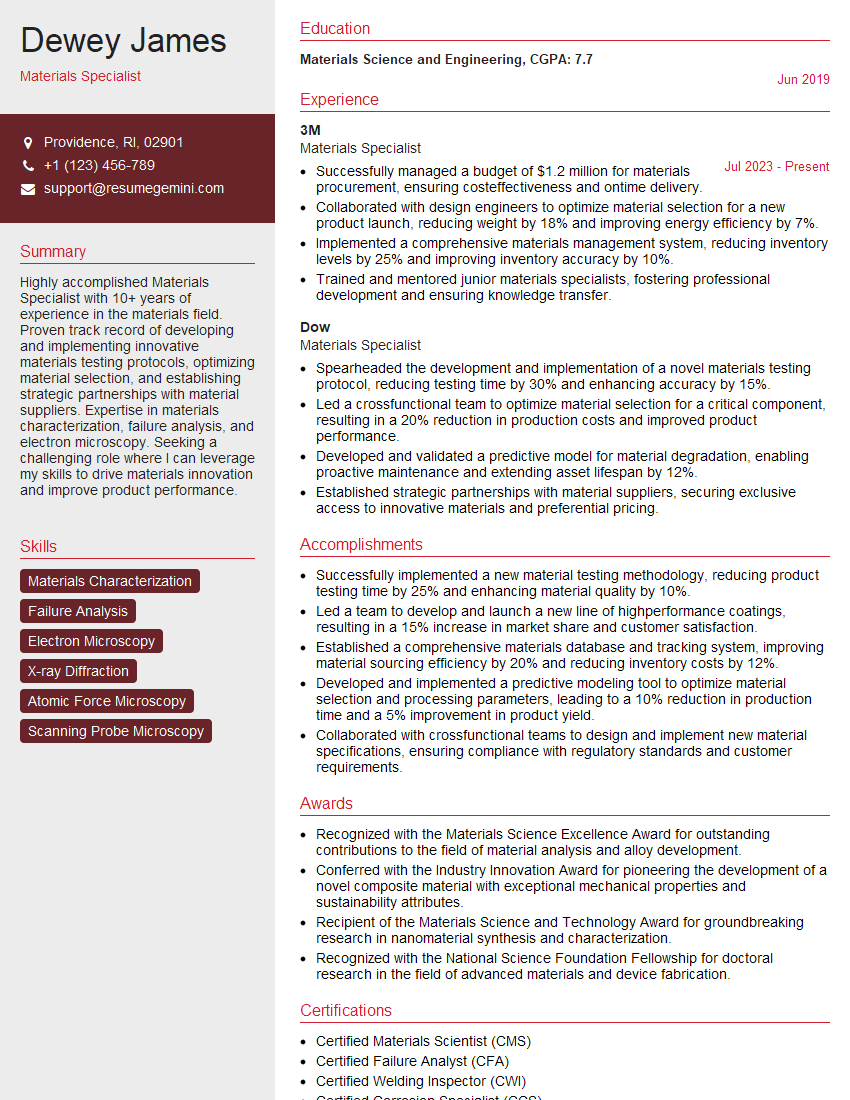
Materials Specialist Resume Sample
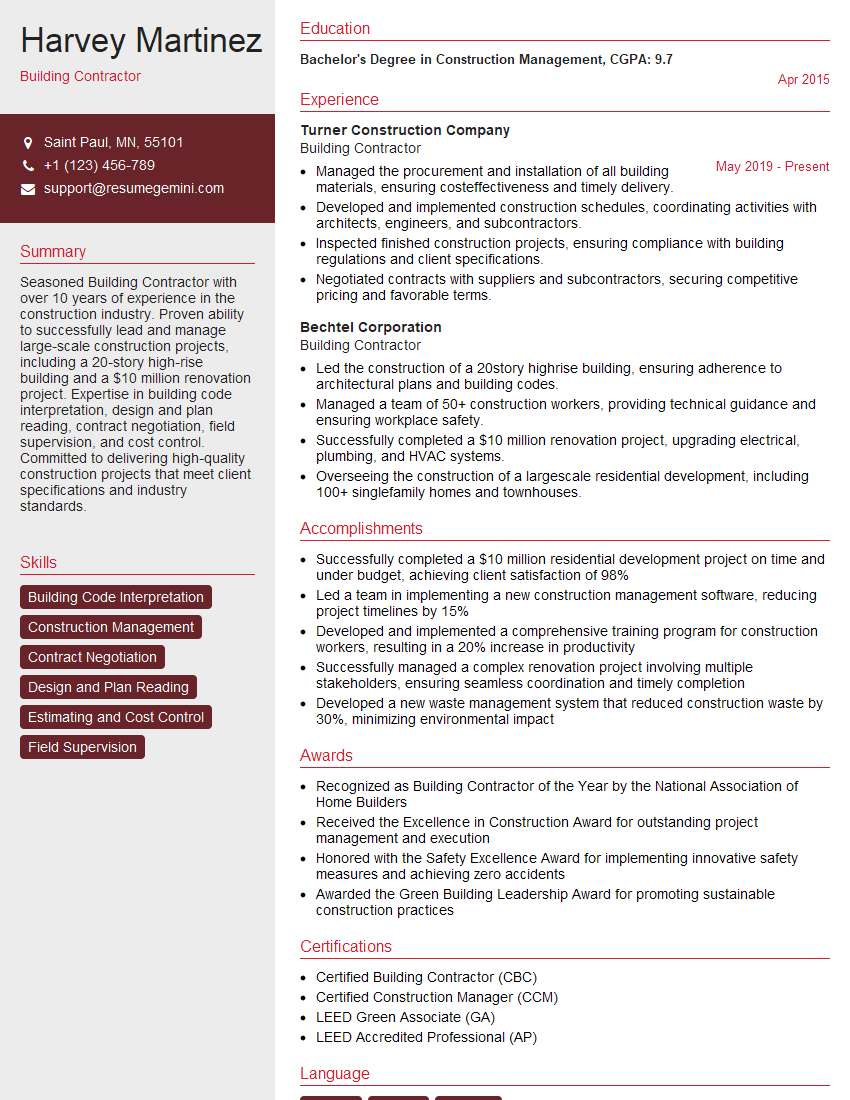
Building Contractor Resume Sample

Quality Control Inspector Resume Sample
- Facilities Manager
- Production Manager
- Maintenance Manager
- Site Manager
- Supply Chain Manager
- Logistics Coordinator
- Construction Project Manager
- Construction Superintendent
- Compliance Officer
- Procurement Specialist
- Project Estimator
- Inventory Manager
- Applications Engineer
- Process Engineer
- Design Engineer
- Field Service Engineer
- Manufacturing Engineer
- Senior Materials Scientist
- Materials Specialist
- Building Contractor
- Quality Control Inspector
Explore more articles
Users Rating of Our Blogs
Share Your Experience
We value your feedback! Please rate our content and share your thoughts (optional).
What Readers Say About Our Blog
Amazing blog
hello,
Our consultant firm based in the USA and our client are interested in your products.
Could you provide your company brochure and respond from your official email id (if different from the current in use), so i can send you the client’s requirement.
Payment before production.
I await your answer.
Regards,
MrSmith
hello,
Our consultant firm based in the USA and our client are interested in your products.
Could you provide your company brochure and respond from your official email id (if different from the current in use), so i can send you the client’s requirement.
Payment before production.
I await your answer.
Regards,
MrSmith
These apartments are so amazing, posting them online would break the algorithm.
https://bit.ly/Lovely2BedsApartmentHudsonYards
Reach out at BENSON@LONDONFOSTER.COM and let’s get started!
Take a look at this stunning 2-bedroom apartment perfectly situated NYC’s coveted Hudson Yards!
https://bit.ly/Lovely2BedsApartmentHudsonYards
Live Rent Free!
https://bit.ly/LiveRentFREE
Interesting Article, I liked the depth of knowledge you’ve shared.
Helpful, thanks for sharing.
Hi, I represent a social media marketing agency and liked your blog
Hi, I represent an SEO company that specialises in getting you AI citations and higher rankings on Google. I’d like to offer you a 100% free SEO audit for your website. Would you be interested?