Interviews are more than just a Q&A session—they’re a chance to prove your worth. This blog dives into essential Situational Awareness and Decision-Making interview questions and expert tips to help you align your answers with what hiring managers are looking for. Start preparing to shine!
Questions Asked in Situational Awareness and Decision-Making Interview
Q 1. Describe your process for assessing a complex situation.
Assessing complex situations requires a structured approach. I utilize a cyclical process combining observation, analysis, and action. First, I gather information from all available sources – this includes direct observation, reports, data analysis, and communication with relevant individuals. Next, I analyze this information, identifying patterns, trends, and potential implications. This often involves filtering out irrelevant details and focusing on critical factors. This analysis informs my understanding of the situation’s current state and its potential future trajectories. Finally, I formulate a plan of action based on my assessment, and I continuously monitor the situation, re-evaluating and adapting my approach as new information emerges. Think of it like navigating a complex maze: You start by observing your surroundings (information gathering), determine where you want to go and the best path (analysis), and adjust your course as needed (action and monitoring).
For example, in a business crisis, this could involve analyzing sales figures, customer feedback, and competitor actions to identify the root cause of the problem and develop a mitigation strategy.
Q 2. How do you identify critical information in a high-pressure environment?
Identifying critical information under pressure demands a combination of skills and strategies. I prioritize information based on its relevance to the immediate threat or objective, its reliability (considering the source’s credibility), and its time sensitivity. I use techniques like filtering, pattern recognition, and prioritizing information based on established protocols or decision matrices. A good analogy is a firefighter rushing into a burning building: They don’t waste time examining every detail; they focus on the most immediate dangers (flames, victims) and prioritize accordingly.
For instance, in a cybersecurity incident, I wouldn’t get bogged down in analyzing every log entry; I’d focus on critical system alerts indicating data breaches, unauthorized access, or malware activity. I use a combination of automated tools and manual analysis to streamline this process.
Q 3. Explain how you prioritize tasks during a crisis.
Prioritizing tasks in a crisis requires a clear understanding of the overall objectives and potential consequences. I use a combination of methods including the urgency/importance matrix (Eisenhower Matrix), where tasks are categorized by urgency and importance. Critical tasks are handled first, followed by important but less urgent tasks. I also consider resource allocation and dependencies between tasks. Furthermore, I delegate effectively, ensuring that less critical tasks are handled by appropriately skilled individuals, freeing up my time to focus on critical decision-making.
Imagine a hospital emergency room: Patients with life-threatening injuries are prioritized over those with minor wounds. Similarly, in a business crisis, addressing a critical customer issue might take precedence over a long-term strategic project.
Q 4. Describe a time you had to make a quick decision with incomplete information.
During my time as a project manager, we faced a critical system failure during a live event. We had incomplete information about the root cause of the failure, and the situation demanded immediate action to minimize disruption. Following established protocols, I first engaged with the technical team to gather preliminary information on the failure and its impact. Simultaneously, I informed key stakeholders and began formulating alternative strategies, anticipating different failure scenarios based on the limited data we had. We opted for a temporary workaround, a less-than-ideal solution, but one that minimized the disruption, buying us time to diagnose and resolve the problem completely.
The key was making a timely decision with the information I had, acknowledging the uncertainty and actively monitoring for updates. Post-incident analysis helped us improve our protocols and crisis response.
Q 5. How do you handle conflicting information from multiple sources?
Handling conflicting information requires a careful, methodical approach. I start by verifying the sources of the information, assessing their credibility and potential biases. I look for patterns and cross-referencing data points to identify inconsistencies. If the conflict is significant, I might investigate further by seeking additional information or consulting with experts. The goal is not to necessarily choose one source over another, but to synthesize the available information, identify areas of agreement and disagreement, and understand the uncertainty involved. Essentially, I build a comprehensive picture, acknowledging the different perspectives and the limitations of each source. Think of it like assembling a puzzle with pieces from different boxes – some pieces may be inaccurate or don’t perfectly fit; the trick is to find the best way to put them together to make a cohesive image.
Q 6. How do you identify potential risks or threats in a given situation?
Identifying potential risks and threats involves a proactive and systematic approach. I use a combination of techniques, including risk assessment matrices, SWOT (Strengths, Weaknesses, Opportunities, Threats) analysis, and predictive modeling. This involves identifying potential hazards (environmental, human, technological, etc.), analyzing their likelihood and potential impact, and developing mitigation strategies. I also draw on historical data, best practices, and expert knowledge to better anticipate potential problems. Regularly reviewing and updating these assessments is crucial to maintain a high level of situational awareness. It’s like a weather forecaster using various data points (satellites, radar, etc.) to predict potential storms – you have to analyze multiple factors to accurately identify and address potential risks.
Q 7. What strategies do you use to improve your situational awareness?
Improving situational awareness is an ongoing process that requires continuous learning and self-reflection. I employ several strategies including: actively seeking out diverse information sources to avoid confirmation bias; regularly reviewing and updating my mental models to adapt to changes in the environment; practicing active listening and observation; developing strong communication skills to effectively gather and share information; leveraging technology to monitor relevant data streams; participating in simulations and training exercises to practice decision-making under pressure; and regularly evaluating my decision-making process for areas of improvement. It’s a constant learning and adaptation process that requires being mindful of how you gather, interpret, and use information.
Q 8. How do you stay calm and focused under pressure?
Maintaining composure under pressure is crucial for effective decision-making. My approach is multifaceted. Firstly, I utilize mindfulness techniques like deep breathing and focusing on the present moment to reduce stress and anxiety. This helps clear my mind and allows me to approach the situation rationally. Secondly, I rely on structured problem-solving. Breaking down complex challenges into smaller, manageable steps prevents feeling overwhelmed. Thirdly, I have a strong foundation of situational awareness training that allows me to focus on actionable information, filtering out unnecessary noise. Finally, I prioritize physical and mental well-being. Adequate sleep, regular exercise, and a healthy diet significantly impact my resilience to stress.
For example, during a critical incident response, the initial chaos can be daunting. However, by focusing on my breathing and systematically assessing the situation, I can prioritize tasks and delegate effectively, ensuring calm and focused execution.
Q 9. Describe your approach to problem-solving in ambiguous situations.
Ambiguous situations necessitate a structured approach. My methodology involves five key steps: 1. Information Gathering: Actively seeking diverse perspectives and data sources to reduce uncertainty. 2. Hypothesis Generation: Formulating multiple potential explanations for the observed ambiguity. 3. Risk Assessment: Evaluating the potential consequences of each hypothesis. 4. Scenario Planning: Developing contingency plans for different possible outcomes. 5. Adaptive Action: Implementing a course of action, monitoring its effectiveness, and adjusting as new information emerges. This iterative approach allows for flexibility and learning throughout the process.
Imagine a project with unclear requirements. Instead of assuming, I’d initiate discussions with stakeholders, gather documentation, and explore similar projects to formulate potential solutions, assess their feasibility, and proactively plan for deviations. This structured approach minimizes the risks associated with ambiguity.
Q 10. How do you ensure that your decisions are well-informed?
Well-informed decisions stem from thorough research and a balanced perspective. I utilize several strategies: Data Analysis: I leverage data visualization tools and statistical methods to identify trends and patterns. Expert Consultation: I seek input from subject matter experts to gain different viewpoints and validate my assumptions. Scenario Modeling: I construct simulations to anticipate potential outcomes under different conditions. Critical Evaluation: I critically assess information sources, considering biases and potential limitations. This multi-faceted approach ensures decisions are grounded in evidence and minimize reliance on intuition alone.
For example, before recommending a new security protocol, I wouldn’t simply rely on vendor marketing. Instead, I’d analyze vulnerability reports, conduct penetration testing, consult cybersecurity experts, and model the system’s behavior under attack scenarios to ensure its effectiveness.
Q 11. How do you adapt your decision-making process to different situations?
Adaptability is crucial in decision-making. My approach is context-dependent. In high-pressure, time-sensitive situations, I prioritize speed and decisiveness, leveraging pre-established protocols and heuristics. However, in complex, strategic decisions, I adopt a more deliberative approach, allowing for more thorough analysis and collaboration. The key is recognizing the urgency and complexity of each situation and tailoring my process accordingly.
For example, in a crisis management scenario, rapid response is essential. However, when making strategic investments, a more thorough analysis, including long-term forecasting and stakeholder consultations, is vital.
Q 12. How do you evaluate the effectiveness of your decisions?
Evaluating decision effectiveness involves a combination of quantitative and qualitative measures. I use Key Performance Indicators (KPIs) to track progress towards objectives. Post-Implementation Reviews are conducted to identify successes, failures, and areas for improvement. Feedback Mechanisms from stakeholders provide valuable insights into the impact of the decision. By analyzing these data points, I can assess the impact, identify potential adjustments, and refine my decision-making process for future scenarios.
For instance, after implementing a new workflow, I would monitor key metrics such as efficiency gains, error rates, and employee satisfaction to determine its overall effectiveness and make necessary revisions.
Q 13. Describe a time you made a wrong decision. What did you learn?
In a previous project, I underestimated the complexity of integrating a new software system. This led to significant delays and cost overruns. My initial assessment lacked sufficient detail, and I didn’t adequately factor in potential integration challenges. The primary lesson learned was the importance of thorough due diligence and scenario planning. I now prioritize more extensive risk assessment and stakeholder involvement in the early stages of a project to anticipate and mitigate potential problems before they arise. This experience has strengthened my commitment to comprehensive planning and risk management in my decision-making process.
Q 14. How do you communicate your decisions to others clearly and effectively?
Clear and effective communication is vital. My approach centers around clarity, conciseness, and empathy. I begin by clearly defining the decision, its rationale, and the expected outcomes. I use visual aids whenever possible to enhance comprehension. I tailor the language and level of detail to the audience’s knowledge and understanding. I also proactively address potential concerns and answer questions to foster transparency and build trust. This participatory approach encourages buy-in and facilitates effective implementation.
For example, when presenting a change management plan, I would use clear visuals like flowcharts and timelines to illustrate the process, emphasizing the benefits and addressing potential disruptions to build confidence and support among the team.
Q 15. How do you involve others in the decision-making process when appropriate?
Involving others in decision-making hinges on understanding the situation and the expertise each person brings. It’s not about consensus for the sake of it, but about leveraging collective intelligence. My approach involves several steps:
- Identifying Relevant Stakeholders: First, I clearly define who needs to be involved. This depends on the decision’s scope and impact. For a minor operational issue, it might be my immediate team; for a strategic initiative, it could involve cross-functional leadership.
- Establishing Clear Communication Channels: I ensure open communication through methods like brainstorming sessions, collaborative documents, or structured meetings, tailoring the method to the team’s dynamics and the complexity of the decision.
- Defining Roles and Responsibilities: Clarity is key. Each participant understands their role – providing input, analyzing data, making recommendations, or ultimately approving the decision. This avoids confusion and ensures everyone feels valued.
- Facilitating Constructive Dialogue: I actively manage discussions, encouraging diverse perspectives while preventing the dominance of certain voices. Techniques like nominal group technique or structured brainstorming help gather diverse ideas systematically.
- Documenting Decisions and Rationale: After the decision is made, I ensure a clear record is kept detailing the process, different viewpoints considered, and the ultimate rationale. This is important for transparency and accountability.
For example, in a project involving software development, I involved developers, designers, and marketing representatives to ensure the final product meets both technical specifications and market demands. The diverse perspectives helped us create a superior product compared to one developed in isolation.
Career Expert Tips:
- Ace those interviews! Prepare effectively by reviewing the Top 50 Most Common Interview Questions on ResumeGemini.
- Navigate your job search with confidence! Explore a wide range of Career Tips on ResumeGemini. Learn about common challenges and recommendations to overcome them.
- Craft the perfect resume! Master the Art of Resume Writing with ResumeGemini’s guide. Showcase your unique qualifications and achievements effectively.
- Don’t miss out on holiday savings! Build your dream resume with ResumeGemini’s ATS optimized templates.
Q 16. How do you handle disagreements about the best course of action?
Disagreements are inevitable, and healthy when managed constructively. My approach emphasizes respectful dialogue and evidence-based reasoning:
- Active Listening: I start by attentively listening to each person’s viewpoint, trying to understand the underlying reasons for their disagreement.
- Identifying Points of Convergence and Divergence: I clearly outline areas of agreement and disagreement to narrow the focus of the discussion.
- Seeking Clarification: I ask clarifying questions to ensure everyone understands the perspectives of others and to uncover any misunderstandings.
- Data-Driven Analysis: I rely on data and evidence whenever possible to support different arguments and provide an objective basis for evaluation.
- Collaborative Problem-Solving: If a consensus can’t be immediately reached, I facilitate collaborative problem-solving, exploring creative solutions that address everyone’s concerns. This might involve compromising or seeking a higher-level decision-maker’s input.
- Documenting the Decision: Once a decision is made (even if it’s a compromise), I document the process, the dissenting opinions, and the justification for the chosen course of action.
In a past project involving resource allocation, there was a conflict between teams needing the same equipment. By carefully analyzing their needs and timelines and involving a higher manager, we were able to create a schedule that minimized disruption for all parties.
Q 17. How do you manage stress and fatigue while making critical decisions?
Managing stress and fatigue during critical decision-making is crucial. I employ a multifaceted strategy:
- Prioritization and Time Management: I carefully prioritize tasks to avoid feeling overwhelmed. Time management techniques like the Pomodoro Technique help maintain focus and prevent burnout.
- Regular Breaks and Rest: I take regular short breaks during periods of intense decision-making to allow my mind to rest and recover. Adequate sleep is non-negotiable.
- Mindfulness and Stress-Reduction Techniques: I practice mindfulness techniques such as deep breathing exercises or meditation to reduce stress and enhance focus.
- Seeking Support: I don’t hesitate to seek support from colleagues, mentors, or even therapy when feeling overwhelmed. Talking about the challenges helps gain perspective.
- Maintaining a Healthy Lifestyle: Physical exercise, a balanced diet, and hydration significantly impact cognitive function and stress resilience.
During a crisis situation, I found that taking brief walking breaks during intense negotiations helped maintain clarity of thought and prevent impulsive reactions.
Q 18. Describe your experience using data to inform decision-making.
Data informs almost every decision I make. My experience encompasses various aspects of data analysis:
- Data Collection and Cleaning: I’m proficient in collecting data from various sources, cleaning it to ensure accuracy and reliability, and transforming it into usable formats.
- Data Analysis and Interpretation: I employ statistical methods and data visualization techniques to understand trends, identify patterns, and draw meaningful conclusions from the data.
- Data-Driven Insights: I use data to identify potential problems, opportunities, and risks. I translate data insights into actionable strategies.
- Data Visualization: I use charts, graphs, and dashboards to communicate data effectively to different audiences. This makes it easier for everyone to understand the implications of data.
For instance, in a previous role, I analyzed customer churn data to identify patterns that contributed to customer attrition. The insights guided the development of retention strategies that improved customer loyalty by 15%.
Q 19. How do you balance speed and accuracy in decision-making?
Balancing speed and accuracy in decision-making is a constant challenge. My approach involves a flexible strategy:
- Understanding the Context: The urgency of the decision significantly influences the balance between speed and accuracy. High-stakes decisions often demand a more thorough, slower approach.
- Using Heuristics Wisely: In time-critical situations, using appropriate heuristics (mental shortcuts) can accelerate decision-making without significantly compromising accuracy. But this is only effective with experience and judgment.
- Data Prioritization: If time is limited, I prioritize the most crucial data points, focusing on the information that has the highest impact on the decision.
- Seeking Second Opinions: For complex and time-sensitive decisions, I might seek a second opinion from a trusted colleague to cross-check the accuracy of my analysis.
- Iterative Decision-Making: In some cases, it’s better to make a quicker, less precise decision and iterate based on the results. This allows for adjustments based on real-world feedback.
Imagine an emergency situation requiring an immediate response. Speed is paramount. But even then, a structured decision-making process, even if abbreviated, helps minimize errors.
Q 20. How do you identify and mitigate biases in your decision-making?
Biases are inherent in human decision-making. To mitigate them, I employ several strategies:
- Self-Awareness: I am actively aware of common cognitive biases (confirmation bias, anchoring bias, etc.) and try to identify situations where they might affect my judgment.
- Seeking Diverse Perspectives: I actively solicit feedback from individuals with different backgrounds and perspectives to challenge my own assumptions and potentially uncover blind spots.
- Structured Decision-Making Frameworks: Using frameworks like cost-benefit analysis or decision matrices helps reduce the influence of emotions and subjective biases.
- Data-Driven Decision Making: Relying heavily on data minimizes the impact of personal biases by grounding decisions in objective evidence.
- Regular Self-Reflection: I regularly reflect on my past decisions, both successes and failures, to identify patterns and areas for improvement in my decision-making process.
For example, I once realized I was favoring a particular supplier due to a pre-existing personal relationship. By actively seeking quotes from other suppliers, I ensured a more objective and potentially cost-effective decision.
Q 21. Describe a time you had to make a decision with ethical implications.
I faced an ethical dilemma when deciding how to handle a discovered software bug that had potential security implications. While the bug was relatively minor and hadn’t been exploited, delaying a fix could have exposed our users to risk. However, immediately releasing a patch could have introduced new, unforeseen issues due to insufficient testing.
My approach involved:
- Assessing the Risk: I thoroughly assessed the potential impact of the bug and the risks associated with both immediate patching and delayed release.
- Consulting with Stakeholders: I consulted with the development team, security experts, and management to get their perspectives and ensure transparency.
- Prioritizing User Safety: Ultimately, I prioritized user safety and opted for a phased rollout of the patch. A small-scale release to beta testers allowed us to identify and address any unforeseen issues before a full release.
- Transparency and Communication: I ensured transparent communication with all stakeholders and users throughout the process.
This situation highlighted the importance of balancing the technical aspects of a problem with the ethical considerations related to user safety and trust. Transparency and thoughtful risk assessment guided the decision, which ultimately resulted in a positive outcome for our users and the company’s reputation.
Q 22. How do you anticipate potential consequences of your decisions?
Anticipating the consequences of my decisions is a crucial part of effective decision-making. I use a structured approach that involves considering various potential outcomes, both positive and negative. This isn’t simply about brainstorming; it’s about a systematic evaluation of risks and rewards.
My process typically involves:
- Identifying potential outcomes: I brainstorm a range of possible scenarios, from the most likely to the least likely, considering both intended and unintended consequences.
- Assessing the likelihood and impact of each outcome: I assign probabilities to each scenario and evaluate the potential impact (positive or negative) on various stakeholders. This often involves using tools like risk matrices.
- Developing mitigation strategies: For negative outcomes, I develop contingency plans to reduce the likelihood or severity of their impact. This might include having backup plans, setting trigger points for intervention, or identifying resources to address problems.
- Evaluating trade-offs: Often, there are trade-offs between different outcomes. I weigh the potential benefits against the potential risks to arrive at the best possible decision.
For example, in a project management scenario, launching a new product early might lead to higher initial sales but also increased risk of bugs and negative customer reviews. By carefully considering these trade-offs and developing mitigation strategies, I can make an informed decision that balances risk and reward.
Q 23. How do you utilize technology to improve situational awareness?
Technology plays a vital role in enhancing situational awareness. I leverage various tools and systems to gather, analyze, and interpret information in real-time, leading to better informed decisions.
- Data visualization dashboards: These dashboards provide a consolidated view of relevant data points, allowing me to quickly identify trends, anomalies, and potential issues.
- Real-time monitoring systems: In operational settings, real-time monitoring systems provide continuous updates on key performance indicators (KPIs), enabling proactive intervention and preventing problems before they escalate.
- Predictive analytics: Employing predictive modeling techniques helps anticipate future trends and potential challenges, allowing for proactive mitigation strategies.
- Collaboration platforms: Tools like Slack or Microsoft Teams facilitate communication and information sharing among team members, ensuring everyone has the same situational understanding.
- Geographic Information Systems (GIS): In spatially distributed contexts, GIS allows for visualizing information geographically, providing a better understanding of location-based events and patterns.
For instance, in a supply chain management role, real-time tracking of shipments coupled with predictive analytics can help anticipate delays and proactively adjust logistics to minimize disruptions.
Q 24. Explain your understanding of cognitive biases and how to avoid them.
Cognitive biases are systematic errors in thinking that affect our decisions and judgments. Understanding these biases is critical to making sound decisions. Some common biases include confirmation bias (favoring information confirming existing beliefs), anchoring bias (over-relying on initial information), and availability heuristic (overestimating the likelihood of easily recalled events).
To mitigate these biases, I use several strategies:
- Actively seek diverse perspectives: I encourage input from individuals with different backgrounds and viewpoints to challenge my assumptions.
- Employ structured decision-making frameworks: Using frameworks like the decision matrix or cost-benefit analysis helps to introduce objectivity and reduce the influence of emotions.
- Challenge assumptions: I deliberately question my own assumptions and beliefs, seeking evidence to support or refute them.
- Utilize data-driven decision making: Relying on objective data rather than intuition minimizes the influence of biases.
- Be aware of time pressure: Time pressure often exacerbates cognitive biases. I prioritize careful consideration, even under pressure.
For example, before making a significant investment decision, I would actively seek input from financial analysts, review market data, and conduct thorough due diligence to counteract biases such as overconfidence or anchoring bias.
Q 25. How do you maintain situational awareness during long, complex projects?
Maintaining situational awareness during long, complex projects requires a proactive and structured approach. It’s about consistently monitoring progress, identifying potential issues early, and adapting to changing circumstances.
My strategies include:
- Regular progress reviews: I schedule regular meetings and utilize project management software to track progress against milestones.
- Risk assessment and mitigation: I conduct regular risk assessments to identify potential threats and develop mitigation strategies.
- Communication and collaboration: I maintain open communication with team members and stakeholders to ensure everyone is aware of the project’s status and any potential issues.
- Flexible planning: I build flexibility into project plans to accommodate unexpected changes or challenges.
- Data visualization: Visualizing project data using dashboards and reports helps me to quickly grasp the overall status and identify potential issues.
Imagine a software development project spanning several months. Regularly reviewing progress reports, monitoring bug reports, and actively communicating with the development team allows for early identification of potential delays or technical challenges. This enables timely adjustments to the project plan, minimizing the overall impact.
Q 26. How do you use feedback to improve your decision-making skills?
Feedback is essential for continuous improvement in decision-making. I actively seek feedback from various sources and use it to refine my approach.
My approach to using feedback involves:
- Soliciting feedback regularly: I actively seek feedback from colleagues, supervisors, and clients, both during and after projects are completed.
- Seeking constructive criticism: I encourage honest and constructive criticism, even if it’s negative.
- Analyzing feedback objectively: I analyze feedback objectively, identifying recurring patterns or areas for improvement.
- Implementing changes: I actively implement changes based on feedback, adjusting my decision-making processes accordingly.
- Reflecting on past decisions: I regularly reflect on past decisions, analyzing what went well and what could have been improved.
For example, if feedback consistently indicates that my decisions lack sufficient consideration of risk, I might incorporate more rigorous risk assessment techniques into my decision-making process.
Q 27. Describe a time you had to change course mid-project due to changing circumstances.
During a large-scale marketing campaign, we initially focused on a primarily digital strategy. However, halfway through, we discovered that our target demographic had a stronger preference for traditional print media than anticipated. Our initial data analysis had underestimated this segment.
Recognizing this shift, we immediately adjusted our approach. We reallocated a portion of the budget to print advertising and adjusted the creative messaging to better resonate with this previously underestimated audience segment. This required collaboration with the print media team, renegotiating contracts, and accelerating the print production timeline. While this required quick action and a shift in strategy, the final outcome was successful, significantly improving campaign reach and effectiveness.
This situation highlighted the importance of continuous monitoring, adaptability, and effective communication in navigating unexpected changes during a project.
Q 28. How do you delegate tasks effectively when facing a time-sensitive situation?
Delegation in time-sensitive situations requires careful consideration of individual skills, workload, and the urgency of tasks. My approach focuses on clarity, efficiency, and effective communication.
My steps for effective delegation in time-sensitive situations:
- Prioritize tasks: Clearly identify the most critical tasks that need to be completed first.
- Assess team capabilities: Identify the team members best suited for each task, based on their skills and experience.
- Provide clear instructions: Give clear, concise instructions, including deadlines, expected outcomes, and any necessary resources.
- Empower team members: Grant team members the authority to make decisions related to their assigned tasks.
- Monitor progress: Regularly monitor progress, providing support and addressing any challenges.
- Maintain open communication: Ensure open communication channels to facilitate quick updates and address any questions or concerns.
For instance, if facing a project deadline with multiple tasks, I would prioritize the most critical ones, assign them to the most qualified team members, provide precise instructions and deadlines, and closely monitor their progress, offering support as needed. This ensures that the most important tasks are completed efficiently, even under pressure.
Key Topics to Learn for Situational Awareness and Decision-Making Interviews
- Understanding Situational Awareness: Defining and identifying the components of situational awareness – perception, comprehension, and projection. Learn how to articulate your understanding of this framework.
- Analyzing Complex Situations: Practicing the systematic breakdown of complex scenarios into manageable parts. Develop strategies for identifying key information, potential risks, and opportunities.
- Decision-Making Models: Exploring various decision-making models (e.g., rational, intuitive, bounded rationality) and understanding their strengths and weaknesses in different contexts. Learn to apply these models practically.
- Risk Assessment and Mitigation: Developing skills in identifying, assessing, and mitigating risks associated with decisions. Practice articulating your risk management approach.
- Communication and Collaboration: Highlighting the importance of effective communication and collaboration in situational awareness and decision-making processes, especially within teams.
- Ethical Considerations: Understanding the ethical implications of decisions and how to incorporate ethical frameworks into your decision-making process.
- Adaptability and Learning from Mistakes: Demonstrating your ability to adapt to changing circumstances and learn from past experiences to improve future decision-making.
- Practical Application through Case Studies: Prepare examples from your past experiences where you successfully demonstrated strong situational awareness and decision-making skills. Focus on the process and outcome.
Next Steps
Mastering Situational Awareness and Decision-Making is crucial for career advancement. These skills are highly valued across industries, demonstrating your ability to handle pressure, solve problems effectively, and lead teams. To maximize your job prospects, create an ATS-friendly resume that clearly highlights these capabilities. ResumeGemini is a trusted resource to help you build a compelling and effective resume. We provide examples of resumes tailored to emphasize Situational Awareness and Decision-Making skills, helping you present your qualifications in the best possible light. Take the next step towards your dream career – build a powerful resume today!
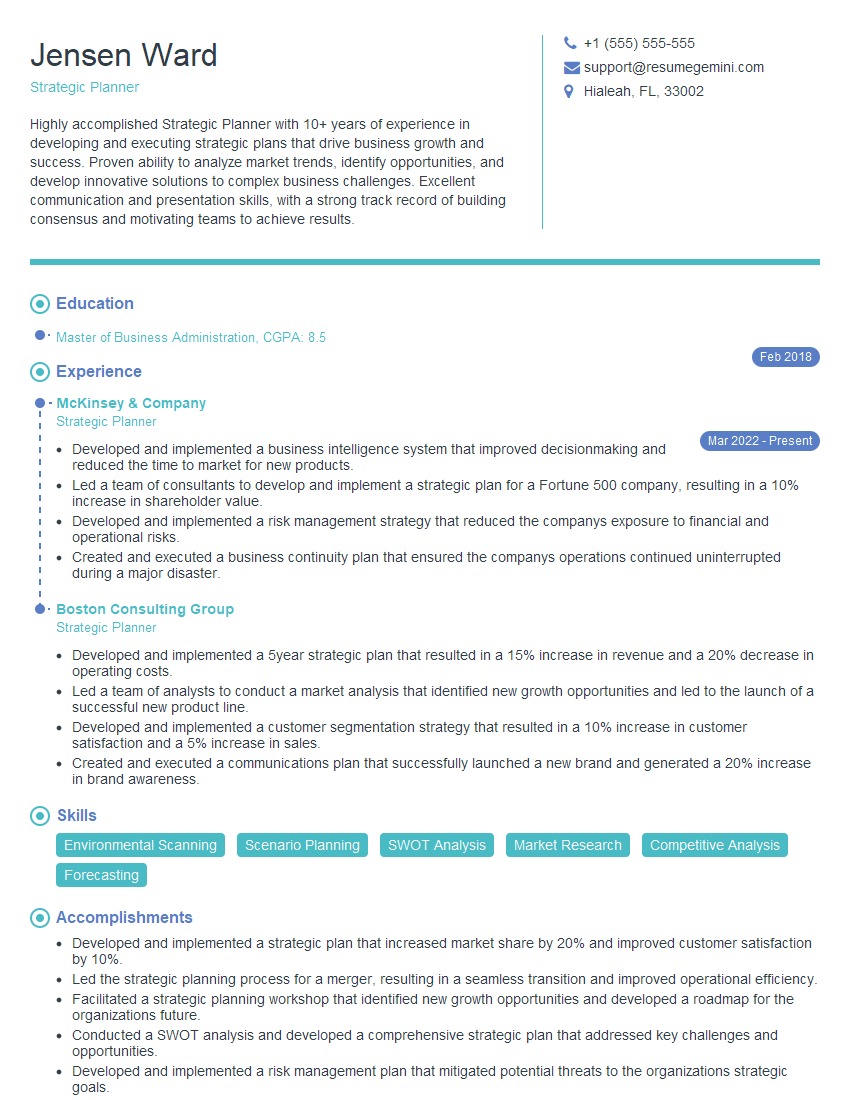
Strategic Planner Resume Sample
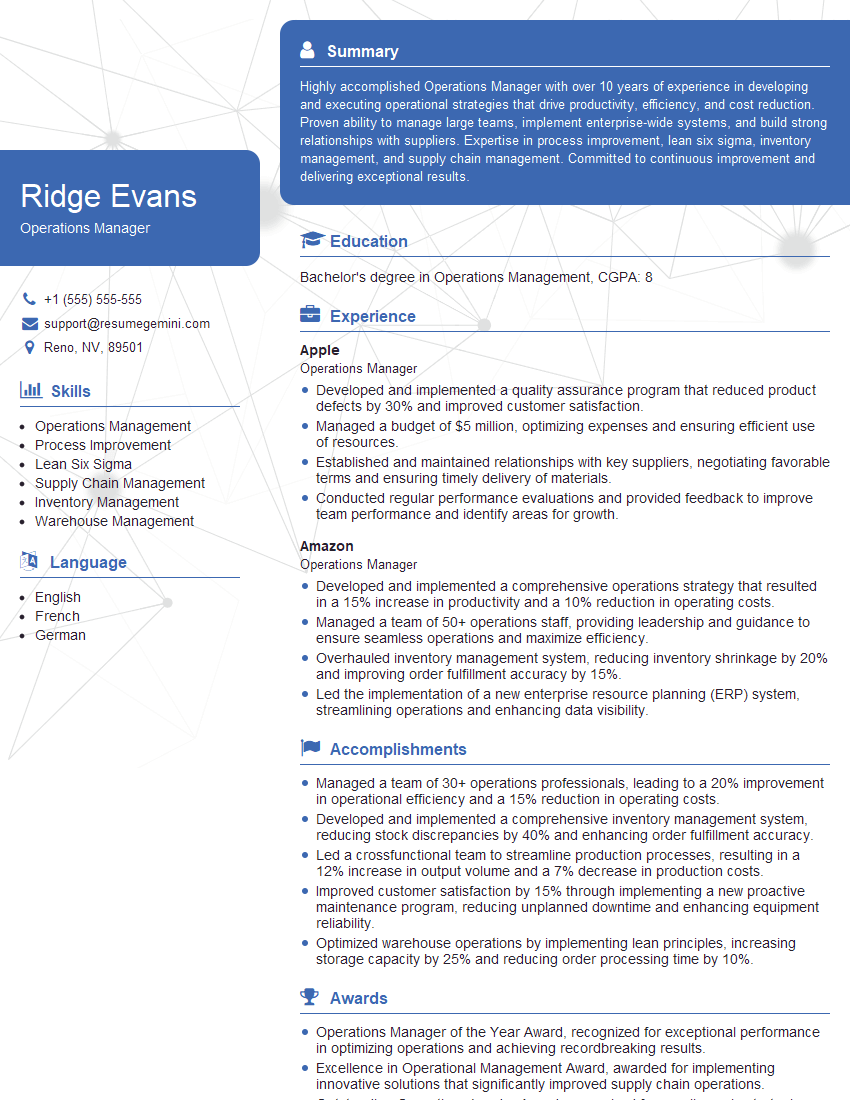
Operations Manager Resume Sample
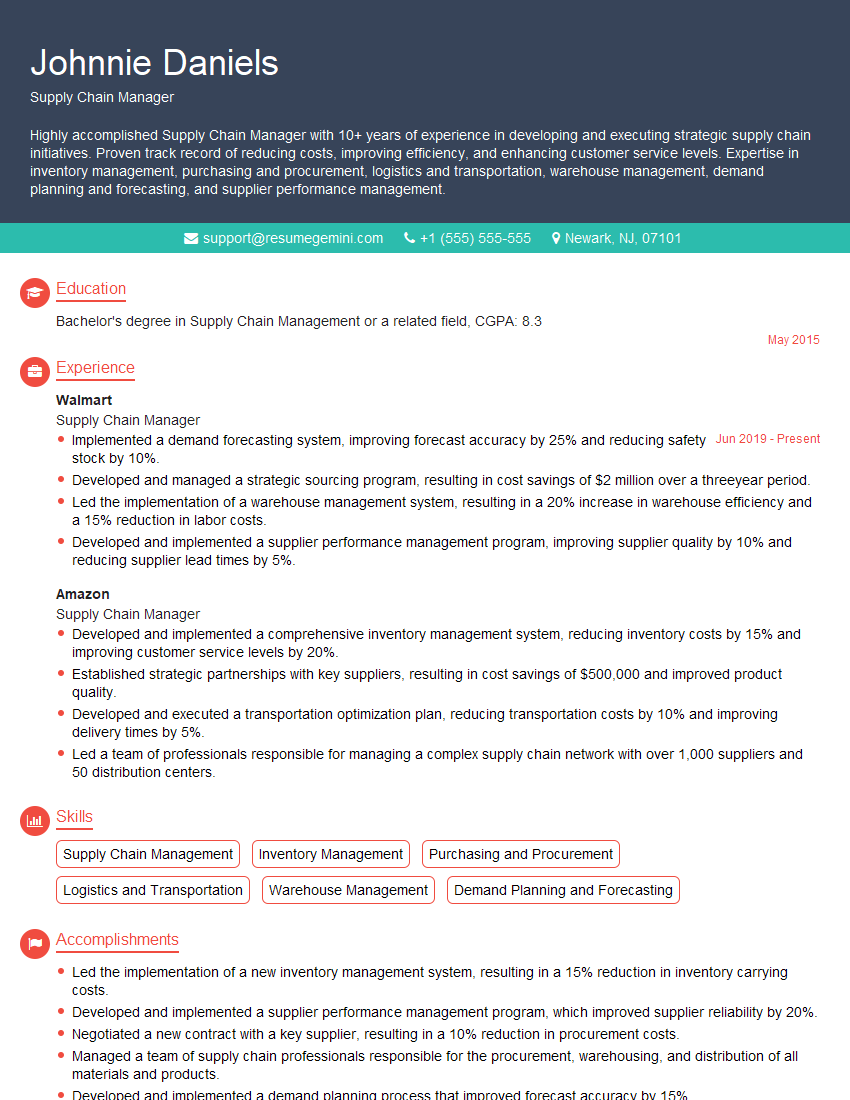
Supply Chain Manager Resume Sample
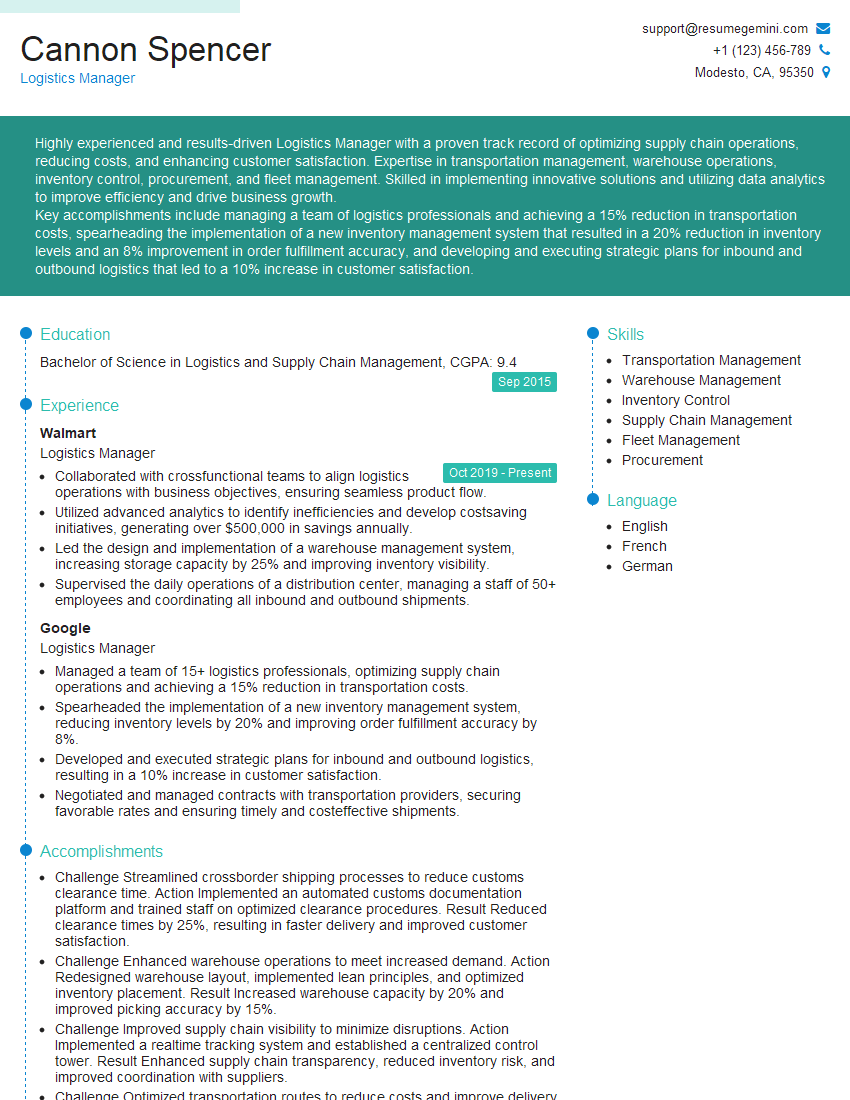
Logistics Manager Resume Sample
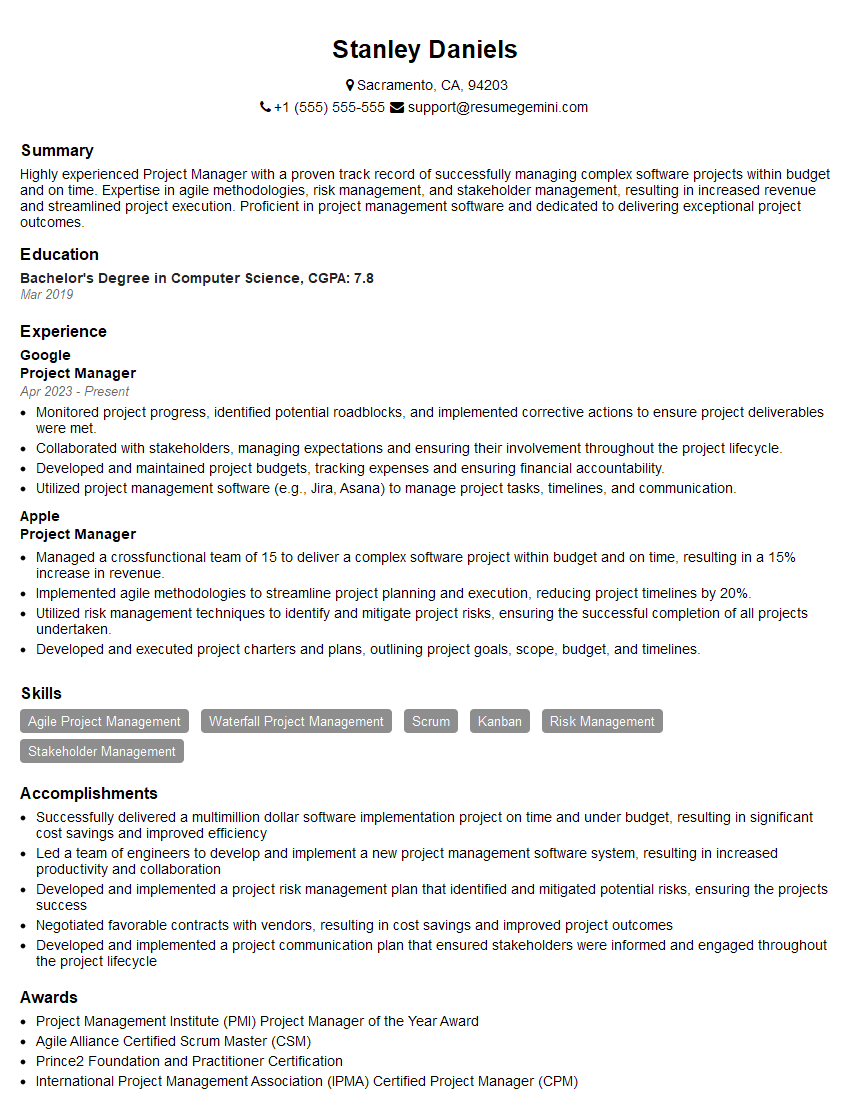
Project Manager Resume Sample
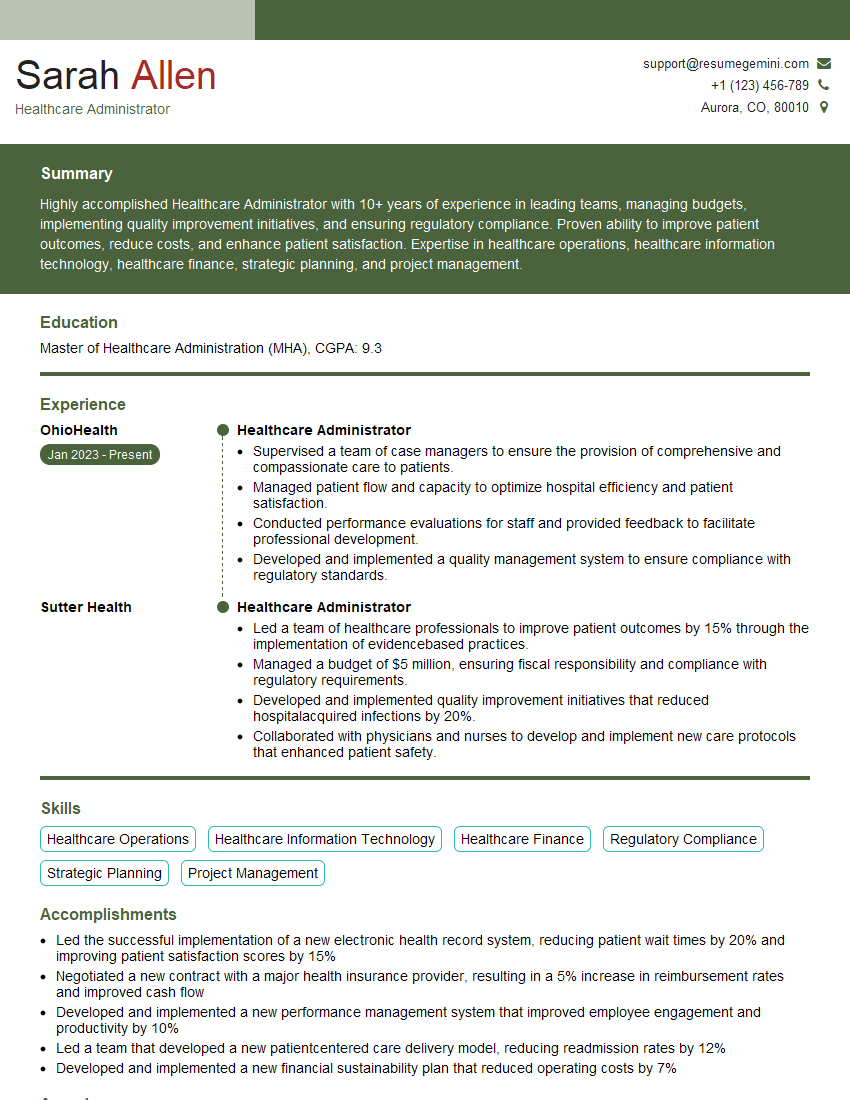
Healthcare Administrator Resume Sample

Compliance Officer Resume Sample
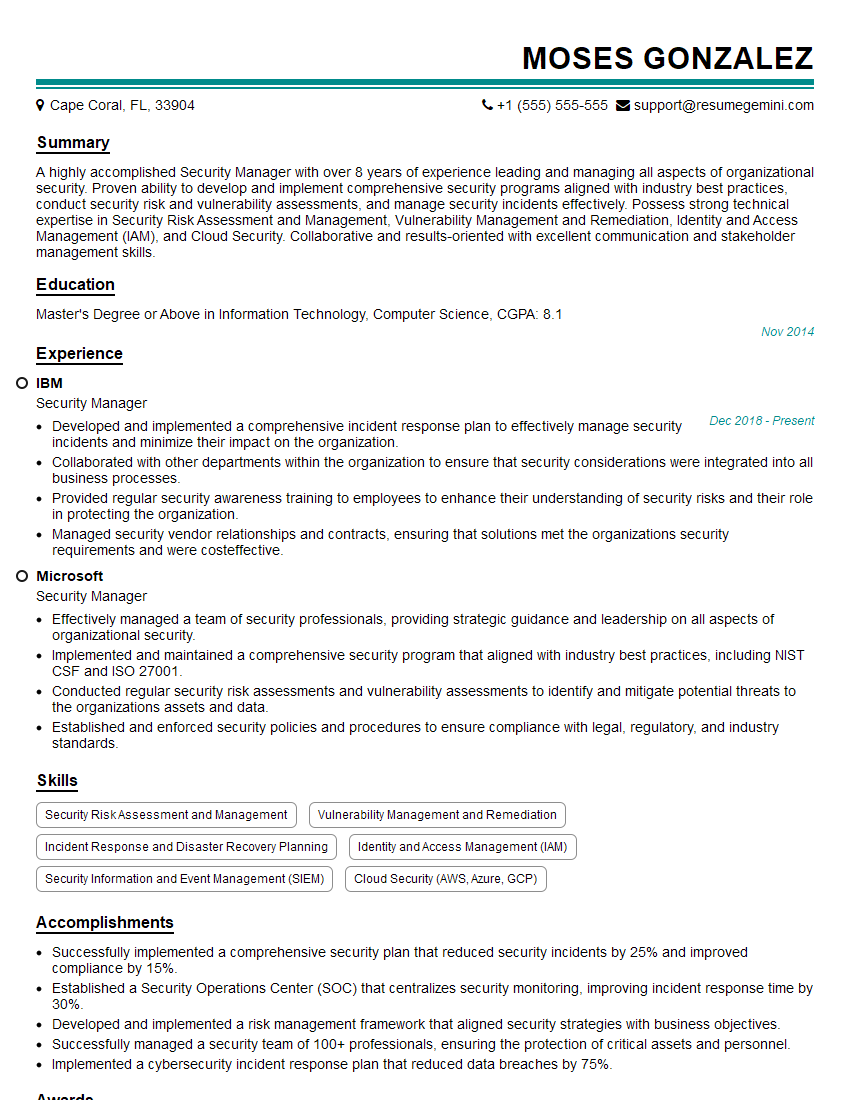
Security Manager Resume Sample
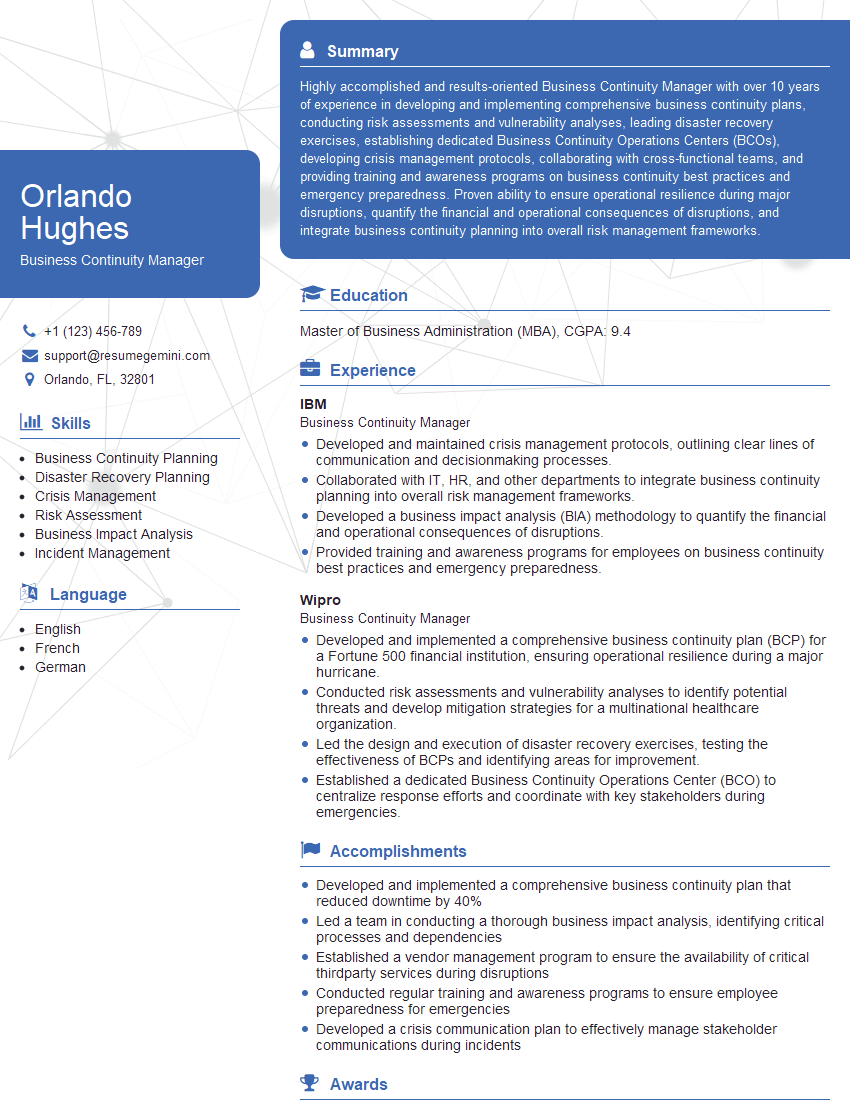
Business Continuity Manager Resume Sample
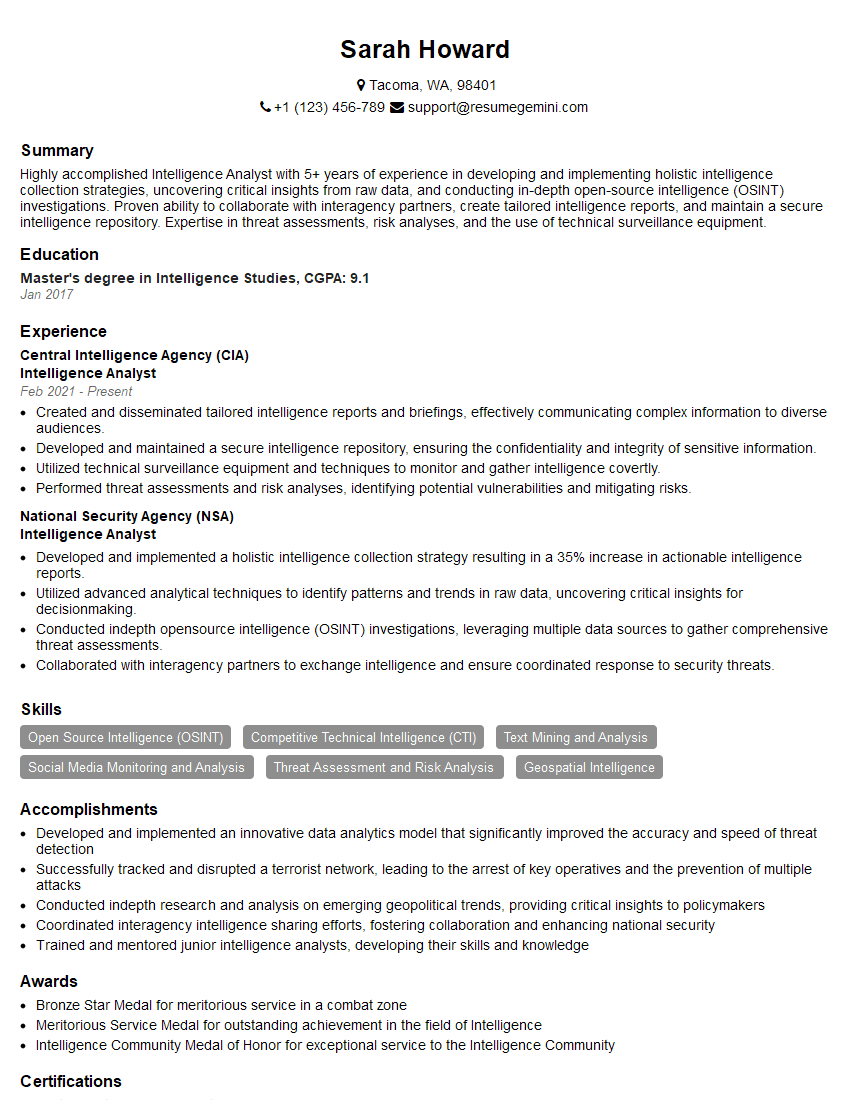
Intelligence Analyst Resume Sample
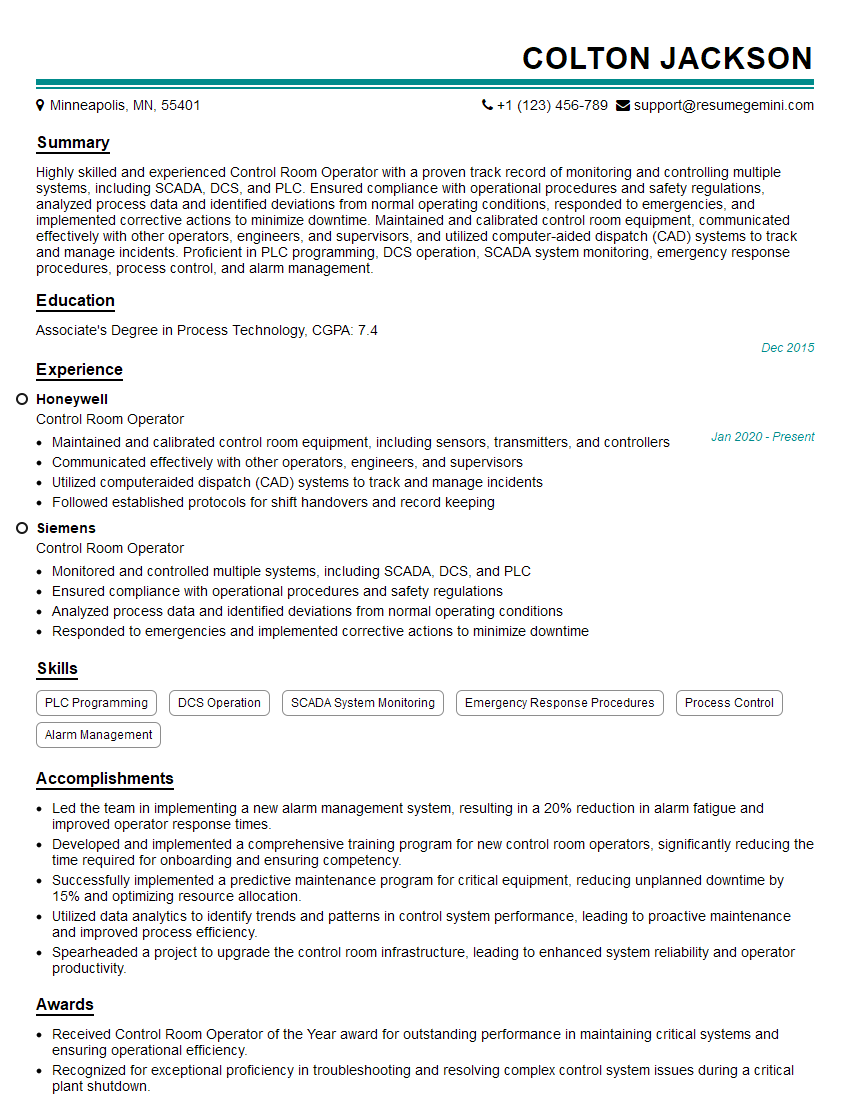
Control Room Operator Resume Sample
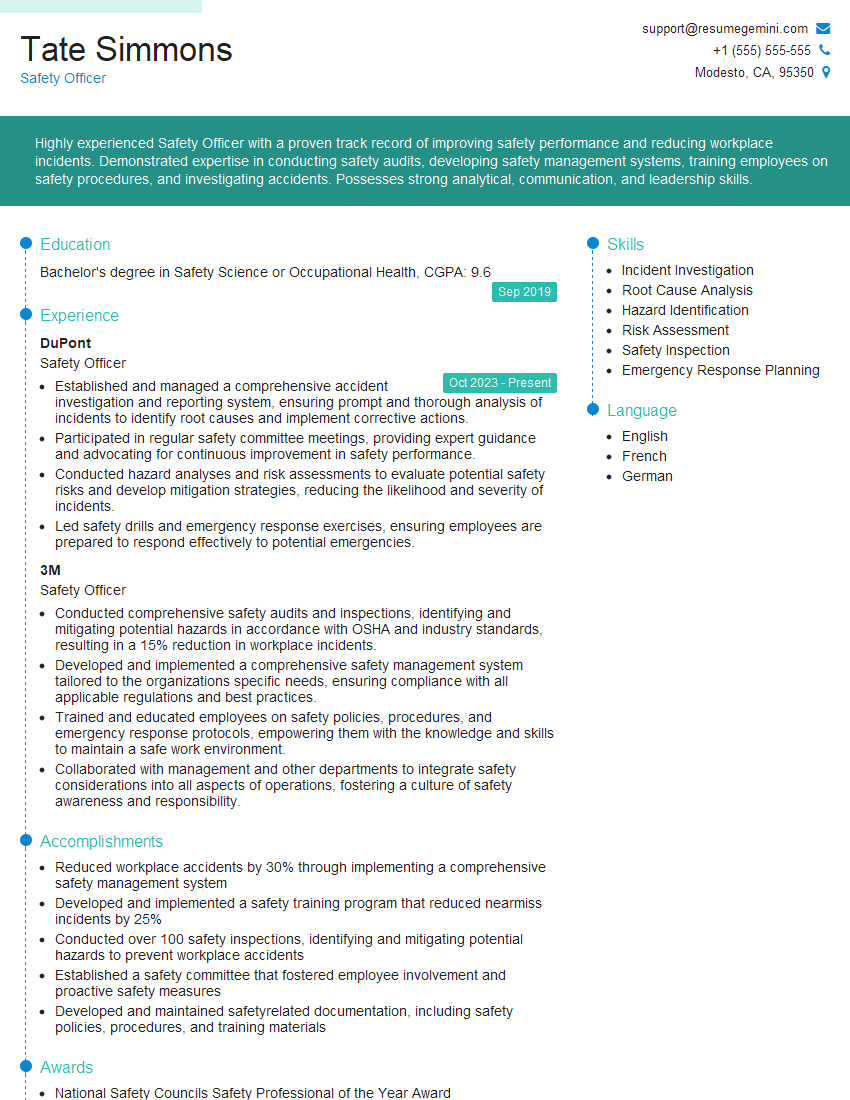
Safety Officer Resume Sample
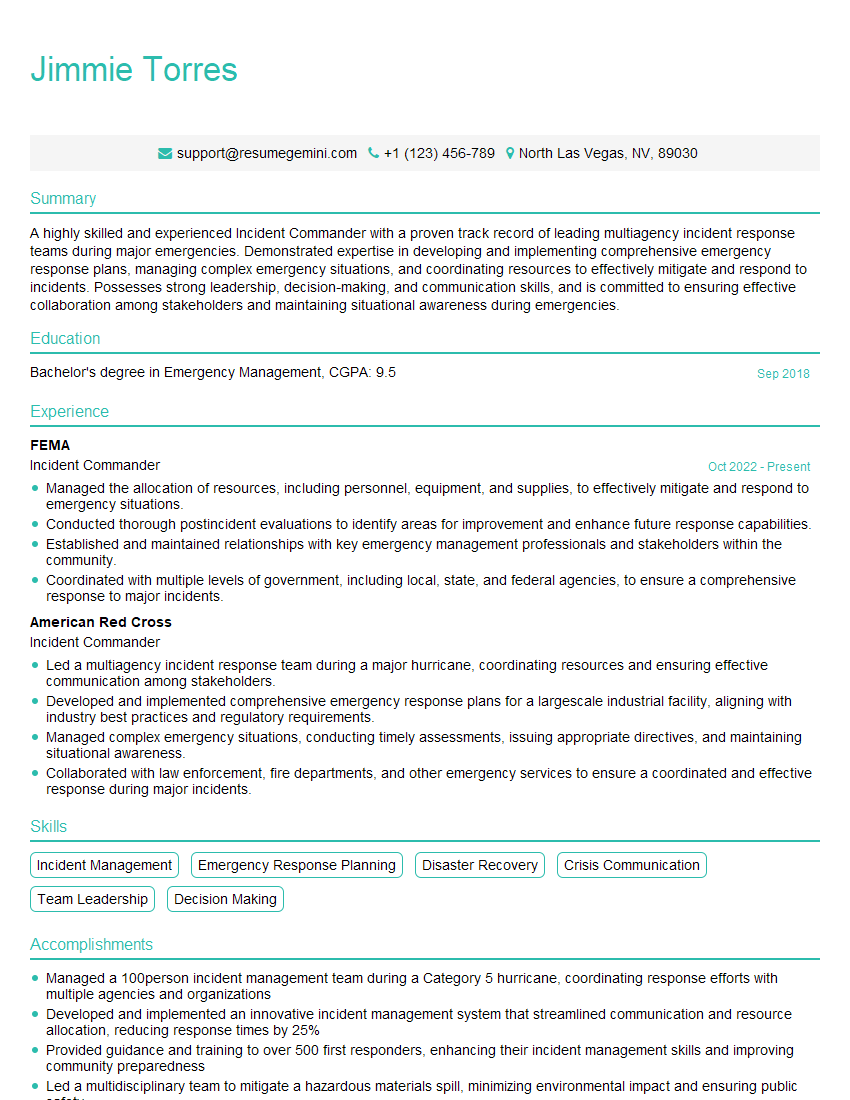
Incident Commander Resume Sample
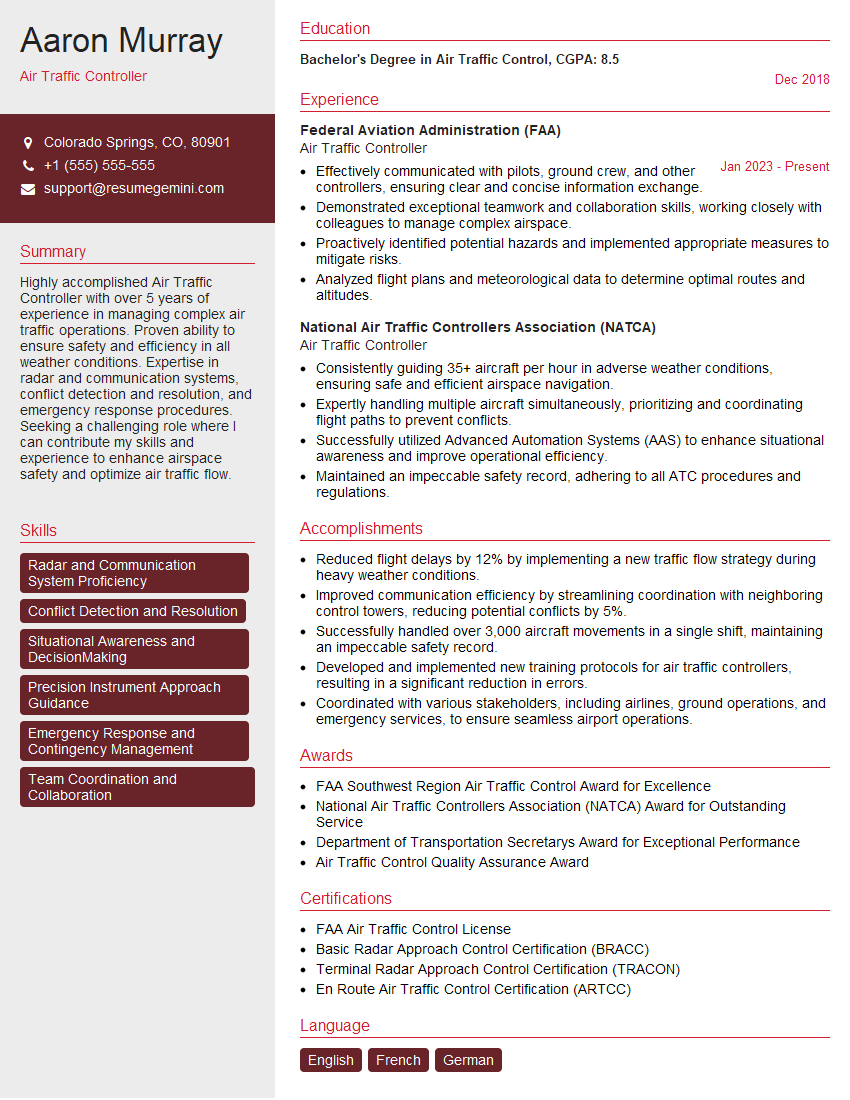
Air Traffic Controller Resume Sample
Explore more articles
Users Rating of Our Blogs
Share Your Experience
We value your feedback! Please rate our content and share your thoughts (optional).
What Readers Say About Our Blog
Amazing blog
Interesting Article, I liked the depth of knowledge you’ve shared.
Helpful, thanks for sharing.