Cracking a skill-specific interview, like one for Health Informatics and Telehealth, requires understanding the nuances of the role. In this blog, we present the questions you’re most likely to encounter, along with insights into how to answer them effectively. Let’s ensure you’re ready to make a strong impression.
Questions Asked in Health Informatics and Telehealth Interview
Q 1. Explain the difference between HIPAA and HITECH.
HIPAA (Health Insurance Portability and Accountability Act of 1996) and HITECH (Health Information Technology for Economic and Clinical Health Act of 2009) are both US federal laws focused on protecting patient health information, but they have different scopes and approaches. Think of HIPAA as the foundation and HITECH as a significant expansion and strengthening of that foundation.
HIPAA established national standards for electronic healthcare transactions and national identifiers for providers, health plans, and employers. Crucially, it also defined protected health information (PHI) and established privacy and security rules for its handling. It’s the bedrock for patient data protection.
HITECH, enacted as part of the American Recovery and Reinvestment Act of 2009, significantly broadened HIPAA’s reach. It incentivized the adoption of Electronic Health Records (EHRs) and strengthened HIPAA’s enforcement mechanisms. It introduced stricter penalties for violations and expanded the definition of who’s covered under HIPAA, particularly business associates handling PHI. Essentially, HITECH modernized HIPAA for the digital age, making it more relevant to the growing use of electronic health information.
- HIPAA: Focuses on establishing privacy and security standards for PHI.
- HITECH: Strengthens HIPAA, emphasizes EHR adoption, increases enforcement, and expands breach notification requirements.
Q 2. Describe your experience with Electronic Health Records (EHR) systems.
My experience with EHR systems spans over ten years, encompassing implementation, optimization, and training across various healthcare settings. I’ve worked with systems like Epic, Cerner, and Meditech, each with its unique strengths and challenges. I’ve been involved in everything from initial needs assessments and vendor selection to go-live support and ongoing system maintenance.
For instance, in a recent project, we implemented Epic at a large regional hospital. This involved significant training for staff, data migration from the legacy system, and ongoing optimization of workflows to leverage the system’s capabilities effectively. A key challenge was addressing physician resistance to change and tailoring training materials to meet individual learning styles. We used a phased rollout, focusing on specific departments to minimize disruption and improve adoption rates. This approach greatly enhanced the overall success of the implementation.
Beyond implementation, I possess expertise in optimizing EHR workflows to improve efficiency, reduce errors, and enhance patient care. This includes using reporting tools to identify areas for improvement and developing tailored training programs to address specific challenges. I’m comfortable working with both clinical and administrative staff to ensure successful EHR implementation and utilization.
Q 3. What are the key challenges in implementing telehealth programs?
Implementing telehealth programs presents several key challenges, ranging from technical hurdles to regulatory and reimbursement issues. Let’s break them down:
- Technical Infrastructure: Ensuring reliable internet access and compatible devices for both providers and patients is crucial, particularly in rural or underserved areas. System interoperability, allowing seamless data exchange between telehealth platforms and existing EHRs, is another significant challenge.
- Regulatory Compliance: Adherence to HIPAA, state licensing regulations, and payer requirements (like Medicare and Medicaid) is paramount. Navigating these complex legal frameworks can be time-consuming and resource-intensive.
- Reimbursement Models: Securing adequate reimbursement for telehealth services can be a challenge, as payer policies vary significantly. Negotiating contracts and ensuring timely payment are key aspects.
- Patient Access and Digital Literacy: Addressing the digital divide and ensuring equitable access for patients with varying levels of technological proficiency is critical. Providing training and support to patients who are unfamiliar with technology is essential.
- Security and Privacy Concerns: Protecting patient data during telehealth encounters requires robust security measures to prevent breaches and ensure compliance with HIPAA regulations.
- Provider Training and Support: Adequate training for healthcare providers on the use of telehealth technologies and best practices is essential for successful program implementation.
Effectively addressing these challenges requires a multifaceted approach involving careful planning, robust technological infrastructure, strong regulatory compliance, and ongoing staff training.
Q 4. How do you ensure data security and privacy in a telehealth environment?
Data security and privacy in telehealth are paramount. We employ a multi-layered approach:
- Encryption: All data transmitted during telehealth encounters is encrypted using strong encryption protocols (like TLS/SSL) to protect against unauthorized access.
- Access Control: Strict access control measures limit access to patient data based on roles and responsibilities. Only authorized personnel can access specific information, using unique usernames and strong passwords.
- Network Security: Secure network infrastructure, including firewalls and intrusion detection systems, protects against cyber threats. Regular security audits and penetration testing identify and mitigate vulnerabilities.
- Data Backup and Disaster Recovery: Regular data backups and a robust disaster recovery plan ensure data availability and business continuity in the event of a system failure or disaster.
- HIPAA Compliance: All telehealth operations are designed to comply with HIPAA regulations, including patient consent, data breach notification, and employee training on data privacy.
- Regular Security Assessments: We conduct regular risk assessments and security audits to identify and address potential vulnerabilities.
- Employee Training: Ongoing training for employees on security best practices, data privacy, and HIPAA compliance is essential.
A crucial aspect is also patient education on the security measures in place and their role in protecting their data.
Q 5. What is the role of HL7 in healthcare data exchange?
HL7 (Health Level Seven) International is a non-profit organization that develops standards for the exchange, integration, sharing, and retrieval of electronic health information. Think of HL7 as the common language for healthcare data. It doesn’t dictate *what* data is exchanged, but *how* it’s structured and transmitted between different systems.
HL7 uses various messaging standards, the most common being HL7 v2 and HL7 FHIR (Fast Healthcare Interoperability Resources). HL7 v2 is a more mature standard, but FHIR is a newer, more flexible standard designed for better interoperability in the era of web-based technologies. These standards define data formats and message structures, ensuring that different systems (EHRs, lab systems, pharmacy systems, etc.) can understand and communicate with each other without needing custom interfaces for every combination.
For example, when a lab sends results to an EHR, they use an HL7 message conforming to a specific standard. The EHR system, because it understands this standard, can automatically process the results and update the patient’s record, without manual intervention. This eliminates errors and saves valuable time.
Q 6. Explain your understanding of interoperability in healthcare IT.
Interoperability in healthcare IT refers to the ability of different healthcare systems and applications to exchange and use data seamlessly. It’s about breaking down data silos and allowing information to flow freely between providers, patients, and other stakeholders. Imagine it like a universal translator for healthcare data, allowing different systems to ‘speak’ to each other.
There are three main types of interoperability:
- Technical Interoperability: This involves the ability of systems to exchange data using a common technical format, like HL7. This is about the ‘how’ of data exchange.
- Semantic Interoperability: This ensures that the meaning of the data is understood consistently across different systems. This is about the ‘what’ the data means.
- Process Interoperability: This concerns the ability of systems to work together in a coordinated manner to achieve a common goal, like scheduling an appointment or ordering a medication.
Achieving true interoperability is crucial for improving patient care, reducing healthcare costs, and enhancing research capabilities. Without it, we’re stuck with fragmented data, hindering efficient workflows and potential for better outcomes. For example, imagine a patient transferring between hospitals. Interoperability ensures that their complete medical history is readily available to the new care team, eliminating the need for repeated tests and potentially improving the speed and accuracy of diagnosis.
Q 7. Describe your experience with data analytics in healthcare.
My experience with healthcare data analytics involves using data to extract actionable insights to improve clinical outcomes, operational efficiency, and strategic decision-making. I’ve worked on projects ranging from analyzing patient readmission rates to optimizing hospital bed utilization.
For example, I recently led a project to identify patients at high risk of readmission after a heart surgery. We used predictive modeling techniques, combining data from the EHR, claims data, and patient demographics to develop a risk stratification model. This model allowed us to proactively identify high-risk patients and implement interventions, such as enhanced discharge planning and follow-up appointments, resulting in a significant reduction in readmission rates.
My skills encompass various analytical techniques, including descriptive statistics, predictive modeling (regression, classification), data visualization (Tableau, Power BI), and statistical software packages like R and SAS. I can translate complex data into easily understandable reports and visualizations to communicate findings effectively to clinical and administrative stakeholders. My work always prioritizes data privacy and ethical considerations, ensuring compliance with HIPAA and other relevant regulations.
Q 8. How do you ensure data quality in a health informatics setting?
Ensuring data quality in health informatics is paramount for accurate diagnoses, effective treatments, and reliable research. It’s a multi-faceted process involving several key strategies. Think of it like building a skyscraper – a weak foundation (poor data) will lead to a collapse (incorrect conclusions).
- Data Source Validation: We rigorously check the reliability of our data sources. This includes verifying the accuracy of the data entry process, confirming the integrity of medical devices used for data collection, and assessing the completeness of patient records. For instance, we might cross-reference data from different systems to identify inconsistencies.
- Data Cleaning and Standardization: This involves identifying and correcting errors, inconsistencies, and missing values. We utilize various techniques, including data deduplication, standardization of codes (like using SNOMED CT for medical terminology), and outlier detection. Imagine cleaning up messy handwriting on a doctor’s prescription – we need to ensure all the data is legible and consistent.
- Data Governance and Policies: Establishing clear data governance policies and procedures is crucial. This includes defining roles and responsibilities, setting data quality standards, and implementing regular audits. Strong data governance is like having a strict building code for our data – it ensures everything is built correctly and safely.
- Regular Monitoring and Feedback: Continuous monitoring is essential to ensure data quality is maintained over time. This involves analyzing data quality metrics, such as completeness, accuracy, and consistency, and implementing corrective actions as needed. Think of it as regular inspections during construction – ensuring everything is up to standard.
By implementing these strategies, we can significantly improve the quality of our data, leading to better clinical decision-making and improved patient outcomes.
Q 9. What are some common telehealth technologies and their applications?
Telehealth technologies are rapidly evolving, offering a wide range of applications. They’re like different tools in a toolbox, each suited for a specific job.
- Video Conferencing: Platforms like Zoom or dedicated telehealth systems allow for real-time consultations between patients and healthcare providers. This is useful for routine check-ups, follow-up appointments, and even mental health therapy.
- Remote Patient Monitoring (RPM): Wearable devices and home monitoring systems collect patient data (e.g., heart rate, blood pressure, blood glucose) and transmit it to healthcare providers. This is particularly useful for patients with chronic conditions, enabling proactive intervention and improved management.
- Store-and-Forward: This involves sending medical images (X-rays, scans) or other data electronically to specialists for review. This is helpful when a patient needs a specialist’s opinion without the need for an in-person visit.
- Mobile Health (mHealth) Apps: These apps provide patients with access to educational materials, medication reminders, symptom trackers, and even virtual assistants. They empower patients to take an active role in their health management.
The choice of technology depends on the specific clinical needs and patient preferences. For example, RPM is ideal for managing diabetes, while video conferencing is suitable for routine consultations.
Q 10. How do you address patient concerns regarding telehealth usage?
Addressing patient concerns about telehealth is vital for successful adoption. Many patients have understandable anxieties about technology or the quality of care delivered remotely.
- Education and Training: Providing clear instructions and tutorials on how to use the telehealth platform is essential. We should offer personalized support and address technical difficulties promptly. Think of it like teaching an elderly person how to use a smartphone – patience and clear explanations are key.
- Addressing Privacy and Security Concerns: Reassuring patients about the confidentiality and security of their data is critical. We should emphasize the security measures in place, such as encryption and data protection policies. Building trust is paramount.
- Emphasizing the Benefits: Highlighting the convenience, cost-effectiveness, and accessibility of telehealth can alleviate concerns. For example, we can explain how telehealth can save patients time and travel expenses.
- Personalization and Support: Offering personalized support and addressing specific concerns demonstrates care and understanding. Responding promptly to questions and feedback is crucial in building trust and confidence.
By proactively addressing concerns and providing a supportive environment, we can encourage patient engagement and improve the overall telehealth experience.
Q 11. Explain your experience with different telehealth platforms.
I have extensive experience with various telehealth platforms, both commercial and proprietary. This includes experience with platforms such as Epic Haiku, Teladoc, and various video conferencing solutions integrated into electronic health record (EHR) systems. Each platform has its own strengths and weaknesses. For example, Epic Haiku offers seamless integration with their EHR system, simplifying workflows, while Teladoc emphasizes scalability and wide reach. My experience encompasses not only using these platforms but also evaluating their suitability for different clinical scenarios and patient populations. I’ve also contributed to the selection and implementation of telehealth solutions for various healthcare organizations, considering factors like interoperability, security, and user-friendliness.
Q 12. Describe your experience with data mining techniques in healthcare.
Data mining in healthcare offers incredible potential for improving patient care and conducting impactful research. It’s like searching for gold nuggets in a mountain of sand, requiring sophisticated tools and techniques.
My experience includes using various data mining techniques, including:
- Classification: Predicting patient outcomes (e.g., readmission risk, disease progression) based on clinical data. For example, building a model to predict which patients are at high risk of developing heart failure.
- Regression: Modeling the relationship between variables, such as analyzing the correlation between lifestyle factors and disease prevalence.
- Clustering: Identifying groups of patients with similar characteristics to tailor treatment strategies. For instance, identifying subgroups of patients with diabetes who respond differently to various medications.
- Association Rule Mining: Discovering relationships between different variables, like finding correlations between certain medications and adverse events.
I’m proficient in using statistical software such as R and Python for data analysis and visualization. Ethical considerations, like patient privacy and data security, are always at the forefront of my work. It is crucial to ensure compliance with HIPAA and other relevant regulations.
Q 13. How do you handle data breaches or security incidents?
Handling data breaches or security incidents requires a swift and systematic response. It’s like containing a wildfire – rapid action is essential to minimize damage.
- Incident Response Plan: Having a comprehensive incident response plan is crucial. This plan should outline steps for identifying, containing, investigating, and remediating security incidents. This includes a clear chain of command and communication protocols.
- Notification and Communication: Prompt notification of affected individuals and relevant authorities (e.g., the Office for Civil Rights) is required. Transparency and clear communication are crucial for building trust.
- Forensic Investigation: Conducting a thorough forensic investigation to determine the cause of the breach and its extent is essential. This may involve engaging external cybersecurity experts.
- Remediation and Prevention: Implementing corrective actions to address the vulnerabilities that led to the breach is critical. This might involve patching software, strengthening access controls, or enhancing employee training.
Following these steps ensures a coordinated and effective response, minimizing the impact of a data breach and preventing future incidents. This also highlights the importance of regular security audits and penetration testing.
Q 14. What are some ethical considerations in using telehealth?
Ethical considerations in telehealth are multifaceted and crucial for ensuring equitable and responsible care. Think of it as a moral compass guiding our use of this powerful technology.
- Access and Equity: Ensuring equitable access to telehealth services for all populations, regardless of socioeconomic status, geographic location, or technological literacy, is vital. This requires addressing the digital divide and providing support to those who may not have access to the necessary technology or internet connectivity.
- Informed Consent: Patients must provide informed consent before engaging in telehealth services. This includes clear explanations of the risks, benefits, and limitations of telehealth, as well as the privacy and security measures in place.
- Data Privacy and Security: Protecting patient data is paramount. This involves adhering to HIPAA regulations and implementing robust security measures to prevent data breaches and unauthorized access.
- Professional Boundaries: Maintaining appropriate professional boundaries is crucial, particularly in virtual settings. Telehealth providers should be mindful of potential ethical conflicts of interest and avoid engaging in unprofessional or inappropriate behavior.
- Quality of Care: Ensuring the quality of care provided through telehealth is as high as in-person care is essential. This may involve implementing quality assurance measures and providing ongoing training for telehealth providers.
By carefully considering these ethical implications, we can ensure that telehealth is used responsibly and ethically to improve patient care and enhance the healthcare system.
Q 15. Explain your understanding of different data visualization methods.
Data visualization is crucial in health informatics for transforming complex health data into easily understandable formats. Effective visualization helps clinicians, administrators, and researchers identify trends, patterns, and outliers that might otherwise be missed. Different methods cater to different needs.
Bar charts and histograms: Ideal for comparing discrete categories or showing the distribution of a continuous variable. For example, a bar chart could compare the number of patients diagnosed with diabetes across different age groups.
Line graphs: Excellent for showing trends over time. A line graph could track a patient’s blood pressure readings over several months, highlighting potential issues.
Scatter plots: Useful for exploring the relationship between two continuous variables. A scatter plot could show the correlation between BMI and blood glucose levels.
Heatmaps: Represent data using color intensity to show variations across two dimensions. They are helpful in visualizing geographic distributions of disease or showing gene expression levels.
Geographic maps: Show data distributed geographically, useful for tracking disease outbreaks or resource allocation.
Dashboards: Combine multiple visualization types into a single interface for a comprehensive overview. A telehealth dashboard might show patient vitals, appointment schedules, and treatment adherence.
Choosing the right visualization depends on the data type and the insights we need to extract. For instance, a line graph would be inappropriate for comparing the number of patients in different hospital wards—a bar chart would be much better.
Career Expert Tips:
- Ace those interviews! Prepare effectively by reviewing the Top 50 Most Common Interview Questions on ResumeGemini.
- Navigate your job search with confidence! Explore a wide range of Career Tips on ResumeGemini. Learn about common challenges and recommendations to overcome them.
- Craft the perfect resume! Master the Art of Resume Writing with ResumeGemini’s guide. Showcase your unique qualifications and achievements effectively.
- Don’t miss out on holiday savings! Build your dream resume with ResumeGemini’s ATS optimized templates.
Q 16. How do you evaluate the success of a telehealth program?
Evaluating the success of a telehealth program requires a multifaceted approach, looking beyond simple metrics like the number of virtual visits. We must assess its impact on patient outcomes, operational efficiency, and cost-effectiveness.
Patient-centric outcomes: Did the program improve patient satisfaction, health outcomes (e.g., reduced hospital readmissions, improved blood pressure control), and access to care? Surveys, clinical data, and quality-of-life measures are essential here.
Operational efficiency: Did it streamline workflows, reduce wait times, or increase clinician productivity? Data on appointment scheduling, consultation times, and staff feedback are needed.
Cost-effectiveness: Did it reduce healthcare costs compared to traditional in-person care? Analyzing costs related to staffing, technology, and transportation against potential savings is crucial.
Technology usability and adoption: Was the technology user-friendly for both patients and clinicians? Data on user satisfaction, technical issues, and usage patterns are key.
Data security and privacy: Were patient data protected and handled in compliance with regulations (HIPAA, etc.)? Regular audits and security assessments are vital.
A balanced scorecard approach, combining qualitative and quantitative data from all these areas, provides a holistic evaluation of the program’s success.
Q 17. Describe your experience with different database systems (SQL, NoSQL).
My experience encompasses both SQL and NoSQL databases. SQL databases, like MySQL and PostgreSQL, are relational databases with structured data organized into tables with rows and columns. They’re excellent for structured data with well-defined relationships, such as patient demographics and medical history.
SELECT * FROM Patients WHERE age > 65; (Example SQL query)
NoSQL databases, like MongoDB and Cassandra, are non-relational and handle unstructured or semi-structured data more effectively. These are advantageous for storing large volumes of diverse data, including medical images, sensor data from wearable devices, or free-text clinical notes. For example, MongoDB’s flexible schema allows us to easily add new fields to patient records as needed, without altering the entire database structure.
The choice between SQL and NoSQL depends on the specific application. In many telehealth applications, a hybrid approach, using both types of databases, might be optimal. For instance, we could store structured patient data in a SQL database while using a NoSQL database for storing unstructured data like medical images.
Q 18. How do you ensure compliance with relevant regulations in telehealth?
Ensuring compliance with telehealth regulations is paramount. This involves a multi-pronged approach that starts with understanding the relevant laws and standards, then implementing and monitoring procedures to ensure adherence.
HIPAA compliance: This is critical for protecting the privacy and security of patient health information (PHI). We must implement robust security measures, including access controls, encryption, and audit trails, to prevent unauthorized access or disclosure of PHI.
State-specific regulations: Telehealth regulations vary across states, so understanding these local requirements is crucial. This includes licensing requirements for clinicians providing telehealth services and rules regarding the use of telehealth technology.
Data security and privacy standards: Adhering to standards like NIST Cybersecurity Framework and ISO 27001 helps build a robust security posture. This involves regular security assessments, vulnerability scanning, and employee training.
Patient consent and informed consent: Obtaining informed consent from patients before telehealth services are provided is crucial. This ensures they understand the risks and benefits of telehealth and how their data will be handled.
Documentation and record-keeping: Maintaining accurate and complete records of telehealth encounters is essential for audit trails and compliance purposes. This involves clear documentation of the type of service provided, the patient’s consent, and any relevant clinical information.
Regular audits, employee training, and ongoing monitoring are essential to ensure consistent compliance. Failure to comply can result in significant penalties.
Q 19. What are some emerging trends in Health Informatics and Telehealth?
Health informatics and telehealth are rapidly evolving. Several key trends are shaping the future of healthcare:
Artificial intelligence (AI) and machine learning (ML): AI and ML are being used for various applications, including diagnostic support, personalized medicine, predictive analytics, and remote patient monitoring.
Internet of Medical Things (IoMT): Wearable sensors and other connected devices are generating vast amounts of patient data that can be used for real-time monitoring, early detection of health problems, and personalized interventions.
Cloud computing: Cloud-based solutions enable secure storage and access to patient data, scalability, and cost-effectiveness. This is crucial for telehealth platforms.
Big data analytics: Analyzing large datasets from various sources (electronic health records, wearables, etc.) allows identification of patterns, insights, and trends in population health, improving disease prevention and treatment.
Blockchain technology: Blockchain offers potential for improving data security, interoperability, and patient control over their health information.
Virtual reality (VR) and augmented reality (AR): These technologies are being explored for patient education, therapy, and surgical planning.
These trends are driving innovation and improving the quality, accessibility, and efficiency of healthcare.
Q 20. Explain your experience with project management in healthcare IT.
My project management experience in healthcare IT involves leading and coordinating teams to develop and implement various telehealth and health informatics projects. I utilize Agile methodologies, emphasizing iterative development and collaboration. For instance, I led a project to implement a new telehealth platform for chronic disease management. This involved:
Project initiation: Defining project goals, scope, timeline, and budget.
Planning: Creating detailed work breakdown structures, identifying tasks, and assigning responsibilities.
Execution: Monitoring progress, managing risks, and resolving issues.
Monitoring and controlling: Tracking key performance indicators (KPIs), such as project cost, schedule, and quality.
Closure: Documenting lessons learned and completing project deliverables.
I leverage project management software like Jira or Asana for task tracking, communication, and collaboration. Effective communication, stakeholder management, and risk mitigation are crucial in the healthcare context, where patient safety and data privacy are paramount.
Q 21. How do you handle conflicting priorities in a fast-paced healthcare environment?
Handling conflicting priorities in a fast-paced healthcare environment requires a structured approach. I use a prioritization framework that considers urgency, importance, and impact on patient care.
Prioritization Matrix: This involves categorizing tasks based on urgency (high/low) and importance (high/low). High-urgency, high-importance tasks take precedence. For example, resolving a system outage affecting patient access to care would be high-urgency, high-importance.
Stakeholder alignment: Open communication with stakeholders (clinicians, administrators, IT staff) is vital to understand their priorities and align them with overall goals. This might involve negotiating timelines or adjusting project scopes.
Escalation process: Establishing clear escalation paths for resolving conflicts or roadblocks ensures timely intervention by appropriate individuals or teams.
Time management techniques: Employing techniques like time blocking, prioritization matrices, and task delegation helps to optimize time management and focus on critical tasks.
Flexibility and adaptability: The healthcare environment is dynamic. Maintaining flexibility and adapting to changing priorities is crucial. This might involve re-prioritizing tasks based on new information or unexpected events.
Ultimately, ethical considerations and patient safety must guide decision-making in prioritizing tasks. Transparent communication and collaboration are key to navigating these complex situations effectively.
Q 22. Describe your experience with predictive analytics in healthcare.
Predictive analytics in healthcare leverages historical data and advanced algorithms to anticipate future health outcomes. This involves analyzing patient data – demographics, medical history, lab results, lifestyle factors – to identify individuals at high risk for specific conditions or events, such as heart failure, diabetes, or hospital readmission. The insights generated help proactively manage patient care, optimizing resource allocation and improving overall health outcomes.
In my previous role at [Hospital/Company Name], I led a project utilizing predictive modeling to identify patients with a high likelihood of developing diabetic complications. We utilized a machine learning algorithm trained on a large dataset of patient records. The model successfully predicted patients at high risk with 85% accuracy, allowing for early intervention strategies, including lifestyle modifications and medication adjustments, ultimately leading to a 15% reduction in diabetic-related hospitalizations within a year. This demonstrated the significant impact predictive analytics can have on improving patient care and reducing healthcare costs.
Another example involves using survival analysis techniques to forecast the likelihood of post-surgical complications. This informs better surgical planning, risk stratification, and improved resource allocation for post-operative care. The output allows for personalized risk assessments and more targeted interventions to reduce adverse events.
Q 23. What is your experience with remote patient monitoring (RPM) technologies?
Remote Patient Monitoring (RPM) encompasses the use of technology to collect and transmit patient health data from their homes or other remote locations to healthcare providers. This data can include vital signs (blood pressure, heart rate, weight, blood glucose), activity levels, and even ECG readings. This allows for continuous monitoring and early detection of potential health issues, avoiding emergency room visits and hospitalizations.
My experience with RPM technologies spans various platforms, from basic wearable sensors to sophisticated integrated systems that combine multiple data sources. For instance, I’ve worked on a project involving the implementation of a remote monitoring system for patients with chronic heart failure. This system utilized connected blood pressure cuffs and weight scales, transmitting data wirelessly to a central monitoring platform. The system included automated alerts to clinicians based on pre-defined thresholds, ensuring prompt intervention when needed. This resulted in a noticeable improvement in patient engagement and a significant decrease in hospital readmissions.
I am also familiar with integrating RPM data into electronic health records (EHRs) for better clinical decision support and improved care coordination. This seamless integration avoids information silos and streamlines the workflow for healthcare providers.
Q 24. Explain your understanding of the different types of telehealth modalities (video, audio, remote patient monitoring).
Telehealth modalities offer various ways to deliver healthcare remotely. They can be broadly categorized as:
- Video conferencing: Real-time, face-to-face consultations via platforms like Zoom or specialized telehealth applications. This allows for visual assessment of the patient and more interactive communication. Think of a virtual doctor’s appointment.
- Audio conferencing: Phone-based consultations, useful for simple follow-ups, medication reviews, or when visual assessment isn’t critical. This is a cost-effective option, especially in areas with limited internet access.
- Remote patient monitoring (RPM): As previously discussed, this involves continuous monitoring of patient health data through wearable devices or connected medical equipment. This is particularly beneficial for managing chronic conditions and preventing hospitalizations.
Each modality has its strengths and limitations. Video conferencing offers a richer interaction but requires reliable internet access. Audio conferencing is more accessible but lacks the visual component. RPM provides continuous data but may require patient compliance and technical proficiency.
The choice of modality depends on the patient’s condition, clinical needs, technological capabilities, and the preferences of both the patient and provider.
Q 25. How do you ensure the scalability of a telehealth system?
Ensuring scalability in a telehealth system requires a multi-faceted approach that anticipates growth in user base, data volume, and functional requirements. This involves:
- Cloud-based infrastructure: Utilizing cloud services allows for flexible scaling of computing resources as needed, accommodating fluctuating demand without significant upfront investment.
- Microservices architecture: Breaking down the system into smaller, independent modules makes it easier to scale individual components without affecting the entire system. This also enhances maintainability and allows for quicker updates.
- Scalable databases: Employing databases designed for high volume and high velocity data, such as NoSQL databases, is crucial for efficient data management as the user base and data volume increase.
- API-driven design: Using APIs (Application Programming Interfaces) for integration with other systems allows for seamless expansion and interoperability with other healthcare platforms.
- Load testing and performance monitoring: Regular testing helps identify bottlenecks and optimize the system’s performance under different load conditions, ensuring continued stability and responsiveness.
A well-designed and implemented telehealth system should be able to handle a surge in users and data volume without compromising performance or security. Failing to address scalability early on can lead to system crashes, data loss, and a negative impact on patient care.
Q 26. Describe your experience working with stakeholders in a healthcare setting.
Working with stakeholders in healthcare requires strong communication, collaboration, and empathy. I have a proven track record of successfully navigating the complex dynamics involved in such settings. My approach involves proactively engaging with diverse stakeholders—physicians, nurses, administrators, IT staff, and patients—to understand their needs and concerns.
For example, during the implementation of a new EHR system, I organized regular meetings with all stakeholders to gather feedback, address concerns, and ensure a smooth transition. I created a communication plan to keep everyone informed of progress and to address any roadblocks promptly. I also facilitated workshops to train staff on the new system, addressing their specific needs and challenges.
My experience highlights the importance of active listening, transparency, and a collaborative mindset. I prioritize building strong relationships with stakeholders, ensuring their buy-in and facilitating a successful project outcome.
Q 27. What is your preferred method for communicating complex technical information to non-technical audiences?
Communicating complex technical information to non-technical audiences requires a shift in approach from using technical jargon to employing simple language, relatable analogies, and visual aids. I utilize several methods for effective communication:
- Analogies and metaphors: Explaining technical concepts using everyday examples helps the audience grasp the information more easily. For example, explaining a complex algorithm by comparing it to a recipe or a sorting process.
- Visual aids: Charts, diagrams, and flowcharts provide a visual representation of the information, aiding comprehension and retention.
- Storytelling: Using narrative techniques to illustrate technical points adds a human touch and makes information more engaging and memorable.
- Interactive sessions: Instead of passive presentations, I incorporate interactive elements such as Q&A sessions and hands-on demonstrations to increase audience engagement and understanding.
The goal is to ensure the audience understands the core concepts, not the technical details. The simplification process should not compromise accuracy; rather it should enhance comprehension and engagement.
Q 28. How do you stay current with the latest advancements in health informatics and telehealth?
Staying current in the rapidly evolving fields of health informatics and telehealth requires a multifaceted approach. I actively participate in several strategies to keep my knowledge up-to-date:
- Professional memberships and conferences: Membership in organizations like HIMSS (Healthcare Information and Management Systems Society) provides access to resources, publications, and networking opportunities. Attending conferences allows me to learn about the latest advancements and connect with other professionals in the field.
- Online courses and webinars: Platforms like Coursera, edX, and various professional organizations offer a wide range of courses and webinars on emerging technologies and best practices in health informatics and telehealth.
- Peer-reviewed journals and publications: Regularly reading journals such as the Journal of the American Medical Informatics Association (JAMIA) and other relevant publications helps me stay abreast of current research and trends.
- Industry news and blogs: Following reputable news sources and industry blogs provides updates on technological advancements, regulatory changes, and emerging trends.
- Networking and collaboration: Engaging with peers, mentors, and colleagues through online communities and professional organizations provides opportunities to share knowledge and learn from each other’s experiences.
This continuous learning approach ensures I’m well-equipped to adapt to new challenges and leverage the latest advancements to improve the quality of healthcare delivery.
Key Topics to Learn for a Health Informatics and Telehealth Interview
- Data Analytics in Healthcare: Understanding the application of statistical methods and data visualization techniques to analyze patient data, improve healthcare outcomes, and inform strategic decisions. Practical application: Interpreting EHR data to identify trends in patient populations.
- Electronic Health Records (EHR) Systems: Deep understanding of EHR functionalities, data security and privacy regulations (HIPAA), interoperability challenges, and workflow optimization within EHR systems. Practical application: Designing efficient workflows to minimize data entry time and improve clinician satisfaction.
- Telehealth Technologies and Platforms: Familiarity with various telehealth platforms, video conferencing tools, remote patient monitoring devices, and their applications in diverse healthcare settings. Practical application: Evaluating the usability and effectiveness of different telehealth platforms for specific patient populations.
- Health Information Exchange (HIE): Understanding the principles, benefits, and challenges of HIE, including data standardization, security protocols, and interoperability standards. Practical application: Analyzing the impact of HIE on patient care coordination and outcomes.
- Healthcare Cybersecurity and Data Privacy: Knowledge of HIPAA regulations, data encryption techniques, and best practices for protecting sensitive patient information in electronic health records and telehealth platforms. Practical application: Implementing security measures to prevent data breaches and ensure compliance.
- Big Data and Machine Learning in Healthcare: Understanding the application of big data analytics and machine learning algorithms to improve diagnostic accuracy, personalize treatment plans, and predict health risks. Practical application: Developing predictive models for patient readmission rates.
- Meaningful Use and Quality Measures: Understanding the concepts of meaningful use of EHRs and various quality metrics used to assess the effectiveness of healthcare interventions. Practical application: Analyzing data to identify areas for improvement in quality of care.
Next Steps
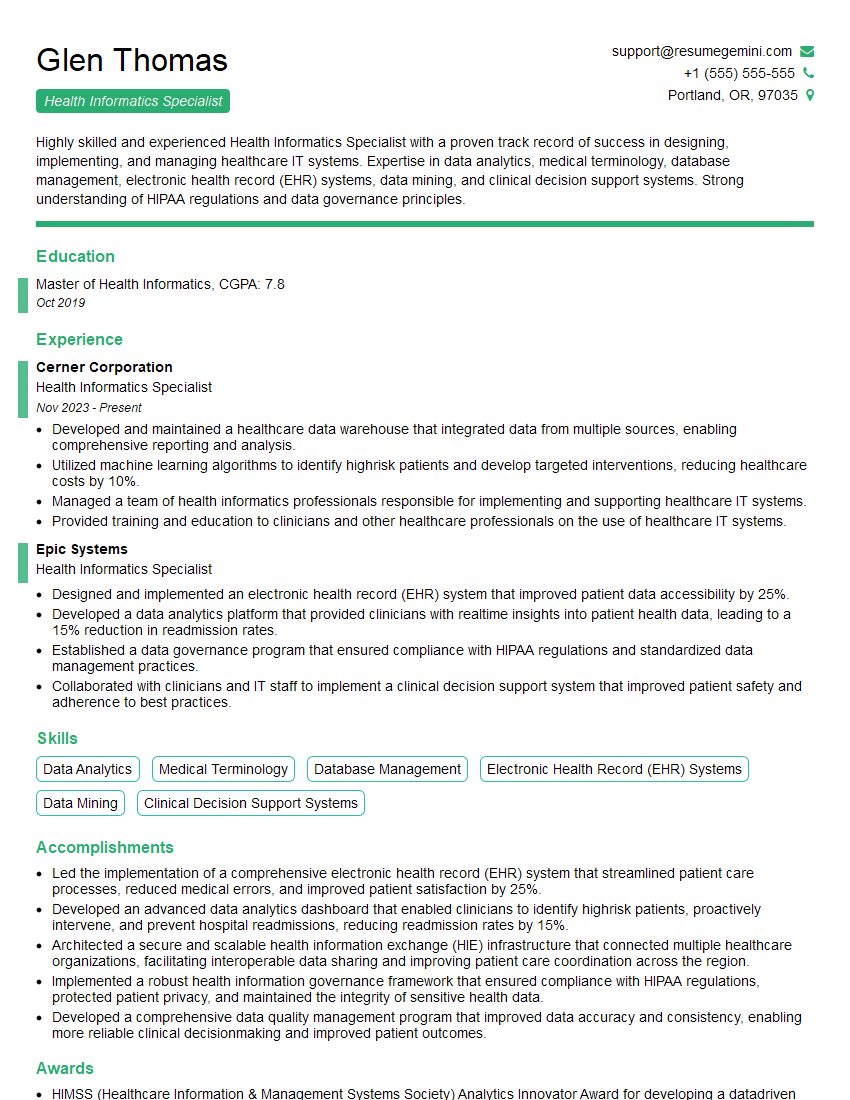
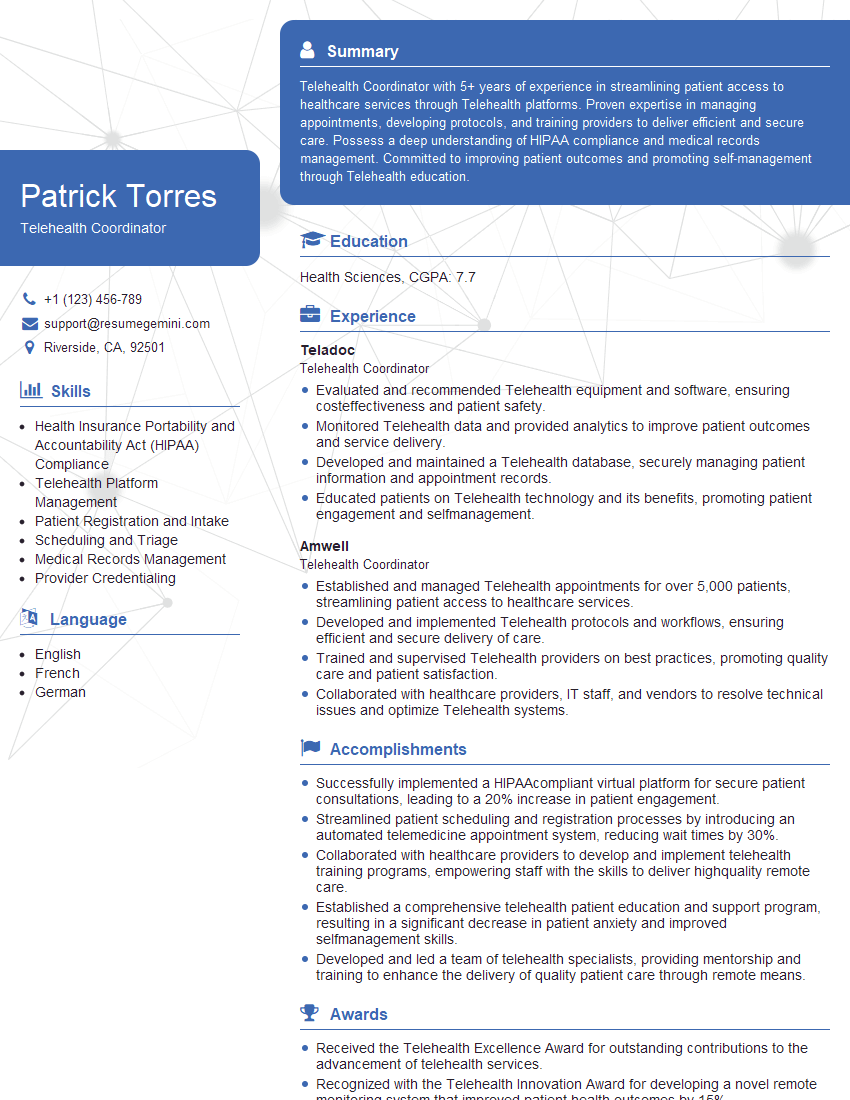
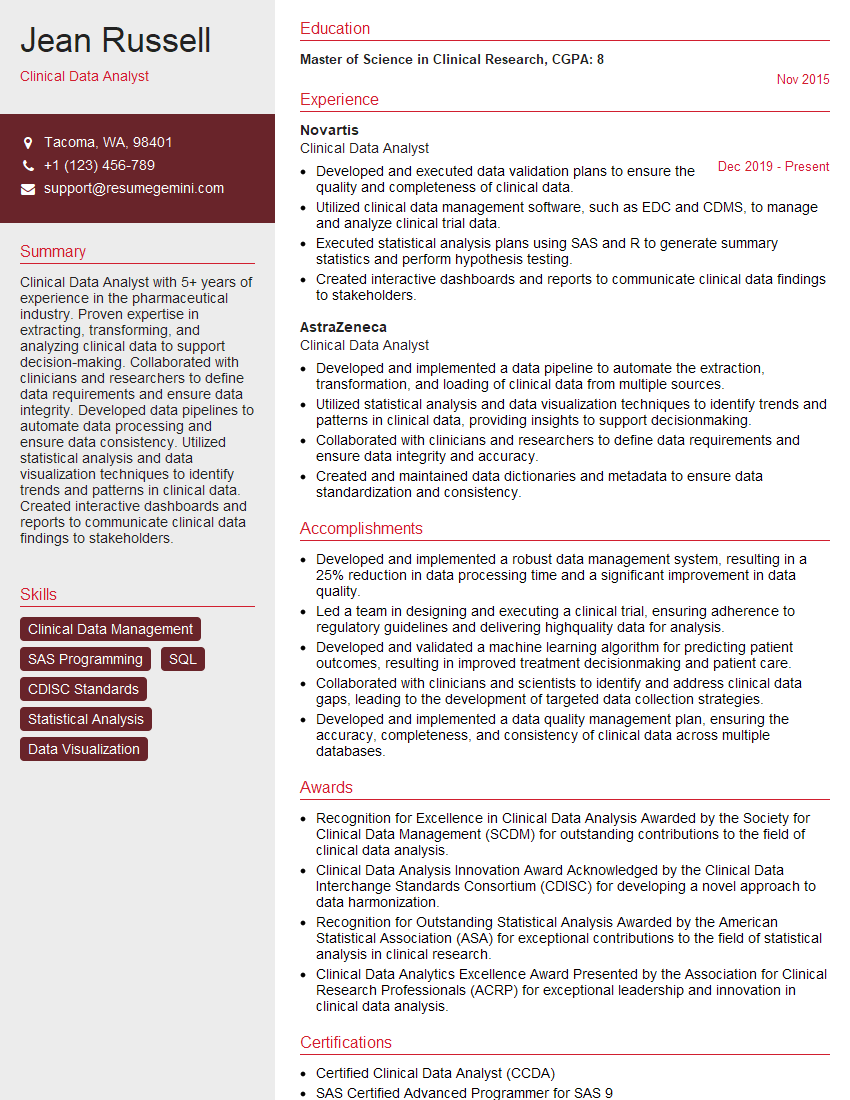
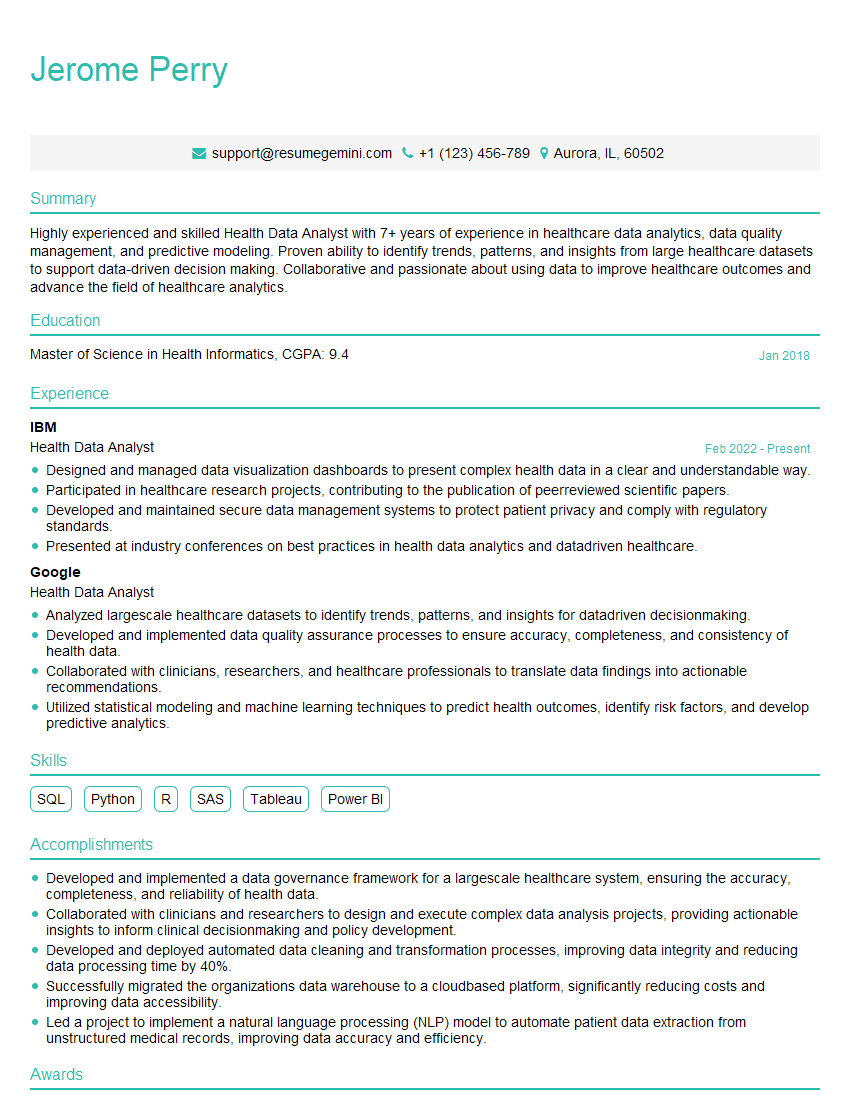
Mastering Health Informatics and Telehealth is crucial for a thriving career in this rapidly evolving field. These skills are highly sought after, offering exciting opportunities for innovation and impactful contributions to patient care. To maximize your job prospects, creating a strong, ATS-friendly resume is essential. ResumeGemini is a trusted resource to help you build a professional resume that highlights your skills and experience effectively. We provide examples of resumes tailored to Health Informatics and Telehealth to guide you in creating a compelling application.
Explore more articles
Users Rating of Our Blogs
Share Your Experience
We value your feedback! Please rate our content and share your thoughts (optional).
What Readers Say About Our Blog
Amazing blog
Interesting Article, I liked the depth of knowledge you’ve shared.
Helpful, thanks for sharing.