Every successful interview starts with knowing what to expect. In this blog, we’ll take you through the top DNA Sequencing and Analysis interview questions, breaking them down with expert tips to help you deliver impactful answers. Step into your next interview fully prepared and ready to succeed.
Questions Asked in DNA Sequencing and Analysis Interview
Q 1. Explain the difference between Sanger sequencing and Next-Generation Sequencing (NGS).
Sanger sequencing and Next-Generation Sequencing (NGS) are both methods for determining the order of nucleotides in a DNA or RNA molecule, but they differ significantly in their approach and scale. Think of Sanger sequencing as meticulously hand-copying a single book, while NGS is like photocopying thousands of books simultaneously.
Sanger sequencing, also known as chain-termination sequencing, is a method that uses dideoxynucleotides (ddNTPs) to terminate DNA synthesis. Each ddNTP is labeled with a different fluorescent dye, allowing for the identification of the terminating nucleotide. This produces a series of fragments of different lengths, which are then separated by electrophoresis, revealing the DNA sequence. It’s highly accurate but relatively low-throughput, meaning it’s slow and expensive for large-scale projects.
Next-Generation Sequencing (NGS), on the other hand, employs massively parallel sequencing, allowing for millions or billions of DNA fragments to be sequenced simultaneously. Different NGS platforms exist (Illumina, PacBio, Ion Torrent), each with its own chemistry and technology, but the core principle is the parallel sequencing of many fragments, leading to high throughput and reduced cost per base. However, NGS data often requires more sophisticated bioinformatic analysis due to the large volume of data and higher error rates compared to Sanger sequencing.
In summary, Sanger sequencing is accurate but low-throughput, ideal for verifying specific sequences or smaller projects. NGS is high-throughput, cost-effective for large-scale projects but has higher error rates requiring robust bioinformatic pipelines.
Q 2. Describe the process of library preparation for Illumina sequencing.
Illumina sequencing library preparation is a crucial step that transforms genomic DNA into a format suitable for sequencing. It involves several key steps:
- DNA fragmentation: Genomic DNA is randomly fragmented into smaller pieces (typically 150-500 bp) using sonication or enzymatic digestion. Imagine chopping a long rope into smaller, manageable pieces.
- End repair: The ends of the DNA fragments are repaired to create blunt ends. This ensures consistent ligation in the next step.
- A-tailing: An adenine (A) base is added to the 3′ end of each fragment. This step prepares the fragments for adaptor ligation.
- Adaptor ligation: Adapters, short DNA sequences containing specific binding sites for the Illumina flow cell, are ligated to both ends of the fragments. These adaptors are crucial for anchoring the DNA fragments during sequencing.
- Size selection: The fragments are size-selected to remove unwanted fragments, ensuring uniform fragment length and optimal sequencing performance. This is often done using magnetic beads or gel electrophoresis.
- PCR amplification: The library is amplified using PCR to create sufficient copies of each fragment for sequencing. This step ensures that there are enough molecules to generate a signal detectable by the sequencer.
After library preparation, the library is loaded onto an Illumina flow cell, where sequencing-by-synthesis is performed. Each step is critical for ensuring high-quality sequencing data. A poorly prepared library can result in low coverage, low diversity, and high error rates. Imagine baking a cake – if you skip a step or don’t measure ingredients carefully, the result won’t be ideal!
Q 3. What are the common challenges in NGS data analysis?
NGS data analysis presents several challenges:
- High data volume: NGS generates massive amounts of data, requiring significant computational resources and efficient storage solutions. Analyzing terabytes of data is not uncommon.
- Sequence errors: NGS data is prone to various errors, including substitution, insertion, and deletion errors, which necessitate error correction and quality control steps.
- Read alignment: Aligning short reads to a reference genome can be computationally intensive and challenging, especially for complex genomes or with repetitive regions.
- Variant calling: Accurately identifying single nucleotide polymorphisms (SNPs), insertions, deletions, and other variations requires sophisticated algorithms and careful consideration of error rates and sequencing depth.
- Data interpretation: Interpreting the biological significance of the identified variants often requires domain expertise and careful consideration of the experimental design.
These challenges often necessitate the use of powerful computer clusters and specialized bioinformatics software to manage and analyze the data efficiently. Without robust data analysis pipelines, researchers risk drawing inaccurate conclusions from their data.
Q 4. How do you handle low-quality reads in NGS data?
Low-quality reads in NGS data can significantly impact the accuracy and reliability of downstream analyses. These reads contain excessive errors or ambiguous base calls and should be handled carefully. Several strategies can be employed:
- Quality filtering: Using quality scores associated with each base call, low-quality reads or bases can be removed or trimmed. Tools like Trimmomatic and FastQC are commonly used for this purpose.
Trimmomatic PE -phred33 input_R1.fastq input_R2.fastq output_R1.fastq output_R2.fastq– This is a basic example of Trimmomatic command line usage. - Read trimming: Instead of removing entire reads, low-quality ends of reads can be trimmed to improve the quality of the remaining sequence. This is particularly useful when only a portion of a read is affected by low quality.
- Error correction: Sophisticated algorithms can be used to correct errors in the reads based on the redundancy provided by multiple reads covering the same genomic region. These algorithms exploit the information from multiple reads to improve the accuracy of individual reads.
The choice of strategy depends on the data quality and the downstream application. Aggressive filtering can lead to loss of information, while less stringent filtering might compromise accuracy. A balanced approach is usually preferred.
Q 5. Explain different types of sequencing errors and how to mitigate them.
NGS data is susceptible to several types of sequencing errors:
- Substitution errors: Incorrect base calls, where one nucleotide is wrongly identified as another (e.g., A called as G).
- Insertion errors: Extra nucleotides are inserted into the sequence.
- Deletion errors: Nucleotides are missing from the sequence.
- Indel errors: Combined insertions and deletions.
Mitigation Strategies:
- Quality control: Implementing rigorous quality control measures during library preparation and sequencing helps minimize errors.
- Error correction algorithms: Sophisticated bioinformatic tools can correct errors based on read redundancy and quality scores.
- Duplicate removal: Removing PCR duplicates helps reduce biases caused by amplification artifacts.
- Appropriate sequencing depth: Increasing sequencing depth improves the ability to identify and correct errors.
Choosing an appropriate sequencing platform and carefully optimizing the experimental design can also minimize the occurrence and impact of sequencing errors. It’s akin to having a good proofreader for a manuscript – careful attention to detail and multiple checks minimize mistakes.
Q 6. What are the different types of alignment algorithms used in bioinformatics?
Several alignment algorithms are used in bioinformatics to align DNA or protein sequences. The choice of algorithm depends on the type of sequences, length of sequences, and the desired level of sensitivity and speed.
- Global alignment algorithms (Needleman-Wunsch): Align the entire length of two sequences, identifying similarities and differences across the entire sequences. Useful when comparing highly similar sequences.
- Local alignment algorithms (Smith-Waterman): Identify regions of similarity within two sequences, even if the sequences are not similar overall. Very useful for finding conserved domains or motifs within larger, diverse sequences.
- Heuristic alignment algorithms (BLAST, Bowtie2): Use faster, approximate methods to align sequences, suitable for large datasets. Trade-off between speed and accuracy; very useful for large-scale genomics applications.
- Multiple sequence alignment algorithms (ClustalW, MUSCLE): Align three or more sequences simultaneously, revealing conserved regions and phylogenetic relationships. Useful for evolutionary analysis and identification of protein families.
Each algorithm has its strengths and weaknesses regarding speed, accuracy, and computational requirements. For example, BLAST is fast but might miss weak similarities, while Smith-Waterman is slow but very sensitive.
Q 7. Describe the concept of sequence alignment and its applications.
Sequence alignment is the process of comparing two or more sequences (DNA, RNA, or protein) to identify regions of similarity and difference. It’s like comparing two versions of the same document to highlight changes or commonalities.
Applications:
- Genome assembly: Aligning short sequence reads to assemble a complete genome sequence.
- Variant calling: Identifying genetic variations (SNPs, INDELS) by aligning sequenced DNA to a reference genome.
- Phylogenetic analysis: Inferring evolutionary relationships among organisms by aligning their DNA or protein sequences.
- Gene prediction: Identifying potential genes in a genome sequence by aligning it to known genes or gene models.
- Functional annotation: Assigning functions to genes or proteins by aligning their sequences to those of known function.
Sequence alignment is a cornerstone of bioinformatics, enabling researchers to understand the evolutionary relationships, functional roles, and variations within biological sequences. It is critical for interpreting NGS data and advancing our understanding of life.
Q 8. How do you assess the quality of NGS data?
Assessing the quality of Next-Generation Sequencing (NGS) data is crucial for reliable downstream analysis. It involves evaluating several metrics across different stages of the sequencing workflow. Think of it like checking the ingredients and preparation of a complex recipe before tasting the final dish – if the ingredients are poor, the dish will be subpar, no matter how well you cook it.
Raw read quality: We assess parameters like Phred quality scores (higher scores indicate higher confidence in base calling), GC content, and the presence of adapter sequences. Tools like FastQC provide comprehensive reports visualizing these metrics. A low Phred score indicates uncertainty in the base call and might necessitate trimming low-quality bases.
Read alignment: After aligning reads to a reference genome, metrics like the percentage of mapped reads and insert size distribution are evaluated. A low mapping rate might suggest poor sample preparation or sequencing issues. Tools such as Samtools provide these metrics.
Duplicate reads: PCR amplification during library preparation can introduce duplicate reads, affecting variant calling accuracy. The percentage of duplicate reads needs to be monitored and ideally kept low. Picard MarkDuplicates is a commonly used tool for this.
Base quality recalibration: We use tools like GATK BaseRecalibrator to refine base quality scores, improving accuracy, especially in regions with systematic biases.
By carefully examining these metrics, we can identify potential problems early on and take appropriate steps, such as filtering low-quality reads or re-running parts of the experiment, to ensure data reliability. The goal is to maximize the usable data and minimize false positives and false negatives in downstream analyses.
Q 9. What are the different types of variant callers and their strengths and weaknesses?
Variant callers are software tools that identify variations in DNA sequences compared to a reference genome. There are many, each with its strengths and weaknesses, much like different chefs having different specialties. Some excel at speed, others at accuracy.
GATK HaplotypeCaller: A powerful and widely used caller known for its accuracy in detecting SNPs and indels (insertions and deletions). It considers surrounding sequence context to improve accuracy, but can be computationally intensive.
Freebayes: Another popular choice, offering a good balance between speed and accuracy. It’s particularly efficient for handling large datasets. It is often a good starting point due to speed.
SAMtools mpileup & bcftools call: A more flexible pipeline, offering good control over parameters and allowing customization. It’s less user-friendly than dedicated callers but allows for greater control and adaptability.
Platypus: Strong in detecting structural variants (SVs), which involve larger changes in the genome than SNPs or indels. It excels at identifying complex events.
The choice of variant caller often depends on the specific application, the size of the dataset, and the types of variants of interest. For example, if speed is paramount for a large-scale screening project, Freebayes might be preferred. If high accuracy for SNPs and indels is the priority, GATK HaplotypeCaller would be a better choice. It’s often beneficial to use multiple callers and compare their results to ensure robustness.
Q 10. Explain the concept of genome assembly.
Genome assembly is like putting together a giant jigsaw puzzle, where each piece is a short DNA sequence (read) obtained from sequencing. The goal is to reconstruct the entire genome sequence from these fragmented pieces. Imagine trying to assemble a map of a city from many small, overlapping photos – it requires sophisticated algorithms and computational power.
The process involves several steps:
Read preprocessing: This includes quality control, adapter trimming, and error correction.
Read overlap detection: Identifying overlapping regions between reads to establish connections.
Contig construction: Assembling overlapping reads into longer contiguous sequences (contigs).
Scaffolding: Ordering and orienting contigs based on information like paired-end reads or genetic maps.
Gap closing: Filling gaps between contigs, which often requires additional experimental data or computational approaches.
The resulting genome assembly is a representation of the genome sequence, but it may not be perfectly complete or accurate. The quality of an assembly is typically evaluated by metrics such as N50 (the length of the shortest contig that accounts for 50% of the assembled genome), number of gaps, and the completeness of the assembly compared to a reference genome (if available).
Different assemblers (software tools) exist, such as SPAdes, Velvet, and Canu, each with its own strengths and weaknesses depending on the type of data (short reads, long reads) and the organism being sequenced.
Q 11. Describe different approaches for genome annotation.
Genome annotation is the process of identifying and classifying functional elements within a genome sequence. It’s like adding labels and descriptions to a map, explaining what each location represents. This is critical for understanding the genome’s function and how it relates to the organism’s biology.
Approaches to genome annotation include:
Ab initio prediction: Using computational methods to predict gene structures based solely on the sequence itself. This approach relies on identifying features like promoters, exons, introns, and other regulatory sequences.
Evidence-based annotation: Integrating experimental data like RNA-Seq (RNA sequencing) and protein data to support and refine gene predictions. RNA-Seq data helps to identify actively transcribed regions, confirming the existence and boundaries of genes.
Comparative genomics: Leveraging information from related genomes to aid annotation. Conserved regions are likely to have important functions.
Functional annotation: Assigning functions to predicted genes based on sequence similarity to known genes and their associated biological processes. This uses databases like GO (Gene Ontology) and KEGG (Kyoto Encyclopedia of Genes and Genomes).
Often, a combination of these approaches is used to create a comprehensive and accurate genome annotation. The resulting annotation provides valuable information about the gene content, regulatory elements, and functional characteristics of the genome, crucial for various biological studies.
Q 12. What are some common bioinformatics tools you have used?
Over the years, I’ve extensively used a wide range of bioinformatics tools. The specific tools I utilize depend on the task, but some commonly used ones include:
FastQC: For quality control of raw sequencing reads.
Trimmomatic: For trimming low-quality bases and adapter sequences from reads.
BWA (Burrows-Wheeler Aligner): For aligning reads to a reference genome.
Samtools: For manipulating and analyzing alignment data (SAM/BAM files).
GATK (Genome Analysis Toolkit): For variant calling, indel realignment, and base quality recalibration.
Picard: For various data processing steps, including duplicate marking and sorting.
R and Bioconductor packages: For statistical analysis and visualization of NGS data.
My experience also extends to using specialized tools for specific tasks like genome assembly (e.g., SPAdes, Canu), transcriptome assembly (e.g., Trinity), and metagenomic analysis (e.g., Kraken2). Selecting the right tool for a given analysis is paramount for efficient and accurate results. For instance, using a tool designed for short-read data on long-read data would be inefficient and potentially produce inaccurate results.
Q 13. Explain the difference between de novo assembly and re-sequencing.
De novo assembly and re-sequencing are two distinct approaches in genome sequencing with fundamentally different goals. Imagine building a house: de novo assembly is like designing and building a house from scratch with no blueprint, while re-sequencing is like renovating an existing house using a blueprint.
De novo assembly: This approach is used when there is no reference genome available for the species being sequenced. It involves assembling the genome sequence entirely from scratch, using only the sequencing reads. It is much more challenging and computationally intensive than re-sequencing. This is especially valuable for studying organisms for which no reference genome exists, allowing us to understand their genetic makeup.
Re-sequencing: This approach utilizes an existing reference genome to guide the alignment of sequencing reads. It involves identifying variations (SNPs, indels, SVs) in the genome of a sample compared to the reference genome. This approach is much faster and less computationally demanding than de novo assembly. It’s used in many applications, from identifying genetic variations in disease studies to tracking pathogen evolution.
In short, de novo assembly is for creating a new genome assembly, while re-sequencing is for comparing a genome to an existing one. The choice between the two depends entirely on the availability of a reference genome and the research questions being addressed.
Q 14. How would you identify and interpret single nucleotide polymorphisms (SNPs)?
Identifying and interpreting SNPs involves a multi-step process. Think of it as detective work: you have clues (the sequencing reads) and you need to piece them together to identify and understand the culprit (the SNP).
Alignment: First, sequencing reads are aligned to a reference genome using tools like BWA or Bowtie2. This process reveals the positions of the reads relative to the reference sequence.
Variant calling: Next, variant callers (like GATK HaplotypeCaller or Freebayes) analyze the aligned reads to identify positions where the sequence differs from the reference. These differences are potential SNPs.
Filtering and validation: Raw variant calls often contain false positives. Filtering steps remove low-quality calls based on criteria such as read depth, quality scores, and mapping quality. Validation often involves comparison with results from different variant callers or experimental validation using other methods.
Annotation and interpretation: Finally, identified SNPs are annotated by associating them with genes, regulatory regions, or other functional elements using tools like ANNOVAR or SIFT. This helps to understand the potential functional consequences of the SNPs, such as whether they might affect protein function or gene expression.
Interpreting SNPs requires careful consideration of various factors. The location of the SNP within a gene or regulatory region, its minor allele frequency (MAF), and the predicted impact on protein structure or function are all crucial for understanding the significance of the SNP. For example, a SNP located in a protein-coding region that leads to an amino acid change might have a significant impact on protein function and be associated with a disease. Conversely, a SNP located in an intergenic region might have minimal functional impact.
Q 15. How do you handle missing data in genomic datasets?
Missing data is a common challenge in genomics. It can stem from various sources, including sequencing errors, low-quality DNA, or limitations in the technology used. Handling it effectively is crucial for accurate analysis. My approach involves a multi-pronged strategy. First, I thoroughly investigate the cause of the missing data. Understanding the source helps determine the best imputation method.
For example, if missingness is random, I might employ simple imputation techniques like mean/median imputation or k-nearest neighbors (k-NN). If there’s a pattern, like systematic biases in certain regions of the genome, then more sophisticated methods become necessary. These could include multiple imputation or expectation-maximization (EM) algorithms, which model the underlying data distribution to estimate missing values.
In practical terms, I use tools like R and its packages (e.g., mice for multiple imputation) or specialized bioinformatics software that handles missing data inherently within their algorithms. The choice depends on the dataset’s size, the nature of the missingness, and the downstream analysis.
Ultimately, rigorous quality control, and detailed documentation of the imputation strategies employed are crucial for transparency and reproducibility of the results. I always validate my chosen method by comparing the results against datasets with complete data (where possible) and assessing its impact on downstream analyses.
Career Expert Tips:
- Ace those interviews! Prepare effectively by reviewing the Top 50 Most Common Interview Questions on ResumeGemini.
- Navigate your job search with confidence! Explore a wide range of Career Tips on ResumeGemini. Learn about common challenges and recommendations to overcome them.
- Craft the perfect resume! Master the Art of Resume Writing with ResumeGemini’s guide. Showcase your unique qualifications and achievements effectively.
- Don’t miss out on holiday savings! Build your dream resume with ResumeGemini’s ATS optimized templates.
Q 16. Explain the concept of copy number variation (CNV).
Copy number variation (CNV) refers to differences in the number of copies of a particular DNA segment compared to a reference genome. Instead of having the standard two copies of each chromosome (one from each parent), a CNV might involve having one copy (deletion), three copies (duplication), or even more. These variations can range in size from kilobases to megabases.
CNVs are significant because they can alter gene dosage, impacting gene expression and potentially leading to various phenotypes, including diseases. For instance, deletions in specific regions can result in haploinsufficiency, where only one functional copy of a gene is present, causing developmental disorders or predisposition to certain conditions. Conversely, duplications can lead to increased gene expression, potentially having either beneficial or detrimental effects.
Identifying CNVs involves comparing the subject’s genome to a reference genome using techniques such as array comparative genomic hybridization (aCGH) or next-generation sequencing (NGS) data. Bioinformatics tools are then employed to analyze the resulting data and detect regions with abnormal copy numbers. The analysis often involves identifying significant deviations from the expected copy number based on statistical models and considering factors like GC content to minimize false positives.
Q 17. What are some common databases used in genomics research?
Many valuable databases support genomics research. Here are some examples, categorized for clarity:
- Genome sequence databases: NCBI GenBank, Ensembl, RefSeq. These are foundational repositories of genomic sequences from a wide range of organisms.
- Variant databases: dbSNP (single nucleotide polymorphisms), ClinVar (clinically relevant variations), gnomAD (Genome Aggregation Database – a large population-scale collection of exome and genome sequencing data).
- Gene expression databases: Gene Expression Omnibus (GEO), ArrayExpress. These house microarray and RNA sequencing datasets.
- Pathway databases: KEGG (Kyoto Encyclopedia of Genes and Genomes), Reactome. These organize genes and proteins into pathways and networks.
- Disease-specific databases: OMIM (Online Mendelian Inheritance in Man), Cancer Genome Atlas (TCGA). These focus on specific diseases and their genetic underpinnings.
The choice of database depends heavily on the research question. For example, if investigating the genetic basis of a specific disease, I would consult both the relevant disease-specific database and variant databases to identify associated genetic variations.
Q 18. Describe your experience with scripting languages like Python or R in bioinformatics.
I’m highly proficient in both Python and R, using them extensively for various bioinformatics tasks. Python’s versatility makes it excellent for automating workflows, interacting with databases, and performing complex data manipulations. I frequently use libraries such as Biopython, pandas (for data manipulation), and scikit-learn (for machine learning applications in genomics).
R, on the other hand, excels in statistical analysis and visualization. I leverage R packages like ggplot2 for creating publication-quality graphs, edgeR and DESeq2 for differential gene expression analysis, and limma for microarray analysis. I’ve used these languages to develop pipelines for processing NGS data (including read alignment, variant calling, and annotation), perform gene expression analysis, and develop predictive models for disease risk based on genomic data.
For instance, I recently used Python with Biopython to parse genomic annotation files and create custom scripts for filtering variants based on specific criteria, such as minor allele frequency and predicted impact on protein function.
Q 19. How do you handle large genomic datasets?
Handling large genomic datasets requires strategies that optimize both computational resources and analysis time. My approach involves several key steps:
- Data partitioning: Breaking the dataset into smaller, manageable chunks allows parallel processing, significantly reducing analysis time. I frequently utilize tools that support parallel processing and distributed computing.
- Data compression: Lossless compression (e.g., using gzip or bgzip) reduces storage requirements and improves I/O performance.
- Database utilization: Storing data in specialized genomic databases (like those mentioned earlier) allows for efficient querying and retrieval of specific data subsets.
- Optimized algorithms and data structures: Using efficient data structures and algorithms that minimize computational complexity is critical, especially when dealing with large numbers of variants or genomic regions. This could involve leveraging techniques like sparse matrices or indexing.
- Cloud computing: Leveraging cloud-based platforms for storage and computation (discussed further in the next answer) provides scalability and access to significant computational power.
For example, when processing whole-genome sequencing data from hundreds of samples, I might partition the data by chromosome, process each chromosome in parallel on a cluster, and then combine the results.
Q 20. Explain your experience with cloud computing for genomic data analysis.
Cloud computing has become indispensable for genomic data analysis. I have extensive experience using cloud platforms like AWS and Google Cloud Platform (GCP) for large-scale genomic data analysis projects. These platforms offer scalable computing resources, robust storage solutions, and a range of specialized bioinformatics tools.
I’ve used AWS services like Amazon S3 for storing genomic data (in a secure and cost-effective manner), Amazon EC2 for running compute-intensive analyses, and Amazon EMR (Elastic MapReduce) for managing large-scale parallel processing jobs. Similarly, on GCP, I’ve used Google Cloud Storage, Google Compute Engine, and Google Cloud Dataproc for similar purposes.
Beyond basic compute, cloud platforms also offer specialized services relevant to genomics, including managed databases optimized for genomic data, pre-configured virtual machines with bioinformatics software pre-installed, and managed workflow orchestration tools. These reduce setup time and allow for rapid deployment of analyses.
One significant project involved analyzing a large cohort of exome sequencing data using GCP’s Dataproc. The parallel processing capabilities of Dataproc significantly accelerated variant calling and annotation compared to running the same analysis on a local machine, ultimately allowing for timely completion of the project.
Q 21. What are some ethical considerations in genomic data analysis?
Ethical considerations are paramount in genomic data analysis. The sensitive nature of genomic information necessitates a strong ethical framework. Key considerations include:
- Data privacy and security: Genomic data is highly personal and requires robust security measures to prevent unauthorized access and breaches. This includes anonymization or de-identification techniques, encryption, and adherence to data privacy regulations (like HIPAA and GDPR).
- Informed consent: Participants must provide informed consent, fully understanding the purpose of the research, how their data will be used, and potential risks and benefits.
- Data sharing and access: Balancing the benefits of data sharing for scientific advancement with the need to protect individual privacy is crucial. Careful consideration of data access policies and controls is necessary.
- Bias and fairness: Genomic data analyses must be conducted in a way that avoids perpetuating or exacerbating existing biases, ensuring fair representation of diverse populations.
- Incidental findings: Researchers may uncover unexpected findings (e.g., a predisposition to a disease not directly related to the study) that may have significant implications for participants. Clear protocols for handling incidental findings and communicating them to participants are essential.
Throughout my work, I prioritize ethical considerations by adhering to established guidelines, collaborating with ethicists, and ensuring that all research activities comply with relevant regulations and institutional review board (IRB) approvals.
Q 22. Describe your experience with variant interpretation and classification.
Variant interpretation and classification is a crucial step in genomic analysis, involving the assessment of the clinical significance of identified genetic variations. It’s like being a detective, trying to understand if a specific change in the DNA code is harmless, benign, or the culprit behind a disease.
My experience encompasses the entire process: from identifying variants using various bioinformatics tools (like ANNOVAR, SIFT, PolyPhen-2) to evaluating their impact based on factors such as allele frequency (how common the variant is in the population), predicted functional consequences (does it alter protein structure or function?), existing literature on similar variants, and clinical context (patient’s symptoms, family history). I’m proficient in classifying variants according to established guidelines (e.g., ACMG/AMP guidelines), which provide a standardized framework for determining pathogenicity. For instance, a missense variant—a single nucleotide change resulting in an amino acid substitution—might be classified as ‘likely pathogenic’ if it’s located in a crucial protein domain and has been linked to disease in previous studies. Conversely, a synonymous variant (no amino acid change) is often classified as ‘benign’.
I have extensive experience working with various variant types, including single nucleotide polymorphisms (SNPs), insertions, deletions, copy number variations (CNVs), and structural variants (SVs), and understand the complexities and nuances involved in interpreting each type.
Q 23. How do you validate your genomic findings?
Validating genomic findings is essential to ensure accuracy and reliability. Think of it as double-checking your work to eliminate false positives or negatives.
- Experimental Validation: This often involves using orthogonal methods like Sanger sequencing to confirm the presence and accuracy of a variant identified by next-generation sequencing (NGS). For example, if a NGS platform identifies a deletion, Sanger sequencing can be employed to verify the deletion’s size and location.
- In silico Validation: Using multiple bioinformatic tools to analyze the same data allows for cross-validation. If several different algorithms predict a similar consequence for a variant, it strengthens the interpretation. For example, if both SIFT and PolyPhen-2 predict a variant to be damaging, this is more convincing than relying on a single tool.
- Functional Assays: In certain cases, functional experiments are necessary to understand the effect of a variant. For example, if a variant is identified in a gene encoding an enzyme, it might be necessary to perform enzyme activity assays to test if the variant impairs its catalytic function.
- Database Comparison: Comparing findings with databases like ClinVar and gnomAD allows for a comparison of the identified variant with other reported variants, providing insights into its prevalence, predicted functionality and clinical significance.
The approach to validation depends on the context, the type of variant identified, and the available resources.
Q 24. Explain your experience with different sequencing platforms (e.g., Illumina, PacBio, Oxford Nanopore).
I have hands-on experience with various sequencing platforms, each with its strengths and limitations. It’s like having different tools in your toolbox, each best suited for a specific job.
- Illumina: This is a workhorse in the field, known for its high throughput and relatively low cost. It’s ideal for large-scale projects like genome-wide association studies (GWAS) or exome sequencing. I’ve extensively used Illumina platforms for various projects, mastering data processing and quality control using tools like Bcl2fastq and FastQC.
- PacBio (Sequel): This platform excels in generating long reads, perfect for resolving complex genomic regions like highly repetitive sequences or structural variations that are difficult to fully resolve with Illumina’s short reads. I’ve used PacBio data to assemble genomes and characterize structural variations.
- Oxford Nanopore: This technology allows for real-time sequencing, offering rapid turnaround times. Its long-read capability is also valuable, and it’s particularly useful in applications requiring immediate results, such as infectious disease outbreak investigations. I’m proficient in base calling and data analysis using Nanopore’s MinKNOW and Guppy software.
My experience spans the entire process, from library preparation and sequencing to data analysis and interpretation, making me well-versed in selecting and optimizing the appropriate platform based on the specific research question.
Q 25. What are the limitations of current DNA sequencing technologies?
Despite significant advancements, current DNA sequencing technologies still have limitations.
- Cost: While costs have decreased, whole-genome sequencing can still be expensive, limiting accessibility for certain research projects or clinical applications.
- Coverage and Bias: Sequencing technologies might not uniformly cover the entire genome. Some regions are more challenging to sequence than others, leading to gaps in coverage and potential biases in the data.
- Read Length: While long-read technologies are improving, resolving highly repetitive genomic regions or complex structural variations remains challenging. Short reads can make assembly difficult and ambiguous.
- Error Rates: All sequencing technologies have error rates. While these rates have significantly decreased, errors can still affect variant calling and interpretation, especially in regions with low coverage.
- Data Analysis: Analyzing large sequencing datasets requires substantial computational resources and expertise in bioinformatics. Interpreting the biological significance of the identified variations is complex and demands a deep understanding of genomics and related fields.
Researchers are continuously working to improve the efficiency, accuracy, and cost-effectiveness of DNA sequencing, but these limitations must be considered when designing and interpreting sequencing experiments.
Q 26. How would you design a DNA sequencing experiment to address a specific research question?
Designing a DNA sequencing experiment requires careful planning and consideration of several factors. Let’s imagine we want to investigate the genetic basis of a rare disease.
- Define the Research Question: Clearly state the research question. For instance, ‘What are the genetic variants associated with the development of disease X?’
- Study Design: Choose an appropriate study design. A case-control study comparing DNA from affected individuals (cases) with unaffected individuals (controls) would be suitable for this scenario. The number of participants required depends on factors like the disease prevalence and desired statistical power.
- Sample Selection: Carefully select participants to minimize confounding variables. Consider factors like age, sex, ethnicity, and environmental exposures that might influence the results.
- Sequencing Platform: Select the appropriate sequencing platform based on the research question and budget constraints. For this example, whole-exome sequencing (WES) might be sufficient, providing cost-effectiveness while focusing on protein-coding regions.
- Bioinformatic Analysis Plan: Develop a detailed bioinformatic analysis plan, including variant calling, annotation, filtering, and statistical analysis. Tools like GATK, Picard, and ANNOVAR would be vital in this stage.
- Data Interpretation: Establish clear criteria for interpreting the results. This might involve focusing on rare variants (present in few individuals in the population) that are shared among cases but absent in controls.
Throughout the process, ethical considerations, such as informed consent and data privacy, are paramount. A well-designed experiment maximizes the chances of obtaining meaningful and reliable results, contributing valuable insights into the disease’s genetic architecture.
Q 27. Describe your experience with bioinformatics pipelines and workflows.
I have extensive experience with various bioinformatics pipelines and workflows for analyzing NGS data. My expertise spans from raw data processing and quality control to variant calling, annotation, and functional analysis.
I’m proficient in using tools like:
- Raw Data Processing:
FastQCfor quality control,bwaorbowtie2for alignment,samtoolsfor manipulating alignment files. - Variant Calling:
GATK(HaplotypeCaller, VariantRecalibrator),FreeBayes. - Variant Annotation:
ANNOVAR,SIFT,PolyPhen-2,dbNSFP. - Data Visualization:
IGV,R(ggplot2, karyoploteR).
I’m also familiar with various workflow management systems such as Nextflow and Snakemake, allowing me to automate repetitive tasks and ensure reproducibility. My experience includes working with both cloud-based (e.g., AWS, Google Cloud) and on-premise computing infrastructure for handling large datasets.
I’m adept at adapting and optimizing these pipelines for different sequencing platforms and research questions. It’s not just about using these tools; it’s understanding their limitations and tailoring the analysis to get the most meaningful and accurate results.
Q 28. What are your career aspirations in the field of DNA sequencing and analysis?
My career aspirations involve contributing to advancements in personalized medicine through the application of cutting-edge DNA sequencing and analysis technologies. I envision a future where genomic information is routinely used to inform preventative strategies, disease diagnosis, and treatment decisions.
Specifically, I’m interested in pursuing research focused on the application of genomics in rare disease diagnosis and drug discovery. I believe that my expertise in variant interpretation and bioinformatics analysis can significantly contribute to these fields, helping translate genomic findings into actionable insights. My long-term goal is to hold a leading position in a research institution or biotechnology company where I can both conduct independent research and mentor younger scientists.
I’m passionate about improving access to genomics for under-served populations and bridging the gap between genomic discoveries and practical applications in healthcare.
Key Topics to Learn for DNA Sequencing and Analysis Interview
- Fundamentals of DNA Sequencing: Understanding different sequencing technologies (Sanger, NGS), their principles, strengths, and limitations. This includes knowledge of library preparation, sequencing platforms, and data output formats.
- Bioinformatics Tools and Pipelines: Familiarity with common bioinformatics tools for sequence alignment (BLAST, Bowtie2), variant calling (GATK), genome assembly (SPAdes), and data analysis. Practical experience with these tools is highly valuable.
- Genome Annotation and Interpretation: Understanding how to annotate genomic features (genes, transcripts, regulatory elements), predict protein function, and interpret variations in the context of disease or other biological processes.
- Data Analysis and Interpretation: Mastering statistical methods for analyzing sequencing data, including quality control, error correction, and data visualization. Ability to interpret results and draw meaningful conclusions is critical.
- Ethical Considerations: Understanding the ethical implications of genomics research, including data privacy, informed consent, and potential biases in data interpretation.
- Applications of DNA Sequencing and Analysis: Be prepared to discuss practical applications across various fields like medicine (diagnostics, personalized medicine), agriculture (crop improvement), and environmental science (microbial community analysis).
- Problem-solving and Troubleshooting: Demonstrate your ability to approach and solve complex data analysis challenges, including identifying and resolving technical issues during the sequencing process.
Next Steps
Mastering DNA Sequencing and Analysis opens doors to exciting and impactful careers in a rapidly evolving field. To maximize your job prospects, a strong and ATS-friendly resume is crucial. An effective resume highlights your skills and experience in a way that Applicant Tracking Systems (ATS) can easily understand. We highly recommend using ResumeGemini to build a professional and compelling resume that showcases your qualifications effectively. ResumeGemini provides examples of resumes tailored specifically to DNA Sequencing and Analysis roles, helping you craft the perfect document to land your dream job.
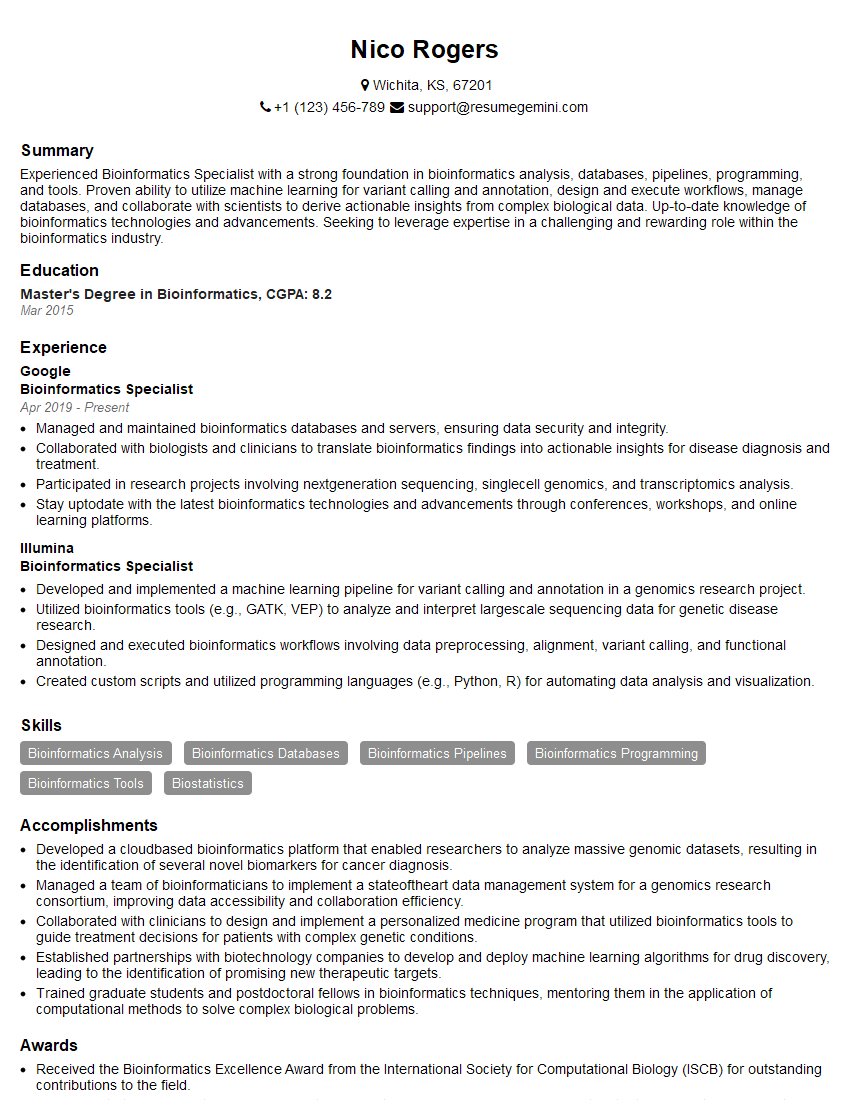
Bioinformatics Specialist Resume Sample
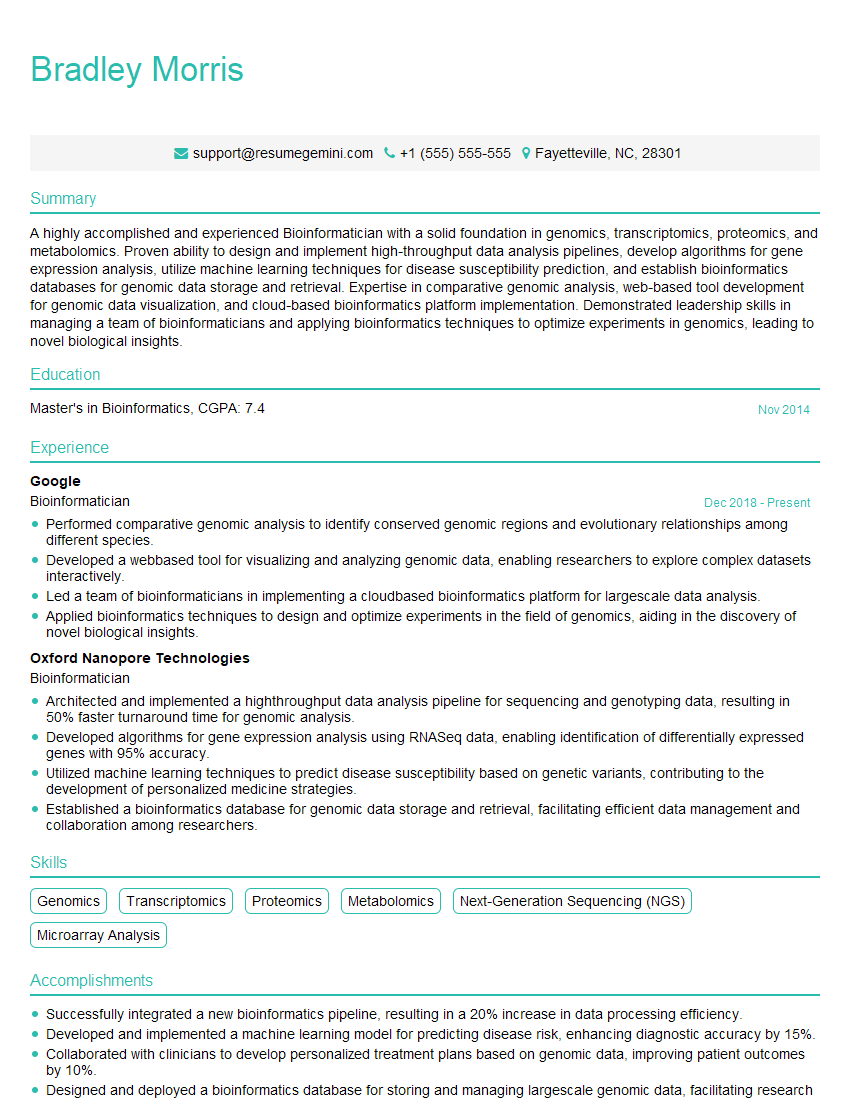
Bioinformatician Resume Sample

Molecular Biologist Resume Sample
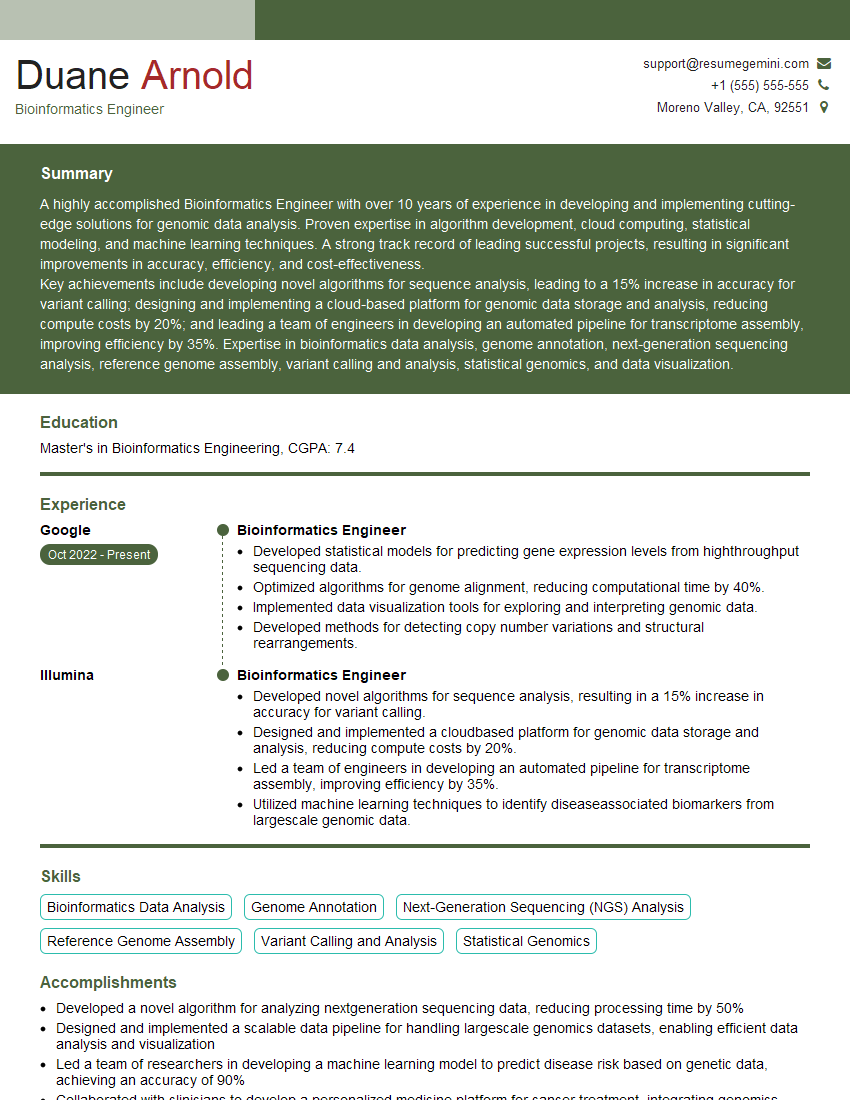
Bioinformatics Engineer Resume Sample
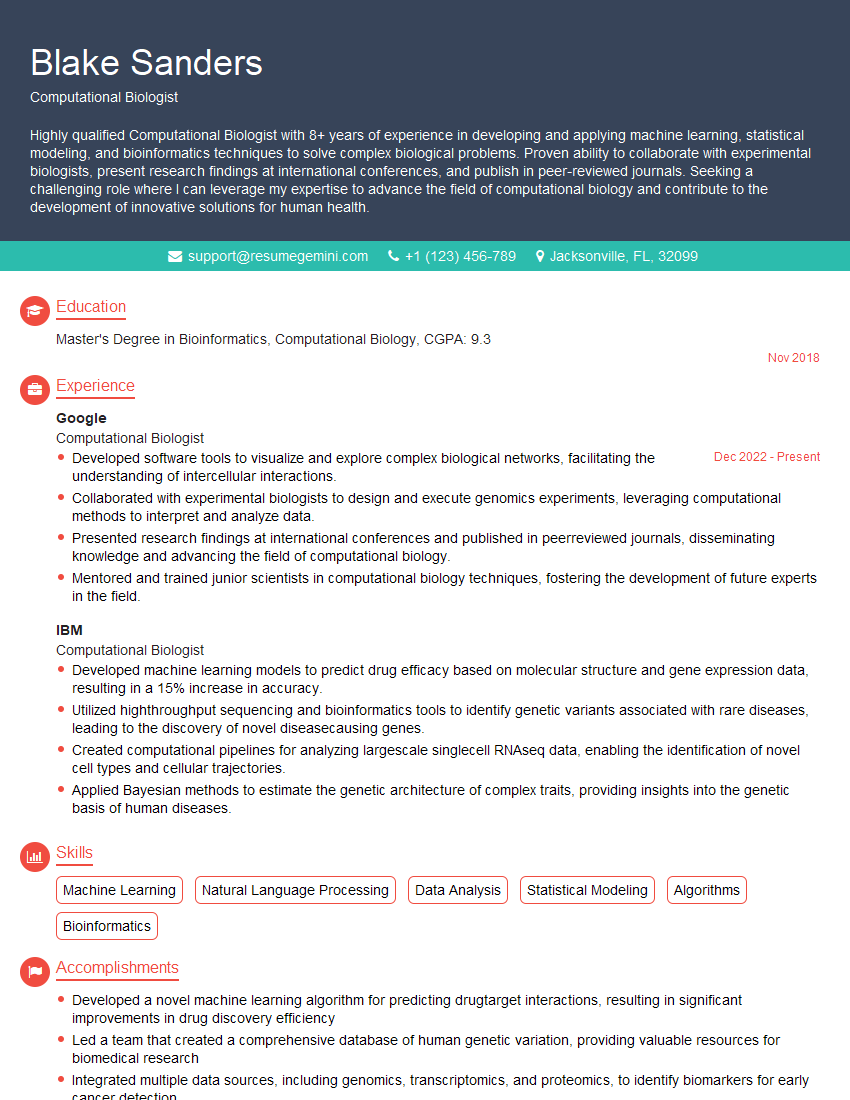
Computational Biologist Resume Sample
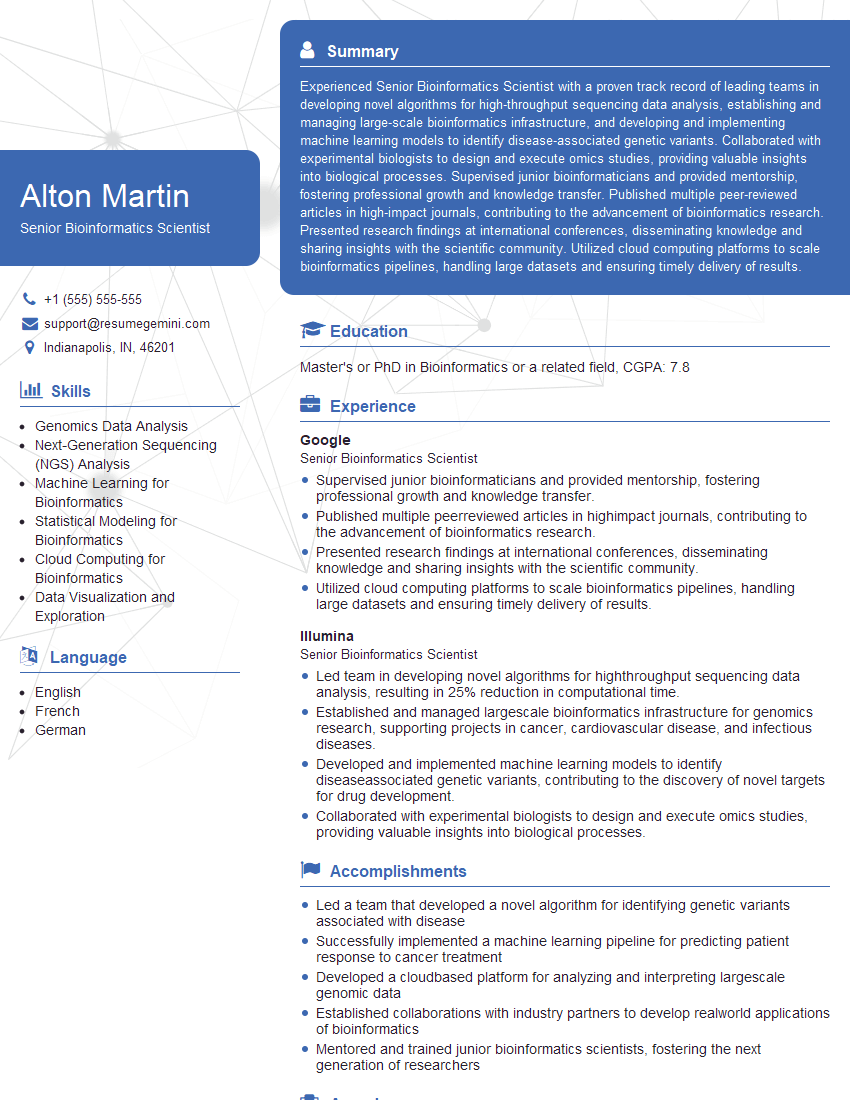
Senior Bioinformatics Scientist Resume Sample
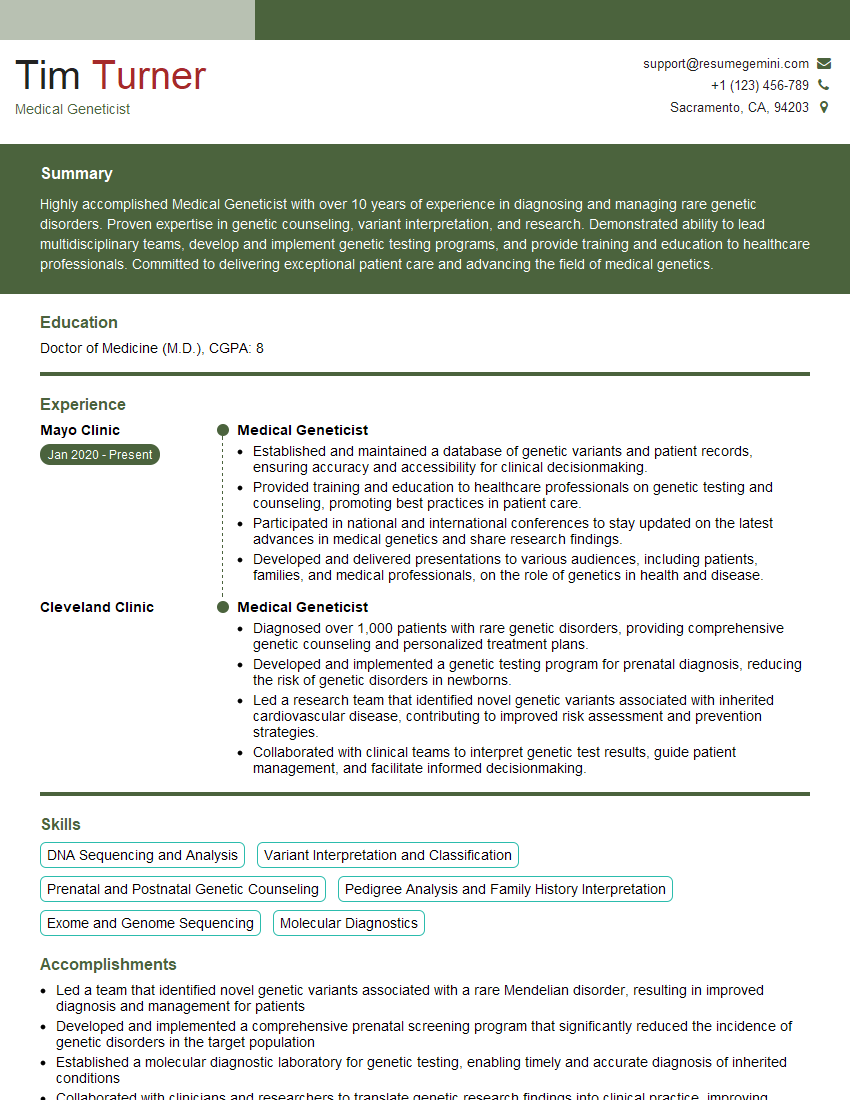
Medical Geneticist Resume Sample
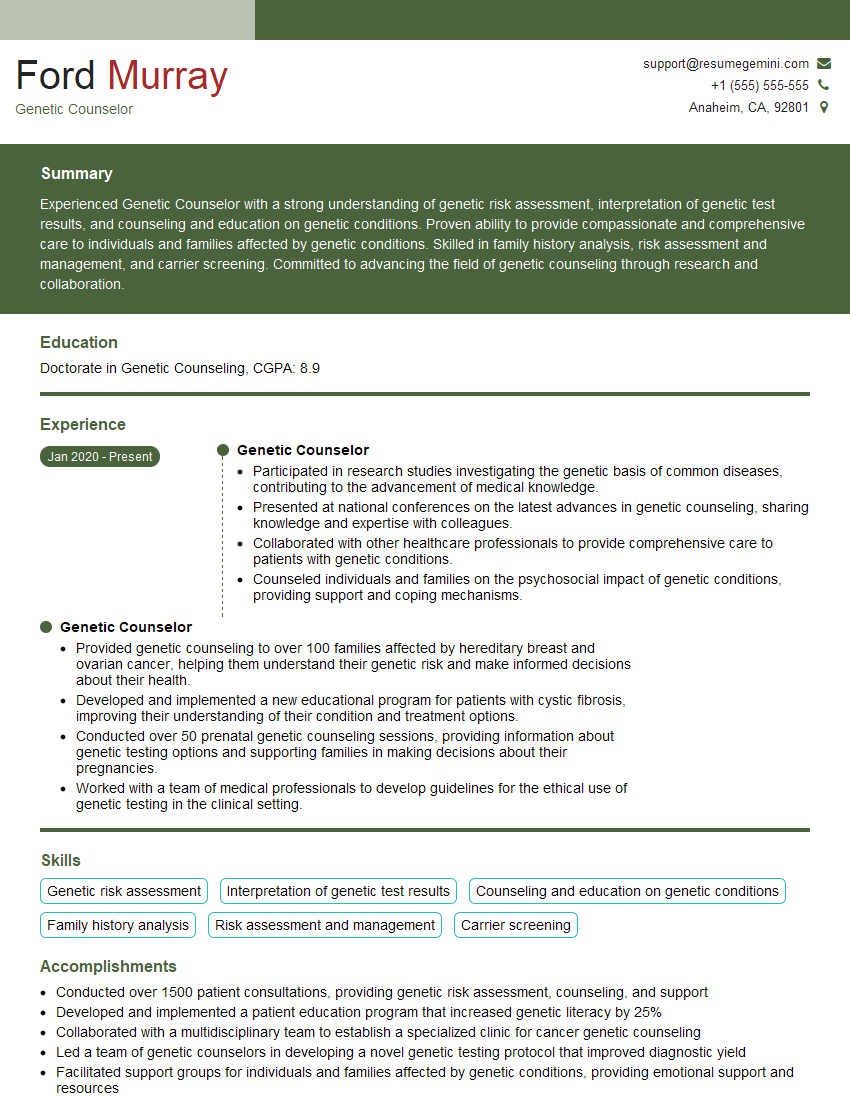
Genetic Counselor Resume Sample
Explore more articles
Users Rating of Our Blogs
Share Your Experience
We value your feedback! Please rate our content and share your thoughts (optional).
What Readers Say About Our Blog
hello,
Our consultant firm based in the USA and our client are interested in your products.
Could you provide your company brochure and respond from your official email id (if different from the current in use), so i can send you the client’s requirement.
Payment before production.
I await your answer.
Regards,
MrSmith
hello,
Our consultant firm based in the USA and our client are interested in your products.
Could you provide your company brochure and respond from your official email id (if different from the current in use), so i can send you the client’s requirement.
Payment before production.
I await your answer.
Regards,
MrSmith
These apartments are so amazing, posting them online would break the algorithm.
https://bit.ly/Lovely2BedsApartmentHudsonYards
Reach out at [email protected] and let’s get started!
Take a look at this stunning 2-bedroom apartment perfectly situated NYC’s coveted Hudson Yards!
https://bit.ly/Lovely2BedsApartmentHudsonYards
Live Rent Free!
https://bit.ly/LiveRentFREE
Interesting Article, I liked the depth of knowledge you’ve shared.
Helpful, thanks for sharing.
Hi, I represent a social media marketing agency and liked your blog
Hi, I represent an SEO company that specialises in getting you AI citations and higher rankings on Google. I’d like to offer you a 100% free SEO audit for your website. Would you be interested?