Every successful interview starts with knowing what to expect. In this blog, we’ll take you through the top RNA-Seq Analysis interview questions, breaking them down with expert tips to help you deliver impactful answers. Step into your next interview fully prepared and ready to succeed.
Questions Asked in RNA-Seq Analysis Interview
Q 1. Explain the steps involved in RNA-Seq library preparation.
RNA-Seq library preparation is a crucial step that transforms RNA molecules into sequencing-ready libraries. Think of it like preparing a book for printing – you need to organize and format the content before it can be mass-produced. The process involves several key steps:
- RNA Extraction and Purification: High-quality RNA is paramount. This involves isolating total RNA from the sample (e.g., tissue, cells), then purifying it to remove contaminating DNA and other molecules. Various methods exist depending on the sample type and downstream application.
- mRNA Enrichment (Optional but common): Often, we’re interested specifically in messenger RNA (mRNA), which codes for proteins. Techniques like oligo(dT) selection use magnetic beads coated with oligo(dT) sequences to bind to the poly(A) tail of eukaryotic mRNAs, separating them from ribosomal RNA (rRNA) and other non-coding RNAs.
- Fragmentation: The mRNA is fragmented into smaller pieces (typically 200-500 base pairs) to make sequencing more efficient and accurate. This is done using either enzymatic or chemical methods.
- cDNA Synthesis: The fragmented mRNA is reverse transcribed into complementary DNA (cDNA), a more stable molecule. This involves using reverse transcriptase enzymes.
- Adapter Ligation: Short DNA sequences called adapters are ligated to both ends of the cDNA fragments. These adapters contain sequences that allow the cDNA fragments to bind to the sequencing flow cell and provide sequencing primers.
- Library Amplification (PCR): The cDNA fragments with adapters are amplified using polymerase chain reaction (PCR) to increase the number of molecules for sequencing. This ensures sufficient sequencing depth.
- Size Selection (Optional): To ensure consistent fragment sizes and optimal sequencing performance, size selection is often performed, usually through gel electrophoresis or magnetic beads.
- Quality Control: Before sequencing, the quality and quantity of the library are assessed using tools like Bioanalyzer or TapeStation to ensure that it meets the requirements for the sequencing platform.
Each step has its own nuances and optimization parameters depending on the specific research question and the available resources.
Q 2. Describe different RNA-Seq library types and their applications.
Different RNA-Seq library types cater to different research needs. The choice depends on the type of RNA you want to analyze and the downstream analysis you plan to perform.
- Strand-specific RNA-Seq: This method determines the direction of transcription, differentiating between the sense and antisense strands. This is crucial for understanding the complexities of gene regulation and identifying non-coding RNAs. It provides more comprehensive transcriptome information.
- RNA-Seq without strand specificity: This simpler method doesn’t distinguish between sense and antisense strands. It’s less expensive but can lead to ambiguous mapping for genes transcribed on opposite strands. It’s useful for simpler gene expression studies.
- Small RNA-Seq: This method focuses on small non-coding RNAs, such as microRNAs (miRNAs) and small interfering RNAs (siRNAs). It requires specific library preparation protocols to efficiently sequence these shorter RNAs.
- Total RNA-Seq: This method sequences all RNA species present in a sample, providing a comprehensive overview of the transcriptome, including mRNA, rRNA, tRNA, and other non-coding RNAs. It is useful for exploring the complete RNA profile of a sample but requires more computational resources for data analysis due to the presence of a high proportion of rRNA.
For example, a study investigating gene regulation would benefit from strand-specific RNA-Seq, while a study primarily focused on quantifying gene expression levels might use non-strand-specific RNA-Seq.
Q 3. What are the common biases in RNA-Seq data and how can they be mitigated?
RNA-Seq data is prone to various biases that can distort the true representation of the transcriptome. Understanding and mitigating these biases is critical for accurate analysis.
- GC content bias: DNA fragments with high or low GC content are amplified or sequenced with different efficiencies. This results in uneven representation of transcripts with varying GC content.
- 3′ bias: This bias arises from the fragmentation and cDNA synthesis process. The 3′ ends of transcripts are often sequenced more frequently than 5′ ends. This can affect the quantification of transcript abundance and detection of full-length transcripts.
- PCR amplification bias: PCR amplification can introduce biases, amplifying some fragments more effectively than others. This can lead to an uneven representation of transcripts in the final library.
- Sequencing platform bias: Different sequencing platforms may have inherent biases that affect the accuracy and reproducibility of the results. Different platforms have different error profiles.
- RNA degradation bias: Degradation of RNA before sequencing can lead to an under-representation of longer transcripts.
Mitigation strategies involve using appropriate library preparation protocols, employing computational methods for bias correction (e.g., using normalization techniques), and using experimental designs that minimize bias (e.g., using proper RNA extraction and handling). Some advanced tools are designed to account for some of the biases during the read alignment stage.
Q 4. Compare and contrast different RNA-Seq alignment tools (e.g., STAR, HISAT2).
STAR and HISAT2 are popular RNA-Seq alignment tools that map sequencing reads to a reference genome. Both are highly efficient, but they differ in their algorithms and strengths.
- STAR (Spliced Transcripts Alignment to a Reference): STAR uses a seed-and-extend approach with maximal exact matches for rapid mapping. It handles spliced alignments efficiently and is known for its speed and accuracy. It’s often preferred for large datasets.
- HISAT2 (Hierarchical Indexing for Spliced Alignment of Transcripts 2): HISAT2 utilizes a hierarchical indexing strategy and allows for fast and sensitive alignments. It’s particularly well-suited for aligning reads to splice junctions with high accuracy. It may be slightly slower than STAR in some cases but is still highly efficient.
The choice between STAR and HISAT2 often depends on the specific dataset and computational resources. Both tools offer excellent performance, and the differences in speed and accuracy are often marginal. Researchers frequently benchmark both tools for their particular dataset to determine the better fit.
Q 5. How do you perform quality control on RNA-Seq data?
Quality control (QC) of RNA-Seq data is essential to ensure the reliability of downstream analyses. QC involves assessing the quality of both the raw sequencing data and the processed data.
- Raw Data QC: This involves evaluating the quality scores of individual reads using tools like FastQC. It checks for adapter contamination, low-quality bases, GC content bias, and other potential issues. Poor-quality reads can be trimmed or removed to improve the quality of the analysis.
- Alignment QC: After aligning reads to the reference genome, QC involves evaluating the mapping rate, the number of uniquely mapped reads, and the distribution of mapped reads across the genome. Poor alignment statistics might indicate problems with the library preparation or alignment parameters.
- Gene expression QC: This step looks at the overall distribution of gene expression values, detecting any outliers or artifacts. Plots like boxplots and MA plots can be used to assess the quality of the data.
These QC checks aid in identifying potential problems early and ensuring the accuracy of the analysis. Addressing QC issues before proceeding to downstream analyses can save time and resources. It is a crucial component of a robust RNA-Seq workflow.
Q 6. Explain the concept of read count normalization in RNA-Seq.
Read count normalization in RNA-Seq accounts for differences in sequencing depth and transcript length across samples. Imagine comparing the number of apples in two baskets; if one basket is much larger, you can’t simply compare the raw counts. Normalization adjusts the counts so that comparisons are fair.
It’s crucial because different samples may have varying numbers of sequenced reads due to differences in library preparation or sequencing depth. Without normalization, samples with more reads would appear to have higher expression levels, even if the true expression levels are similar. Similarly, longer transcripts naturally have more reads mapped to them than shorter ones. Normalization accounts for both factors, allowing for a more accurate comparison of gene expression across samples.
Q 7. What are different normalization methods used in RNA-Seq data analysis (e.g., RPKM, FPKM, TPM)? Discuss their advantages and disadvantages.
Several normalization methods are used in RNA-Seq analysis to correct for differences in library size and transcript length. Here are some common methods, highlighting their advantages and disadvantages:
- RPKM (Reads Per Kilobase Million): This method normalizes for both read count and transcript length. It accounts for differences in library size by dividing the read count by the total number of reads mapped in millions, and for transcript length by dividing by the transcript length in kilobases.
Advantages: Relatively simple to understand and compute.
Disadvantages: Biased when comparing genes of different lengths and does not correct for sequencing depth appropriately in all cases. - FPKM (Fragments Per Kilobase Million): Similar to RPKM, but it uses fragments instead of reads. This is more appropriate for paired-end sequencing data, where each read pair is counted as a single fragment.
Advantages: Handles paired-end sequencing data better than RPKM.
Disadvantages: Still susceptible to biases related to transcript length. - TPM (Transcripts Per Million): TPM normalizes for both library size and transcript length, but addresses some of the limitations of RPKM and FPKM. It first normalizes for gene length, then normalizes the result by the total number of transcripts.
Advantages: More accurate than RPKM and FPKM for comparing gene expression levels across samples.
Disadvantages: It is only comparable between samples when the same reference transcript set is used across those samples.
The choice of normalization method depends on the specific experimental design and research question. TPM is generally preferred over RPKM and FPKM due to its improved accuracy and handling of transcript length bias.
It’s important to note that no single normalization method is perfect, and researchers often explore multiple methods to ensure the robustness of their findings.
Q 8. How do you identify differentially expressed genes using RNA-Seq data?
Identifying differentially expressed genes (DEGs) in RNA-Seq data involves comparing gene expression levels across different experimental conditions (e.g., treated vs. untreated cells, different tissue types). We start by aligning sequencing reads to a reference genome to quantify gene expression, typically measured as counts of reads mapping to each gene. Then, we use statistical methods to determine if the differences in expression levels between conditions are significant, accounting for the inherent variability in RNA-Seq data.
Imagine you’re comparing the ingredient quantities in two cakes – one chocolate and one vanilla. RNA-Seq gives you the counts of each ingredient (genes) in each cake. Differential expression analysis helps you determine if the difference in the amount of chocolate chips (a gene) between the cakes is truly significant, or just due to random variation in baking.
The process typically involves normalization (to account for differences in sequencing depth) and statistical testing to identify genes with significantly different expression levels.
Q 9. Describe different statistical methods for differential gene expression analysis (e.g., DESeq2, edgeR).
Several statistical methods excel at differential gene expression analysis. Two of the most popular are DESeq2 and edgeR.
- DESeq2: This method models the count data using a negative binomial distribution, which effectively accounts for the overdispersion often seen in RNA-Seq data. It utilizes a shrinkage estimation method to improve the accuracy of fold-change estimates, especially for genes with low counts. DESeq2 is known for its robustness and its ability to handle various experimental designs.
- edgeR: Similar to DESeq2, edgeR also uses a negative binomial model but employs a different approach to estimate the dispersion. It’s particularly well-suited for experiments with a relatively small number of replicates. edgeR also provides a comprehensive framework for handling various experimental designs and factors.
Both DESeq2 and edgeR offer sophisticated features for handling various experimental designs (e.g., paired samples, time series), and they provide detailed statistical outputs, including p-values and adjusted p-values.
Q 10. How do you handle multiple testing correction in RNA-Seq analysis?
In RNA-Seq, we often test thousands of genes for differential expression. This leads to a high chance of false positives – finding genes that appear differentially expressed purely by chance. Multiple testing correction methods adjust for this. The most common are:
- Bonferroni correction: A simple method that adjusts p-values by multiplying them by the number of tests performed. It’s highly conservative and can lead to many false negatives (missing truly differentially expressed genes).
- Benjamini-Hochberg (BH) procedure (FDR): This method controls the false discovery rate (FDR), which is the expected proportion of false positives among the genes declared significant. It’s less conservative than Bonferroni and generally preferred in RNA-Seq analysis because it balances power and the control of false positives. It’s often used to control for the FDR at a level of 0.05, meaning we expect that at most 5% of the identified DEGs are false positives.
Choosing the appropriate correction method depends on the specific study and the desired balance between sensitivity and specificity. FDR control using the BH procedure is generally recommended for RNA-Seq data.
Q 11. Explain the concept of gene ontology (GO) enrichment analysis.
Gene Ontology (GO) enrichment analysis helps us understand the biological processes, molecular functions, and cellular components that are enriched among a set of differentially expressed genes. Imagine you’ve found 50 genes upregulated in a disease. GO analysis can tell you if those 50 genes are significantly overrepresented in pathways related to, say, inflammation or cell growth. This provides biological context to your findings, moving beyond just a list of genes.
For example, if many of your upregulated genes are associated with the GO term “immune response”, it suggests that the disease may have an immune component. Tools like GOseq and DAVID perform GO enrichment analysis, comparing the GO terms associated with your DEG list to the expected distribution in the entire genome.
Q 12. Describe different pathway analysis methods used in RNA-Seq analysis.
Pathway analysis methods help us determine which biological pathways are significantly affected by changes in gene expression. They provide a higher-level understanding of the biological processes involved. Several methods exist:
- Overrepresentation analysis: Similar to GO enrichment, this identifies pathways with a disproportionate number of differentially expressed genes.
- Pathway topology-based methods: These consider the network structure of pathways, accounting for the interactions between genes within a pathway. Examples include SPIA and GSEA (discussed further below).
- Gene set enrichment analysis (GSEA): This is a powerful method that doesn’t require a list of DEGs as input. It can detect subtle coordinated changes in the expression of a set of genes belonging to a pathway, even if individual genes within the pathway are not significantly differentially expressed.
The choice of method often depends on the specific research question and the dataset’s characteristics.
Q 13. How do you perform gene set enrichment analysis (GSEA)?
Gene Set Enrichment Analysis (GSEA) is a powerful computational method that determines whether a predefined set of genes (a gene set, like a KEGG pathway) shows statistically significant, concordant differences between two biological states (e.g., disease vs. control). Instead of focusing on individual genes, GSEA examines the collective behavior of genes within a pathway.
The process involves ranking all genes based on their differential expression, then determining the enrichment score (ES) for each gene set. The ES reflects the degree to which genes in the set are concentrated at the top or bottom of the ranked list. A high positive ES indicates that the gene set is upregulated, while a high negative ES indicates downregulation. GSEA then uses permutation testing to assess the statistical significance of the ES.
GSEA is particularly useful when subtle changes in gene expression affect a whole pathway rather than individual genes showing large changes. It’s widely used in RNA-Seq analysis to investigate the functional implications of differential gene expression.
Q 14. Explain the concept of alternative splicing and how it’s detected using RNA-Seq.
Alternative splicing is a process where different combinations of exons are joined together to create multiple mRNA isoforms from a single gene. This greatly increases the diversity of proteins that can be produced from a limited number of genes. RNA-Seq is a powerful tool to detect alternative splicing events.
RNA-Seq data allows us to quantify the abundance of different isoforms. By analyzing the read coverage across exon junctions, we can identify alternative splicing events such as exon skipping, intron retention, and alternative 5′ or 3′ splice site usage. Software tools like Cufflinks, StringTie, and SUPPA2 are commonly used to identify and quantify alternative splicing events from RNA-Seq data. The detection is based on comparing the number of reads spanning different exon junctions and observing deviations from expected patterns based on a reference annotation.
Imagine a LEGO model – a single instruction manual (gene) can lead to different models (protein isoforms) depending on which parts (exons) you choose to assemble. RNA-Seq helps us identify which parts are used to build different model variations in a particular condition.
Q 15. How do you identify fusion genes using RNA-Seq data?
Identifying fusion genes from RNA-Seq data involves searching for chimeric reads, which are reads spanning the junction point between two different genes. These junctions aren’t typically found in normal transcripts. Several computational tools leverage this principle. For example, a tool like TopHat-Fusion aligns reads to a reference genome and then looks for discordant read pairs, where one read aligns to one gene and the other to a different, non-overlapping gene. Similarly, STAR-Fusion uses a more sophisticated approach for mapping, reducing false positives.
The process typically includes several steps:
- Read Mapping: Aligning RNA-Seq reads to a reference genome using tools like
STARorHISAT2. - Fusion Detection: Using specialized software (e.g.,
TopHat-Fusion,STAR-Fusion,deFuse) to identify reads spanning gene junctions suggestive of fusion events. - Filtering and Validation: Filtering out false positives based on criteria such as read count thresholds and supporting evidence from multiple reads. Experimental validation using PCR or other techniques is crucial to confirm the findings.
Imagine a puzzle where you’re trying to assemble a picture. Normal transcripts are pieces that fit together logically. A fusion gene represents pieces from completely different pictures forced together—immediately apparent upon close inspection. The algorithms essentially identify these mismatched ‘pieces’.
Career Expert Tips:
- Ace those interviews! Prepare effectively by reviewing the Top 50 Most Common Interview Questions on ResumeGemini.
- Navigate your job search with confidence! Explore a wide range of Career Tips on ResumeGemini. Learn about common challenges and recommendations to overcome them.
- Craft the perfect resume! Master the Art of Resume Writing with ResumeGemini’s guide. Showcase your unique qualifications and achievements effectively.
- Don’t miss out on holiday savings! Build your dream resume with ResumeGemini’s ATS optimized templates.
Q 16. What are the challenges in analyzing RNA-Seq data from single-cell experiments?
Analyzing RNA-Seq data from single-cell experiments presents unique challenges due to the low amount of RNA per cell. This translates into several issues:
- Low Sequencing Depth: Each cell produces a limited number of reads, resulting in increased noise and a higher probability of missing transcripts.
- High Technical Variability: Variations introduced during sample preparation and sequencing can have a substantial impact on the results, leading to increased variability between cells.
- Droplet-based protocols: Techniques like droplet-based single-cell RNA-Seq introduce unique biases due to cell capture and lysis efficiencies.
- Data Normalization: Correctly normalizing the data to account for differences in sequencing depth and library size is crucial, but challenging due to the sparsity of the data.
- Computational Burden: Analyzing large single-cell RNA-Seq datasets requires significant computational resources and specialized bioinformatics skills.
For instance, you might observe that a gene appears to be expressed in one cell but not in another. It could reflect a true biological difference or it may simply be due to stochasticity (random variation in gene expression) or technical limitations. To counter this we use sophisticated statistical methods and normalization techniques (like sctransform or Seurat’s normalization workflow) to ensure that these differences are biologically meaningful and not simply technical artifacts.
Q 17. Explain the concept of isoform quantification.
Isoform quantification refers to measuring the abundance of different isoforms of a gene. Genes can be transcribed into multiple mRNA isoforms through alternative splicing, which leads to proteins with different functions. Isoform quantification aims to determine the relative proportion of each isoform expressed in a sample. For example, one gene might produce isoforms A, B and C, with isoform quantification telling us that 60% of the transcript is isoform A, 30% is isoform B and 10% is isoform C.
This is crucial because different isoforms can have different functions and roles in the cell, and changes in their relative abundance can have significant biological implications. Tools like RSEM, Salmon, and kallisto use algorithms based on read mapping and probabilistic models to estimate isoform abundance.
Imagine a bakery making different types of bread (isoforms) from the same flour (gene). Isoform quantification is like counting the number of each type of bread baked—not just the total amount of flour used.
Q 18. How do you handle missing data in RNA-Seq analysis?
Missing data in RNA-Seq analysis is common. This can be due to various factors such as low expression levels, technical issues during sequencing, or mapping ambiguities. There are several strategies for handling missing values:
- Filtering: Removing genes or samples with a high proportion of missing data. This can be done using threshold-based methods or more sophisticated imputation techniques.
- Imputation: Filling in the missing data using statistical methods. Common approaches include k-nearest neighbors (KNN), singular value decomposition (SVD), or various probabilistic models.
- Missing Value Indicator: This is a less common method, but it involves creating an additional variable indicating whether the value is missing or not and incorporating this into the analysis.
The best approach depends on the nature and extent of the missing data and the downstream analysis. Careful consideration is needed, as inappropriate imputation can introduce biases.
It’s like having a partially completed jigsaw puzzle. Filtering removes the problematic pieces. Imputation attempts to replace the missing pieces with educated guesses. The best approach depends on how many pieces are missing.
Q 19. Discuss the difference between paired-end and single-end sequencing.
The difference between paired-end and single-end sequencing lies in how the reads are generated:
- Single-end sequencing: Only one end of the DNA fragment is sequenced, generating a single read. This is less expensive but provides less information about the fragment’s location and orientation.
- Paired-end sequencing: Both ends of the DNA fragment are sequenced, generating two reads. This provides more information for read mapping, particularly in regions with repetitive sequences, and aids in detecting fusion genes and structural variations.
Imagine you want to map a route on a road. Single-end sequencing gives you the starting point or destination, but not the whole path. Paired-end sequencing provides both ends of the path, enabling more accurate mapping.
Paired-end sequencing is generally preferred for many RNA-Seq applications due to the improved accuracy and information content, although it is more expensive.
Q 20. What are the ethical considerations in RNA-Seq data analysis?
Ethical considerations in RNA-Seq data analysis are critical. They include:
- Data Privacy and Security: RNA-Seq data can reveal sensitive information about individuals, including genetic predispositions to disease. Strict measures are needed to protect the privacy and security of this data. This usually includes de-identification, secure storage and access controls.
- Informed Consent: Obtaining informed consent from participants is essential, ensuring they are aware of the potential risks and benefits of participating in the study and how their data will be used.
- Data Sharing and Transparency: There’s a need for responsible data sharing to enable collaboration and reproducibility but this should be balanced with protecting privacy. Open access to data needs careful consideration with appropriate data anonymization strategies.
- Bias and Equity: There needs to be awareness of potential biases in study design and data analysis that might lead to inequitable outcomes. Representation from diverse populations in studies is critical.
Failing to address these concerns can lead to serious ethical breaches and can undermine the trust in research.
Q 21. How do you interpret RNA-Seq results in the context of biological questions?
Interpreting RNA-Seq results in the context of biological questions involves a multi-step process:
- Defining the Biological Question: Clearly define the research question. For example, ‘What are the genes differentially expressed in cancer cells compared to normal cells?’
- Data Analysis: Use appropriate statistical methods to analyze the data. This might involve differential gene expression analysis using tools like
DESeq2oredgeR, gene set enrichment analysis (GSEA), or pathway analysis. - Validation: Use independent methods to validate the findings. This might include qPCR, Western blotting, or other functional assays.
- Contextualization: Integrate the RNA-Seq findings with prior knowledge of the biological system under study. This involves considering the biological function of differentially expressed genes, pathways involved, and any relevant literature.
- Biological Interpretation: Develop a comprehensive understanding of the biological mechanisms underlying the observed changes in gene expression. This might involve drawing connections between differential gene expression, pathways affected, and potential disease processes.
For example, if you find that a gene involved in cell cycle regulation is significantly upregulated in a cancer sample compared to normal tissue, this could provide insights into the mechanism of tumor growth. But further experimental validations and context within current literature are necessary to confirm these findings.
Q 22. Describe your experience with specific RNA-Seq analysis software (e.g., R, Python, Bioconductor).
My RNA-Seq analysis experience heavily relies on the R programming language and its Bioconductor suite of packages. Bioconductor provides a comprehensive collection of tools specifically designed for bioinformatics, including powerful packages like edgeR and DESeq2 for differential gene expression analysis, limma for more advanced statistical modeling, and ggplot2 for creating publication-quality visualizations. I’m also proficient in Python, using libraries like pandas for data manipulation, scikit-learn for machine learning applications relevant to RNA-Seq (e.g., clustering samples), and matplotlib/seaborn for data visualization. For example, in a recent project analyzing the transcriptomic response of cancer cells to a novel drug, I used DESeq2 in R to identify differentially expressed genes, then leveraged ggplot2 to create volcano plots and heatmaps to illustrate the findings. The Python libraries helped with downstream analysis, such as pathway enrichment analysis using pre-existing tools and custom scripts for integrating multiple omics datasets.
Q 23. What are some common issues encountered during RNA-Seq data analysis and how did you resolve them?
Common issues in RNA-Seq analysis are numerous. One frequent problem is dealing with batch effects – systematic variations introduced during different library preparations or sequencing runs. These effects can mask true biological differences between samples. I address this by using appropriate normalization methods within DESeq2 or edgeR, which employ statistical models to account for batch effects. Another challenge is low read counts for some genes, particularly in experiments with limited sample size. I mitigate this by applying appropriate filtering steps, removing genes with very low expression across all samples, ensuring only genes with sufficient statistical power are included in the analysis. Finally, high levels of sequencing errors or poor quality reads can lead to false positives. I address this by implementing stringent quality control measures early on, using tools like FastQC and Trimmomatic to filter low-quality reads and adapter sequences before alignment.
Q 24. How do you validate RNA-Seq results using other experimental methods?
Validating RNA-Seq results is crucial. I often employ quantitative real-time PCR (qPCR) to validate differential gene expression identified by RNA-Seq. qPCR provides a targeted, highly sensitive approach to measure the expression of specific genes, offering independent confirmation of RNA-Seq results. The selection of genes for validation is strategic; I focus on genes showing significant differential expression, genes of particular biological interest, or those with surprisingly high or low expression levels that need further scrutiny. In addition to qPCR, western blotting can be used to validate changes in protein levels corresponding to genes showing altered expression in RNA-Seq data. The consistency between RNA-Seq and these validation methods strengthens the confidence in the results and their biological relevance. For example, in a study of stress response in plants, I used qPCR to validate the upregulation of several stress-related genes initially identified by RNA-Seq, demonstrating the reliability of my RNA-Seq pipeline.
Q 25. Explain your understanding of different sequencing platforms (Illumina, PacBio, Nanopore).
Illumina sequencing is the dominant technology for RNA-Seq due to its high throughput, relatively low cost, and high accuracy for short reads. Illumina platforms excel at generating massive amounts of data, making them ideal for large-scale studies. However, its short read lengths can make it challenging to assemble transcripts accurately across highly repetitive regions of the genome. PacBio and Oxford Nanopore Technologies (ONT) offer long-read sequencing, which provides a significant advantage in resolving full-length transcripts and complex genomic regions. PacBio’s technology utilizes a circular consensus sequencing approach to achieve high accuracy, while ONT’s nanopore sequencing offers real-time data and portability, but with generally lower accuracy. The choice of platform depends on the research question. Short reads are sufficient for most differential expression analyses, while long reads are more beneficial for studying splice variants, identifying novel transcripts, and assembling complex genomes. Each platform has its strengths and weaknesses, and choosing the right one is crucial for optimal data quality and addressing specific research goals.
Q 26. Describe your experience working with large RNA-Seq datasets.
I have extensive experience handling large RNA-Seq datasets, often involving hundreds or thousands of samples. Efficient data management and analysis are paramount. I leverage high-performance computing resources and parallel processing techniques to manage the computational demands. This typically involves utilizing cluster computing environments or cloud computing services. I’m adept at optimizing code for parallel execution, using packages such as parallel in R, to significantly reduce analysis time. Furthermore, I use appropriate data structures and efficient algorithms to minimize memory usage and avoid bottlenecks. For instance, I often utilize sparse matrices for handling high-dimensional gene expression data, significantly reducing memory footprint. In one project involving over 1000 samples, efficient data management and parallel processing were crucial for completing the analysis within a reasonable timeframe. The analysis included normalization, differential expression analysis, pathway enrichment analysis, and visualization of results, which would have been computationally prohibitive without optimized data handling and parallel processing.
Q 27. Explain your experience with cloud computing platforms for RNA-Seq analysis (e.g., AWS, Google Cloud).
I have experience using cloud computing platforms like AWS and Google Cloud for RNA-Seq analysis. These platforms provide scalable computational resources, enabling the analysis of large datasets that would be challenging to manage on local machines. I’m familiar with services like AWS Batch and Google Cloud Dataproc for running parallel jobs and managing workflows. These services help automate the process of setting up and managing compute instances, simplifying the complex task of running large RNA-Seq analysis pipelines. For example, I’ve used AWS S3 for storing and managing massive RNA-Seq datasets, and AWS EC2 to launch virtual machines for running computationally intensive analyses. The flexibility and scalability offered by cloud computing are essential for handling large-scale projects, and I’ve found these platforms to provide cost-effective and efficient solutions for complex RNA-Seq analysis workflows.
Key Topics to Learn for RNA-Seq Analysis Interview
- RNA Extraction and Quality Control: Understanding different RNA extraction methods, assessing RNA integrity (RIN), and dealing with potential biases introduced during sample preparation.
- Library Preparation: Familiarize yourself with various library preparation techniques (e.g., polyA selection, rRNA depletion), their applications, and the impact of different protocols on downstream analysis.
- Sequencing Technologies: Grasp the principles behind Illumina, PacBio, and Nanopore sequencing technologies and their relative strengths and weaknesses in RNA-Seq applications.
- Read Alignment and Quantification: Master the use of alignment tools (e.g., STAR, HISAT2) and understand different quantification methods (e.g., RSEM, Salmon) and their implications for data interpretation.
- Differential Gene Expression Analysis: Become proficient in using tools like DESeq2 and edgeR to identify differentially expressed genes and interpret the results in a biological context. Understand the concepts of normalization and multiple testing correction.
- Gene Set Enrichment Analysis (GSEA): Learn how to perform GSEA to identify pathways and biological processes enriched in differentially expressed gene sets. Understand the interpretation and limitations of GSEA.
- Alternative Splicing Analysis: Explore methods for detecting and quantifying alternative splicing events and their biological significance.
- Data Visualization and Interpretation: Master the creation of clear and informative visualizations (e.g., volcano plots, heatmaps) to effectively communicate findings.
- Troubleshooting and Quality Control: Develop problem-solving skills to address common issues encountered during RNA-Seq analysis, including low mapping rates, high variability, and batch effects.
- Bioinformatics Software and Programming: Familiarity with R, Python, and relevant bioinformatics packages will significantly enhance your capabilities and interview performance.
Next Steps
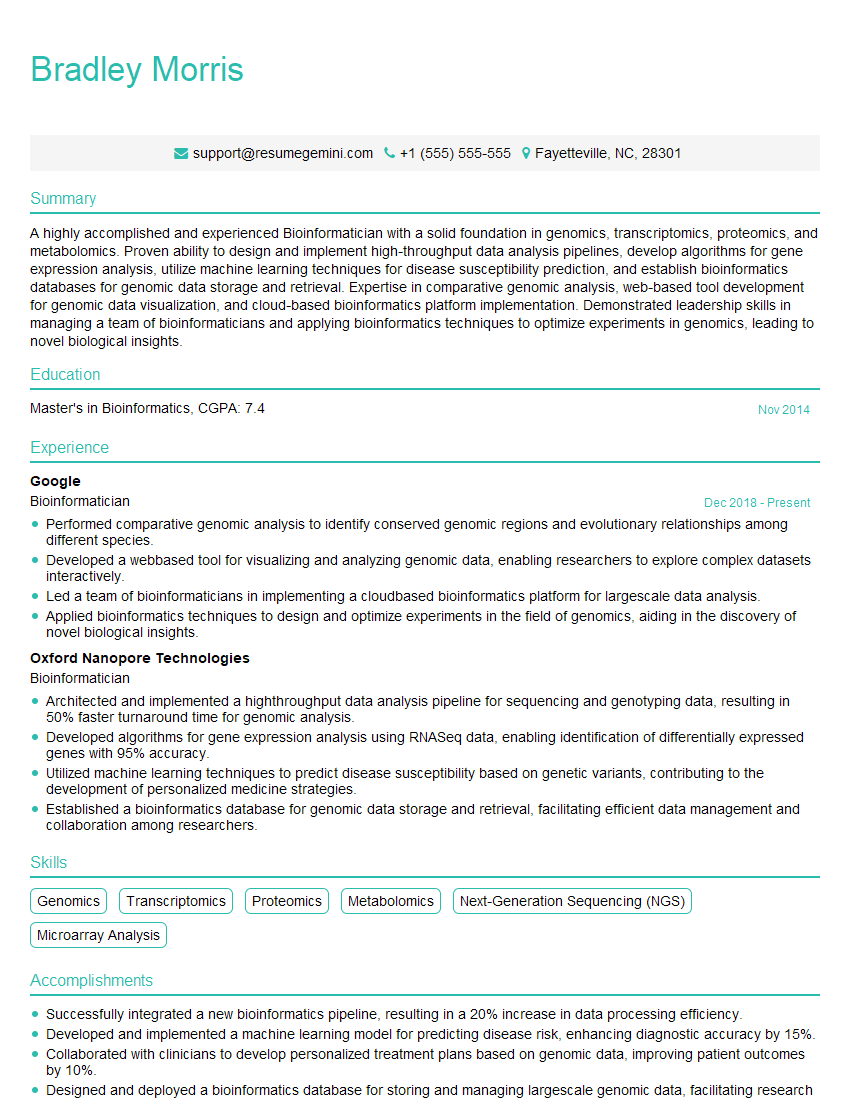
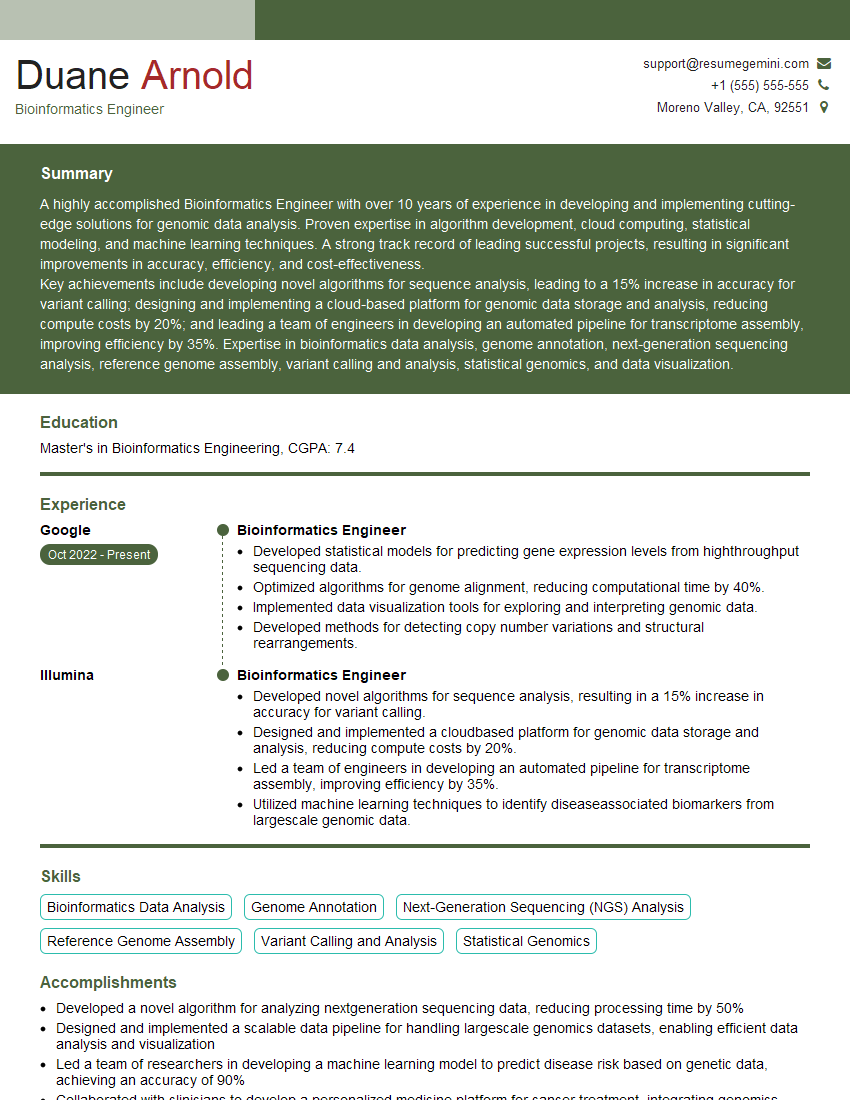
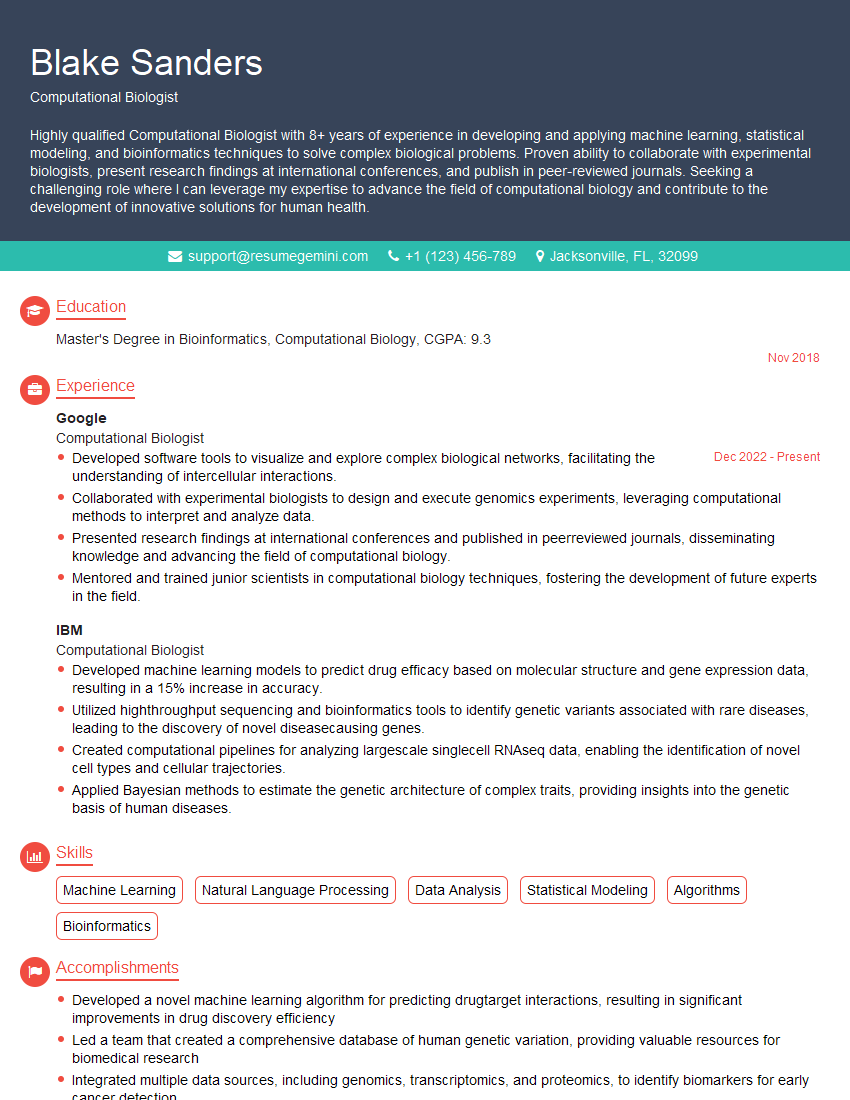
Mastering RNA-Seq analysis opens doors to exciting career opportunities in genomics, bioinformatics, and pharmaceutical research. A strong understanding of this technology is highly valued in today’s competitive job market. To maximize your chances of landing your dream role, crafting an ATS-friendly resume is crucial. ResumeGemini is a trusted resource that can help you build a professional and impactful resume tailored to highlight your RNA-Seq analysis skills. We offer examples of resumes specifically designed for RNA-Seq Analysis professionals to provide you with a head start. Take the next step in your career journey – build a resume that gets noticed!

Explore more articles
Users Rating of Our Blogs
Share Your Experience
We value your feedback! Please rate our content and share your thoughts (optional).
What Readers Say About Our Blog
hello,
Our consultant firm based in the USA and our client are interested in your products.
Could you provide your company brochure and respond from your official email id (if different from the current in use), so i can send you the client’s requirement.
Payment before production.
I await your answer.
Regards,
MrSmith
hello,
Our consultant firm based in the USA and our client are interested in your products.
Could you provide your company brochure and respond from your official email id (if different from the current in use), so i can send you the client’s requirement.
Payment before production.
I await your answer.
Regards,
MrSmith
These apartments are so amazing, posting them online would break the algorithm.
https://bit.ly/Lovely2BedsApartmentHudsonYards
Reach out at [email protected] and let’s get started!
Take a look at this stunning 2-bedroom apartment perfectly situated NYC’s coveted Hudson Yards!
https://bit.ly/Lovely2BedsApartmentHudsonYards
Live Rent Free!
https://bit.ly/LiveRentFREE
Interesting Article, I liked the depth of knowledge you’ve shared.
Helpful, thanks for sharing.
Hi, I represent a social media marketing agency and liked your blog
Hi, I represent an SEO company that specialises in getting you AI citations and higher rankings on Google. I’d like to offer you a 100% free SEO audit for your website. Would you be interested?