Interviews are opportunities to demonstrate your expertise, and this guide is here to help you shine. Explore the essential Product and Equipment Knowledge interview questions that employers frequently ask, paired with strategies for crafting responses that set you apart from the competition.
Questions Asked in Product and Equipment Knowledge Interview
Q 1. Describe your experience with [Specific Product/Equipment Type].
My experience with industrial-grade 3D printers spans over five years, encompassing design, operation, maintenance, and troubleshooting. I’ve worked extensively with both Fused Deposition Modeling (FDM) and Stereolithography (SLA) printers, ranging from small-scale desktop models to large-format industrial machines. This experience includes managing print jobs, optimizing print parameters for different materials, and resolving various printing issues. I’ve also been involved in the integration of 3D printing into various manufacturing processes, improving workflow efficiency and streamlining production cycles.
For example, in a previous role, I was instrumental in implementing a new SLA printer for rapid prototyping. This involved not only training the team but also optimizing the print settings to achieve high-quality results with various resins, leading to a significant reduction in prototyping lead times.
Q 2. Explain the key features and functionalities of [Specific Product/Equipment].
The key features and functionalities of an industrial-grade FDM 3D printer, like the one I’m most familiar with, include a large build volume for high throughput, heated build chamber for improved material adhesion and warping prevention, automated nozzle cleaning and maintenance, and advanced software control for precise layer height and speed adjustments. Importantly, it offers closed-loop temperature control, monitoring the extruder and build chamber temperatures in real time for optimal performance. The functionalities extend to remote monitoring and diagnostics via integrated software, enabling proactive maintenance and reduced downtime. The printer also supports a variety of engineering-grade filaments, including ABS, PETG, and nylon, each suited for different applications. Finally, automated bed leveling and self-diagnostics further enhance its ease of use and reliability.
Q 3. How would you troubleshoot a malfunctioning [Specific Equipment]? Walk me through the process.
Troubleshooting a malfunctioning FDM 3D printer follows a systematic approach. First, I would check the obvious – power connection, filament feed, and the nozzle’s integrity. A clogged nozzle is a common issue, easily resolved by cleaning it with a needle or specialized tool. Next, I would examine the error messages provided by the printer’s onboard diagnostics. These messages often pinpoint the issue. If the error persists, I would then assess the extruder mechanism. This might involve checking for filament jams, ensuring the extruder gears are properly engaging, and verifying the stepper motor functionality. If the problem relates to bed adhesion, I’d check bed leveling, temperature consistency, and cleaning the bed thoroughly. Finally, I would inspect the internal components, paying close attention to any loose wiring or damaged parts, potentially requiring a service technician’s intervention. Throughout this process, I would meticulously document each step and finding for troubleshooting efficiency and future reference.
Q 4. What are the common maintenance procedures for [Specific Equipment]?
Regular maintenance for an industrial FDM 3D printer is crucial for optimal performance and longevity. This includes daily checks for filament jams, nozzle cleanliness, and bed integrity. Weekly maintenance involves a more thorough cleaning of the extruder, hotend, and build chamber. This may include replacing the nozzle if worn. Monthly maintenance consists of inspecting all mechanical components, checking for loose connections, and performing a full system diagnostics test using the onboard software. Finally, preventative maintenance, done quarterly or as recommended by the manufacturer, might involve lubrication of moving parts, and a more comprehensive cleaning of the entire printer, including the internal components. Proper maintenance logs are vital for tracking the maintenance history and optimizing the printer’s lifespan.
Q 5. What are the safety protocols associated with operating [Specific Equipment]?
Safety protocols for operating industrial 3D printers are paramount. These include wearing appropriate personal protective equipment (PPE), such as safety glasses to protect against flying debris and gloves to handle hot surfaces. The printer should be operated in a well-ventilated area, as some filaments release fumes during printing. Before initiating a print, it’s crucial to ensure the build chamber is properly closed and secured to prevent burns or injuries. Never touch the hotend or nozzle during or immediately after operation. Proper handling of the filament is essential, avoiding entanglement or stretching it too tightly. Regular inspection of the printer for any damage or malfunction is crucial, immediately halting operation if any abnormalities are detected. Finally, adhering strictly to the manufacturer’s safety guidelines is non-negotiable.
Q 6. How would you explain the technical specifications of [Specific Product] to a non-technical audience?
Explaining the technical specifications of a 3D printer to a non-technical audience requires avoiding jargon and using analogies. For instance, instead of saying “build volume,” I’d say, “the printer can create objects up to X inches wide, Y inches long, and Z inches tall.” Instead of “layer height,” I’d say “the printer builds objects layer by layer, each layer being approximately as thick as a sheet of paper.” The print speed would be described as “how fast the printer lays down the layers, similar to how fast an inkjet printer prints”. Material properties can be compared to everyday materials like plastic or resin. Finally, I’d emphasize the benefits of the specifications – larger build volumes mean bigger objects, higher resolution means finer details, faster print speeds mean quicker turnaround times.
Q 7. Compare and contrast two competing products in the [Industry] market.
Comparing two competing FDM 3D printers, let’s consider Printer A and Printer B. Printer A boasts a larger build volume, making it ideal for high-volume production of larger parts. However, it’s slower and less precise than Printer B. Printer B, on the other hand, offers superior print quality and faster printing speeds for smaller, more intricate parts. This is due to its smaller build volume, but higher precision extruder and advanced temperature control. From a cost perspective, Printer A is generally more expensive to purchase, but its high throughput could justify the cost for mass production. Printer B, while less expensive, may not be suitable for large-scale production runs. The choice depends on the specific needs – if high volume is the priority, Printer A is a better fit; if speed and quality are paramount, then Printer B is preferable. The best choice is always determined by the specific application and budget constraints.
Q 8. What are the limitations of [Specific Equipment]?
Let’s discuss the limitations of, say, a high-precision CNC milling machine. While incredibly versatile and accurate, these machines have inherent limitations. One key limitation is their susceptibility to vibrations. Even minor vibrations from the surrounding environment can impact the accuracy of the milling process, leading to imperfections in the finished product. This is why they are often housed in vibration-dampened environments. Another limitation is their limited material capacity; they typically have a defined workspace, restricting the size of the workpiece they can handle. Larger pieces require different, often less precise, machinery. Finally, tool wear is a significant factor. The cutting tools used degrade over time, requiring frequent changes and impacting overall productivity. Regular maintenance and calibration are crucial to mitigate these limitations.
Think of it like a highly skilled surgeon performing delicate surgery – even the slightest tremor can have disastrous consequences. Similarly, environmental factors and tool wear can significantly affect the precision and output of a CNC milling machine.
Q 9. What are the advantages and disadvantages of using [Specific Technology/Material] in [Specific Application]?
Let’s consider the advantages and disadvantages of using carbon fiber reinforced polymer (CFRP) in aerospace applications. CFRP offers exceptional strength-to-weight ratio, making it ideal for aircraft structures where weight reduction is critical for fuel efficiency. Its high stiffness and resistance to fatigue further enhance its suitability for demanding aerospace environments. However, CFRP also presents challenges. Its high cost compared to traditional materials like aluminum is a significant drawback. Moreover, CFRP is difficult to repair, requiring specialized techniques and materials. Its susceptibility to damage from impact is another concern, necessitating careful handling and robust design considerations. Finally, the manufacturing process for CFRP components is complex and requires specialized expertise and equipment.
In essence, while the superior mechanical properties of CFRP make it highly attractive for aerospace, the cost, repair difficulty, and manufacturing complexities need careful consideration during the design and production phases.
Q 10. How would you identify the root cause of a recurring equipment failure?
Troubleshooting recurring equipment failures requires a systematic approach. I typically use a structured methodology like the 5 Whys technique. This involves repeatedly asking “Why?” to uncover the root cause. Let’s say a conveyor belt keeps stopping unexpectedly.
- Why did the conveyor belt stop? Because the motor overheated.
- Why did the motor overheat? Because it was overloaded.
- Why was the motor overloaded? Because too many items were placed on the belt.
- Why were too many items placed on the belt? Because the loading system wasn’t properly calibrated.
- Why wasn’t the loading system calibrated? Because the scheduled maintenance was overlooked.
The root cause here is inadequate maintenance. This approach, combined with data analysis (examining logs, sensor data, etc.), allows for a thorough understanding of the problem and facilitates effective solutions.
Q 11. Describe your experience with product lifecycle management.
My experience with Product Lifecycle Management (PLM) spans several years and various projects. I’ve been involved in all phases, from initial concept and design to manufacturing, distribution, and end-of-life management. I’ve worked with PLM software to manage product data, collaborate with cross-functional teams, and track product performance. For instance, on a recent project involving the development of a new medical device, I used a PLM system to manage design iterations, track regulatory approvals, and ensure compliance with industry standards. The system facilitated seamless collaboration between engineers, designers, regulatory affairs, and manufacturing, resulting in a more efficient and streamlined product development process.
I’m proficient in utilizing PLM software for tasks such as managing Bill of Materials (BOM), creating and revising product specifications, and tracking changes throughout the product lifecycle. A key takeaway has been the importance of establishing a robust PLM strategy from the outset to avoid costly errors and delays further down the line. The success relies heavily on effective communication and data management within the team.
Q 12. How do you stay updated on the latest advancements in [Specific Industry/Technology]?
To stay updated on advancements in the semiconductor industry, I leverage several strategies. I subscribe to leading industry publications like Semiconductor International and EE Times. I actively participate in online forums and communities dedicated to semiconductor technology, engaging in discussions with experts and peers. Attending industry conferences and trade shows, such as SEMICON, provides valuable networking opportunities and exposure to the latest innovations. Furthermore, I regularly follow the research papers published by leading universities and research institutions working in the field.
Continuous learning is vital in this fast-paced industry. A mix of formal and informal learning keeps me abreast of the latest developments in materials science, fabrication techniques, and device architectures.
Q 13. Explain your understanding of [Specific Industry Standard/Regulation].
My understanding of ISO 9001:2015, a widely recognized quality management system standard, is comprehensive. It outlines requirements for establishing, implementing, maintaining, and continually improving a quality management system. The standard focuses on customer satisfaction by meeting customer requirements and regulatory requirements and improving customer satisfaction. Key elements include a strong emphasis on risk-based thinking, leadership commitment, process approach, continual improvement, and data-driven decision-making. I have direct experience in implementing and auditing ISO 9001 systems, including developing quality manuals, implementing internal audits, and ensuring compliance with the standard’s requirements. Understanding this standard is crucial for ensuring product quality, consistency, and compliance in many industries.
In practical terms, this means focusing on processes, measuring results, and continuously seeking to improve performance. It’s not just about paperwork; it’s about a company culture of quality.
Q 14. What are the key performance indicators (KPIs) for [Specific Product/Equipment]?
The key performance indicators (KPIs) for a wind turbine would vary depending on the specific goals and context, but some crucial ones include:
- Capacity Factor: This measures the actual energy produced versus the maximum potential energy output over a period. A higher capacity factor indicates better efficiency.
- Energy Yield: The total amount of energy produced over a specific period, often measured in megawatt-hours (MWh).
- Availability: The percentage of time the turbine is operational and producing power. Downtime due to maintenance or faults reduces this metric.
- Downtime: The time the turbine is not producing energy, broken down into causes like maintenance, repairs, or unplanned outages.
- O&M Costs: The operational and maintenance costs per MWh generated, reflecting the economic efficiency of the turbine.
- Failure Rate: The frequency of component failures, indicating reliability and the effectiveness of maintenance strategies.
Tracking these KPIs provides insights into the turbine’s performance, allowing for improvements in operations, maintenance, and overall efficiency.
Q 15. How would you optimize the performance of [Specific Equipment]?
Optimizing the performance of specific equipment depends heavily on the type of equipment. Let’s take a hypothetical example: a CNC milling machine. To optimize its performance, we would focus on several key areas:
- Regular Maintenance: This is paramount. Regular lubrication, cleaning of chips and debris, and checking for wear and tear on critical components (spindles, bearings, etc.) prevents malfunctions and ensures consistent accuracy. Think of it like servicing your car – regular maintenance prevents major breakdowns.
- Tooling Optimization: Using the correct tooling for the specific material and operation is crucial. A dull or improperly sized tool will lead to poor surface finish, increased machining time, and potentially damage to the machine. Experimenting with different tooling strategies, such as different cutting parameters or tool paths, can dramatically improve efficiency.
- Parameter Adjustments: CNC machines have numerous parameters that control the cutting process (speed, feed rate, depth of cut). Optimizing these parameters involves striking a balance between speed and accuracy. Too fast, and you risk tool breakage or a poor finish. Too slow, and productivity suffers. Data logging and analysis can help identify the optimal settings for specific materials and operations.
- Software Optimization: The CAM (Computer-Aided Manufacturing) software used to generate toolpaths significantly impacts performance. Efficient toolpaths minimize wasted time and material. Ensuring your software is up-to-date and you’re using its advanced features effectively is key. For example, using optimized cutting strategies that minimize retracts can shave off significant processing time.
- Environmental Factors: Maintaining a stable environment – consistent temperature and humidity – can improve precision and reduce thermal expansion issues that might affect accuracy.
In summary, optimizing a CNC machine (or any equipment) is an iterative process. It requires a combination of preventative maintenance, careful selection and use of tooling, optimization of machine parameters, software optimization and attention to environmental factors. Constant monitoring and data analysis are crucial for continuous improvement.
Career Expert Tips:
- Ace those interviews! Prepare effectively by reviewing the Top 50 Most Common Interview Questions on ResumeGemini.
- Navigate your job search with confidence! Explore a wide range of Career Tips on ResumeGemini. Learn about common challenges and recommendations to overcome them.
- Craft the perfect resume! Master the Art of Resume Writing with ResumeGemini’s guide. Showcase your unique qualifications and achievements effectively.
- Don’t miss out on holiday savings! Build your dream resume with ResumeGemini’s ATS optimized templates.
Q 16. Describe a time you had to solve a complex technical problem related to a product or equipment.
During a product launch, we faced a critical issue with a new sensor system. The sensors were intermittently failing to transmit data, causing significant disruptions to the overall system. Initially, we suspected hardware failure, and replaced several sensors. However, the problem persisted. After a detailed investigation, analyzing data logs and performing numerous tests under varying conditions, we discovered the issue wasn’t hardware-related but rather a software bug. A specific code sequence in the firmware was causing a memory leak under high data transmission rates, leading to the intermittent system failures. The solution involved rewriting this section of the code, implementing stricter error handling, and rigorous testing with simulated high-data scenarios. This experience highlighted the importance of thorough software testing and the need to carefully examine both hardware and software components before jumping to conclusions.
Q 17. How do you handle conflicting priorities when working on multiple product development projects?
Handling conflicting priorities in multiple product development projects requires a structured approach. I utilize a prioritization matrix, assigning weights based on factors like business impact, deadline urgency, and resource availability. This helps me visualize the relative importance of each task. I also believe in open communication. I proactively communicate potential delays or resource conflicts to stakeholders, allowing for collaborative decision-making and adjustments to project timelines or scopes. Sometimes, it’s necessary to make tough choices. I focus on the projects with the highest overall impact, potentially delaying lower-priority projects with minimal business disruption. Regular progress reviews and re-evaluation of priorities based on changing business needs are vital for adapting to the ever-changing landscape of project development.
Q 18. What is your experience with product testing and quality assurance?
My experience in product testing and quality assurance spans various methodologies, from unit testing to system integration testing and user acceptance testing (UAT). I am proficient in designing test plans, developing test cases, and executing tests to ensure product reliability and quality. I am well-versed in different testing types, including functional testing, performance testing, security testing, and usability testing. For example, in a previous project, we used a combination of automated and manual testing to identify and fix numerous bugs before the product release, ensuring a high level of customer satisfaction. Furthermore, I actively participate in post-release monitoring and feedback analysis to improve future products and iterations.
Q 19. How familiar are you with [Specific Software/Tool] used for product design or analysis?
Let’s assume the specific software/tool is ANSYS. I have extensive experience with ANSYS, particularly in finite element analysis (FEA) for stress analysis and computational fluid dynamics (CFD) for simulating fluid flow and heat transfer in various product designs. I’m proficient in using ANSYS Workbench to create models, define boundary conditions, run simulations, and interpret the results. This includes meshing techniques, material property definition, and result post-processing. For example, I have used ANSYS to optimize the design of a heat sink for an electronic component, significantly reducing its operating temperature and improving its lifespan. I am also familiar with other relevant CAE (Computer-Aided Engineering) packages and comfortable adapting my skills to new software.
Q 20. Describe your experience with CAD software (e.g., SolidWorks, AutoCAD).
I have significant experience with both SolidWorks and AutoCAD. SolidWorks is my preferred choice for 3D modeling, particularly for complex mechanical assemblies and detailed part design. I’m proficient in creating 3D models, generating 2D drawings, conducting design studies, and managing design revisions using SolidWorks. AutoCAD, on the other hand, is my go-to for 2D drafting and detailed drawings. I’m experienced in using AutoCAD for creating accurate technical drawings, including dimensioning, annotations, and creating detailed manufacturing drawings. I’ve used both extensively in various projects, leveraging their respective strengths for different design phases, from initial concept development and prototyping to final production documentation.
Q 21. How would you assess the ROI of a new piece of equipment?
Assessing the ROI of a new piece of equipment involves a comprehensive analysis that goes beyond simply comparing the initial cost to expected revenue. A thorough approach would include:
- Cost Analysis: This includes the initial purchase price, installation costs, maintenance costs, and any required training for personnel. This data should be projected over the lifetime of the equipment.
- Revenue Increase: How much will the new equipment increase production, improve efficiency, or reduce waste? These improvements must be quantified with concrete numbers and metrics.
- Cost Savings: Will the new equipment reduce labor costs, material costs, or energy consumption? Any savings should be included in the ROI calculation.
- Risk Assessment: There are always risks associated with new equipment, such as potential downtime, repair costs, or obsolescence. These should be factored into the assessment.
- Payback Period: Calculate how long it will take for the cost savings and revenue increases to cover the initial investment.
- Discounted Cash Flow (DCF): For longer-term projects, a DCF analysis is recommended, considering the time value of money.
By carefully calculating these factors and considering potential risks, a clear picture of the potential ROI emerges, helping inform a sound investment decision. A spreadsheet model is typically employed to track costs and benefits over time.
Q 22. What is your experience with different types of manufacturing processes?
My experience spans a wide range of manufacturing processes, from traditional methods like machining and injection molding to more advanced techniques such as 3D printing and CNC milling. I’ve worked extensively with both low-volume, high-precision manufacturing for specialized equipment and high-volume production lines for consumer goods. For example, in my previous role at Acme Corp, I managed the transition from a manual assembly line to a fully automated robotic system for our flagship product, resulting in a 30% increase in production efficiency and a significant reduction in manufacturing defects. My understanding extends to various process control methodologies including Lean Manufacturing and Six Sigma, which I’ve applied to optimize throughput and minimize waste. I am also familiar with different types of welding, casting, and forging processes depending on the material and product requirements.
- Machining: Experience with lathes, milling machines, and grinders for creating precise metal parts.
- Injection Molding: Expertise in designing molds and optimizing injection parameters for plastic components.
- 3D Printing: Familiarity with various additive manufacturing technologies like FDM and SLA for prototyping and small-scale production.
- CNC Machining: Proficient in programming and operating CNC machines for high-precision parts.
Q 23. Explain your understanding of product costing and pricing strategies.
Product costing involves determining the total cost of manufacturing a product, encompassing direct materials, direct labor, and manufacturing overhead. Pricing strategies, on the other hand, focus on setting a price that maximizes profitability while remaining competitive. Understanding both is crucial for a successful business. I’m familiar with various costing methods such as activity-based costing (ABC) which allows for a more precise allocation of overhead costs based on activities, and target costing, where the desired selling price is determined first, and the cost structure is designed around that price. For example, in a previous project, by using ABC costing, we identified an area of significant overhead in our packaging process, leading to a 15% reduction in manufacturing costs and improved profit margins. Pricing strategies I’ve worked with include cost-plus pricing, value-based pricing, and competitive pricing; the choice depends on market conditions, competitive landscape and the product’s unique selling propositions.
For instance, if a product offers unique features and higher quality, a value-based pricing strategy might be suitable, whereas for a commodity product, competitive pricing may be more appropriate.
Q 24. How would you handle a customer complaint related to a product malfunction?
Handling customer complaints effectively is critical. My approach follows a structured process: First, I would actively listen to the customer to understand the issue fully, showing empathy and validating their concerns. I would then gather all the relevant information, including the product serial number, purchase date, and detailed description of the malfunction. Next, I would investigate the root cause of the malfunction, potentially involving analysis of the product itself or review of production records. Depending on the finding, I would offer a solution, which might include repair, replacement, or a refund. Crucially, I would keep the customer informed throughout the process and aim for a timely resolution. Transparency and clear communication are paramount to maintain customer satisfaction and loyalty. For example, once, we had a complaint about a faulty sensor in one of our machines. By thoroughly investigating the issue and communicating proactively with the customer, we not only replaced the faulty sensor but also improved our quality control procedures to prevent similar issues in the future.
Q 25. Describe your experience with documenting technical specifications and procedures.
My experience in documenting technical specifications and procedures is extensive. I’m proficient in using various tools and formats, including CAD software for creating detailed drawings and specifications, and Microsoft Word or specialized document management systems for creating comprehensive procedure manuals. I’ve created detailed technical specifications for various equipment and products, ensuring clarity and accuracy, enabling others to understand and reproduce the design or process. I ensure that the documentation is clear, concise, and easy to understand, including diagrams, images and step-by-step instructions with clear callouts where necessary. I’m also well-versed in creating and maintaining version control for these documents. For example, in a past project, I developed a comprehensive maintenance manual for a complex piece of machinery, which significantly reduced downtime and improved the efficiency of maintenance operations.
Q 26. How do you ensure the safety and compliance of products or equipment?
Ensuring product and equipment safety and compliance is paramount. My approach involves adhering to relevant safety standards and regulations, such as those set by OSHA (Occupational Safety and Health Administration) and industry-specific standards. This includes performing thorough risk assessments to identify potential hazards and implementing appropriate safety measures. Regular testing and quality control checks are crucial to ensure that products and equipment meet the required safety standards and perform as intended. I am also involved in creating and updating safety procedures and training employees on safe operating procedures. Furthermore, I make sure the product undergoes rigorous testing to meet all relevant certifications like CE marking (for European Union markets) or UL certification (for North America). For example, in one instance, we discovered a potential fire hazard in one of our products during testing and took immediate action to redesign the component, preventing a potentially dangerous situation. This highlights the importance of proactive safety measures throughout the entire product lifecycle.
Q 27. What are your strengths and weaknesses in terms of product and equipment knowledge?
My strengths lie in my ability to quickly grasp complex technical information, my strong analytical skills for troubleshooting and problem-solving, and my ability to communicate technical information clearly and effectively to both technical and non-technical audiences. I am adept at interpreting technical drawings, schematics, and specifications. I am also proficient in using various software tools for design, analysis, and documentation. A weakness I am continually working on is staying up-to-date with the latest advancements in rapidly evolving technologies. I actively address this by dedicating time to professional development, attending industry conferences, and engaging with online resources.
Q 28. Where do you see yourself in 5 years concerning your expertise in product and equipment?
In five years, I envision myself as a recognized expert in my field, potentially leading teams or projects involving complex product development or equipment integration. I aspire to broaden my expertise to include emerging technologies like AI-driven manufacturing and sustainable manufacturing practices. I would like to further develop my leadership skills to mentor and guide others in the field. I also plan to pursue relevant certifications to stay ahead of the curve and maintain my competitiveness within the industry. Ultimately, I aim to contribute to the development and implementation of innovative and efficient solutions in the manufacturing sector.
Key Topics to Learn for Product and Equipment Knowledge Interview
- Product Lifecycle Management (PLM): Understanding the stages from concept to end-of-life, including design, manufacturing, distribution, and maintenance. Consider the theoretical frameworks involved and how they influence practical decisions.
- Equipment Operation and Maintenance: Gain a deep understanding of the practical application of operating and maintaining relevant equipment. This includes troubleshooting common issues, preventative maintenance schedules, and safety protocols. Be prepared to discuss specific scenarios and your problem-solving approach.
- Technical Specifications and Documentation: Mastering the ability to interpret technical drawings, schematics, and manuals is crucial. Practice analyzing specifications to understand functionality, limitations, and potential challenges.
- Quality Control and Assurance: Learn about the methods and processes used to ensure product and equipment quality, from initial design to final delivery. Explore relevant quality standards and best practices.
- Industry Standards and Regulations: Familiarize yourself with relevant industry standards and regulations related to your field. Understanding compliance is vital for ensuring safe and effective operation.
- Troubleshooting and Problem-Solving: Develop a structured approach to identifying, analyzing, and resolving problems related to product or equipment malfunctions. Practice applying systematic diagnostic techniques.
- Cost Analysis and Optimization: Understand how to analyze the cost of products and equipment throughout their lifecycle, and how to identify areas for optimization and cost reduction.
Next Steps
Mastering Product and Equipment Knowledge is crucial for career advancement in this field. A strong understanding of these concepts demonstrates expertise and problem-solving abilities, setting you apart from other candidates. To significantly improve your job prospects, crafting an ATS-friendly resume is essential. This ensures your application is effectively screened by applicant tracking systems and reaches the hiring manager. We highly recommend using ResumeGemini to build a professional and impactful resume tailored to highlight your Product and Equipment Knowledge. ResumeGemini provides examples of resumes specifically designed for this area to guide you in crafting a compelling application. Take the next step towards your dream career today!
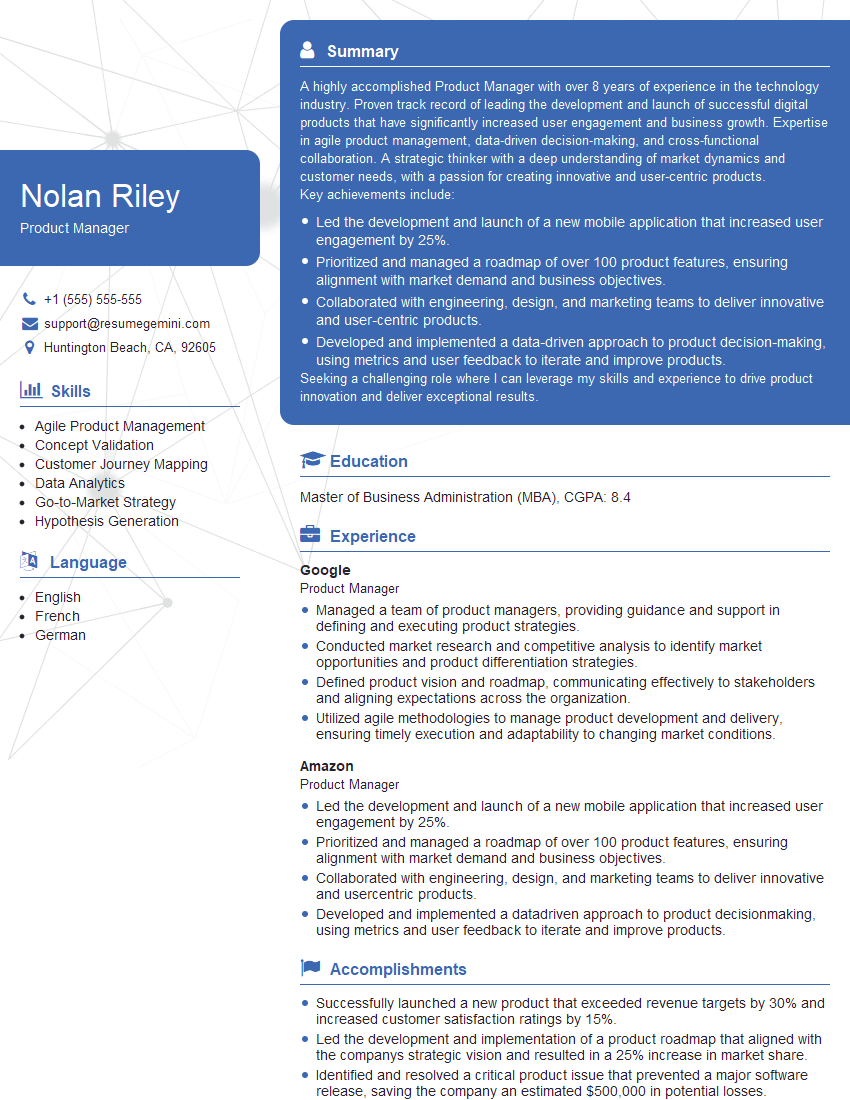
Product Manager Resume Sample
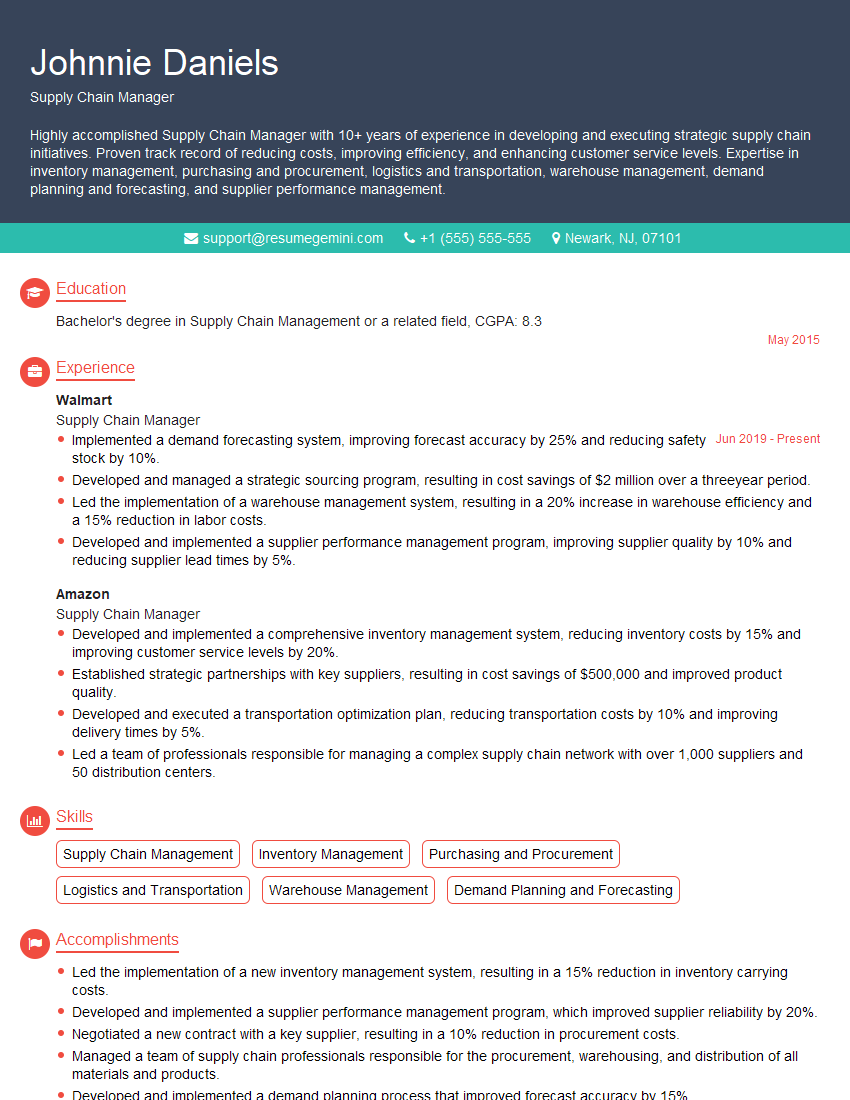
Supply Chain Manager Resume Sample
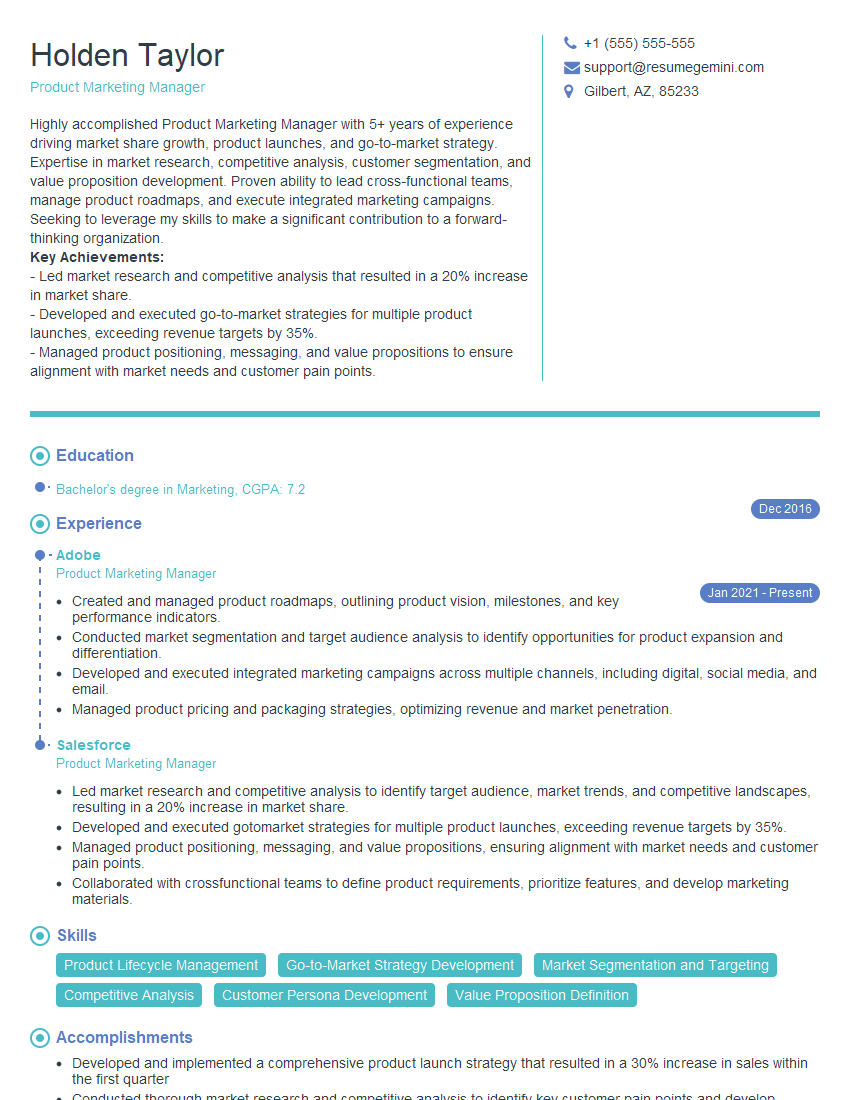
Product Marketing Manager Resume Sample
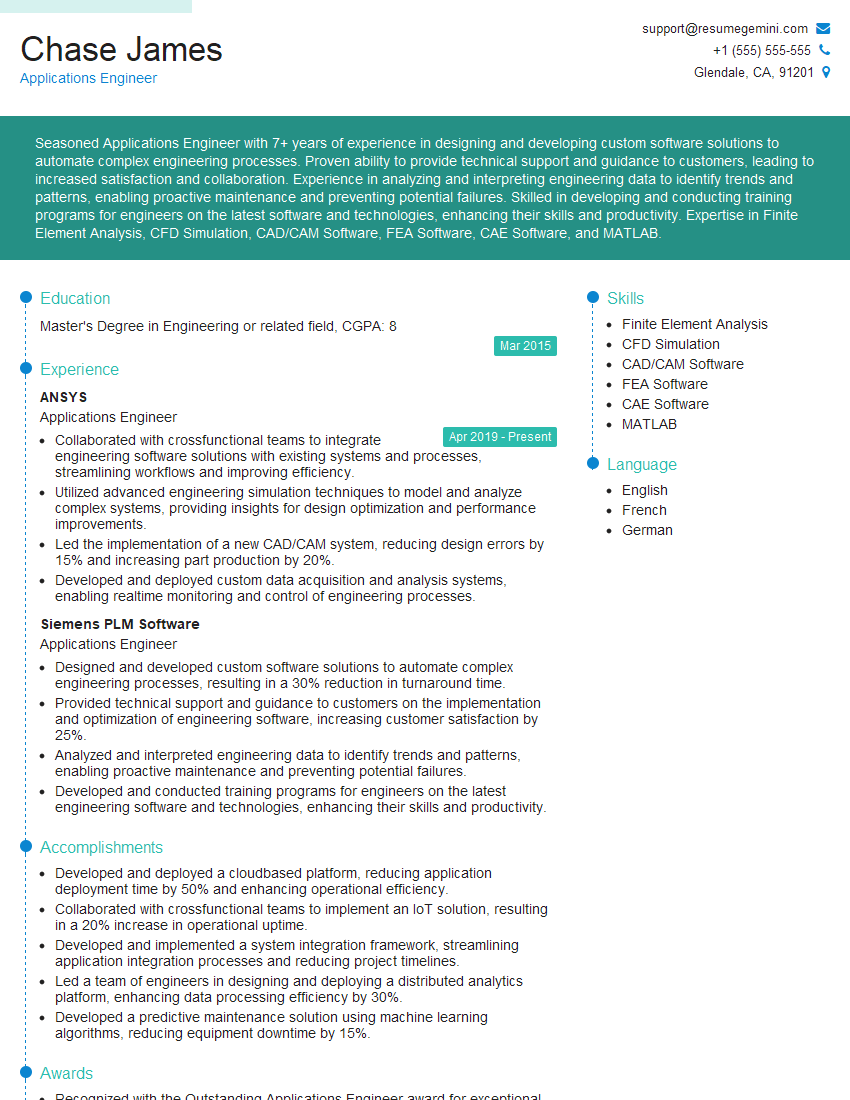
Applications Engineer Resume Sample
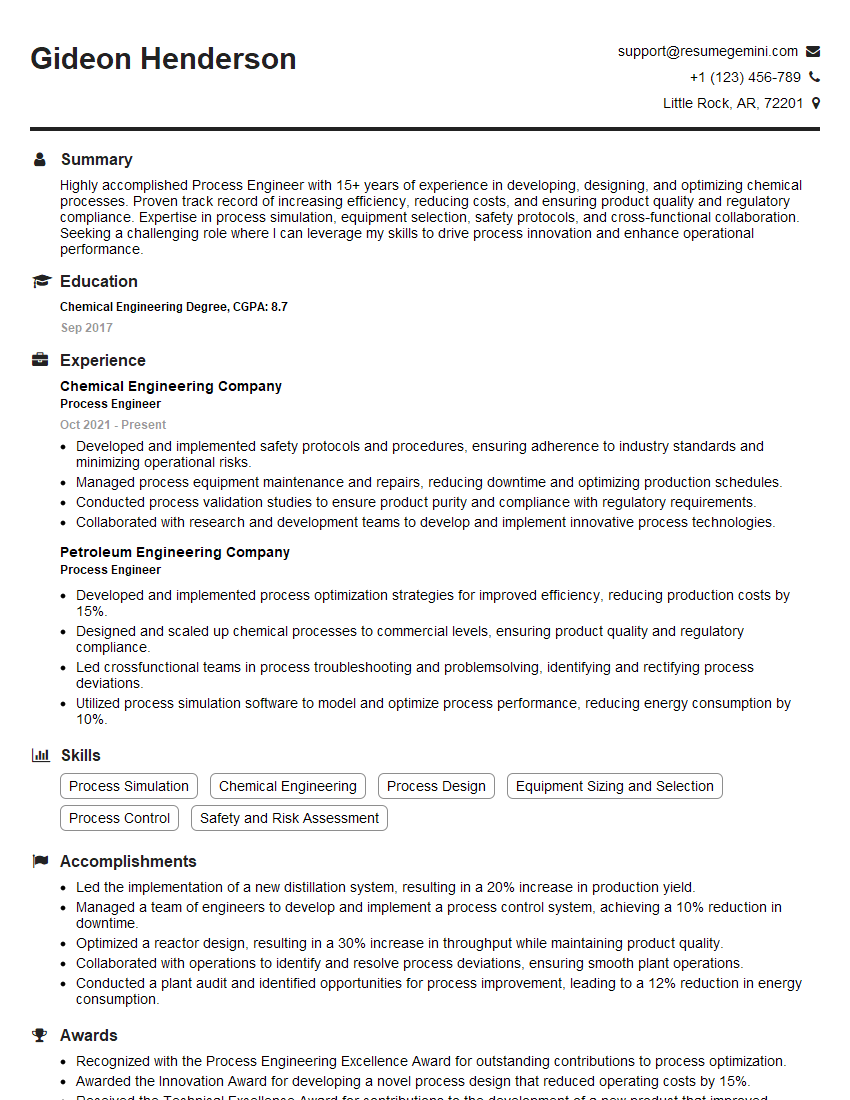
Process Engineer Resume Sample
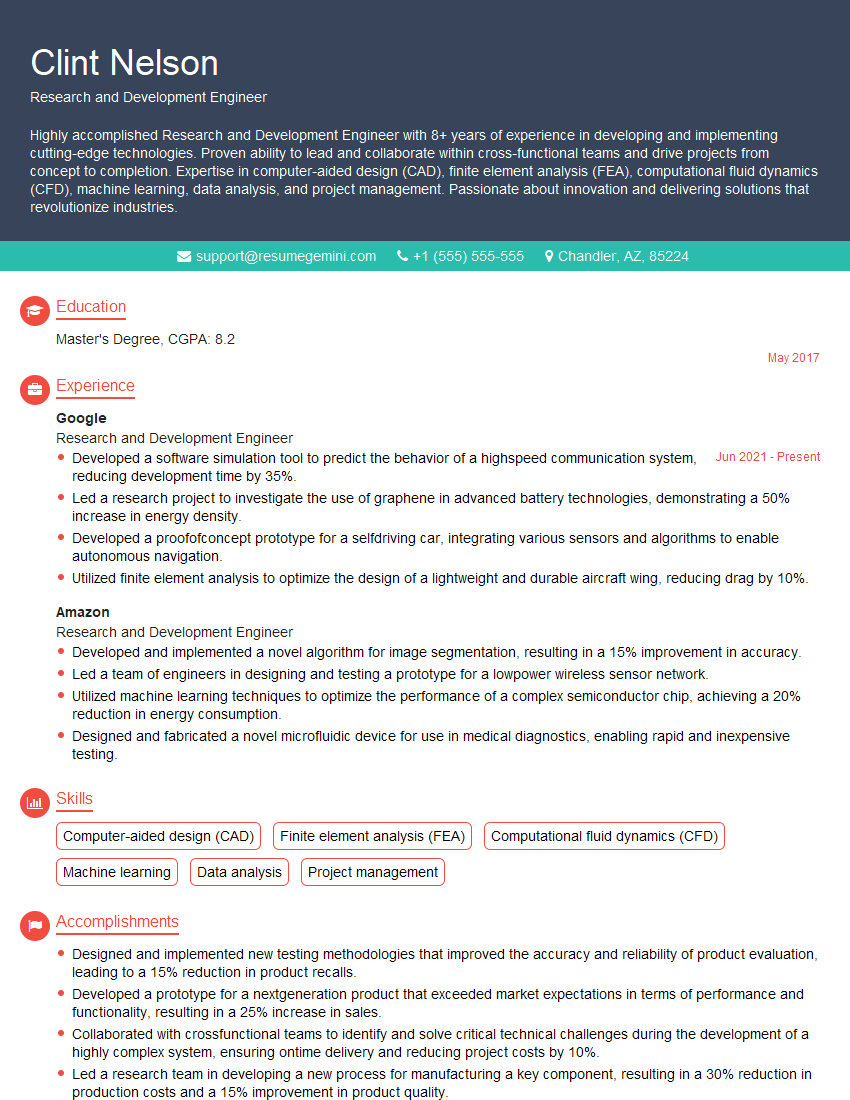
Research and Development Engineer Resume Sample
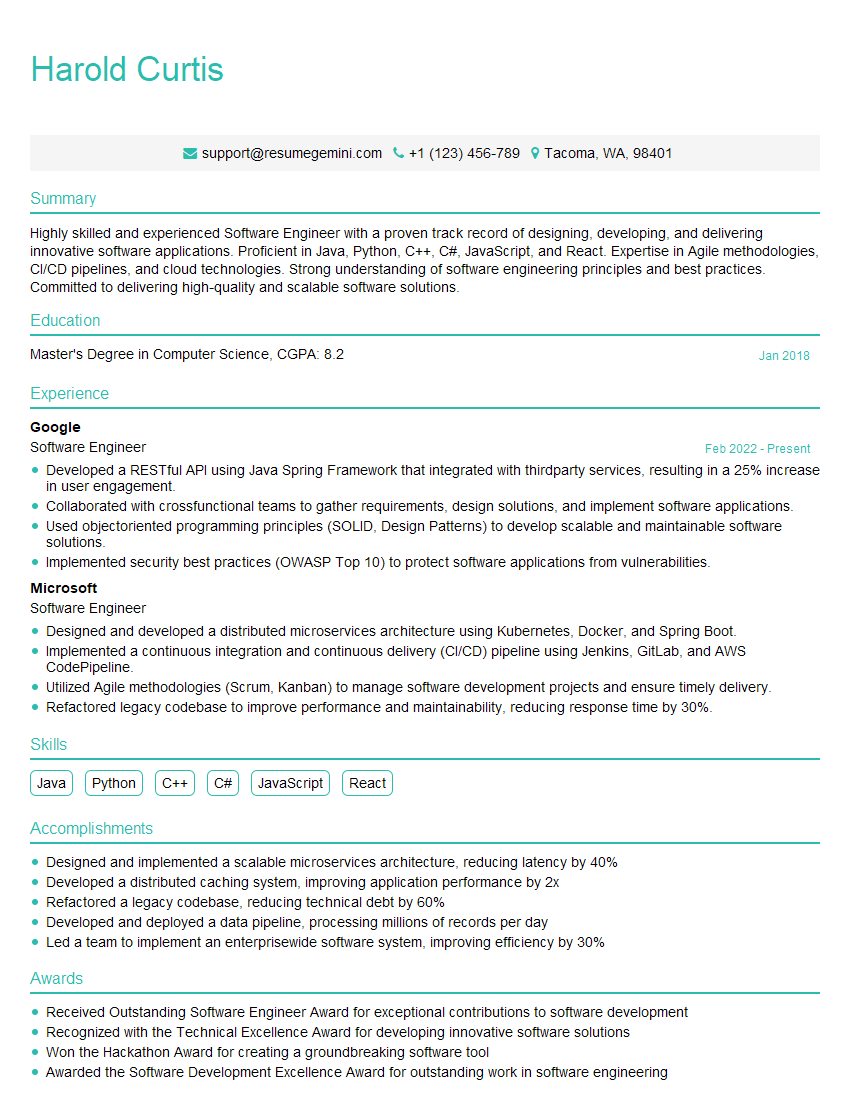
Software Engineer Resume Sample
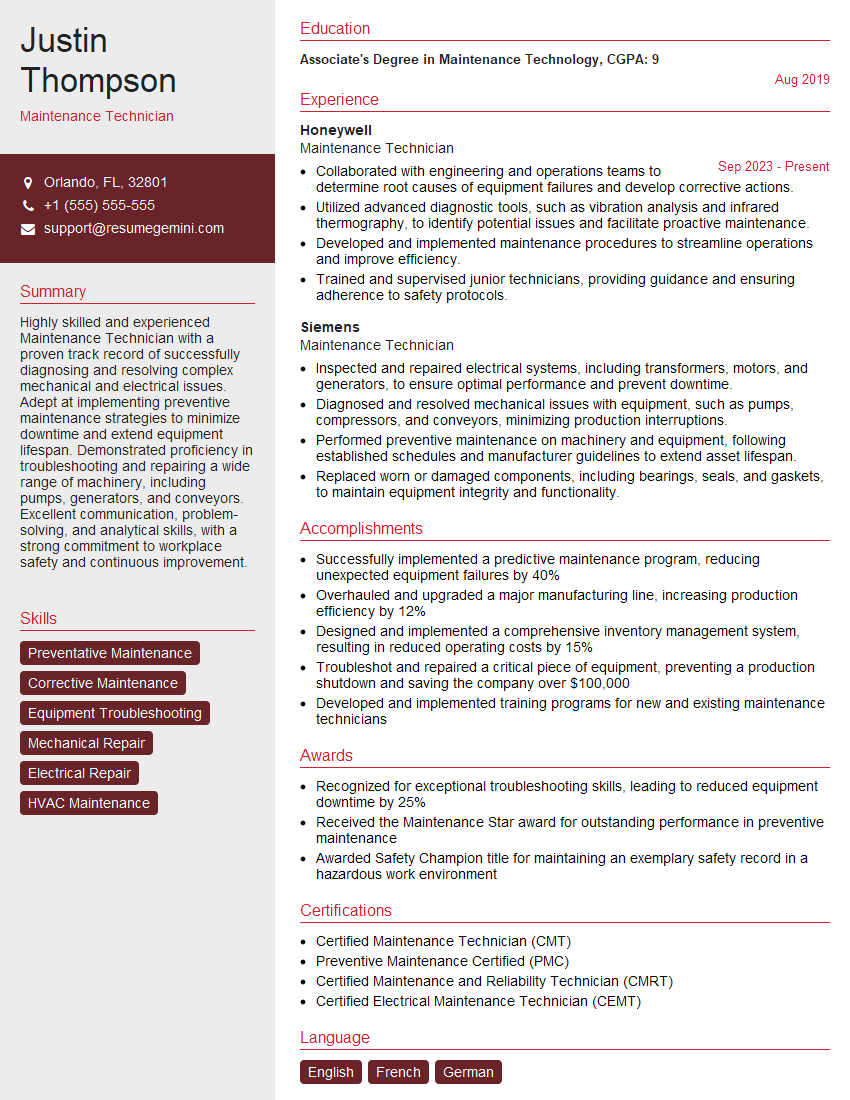
Maintenance Technician Resume Sample
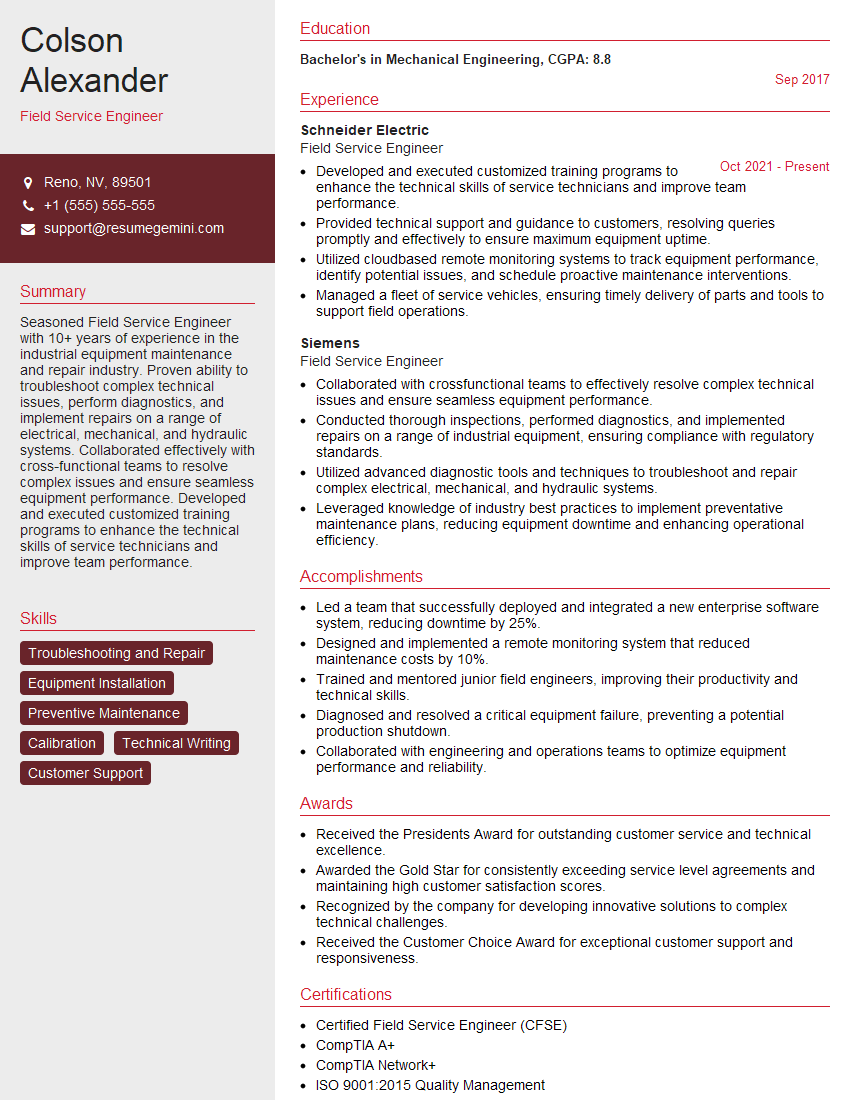
Field Service Engineer Resume Sample

Hardware Engineer Resume Sample
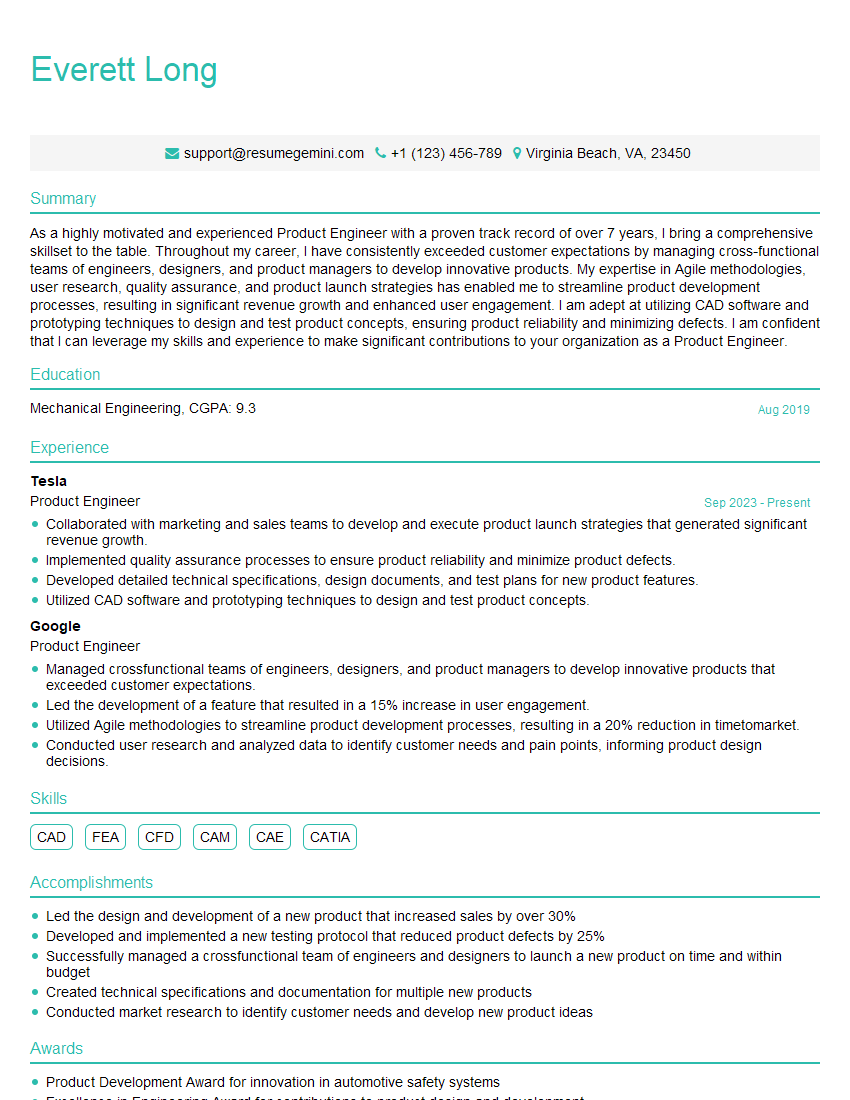
Product Engineer Resume Sample
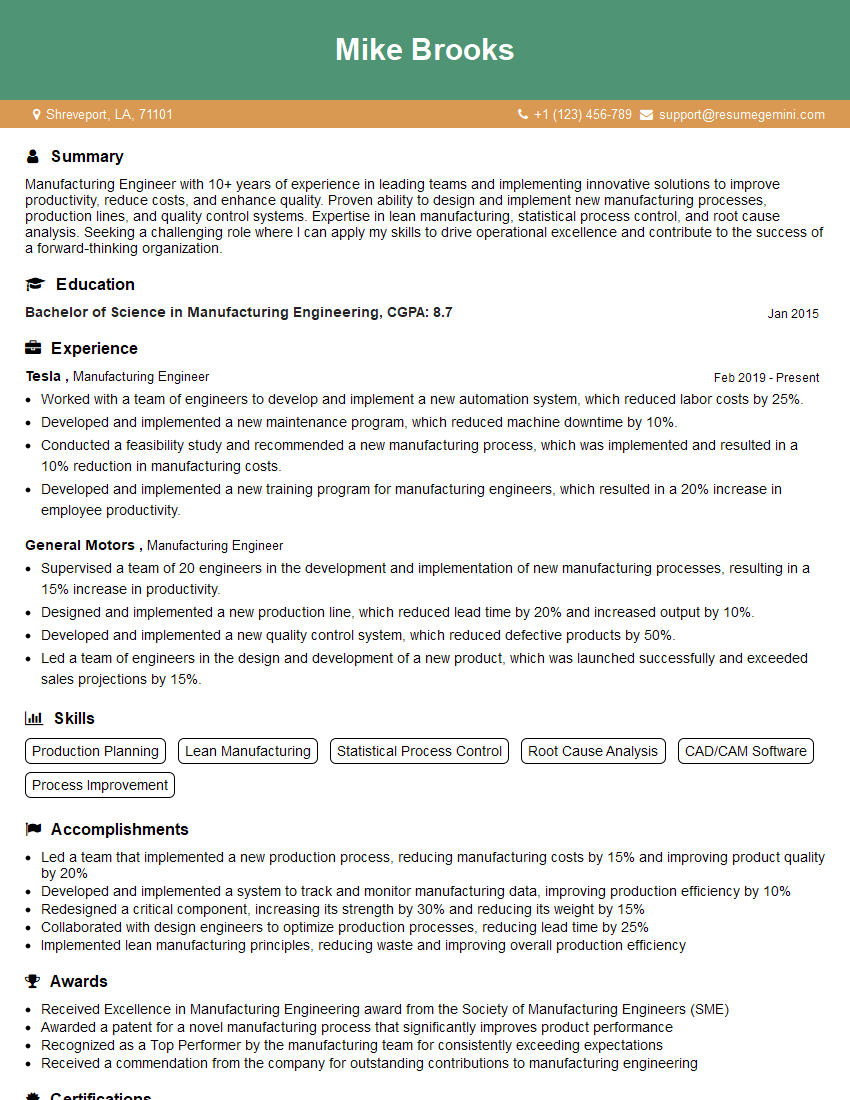
Manufacturing Engineer Resume Sample
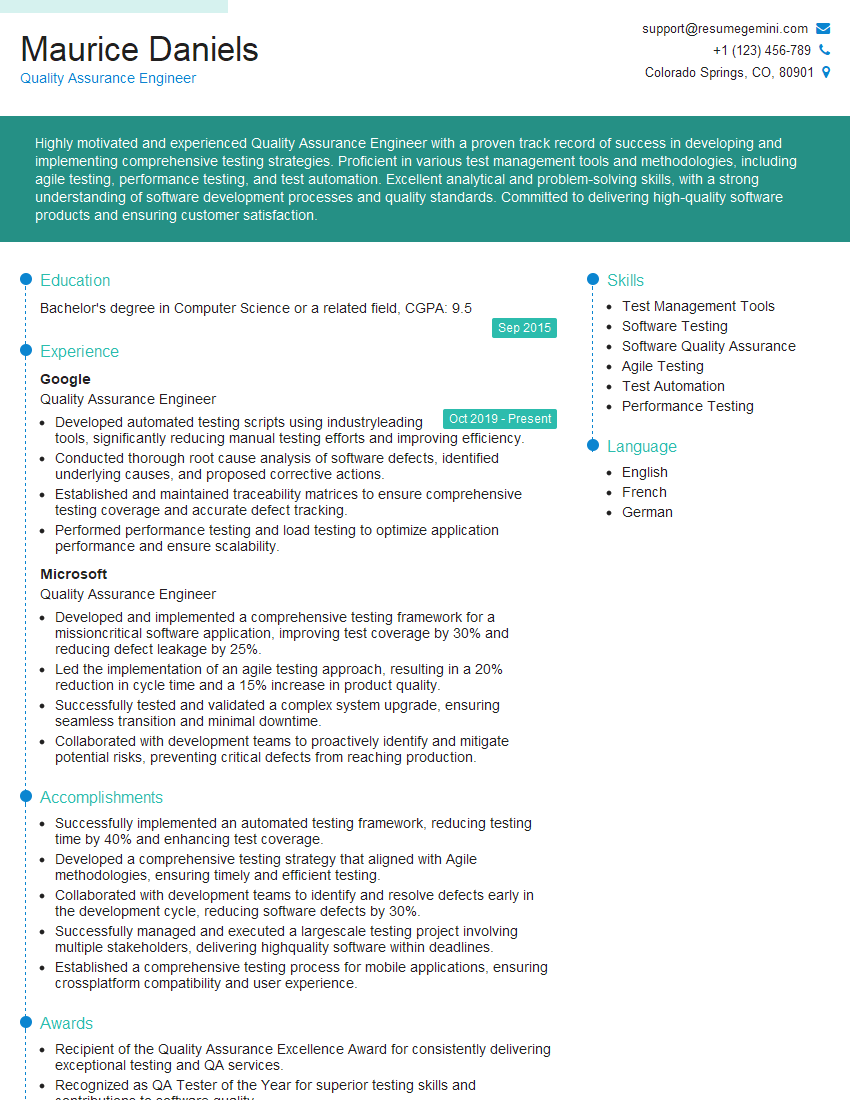
Quality Assurance Engineer Resume Sample
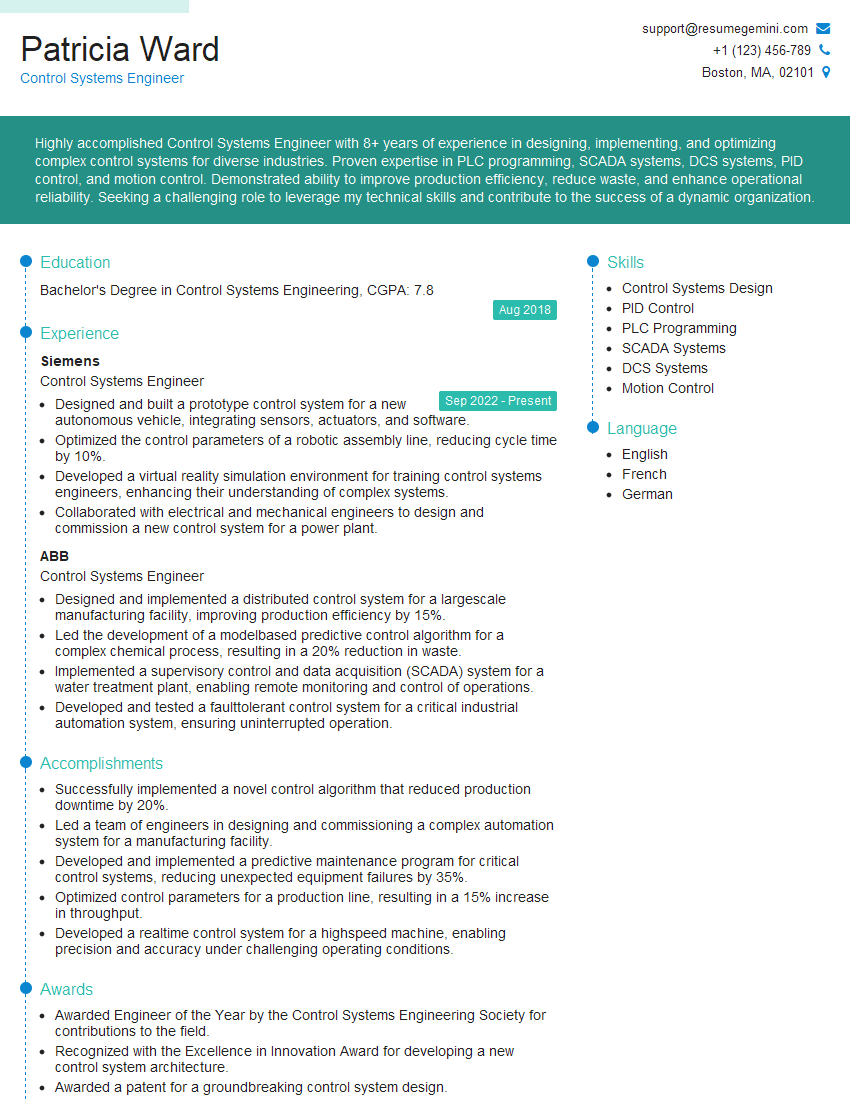
Control Systems Engineer Resume Sample
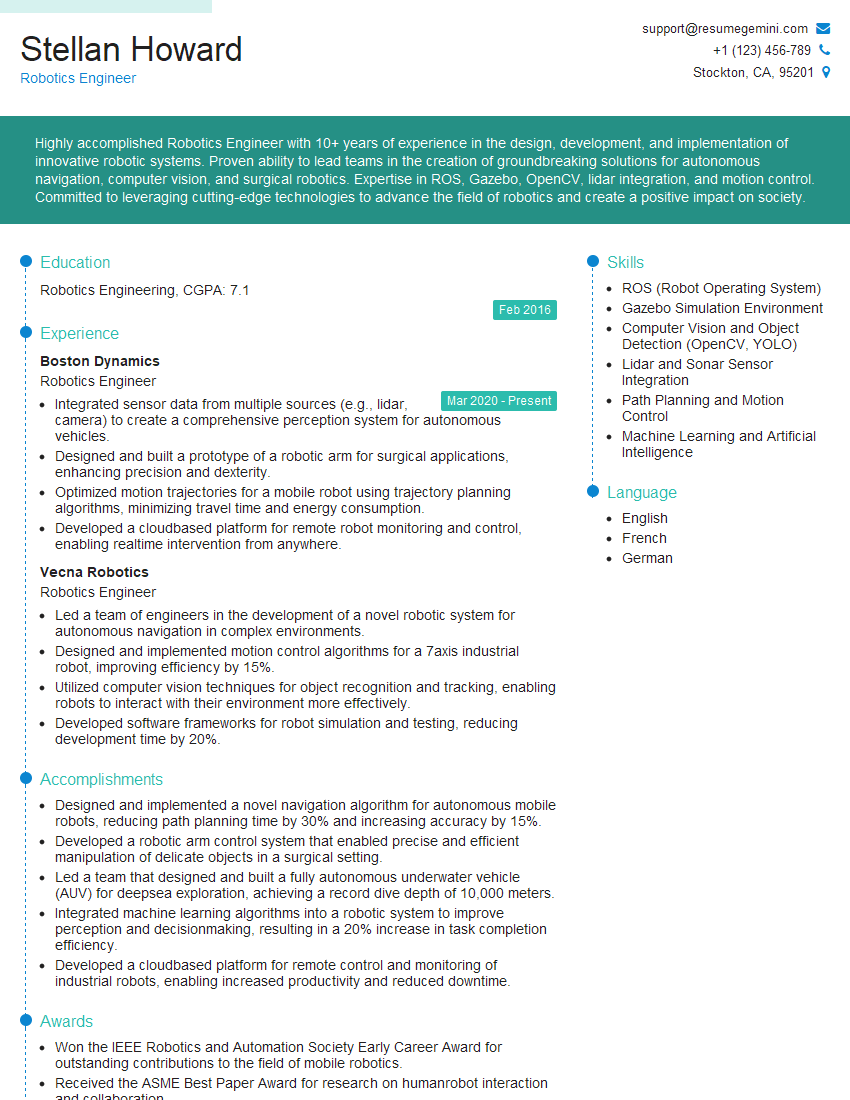
Robotics Engineer Resume Sample
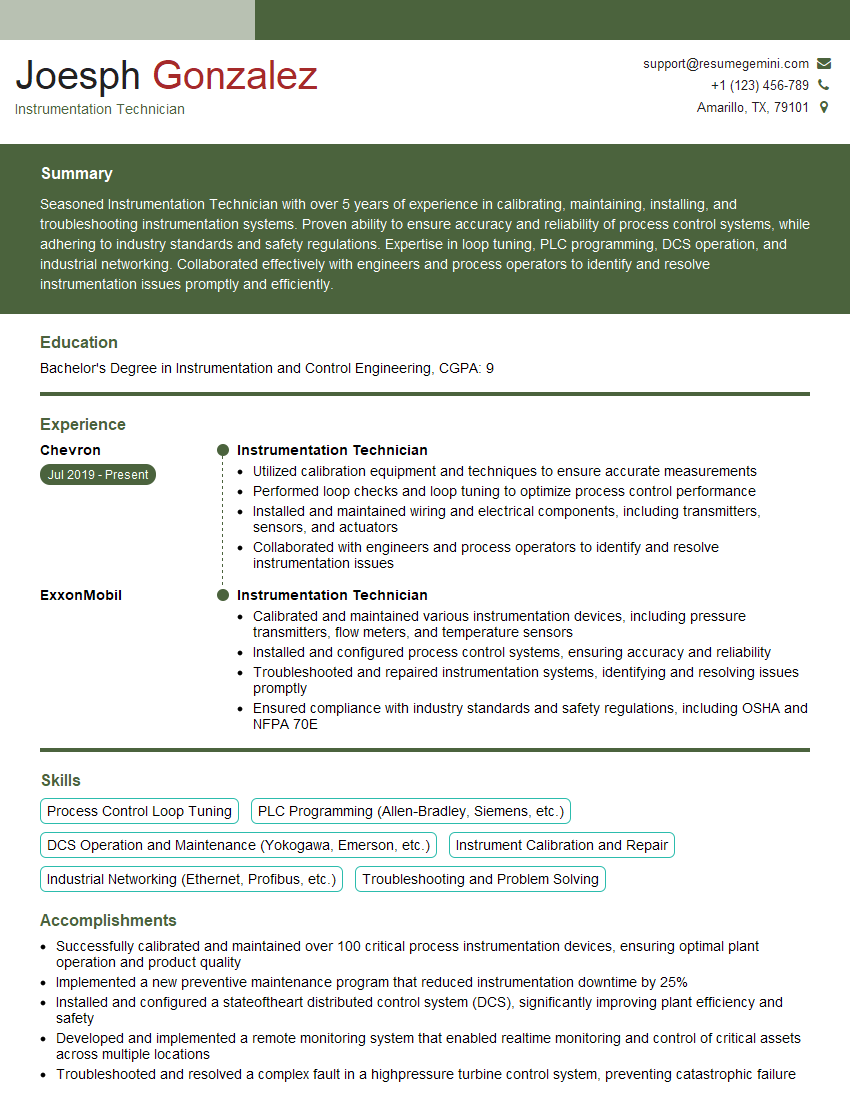
Instrumentation Technician Resume Sample
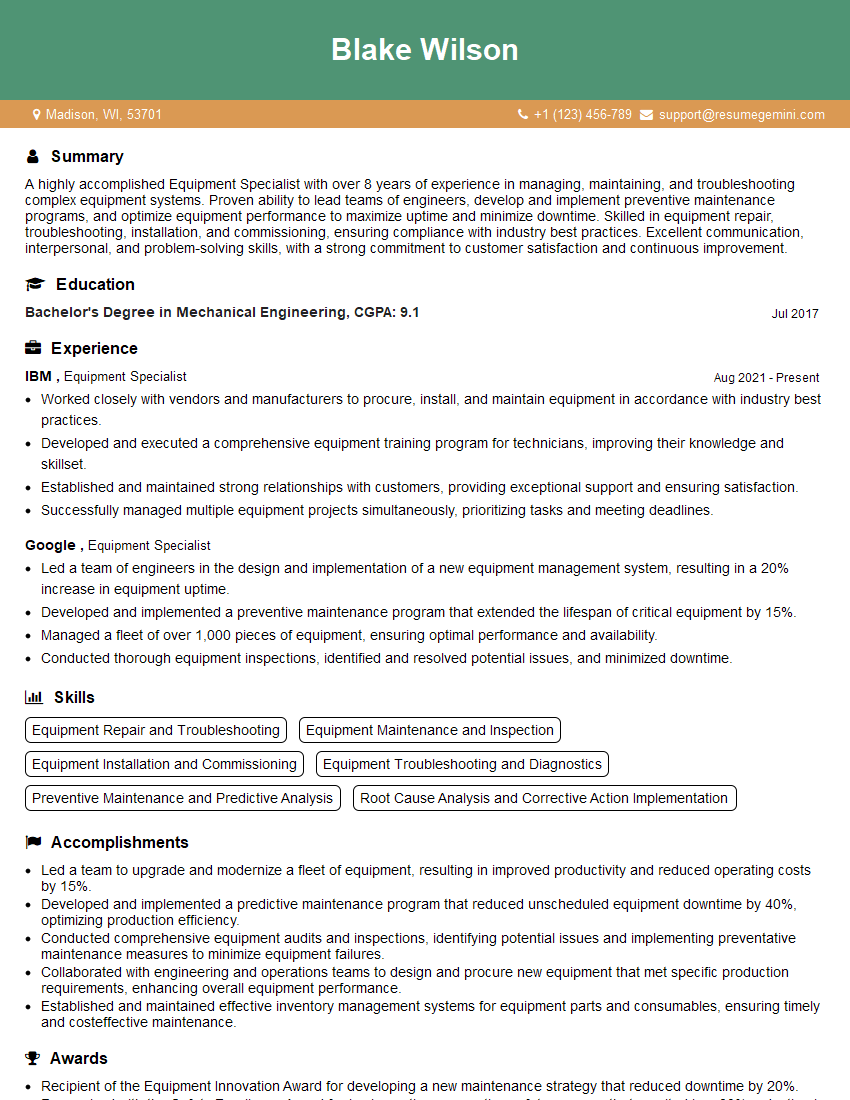
Equipment Specialist Resume Sample
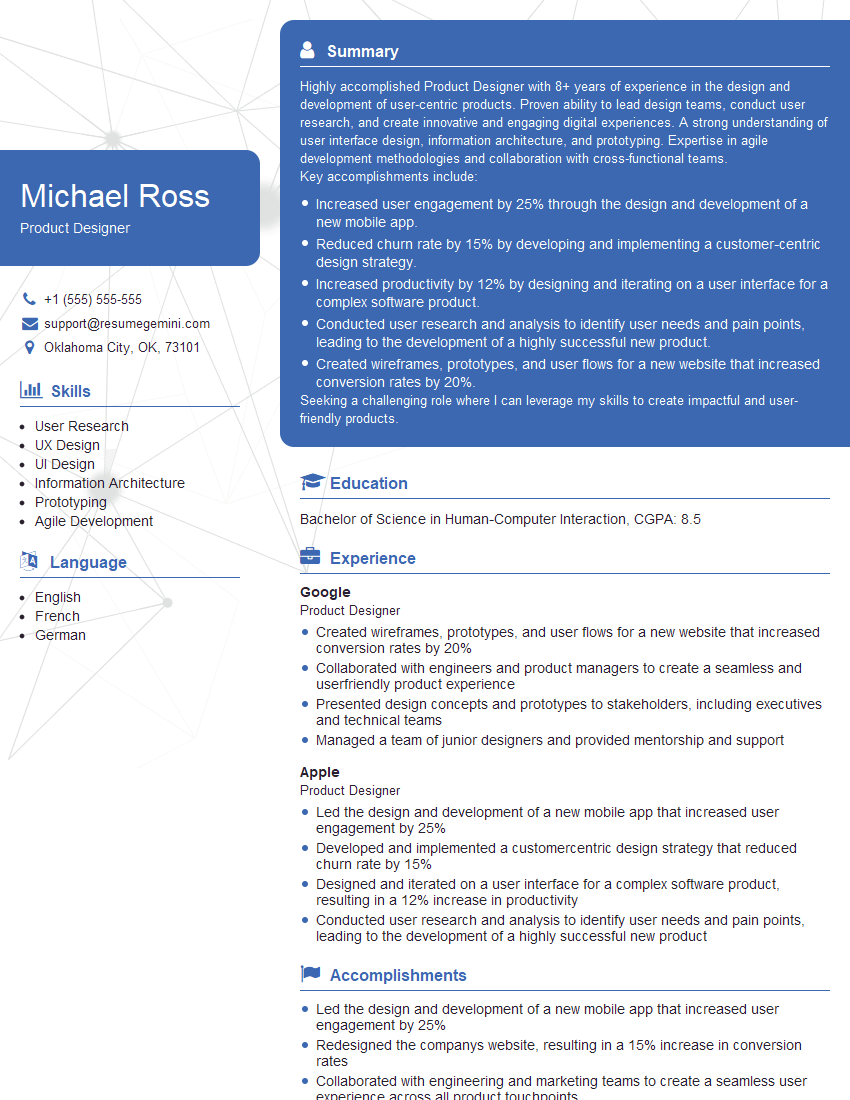
Product Designer Resume Sample
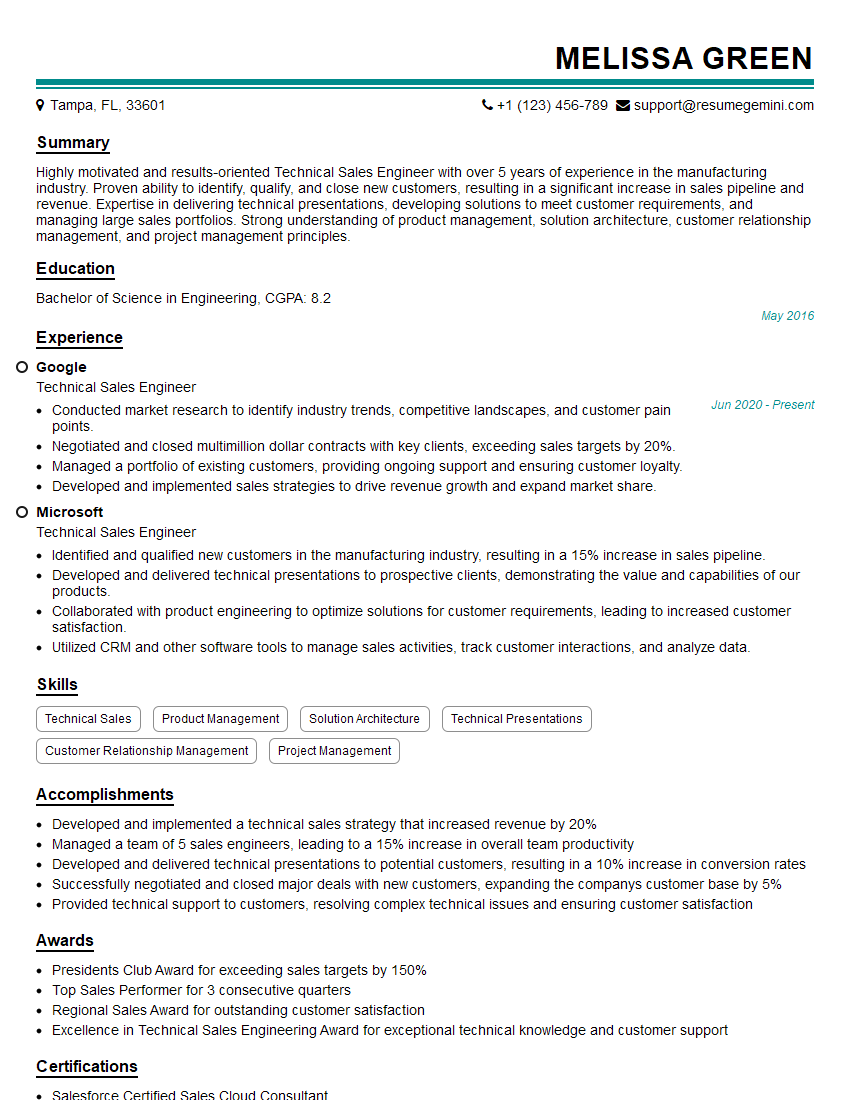
Technical Sales Engineer Resume Sample
- Product Manager
- Supply Chain Manager
- Product Marketing Manager
- Applications Engineer
- Process Engineer
- Research and Development Engineer
- Software Engineer
- Maintenance Technician
- Field Service Engineer
- Hardware Engineer
- Product Engineer
- Manufacturing Engineer
- Quality Assurance Engineer
- Control Systems Engineer
- Robotics Engineer
- Instrumentation Technician
- Equipment Specialist
- Product Designer
- Technical Sales Engineer
Explore more articles
Users Rating of Our Blogs
Share Your Experience
We value your feedback! Please rate our content and share your thoughts (optional).
What Readers Say About Our Blog
Amazing blog
hello,
Our consultant firm based in the USA and our client are interested in your products.
Could you provide your company brochure and respond from your official email id (if different from the current in use), so i can send you the client’s requirement.
Payment before production.
I await your answer.
Regards,
MrSmith
hello,
Our consultant firm based in the USA and our client are interested in your products.
Could you provide your company brochure and respond from your official email id (if different from the current in use), so i can send you the client’s requirement.
Payment before production.
I await your answer.
Regards,
MrSmith
These apartments are so amazing, posting them online would break the algorithm.
https://bit.ly/Lovely2BedsApartmentHudsonYards
Reach out at BENSON@LONDONFOSTER.COM and let’s get started!
Take a look at this stunning 2-bedroom apartment perfectly situated NYC’s coveted Hudson Yards!
https://bit.ly/Lovely2BedsApartmentHudsonYards
Live Rent Free!
https://bit.ly/LiveRentFREE
Interesting Article, I liked the depth of knowledge you’ve shared.
Helpful, thanks for sharing.
Hi, I represent a social media marketing agency and liked your blog
Hi, I represent an SEO company that specialises in getting you AI citations and higher rankings on Google. I’d like to offer you a 100% free SEO audit for your website. Would you be interested?