Preparation is the key to success in any interview. In this post, we’ll explore crucial Safety Compliance and Equipment Maintenance interview questions and equip you with strategies to craft impactful answers. Whether you’re a beginner or a pro, these tips will elevate your preparation.
Questions Asked in Safety Compliance and Equipment Maintenance Interview
Q 1. Explain your experience with OSHA regulations.
My experience with OSHA regulations is extensive, spanning over ten years in various industrial settings. I’ve worked directly with OSHA standards like 1910 (General Industry), 1926 (Construction), and specific regulations concerning hazardous materials, lockout/tagout procedures, and personal protective equipment (PPE). I’m proficient in interpreting and implementing these regulations, ensuring compliance through regular audits, training programs, and the development of safety protocols. For example, in my previous role at a manufacturing plant, I spearheaded a company-wide initiative to update our lockout/tagout procedures to align with the latest OSHA standards, resulting in a significant reduction in near-miss incidents. This involved not only updating documentation but also conducting extensive employee training and providing hands-on demonstrations to ensure proper understanding and application. I’ve also managed OSHA inspections, successfully navigating the process and addressing any identified deficiencies promptly and effectively. This involved compiling detailed documentation and demonstrating our commitment to workplace safety to the inspectors. My understanding extends beyond mere compliance; I actively seek out improvements and proactively implement best practices to prevent accidents and foster a culture of safety.
Q 2. Describe your approach to developing and implementing a safety program.
Developing and implementing a robust safety program requires a systematic approach. It starts with a comprehensive hazard identification, where we meticulously examine every aspect of the workplace, identifying potential risks through job safety analyses (JSAs), workplace inspections, and employee feedback. Think of it like building a house: you wouldn’t start construction without a blueprint. This hazard identification is our blueprint. Next, we conduct a risk assessment, prioritizing hazards based on their likelihood and severity. Then, we develop control measures, focusing on hierarchy of controls: elimination, substitution, engineering controls, administrative controls, and lastly, PPE. For example, if a machine poses a crushing hazard, we’d first consider eliminating the hazard (if possible), then substituting the machine with a safer alternative, then implementing engineering controls like guarding, followed by administrative controls such as work permits and detailed operating procedures, and finally, PPE like safety gloves and eye protection. Once the controls are in place, we implement training programs, tailored to specific job roles and hazards. We also establish regular auditing and monitoring procedures to ensure ongoing compliance and identify areas for improvement. It’s not a one-time event; it’s a continuous improvement cycle. Regular safety meetings, feedback mechanisms, and incident reporting systems are crucial for making the program adaptable and responsive to changing conditions. Finally, we document everything, creating a comprehensive safety manual easily accessible to all employees. Think of this as an ‘owner’s manual’ for a safe workplace.
Q 3. How do you conduct a risk assessment for equipment?
Conducting a risk assessment for equipment involves a structured process. We start by identifying all potential hazards associated with the equipment, considering aspects like moving parts, electrical hazards, chemical exposure, and ergonomic factors. Then, we analyze the likelihood of each hazard occurring and the severity of potential injuries or damage. This often involves using qualitative methods (e.g., assigning risk levels based on a matrix) or quantitative methods (e.g., using historical data on incident rates). Let’s say we’re assessing a forklift. We’d consider hazards such as collisions, tipping, and falls from the equipment. We would then assess the likelihood of these events based on factors such as the operator’s training, the condition of the forklift, and the environment in which it operates. Severity is assessed based on potential injuries (broken bones, fatalities) or property damage. Once likelihood and severity are assessed, we can determine the risk level. The higher the risk level, the more stringent the control measures need to be. This systematic process helps us prioritize our efforts and allocate resources effectively to the areas posing the greatest risk. The output of the risk assessment informs our safety recommendations and the implementation of control measures.
Q 4. What are your methods for preventing equipment failures?
Preventing equipment failures is paramount for both safety and productivity. My approach involves a multi-pronged strategy, starting with a comprehensive preventative maintenance (PM) program. This program includes regular inspections, lubrication, adjustments, and component replacements based on manufacturer recommendations and equipment history. We also utilize predictive maintenance techniques, such as vibration analysis and oil analysis, to detect potential problems before they lead to catastrophic failures. Think of it as a regular health check-up for your equipment. Regular inspections can catch minor issues before they escalate. For instance, a small crack in a weld might be easily repaired, but if ignored, could result in a complete equipment failure. Furthermore, we focus on proper operator training, ensuring employees understand the proper operating procedures, safety protocols, and the signs of impending equipment malfunction. Proper storage, and environmental controls play a vital role in preventing premature wear and tear. Finally, we keep meticulous records of all maintenance activities, allowing us to identify trends, optimize our PM schedule, and forecast potential failures. The key is proactive rather than reactive maintenance.
Q 5. Explain your experience with preventative maintenance scheduling.
My experience with preventative maintenance scheduling is centered around developing and implementing effective schedules based on various factors: manufacturer recommendations, equipment criticality, historical failure data, and cost-benefit analysis. I typically use computerized maintenance management systems (CMMS) to track maintenance activities, generate work orders, and monitor equipment performance. A CMMS allows for efficient scheduling, minimizing downtime and optimizing resource allocation. For example, a critical piece of equipment with a high failure rate might require more frequent inspections and maintenance compared to less critical equipment. We analyze historical data to identify recurring issues and adjust the PM schedule accordingly. This data-driven approach is crucial to improving efficiency and reducing unscheduled downtime. The CMMS also allows us to track the total cost of ownership for each piece of equipment, factoring in maintenance costs, repair costs, and downtime costs. This helps us make informed decisions about when and how to perform maintenance, balancing the cost of maintenance with the risk of equipment failure. This involves a careful balancing act between over-maintenance (unnecessary expense) and under-maintenance (increased risk).
Q 6. How do you troubleshoot equipment malfunctions?
Troubleshooting equipment malfunctions begins with a systematic approach. Safety is paramount; we always start by ensuring the equipment is isolated and locked out to prevent further incidents. Then, we gather information: what was the equipment doing before the failure? What error messages were displayed? What are the environmental conditions? We use a combination of diagnostic tools, visual inspection, and technical documentation (manufacturer manuals, schematics) to identify the root cause. Let’s say a conveyor belt stops working. We’d first check for obvious things like power supply, then visually inspect the belt for damage, and then move on to more complex checks like checking the motor, sensors and control system, systematically eliminating possibilities until we find the fault. We use our expertise to interpret sensor readings, analyze error codes and then perform the necessary repairs or replacements. The entire process is meticulously documented, including the steps taken, the findings, and corrective actions. This documentation is vital for future troubleshooting and preventative maintenance planning. A well-documented troubleshooting process also contributes to learning and improvement within the maintenance team.
Q 7. Describe your experience with root cause analysis.
Root cause analysis (RCA) is a critical process for identifying the underlying reasons behind incidents and equipment failures. I’m experienced in various RCA techniques, including the ‘5 Whys,’ fault tree analysis, and Fishbone diagrams. The goal is not just to fix the immediate problem, but to prevent similar incidents from happening in the future. For example, if a piece of equipment fails due to a faulty component, the ‘5 Whys’ method would help us drill down to the underlying reason for the component failure. Why did the component fail? Because it was worn out. Why was it worn out? Because it wasn’t properly lubricated. Why wasn’t it lubricated? Because the maintenance schedule wasn’t followed. Why wasn’t the maintenance schedule followed? Because of insufficient training for the maintenance personnel. This helps identify a systemic issue – inadequate training – rather than just replacing the faulty component. This approach leads to more permanent solutions, improving workplace safety and reducing costs associated with recurring problems. The findings from the RCA are then used to implement corrective and preventative actions to mitigate the risk of recurrence. This might involve revising maintenance schedules, improving training, or modifying equipment design.
Q 8. What are your skills in using CMMS software?
My CMMS software skills encompass a wide range of functionalities, from data entry and work order management to reporting and analysis. I’m proficient in several leading platforms, including IBM Maximo, SAP PM, and Fiix. I’m not just a user; I understand how to configure these systems to optimize our specific needs. For instance, in a previous role, I customized our CMMS to automatically generate preventative maintenance schedules based on equipment usage data, which significantly reduced downtime and improved predictive maintenance capabilities. I’m also adept at generating reports to track key metrics like Mean Time To Repair (MTTR), Mean Time Between Failures (MTBF), and overall equipment effectiveness (OEE), allowing for data-driven decision-making in maintenance strategy.
Beyond basic functionality, I’m experienced with integrating CMMS data with other enterprise systems, such as ERP and EAM systems, which streamlines information flow and improves overall operational efficiency. I’m comfortable training others on the system, ensuring our team effectively leverages its capabilities.
Q 9. How do you manage emergency situations related to equipment failure?
Managing equipment failures requires a swift and methodical approach. My first step is always to ensure the safety of personnel. This involves immediately isolating the affected equipment and establishing a safe perimeter. Then, I follow a structured emergency response plan that involves:
- Assessment: Quickly determining the nature and extent of the failure, identifying potential hazards, and assessing the urgency of the situation.
- Notification: Informing relevant personnel, including maintenance teams, management, and potentially external agencies depending on the severity.
- Containment: Taking immediate steps to contain the failure and prevent further damage or injury. This might involve shutting down systems, diverting resources, or implementing temporary workarounds.
- Resolution: Initiating the repair process, prioritizing critical repairs over less urgent ones. This often involves coordinating with vendors and specialists.
- Post-Incident Review: Conducting a thorough post-incident analysis to identify root causes and implement corrective actions to prevent recurrence. This is crucial for continuous improvement.
For example, during a sudden power outage affecting a critical piece of production equipment, I swiftly activated the emergency shutdown procedure, ensured employee evacuation to a safe zone, contacted the power company and our maintenance team, and implemented a temporary solution to minimize production losses. A post-incident review pinpointed a failing component in the electrical system, which was promptly replaced.
Q 10. What safety procedures do you enforce when working with hazardous materials?
Working with hazardous materials demands strict adherence to safety procedures. These include:
- Proper Training: All personnel handling hazardous materials undergo thorough training on the specific hazards, appropriate handling procedures, and emergency response protocols for each substance.
- Personal Protective Equipment (PPE): Using the correct PPE is paramount. This includes respirators, gloves, eye protection, and specialized clothing suited to the specific hazard. PPE selection is always based on a thorough risk assessment.
- Material Safety Data Sheets (MSDS): Thorough review and understanding of the MSDS for every hazardous material used is crucial. This provides vital information on handling, storage, and emergency procedures.
- Safe Handling and Storage: Strict adherence to storage guidelines, including proper labeling, segregation of incompatible materials, and appropriate containment measures. This minimizes the risk of spills, leaks, or accidental exposure.
- Spill Response Plan: Having a well-defined and practiced spill response plan is vital for quickly and safely containing and cleaning up spills. This includes the use of appropriate absorbent materials and neutralizing agents.
- Waste Disposal: Hazardous waste is disposed of according to all applicable environmental regulations and safety protocols, employing licensed disposal contractors as needed.
I always ensure that all safety procedures are documented, audited regularly, and that personnel are aware of their responsibilities and consequences of non-compliance. For instance, if dealing with corrosive chemicals, we maintain detailed logs of chemical handling, including the date, time, quantity used, and the individuals involved, which contributes to a comprehensive record for audits.
Q 11. Describe your experience with lockout/tagout procedures.
Lockout/Tagout (LOTO) procedures are crucial for preventing accidental energization or startup of equipment during maintenance or repair. My experience includes developing, implementing, and enforcing comprehensive LOTO programs. This involves:
- Energy Isolation: Properly isolating all energy sources, including electrical, hydraulic, pneumatic, and mechanical energy, before any maintenance work begins.
- Lockout Devices: Using authorized lockout devices (padlocks, etc.) to prevent accidental re-energization. Each worker involved has their own lock on the energy isolation device.
- Tagout Procedures: Attaching clearly visible tags to the lockout devices indicating the work being performed, the responsible individual, and the date.
- Verification: Verifying that the energy source is truly isolated before work commences. This involves testing to confirm the absence of energy.
- Training: Providing comprehensive training to all personnel involved in LOTO procedures, ensuring everyone understands the process and its importance. Regular refreshers are essential.
- Audits and Inspections: Conducting regular audits and inspections to ensure adherence to LOTO procedures. Non-compliance is addressed immediately and corrective actions are implemented.
In one instance, I implemented a new LOTO system that significantly reduced the number of near misses by improving the clarity and consistency of the procedures and increasing employee involvement in the process through regular training and communication.
Q 12. How do you ensure compliance with all relevant safety standards?
Ensuring safety compliance involves a multi-faceted approach. I stay abreast of all relevant safety standards and regulations, such as OSHA, ANSI, and industry-specific codes, through continuous professional development and access to regulatory updates. I then translate these standards into practical procedures and guidelines that are easily understood and followed by our team.
This includes:
- Regular Inspections: Conducting regular safety inspections of equipment, facilities, and work areas to identify and rectify potential hazards. This involves using checklists and documenting findings.
- Risk Assessments: Performing thorough risk assessments to identify and evaluate potential hazards associated with specific tasks or equipment. This enables us to prioritize safety measures.
- Incident Reporting and Investigation: Establishing a system for reporting and thoroughly investigating all safety incidents, near misses, and accidents. This is crucial for identifying root causes and preventing future occurrences. Root cause analysis is always conducted using a structured methodology (like the 5 Whys).
- Documentation and Record Keeping: Maintaining detailed records of inspections, training, incidents, and compliance activities. This demonstrates our commitment to safety and provides evidence during audits.
- Communication and Training: Clearly communicating safety policies and procedures, and providing ongoing training to all employees. This includes regular safety meetings and awareness campaigns.
Compliance isn’t a one-time event; it’s an ongoing process of continuous improvement driven by proactive measures and a culture of safety.
Q 13. How do you train employees on safety procedures and equipment operation?
Employee training is a cornerstone of a robust safety program. I employ a multi-pronged approach to ensure effective training on both safety procedures and equipment operation. This includes:
- Needs Assessment: Determining training needs based on job roles, equipment used, and identified gaps in knowledge or skills. This ensures training is relevant and targeted.
- Modular Training: Developing modular training programs that break down complex topics into manageable units, making learning more effective and accessible.
- Hands-on Training: Incorporating hands-on training and simulations to allow employees to practice procedures and gain practical experience in a safe environment.
- Interactive Methods: Utilizing interactive methods such as videos, quizzes, and group discussions to enhance engagement and knowledge retention.
- Regular Refreshers: Providing regular refresher training to reinforce key concepts and address changes in procedures or equipment.
- Competency Assessments: Conducting regular competency assessments to evaluate employee understanding and skills. This ensures that employees are proficient and confident in their abilities.
- Documentation: Maintaining comprehensive training records, including attendance sheets, test results, and certifications.
For example, when introducing a new piece of machinery, we’ll start with classroom training covering safety procedures, followed by hands-on training with experienced technicians guiding each employee step-by-step. They will only operate the equipment once they demonstrate proficiency and understanding.
Q 14. What are your experience with different types of maintenance (predictive, preventative, corrective)?
My experience encompasses all three main types of maintenance – corrective, preventative, and predictive – and I understand their strengths and limitations. Each plays a vital role in optimizing equipment reliability and minimizing downtime.
- Corrective Maintenance: This is reactive maintenance performed after equipment failure. It’s crucial for immediate issue resolution, but it often leads to unplanned downtime and higher costs. For example, fixing a broken pump after it fails is corrective maintenance.
- Preventative Maintenance: This involves scheduled maintenance tasks performed to prevent equipment failures. It aims to prolong equipment life and reduce downtime. Regular lubrication, inspections, and part replacements are examples of preventative maintenance. A regular oil change in a vehicle is a good analogy.
- Predictive Maintenance: This utilizes data analysis and advanced technologies like vibration analysis, thermal imaging, and oil analysis to predict potential failures before they occur. This approach is proactive, reducing downtime and optimizing maintenance schedules. For example, monitoring the vibration levels of a motor and predicting its failure before it causes a production shutdown is predictive maintenance.
In practice, I often integrate these approaches for optimal results. Preventative maintenance forms the foundation, addressing common wear and tear. Predictive maintenance guides adjustments to preventative schedules and minimizes unplanned downtime. Corrective maintenance remains necessary to address unforeseen issues. Successful maintenance management relies on a balanced, data-driven strategy encompassing all three.
Q 15. Describe a time you identified a safety hazard and how you resolved it.
During a routine inspection of our manufacturing plant, I noticed a section of exposed wiring near a high-traffic area. This posed a significant tripping hazard and potential electrical shock risk. My immediate concern was employee safety.
My resolution involved a multi-step process. First, I immediately cordoned off the area with caution tape and clearly marked signs to prevent any accidents. Second, I reported the hazard to my supervisor and documented the issue in our safety incident log, including photos and a detailed description of the location. Third, I collaborated with the maintenance team to schedule an immediate repair. We prioritized this task due to the severity of the risk, and the maintenance team replaced the exposed wiring with proper conduit and secured it according to safety regulations. Finally, I followed up to ensure the repairs were completed correctly and the area was thoroughly inspected. This incident highlighted the importance of proactive safety checks and the effectiveness of a well-defined reporting and resolution process. We also implemented a more rigorous preventative maintenance schedule for electrical systems to reduce the likelihood of similar hazards occurring in the future.
Career Expert Tips:
- Ace those interviews! Prepare effectively by reviewing the Top 50 Most Common Interview Questions on ResumeGemini.
- Navigate your job search with confidence! Explore a wide range of Career Tips on ResumeGemini. Learn about common challenges and recommendations to overcome them.
- Craft the perfect resume! Master the Art of Resume Writing with ResumeGemini’s guide. Showcase your unique qualifications and achievements effectively.
- Don’t miss out on holiday savings! Build your dream resume with ResumeGemini’s ATS optimized templates.
Q 16. How do you prioritize maintenance tasks?
Prioritizing maintenance tasks requires a structured approach. I utilize a risk-based system, combining factors such as criticality, urgency, and cost. I employ a combination of methods for this.
- Criticality: Equipment essential for production or safety receives top priority. For instance, a malfunctioning safety shutdown system would supersede a minor issue with a non-critical machine.
- Urgency: Imminent failures or those posing immediate safety risks are prioritized over minor issues that can be deferred. Think of it like a hospital – life-saving equipment gets immediate attention.
- Cost: While criticality and urgency often dictate the schedule, considering the cost of repair versus the cost of failure helps refine the prioritization. A preventative maintenance task for a cheaper component might be rescheduled if a critical piece needs immediate attention.
I often use a computerized maintenance management system (CMMS) which allows me to input these factors and automatically generates a prioritized maintenance schedule. This helps ensure that resources are efficiently allocated, allowing me to manage maintenance more effectively.
Q 17. How do you manage and track maintenance costs?
Managing and tracking maintenance costs requires meticulous record-keeping. I utilize a CMMS (Computerized Maintenance Management System) to meticulously track all aspects of maintenance, from initial labor costs and parts used to the time spent on each task. The CMMS allows for easy generation of reports that break down costs by equipment, maintenance type, and time period.
We categorize costs into different areas: preventative maintenance, corrective maintenance, and capital expenditures. This breakdown allows us to understand where our budget is being spent and helps us to identify opportunities for cost optimization. For example, analyzing corrective maintenance costs can help us identify equipment that requires more frequent preventative maintenance to avoid costly breakdowns. Regular review of these reports is crucial for budget management and making data-driven decisions regarding maintenance strategies.
Q 18. Explain your experience with safety audits and inspections.
I have extensive experience in conducting and participating in safety audits and inspections. My approach always involves a thorough assessment based on relevant industry standards and regulations. This involves a systematic review of equipment, processes, and employee practices.
During inspections, I meticulously check for any safety hazards, ensure compliance with regulations, and verify that preventative maintenance schedules are being followed. I use checklists to ensure consistency and thoroughness, capturing findings with detailed reports including photographic evidence. For example, in a recent audit of a food processing plant, I identified a missing safety guard on a conveyor belt, which was immediately rectified. Following audits, I prepare comprehensive reports detailing findings, recommendations for corrective actions, and a timeline for implementation. These reports are then presented to management to drive improvements in safety performance.
Q 19. What is your familiarity with different types of equipment and their maintenance needs?
My familiarity with equipment extends across a range of industries and machinery types. I possess hands-on experience with various types of equipment, from basic hand tools to complex industrial machinery, including hydraulic presses, conveyor systems, robotic arms, and various types of power tools. My knowledge encompasses both mechanical and electrical systems.
Understanding the specific maintenance needs of each equipment type is crucial. For example, hydraulic systems require regular fluid changes and filter replacements to prevent wear and tear. Electrical equipment needs regular checks for insulation integrity and proper grounding. Each type of equipment also has its own set of preventative maintenance schedules that I am well versed in managing. This includes understanding technical manuals, schematics, and safety protocols associated with each piece of equipment.
Q 20. How do you document maintenance activities?
Documentation of maintenance activities is paramount for ensuring accountability, traceability, and continuous improvement. My preferred method involves using a CMMS. This system allows me to record all maintenance activities, including date, time, technician, work performed, parts used, and any relevant observations. The system also stores maintenance manuals, safety protocols, and historical data for each piece of equipment.
Beyond the CMMS, I maintain physical copies of relevant documentation in case of system failures. This includes checklists, inspection reports, and any other pertinent information. Good documentation provides clear evidence of compliance with regulations and facilitates efficient troubleshooting should problems arise. A well-maintained documentation system is an invaluable tool in ensuring optimal equipment operation and workplace safety.
Q 21. How do you ensure that equipment is properly calibrated and maintained?
Ensuring proper calibration and maintenance of equipment is crucial for accuracy, safety, and compliance. I use a multi-faceted approach. First, a comprehensive calibration schedule is established for all equipment that requires it. This schedule is determined by the equipment’s specifications, frequency of use, and regulatory requirements. Second, certified technicians perform calibrations using traceable standards and documented procedures. All calibration activities are logged in the CMMS, including dates, results, and any necessary adjustments.
Third, regular preventative maintenance is crucial to extending the life of the equipment and maintaining accuracy. This involves inspections, cleaning, lubrication, and replacement of worn parts, as needed. Finally, all calibration and maintenance records are carefully maintained and reviewed periodically to ensure compliance and identify any trends or issues that may require further investigation. This meticulous approach guarantees the accuracy and reliability of the equipment, contributing to both safety and operational efficiency.
Q 22. What metrics do you use to measure the effectiveness of your maintenance program?
Measuring the effectiveness of a maintenance program requires a multi-faceted approach, going beyond simply tracking the number of repairs. We need to look at key performance indicators (KPIs) that reflect both the efficiency of the program and its impact on safety and productivity.
- Mean Time Between Failures (MTBF): This metric tells us the average time between equipment failures. A higher MTBF indicates improved reliability and preventative maintenance effectiveness. For example, if our MTBF for a critical piece of machinery increases from 6 months to 12 months, it’s a clear sign of success.
- Mean Time To Repair (MTTR): This measures the average time it takes to fix a piece of equipment once it fails. A lower MTTR suggests efficient repair processes and readily available parts. Tracking MTTR helps identify bottlenecks in the repair process.
- Maintenance Backlog: This is a critical indicator of how well we’re keeping up with planned and preventative maintenance. A large backlog indicates potential problems down the line and increases risk.
- Safety Incidents Related to Equipment: This is arguably the most crucial metric. A decrease in incidents directly linked to equipment malfunction demonstrates the positive impact of the maintenance program on safety.
- Overall Equipment Effectiveness (OEE): OEE considers availability, performance, and quality to provide a holistic view of equipment efficiency. It helps to identify areas for improvement across the entire maintenance lifecycle.
By tracking these KPIs and analyzing trends, we can identify areas of strength and weakness, allowing for continuous improvement of our maintenance strategy.
Q 23. How do you handle non-compliance issues?
Handling non-compliance issues requires a structured, systematic approach focused on corrective actions and preventing recurrence. It’s not just about fixing the immediate problem; it’s about understanding the root cause and implementing solutions to prevent future violations.
- Immediate Corrective Action: First, we address the immediate safety hazard. This might involve shutting down equipment, isolating a hazardous area, or implementing emergency procedures.
- Root Cause Analysis: We then conduct a thorough investigation to identify the root cause of the non-compliance. This often involves interviewing personnel, reviewing documentation, and analyzing operational data. Techniques like the ‘5 Whys’ can be very useful here.
- Corrective Action Plan: Based on the root cause analysis, we develop a detailed corrective action plan. This plan outlines specific actions to be taken, responsible parties, timelines, and verification methods. For example, if inadequate training was the root cause, the corrective action plan would include updated training materials and mandatory retraining sessions.
- Implementation and Verification: The corrective actions are implemented, and their effectiveness is verified through follow-up inspections and audits. This ensures the problem is truly resolved.
- Documentation: Thorough documentation is crucial. All steps, including the non-compliance, the investigation, the corrective actions, and verification results, must be meticulously documented.
By following this process, we ensure that non-compliance issues are addressed effectively, prevent recurrence, and maintain a safe working environment. Involving all stakeholders in this process is key to ensuring buy-in and long-term success.
Q 24. How do you manage inventory of spare parts and equipment?
Effective spare parts and equipment inventory management is vital for minimizing downtime and ensuring operational efficiency. I utilize a combination of strategies to optimize our inventory:
- ABC Analysis: This method categorizes inventory items based on their consumption value. ‘A’ items are high-value, frequently used parts; ‘B’ items are moderately important; and ‘C’ items are low-value, infrequently used. This allows for focused inventory control, with tighter control on ‘A’ items and more relaxed control on ‘C’ items.
- Just-in-Time (JIT) Inventory: For certain parts, we use a JIT approach, ordering them only when needed to minimize storage costs and reduce the risk of obsolescence. This is particularly effective for parts with long lead times.
- Vendor Managed Inventory (VMI): We collaborate with key suppliers on VMI programs. They manage the inventory levels for designated parts, ensuring we have the right amount on hand at the right time. This frees up our internal resources.
- Regular Stock Takes and Audits: Regular physical inventory checks help to reconcile inventory records and identify discrepancies. Audits ensure that our inventory management processes are efficient and accurate.
- Software Solutions: We utilize Computerized Maintenance Management Systems (CMMS) that integrate inventory management functionalities, providing real-time visibility into stock levels, consumption rates, and ordering needs.
This combined approach ensures we have the necessary parts available to minimize downtime while avoiding excessive inventory costs.
Q 25. What software or tools are you familiar with for managing maintenance and safety?
My experience encompasses a range of software and tools for maintenance and safety management. I am proficient in using CMMS (Computerized Maintenance Management Systems) such as SAP PM, Maximo, and UpKeep. These systems enable streamlined scheduling, tracking of maintenance activities, spare parts management, and reporting.
For safety management, I’m familiar with e-learning platforms for delivering safety training, and incident reporting and investigation software that helps analyze trends and prevent future incidents. I’m also comfortable using various data analysis tools like Microsoft Excel and Power BI to visualize key performance indicators (KPIs) and identify areas for improvement within the maintenance and safety programs.
Beyond software, I’m adept at using various risk assessment tools like HAZOP (Hazard and Operability Study) and SWIFT (Systematic Workplace Injury and Fatality Tracking) to proactively identify and mitigate potential risks.
Q 26. Describe your experience in conducting safety meetings and training sessions.
Conducting effective safety meetings and training sessions is crucial for a safe workplace. My approach is centered around active participation, practical application, and feedback.
- Interactive Sessions: I avoid lectures and prefer interactive sessions with discussions, case studies, and practical exercises. For example, we might use realistic scenarios for demonstrating proper lockout/tagout procedures.
- Tailored Content: I customize the content to the specific needs and roles of the participants. A training session for electricians will differ significantly from one for office staff.
- Regular Feedback: I actively solicit feedback from participants during and after sessions, allowing me to adjust future sessions and ensure the training is relevant and effective.
- Documentation and Testing: All training materials are documented, and participants are often required to complete tests or demonstrations to prove understanding of the material.
- Follow-up: After training, I follow up to ensure that the information is being applied correctly in the workplace.
This approach helps ensure that participants not only receive the necessary information but also actively retain and apply it.
Q 27. How do you contribute to a positive safety culture within a workplace?
Building a positive safety culture is a continuous process that requires leadership commitment, employee involvement, and consistent reinforcement.
- Lead by Example: Safety must start at the top. Leaders must demonstrate a visible commitment to safety through their actions and behavior.
- Open Communication: Foster a culture of open communication where employees feel comfortable reporting safety concerns without fear of retribution.
- Employee Empowerment: Empower employees to identify and report hazards, participate in safety inspections, and contribute to safety improvements.
- Recognition and Rewards: Recognize and reward safe behaviors and contributions to safety. This could be through formal programs or simple verbal acknowledgement.
- Regular Safety Campaigns: Regular safety campaigns focusing on specific hazards or topics help reinforce safety messages and engage employees.
- Incident Reporting and Investigation: A robust system for reporting and investigating incidents is key to identifying and addressing root causes and preventing recurrence.
Creating a culture where safety is not just a policy, but a shared value, is crucial for preventing accidents and fostering a positive work environment.
Q 28. How do you stay updated on changes in safety regulations and best practices?
Staying current with changes in safety regulations and best practices is paramount in my role. I use several methods to ensure I’m always up-to-date:
- Professional Organizations: I actively participate in professional organizations such as OSHA (Occupational Safety and Health Administration) or relevant industry associations. These organizations provide updates, publications, and networking opportunities.
- Regulatory Websites: I regularly monitor the websites of relevant regulatory bodies for updates to legislation, standards, and guidance.
- Industry Publications and Journals: I subscribe to industry publications and journals to stay informed about emerging trends and best practices in safety and maintenance.
- Conferences and Workshops: Attending conferences and workshops allows me to network with other professionals, learn from experts, and stay abreast of the latest developments.
- Online Courses and Training: I regularly participate in online courses and training programs to maintain and expand my knowledge and expertise.
Continuous learning is essential in this field, ensuring that our safety programs and maintenance procedures remain current and compliant.
Key Topics to Learn for Your Safety Compliance and Equipment Maintenance Interview
- Safety Regulations & Standards: Understanding OSHA regulations, industry-specific codes (e.g., ANSI, NFPA), and their practical application in maintaining a safe work environment. Be prepared to discuss your experience interpreting and implementing these standards.
- Preventive Maintenance Programs: Developing and implementing effective preventative maintenance schedules, including inspection procedures, lubrication techniques, and parts replacement strategies. Discuss your experience optimizing maintenance schedules to minimize downtime and maximize equipment lifespan.
- Equipment Troubleshooting & Repair: Diagnosing equipment malfunctions, performing repairs, and utilizing diagnostic tools. Highlight your problem-solving skills and ability to identify root causes of equipment failures.
- Risk Assessment & Mitigation: Conducting thorough risk assessments to identify potential hazards, developing and implementing control measures to mitigate risks, and documenting these processes. Showcase examples where you proactively prevented accidents or injuries.
- Documentation & Record Keeping: Maintaining accurate and up-to-date records of inspections, repairs, maintenance activities, and safety incidents. Discuss your experience with different record-keeping systems and your commitment to data integrity.
- Safety Training & Communication: Delivering safety training to colleagues, promoting a safety-conscious culture, and effectively communicating safety procedures and best practices. Prepare to discuss your experience in training and communication within a safety-focused environment.
- Emergency Response Procedures: Understanding and implementing emergency response plans, including evacuation procedures, first aid, and handling hazardous materials. Highlight your experience responding to emergency situations and your knowledge of relevant protocols.
Next Steps
Mastering Safety Compliance and Equipment Maintenance is crucial for career advancement in this critical field. It demonstrates your commitment to workplace safety and your ability to contribute to a productive and hazard-free environment. To significantly increase your job prospects, invest time in crafting a compelling and ATS-friendly resume that effectively showcases your skills and experience. ResumeGemini is a trusted resource that can help you build a professional resume that stands out to recruiters. They provide examples of resumes tailored specifically to Safety Compliance and Equipment Maintenance to guide you through the process. Take this opportunity to create a resume that reflects your expertise and helps you land your dream job.
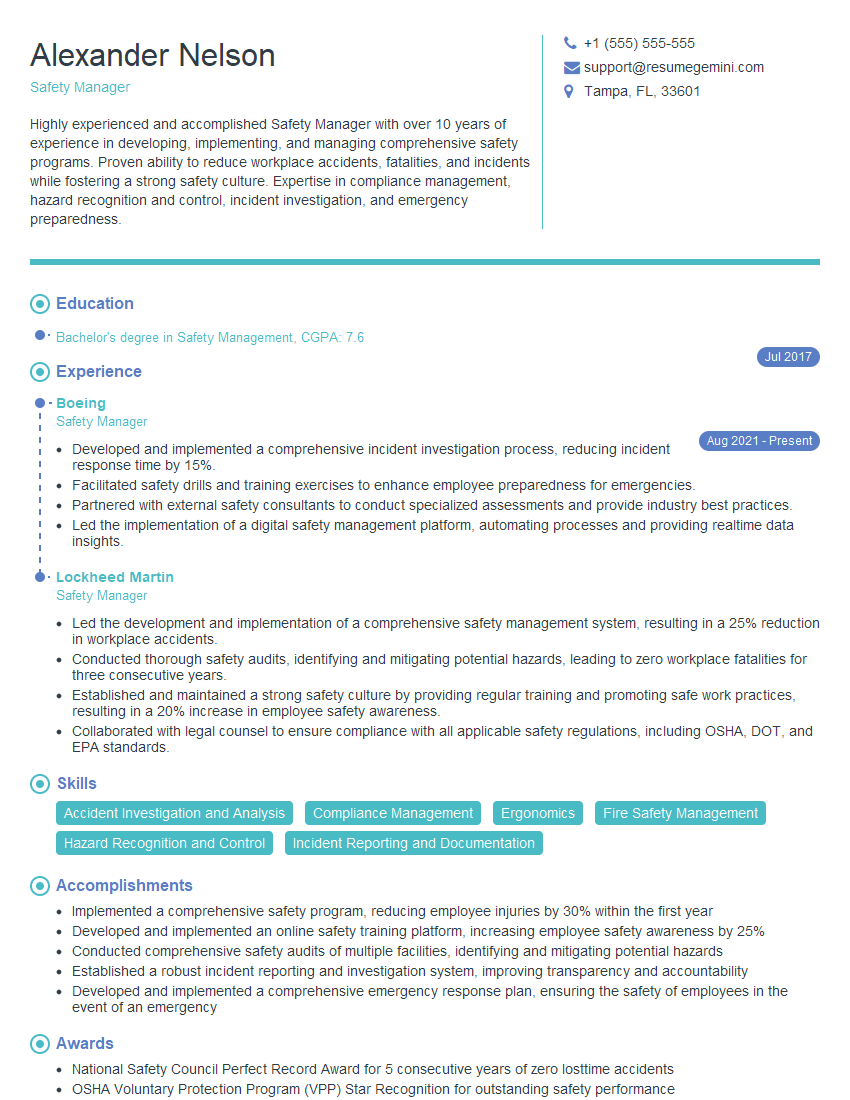
Safety Manager Resume Sample
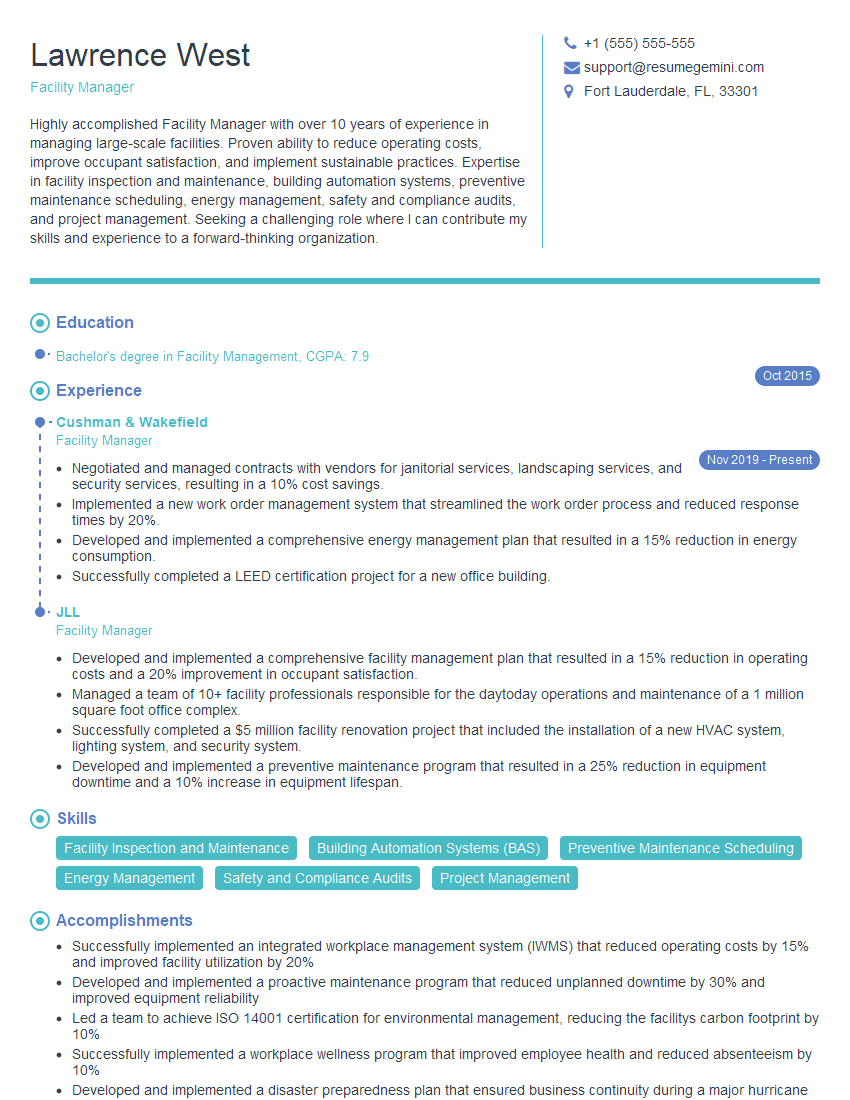
Facility Manager Resume Sample
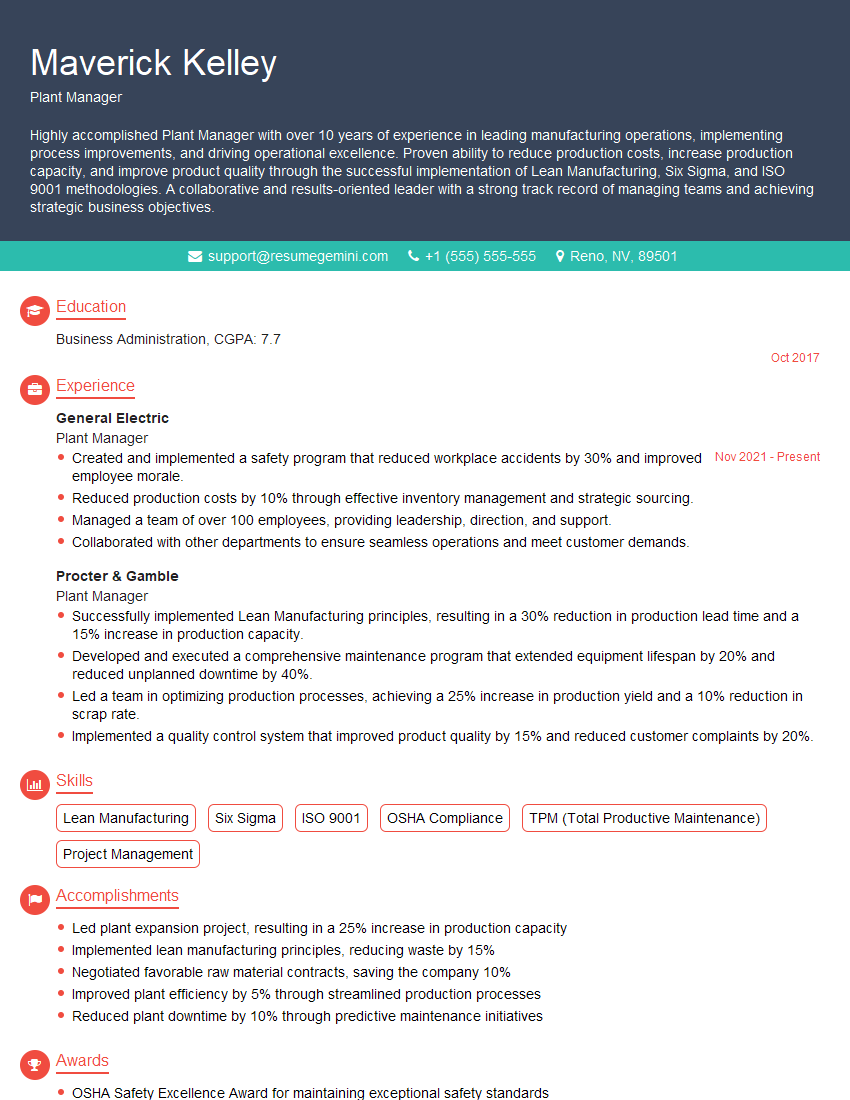
Plant Manager Resume Sample
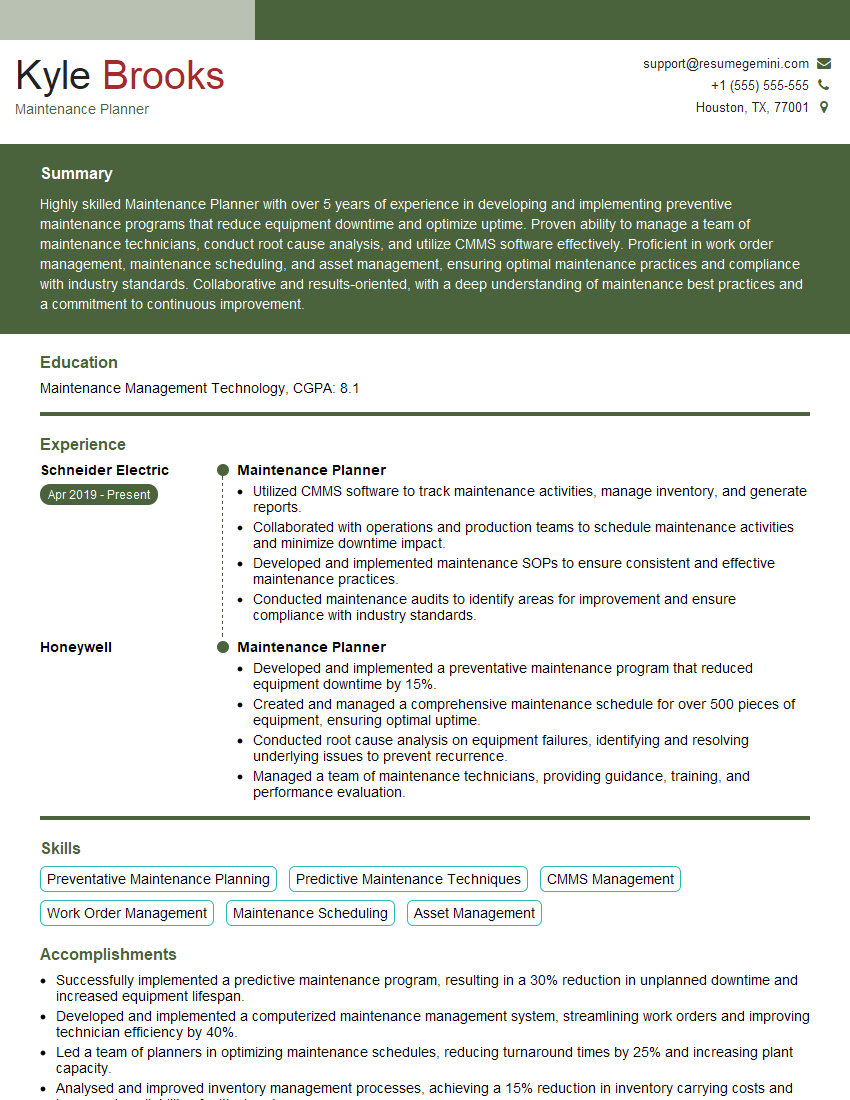
Maintenance Planner Resume Sample
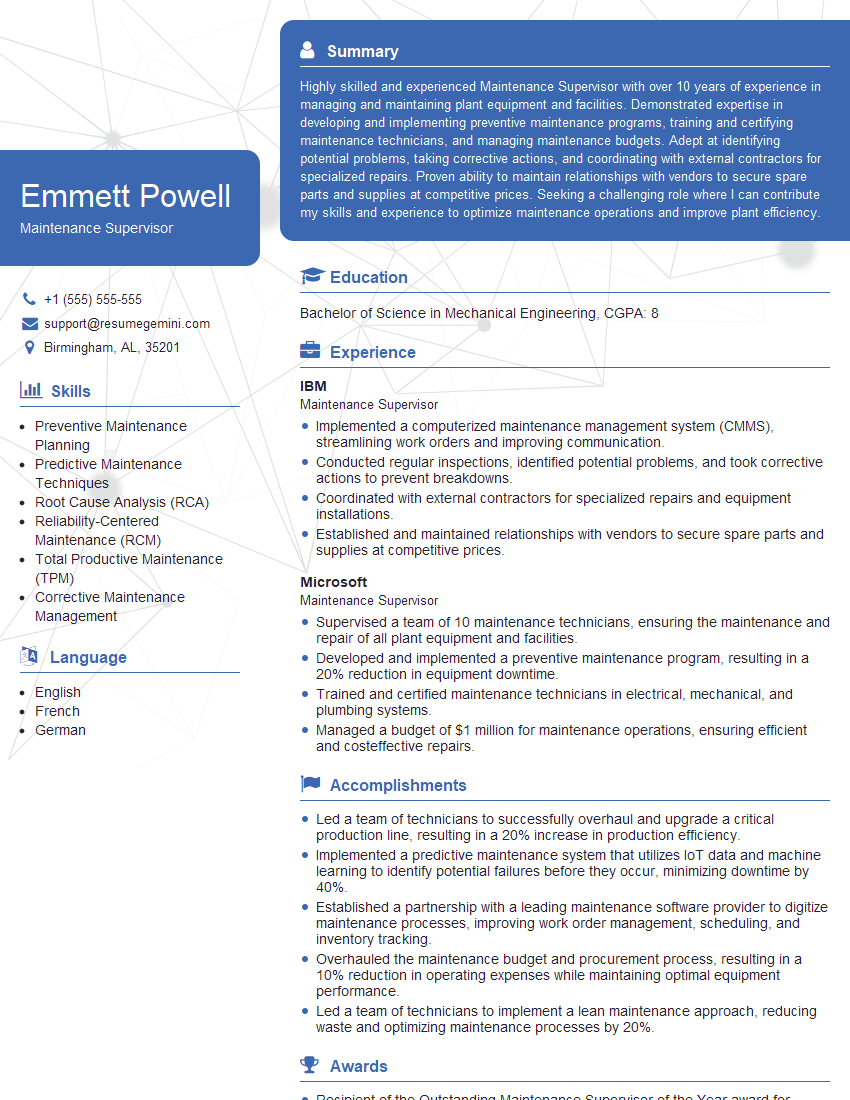
Maintenance Supervisor Resume Sample

Compliance Officer Resume Sample
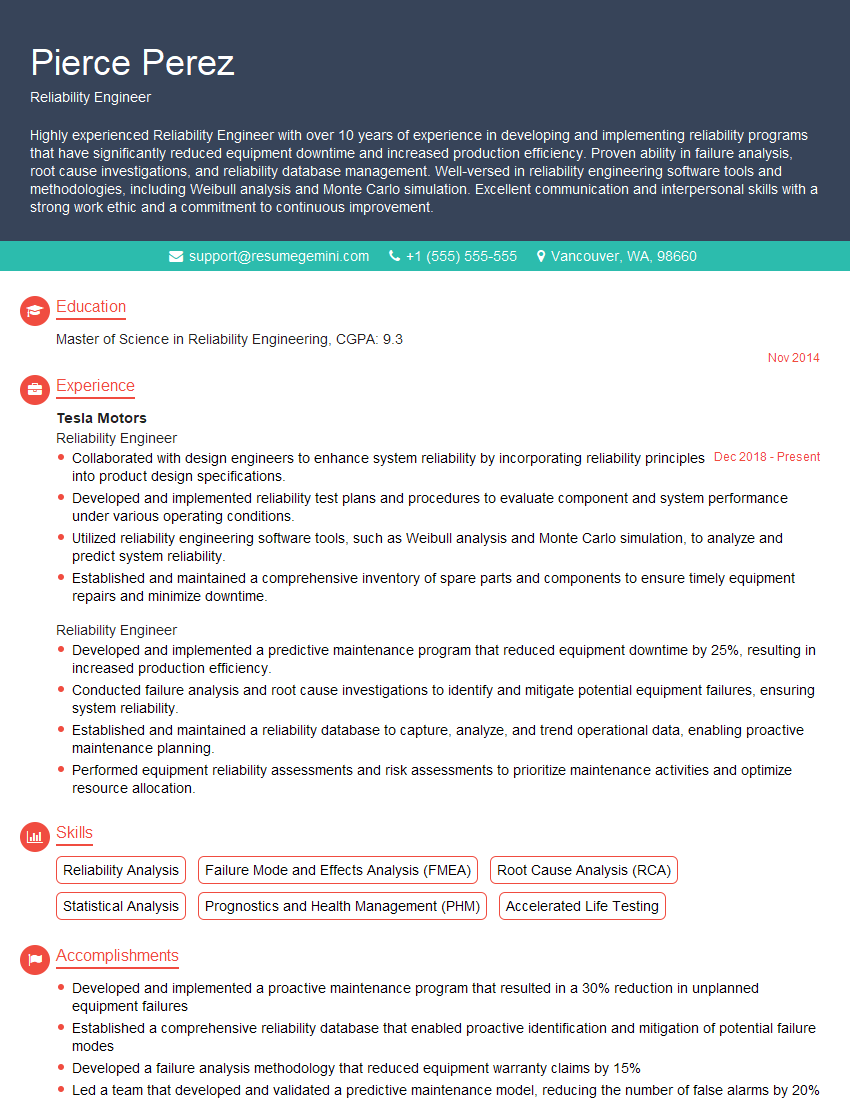
Reliability Engineer Resume Sample

Risk Management Specialist Resume Sample
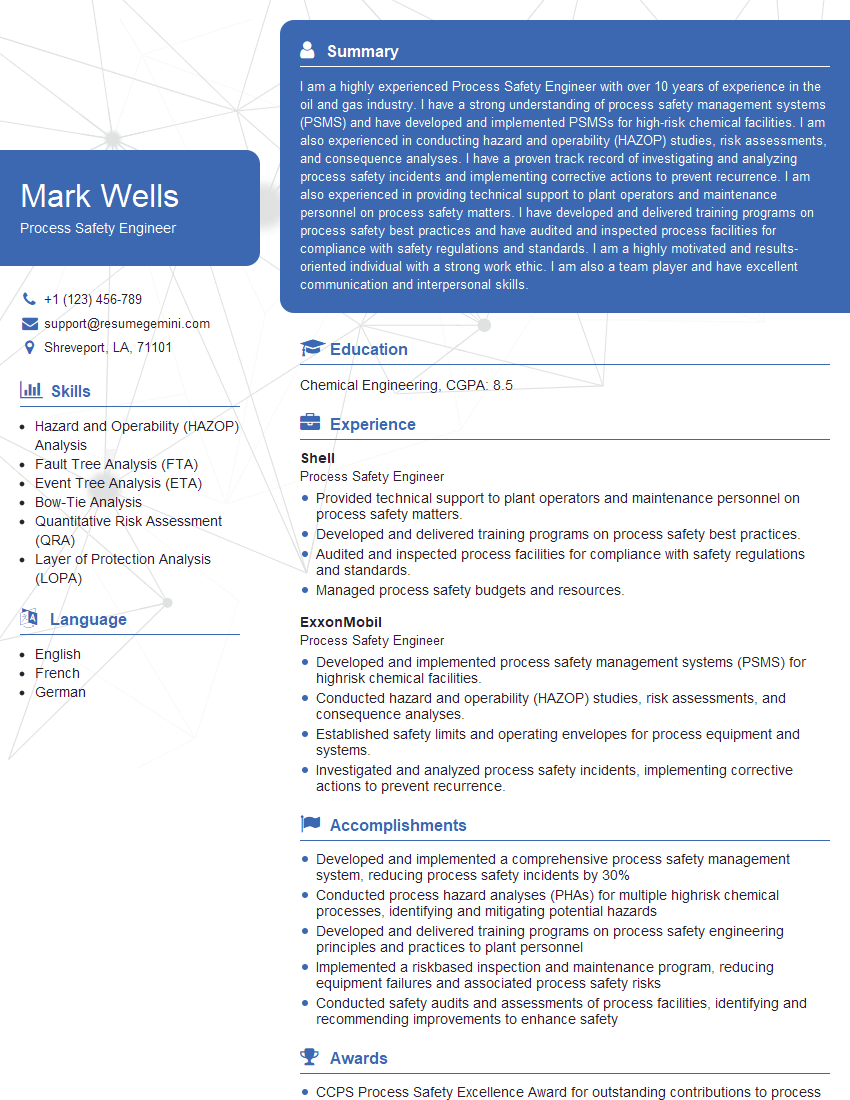
Process Safety Engineer Resume Sample
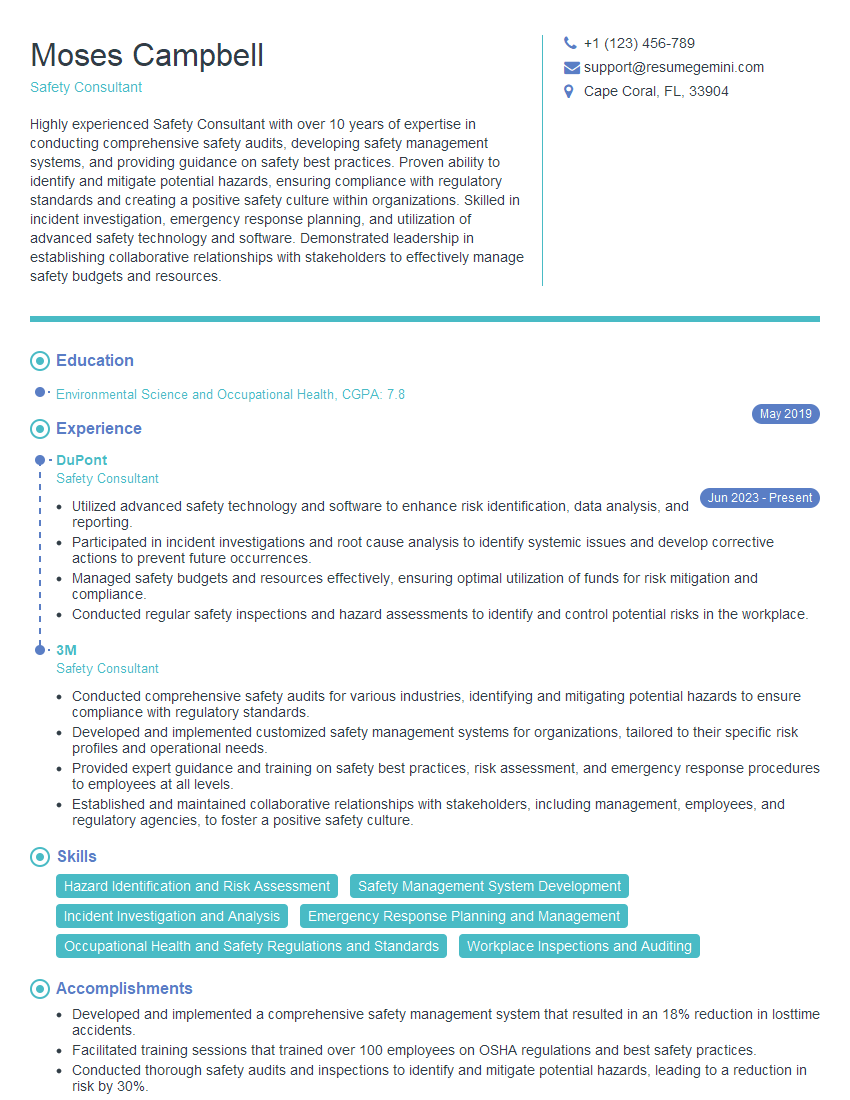
Safety Consultant Resume Sample
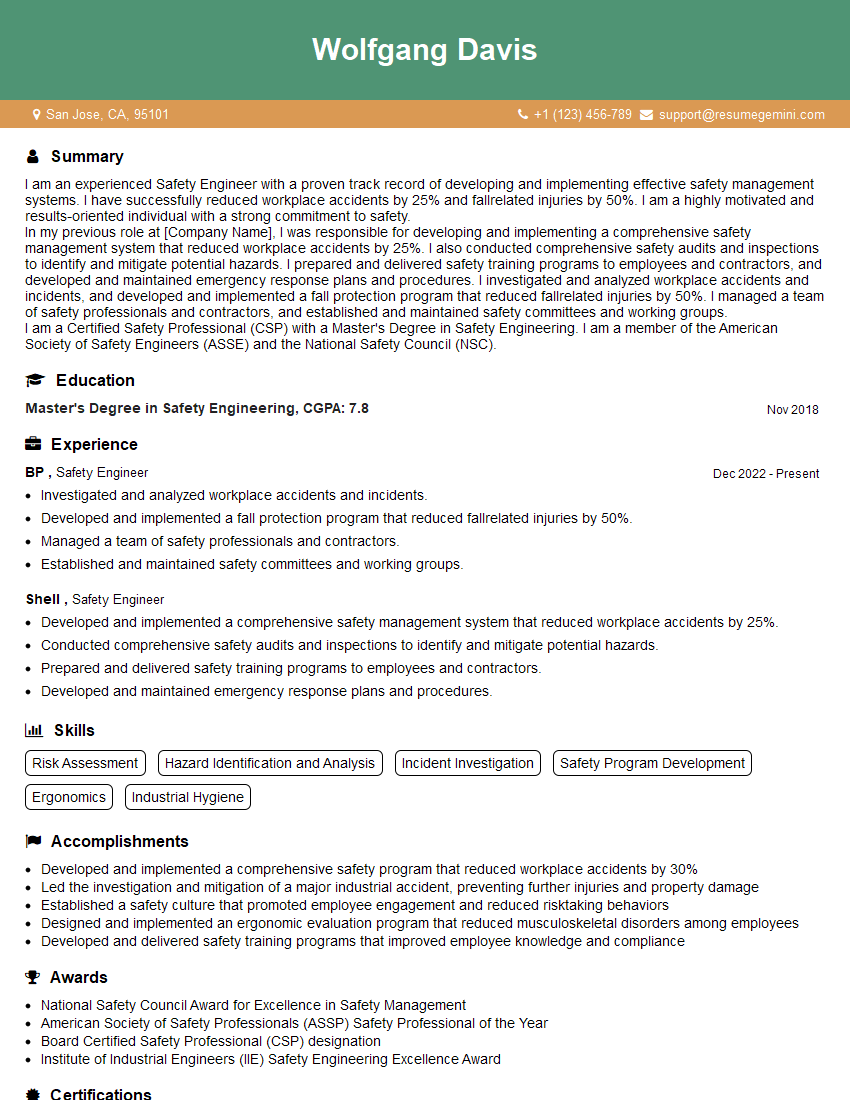
Safety Engineer Resume Sample
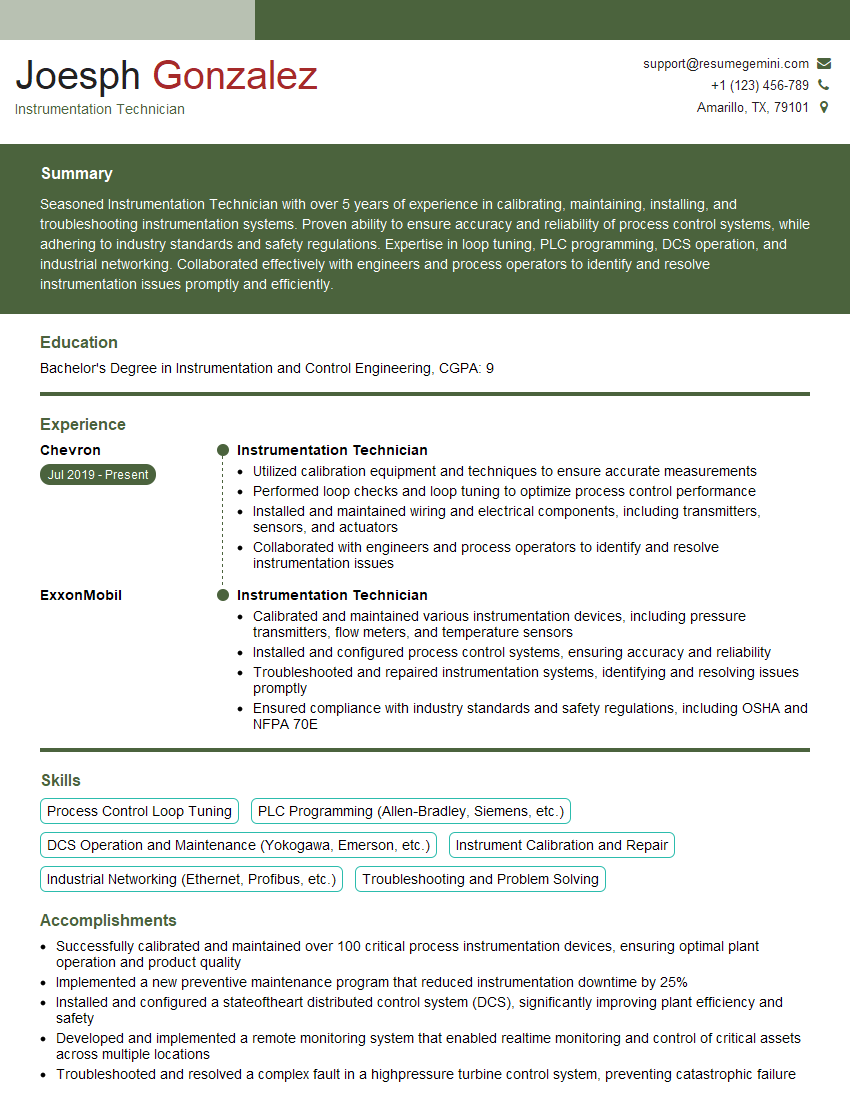
Instrumentation Technician Resume Sample
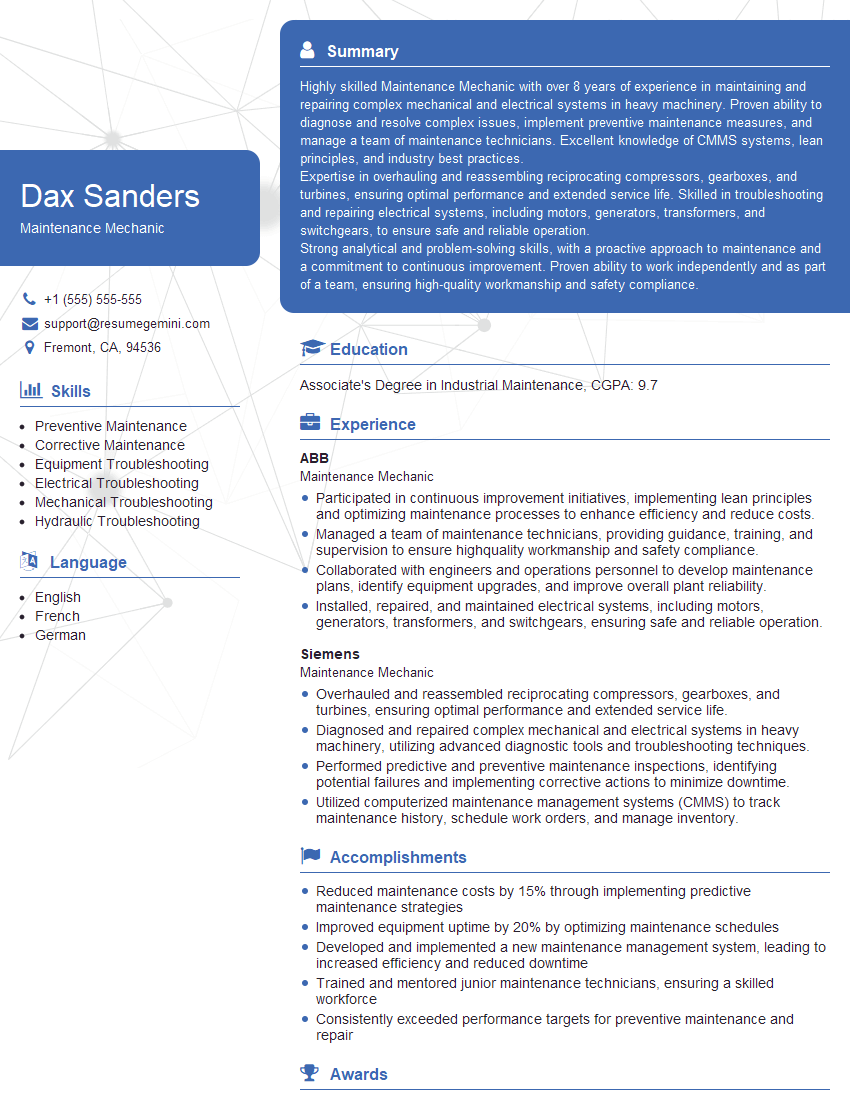
Maintenance Mechanic Resume Sample
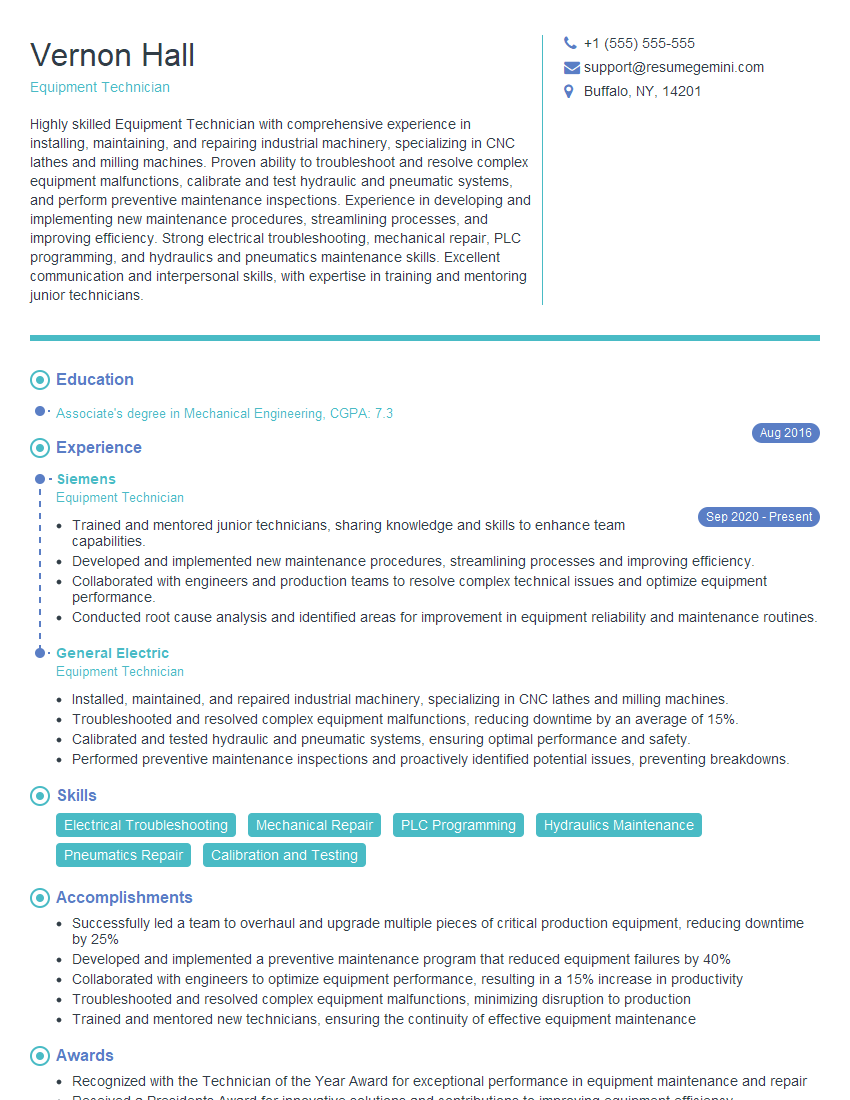
Equipment Technician Resume Sample
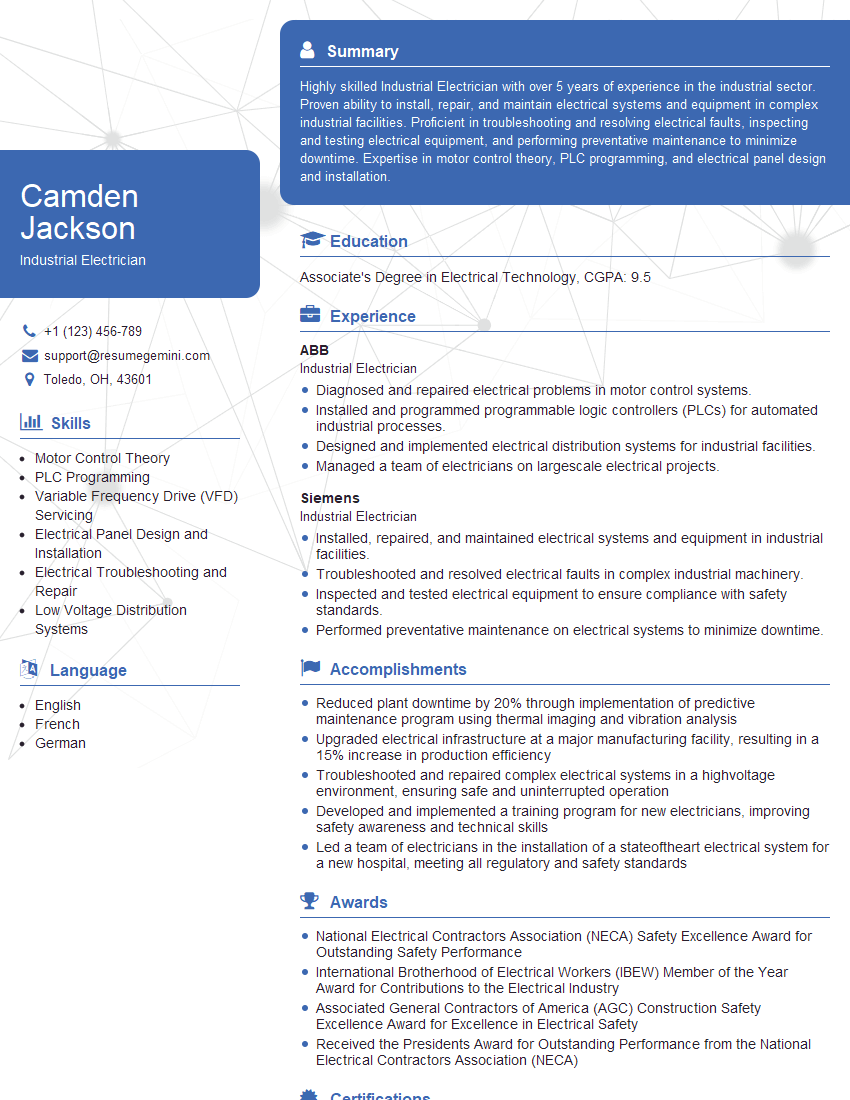
Industrial Electrician Resume Sample

Electrical Maintenance Technician Resume Sample
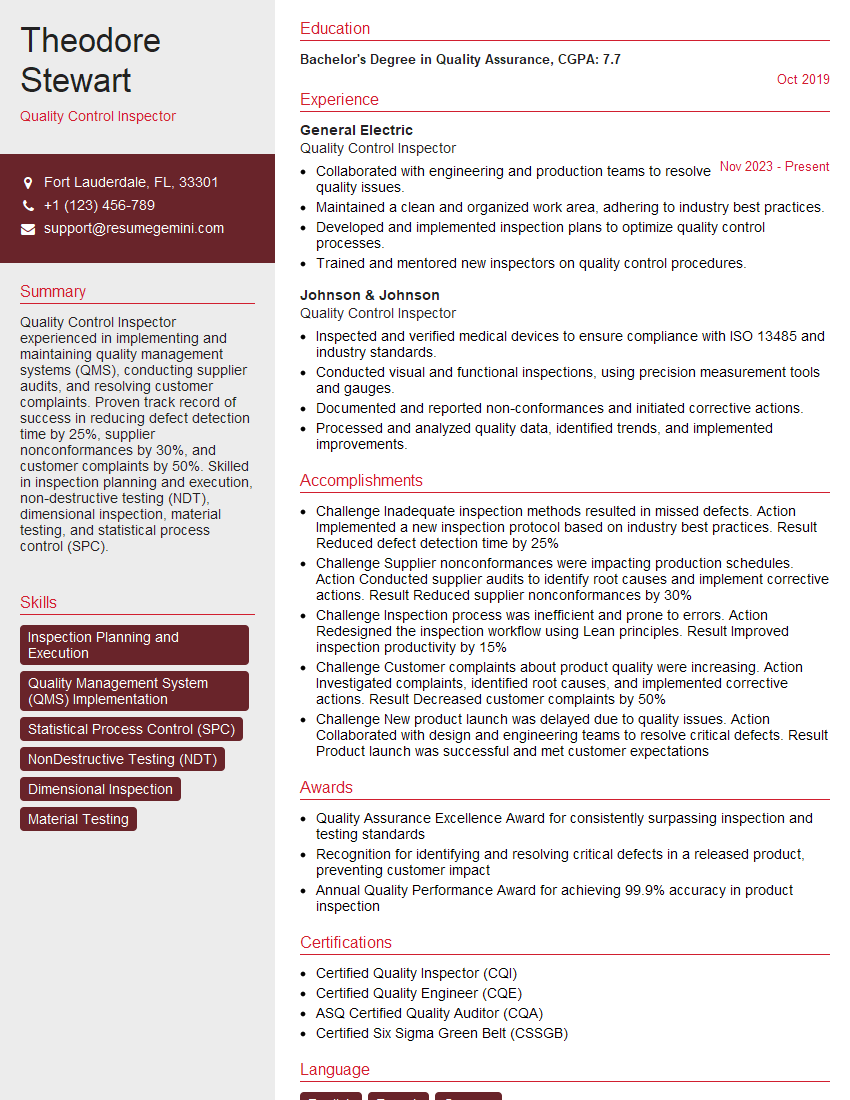
Quality Control Inspector Resume Sample
- Safety Manager
- Facility Manager
- Plant Manager
- Maintenance Planner
- Maintenance Supervisor
- Compliance Officer
- Reliability Engineer
- Risk Management Specialist
- Process Safety Engineer
- Safety Consultant
- Safety Engineer
- Instrumentation Technician
- Maintenance Mechanic
- Equipment Technician
- Industrial Electrician
- Electrical Maintenance Technician
- Quality Control Inspector
Explore more articles
Users Rating of Our Blogs
Share Your Experience
We value your feedback! Please rate our content and share your thoughts (optional).
What Readers Say About Our Blog
Amazing blog
Interesting Article, I liked the depth of knowledge you’ve shared.
Helpful, thanks for sharing.