The right preparation can turn an interview into an opportunity to showcase your expertise. This guide to Dental Emergencies interview questions is your ultimate resource, providing key insights and tips to help you ace your responses and stand out as a top candidate.
Questions Asked in Dental Emergencies Interview
Q 1. Describe your experience managing avulsed teeth.
Managing an avulsed tooth, or a completely knocked-out tooth, requires immediate action to maximize the chances of reimplantation. Time is critical; the longer the tooth is out of its socket, the lower the chances of successful reimplantation. My approach involves several key steps:
- Immediate Retrieval: Gently pick up the tooth by the crown (the white part), avoiding touching the root. If dirty, rinse it briefly with milk or saliva – never water, as this can damage the cells crucial for reattachment.
- Transportation: The ideal way to transport the tooth is in its natural socket, if possible, while the patient is transported to the dentist. If not possible, placing the tooth in a container of Hanks Balanced Salt Solution (HBSS) is best. If that isn’t available, milk is a good alternative, as it’s less damaging to the periodontal ligament (the tissues that hold the tooth in place) than saliva or water. Avoid storing the tooth dry.
- Emergency Treatment: Once at the dental office, I’ll assess the tooth and socket for any damage. Reimplantation is attempted as soon as possible. This involves carefully cleaning and aligning the tooth before gently inserting it back into its socket. Often, splinting (stabilizing the tooth) is necessary for several weeks to ensure successful integration. Antibiotics and anti-inflammatory medications are usually prescribed to prevent infection and reduce swelling.
- Long-Term Care: Regular follow-up appointments are crucial to monitor the tooth’s healing progress and address any potential complications. The prognosis for reimplantation depends on several factors, including the age of the patient, the tooth’s condition, and the time elapsed before reimplantation.
For example, I once treated a young boy who had avulsed his front incisor while playing soccer. By swiftly implementing this protocol, we managed to successfully reimplant the tooth, and he retained it with excellent long-term results. However, it’s important to note that not all avulsed teeth are successfully reimplanted; some cases result in the tooth requiring further intervention.
Q 2. How would you treat a patient with severe dental pain?
Severe dental pain warrants immediate attention. My approach focuses on determining the cause of the pain and providing effective pain relief while arranging for definitive treatment. First, I conduct a thorough examination to identify the source – is it a toothache, temporomandibular joint (TMJ) disorder, or something else? Then I’ll address it in this order:
- Pain Management: I may prescribe over-the-counter or prescription pain relievers like ibuprofen or stronger analgesics, depending on the severity. In extreme cases, referral to an oral surgeon or hospital for pain control and assessment may be necessary.
- Infection Control: If an infection is suspected (abscess, periapical infection), antibiotic treatment will be initiated and drainage procedures are often required.
- Definitive Treatment: This varies depending on the underlying cause, but could range from a root canal, extraction, or treatment of TMJ dysfunction. The goal is to resolve the underlying cause of the pain, not just mask the symptoms.
For instance, a patient presented with excruciating pain due to a large periapical abscess. After prescribing antibiotics and performing incision and drainage to relieve pressure, we proceeded with a root canal to treat the infected tooth, completely resolving the patient’s severe pain. The key is prompt diagnosis and tailored management.
Q 3. What is your protocol for managing a patient with a fractured jaw?
Managing a fractured jaw is a serious medical emergency requiring immediate medical attention. My role is primarily to stabilize the patient and arrange for appropriate transfer to a hospital with maxillofacial surgery capabilities. The protocol involves:
- Immediate Stabilization: Applying gentle pressure to the jaw to reduce movement and prevent further injury. Applying a supportive bandage can also help.
- Pain Management: Administering analgesics (pain relievers) to manage the pain, often in conjunction with anti-inflammatory medications.
- Airway Assessment: Checking the patient’s airway to ensure that it is patent and not compromised by the fracture. This is crucial to avoid respiratory complications.
- Emergency Medical Services: Calling emergency medical services (EMS) for immediate transportation to a hospital equipped to handle this type of injury. This ensures the patient receives appropriate imaging (X-rays, CT scans) and definitive surgical management.
- Documentation: Thoroughly documenting the injury, treatment rendered, and patient’s condition for transfer of care to the hospital team.
Fractured jaws often require surgical intervention for proper realignment and fixation (using plates and screws) to allow the bone to heal correctly. My role is critical in the initial stabilization and referral process. I once treated a patient with a severely fractured mandible after a motorbike accident. Quick action, stabilization, and referral to the maxillofacial surgeon resulted in a successful outcome.
Q 4. Explain the steps involved in treating a dental abscess.
A dental abscess is a localized infection of the tissues surrounding the tooth root. Treatment involves a multi-step approach aimed at eliminating the infection and preserving the tooth whenever possible:
- Diagnosis: A thorough clinical examination along with radiographs (X-rays) are used to confirm the diagnosis and identify the extent of the infection. Symptoms such as localized swelling, pain, and possibly fever will point to an abscess.
- Drainage: In many cases, the abscess needs to be drained to relieve pressure and allow the infection to subside. This may involve a small incision to allow pus to drain. This procedure is typically performed under local anesthesia.
- Antibiotics: Antibiotic therapy is essential to combat the bacterial infection. The choice of antibiotic depends on the type of bacteria involved, and is often determined through culture and sensitivity testing.
- Root Canal Treatment (RCT): If the infection is due to a severely decayed or damaged tooth, a root canal is often necessary to remove the infected pulp from inside the tooth and seal the root canals to prevent reinfection.
- Extraction: In some cases, particularly when the tooth is severely damaged or the infection is too extensive, extraction may be necessary.
For example, I treated a patient with a large abscess that caused significant facial swelling. After draining the abscess, prescribing antibiotics, and performing a root canal, the infection resolved, and the tooth was saved. The key is early intervention to avoid more serious complications like cellulitis or spread of infection.
Q 5. How do you handle a patient experiencing a dental laceration?
Dental lacerations, or cuts to the soft tissues in the mouth, require careful management to prevent infection and ensure proper healing. My protocol includes:
- Assessment: Evaluating the depth and location of the laceration to determine the need for sutures (stitches).
- Cleaning: Gently cleaning the wound with sterile saline solution or water to remove any debris or contaminants.
- Hemostasis: Applying pressure to control any bleeding. Local anesthetics may be used for pain control.
- Suturing (if necessary): Deep or extensive lacerations often require sutures to approximate the wound edges and promote proper healing. The choice of suture material and technique depends on the nature of the wound.
- Antibiotics: Antibiotics may be prescribed, especially for deeper lacerations or those with a high risk of infection.
- Post-operative care: Providing instructions on proper oral hygiene, pain management, and follow-up appointments for suture removal.
A patient once presented with a deep laceration to the lip after a fall. After cleaning the wound, we used sutures to close the laceration, preventing significant scarring. Proper aftercare ensured rapid healing and a good aesthetic outcome. The level of intervention depends heavily on the severity of the laceration.
Q 6. What are the signs and symptoms of a dental infection?
Dental infections present with a variety of signs and symptoms, depending on the severity and location of the infection. Recognizing these symptoms is vital for prompt diagnosis and treatment:
- Pain: Localized pain around the affected tooth, often throbbing and intensified by pressure or chewing.
- Swelling: Swelling of the gums, cheeks, or face near the infection site.
- Sensitivity: Increased sensitivity to hot or cold temperatures.
- Discharge: Pus or other drainage from the affected area.
- Bad Breath: Persistent bad breath (halitosis) due to the presence of bacteria.
- Fever: A fever (elevated body temperature) may indicate a more severe or systemic infection.
- Lymphadenopathy: Swollen lymph nodes in the neck or jaw area.
A patient may present with all or only some of these symptoms. For example, a patient might experience mild discomfort and swelling, indicating early-stage gingivitis (gum infection), while another might display severe pain, swelling, and fever, indicative of a more serious condition like a periapical abscess. A careful clinical evaluation allows accurate diagnosis.
Q 7. Describe your experience with emergency dental extractions.
Emergency dental extractions are performed when a tooth is severely damaged, infected, or causing significant pain and requires immediate removal. My approach prioritizes patient comfort and minimizes complications:
- Assessment: Thorough examination to assess the tooth’s condition, position, and the surrounding bone structure.
- Anesthesia: Administering local anesthesia to numb the area and ensure patient comfort during the procedure.
- Extraction: Utilizing appropriate instruments to carefully remove the tooth. The technique employed depends on the tooth’s position and condition, sometimes requiring sectioning or elevation of the tooth to facilitate extraction.
- Wound Management: After extraction, the socket is thoroughly cleaned to remove any debris. Hemostasis (controlling bleeding) is achieved through pressure and/or sutures. In some cases, a gauze pad is placed in the socket.
- Post-operative Instructions: Providing the patient with clear instructions for aftercare, including pain management, dietary restrictions, and oral hygiene practices to promote healing and prevent complications (dry socket).
In my practice, I’ve handled numerous cases requiring emergency extractions, including those involving trauma-related injuries, severe infections, and impacted teeth. For example, I recently extracted a fractured molar that was causing severe pain due to inflammation. By carefully following this protocol, we successfully removed the affected tooth, ensuring the patient’s comfort and minimized discomfort. The focus is always on a safe and effective procedure.
Q 8. How would you manage a patient with a knocked-out tooth?
Managing a knocked-out tooth, or avulsed tooth, is a time-sensitive emergency requiring immediate action to maximize the chances of reimplantation. The key is to preserve the tooth and get it back into the socket as quickly as possible.
- Retrieve the tooth: Handle the tooth by the crown (the white part), avoiding touching the root.
- Clean the tooth gently: Rinse the tooth briefly with milk or saliva, avoiding scrubbing. Do not use soap or any chemicals.
- Reimplant the tooth (if possible): Gently attempt to reinsert the tooth back into its socket. If you can’t, place it in a suitable storage medium (explained below).
- Storage: If reimplantation isn’t immediately possible, the best storage medium is Hank’s Balanced Salt Solution (HBSS), available at some pharmacies. If HBSS is unavailable, milk is a reasonable alternative; saliva is the least desirable option. Avoid water as it can damage the tooth’s cells.
- Seek immediate dental care: Take the patient to a dentist or emergency room as soon as possible. Even with successful reimplantation, proper stabilization and follow-up care are essential.
Example: I once treated a young boy who had a knocked-out incisor during a soccer game. His mother quickly rinsed the tooth with milk and brought it with him to the office. We successfully reimplanted the tooth, and with proper aftercare, he retained the tooth with minimal long-term effects.
Q 9. What are the various types of dental trauma?
Dental trauma encompasses a wide spectrum of injuries affecting the teeth, supporting structures (periodontal tissues), and jaws. They are commonly categorized by the severity and type of injury:
- Fractures: These range from small chips (incisal or cusp fractures) to more severe cracks (root fractures) that may affect the tooth’s pulp (nerve and blood supply).
- Luxations: These involve displacement of the tooth, including:
- Concussion: The tooth is loosened but not displaced.
- Subluxation: The tooth is partially displaced.
- Lateral luxation: The tooth is displaced sideways.
- Intrusion: The tooth is pushed into the socket.
- Extrusion: The tooth is partially or fully avulsed (knocked out).
- Avulsion: This is a complete displacement of the tooth from its socket (knocked out).
- Alveolar bone fractures: These fractures involve the jawbone supporting the teeth.
The severity of dental trauma is determined based on the degree of injury to the tooth, its supporting structures, and the surrounding tissues.
Q 10. Explain the use of local anesthesia in dental emergencies.
Local anesthesia is crucial in managing dental emergencies because it allows for comfortable and effective treatment. It numbs the affected area, reducing pain and anxiety during procedures such as pulp removal, fracture repair, or reimplantation of avulsed teeth. This is essential not only for patient comfort but also to allow the dentist to perform necessary procedures without patient interference or discomfort.
Different types of local anesthetic agents are available, varying in onset and duration of action. The choice depends on the specific procedure and patient needs. For example, a quick-acting anesthetic might be preferred for a patient with acute pain, whereas a longer-acting agent would be suitable for a more extensive procedure. Effective use of local anesthesia requires careful consideration of the patient’s medical history and potential allergies.
Example: Before reimplanting an avulsed tooth, the dentist will often administer a local anesthetic to numb the area, allowing them to accurately reposition the tooth without causing significant pain to the patient.
Q 11. How do you determine the severity of a dental injury?
Determining the severity of a dental injury involves a careful assessment of several factors:
- Visual inspection: Examining the tooth for fractures, displacement, or mobility.
- Tooth vitality testing: Checking the pulp’s responsiveness to thermal or electric stimuli to determine its viability.
- Radiographic evaluation: Taking X-rays to assess the extent of root fractures, bone damage, or displacement.
- Patient history: Understanding the mechanism of injury and the patient’s symptoms (pain, swelling, bleeding).
Based on this information, the injury can be categorized using the standardized classification systems (e.g., Ellis classification for crown fractures, Andreasen classification for avulsed teeth), which aid in treatment planning and prognosis.
Example: A patient presenting with a partially displaced incisor (subluxation), sensitivity to percussion, and minimal swelling would be classified as a less severe injury compared to a patient with a complete avulsion and significant alveolar bone fracture.
Q 12. What are your protocols for managing a dental emergency outside of the office?
My protocols for managing a dental emergency outside of the office prioritize immediate pain control and preservation of the injured tooth (or tissue). This involves:
- Initial assessment: Determining the nature and severity of the injury, ensuring the patient’s airway is clear and they are stable.
- Pain management: Providing analgesics (over-the-counter pain relievers like ibuprofen if appropriate and available) to alleviate pain.
- Emergency care for knocked-out teeth: Following the steps outlined in managing a knocked-out tooth (as discussed earlier).
- Control of bleeding: Applying direct pressure to the wound to stop bleeding.
- Cold compress: Applying a cold compress to reduce swelling.
- Referral to a dentist: Advising the patient to seek immediate dental attention, guiding them to the nearest emergency dental service or oral surgeon.
- Documentation: Recording the incident details, treatment provided, and referrals made.
Example: If I receive a call about a child with a knocked-out tooth, I would advise the caregiver on how to handle the tooth, emphasizing the importance of time and the proper storage medium. I would then provide contact information for emergency dental services and follow-up with the family to ensure they’ve received appropriate treatment.
Q 13. How do you handle a patient who is experiencing severe anxiety during a dental emergency?
Managing a patient experiencing severe anxiety during a dental emergency requires a calm, empathetic, and patient-centered approach. Understanding and addressing their anxiety is paramount to ensure a successful treatment. My approach involves:
- Building rapport: Establishing trust and open communication with the patient through active listening and reassurance.
- Understanding the source of anxiety: Identifying the specific fears and concerns contributing to the patient’s anxiety.
- Non-pharmacological techniques: Employing relaxation techniques such as deep breathing exercises, guided imagery, or distraction methods.
- Pharmacological intervention: If non-pharmacological methods are insufficient, I might consider anxiolytic medication (with appropriate medical consultation) to reduce anxiety levels, allowing for effective treatment.
- Breaking down procedures: Explaining the procedure step-by-step, providing ample time for questions, and allowing the patient control where possible.
- Nitrous oxide sedation: In some cases, using nitrous oxide (laughing gas) sedation might be beneficial to manage mild to moderate anxiety.
Example: I recently treated a patient with a severe dental phobia. By using a combination of deep breathing exercises, a step-by-step explanation of the procedure, and the use of nitrous oxide, I was able to successfully complete the necessary treatment while ensuring patient comfort and minimizing their distress.
Q 14. Explain your experience with managing patients with bleeding during a dental emergency.
Managing bleeding during a dental emergency is a critical aspect of care. The approach depends on the source and severity of the bleeding. Most bleeding in dental emergencies is easily controlled with local measures. My experience involves:
- Identifying the source: Determining the origin of the bleeding (e.g., laceration, avulsed tooth socket).
- Direct pressure: Applying direct pressure to the bleeding site using a sterile gauze pad for at least 10-15 minutes. This usually controls most bleeding.
- Local anesthetic: Administering local anesthesia to numb the area if necessary to facilitate direct pressure or other interventions.
- Surgical intervention: In cases where bleeding is uncontrolled by local measures, surgical intervention such as suturing (stitches) may be required. This usually would only be indicated for significant lacerations.
- Hemostatic agents: Using topical hemostatic agents (substances that promote clotting) if bleeding persists.
- Monitoring: Closely monitoring the patient for signs of excessive blood loss or complications.
Example: I treated a patient with a significant laceration to the lip following an accident. After applying direct pressure, I used surgical sutures to close the wound, effectively stopping the bleeding and promoting healing. Post-operative monitoring helped confirm healing and lack of complications.
Q 15. How would you assess the need for referral to a specialist in a dental emergency?
Referral to a specialist in a dental emergency is crucial when the case exceeds my scope of practice or requires specialized expertise. This assessment involves several key factors. First, I consider the complexity of the injury or condition. For example, a severe facial fracture, extensive trauma to the mouth, or a complex oral surgery case needs immediate referral to an oral and maxillofacial surgeon. Similarly, cases involving significant periodontal disease necessitating surgical intervention or endodontic emergencies requiring root canal therapy beyond my capabilities are referred to periodontists and endodontists respectively.
Secondly, I assess my own skills and available resources. If I lack the specialized equipment or advanced training necessary to manage the emergency effectively, referral is necessary. For instance, I wouldn’t attempt a complex implant procedure in an emergency setting without the proper training and equipment.
Thirdly, patient factors such as medical history, allergies and current medications are considered. Patients with bleeding disorders or compromised immune systems require careful assessment and may necessitate referral for specialized management. Finally, timely intervention is key. Delaying referral could compromise patient outcome. I prioritize referrals when the delay might result in increased pain, infection, or long-term damage. It is always better to err on the side of caution and refer when in doubt.
Career Expert Tips:
- Ace those interviews! Prepare effectively by reviewing the Top 50 Most Common Interview Questions on ResumeGemini.
- Navigate your job search with confidence! Explore a wide range of Career Tips on ResumeGemini. Learn about common challenges and recommendations to overcome them.
- Craft the perfect resume! Master the Art of Resume Writing with ResumeGemini’s guide. Showcase your unique qualifications and achievements effectively.
- Don’t miss out on holiday savings! Build your dream resume with ResumeGemini’s ATS optimized templates.
Q 16. Describe your knowledge of different types of dental materials used in emergency repairs.
In emergency dental repairs, we use materials that provide immediate relief and stability. The choice depends on the specific situation and the desired outcome. For temporary restorations, materials like IRM (Intermediate Restorative Material) are commonly used. IRM is a zinc oxide-eugenol cement that is easy to handle and sets relatively quickly, providing a temporary seal and reducing sensitivity. It’s crucial to inform the patient it’s a temporary fix.
For fractured teeth, we might employ composite resin, which is a tooth-colored material that can be sculpted and bonded to the tooth to restore its shape and function. However, this may require more time and is less suitable for severely damaged teeth. In cases of avulsed (knocked-out) teeth, we might use a temporary splint made from acrylic to stabilize the tooth and protect the surrounding tissues. This should be done immediately. We always explain the temporary nature and need for a definitive restoration.
In situations where a tooth is severely damaged and can’t be repaired, a temporary crown might be placed using a prefabricated metal crown. It’s important to note that the selection of the material always depends on the specific circumstances of the emergency and always involves prioritizing patient comfort and the potential for future definitive care.
Q 17. What is your approach to pain management in dental emergencies?
Pain management in dental emergencies is paramount. My approach is multifaceted and tailored to the patient’s needs and the nature of the emergency. The first step involves a thorough clinical examination to assess the source and severity of the pain. Then I determine if the pain is acute or chronic and what its underlying cause is, such as pulpitis (inflammation of the dental pulp), fractured tooth, or periapical abscess.
For mild to moderate pain, over-the-counter analgesics like ibuprofen or acetaminophen are often recommended. However, for more severe pain, stronger prescription medications such as opioids might be necessary, always following strict prescribing guidelines and emphasizing the importance of proper use and potential side effects. The use of local anesthesia may be indicated during treatment to reduce discomfort during procedures like removing a broken tooth fragment. In certain circumstances, a referral to an oral surgeon or other specialist may be needed for advanced pain management techniques.
It’s crucial to explain to the patient that pain management is a temporary measure and definitive treatment is required to address the underlying cause of the pain. Patient education regarding self-care and follow-up appointments is vital to ensure successful management of their dental emergency.
Q 18. What steps do you take to ensure appropriate infection control during dental emergencies?
Infection control is non-negotiable in any dental setting, especially during emergencies. My approach strictly adheres to the Centers for Disease Control and Prevention (CDC) guidelines. This involves the consistent use of personal protective equipment (PPE), including gloves, masks, eye protection, and gowns. All surfaces and instruments are disinfected and sterilized meticulously between patients using high-level disinfectants according to manufacturer instructions. This includes handpieces, ultrasonic scalers, and any other instruments that come into contact with the patient.
Strict adherence to aseptic techniques is maintained throughout the entire procedure. This encompasses proper hand hygiene, the use of sterile drapes and barriers, and careful handling of instruments to prevent contamination. All sharps are disposed of in designated containers to prevent accidental needlestick injuries. Regular monitoring of sterilization equipment and adherence to established protocols are essential. Environmental disinfection of the treatment area is conducted routinely to minimize the risk of cross-contamination. I also ensure proper waste disposal following all infection control procedures.
Furthermore, patient education on oral hygiene and the importance of post-treatment care instructions is vital in preventing post-operative infections. Regular review and updating of infection control protocols are crucial in ensuring that our practices remain compliant with the latest guidelines and minimize the risk of infection transmission.
Q 19. Explain your understanding of the legal aspects of dental emergency care.
The legal aspects of dental emergency care are significant. My understanding encompasses several key areas, including informed consent, negligence, and documentation. Informed consent requires that the patient fully understands the nature of their condition, the proposed treatment, potential risks and benefits, and alternative options. This information must be clearly explained to them, and their consent documented prior to any procedure. It is important to document all aspects of the patient’s medical history, including allergies and existing conditions, and the type of treatment provided. This documentation serves as evidence of proper care and helps protect both the patient and the dentist in case of future disputes.
Negligence, on the other hand, occurs when the standard of care provided falls below what a reasonably prudent dentist would have provided under similar circumstances. This could involve improper diagnosis, inappropriate treatment, or inadequate infection control measures. Maintaining detailed and accurate records is crucial in demonstrating that the appropriate standard of care was provided. Following established protocols, staying up-to-date on best practices, and seeking consultation when appropriate all help minimize the risk of negligence claims.
Finally, maintaining patient confidentiality is vital and strictly adhered to, in line with HIPAA regulations. All patient information is treated with the utmost discretion, ensuring privacy and ethical conduct. Legal compliance is consistently reviewed and updated to ensure that all aspects of care are in line with current regulations and best practices.
Q 20. How do you prioritize patients in a busy emergency dental setting?
Prioritizing patients in a busy emergency dental setting requires a systematic approach that balances urgency and severity. I use a triage system that categorizes patients based on their clinical needs. Patients with life-threatening conditions, such as severe bleeding or airway compromise, receive immediate attention. These cases are prioritized over those with less urgent needs. Next are those experiencing severe pain or infection, which require prompt management to prevent further complications. Patients with less urgent issues like minor chips or cracks are seen after addressing more critical emergencies.
A clear communication system is essential. I maintain consistent communication with the front desk staff to accurately assess incoming patients and efficiently direct them to the appropriate level of care. This may involve telephone triage to initially assess the urgency of the situation and prioritize appointments accordingly. The use of a digital system that manages patient scheduling and incorporates a triage functionality is highly beneficial in such scenarios.
Transparency with patients is crucial. I explain the triage process and the rationale for prioritizing certain patients over others, providing a clear expectation of wait times. By emphasizing that each patient will receive appropriate care, we build trust and manage expectations effectively.
Q 21. Describe a challenging dental emergency you have faced and how you resolved it.
One particularly challenging case involved a young boy who arrived with a severely fractured front tooth after a bicycle accident. The tooth was fractured almost completely through and there was significant bleeding. The boy was understandably distressed. First, I focused on pain management and hemostasis (stopping the bleeding) using local anesthetic and pressure. I carefully cleaned and examined the fractured segments to assess the viability of attempting a reattachment.
Given the significant fracture and the potential impact on the developing permanent tooth, I knew that careful assessment and appropriate management were paramount. I contacted an endodontist and an orthodontist, both specialists in this field. The endodontist performed a root canal on the fractured segment, and the orthodontist placed a specialized splint to stabilize the fragments while the tooth healed. It required precise bonding and alignment. The final result was successful, and the boy’s tooth was preserved.
This case highlighted the importance of teamwork in managing complex emergencies, efficient communication, and the expertise of specialists. It reinforced the need to maintain calm under pressure and to prioritize the patient’s best interest throughout the entire process. The successful outcome was extremely rewarding and further cemented the importance of multidisciplinary approach to emergency dental care.
Q 22. What are the common complications associated with dental trauma?
Dental trauma, unfortunately, can lead to a range of complications, varying in severity from minor discomfort to life-threatening situations. The extent of the complications depends heavily on the type and severity of the injury.
- Pulp Necrosis: Trauma can damage the pulp (the soft tissue inside the tooth containing nerves and blood vessels), leading to infection and ultimately, tooth death requiring root canal treatment or extraction. Think of it like a bruise that goes bad deep inside the tooth.
- Alveolar Bone Fractures: Impacts to the jaw can fracture the bone supporting the teeth, resulting in pain, swelling, and potential malocclusion (misalignment of teeth). These fractures require careful assessment and often immobilization.
- Tooth Displacement: Teeth can be knocked out (avulsion), luxated (loosened), or intruded (pushed into the gum). The sooner these are treated, the higher the chance of saving the tooth. Avulsed teeth have a time-sensitive window for reimplantation.
- Infection: Open wounds and damaged tissues are vulnerable to infection, which can spread locally or even systemically. Prompt antibiotic therapy may be needed.
- Ankylosis: In some cases, a traumatized tooth may fuse to the surrounding bone, hindering its eruption or movement. This often requires surgical intervention.
- Orthodontic Complications: Trauma can impact the development and alignment of teeth, potentially needing long-term orthodontic intervention.
- Aesthetic Concerns: Fractured teeth, chipped enamel, and other visible damage can impact a patient’s self-esteem, requiring restorative treatment like crowns, veneers or bonding to resolve the cosmetic issue.
Understanding these potential complications highlights the importance of prompt and appropriate treatment following any dental trauma.
Q 23. How do you communicate effectively with patients and their families during dental emergencies?
Effective communication is paramount in dental emergencies. It’s about conveying empathy, providing clear information, and building trust during a stressful time. I employ a three-pronged approach:
- Active Listening: I carefully listen to the patient’s description of the injury, their level of pain, and any concerns they have. This shows I value their experience.
- Clear and Concise Explanation: I explain the diagnosis, treatment plan, and potential outcomes in simple, easy-to-understand language, avoiding complex medical jargon. I use visual aids like diagrams or photos when necessary to illustrate the problem and proposed solution.
- Empathetic Communication: I acknowledge the patient’s anxieties and discomfort, offering reassurance and support throughout the process. I ensure family members are also informed and involved in the decision-making process, particularly with children or those with cognitive impairments. A calm and confident demeanor can significantly reduce the stress felt by both the patient and their family.
For example, when dealing with a child who has knocked out a permanent tooth, I would explain the steps to reimplant the tooth in a way a child can understand, while also reassuring the parents about the procedure’s chances of success and the long-term prognosis. Building rapport with both the child and the parent is crucial.
Q 24. What are the key differences between managing a pediatric dental emergency and an adult dental emergency?
Managing pediatric and adult dental emergencies differs significantly, primarily due to developmental considerations and psychological factors.
- Developmental Differences: Children’s developing dentition and jaw bones present unique challenges. For instance, a child’s primary tooth may have a different treatment approach compared to an adult permanent tooth. The focus in managing children may include preserving developing permanent teeth and preventing damage to developing jaws.
- Behavior Management: Managing a child’s behavior during an emergency can be more complex and requires different techniques such as distraction, positive reinforcement, or even mild sedation. Adult patients generally have a greater understanding of the situation and can cooperate more easily.
- Psychological Impact: Dental trauma can have a significant psychological effect on children, potentially leading to fear and anxiety regarding future dental treatment. The approach for a child requires more reassurance, positive reinforcement, and parental support, whereas adults often prioritize quick resolution.
- Growth Factors: In children, treatment may need to consider potential growth changes impacting the long-term outcome. For example, a fractured developing tooth may need different management than a fully formed adult tooth.
For example, a severely fractured incisor in a child might be treated differently than in an adult. While an adult might get a crown immediately, the child might benefit from a temporary restoration that can accommodate further growth. It’s crucial to consider growth factors in any treatment plan.
Q 25. Describe your experience with using radiographic imaging in dental emergencies.
Radiographic imaging, including periapical and panoramic radiographs, is indispensable in evaluating the extent of dental trauma. It allows for a precise diagnosis that might not be visible clinically.
- Identifying Fractures: Radiographs can reveal subtle fractures of the tooth root, alveolar bone, or jaw, that are not apparent during a clinical examination. This helps in making informed treatment decisions.
- Assessing Tooth Displacement: The position of displaced or impacted teeth can be precisely determined radiographically, guiding the treatment strategy, such as whether or not reimplantation is possible and appropriate.
- Detecting Foreign Bodies: Radiographs are useful for detecting foreign bodies embedded in the soft tissues or bone following trauma, such as fragments of broken teeth or other materials.
- Evaluating Root Development (in children): In pediatric cases, radiographs help evaluate the stage of root development in traumatized teeth which aids in determining the best approach to treatment.
For instance, a patient presents with a seemingly minor blow to the mouth. A clinical exam shows no obvious fracture. However, a periapical X-ray reveals a subtle crack in the root, requiring root canal therapy to prevent future complications. Without the radiograph, the issue might have been missed initially.
Q 26. How do you maintain a calm and professional demeanor during stressful dental emergency situations?
Maintaining composure in stressful situations is essential for providing effective care. My strategy involves a combination of techniques:
- Deep Breathing Exercises: Taking slow, deep breaths helps regulate my heart rate and reduces feelings of anxiety.
- Mindfulness and Focus: I focus on the task at hand, systematically assessing the patient’s condition and implementing the appropriate treatment plan. This systematic approach helps avoid feeling overwhelmed.
- Effective Teamwork: During high-pressure situations, strong teamwork is paramount. Clear communication with my team ensures efficient coordination and helps distribute the workload.
- Prioritization: I prioritize the most urgent issues, ensuring the patient receives the necessary care in a timely manner. This structured approach improves efficiency and reduces overall stress.
- Self-Care: Prioritizing my own well-being outside of work is crucial for stress management. This ensures I approach emergencies with a better mental and emotional capacity.
Remembering that my calm demeanor is reassuring to the patient and their family helps me focus on maintaining control even in chaotic moments. This approach has proven valuable in many high-stakes situations.
Q 27. What are your strategies for preventing dental emergencies?
Preventing dental emergencies is far more effective than managing them. My strategies focus on patient education and proactive measures:
- Mouthguard Use: Strongly recommending the use of mouthguards during sports and other activities that carry a risk of impact is crucial. Custom-fit mouthguards are the most effective for protection.
- Proper Oral Hygiene: Educating patients about proper brushing and flossing techniques helps prevent cavities and gum disease, reducing the likelihood of emergencies related to infection or tooth decay.
- Regular Dental Checkups: Regular check-ups allow for early detection and treatment of developing problems, preventing minor issues from escalating into emergencies.
- Dietary Advice: Limiting the consumption of sugary drinks and foods can reduce the risk of tooth decay. Explaining the impact of diet on oral health is a proactive way to reduce emergency situations.
- Fall Prevention (Especially for the Elderly): In older adults, fall prevention and accident avoidance are particularly critical in reducing the likelihood of dental trauma.
By emphasizing preventive measures and promoting good oral health habits, we can significantly reduce the frequency of dental emergencies and improve overall patient well-being.
Q 28. How do you stay up-to-date with the latest advancements in emergency dental care?
Staying current with advancements in emergency dental care requires a multifaceted approach:
- Continuing Education Courses: I actively participate in continuing education courses and workshops focused on emergency dentistry, trauma management, and the latest treatment modalities.
- Professional Journals and Publications: I regularly read professional journals like the Journal of the American Dental Association and other relevant publications to stay updated on research findings and new techniques.
- Conferences and Seminars: Attending professional conferences and seminars provides opportunities to network with other professionals and learn about the latest innovations and best practices in the field.
- Online Resources: Utilizing reputable online resources, such as those offered by professional dental organizations, provides access to updated guidelines, treatment protocols, and evidence-based information.
- Mentorship and Collaboration: Maintaining a network of colleagues and mentors allows for discussions on complex cases and sharing best practices in emergency situations.
Keeping abreast of the latest advancements ensures I deliver the most effective and up-to-date care to my patients during dental emergencies. This continuous learning is vital for maintaining a high standard of professional practice.
Key Topics to Learn for Dental Emergencies Interview
- Trauma Management: Understanding the assessment and initial treatment of facial trauma, including avulsions, lacerations, and fractures. Practical application includes recognizing life-threatening situations and prioritizing immediate care.
- Pulp and Periapical Emergencies: Diagnosing and managing acute pulpitis, irreversible pulpitis, and periapical abscesses. Practical application involves differentiating between conditions and selecting appropriate treatment plans, including pain management and referral criteria.
- Orofacial Infections: Identifying and treating various oral infections, such as cellulitis and Ludwig’s angina. Practical application focuses on recognizing signs and symptoms, appropriate antibiotic selection, and when to involve specialists.
- Dental Pain Management: Understanding different pain management techniques, including pharmacological and non-pharmacological approaches. Practical application includes selecting the most appropriate analgesic based on the patient’s condition and medical history.
- Emergency Exodontia: Mastering the techniques and considerations involved in the emergency extraction of teeth. Practical application includes knowing when extraction is necessary, appropriate technique selection, and post-operative care.
- Management of Medical Emergencies in the Dental Setting: Recognizing and responding to medical emergencies such as syncope, anaphylaxis, and hyperventilation. Practical application involves understanding basic life support (BLS) and emergency response protocols.
- Patient Communication and Triage: Effectively communicating with anxious patients during emergencies. Practical application involves prioritizing patients based on urgency and providing reassurance and clear explanations.
Next Steps
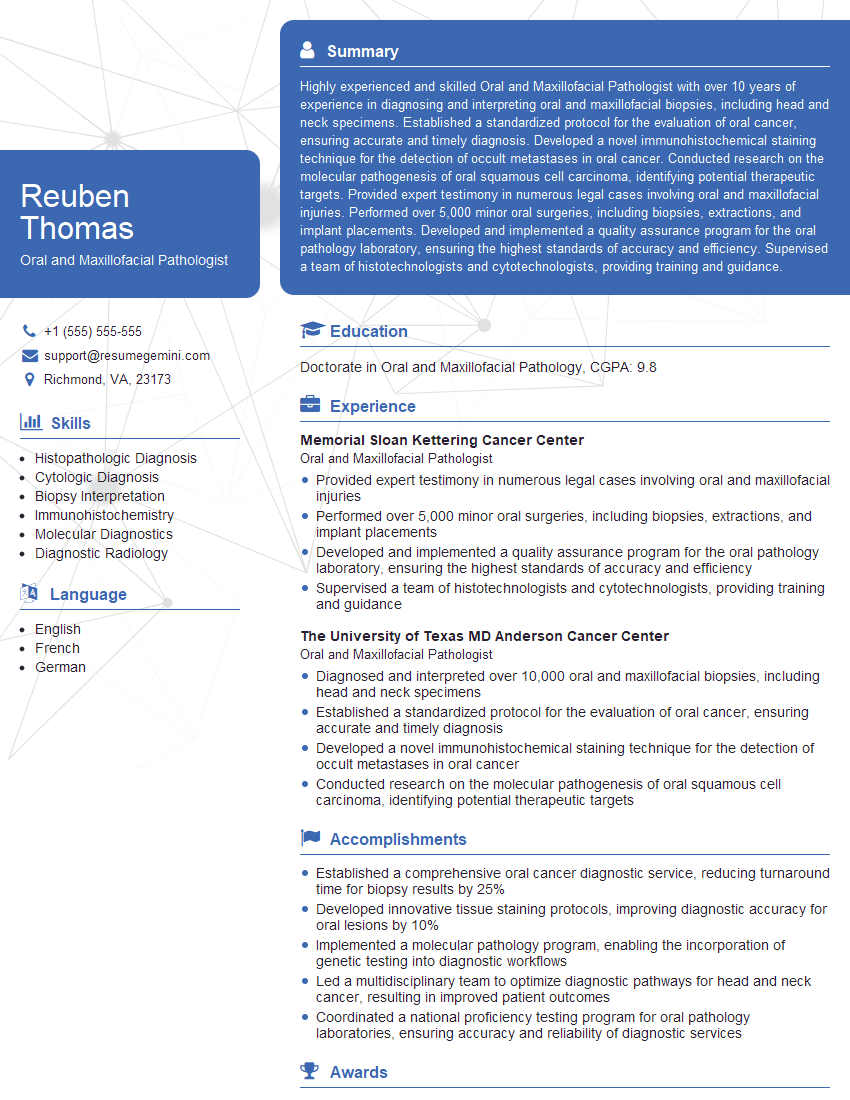
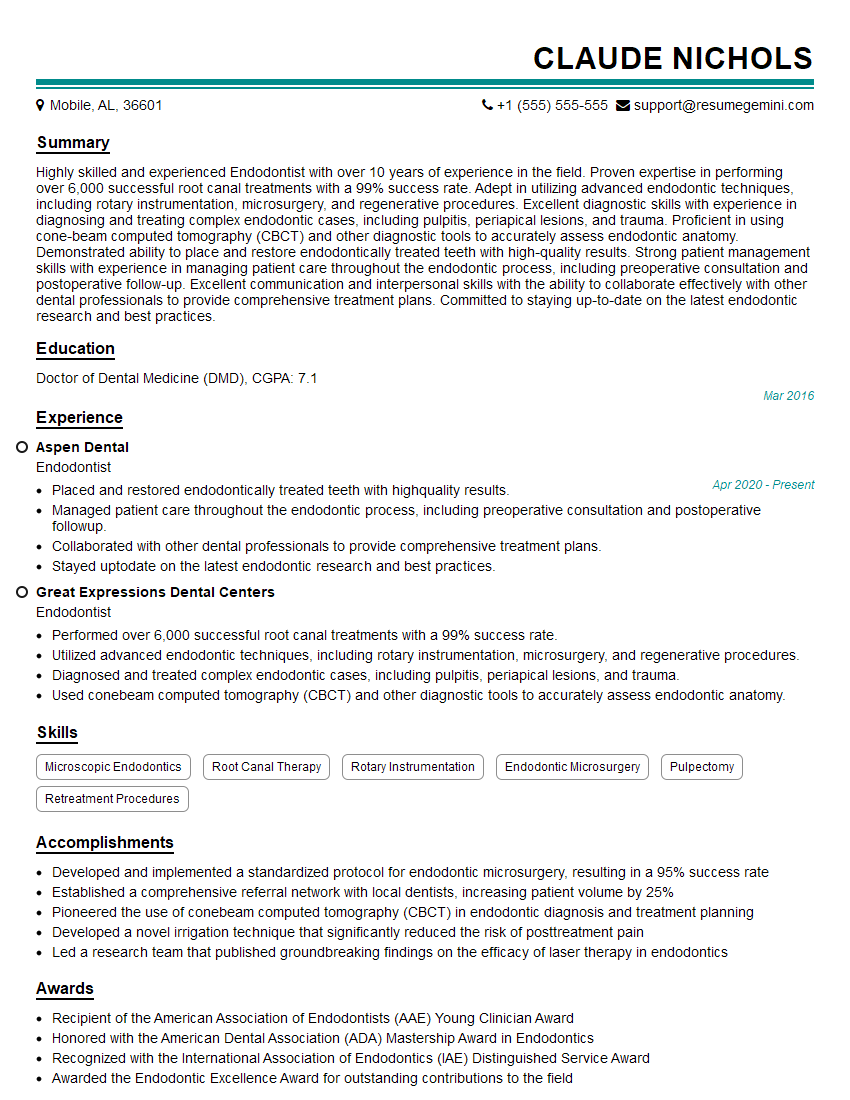
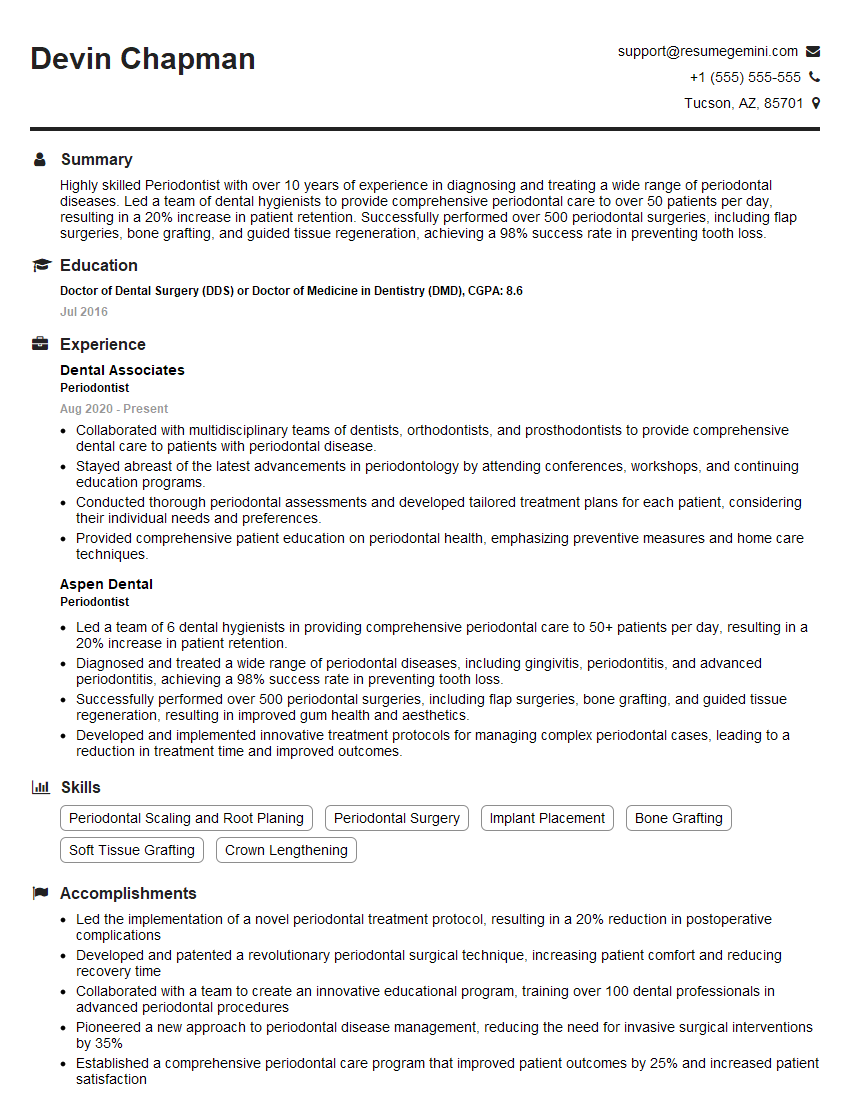
Mastering dental emergencies is crucial for career advancement, showcasing your ability to handle high-pressure situations and provide critical care. This expertise significantly enhances your value to any dental practice. To maximize your job prospects, focus on creating an ATS-friendly resume that highlights your skills and experience in managing dental emergencies. ResumeGemini is a trusted resource to help you build a professional and impactful resume. We provide examples of resumes tailored specifically to Dental Emergencies to guide you in showcasing your qualifications effectively. Take the next step in your career journey today!
Explore more articles
Users Rating of Our Blogs
Share Your Experience
We value your feedback! Please rate our content and share your thoughts (optional).
What Readers Say About Our Blog
Amazing blog
hello,
Our consultant firm based in the USA and our client are interested in your products.
Could you provide your company brochure and respond from your official email id (if different from the current in use), so i can send you the client’s requirement.
Payment before production.
I await your answer.
Regards,
MrSmith
hello,
Our consultant firm based in the USA and our client are interested in your products.
Could you provide your company brochure and respond from your official email id (if different from the current in use), so i can send you the client’s requirement.
Payment before production.
I await your answer.
Regards,
MrSmith
These apartments are so amazing, posting them online would break the algorithm.
https://bit.ly/Lovely2BedsApartmentHudsonYards
Reach out at BENSON@LONDONFOSTER.COM and let’s get started!
Take a look at this stunning 2-bedroom apartment perfectly situated NYC’s coveted Hudson Yards!
https://bit.ly/Lovely2BedsApartmentHudsonYards
Live Rent Free!
https://bit.ly/LiveRentFREE
Interesting Article, I liked the depth of knowledge you’ve shared.
Helpful, thanks for sharing.
Hi, I represent a social media marketing agency and liked your blog
Hi, I represent an SEO company that specialises in getting you AI citations and higher rankings on Google. I’d like to offer you a 100% free SEO audit for your website. Would you be interested?