Unlock your full potential by mastering the most common Communication and Collaboration with Healthcare Professionals interview questions. This blog offers a deep dive into the critical topics, ensuring you’re not only prepared to answer but to excel. With these insights, you’ll approach your interview with clarity and confidence.
Questions Asked in Communication and Collaboration with Healthcare Professionals Interview
Q 1. Describe your experience using different communication methods with healthcare professionals.
My experience spans various communication methods within healthcare, tailored to the situation and audience. I regularly utilize email for scheduling, document sharing, and non-urgent updates. Secure messaging platforms, like those offered through EHR systems, are essential for protecting patient confidentiality and facilitating quick exchanges with colleagues. I frequently participate in in-person team meetings for collaborative problem-solving and decision-making. For urgent matters, direct phone calls ensure immediate attention and clarification. Finally, video conferencing has proven invaluable for remote consultations, multidisciplinary team discussions, and continuing medical education (CME) participation. Each method is chosen strategically to optimize efficiency and effectiveness.
For example, I recently used secure messaging to quickly alert a colleague about a patient’s deteriorating condition, allowing for timely intervention. A subsequent in-person meeting with the care team allowed us to coordinate a plan of care. Regular email updates to patients and families regarding their loved ones’ treatment plan and progress ensured transparency and reduced anxiety.
Q 2. How do you handle conflict resolution within a healthcare team?
Conflict resolution within a healthcare team requires a collaborative and empathetic approach. I prioritize active listening to understand all perspectives, ensuring everyone feels heard and valued. My strategy involves reframing conflicts constructively, focusing on shared goals and patient well-being. This often involves identifying the root cause of the disagreement, rather than focusing on personalities or blame. If necessary, I facilitate structured discussions using techniques like mediation, where I act as a neutral facilitator to help find common ground. In cases where a resolution cannot be reached through collaboration, I escalate the issue to a higher authority, ensuring transparency and fair process throughout.
In a recent case, two nurses had conflicting opinions about a patient’s pain management. Instead of taking sides, I facilitated a discussion, encouraging both nurses to share their concerns and rationale. We then reviewed the patient’s chart together, identifying missing information that contributed to the disagreement. This allowed us to create a revised pain management plan that addressed both nurses’ concerns, leading to improved patient care and stronger teamwork.
Q 3. Explain your approach to disseminating complex medical information to patients and their families.
Disseminating complex medical information requires careful consideration of the patient’s and family’s understanding and emotional state. I begin by assessing their health literacy and emotional readiness. I use clear, concise language, avoiding medical jargon and employing analogies or metaphors to simplify difficult concepts. I ensure that my explanations are tailored to their specific needs and level of understanding. I use visual aids, such as diagrams or charts, when appropriate. Finally, I check for understanding and provide opportunities for questions and clarification. I consistently advocate for shared decision-making, emphasizing patient autonomy and empowering them to participate in their care.
For instance, when explaining a complex cancer diagnosis, I’d start by asking about their prior knowledge and understanding of cancer. I would then use plain language to describe the specific type of cancer, its stage, and treatment options. Visual aids, such as a diagram showing the location of the tumor, could further enhance understanding. Throughout the explanation, I would pause to answer their questions and make sure they feel comfortable and involved in their treatment plan.
Q 4. How would you improve communication and collaboration within a multidisciplinary healthcare team?
Improving communication and collaboration in a multidisciplinary healthcare team requires a multi-pronged approach. Regular team meetings, with clearly defined agendas and allocated time for open discussion, are vital. Implementing a structured communication system, such as a shared electronic health record (EHR) with clear protocols for information sharing, improves accessibility and reduces the risk of miscommunication. Training on effective communication strategies, such as active listening and conflict resolution, can enhance team dynamics. Promoting a culture of respect, transparency, and shared accountability fosters trust and collaboration. Finally, utilizing technology that streamlines communication, such as secure messaging apps and video conferencing tools, can facilitate interactions between team members across different locations and schedules.
For example, establishing a daily “huddle” where the entire team discusses patient updates and identifies potential issues promotes proactive problem-solving and improves coordination of care. Regular training sessions focusing on active listening and respectful communication would contribute to a more positive and productive team environment.
Q 5. Describe a situation where you had to persuade a healthcare professional to adopt a different approach.
I once had to persuade a senior physician to adopt a different approach to a patient’s treatment. The patient had a complex medical history, and the physician’s initial plan was, in my professional opinion, not the most appropriate. I approached the conversation by first acknowledging the physician’s expertise and experience. I then presented my concerns respectfully, supporting my argument with relevant research and evidence-based best practices. I used a collaborative approach, suggesting alternative treatment options and highlighting their potential benefits. Through open dialogue, we explored the pros and cons of different approaches, eventually reaching a consensus that prioritized the patient’s optimal outcome. The key was building trust and mutual respect, emphasizing a shared commitment to the patient’s well-being.
Q 6. How do you ensure clear and effective communication during emergency situations?
Clear and effective communication during emergency situations is paramount. A pre-established communication protocol, understood by all team members, is crucial. This protocol should outline roles, responsibilities, and reporting mechanisms. Using clear, concise language, avoiding jargon, and employing standardized terminology, enhances understanding under stress. Regular drills and simulations can ensure that everyone is familiar with the protocol and able to respond effectively under pressure. The use of readily accessible communication technologies such as pagers, secure messaging, and loudspeakers can be critical in coordinating responses. Finally, a designated communication leader helps to ensure efficient and coordinated information flow to avoid confusion and chaos.
For example, during a cardiac arrest, using SBAR (Situation, Background, Assessment, Recommendation) communication framework allows concise and structured updates among team members. A designated team leader can ensure everyone is focused on the immediate task and understands their role.
Q 7. How do you maintain confidentiality when communicating patient information?
Maintaining patient confidentiality is of utmost importance and is governed by strict legal and ethical guidelines like HIPAA in the US. I adhere to all relevant privacy regulations by only accessing and disclosing patient information on a need-to-know basis. This includes using secure communication channels for all patient-related discussions, adhering to password protection protocols, and utilizing encrypted email and messaging systems. I strictly avoid discussing patient information in public areas or with unauthorized individuals. I am diligent in properly disposing of any printed or written patient information, following appropriate organizational protocols. I also educate patients and their families about their rights to privacy and confidentiality.
For example, I never leave patient charts or files unattended. I always utilize the secure messaging system within our EHR to discuss patient matters with colleagues. Any patient information accessed is only done so within the context of providing direct care and is documented appropriately.
Q 8. How do you adapt your communication style to different personality types within a healthcare setting?
Adapting communication style to different personality types is crucial for effective healthcare collaboration. Understanding personality preferences, such as those described in models like Myers-Briggs or DISC, allows for tailored approaches. For instance, a direct and concise communication style might be best suited for a decisive, task-oriented physician, while a more empathetic and collaborative approach might resonate better with a nurse who prioritizes patient care and relationship building. I assess individual communication preferences through observation and active listening, adjusting my tone, pace, and level of detail accordingly. For example, with a detail-oriented individual, I ensure thorough explanations and offer comprehensive documentation; whereas, with someone who prefers a more concise approach, I focus on key points and summaries. This adaptability fosters trust and improves understanding, leading to smoother workflows and better patient outcomes.
Q 9. What strategies do you use to facilitate teamwork and collaboration in a busy healthcare environment?
Facilitating teamwork in a busy healthcare environment requires proactive strategies. Regular team meetings, with clearly defined agendas and allocated time for open discussion, are essential. Establishing clear roles and responsibilities minimizes confusion and promotes accountability. I actively foster a culture of open communication by encouraging team members to share concerns, ideas, and challenges without fear of judgment. Utilizing collaborative tools, like shared online calendars or project management software, enhances transparency and coordination. For instance, during a particularly hectic period in a previous role, we implemented a daily huddle using a whiteboard system to track patient progress, allocate resources, and address any urgent issues. This visual system greatly improved coordination and reduced communication bottlenecks. Additionally, celebrating successes, both big and small, strengthens team morale and reinforces positive collaboration.
Q 10. Describe your experience with using electronic health records (EHRs) to improve communication.
Electronic Health Records (EHRs) are transformative tools for improving communication. In my experience, EHRs have streamlined information sharing amongst healthcare professionals. Real-time access to patient data, such as lab results, medication lists, and progress notes, significantly reduces delays and eliminates the need for repeated requests. Furthermore, the built-in messaging systems within EHRs provide a secure platform for rapid communication between healthcare teams. For example, I’ve used the EHR’s secure messaging function to quickly relay critical updates on a patient’s condition to the consulting physician, ensuring timely intervention and improved patient care. However, it’s crucial to be mindful of the potential for EHR-related communication breakdowns. Clear, concise documentation and adherence to standardized terminology are essential to prevent misinterpretations. Regularly scheduled training on EHR usage ensures everyone uses the system effectively, maximizing its potential for improved communication.
Q 11. How do you utilize technology to enhance communication and collaboration in healthcare?
Technology plays a vital role in enhancing communication and collaboration. Beyond EHRs, secure video conferencing platforms facilitate remote consultations and team meetings, improving accessibility and reducing travel time. Instant messaging and collaboration platforms (such as Slack or Microsoft Teams) allow for immediate information sharing, especially in urgent situations. Mobile applications designed for healthcare professionals provide access to guidelines, protocols, and reference materials at the point of care. For example, during a pandemic, our team utilized video conferencing to conduct daily ward rounds, reducing infection risk and maintaining effective communication. Additionally, telehealth platforms enabled us to continue providing essential care to patients while mitigating potential exposure.
Q 12. How do you handle situations where communication breakdowns occur?
Communication breakdowns are inevitable, and addressing them promptly is crucial. My approach involves a structured process: first, I identify the source of the breakdown. This might involve seeking clarification from all involved parties to understand their individual perspectives. Openly acknowledging the error and avoiding blame helps create a safe space for discussion. Then, I collaboratively work with the team to determine corrective actions, focusing on improving communication processes for the future. This could involve implementing new protocols, clarifying roles, or providing additional training. Finally, I document the incident, outlining the breakdown, the steps taken to address it, and the preventative measures put in place. A transparent and collaborative approach fosters trust and helps prevent future communication failures.
Q 13. Explain your experience with documenting and reporting healthcare-related incidents.
Documenting and reporting healthcare-related incidents is a critical aspect of patient safety and continuous improvement. My approach adheres to established protocols, including factual and objective reporting, detailing the circumstances, actions taken, and outcomes. This involves using standardized incident reporting forms and adhering to confidentiality guidelines. The goal is to create a comprehensive record that facilitates analysis, identifies trends, and informs preventative strategies. For example, if a medication error occurred, I would meticulously document the event, including the type of error, the patient’s response, any interventions, and the subsequent steps taken to prevent recurrence. This documentation is crucial for internal reviews, regulatory compliance, and continuous improvement efforts.
Q 14. Describe your experience with patient education and health literacy.
Patient education and health literacy are essential components of quality care. I employ a patient-centered approach, assessing individual understanding and tailoring information accordingly. I use clear, concise language, avoiding medical jargon whenever possible, and employing visual aids, such as diagrams or videos, to enhance comprehension. I confirm understanding by asking patients to summarize the information in their own words. For example, when explaining a new medication regimen, I not only explain the dosage and timing but also the potential side effects and how to manage them. I also provide written materials in an easy-to-understand format, ensuring accessibility for diverse learning styles and health literacy levels. I consider cultural factors and language barriers, ensuring that education is culturally sensitive and easily accessible to all patients.
Q 15. How do you ensure effective communication with patients who have limited English proficiency?
Effective communication with patients who have limited English proficiency (LEP) requires a multi-pronged approach focusing on accessibility and cultural sensitivity. It’s not simply about translation; it’s about ensuring understanding and building trust.
- Utilizing professional interpreters: This is paramount. Using family members can lead to misinterpretations and breaches of confidentiality. Professional medical interpreters are trained to handle the nuances of medical terminology and ensure accurate communication.
- Employing bilingual staff: If possible, having staff fluent in the patient’s language can create a more comfortable and familiar environment.
- Using visual aids: Pictures, diagrams, and videos can greatly enhance comprehension, particularly when discussing complex medical procedures or treatments.
- Employing culturally appropriate communication styles: Understanding the patient’s cultural background informs how you interact and deliver information. Directness might be highly valued in some cultures, while indirect communication is preferred in others. This requires sensitivity and cultural competency training.
- Using standardized translation tools: While these shouldn’t replace professional interpreters, tools like certified translation software can assist with written materials.
For example, during a patient education session, if the patient doesn’t understand a term like ‘metastasis,’ instead of assuming they understand, I’d utilize a visual aid or a simple explanation tailored to their understanding. Follow up questions help ensure true comprehension.
Career Expert Tips:
- Ace those interviews! Prepare effectively by reviewing the Top 50 Most Common Interview Questions on ResumeGemini.
- Navigate your job search with confidence! Explore a wide range of Career Tips on ResumeGemini. Learn about common challenges and recommendations to overcome them.
- Craft the perfect resume! Master the Art of Resume Writing with ResumeGemini’s guide. Showcase your unique qualifications and achievements effectively.
- Don’t miss out on holiday savings! Build your dream resume with ResumeGemini’s ATS optimized templates.
Q 16. How do you prioritize tasks and manage your time effectively when dealing with competing communication demands?
Prioritizing tasks and managing time effectively amidst competing communication demands requires a structured approach. I utilize a combination of tools and techniques to stay organized and efficient.
- Prioritization Matrices: I use methods like the Eisenhower Matrix (urgent/important) to categorize tasks based on their impact and deadlines. This helps to focus on the most critical communication needs first.
- Time Blocking: I allocate specific time slots in my day for various communication activities – responding to emails, attending meetings, making phone calls, etc. This structured approach helps prevent feeling overwhelmed.
- Delegation: When appropriate, I delegate tasks to other team members who possess the necessary skills and authority to ensure efficient workflow.
- Technology: I leverage communication tools such as scheduling software, shared calendars, and collaborative platforms to streamline communication and track progress.
- Regular review and adjustment: It’s crucial to continuously evaluate my schedule and adjust my priorities as needed. Unexpected urgent issues require flexible adaptation of my plan.
For instance, if I have a complex case requiring collaboration with multiple specialists, I’d schedule a dedicated meeting time and prepare a detailed agenda beforehand to ensure efficient use of everyone’s time and expertise.
Q 17. Describe a time when you had to negotiate a solution amongst healthcare professionals with conflicting viewpoints.
In a situation involving a patient with a complex diagnosis, the surgical team, the oncology team, and the palliative care team held differing opinions on the best course of action. The surgical team favored immediate surgery, the oncology team wanted to focus on chemotherapy first, and palliative care focused on pain management and quality of life.
To navigate this, I facilitated a collaborative meeting using a structured approach:
- Clearly defined the problem: We established the core issue as determining the optimal treatment plan considering the patient’s overall health and wishes.
- Encouraged open communication: I created a safe space for each team to express their perspectives and reasoning, actively listening to their concerns and validating their expertise.
- Identified common goals: We established shared objectives: improving the patient’s quality of life and extending their lifespan as much as possible.
- Brainstormed solutions: We explored various treatment approaches, considering the pros and cons of each option in light of the patient’s specific condition.
- Negotiated a compromise: Through careful discussion, we developed a phased approach that incorporated elements from each team’s recommendations. This involved an initial phase focused on pain management, followed by a less aggressive chemotherapy regimen, with surgery considered as a later possibility if appropriate.
- Documented the agreement: The final treatment plan was documented, with the rationale clearly explained for all stakeholders.
The result was a treatment plan that respected each team’s expertise and aligned with the patient’s best interests. Open communication and a willingness to find common ground were critical to reaching a successful resolution.
Q 18. How do you ensure all relevant stakeholders are informed and involved in important decisions?
Ensuring all relevant stakeholders are informed and involved in important decisions hinges on establishing clear communication channels and employing collaborative strategies.
- Identifying Stakeholders: The first step is to clearly identify all parties who have a stake in the decision – the patient, family, medical team, administrative staff, etc.
- Choosing Appropriate Communication Methods: Different methods are suitable for different stakeholders and situations. Face-to-face meetings are ideal for complex or sensitive discussions, while emails and online portals may be more efficient for routine updates.
- Establishing Clear Communication Channels: A well-defined communication plan ensures everyone knows where to get information and how to provide feedback. This could include regular team meetings, email updates, or a dedicated online platform.
- Utilizing Collaborative Tools: Tools like project management software or shared documents enable real-time collaboration and track decision-making processes.
- Documenting Decisions: Maintaining accurate records of discussions, decisions, and any dissenting opinions is vital for transparency and accountability.
- Seeking Feedback: Regularly checking in with stakeholders to solicit feedback ensures that everyone feels heard and involved.
For example, in discharging a patient, I would make sure the patient and their family are involved in understanding the discharge plan, the medical team is in agreement on the care transition, and the appropriate administrative procedures have been followed. Each party would receive clear instructions and be given appropriate channels to reach out with questions or concerns.
Q 19. How familiar are you with HIPAA regulations and how do you apply them in your communication practices?
HIPAA (Health Insurance Portability and Accountability Act) regulations are fundamental to my communication practices. They establish national standards for protecting sensitive patient health information. I am highly familiar with these regulations and apply them rigorously in all aspects of my work.
- Confidentiality: I ensure that all conversations, written communications, and electronic records adhere to strict confidentiality protocols. This includes only discussing patient information with authorized individuals and using secure communication channels.
- Access Restrictions: I understand the importance of restricting access to patient information based on the “need to know” principle. Only individuals directly involved in the patient’s care have access to their records.
- Data Security: I follow strict procedures for protecting electronic health records (EHRs) and other sensitive data, including password protection, encryption, and regular security updates.
- Breach Reporting: I am aware of the reporting requirements in case of a HIPAA violation and understand the procedures to follow in such a scenario.
- Patient Consent: I always obtain appropriate patient consent before sharing any information with third parties.
For example, I would never leave a patient’s chart open on my computer when I leave my workstation and I would always use a secure method of communication when discussing patient information with other members of the healthcare team. I am consistently mindful of protecting patient privacy in both my verbal and written communication.
Q 20. How do you build and maintain rapport with healthcare professionals?
Building and maintaining rapport with healthcare professionals relies on open communication, mutual respect, and a collaborative spirit.
- Active Listening: I actively listen to colleagues’ perspectives, showing genuine interest and valuing their input, even if it differs from my own. This demonstrates respect for their expertise and fosters trust.
- Clear and Concise Communication: I strive to communicate clearly and concisely, conveying information in a way that is easy to understand and avoids ambiguity.
- Professionalism and Respect: Maintaining a professional and respectful demeanor in all interactions is essential for establishing and sustaining positive relationships.
- Collaboration and Teamwork: I actively participate in team projects, offer assistance to colleagues when needed, and actively contribute to a positive team environment.
- Regular Communication: Maintaining regular communication, such as brief check-ins or informal conversations, helps build relationships and ensures everyone is on the same page.
For example, when working with a colleague who has a different approach to patient care, rather than dismissing their method, I’d engage them in a conversation to understand their reasoning and explore how we could potentially integrate aspects of both approaches to provide the best possible patient care. This shows respect and fosters a collaborative spirit.
Q 21. Describe your experience with interprofessional collaboration in patient care.
My experience with interprofessional collaboration in patient care has been extensive and profoundly positive. I’ve been involved in numerous multidisciplinary teams, working alongside physicians, nurses, pharmacists, physiotherapists, social workers, and other healthcare professionals.
For instance, I participated in a care coordination team for patients with chronic heart failure. The team included cardiologists, nurses, dieticians, and social workers. My role involved facilitating communication, ensuring everyone had access to the patient’s complete medical history, and coordinating care plans. This involved:
- Regular team meetings: We held regular meetings to discuss each patient’s progress, address challenges, and collaboratively adjust care plans as needed.
- Shared electronic health records: Using a shared EHR system ensured everyone had access to the most up-to-date patient information.
- Conflict resolution: On occasion, disagreements arose regarding treatment plans. Through open dialogue, respectful communication, and consensus building, we reached solutions that were in the patients’ best interests.
- Patient-centered care: The focus of our collaboration was always on the patient’s needs, preferences, and goals.
- Outcome tracking: We regularly tracked patient outcomes to assess the effectiveness of our collaborative efforts and identify areas for improvement.
This experience reinforced the critical role of effective communication and collaboration in delivering high-quality, patient-centered care. A successful interprofessional team leverages the diverse expertise of its members to provide holistic care that addresses all aspects of a patient’s health and well-being.
Q 22. How do you contribute to a positive and collaborative work environment in a healthcare setting?
Building a positive and collaborative work environment in healthcare requires a multifaceted approach. It’s not just about pleasantries; it’s about fostering trust, respect, and open communication. I believe in leading by example, actively listening to colleagues’ concerns, and valuing diverse perspectives.
- Active Listening and Empathy: I prioritize truly hearing what others say, understanding their perspectives, and responding thoughtfully. For example, during a team meeting, if a nurse expresses frustration with a new protocol, I wouldn’t interrupt but would listen carefully before asking clarifying questions to ensure I fully grasp their concerns.
- Respectful Communication: I always communicate respectfully, using inclusive language and avoiding any form of derogatory or dismissive behavior. This means acknowledging contributions, appreciating efforts, and celebrating successes as a team.
- Conflict Resolution: I strive to address conflicts proactively and constructively. This might involve mediating disagreements between colleagues or facilitating open discussions to resolve misunderstandings. My approach focuses on identifying the root cause of the conflict and finding mutually agreeable solutions, rather than assigning blame.
- Team Building Activities: I also believe in the power of team-building activities to strengthen relationships and create a more cohesive unit. This could involve informal gatherings, social events, or even collaborative projects that encourage interaction outside of the clinical setting.
Q 23. How do you handle criticism and feedback from healthcare professionals?
Criticism and feedback are vital for professional growth. I view them as opportunities for learning and improvement, rather than personal attacks. My approach involves several key steps:
- Active Listening: I carefully listen to the feedback without interrupting, focusing on understanding the points being made.
- Clarification: If something is unclear, I politely ask for clarification to ensure I fully comprehend the feedback.
- Reflection: I take time to reflect on the feedback, considering its validity and how I can apply it to improve my performance.
- Actionable Steps: I identify specific, actionable steps I can take to address the feedback. For instance, if feedback pointed towards a lack of clarity in my communication, I would focus on improving my written reports and verbal explanations.
- Follow-up: I follow up with the person who provided the feedback, demonstrating my commitment to improvement and showing the steps I’ve taken.
For example, if a physician criticized my report for being overly technical, I would reflect on their comment, potentially asking for a clearer explanation on what specifically was unclear, and then revise my reports in simpler language, ensuring that crucial information was still accurately represented. This demonstrates a proactive and accountable approach to feedback.
Q 24. How do you provide constructive feedback to colleagues in a healthcare setting?
Providing constructive feedback requires tact and sensitivity. It’s essential to focus on behavior rather than personality. I use the SBI (Situation-Behavior-Impact) model as a framework.
- Situation: I describe the specific situation where the behavior occurred. For example, “During yesterday’s morning rounds…”
- Behavior: I objectively describe the behavior without judgment. For example, “I observed that the patient’s chart was not updated promptly.”
- Impact: I explain the impact of the behavior on others or the team. For example, “This delayed the discharge process and created confusion for the oncoming shift.”
I always aim to make my feedback specific, actionable, and balanced, highlighting both positive contributions and areas for improvement. I would also encourage a two-way conversation, allowing my colleague to share their perspective and explore solutions collaboratively. It is crucial to maintain a respectful and supportive tone throughout the entire process.
Q 25. Describe your experience in using various communication tools for effective collaboration.
Effective collaboration relies on the appropriate use of communication tools. My experience encompasses a variety of platforms:
- Electronic Health Records (EHRs): I am proficient in using EHR systems for secure communication and documentation, ensuring patient data confidentiality and accessibility for the entire care team.
- Secure Messaging Platforms: I use HIPAA-compliant messaging systems for quick and efficient communication regarding patient updates, test results, or scheduling changes.
- Video Conferencing: I’ve utilized video conferencing tools for virtual meetings and consultations, particularly useful for remote collaboration or when geographical distances present a challenge.
- Project Management Software: Tools like Asana or Trello are valuable for managing tasks, tracking progress, and maintaining transparency within collaborative projects, particularly for quality improvement initiatives.
Choosing the right tool depends on the context. For urgent patient matters, a secure messaging system is crucial; for complex discussions, video conferencing might be more effective; for long-term projects, project management software ensures organized workflow. My experience ensures that I select the most appropriate tool for the situation, prioritizing secure and efficient communication.
Q 26. Explain your understanding of different communication styles and their effectiveness in healthcare.
Understanding different communication styles is paramount in healthcare. Misunderstandings can have serious consequences. Some common styles include:
- Direct: This style is clear, concise, and to the point. It’s effective for urgent situations but can sometimes be perceived as blunt.
- Indirect: This style relies on hints and suggestions, potentially leading to ambiguity if not interpreted correctly. It might be more suitable for sensitive topics but requires careful attention to avoid miscommunication.
- Passive: This style avoids direct expression of opinions or needs, often leading to resentment and unresolved issues. It’s rarely effective in a healthcare setting where decisive action is often needed.
- Assertive: This style balances directness with respect and empathy, enabling clear communication while preserving relationships. It’s generally the most effective style in healthcare.
Adapting my communication style to the context and individual is key. With a senior physician, a direct approach might be appropriate, while a more empathetic and indirect approach might be better suited for a distraught family member. Recognizing and responding to different communication styles promotes better understanding and avoids potential conflict.
Q 27. How do you contribute to the development and implementation of communication protocols within a healthcare team?
Contributing to the development and implementation of communication protocols is vital for optimizing patient care and teamwork. My contributions include:
- Needs Assessment: Identifying communication gaps and areas for improvement through observation, surveys, or focus groups with the team. This helps in pinpointing the most pressing issues.
- Protocol Development: Participating actively in the design and drafting of clear, concise, and practical communication protocols. This ensures that the protocols are not only effective but also easy to understand and implement.
- Implementation and Training: Assisting in the implementation of new protocols and providing comprehensive training to healthcare professionals on the proper usage and benefits of the newly established communication system.
- Evaluation and Improvement: Continuously monitoring the effectiveness of existing protocols and recommending modifications based on feedback and data analysis. Regular evaluation ensures that the protocols remain relevant and efficient.
For example, I’ve participated in designing a standardized handover protocol for patient information between shifts. This involved defining specific information to be included, a consistent format for documentation, and scheduled handover times to minimize confusion and ensure seamless patient care. This proactive involvement in establishing and improving communication protocols greatly enhances the efficiency and safety of the healthcare team.
Key Topics to Learn for Communication and Collaboration with Healthcare Professionals Interview
- Effective Verbal Communication: Mastering clear, concise, and empathetic communication techniques in diverse healthcare settings. This includes adapting your communication style to different professionals (doctors, nurses, patients, etc.).
- Nonverbal Communication Awareness: Understanding and interpreting nonverbal cues to build rapport and ensure accurate message transmission. Consider how body language, tone, and facial expressions impact interactions.
- Active Listening and Empathetic Responses: Developing skills to actively listen, understand perspectives, and respond with empathy to patients and colleagues facing stressful situations. Practice reflecting back what you hear to confirm understanding.
- Conflict Resolution and Negotiation: Strategies for navigating disagreements and finding mutually agreeable solutions within a healthcare team. Role-playing different conflict scenarios can be beneficial.
- Teamwork and Collaboration: Understanding the dynamics of interprofessional teams and contributing effectively to collaborative projects. Explore different team communication models and their strengths/weaknesses.
- Professionalism and Ethics in Communication: Adhering to professional standards and ethical guidelines in all healthcare communications, particularly concerning patient confidentiality and data privacy.
- Technological Communication Tools: Familiarity with electronic health records (EHRs), telehealth platforms, and other communication technologies used in modern healthcare settings. Consider how these tools impact communication efficiency and potential challenges.
- Cultural Competency and Sensitivity: Understanding and respecting diverse cultural backgrounds and communication styles to provide inclusive and equitable care. Think about how cultural differences impact patient interactions and teamwork.
- Documentation and Reporting: Accurately and efficiently documenting communications and relevant information for patient care and legal compliance. Practice summarizing complex information concisely and accurately.
Next Steps
Mastering communication and collaboration skills is paramount for career advancement in healthcare. These skills are highly valued by employers and significantly impact patient outcomes and team effectiveness. To enhance your job prospects, creating a strong, ATS-friendly resume is crucial. ResumeGemini is a trusted resource that can help you build a professional resume tailored to showcase your expertise in Communication and Collaboration with Healthcare Professionals. Examples of resumes specifically designed for this field are available to help you craft a compelling application. Take the next step towards your dream career today!
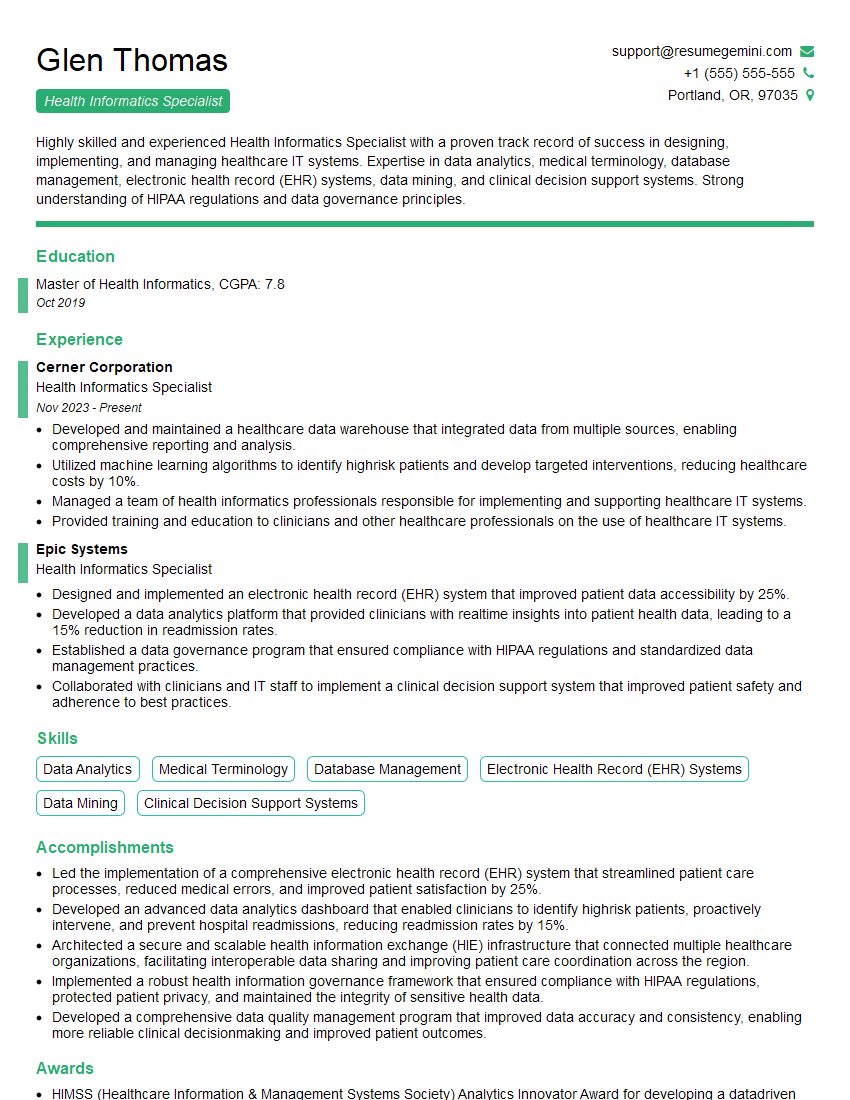
Health Informatics Specialist Resume Sample
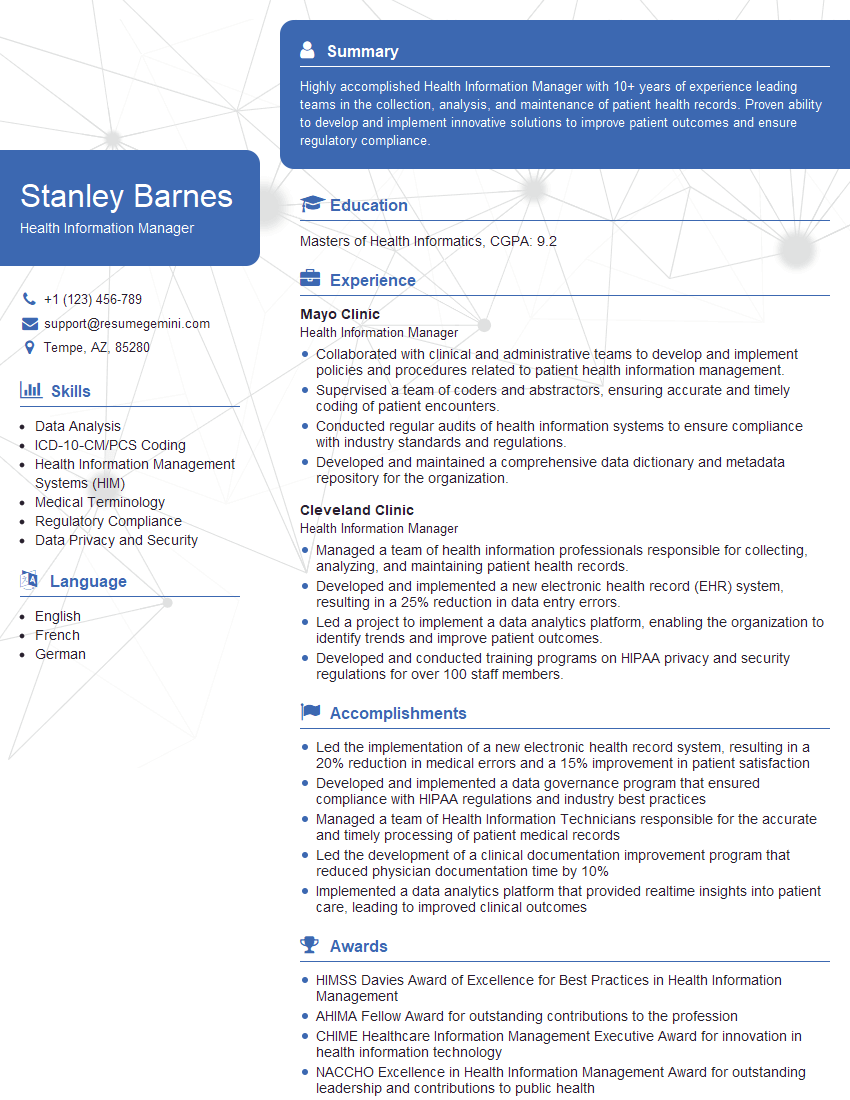
Health Information Manager Resume Sample
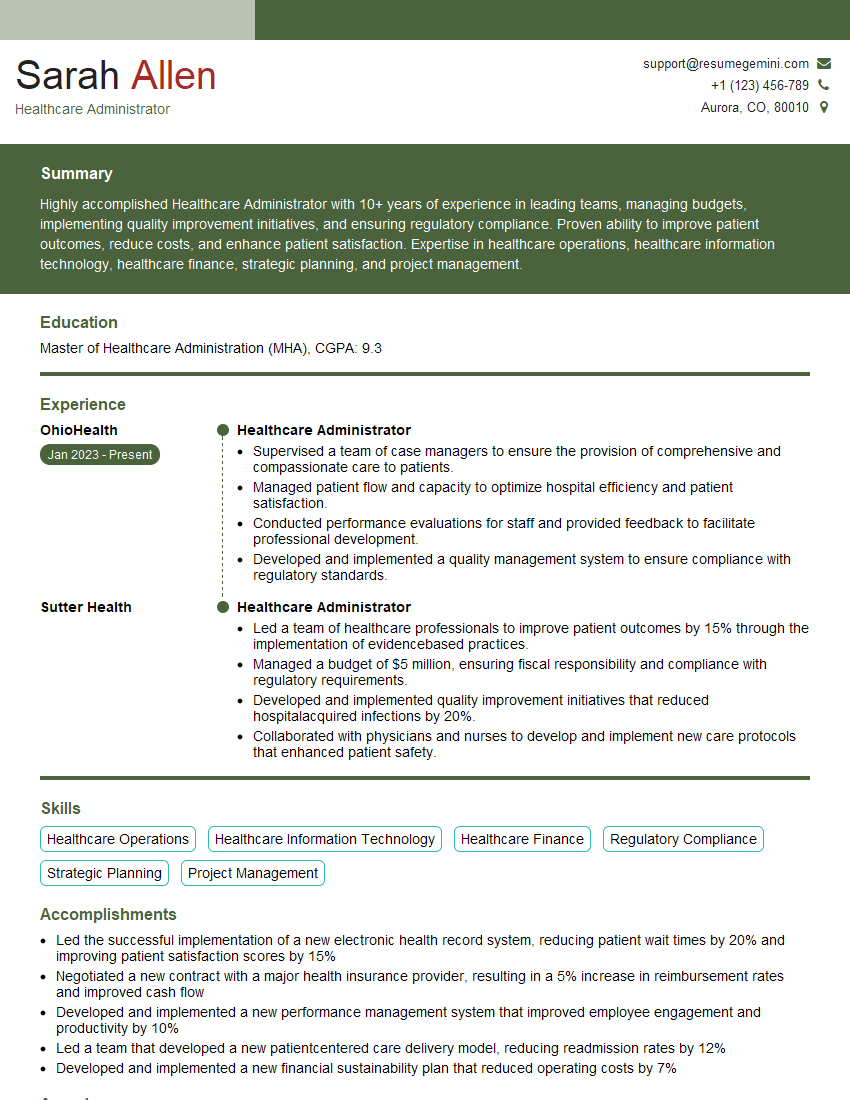
Healthcare Administrator Resume Sample
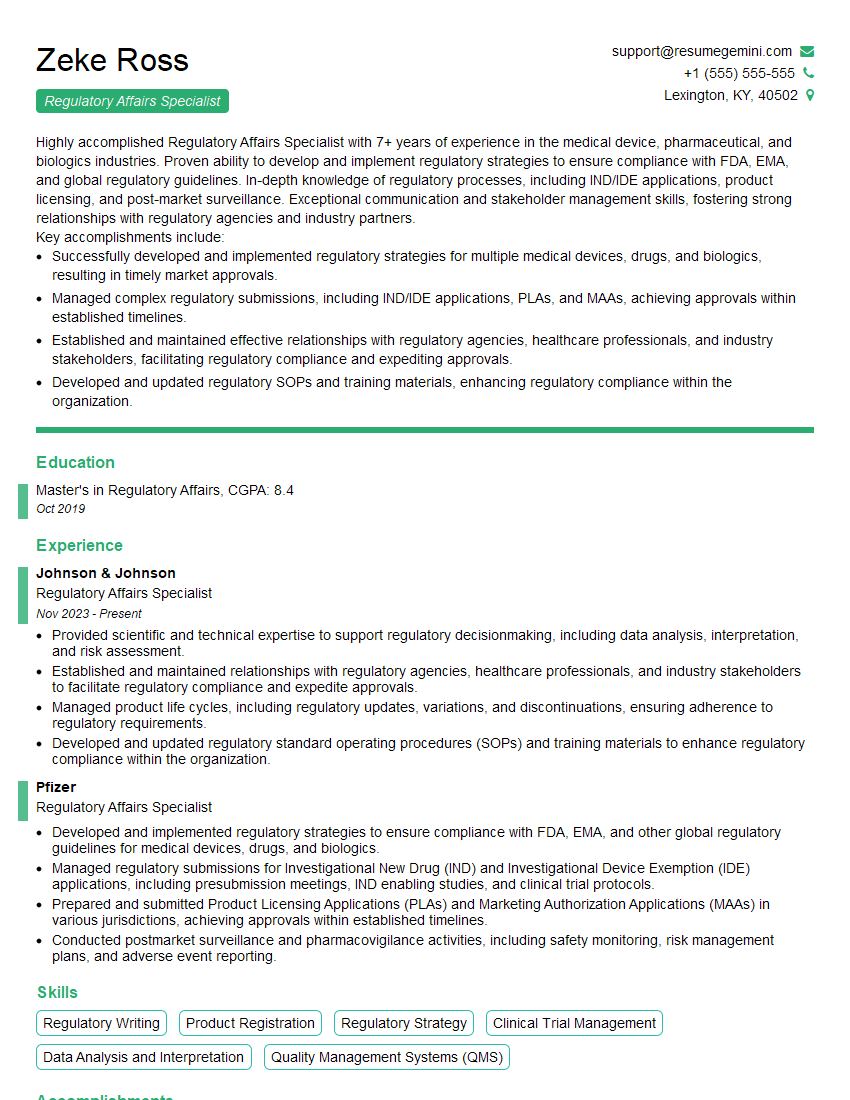
Regulatory Affairs Specialist Resume Sample
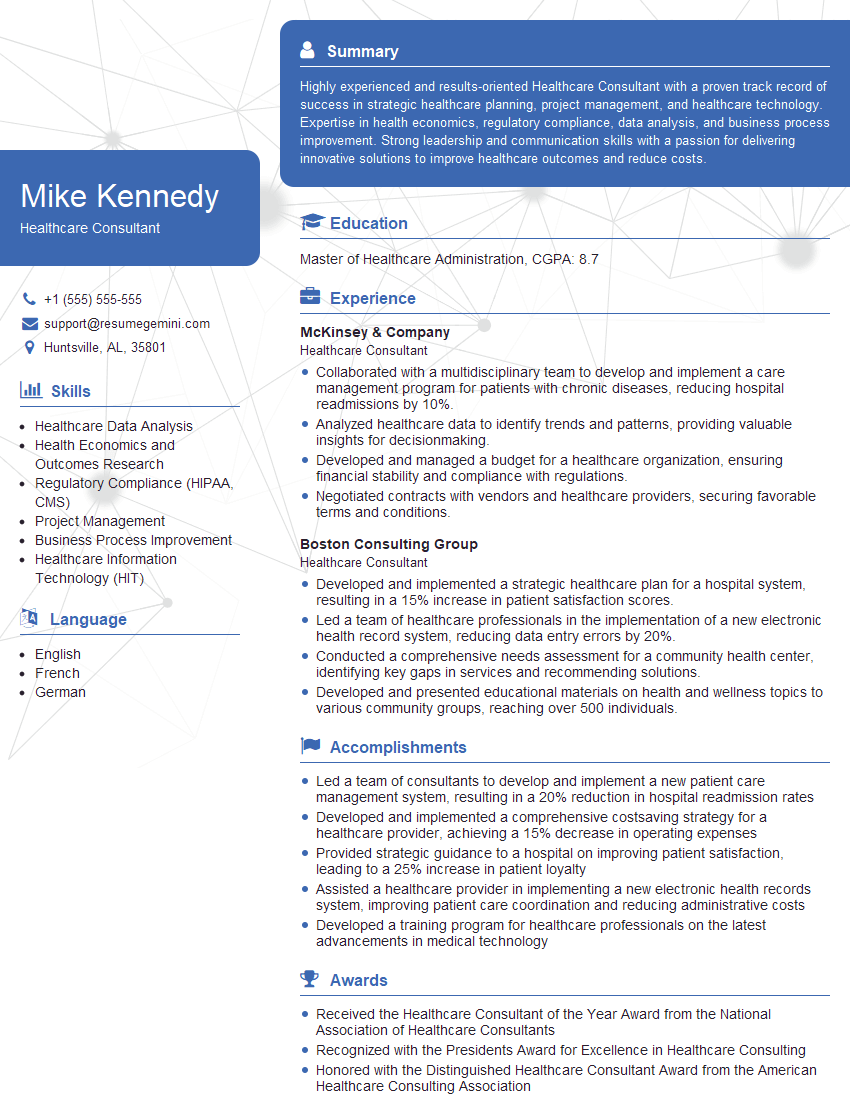
Healthcare Consultant Resume Sample
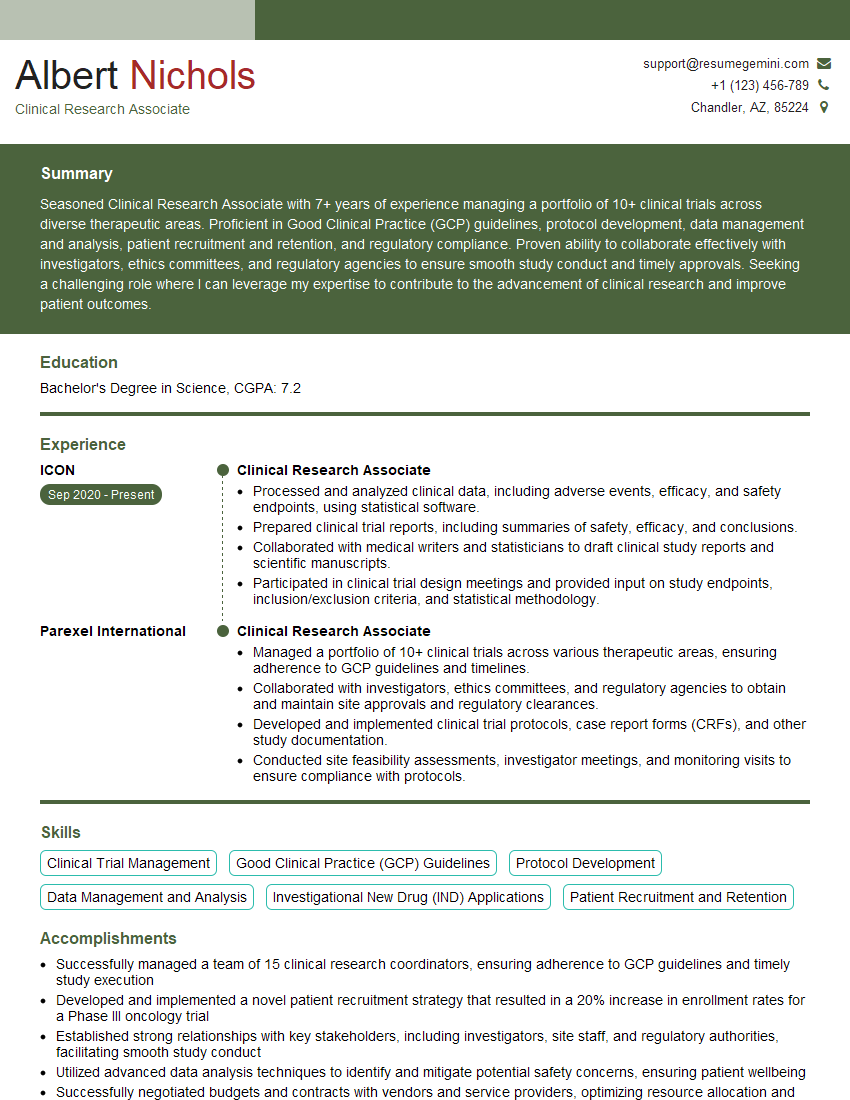
Clinical Research Associate Resume Sample
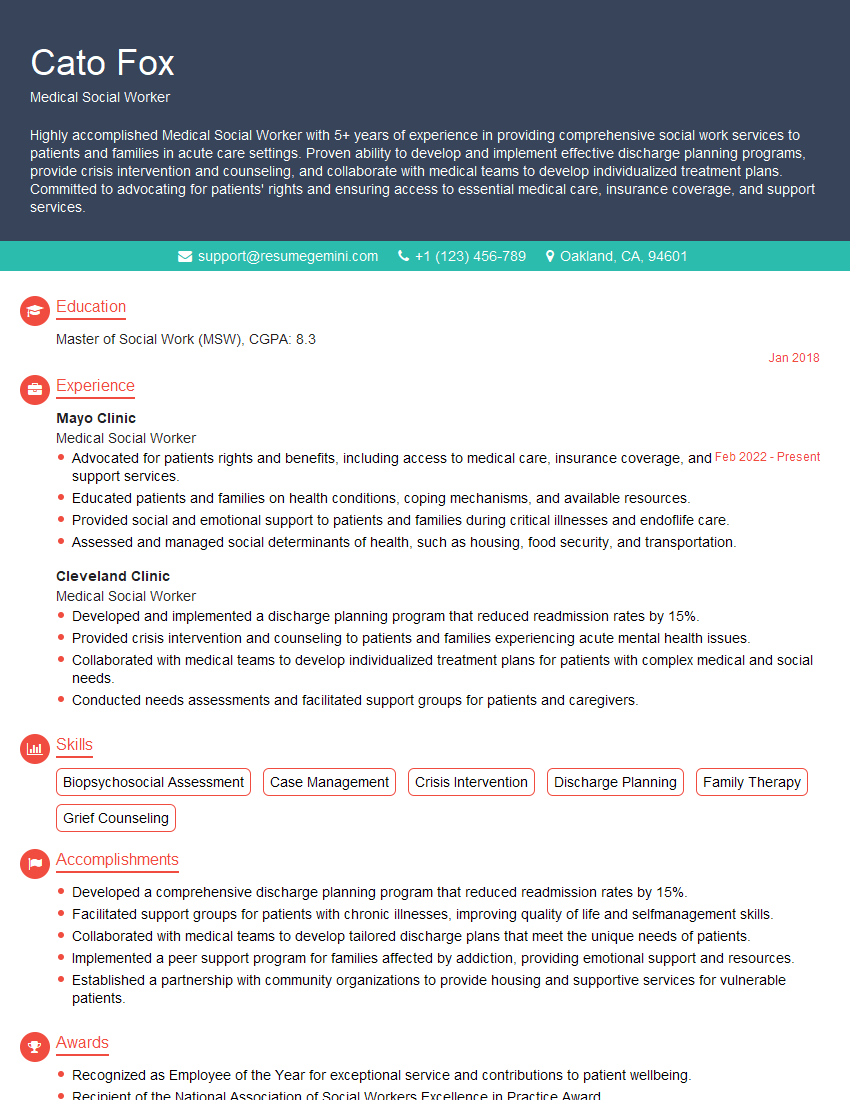
Medical Social Worker Resume Sample
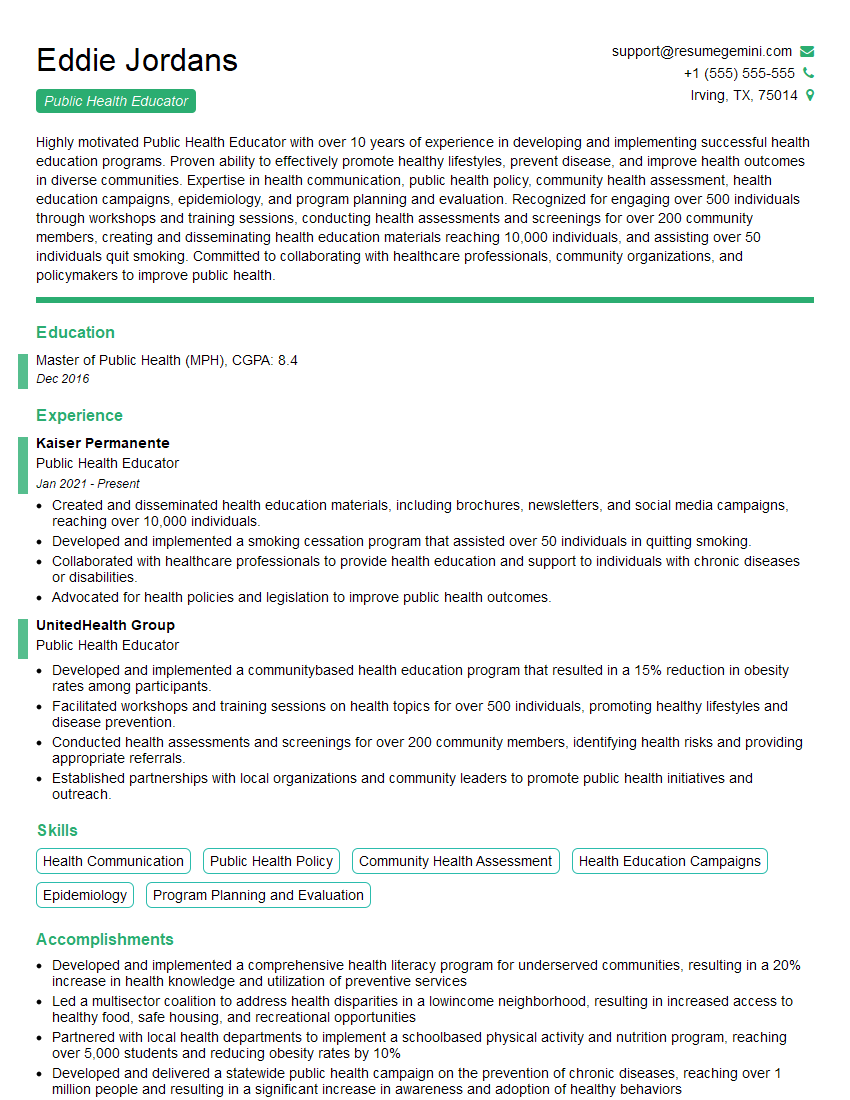
Public Health Educator Resume Sample
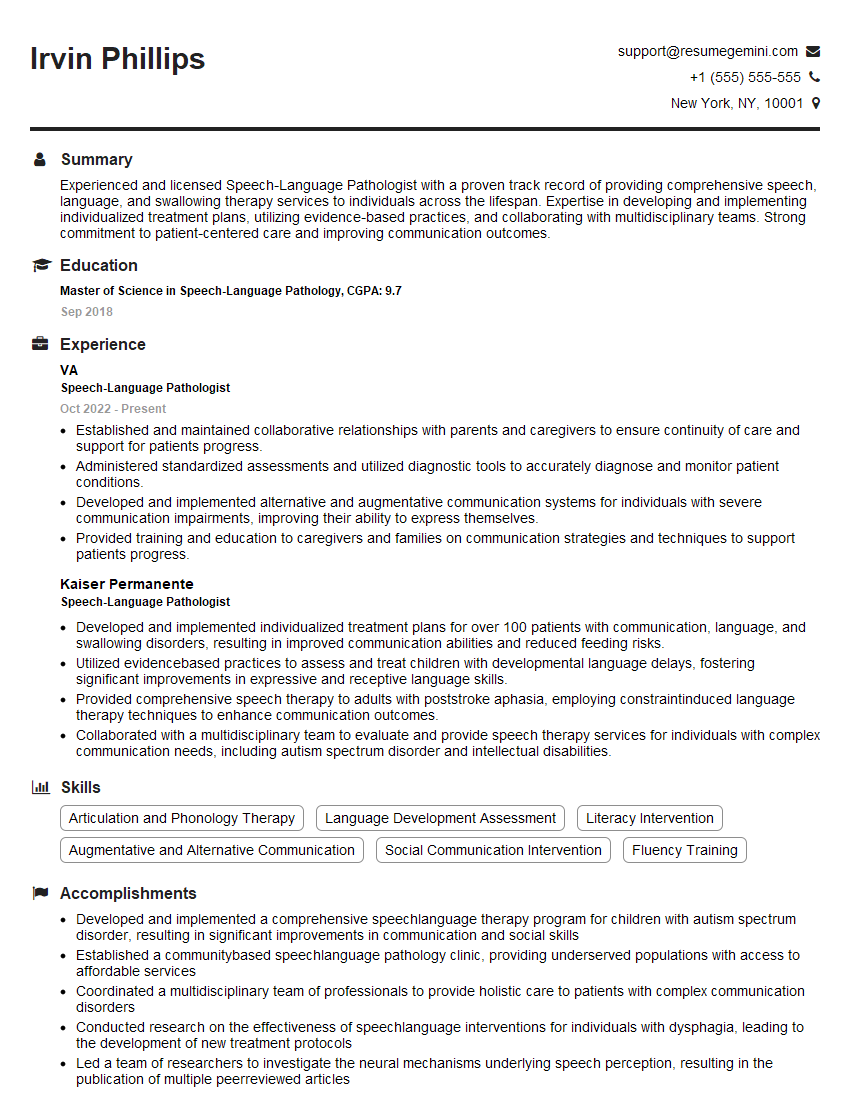
Speech-Language Pathologist Resume Sample
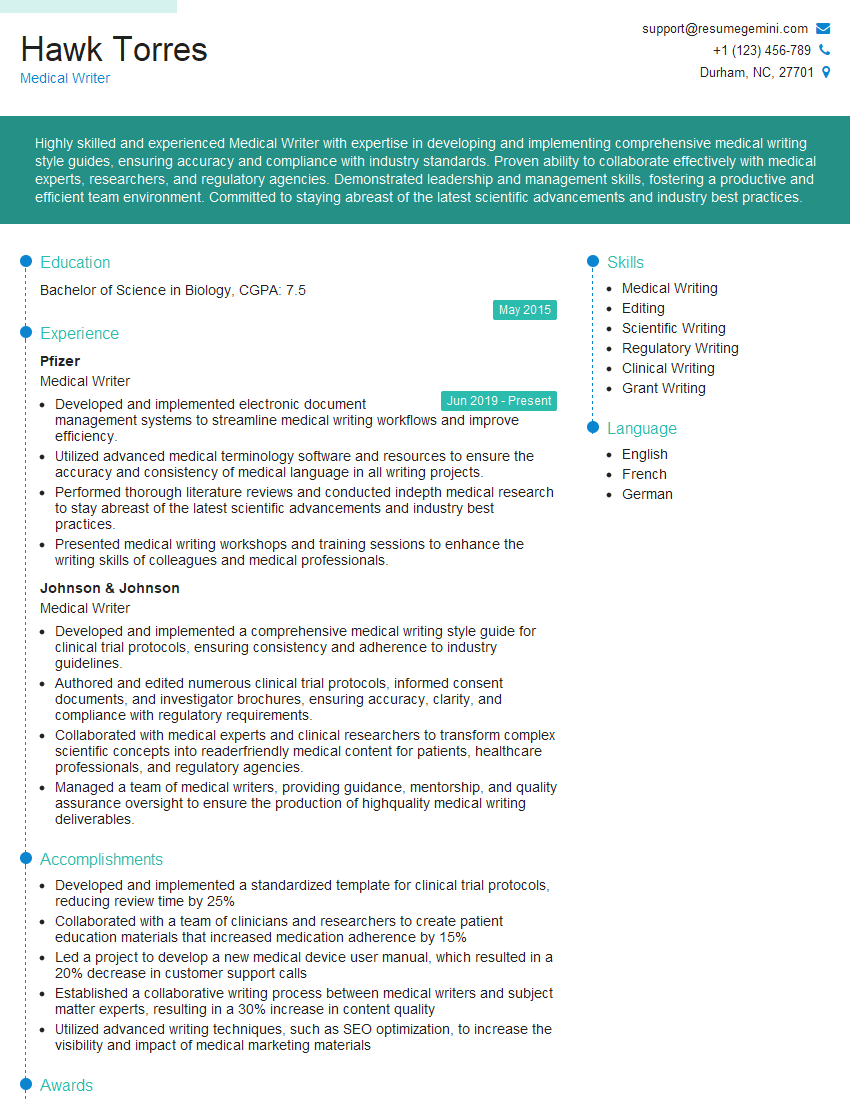
Medical Writer Resume Sample
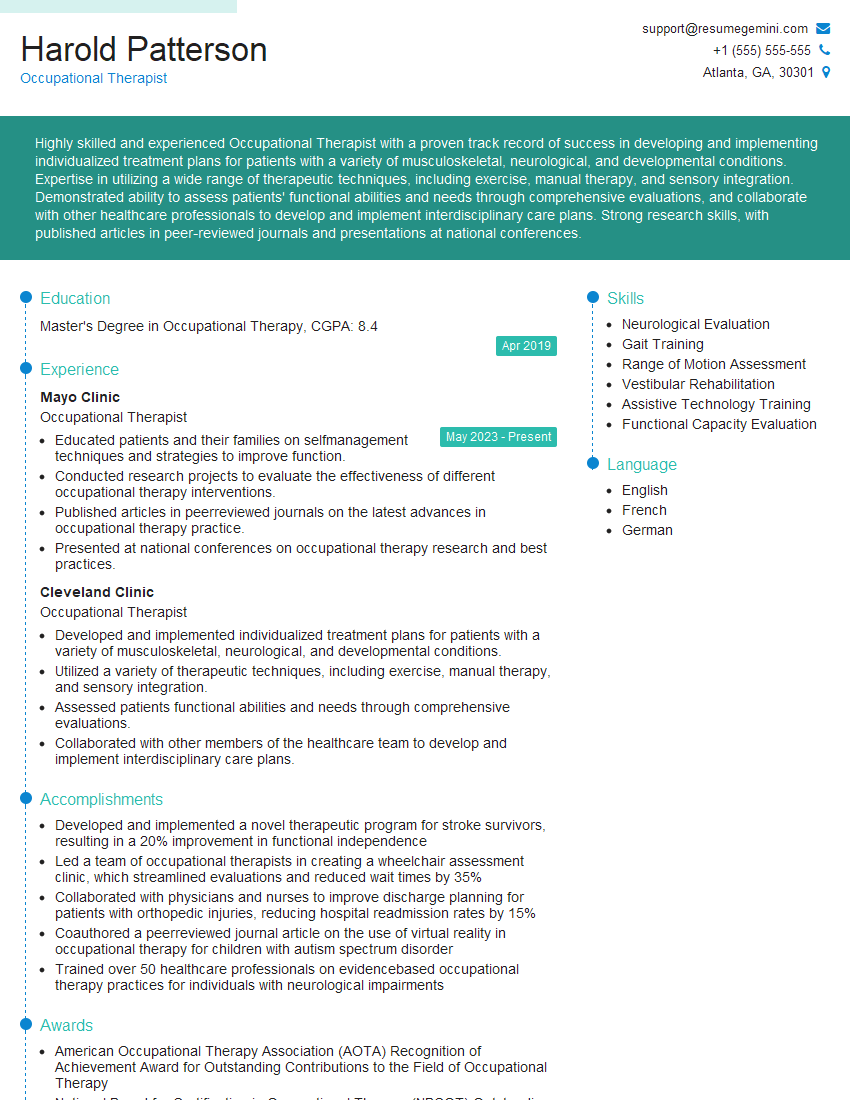
Occupational Therapist Resume Sample
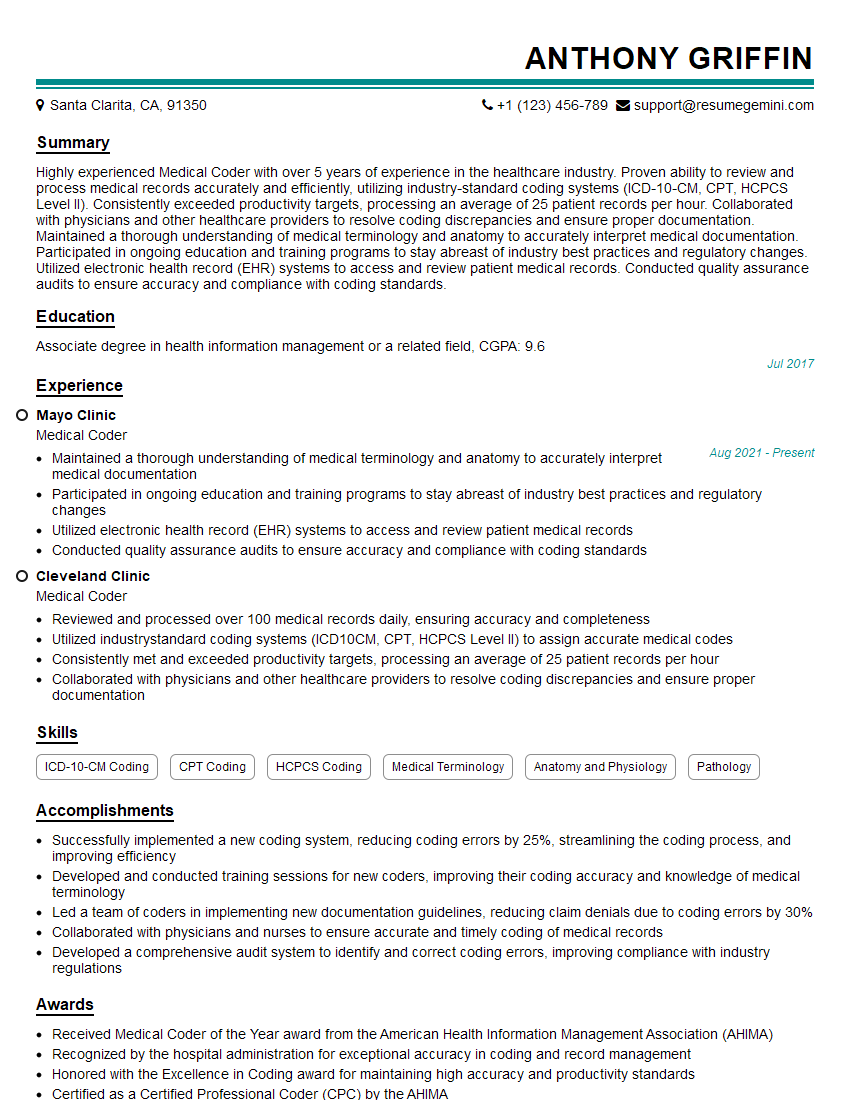
Medical Coder Resume Sample

Patient Advocate Resume Sample
- Health Informatics Specialist
- Health Information Manager
- Healthcare Administrator
- Regulatory Affairs Specialist
- Healthcare Consultant
- Clinical Research Associate
- Medical Social Worker
- Public Health Educator
- Speech-Language Pathologist
- Medical Writer
- Occupational Therapist
- Medical Coder
- Patient Advocate
Explore more articles
Users Rating of Our Blogs
Share Your Experience
We value your feedback! Please rate our content and share your thoughts (optional).
What Readers Say About Our Blog
Amazing blog
hello,
Our consultant firm based in the USA and our client are interested in your products.
Could you provide your company brochure and respond from your official email id (if different from the current in use), so i can send you the client’s requirement.
Payment before production.
I await your answer.
Regards,
MrSmith
hello,
Our consultant firm based in the USA and our client are interested in your products.
Could you provide your company brochure and respond from your official email id (if different from the current in use), so i can send you the client’s requirement.
Payment before production.
I await your answer.
Regards,
MrSmith
These apartments are so amazing, posting them online would break the algorithm.
https://bit.ly/Lovely2BedsApartmentHudsonYards
Reach out at BENSON@LONDONFOSTER.COM and let’s get started!
Take a look at this stunning 2-bedroom apartment perfectly situated NYC’s coveted Hudson Yards!
https://bit.ly/Lovely2BedsApartmentHudsonYards
Live Rent Free!
https://bit.ly/LiveRentFREE
Interesting Article, I liked the depth of knowledge you’ve shared.
Helpful, thanks for sharing.
Hi, I represent a social media marketing agency and liked your blog
Hi, I represent an SEO company that specialises in getting you AI citations and higher rankings on Google. I’d like to offer you a 100% free SEO audit for your website. Would you be interested?