Preparation is the key to success in any interview. In this post, we’ll explore crucial Sleep Apnea interview questions and equip you with strategies to craft impactful answers. Whether you’re a beginner or a pro, these tips will elevate your preparation.
Questions Asked in Sleep Apnea Interview
Q 1. Explain the different types of sleep apnea.
Sleep apnea is a sleep disorder characterized by pauses in breathing or shallow breaths during sleep. There are two main types:
- Obstructive Sleep Apnea (OSA): This is the most common type. It occurs when the muscles in the back of your throat relax and block your airway during sleep. Imagine a partially collapsed air hose – the air struggles to get through. This leads to repeated interruptions in breathing, often accompanied by loud snoring.
- Central Sleep Apnea (CSA): This type is less common. It happens when your brain doesn’t send the proper signals to your muscles to control breathing. The airway itself isn’t blocked, but your breathing simply stops because the brain doesn’t signal the respiratory system to work properly. Think of it like a faulty control panel not telling the engine to run.
- Complex Sleep Apnea Syndrome (also called Treatment-Emergent Central Sleep Apnea): This is a combination of both OSA and CSA, often occurring in patients using CPAP therapy. Initially, they might have OSA, but the CPAP treatment can sometimes trigger CSA episodes.
Less frequently, we also see a mixed type of sleep apnea.
Q 2. Describe the diagnostic process for sleep apnea.
Diagnosing sleep apnea usually involves two key steps:
- Sleep Study (Polysomnography): This is the gold standard. You’ll spend a night at a sleep center or at home with a monitor that tracks various physiological parameters such as brain waves, heart rate, breathing effort and oxygen levels throughout the night. This detailed data allows doctors to identify and quantify sleep apnea events.
- Home Sleep Apnea Test (HSAT): This is a less comprehensive but more convenient option. It typically involves monitoring breathing effort and oxygen levels at home. However, it may not capture all the information a full polysomnogram can provide and might be less suitable for individuals with complex sleep disorders.
Based on the results of either test, a doctor can diagnose sleep apnea and determine the severity.
Q 3. What are the common symptoms of sleep apnea?
Symptoms of sleep apnea can vary, but common signs include:
- Loud snoring: Often described as gasping or choking sounds during sleep.
- Daytime sleepiness (hypersomnolence): Feeling excessively tired even after a full night’s sleep.
- Morning headaches: A common complaint as a result of low oxygen levels during sleep.
- Difficulty concentrating: Sleep deprivation can affect cognitive function.
- Irritability: Sleep disturbance can lead to mood changes.
- Dry mouth or sore throat: Resulting from mouth breathing during sleep.
- High blood pressure: Sleep apnea is a significant risk factor.
It’s important to note that not everyone with sleep apnea experiences all these symptoms. Some people with mild apnea may not have noticeable symptoms, highlighting the importance of regular check-ups.
Q 4. Discuss the various treatment options for sleep apnea.
Treatment options for sleep apnea depend on the severity of the condition and individual factors. Common treatments include:
- Continuous Positive Airway Pressure (CPAP): This is the most common and often most effective treatment for moderate to severe sleep apnea. A CPAP machine delivers a steady stream of air through a mask, keeping the airway open during sleep.
- Oral Appliance Therapy: Custom-made mouthpieces are used to reposition the jaw and tongue to prevent airway obstruction. These are a suitable option for mild to moderate sleep apnea.
- Lifestyle Changes: Losing weight, avoiding alcohol and sedatives before bed, and sleeping on your side can help reduce the severity of apnea in some cases.
- Surgery: In some cases, surgery may be an option to remove excess tissue in the throat or improve the structure of the airway. This is generally considered for cases that haven’t responded well to other treatments.
It is crucial to work closely with a sleep specialist to determine the best treatment plan for your specific needs. A multi-faceted approach, combining multiple methods, is frequently employed for optimal results.
Q 5. What are the potential complications of untreated sleep apnea?
Untreated sleep apnea can lead to a range of serious health complications, including:
- High blood pressure (hypertension): Leading to increased risk of heart attack, stroke, and kidney disease.
- Heart disease: Irregular heart rhythms and increased risk of heart failure.
- Stroke: Due to reduced oxygen levels and blood clots.
- Type 2 diabetes: Sleep apnea is linked to insulin resistance.
- Cognitive impairment: Difficulty concentrating, memory problems, and an increased risk of dementia.
- Mood disorders: Increased risk of depression and anxiety.
- Motor vehicle accidents: Daytime sleepiness significantly increases the risk of accidents.
The long-term consequences of untreated sleep apnea are substantial, emphasizing the importance of early diagnosis and treatment.
Q 6. Explain the AHI (Apnea-Hypopnea Index) and its significance.
The Apnea-Hypopnea Index (AHI) is a key metric used to diagnose and classify the severity of sleep apnea. It represents the average number of apneas (complete pauses in breathing) and hypopneas (shallow breaths) per hour of sleep.
Significance:
- Diagnosis: An AHI of 5 or higher is generally considered indicative of sleep apnea.
- Severity Classification:
- Mild: 5-15 events per hour
- Moderate: 15-30 events per hour
- Severe: >30 events per hour
- Treatment Decisions: The AHI helps doctors determine the appropriate treatment strategy.
For example, an AHI of 35 would indicate severe sleep apnea requiring aggressive treatment.
Q 7. How is CPAP therapy used to treat sleep apnea?
CPAP therapy delivers a continuous flow of air pressure through a mask worn during sleep. This constant pressure keeps the airway open, preventing pauses in breathing. Imagine inflating a balloon – the CPAP keeps your airway inflated, preventing collapse.
How it works:
- Air Pressure: The machine delivers a prescribed level of air pressure (measured in centimeters of water pressure, cm H₂O), customized to the individual’s needs.
- Mask Delivery: The air is delivered via a mask that fits snugly over the nose, mouth, or both.
- Airway Support: The positive air pressure counteracts the collapse of the airway during sleep, ensuring consistent breathing.
Many patients find that CPAP significantly improves their sleep quality and daytime alertness. Regular adherence to CPAP therapy is crucial for achieving its full benefits.
Q 8. What are the advantages and disadvantages of CPAP therapy?
Continuous Positive Airway Pressure (CPAP) therapy is the gold standard treatment for obstructive sleep apnea (OSA), a condition where breathing repeatedly stops and starts during sleep. It involves wearing a mask connected to a machine that delivers a continuous stream of air, keeping the airway open.
- Advantages: CPAP is highly effective in reducing apnea events, improving sleep quality, and alleviating daytime sleepiness. It can significantly improve blood pressure, cardiovascular health, and overall quality of life. It’s relatively easy to use once adjusted properly.
- Disadvantages: The most common complaints include discomfort from the mask, dry mouth and nose, claustrophobia, and skin irritation. Some patients find it challenging to adapt to the mask and machine noise. Proper mask fit is crucial for effectiveness and comfort, requiring adjustments and potentially multiple mask trials. CPAP machines require regular cleaning and maintenance.
For example, a patient might initially find the mask confining, but with proper fitting and adjustments, they may find it tolerable and experience significant improvement in their sleep and daytime functioning.
Q 9. Describe alternative treatment options to CPAP, such as oral appliances.
While CPAP is the primary treatment, several alternatives exist, particularly for patients who cannot tolerate CPAP. Oral appliances are custom-made devices that reposition the jaw and tongue, preventing airway collapse. These are particularly suitable for mild to moderate OSA. Other options include surgery (e.g., uvulopalatopharyngoplasty or UPPP), positional therapy (sleeping on one’s side), and weight loss (for overweight or obese individuals).
Oral appliances can be effective but are less effective than CPAP for severe OSA and might not be suitable for all patients due to dental issues or jaw structure. Surgical interventions carry their own risks and are typically reserved for select cases. Lifestyle modifications like weight loss and positional therapy can be helpful adjuncts but are rarely sufficient alone for managing OSA.
Q 10. How do you assess patient adherence to CPAP therapy?
Assessing CPAP adherence is crucial for treatment success. We use a multi-pronged approach:
- Data Logging: Modern CPAP machines record usage data, including hours of use per night, pressure settings, and leak rates. Low usage hours suggest poor adherence.
- Patient Self-Report: Regular follow-up appointments involve questioning patients about their experiences, challenges, and perceived benefits. This allows for open communication and problem-solving.
- Sleep Studies (if necessary): Repeat polysomnography may be warranted for patients with persistent symptoms despite CPAP use, indicating a need for adjustments or alternative treatment options.
- Objective Measures: Daytime sleepiness can be assessed using scales like the Epworth Sleepiness Scale (ESS). Improvements in ESS scores correlate with improved CPAP adherence and treatment effectiveness.
For example, consistently low usage hours (<4 hours/night) paired with persistent daytime sleepiness would clearly indicate poor adherence, prompting a discussion about potential barriers and adjustments to therapy.
Q 11. What are the common side effects of CPAP therapy?
CPAP therapy can have side effects, though many are manageable. The most common include:
- Mask discomfort: Facial pressure, skin irritation, and claustrophobia are frequent complaints, often addressed by mask fitting and adjustments.
- Dry mouth and nose: Humidifiers can mitigate this issue. Saline nasal sprays may also help.
- Claustrophobia: Gradual acclimation and behavioral techniques can help overcome this. A gradual increase in CPAP pressure can also ease the transition.
- Sinus congestion: This can be managed with nasal saline sprays or decongestants.
- Air leaks: Proper mask fitting is essential to minimize this problem.
It’s important to note that these side effects usually decrease as patients adapt to the therapy.
Q 12. How do you manage patient resistance to CPAP therapy?
Patient resistance to CPAP therapy is common. It requires empathy, patience, and a collaborative approach. We address resistance by:
- Addressing concerns: Openly discussing patients’ fears and anxieties regarding the mask, machine, and therapy’s potential inconvenience. Providing reassurance and emphasizing the long-term benefits.
- Trial and error: Offering different mask types to find the most comfortable fit. Adjusting pressure settings as needed.
- Positive reinforcement: Highlighting successes and progress, however small. Acknowledging and validating any difficulties encountered.
- Multidisciplinary care: Collaborating with sleep specialists, respiratory therapists, and dentists as appropriate to provide a holistic approach to care.
- Behavioral strategies: Suggesting relaxation techniques and improving sleep hygiene to make the process easier.
For example, a patient initially resistant to the mask might find a nasal pillow mask more comfortable, leading to better adherence. Consistent positive reinforcement and addressing specific concerns can go a long way in fostering compliance.
Q 13. Explain the role of polysomnography in diagnosing sleep apnea.
Polysomnography (PSG) is an overnight sleep study that comprehensively assesses sleep stages, breathing patterns, and other physiological parameters. In diagnosing sleep apnea, PSG measures:
- Respiratory events: It detects apneas (cessations of breathing), hypopneas (decreased breathing), and respiratory effort-related arousals (RERAs). The number and severity of these events help determine the severity of sleep apnea.
- Oxygen saturation: PSG monitors blood oxygen levels (SpO2), revealing drops in oxygen during apneas and hypopneas. These drops indicate reduced oxygen delivery to the body.
- Heart rate: Changes in heart rate during sleep are monitored. Sleep apnea is associated with alterations in heart rate variability.
- Brainwave activity: EEG recordings determine sleep stages and assess arousals from sleep, which are frequently associated with respiratory events.
The results reveal the apnea-hypopnea index (AHI), which is the number of apneas and hypopneas per hour of sleep. A high AHI indicates a diagnosis of sleep apnea.
Q 14. Describe the scoring criteria used in polysomnography reports.
Polysomnography scoring utilizes standardized criteria based on the American Academy of Sleep Medicine (AASM) Manual for the Scoring of Sleep and Associated Events. This manual provides detailed guidelines for identifying and scoring various sleep stages (Wake, N1, N2, N3, REM) and respiratory events.
For example, an apnea is scored when there is a cessation of airflow for at least 10 seconds, while a hypopnea is defined by a decrease in airflow amplitude by at least 30% along with a decrease in oxygen saturation (usually 3-4%). RERAs are scored based on increased respiratory effort without airflow changes. The AHI is calculated by summing the number of apneas and hypopneas per hour of sleep. The AASM guidelines define the severity of sleep apnea based on the AHI: Mild (5-15), Moderate (15-30), and Severe (≥30) events per hour.
These scoring criteria ensure consistency and accuracy in diagnosing and classifying sleep apnea, enabling clinicians worldwide to use the same standard for diagnosis and treatment planning.
Q 15. What are the limitations of polysomnography?
Polysomnography (PSG), while the gold standard for diagnosing sleep apnea, has limitations. It’s a lengthy, in-hospital or sleep lab procedure that can be expensive and inconvenient for patients. The results can be affected by factors like patient discomfort, technician skill, and the quality of the equipment. For example, artifacts from body movements or poor electrode placement can obscure important data, leading to misinterpretations. Furthermore, PSG primarily focuses on sleep architecture and apnea events; it doesn’t directly assess other factors that might contribute to sleep apnea or its severity, such as upper airway anatomy or central nervous system control of breathing. Finally, the sleep environment in a sleep lab is inherently artificial, and some individuals may not sleep naturally, leading to inaccurate results.
Career Expert Tips:
- Ace those interviews! Prepare effectively by reviewing the Top 50 Most Common Interview Questions on ResumeGemini.
- Navigate your job search with confidence! Explore a wide range of Career Tips on ResumeGemini. Learn about common challenges and recommendations to overcome them.
- Craft the perfect resume! Master the Art of Resume Writing with ResumeGemini’s guide. Showcase your unique qualifications and achievements effectively.
- Don’t miss out on holiday savings! Build your dream resume with ResumeGemini’s ATS optimized templates.
Q 16. How do you interpret a polysomnography report?
Interpreting a polysomnography report requires expertise. It involves carefully reviewing various parameters, including:
- Apnea-Hypopnea Index (AHI): This is the cornerstone of the diagnosis. It measures the number of apneas (complete cessation of breathing) and hypopneas (partial reduction in breathing) per hour of sleep. An AHI above 5 is generally considered suggestive of sleep apnea, while higher values indicate greater severity.
- Oxygen Saturation (SpO2): This shows the percentage of oxygen in the blood. Significant drops (desaturations) during sleep are typical of sleep apnea, reflecting reduced oxygen levels due to breathing pauses.
- Sleep Stages: The report details the different sleep stages (N1, N2, N3, REM) throughout the night. Sleep architecture disturbances, such as excessive awakenings or fragmented sleep, are often seen in patients with sleep apnea.
- Respiratory Effort-Related Arousal (RERA): These are respiratory events that cause brief awakenings, even without complete apneas or hypopneas. RERAs are also crucial indicators of sleep disruption.
- Heart Rate: Changes in heart rate during sleep are also noted and can indicate co-morbidities or the impact of apnea on cardiovascular system.
A comprehensive interpretation considers all these parameters in context with the patient’s clinical history and symptoms to arrive at an accurate diagnosis and determine the severity of the condition. For instance, a patient with a high AHI and significant oxygen desaturations clearly requires treatment, while someone with a moderately elevated AHI and minimal symptoms might benefit from lifestyle changes initially.
Q 17. What are the key differences between obstructive sleep apnea (OSA) and central sleep apnea (CSA)?
Obstructive Sleep Apnea (OSA) and Central Sleep Apnea (CSA) are distinct conditions, though both result in pauses in breathing during sleep. In OSA, the airway collapses during sleep, preventing airflow despite respiratory effort. Think of it like a blocked pipe. This is usually due to soft tissue relaxation in the throat. In contrast, CSA involves a problem with the brain’s control of breathing; the brain doesn’t send the appropriate signals to the respiratory muscles, leading to breathing pauses. It’s like the pump failing to work properly. OSA is far more common than CSA. A key difference lies in the respiratory effort: In OSA, respiratory effort is present but ineffective, while in CSA, respiratory effort is absent or markedly reduced. The treatment approaches also differ significantly, with CPAP commonly used for OSA and adaptive servo-ventilation (ASV) often utilized for CSA.
Q 18. Discuss the role of lifestyle modifications in managing sleep apnea.
Lifestyle modifications play a significant role in managing sleep apnea, especially in milder cases or as adjunctive therapy with other treatments. Key lifestyle changes include:
- Weight loss: Excess weight, particularly around the neck, is a major contributor to OSA. Even modest weight loss can significantly improve symptoms.
- Regular exercise: Physical activity improves muscle tone and reduces body fat, beneficial in managing OSA.
- Avoid alcohol and sedatives before bed: These relax the muscles in the throat, worsening apnea.
- Quit smoking: Smoking irritates the airways and increases inflammation, potentially exacerbating sleep apnea.
- Sleep positioning: Sleeping on the side or using a sleep positioner can help keep the airway open.
- Improve sleep hygiene: Establishing a regular sleep schedule and creating a conducive sleep environment (dark, quiet, cool) is crucial.
The effectiveness of lifestyle changes varies depending on the individual and the severity of their sleep apnea. For many, these modifications can substantially reduce the severity of symptoms or even eliminate the need for other treatments.
Q 19. How do you counsel patients on lifestyle changes related to sleep apnea?
Counseling patients on lifestyle changes requires a collaborative and empathetic approach. I begin by emphasizing the importance of these changes in improving their overall health and well-being, not just managing their sleep apnea. It’s crucial to understand their individual circumstances, challenges, and motivations. I use motivational interviewing techniques, helping them set realistic, achievable goals, and celebrating small victories along the way. For example, instead of suggesting a drastic diet change, I might start by encouraging them to reduce portion sizes or swap sugary drinks for water. I provide educational materials and resources to support their efforts, and I regularly follow up to monitor progress and provide continued support and encouragement. I frequently emphasize that these changes are a marathon, not a sprint, and that setbacks are normal. The key is to keep working towards the goals, adjusting the approach as needed.
Q 20. What are the risk factors associated with sleep apnea?
Several risk factors increase the likelihood of developing sleep apnea:
- Obesity: Excess weight, especially around the neck, is the strongest risk factor.
- Male sex: Men are more likely to develop sleep apnea than women.
- Age: The risk increases with age.
- Family history: A family history of sleep apnea increases the risk.
- Large neck circumference: A neck circumference greater than 17 inches (43 cm) in men and 16 inches (40 cm) in women is associated with an increased risk.
- Smoking and alcohol use: These contribute to airway inflammation and relaxation.
- Certain medical conditions: Conditions like hypertension, diabetes, and hypothyroidism are linked to a higher risk.
- Craniofacial abnormalities: Certain structural abnormalities in the upper airway can predispose individuals to sleep apnea.
It’s important to note that having one or more of these risk factors does not guarantee developing sleep apnea, and some individuals with several risk factors may not experience the condition. However, understanding these risk factors allows for targeted screening and prevention efforts.
Q 21. How do you differentiate sleep apnea from other sleep disorders?
Differentiating sleep apnea from other sleep disorders requires a thorough clinical evaluation, including a detailed sleep history and a physical examination. Key features to distinguish sleep apnea include:
- Excessive daytime sleepiness: This is a common symptom of many sleep disorders, but it’s especially prominent in sleep apnea.
- Snoring: Loud snoring is a common, but not universal, symptom of OSA.
- Observed apneas or hypopneas: These breathing events are directly observed during PSG.
- Nocturnal awakenings: Frequent awakenings throughout the night due to breathing problems are characteristic.
- Morning headaches: These are often linked to the hypoxia (reduced oxygen) during apneas.
Other sleep disorders such as insomnia, restless legs syndrome, and narcolepsy have distinct clinical presentations and require different diagnostic tests and treatments. For example, insomnia is primarily characterized by difficulty falling or staying asleep, whereas restless legs syndrome involves uncomfortable sensations in the legs, leading to an irresistible urge to move them. Narcolepsy, on the other hand, features excessive daytime sleepiness and episodes of sudden sleep onset. A comprehensive sleep history, physical examination, and potentially other sleep studies help accurately differentiate sleep apnea from these other conditions.
Q 22. Describe the importance of patient education in sleep apnea management.
Patient education is paramount in successful sleep apnea management. It’s not just about explaining the condition; it’s about empowering patients to actively participate in their treatment and improve their quality of life. Without understanding their condition, patients may struggle with adherence to therapy, leading to ineffective treatment and potential health complications.
- Diagnosis Explanation: I always start by clearly explaining the diagnosis, using simple language and analogies. For instance, I might compare the airway collapse in sleep apnea to a deflating balloon, making it easier for patients to visualize the issue.
- Treatment Options: I thoroughly discuss various treatment options, including CPAP, oral appliances, and lifestyle modifications, highlighting the pros and cons of each approach to help patients make informed decisions.
- Long-Term Management: I emphasize the importance of long-term adherence to therapy and provide practical strategies for managing challenges like mask discomfort or sleep disturbances. This includes troubleshooting tips and follow-up strategies.
- Lifestyle Changes: I emphasize the role of lifestyle changes such as weight loss, avoiding alcohol and sedatives before bed, and regular exercise, as these significantly impact the severity of sleep apnea and overall health.
For example, I recently worked with a patient who was struggling with CPAP compliance due to mask discomfort. Through education and personalized strategies—such as trying different mask types and addressing his concerns about claustrophobia—we were able to improve his adherence significantly.
Q 23. What are the ethical considerations in the treatment of sleep apnea?
Ethical considerations in sleep apnea treatment are multifaceted and require careful attention. Balancing patient autonomy with the potential risks of untreated sleep apnea is central to this discussion.
- Informed Consent: Ensuring patients fully understand their diagnosis, treatment options, and potential risks and benefits before making decisions is crucial. This involves using clear, non-medical jargon, and answering all their questions thoroughly.
- Resource Allocation: Access to effective treatment can be limited due to financial constraints or geographical barriers. Ethically, we need to advocate for equitable access to quality sleep apnea care for all patients, regardless of their socioeconomic status.
- Patient Confidentiality: Maintaining patient confidentiality is paramount. All patient information should be handled with the utmost care, adhering to HIPAA regulations and professional standards.
- Conflicts of Interest: Transparency regarding any potential conflicts of interest, such as financial ties to specific manufacturers of treatment devices, is necessary to maintain ethical practice.
For instance, when discussing CPAP therapy, I always make sure patients understand that while it’s generally effective, it can be uncomfortable at first and requires a period of adjustment. I present all viable options honestly and avoid pushing a particular therapy based on personal preference or financial incentives.
Q 24. How do you address patient concerns about CPAP therapy?
Addressing patient concerns about CPAP therapy is a critical part of successful treatment. Many patients initially find CPAP therapy challenging due to mask discomfort, claustrophobia, or noise.
- Empathy and Active Listening: I begin by actively listening to the patient’s concerns and validating their feelings. I make it clear that their concerns are valid and that many people experience similar challenges.
- Troubleshooting and Problem-Solving: We collaboratively troubleshoot issues such as mask leaks, pressure adjustments, and noise levels. I offer practical solutions and strategies, involving the patient in the process.
- Mask Fitting and Selection: Proper mask fitting is essential. I take the time to ensure the patient has a mask that fits comfortably and effectively. We might try several different mask types and sizes until we find the right fit.
- Gradual Adaptation: For some patients, a gradual introduction to CPAP therapy is helpful. We might start with lower pressure settings and gradually increase them as the patient adjusts.
For example, one patient was hesitant due to claustrophobia. By starting with a nasal pillow mask, providing relaxation techniques, and gradually increasing the usage time, we were able to help her overcome her anxieties and achieve successful CPAP therapy.
Q 25. Describe your experience with managing complex sleep apnea cases.
My experience encompasses managing a wide spectrum of sleep apnea cases, including complex ones requiring multidisciplinary approaches. Complex cases often involve comorbidities such as heart failure, stroke, or other respiratory conditions, demanding a collaborative and holistic approach.
- Collaboration: I routinely collaborate with cardiologists, pulmonologists, and other specialists to develop comprehensive treatment plans. This collaborative approach ensures the patient receives the most appropriate and effective care.
- Titration and Adjustments: For patients requiring CPAP, I meticulously monitor their progress and adjust pressure settings as needed to optimize therapy. This may involve utilizing advanced diagnostic tools like polysomnography.
- Alternative Therapies: In cases where CPAP is poorly tolerated or ineffective, I explore alternative treatment options such as oral appliances, surgery (when appropriate), or lifestyle modifications.
- Patient Monitoring: Regular follow-up appointments are crucial for monitoring treatment effectiveness and addressing any arising complications.
I recall a case of a patient with severe sleep apnea and concomitant heart failure. By collaborating with the cardiologist, adjusting the CPAP pressure carefully, and incorporating lifestyle changes, we managed to significantly improve both respiratory and cardiovascular function.
Q 26. How do you stay up-to-date with the latest advancements in sleep apnea treatment?
Staying current with the latest advancements in sleep apnea treatment is a continuous process. This ensures that my patients receive the most effective and up-to-date care.
- Professional Organizations: I actively participate in professional organizations like the American Academy of Sleep Medicine (AASM), attending conferences and webinars to stay informed about new research and treatment modalities.
- Peer-Reviewed Journals: I regularly review peer-reviewed journals and publications in the field of sleep medicine to stay abreast of the latest scientific findings.
- Continuing Medical Education (CME): I actively engage in CME courses and workshops to enhance my knowledge and skills in diagnosing and managing sleep apnea.
- Industry Updates: I stay informed about new technologies and treatment devices available in the market by attending industry events and reading product literature.
For instance, recent advancements in oral appliance technology or the development of new CPAP devices with improved features are areas I constantly monitor to provide optimal care.
Q 27. Explain your experience with different types of sleep apnea monitoring devices.
My experience includes working with various sleep apnea monitoring devices, from home sleep apnea tests (HSATs) to in-lab polysomnography (PSG).
- Polysomnography (PSG): PSG provides comprehensive data on sleep architecture, respiratory events, and other physiological parameters. It’s the gold standard for diagnosing sleep apnea but can be resource-intensive and may require an overnight stay at a sleep center.
- Home Sleep Apnea Test (HSAT): HSATs are more convenient and cost-effective, focusing on respiratory parameters relevant to diagnosing sleep apnea. I utilize HSATs when appropriate, understanding their limitations compared to PSG.
- Watch-type Apnea Monitors: These devices are becoming increasingly popular due to their ease of use. While they may provide less detailed information, they can be useful for initial screening or monitoring adherence to therapy.
- Data Interpretation: Regardless of the device used, accurate interpretation of the data is crucial. I carefully analyze the results to determine the severity of sleep apnea and tailor the treatment accordingly.
The choice of monitoring device is carefully considered based on individual patient needs and clinical context, considering cost, availability, and the level of detail needed for diagnosis.
Q 28. What are your strategies for effective communication with patients and their families regarding sleep apnea?
Effective communication is crucial for successful sleep apnea management. This involves clear, empathetic, and patient-centered communication with both the patient and their family.
- Clear and Simple Language: I avoid medical jargon and use simple language that is easy for patients to understand. I use analogies and visual aids when necessary.
- Active Listening: I actively listen to patients’ concerns and questions, creating a safe space for them to express their thoughts and feelings without judgment.
- Shared Decision-Making: I involve patients in the decision-making process, ensuring they feel empowered and in control of their treatment.
- Family Involvement: When appropriate, I include family members in discussions to foster support and understanding. This helps families learn how to best support their loved ones.
- Follow-Up and Support: Regular follow-up appointments and ongoing support are essential to address concerns and maintain treatment adherence.
For example, I had a patient whose spouse was initially reluctant about CPAP therapy. By involving her in discussions and answering her questions, we were able to alleviate her concerns and build support for the patient’s treatment.
Key Topics to Learn for Sleep Apnea Interview
- Diagnosis and Classification: Understand the different types of sleep apnea (obstructive, central, mixed), diagnostic criteria (polysomnography, AHI), and common diagnostic challenges.
- Pathophysiology: Grasp the underlying mechanisms of sleep apnea, including airway obstruction, respiratory control dysfunction, and the role of various factors like obesity and genetics. Be prepared to discuss the physiological consequences of untreated sleep apnea.
- Treatment Modalities: Familiarize yourself with various treatment options, such as CPAP therapy, oral appliances, surgical interventions, and lifestyle modifications (weight loss, positional therapy). Be able to discuss the advantages and disadvantages of each, and patient selection criteria.
- Patient Management: Demonstrate an understanding of patient education, adherence to treatment, monitoring treatment efficacy, and managing common complications associated with sleep apnea therapy.
- Related Disorders: Understand the relationship between sleep apnea and other conditions such as hypertension, cardiovascular disease, diabetes, and mood disorders. Be ready to discuss the impact of sleep apnea on overall health and well-being.
- Research and Emerging Technologies: Stay updated on current research trends and emerging technologies in the field of sleep apnea diagnosis and treatment. This shows initiative and a commitment to professional development.
- Ethical Considerations: Be prepared to discuss ethical dilemmas that might arise in the management of patients with sleep apnea, such as patient autonomy, shared decision-making, and access to care.
Next Steps
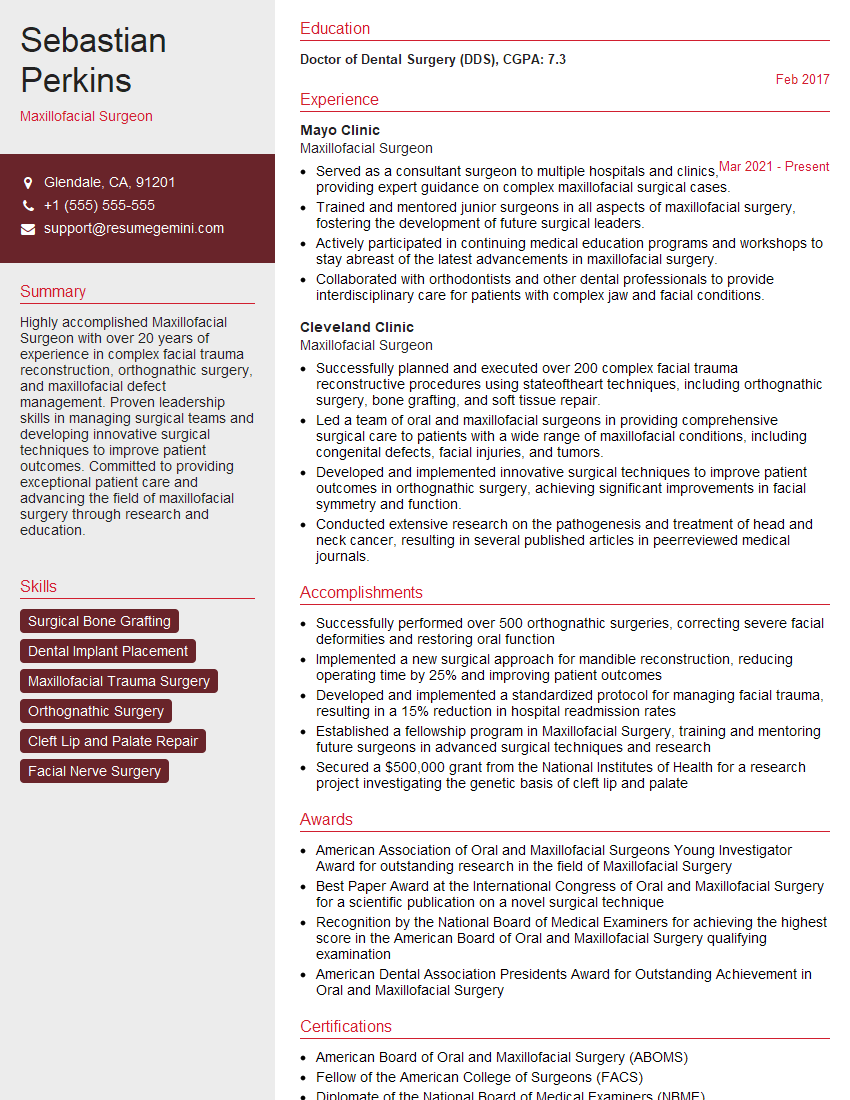
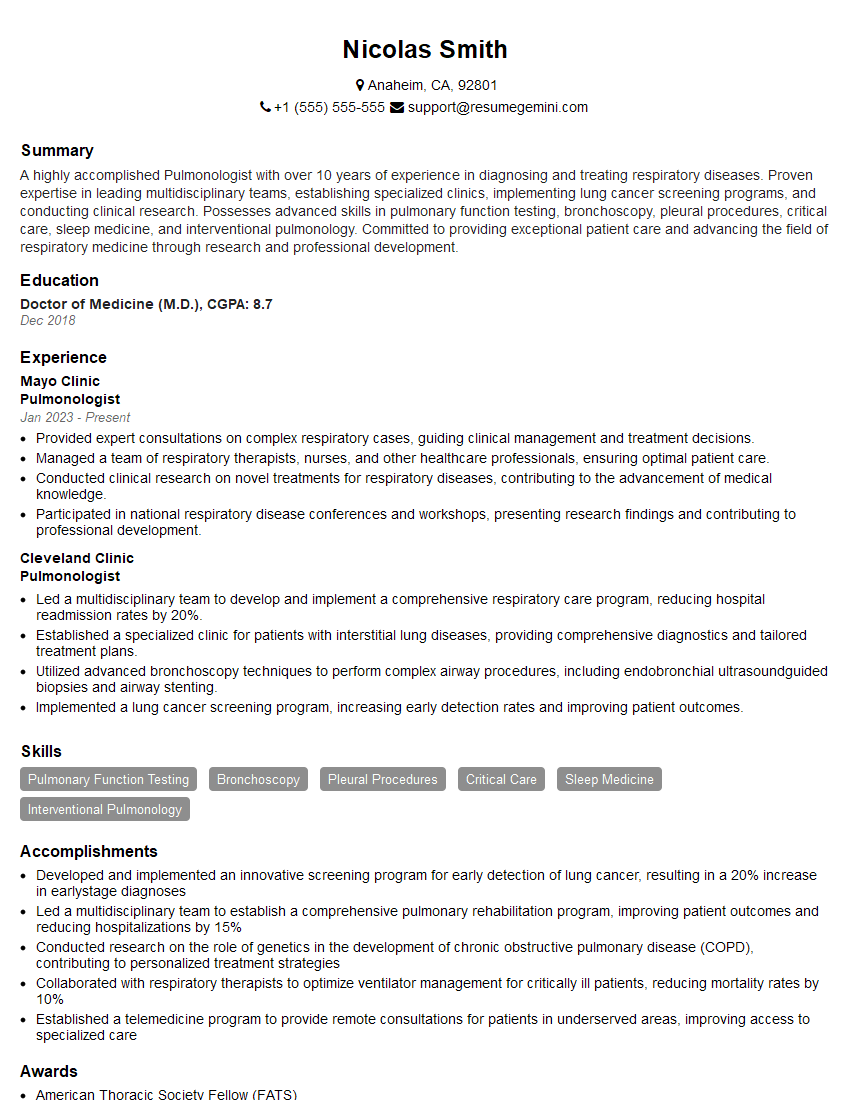
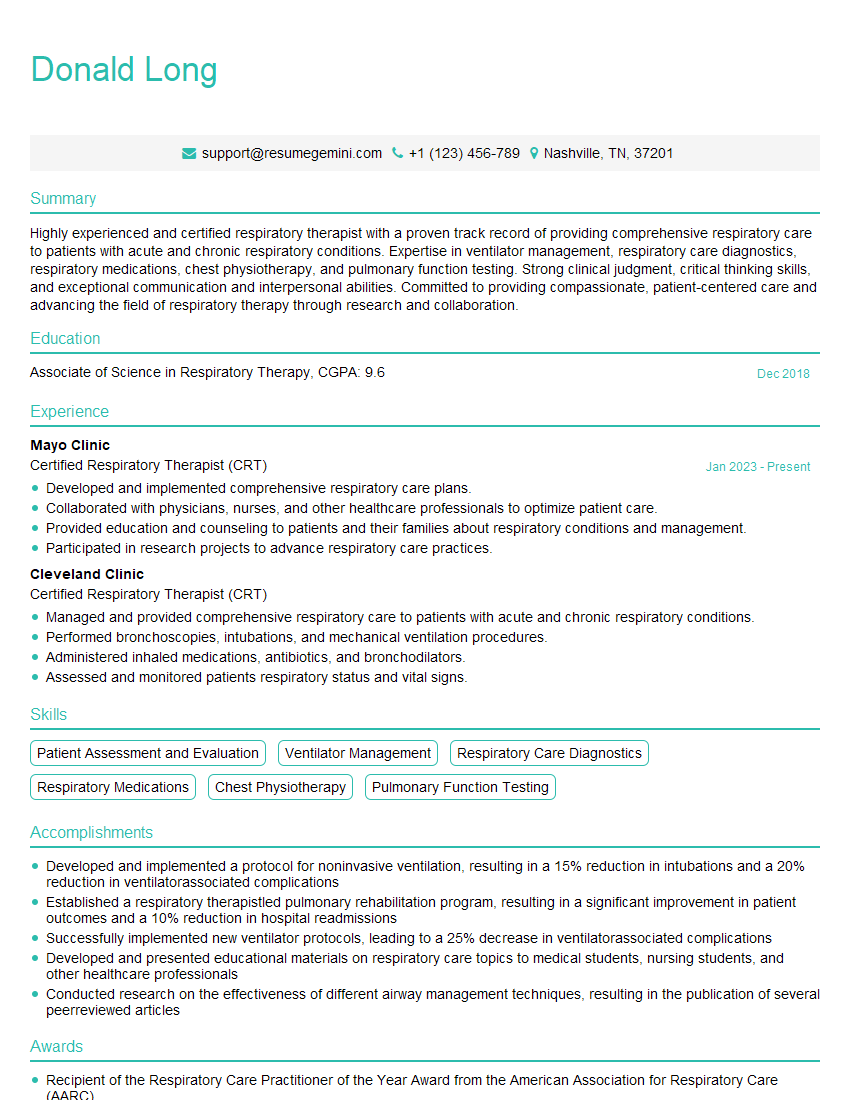
Mastering the complexities of sleep apnea significantly enhances your career prospects in respiratory care, sleep medicine, and related fields. A strong understanding of this condition is highly valued by employers. To maximize your job search success, creating a compelling and ATS-friendly resume is crucial. ResumeGemini is a trusted resource that can help you build a professional resume tailored to highlight your expertise in sleep apnea. Examples of resumes specifically tailored for Sleep Apnea professionals are available through ResumeGemini to help guide you. Invest time in crafting a strong resume—it’s your first impression with potential employers.
Explore more articles
Users Rating of Our Blogs
Share Your Experience
We value your feedback! Please rate our content and share your thoughts (optional).
What Readers Say About Our Blog
hello,
Our consultant firm based in the USA and our client are interested in your products.
Could you provide your company brochure and respond from your official email id (if different from the current in use), so i can send you the client’s requirement.
Payment before production.
I await your answer.
Regards,
MrSmith
hello,
Our consultant firm based in the USA and our client are interested in your products.
Could you provide your company brochure and respond from your official email id (if different from the current in use), so i can send you the client’s requirement.
Payment before production.
I await your answer.
Regards,
MrSmith
These apartments are so amazing, posting them online would break the algorithm.
https://bit.ly/Lovely2BedsApartmentHudsonYards
Reach out at [email protected] and let’s get started!
Take a look at this stunning 2-bedroom apartment perfectly situated NYC’s coveted Hudson Yards!
https://bit.ly/Lovely2BedsApartmentHudsonYards
Live Rent Free!
https://bit.ly/LiveRentFREE
Interesting Article, I liked the depth of knowledge you’ve shared.
Helpful, thanks for sharing.
Hi, I represent a social media marketing agency and liked your blog
Hi, I represent an SEO company that specialises in getting you AI citations and higher rankings on Google. I’d like to offer you a 100% free SEO audit for your website. Would you be interested?