Every successful interview starts with knowing what to expect. In this blog, we’ll take you through the top Clinical Trial Monitoring and Oversight interview questions, breaking them down with expert tips to help you deliver impactful answers. Step into your next interview fully prepared and ready to succeed.
Questions Asked in Clinical Trial Monitoring and Oversight Interview
Q 1. Describe your experience with different types of monitoring visits (e.g., initiation, interim, close-out).
Monitoring visits are crucial for ensuring the quality and integrity of clinical trials. Different visit types serve distinct purposes.
- Initiation Visits: These are conducted at the start of a trial at each investigational site. My experience includes verifying that the site has all necessary infrastructure, personnel training, and ethical approvals in place before patients are enrolled. I also review essential documents, confirm the investigator’s understanding of the protocol, and ensure the site has the appropriate systems for data management.
- Interim Monitoring Visits: These visits occur throughout the trial at regular intervals. They focus on reviewing the ongoing conduct of the trial, including data quality checks, source document verification (SDV), and assessment of compliance with the protocol and GCP. For example, during an interim visit, I might review a sample of case report forms (CRFs) to ensure accuracy and completeness. I also observe patient procedures, review safety reporting and confirm proper storage of investigational product.
- Close-out Visits: Conducted at the end of the trial, these visits ensure all trial activities have been completed according to protocol, all data has been collected and verified, and all required documentation is archived. This involves reviewing final case report forms, confirming the return of all investigational product and reconciliation of the trial supplies.
In my experience, effective monitoring requires a combination of planned visits and remote data review to maximize efficiency and maintain trial quality.
Q 2. Explain your understanding of GCP (Good Clinical Practice) guidelines.
Good Clinical Practice (GCP) is a standard for designing, conducting, recording, and reporting clinical trials that provides assurance that the data and reported results are credible and accurate. It’s essentially a set of ethical and scientific quality requirements.
My understanding of GCP encompasses several key areas:
- Ethical Considerations: GCP emphasizes the protection of human rights and welfare, informed consent, and the minimization of risk to participants.
- Data Integrity: Accurate, complete, consistent, and verifiable data are paramount. GCP mandates robust procedures to ensure data accuracy from source to final analysis.
- Protocol Adherence: The trial must be conducted strictly according to the approved protocol, minimizing deviations. Any deviations require proper documentation and justification.
- Documentation: Complete and accurate documentation is critical to track all aspects of the trial, including informed consent, data collection, and safety reporting.
- Quality Control: GCP encourages systematic quality control and oversight throughout the entire process to minimize errors and maintain data integrity. This includes processes for identifying, documenting, and correcting any errors or discrepancies.
GCP is not merely a checklist but a framework that underpins the reliability and trustworthiness of clinical trial results. In essence, it ensures we’re doing the right things the right way, for the right reasons.
Q 3. How do you ensure data integrity during a clinical trial?
Data integrity is paramount in clinical trials. It means that data is accurate, complete, consistent, and trustworthy throughout its lifecycle.
To ensure data integrity, I employ several strategies:
- Source Data Verification (SDV): This involves systematically comparing the data recorded on case report forms (CRFs) with the original source documents (e.g., lab reports, medical records). This is a cornerstone of data validation and a central part of my monitoring process.
- Data Query Management: When discrepancies or missing data are identified, clear, concise, and well-documented queries are raised to the site to request clarification. I track and follow up on these queries to ensure timely resolution.
- Data Validation Checks: Utilizing software to perform programmed data checks for inconsistencies, outliers, and ranges identifies potential issues early. This helps prevent large-scale data correction issues near the study’s end.
- Training and Oversight: I ensure that all site personnel involved in data collection are adequately trained on the procedures and adhere to standardized operating procedures.
- Audit Trails: Maintaining detailed audit trails for all data entries and modifications, showing who, when, and why changes were made.
Proactive measures are crucial. A culture of data integrity, established through thorough training, clear procedures, and diligent monitoring, is essential.
Q 4. What are your strategies for managing discrepancies in clinical trial data?
Discrepancies in clinical trial data are inevitable, but their management is crucial.
My strategy for managing discrepancies involves:
- Identification: Using SDV, data validation checks and data review processes to identify any inconsistencies.
- Documentation: Recording all discrepancies meticulously, including date, type of discrepancy, source, and the steps taken to resolve them.
- Query Generation: Issuing clear and concise queries to the investigative site requesting clarification and correction of the data.
- Follow-up: Persistently following up on issued queries to ensure timely resolution and documenting the response received.
- Reconciliation: Reconciling the corrected data with the original and verifying the accuracy and completeness. The resolution to the discrepancy must be properly documented.
- Escalation: Escalating significant or unresolved discrepancies to the appropriate levels of management for further review.
It’s important to remember that the goal isn’t just to identify and correct discrepancies but also to understand the root causes and prevent their recurrence in the future.
Q 5. Describe your experience with eTMF (electronic Trial Master File) systems.
I have extensive experience working with eTMF (electronic Trial Master File) systems. eTMF systems provide a centralized, secure, and auditable repository for all trial-related documents.
My experience includes:
- Document Management: Using eTMF systems to manage, version control, and track all study documents, from protocols and amendments to case report forms, informed consent forms, and safety reports. This includes uploading, reviewing, and approving documents within the system.
- Query Management: Utilizing the query functionality of the eTMF to manage, track, and resolve queries related to documents and document metadata.
- Audit Trails: Reviewing the audit trails within the eTMF to verify the integrity and accuracy of documents and document tracking. This ensures that the system provides a complete record of actions performed on the documents.
- System Training: I also actively participate in the training of investigators and site personnel in the use of the eTMF system to assure they are properly uploading, organizing, and managing the documents.
- System Selection and Implementation: I’ve been involved in the process of selecting and implementing eTMF systems, ensuring proper configuration, validation, and integration with other trial systems.
The transition to eTMFs has significantly enhanced efficiency and improved the quality of document management in clinical trials.
Q 6. How do you handle unexpected events or protocol deviations during a monitoring visit?
Unexpected events or protocol deviations are a reality in clinical trials. My approach to handling them involves:
- Immediate Documentation: Meticulously documenting the event or deviation, including date, time, details of the event, and the individuals involved.
- Assessment: Assessing the seriousness of the event (e.g., using a risk assessment framework). Consideration of whether it’s a serious adverse event (SAE), an unexpected serious adverse reaction (SUSAR), or a significant protocol deviation.
- Reporting: Promptly reporting the event or deviation to the appropriate regulatory bodies and sponsors as per the study protocol and regulatory requirements.
- Corrective Actions: Implementing appropriate corrective and preventive actions (CAPAs) to prevent similar events from recurring. This might involve amending the protocol, revising standard operating procedures, or providing additional training to site personnel.
- Follow-up: Closely monitoring the situation and following up to confirm the effectiveness of the corrective actions taken. This ensures a complete and thorough resolution of the issue.
Open communication with the sponsor and the investigative site is crucial in managing these unforeseen circumstances. The focus is on ensuring patient safety and data integrity.
Q 7. Explain your experience with different types of clinical trial designs (e.g., randomized controlled trials, observational studies).
My experience encompasses various clinical trial designs.
- Randomized Controlled Trials (RCTs): RCTs are the gold standard for establishing cause-and-effect relationships. I’ve participated in numerous RCTs where patients are randomly assigned to different treatment groups (e.g., treatment group versus placebo). This design helps minimize bias and allows for robust comparison of treatment effects. My role includes verifying that randomization procedures are properly implemented and documented.
- Observational Studies: These studies observe participants without intervention and collect data to identify relationships between variables. I’ve monitored observational studies where the aim was to understand the natural history of a disease or evaluate the effectiveness of treatments in real-world settings. In these studies, data quality and adherence to the study protocol are still critically important to ensure accurate interpretation of findings. The data collection and management methods in observational studies are often more flexible than those in RCTs.
- Other Designs: I’m familiar with other designs, such as cohort studies, case-control studies, and cross-sectional studies. The choice of design depends on the research question and resources available.
A deep understanding of various clinical trial designs is vital for effective monitoring, as each design has its specific challenges and data management requirements. It’s critical to know the limitations and strengths of various designs.
Q 8. How do you prioritize your tasks when managing multiple clinical trials?
Prioritizing tasks in multi-trial management requires a structured approach. I use a combination of techniques, including:
- Risk-based prioritization: Trials with higher risk (e.g., complex protocols, emerging safety signals) get precedence. I assess risk based on factors such as protocol complexity, critical data points, and potential regulatory issues.
- Urgency and deadlines: Tasks with imminent deadlines, such as regulatory submissions or data lock deadlines, are prioritized. I utilize project management tools to visualize timelines and dependencies.
- Delegation and resource allocation: Effective delegation is crucial. I assign tasks to team members based on their expertise and available capacity. This ensures efficient workload distribution and avoids bottlenecks.
- Regular monitoring and adjustment: I constantly review progress and re-prioritize as needed. Unexpected issues or changes in trial status often necessitate adjustments to the task schedule.
For example, if a safety signal emerges in one trial, that trial’s monitoring and data review will immediately become the highest priority, potentially delaying less critical activities in other trials. This requires effective communication and collaboration with the project team and sponsors.
Q 9. What are your strategies for effective communication with investigators, sponsors, and other stakeholders?
Effective communication is paramount. I employ a multi-pronged approach:
- Regular meetings: I schedule regular meetings with investigators, sponsors, and other stakeholders (e.g., data management, biostatistics) to discuss progress, address issues, and proactively share information.
- Clear and concise reporting: I use standardized templates and reports to ensure consistent communication and facilitate easy understanding of trial status. Reports include key metrics, potential risks, and mitigation strategies.
- Proactive communication: Instead of reacting to problems, I proactively identify and communicate potential issues to relevant parties, allowing for collaborative problem-solving.
- Multiple communication channels: I utilize various channels, such as email, conference calls, and project management software, to ensure timely and appropriate communication. The choice of channel depends on the urgency and nature of the information.
- Active listening and feedback: I actively listen to concerns and feedback from all stakeholders. This fosters trust and collaboration.
For instance, I might use a concise email to update the sponsor on a minor query, but schedule a conference call to discuss a serious adverse event.
Q 10. Describe your experience with different types of monitoring tools and technologies.
My experience encompasses a range of monitoring tools and technologies. I’m proficient in:
- Electronic Data Capture (EDC) systems: I have extensive experience with various EDC systems (e.g., Medidata Rave, Oracle Clinical) used for data collection and management. I’m familiar with their functionalities, including data query and report generation.
- Trial Master File (TMF) systems: I’m experienced with TMF systems used for managing and organizing regulatory documents. This includes familiarity with various systems and their functionalities for document control and versioning.
- Remote data monitoring (RDM) tools: I have used several RDM platforms which allow for real-time data review and risk assessment, facilitating timely identification and resolution of issues. These platforms enhance efficiency and reduce the need for on-site visits.
- Interactive Response Technology (IRT) systems: I understand how IRT systems manage medication dispensing and track patient compliance, providing valuable data for monitoring patient adherence.
I’m adept at adapting to new technologies and integrating them into existing workflows to streamline monitoring processes and improve efficiency.
Q 11. How do you ensure compliance with regulatory requirements during a clinical trial?
Ensuring compliance is paramount. My approach involves:
- Thorough understanding of regulations: I maintain a strong understanding of ICH-GCP guidelines, local regulations (e.g., FDA, EMA), and sponsor-specific requirements. This knowledge guides all my actions.
- Adherence to standard operating procedures (SOPs): I meticulously follow all relevant SOPs and guidelines set by the sponsor and regulatory bodies.
- Regular audits and inspections: I actively participate in internal audits and regulatory inspections to identify and rectify any compliance gaps.
- Effective documentation: Meticulous documentation of all monitoring activities is crucial for audit trails and demonstrating compliance. This includes documenting all communications, queries, and corrective actions.
- Training and awareness: I ensure that all team members are adequately trained on relevant regulations and SOPs.
For instance, if an investigator deviates from the protocol, I will immediately document it, initiate a query to understand the reason, and take appropriate corrective actions based on the severity of the deviation and regulatory requirements.
Q 12. What is your experience with risk-based monitoring?
Risk-based monitoring (RBM) is a crucial aspect of modern clinical trial oversight. My experience with RBM includes:
- Risk assessment and identification: I’m proficient in identifying and assessing potential risks related to data quality, patient safety, and protocol adherence. This involves reviewing protocol design, data trends, and investigator performance.
- Development of monitoring plans: I’ve developed and implemented RBM plans that define monitoring strategies based on identified risks. This includes specifying which aspects of the trial need more or less attention.
- Use of data analytics and visualization: I leverage data analytics tools to identify trends and outliers, enabling proactive risk mitigation.
- Targeted monitoring: Instead of full-scale on-site monitoring, RBM allows for focused monitoring on high-risk areas identified in the risk assessment.
- Data quality monitoring: I utilize RBM to continuously monitor data quality and integrity. This improves overall data reliability and reduces the need for extensive manual review.
For example, if the risk assessment indicates high risk for protocol deviations in a specific area, the monitoring plan will include more frequent data reviews, potentially coupled with more frequent targeted site visits or more extensive remote monitoring.
Q 13. How do you identify and mitigate risks related to data quality and integrity?
Maintaining data quality and integrity is paramount. My strategies include:
- Proactive data review: I conduct regular reviews of data to detect inconsistencies, outliers, and potential errors early in the process.
- Data validation and reconciliation: I use various techniques to validate and reconcile data from different sources to ensure accuracy and consistency.
- Query management: I employ a robust query management system to track and resolve data discrepancies efficiently.
- Investigator training: Ensuring proper investigator training on data collection and reporting is critical in preventing data quality issues.
- Data quality metrics: I monitor key data quality metrics to identify trends and areas of improvement.
If inconsistencies are identified, a thorough investigation is launched to determine the root cause. Corrective actions, such as additional training or process improvements, are implemented to prevent recurrence. Detailed documentation of the entire process is maintained for audit purposes.
Q 14. Describe your experience with the review and approval process of case report forms (CRFs).
The review and approval of Case Report Forms (CRFs) is a critical step to ensure data quality and consistency. My experience includes:
- CRF design review: I participate in the review of CRF designs, ensuring clarity, completeness, and accuracy of data fields. This includes ensuring compliance with regulatory requirements and alignment with the study protocol.
- Data validation rules: I contribute to the development of data validation rules to prevent data entry errors and inconsistencies. These rules are incorporated into the EDC system to ensure data quality at source.
- User acceptance testing (UAT): I participate in UAT to verify that the CRFs function correctly and that data can be accurately captured and reported.
- CRF amendments: I contribute to the process of reviewing and approving CRF amendments, ensuring that changes are documented, justified, and controlled.
- Training materials: I support the creation and review of training materials for investigators and site staff on how to complete the CRFs accurately and efficiently.
For instance, I’ve identified ambiguity in a CRF question that could lead to inconsistent data interpretation. I would then collaborate with the study team to clarify the question and ensure its consistency across the trial.
Q 15. Explain your understanding of different types of adverse events and serious adverse events.
Adverse events (AEs) and serious adverse events (SAEs) are crucial aspects of clinical trial safety monitoring. An AE is any untoward medical occurrence in a patient or clinical trial participant administered a pharmaceutical product and which does not necessarily have a causal relationship with this treatment. Think of it as any undesirable experience reported by a participant during a trial, regardless of the cause. For example, a headache, nausea, or a mild rash could all be considered AEs.
A serious adverse event (SAE), on the other hand, is any untoward medical occurrence that results in death, is life-threatening, requires inpatient hospitalization or prolongation of existing hospitalization, results in persistent or significant disability/incapacity, or is a congenital anomaly/birth defect. The key difference lies in the severity and potential impact on the patient. A heart attack, a seizure leading to hospitalization, or a drug overdose would be classified as SAEs. The determination of whether an event is serious is based on medical judgment.
- Examples of AEs: Mild headache, fatigue, constipation, mild skin rash.
- Examples of SAEs: Myocardial infarction (heart attack), stroke, anaphylactic shock, suicidal ideation leading to hospitalization.
Career Expert Tips:
- Ace those interviews! Prepare effectively by reviewing the Top 50 Most Common Interview Questions on ResumeGemini.
- Navigate your job search with confidence! Explore a wide range of Career Tips on ResumeGemini. Learn about common challenges and recommendations to overcome them.
- Craft the perfect resume! Master the Art of Resume Writing with ResumeGemini’s guide. Showcase your unique qualifications and achievements effectively.
- Don’t miss out on holiday savings! Build your dream resume with ResumeGemini’s ATS optimized templates.
Q 16. How do you report adverse events and serious adverse events according to regulatory requirements?
Reporting AEs and SAEs is governed by strict regulatory requirements, primarily dictated by the ICH-GCP guidelines and specific country regulations (e.g., FDA in the US, EMA in Europe). The reporting process typically involves several steps:
- Immediate reporting of SAEs: SAEs usually require immediate reporting to the sponsor (the company conducting the trial) and often to regulatory authorities within a specific timeframe (e.g., 24-72 hours). This is critical for timely intervention and assessment of potential risks.
- Regular AE reporting: All AEs, regardless of severity, are documented and reported to the sponsor at regular intervals, often summarized in periodic safety reports.
- Causality assessment: A crucial element is determining if the AE or SAE is related to the investigational drug. This is often based on medical judgment and requires thorough documentation of the patient’s history, concomitant medications, and timeline of events.
- Regulatory reporting: Depending on the severity and frequency of AEs/SAEs, these reports might need to be submitted to regulatory authorities, who may request further information or take action.
The precise reporting timelines and procedures are specified in the clinical trial protocol and are crucial for ensuring patient safety and regulatory compliance. Failure to adhere to these requirements can result in serious consequences, including halting the trial or facing regulatory penalties.
Q 17. Explain your experience in developing and implementing monitoring plans.
Developing and implementing monitoring plans is a cornerstone of my experience. It’s a systematic process that ensures the quality and integrity of a clinical trial. I typically begin with a thorough understanding of the protocol, including the study objectives, population, interventions, and endpoints. This forms the basis for identifying the critical data points that require monitoring.
The monitoring plan outlines:
- Monitoring strategy: This defines the frequency and type of monitoring (e.g., on-site, remote, centralized). It depends on risk factors and the type of data being collected.
- Responsibilities: This clarifies who is responsible for what tasks (e.g., CRAs, data managers, investigators).
- Metrics and data sources: Identifies the key performance indicators (KPIs) to track and the sources of data (e.g., case report forms (CRFs), lab data, investigator reports).
- Reporting procedures: This describes how monitoring findings and any identified issues will be documented and communicated.
- Training plan: A comprehensive training plan should be included for monitors and other team members involved in the trial.
For example, a high-risk trial might necessitate frequent on-site monitoring, while a low-risk study might be adequately monitored remotely using electronic data capture (EDC) systems. A well-defined monitoring plan is crucial for mitigating risks and maintaining the trial’s integrity.
Q 18. How do you handle conflicts of interest in clinical trials?
Conflicts of interest (COIs) are a serious concern in clinical trials and must be proactively managed. COIs arise when a person’s personal interests could inappropriately influence their professional judgment or actions related to the trial. This could involve financial interests, family relationships, or other competing commitments. My approach involves:
- Proactive identification: Using disclosure forms and regular checks to identify potential COIs among investigators, monitors, and other personnel involved in the trial.
- Documentation and management: Thoroughly documenting all identified COIs and developing strategies to mitigate their potential impact. This might involve excluding individuals with significant COIs, using independent review boards, or implementing blinding techniques.
- Transparency and communication: Open communication with all stakeholders about potential COIs, ensuring transparency in decision-making processes.
- Reporting and escalation: Establishing clear procedures for reporting any suspected COIs and escalating them to the appropriate authorities, if necessary.
Ignoring COIs can compromise the objectivity and integrity of a clinical trial and lead to unreliable results. A robust COI management plan is essential for maintaining public trust and upholding the ethical standards of clinical research.
Q 19. What are the key metrics that you use to measure the success of clinical trial monitoring?
Measuring the success of clinical trial monitoring goes beyond simply identifying issues. Key metrics I use include:
- Query resolution rate and time: Measures the efficiency and timeliness in addressing data discrepancies and resolving queries. A high resolution rate and short resolution times indicate effective monitoring.
- Number and severity of protocol deviations: Indicates the adherence to the study protocol. High numbers of deviations, especially serious ones, suggest issues with the trial conduct and potential risk to data integrity.
- Timeliness of safety reporting: Measures the speed and accuracy of reporting adverse events and serious adverse events, a crucial element of patient safety.
- Audit findings and inspection readiness: Reflect the overall quality of data and the preparedness for regulatory audits or inspections. Few critical findings demonstrate a high level of data quality and process adherence.
- Monitor performance metrics: This includes evaluating the productivity and efficiency of monitors, their adherence to SOPs, and the quality of their reports.
These metrics provide a comprehensive view of the effectiveness of the monitoring process and allow for continuous improvement in trial conduct and data management.
Q 20. Explain your experience with data reconciliation and validation processes.
Data reconciliation and validation are critical steps in ensuring the accuracy and reliability of clinical trial data. Reconciliation involves comparing data from different sources to identify discrepancies. Validation involves verifying the accuracy and completeness of the data using various techniques. My experience includes:
- Developing and implementing data reconciliation plans: Designing a plan that clearly specifies the data sources, comparison methods, and resolution procedures. This might involve comparing data from case report forms (CRFs) with data from electronic data capture (EDC) systems, lab reports, and other sources.
- Using automated tools: Leveraging software tools to efficiently compare large datasets and identify discrepancies. This reduces manual effort and improves accuracy.
- Investigating discrepancies: Systematically investigating any identified discrepancies by contacting the site personnel or data entry staff. Documenting these investigations thoroughly is crucial.
- Applying data validation rules: Using programmed checks within EDC systems or other data management tools to validate the data entered in real-time. These checks might include range checks, consistency checks, and plausibility checks.
A well-defined data reconciliation and validation process is essential to maintain data quality and ensure the integrity of the trial results. This is a time-consuming but critical step for successful trial management.
Q 21. How do you ensure data accuracy, consistency, and completeness throughout a clinical trial?
Ensuring data accuracy, consistency, and completeness is paramount in clinical trials. My approach is multifaceted and involves:
- Well-defined data collection processes: Using clear and concise case report forms (CRFs), standardized procedures, and comprehensive training for site staff.
- Data validation checks: Implementing automated checks within the EDC systems to flag potential errors in real-time, such as missing data, out-of-range values, or inconsistencies.
- Data monitoring and auditing: Regularly monitoring the data throughout the trial and conducting audits to identify and address any issues. This may include source data verification (SDV) at investigator sites.
- Centralized data management: Using centralized databases and electronic data capture systems to enhance data management efficiency and minimize errors.
- Regular communication: Maintaining clear communication channels between the monitoring team, data management team, investigators, and sponsors to promptly address any data-related issues.
- Data quality metrics: Tracking key metrics such as missing data rates, error rates, and query resolution times to identify areas of improvement and continuously enhance data quality.
Data quality is not just a technical issue but a critical aspect of the ethical conduct of clinical research. High-quality data ensures the reliability and validity of the results and supports confident decision-making.
Q 22. Describe your experience with audit preparation and response to audit findings.
Audit preparation is a crucial aspect of ensuring compliance in clinical trials. It involves meticulously reviewing all trial documentation, including case report forms (CRFs), investigator site files, and regulatory documents, to confirm adherence to the protocol, Good Clinical Practice (GCP) guidelines, and applicable regulatory requirements. I’ve been involved in numerous audits, both internal and external, across various therapeutic areas. My approach is methodical: I start with a thorough risk assessment to identify areas of potential concern. This allows us to prioritize our review efforts and allocate resources effectively. Then, we establish a clear timeline and assign responsibilities to team members. The actual review includes checks for completeness, accuracy, consistency, and traceability of data. For example, we would verify that all adverse events were accurately reported and properly documented in the CRF, and that the investigational product was handled according to the protocol.
Responding to audit findings requires a balanced approach. We objectively assess each finding, acknowledging any deficiencies while also highlighting any mitigating factors. This involves a detailed root cause analysis to identify the underlying reasons for any discrepancies. Once the root cause is established, we implement corrective actions and preventive measures to address the issue and prevent recurrence. For example, if an audit revealed inconsistencies in data entry, we might implement additional training for site personnel or enhance the EDC system’s validation checks. A comprehensive response document is prepared, outlining each finding, the root cause analysis, corrective actions taken, and preventive measures implemented. We follow up with the auditor to ensure the adequacy of our response.
Q 23. Explain your understanding of the regulatory landscape for clinical trials.
The regulatory landscape for clinical trials is complex and varies by country and region. Key regulatory bodies include the FDA (Food and Drug Administration) in the United States, the EMA (European Medicines Agency) in Europe, and the PMDA (Pharmaceuticals and Medical Devices Agency) in Japan, among others. These agencies have specific regulations governing the design, conduct, and reporting of clinical trials. These regulations cover ethical considerations, data integrity, subject safety, and informed consent. A key aspect is the International Council for Harmonisation (ICH) guidelines, which provide harmonized standards across multiple regulatory authorities. Understanding these guidelines is essential for ensuring compliance globally. Specific regulations cover areas like:
- Good Clinical Practice (GCP): These are internationally recognized ethical and scientific quality requirements for designing, conducting, recording, and reporting trials that involve human subjects.
- Data Integrity: Regulations emphasizing the accuracy, completeness, consistency, and reliability of data generated during the clinical trial process.
- Informed Consent: Ensuring that participants are fully informed about the trial and freely consent to participate.
- Adverse Event Reporting: Strict guidelines on the timely and accurate reporting of any adverse events or unexpected safety signals.
Non-compliance can lead to significant consequences, including clinical hold, trial termination, and regulatory penalties. Therefore, a deep understanding of the applicable regulations is crucial for conducting successful and compliant clinical trials.
Q 24. How do you stay current with changes in clinical trial regulations and guidelines?
Staying current with the ever-evolving landscape of clinical trial regulations and guidelines is a continuous process. I actively engage in several strategies:
- Subscription to Regulatory Newsletters and Journals: I subscribe to reputable publications and newsletters that provide updates on regulatory changes and interpretative guidance from various agencies.
- Participation in Industry Conferences and Webinars: Attending conferences and webinars allows for direct interaction with regulatory experts and provides opportunities to learn about recent developments and best practices.
- Membership in Professional Organizations: Organizations such as the DIA (Drug Information Association) offer valuable resources, educational opportunities, and networking events for staying informed about regulatory changes.
- Monitoring Regulatory Agency Websites: Regularly checking the websites of key regulatory agencies like the FDA and EMA for updates, guidance documents, and announcements.
- Networking with Regulatory Experts: Engaging with colleagues and experts in the field allows for sharing knowledge and insights about emerging regulatory issues.
By consistently utilizing these methods, I maintain a thorough understanding of the latest regulatory requirements and ensure that my work aligns with current standards.
Q 25. Describe your experience with the use of technology in clinical trial monitoring, such as electronic data capture (EDC).
Technology plays a significant role in modern clinical trial monitoring. Electronic Data Capture (EDC) systems have revolutionized the process, moving away from paper-based CRFs. EDC systems offer several advantages, including improved data quality, faster data entry, real-time data monitoring, and reduced administrative burden.
My experience includes working with various EDC systems, such as Medidata Rave, Oracle InForm, and Veeva Vault. I’m proficient in using these systems for data review, query generation and resolution, and the generation of reports. I’ve used EDC systems to perform remote monitoring, reviewing data remotely from sites and generating reports on key trial metrics. For example, I can quickly identify trends in adverse events or treatment efficacy using EDC system’s reporting capabilities. EDC systems have also significantly improved query management. Instead of manually sending queries via fax or mail, I can use the EDC system to generate and track queries electronically, improving the efficiency of query resolution. Furthermore, integrating EDC with other systems like Clinical Trial Management Systems (CTMS) enhances data management and tracking.
Beyond EDC, I also have experience with other technologies such as electronic Trial Master Files (eTMF) systems and remote patient monitoring devices. These technologies greatly facilitate data management, monitoring, and compliance in clinical trials.
Q 26. How do you manage your time effectively when working on multiple clinical trials simultaneously?
Managing multiple clinical trials simultaneously requires meticulous planning and prioritization. My strategy involves several key elements:
- Prioritization Based on Criticality and Deadlines: I prioritize tasks based on their importance and upcoming deadlines, ensuring that critical activities are addressed first. I use tools such as task management software or spreadsheets to track progress and deadlines.
- Time Blocking and Scheduling: I allocate specific time blocks for each trial, ensuring dedicated focus periods for individual activities. This prevents task switching and increases productivity.
- Regular Status Meetings and Communication: I hold regular meetings with cross-functional teams to discuss progress, address any challenges, and maintain alignment on objectives.
- Delegation and Teamwork: I effectively delegate tasks to team members based on their expertise and availability. This ensures that workload is balanced and tasks are completed efficiently.
- Utilizing Technology for Efficiency: I utilize technology to streamline processes and enhance productivity. This includes using project management software, communication tools, and data analysis tools.
By consistently implementing these strategies, I ensure that all clinical trials are managed effectively and meet their respective deadlines.
Q 27. Describe your experience in working with cross-functional teams in clinical trial settings.
Collaboration is fundamental to the success of any clinical trial. My experience includes working extensively with cross-functional teams comprising medical monitors, data managers, statisticians, project managers, regulatory affairs professionals, and investigators.
I prioritize open communication and active listening to foster a collaborative environment. I believe in clearly defining roles and responsibilities from the outset to avoid confusion and overlap. I leverage team meetings and regular updates to ensure that everyone is informed about the progress and challenges of the trial. In one instance, we faced a challenge with enrollment in a specific geographical region. By collaborating with the project management team, we identified recruitment barriers and developed a targeted recruitment strategy which resolved the issue. The success of this collaboration highlighted the importance of collective problem-solving. I use conflict resolution skills to manage disagreements or differing opinions respectfully and constructively, seeking common ground to find solutions that benefit the trial as a whole. I actively seek input from team members, acknowledging their expertise and valuing their contributions.
Q 28. How do you handle difficult situations or challenging personalities during a clinical trial?
Handling challenging situations and personalities requires diplomacy, tact, and effective communication. My approach involves several steps:
- Active Listening and Empathy: I actively listen to understand the perspectives of all parties involved, demonstrating empathy and acknowledging their concerns.
- Clear and Open Communication: I maintain clear and open communication to address concerns directly and professionally. I avoid ambiguity and ensure that everyone understands expectations and responsibilities.
- Conflict Resolution Strategies: I utilize conflict resolution strategies, such as mediation or collaborative problem-solving, to reach mutually agreeable solutions. I aim to find common ground rather than imposing solutions.
- Escalation When Necessary: If attempts at resolution are unsuccessful, I escalate the issue to the appropriate management level, ensuring that the situation is handled effectively and fairly.
- Maintaining Professionalism: I always maintain professionalism, even in difficult situations. This includes respectful communication, appropriate tone, and adherence to company policies.
For example, I once had a disagreement with a site investigator regarding data interpretation. Through open communication and collaborative discussion, we were able to understand each other’s viewpoints and arrive at a common understanding. Maintaining a respectful and professional demeanor throughout the process was critical in resolving the conflict successfully.
Key Topics to Learn for Clinical Trial Monitoring and Oversight Interview
- Good Clinical Practice (GCP) Guidelines: Understand the fundamental principles and regulations governing clinical trials. Be prepared to discuss their practical application in monitoring activities.
- Case Report Form (CRF) Review and Data Quality: Know how to identify and resolve data discrepancies, inconsistencies, and missing data. Practice analyzing CRFs and explaining your approach to quality control.
- Regulatory Requirements and Compliance: Familiarize yourself with relevant regulatory agencies (e.g., FDA, EMA) and their expectations for clinical trial monitoring. Understand the implications of non-compliance.
- Risk-Based Monitoring (RBM): Learn the principles and methodologies of RBM, including risk assessment, mitigation strategies, and the advantages over traditional monitoring approaches.
- Data Management and Reporting: Understand the process of data collection, validation, and reporting in clinical trials. Be prepared to discuss your experience with relevant software and systems.
- Clinical Trial Protocols and Study Designs: Demonstrate a solid understanding of clinical trial protocols and different study designs. Be able to explain how monitoring activities align with the study objectives.
- Communication and Collaboration: Highlight your skills in effective communication with investigators, sponsors, and other team members. Discuss your approach to conflict resolution and problem-solving.
- Medical Terminology and Pharmacology: Possessing a strong understanding of medical terminology and basic pharmacology will greatly enhance your ability to understand and interpret clinical trial data.
- Audits and Inspections: Be prepared to discuss your experience with audits and inspections, and how you ensure compliance with regulatory requirements.
- Problem-Solving and Critical Thinking: Showcase your ability to analyze complex situations, identify potential problems, and develop effective solutions in a clinical trial setting.
Next Steps
Mastering Clinical Trial Monitoring and Oversight opens doors to exciting career advancements, offering opportunities for increased responsibility and higher earning potential. A well-crafted resume is crucial for showcasing your skills and experience to potential employers. Creating an ATS-friendly resume significantly increases your chances of getting your application noticed. ResumeGemini is a trusted resource to help you build a professional and impactful resume. They provide examples of resumes tailored to Clinical Trial Monitoring and Oversight to guide you in crafting your own compelling application. Take the next step toward your dream career today!
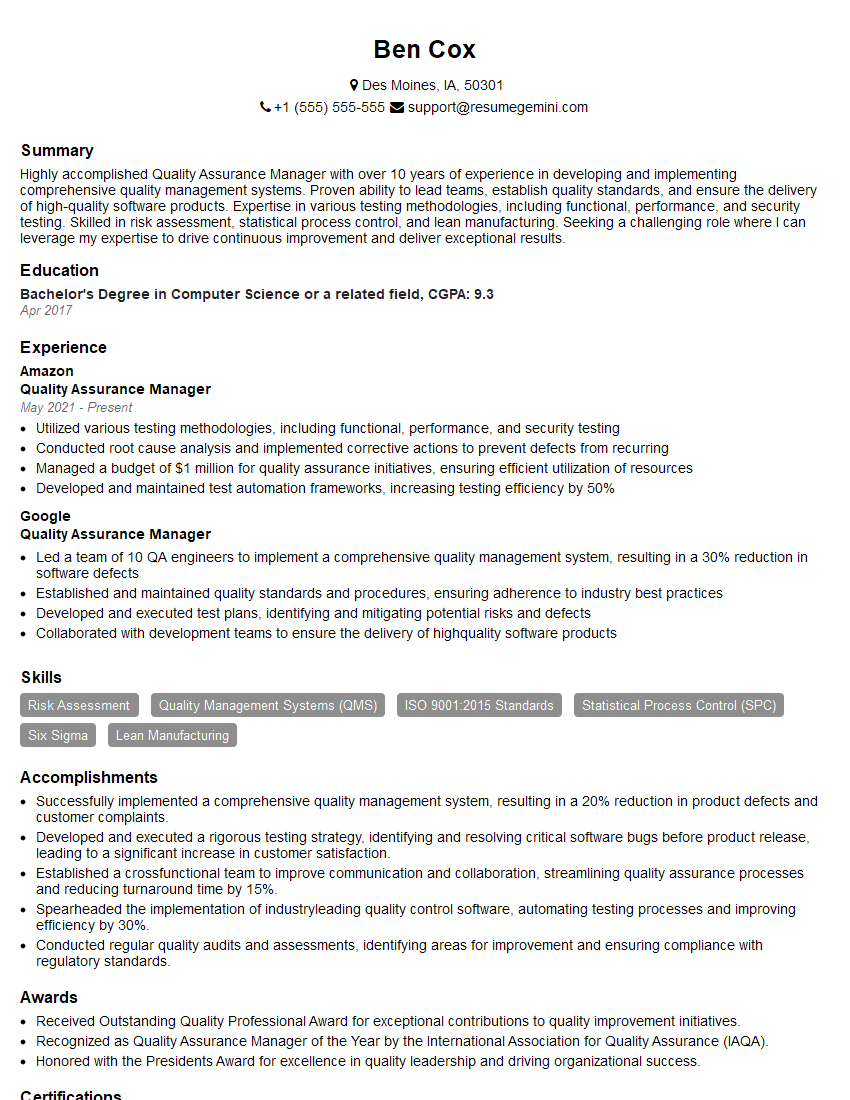
Quality Assurance Manager Resume Sample

Project Manager Resume Sample
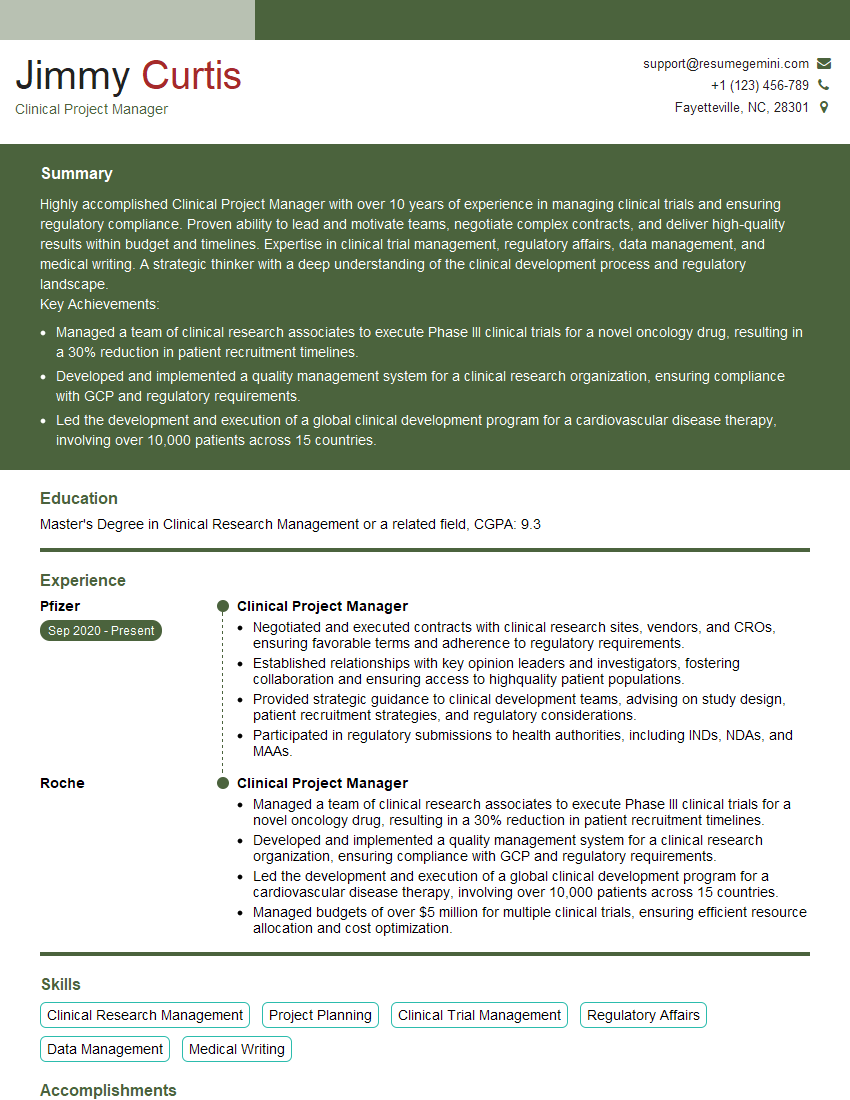
Clinical Project Manager Resume Sample
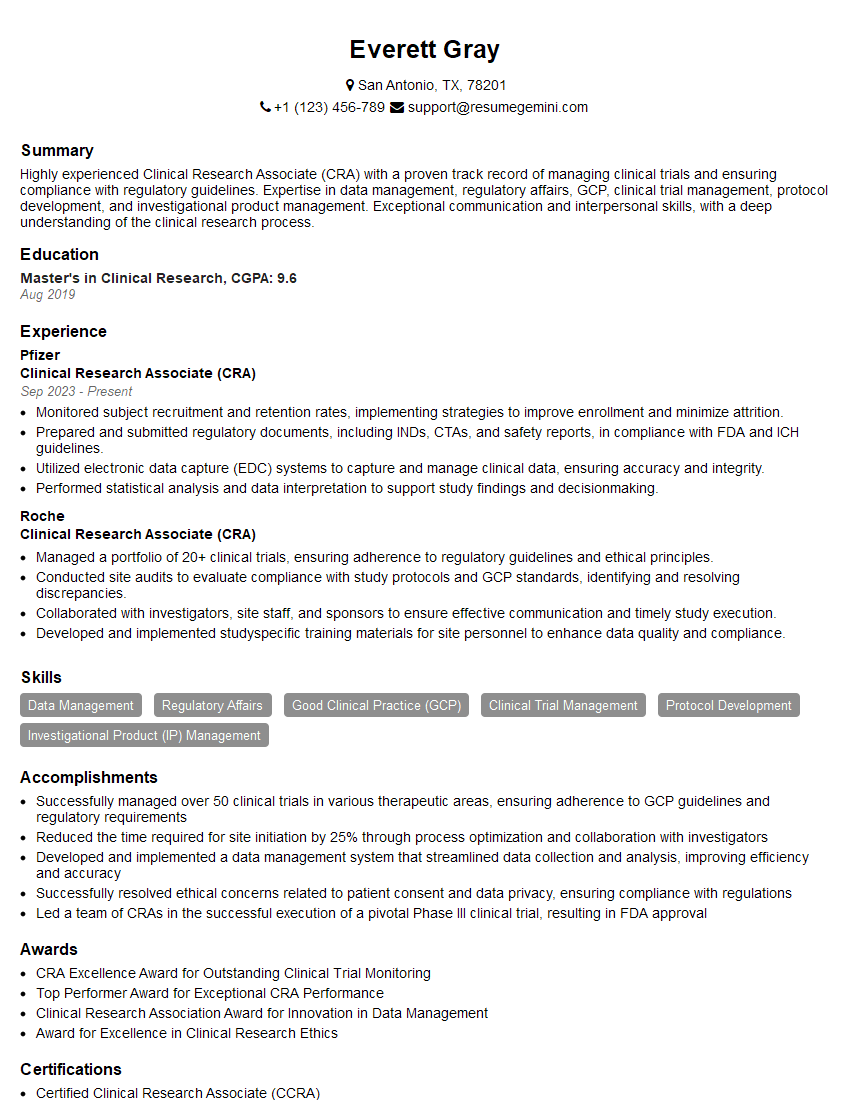
Clinical Research Associate (CRA) Resume Sample
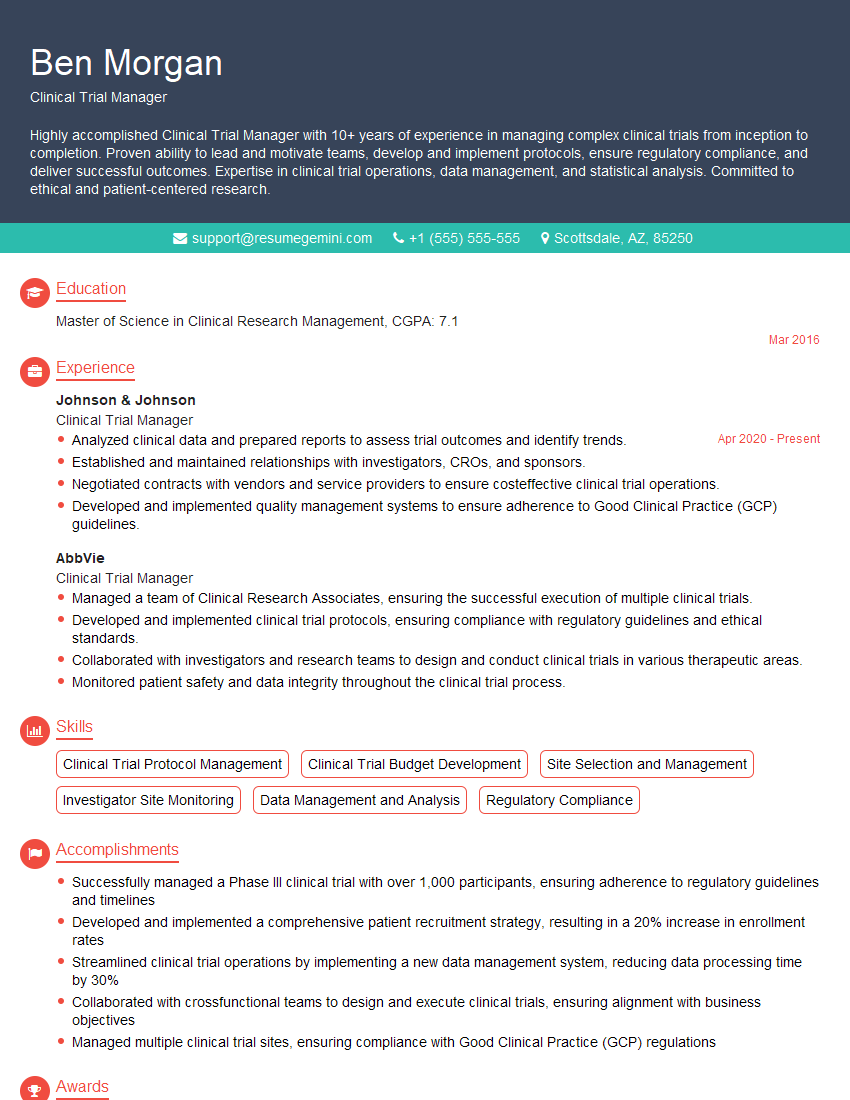
Clinical Trial Manager Resume Sample

Compliance Officer Resume Sample
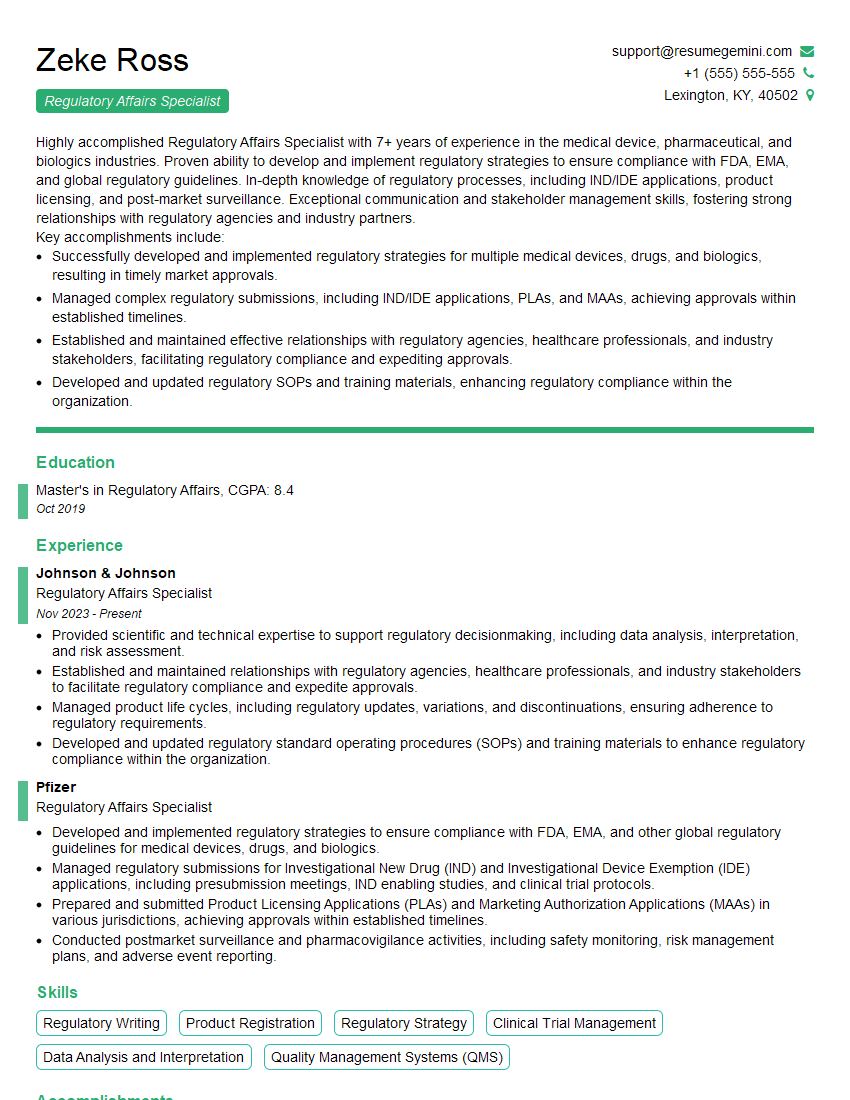
Regulatory Affairs Specialist Resume Sample
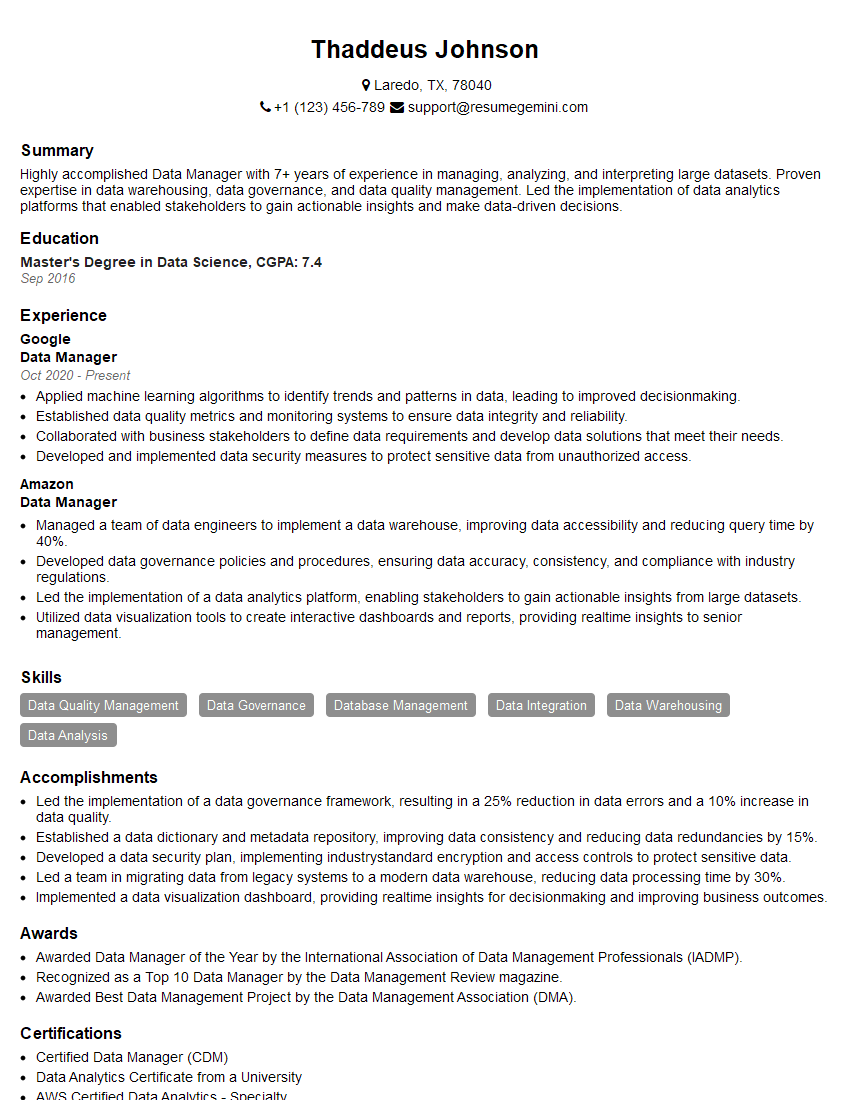
Data Manager Resume Sample
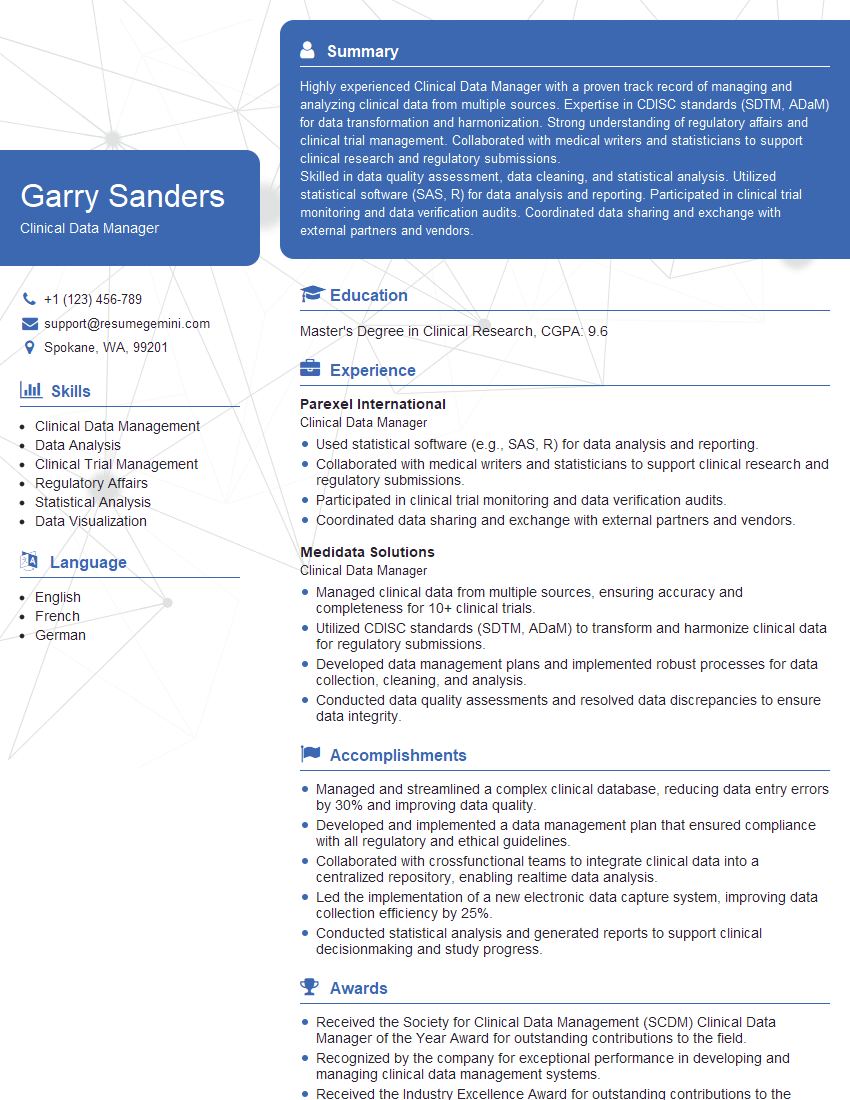
Clinical Data Manager Resume Sample
Explore more articles
Users Rating of Our Blogs
Share Your Experience
We value your feedback! Please rate our content and share your thoughts (optional).
What Readers Say About Our Blog
hello,
Our consultant firm based in the USA and our client are interested in your products.
Could you provide your company brochure and respond from your official email id (if different from the current in use), so i can send you the client’s requirement.
Payment before production.
I await your answer.
Regards,
MrSmith
hello,
Our consultant firm based in the USA and our client are interested in your products.
Could you provide your company brochure and respond from your official email id (if different from the current in use), so i can send you the client’s requirement.
Payment before production.
I await your answer.
Regards,
MrSmith
These apartments are so amazing, posting them online would break the algorithm.
https://bit.ly/Lovely2BedsApartmentHudsonYards
Reach out at [email protected] and let’s get started!
Take a look at this stunning 2-bedroom apartment perfectly situated NYC’s coveted Hudson Yards!
https://bit.ly/Lovely2BedsApartmentHudsonYards
Live Rent Free!
https://bit.ly/LiveRentFREE
Interesting Article, I liked the depth of knowledge you’ve shared.
Helpful, thanks for sharing.
Hi, I represent a social media marketing agency and liked your blog
Hi, I represent an SEO company that specialises in getting you AI citations and higher rankings on Google. I’d like to offer you a 100% free SEO audit for your website. Would you be interested?