Preparation is the key to success in any interview. In this post, we’ll explore crucial Nitrous Oxide interview questions and equip you with strategies to craft impactful answers. Whether you’re a beginner or a pro, these tips will elevate your preparation.
Questions Asked in Nitrous Oxide Interview
Q 1. Explain the mechanism of action of nitrous oxide as an anesthetic.
Nitrous oxide’s anesthetic mechanism isn’t fully understood, but it’s believed to involve multiple pathways. It’s thought to act primarily by binding to NMDA (N-methyl-D-aspartate) receptors in the central nervous system, preventing the excitatory neurotransmitter glutamate from binding. This reduces neuronal excitation and contributes to its analgesic and anesthetic effects. Additionally, it interacts with other receptors like those for glycine and opioid receptors, influencing pain perception and consciousness. Imagine it as a multi-pronged approach to calming down the brain’s activity.
In simpler terms, nitrous oxide essentially dampens the brain’s excitatory signals, leading to a feeling of relaxation, analgesia (pain relief), and eventually, unconsciousness when used at higher concentrations in combination with other anesthetics. This is unlike other anesthetic agents that may act through a single primary mechanism.
Q 2. Describe the advantages and disadvantages of using nitrous oxide in anesthesia.
Nitrous oxide offers several advantages: It’s a fast-acting and easily reversible anesthetic, meaning patients wake up quickly. It’s relatively non-toxic and has a wide safety margin when used appropriately. It also has potent analgesic effects, reducing the need for other pain relievers. It is also useful in anxious patients for its anxiolytic (anxiety-reducing) properties.
- Advantages: Rapid onset and offset, good analgesic properties, relatively safe, environmentally friendly compared to other agents
However, disadvantages include its relatively low anesthetic potency, requiring the addition of other anesthetic agents for major surgery. It can also cause nausea and vomiting in some patients, and prolonged exposure can lead to bone marrow suppression (though this is rare at clinically relevant concentrations).
- Disadvantages: Low potency, requires combination with other anesthetics, potential for nausea and vomiting, prolonged exposure risks
Q 3. What are the contraindications for the use of nitrous oxide?
Contraindications for nitrous oxide include:
- Airway obstruction: Because nitrous oxide expands in the lungs, it could worsen airway compromise.
- Severe pulmonary hypertension: Nitrous oxide can increase pulmonary vascular resistance.
- Pneumothorax or other air trapping conditions: The expanding gas could cause further complications.
- Vitamin B12 deficiency: Nitrous oxide can inactivate vitamin B12, potentially leading to neurological problems. A patient history is important to avoid this complication.
- First trimester pregnancy: While the evidence is not conclusive, there are concerns about potential teratogenic effects.
- Certain genetic disorders: There are rare cases where individuals have a predisposition to adverse effects.
Always carefully review the patient’s history to ensure safety.
Q 4. How is nitrous oxide administered, and what equipment is involved?
Nitrous oxide is typically administered through an inhalation system. This usually involves a machine that delivers a precise mixture of nitrous oxide and oxygen. The patient breathes this mixture via a nasal mask. The equipment includes:
- Anesthetic machine: This is the central unit for delivering gases.
- Flowmeters: These precisely control the flow rate of both nitrous oxide and oxygen.
- Vaporizer (if used in combination): This allows for the precise delivery of volatile anesthetics if they are part of the anesthetic plan.
- Scavenging system: This removes waste anesthetic gases from the environment, protecting both the patient and the healthcare personnel.
- Nasal mask or facemask: This is the interface through which the patient receives the gas mixture.
The exact setup may vary depending on the procedure and the specific needs of the patient.
Q 5. Explain the importance of monitoring patients receiving nitrous oxide.
Monitoring patients receiving nitrous oxide is crucial for their safety. Essential parameters to monitor include:
- Heart rate and rhythm: Nitrous oxide can affect the heart rate.
- Blood pressure: Changes in blood pressure need to be identified and addressed promptly.
- Oxygen saturation (SpO2): This ensures the patient is receiving adequate oxygen.
- Respiratory rate and pattern: Nitrous oxide can depress respiration.
- End-tidal gases: Monitoring the concentration of nitrous oxide and carbon dioxide provides valuable information about ventilation.
- Consciousness level: Observe patient responsiveness to assess the anesthetic depth.
Continuous monitoring ensures prompt detection and management of any adverse events.
Q 6. What are the potential side effects and complications associated with nitrous oxide administration?
Potential side effects of nitrous oxide can range from mild to severe:
- Nausea and vomiting: This is a relatively common side effect, often manageable with antiemetic medications.
- Dizziness and lightheadedness: These are usually transient and resolve quickly after discontinuation of the gas.
- Headache: This can occur due to changes in cerebral blood flow.
- Hypoxia (low oxygen levels): Although uncommon, it’s a critical complication if oxygen delivery is inadequate.
- Malaria-like symptoms (methemoglobinemia): A rare complication involving abnormal hemoglobin, requiring specific treatment.
- Bone marrow suppression (with chronic high-dose exposure): This is a rare but significant complication usually associated with prolonged occupational exposure.
Rare but serious complications necessitate immediate medical intervention.
Q 7. How is the concentration of nitrous oxide controlled during anesthesia?
The concentration of nitrous oxide is controlled by the flowmeters on the anesthetic machine. The anesthesiologist carefully adjusts the flow rate of nitrous oxide and oxygen to achieve the desired concentration. The exact concentration needed varies depending on the patient’s response, the type of surgery or procedure, and whether it is used alone or in combination with other anesthetic agents.
Modern anesthetic machines provide visual feedback of the gas concentrations, allowing for precise control and monitoring. End-tidal monitoring further confirms the actual delivered concentration.
Think of it like a precisely tuned recipe: the anesthesiologist adjusts the ingredients (nitrous oxide and oxygen) to achieve the desired effect, closely monitoring the outcome to make necessary adjustments.
Q 8. Describe the process for scavenging nitrous oxide waste gas.
Scavenging nitrous oxide (N2O) waste gas is crucial for preventing its accumulation in the operating room, which can pose health risks to both patients and personnel. The process involves capturing the exhaled anesthetic gases from the patient and safely removing them from the environment.
This is typically achieved using a scavenging system which consists of several key components:
- A scavenging interface: This connects to the patient’s breathing circuit, capturing exhaled gases. This could be a simple connection on the breathing circuit or a more complex system with active suction.
- Scavenging tubing: This transports the waste gases to the disposal unit.
- A disposal unit: This could be a simple passive scavenging system venting the gases outside or an active system with a suction pump that actively removes the gases and potentially filters or processes them before venting. In many modern systems, the gases are evacuated to the building’s ventilation system.
Effective scavenging requires proper maintenance and regular checks of all components to ensure proper function. Leaky connections or insufficient suction can lead to increased levels of N2O in the operating room. Imagine it like a well-ventilated kitchen versus a poorly ventilated one – proper scavenging is critical for ensuring a safe working environment.
Q 9. What safety precautions must be taken when handling nitrous oxide cylinders?
Nitrous oxide cylinders are under high pressure and require careful handling. Several crucial safety precautions must always be followed:
- Secure storage: Cylinders should be stored upright and secured to prevent them from falling over. They should be stored in a cool, well-ventilated area away from ignition sources.
- Proper handling: Always use a cylinder trolley to move them and avoid dropping or damaging the cylinder.
- Protective caps: Ensure the protective caps are in place on the cylinder valves when not in use to protect the valve from damage and prevent accidental opening.
- Appropriate regulators and connections: Only use the correct regulators and connections designed specifically for nitrous oxide cylinders. Incorrect connections can result in leaks or explosions.
- Regular cylinder inspections: Regularly check cylinders for any signs of damage, corrosion, or leaks.
- Leak checks: Before and after each use, check for leaks using appropriate leak detection methods. A soapy water solution applied to the connections is a simple and effective way to visualize leaks.
Failing to follow these precautions can lead to serious accidents, including explosions, burns and injury from escaping gas.
Q 10. What are the signs and symptoms of nitrous oxide toxicity?
Nitrous oxide toxicity, although relatively rare with proper administration, can manifest in various ways, depending on the concentration and duration of exposure. The signs and symptoms can range from mild to severe and can involve multiple organ systems.
- Central nervous system effects: These are the most common and can include dizziness, headache, nausea, vomiting, confusion, and visual disturbances. At higher concentrations, loss of consciousness, seizures, and even coma can occur.
- Hematological effects: Prolonged exposure can lead to suppression of bone marrow function resulting in anemia, thrombocytopenia (low platelet count) and leukopenia (low white blood cell count). This is particularly relevant for individuals with chronic exposure, such as dental professionals.
- Respiratory effects: While not commonly seen acutely, prolonged high-level exposure can impair respiratory function.
- Cardiovascular effects: While N2O is considered relatively cardio-stable, excessive exposure can negatively impact the cardiovascular system.
It is important to note that the specific signs and symptoms will vary depending on the exposure level and individual susceptibility. Early recognition and prompt intervention are crucial.
Q 11. How do you manage a patient experiencing adverse effects from nitrous oxide?
Management of a patient experiencing adverse effects from nitrous oxide begins with immediately discontinuing the administration of the gas. The next steps depend on the severity of the symptoms.
- Mild symptoms (e.g., dizziness, nausea): Fresh air, monitoring vital signs, and supportive care are usually sufficient. The patient should be observed until symptoms subside.
- Moderate symptoms (e.g., vomiting, confusion): Administer oxygen, monitor vital signs closely, and consider administering antiemetic medication to control nausea and vomiting.
- Severe symptoms (e.g., seizures, loss of consciousness): This requires immediate medical intervention, including advanced airway management, ventilation support, and possibly intravenous fluids or medications. The patient may need transfer to an intensive care unit.
Early recognition of symptoms is crucial to prevent complications. Prompt intervention can significantly improve patient outcomes. Always prioritize patient safety.
Q 12. Explain the difference between nitrous oxide and other inhalation anesthetics.
Nitrous oxide differs from other inhalation anesthetics in several key aspects:
- Potency: Nitrous oxide is a relatively weak anesthetic compared to agents like sevoflurane or desflurane. It requires higher concentrations to achieve anesthesia, often used in combination with other agents.
- Mechanism of action: While the precise mechanism is not fully understood, it is believed to interact with NMDA receptors and other neuronal pathways.
- Side effect profile: Nitrous oxide has a relatively benign side effect profile compared to some of the more potent inhalation agents. However, prolonged exposure can lead to bone marrow suppression.
- Analgesic properties: Nitrous oxide has significant analgesic properties, meaning it reduces pain sensation. This is a key advantage in its use.
- Environmental impact: Nitrous oxide is a potent greenhouse gas and contributes to environmental concerns. This impacts the choice of anesthesia methods.
The choice between different inhalation anesthetic agents is made based on the patient’s individual needs and the specific requirements of the surgical procedure. Each agent has its own advantages and disadvantages.
Q 13. Describe the role of nitrous oxide in balanced anesthesia.
In balanced anesthesia, nitrous oxide plays a vital role as an important component of the anesthetic regimen. It is rarely used alone to produce general anesthesia due to its low potency, but instead is used in combination with other agents.
Its role includes:
- Reducing the need for other anesthetics: By reducing the Minimum Alveolar Concentration (MAC) of volatile agents, nitrous oxide allows for lower concentrations of other potent anesthetic gases like sevoflurane or desflurane to be used. This minimizes side effects associated with these agents.
- Analgesia: Its significant analgesic properties reduce the need for high doses of opioid analgesics, minimizing their respiratory depressant effects.
- Improved patient comfort: The combination of the anesthetic and analgesic effects of nitrous oxide can contribute to a more pleasant patient experience.
- Faster recovery: Its rapid elimination from the body can contribute to a faster recovery post-operatively compared to using potent inhaled anesthetics alone.
In essence, nitrous oxide acts as a valuable adjunct in balanced anesthesia, allowing for a tailored anesthetic technique which balances efficacy and safety, optimizing patient care.
Q 14. What is the minimum alveolar concentration (MAC) of nitrous oxide?
The minimum alveolar concentration (MAC) of nitrous oxide is approximately 105%. This means that at an alveolar concentration of 105%, 50% of patients will not respond to a standardized surgical incision stimulus. Because it is such a low-potency agent, and only capable of producing a light level of anesthesia, it is rarely used above 70% concentration.
It’s important to understand that MAC is a measure of potency and not safety. Even at concentrations below the MAC, nitrous oxide can still have significant effects on the patient.
Q 15. How does nitrous oxide affect the respiratory and cardiovascular systems?
Nitrous oxide, commonly known as laughing gas, has a multifaceted effect on the respiratory and cardiovascular systems. While generally mild, understanding these effects is crucial for safe administration.
Respiratory System: Nitrous oxide is a weak anesthetic, primarily affecting the respiratory system by slightly depressing respiratory drive – meaning it can slightly reduce the urge to breathe. This effect is usually minimal at low concentrations used in dentistry and is often countered by the patient’s natural drive to breathe. However, higher concentrations can lead to more significant respiratory depression, requiring close monitoring of respiratory rate and depth. It also has a very slight bronchodilating effect, meaning it can slightly relax the airways, potentially beneficial for patients with mild asthma.
Cardiovascular System: Nitrous oxide’s effects on the cardiovascular system are generally less pronounced than on the respiratory system. At standard concentrations used clinically, it typically causes only a minimal increase in heart rate and slight decrease in blood pressure. These changes are usually insignificant and well-tolerated. However, pre-existing cardiovascular conditions might necessitate close monitoring, and higher concentrations may have more pronounced effects.
Career Expert Tips:
- Ace those interviews! Prepare effectively by reviewing the Top 50 Most Common Interview Questions on ResumeGemini.
- Navigate your job search with confidence! Explore a wide range of Career Tips on ResumeGemini. Learn about common challenges and recommendations to overcome them.
- Craft the perfect resume! Master the Art of Resume Writing with ResumeGemini’s guide. Showcase your unique qualifications and achievements effectively.
- Don’t miss out on holiday savings! Build your dream resume with ResumeGemini’s ATS optimized templates.
Q 16. Explain the concept of diffusion hypoxia and how it relates to nitrous oxide.
Diffusion hypoxia is a potentially serious complication that can occur upon cessation of nitrous oxide administration. It’s not unique to nitrous oxide but is particularly relevant due to its high solubility in blood.
Here’s how it works: Nitrous oxide dissolves rapidly into the blood and tissues during administration. When administration stops, the high concentration of nitrous oxide in the blood rapidly diffuses out into the alveoli (air sacs in the lungs). This rapid outflow displaces oxygen, temporarily reducing the partial pressure of oxygen in the alveoli. This leads to a transient state of hypoxia (low oxygen levels in the blood), potentially causing symptoms like dizziness, lightheadedness, or even more serious consequences in vulnerable patients.
To mitigate the risk of diffusion hypoxia, it is crucial to administer 100% oxygen for several minutes after discontinuing nitrous oxide. This flushes out the nitrous oxide and replaces it with oxygen, preventing a significant drop in alveolar oxygen levels. Think of it like cleaning a room – we need to use plenty of fresh air (oxygen) to clear out the old air (nitrous oxide).
Q 17. What are the different methods for monitoring the depth of anesthesia with nitrous oxide?
Monitoring the depth of anesthesia during nitrous oxide administration is crucial for patient safety and effective sedation. Several methods can be used, either individually or in combination.
- Clinical observation: This is the most fundamental method, involving close monitoring of the patient’s vital signs (heart rate, respiratory rate, blood pressure, oxygen saturation), response to verbal stimuli, and overall behavior. Changes in these parameters can indicate either under- or over-sedation.
- Pulse oximetry: This non-invasive technique measures the oxygen saturation of the blood, providing continuous monitoring of oxygen levels. A decrease in SpO2 suggests potential hypoxia and may warrant adjustment of the nitrous oxide/oxygen mixture.
- Capnography: This advanced technique measures the carbon dioxide levels in exhaled breath. It provides real-time assessment of ventilation and can detect potential respiratory complications.
The choice of monitoring methods will depend on factors such as the patient’s condition, the type of procedure, and the availability of equipment. A multi-modal approach, combining clinical observation with pulse oximetry, is generally recommended for most dental procedures involving nitrous oxide sedation.
Q 18. Describe the process of verifying the purity of nitrous oxide cylinders.
Verifying the purity of nitrous oxide cylinders is paramount for patient safety. Contamination can have serious consequences. This typically involves a two-step process:
- Visual inspection: Check the cylinder for any damage, rust, or leaks. Inspect the valve and fittings for any signs of tampering. The cylinder should be clearly labeled with the contents and relevant safety information.
- Purity testing: While not always performed on-site, especially in dental practices, specialized analytical equipment can be used to assess the purity of the gas. This typically involves gas chromatography to identify and quantify any contaminants. Most reputable suppliers ensure the purity of their nitrous oxide cylinders through rigorous quality control processes.
In dental settings, relying on reputable suppliers and regular visual inspections are often sufficient. In hospital settings or specialized medical procedures, more rigorous purity testing might be carried out before each use.
Q 19. What are the legal and regulatory requirements for handling nitrous oxide in your country/region?
Legal and regulatory requirements for handling nitrous oxide vary significantly by country and region. It’s crucial to adhere to all relevant local regulations to ensure compliance and patient safety. Generally, these requirements cover several aspects:
- Licensing and training: Professionals administering nitrous oxide must have appropriate licenses and receive adequate training on its safe and effective use. This training typically includes the recognition and management of potential complications.
- Storage and handling: Strict regulations often govern the storage and handling of nitrous oxide cylinders, including safety precautions to prevent leaks and accidental exposure. Cylinders must be stored securely and properly ventilated areas.
- Record-keeping: Detailed records of nitrous oxide administration, including patient information, dosage, and any adverse events, are usually required for documentation and audit purposes. These records contribute to patient safety and help track potential problems.
- Disposal: Regulations usually dictate safe methods for disposing of used nitrous oxide cylinders to minimize environmental impact and prevent misuse.
It is crucial to consult relevant local authorities or professional organizations for precise details on the legal and regulatory frameworks within your specific region.
Q 20. Explain the role of nitrous oxide in dental procedures.
Nitrous oxide plays a significant role in dental procedures, primarily as a sedative or analgesic agent. It’s commonly used to alleviate anxiety and pain during dental treatments, making the experience more comfortable for the patient.
Its advantages include:
- Rapid onset and offset: The effects of nitrous oxide are relatively quick to develop and wear off, making it ideal for short procedures.
- Excellent patient acceptance: Many patients find nitrous oxide to be a pleasant experience with minimal side effects.
- Titratability: The concentration of nitrous oxide can be easily adjusted to match the patient’s individual needs.
- Safety profile: When administered appropriately, nitrous oxide has a good safety profile, with minimal risks of serious complications.
Nitrous oxide is often used in conjunction with other techniques, such as local anesthesia, to provide comprehensive pain management and reduce anxiety during dental procedures. It is particularly useful for anxious patients, children, and patients with specific medical conditions who might otherwise find dental treatment challenging.
Q 21. Describe the equipment used for nitrous oxide sedation in dentistry.
The equipment used for nitrous oxide sedation in dentistry is relatively simple but requires careful maintenance and handling.
- Nitrous oxide/oxygen sedation machine: This is the central piece of equipment, accurately mixing nitrous oxide and oxygen at predetermined concentrations. It usually includes flow meters to regulate the gas flow rate and pressure gauges to monitor gas supply. Safety features such as fail-safe mechanisms that prevent oxygen deprivation are essential.
- Nasal mask: A comfortable nasal mask delivers the nitrous oxide/oxygen mixture to the patient. Proper fit is essential to ensure effective delivery of the gas and to prevent leakage.
- Oxygen supply: A separate oxygen supply is necessary to ensure adequate oxygenation of the patient and to allow for rapid switching to 100% oxygen when needed.
- Pulse oximeter: This device monitors the oxygen saturation of the patient’s blood, providing continuous monitoring of oxygen levels.
Regular maintenance of the equipment is crucial for safe and effective nitrous oxide sedation. This includes routine checks of the equipment’s functionality, gas lines, and connections, as well as regular calibration of the flow meters. The equipment should be serviced by qualified professionals to ensure optimal performance and safety.
Q 22. What are the potential long-term effects of exposure to nitrous oxide?
Long-term exposure to nitrous oxide, even at relatively low concentrations, can have several detrimental effects on health. The most significant concern revolves around the nervous system. Prolonged inhalation can lead to peripheral neuropathy, a condition characterized by numbness, tingling, and weakness in the extremities. This is because nitrous oxide interferes with vitamin B12 metabolism, a crucial process for maintaining healthy nerve function.
Additionally, repeated exposure is linked to an increased risk of infertility, both in men and women. In men, it can affect sperm production, while in women, it can impair ovarian function. There’s also evidence suggesting a potential link between chronic nitrous oxide inhalation and cognitive impairment, including memory problems and difficulty concentrating. Think of it like slowly depleting your body’s resources vital for proper neurological and reproductive health.
Finally, prolonged exposure can lead to mental health issues. While the exact mechanisms aren’t fully understood, studies have shown correlations between chronic nitrous oxide abuse and increased risk of depression and anxiety. The effects are cumulative, meaning the longer and more frequently one is exposed, the greater the potential for long-term damage.
Q 23. Discuss the environmental impact of nitrous oxide.
Nitrous oxide’s environmental impact is significant, primarily due to its role as a potent greenhouse gas. It has a global warming potential (GWP) significantly higher than carbon dioxide, meaning it traps significantly more heat in the atmosphere. Although present in the atmosphere at lower concentrations than CO2, its high GWP contributes substantially to climate change. Its contribution to ozone layer depletion is also a considerable concern.
The primary sources of nitrous oxide emissions include agricultural practices (especially the use of nitrogen-based fertilizers), industrial processes (like the production of nitric acid), and the combustion of fossil fuels. The breakdown of nitrogen-containing compounds in soil and oceans also releases nitrous oxide into the atmosphere. Consider it a silent contributor to climate change, adding to the overall warming effect and impacting the stability of our environment. Mitigating its release necessitates focused efforts across various sectors, from agricultural practices to industrial emissions control.
Q 24. How is nitrous oxide stored and transported safely?
Safe storage and transportation of nitrous oxide are crucial due to its properties as a compressed gas. It’s typically stored in high-pressure cylinders made of robust materials capable of withstanding significant pressure. These cylinders are color-coded (often blue or light blue) for easy identification and are equipped with pressure relief valves to prevent over-pressurization. The cylinders should always be stored upright and securely fastened to prevent tipping or accidental damage.
During transportation, the cylinders must be secured to prevent movement, especially in vehicles. Special transport regulations apply, requiring specific vehicles and handling procedures to minimize risks. Personnel handling these cylinders must be trained in proper procedures to avoid any accidents. Appropriate personal protective equipment (PPE), including gloves and eye protection, is also essential. Imagine treating these cylinders like highly pressurized and potentially hazardous materials – that’s precisely how they should be handled.
Q 25. Explain your experience with troubleshooting problems related to nitrous oxide equipment.
Troubleshooting nitrous oxide equipment often involves systematic checks to identify the source of the problem. A common issue is a malfunctioning regulator, which controls the flow of gas. If the flow is inconsistent or incorrect, it might involve checking for obstructions, leaks, or a faulty gauge. I’ve encountered situations where a faulty connection led to insufficient gas delivery, requiring a thorough inspection of all hoses and fittings for leaks and proper connections.
Another challenge is identifying leaks within the system. Leak detection requires careful observation, sometimes utilizing specialized leak detection equipment to pinpoint the exact location of a leak. We can use soapy water to detect leaks. If bubbles form, it indicates the presence of a leak, requiring repair or replacement of the affected component. Proper documentation of each troubleshooting step and the final solution is crucial, especially from a safety and compliance standpoint.
Q 26. Describe a time you had to manage a challenging situation involving nitrous oxide administration.
During a dental procedure, we encountered a situation where the nitrous oxide supply unexpectedly ceased. The patient, already partially sedated, showed signs of distress. The first step was to immediately switch to oxygen administration to stabilize the patient’s oxygen levels. Simultaneously, I initiated a thorough check of the equipment, including the gas supply line and regulator. It turned out to be a simple issue: a loose connection at the cylinder.
Once rectified, I closely monitored the patient’s vital signs until they were fully recovered. The incident highlighted the importance of regular equipment checks, backup systems, and quick response protocols in such scenarios. This reinforced my commitment to comprehensive safety protocols and diligent pre-procedure checks to prevent such situations in the future. It emphasizes that a simple, easily overlooked mistake can have serious consequences, reminding us to be constantly vigilant.
Q 27. How do you stay current with the latest advancements in the use of nitrous oxide?
Staying abreast of advancements in nitrous oxide use involves active participation in professional organizations such as the American Dental Association or similar relevant societies. Attending conferences, workshops, and webinars focusing on anesthesia and pain management keeps my knowledge current. Reading peer-reviewed journals and publications in the field provides detailed insights into the latest research findings and clinical practices. I also actively participate in online professional forums to exchange insights and information with colleagues globally.
Keeping up-to-date isn’t just about the newest technology; it’s also about understanding evolving safety regulations, best practices, and the latest research on the long-term effects of nitrous oxide exposure, ensuring patient safety and adhering to the highest professional standards. It’s a continuous learning process, essential for providing optimal care and minimizing risks.
Q 28. What are your personal safety precautions when working with nitrous oxide?
My personal safety precautions when working with nitrous oxide are paramount. I always ensure adequate ventilation in the workplace to prevent the buildup of the gas. I use appropriate personal protective equipment (PPE), including gloves and eye protection, when handling cylinders or equipment. Before working with the equipment, I conduct thorough checks to identify and rectify any potential hazards, including leaks or faulty equipment.
Furthermore, I adhere strictly to the established safety protocols and guidelines. Regular training and continuing education refresh my knowledge of safe handling practices. I never underestimate the potential hazards of working with compressed gases. Treating nitrous oxide with the utmost respect and observing stringent safety protocols is essential for preventing accidents and protecting my health. Safety is not just a protocol; it’s a core value and crucial in any healthcare setting.
Key Topics to Learn for Nitrous Oxide Interview
- Chemical Properties and Reactions: Understand the chemical structure, reactivity, and stability of nitrous oxide. Explore its oxidation and reduction properties.
- Synthesis and Production Methods: Familiarize yourself with various industrial and laboratory methods used to produce nitrous oxide, including their advantages and disadvantages.
- Applications in Anesthesia and Medicine: Study the mechanisms of action and clinical uses of nitrous oxide as an anesthetic agent. Explore its role in pain management and surgery.
- Industrial Applications: Investigate the uses of nitrous oxide in various industries, such as food processing (whipped cream), electronics (semiconductor manufacturing), and automotive (aerospace propulsion).
- Safety and Handling Procedures: Understand the potential hazards associated with nitrous oxide, including its flammability, toxicity, and effects on the environment. Learn about safe handling and storage practices.
- Environmental Impact: Research the environmental effects of nitrous oxide as a potent greenhouse gas and its contribution to ozone depletion.
- Analytical Techniques: Become familiar with various analytical methods used to determine the purity and concentration of nitrous oxide, such as gas chromatography and mass spectrometry.
- Problem-Solving and Troubleshooting: Practice applying your knowledge to solve practical problems related to the synthesis, handling, and applications of nitrous oxide. Consider scenarios involving equipment malfunction or unexpected chemical reactions.
Next Steps
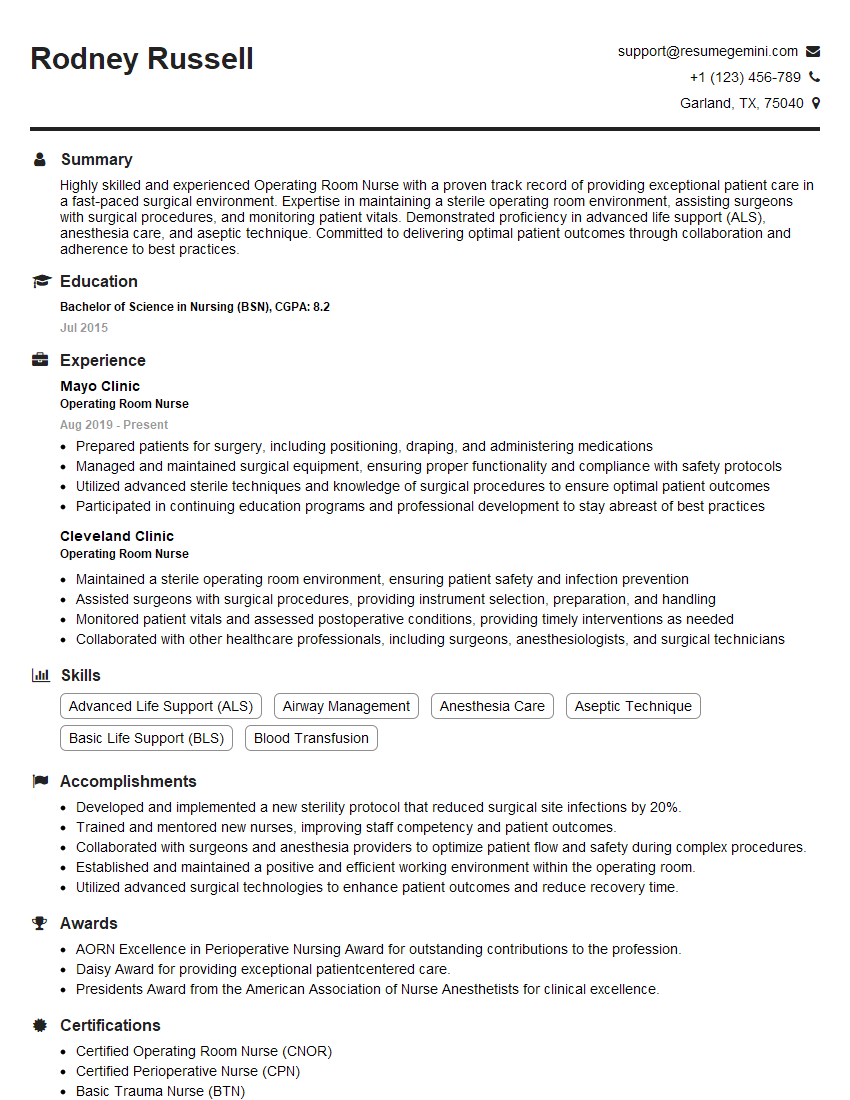
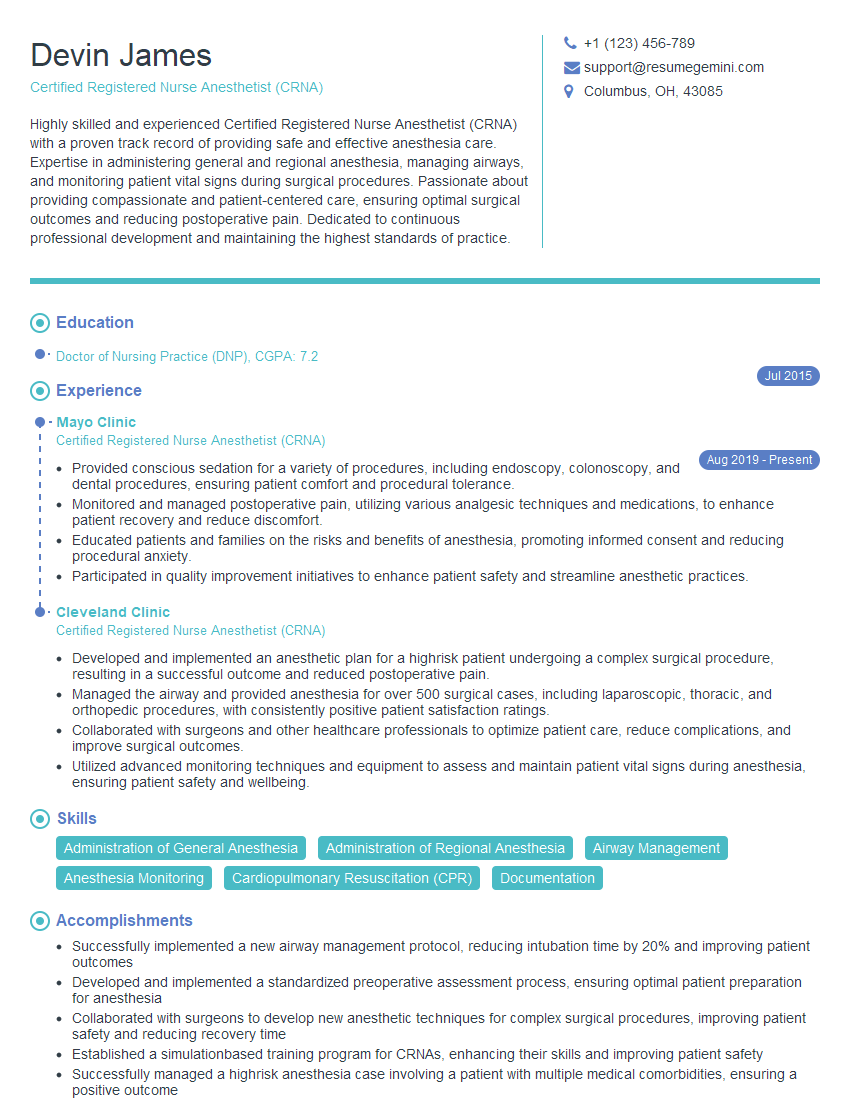
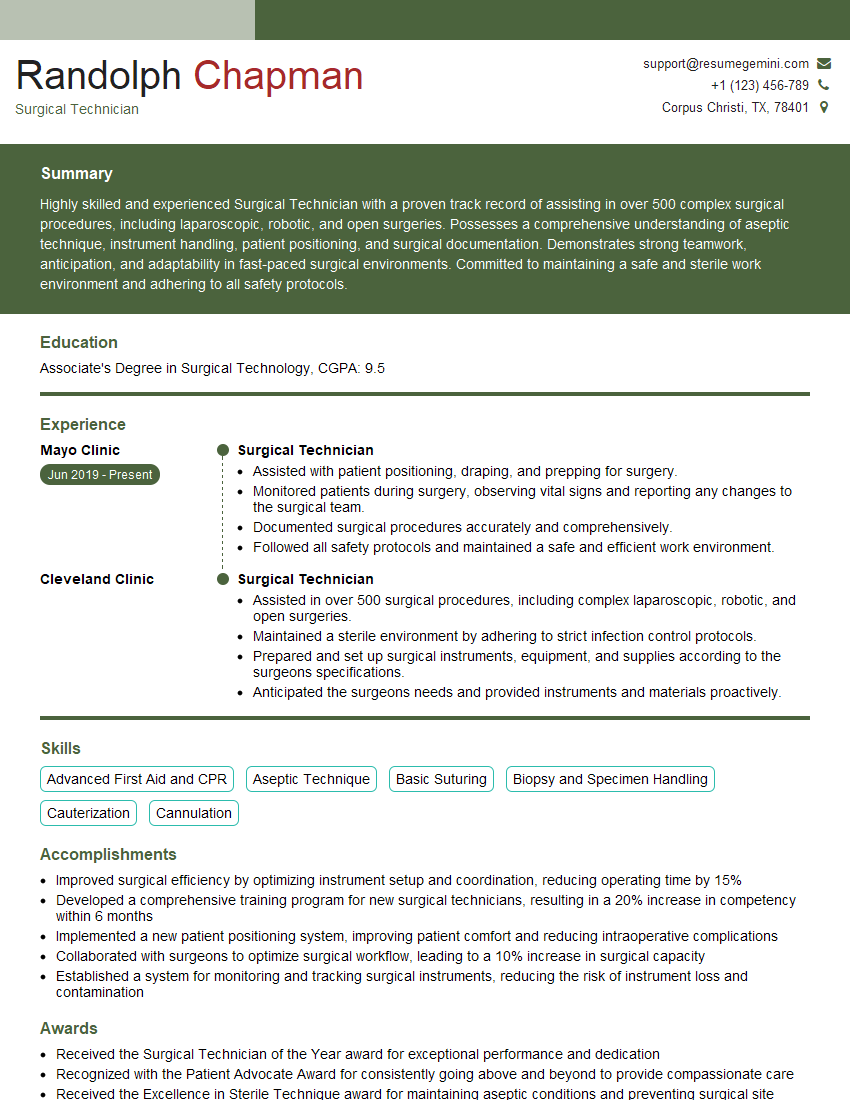
Mastering the intricacies of nitrous oxide opens doors to exciting career opportunities in various scientific and industrial sectors. A strong understanding of its properties, applications, and safety protocols is highly valued by employers. To maximize your job prospects, create an ATS-friendly resume that highlights your skills and experience effectively. ResumeGemini is a trusted resource to help you build a professional and impactful resume. Examples of resumes tailored to Nitrous Oxide related roles are available to guide you. Take the next step towards your dream job today!

Explore more articles
Users Rating of Our Blogs
Share Your Experience
We value your feedback! Please rate our content and share your thoughts (optional).
What Readers Say About Our Blog
Amazing blog
hello,
Our consultant firm based in the USA and our client are interested in your products.
Could you provide your company brochure and respond from your official email id (if different from the current in use), so i can send you the client’s requirement.
Payment before production.
I await your answer.
Regards,
MrSmith
hello,
Our consultant firm based in the USA and our client are interested in your products.
Could you provide your company brochure and respond from your official email id (if different from the current in use), so i can send you the client’s requirement.
Payment before production.
I await your answer.
Regards,
MrSmith
These apartments are so amazing, posting them online would break the algorithm.
https://bit.ly/Lovely2BedsApartmentHudsonYards
Reach out at [email protected] and let’s get started!
Take a look at this stunning 2-bedroom apartment perfectly situated NYC’s coveted Hudson Yards!
https://bit.ly/Lovely2BedsApartmentHudsonYards
Live Rent Free!
https://bit.ly/LiveRentFREE
Interesting Article, I liked the depth of knowledge you’ve shared.
Helpful, thanks for sharing.
Hi, I represent a social media marketing agency and liked your blog
Hi, I represent an SEO company that specialises in getting you AI citations and higher rankings on Google. I’d like to offer you a 100% free SEO audit for your website. Would you be interested?