The thought of an interview can be nerve-wracking, but the right preparation can make all the difference. Explore this comprehensive guide to Digital Imaging and Diagnosis interview questions and gain the confidence you need to showcase your abilities and secure the role.
Questions Asked in Digital Imaging and Diagnosis Interview
Q 1. Explain the difference between Computed Tomography (CT) and Magnetic Resonance Imaging (MRI).
CT (Computed Tomography) and MRI (Magnetic Resonance Imaging) are both powerful medical imaging techniques, but they utilize fundamentally different principles to create images of the body’s internal structures. CT uses X-rays to create cross-sectional images, while MRI uses a powerful magnetic field and radio waves to generate detailed images of organs and tissues.
Think of it like this: CT is like taking many X-ray slices of a loaf of bread, then stacking them to create a 3D view. MRI, on the other hand, is like taking a detailed picture of the bread’s internal structure, showing the different types of flour and ingredients used.
- CT: Faster scan times, better for visualizing bones, and less sensitive to motion artifacts. It’s frequently used for trauma imaging and detecting internal bleeding.
- MRI: Superior soft tissue contrast, excellent for visualizing the brain, spinal cord, and joints. It avoids ionizing radiation, making it safer for repeated scans but can take longer.
The choice between CT and MRI depends on the specific clinical question. For example, if a patient presents with a head injury, a CT scan would typically be performed first due to its speed and ability to quickly identify fractures or bleeding. If there’s a suspicion of a brain tumor, MRI is often preferred for its superior soft tissue contrast.
Q 2. Describe the principles of X-ray imaging.
X-ray imaging relies on the principle of differential absorption of X-rays by different tissues in the body. An X-ray source emits a beam of X-rays that passes through the patient. Denser tissues, such as bones, absorb more X-rays, appearing bright white on the image. Softer tissues, such as muscles and organs, absorb less X-rays and appear as shades of gray. The remaining X-rays are detected by a detector, generating a two-dimensional image.
Imagine shining a flashlight through your hand. Your bones block more light, creating shadows, while the softer tissues let more light pass through. X-ray imaging works on a similar principle, but with X-rays instead of visible light. The amount of X-ray absorption is directly related to the tissue’s density and atomic number.
The image produced is a projection image, meaning that superimposed structures can obscure details. For instance, it might be difficult to distinguish between two overlapping structures in a chest X-ray.
Q 3. What are the advantages and disadvantages of ultrasound imaging?
Ultrasound imaging, also known as sonography, uses high-frequency sound waves to create images of internal organs and tissues. It’s a non-invasive and relatively inexpensive imaging modality.
- Advantages: Non-invasive, no ionizing radiation, real-time imaging, portable, relatively inexpensive, good for visualizing soft tissues, and can be used for guided biopsies.
- Disadvantages: Image quality can be operator-dependent, poor penetration of bone and air, limited use in obese patients (due to sound wave attenuation), and artifacts can obscure the image.
For instance, ultrasound is frequently used in obstetrics to monitor fetal development because it’s safe for both the mother and the fetus. However, it’s less useful for visualizing bone structures compared to CT or X-ray.
Q 4. Explain the role of PACS in a radiology department.
PACS, or Picture Archiving and Communication System, is the digital network that stores, retrieves, manages, and distributes medical images within a healthcare facility. In a radiology department, it’s the central hub for all imaging data.
Imagine a massive digital library dedicated solely to medical images. PACS allows radiologists to access images from any workstation within the hospital, improving efficiency and collaboration. It enables quick retrieval of past studies for comparison and facilitates the distribution of images to referring physicians. It’s crucial for efficient workflow, eliminating the need for cumbersome physical film storage and retrieval. Furthermore, PACS often integrates with other hospital information systems, streamlining the patient’s care pathway.
Q 5. How does image post-processing affect diagnostic accuracy?
Image post-processing techniques, such as windowing, leveling, and image filtering, can significantly affect diagnostic accuracy. These manipulations enhance the visibility of subtle features or reduce noise, improving the radiologist’s ability to interpret the image.
However, excessive post-processing can also introduce artifacts or distort anatomical structures, potentially leading to misinterpretations. The key is to use these techniques judiciously, aiming to enhance the image without compromising its integrity. For example, adjusting window and level settings in a CT scan can help visualize specific tissue types better but overly aggressive filtering can obscure critical details.
Appropriate training and standardization of post-processing techniques are crucial to ensure diagnostic accuracy and consistency across the department.
Q 6. Describe the process of image acquisition in CT scanning.
CT image acquisition involves the rotation of an X-ray source and detector around the patient. The X-ray beam passes through the patient, and the resulting attenuation is measured by the detectors. This process is repeated at multiple angles, creating a set of projection data. A computer then uses complex algorithms to reconstruct these projections into a series of cross-sectional images (slices).
Imagine a rotating X-ray camera taking many pictures of a patient from different angles. The computer then processes these pictures to create a 3D representation of the patient’s anatomy. The thinner the slice thickness, the greater the spatial resolution of the resulting images.
Helical (spiral) CT scanners continuously rotate while the patient moves through the gantry, leading to faster scan times and improved image quality in many applications.
Q 7. What are the different types of contrast agents used in medical imaging?
Contrast agents are substances that enhance the visibility of specific structures or tissues in medical images by altering their attenuation or signal characteristics. Different imaging modalities utilize different types of contrast agents:
- Iodinated contrast agents: Commonly used in X-ray, CT, and angiography. These agents absorb X-rays effectively, making blood vessels and other structures more visible.
- Gadolinium-based contrast agents: Used primarily in MRI. These agents alter the magnetic properties of tissues, increasing the signal intensity and improving image contrast.
- Ultrasound contrast agents: Microbubbles that enhance the ultrasound signal, improving the visualization of blood flow and enhancing the visualization of organs.
The choice of contrast agent depends on the specific imaging modality and the clinical indication. It’s crucial to assess the patient’s renal function before administering iodinated contrast agents, as these agents are primarily excreted by the kidneys. Patients with allergies or other contraindications may require alternative imaging approaches.
Q 8. Explain the concept of spatial resolution in medical imaging.
Spatial resolution in medical imaging refers to the ability of an imaging system to distinguish between two closely spaced objects. Think of it like the pixel density in a photograph – higher resolution means smaller pixels and a clearer, more detailed image. In medical imaging, higher spatial resolution allows for the detection of smaller and finer anatomical structures, leading to more accurate diagnoses. For instance, a high-resolution CT scan can clearly show the subtle differences between healthy and cancerous tissues, whereas a low-resolution image might blur these details, making diagnosis more difficult. It is typically measured in line pairs per millimeter (lp/mm) or pixels per millimeter (px/mm), with higher numbers indicating better resolution.
Different imaging modalities offer varying spatial resolution. For example, a mammography system has higher spatial resolution than a typical chest X-ray system, allowing for the detection of minute microcalcifications that could indicate early-stage breast cancer. This makes spatial resolution a critical parameter when choosing an imaging technique for a specific clinical question.
Q 9. How do you ensure image quality in digital radiography?
Ensuring image quality in digital radiography is crucial for accurate diagnosis. It involves optimizing various factors throughout the imaging process. We need to start with proper patient positioning to minimize motion blur and ensure the anatomy of interest is correctly centered in the field of view. Adequate exposure is essential; insufficient exposure results in a noisy, underexposed image obscuring detail, while excessive exposure increases radiation dose to the patient unnecessarily. Therefore, proper selection of technical factors like kilovoltage (kVp) and milliampere-seconds (mAs) is paramount.
Regular quality control checks on the equipment are also essential. This includes testing the digital detector for uniformity, sensitivity, and spatial resolution using quality control phantoms. Calibration and regular maintenance of the X-ray system are crucial to ensure consistent performance and avoid artifacts. Finally, careful image processing techniques, such as noise reduction algorithms, while being careful not to lose detail during the process, can enhance the diagnostic quality of the images. Always remember, the goal is to obtain diagnostic quality images with the lowest possible radiation dose to the patient.
Q 10. Describe the role of a radiologic technologist in patient care.
Radiologic technologists play a vital role in patient care, extending far beyond just taking images. They are the primary point of contact for patients undergoing imaging procedures. Their responsibilities start with patient assessment, including taking a thorough history and explaining the procedure to alleviate anxiety. Proper patient positioning and immobilization are critical for optimal image quality and minimizing radiation exposure. They also need to handle the equipment, select appropriate technical parameters, and process the images. Beyond technical skills, effective communication and empathy are essential. They need to create a comforting and safe environment for patients, who may be unwell or anxious. Furthermore, they play a key role in radiation safety, ensuring both themselves and the patients are protected from unnecessary radiation exposure. They are vital members of the healthcare team, contributing to accurate and efficient diagnoses.
Q 11. What are the safety protocols related to ionizing radiation?
Safety protocols related to ionizing radiation are paramount in radiology. These protocols are based on the ALARA principle (As Low As Reasonably Achievable), which emphasizes minimizing radiation exposure to both patients and staff. This involves using appropriate radiation protection measures, including lead shielding for patients and staff where necessary, optimizing technical factors to reduce the radiation dose while maintaining image quality, and regularly calibrating and maintaining the equipment to ensure proper functioning and avoid unnecessary radiation exposure. Furthermore, regular radiation safety training and education are crucial for all personnel working with ionizing radiation. Strict adherence to radiation safety regulations and guidelines is essential for a safe working environment and protecting the health of those exposed to radiation.
Practical examples include using appropriate collimators to restrict the radiation beam to the area of interest, optimizing kVp and mAs to reduce dose while maintaining image quality, utilizing appropriate shielding devices for patients and staff, and keeping a detailed record of radiation exposure. Each facility should have clearly defined protocols and regularly conduct quality assurance tests and radiation safety training sessions.
Q 12. How do you identify and handle artifacts in medical images?
Artifacts in medical images are unwanted features that can obscure anatomical structures and lead to misdiagnosis. They can originate from various sources, including patient-related factors like motion, metal implants, or bowel gas. Equipment-related artifacts can arise from faulty detectors, processing errors, or insufficient collimation. Identifying these artifacts requires a keen eye and understanding of their characteristic appearances. Motion artifacts often manifest as blurry areas, while metal implants cause streaks or bright areas. Scatter radiation can create a general fogginess in the image.
Handling artifacts involves a combination of preventative measures and image processing techniques. For example, proper patient positioning and immobilization can significantly reduce motion artifacts. Using appropriate technical parameters and optimizing the image acquisition process can minimize other artifacts. Image processing techniques, such as noise reduction and artifact suppression algorithms, can help to reduce the visibility of some artifacts, but it is crucial to be aware that these techniques can sometimes obscure important clinical information. When in doubt, always obtain a repeat image using improved technique.
Q 13. What is the ALARA principle, and how is it applied in radiology?
The ALARA principle, which stands for “As Low As Reasonably Achievable,” is a fundamental principle in radiation protection. It emphasizes that radiation exposure should always be kept to the lowest level possible while still achieving the diagnostic goal. This means that the benefit of the imaging procedure must always outweigh the potential risks associated with radiation exposure. In radiology, ALARA is applied through several strategies: using the lowest possible radiation dose while obtaining diagnostically useful images, optimizing technical factors (kVp and mAs), using appropriate collimation to restrict the x-ray beam, using proper shielding for patients and staff, and regularly testing and maintaining equipment to ensure proper functioning and accuracy. It’s not just about minimizing dose, but about a sensible balance between diagnostic image quality and patient safety. Every effort should be made to reduce radiation exposure to the lowest level that still provides useful clinical information.
Q 14. Explain the importance of image annotation and labeling.
Image annotation and labeling are crucial for various reasons in medical imaging. Annotation involves adding descriptive information, such as identifying specific anatomical structures or highlighting regions of interest (ROIs), directly onto the image. Labeling, on the other hand, usually involves associating structured data, like disease classification, with the image. Both are essential for several applications. For instance, in research, precisely annotated images are necessary for training and validating artificial intelligence (AI) algorithms for automated diagnosis. In clinical practice, annotations can aid in communication between radiologists and referring physicians by providing a clear indication of findings. Standardized labeling also ensures efficient data management and retrieval for large image datasets.
Accurate annotation and labeling are essential for the reliability of AI models and clinical interpretation. Poorly annotated images can lead to biased AI models that fail to generalize to unseen data. In clinical practice, inconsistent labeling or poorly annotated findings can easily lead to miscommunication or incorrect interpretation, potentially having severe clinical implications.
Q 15. Describe your experience with different image modalities (e.g., CT, MRI, Ultrasound).
My experience spans a wide range of imaging modalities, encompassing Computed Tomography (CT), Magnetic Resonance Imaging (MRI), and Ultrasound. I’ve worked extensively with each, understanding their strengths and limitations in various clinical contexts.
- CT: I’m proficient in interpreting CT scans for trauma, oncology, and vascular imaging. For instance, I’ve been involved in the diagnosis of pulmonary emboli using CT pulmonary angiography (CTPA) and the staging of various cancers using contrast-enhanced CT. I also have experience with advanced CT techniques like MDCT and iterative reconstruction.
- MRI: My MRI experience includes neurological imaging (brain tumors, stroke), musculoskeletal imaging (ligament tears, fractures), and abdominal imaging. The subtleties of MRI sequences (T1, T2, FLAIR, diffusion-weighted imaging) are integral to my diagnostic approach. I’ve also utilized advanced techniques like functional MRI (fMRI) in research settings.
- Ultrasound: I’m adept at performing and interpreting ultrasound examinations for abdominal, obstetric, and vascular applications. This includes Doppler ultrasound for assessing blood flow in various vessels, crucial in diagnosing deep vein thrombosis (DVT) or carotid artery stenosis. I’ve also worked with various ultrasound transducers, adapting my techniques to suit different anatomical regions.
My ability to integrate findings from different modalities to reach a comprehensive diagnosis is a key strength. For example, correlating MRI findings with CT findings in a patient with complex trauma helps create a more holistic picture.
Career Expert Tips:
- Ace those interviews! Prepare effectively by reviewing the Top 50 Most Common Interview Questions on ResumeGemini.
- Navigate your job search with confidence! Explore a wide range of Career Tips on ResumeGemini. Learn about common challenges and recommendations to overcome them.
- Craft the perfect resume! Master the Art of Resume Writing with ResumeGemini’s guide. Showcase your unique qualifications and achievements effectively.
- Don’t miss out on holiday savings! Build your dream resume with ResumeGemini’s ATS optimized templates.
Q 16. How do you handle challenging or difficult imaging situations?
Challenging imaging situations often involve suboptimal image quality, ambiguous findings, or rare pathologies. My approach involves a systematic strategy:
- Image Optimization: I carefully assess the image acquisition parameters to rule out technical artifacts or limitations. This may include adjusting windowing and leveling, reviewing the acquisition protocol, and communicating with the technologist for further clarification.
- Correlating with Clinical Data: I meticulously review the patient’s clinical history, symptoms, and other relevant investigations (lab results, prior imaging). This crucial step provides valuable context for interpreting the images.
- Consultation and Collaboration: When faced with ambiguous findings or complex cases, I consult with colleagues (radiologists with subspecialty expertise, clinicians) to get diverse perspectives and leverage their experience.
- Continuing Medical Education (CME): I regularly engage in CME activities to stay abreast of the latest diagnostic techniques and advancements, which helps me in addressing novel and challenging imaging cases. This includes attending conferences, reading peer-reviewed articles and participating in journal clubs.
For example, I once encountered a case with low-quality ultrasound images of the abdomen. By closely correlating the findings with the patient’s elevated liver enzymes and symptoms, along with a thorough review of the acquisition protocol (which revealed a suboptimal transducer frequency for the patient’s body habitus), we were able to reach a diagnosis. This highlights the value of considering all available information in solving complex diagnostic challenges.
Q 17. What is your understanding of image reconstruction techniques?
Image reconstruction is the process of creating a diagnostically useful image from raw data acquired by imaging modalities like CT and MRI. It’s a complex computational process involving various algorithms.
- Filtered Back Projection (FBP): A traditional technique used in CT, where the raw projection data are filtered to reduce noise and then back-projected to reconstruct the image. It’s relatively fast but prone to artifacts.
- Iterative Reconstruction (IR): More advanced techniques like iterative reconstruction (e.g., model-based iterative reconstruction (MBIR)) utilize mathematical models to refine the image quality iteratively, reducing noise and improving image clarity compared to FBP. This often comes at the cost of longer processing times.
- Compressed Sensing (CS): This approach reduces the amount of data acquired while maintaining image quality, particularly valuable in MRI where scan times can be lengthy. It exploits the inherent sparsity in medical images.
The choice of reconstruction technique depends on the specific modality, the clinical question, and the balance between image quality and computational demands. For example, iterative reconstruction methods are increasingly employed in CT to reduce radiation dose while maintaining diagnostic quality. Understanding the principles and limitations of these algorithms is crucial for accurate image interpretation.
Q 18. Explain the differences between various types of digital detectors.
Digital detectors play a pivotal role in capturing the signal from the imaging source and converting it into digital data. They vary significantly in their technology and performance characteristics.
- Film-screen systems (analog): These are outdated technologies that use X-ray film to capture images. They have now been largely replaced by digital systems.
- Charge-Coupled Devices (CCDs): These detectors use an array of sensors to convert light signals into electrical charges, subsequently converted into digital data. CCDs are known for their high spatial resolution but tend to be less sensitive than other detectors.
- Complementary Metal-Oxide-Semiconductor (CMOS) detectors: CMOS detectors are based on semiconductor technology. They offer improved sensitivity compared to CCDs, are more easily integrated with electronics, and are generally more cost-effective. They are commonly used in digital radiography and fluoroscopy.
- Flat-panel detectors (FPDs): FPDs are widely used in digital radiography, fluoroscopy, and CT. They consist of an array of sensors that directly convert X-ray photons into electrical signals, providing better spatial resolution and reduced noise compared to earlier systems.
The selection of a detector is governed by factors like spatial resolution requirements, image noise characteristics, sensitivity to the imaging modality, and the overall system cost. For example, high-resolution detectors are preferred for mammography, where detailed visualization of microcalcifications is essential. Understanding detector technologies helps in appraising the quality of the images being assessed.
Q 19. How do you ensure patient confidentiality in digital imaging?
Patient confidentiality is paramount in digital imaging, and I adhere strictly to all relevant regulations and best practices. My approach includes:
- Strict adherence to HIPAA (Health Insurance Portability and Accountability Act) regulations (in the US, or equivalent regulations in other jurisdictions): This includes secure storage of images and patient data, restricted access controls, and appropriate disposal of sensitive information.
- Use of secure networks and systems: All patient data transmitted over networks is encrypted to prevent unauthorized access.
- Password protection and access controls: Access to PACS and other systems is protected by strong passwords and role-based access controls. Only authorized personnel have access to patient data.
- Data anonymization when necessary: For research or educational purposes, images and patient data are carefully anonymized before sharing to ensure patient privacy.
- Regular security audits and updates: To prevent breaches, regular security audits and updates are crucial to ensure the security of the information systems.
I treat patient confidentiality as a top priority and am committed to maintaining the integrity of their sensitive information.
Q 20. Describe your experience with quality control and quality assurance in radiology.
Quality control (QC) and quality assurance (QA) are essential for ensuring the accuracy and reliability of radiological images. My experience encompasses various aspects of both:
- QC: This involves regular checks of equipment performance, including the calibration of imaging systems, testing of image quality using phantoms, and monitoring of radiation output. I am familiar with using QC tools and software to track system performance and identify potential issues. For example, daily QC checks on ultrasound machines involve performing phantom scans to assess image quality and transducer performance.
- QA: QA encompasses broader aspects of ensuring high-quality imaging, including staff training, protocol standardization, and image interpretation review. I participate in regular QA meetings to discuss quality metrics, identify areas for improvement, and implement corrective actions. For instance, I’ve been involved in developing protocols for improved consistency in MRI scanning techniques.
- Image interpretation review: Peer review and image interpretation audits are crucial to maintain consistency in diagnostic accuracy. I actively participate in these activities to learn from experienced colleagues and improve my own diagnostic skills.
By maintaining strict QC and QA processes, we ensure the reliability of the imaging data, which is critical for accurate diagnosis and treatment planning.
Q 21. What is your experience with RIS and how it integrates with PACS?
The Radiology Information System (RIS) and Picture Archiving and Communication System (PACS) are integral components of a modern radiology department. RIS manages patient demographics, orders, reports, and scheduling, while PACS stores and distributes medical images.
My experience includes working with various RIS and PACS systems, understanding their integration and workflow processes. Data from the RIS, such as patient demographics and examination details, is seamlessly integrated with PACS to ensure efficient image management. This integration is crucial in streamlining the workflow, reducing errors and improving overall efficiency. For instance, an order placed in RIS automatically creates a study in PACS, ensuring that images are linked to the correct patient record.
I am familiar with utilizing RIS for tasks such as creating and modifying radiology orders, tracking the status of exams, and generating reports. This integrated workflow significantly reduces manual tasks, improves turnaround time, and ultimately improves patient care. I understand the importance of data integrity and interoperability between these systems to optimize patient management.
Q 22. What is your understanding of radiation protection guidelines?
Radiation protection guidelines are crucial in medical imaging to minimize patient and staff exposure to ionizing radiation. These guidelines, often based on principles of ALARA (As Low As Reasonably Achievable), aim to optimize the benefit of imaging while minimizing the associated risks. They encompass three main principles: justification, optimization, and limitation.
Justification means that the imaging procedure must be medically necessary, with the potential benefits outweighing the risks. Optimization involves using the lowest possible radiation dose that still provides diagnostically useful images. This includes optimizing technical factors like kVp (kilovoltage peak) and mAs (milliampere-seconds) on X-ray machines, using appropriate collimation to restrict the radiation field, and employing shielding techniques where appropriate. Limitation sets dose limits for both patients and occupational workers to prevent deterministic effects (effects with a threshold dose, like skin burns) and reduce the risk of stochastic effects (effects without a threshold, like cancer, the probability of which increases with dose).
These guidelines are implemented through various regulations and protocols, often involving specific equipment safety checks, staff training on radiation safety procedures, and adherence to dose reporting and monitoring systems. For example, a radiographer would always use the lowest radiation settings possible for a given image, employing appropriate shielding techniques like lead aprons and thyroid collars for patients and staff during procedures.
Q 23. How familiar are you with different image processing techniques?
I am very familiar with a wide range of image processing techniques used in medical imaging. These techniques are essential for improving image quality, enhancing diagnostic information, and facilitating quantitative analysis. They can be broadly classified into several categories:
- Noise Reduction: Techniques like spatial filtering (e.g., averaging, median filtering) and wavelet denoising help reduce noise artifacts, improving image clarity.
- Image Enhancement: Methods such as histogram equalization, contrast stretching, and sharpening improve the visibility of subtle features, making diagnosis easier. For example, sharpening algorithms can highlight the edges of a lesion, making it more easily detectable.
- Image Segmentation: This involves partitioning an image into meaningful regions, such as organs or lesions. Techniques include thresholding, region growing, and active contours (snakes). This is crucial for quantitative analysis, measuring lesion size, for instance.
- Image Registration: Aligning images acquired at different times or from different modalities (e.g., CT and MRI) is critical for comparing images or tracking changes over time. Methods include rigid, affine, and non-rigid registration.
- Image Reconstruction: Algorithms like filtered back projection (FBP) and iterative reconstruction (IR) are used to create images from raw data acquired by CT or MRI scanners. IR techniques, such as iterative least squares, are increasingly used to reduce radiation dose while maintaining image quality.
My experience encompasses both manual and automated image processing techniques, using various software packages including those mentioned in the following question.
Q 24. Explain the process of interpreting and reporting medical images.
Interpreting and reporting medical images is a crucial step in the diagnostic process. It involves a systematic approach combining image analysis with clinical knowledge. The process typically involves the following steps:
- Image Acquisition Review: Checking the image metadata (patient information, acquisition parameters) to ensure the images are complete and technically adequate.
- Systematic Visual Inspection: A thorough, systematic review of all relevant anatomical regions, using anatomical knowledge and looking for abnormalities in shape, size, density, or texture.
- Correlation with Clinical Information: Integrating the imaging findings with the patient’s clinical history, symptoms, and other diagnostic results. This contextual information is essential for accurate interpretation.
- Differential Diagnosis: Formulating a list of possible diagnoses based on the imaging findings and clinical context.
- Report Generation: Writing a concise and clear report summarizing the imaging findings, including the differential diagnosis and recommendations for further investigations or management. The report needs to be tailored to the referring physician’s needs.
For example, when interpreting a chest X-ray, I would systematically review the lungs, heart, mediastinum, and bony structures, looking for abnormalities like infiltrates (indicative of pneumonia), pleural effusions (fluid in the pleural space), or masses. The findings are then correlated with the patient’s symptoms (cough, shortness of breath) and clinical history to arrive at an accurate diagnosis.
Q 25. What is your experience with different types of image analysis software?
My experience with image analysis software is extensive. I’m proficient in using a variety of software packages, including:
- PACS (Picture Archiving and Communication System): For viewing, managing, and storing medical images.
- Dedicated workstation software: For advanced image processing and analysis, such as those provided by companies like Siemens, GE, and Philips. These often include tools for 3D reconstruction, quantitative analysis, and advanced visualization.
- Open-source software: Such as ITK (Insight Segmentation and Registration Toolkit) and 3D Slicer, providing flexibility and customization for specific image analysis tasks.
- Specialized software: For specific applications, like software used in radiation oncology for treatment planning.
My proficiency extends to both the use of these software packages for routine analysis and to utilizing scripting languages like Python, integrated with libraries such as Scikit-image and SimpleITK, for more advanced image processing and analysis tasks that require automation or customized algorithms.
Q 26. Describe your experience with fluoroscopy and its applications.
Fluoroscopy is a dynamic real-time X-ray imaging technique that provides a continuous stream of images, allowing visualization of moving structures. It’s widely used in various medical specialties, including:
- Interventional Radiology: Guiding procedures like angioplasty (opening blocked arteries), biopsies, and drain placements.
- Gastroenterology: Examining the upper gastrointestinal (GI) tract (esophagus, stomach, duodenum) using barium contrast studies.
- Orthopedics: Visualizing bone fractures during fracture reduction and internal fixation.
- Cardiology: Performing cardiac catheterization procedures.
My experience with fluoroscopy includes assisting in various interventional radiology procedures, understanding the radiation safety protocols associated with its use (as continuous radiation exposure is involved), and interpreting fluoroscopic images to help guide the interventionalist. For example, I have assisted in the placement of central venous catheters, where fluoroscopy provides real-time imaging to ensure correct catheter placement. It’s crucial to balance the diagnostic benefits with the radiation risks involved and minimize the radiation dose by using pulse fluoroscopy (lower radiation dose) and appropriate collimation.
Q 27. How do you stay updated with the latest advancements in digital imaging technology?
Keeping up-to-date with advancements in digital imaging is paramount in this rapidly evolving field. I employ several strategies to maintain my expertise:
- Professional Organizations: Active membership in organizations like the American College of Radiology (ACR) and the Radiological Society of North America (RSNA) provides access to publications, conferences, and educational resources.
- Conferences and Workshops: Attending conferences and workshops allows me to learn about the latest technologies and techniques directly from experts and see new equipment demonstrations.
- Peer-Reviewed Journals: Regularly reading peer-reviewed journals like Radiology, RadioGraphics, and the European Radiology keeps me informed about groundbreaking research and clinical applications.
- Online Courses and Webinars: Numerous online platforms offer continuing medical education (CME) courses and webinars, providing convenient access to specialized knowledge.
- Industry Publications and Websites: Staying informed on new technologies introduced by medical imaging companies through their publications and websites.
I believe continuous learning is essential for maintaining a high level of expertise in this dynamic field. Combining these different methods ensures a comprehensive understanding of current and emerging technologies.
Q 28. Describe a situation where you had to troubleshoot a problem with imaging equipment.
During a busy afternoon, a CT scanner experienced an unexpected error code during a routine examination. The scanner stopped functioning mid-scan, and the patient was left in a slightly uncomfortable position within the gantry. My first step was to ensure the patient’s safety and comfort by quickly removing them from the scanner. Next, I followed the established troubleshooting protocol. This protocol involved checking the obvious things first: ensuring power supply, network connections, and reviewing the error logs on the console.
After this initial check I contacted the biomedical engineering department. They remotely accessed the scanner’s systems and diagnosed the issue as a malfunctioning component in the data acquisition system, needing replacement. They estimated a repair time of 4-6 hours. To minimize disruption, we rescheduled the affected patient’s scan and prioritized other urgent cases. To reduce patient wait times, we communicated openly and honestly about the situation with other departments and patients. This required effective communication and teamwork across different departments to minimize disruption and maintain smooth operation. The situation reinforced the importance of having robust protocols for handling equipment malfunctions and effective communication strategies for minimizing patient inconvenience.
Key Topics to Learn for Digital Imaging and Diagnosis Interview
- Image Acquisition Techniques: Understanding various modalities like X-ray, CT, MRI, Ultrasound, and their respective principles, strengths, and limitations. Consider the physics behind image formation and the role of different parameters.
- Image Processing and Enhancement: Explore techniques for noise reduction, image sharpening, contrast enhancement, and artifact correction. Be prepared to discuss practical applications and the impact of these techniques on diagnostic accuracy.
- Image Analysis and Interpretation: Familiarize yourself with the visual interpretation of different imaging modalities. Practice identifying common pathologies and anatomical structures. Discuss the importance of differential diagnosis and the role of clinical context.
- PACS and DICOM Standards: Understand the functionality of Picture Archiving and Communication Systems (PACS) and the role of DICOM (Digital Imaging and Communications in Medicine) in image management and workflow. Consider the implications for data security and interoperability.
- Radiation Safety and Protection: Demonstrate a strong understanding of radiation safety principles, ALARA (As Low As Reasonably Achievable) guidelines, and radiation protection protocols. Discuss the ethical considerations related to radiation exposure.
- Quality Control and Assurance: Be prepared to discuss quality control procedures in digital imaging, including image quality assessment, equipment calibration, and the importance of maintaining consistent image quality for accurate diagnosis.
- Emerging Technologies: Stay updated on advancements in digital imaging and diagnosis, including AI-assisted diagnosis, 3D imaging, and advanced image reconstruction techniques. Be ready to discuss their potential impact on patient care and workflow.
Next Steps
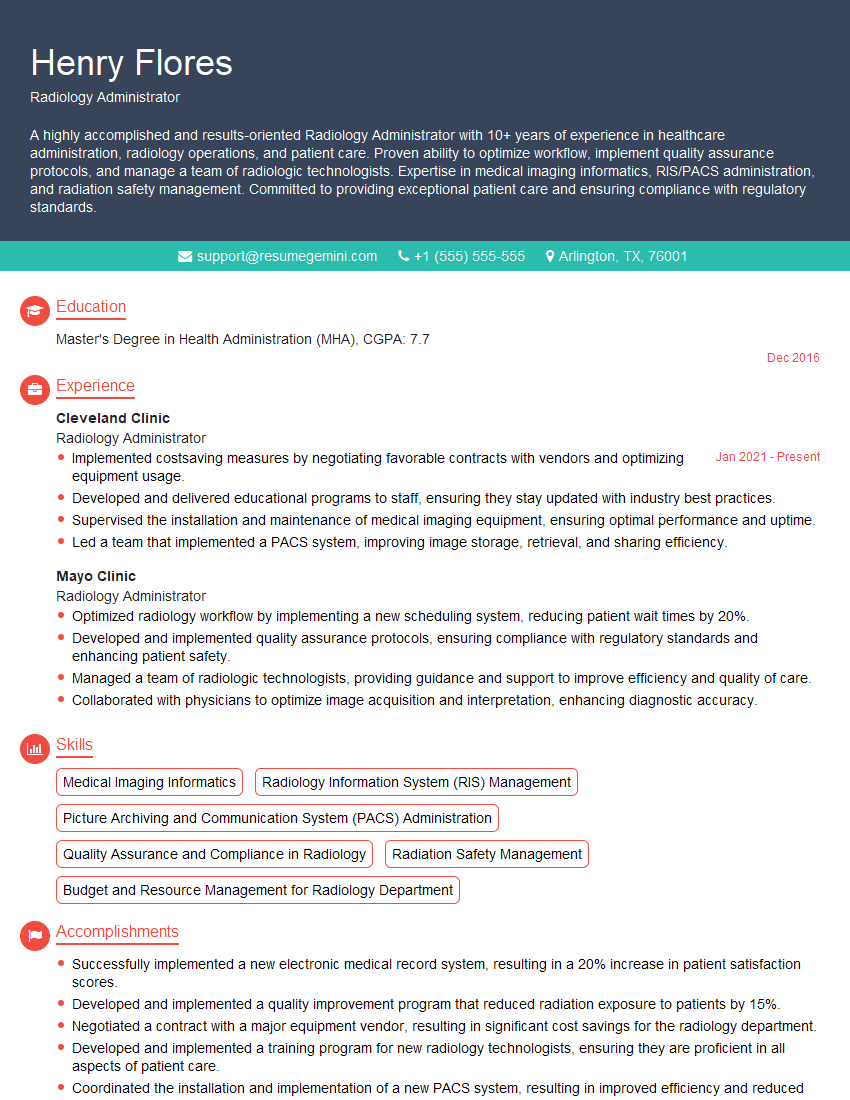
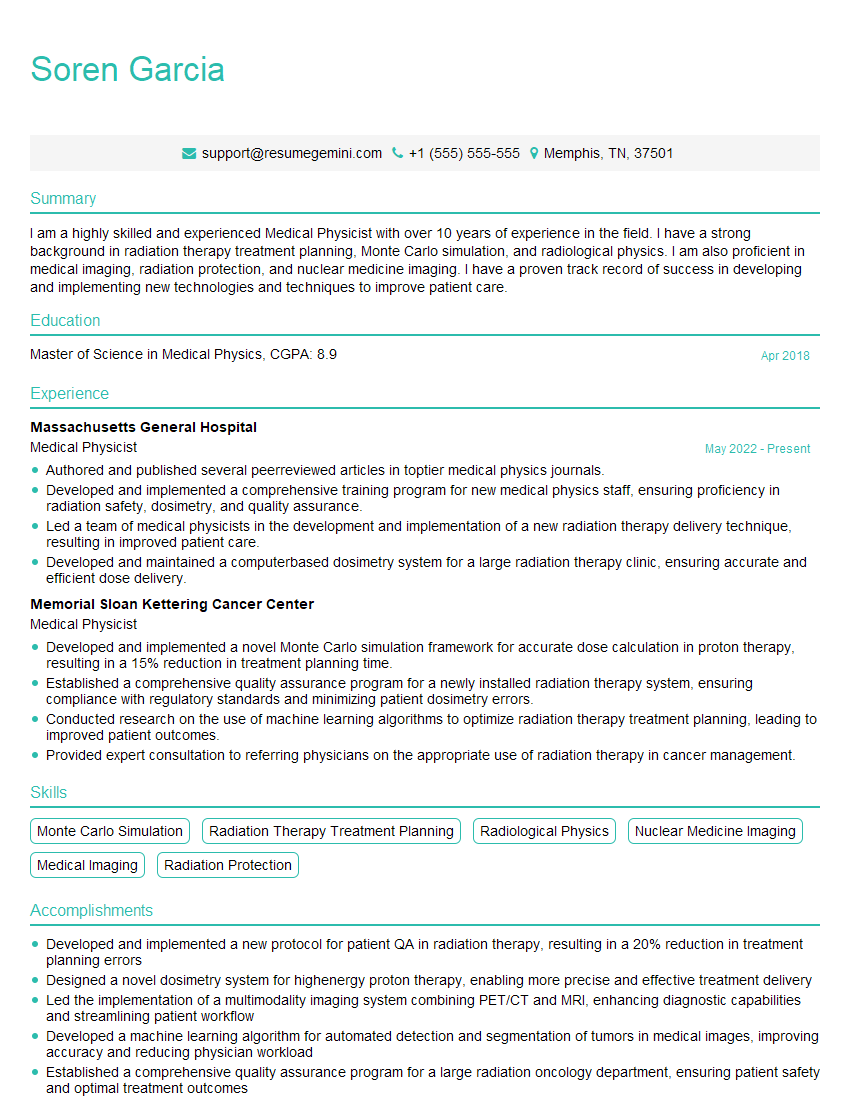
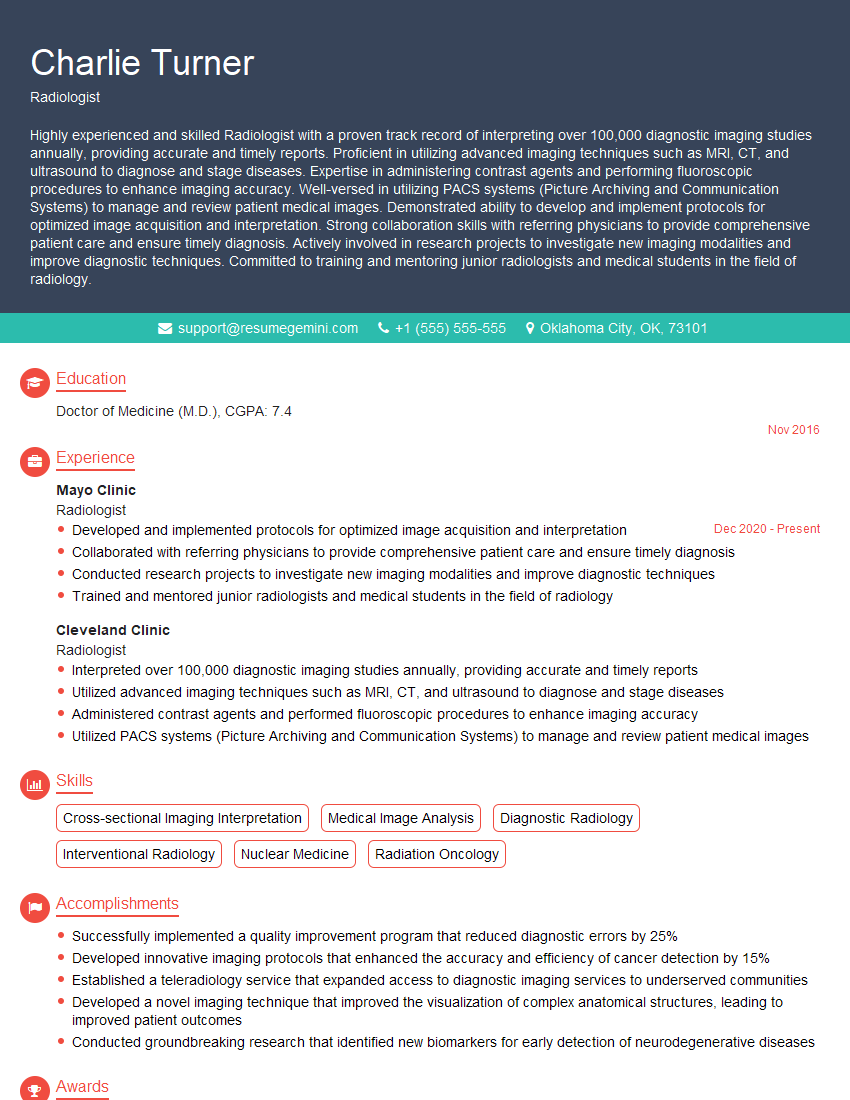
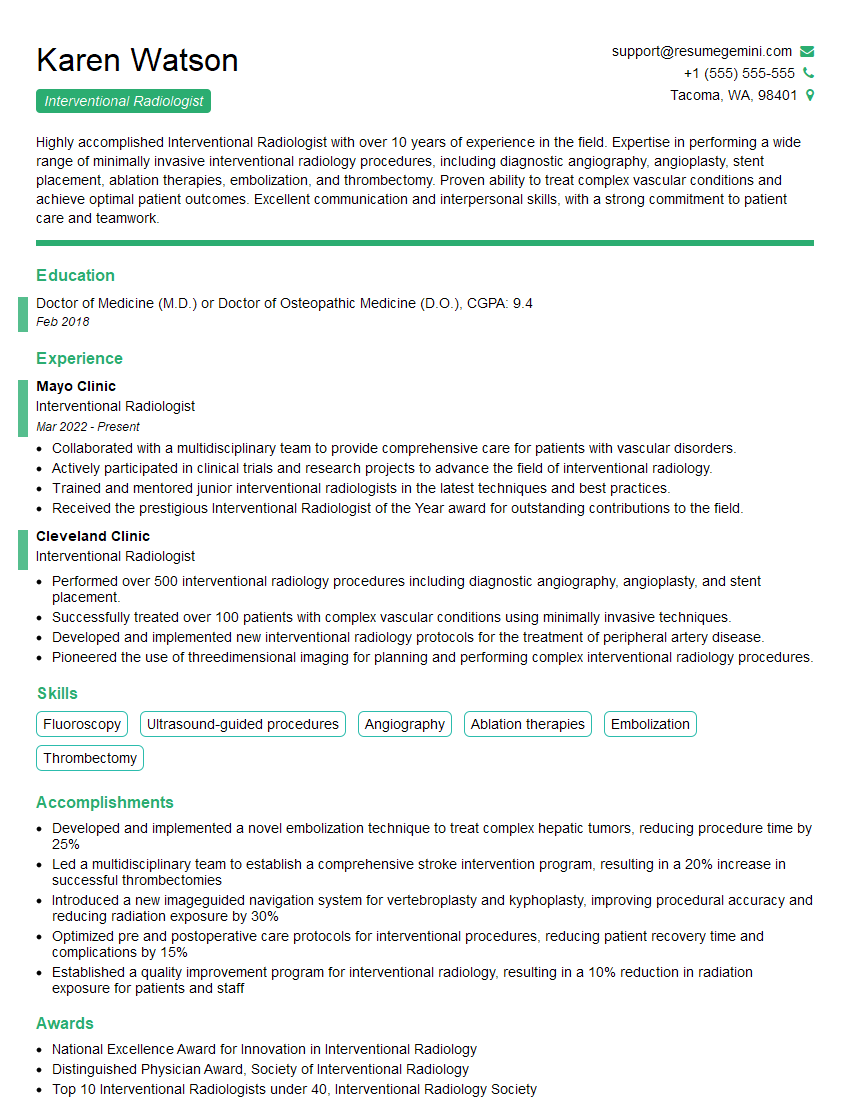
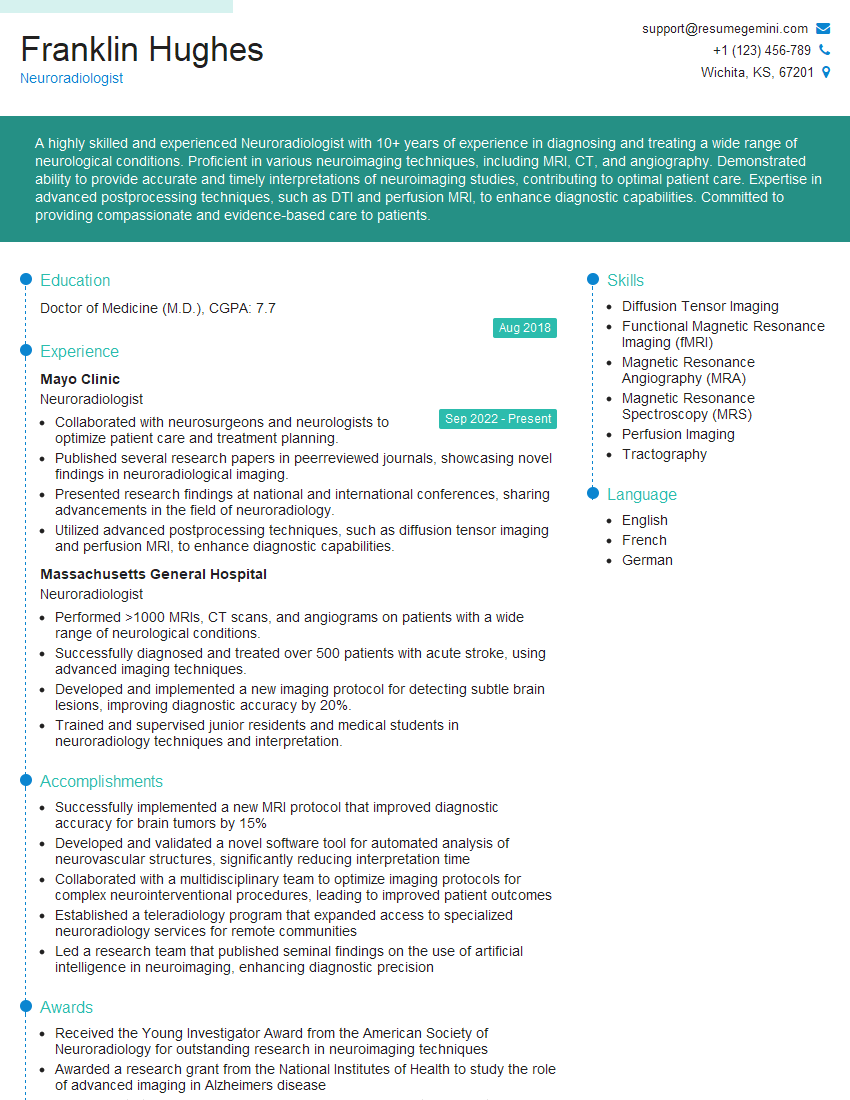
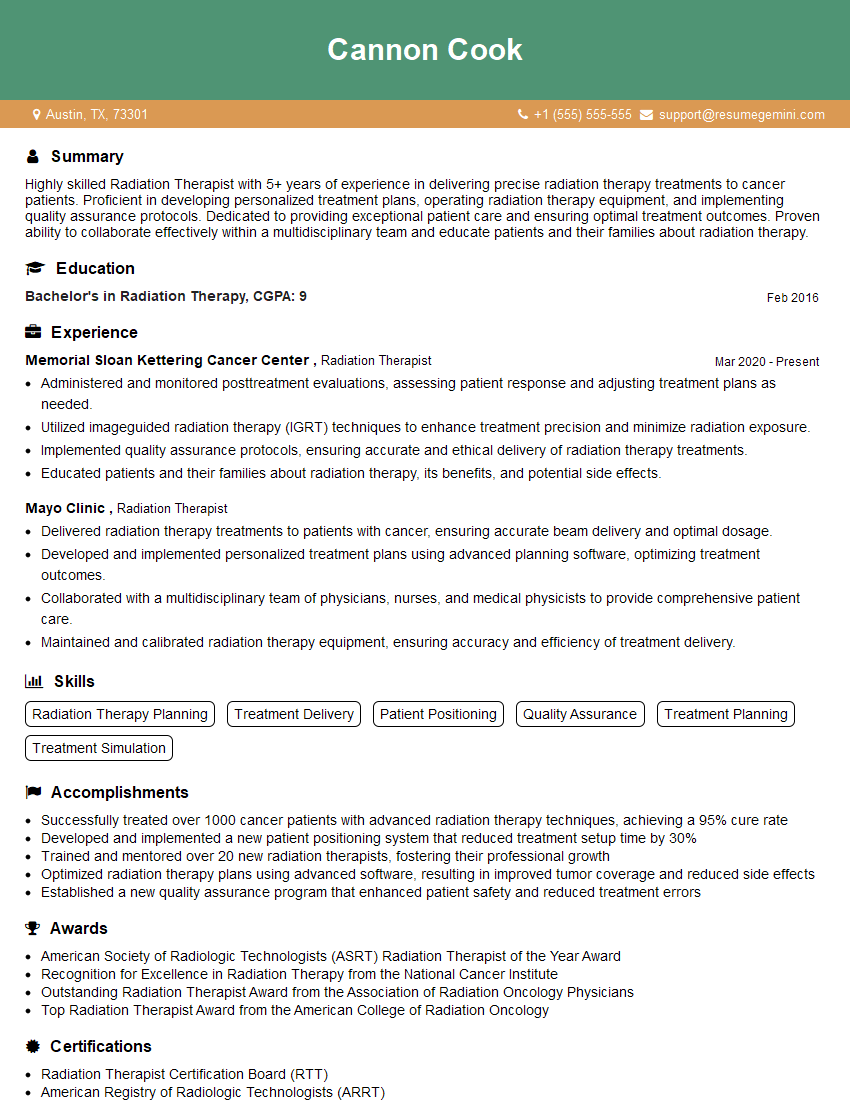
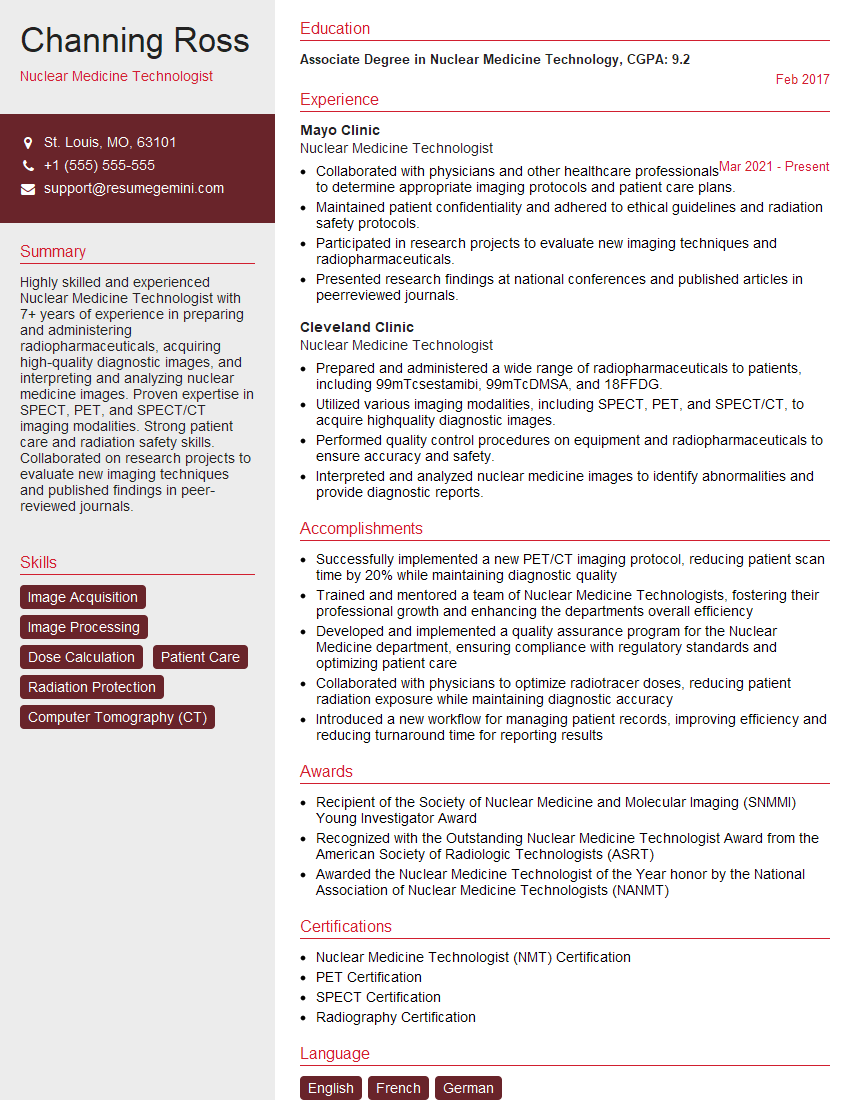
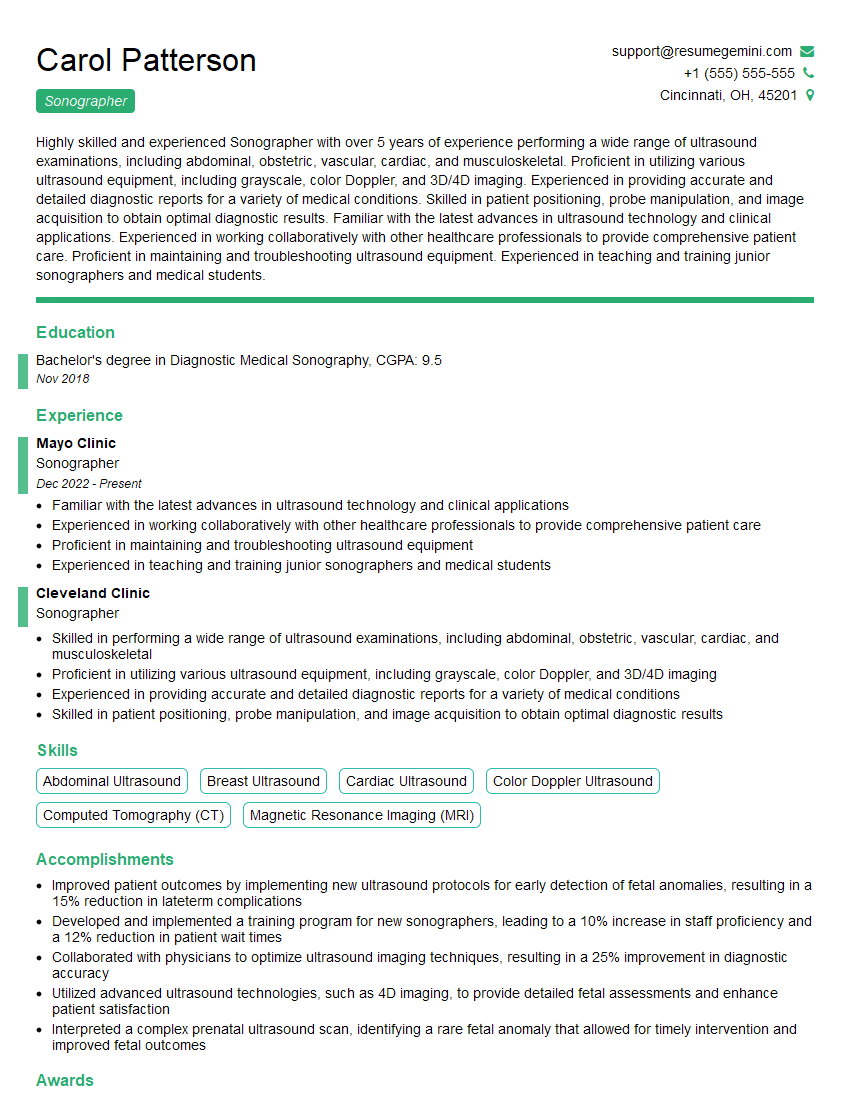
Mastering Digital Imaging and Diagnosis is crucial for career advancement in this rapidly evolving field. A strong understanding of these concepts will significantly improve your interview performance and open doors to exciting opportunities. To maximize your job prospects, focus on creating an ATS-friendly resume that highlights your skills and experience effectively. ResumeGemini is a trusted resource that can help you build a professional and impactful resume. They offer examples of resumes tailored to Digital Imaging and Diagnosis to guide you through the process, ensuring your qualifications shine through.
Explore more articles
Users Rating of Our Blogs
Share Your Experience
We value your feedback! Please rate our content and share your thoughts (optional).
What Readers Say About Our Blog
hello,
Our consultant firm based in the USA and our client are interested in your products.
Could you provide your company brochure and respond from your official email id (if different from the current in use), so i can send you the client’s requirement.
Payment before production.
I await your answer.
Regards,
MrSmith
hello,
Our consultant firm based in the USA and our client are interested in your products.
Could you provide your company brochure and respond from your official email id (if different from the current in use), so i can send you the client’s requirement.
Payment before production.
I await your answer.
Regards,
MrSmith
These apartments are so amazing, posting them online would break the algorithm.
https://bit.ly/Lovely2BedsApartmentHudsonYards
Reach out at [email protected] and let’s get started!
Take a look at this stunning 2-bedroom apartment perfectly situated NYC’s coveted Hudson Yards!
https://bit.ly/Lovely2BedsApartmentHudsonYards
Live Rent Free!
https://bit.ly/LiveRentFREE
Interesting Article, I liked the depth of knowledge you’ve shared.
Helpful, thanks for sharing.
Hi, I represent a social media marketing agency and liked your blog
Hi, I represent an SEO company that specialises in getting you AI citations and higher rankings on Google. I’d like to offer you a 100% free SEO audit for your website. Would you be interested?