Every successful interview starts with knowing what to expect. In this blog, we’ll take you through the top Active Involvement in Industry Forums and Organizations interview questions, breaking them down with expert tips to help you deliver impactful answers. Step into your next interview fully prepared and ready to succeed.
Questions Asked in Active Involvement in Industry Forums and Organizations Interview
Q 1. Describe your experience contributing to industry standards development.
Contributing to industry standards development involves actively participating in the creation and refinement of guidelines and specifications that govern a particular sector. This is crucial for ensuring interoperability, safety, and consistent quality. My experience spans several years of involvement in the development of standards related to data security within the financial services industry. I’ve participated in working groups for the creation of new standards as well as revisions to existing ones. This includes reviewing proposed standards, identifying potential gaps or inconsistencies, suggesting improvements, and participating in voting processes to finalize the standards. For example, I was instrumental in shaping a new standard for encryption protocols, ensuring it met both security and performance requirements without overly burdening smaller financial institutions. This involved extensive collaboration with experts from various organizations, requiring skillful negotiation and compromise to reach a consensus.
My contributions have ranged from providing technical expertise to facilitating discussions and resolving disagreements among stakeholders. I often find myself acting as a bridge between technical experts and business representatives, ensuring that the standards are both technically sound and practically applicable.
Q 2. How have you leveraged industry forums to build professional relationships?
Industry forums are invaluable for building professional relationships. The shared focus on a specific area of expertise fosters natural connections. I’ve found that consistent participation in conferences, workshops, and working groups creates opportunities for interaction and collaboration. Attending events allows me to meet people both within my immediate field and from related disciplines, expanding my network and broadening my perspectives.
For instance, my involvement in the Cloud Security Alliance (a hypothetical example) allowed me to meet numerous security professionals from diverse backgrounds. I initiated conversations, shared insights, and offered assistance, leading to collaborations on several projects and the creation of a lasting professional network. Active listening, engaging in discussions, and sharing my knowledge have been key to establishing these bonds. These relationships provide invaluable support, leading to increased collaboration, knowledge sharing, and mutual support across organizations.
Q 3. Explain your role in a specific industry organization project.
In a recent project with the (hypothetical) ‘International Association of Software Testers,’ I led a subgroup tasked with developing best practices for automated testing in agile environments. My role involved coordinating the efforts of testers from various companies, each with different perspectives and levels of experience. I started by establishing clear goals and deliverables, then created a collaborative platform to share documentation and track progress. Regular meetings were essential, employing various communication techniques to address different learning styles. We leveraged agile methodologies, adopting an iterative approach to refine our recommendations.
One key challenge was harmonizing conflicting approaches to automation. Some teams favored open-source tools while others preferred proprietary solutions. I facilitated discussions, ensuring all viewpoints were heard, and worked to create a compromise by proposing a framework that allowed flexibility based on team needs and budget constraints. The final document was well-received and incorporated the contributions of every participant, creating a sense of shared accomplishment. This project demonstrated my ability to manage diverse groups, address conflicting interests, and deliver tangible results.
Q 4. How have you identified and addressed conflicting interests within an industry forum?
Addressing conflicting interests within an industry forum requires a diplomatic approach and a focus on finding common ground. It’s vital to actively listen to all stakeholders, understand their perspectives, and identify the root causes of the disagreements. Frequently, differences stem from underlying assumptions or differing interpretations of facts.
In one instance, a debate arose about the feasibility of a proposed standard, with some arguing it was too complex to implement while others felt it lacked necessary security features. I facilitated a structured discussion, separating the technical aspects from the practical considerations. Through careful questioning, we discovered a misunderstanding about the technology involved. By clarifying technical details and providing further information, we were able to reach a compromise where we adopted a staged implementation and enhanced security measures. This illustrates that open communication and a thorough understanding of each party’s concerns are key in resolving conflicts constructively.
Q 5. Describe a situation where you influenced industry policy or decision-making.
I influenced industry policy by contributing to the development of a new regulatory framework for data privacy in (hypothetical) the healthcare sector. Recognizing the limitations of existing guidelines, I collaborated with other experts to propose changes addressing several key issues: data security, breach notification, and cross-border data transfers. I presented our findings and recommendations to a government agency during a public consultation. This involved presenting strong evidence, utilizing both technical and ethical arguments, to support our proposal.
We were successful in influencing the final version of the policy, which incorporated several of our key recommendations. The resulting regulations significantly improved data protection for patients while also fostering innovation within the healthcare technology sector. This experience underscores the importance of collaboration, evidence-based arguments, and persuasive communication in achieving policy change.
Q 6. What strategies do you use to network effectively within industry events?
Effective networking at industry events requires a proactive approach. I begin by setting clear goals – who I want to meet and what I hope to achieve. Before an event, I research the attendees and identify individuals whose expertise aligns with my interests. During the event, I actively participate in sessions and engage in discussions.
My strategy centers on initiating conversations, focusing on shared interests rather than solely promoting myself. I listen carefully, ask insightful questions, and share relevant experiences, fostering genuine connections. Following up after an event is crucial; I send personalized emails to individuals I met, reiterating our conversation and proposing further collaboration if appropriate. Building relationships takes time and effort; it’s about establishing trust and demonstrating mutual respect. This approach has helped me cultivate numerous valuable professional connections, leading to new opportunities and collaborations.
Q 7. How do you stay updated on industry trends and regulations?
Staying updated on industry trends and regulations is crucial. I utilize several methods to ensure I remain current. I subscribe to relevant industry publications and newsletters, follow key influencers and organizations on social media, and attend conferences and webinars. I actively participate in online forums and discussion groups. I also closely monitor government websites and regulatory bodies for updates. A structured approach to information gathering is important, and I utilize tools like RSS feeds and content aggregators to efficiently monitor various sources.
Continuous learning is essential, and I regularly attend online courses and workshops to further develop my skills and knowledge. By combining different strategies, I maintain a comprehensive understanding of current developments within the industry and proactively adapt my work to reflect the latest trends and regulations.
Q 8. How have you measured the success of your contributions to industry organizations?
Measuring the success of contributions to industry organizations requires a multi-faceted approach. It’s not just about attendance or participation; it’s about demonstrable impact. I use a combination of quantitative and qualitative metrics. Quantitatively, I track things like the number of attendees at workshops I’ve organized, the number of downloads of resources I’ve created, or the increased membership in a committee I’ve chaired. Qualitatively, I focus on feedback received through surveys, informal conversations, and observations of changes in industry practices or policies that can be directly attributed to my work. For example, in a recent initiative with the ‘Software Engineering Standards Association’, I spearheaded a working group that updated their coding best-practice guidelines. The success was measured by the significant increase in adoption of these guidelines across member companies, as evidenced by surveys and internal reports shared by participating organizations.
Q 9. Describe a time you had to navigate complex stakeholder relationships in an industry forum.
Navigating complex stakeholder relationships is a constant in industry forums. In one instance, I was involved in developing a new industry standard for data security within the ‘National Telecommunications Regulatory Authority’. We had members representing large corporations with significant vested interests, smaller startups with innovative but potentially disruptive technologies, and government regulatory bodies concerned with public safety and consumer protection. The challenge was balancing the needs and perspectives of these diverse stakeholders, some of whom had conflicting priorities. My approach involved extensive communication, facilitating open dialogue, finding common ground through compromise and collaborative problem-solving. I actively sought to understand each stakeholder’s motivations and concerns, building trust and rapport. This led to a compromise that satisfied the core needs of each group, resulting in a robust and widely accepted standard.
Q 10. How do you prioritize competing demands from different stakeholders?
Prioritizing competing demands requires a strategic approach. I utilize a framework that combines urgency and importance. I prioritize tasks based on a matrix that categorizes them into four quadrants: Urgent and Important (immediate action), Important but Not Urgent (planning and scheduling), Urgent but Not Important (delegation or elimination), and Neither Urgent nor Important (removal). This framework helps to manage my time effectively and ensures that I focus on the highest impact activities. This matrix, coupled with regular review and adjustment, allows me to effectively balance multiple competing demands. For example, responding to a crisis situation in the industry would fall into the ‘Urgent and Important’ category while long-term strategic planning would fall into ‘Important but Not Urgent’.
Q 11. Explain your understanding of the different types of industry forums and organizations.
Industry forums and organizations come in various forms, each with its own purpose and structure. There are trade associations representing specific industries (e.g., the ‘Pharmaceutical Manufacturers Association’), standards bodies developing and maintaining industry standards (e.g., the ‘Institute of Electrical and Electronics Engineers’), consortia collaborating on specific projects (e.g., research consortia in renewable energy), and professional organizations focusing on advancing knowledge and skills within a field (e.g., the ‘Association for Computing Machinery’). Understanding the type of organization allows one to tailor their engagement and approach effectively. Each organization has a unique structure, governance, and operational processes that must be understood to participate effectively. For instance, participation in a standards body requires a deep technical understanding, while engagement in a trade association might focus on policy advocacy.
Q 12. How do you manage your time effectively across multiple industry commitments?
Effectively managing time across multiple industry commitments requires discipline and planning. I leverage project management tools, such as digital calendars and task management software, to track deadlines and allocate time efficiently. Regular review and adjustment of my schedule are crucial to accommodate unforeseen events. Time blocking is also essential; I allocate specific time slots for different activities to avoid multitasking and maintain focus. Furthermore, I prioritize strategic delegation where possible, utilizing the strengths of others in the team or committee to make the best use of everyone’s time and expertise. Open communication with the various organizations about my commitments helps avoid over-commitment and ensures I can consistently provide valuable contributions.
Q 13. Describe your experience presenting at industry conferences or events.
I have extensive experience presenting at industry conferences and events. I approach presentations with a clear understanding of the audience and their needs. My presentations are well-structured, using visuals to enhance understanding and engagement. I focus on conveying information clearly and concisely, and I always allow time for questions and discussion. For instance, at the recent ‘Global Summit on Sustainable Technologies’, my presentation on ‘AI-driven energy optimization’ was well-received, generating significant interest and follow-up conversations with attendees and other presenters. I find that preparing thoroughly, practicing the presentation beforehand, and using compelling data and visuals are key to successful presentations.
Q 14. How have you used data analysis to inform your decisions in an industry context?
Data analysis is integral to my decision-making within an industry context. I regularly utilize data to understand trends, identify opportunities, and measure the effectiveness of initiatives. For example, while working with the ‘National Infrastructure Development Agency’, we used traffic data and infrastructure usage patterns to identify bottlenecks and optimize resource allocation. This involved collecting and analyzing large datasets to identify patterns and trends that informed our recommendations for upgrading and expanding the national infrastructure. This data-driven approach ensured that investment was made strategically, leading to better outcomes in terms of efficiency and public benefit. Tools such as statistical software and data visualization techniques were crucial in this process. This allowed for a more objective and insightful basis for decision-making compared to using intuition alone.
Q 15. What skills are essential for success in actively participating in industry forums?
Success in industry forums hinges on a blend of hard and soft skills. Technical expertise in your field is fundamental, allowing you to contribute meaningfully to discussions. Beyond that, strong communication skills are crucial for conveying complex ideas clearly and concisely, both verbally and in writing. Active listening ensures you understand different perspectives. Collaboration skills are essential for working effectively with diverse teams towards shared goals. Finally, strategic thinking helps you identify key issues and contribute solutions proactively.
- Technical Proficiency: Deep understanding of your industry’s technologies, trends, and challenges.
- Communication: Clearly articulating your thoughts, both orally and in writing, adapting your style to different audiences.
- Active Listening: Paying close attention to others, understanding their viewpoints, and asking clarifying questions.
- Collaboration: Working effectively with others, respecting diverse opinions, and contributing to a team effort.
- Strategic Thinking: Identifying key challenges, developing creative solutions, and anticipating potential outcomes.
Career Expert Tips:
- Ace those interviews! Prepare effectively by reviewing the Top 50 Most Common Interview Questions on ResumeGemini.
- Navigate your job search with confidence! Explore a wide range of Career Tips on ResumeGemini. Learn about common challenges and recommendations to overcome them.
- Craft the perfect resume! Master the Art of Resume Writing with ResumeGemini’s guide. Showcase your unique qualifications and achievements effectively.
- Don’t miss out on holiday savings! Build your dream resume with ResumeGemini’s ATS optimized templates.
Q 16. Describe your experience collaborating with diverse teams in industry settings.
I have extensive experience collaborating with diverse teams in various industry settings, including working groups focused on cybersecurity standards development and committees addressing regulatory changes in the pharmaceutical sector. In these settings, I’ve worked alongside engineers, scientists, lawyers, regulatory specialists, and business executives. My approach centers on valuing each team member’s unique expertise, actively seeking input from all participants, and facilitating open communication to ensure everyone feels heard and valued. A key project involved coordinating a team of diverse stakeholders to create a new industry standard. We leveraged online collaboration tools to overcome geographical limitations and ensure transparent project management.
For instance, in the cybersecurity group, we had members from smaller startups and large multinational corporations. The communication styles and priorities differed vastly; bridging these differences required adaptability and active listening. I facilitated open discussions, ensuring everyone felt comfortable sharing ideas, even if they contradicted established practices. This resulted in a more comprehensive and robust standard reflecting diverse needs.
Q 17. How do you handle disagreements or conflicts within industry groups?
Disagreements are inevitable in any collaborative setting. My approach focuses on constructive conflict resolution. First, I actively listen to understand the root causes of the disagreement, ensuring everyone feels heard. I then work to reframe the issue, focusing on shared goals and objectives. If necessary, I’ll facilitate a structured discussion, encouraging participants to present their arguments clearly and respectfully. This might involve using techniques like brainstorming to explore alternative solutions or employing a decision-making framework (e.g., weighted voting) for consensus building. The goal is always to find a mutually acceptable solution that moves the group forward.
For example, during a discussion on a new industry regulation, some members favored a stricter interpretation than others. Instead of letting the disagreement escalate, I facilitated a session where each side presented their rationale, highlighting the potential consequences of each approach. Through open dialogue and compromise, we reached a consensus that was both effective and acceptable to all parties involved.
Q 18. Explain your approach to problem-solving in a collaborative industry environment.
My approach to problem-solving in a collaborative environment emphasizes a structured, iterative process. It begins with clearly defining the problem and its scope. Next, I facilitate brainstorming sessions to generate a wide range of potential solutions. This is followed by a critical evaluation of these solutions based on factors such as feasibility, cost, and effectiveness. I often utilize data analysis and modeling to assess the potential impact of each solution. The chosen solution is then implemented, monitored, and iteratively refined based on feedback and results. Throughout this process, transparency and open communication are key to ensuring buy-in and collaboration from all stakeholders.
For example, when addressing the slow adoption of a new technology within an industry group, I initiated a multi-phase approach. First, I conducted surveys and focus groups to identify the barriers to adoption. Then, the team developed a targeted training program and created a knowledge base to address those challenges. This iterative approach allowed us to successfully increase adoption rates by incorporating continuous feedback.
Q 19. How do you contribute to a positive and productive atmosphere in industry forums?
Contributing to a positive and productive atmosphere involves fostering respect, inclusivity, and open communication. This includes actively encouraging participation from all members, valuing diverse perspectives, and ensuring that all voices are heard. I strive to create a safe space where members feel comfortable sharing ideas and opinions, even if they differ from the majority view. I actively manage the flow of discussions, preventing interruptions or sidetracks that can derail progress. Recognizing and appreciating contributions, both large and small, further boosts morale and collaboration. Regular check-ins to gauge satisfaction and address concerns can help maintain a healthy work environment.
In one instance, I noticed a junior member hesitant to contribute. I made a point of directly engaging them, inviting their input, and publicly acknowledging their insightful contributions. This simple act helped create a more inclusive atmosphere where everyone felt empowered to participate fully.
Q 20. What are some of the ethical considerations involved in participating in industry organizations?
Ethical considerations in industry organizations are paramount. Maintaining confidentiality of sensitive information shared during meetings is critical. Avoiding conflicts of interest is essential, disclosing any potential biases or competing interests upfront. Ensuring fair and unbiased participation, advocating for transparency in decision-making processes, and respecting intellectual property rights are all vital. Adhering to the organization’s code of conduct and any relevant regulations is non-negotiable. Furthermore, upholding the principles of integrity and honesty in all interactions builds trust and credibility within the organization.
For example, if presented with proprietary information from a company, I would strictly adhere to confidentiality agreements. Similarly, if a personal investment conflicted with a decision being made by the industry group, I would disclose this conflict and recuse myself from the discussion to maintain ethical standards.
Q 21. Describe your experience with industry-specific software or technologies.
My experience with industry-specific software and technologies is extensive. I’m proficient in various project management tools like Jira and Asana for managing collaborative projects. I also have experience with data analytics platforms such as Tableau and Power BI for analyzing industry trends and insights. In regulatory settings, my familiarity with document management systems and compliance software is crucial. I also have experience utilizing collaborative writing and editing tools such as Google Docs and Microsoft SharePoint for creating and finalizing documents. These tools are integral to my success in facilitating industry collaboration and contributing to efficient project completion.
For example, in a recent project involving the development of a new industry standard, we used Jira to track the progress of different tasks, ensuring accountability and transparency amongst the project teams. This platform facilitated efficient communication and streamlined the entire workflow significantly.
Q 22. How have you used industry forums to identify new business opportunities?
Industry forums are invaluable for identifying new business opportunities. They act as hubs for information sharing, networking, and trend analysis. I actively participate by attending conferences, joining working groups, and engaging in online discussions. This allows me to gain insights into emerging technologies, shifting market demands, and unmet customer needs.
For example, at a recent manufacturing technology forum, I learned about a new additive manufacturing process that could significantly reduce production costs for our company. This led to a successful proposal for a pilot project, ultimately resulting in a new product line and increased market share. Another example involves attending a conference on sustainable practices where I identified a growing demand for eco-friendly packaging solutions, leading our company to develop and launch a successful line of recyclable packaging materials.
Q 23. Describe a time you identified and mitigated a risk within an industry project.
During a collaborative industry project focused on developing a new software platform, we identified a significant risk: the chosen database technology lacked the scalability to handle projected user growth. This could have resulted in system crashes and major service disruptions. To mitigate this risk, I initiated a series of actions. First, I presented the scalability concerns to the project team, backed by data demonstrating potential bottlenecks. Second, we conducted a comprehensive technology assessment, comparing different database solutions. Finally, we successfully advocated for switching to a more robust and scalable database, preventing potential project failure and ensuring the long-term success of the platform.
Q 24. How do you ensure alignment between your contributions to industry forums and your company goals?
Alignment between my forum contributions and company goals is paramount. I achieve this through a structured approach. Before engaging in any forum activity, I identify relevant company objectives and strategic priorities. I then carefully select forums and initiatives that directly support these goals. For instance, if our company aims to improve its sustainability profile, I’ll focus on forums related to environmental standards and sustainable practices. Regular reporting and internal communication keep my contributions transparent and ensure they remain aligned with our company’s strategic roadmap.
Q 25. Describe your understanding of the regulatory landscape relevant to your industry.
My industry, [Insert Industry Here], operates under a complex regulatory landscape. This includes [List Relevant Regulations e.g., environmental protection laws, data privacy regulations (GDPR, CCPA), safety standards, etc.]. I maintain a deep understanding of these regulations through continuous monitoring of updates, participation in regulatory working groups, and consulting with legal experts. This ensures our company’s operations remain compliant and minimizes legal and financial risks. For example, staying updated on new data privacy regulations is crucial to protect sensitive customer information.
Q 26. How do you adapt your communication style to different audiences within industry settings?
Effective communication is essential in diverse industry settings. I adapt my communication style depending on the audience. When interacting with technical experts, I use precise language and detailed explanations. With senior management, I focus on concise summaries and high-level implications. When addressing a broader audience, I use clear and simple language, avoiding technical jargon whenever possible. I also adjust my presentation style—a formal presentation for a board meeting versus an informal discussion in a working group—to ensure effective communication and engagement across different contexts.
Q 27. What are your goals for future involvement in industry forums and organizations?
My future goals involve increased leadership roles within relevant industry forums. I aim to contribute to the development of industry best practices and standards. This includes chairing committees, mentoring younger professionals, and shaping industry policy to promote innovation and ethical practices. I also intend to expand my network within the industry, fostering collaborations that benefit both my company and the wider community.
Q 28. How do you manage the confidentiality of information obtained through industry participation?
Confidentiality is crucial when participating in industry forums. I adhere strictly to Non-Disclosure Agreements (NDAs) and company policies regarding sensitive information. I avoid discussing confidential data in public forums or with unauthorized individuals. Furthermore, I carefully manage the storage and access of confidential information, utilizing secure platforms and following established security protocols. Maintaining trust and ethical conduct is paramount in fostering successful industry collaborations.
Key Topics to Learn for Active Involvement in Industry Forums and Organizations Interview
- Understanding Industry Dynamics: Analyze how forums and organizations shape industry trends, regulations, and best practices. Consider the impact of different stakeholder groups (e.g., government, consumers, competitors).
- Networking and Collaboration: Explore strategies for building professional relationships within industry forums and organizations. Discuss effective communication techniques for contributing to discussions and building consensus.
- Strategic Participation: Develop a framework for identifying relevant forums and organizations aligned with career goals. Describe how to effectively contribute to committees, working groups, or other initiatives.
- Influence and Advocacy: Discuss methods for effectively advocating for your perspective or representing an organization’s interests within industry forums. Consider ethical considerations and potential conflicts of interest.
- Problem-Solving in Collaborative Settings: Analyze case studies where active participation in industry forums led to successful problem-solving or the development of innovative solutions. Highlight your problem-solving skills and ability to collaborate effectively.
- Measuring Impact: Describe methods for evaluating the effectiveness of your participation in industry forums and organizations. How can you quantify your contributions and demonstrate their value?
- Professional Development: Discuss how active involvement in forums and organizations contributes to professional growth, skill development, and knowledge expansion. Highlight relevant examples from your experience.
Next Steps
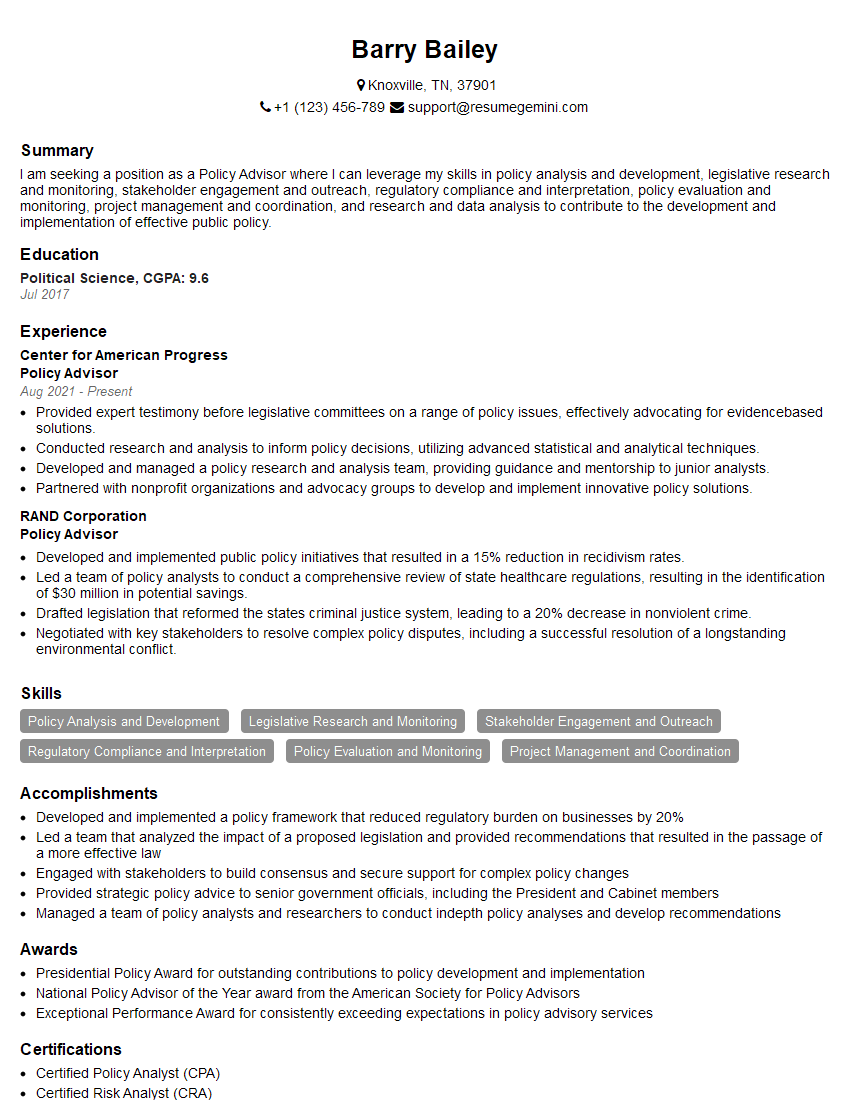
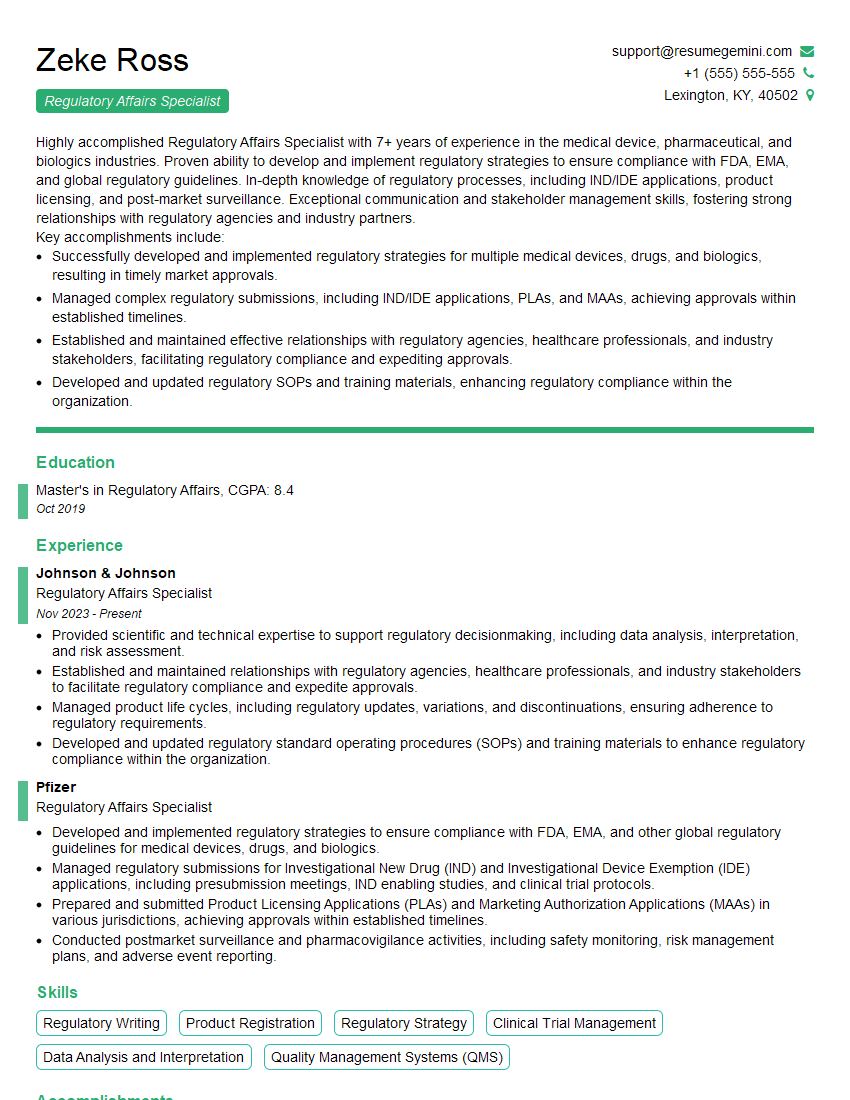
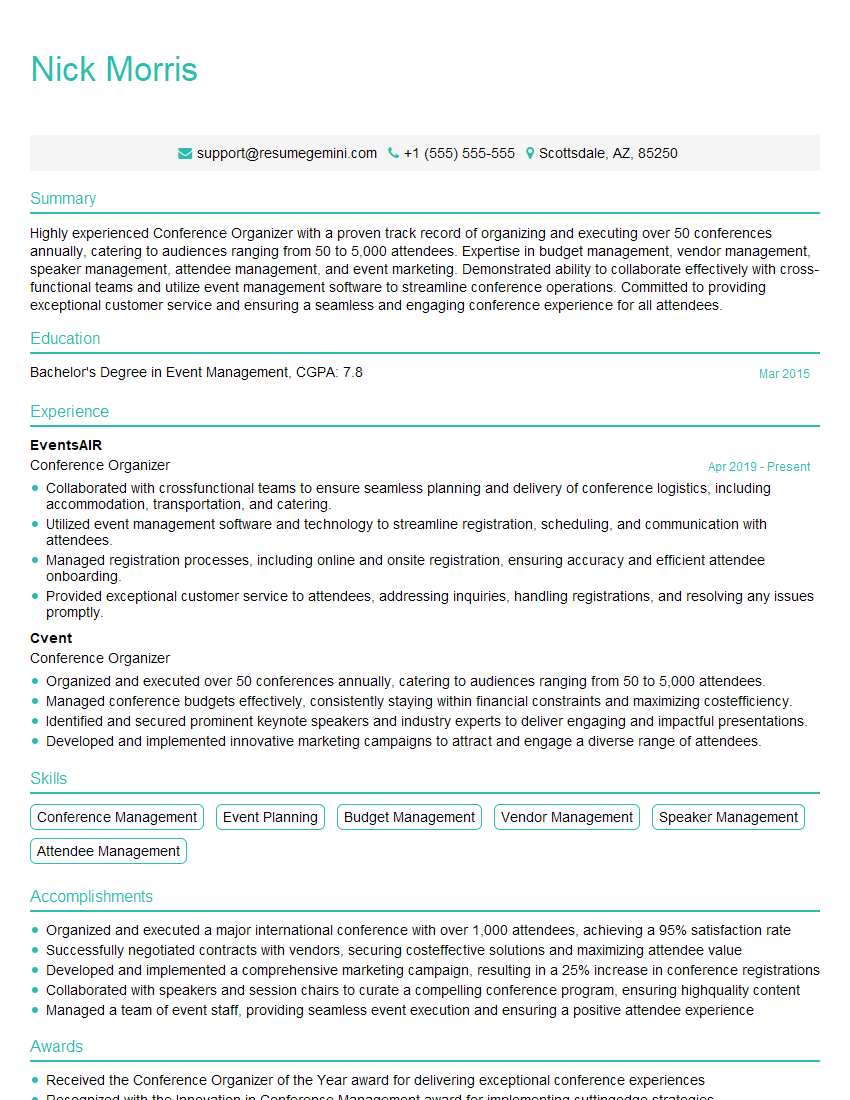
Mastering active involvement in industry forums and organizations significantly enhances your career prospects. It demonstrates leadership, collaboration, and industry expertise – qualities highly valued by employers. To increase your chances of landing your dream job, focus on building an ATS-friendly resume that highlights these valuable skills. ResumeGemini is a trusted resource to help you craft a professional and impactful resume. We provide examples of resumes tailored to showcase experience in Active Involvement in Industry Forums and Organizations to guide you. Use these resources to present yourself effectively and confidently secure your next opportunity.
Explore more articles
Users Rating of Our Blogs
Share Your Experience
We value your feedback! Please rate our content and share your thoughts (optional).
What Readers Say About Our Blog
hello,
Our consultant firm based in the USA and our client are interested in your products.
Could you provide your company brochure and respond from your official email id (if different from the current in use), so i can send you the client’s requirement.
Payment before production.
I await your answer.
Regards,
MrSmith
hello,
Our consultant firm based in the USA and our client are interested in your products.
Could you provide your company brochure and respond from your official email id (if different from the current in use), so i can send you the client’s requirement.
Payment before production.
I await your answer.
Regards,
MrSmith
These apartments are so amazing, posting them online would break the algorithm.
https://bit.ly/Lovely2BedsApartmentHudsonYards
Reach out at [email protected] and let’s get started!
Take a look at this stunning 2-bedroom apartment perfectly situated NYC’s coveted Hudson Yards!
https://bit.ly/Lovely2BedsApartmentHudsonYards
Live Rent Free!
https://bit.ly/LiveRentFREE
Interesting Article, I liked the depth of knowledge you’ve shared.
Helpful, thanks for sharing.
Hi, I represent a social media marketing agency and liked your blog
Hi, I represent an SEO company that specialises in getting you AI citations and higher rankings on Google. I’d like to offer you a 100% free SEO audit for your website. Would you be interested?