Every successful interview starts with knowing what to expect. In this blog, we’ll take you through the top Clinical Research and Publications interview questions, breaking them down with expert tips to help you deliver impactful answers. Step into your next interview fully prepared and ready to succeed.
Questions Asked in Clinical Research and Publications Interview
Q 1. Explain the phases of clinical trials.
Clinical trials are conducted in phases, each with specific objectives. Think of it like building a house: you wouldn’t build the roof before the foundation! Each phase builds upon the previous one, providing increasingly robust evidence of a drug’s safety and effectiveness.
- Phase 0: This is a very early phase, involving a tiny number of participants and focusing on the drug’s pharmacokinetics (how the body processes the drug) and pharmacodynamics (how the drug affects the body). It’s like a small-scale test run to see if the foundation is even viable.
- Phase 1: The primary goal is safety. A small group of healthy volunteers receive the drug to assess its safety profile, potential side effects, and optimal dosage. This is like checking the structural integrity of the foundation.
- Phase 2: This phase focuses on efficacy. A larger group of patients with the target condition receives the drug, and researchers assess its effectiveness and identify the optimal dosage for treatment. This is like testing different building materials for the walls and roof to ensure efficiency and sturdiness.
- Phase 3: This is a large-scale trial comparing the new drug to an existing standard treatment (or placebo) to confirm efficacy, monitor side effects, and gather information to support regulatory approval. This is the bulk of the construction, making sure everything works as planned.
- Phase 4: Post-market surveillance. This phase occurs after the drug has been approved and is on the market. It involves monitoring its long-term effects and safety in a much larger patient population. This is the equivalent of home maintenance – long-term monitoring and ensuring longevity.
Q 2. Describe your experience with ICH-GCP guidelines.
I have extensive experience working with ICH-GCP (International Council for Harmonisation – Good Clinical Practice) guidelines. These guidelines are essential for ensuring the ethical and scientific quality of clinical trials worldwide. In my previous role, I was directly involved in the development and implementation of GCP compliant Standard Operating Procedures (SOPs) for several clinical trials. My experience encompasses all aspects, from ensuring informed consent procedures are meticulously followed and documented to managing data integrity and overseeing the overall ethical conduct of the trial. I’ve been involved in multiple audits and inspections, demonstrating a deep understanding of GCP principles and their practical application. For example, I once identified a potential data integrity issue during a routine data review – a discrepancy in patient demographics – which was promptly investigated and resolved, preventing a potential major issue.
Q 3. What is your experience with different types of publications (e.g., journal articles, abstracts)?
I’ve been involved in the publication process across diverse formats. This includes drafting and editing manuscripts for peer-reviewed journals, preparing abstracts for presentation at international conferences, and creating poster presentations for scientific meetings. My experience spans various therapeutic areas. I’m adept at tailoring the content and style to the specific requirements and target audience for each publication type. For example, a journal article demands a rigorous, detailed methodology and statistical analysis, while an abstract requires a concise summary of key findings. I’ve learned to successfully navigate the complexities of medical writing and publishing, including adhering to journal guidelines on format, referencing, and disclosure requirements.
Q 4. How familiar are you with different statistical methods used in clinical research?
My understanding of statistical methods used in clinical research is comprehensive. I’m proficient in both descriptive and inferential statistics, including techniques like t-tests, ANOVA, regression analysis, survival analysis (Kaplan-Meier curves, Cox proportional hazards models), and logistic regression. I’m familiar with various statistical software packages such as SAS, R, and SPSS, and I can critically evaluate statistical reports to identify any potential weaknesses or limitations. For instance, I recently helped a team interpret results from a complex mixed-model analysis for a clinical trial, identifying a significant interaction effect that wasn’t initially apparent and had profound implications for the study’s conclusions. Understanding the limitations of each statistical method is crucial for drawing valid and reliable conclusions from clinical trial data.
Q 5. Describe your experience with data management and analysis in clinical trials.
I possess extensive experience in data management and analysis in clinical trials. My responsibilities have included database design, data entry validation, data cleaning, and conducting statistical analyses to support the generation of clinical study reports (CSRs). I am familiar with electronic data capture (EDC) systems and the various quality control checks needed to ensure data accuracy and integrity. For instance, in a recent trial, I implemented a robust data validation plan using programmed checks within the EDC system to minimize data entry errors and inconsistencies in real-time. This proactive approach significantly improved data quality and saved time during the cleaning process.
Q 6. How do you ensure the accuracy and integrity of data in clinical research?
Ensuring data accuracy and integrity is paramount in clinical research. It’s about building trust in the results. This requires a multi-faceted approach. We begin with meticulous data collection protocols that ensure the data is collected consistently and accurately. This includes implementing robust data validation checks at multiple stages: data entry, data cleaning, and analysis. Regular audits and data monitoring are crucial to identify any anomalies or inconsistencies. Proper documentation of all processes is vital for transparency and traceability. Any discrepancies are thoroughly investigated, documented, and resolved. Data governance and SOPs defining clear roles and responsibilities are also critical for maintaining data quality and integrity.
Q 7. Explain your understanding of regulatory requirements for clinical research.
My understanding of regulatory requirements for clinical research is thorough. I’m familiar with the regulations set by agencies like the FDA (Food and Drug Administration) in the US and the EMA (European Medicines Agency) in Europe. This includes understanding the requirements for Investigational New Drug (IND) applications, Investigational Device Exemptions (IDEs), and New Drug Applications (NDAs) or Marketing Authorization Applications (MAAs). I understand the importance of complying with regulations regarding informed consent, data privacy (e.g., HIPAA), and the reporting of adverse events. My experience includes working with Institutional Review Boards (IRBs) and Ethics Committees to ensure ethical conduct of clinical trials. Non-compliance can have serious consequences, so a deep understanding of these regulations is critical for conducting responsible and ethical clinical research.
Q 8. How do you handle conflicting data or inconsistencies in clinical trial reports?
Addressing conflicting data in clinical trial reports requires a systematic and rigorous approach. It’s not about dismissing inconsistencies, but rather understanding their origins and impact. My first step is to meticulously review the source data, looking for potential errors in data entry, measurement, or analysis. This often involves checking raw data against the cleaned datasets used for analysis.
For example, if there’s a discrepancy between the number of patients enrolled and the number analyzed, I’d investigate the reasons for exclusion and ensure that the exclusion criteria were consistently applied and documented. I’d also examine the statistical analysis methods used; sometimes, discrepancies arise from the application of different statistical tests or inappropriate assumptions.
If the inconsistencies remain unexplained after thorough data review, a sensitivity analysis might be conducted. This involves re-running the analysis with different assumptions or subsets of the data to assess the robustness of the findings. The results of these investigations, including any remaining discrepancies, should be clearly explained and justified in the final report, alongside a discussion of the limitations of the study. Transparency is crucial; we aim to present an honest and complete picture of the data, even if it reveals limitations in the study’s design or execution.
Q 9. Describe your experience with writing and editing manuscripts for publication.
I have extensive experience in medical writing, having authored and co-authored numerous manuscripts published in peer-reviewed journals. My role typically involves all stages, from conceptualizing the manuscript to finalizing the submitted version. I start by identifying the key findings and crafting a compelling narrative. This requires a clear understanding of the study’s objectives, methodology, and results. I pay meticulous attention to clarity, conciseness, and accuracy.
The editing process is iterative. I carefully review the manuscript for grammar, style, consistency, and adherence to journal guidelines. I work closely with co-authors to ensure everyone agrees on the content and interpretations. I’ve used various citation management tools like EndNote and Mendeley to maintain accuracy and consistency in citations and references. One example where my editing skills were crucial involved rewriting a complex statistical analysis section, making it more accessible to a broader audience without compromising scientific rigor.
I’m also experienced in responding to reviewers’ comments. I understand the peer-review process and am adept at addressing their concerns objectively and constructively, strengthening the manuscript in the process. The goal is always to enhance the clarity and impact of the publication.
Q 10. How do you prioritize tasks and manage time effectively in a fast-paced clinical research environment?
Prioritization and time management are critical in the fast-paced world of clinical research. I utilize several strategies to stay organized and efficient. I begin by creating detailed project plans with clearly defined tasks, timelines, and dependencies. This involves breaking down large projects into smaller, manageable tasks. I also use project management tools like Asana or Trello to track progress and identify potential bottlenecks.
I prioritize tasks based on urgency and importance using methods such as the Eisenhower Matrix (urgent/important). For instance, I’d prioritize tasks with imminent deadlines or those that are essential for the completion of critical study milestones. I allocate specific time blocks for focused work on particular tasks, minimizing interruptions. I also proactively communicate with colleagues to align expectations and address potential issues promptly. Regular review and adjustment of the project plan is crucial to adapt to unexpected challenges or shifting priorities. Proactive communication is vital to prevent delays and manage expectations.
Furthermore, I regularly evaluate my own efficiency and identify areas for improvement. This might involve experimenting with different time management techniques or delegating tasks when appropriate.
Q 11. Explain your experience with different types of study designs (e.g., randomized controlled trials, observational studies).
My experience encompasses a wide range of study designs, including randomized controlled trials (RCTs), observational studies (cohort, case-control, cross-sectional), and meta-analyses. RCTs, the gold standard for evaluating interventions, are familiar territory. I understand the importance of randomization, blinding, and sample size calculations in ensuring the validity and reliability of results. I’ve participated in all phases of RCTs, from protocol development to data analysis and manuscript preparation.
Observational studies provide valuable insights when RCTs are not feasible or ethical. I understand the strengths and limitations of different observational study designs. For instance, cohort studies are useful for determining incidence and risk factors, while case-control studies are better suited for investigating rare outcomes. I’ve been involved in the design, conduct, and analysis of various observational studies, understanding the importance of controlling for confounding factors and minimizing bias. I am also familiar with the strengths and limitations of each study design and their application to different research questions.
For meta-analyses, I understand the importance of systematic literature searches, quality assessment of included studies, and appropriate statistical techniques for combining results. I understand that observational studies are prone to bias and confounding factors, and I’ve applied techniques like propensity score matching and inverse probability weighting to improve causal inferences from observational data. Understanding the nuances of each design allows me to critically appraise the study methodologies and results.
Q 12. How do you ensure the ethical conduct of clinical research?
Ethical conduct is paramount in clinical research. My commitment to ethical research begins with adherence to all applicable regulations and guidelines, including ICH-GCP (International Council for Harmonisation – Good Clinical Practice) and local ethical review board (IRB) regulations. Before any study begins, I ensure that the research protocol undergoes thorough ethical review by the relevant IRB. This involves obtaining informed consent from all participants, ensuring their privacy and confidentiality, and minimizing risks to their well-being.
Data integrity is a key element of ethical conduct. I adhere to strict data management practices, ensuring data accuracy, completeness, and security throughout the research process. This includes maintaining auditable trails and employing appropriate measures to protect against data breaches.
Furthermore, I’m mindful of potential conflicts of interest and actively work to mitigate any bias that may influence the research process. Transparency is key: reporting findings honestly and accurately, even if they are negative or unexpected, is essential for maintaining the integrity of the research.
For example, if concerns arose about participant safety or data integrity during a study, I would immediately report these concerns to the IRB and take appropriate corrective actions. Ethical considerations are an integral part of every decision made throughout the research process.
Q 13. Describe your experience with different types of medical writing (e.g., protocols, reports, manuscripts).
My experience with medical writing extends to various document types, including protocols, clinical study reports (CSRs), and manuscripts for publication. Each document type requires a distinct approach. Protocols, for instance, need to be highly detailed and meticulously structured, outlining the study objectives, design, methodology, statistical analysis plan, and ethical considerations. My experience ensures the protocol is clear, comprehensive, and compliant with regulatory requirements.
CSRs are comprehensive documents summarizing all aspects of a clinical trial. They follow a standardized format, detailing the study’s objectives, design, methodology, results, and conclusions. I ensure the CSR is accurate, complete, and adheres to regulatory guidelines. They are intended to be a thorough account of the trial process and findings.
As mentioned previously, manuscripts for publication require a different style. They need to be concise, engaging, and targeted towards a specific audience. I focus on crafting a clear narrative that highlights the study’s key findings and implications. The writing style is often more accessible to a non-specialist audience compared to the highly technical nature of CSRs and protocols.
Q 14. How familiar are you with different publication ethics guidelines?
I am very familiar with various publication ethics guidelines, including those from the International Committee of Medical Journal Editors (ICMJE), the Committee on Publication Ethics (COPE), and the World Association of Medical Editors (WAME). These guidelines cover a range of ethical issues, such as authorship criteria, data integrity, plagiarism, duplicate publication, and conflict of interest disclosures.
I understand the importance of adhering to these guidelines to ensure the integrity of the scientific literature. For example, I am thoroughly familiar with ICMJE authorship criteria and ensure that all authors meet the criteria for authorship before submitting a manuscript. This includes substantial contributions to conception and design, acquisition, analysis, or interpretation of data; drafting or revising the manuscript; and final approval of the version to be published. I also carefully check manuscripts for plagiarism, using plagiarism detection software and other methods to ensure originality. Transparency is paramount; any potential conflicts of interest are fully disclosed in all publications.
Furthermore, I am aware of the potential ethical implications of research misconduct, including fabrication, falsification, and plagiarism, and I actively work to avoid any such issues. My familiarity with these guidelines ensures my work meets the highest ethical standards in research and publication.
Q 15. Explain your experience with literature reviews and systematic reviews.
Literature reviews and systematic reviews are crucial for summarizing existing research on a specific topic. A literature review is a broader, often narrative, summary of relevant publications. A systematic review, however, is a more rigorous process, employing a predefined search strategy and explicit inclusion/exclusion criteria to minimize bias and ensure a comprehensive and reproducible overview of the evidence.
My experience encompasses both. I’ve conducted numerous literature reviews, identifying and synthesizing information from various sources to provide context for original research or to inform clinical practice guidelines. For example, I recently completed a literature review on the effectiveness of different therapeutic interventions for chronic pain, evaluating the methodologies and findings of over 50 studies. This involved using databases like PubMed and Embase, applying specific keywords and filters, and critically appraising the quality of each included study.
Furthermore, I’ve participated in several systematic reviews. These involved developing a detailed protocol outlining the search strategy, selection criteria, data extraction process, and risk of bias assessment. For instance, in one systematic review on the efficacy of a novel drug, we used a standardized tool (e.g., Cochrane risk of bias tool) to assess the methodological quality of included randomized controlled trials. The final systematic review was then presented in a structured format following PRISMA guidelines, ensuring transparency and reproducibility. The collaborative nature of systematic reviews required excellent communication, meticulous data management, and rigorous adherence to established methodologies.
Career Expert Tips:
- Ace those interviews! Prepare effectively by reviewing the Top 50 Most Common Interview Questions on ResumeGemini.
- Navigate your job search with confidence! Explore a wide range of Career Tips on ResumeGemini. Learn about common challenges and recommendations to overcome them.
- Craft the perfect resume! Master the Art of Resume Writing with ResumeGemini’s guide. Showcase your unique qualifications and achievements effectively.
- Don’t miss out on holiday savings! Build your dream resume with ResumeGemini’s ATS optimized templates.
Q 16. How do you communicate complex scientific information to a non-scientific audience?
Communicating complex scientific information to a non-scientific audience requires careful planning and a clear understanding of the target audience. My approach involves simplifying jargon, using clear and concise language, and employing analogies or real-world examples to illustrate complex concepts. Think of it like explaining a complicated machine; you wouldn’t use engineering terms with a five-year-old, you would use relatable examples.
For instance, when explaining the concept of statistical significance to a lay audience, I might use an analogy of flipping a coin. Instead of using terms like “p-value,” I might say, “Imagine we flip a coin 100 times and get heads 60 times. That’s unlikely to happen by chance, suggesting something else might be influencing the results.” Visual aids, such as graphs and charts, are also invaluable tools. I always tailor the information to the audience’s level of understanding and avoid overwhelming them with technical details. Strong storytelling elements, highlighting the impact of the research on real patients or their lives, can make even complex topics engaging and relevant.
Q 17. How do you handle feedback from reviewers and editors?
Handling feedback from reviewers and editors is a crucial aspect of the publication process. I view feedback as an opportunity to improve the manuscript and ensure its clarity and scientific rigor. My approach involves carefully reviewing each comment, understanding the reviewer’s perspective, and responding thoughtfully and professionally.
I first organize the feedback, categorizing comments into major and minor revisions. For major revisions, I thoroughly address the concerns, providing justification for any decisions made. For instance, if a reviewer questions the statistical analysis, I might provide a detailed explanation of the chosen method, justifying its appropriateness or revising the analysis as needed. I ensure that my responses are respectful, even if I disagree with a comment. I might explain why I have chosen a particular approach and support my decisions with evidence from the literature or established guidelines. For minor revisions, I make the necessary changes promptly and efficiently. My goal is to ensure a clear and positive communication throughout the process, aiming to achieve a publication that meets the highest standards of quality and scientific integrity.
Q 18. How familiar are you with different software used in clinical research and publications (e.g., SAS, R, EndNote)?
I have extensive experience with various software used in clinical research and publications. My proficiency includes:
- SAS: I’m proficient in using SAS for statistical analysis, particularly for analyzing clinical trial data, performing regression analysis, and creating reports and graphs. For example, I’ve used SAS to analyze survival data from a large-scale oncology trial.
- R: I use R for data manipulation, visualization, and more advanced statistical modeling. I find R’s flexibility particularly useful for exploratory data analysis and creating publication-quality graphics.
- EndNote: I’m highly proficient in EndNote for managing references, creating bibliographies, and ensuring consistency in citation formatting across manuscripts. This helps maintain accuracy and streamline the writing process. This is crucial for avoiding plagiarism and maintaining academic integrity.
My experience with these tools allows me to manage data effectively, perform robust statistical analyses, and generate high-quality publications.
Q 19. Describe your experience with preparing regulatory submissions.
Preparing regulatory submissions, such as those for new drug applications (NDAs) or investigational new drug applications (INDs), requires meticulous attention to detail and a thorough understanding of regulatory requirements. My experience involves collaborating with cross-functional teams, including statisticians, clinical scientists, and regulatory affairs professionals. This work includes consolidating clinical trial data, ensuring compliance with guidelines set by regulatory bodies (e.g., FDA, EMA), and preparing the necessary documentation.
For example, in one project, I was responsible for writing sections of an NDA, compiling the clinical study reports, and integrating the results with other supporting documentation, such as preclinical data and manufacturing information. This involved working closely with the regulatory team to understand the specific requirements and format specifications for the submission. The success of regulatory submissions hinges on accuracy, completeness, and adherence to strict guidelines. Strong communication and attention to detail are crucial to ensure timely and successful submissions.
Q 20. How do you ensure the quality and consistency of medical writing?
Ensuring the quality and consistency of medical writing involves adhering to established style guides (e.g., AMA Manual of Style), using clear and concise language, and employing consistent terminology throughout the document. I use a multi-step process to maintain quality.
- Style Guide Adherence: Strictly following a chosen style guide ensures consistency in formatting, citation, and terminology.
- Peer Review: Seeking feedback from colleagues helps to identify and correct errors and ensures clarity and accuracy.
- Grammar and Style Checks: Using software like Grammarly or ProWritingAid helps catch grammatical errors and style inconsistencies.
- Templates: Using standardized templates for different document types improves consistency and efficiency.
Furthermore, I prioritize clarity, accuracy, and conciseness in my writing, ensuring that the information is easily understandable and free from ambiguity. This is essential for effective communication in the medical field, where precision is paramount.
Q 21. How do you manage timelines and deadlines for publications?
Managing timelines and deadlines for publications requires careful planning and effective project management. My approach involves breaking down the publication process into smaller, manageable tasks, assigning realistic deadlines to each task, and regularly monitoring progress.
I use project management tools to track deadlines, identify potential delays, and ensure that all tasks are completed on time. I communicate regularly with collaborators, keeping them informed of progress and addressing any challenges that may arise. For example, I use Gantt charts to visualize the timeline and track the progress of each task. Regular meetings are held to discuss any potential issues and adapt to unforeseen circumstances. Proactive communication and careful planning are essential to ensure that publications are completed on time and meet the highest standards of quality.
Q 22. How do you collaborate with cross-functional teams in a clinical research setting?
Collaboration in clinical research is paramount, requiring seamless interaction between various specialists. My approach involves proactive communication, active listening, and a strong understanding of each team member’s role and expertise. I leverage project management tools to ensure clear task assignments, deadlines, and progress tracking. For example, in a recent oncology trial, I worked closely with statisticians to design the analysis plan, with data managers to ensure data quality, and with regulatory affairs to navigate submission requirements. Regular team meetings, facilitated by me, ensured everyone stayed informed, allowing for timely identification and resolution of any challenges. This collaborative environment fostered a shared understanding of objectives and responsibilities, leading to efficient project completion.
- Proactive Communication: Regular updates and transparent communication through emails, meetings, and project management software.
- Active Listening: Valuing diverse perspectives and incorporating feedback from all team members.
- Project Management Tools: Utilizing tools such as Jira or Asana to track progress, manage tasks, and facilitate collaboration.
Q 23. Describe your experience with case report forms (CRFs) and data entry.
Case Report Forms (CRFs) are the backbone of clinical trial data collection. My experience encompasses designing CRFs, ensuring they capture relevant clinical data accurately and efficiently, and overseeing data entry processes. I’m proficient in using EDC (Electronic Data Capture) systems, ensuring data integrity through validation checks and regular audits. I’ve worked with both paper-based and electronic CRFs, and I am adept at developing data entry procedures to minimize errors and inconsistencies. For instance, in a Phase III cardiovascular trial, I developed a CRF with built-in range checks and consistency checks to prevent invalid data from being entered, leading to significantly cleaner data and reducing the need for extensive data cleaning later in the process. I also understand the importance of user training for CRF completion, and I actively participate in training study staff on the proper methods for completing CRFs.
Q 24. How do you troubleshoot issues related to data quality and integrity?
Data quality and integrity are critical for the reliability of clinical trial results. My troubleshooting approach involves a multi-step process. First, I identify data anomalies using query generation and data validation tools within the EDC system. Second, I investigate the root cause of the issue – this might involve reviewing source documents, contacting study sites, or analyzing data entry patterns. Third, I implement corrective actions, which could include data clarification, data correction, or process improvements to prevent recurrence. For example, I once identified an outlier in blood pressure readings. Upon investigation, we found a faulty blood pressure cuff at one study site. Replacing the cuff resolved the issue, and we updated our standard operating procedures to include regular calibration checks of all equipment. My approach focuses on preventative measures such as regular data reviews, robust data validation rules, and thorough investigator training.
Q 25. How familiar are you with the process of peer review?
I’m very familiar with the peer-review process, having both submitted and reviewed manuscripts for publication in peer-reviewed journals. I understand the critical role it plays in ensuring the quality and validity of scientific findings. This involves a rigorous evaluation of the manuscript’s methodology, results, interpretation, and overall clarity. As a reviewer, I objectively assess the scientific rigor, methodological soundness, and contribution to the field, providing constructive feedback to authors. As an author, I appreciate the value of peer review in improving the quality of my work and ensuring its accuracy before publication. I recognize the importance of anonymity, providing unbiased feedback and upholding ethical standards. I’ve been involved in both single and double-blind peer review processes and understand the nuances of each.
Q 26. How do you identify and mitigate risks in clinical research?
Risk mitigation in clinical research is crucial for protecting participants, maintaining data integrity, and ensuring project success. My approach employs a proactive risk management framework. This involves identifying potential risks throughout the study lifecycle—from protocol design to data analysis—using techniques like risk assessments and Failure Mode and Effects Analysis (FMEA). Once risks are identified, we prioritize them based on their likelihood and impact, developing mitigation strategies. For example, in a study involving a novel drug, we identified a potential risk of adverse events. We implemented a robust safety monitoring plan, including frequent participant assessments, close monitoring of vital signs, and a clear reporting mechanism for any adverse events. These strategies allow us to anticipate and address potential challenges proactively, minimizing disruptions and safeguarding the study’s integrity.
Q 27. What is your experience with clinical trial databases?
I have extensive experience with various clinical trial databases, including EDC systems like Medidata Rave, Oracle InForm, and Veeva Vault. My skills encompass data entry, query resolution, data cleaning, and data analysis. I understand the importance of data standards like CDISC (Consortium for Clinical Data Interchange Standards) and SDTM (Study Data Tabulation Model) in ensuring interoperability and facilitating regulatory submissions. In my previous role, I worked extensively with a large-scale database for a multinational Phase III trial. I was involved in developing data validation rules, managing data queries, and ensuring the accuracy and completeness of the database, ultimately contributing to the successful completion of the trial and regulatory submission.
Q 28. Explain your understanding of statistical significance and p-values.
Statistical significance and p-values are crucial concepts in interpreting clinical trial results. Statistical significance refers to the likelihood that an observed effect is not due to chance. The p-value represents the probability of observing the obtained results (or more extreme results) if there were no real effect (the null hypothesis is true). A p-value less than a pre-defined significance level (typically 0.05) indicates that the results are statistically significant, meaning we reject the null hypothesis. However, it’s important to remember that statistical significance doesn’t necessarily imply clinical significance. A statistically significant result might not be clinically meaningful if the effect size is small. Furthermore, a p-value alone shouldn’t be the sole basis for decision-making. It’s crucial to consider the effect size, confidence intervals, and the clinical context when interpreting results. For instance, a statistically significant reduction in blood pressure might be considered clinically insignificant if the reduction is only a few millimeters of mercury.
Key Topics to Learn for Clinical Research and Publications Interview
- Clinical Trial Design & Methodology: Understanding different trial phases (I-IV), randomization techniques, blinding, and statistical considerations. Practical application: Critically evaluating a study protocol and identifying potential biases.
- Data Management & Analysis: Familiarization with databases (e.g., REDCap), data cleaning procedures, statistical software (e.g., SAS, R), and the interpretation of statistical results. Practical application: Explaining the limitations of a given dataset and proposing solutions for improvement.
- Regulatory Compliance (GCP, ICH-GCP): Knowledge of Good Clinical Practice guidelines and relevant regulations ensuring ethical and scientific rigor in research. Practical application: Identifying potential compliance risks in a research protocol or data analysis plan.
- Medical Writing & Publication: Understanding the process of writing manuscripts for peer-reviewed journals, including IMRAD structure, literature reviews, and effective communication of scientific findings. Practical application: Developing a compelling abstract for a clinical trial result.
- Literature Review & Critical Appraisal: Ability to effectively search for, evaluate, and synthesize relevant scientific literature. Practical application: Identifying key gaps in existing research and proposing future research directions.
- Publication Ethics & Authorship: Understanding authorship criteria, conflict of interest disclosures, and the ethical considerations related to scientific publishing. Practical application: Evaluating the appropriateness of authorship contributions in a given publication.
- Presentation Skills: Ability to effectively communicate complex research findings to both scientific and lay audiences. Practical application: Structuring a compelling presentation to highlight key research findings.
Next Steps
Mastering Clinical Research and Publications is crucial for career advancement in the pharmaceutical, biotech, and healthcare industries. A strong understanding of these areas opens doors to leadership roles, increased earning potential, and greater impact on patient care. To maximize your job prospects, crafting an ATS-friendly resume is essential. ResumeGemini is a trusted resource that can help you build a professional and impactful resume tailored to the specific requirements of your target roles. Examples of resumes tailored to Clinical Research and Publications are available to help guide your resume creation process.
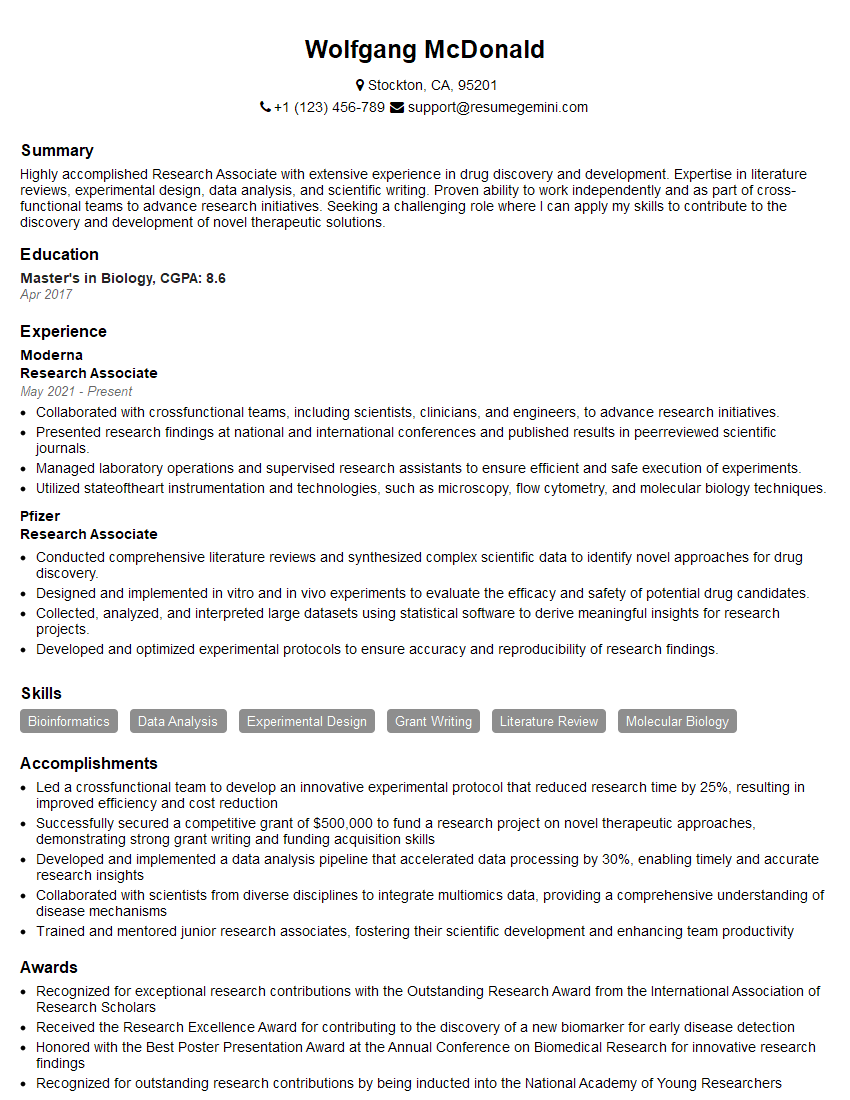
Research Associate Resume Sample
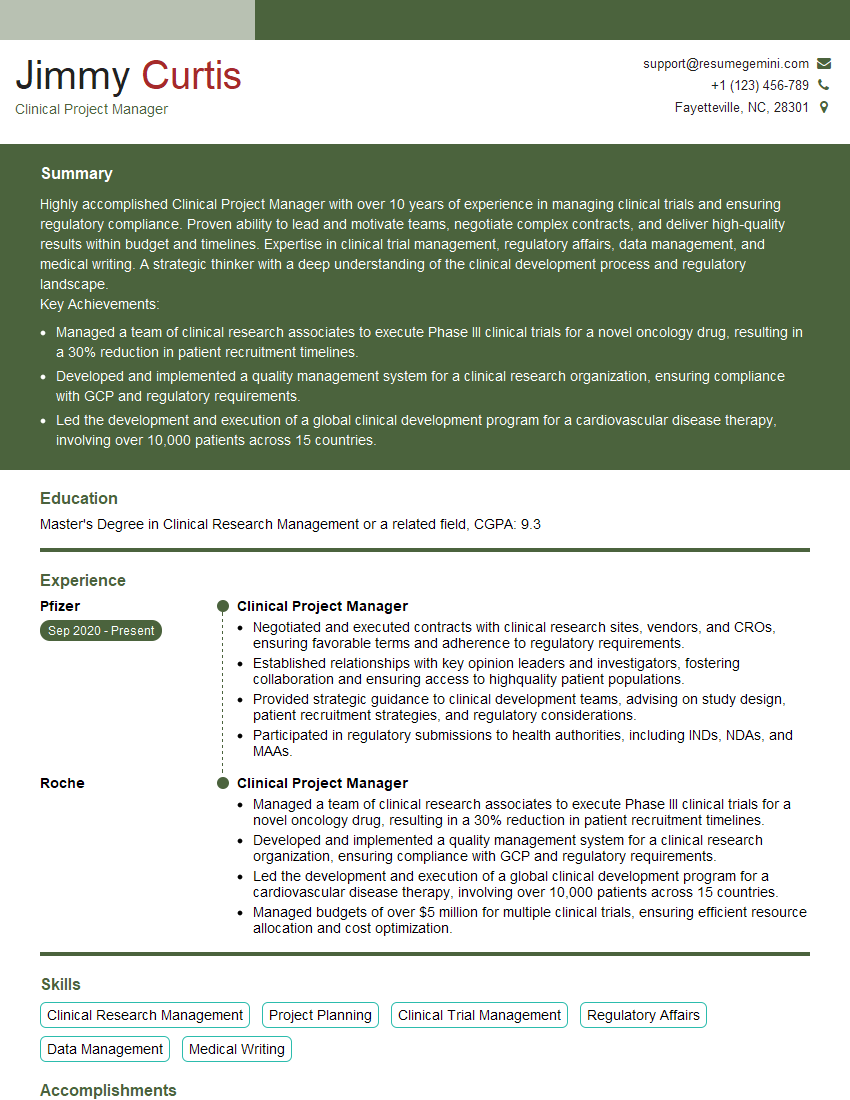
Clinical Project Manager Resume Sample
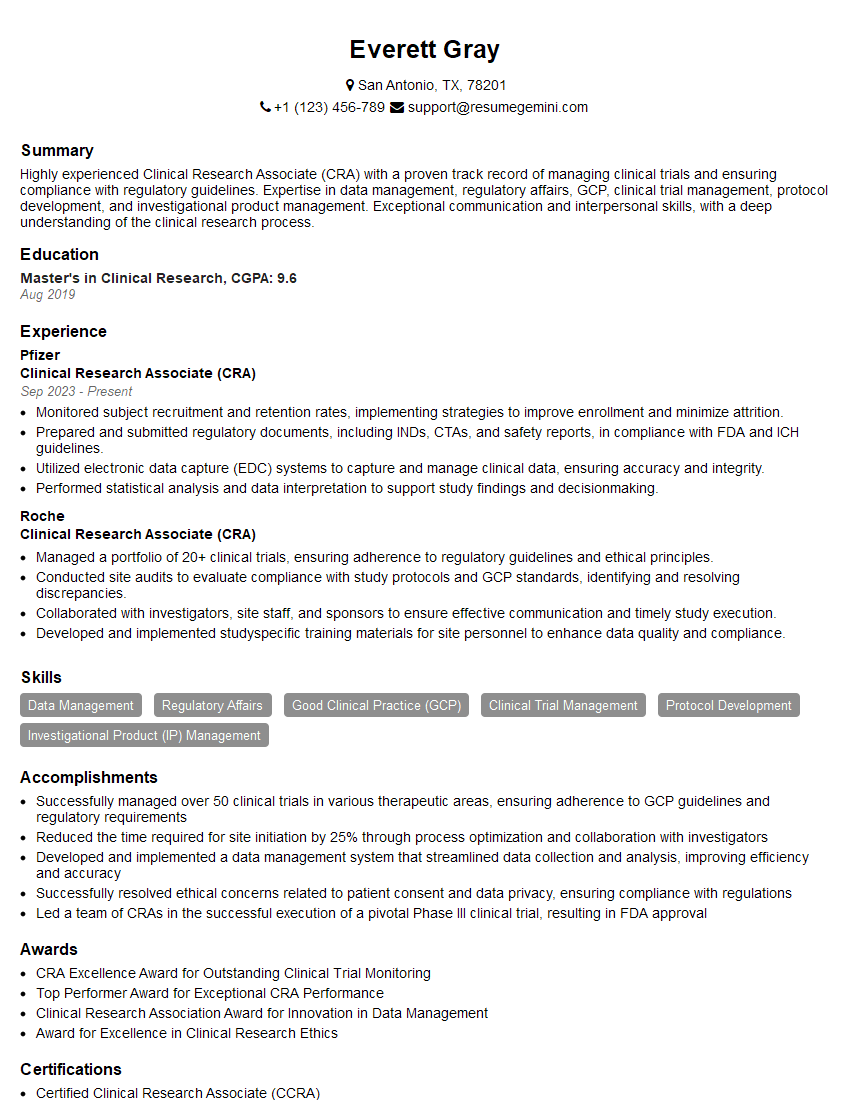
Clinical Research Associate (CRA) Resume Sample
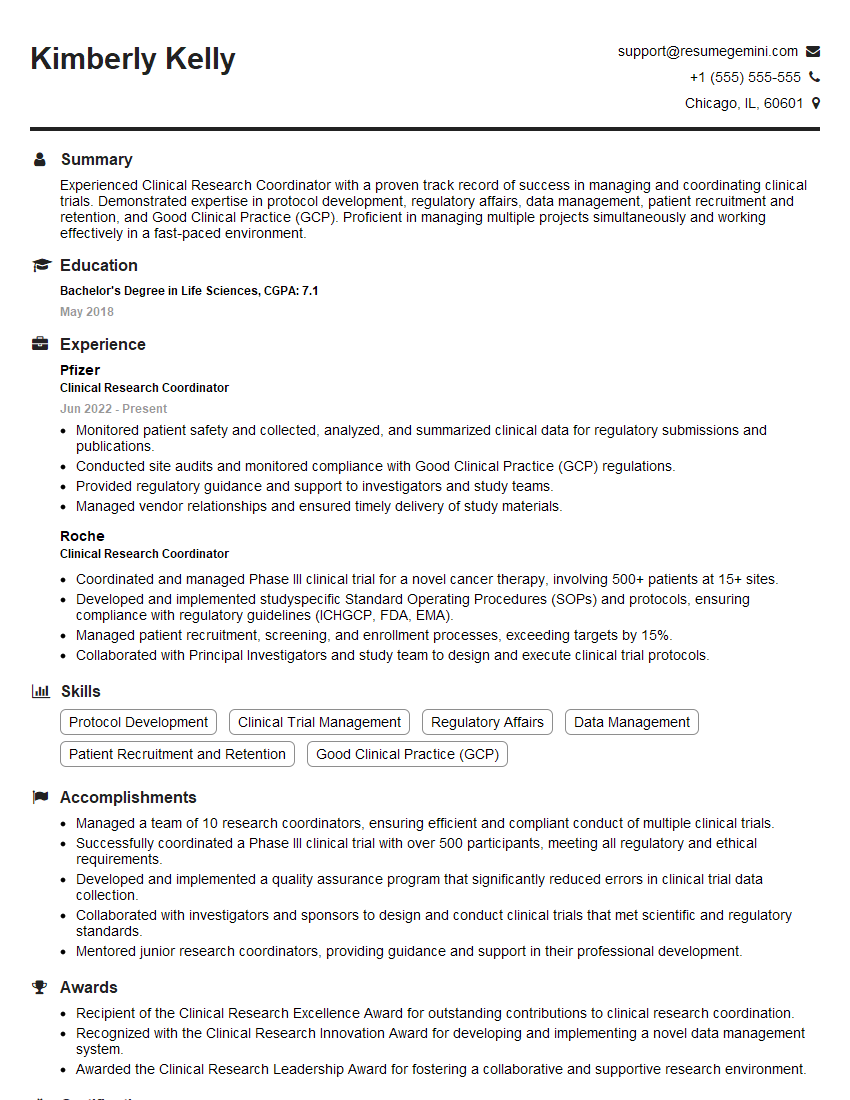
Clinical Research Coordinator Resume Sample
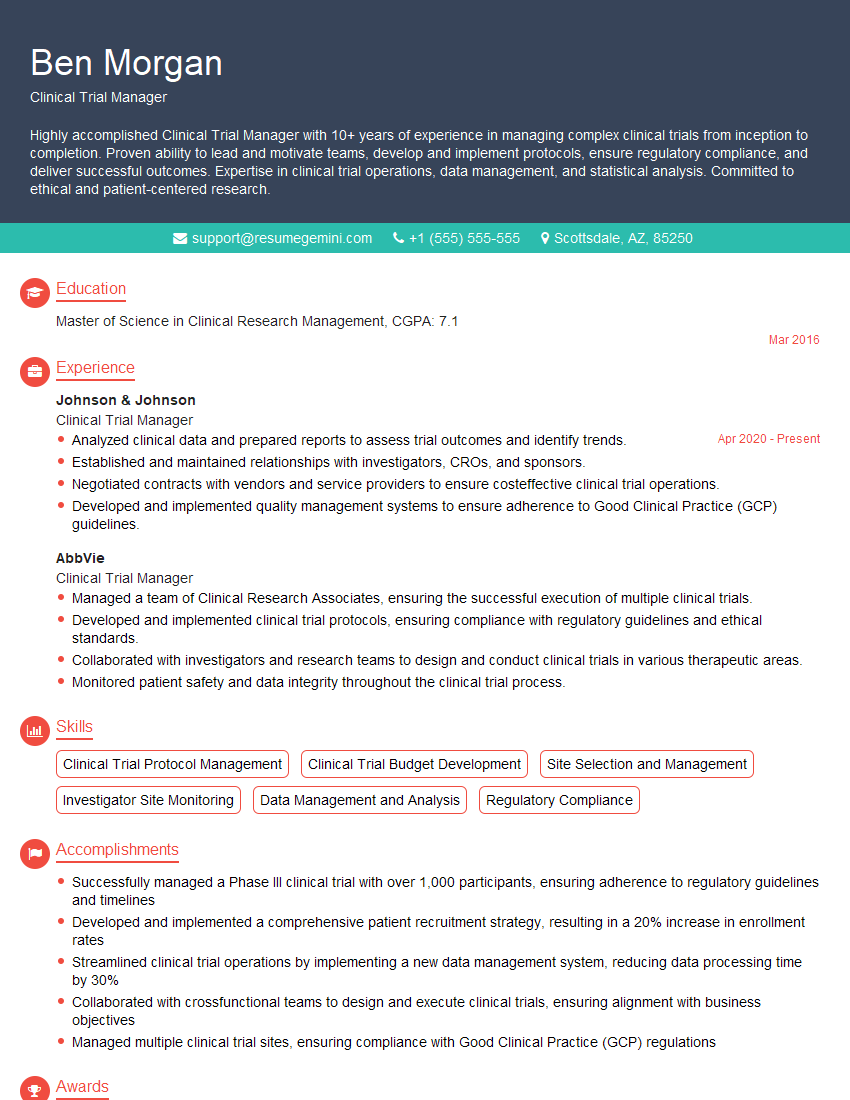
Clinical Trial Manager Resume Sample
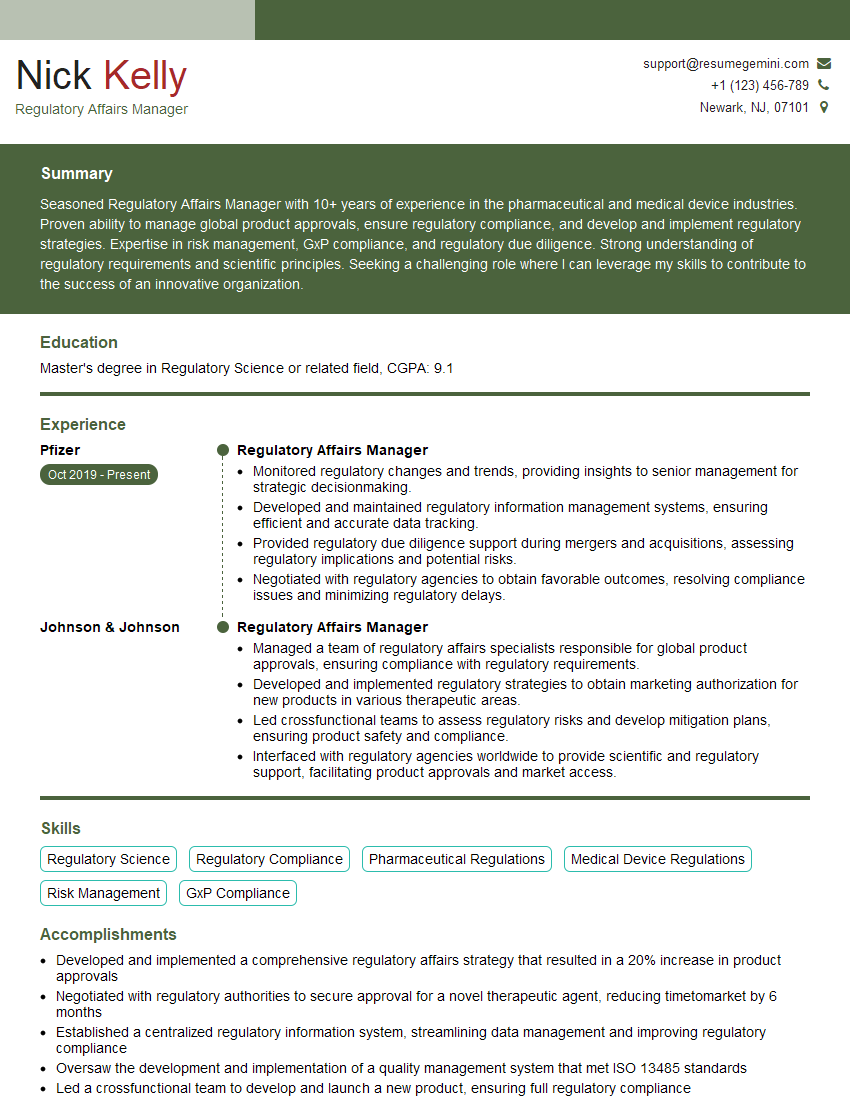
Regulatory Affairs Manager Resume Sample
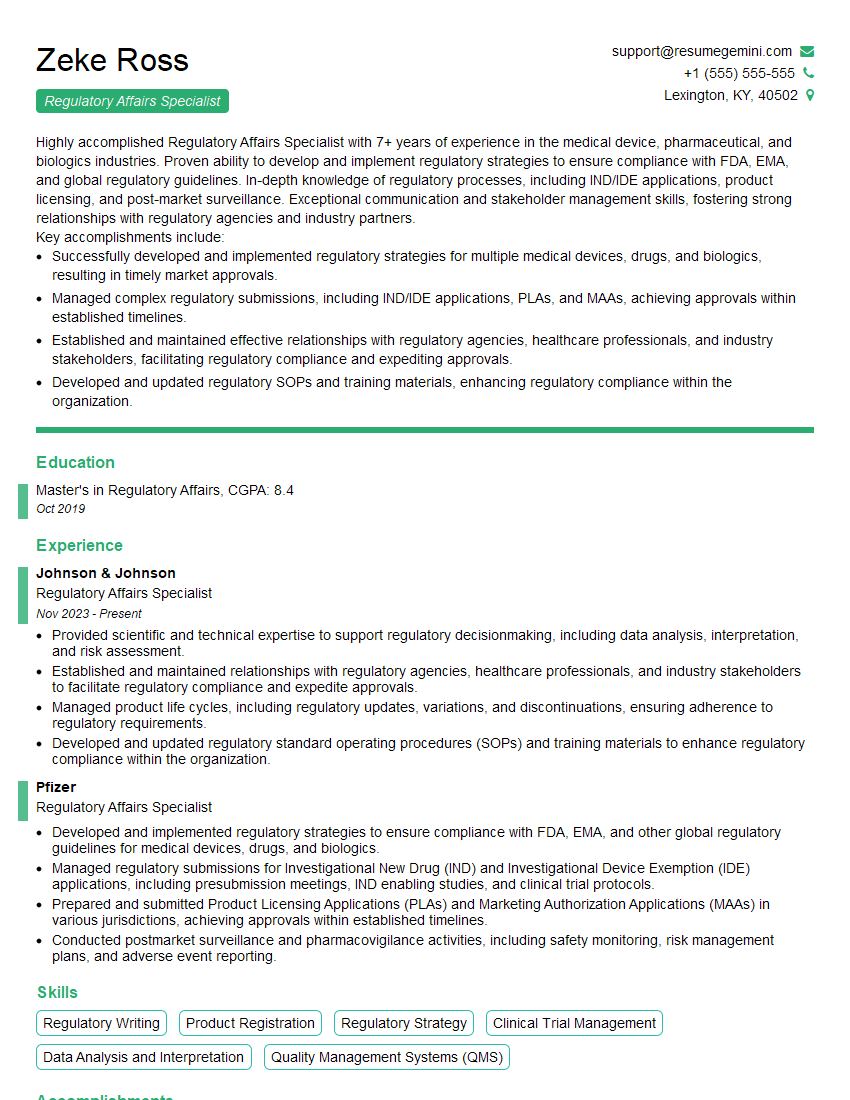
Regulatory Affairs Specialist Resume Sample
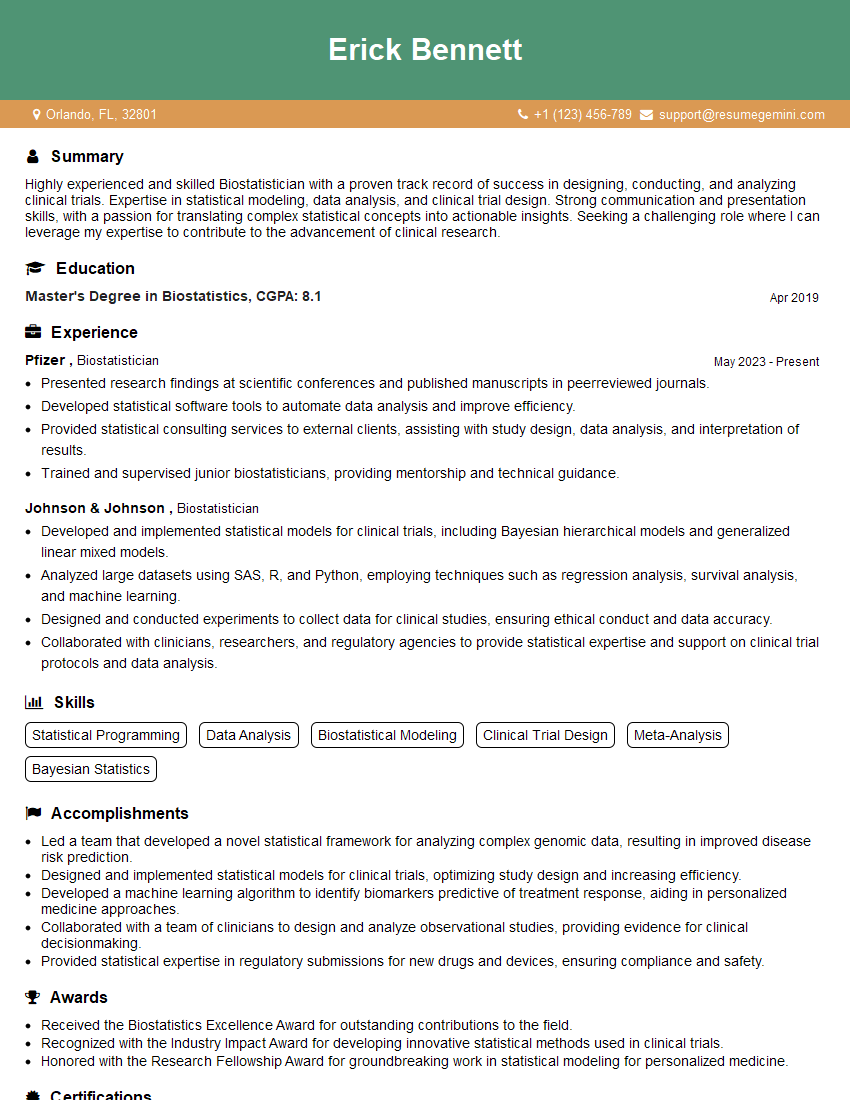
Biostatistician Resume Sample
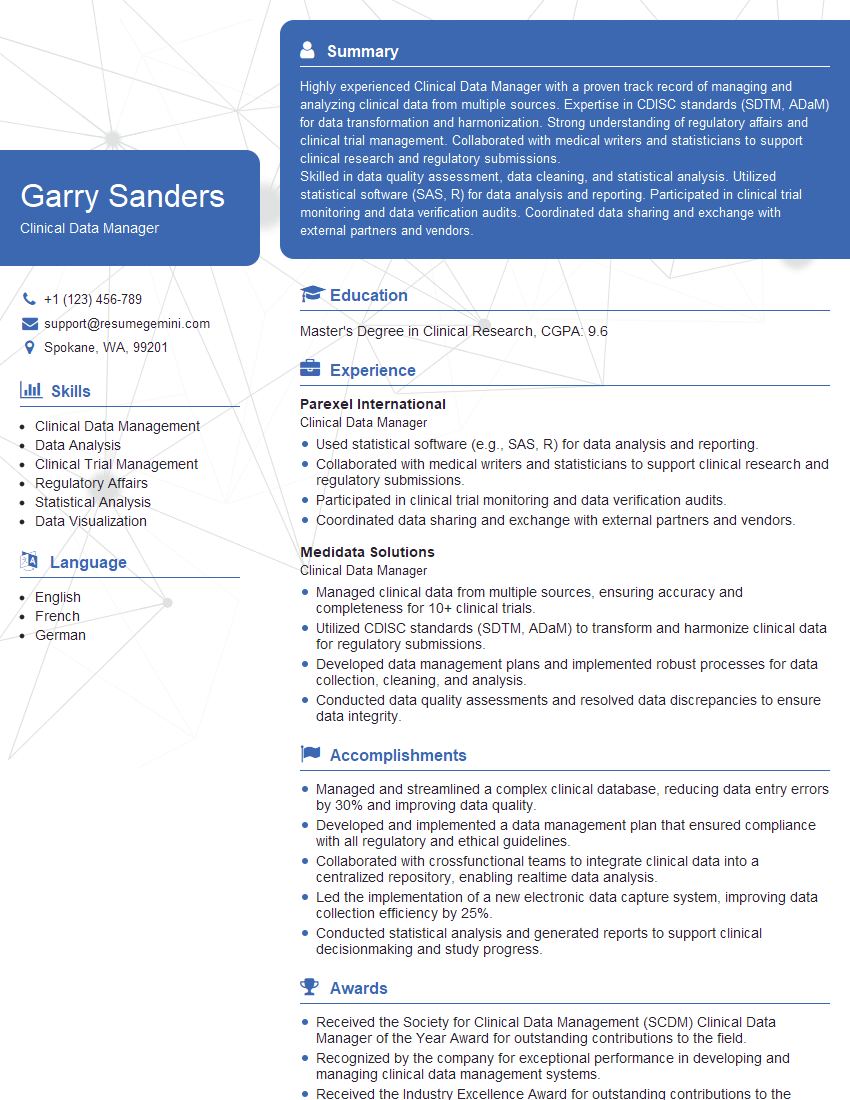
Clinical Data Manager Resume Sample
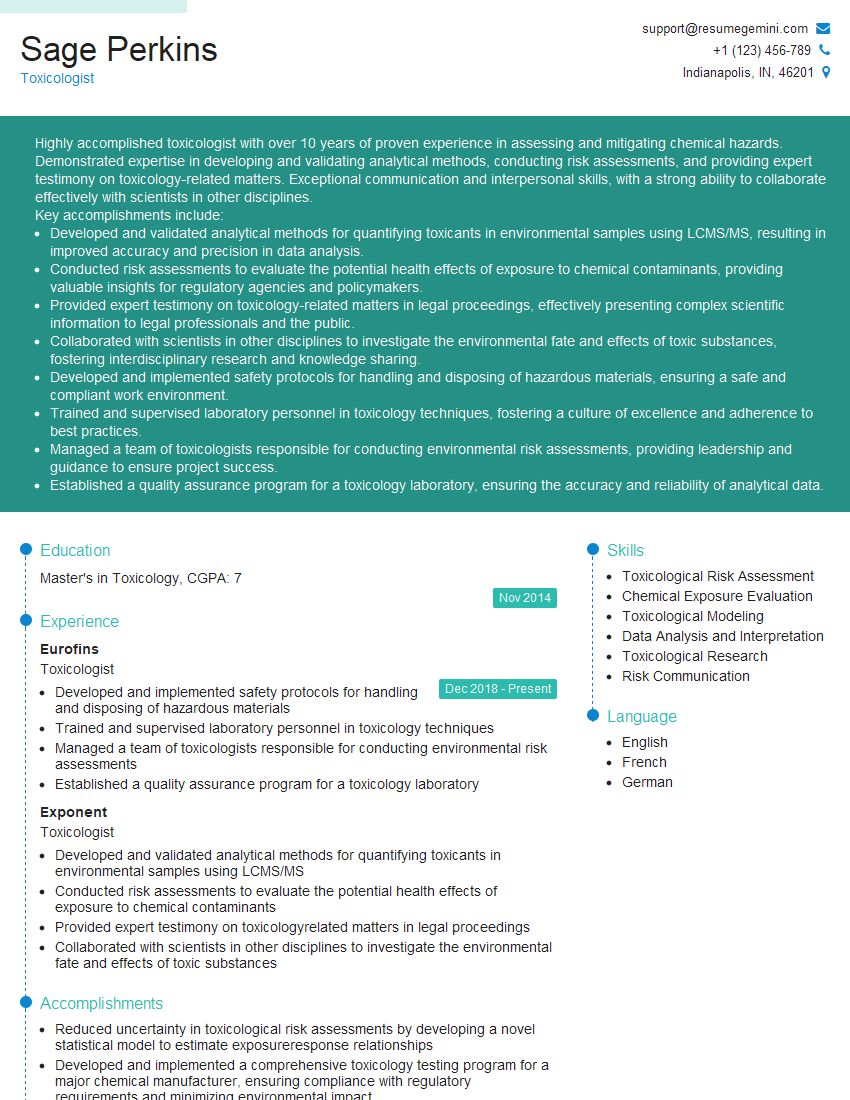
Toxicologist Resume Sample
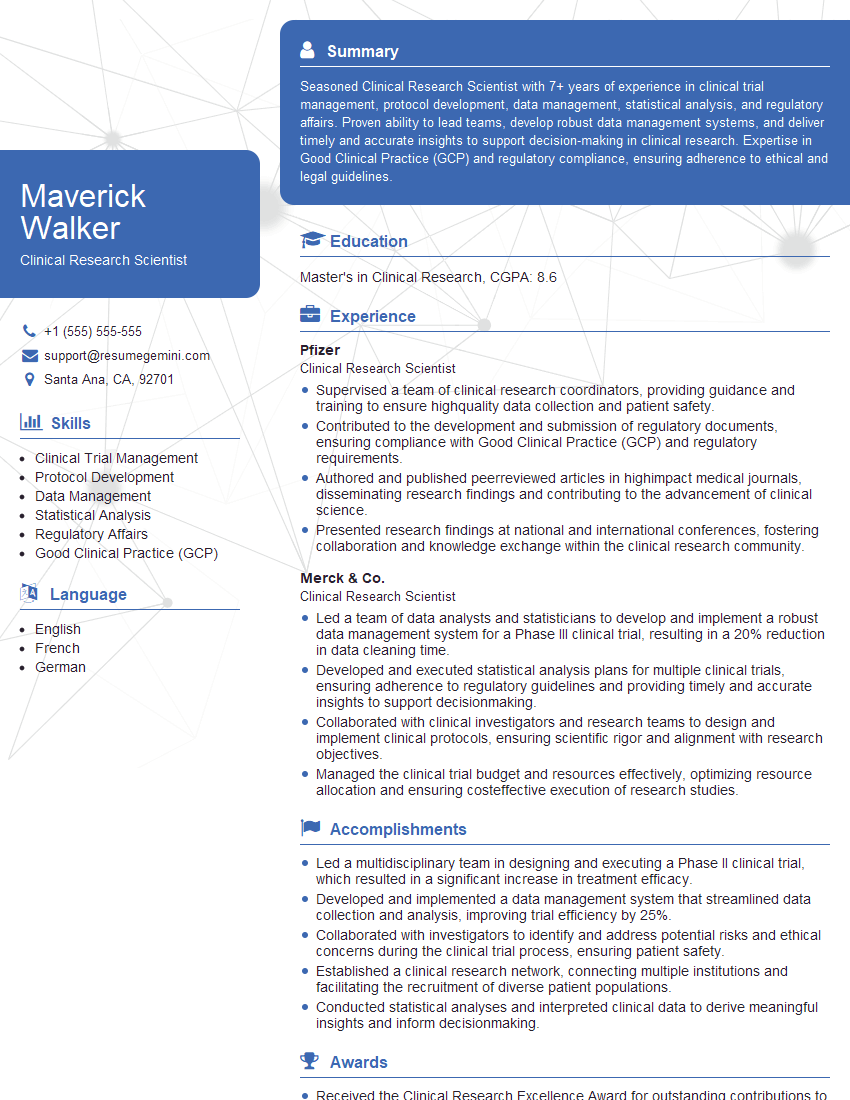
Clinical Research Scientist Resume Sample
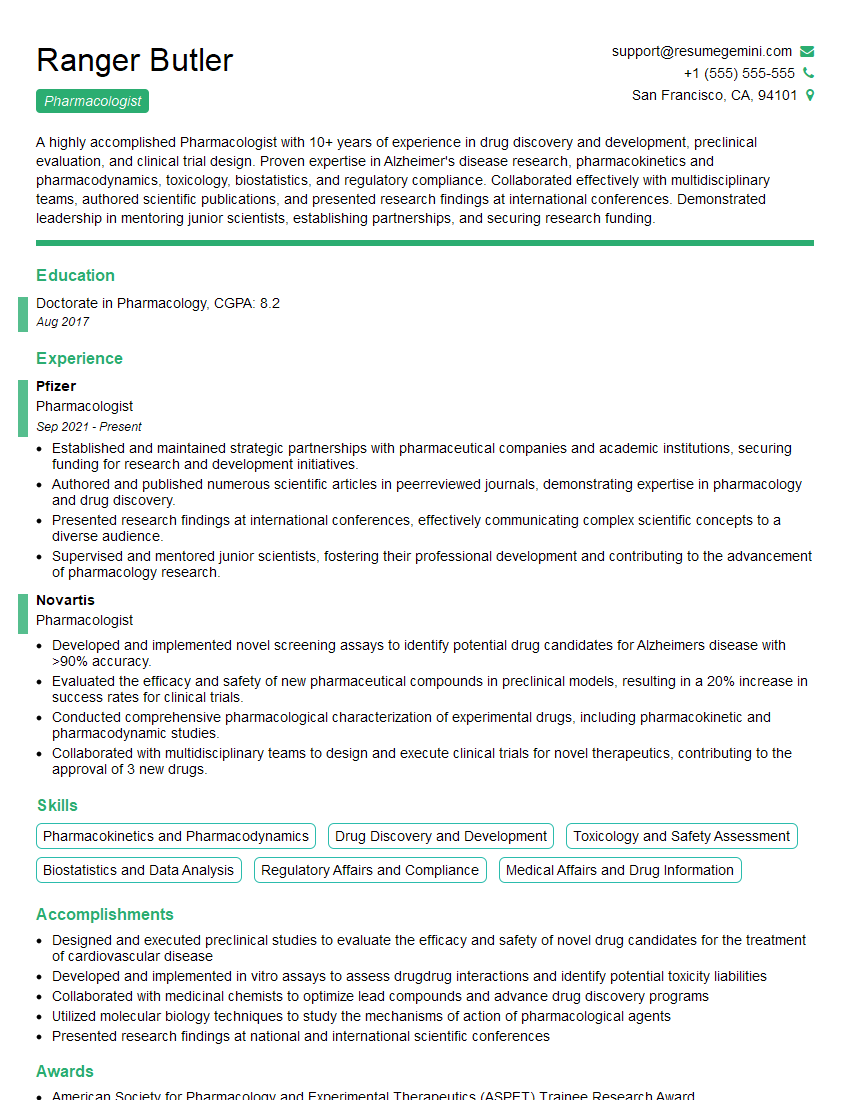
Pharmacologist Resume Sample
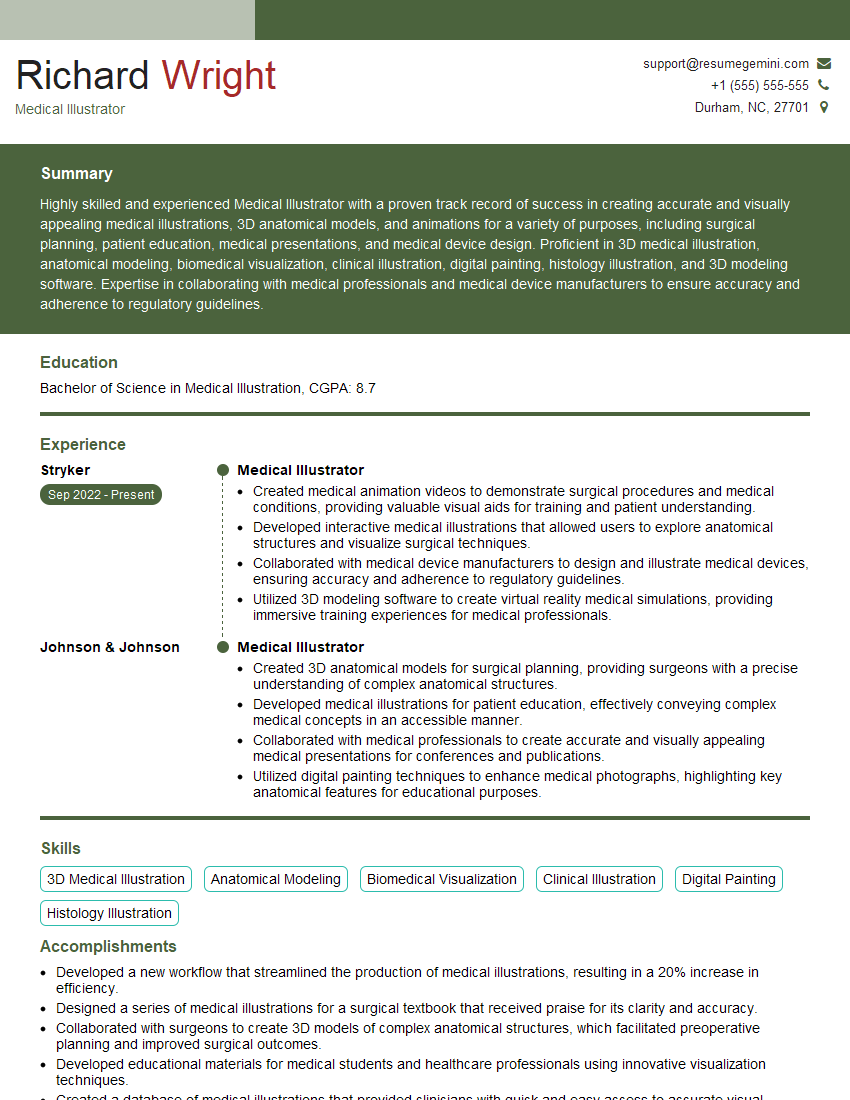
Medical Illustrator Resume Sample
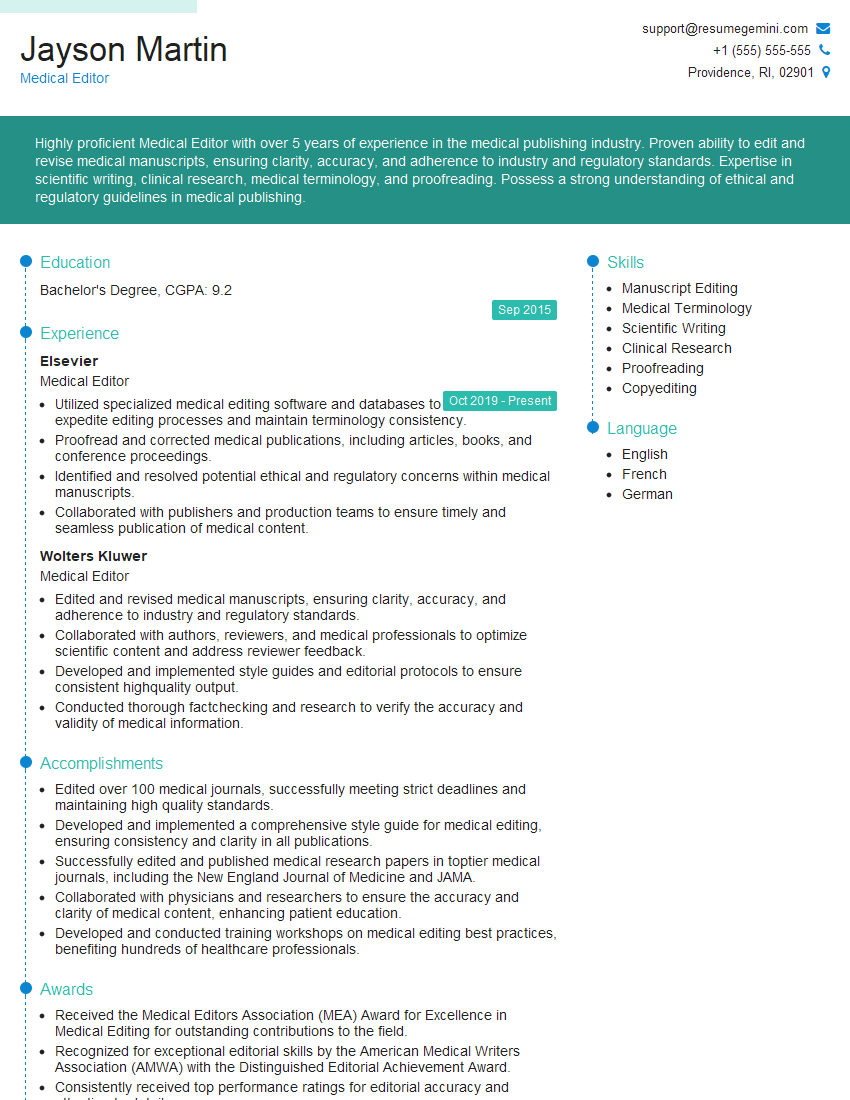
Medical Editor Resume Sample
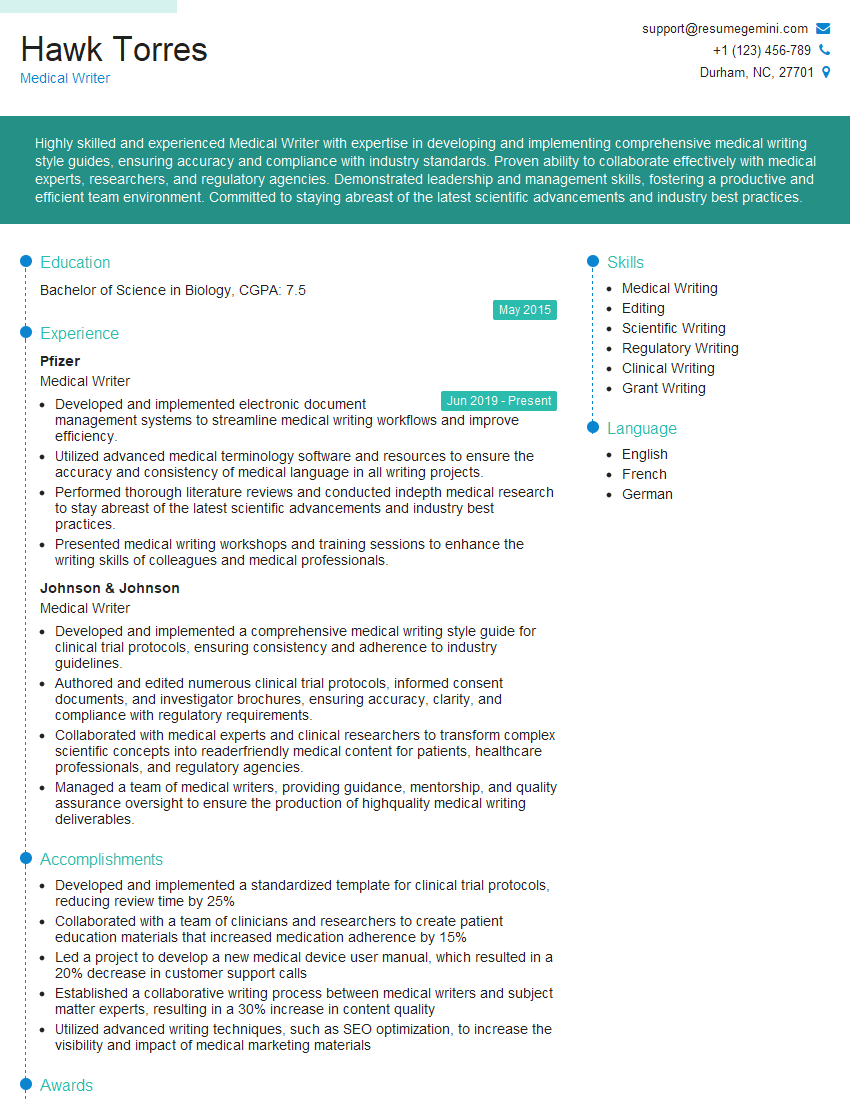
Medical Writer Resume Sample
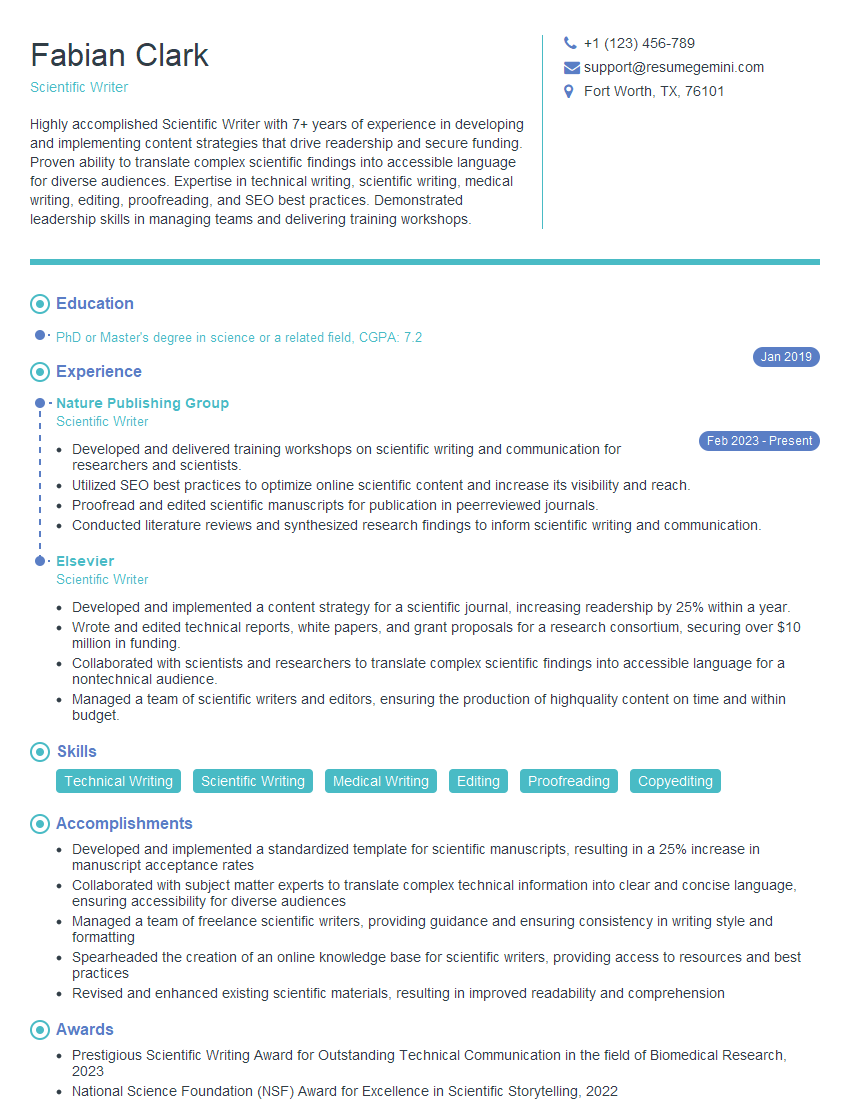
Scientific Writer Resume Sample
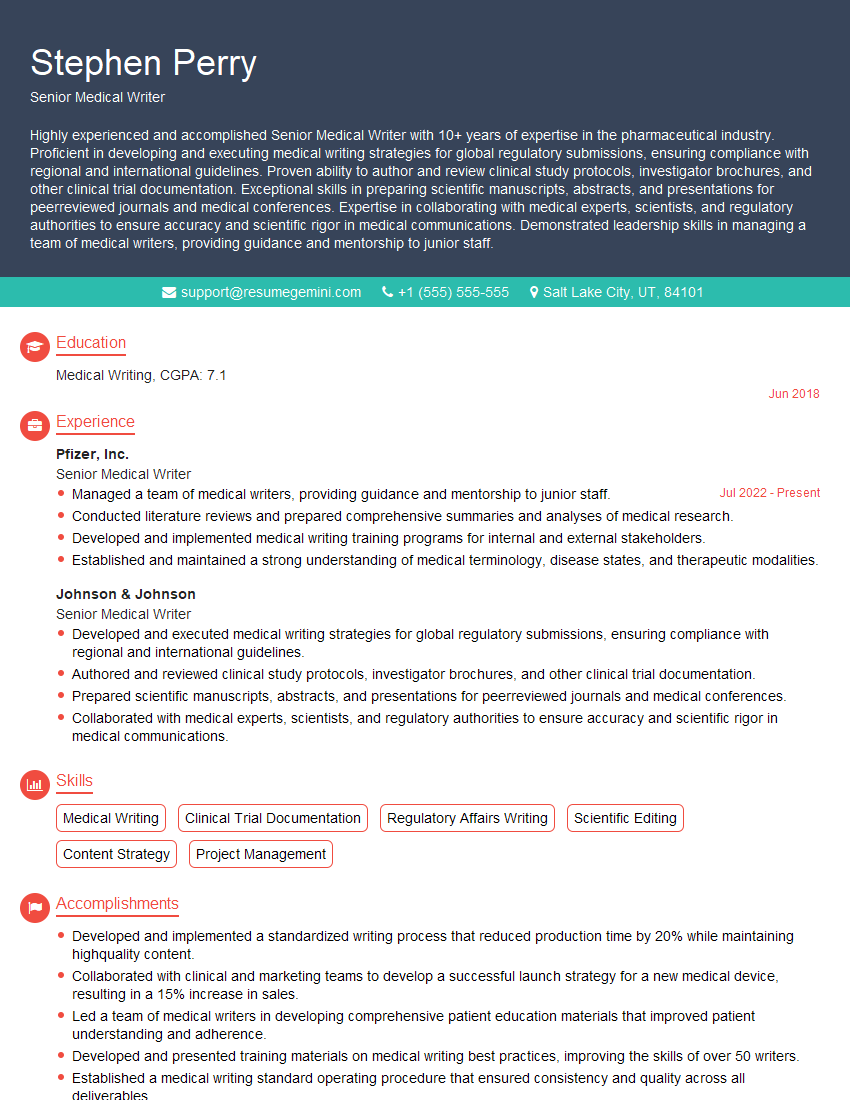
Senior Medical Writer Resume Sample
- Research Associate
- Clinical Project Manager
- Clinical Research Associate (CRA)
- Clinical Research Coordinator
- Clinical Trial Manager
- Regulatory Affairs Manager
- Regulatory Affairs Specialist
- Biostatistician
- Clinical Data Manager
- Toxicologist
- Clinical Research Scientist
- Pharmacologist
- Medical Illustrator
- Medical Editor
- Medical Writer
- Scientific Writer
- Senior Medical Writer
Explore more articles
Users Rating of Our Blogs
Share Your Experience
We value your feedback! Please rate our content and share your thoughts (optional).
What Readers Say About Our Blog
hello,
Our consultant firm based in the USA and our client are interested in your products.
Could you provide your company brochure and respond from your official email id (if different from the current in use), so i can send you the client’s requirement.
Payment before production.
I await your answer.
Regards,
MrSmith
hello,
Our consultant firm based in the USA and our client are interested in your products.
Could you provide your company brochure and respond from your official email id (if different from the current in use), so i can send you the client’s requirement.
Payment before production.
I await your answer.
Regards,
MrSmith
These apartments are so amazing, posting them online would break the algorithm.
https://bit.ly/Lovely2BedsApartmentHudsonYards
Reach out at [email protected] and let’s get started!
Take a look at this stunning 2-bedroom apartment perfectly situated NYC’s coveted Hudson Yards!
https://bit.ly/Lovely2BedsApartmentHudsonYards
Live Rent Free!
https://bit.ly/LiveRentFREE
Interesting Article, I liked the depth of knowledge you’ve shared.
Helpful, thanks for sharing.
Hi, I represent a social media marketing agency and liked your blog
Hi, I represent an SEO company that specialises in getting you AI citations and higher rankings on Google. I’d like to offer you a 100% free SEO audit for your website. Would you be interested?