The right preparation can turn an interview into an opportunity to showcase your expertise. This guide to Shake and Float Making interview questions is your ultimate resource, providing key insights and tips to help you ace your responses and stand out as a top candidate.
Questions Asked in Shake and Float Making Interview
Q 1. Explain the proper technique for shaking a cocktail.
Shaking a cocktail is more than just vigorous movement; it’s a precise technique crucial for chilling and diluting the drink while emulsifying ingredients. Think of it as a controlled blend of energy and precision.
The proper technique involves holding the shaker firmly, but not too tightly. Use a consistent, strong shaking motion – think of it like you’re trying to warm your hands quickly on a cold day! Maintain a good grip to avoid spills. This vigorous shaking (around 10-15 seconds) helps chill the drink rapidly, create a frothy texture, and properly mix all ingredients.
- The Grip: Hold the shaker firmly with one hand on the bottom and another securely on the top, preventing accidental opening.
- The Motion: Shake vigorously in a back and forth or up and down motion, ensuring all ingredients are thoroughly mixed.
- The Timing: Shake for approximately 10-15 seconds for most cocktails, adjusting slightly depending on the recipe and desired chill level.
Mastering the shake involves finding the right balance between power and control; practice makes perfect!
Q 2. What are the key differences between shaking and stirring cocktails?
Shaking and stirring are two distinct methods for mixing cocktails, each impacting the final drink’s texture and dilution differently. Imagine shaking as a more intense workout for your cocktail, while stirring is a gentler, more refined approach.
- Shaking: Ideal for cocktails with fruit juices, creamy ingredients (like egg whites or cream), or those needing a frothy texture. The vigorous shaking chills the drink quickly, dilutes it effectively, and emulsifies ingredients, creating a smoother, more integrated taste.
- Stirring: Reserved for spirit-forward drinks without juice or other ingredients that might become overly diluted or cloudy when shaken. Stirring gently chills the drink and mixes the ingredients while maintaining a clearer appearance and more subtle dilution.
For instance, a Daiquiri (with its citrus juice) demands a shake, while an Old Fashioned (primarily whiskey and bitters) is always stirred.
Q 3. Describe how you would prepare a classic Daiquiri using the shake method.
Preparing a classic Daiquiri showcases the elegance of the shake method. The balance of sweet, sour, and strong is only achieved with proper technique.
Ingredients:
- 2 oz White Rum (high-quality is preferred)
- 1 oz Fresh Lime Juice (key to the flavor profile)
- ¾ oz Simple Syrup (adjust to taste)
Method:
- Combine all ingredients in a Boston shaker or cobbler shaker filled with ice.
- Securely close the shaker and shake vigorously for 15 seconds, ensuring the shaker is completely chilled.
- Strain into a chilled coupe or rocks glass.
- (Optional) Garnish with a lime wheel.
The key here is to use fresh ingredients and shake with enough force to thoroughly chill and emulsify the mixture; a properly made Daiquiri should be frosty and refreshing.
Q 4. How do you ensure proper dilution when shaking a cocktail?
Proper dilution is critical; it determines the drink’s final balance and mouthfeel. Over-dilution results in a weak, watery drink, while under-dilution leaves it too strong and unbalanced. It’s all about achieving that perfect harmony.
You control dilution primarily through the shaking technique and the amount of ice. The more vigorously you shake and the more ice you use, the more diluted your drink will become. Experienced bartenders intuitively adjust the shaking time based on the recipe and the type of ice used. The melting of ice is what dilutes the drink.
- Ice Quality: Larger ice melts slower, providing more controlled dilution.
- Shake Time: Adjust shaking time to achieve the desired dilution; a longer shake equals more dilution.
- Ice Quantity: More ice means greater dilution.
Practice and experience allow one to fine-tune dilution perfectly.
Q 5. What factors influence the choice between shaking and floating?
The choice between shaking and floating depends on several factors, primarily the cocktail’s ingredients and the desired effect. Consider it a stylistic choice alongside functionality.
- Ingredient Type: Cocktails with juices, creamy ingredients, or those requiring emulsification are shaken. Clear, spirit-forward drinks are often stirred.
- Desired Texture: Shaking creates a frothy texture, while stirring maintains clarity.
- Layering (Floating): Floating, requiring layering of liquids with different densities, is a separate technique not directly comparable to shaking or stirring.
A Margarita, with its tequila, lime juice, and orange liqueur, would benefit from a shake, while a Manhattan, built on whiskey, vermouth, and bitters, is best stirred.
Q 6. Explain the layering technique for creating a Float cocktail.
The layering technique, crucial for float cocktails, relies on the principle of density. Liquids of different densities will layer on top of one another if poured carefully. Imagine building a layered cake, where each layer must be carefully placed to maintain the design.
The process generally involves gently pouring the highest-density liquid into the glass first, followed by increasingly less dense liquids. This should be done slowly and carefully using the back of a spoon to help control the flow and prevent mixing.
Example: A Tequila Sunrise is a classic example. The grenadine (heaviest), then the orange juice, and lastly the tequila are layered.
Controlling the pour speed and the angle of the pour is key to creating clean, visually appealing layers. The use of a bar spoon can help to create a slower, more controlled flow.
Q 7. Describe different types of ice and their suitability for shaking and floating.
Different types of ice are used for shaking and floating, affecting dilution and aesthetic appeal. The right ice makes all the difference.
- Large Ice Cubes (e.g., Kold-Draft): Ideal for shaking and stirring, as they melt slower, providing more controlled dilution. They also keep the drink cooler for longer.
- Small Ice Cubes: Commonly used for shaking, offering rapid chilling, but also potentially excessive dilution if not controlled.
- Crushed Ice: Often used for cocktails served on the rocks, chilling quickly but creating considerable dilution. Not often used for shaking or floating.
For floating, the ice choice might be less critical, as the focus is on the layered presentation. However, using large, clear ice cubes in the glass can enhance the visual effect of the layered cocktail.
Q 8. How do you prevent ice from breaking during the shaking process?
Preventing ice breakage during shaking is crucial for a smooth, well-chilled cocktail. The key is to use the right type and amount of ice, and to shake with the correct technique. Instead of using small, easily fractured ice cubes, opt for larger, denser ice cubes – ideally, those made with filtered water to minimize impurities. These larger cubes have a lower surface area relative to their volume, making them less prone to shattering. Think of it like this: a single large ice cube has less surface area exposed to the shaking force than several smaller cubes. Furthermore, avoid overfilling the shaker. Leaving sufficient headspace allows for proper expansion as the ice chills the liquid, reducing pressure buildup that could lead to ice shattering. Finally, shake with controlled, deliberate movements rather than frantic, aggressive shakes. A consistent rhythm prevents undue stress on the ice and the shaker itself.
Q 9. What are some common mistakes made when shaking cocktails?
Common mistakes during cocktail shaking often stem from a lack of attention to detail. One frequent error is over-shaking. This results in excessive dilution and a watery cocktail, diminishing flavor and texture. Another common mistake involves insufficient shaking, failing to properly chill the drink and adequately emulsify the ingredients. This can lead to a less-than-ideal texture or flavor profile; for example, a cocktail with insufficiently emulsified ingredients could have a slightly oily or separated appearance. Incorrect shaker usage – not using a proper shaker tin or shaking too violently causing ice breakage – is another pitfall. Finally, neglecting to properly strain the drink before serving leads to unwanted ice chips in the final product. Remember, practice makes perfect; consistent and measured shaking is key to mastering cocktail preparation.
Q 10. How do you maintain the quality and freshness of ingredients for Shake & Float cocktails?
Maintaining ingredient freshness is paramount for exceptional Shake & Float cocktails. Begin with high-quality ingredients; fresh, ripe fruits, herbs, and properly stored spirits are fundamental. Use proper storage techniques; fresh juices should be prepared immediately before use, and stored juices should be refrigerated and used within a short timeframe. Similarly, herbs should be stored in a cool, dark place to maintain their vibrant flavors. For spirits, ensure proper storage in a cool, dark environment, away from direct sunlight or heat to prevent deterioration. Regular stock rotation is crucial; first-in, first-out (FIFO) inventory management prevents ingredients from expiring unused. Pay attention to signs of spoilage; discoloration, unusual odors, or changes in texture should signal the need for discarding the ingredient.
Q 11. Describe the importance of proper ingredient ratios in Shake & Float recipes.
Accurate ingredient ratios are the cornerstone of a balanced Shake & Float cocktail. Precise measurements ensure the intended flavor profile is achieved. Deviation from the prescribed recipe can drastically alter the drink’s taste, sweetness, bitterness, and overall balance. For instance, too much sugar can result in an overly sweet cocktail, whereas insufficient sugar may leave it unbalanced. Similarly, incorrect proportions of liquor can affect the alcohol strength and overall flavor. Using a jigger or measuring spoons for precise measurements is crucial, particularly when working with multiple ingredients. Consider each ingredient’s role: base spirits provide the foundational flavor, sweeteners add balance, and acids and bitters add complexity. Understanding this interplay allows for creative adjustments but always begins with mastering the original recipe.
Q 12. How do you troubleshoot a poorly layered Float cocktail?
Troubleshooting a poorly layered Float cocktail often involves identifying the cause of the layering failure. The most common issues are related to density and temperature. If layers mix, it’s often due to differing densities; lighter ingredients should be added last. Ensure ingredients are properly chilled before layering; warmer ingredients are less dense and can disrupt the layering. For instance, make sure each layer is at the same temperature and density. Use a bar spoon to gently pour each layer down the side of the glass. Poor layering can also stem from improper pouring techniques – avoid splashing or vigorous pouring. Also, consider the viscosity of the ingredients; highly viscous liquids layer better than less viscous ones. If the layers still don’t separate neatly, slightly chilling the glass before pouring can help.
Q 13. What are some techniques for creating visually appealing Float cocktails?
Creating visually appealing Float cocktails involves paying attention to several factors: color contrast is a simple, effective technique; contrasting colors dramatically enhance visual appeal. For instance, a deep red liqueur layered on top of a bright yellow curacao creates a stunning visual effect. Consider using garnishes strategically; a fruit slice, herb sprig, or edible flower can add a beautiful touch and enhance the overall presentation. The shape and type of glassware are also important; a tall, slender glass showcases layering better than a wide, shallow glass. Finally, use proper pouring techniques; gentle pouring avoids disrupting the layers and ensures a clean, professional look. Pay attention to detail; a polished, clean glass elevates the aesthetic appeal of the cocktail.
Q 14. What are the different types of floaters commonly used in cocktails?
Floaters, the layered component in Shake & Float cocktails, can encompass a range of ingredients depending on the desired flavor profile and visual effect. Liqueurs are common choices due to their high sugar content and vibrant colors; examples include crème de cacao, crème de menthe, or various fruit liqueurs. Also, fruit purees or syrups create visually appealing layers with unique flavor notes. Some even use less dense fruit juices or concentrated flavor extracts for interesting flavor combinations and visual effects. The selection of the floater depends on the base cocktail and desired flavor complexity. The key is to ensure the floater is less dense than the cocktail base for successful layering; remember that temperature and density are key elements for achieving a pleasing and properly layered drink.
Q 15. How does temperature affect the outcome of shaking and floating?
Temperature is crucial in shake and float cocktail making, influencing both the texture and the final taste. Too cold, and your ingredients might not emulsify properly, leading to a less vibrant drink. Too warm, and your drink might become diluted, lacking the desired chill and potentially affecting the flavor balance.
For example, consider a classic Daiquiri. If the ingredients are too warm, the ice won’t melt as efficiently, resulting in a weaker drink. Conversely, if the ice is too cold and the liquid ingredients are near freezing, the shaking process might not fully incorporate the sugars and acids, leaving it slightly grainy. The ideal temperature is usually around 40°F for the liquid ingredients, ensuring proper chilling without excessive dilution during shaking.
Different spirits also react differently to temperature. Some, like gin, benefit from a very cold chill, while others, like rum, might lose some of their nuances if they become too cold. Finding the right balance for each cocktail is key to its success.
Career Expert Tips:
- Ace those interviews! Prepare effectively by reviewing the Top 50 Most Common Interview Questions on ResumeGemini.
- Navigate your job search with confidence! Explore a wide range of Career Tips on ResumeGemini. Learn about common challenges and recommendations to overcome them.
- Craft the perfect resume! Master the Art of Resume Writing with ResumeGemini’s guide. Showcase your unique qualifications and achievements effectively.
- Don’t miss out on holiday savings! Build your dream resume with ResumeGemini’s ATS optimized templates.
Q 16. Describe your experience with different types of shakers (e.g., Boston shaker, Cobbler shaker).
I’ve extensive experience with various shakers, each having its strengths and weaknesses. The Boston shaker, with its tin-on-tin construction, is a workhorse, reliable and durable. Its simplicity makes it easy to clean and maintain. However, it demands precise technique to avoid spills. A common technique to avoid this is using a jigger to measure the liquor and ice. The Cobbler shaker, with its built-in strainer, is convenient and easier to use, especially for beginners. It tends to be less durable, though, and is not ideal for very large batches.
I’ve also used Parisian shakers, which offer a streamlined style, and the less common French shakers, known for their elegance. The choice of shaker often depends on personal preference, the cocktail being prepared (a Cobbler shaker is great for a single-serving Daiquiri, while a Boston is better for larger batches), and the setting – a Boston shaker is more common in professional bars while a Cobbler shaker is better for home use.
Q 17. How do you clean and maintain your shaking equipment?
Cleaning and maintaining shaking equipment is paramount for hygiene and longevity. After each use, I immediately rinse all pieces with hot water to remove any residual cocktail components. For thorough cleaning, I use a specialized bar cleaning solution, ensuring I reach every crevice. The solution is then rinsed thoroughly with hot water and allowed to air dry. This prevents the buildup of bacteria and lingering smells.
I inspect my shakers regularly for any signs of damage, such as dents or leaks. For Boston shakers, I check the seal between the tins. I also pay attention to the strainers; these need to be cleaned thoroughly to prevent clogging. Regular maintenance ensures the equipment remains in optimal condition, preventing costly replacements and ensuring consistent, high-quality cocktails.
Q 18. How do you handle customer requests or modifications to Shake and Float cocktails?
Handling customer requests and modifications is a crucial aspect of the job. I always listen carefully to the customer’s preferences, ensuring I understand their desired changes, considering potential impacts on flavor and texture. A straightforward approach is key – questions like ‘What flavor profiles are you looking for?’ or ‘Do you have any allergies or sensitivities?’ provide valuable insights.
For example, if a customer requests a less sweet Old Fashioned, I might reduce the simple syrup amount, or use a different type of sugar. If a customer requests a non-alcoholic version of a classic cocktail, I might substitute the base liquor with a high-quality non-alcoholic spirit alternative. Adaptability and clear communication are critical to ensuring customer satisfaction.
Q 19. What are some classic Shake and Float cocktails, and how are they prepared?
Classic shake and float cocktails are numerous and diverse. The Daiquiri, for example, is built on the simple elegance of rum, lime juice, and simple syrup, combining well with a float of bitters. It is shaken vigorously with ice until well-chilled. Then, for a classic version, strain into a chilled coupe or martini glass and add a float of Angostura bitters. The Old Fashioned, a whiskey-based cocktail, utilizes muddled sugar and bitters, along with a twist of orange peel.
A Whiskey Sour is another classic shake and float option often served with egg white, shaken vigorously to create a frothy texture, and possibly with a brandy float. The precise preparation varies slightly depending on individual preferences, but the core technique remains consistent – proper shaking to chill and emulsify ingredients before, optionally, a float is added.
Q 20. How do you adapt your technique for different cocktail volumes (single vs. multiple servings)?
Adapting techniques for different cocktail volumes is straightforward, though some adjustments are essential. For single servings, a Cobbler shaker is often the most efficient. For larger batches, a Boston shaker is ideal, allowing for more volume and efficient shaking, as the scale-up involves proportionately increasing all the ingredients.
The shaking technique should remain consistent regardless of volume. Vigorous shaking is needed for both to fully chill and emulsify the ingredients, but it needs to be done efficiently with larger volumes to ensure proper chilling across the entire batch. For larger batches, it is beneficial to use multiple shakers and simultaneously shake them. Pre-chilling the mixing glasses is also essential in high-volume situations, ensuring the cocktail remains properly chilled when poured.
Q 21. Describe your knowledge of different liquor types and their role in Shake & Float drinks.
My knowledge of liquor types is extensive, understanding that their role is paramount in creating balanced and harmonious cocktails. The base spirit dictates the character of the drink. For instance, a light rum like a Cuban will create a lighter, sweeter drink than a dark Jamaican rum, which will contribute stronger and spicier notes.
Different types of whiskey (bourbon, rye, Scotch) introduce varying flavors – from sweet and vanilla notes to spicy and smoky profiles. Gin’s botanicals contribute to its unique aromatic character, determining whether the drink has a floral, citrusy, or spicy profile. The choice of liquor profoundly influences the final flavor, and understanding the subtle nuances of each is critical for building cocktails that are both balanced and memorable.
Q 22. Explain your understanding of cocktail balancing (sweet, sour, bitter).
Cocktail balancing revolves around achieving a harmonious blend of sweet, sour, and bitter elements. Think of it like a perfectly balanced musical chord – each note (flavor profile) contributes to the overall beauty and complexity. A well-balanced cocktail is neither overwhelmingly sweet nor aggressively sour or bitter; instead, these elements work together to create a sophisticated and enjoyable drinking experience. The ratios can vary drastically depending on the cocktail, but understanding the interplay of these flavors is crucial.
For example, in a classic Margarita, the sweetness from the tequila (agave nectar), the sourness from the lime juice, and the bitterness from the orange liqueur (Cointreau or Triple Sec) all interact to create a balanced and refreshing taste. Too much sweetness, and it becomes cloying; too much sour, and it’s puckering; too much bitter, and it’s unpleasant. Achieving that perfect equilibrium requires precision and experience.
In Old Fashioneds, the sweetness from the sugar (or simple syrup), the bitterness from the Angostura bitters, and the inherent sweetness and slight bitterness of the whiskey itself must be carefully considered. A skilled bartender will adjust these elements based on the specific whiskey used, ensuring a smooth, balanced, and nuanced drink. This is where the art of mixology truly shines.
Q 23. How do you handle special dietary requests (e.g., non-alcoholic, low-sugar)?
Handling special dietary requests is a vital part of providing excellent customer service. Non-alcoholic and low-sugar options are increasingly common requests. For non-alcoholic cocktails, I utilize a range of techniques and ingredients. I can create sophisticated mocktails using fresh juices, flavored syrups, sparkling water, and herbs to mimic the complexity and depth of alcoholic drinks. There are also excellent non-alcoholic spirits available now that provide a more ‘spirited’ experience.
For low-sugar options, I focus on reducing or eliminating added sweeteners. This involves utilizing naturally sweet ingredients like fresh fruit juices (in moderation), adjusting the ratios of other ingredients to balance the flavors, and using sugar substitutes sparingly, if at all. For example, a low-sugar Margarita could utilize less agave or even utilize stevia. I always clearly communicate with the guest about any substitutions I make to ensure transparency and satisfaction. It’s about creative substitution, not compromising on flavor.
Q 24. What are some safety procedures to follow when preparing cocktails?
Safety is paramount in any bar environment. My safety procedures start with proper hygiene. This includes frequent hand washing, using clean glassware, and ensuring all utensils and surfaces are sanitized regularly. I’m meticulous about food safety protocols, ensuring proper storage of ingredients at the correct temperatures. Safe handling of glassware is essential. I never overfill glasses, and I’m cautious about handling sharp objects like ice picks and paring knives.
Safe alcohol handling is critical. I am always aware of the legal drinking age and never serve anyone who is visibly intoxicated. I am also responsible for responsible waste disposal, properly disposing of broken glass and other hazardous materials. Finally, I regularly check for and report any malfunctioning equipment to prevent accidents.
Q 25. Describe your experience in working under pressure and during peak service times.
I thrive under pressure. Peak service times require efficiency and organization. My experience in high-volume bars has trained me to work quickly and accurately without sacrificing quality. I utilize a system of mise en place (everything in its place) to ensure I have all the necessary ingredients and tools readily available. This allows me to move swiftly between orders, efficiently managing multiple requests simultaneously. I also prioritize teamwork, communicating effectively with other bar staff to ensure smooth service flow.
For instance, during a busy Friday night, I might prioritize creating pre-batched components for cocktails I know will be popular. This streamlines the process and enables me to quickly assemble drinks without sacrificing the quality. My ability to remain calm and focused under pressure is a key asset, ensuring that even during busy periods, every cocktail is prepared with precision and served with a smile.
Q 26. How do you maintain a clean and organized work station?
Maintaining a clean and organized workstation is fundamental to efficiency and safety. I start with a clean slate at the beginning of each shift, wiping down all surfaces and organizing my tools. I follow a systematic approach to stocking – frequently used items are within easy reach, and less frequently used items are stored neatly and accessibly. I clean as I go, immediately wiping down spills and clearing used glassware. This prevents buildup and maintains a sanitary environment. Regular deep cleaning is also essential; this might involve a thorough cleaning of the ice machine, the shaking tins, and the speed rail.
Think of it like a chef’s kitchen – cleanliness and organization are paramount to efficiency and high-quality output. My clean workstation reflects my professionalism and commitment to creating excellent drinks.
Q 27. Describe your understanding of inventory management related to bar supplies.
Effective inventory management is crucial for profitability and smooth bar operations. I am proficient in using inventory management systems to track bar supplies. This involves regularly checking stock levels, identifying low-stock items, and ordering replacements in a timely manner. I understand the importance of accurate par levels (ideal stock levels) to avoid shortages or overstocking.
I also regularly perform physical inventory checks, comparing physical stock to inventory records. Any discrepancies are investigated and resolved to maintain accuracy. This helps prevent loss and ensures that the bar is always well-stocked with the necessary ingredients. This also allows for better cost control and waste reduction.
Q 28. How do you stay updated on the latest trends in Shake and Float cocktail creation?
Staying updated on the latest trends in Shake and Float cocktail creation involves a multifaceted approach. I regularly read industry publications, both online and in print, to stay informed about emerging techniques, flavor profiles, and innovative ingredients. I actively participate in industry events and workshops to network with other professionals and learn about new ideas. Following top bartenders on social media and subscribing to relevant newsletters provides additional insights into current trends and techniques.
Moreover, I experiment with new ingredients and techniques myself, adapting and refining my skills based on my own research and observations. This constant learning and experimentation is vital to maintain relevance and creativity in a constantly evolving field. This proactive approach enables me to adapt and innovate, consistently providing guests with fresh and exciting cocktail experiences.
Key Topics to Learn for Shake and Float Making Interview
- Ingredient Selection and Preparation: Understanding the properties of various ingredients and their impact on the final product’s texture, flavor, and stability. This includes sourcing, quality control, and pre-processing techniques.
- Mixing and Emulsification Techniques: Mastering the art of creating stable emulsions, understanding the role of emulsifiers, and controlling viscosity through various mixing methods (high-shear mixers, homogenizers, etc.). Practical application includes troubleshooting common mixing problems like separation or clumping.
- Flavor Development and Optimization: Balancing sweetness, saltiness, acidity, and other flavor profiles to achieve the desired taste. This includes understanding flavor interactions and the impact of different processing methods on flavor retention.
- Quality Control and Testing: Implementing standardized testing procedures to ensure consistent product quality, including viscosity measurements, texture analysis, and stability testing (e.g., shelf-life studies).
- Process Optimization and Efficiency: Identifying areas for improvement in the production process to increase efficiency, reduce waste, and improve overall yield. This might involve analyzing process parameters and implementing lean manufacturing principles.
- Safety and Hygiene Practices: Adhering to strict safety and hygiene protocols throughout the production process to ensure food safety and prevent contamination. This includes understanding relevant health and safety regulations.
- Troubleshooting and Problem-Solving: Developing the ability to diagnose and solve problems related to ingredient inconsistencies, process malfunctions, or quality issues. This includes using systematic approaches to identify root causes and implement effective solutions.
Next Steps
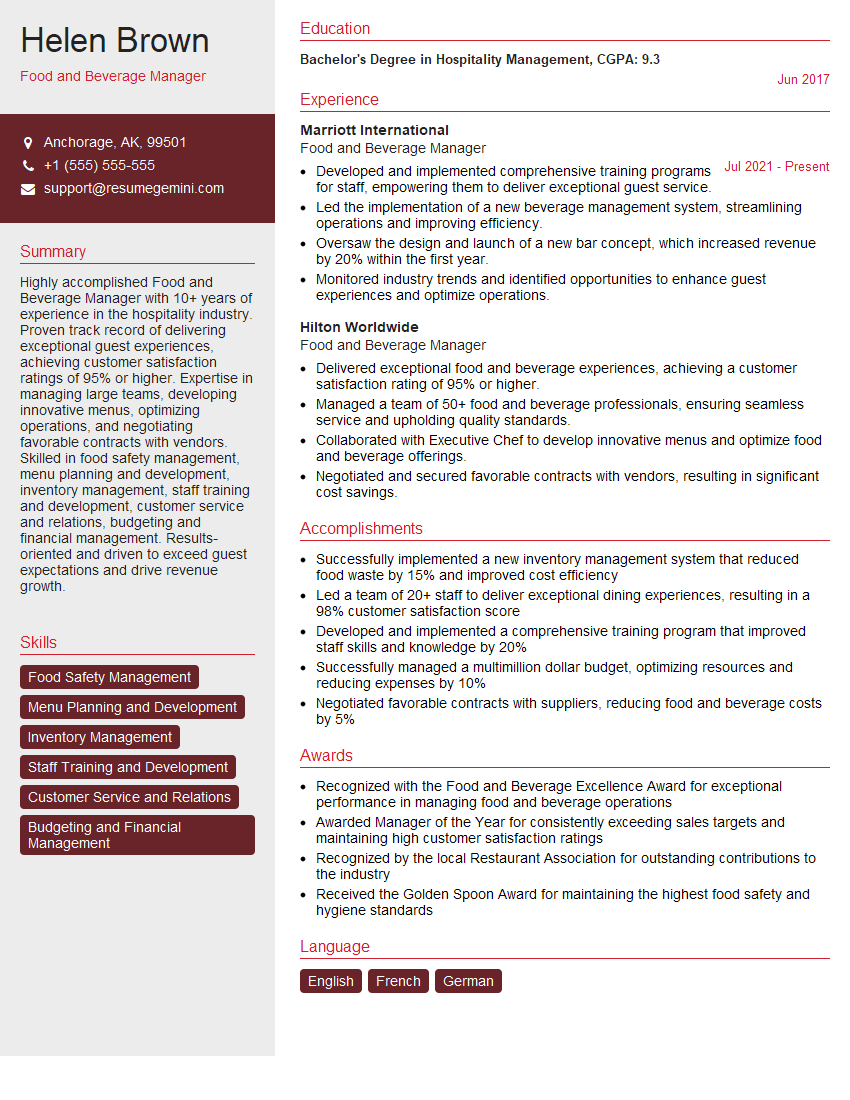
Mastering Shake and Float Making opens doors to exciting career opportunities in the food and beverage industry, offering a path to specialization and advancement. To maximize your job prospects, it’s crucial to present your skills effectively. Creating an ATS-friendly resume is key to getting your application noticed by recruiters. ResumeGemini is a trusted resource that can help you build a professional and impactful resume, ensuring your qualifications shine. Examples of resumes tailored to the Shake and Float Making field are available to guide you.
Explore more articles
Users Rating of Our Blogs
Share Your Experience
We value your feedback! Please rate our content and share your thoughts (optional).
What Readers Say About Our Blog
hello,
Our consultant firm based in the USA and our client are interested in your products.
Could you provide your company brochure and respond from your official email id (if different from the current in use), so i can send you the client’s requirement.
Payment before production.
I await your answer.
Regards,
MrSmith
hello,
Our consultant firm based in the USA and our client are interested in your products.
Could you provide your company brochure and respond from your official email id (if different from the current in use), so i can send you the client’s requirement.
Payment before production.
I await your answer.
Regards,
MrSmith
These apartments are so amazing, posting them online would break the algorithm.
https://bit.ly/Lovely2BedsApartmentHudsonYards
Reach out at [email protected] and let’s get started!
Take a look at this stunning 2-bedroom apartment perfectly situated NYC’s coveted Hudson Yards!
https://bit.ly/Lovely2BedsApartmentHudsonYards
Live Rent Free!
https://bit.ly/LiveRentFREE
Interesting Article, I liked the depth of knowledge you’ve shared.
Helpful, thanks for sharing.
Hi, I represent a social media marketing agency and liked your blog
Hi, I represent an SEO company that specialises in getting you AI citations and higher rankings on Google. I’d like to offer you a 100% free SEO audit for your website. Would you be interested?