Are you ready to stand out in your next interview? Understanding and preparing for Knowledge of Risk Communication and Patient Engagement interview questions is a game-changer. In this blog, we’ve compiled key questions and expert advice to help you showcase your skills with confidence and precision. Let’s get started on your journey to acing the interview.
Questions Asked in Knowledge of Risk Communication and Patient Engagement Interview
Q 1. Define risk communication in the context of healthcare.
Risk communication in healthcare is the process of exchanging information about health risks and uncertainties with individuals, communities, and stakeholders. It’s about ensuring that people understand the risks involved in their health decisions, from preventative measures to treatment choices, and empowers them to make informed choices. It’s not just about giving information; it’s about fostering understanding, trust, and shared decision-making.
For example, explaining the risks and benefits of a particular surgery to a patient, communicating the potential side effects of a medication, or informing a community about an outbreak of a contagious disease are all instances of risk communication in healthcare.
Q 2. Explain the importance of patient engagement in improving health outcomes.
Patient engagement is crucial for improving health outcomes because it fosters a collaborative partnership between healthcare providers and patients. When patients are actively involved in their care, they’re more likely to adhere to treatment plans, make healthier lifestyle choices, and experience better overall health. This engagement leads to improved medication adherence, better self-management of chronic conditions, and increased satisfaction with care.
Imagine a patient with diabetes. If they’re actively engaged in managing their condition through diet, exercise, and medication, their blood sugar control will likely be better than a patient who passively follows their doctor’s instructions. The engaged patient has a vested interest in their health and is therefore more motivated to participate in their care.
Q 3. Describe a framework for effective risk communication.
A robust framework for effective risk communication involves several key steps:
- Risk Assessment: Identifying and analyzing the specific health risk, considering its severity, likelihood, and potential impact.
- Audience Analysis: Understanding the knowledge, beliefs, and concerns of the target audience to tailor the message effectively. This includes considering literacy levels, cultural backgrounds, and pre-existing health beliefs.
- Message Development: Crafting clear, concise, and accurate messages that are easy to understand and address audience concerns. Using plain language and avoiding technical jargon is essential.
- Channel Selection: Choosing the most appropriate communication channels to reach the target audience – this could include face-to-face conversations, written materials, online resources, or community events.
- Feedback and Evaluation: Gathering feedback from the audience to assess understanding and identify areas for improvement. Regularly evaluating the effectiveness of the communication is essential for ongoing refinement.
This framework ensures that the communication is not only informative but also culturally sensitive and accessible.
Q 4. How would you tailor risk communication to different patient populations?
Tailoring risk communication involves adapting the message and communication style to the specific needs and characteristics of different patient populations. Consider the following:
- Age: Communicating with children requires a different approach than communicating with elderly adults. Simple language, visuals, and interactive methods might be more appropriate for children.
- Literacy level: Using plain language and avoiding technical jargon is crucial for patients with low health literacy.
- Cultural background: Cultural beliefs and values can significantly influence health decisions. The communication should be respectful and sensitive to these cultural nuances.
- Health literacy: The level of a person’s understanding of health information directly impacts how they process and apply the information. Therefore, risk communication must accommodate varying levels of health literacy.
- Language: If patients speak a language other than the primary language of the healthcare setting, providing translation services or materials in their native language is crucial.
For example, communicating the risk of heart disease to an elderly patient with low literacy might involve using large print materials with simple language and visual aids, whereas communicating the same information to a young adult with high literacy might involve a more detailed discussion with interactive resources.
Q 5. What are the key elements of a successful patient engagement strategy?
A successful patient engagement strategy hinges on several key elements:
- Shared decision-making: Involving patients in the development of their care plans and respecting their preferences.
- Accessible information: Providing clear, concise, and easily understandable information in various formats (print, online, video).
- Two-way communication: Fostering open communication between patients and healthcare providers, encouraging questions and feedback.
- Empowerment: Equipping patients with the knowledge and skills to manage their health effectively.
- Technology integration: Leveraging technology such as patient portals, telehealth, and mobile apps to facilitate communication and access to information.
- Community engagement: Collaborating with community organizations and support groups to provide comprehensive support.
For example, a successful strategy for a patient with asthma might include providing them with an easy-to-use inhaler technique video, access to a patient portal for appointment scheduling and medication refills, and connection to a local support group.
Q 6. How do you measure the effectiveness of a risk communication campaign?
Measuring the effectiveness of a risk communication campaign requires a multi-faceted approach. Methods include:
- Surveys and questionnaires: Assessing audience knowledge, attitudes, and behaviors related to the health risk.
- Focus groups: Gathering in-depth qualitative data on audience understanding and perceptions.
- Pre- and post-tests: Measuring changes in knowledge or behavior before and after the intervention.
- Tracking website traffic and engagement: Analyzing online engagement with risk communication materials.
- Monitoring media coverage and social media: Assessing the reach and impact of the communication.
- Behavioral indicators: Measuring changes in health behaviors such as screening rates, vaccination rates, or medication adherence.
By combining quantitative and qualitative data, we can get a comprehensive understanding of the effectiveness of the campaign and make necessary adjustments.
Q 7. How would you handle a situation where patients are misinformed about a health risk?
When patients are misinformed about a health risk, a careful and empathetic approach is crucial. Here’s a step-by-step strategy:
- Active listening: Start by listening carefully to the patient’s concerns and understanding their perspective without interruption or judgment.
- Identify the source of misinformation: Determine where the patient obtained the inaccurate information to address the root cause.
- Provide accurate information: Clearly and concisely present factual information using plain language and reliable sources. Use visuals and analogies to aid understanding.
- Address concerns and anxieties: Acknowledge the patient’s emotions and address any fears or uncertainties related to the health risk.
- Collaborative decision-making: Work with the patient to develop a personalized plan based on accurate information and their individual needs and preferences.
- Follow up: Provide opportunities for follow-up discussions and support to reinforce accurate information and address any lingering questions.
It’s essential to approach the situation with patience, empathy, and a focus on building trust and rapport. A confrontational approach could damage the patient-provider relationship.
Q 8. How can technology be used to improve patient engagement?
Technology significantly enhances patient engagement by bridging communication gaps and empowering patients to actively participate in their healthcare.
- Patient Portals: Secure online platforms allow patients to access their medical records, schedule appointments, communicate with providers, and receive test results, fostering a sense of control and convenience.
- Telemedicine: Virtual consultations expand access to care, particularly for those in remote areas or with mobility challenges. Video conferencing allows for face-to-face interaction, improving the patient experience.
- Mobile Health (mHealth) Apps: Apps provide personalized reminders for medication, track vital signs, offer educational resources, and facilitate communication with healthcare teams, promoting adherence and self-management.
- Wearable Technology: Devices like smartwatches and fitness trackers collect health data, providing valuable insights for both patients and providers. This real-time data can lead to proactive interventions and improved care coordination.
- Artificial Intelligence (AI)-powered tools: AI can personalize health information, providing tailored education and support based on individual needs and preferences. Chatbots can answer common questions, reducing the burden on healthcare staff.
For example, a patient with diabetes might use a mobile app to track their blood sugar levels, receive medication reminders, and connect with a diabetes educator for support. This technology empowers them to actively manage their condition.
Q 9. Describe your experience with developing patient education materials.
I have extensive experience developing patient education materials, focusing on clarity, accessibility, and cultural sensitivity. My approach involves a multi-step process:
- Needs Assessment: I begin by identifying the target audience’s health literacy level, cultural background, and preferred communication style. This helps tailor the materials to their specific needs.
- Content Development: I then create clear, concise, and engaging content, using plain language and avoiding medical jargon. I often incorporate visuals, such as diagrams and infographics, to enhance understanding.
- Design and Layout: The materials are designed to be visually appealing and easy to navigate, using a consistent format and style. This ensures readability and accessibility for diverse learners.
- Testing and Feedback: I conduct pilot testing with members of the target audience to gather feedback and make necessary revisions before finalizing the materials. This iterative process ensures that the materials are effective and well-received.
- Distribution and Evaluation: Finally, I develop a plan for distributing the materials and evaluate their effectiveness through methods such as surveys and follow-up interviews. This ensures ongoing improvement and relevance.
For instance, I once developed a series of animated videos explaining the importance of handwashing to prevent infection for a pediatric population. The videos used simple language, relatable characters, and catchy music to engage the children and their parents.
Q 10. How would you address concerns from patients about a particular treatment’s risks?
Addressing patient concerns about treatment risks requires a compassionate, empathetic, and evidence-based approach. It is crucial to avoid minimizing their worries.
- Active Listening: Start by actively listening to the patient’s concerns without interruption, validating their feelings and acknowledging the legitimacy of their anxiety.
- Clear and Concise Explanation: Explain the risks clearly and concisely, using plain language and avoiding medical jargon. Provide probabilities in a way that is easily understood, like percentages or analogies (e.g., “the risk is about the same as getting a head when you flip a coin”).
- Benefits vs. Risks: Present a balanced view of both the potential benefits and risks of the treatment, highlighting the potential positive outcomes. Frame the risks within the context of the overall benefits.
- Shared Decision-Making: Engage in shared decision-making, empowering the patient to make informed choices. Provide them with the information they need to weigh the risks and benefits and make a decision that aligns with their values and preferences.
- Resources and Support: Provide access to reliable resources and support systems, such as support groups or counseling services, to address any lingering concerns or anxiety. Follow-up is crucial.
For example, when discussing the risks of a surgical procedure, I might explain that while there’s a small risk of infection (e.g., 2%), the likelihood of successful recovery and improved quality of life is significantly higher (e.g., 95%).
Q 11. What are the ethical considerations in risk communication?
Ethical considerations in risk communication are paramount, ensuring transparency, respect for autonomy, and equitable access to information.
- Transparency and Honesty: All relevant information, including benefits, risks, and uncertainties, must be disclosed honestly and transparently to the patient. Omitting information, even unintentionally, erodes trust.
- Autonomy and Informed Consent: Patients have the right to make informed decisions about their healthcare, based on a complete understanding of the risks and benefits. This requires clear communication and respect for their autonomy.
- Equity and Accessibility: Communication must be accessible to all patients, regardless of their literacy level, cultural background, or disability. Materials should be translated and adapted to meet diverse needs.
- Confidentiality: All communication must adhere to strict confidentiality standards, ensuring that patient information is protected and not disclosed without consent.
- Conflict of Interest: It’s crucial to be aware of and avoid conflicts of interest that might compromise the objectivity of the communication.
For example, if a new drug has shown some efficacy but also a rare but serious side effect, it is ethically imperative to disclose both pieces of information transparently, allowing patients to make a fully informed decision.
Q 12. How do you ensure clear and accessible communication with diverse patient populations?
Ensuring clear and accessible communication with diverse patient populations requires a culturally sensitive and adaptable approach.
- Language Access: Provide materials and services in multiple languages, using professional translation and interpretation services as needed.
- Cultural Competency: Understand and respect cultural differences in communication styles, health beliefs, and decision-making processes. Avoid using culturally insensitive language or imagery.
- Health Literacy: Use plain language, visual aids, and other strategies to ensure that information is easily understood by people with varying levels of health literacy.
- Accessibility: Design materials and services to be accessible to people with disabilities, such as those with visual or hearing impairments.
- Community Engagement: Involve community leaders and organizations in the development and dissemination of communication materials to ensure relevance and cultural appropriateness.
For example, when communicating with a patient from a different cultural background, I might use a translator or culturally appropriate examples to explain a concept. I would also be mindful of potential cultural differences in communication styles, such as directness versus indirectness.
Q 13. Describe a time you had to explain a complex medical concept to a patient.
I once had to explain the concept of chemotherapy to a patient newly diagnosed with cancer. The patient was understandably anxious and overwhelmed by the medical jargon.
I began by acknowledging her fear and validating her emotions. Then, I used simple analogies to explain the complex process. For instance, I described chemotherapy drugs as “targeted soldiers” that attack cancer cells while minimizing harm to healthy cells, though acknowledging that some healthy cells may be affected, explaining the side effects in that context. I used visual aids, such as a diagram showing how the drugs work, to enhance understanding. I also provided her with written materials in plain language that reinforced the information we discussed, and ensured follow-up to answer any further questions she might have. The key was using simple language, relatable analogies, and visual aids, coupled with active listening and empathy to create a supportive and understanding environment.
Q 14. How do you build trust and rapport with patients?
Building trust and rapport with patients is fundamental to effective risk communication and patient engagement. It’s about creating a safe and supportive environment where patients feel heard and understood.
- Active Listening and Empathy: Show genuine interest in the patient’s experiences, feelings, and concerns. Actively listen to their perspectives without judgment and demonstrate empathy for their situation.
- Respect and Dignity: Treat patients with respect and dignity, acknowledging their autonomy and right to make informed decisions.
- Clear and Honest Communication: Communicate clearly, honestly, and transparently, avoiding medical jargon and using language that the patient can easily understand. Be open to answering questions, even those that may seem repetitive.
- Shared Decision-Making: Engage the patient as a partner in their care, encouraging their active participation in decision-making. This fosters a sense of collaboration and trust.
- Building a Relationship: Take the time to build a genuine relationship with the patient, demonstrating consistent care and follow-up.
For example, I always start consultations by asking open-ended questions, allowing patients to share their concerns and perspectives before I begin to provide information. This demonstrates that I value their input and perspectives and builds a foundation of mutual respect and trust.
Q 15. What is health literacy and why is it important in patient engagement?
Health literacy is the degree to which individuals have the capacity to obtain, process, and understand basic health information and services needed to make appropriate health decisions. It’s not just about reading ability; it encompasses understanding medical terminology, navigating the healthcare system, and making informed choices about one’s health. In patient engagement, strong health literacy is crucial because patients who understand their conditions and treatment options are more likely to actively participate in their care, adhere to treatment plans, and achieve better health outcomes.
For example, a patient with low health literacy might struggle to understand medication instructions, leading to missed doses and potential complications. Conversely, a patient with high health literacy can ask informed questions, understand risks and benefits, and collaborate effectively with their healthcare team.
Career Expert Tips:
- Ace those interviews! Prepare effectively by reviewing the Top 50 Most Common Interview Questions on ResumeGemini.
- Navigate your job search with confidence! Explore a wide range of Career Tips on ResumeGemini. Learn about common challenges and recommendations to overcome them.
- Craft the perfect resume! Master the Art of Resume Writing with ResumeGemini’s guide. Showcase your unique qualifications and achievements effectively.
- Don’t miss out on holiday savings! Build your dream resume with ResumeGemini’s ATS optimized templates.
Q 16. How do you identify and address communication barriers?
Identifying communication barriers requires a multifaceted approach. I begin by actively listening to the patient and observing their verbal and nonverbal cues. Are they hesitant to ask questions? Do they seem confused by medical terminology? Do language differences exist? I use open-ended questions to encourage them to express their concerns and identify any challenges.
- Language barriers: I utilize qualified interpreters or translation services.
- Cultural differences: I tailor my communication style to be culturally sensitive, respecting individual preferences and beliefs.
- Hearing or visual impairments: I ensure the environment and communication methods are accessible (e.g., providing large-print materials, using visual aids, or arranging for sign language interpretation).
- Cognitive impairments: I simplify my language, use clear and concise explanations, and utilize visual aids to enhance understanding.
Addressing these barriers often involves using plain language, visual aids, and checking for understanding throughout the conversation. It’s crucial to make sure the patient understands the information, not just that it’s been delivered.
Q 17. How do you navigate conflicts or disagreements with patients regarding treatment decisions?
Disagreements about treatment decisions are an opportunity to strengthen the patient-provider relationship. My approach focuses on shared decision-making. I start by validating the patient’s feelings and concerns, actively listening to their perspectives, and ensuring they feel heard. I then explain the medical evidence and rationale behind recommended treatments, presenting options clearly and acknowledging their potential risks and benefits. It’s crucial to present information in a non-judgmental and patient-centered way.
If a compromise isn’t immediately reached, we might explore alternative approaches, involve other healthcare professionals (e.g., specialists, counselors), or suggest additional time for reflection and information gathering. The goal is to reach a decision that aligns with the patient’s values, preferences, and medical needs, even if it differs from my initial recommendation. Documentation is critical throughout this process.
Q 18. What strategies do you use to encourage patient participation in their care?
Encouraging patient participation involves creating a culture of collaboration and empowering patients to take ownership of their health. This includes:
- Shared decision-making models: Engaging patients in discussions about treatment options, weighing the pros and cons together, and making choices collaboratively.
- Patient-centered communication: Using open-ended questions, actively listening, and ensuring patients feel comfortable expressing their concerns and preferences.
- Providing accessible information: Offering materials in plain language, various formats (print, digital, audio), and considering health literacy levels.
- Goal setting: Collaborating with patients to establish realistic and achievable goals for their health management.
- Self-management support: Equipping patients with the knowledge, skills, and resources to manage their conditions effectively.
For example, I might use a decision aid tool to visually present treatment options and their associated risks and benefits, making the decision-making process more transparent and collaborative.
Q 19. How do you evaluate and improve your risk communication and patient engagement efforts?
Evaluating risk communication and patient engagement requires a systematic approach. I use a variety of methods, including:
- Patient surveys and feedback: Gathering feedback on clarity, understanding, satisfaction, and the overall experience.
- Process evaluation: Assessing the effectiveness of different communication strategies and identifying areas for improvement.
- Outcome evaluation: Measuring changes in patient knowledge, attitudes, behaviors, and health outcomes.
- Data analysis: Using quantitative and qualitative data to identify trends and patterns in patient engagement and outcomes.
For instance, tracking patient adherence to medication regimens, appointment attendance, and self-reported health status can provide valuable data on the effectiveness of engagement strategies. Based on this feedback, we can refine communication materials, adjust our approach, and implement evidence-based best practices for improvement.
Q 20. How familiar are you with HIPAA regulations and their relevance to patient communication?
I am very familiar with HIPAA regulations (Health Insurance Portability and Accountability Act). These regulations protect the privacy and security of patients’ health information. In patient communication, this means I must only discuss a patient’s health information with individuals who have a legitimate need to know (e.g., other members of the healthcare team, the patient themselves, or authorized family members with proper consent). I must also ensure that all electronic and paper-based patient records are securely stored and accessed, adhering to strict confidentiality protocols.
For example, I would never discuss a patient’s diagnosis or treatment plan with a family member without the patient’s explicit consent. I would also adhere to strict password protection and data encryption protocols when handling electronic health records.
Q 21. How would you use data to inform your risk communication and patient engagement strategies?
Data plays a vital role in informing and refining risk communication and patient engagement strategies. I use data in several ways:
- Identifying high-risk patients: Analyzing data on patient demographics, medical history, and social determinants of health to identify individuals who might benefit from more intensive engagement.
- Assessing communication effectiveness: Using patient feedback surveys and outcome data to evaluate the effectiveness of different communication methods and materials.
- Personalizing communication: Tailoring communication strategies based on individual patient preferences, health literacy levels, and cultural backgrounds.
- Monitoring and evaluating interventions: Tracking key performance indicators (KPIs) such as patient satisfaction, adherence to treatment plans, and health outcomes to assess the impact of patient engagement initiatives.
For instance, if data shows that a specific patient population struggles to understand medication instructions, we can develop tailored educational materials or implement support programs to improve their understanding and adherence. Data helps us continuously improve our strategies and ensure that our efforts are effective and equitable.
Q 22. What are some common challenges in patient engagement, and how would you overcome them?
Patient engagement, while crucial for positive health outcomes, faces several hurdles. Common challenges include:
- Lack of health literacy: Many patients struggle to understand complex medical information, leading to poor adherence to treatment plans.
- Limited access to technology and resources: Digital divides prevent some patients from accessing online portals or telehealth services.
- Language barriers: Communication difficulties arise when patients and healthcare providers don’t share a common language.
- Time constraints: Busy schedules and competing priorities can make it difficult for patients to actively participate in their care.
- Lack of patient-centered care: A paternalistic approach, where patients are not truly involved in decision-making, can lead to disengagement.
To overcome these, we need a multifaceted approach:
- Tailored communication: Use clear, concise language, visuals, and culturally appropriate materials. Offer translation services as needed.
- Multi-channel engagement: Employ various methods like text messages, email, phone calls, and in-person visits to reach patients effectively.
- Empowering patients: Encourage active participation in care planning, shared decision-making, and self-management strategies.
- Building trust and rapport: Establish strong relationships with patients based on empathy, respect, and open communication.
- Leveraging technology strategically: Offer convenient, user-friendly online portals and telehealth options, while ensuring accessibility for those without technology.
For example, in a previous role, we addressed low medication adherence rates among elderly patients with diabetes by simplifying instructions, providing visual aids, and offering regular phone check-ins.
Q 23. Describe your experience with implementing a patient portal or similar technology.
I have extensive experience implementing and supporting patient portals. In a previous organization, we launched a secure portal offering features like appointment scheduling, test results viewing, secure messaging with clinicians, and medication refill requests. The implementation involved several key steps:
- Needs assessment: We conducted surveys and focus groups to understand patient needs and preferences.
- Technology selection: We carefully chose a robust, HIPAA-compliant platform with user-friendly design.
- Training and support: We provided comprehensive training for staff and patients on how to use the portal effectively.
- Marketing and outreach: We actively promoted the portal to patients through various channels.
- Ongoing monitoring and evaluation: We continuously tracked usage, gathered feedback, and made improvements based on data and user input.
We experienced initial challenges with low adoption rates among older patients, which we addressed through targeted training sessions, in-person assistance, and simplified instructions.
Q 24. How do you ensure the accuracy and reliability of health information disseminated to patients?
Ensuring accuracy and reliability is paramount. We adhere to strict guidelines:
- Source verification: All information is sourced from reputable organizations like the CDC, NIH, and WHO. We avoid using information from unreliable websites or social media.
- Peer review and expert validation: Medical content is reviewed by clinicians and subject-matter experts to ensure accuracy and clarity.
- Regular updates: Information is regularly reviewed and updated to reflect the latest medical advancements and research findings.
- Plain language principles: We use clear, concise, and easily understandable language, avoiding medical jargon whenever possible.
- Transparency and disclosure: We clearly state the source of information and any potential limitations or biases.
For example, when disseminating information about a new vaccine, we ensure that the materials are vetted by medical professionals, cite relevant scientific publications, and address potential side effects transparently.
Q 25. How do you use feedback from patients to improve communication and engagement?
Patient feedback is invaluable for improving communication and engagement. We gather feedback through various means:
- Surveys and questionnaires: We use both online and paper-based surveys to collect quantitative and qualitative data on patient satisfaction and preferences.
- Focus groups: Focus groups offer in-depth insights into patient experiences and perspectives.
- Patient advisory boards: We engage patients in a collaborative advisory board to provide ongoing feedback on our communication strategies.
- Social media monitoring: We track social media conversations to understand patient perceptions and concerns.
- Individual feedback mechanisms: We encourage patients to provide feedback directly to healthcare providers or through dedicated feedback channels.
We analyze feedback to identify areas for improvement, then implement changes to our communication materials, processes, and technologies.
Q 26. How would you respond to negative feedback or criticism about your communication strategies?
Negative feedback is a learning opportunity. My approach involves:
- Active listening: I carefully listen to the criticism without interruption, showing empathy and understanding.
- Validation: I acknowledge the patient’s concerns and validate their feelings.
- Clarification: I seek clarification to fully understand the nature of the criticism.
- Apology (if applicable): If a genuine error occurred, I offer a sincere apology.
- Action planning: I collaboratively work with the patient to identify solutions and implement changes.
- Follow-up: I follow up with the patient to ensure their concerns have been addressed.
For instance, if a patient complained about unclear instructions, I’d analyze the instructions, revise them using plain language techniques, and provide additional support materials.
Q 27. What are your thoughts on the role of social media in risk communication and patient engagement?
Social media offers immense potential for risk communication and patient engagement, but it requires careful consideration. It’s a powerful tool for:
- Disseminating timely health information: We can quickly reach a wide audience during public health crises.
- Building community and fostering support: Social media platforms can connect patients with similar conditions and create supportive online communities.
- Gathering feedback and insights: Social media provides a platform for collecting real-time feedback from patients.
- Promoting health literacy: Social media can be used to share educational materials and resources.
However, challenges include:
- Misinformation: The spread of inaccurate information requires careful monitoring and proactive efforts to correct falsehoods.
- Privacy concerns: Protecting patient privacy on social media is crucial. We need to be mindful of HIPAA regulations.
- Accessibility: Not everyone has access to social media, requiring a multi-channel approach.
Therefore, a strategic approach, including careful content curation, active community management, and fact-checking, is necessary for effective and responsible social media use in healthcare.
Q 28. Describe your experience working collaboratively with interdisciplinary healthcare teams.
I thrive in interdisciplinary settings. Effective collaboration requires:
- Clear communication: Regular meetings, shared documentation, and transparent communication are essential.
- Shared goals: Alignment on common goals and objectives is critical for successful teamwork.
- Respectful interaction: Valuing the expertise and perspectives of all team members is crucial.
- Conflict resolution: Having mechanisms to address conflicts constructively is essential.
- Shared decision-making: Involving all relevant team members in decision-making processes promotes a sense of ownership and responsibility.
For example, in a recent project involving a multidisciplinary team (doctors, nurses, pharmacists, social workers), we used a shared electronic health record system, regular team meetings, and a clear communication plan to successfully manage a patient with complex medical needs.
Key Topics to Learn for Knowledge of Risk Communication and Patient Engagement Interview
- Understanding Risk Perception: Explore how individuals perceive and process health risks, including factors influencing their understanding and acceptance of information.
- Effective Communication Strategies: Learn various communication techniques tailored to diverse patient populations and health literacy levels; practice explaining complex medical information clearly and concisely.
- Shared Decision-Making Models: Understand the principles of shared decision-making and how to facilitate patient involvement in treatment choices. Practice applying these models in hypothetical scenarios.
- Health Literacy and Cultural Competency: Analyze the impact of health literacy and cultural differences on risk communication and patient engagement. Develop strategies to overcome communication barriers.
- Ethical Considerations: Examine the ethical implications of risk communication, including informed consent, confidentiality, and autonomy.
- Crisis Communication: Develop strategies for effective communication during public health crises or when dealing with sensitive patient information.
- Technology and Patient Engagement: Explore the use of technology (e.g., telehealth, patient portals) to improve patient engagement and communication.
- Measuring Effectiveness: Learn methods for evaluating the effectiveness of risk communication and patient engagement strategies, including feedback mechanisms and outcome assessment.
- Case Studies and Problem Solving: Practice analyzing case studies and developing solutions to real-world communication challenges in patient care.
Next Steps
Mastering Knowledge of Risk Communication and Patient Engagement is crucial for career advancement in healthcare, opening doors to leadership roles and specialized positions. A strong resume is essential to showcase your skills and experience effectively. Crafting an ATS-friendly resume is key to getting your application noticed by recruiters and hiring managers. To help you build a compelling and impactful resume, we recommend using ResumeGemini, a trusted resource for creating professional resumes. ResumeGemini provides examples of resumes tailored to Knowledge of Risk Communication and Patient Engagement to guide you in crafting your own winning application.
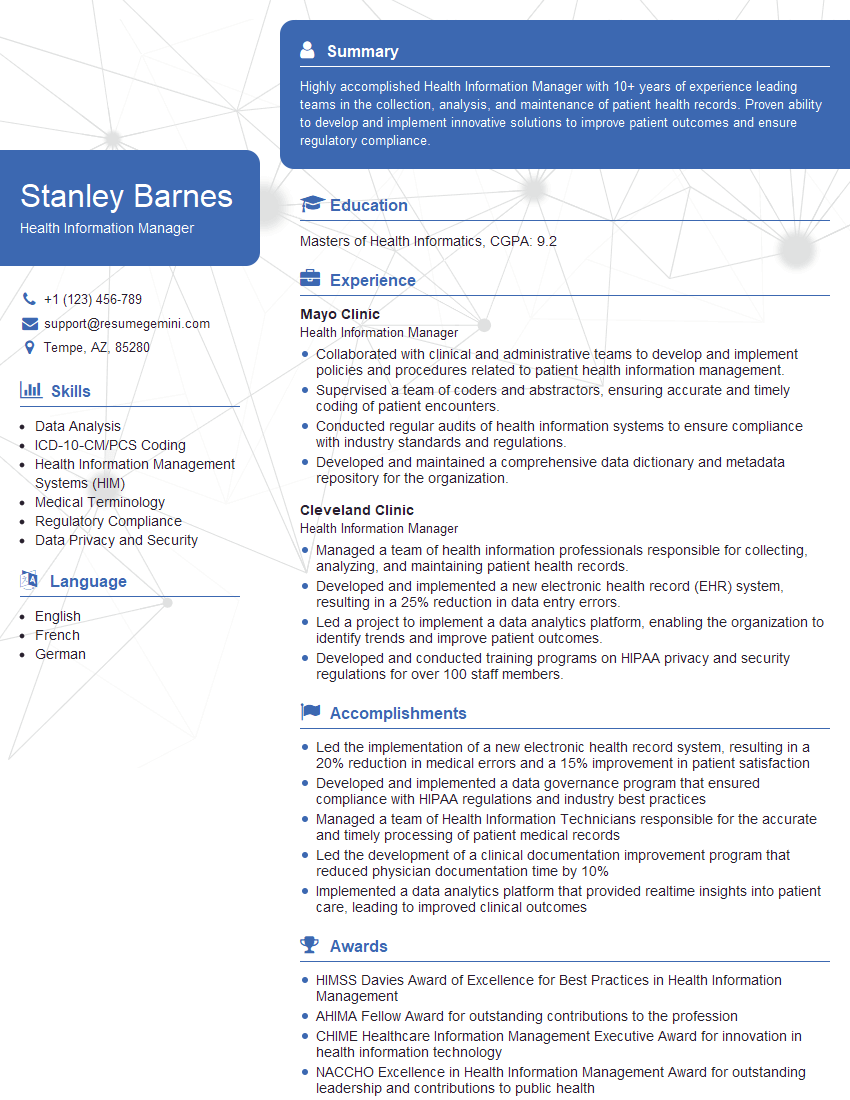
Health Information Manager Resume Sample
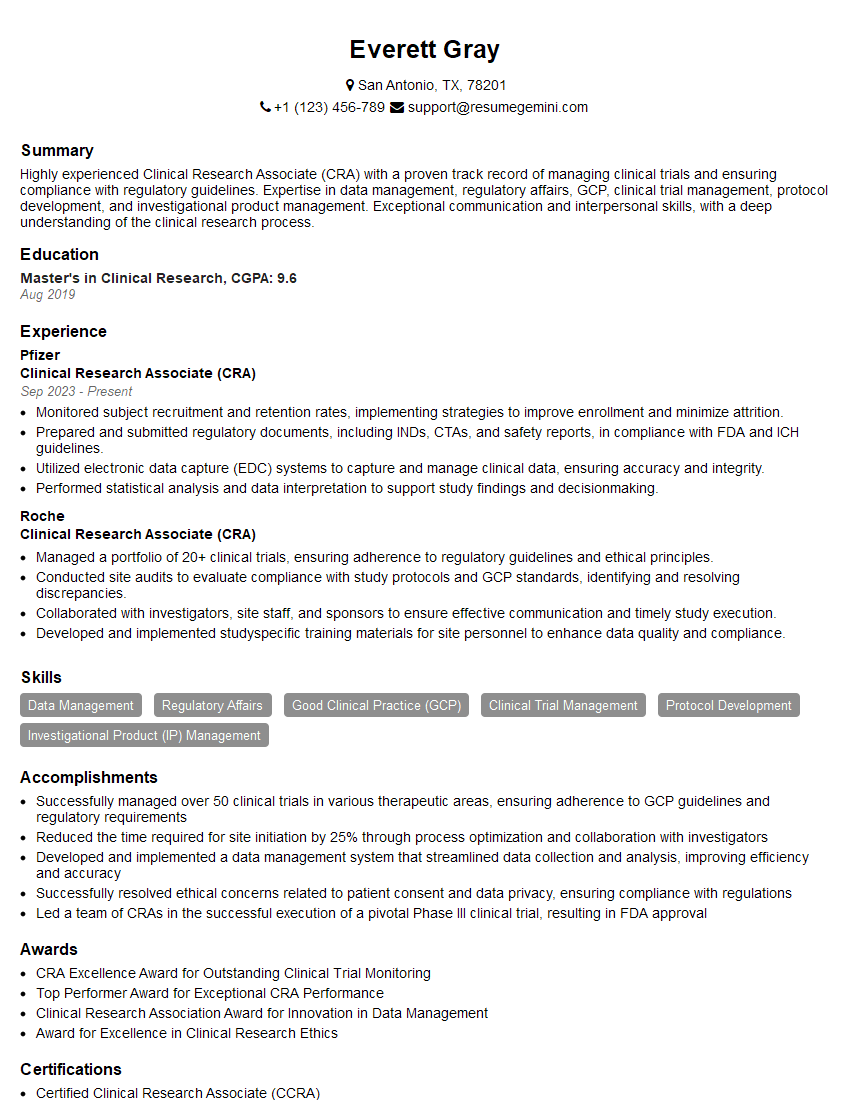
Clinical Research Associate (CRA) Resume Sample

Compliance Officer Resume Sample
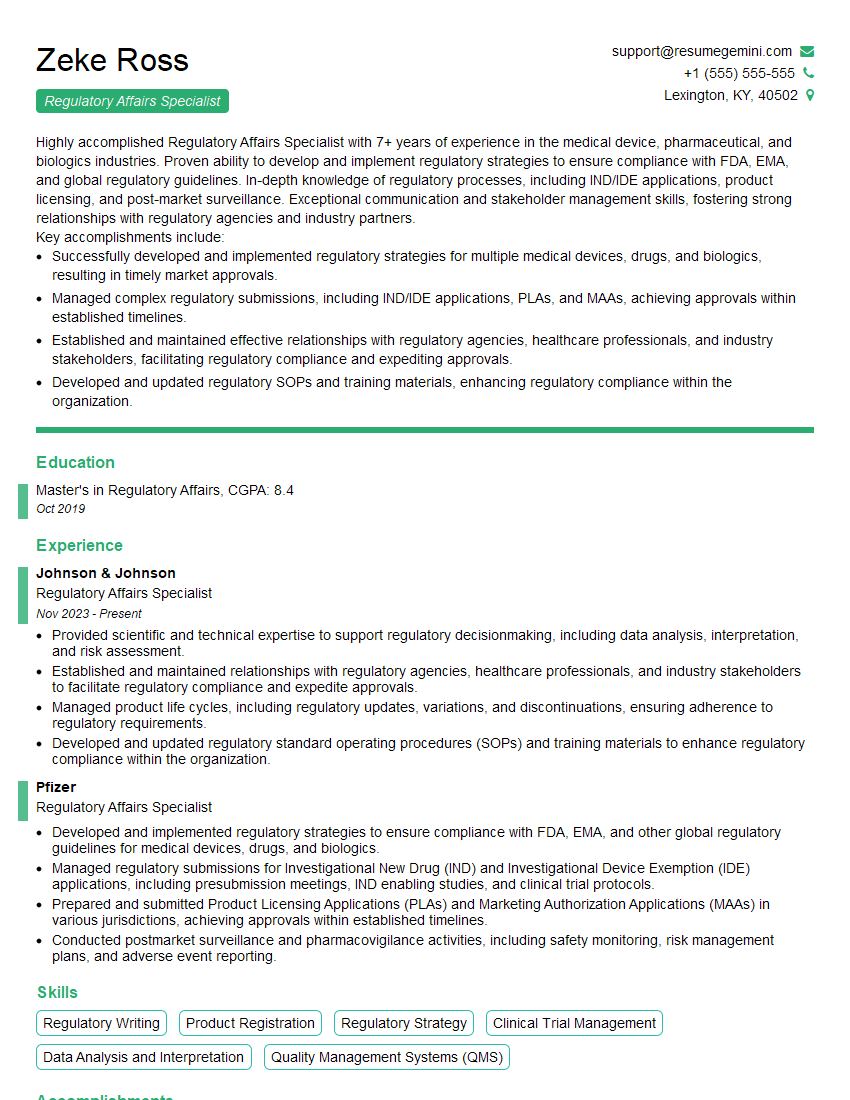
Regulatory Affairs Specialist Resume Sample

Behavioral Scientist Resume Sample
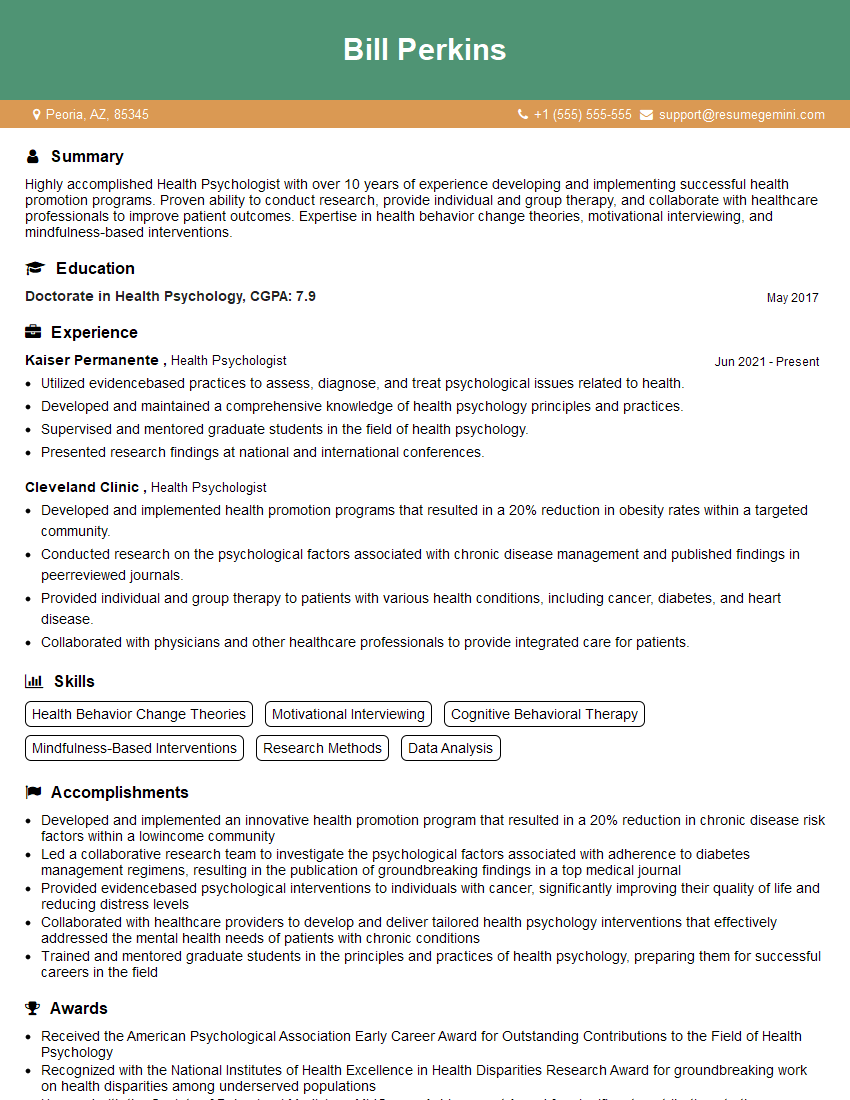
Health Psychologist Resume Sample
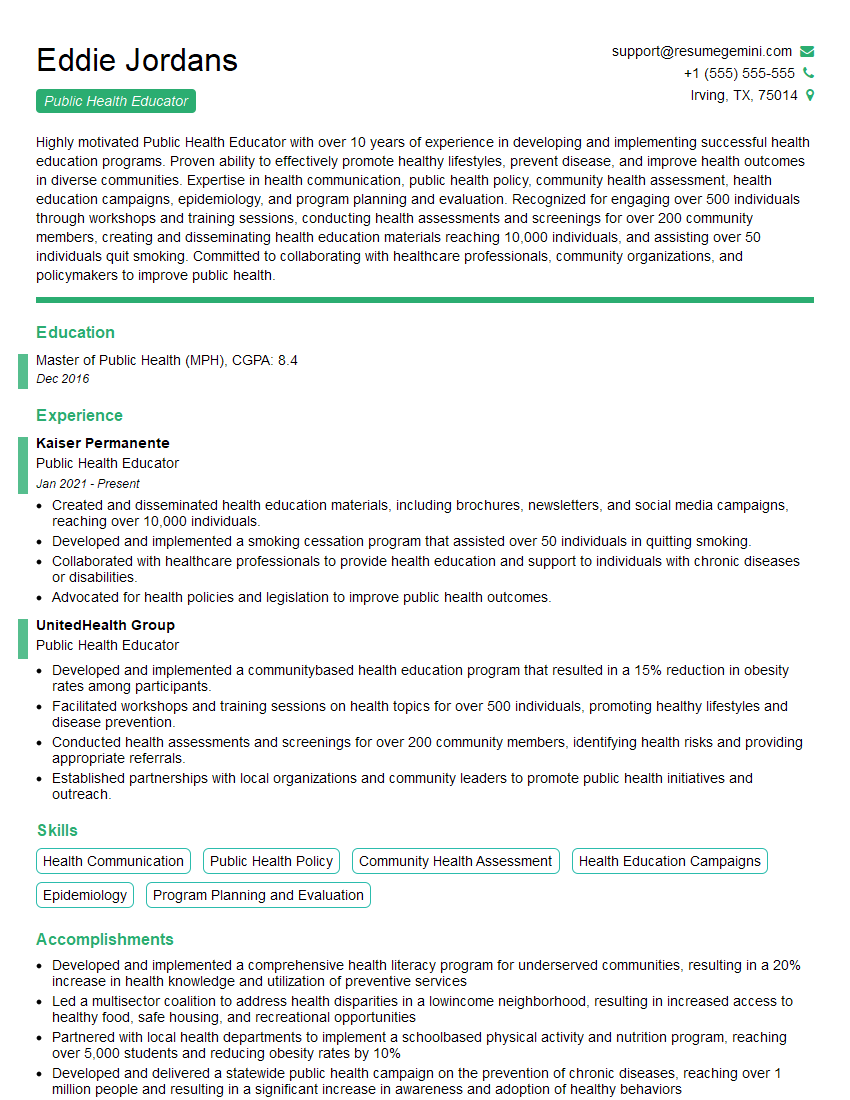
Public Health Educator Resume Sample
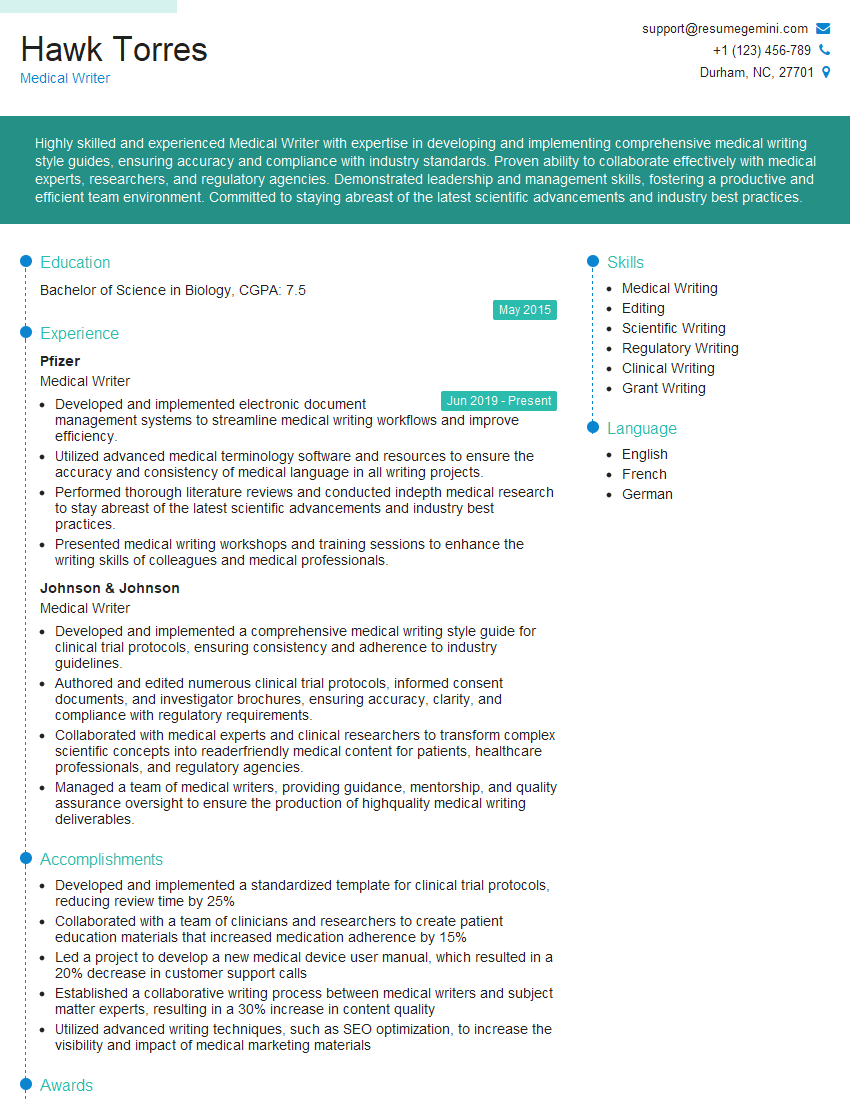
Medical Writer Resume Sample

Patient Advocate Resume Sample
Explore more articles
Users Rating of Our Blogs
Share Your Experience
We value your feedback! Please rate our content and share your thoughts (optional).
What Readers Say About Our Blog
hello,
Our consultant firm based in the USA and our client are interested in your products.
Could you provide your company brochure and respond from your official email id (if different from the current in use), so i can send you the client’s requirement.
Payment before production.
I await your answer.
Regards,
MrSmith
hello,
Our consultant firm based in the USA and our client are interested in your products.
Could you provide your company brochure and respond from your official email id (if different from the current in use), so i can send you the client’s requirement.
Payment before production.
I await your answer.
Regards,
MrSmith
These apartments are so amazing, posting them online would break the algorithm.
https://bit.ly/Lovely2BedsApartmentHudsonYards
Reach out at [email protected] and let’s get started!
Take a look at this stunning 2-bedroom apartment perfectly situated NYC’s coveted Hudson Yards!
https://bit.ly/Lovely2BedsApartmentHudsonYards
Live Rent Free!
https://bit.ly/LiveRentFREE
Interesting Article, I liked the depth of knowledge you’ve shared.
Helpful, thanks for sharing.
Hi, I represent a social media marketing agency and liked your blog
Hi, I represent an SEO company that specialises in getting you AI citations and higher rankings on Google. I’d like to offer you a 100% free SEO audit for your website. Would you be interested?