The thought of an interview can be nerve-wracking, but the right preparation can make all the difference. Explore this comprehensive guide to Malnutrition Screening and Assessment interview questions and gain the confidence you need to showcase your abilities and secure the role.
Questions Asked in Malnutrition Screening and Assessment Interview
Q 1. What are the primary methods for screening patients for malnutrition?
Malnutrition screening employs several methods, aiming to quickly identify individuals at risk. These methods range from simple questionnaires to more complex clinical assessments. The choice of method depends on the setting (e.g., hospital, community), the population being screened (e.g., elderly, children), and available resources.
- Anthropometric measurements: This involves measuring height, weight, body mass index (BMI), and mid-upper arm circumference (MUAC). These measurements provide objective data on body composition and can indicate weight loss or wasting.
- Biochemical indicators: Blood tests measuring albumin, pre-albumin, and transferrin levels can assess nutritional status indirectly by measuring proteins related to nutritional intake. However, these can be influenced by factors other than just nutritional status.
- Dietary assessment: This involves evaluating an individual’s usual food intake through methods like 24-hour dietary recalls, food frequency questionnaires, or detailed dietary records. This helps understand the quality and quantity of nutrients consumed.
- Clinical assessment: A thorough physical examination, looking for signs like muscle wasting, edema, and skin changes, can supplement other screening methods. This provides a visual indication of nutritional deficiencies.
- Subjective Global Assessment (SGA): This combines history, physical examination, and dietary information to provide a comprehensive assessment of nutritional status. It’s a particularly useful tool for patients in the hospital setting.
Ideally, a combination of these methods provides a more complete picture of an individual’s nutritional status than any single method alone.
Q 2. Describe the difference between subjective and objective assessment in malnutrition.
The difference between subjective and objective assessment in malnutrition lies in the nature of the information gathered. Subjective assessment relies on information obtained directly from the patient, such as their reported dietary intake, changes in appetite, or weight loss. It relies on self-reporting and may be susceptible to recall bias. An example is a patient reporting they’ve lost 10 pounds in the last month.
Objective assessment, on the other hand, involves measurable data and clinical findings. Examples include BMI calculations, MUAC measurements, laboratory test results (like albumin levels), and physical examination findings like muscle wasting or edema. This offers quantifiable data, reducing reliance on the patient’s subjective experiences.
Both are vital for a comprehensive evaluation. Subjective information provides context and potential clues, while objective measurements provide the concrete data to support or refute those clues. For instance, a patient’s report of decreased appetite (subjective) could be validated by a low BMI (objective).
Q 3. Explain the significance of using validated screening tools.
Using validated screening tools is crucial for several reasons. Validation ensures the tool accurately identifies individuals with malnutrition and minimizes both false positives (incorrectly identifying someone as malnourished) and false negatives (missing individuals who are actually malnourished). This is achieved through rigorous testing involving large, diverse populations. Tools lacking validation may lead to inaccurate diagnoses, inappropriate interventions, and ultimately, poorer patient outcomes.
Validated tools have established reliability and sensitivity. Reliability means the tool produces consistent results when used repeatedly, while sensitivity refers to its ability to detect true cases of malnutrition. These characteristics are essential for making informed clinical decisions and ensuring the effectiveness of interventions. Without validation, we’re essentially relying on guesswork, which can have serious health consequences.
Q 4. List three common malnutrition screening tools and their application.
Three common malnutrition screening tools include:
- Mini Nutritional Assessment (MNA): A widely used, comprehensive tool suitable for elderly populations. It includes sections on anthropometry, dietary intake, lifestyle factors, and self-perception. It provides a numerical score that categorizes individuals as at risk or malnourished.
- Malnutrition Universal Screening Tool (MUST): A simpler screening tool that uses BMI, unintentional weight loss, and effect of acute disease to assess risk. It’s quicker to administer than the MNA and useful for various age groups and healthcare settings. Its ease of use makes it a valuable tool in busy clinical environments.
- Subjective Global Assessment (SGA): While not a screening tool in the strictest sense (it provides a full assessment), it’s often used as the gold standard in clinical settings. It combines history taking, physical examination, and dietary data to produce a comprehensive evaluation. It’s resource-intensive but invaluable for complex cases.
Q 5. How would you interpret the results of a Mini Nutritional Assessment (MNA)?
The Mini Nutritional Assessment (MNA) provides a score that categorizes nutritional status. A score above a certain threshold (varies slightly depending on the version of the MNA) generally indicates a healthy nutritional status. A lower score suggests risk of malnutrition or actual malnutrition. Interpreting the MNA score requires careful consideration of the individual’s score along with the specific characteristics that contributed to the score.
For example, a low score might stem from significant unintentional weight loss, poor dietary intake, or reduced physical activity. The MNA doesn’t just provide a number; it also highlights specific areas of concern, guiding further investigation and targeted interventions. This might involve dietary counseling, supplementation, or referral to a registered dietitian.
It’s crucial to remember that the MNA is a screening tool, not a diagnostic tool. A low score necessitates a more detailed assessment to confirm the diagnosis and develop an appropriate management plan.
Q 6. What are the key indicators of malnutrition in adults?
Key indicators of malnutrition in adults encompass a range of clinical and biochemical signs. These indicators help clinicians identify nutritional deficiencies and assess the severity of malnutrition.
- Unintentional weight loss: Significant weight loss (e.g., 5% in one month or 10% in six months) is a major red flag.
- Low BMI: A BMI below 18.5 kg/m² indicates underweight and increased risk of malnutrition.
- Loss of muscle mass: This is often assessed through physical examination, looking for muscle wasting in areas like the temples, shoulders, and thighs. It can also be measured using specialized techniques.
- Decreased appetite or food intake: Reduced food intake significantly impacts nutritional status.
- Reduced functional capacity: Difficulty with daily activities due to weakness or fatigue can be a consequence of malnutrition.
- Low serum albumin or prealbumin levels: These blood tests provide indirect markers of protein status, although they are not always specific indicators of nutritional status and can be influenced by other factors.
- Edema: Fluid retention can indicate protein deficiency.
- Skin changes: Dry, flaky skin or delayed wound healing can be signs of nutrient deficiencies.
The presence of multiple indicators usually suggests a more severe case of malnutrition.
Q 7. What are the key indicators of malnutrition in children?
Identifying malnutrition in children requires a different approach due to their rapid growth and developmental needs. Key indicators often focus on growth parameters and clinical signs:
- Failure to thrive: Children not growing appropriately for their age.
- Low weight for age or height for age: These measurements, compared to standardized growth charts, are crucial in detecting malnutrition.
- Low BMI for age: Similar to adults, this can be used to assess nutritional status relative to age-specific norms.
- Wasting (low weight-for-height): This indicates recent weight loss or inadequate weight gain, a key sign of acute malnutrition.
- Stunting (low height-for-age): This reflects long-term nutritional deficits and impaired linear growth.
- Oedema: Especially in the feet and ankles, this can indicate protein-energy malnutrition.
- Muscle wasting: Loss of muscle mass, particularly in the limbs, is another significant sign.
- Delayed developmental milestones: Malnutrition can affect cognitive development and motor skills.
Accurate interpretation of these indicators requires consideration of factors such as age, gender, and socioeconomic status.
Q 8. How do you differentiate between different types of malnutrition (e.g., kwashiorkor, marasmus)?
Differentiating between malnutrition subtypes like kwashiorkor and marasmus requires a nuanced understanding of their distinct clinical presentations. Both represent severe protein-energy malnutrition (PEM), but their underlying deficiencies and manifestations differ significantly.
- Kwashiorkor: Primarily characterized by protein deficiency despite adequate calorie intake. Think of it as a ‘protein-deficiency’ disease. Children with kwashiorkor often present with edema (swelling), particularly in the abdomen and legs, due to hypoalbuminemia (low albumin levels in the blood). They may have sparse, dry hair, skin lesions, and a distended belly, but their weight might not be severely depleted compared to marasmus. They appear more ‘well-fed’ despite being severely malnourished.
- Marasmus: Results from a severe deficiency in both calories and protein. It’s a ‘starvation’ disease. Children with marasmus are severely wasted, with visible loss of subcutaneous fat and muscle mass. They are extremely thin and frail, with prominent bones, and often suffer from growth retardation. Unlike kwashiorkor, edema is typically absent.
In clinical practice, we use a combination of physical examination findings, anthropometric measurements (height, weight, mid-upper arm circumference), and biochemical indicators (serum albumin, prealbumin) to differentiate between these conditions. It’s not always a clear-cut distinction, as some children may present with features of both kwashiorkor and marasmus (marasmic kwashiorkor).
Q 9. Discuss the role of anthropometric measurements in malnutrition assessment.
Anthropometric measurements are cornerstone tools in malnutrition assessment, providing objective data on body size and composition. They are relatively inexpensive, non-invasive, and easy to perform in various settings.
- Weight: Provides a basic indication of overall nutritional status. Significant weight loss or failure to gain weight appropriately for age is a red flag.
- Height/Length: Essential for determining growth retardation, particularly in children. Comparing measured height/length to age- and sex-specific reference standards (e.g., WHO growth charts) reveals deviations from healthy growth trajectories.
- Mid-Upper Arm Circumference (MUAC): A simple measure indicating muscle mass and fat stores. It’s particularly useful for screening children for severe malnutrition in resource-limited settings. A low MUAC suggests depleted muscle and fat reserves.
- Body Mass Index (BMI): Calculated as weight (kg) divided by height (m) squared. While useful for adults, BMI interpretation needs to consider age, sex, and underlying medical conditions.
By comparing anthropometric measurements to established reference standards, we can identify individuals who fall below certain cut-offs, indicating malnutrition risk or severity. For example, a low weight-for-height Z-score in a child signals wasting, while a low weight-for-age Z-score suggests stunting.
Q 10. Explain the significance of biochemical markers in malnutrition assessment.
Biochemical markers provide insights into the metabolic consequences of malnutrition, offering a more detailed assessment than anthropometric measurements alone. These markers reflect nutritional deficiencies and functional impairments at a cellular level.
- Albumin: A protein synthesized in the liver. Low serum albumin is a classic indicator of protein-energy malnutrition. However, its half-life is long, so changes may not reflect recent nutritional intake.
- Prealbumin (Transthyretin): A shorter half-life protein, making it a more sensitive indicator of recent nutritional changes. Changes in prealbumin levels reflect recent dietary protein intake more readily than albumin.
- C-reactive protein (CRP): An inflammatory marker. Elevated CRP levels can indicate infection or inflammation, which can mask or complicate the interpretation of other nutritional markers.
- Hemoglobin and hematocrit: These indicators of iron status and red blood cell production. Low levels suggest anemia, frequently associated with nutritional deficiencies.
It’s crucial to interpret biochemical markers in context with other clinical findings. For instance, low albumin can result from chronic liver disease or kidney problems, not solely from malnutrition. A comprehensive nutritional assessment uses a combination of clinical, anthropometric, and biochemical data to draw accurate conclusions.
Q 11. How do you assess dietary intake in patients suspected of malnutrition?
Assessing dietary intake requires a multifaceted approach, as individuals may not accurately recall or report their food consumption. We often employ several methods in combination:
- 24-hour dietary recall: The patient or caregiver recalls everything consumed in the previous 24 hours. It’s simple, but susceptible to recall bias and may not reflect typical dietary patterns.
- Food frequency questionnaire: Asks about the frequency of consumption of specific food items over a defined period (e.g., past month). Provides a broader picture of dietary habits than a single 24-hour recall, but less detail.
- Food record/diary: The patient or caregiver records everything consumed over a specific period (e.g., 3-7 days). It’s more labor-intensive but provides detailed information on intake.
- Direct observation: Observing mealtimes and food consumption in certain settings, particularly in children or individuals with cognitive impairments, providing the most reliable data but limited feasibility.
These methods are often complemented by evaluating cooking practices, access to food, and socioeconomic factors. A thorough dietary assessment requires careful consideration of all aspects affecting food consumption.
Q 12. What are the ethical considerations related to malnutrition screening and assessment?
Ethical considerations in malnutrition screening and assessment are paramount. We must ensure patient autonomy, confidentiality, and informed consent.
- Informed consent: Patients or their legal guardians must understand the purpose, procedures, and potential risks and benefits of the assessment before participation.
- Confidentiality: Nutritional assessment data is sensitive personal information and must be protected according to privacy regulations (e.g., HIPAA).
- Respect for autonomy: Patients have the right to refuse assessment or treatment. We must respect their decisions, providing support and education while respecting their choices.
- Equity and access: We must strive to ensure equitable access to malnutrition screening and assessment services, addressing potential biases and disparities affecting vulnerable populations.
- Data use: Data from the assessment must be used responsibly, primarily for the benefit of the patient, while respecting ethical guidelines regarding data storage, sharing, and research purposes.
Addressing these ethical issues proactively ensures that malnutrition assessment benefits individuals and maintains professional integrity.
Q 13. How do you tailor your malnutrition assessment approach to different age groups?
Tailoring malnutrition assessment to different age groups is essential due to varying nutritional needs and developmental stages.
- Infants and young children: Assessment focuses on growth monitoring using standardized growth charts (e.g., WHO charts), MUAC, weight-for-length, and weight-for-age Z-scores. Dietary assessment relies heavily on caregiver reports and direct observation.
- School-aged children and adolescents: Assessment incorporates self-reported dietary intake, anthropometric measurements (height, weight, BMI), and may include biochemical markers where clinically indicated.
- Adults: Assessment may use BMI, dietary history, biochemical markers (albumin, prealbumin), and functional assessment (e.g., grip strength) to screen for sarcopenia and other age-related malnutrition.
- Older adults: Assessment needs to account for age-related physiological changes, decreased appetite, and potential medical conditions. Mini Nutritional Assessment (MNA) and other geriatric-specific tools are frequently employed.
Age-specific tools and reference standards are used to interpret findings accurately. The assessment approach should be sensitive and culturally appropriate, considering the patient’s developmental stage and cognitive abilities.
Q 14. Describe your experience documenting nutrition assessment findings.
Documenting nutrition assessment findings is crucial for continuity of care, monitoring progress, and facilitating evidence-based decision-making. My approach emphasizes clarity, completeness, and adherence to established standards.
I use a standardized format, typically electronic medical records (EMR), to document all aspects of the assessment. This typically includes:
- Patient demographics: Age, sex, medical history.
- Anthropometric measurements: Height, weight, BMI, MUAC, etc., along with Z-scores or percentiles where applicable.
- Biochemical data: Serum albumin, prealbumin, hemoglobin, etc., with reference ranges.
- Dietary intake assessment: Summary of dietary history, 24-hour recall, food frequency questionnaire, or food record findings. Qualitative information about food access and eating habits.
- Clinical findings: Physical exam observations, presence of edema, muscle wasting, or skin lesions.
- Assessment and diagnosis: Specific type of malnutrition (e.g., kwashiorkor, marasmus, PEM), if any, and the overall nutritional status based on the collected data.
- Recommendations: Nutrition-related interventions, such as dietary modifications, nutritional supplements, or referral to specialized services.
- Follow-up plan: Scheduling for future monitoring and reassessment.
Thorough documentation ensures that all relevant information is readily accessible to healthcare providers involved in the patient’s care. It facilitates effective communication, reduces errors, and supports evidence-based decision-making during the nutritional care planning process.
Q 15. How would you educate a patient and their family about the results of a malnutrition assessment?
Educating patients and their families about malnutrition assessment results requires sensitivity and clear communication. I begin by explaining the assessment in simple terms, avoiding medical jargon. For instance, instead of saying “Your patient has a low albumin level,” I might say, “The blood test showed a lower than expected level of a protein that’s important for your body’s health and healing.”
I then present the findings in a way that’s easily understood, using visuals like charts or graphs if appropriate. I explain what the findings mean in terms of the patient’s overall health and potential risks. For example, if a patient is diagnosed with moderate malnutrition, I’d explain the potential increased risk of infection or delayed wound healing. I ensure that I answer any questions thoroughly and patiently.
I emphasize the collaborative nature of managing malnutrition, highlighting the importance of their active participation in the treatment plan. Finally, I provide resources and support such as contact information for dieticians, social workers, or support groups, fostering a sense of empowerment and shared responsibility in the recovery process. For example, if the patient struggles with food preparation, I might connect them with a meal delivery service or a home health aide. This holistic approach builds trust and encourages adherence to the plan.
Career Expert Tips:
- Ace those interviews! Prepare effectively by reviewing the Top 50 Most Common Interview Questions on ResumeGemini.
- Navigate your job search with confidence! Explore a wide range of Career Tips on ResumeGemini. Learn about common challenges and recommendations to overcome them.
- Craft the perfect resume! Master the Art of Resume Writing with ResumeGemini’s guide. Showcase your unique qualifications and achievements effectively.
- Don’t miss out on holiday savings! Build your dream resume with ResumeGemini’s ATS optimized templates.
Q 16. Explain your experience collaborating with healthcare professionals regarding malnutrition.
My experience collaborating with healthcare professionals on malnutrition cases has been extensive and rewarding. I regularly work with physicians, registered dietitians, nurses, and social workers to provide comprehensive care. This collaboration begins with shared assessment data—I contribute my nutrition expertise, while others offer their insights into the patient’s overall health status and social circumstances. This interdisciplinary approach is crucial for accurate diagnosis and treatment planning. For example, in a case of an elderly patient with swallowing difficulties, the speech therapist’s assessment on dysphagia is vital in tailoring a safe and effective diet.
We use a variety of methods for communication and collaboration including regular team meetings, shared electronic health records, and informal consultations. Regular communication is key; I provide timely updates on the patient’s nutritional status, response to interventions, and any potential complications. This ensures everyone is informed and working toward a common goal. In one instance, a collaborative effort between myself, the physician, and the patient’s family led to the successful management of severe malnutrition, preventing a hospital readmission. Clear communication and shared understanding are paramount to effective teamwork and positive patient outcomes.
Q 17. How do you develop and implement a nutrition intervention plan?
Developing and implementing a nutrition intervention plan is a systematic process, beginning with a thorough assessment to identify the underlying causes of malnutrition and establish achievable goals. The plan is individualized and takes into account the patient’s medical history, preferences, and cultural background. It involves defining specific, measurable, achievable, relevant, and time-bound (SMART) goals. For example, a goal might be to “increase caloric intake by 500 calories per day within two weeks.”
Next, I outline dietary recommendations based on the patient’s needs, including calorie and macronutrient targets, meal frequency, and food choices. This may involve the use of nutritional supplements or modifications to existing dietary habits. The plan includes strategies to overcome any identified barriers to nutritional intake, like dysphagia or financial constraints. I often collaborate with other healthcare professionals to address these barriers, for example connecting patients with food banks or social services.
Finally, the plan is regularly monitored and evaluated, with adjustments made as needed to ensure its effectiveness. This iterative process—assessment, planning, implementation, and evaluation—is critical for achieving optimal nutritional outcomes.
Q 18. What are the common complications associated with malnutrition?
Malnutrition is associated with a wide range of serious complications that can significantly impact a patient’s quality of life and prognosis. These complications can be broadly classified into:
- Increased Infection Risk: Malnutrition weakens the immune system, making individuals more susceptible to infections like pneumonia or urinary tract infections.
- Delayed Wound Healing: Adequate protein and micronutrients are essential for tissue repair. Malnutrition significantly impairs wound healing, potentially leading to prolonged hospital stays and increased risk of complications.
- Muscle Wasting and Weakness: Protein deficiency leads to muscle loss (sarcopenia), resulting in weakness, reduced mobility, and increased risk of falls.
- Impaired Cognitive Function: Nutrient deficiencies, particularly those affecting brain development and function, can lead to cognitive impairment, confusion, and depression.
- Increased Risk of Hospitalization and Mortality: Malnutrition is a significant risk factor for increased hospitalization rates and mortality, particularly in older adults and those with chronic illnesses.
The severity of these complications depends on the extent and duration of malnutrition. Early identification and intervention are crucial to mitigating these risks.
Q 19. Describe your approach to monitoring and evaluating the effectiveness of your nutrition interventions.
Monitoring and evaluating the effectiveness of nutrition interventions involves a multi-faceted approach. Regular monitoring of anthropometric measurements (weight, height, BMI), biochemical markers (albumin, prealbumin), and dietary intake is essential. I use a combination of methods to track progress, including regular weigh-ins, food diaries, and 24-hour dietary recalls. I also assess the patient’s subjective experiences and monitor for any adverse effects of the interventions.
Subjective assessments include questionnaires about appetite, energy levels, and overall well-being. Objective measures, such as laboratory tests, are used to track changes in nutritional status over time. For instance, I might monitor changes in albumin levels to assess the effectiveness of protein supplementation. The data collected allows me to evaluate the plan’s efficacy and make necessary adjustments. If the intervention isn’t effective, I review the plan with the patient, address potential barriers, and make modifications to the diet or supplement regime. Regular communication with the patient and their family ensures adherence and helps identify any challenges encountered.
Q 20. How do you handle discrepancies between subjective and objective findings in malnutrition assessment?
Discrepancies between subjective and objective findings in malnutrition assessment require careful consideration and investigation. For example, a patient might report a good appetite (subjective) while their weight is significantly below normal (objective). This could be due to factors such as poor food choices, malabsorption issues, or an underlying medical condition.
My approach involves exploring potential reasons for the discrepancy through further questioning, detailed dietary assessment, and additional investigations such as blood tests or imaging studies. I’d discuss the patient’s lifestyle, medication use, and any other factors that might contribute to the discrepancy. For instance, I might discover the patient is on a medication that affects nutrient absorption or is experiencing significant stress which can impact their appetite.
The goal is to determine the underlying cause of the malnutrition, ensuring the intervention plan addresses both the objective and subjective aspects. Addressing both the physical and psychological factors associated with malnutrition ensures a more comprehensive and effective plan.
Q 21. How do you address resistance or lack of cooperation from patients during nutrition assessment?
Addressing resistance or lack of cooperation during nutrition assessment and intervention requires patience, empathy, and a collaborative approach. It’s crucial to understand the underlying reasons for the resistance, which might include lack of awareness about the problem, fear of change, or cultural or social barriers.
My approach involves building rapport with the patient by actively listening to their concerns and validating their feelings. I explain the importance of nutritional intervention in simple, understandable language, emphasizing the positive impact on their health and quality of life. I collaborate with the patient to develop a personalized plan that aligns with their preferences and cultural practices. For example, if a patient is resistant to eating certain foods due to cultural beliefs, I explore alternative options that meet their nutritional needs within their cultural context.
I also address any practical barriers such as financial constraints or lack of access to food by connecting patients with relevant resources. In cases of severe resistance, I might involve family members or other healthcare professionals to provide support and encouragement. The key is to approach the situation with understanding and respect, fostering a partnership rather than an adversarial relationship.
Q 22. How would you manage a patient with malnutrition who also has multiple comorbidities?
Managing malnutrition in a patient with multiple comorbidities requires a holistic, individualized approach. It’s not simply about addressing the malnutrition; it’s about understanding how the malnutrition interacts with and exacerbates the other conditions.
First, a comprehensive assessment is crucial. This involves a thorough medical history, physical examination focusing on signs of malnutrition (e.g., muscle wasting, edema), and laboratory tests (e.g., albumin, prealbumin, complete blood count). We need to understand the severity of the malnutrition and its impact on each comorbidity. For example, a diabetic patient with malnutrition will have impaired wound healing and increased risk of infection, both already worsened by diabetes.
Next, we develop a personalized nutrition plan. This might involve a combination of strategies. Dietary modifications are often the first step, tailored to the patient’s specific needs and dietary restrictions imposed by the comorbidities. For example, a patient with kidney disease requires a low-protein diet, which makes malnutrition management more challenging. If dietary intake is insufficient, we might consider enteral or parenteral nutrition (explained further in response to question 3). We would also address any underlying causes of malnutrition, such as poor appetite, swallowing difficulties (dysphagia), or medication side effects. Close monitoring and regular reassessment are key, adjusting the plan as the patient’s condition changes.
Finally, a strong multidisciplinary team approach is vital. This includes dietitians, physicians, nurses, and potentially physical and occupational therapists. Collaboration ensures that the nutrition plan aligns with other treatment plans and optimizes patient outcomes.
Q 23. What are the nutritional needs of a patient recovering from surgery or illness?
Post-surgery or illness, nutritional needs are significantly elevated to support tissue repair, immune function, and overall recovery. The body requires increased protein for building and repairing tissues, and extra calories to fuel the healing process. This increased demand is particularly important in the initial stages of recovery.
Specific requirements vary based on the type and severity of surgery or illness, and the patient’s pre-existing nutritional status. For instance, a patient undergoing major abdominal surgery will have different needs compared to someone recovering from a mild infection. The patient’s age, overall health, and any pre-existing conditions also influence the nutritional plan.
Generally, we aim to provide adequate protein intake (often higher than the recommended daily allowance) through a balanced diet rich in high-quality protein sources like lean meats, fish, poultry, eggs, dairy products, and legumes. Calorie needs are also increased to compensate for the increased metabolic demands. In some cases, nutritional supplements or specialized formulas might be necessary to ensure adequate intake, especially if the patient has difficulty consuming sufficient amounts through food alone.
Early enteral nutrition (feeding through a tube into the gastrointestinal tract) is often preferred to parenteral nutrition (IV feeding) post-surgery unless there are contraindications, as it preserves gut integrity and reduces the risk of complications associated with intravenous feeding.
Q 24. Describe your experience with nutritional support (e.g., enteral or parenteral nutrition).
I have extensive experience in both enteral and parenteral nutrition, having managed numerous patients requiring these forms of nutritional support. Enteral nutrition, or tube feeding, is generally the preferred method whenever the gastrointestinal tract is functional, as it is more physiological and carries a lower risk of complications compared to parenteral nutrition.
I’ve worked with various enteral feeding tubes, from nasogastric (NG) tubes for short-term use to gastrostomy (G-tube) and jejunostomy (J-tube) for long-term feeding. Selection of the appropriate tube type depends on the patient’s condition, anticipated duration of feeding, and the ability to tolerate oral intake. I’m proficient in calculating nutritional requirements, selecting appropriate formulas (considering macronutrient composition, fiber content, and potential for gut tolerance), and monitoring patients for complications such as aspiration, diarrhea, and constipation.
Parenteral nutrition (PN), or intravenous feeding, is used when the gastrointestinal tract is not functioning or when enteral nutrition is not tolerated. I have experience in calculating PN prescriptions, closely monitoring electrolyte balance, glucose levels, and other metabolic parameters. PN requires meticulous attention to detail to prevent complications such as infection, electrolyte imbalances, and liver dysfunction. Safety and infection control are paramount when administering PN.
In my practice, I always prioritize a patient-centered approach, ensuring that the chosen method of nutritional support is aligned with their individual needs, preferences, and overall clinical goals.
Q 25. How do you incorporate cultural considerations into your malnutrition assessment and intervention plans?
Cultural considerations are paramount in malnutrition assessment and intervention. Food preferences, dietary restrictions (religious, cultural, or personal), and beliefs about food and health can significantly influence a patient’s nutritional intake and acceptance of treatment recommendations. Ignoring these factors can lead to non-compliance and poor outcomes.
During the assessment, I actively engage patients in conversations to understand their food habits, preferences, and any cultural or religious influences on their diet. For instance, I would inquire about traditional dishes, ingredients commonly used, and any specific foods they avoid. This understanding allows me to tailor dietary recommendations that are culturally appropriate and acceptable to the patient.
I may use culturally sensitive materials or work with interpreters when necessary to facilitate communication and comprehension. I may also adapt the nutrition education materials to reflect culturally relevant images and examples. Collaboration with community health workers or cultural mediators can be invaluable in providing culturally appropriate support. For example, when working with a patient from a culture where family meals are central, I might incorporate family involvement in the nutrition planning process.
Building trust and rapport with the patient is essential. Demonstrating cultural sensitivity and respect shows that I value their beliefs and perspectives, fostering a collaborative relationship crucial for successful interventions.
Q 26. How do you stay updated on the latest evidence-based practices in malnutrition management?
Staying updated on evidence-based practices in malnutrition management requires a multi-pronged approach. I actively participate in professional organizations like the Academy of Nutrition and Dietetics (AND) and regularly attend conferences and workshops to learn about the latest research and clinical guidelines. I also subscribe to reputable journals, including the American Journal of Clinical Nutrition and the Journal of Parenteral and Enteral Nutrition, to keep abreast of new findings.
I regularly review clinical practice guidelines published by organizations like the ESPEN (European Society for Clinical Nutrition and Metabolism) and the ASPEN (American Society for Parenteral and Enteral Nutrition). These guidelines provide evidence-based recommendations for the assessment, diagnosis, and management of malnutrition.
Furthermore, I actively engage in continuing education opportunities, including online courses and webinars, to enhance my knowledge and skills in this rapidly evolving field. Critical appraisal of research articles is essential to discerning the most robust and reliable evidence. I maintain a network of colleagues with expertise in malnutrition management to facilitate knowledge sharing and discussions of challenging cases.
Q 27. What are your strengths and weaknesses in performing malnutrition screenings and assessments?
My strengths lie in my comprehensive understanding of malnutrition assessment, including the use of validated screening tools such as the Mini Nutritional Assessment (MNA) and the Nutritional Risk Screening (NRS) 2002. I am proficient in performing thorough nutritional assessments, interpreting laboratory data, and developing individualized nutrition plans tailored to diverse patient populations. My experience with both enteral and parenteral nutrition provides me with a broad range of skills to manage patients with varying levels of nutritional compromise.
While I am highly skilled in various aspects of malnutrition management, one area for continuous improvement is my skill in communicating complex nutritional information in a clear, concise, and easily understandable manner, particularly to patients with low health literacy. I am actively working on improving my communication skills through targeted training and practice to ensure optimal patient engagement and understanding.
Q 28. What are your salary expectations for this role?
My salary expectations for this role are commensurate with my experience, qualifications, and the demands of the position. I am confident that my skills and expertise will bring significant value to your organization, and I am open to discussing a competitive compensation package that reflects this.
Key Topics to Learn for Malnutrition Screening and Assessment Interview
- Understanding Malnutrition: Defining different types of malnutrition (protein-energy malnutrition, micronutrient deficiencies), their causes, and consequences. This includes differentiating between undernutrition and overnutrition.
- Screening Tools and Methods: Familiarize yourself with various screening tools like the Mini Nutritional Assessment (MNA), Malnutrition Universal Screening Tool (MUST), and Subjective Global Assessment (SGA). Understand their strengths, weaknesses, and appropriate applications.
- Nutritional Assessment Techniques: Mastering the practical application of anthropometric measurements (height, weight, BMI, waist circumference), biochemical indicators (albumin, pre-albumin), and dietary assessment methods (24-hour recall, food frequency questionnaires).
- Interpreting Assessment Data: Develop your skills in analyzing assessment data to identify individuals at risk of malnutrition and determine the severity of malnutrition. This includes understanding the significance of different cut-off points and reference values.
- Developing Nutrition Care Plans: Learn how to create individualized nutrition care plans based on assessment findings, considering the patient’s medical history, cultural background, and preferences. This includes understanding the principles of medical nutrition therapy.
- Ethical Considerations: Familiarize yourself with ethical issues related to malnutrition screening and assessment, such as patient confidentiality, informed consent, and cultural sensitivity.
- Collaboration and Communication: Understand the importance of effective communication and collaboration with other healthcare professionals (doctors, nurses, dietitians) in managing malnutrition.
- Case Studies and Problem Solving: Practice analyzing case studies to improve your problem-solving abilities in identifying and managing malnutrition in diverse patient populations.
Next Steps
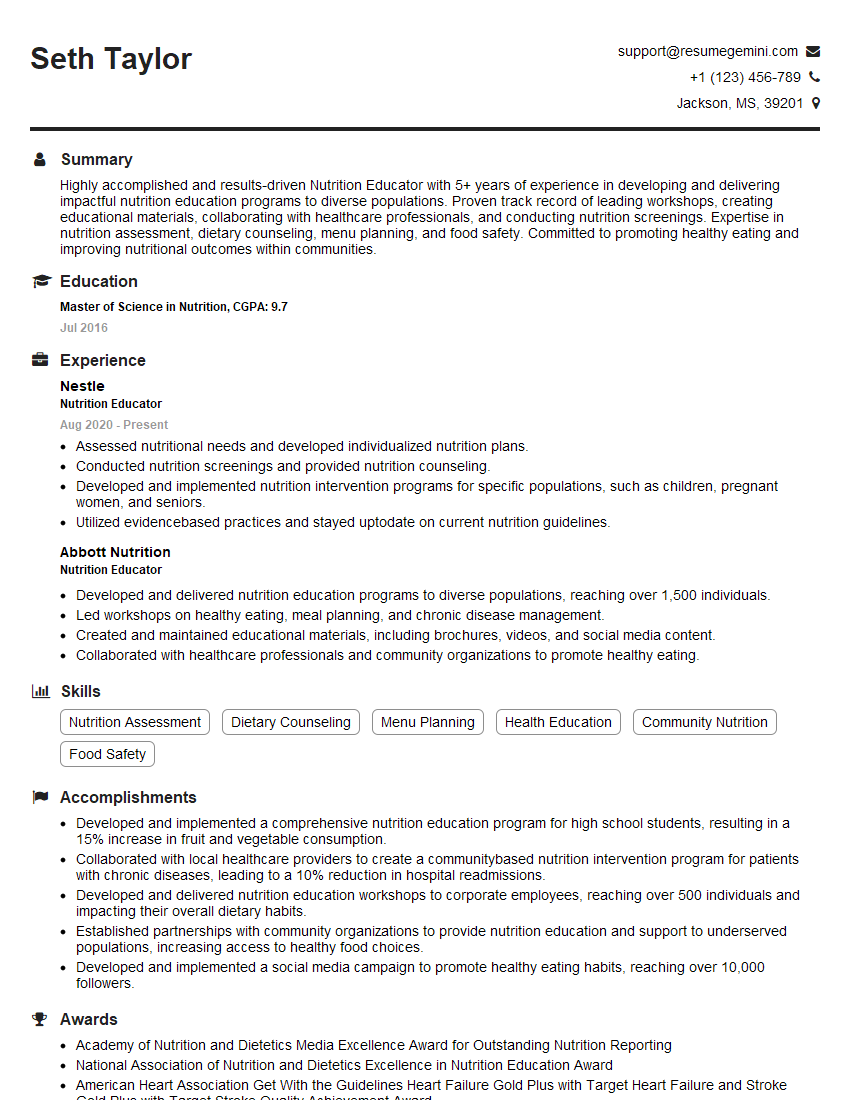
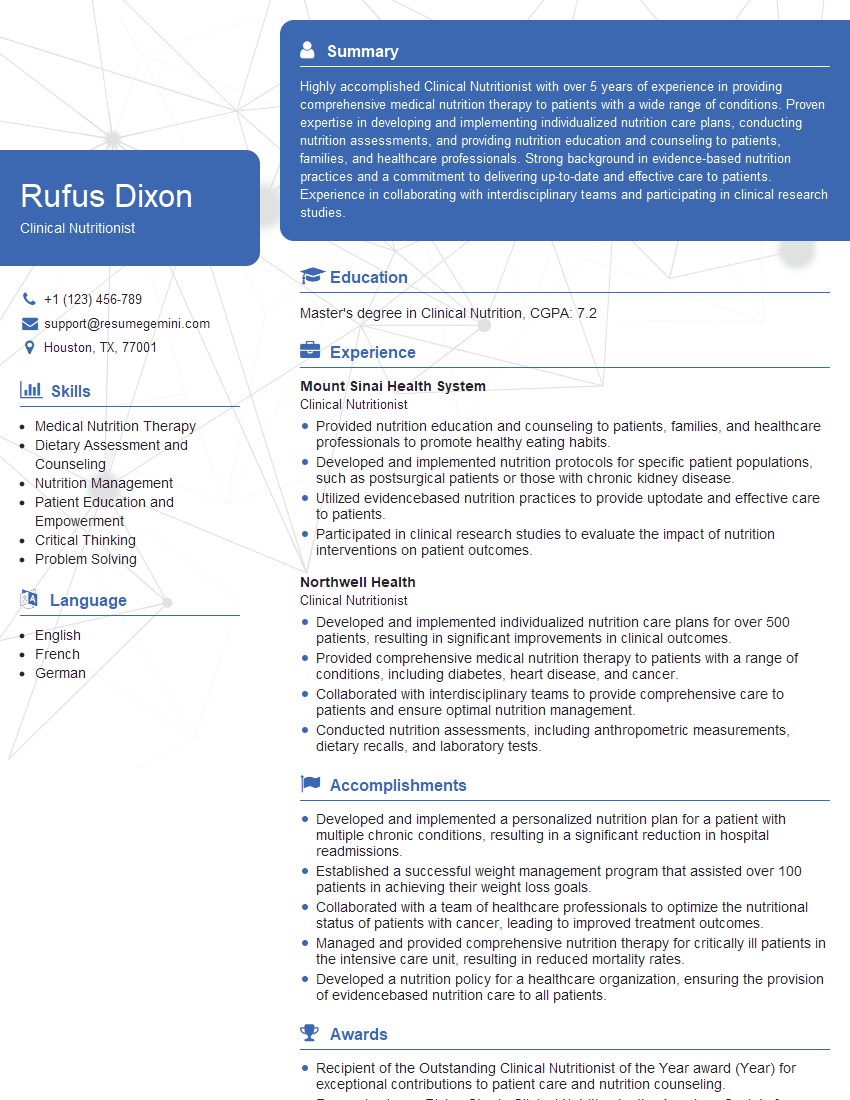
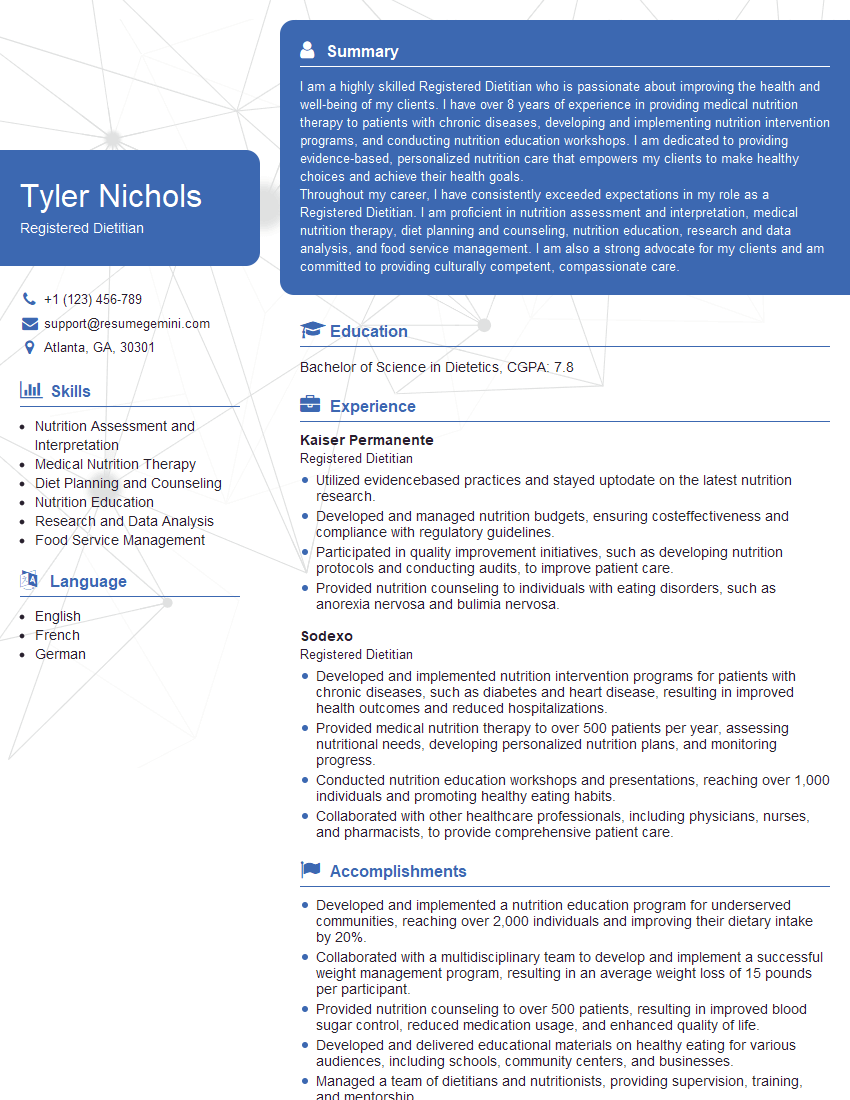
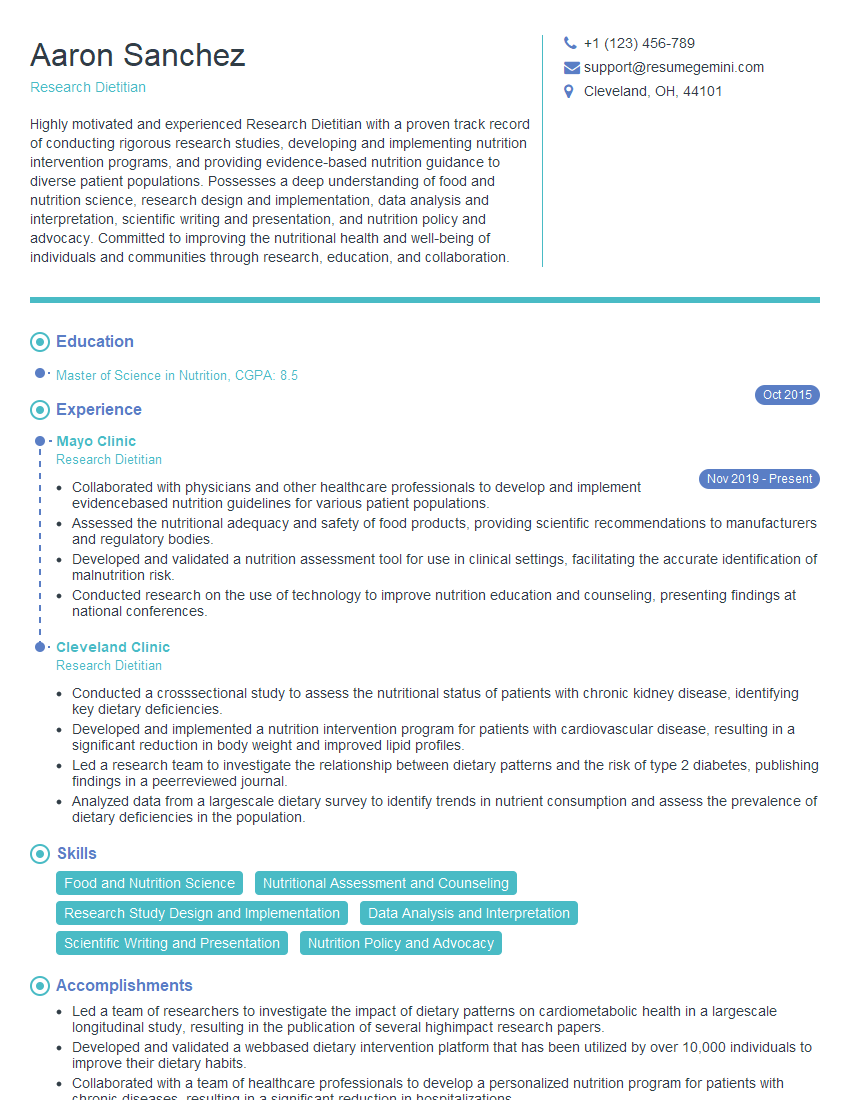
Mastering Malnutrition Screening and Assessment is crucial for career advancement in healthcare, opening doors to specialized roles and enhanced professional credibility. A strong resume is essential to highlight your skills and experience effectively. To maximize your job prospects, create an ATS-friendly resume that showcases your expertise in this critical area. ResumeGemini is a trusted resource for building professional, impactful resumes. We provide examples of resumes tailored to Malnutrition Screening and Assessment to help you present your qualifications compellingly. Take the next step towards your career goals today!
Explore more articles
Users Rating of Our Blogs
Share Your Experience
We value your feedback! Please rate our content and share your thoughts (optional).
What Readers Say About Our Blog
hello,
Our consultant firm based in the USA and our client are interested in your products.
Could you provide your company brochure and respond from your official email id (if different from the current in use), so i can send you the client’s requirement.
Payment before production.
I await your answer.
Regards,
MrSmith
hello,
Our consultant firm based in the USA and our client are interested in your products.
Could you provide your company brochure and respond from your official email id (if different from the current in use), so i can send you the client’s requirement.
Payment before production.
I await your answer.
Regards,
MrSmith
These apartments are so amazing, posting them online would break the algorithm.
https://bit.ly/Lovely2BedsApartmentHudsonYards
Reach out at [email protected] and let’s get started!
Take a look at this stunning 2-bedroom apartment perfectly situated NYC’s coveted Hudson Yards!
https://bit.ly/Lovely2BedsApartmentHudsonYards
Live Rent Free!
https://bit.ly/LiveRentFREE
Interesting Article, I liked the depth of knowledge you’ve shared.
Helpful, thanks for sharing.
Hi, I represent a social media marketing agency and liked your blog
Hi, I represent an SEO company that specialises in getting you AI citations and higher rankings on Google. I’d like to offer you a 100% free SEO audit for your website. Would you be interested?