The thought of an interview can be nerve-wracking, but the right preparation can make all the difference. Explore this comprehensive guide to Food Security and Sustainability interview questions and gain the confidence you need to showcase your abilities and secure the role.
Questions Asked in Food Security and Sustainability Interview
Q 1. Explain the three pillars of food security.
Food security is a complex issue encompassing three crucial pillars: food availability, food access, and food utilization. Let’s break each one down:
- Food Availability: This refers to the sufficient quantity of food being produced and supplied to meet the needs of a population. It considers factors like domestic production, imports, and food stocks. Imagine a well-stocked supermarket – that’s good food availability. However, a country solely reliant on importing food is vulnerable to global market fluctuations and disruptions.
- Food Access: This pillar focuses on the ability of individuals and households to obtain sufficient, safe, and nutritious food through purchase or other means. This isn’t just about affordability; it also involves physical access – proximity to food sources, transportation, and infrastructure. For example, a family living in a food desert, far from supermarkets or markets, may face severe food insecurity, even if food is available elsewhere.
- Food Utilization: This relates to the body’s ability to utilize the consumed food through proper digestion and absorption of nutrients. It encompasses aspects like food safety, preparation, cooking practices, and the dietary diversity needed for balanced nutrition. Consider a scenario where people have access to sufficient food, but lack knowledge of safe food handling or balanced diets; this impacts their ability to utilize that food effectively, leading to malnutrition.
These three pillars are interconnected; a weakness in one directly impacts the others. For example, poor infrastructure (affecting access) can lead to food spoilage (affecting utilization) and ultimately impact availability.
Q 2. Describe the impact of climate change on global food security.
Climate change poses a significant threat to global food security, impacting every aspect of food production and distribution. Its effects are multifaceted:
- Changes in Temperature and Precipitation: Shifting weather patterns, including increased frequency and intensity of droughts, floods, and heatwaves, directly affect crop yields. For instance, prolonged droughts can lead to crop failure, while excessive rainfall can damage harvests and increase pest prevalence.
- Increased Pest and Disease Prevalence: Warmer temperatures and altered rainfall patterns create favorable conditions for the proliferation of pests and diseases, impacting crop and livestock production. Imagine a situation where a particular pest thrives in warmer conditions, decimating a crucial staple crop in a region.
- Sea-Level Rise and Salinization: Rising sea levels threaten coastal agricultural lands, contaminating freshwater resources with saltwater and rendering them unsuitable for cultivation. This is especially devastating for low-lying island nations and coastal communities.
- Disrupted Supply Chains: Extreme weather events can disrupt transportation and distribution networks, hindering the timely delivery of food to markets and consumers. Consider a major hurricane damaging infrastructure, making it impossible to get food to affected regions.
The cumulative impact of these factors leads to reduced crop yields, livestock losses, increased food prices, and ultimately, food insecurity, particularly for vulnerable populations already facing challenges.
Q 3. What are the key indicators used to measure food security?
Measuring food security requires a multi-faceted approach, utilizing several key indicators:
- Prevalence of Undernutrition: This measures the percentage of the population suffering from undernutrition, reflecting insufficient calorie intake. This is often a crucial indicator, particularly for regions facing widespread hunger.
- Prevalence of Stunting, Wasting, and Underweight: These anthropometric indicators assess the nutritional status of children, reflecting the long-term (stunting), acute (wasting), and overall (underweight) effects of malnutrition.
- Household Food Insecurity Access Scale (HFIAS): This is a widely used tool to assess household-level food insecurity, considering factors such as food availability, affordability, and access to food.
- Food Price Volatility: Fluctuations in food prices can significantly impact food access, particularly for low-income households. Monitoring food price trends helps predict potential food insecurity risks.
- Dietary Diversity: A varied diet ensures adequate intake of essential micronutrients. Low dietary diversity is a strong indicator of poor nutritional status and potential food insecurity.
These indicators are often combined to provide a comprehensive picture of food security within a community or nation, allowing for effective policy interventions.
Q 4. Discuss various sustainable agricultural practices.
Sustainable agricultural practices are crucial for ensuring long-term food security while minimizing environmental impact. Key practices include:
- Conservation Agriculture: This involves minimizing soil disturbance through no-till farming, maximizing soil cover through mulching or cover cropping, and diversifying crop rotations. This approach improves soil health, reduces erosion, and enhances water retention.
- Agroforestry: Integrating trees into agricultural landscapes provides multiple benefits, such as shade, windbreaks, improved soil fertility, and biodiversity. This is especially beneficial in arid and semi-arid regions.
- Integrated Pest Management (IPM): This approach utilizes a combination of methods to control pests, minimizing reliance on synthetic pesticides. IPM considers biological control, cultural practices, and targeted pesticide use only when necessary.
- Water-Efficient Irrigation: Techniques such as drip irrigation and rainwater harvesting optimize water use in agriculture, reducing water stress and improving efficiency.
- Organic Farming: This approach avoids synthetic pesticides, herbicides, and fertilizers, promoting biodiversity and soil health. While often more labor-intensive, organic farming produces environmentally friendly and often higher-quality products.
Adopting these sustainable practices enhances resilience to climate change impacts, minimizes environmental degradation, and contributes to a more secure and sustainable food system.
Q 5. How can food waste be reduced across the supply chain?
Reducing food waste across the supply chain is crucial for enhancing food security and reducing environmental impact. Strategies involve actions at multiple stages:
- Production Stage: Improving crop management, reducing post-harvest losses through better storage and handling, and selecting appropriate varieties for specific conditions.
- Processing Stage: Optimizing processing techniques to minimize waste generation, improving quality control to reduce spoilage, and innovative uses for by-products.
- Distribution Stage: Implementing efficient cold chain management to reduce spoilage during transportation, improving logistics and reducing transit times, and enhancing packaging to extend shelf life.
- Retail Stage: Reducing food waste through improved inventory management, smart shelf-life labeling, and promotions for near-expiry products. ‘Ugly’ fruits and vegetables, perfectly edible but deemed aesthetically unsuitable for sale, should be reintroduced into the market.
- Consumer Stage: Educating consumers on proper food storage, meal planning, and reducing portion sizes; promoting the use of leftovers, and supporting initiatives for food donation or composting.
A collaborative approach involving all stakeholders – farmers, processors, retailers, and consumers – is necessary to significantly reduce food waste.
Q 6. Explain the role of technology in improving food security.
Technology plays a transformative role in improving food security by enhancing efficiency, precision, and sustainability in various aspects of the food system:
- Precision Agriculture: Technologies like GPS, sensors, and data analytics enable farmers to optimize resource use, target inputs precisely, and improve crop yields. This reduces waste and enhances efficiency.
- Remote Sensing and GIS: These technologies provide valuable data on crop health, water stress, and pest outbreaks, allowing for timely interventions and informed decision-making.
- Improved Crop Varieties: Biotechnology techniques can enhance crop yields, resilience to pests and diseases, and nutritional value. This is particularly crucial in challenging environments.
- Smart Storage and Cold Chain Technologies: These technologies improve food preservation, reduce post-harvest losses, and ensure food safety during transportation and storage.
- Blockchain Technology: Enhancing traceability and transparency throughout the supply chain, helping to identify sources of contamination or inefficiencies.
The responsible application of these technologies can significantly enhance food production, reduce losses, and improve access to nutritious food for all.
Q 7. What are the ethical considerations of genetically modified organisms (GMOs) in food production?
Genetically modified organisms (GMOs) in food production raise significant ethical considerations. These include:
- Environmental Concerns: Potential for the development of herbicide-resistant weeds or the impact on biodiversity, especially concerning cross-pollination with wild relatives.
- Human Health Concerns: Concerns about potential allergenicity, toxicity, and long-term health effects of GMO consumption, although extensive research has shown no definitive evidence of harm.
- Economic Considerations: Concerns about the dominance of large corporations in the GMO seed market, potentially harming smaller farmers and reducing crop diversity.
- Access and Equity: The potential for GMOs to exacerbate existing inequalities, with benefits concentrated in wealthier regions or nations while poorer communities lack access.
- Labeling and Transparency: The lack of mandatory labeling in some regions raises ethical concerns regarding consumer choice and informed consent.
These ethical concerns require careful consideration, balanced scientific evidence, robust regulatory frameworks, and transparent discussions to ensure responsible development and deployment of GMOs in food production. Open dialogue involving scientists, policymakers, farmers, and consumers is crucial.
Q 8. Describe the challenges of ensuring food access in remote or underserved communities.
Ensuring food access in remote or underserved communities presents a unique set of challenges, primarily stemming from geographical isolation, limited infrastructure, and socioeconomic vulnerabilities. These communities often face difficulties in accessing markets, receiving timely supplies, and affording nutritious food.
- Transportation Barriers: Poor road networks and lack of reliable transportation make it difficult to get food into these areas, leading to spoilage and high prices.
- Limited Storage and Preservation: The absence of proper cold storage facilities can lead to significant post-harvest losses, particularly for perishable goods.
- Lack of Market Infrastructure: The absence of efficient markets and supply chains means farmers may struggle to sell their produce, while consumers lack access to a diverse range of foods.
- Poverty and Food Insecurity: Low incomes and limited access to credit often prevent individuals and families from affording adequate food, even when it’s available.
- Climate Change Impacts: Remote communities are particularly vulnerable to climate change impacts such as droughts and floods, which can severely affect agricultural production and food availability.
Addressing these challenges requires a multi-pronged approach involving investments in infrastructure (roads, storage facilities, communication networks), support for local farmers (agricultural extension services, access to credit and markets), and social safety nets (food assistance programs, targeted subsidies).
Q 9. How can food systems be made more resilient to shocks and stresses?
Building resilience in food systems requires a holistic approach that focuses on diversification, adaptation, and strengthening community capacities. A resilient food system can withstand and recover from shocks like climate change, economic downturns, or pandemics.
- Diversifying Food Production: Relying on a single crop or livestock species makes a system extremely vulnerable. Promoting agro-ecological practices and diversifying crops helps buffer against crop failure. Imagine a farmer relying solely on wheat; a drought wipes out the entire harvest. However, a farmer with a mix of drought-resistant crops like sorghum and millet, alongside livestock, would be far better positioned.
- Improving Infrastructure and Technology: Investing in irrigation systems, improved storage facilities, and climate-smart agricultural technologies helps reduce losses and enhance production stability.
- Strengthening Local Food Systems: Supporting local farmers’ markets, community gardens, and short food supply chains enhances food security at a local level and reduces reliance on distant and vulnerable supply networks.
- Building Social Safety Nets: Robust social safety nets, including food assistance programs and insurance schemes, can help vulnerable populations cope with shocks and maintain access to food during crises.
- Promoting Sustainable Resource Management: Careful water management, soil conservation, and biodiversity protection ensure the long-term health and productivity of the food system.
For example, promoting drought-resistant crop varieties in arid regions or developing early warning systems for pest outbreaks are key elements of building resilience.
Q 10. What are the economic implications of food insecurity?
Food insecurity has profound and far-reaching economic consequences at individual, national, and global levels.
- Reduced Productivity and Economic Output: Food insecurity leads to malnutrition, impacting individuals’ health, productivity, and earning potential. This translates into lower economic output at the national level.
- Increased Healthcare Costs: Malnutrition increases vulnerability to illnesses, leading to higher healthcare costs for individuals and increased strain on public health systems.
- Poverty Traps: Food insecurity often traps individuals and families in a cycle of poverty. The lack of resources to purchase food forces them to make difficult choices, potentially impacting their education, livelihoods, and ability to escape poverty.
- Impact on Education: Hunger and malnutrition negatively affect children’s cognitive development, learning ability, and educational attainment, ultimately reducing their future earning potential and contributing to intergenerational poverty.
- Economic Instability: Widespread food insecurity can lead to social unrest, political instability, and economic shocks, disrupting trade, investment, and overall economic growth.
The economic costs associated with food insecurity are immense, making investment in addressing this problem a vital component of sustainable economic development.
Q 11. Explain the role of international cooperation in addressing global food security challenges.
International cooperation is critical in addressing global food security challenges, particularly given the interconnectedness of food systems and the global nature of many threats, such as climate change.
- Sharing Knowledge and Technology: Developed countries can share their agricultural knowledge, technologies, and best practices with developing countries to improve production efficiency and sustainability.
- Trade and Market Access: Fair trade policies, reduced tariffs, and other measures can ensure equitable access to global markets for farmers in developing countries, allowing them to benefit from trade and improve their livelihoods.
- Financial and Technical Assistance: Developed countries and international organizations can provide financial and technical assistance to support agricultural development, infrastructure improvement, and capacity building in developing countries.
- Climate Change Mitigation and Adaptation: Collaboration is crucial to address the impact of climate change on food security, including developing climate-resilient crops, improving water management, and promoting sustainable land use practices.
- Emergency Food Aid and Humanitarian Assistance: International cooperation is essential in providing timely and effective emergency food aid to populations affected by crises such as droughts, floods, or conflicts.
Examples include the World Food Programme (WFP) distributing food aid and the Food and Agriculture Organization of the United Nations (FAO) working to improve agricultural productivity globally.
Q 12. Discuss the relationship between food security and biodiversity.
Food security and biodiversity are intrinsically linked. Biodiversity, encompassing the variety of life on Earth, plays a crucial role in supporting food production and resilience.
- Crop Diversity: A diverse range of crops is essential for ensuring food security, as it buffers against pests, diseases, and climate variability. Monoculture farming, relying on a single crop, is incredibly vulnerable.
- Pollination: Many crops depend on pollinators such as bees and other insects. Biodiversity loss threatens pollination services and can significantly reduce crop yields.
- Soil Health: Diverse ecosystems contribute to healthy soils, rich in nutrients and microorganisms essential for plant growth. Healthy soils are the foundation of food production.
- Pest and Disease Control: Biodiversity contributes to natural pest and disease control, reducing the need for harmful pesticides. A balanced ecosystem acts as a natural defense mechanism.
- Genetic Diversity: Wild relatives of crops contain valuable genetic resources that can be used to develop new varieties that are more resilient to pests, diseases, and climate change.
Protecting biodiversity is therefore essential for ensuring long-term food security. The loss of biodiversity diminishes the resilience of our food systems and increases their vulnerability to shocks.
Q 13. How can consumer behavior be influenced to promote sustainable food choices?
Influencing consumer behavior toward sustainable food choices requires a multifaceted approach that combines education, awareness campaigns, and policy interventions.
- Education and Awareness: Educating consumers about the environmental and social impacts of their food choices is crucial. This can include information on sustainable farming practices, food miles, and the ethical treatment of animals.
- Labeling and Certification Schemes: Clear and accurate labeling schemes, such as organic, fair trade, and sustainable certifications, can help consumers identify and choose more sustainable food products.
- Marketing and Communication: Effective marketing campaigns can highlight the benefits of sustainable food choices, emphasizing taste, health, and environmental benefits. Stories and visuals can effectively communicate the impact of individual decisions.
- Pricing Mechanisms: Policies like carbon taxes or subsidies for sustainable food products can influence consumer choices by making sustainable options more affordable and unsustainable ones more expensive.
- Promoting Plant-Based Diets: Encouraging the consumption of plant-based diets, which have a significantly lower environmental impact than meat-heavy diets, is vital for reducing the environmental footprint of food systems.
For example, highlighting the reduced carbon footprint of locally sourced vegetables compared to imported ones can incentivize consumers to choose local produce. Similarly, promoting plant-based alternatives can reduce the demand for resource-intensive animal products.
Q 14. What are the key policy interventions to enhance food security?
Key policy interventions to enhance food security involve a combination of strategies at the local, national, and international levels.
- Investing in Agricultural Research and Development: Investing in research to develop climate-resilient crops, improve farming techniques, and enhance post-harvest management is crucial for boosting agricultural productivity and resilience.
- Supporting Smallholder Farmers: Smallholder farmers often form the backbone of food production in many developing countries. Providing them with access to credit, training, markets, and appropriate technologies can greatly improve their productivity and livelihoods.
- Improving Infrastructure: Investments in irrigation systems, storage facilities, transportation networks, and rural electrification are crucial for enhancing the efficiency and resilience of food systems.
- Strengthening Social Safety Nets: Establishing and strengthening food assistance programs, school feeding schemes, and other social safety nets can ensure that vulnerable populations have access to food during crises and periods of hardship.
- Sustainable Land and Water Management: Policies that promote sustainable land and water management, including soil conservation, water harvesting, and integrated pest management, are essential for long-term food security.
- Promoting Sustainable Consumption Patterns: Policies that discourage food waste, encourage plant-based diets, and incentivize sustainable food choices play a critical role in promoting environmentally friendly and equitable food systems.
Effective policy interventions require a coherent strategy that addresses the multiple dimensions of food security—availability, access, utilization, and stability—while acknowledging the interconnectedness of food systems with other societal and environmental systems.
Q 15. Describe different approaches to measuring food system sustainability.
Measuring food system sustainability is complex, requiring a multi-faceted approach that considers environmental, social, and economic dimensions. We can’t simply look at one metric; instead, a holistic view is essential.
- Environmental indicators: These assess the impact on natural resources. Examples include greenhouse gas emissions (measured in tons of CO2 equivalent), water footprint (liters of water used per unit of food produced), land use change (hectares of forest converted to farmland), and biodiversity loss (species richness and abundance).
- Social indicators: These focus on the well-being of people involved in the food system. Examples include farmer income and equity, food access and affordability (measured by prevalence of undernourishment or food insecurity indices), labor conditions (fair wages and working hours), and community resilience (ability to withstand shocks).
- Economic indicators: These examine the financial viability and efficiency of the food system. Examples include farm profitability, food prices, value chain efficiency (reduction in waste and losses), and economic contribution to local communities.
- Integrated frameworks: Many frameworks combine these indicators, such as the Food and Agriculture Organization’s (FAO) Sustainable Food Systems conceptual framework, providing a holistic assessment. These frameworks often use scoring systems or indices to synthesize diverse data.
For example, imagine comparing two farms: one using conventional intensive practices and another employing agroecological methods. We’d compare their greenhouse gas emissions, water usage, soil health, farmer income, and community engagement to determine which is more sustainable overall.
Career Expert Tips:
- Ace those interviews! Prepare effectively by reviewing the Top 50 Most Common Interview Questions on ResumeGemini.
- Navigate your job search with confidence! Explore a wide range of Career Tips on ResumeGemini. Learn about common challenges and recommendations to overcome them.
- Craft the perfect resume! Master the Art of Resume Writing with ResumeGemini’s guide. Showcase your unique qualifications and achievements effectively.
- Don’t miss out on holiday savings! Build your dream resume with ResumeGemini’s ATS optimized templates.
Q 16. What are the social and environmental impacts of intensive agriculture?
Intensive agriculture, while boosting food production, carries significant social and environmental consequences. Think of it like a high-yield factory – very productive, but at a cost.
- Environmental impacts: Intensive agriculture often leads to soil degradation (loss of fertility and organic matter), water pollution from fertilizers and pesticides, biodiversity loss (habitat destruction and pesticide effects), greenhouse gas emissions (from livestock, fertilizer production, and deforestation), and increased reliance on fossil fuels for machinery and transportation.
- Social impacts: Intensive farming can lead to social inequality (concentration of land ownership, displacement of small farmers), poor working conditions for farm laborers (low wages, unsafe practices), and decreased access to healthy and affordable food in communities far from production centers (due to high transportation costs and processing). It can also contribute to rural depopulation as young people seek better opportunities elsewhere.
For instance, the overuse of nitrogen fertilizers in the Midwest contributes to the ‘dead zone’ in the Gulf of Mexico, a vast area with depleted oxygen levels due to nutrient runoff. Similarly, monoculture farming, common in intensive agriculture, reduces biodiversity and makes crops more susceptible to pests and diseases.
Q 17. How can sustainable food systems contribute to climate change mitigation?
Sustainable food systems are crucial for climate change mitigation because they reduce greenhouse gas emissions and enhance carbon sequestration – think of it as reducing our carbon footprint.
- Reduced emissions: Shifting towards plant-based diets, reducing food waste, improving agricultural practices (e.g., using cover crops, no-till farming), and optimizing transportation and storage can significantly lower emissions from the food system.
- Carbon sequestration: Practices like agroforestry (integrating trees into farms) and regenerative agriculture (improving soil health) can increase the amount of carbon stored in soils, acting as a carbon sink and mitigating climate change.
- Improved resilience: Sustainable food systems are more resilient to climate change impacts like droughts and floods, ensuring food security even under changing environmental conditions. Diversified cropping systems and resilient crop varieties play a vital role here.
For example, switching from beef to plant-based protein sources can drastically reduce methane emissions, a potent greenhouse gas. Similarly, reducing food waste at the consumer level minimizes the environmental resources used in food production that would have been wasted.
Q 18. Discuss the role of food systems in achieving the Sustainable Development Goals.
Food systems are intricately linked to achieving the Sustainable Development Goals (SDGs). A sustainable food system is essential for progress across many SDGs, not just SDG2 (Zero Hunger).
- SDG 1 (No Poverty): Fair prices for farmers and improved livelihoods reduce poverty in rural communities.
- SDG 2 (Zero Hunger): Sustainable systems ensure food availability, access, utilization, and stability.
- SDG 3 (Good Health and Well-being): Healthy diets contribute to better health outcomes.
- SDG 5 (Gender Equality): Empowering women in agriculture promotes gender equality.
- SDG 6 (Clean Water and Sanitation): Sustainable water management practices protect water resources.
- SDG 13 (Climate Action): Reducing emissions and enhancing carbon sequestration mitigates climate change.
- SDG 15 (Life on Land): Protecting biodiversity and soil health sustains ecosystems.
Consider the example of a community garden project that provides fresh produce, generates income for local farmers, and engages community members in sustainable practices. This contributes to multiple SDGs simultaneously.
Q 19. Explain the concept of food sovereignty.
Food sovereignty is the right of peoples to define their own food and agriculture systems. It’s about prioritizing local needs and control over food production, distribution, and consumption.
It emphasizes:
- Self-determination: Communities have control over their food systems, not multinational corporations or external forces.
- Food security: Prioritizing access to healthy and culturally appropriate food for all.
- Environmental sustainability: Using ecologically sound practices that protect natural resources.
- Economic justice: Fair prices for farmers and equitable access to land and resources.
Think of a small farming community that prioritizes growing traditional crops, using sustainable methods, and controlling local markets. They are actively exercising food sovereignty by making their own food choices and not being dictated by global markets.
Q 20. What are the main challenges in implementing sustainable food systems?
Implementing sustainable food systems faces numerous challenges, spanning economic, social, political, and technological domains.
- Economic barriers: The transition to sustainable practices often requires upfront investment that smallholder farmers may not have access to.
- Social barriers: Changing deeply ingrained food habits and cultural practices can be difficult.
- Political barriers: Lack of supportive policies and regulations can hinder progress.
- Technological barriers: Developing and disseminating appropriate technologies for sustainable agriculture can be slow and costly.
- Market access: Sustainable producers often lack access to markets that value their products.
- Climate change: Increased frequency and intensity of climate-related events threaten food production.
For example, convincing consumers to pay a premium for sustainably produced food requires education and awareness campaigns, while supporting smallholder farmers may involve government subsidies or access to microfinance.
Q 21. How can you assess the nutritional security of a population?
Assessing a population’s nutritional security involves measuring several key aspects beyond simply food availability.
- Dietary diversity: Analyzing the variety of foods consumed; a wider range suggests better nutritional intake.
- Consumption frequency: How often essential food groups (e.g., fruits, vegetables, protein sources) are eaten.
- Body mass index (BMI): Assessing the prevalence of underweight, overweight, and obesity in the population.
- Biochemical indicators: Measuring micronutrient deficiencies (e.g., anemia, vitamin A deficiency) through blood tests.
- Child growth indicators: Tracking height and weight for children under five to identify malnutrition.
- Food insecurity prevalence: Using standardized surveys (e.g., Household Food Insecurity Access Scale) to assess the proportion of the population experiencing food insecurity.
A combination of these indicators paints a more complete picture than any single measure. For instance, a country may have adequate food availability, but if a significant portion of the population lacks access due to poverty or unequal distribution, nutritional security is compromised.
Q 22. Discuss the various types of malnutrition and their impacts.
Malnutrition encompasses a range of conditions resulting from an imbalance in nutrient intake, absorption, or utilization. It’s not just about hunger; it’s a spectrum.
- Undernutrition: This refers to a deficiency of essential nutrients, including energy (calories), proteins, vitamins, and minerals. It manifests in various forms, such as wasting (low weight-for-height, indicating acute malnutrition), stunting (low height-for-age, reflecting chronic malnutrition), and underweight (low weight-for-age, a combination of acute and chronic). Children are particularly vulnerable, with consequences including impaired growth, weakened immune systems, increased susceptibility to infections, and reduced cognitive development.
- Overnutrition: This is characterized by excessive intake of energy, often leading to obesity and related non-communicable diseases (NCDs) like heart disease, type 2 diabetes, and certain cancers. While seemingly the opposite of undernutrition, overnutrition still represents a form of malnutrition, as it signifies an imbalance in nutrient intake.
- Micronutrient deficiencies: These specific deficiencies involve essential vitamins and minerals like iron (leading to anemia), iodine (causing goiter and intellectual impairment), vitamin A (resulting in blindness and increased infection risk), and zinc (affecting growth and immunity). These deficiencies can occur even when overall energy intake is adequate.
The impacts of malnutrition are far-reaching, affecting individuals, communities, and national economies. It reduces productivity, increases healthcare costs, and hinders human capital development. Addressing malnutrition requires a multifaceted approach addressing food security, healthcare access, sanitation, and education.
Q 23. Explain the concept of a circular economy in the context of food systems.
A circular economy in food systems aims to minimize waste and maximize resource utilization throughout the entire food chain, from production to consumption and disposal. Instead of a linear ‘take-make-dispose’ model, it embraces a cyclical approach.
- Waste Reduction: Minimizing food loss and waste at all stages—from farm to fork—is crucial. This involves improving harvesting techniques, storage facilities, transportation infrastructure, and consumer behavior.
- Resource Recovery: Byproducts and waste streams are viewed as valuable resources. For example, food waste can be composted to create fertilizer, reducing reliance on synthetic fertilizers. Animal manure can be used for biogas production, generating renewable energy.
- Regenerative Agriculture: Farming practices that enhance soil health, biodiversity, and water cycles are integral. This promotes resilient ecosystems and reduces the environmental footprint of food production.
- Closed-Loop Systems: Creating closed-loop systems where outputs from one process become inputs for another. For instance, using spent grain from breweries as animal feed.
Imagine a farm where food scraps are composted, creating fertilizer that nourishes crops, which then become food for humans and animals. The waste from these animals is again used for energy and fertilizer. This continuous cycle is the essence of a circular food economy. It requires collaboration across the food value chain—farmers, processors, retailers, consumers, and waste management companies—to achieve its full potential.
Q 24. How can innovation contribute to solutions for food security and sustainability?
Innovation is key to unlocking solutions for food security and sustainability. It spans various aspects of the food system:
- Precision Agriculture: Technologies like GPS, sensors, and drones enable farmers to optimize resource use (water, fertilizers, pesticides) and improve yields while minimizing environmental impact.
- Improved Crop Varieties: Developing climate-resilient, drought-tolerant, and pest-resistant crops is crucial for adapting to changing environmental conditions and ensuring stable harvests.
- Sustainable Packaging: Innovative packaging materials that are biodegradable, compostable, or recyclable reduce environmental pollution and waste.
- Alternative Protein Sources: Exploring and scaling up alternative protein sources, such as plant-based meat alternatives, insect protein, and cultivated meat, can diversify food production and reduce the environmental burden of traditional livestock farming.
- Food Waste Reduction Technologies: Technologies that help monitor and manage food waste throughout the supply chain, from improved storage to smart packaging that indicates freshness, can significantly minimize losses.
- Data-Driven Decision Making: Using data analytics to optimize food distribution, predict supply and demand, and identify areas of vulnerability can enhance food security and resource allocation.
For example, the development of drought-resistant rice varieties has been instrumental in increasing food production in arid regions, contributing significantly to local food security. Similarly, the rise of plant-based meat alternatives offers a pathway to reduce the environmental impact of meat production.
Q 25. What are some successful case studies of sustainable food initiatives?
Several successful sustainable food initiatives illustrate the power of innovative approaches:
- The Slow Food Movement: Promotes local food systems, traditional farming methods, and biodiversity preservation. This movement emphasizes the importance of connecting consumers directly to producers, fostering a deeper appreciation for food quality and sustainability.
- Community Supported Agriculture (CSA): CSAs involve direct relationships between farmers and consumers, often through subscription boxes. This approach enhances food security for local communities, supports small-scale farms, and reduces reliance on large-scale industrial agriculture.
- Vertical Farming: Urban agriculture using stacked layers to maximize space and crop production in controlled environments. This approach reduces transportation costs and minimizes land use, providing access to fresh produce in densely populated areas.
- Zero Waste initiatives in restaurants and food processing plants: These initiatives focus on minimizing waste through composting, recycling, and innovative waste-to-energy solutions.
These examples showcase how various approaches, from grassroots movements to technological innovations, can contribute to more sustainable and resilient food systems. Each initiative tackles different aspects of the food chain, highlighting the need for a holistic and integrated approach.
Q 26. Describe your understanding of life cycle assessment in food production.
Life cycle assessment (LCA) is a comprehensive methodology for evaluating the environmental impacts of a product or process throughout its entire lifespan. In food production, it analyzes the environmental burdens associated with each stage, from agricultural inputs (seeds, fertilizers, pesticides) to processing, packaging, transportation, distribution, consumption, and waste management.
An LCA for a specific food product, say apples, might consider:
- Agricultural phase: Land use, water consumption, energy use, fertilizer and pesticide application, greenhouse gas emissions.
- Processing and packaging: Energy consumption, water use, waste generation, packaging material production and disposal.
- Transportation and distribution: Fuel consumption, greenhouse gas emissions, packaging damage.
- Consumption and waste: Food waste generation, disposal methods, and associated emissions.
The results are usually expressed as environmental indicators, such as greenhouse gas emissions (carbon footprint), water footprint, land use, and eutrophication potential. By comparing LCAs of different food production systems or products, we can identify hotspots of environmental impact and suggest areas for improvement. LCA provides valuable insights for developing more sustainable food production strategies and informing consumer choices.
Q 27. What are your thoughts on the future of food security and sustainability?
The future of food security and sustainability is complex and challenging, but also full of potential. We face significant hurdles, including climate change, population growth, resource scarcity, and geopolitical instability. However, innovation, coupled with policy changes and shifts in consumer behavior, can pave the way towards a more resilient and equitable food system.
Key aspects of the future likely include:
- Increased reliance on technology: Precision agriculture, vertical farming, and data-driven decision-making will become increasingly important for optimizing resource use and boosting productivity.
- Diversification of food sources: Exploring alternative protein sources and resilient crops will enhance the resilience of food systems.
- Strengthened food supply chains: Robust and efficient supply chains are vital to ensure food availability and reduce losses.
- Sustainable consumption patterns: Reducing food waste, shifting towards plant-based diets, and embracing circular economy principles are crucial for mitigating environmental impacts.
- Policy interventions: Effective policies that incentivize sustainable practices, support small-scale farmers, and address social inequalities are essential.
Achieving food security and sustainability requires a collaborative effort involving governments, researchers, businesses, and consumers. It’s not simply about producing more food; it’s about producing food in a way that is environmentally sound, economically viable, and socially just.
Q 28. How do you stay updated on current trends in food security and sustainability?
Staying updated on current trends in food security and sustainability requires a multi-pronged approach:
- Academic Journals and Publications: Regularly reviewing peer-reviewed journals like Nature Food, Global Food Security, and Food Policy provides access to the latest research findings and insights.
- Industry Reports and Publications: Reports from organizations like the Food and Agriculture Organization of the United Nations (FAO), the World Bank, and various sustainability consultancies offer valuable data and analyses.
- Conferences and Workshops: Attending relevant conferences and workshops allows for direct engagement with experts and the latest advancements in the field.
- Online Resources and Databases: Utilizing online databases like Scopus and Web of Science, along with reputable news sources and websites dedicated to food security and sustainability, provides valuable updates.
- Networking: Building connections with other professionals in the field through social media, professional organizations, and collaborations allows for the exchange of ideas and knowledge sharing.
By actively engaging with these various resources, I maintain a current understanding of emerging challenges, technological innovations, and policy developments shaping the future of food security and sustainability.
Key Topics to Learn for Food Security and Sustainability Interview
- Food Production Systems: Understanding sustainable farming practices, including agroecology, precision agriculture, and vertical farming. Consider the impact of climate change and technological advancements.
- Food Distribution and Supply Chains: Analyzing the efficiency and resilience of global and local food systems. Explore challenges related to transportation, storage, and waste reduction.
- Food Access and Equity: Examining the social, economic, and political factors that contribute to food insecurity and inequality. Discuss strategies for improving access to nutritious food for vulnerable populations.
- Sustainable Consumption and Waste Reduction: Exploring consumer behavior and its impact on food systems. Analyze strategies for reducing food waste at all stages of the supply chain.
- Policy and Governance: Understanding the role of government policies and international agreements in promoting food security and sustainability. Analyze the effectiveness of various policy instruments.
- Environmental Sustainability: Evaluating the environmental footprint of food production and consumption. Discuss strategies for mitigating the negative impacts of agriculture on biodiversity, water resources, and climate change.
- Technological Innovations: Exploring the application of new technologies, such as biotechnology, data analytics, and artificial intelligence, to enhance food security and sustainability.
- Problem-Solving and Critical Thinking: Developing practical solutions to address complex challenges related to food security and sustainability, including case study analysis and scenario planning.
Next Steps
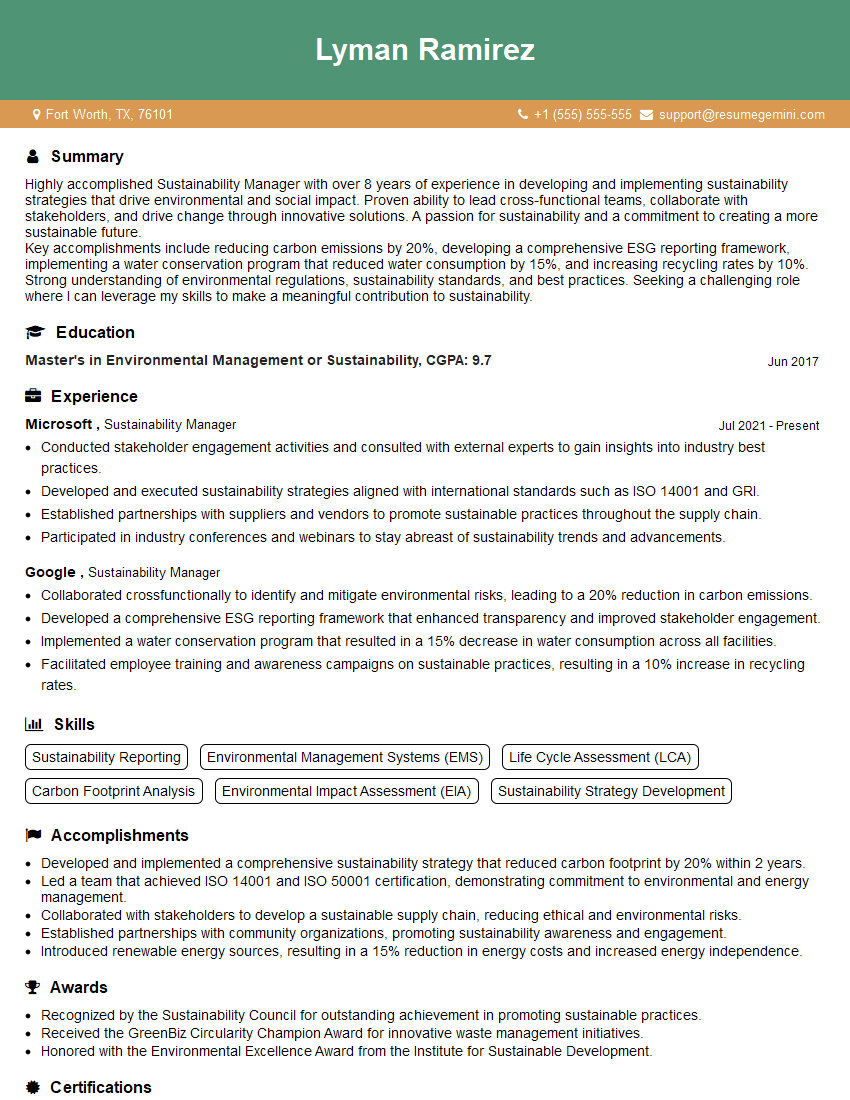
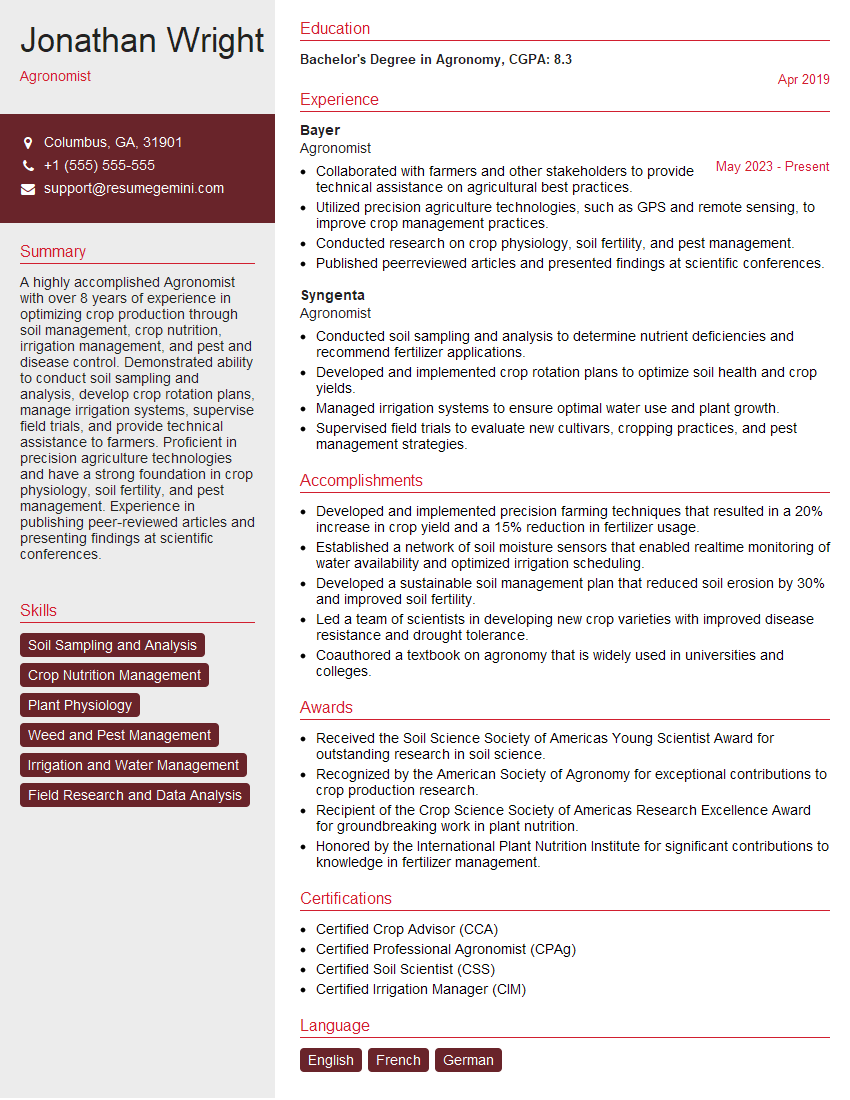
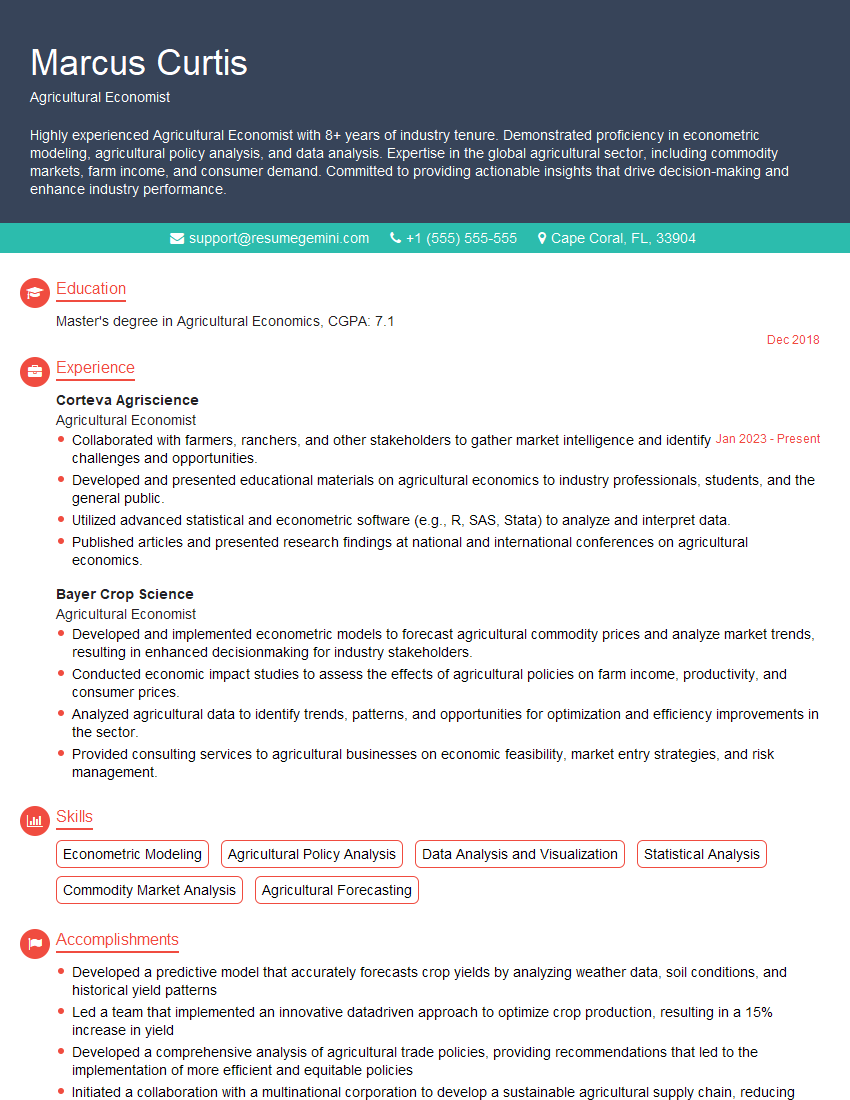
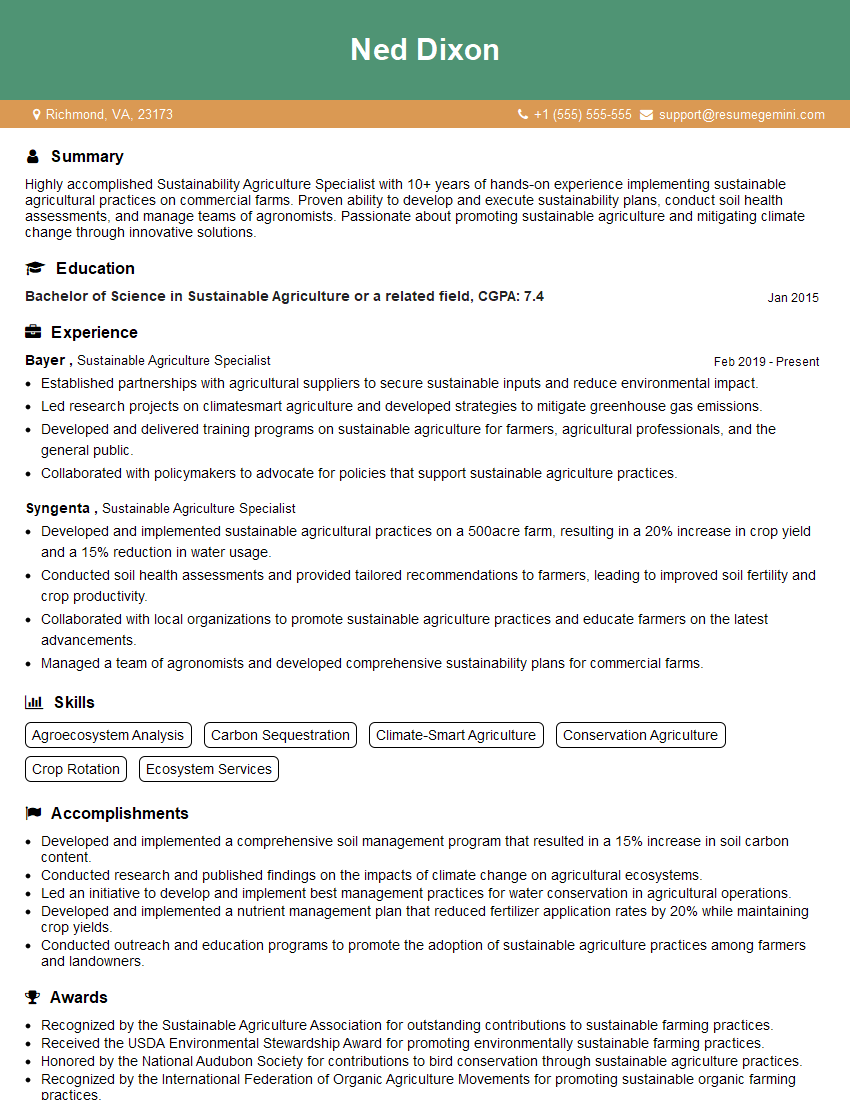
Mastering Food Security and Sustainability positions you at the forefront of a critical global challenge, opening doors to impactful and rewarding careers. A strong resume is your key to unlocking these opportunities. Crafting an ATS-friendly resume is crucial for maximizing your job prospects. To help you build a compelling and effective resume, we recommend using ResumeGemini. ResumeGemini provides a user-friendly platform and numerous resources to create a professional document that showcases your skills and experience. Examples of resumes tailored to Food Security and Sustainability are available to guide you.

Explore more articles
Users Rating of Our Blogs
Share Your Experience
We value your feedback! Please rate our content and share your thoughts (optional).
What Readers Say About Our Blog
Amazing blog
hello,
Our consultant firm based in the USA and our client are interested in your products.
Could you provide your company brochure and respond from your official email id (if different from the current in use), so i can send you the client’s requirement.
Payment before production.
I await your answer.
Regards,
MrSmith
hello,
Our consultant firm based in the USA and our client are interested in your products.
Could you provide your company brochure and respond from your official email id (if different from the current in use), so i can send you the client’s requirement.
Payment before production.
I await your answer.
Regards,
MrSmith
These apartments are so amazing, posting them online would break the algorithm.
https://bit.ly/Lovely2BedsApartmentHudsonYards
Reach out at [email protected] and let’s get started!
Take a look at this stunning 2-bedroom apartment perfectly situated NYC’s coveted Hudson Yards!
https://bit.ly/Lovely2BedsApartmentHudsonYards
Live Rent Free!
https://bit.ly/LiveRentFREE
Interesting Article, I liked the depth of knowledge you’ve shared.
Helpful, thanks for sharing.
Hi, I represent a social media marketing agency and liked your blog
Hi, I represent an SEO company that specialises in getting you AI citations and higher rankings on Google. I’d like to offer you a 100% free SEO audit for your website. Would you be interested?