Preparation is the key to success in any interview. In this post, we’ll explore crucial Knowledge of Trauma Life Support (TLS) interview questions and equip you with strategies to craft impactful answers. Whether you’re a beginner or a pro, these tips will elevate your preparation.
Questions Asked in Knowledge of Trauma Life Support (TLS) Interview
Q 1. Describe the primary survey in Trauma Life Support.
The primary survey in Trauma Life Support (TLS) is a rapid assessment of a trauma patient’s life-threatening injuries. It follows the ABCDE approach, prioritizing immediate threats to survival. Think of it as a quick triage to stabilize the patient before addressing less urgent issues. Each letter represents a crucial area:
- A – Airway and Cervical Spine Control: Ensuring a patent airway while protecting the cervical spine is paramount. This involves checking for airway obstruction, providing supplemental oxygen, and carefully immobilizing the neck to prevent further injury. Imagine someone involved in a car accident; their airway could be compromised by blood, vomit, or swelling.
- B – Breathing and Ventilation: Assess breathing rate, depth, and the presence of breath sounds. Look for chest rise and fall, and check for any signs of respiratory distress, such as increased respiratory rate, use of accessory muscles, or cyanosis. A penetrating chest wound could severely compromise breathing.
- C – Circulation: Control any major bleeding. Check pulse rate, blood pressure, capillary refill time, and assess for signs of shock, such as pallor, cool skin, and altered mental status. Rapid control of bleeding is critical; consider applying direct pressure or tourniquets.
- D – Disability (Neurological Status): Briefly assess neurological function using the Glasgow Coma Scale (GCS). Note the patient’s level of consciousness, pupillary response, and motor function. This helps determine the severity of a head injury, for instance.
- E – Exposure and Environmental Control: Completely expose the patient to fully assess for injuries, but maintain their body temperature to prevent hypothermia. This is crucial because often injuries are hidden under clothing.
The primary survey is a dynamic process; you continuously reassess and adapt your approach based on the patient’s condition.
Q 2. Explain the significance of airway management in trauma patients.
Airway management is the most critical aspect of trauma care because even a minor airway compromise can rapidly lead to hypoxia (lack of oxygen) and death. An obstructed airway prevents oxygen from reaching the lungs and the rest of the body, leading to irreversible damage to vital organs within minutes. Imagine a patient choking on their own blood or vomit; immediate intervention is life-saving. Techniques range from simple airway maneuvers like head tilt-chin lift or jaw thrust to more advanced procedures like endotracheal intubation or cricothyroidotomy in extreme cases.
Effective airway management in trauma patients involves:
- Identifying and addressing any obstruction: This could include removing foreign bodies, suctioning secretions, or managing swelling.
- Providing adequate oxygenation: Supplemental oxygen is crucial to ensure sufficient oxygen levels in the blood.
- Protecting the cervical spine: Maintaining spinal stabilization during airway maneuvers is essential to prevent further neurological damage.
Proper airway management is not just about getting air into the lungs, it’s about preventing hypoxia, one of the most common causes of preventable death in trauma.
Q 3. What are the components of the secondary survey in TLS?
The secondary survey in TLS is a systematic head-to-toe examination performed after stabilizing the patient during the primary survey. It’s a more detailed assessment aiming to identify all injuries, regardless of their immediate life-threatening potential. Think of it as a thorough investigation after the initial emergency response.
Components of the secondary survey include:
- Complete history taking: Gather information about the mechanism of injury, pre-existing medical conditions, allergies, medications, and last meal.
- Head-to-toe physical examination: Systematically examine all body regions for injuries, paying close attention to areas that might have been missed during the primary survey.
- Diagnostic tests: Utilize imaging studies like X-rays, CT scans, or ultrasounds to identify hidden injuries or confirm suspected diagnoses.
- Monitoring vital signs: Closely monitor vital signs to detect changes in the patient’s condition.
- Pain management: Address pain appropriately, as it can affect the patient’s cooperation and overall well-being.
The secondary survey allows for more thorough evaluation and planning for definitive care.
Q 4. How do you assess for spinal injury in a trauma patient?
Assessing for spinal injury in a trauma patient requires a high index of suspicion, especially in cases involving high-energy mechanisms of injury (e.g., falls from height, motor vehicle collisions). The goal is to rule out any damage to the spinal cord which could lead to permanent paralysis.
The assessment involves:
- Mechanism of injury: A high-energy impact significantly increases the risk of spinal injury.
- Patient’s level of consciousness and neurological examination: Assess for altered mental status, weakness, numbness, or tingling in the extremities.
- Palpation of the spine: Gently palpate the spine for any tenderness, deformity, or step-offs.
- Neurological examination of the extremities: Assess motor strength, sensation, and reflexes in all four extremities.
- Immobilization: If there is any suspicion of spinal injury, the patient should be immobilized using a cervical collar and spine board to prevent further damage. This is a crucial step, even if the examination is initially unremarkable.
- Imaging studies: X-rays and CT scans are usually done to visualize the spine and confirm or exclude the presence of fractures or dislocations.
Remember, the absence of clinical findings does not exclude spinal injury. In doubt, immobilize.
Q 5. What are the different types of shock, and how are they managed?
Shock is a life-threatening condition characterized by inadequate tissue perfusion, meaning the body’s cells are not receiving enough oxygen and nutrients. There are various types of shock, each with its own cause and management:
- Hypovolemic shock: Caused by significant blood or fluid loss. Think of a massive hemorrhage from a traumatic injury. Management: Fluid resuscitation is critical, often with crystalloid solutions and blood products.
- Cardiogenic shock: Caused by heart failure. A heart attack, for example, could lead to cardiogenic shock. Management: Involves improving myocardial function, often with medications such as inotropes.
- Obstructive shock: Caused by obstruction of blood flow through the heart or great vessels, such as a tension pneumothorax. Management: Requires addressing the underlying cause, such as needle decompression for a tension pneumothorax.
- Distributive shock: Caused by widespread vasodilation, leading to decreased blood pressure. This includes septic shock (infection), anaphylactic shock (allergic reaction), and neurogenic shock (spinal cord injury). Management: Requires addressing the underlying cause; for example, antibiotics for septic shock, epinephrine for anaphylaxis, and fluids for neurogenic shock.
Early recognition and prompt management are essential for improving survival rates in all types of shock. Treatment focuses on stabilizing the patient and addressing the underlying cause.
Q 6. Describe your approach to managing a patient with a penetrating chest wound.
Managing a patient with a penetrating chest wound requires a systematic approach, prioritizing airway, breathing, and circulation (ABCs). The immediate concern is the potential for a tension pneumothorax (air accumulating in the pleural space, collapsing the lung and compromising circulation), massive hemothorax (blood accumulating in the pleural space), or cardiac tamponade (blood accumulating around the heart).
My approach would be:
- Assess for life-threatening injuries: Rapidly assess the ABCs. Is there respiratory distress? Is there significant bleeding? Is there any evidence of shock?
- Establish an airway and provide supplemental oxygen: This might involve intubation if respiratory compromise is present.
- Address tension pneumothorax: If suspected (e.g., absent breath sounds on one side, tracheal deviation, distended neck veins), immediately perform needle decompression. This is a life-saving procedure that can be done quickly at the scene.
- Control bleeding: Apply pressure to any bleeding wounds. If significant bleeding is present, consider chest tube insertion.
- Monitor vital signs closely: Continuously monitor heart rate, blood pressure, respiratory rate, and oxygen saturation.
- Transport to definitive care: The patient needs rapid transport to a trauma center for definitive management which may include surgery.
Penetrating chest wounds can be devastating, requiring rapid assessment and intervention to improve survival chances. Every second counts in this critical situation.
Q 7. Explain the principles of fluid resuscitation in trauma.
Fluid resuscitation in trauma is the administration of intravenous fluids to restore circulating blood volume and tissue perfusion. It’s a critical component of managing hypovolemic shock. The goal is to maintain adequate organ perfusion and prevent end-organ damage.
The principles of fluid resuscitation include:
- Early and aggressive resuscitation: Don’t delay fluid administration. Rapid infusion of fluids is often needed to stabilize severely injured patients. Think of it as a race against time.
- Type of fluid: Crystalloid solutions (like lactated Ringer’s solution or normal saline) are usually given initially, followed by colloids (like blood products) if needed for significant blood loss.
- Monitoring response: Monitor vital signs (blood pressure, heart rate, urine output) and clinical signs (skin perfusion, mental status) closely to assess the effectiveness of fluid resuscitation.
- Balanced resuscitation: Aim for a balance between fluid resuscitation and preventing fluid overload which could lead to complications such as edema or respiratory distress.
- Blood product transfusion: For massive blood loss, blood products are essential to restore oxygen-carrying capacity and clotting factors.
Fluid resuscitation is an important aspect of trauma care, but it should be guided by careful assessment and monitoring to ensure effectiveness and safety. Over-resuscitation is as harmful as under-resuscitation.
Q 8. How do you recognize and manage a tension pneumothorax?
A tension pneumothorax is a life-threatening condition where air accumulates in the pleural space, compressing the lung and major blood vessels. Recognizing it quickly is crucial. Classic signs include absent breath sounds on the affected side, distended neck veins (jugular venous distention or JVD), tracheal deviation away from the affected side, and severe respiratory distress. The patient may also exhibit cyanosis (bluish discoloration of the skin). Hypotension is a late sign and indicates significant compromise.
Management involves immediate needle decompression followed by chest tube insertion. For needle decompression, a large-bore needle (typically 14-16 gauge) is inserted into the second intercostal space in the mid-clavicular line on the affected side. This provides immediate relief of pressure. Chest tube insertion then follows, typically in the fifth intercostal space in the mid-axillary line, to allow for continued drainage of air and prevent recurrence. Monitoring vital signs and the patient’s respiratory status after the procedure is critical.
Imagine a balloon inside a sealed jar; the air (balloon) represents the air in the pleural space, and the jar represents the chest cavity. In a tension pneumothorax, the balloon keeps expanding, reducing the space for the lung to inflate and putting pressure on the heart, impairing blood flow. Needle decompression is like puncturing the balloon to relieve the pressure.
Q 9. What is the role of blood transfusion in trauma management?
Blood transfusion plays a vital role in trauma management, primarily to restore oxygen-carrying capacity and maintain tissue perfusion. Massive hemorrhage is a leading cause of preventable death in trauma, and rapid blood loss can lead to hypovolemic shock. Blood transfusions replace lost blood volume and restore the oxygen-carrying capacity of the blood, improving tissue oxygenation and organ function. The choice of blood products (packed red blood cells, plasma, platelets) depends on the patient’s specific needs and blood type. Careful monitoring of vital signs, hematocrit, and coagulation parameters is crucial throughout the transfusion process.
For example, a patient with a severe pelvic fracture resulting in significant blood loss would likely benefit greatly from a rapid transfusion of packed red blood cells and plasma to restore blood volume and oxygen-carrying capacity. The goal is to maintain adequate blood pressure and tissue perfusion while definitive surgical repair is undertaken.
Q 10. Describe the management of a flail chest.
A flail chest occurs when multiple adjacent ribs are fractured in at least two places, creating a segment of the chest wall that moves paradoxically during breathing (inward during inspiration and outward during expiration). This paradoxical movement hinders effective ventilation and oxygenation. Management focuses on optimizing ventilation and oxygenation, pain control, and preventing pulmonary complications.
Initial management includes supplemental oxygen, pain control (typically with analgesics or regional anesthesia), and careful monitoring of respiratory function. In cases of severe respiratory compromise, positive pressure ventilation (mechanical ventilation) may be required to assist breathing. Surgical intervention (stabilization of the flail segment) may be considered in cases of severe respiratory compromise unresponsive to conservative management. Early mobilization and physiotherapy also play a role in promoting lung expansion and preventing pulmonary complications.
Think of a flail chest as a section of your chest wall that is detached and moving independently from the rest of your rib cage. It’s like a broken section of a window frame that wobbles in and out. The goal is to stabilize this segment to improve breathing mechanics.
Q 11. How do you assess and manage a patient with a head injury?
Assessing a patient with a head injury involves a systematic approach, starting with securing the airway, breathing, and circulation (ABCs). This is followed by a neurological assessment, which includes evaluating the level of consciousness using the Glasgow Coma Scale (GCS), pupil size and reactivity, motor strength and response to stimuli, and vital signs. Imaging studies (CT scan) are crucial to identify intracranial bleeding or other structural damage. Management depends on the severity of the injury and may involve measures to control intracranial pressure (ICP), surgical intervention (craniotomy or evacuation of hematomas), and supportive care.
The GCS is a standardized tool to assess the level of consciousness. It scores eye opening, verbal response, and motor response, with a total score ranging from 3 (deep coma) to 15 (fully awake and alert). Early identification of deteriorating neurological status is critical in managing head injuries.
Imagine a head injury as disrupting the delicate balance within the skull. The brain needs adequate blood flow and oxygen. Our assessment aims to uncover any abnormalities like swelling or bleeding that are threatening this balance, and our treatment focuses on restoring and maintaining this balance.
Q 12. Explain the importance of early goal-directed therapy in trauma.
Early Goal-Directed Therapy (EGDT) in trauma focuses on optimizing tissue perfusion and oxygen delivery in the early stages of resuscitation. It’s a structured approach that involves rapid assessment of hemodynamic parameters (blood pressure, heart rate, central venous pressure, and urine output), and prompt interventions to correct identified abnormalities. These interventions may include fluid resuscitation, blood transfusion, and inotropic support (drugs that increase heart contractility) to achieve targeted goals such as maintaining adequate blood pressure, urine output, and central venous oxygen saturation (ScvO2). The goal is to improve tissue perfusion and organ function, reducing morbidity and mortality.
EGDT is like a finely tuned orchestra, where each instrument (physiological parameter) needs to play in harmony to achieve the desired outcome (optimum tissue perfusion). We use interventions to adjust these parameters to ensure this harmony, thereby allowing the body to recover faster and more effectively.
Q 13. What are the indications for surgical intervention in trauma?
Indications for surgical intervention in trauma vary depending on the specific injury. Generally, surgery is indicated when non-operative management is unlikely to achieve adequate hemostasis (control of bleeding), restore organ function, or prevent life-threatening complications. Examples include:
- Hemorrhagic shock unresponsive to fluid resuscitation
- Penetrating injuries to major organs (e.g., liver, spleen)
- Open fractures with significant soft tissue injury
- Intracranial hematomas causing neurological deterioration
- Aortic rupture
- Unstable pelvic fractures
The decision to operate is often complex and involves considering the patient’s overall condition, the severity of the injury, and the potential risks and benefits of surgery.
Q 14. Describe your experience with damage control surgery.
Damage control surgery (DCS) is a life-saving technique used in severely injured patients with uncontrolled hemorrhage and physiological instability. The core principle is to rapidly control bleeding and stabilize the patient, even if it means leaving some injuries temporarily unrepaired. This initial phase (damage control resuscitation) focuses on stabilizing the patient’s physiological parameters such as temperature, coagulation and acidosis. The goal is to improve the patient’s condition before proceeding with a more definitive surgical repair at a later time. A second, often delayed, operation is planned to complete the repair.
In my experience, DCS is particularly valuable in situations involving massive hemorrhage from multiple injuries, where prolonged surgery would increase mortality risk. It allows for a structured approach to resuscitation and surgical repair, improving the chances of patient survival and recovery. I’ve seen cases where DCS helped save patients who would likely have succumbed to exsanguination during a prolonged operation.
Imagine it as building a temporary dam to contain a flood before tackling the larger infrastructural problems. DCS prioritizes immediate survival by stabilizing the situation then returning for a more thorough solution.
Q 15. How do you assess and manage a patient with an abdominal injury?
Assessing and managing an abdominal injury requires a systematic approach prioritizing immediate life threats. We begin with a rapid primary survey, focusing on airway, breathing, and circulation (ABCs). Any obvious external bleeding is controlled immediately. Then, we carefully assess for signs of internal bleeding, such as hypotension (low blood pressure), tachycardia (rapid heart rate), and signs of shock (pale, cool, clammy skin). Palpation of the abdomen should be gentle, as it could worsen internal bleeding.
We look for distention (swelling), guarding (muscle rigidity), and tenderness. The presence of bruising around the umbilicus (Cullen’s sign) or flanks (Grey Turner’s sign) indicates possible internal bleeding.
Management involves fluid resuscitation with intravenous fluids to maintain blood pressure, pain management with analgesics, and potentially blood transfusions if significant blood loss is suspected. Continuous monitoring of vital signs is crucial. A Focused Assessment with Sonography for Trauma (FAST) exam may be performed to assess for free fluid in the abdomen, suggesting internal bleeding. Definitive management, such as surgical intervention, is often necessary for penetrating injuries or significant internal bleeding.
For example, I once managed a patient who arrived after a motor vehicle accident with significant abdominal pain and hypotension. A FAST scan revealed free fluid, leading to immediate laparotomy (surgical opening of the abdomen) where we found a ruptured spleen requiring splenectomy (surgical removal of the spleen). Rapid intervention saved the patient’s life.
Career Expert Tips:
- Ace those interviews! Prepare effectively by reviewing the Top 50 Most Common Interview Questions on ResumeGemini.
- Navigate your job search with confidence! Explore a wide range of Career Tips on ResumeGemini. Learn about common challenges and recommendations to overcome them.
- Craft the perfect resume! Master the Art of Resume Writing with ResumeGemini’s guide. Showcase your unique qualifications and achievements effectively.
- Don’t miss out on holiday savings! Build your dream resume with ResumeGemini’s ATS optimized templates.
Q 16. Explain the use of FAST scans in trauma assessment.
A FAST scan, or Focused Assessment with Sonography for Trauma, is a rapid bedside ultrasound examination used to detect free fluid in the abdomen and pericardium (around the heart). It’s a point-of-care ultrasound technique that helps quickly identify life-threatening injuries, such as bleeding into the abdomen (hemoperitoneum) or pericardial effusion (fluid around the heart). This allows for prompt intervention.
The scan usually focuses on four key areas: the pericardial sac, the hepatorenal recess (space between the liver and kidney), the splenorenal recess (space between the spleen and kidney), and the pelvis. The presence of free fluid in these areas indicates potential internal bleeding which needs urgent attention. It’s not a replacement for a CT scan but helps triage patients and guide further investigations.
Imagine a scenario where a trauma patient arrives with unstable vital signs and suspected abdominal injury. A FAST scan showing free fluid in the abdomen immediately suggests the need for emergency surgery, significantly reducing time to treatment and improving survival chances. It’s a valuable tool in trauma resuscitation, especially in resource-limited settings or when a CT scan isn’t immediately available.
Q 17. What are the key considerations in transporting a critically injured patient?
Transporting a critically injured patient requires meticulous planning and execution to minimize further harm. The patient’s physiological stability must be maintained throughout transport. This includes continuous monitoring of vital signs, airway management (potentially with advanced airway techniques), and ongoing fluid resuscitation.
The mode of transport (ground ambulance, helicopter) is chosen based on the patient’s condition and the distance to the trauma center. A trauma team, consisting of a physician, nurse, and paramedic, might accompany the patient for continuous care. Pain management is important during transport. Communication is critical among the team involved in patient care.
For example, in the case of a patient with spinal injury, spinal immobilization is crucial during transport. If a patient is experiencing respiratory distress, intubation and mechanical ventilation may be necessary. The transport environment must be maintained at a suitable temperature and provide a stable setting to avoid worsening the patient’s condition.
Q 18. Describe your experience with advanced airway management techniques.
My experience with advanced airway management encompasses a wide range of techniques, including endotracheal intubation (using both direct and indirect laryngoscopy), cricothyrotomy (surgical incision into the cricothyroid membrane to establish an airway), and the use of supraglottic airway devices such as laryngeal masks and i-gels. I am proficient in managing difficult airways using various techniques and adjuncts.
I’ve successfully managed numerous patients requiring advanced airway interventions, from trauma patients with compromised airways to those requiring prolonged mechanical ventilation. Regular training and simulation exercises maintain my proficiency in these life-saving procedures. Proficiency requires constant practice and updating of knowledge to address evolving techniques and technology.
One case that stands out involved a patient with severe facial trauma who had a severely compromised airway. Rapid cricothyrotomy was performed to establish an airway while managing concurrent hemorrhagic shock. This case highlighted the importance of swift decision-making and procedural expertise in critical situations.
Q 19. How do you manage a patient with multiple injuries?
Managing a patient with multiple injuries follows a systematic approach based on the principles of Advanced Trauma Life Support (ATLS). We begin with a rapid primary survey, addressing immediate life threats such as airway compromise, breathing difficulties, and severe hemorrhage. Once immediate threats are addressed, a secondary survey is performed to identify less immediate but still significant injuries.
This involves a head-to-toe assessment, including neurological examination, examination of the chest, abdomen, and extremities. Diagnostic tests such as X-rays, CT scans, and laboratory tests are used to identify and quantify injuries.
Treatment is prioritized based on the severity of the injuries, using the concept of damage control resuscitation. This means controlling bleeding, maintaining hemodynamic stability, and addressing the most critical injuries first. This approach might involve damage control surgery for some patients. The team approach is crucial, requiring communication and collaboration between surgeons, anesthesiologists, intensivists and other specialists.
For example, a patient involved in a high-speed motor vehicle accident might present with a fractured femur, head injury, and pneumothorax (collapsed lung). The approach would be to address the pneumothorax immediately, then stabilize the fracture, and finally focus on managing the head injury. This approach allows for the best possible outcome.
Q 20. Explain the principles of triage in a mass casualty incident.
Triage in a mass casualty incident (MCI) involves rapidly assessing and prioritizing patients based on the severity of their injuries and the likelihood of survival with immediate intervention. The goal is to maximize the number of survivors given limited resources. Common triage systems include START (Simple Triage and Rapid Treatment) and SALT (Start, Assess, Lifesaving Interventions, Treatment/Transport).
These systems categorize patients into different priority levels based on their respiratory status, perfusion (circulation), and neurological status. Patients who are immediately life-threatening are given the highest priority (e.g., those not breathing, no pulse), while those with minor injuries are given the lowest priority.
In START, for example, patients are assessed for respiration, perfusion, and mental status. Those with absent respirations are immediately tagged as deceased or given immediate resuscitation, patients with inadequate respirations or absent radial pulses are categorized and prioritized based on these criteria. Those who are breathing and have a radial pulse are assessed for mental status. This system allows for efficient allocation of resources to those most likely to benefit from immediate intervention.
Q 21. What is your understanding of the revised trauma score?
The Revised Trauma Score (RTS) is a physiological scoring system used to assess the severity of injury in trauma patients. It’s based on three physiological parameters: Glasgow Coma Scale (GCS) score, systolic blood pressure, and respiratory rate. Each parameter is assigned a numerical value, and these values are summed to obtain the RTS.
A higher RTS indicates a less severe injury, while a lower RTS indicates a more severe injury. The RTS is used to predict mortality and guide treatment decisions. It provides a standardized method for assessing injury severity that helps to quantify the clinical condition of the patient. While useful, it’s important to remember that RTS is not the only factor to consider; clinical judgment is crucial.
The RTS is helpful for comparing the severity of injuries between patients and tracking changes in condition over time. It helps in resource allocation and prognostication although the RTS alone does not predict survival accurately. It functions as an important element of overall patient assessment.
Q 22. How do you prioritize interventions in a critically injured patient?
Prioritizing interventions in a critically injured patient follows the ABCDE approach of Trauma Life Support (TLS), a systematic framework ensuring the most life-threatening issues are addressed first. This prioritization isn’t rigid; it’s adaptable based on the patient’s specific presentation.
- A – Airway maintenance with cervical spine protection: Securing a patent airway is paramount. This involves checking for airway obstruction, potentially using advanced airway techniques like intubation if needed, while simultaneously protecting the cervical spine to prevent further injury. Think of it like this: if someone can’t breathe, nothing else matters.
- B – Breathing and ventilation: Assess breathing rate, depth, and effort. Administer oxygen and assist ventilation if necessary. Look for signs of pneumothorax (collapsed lung) or flail chest (broken ribs causing paradoxical movement). For example, a patient with shallow breathing and decreased oxygen saturation would immediately require oxygen therapy and potentially mechanical ventilation.
- C – Circulation with hemorrhage control: Control major bleeding is critical. This involves identifying and managing sources of external and internal hemorrhage. Rapid fluid resuscitation may be necessary to maintain blood pressure. Picture a severe car accident: the immediate concern is stopping the bleeding and replenishing lost blood volume.
- D – Disability (neurological status): Assess neurological function – level of consciousness (Glasgow Coma Scale), pupil size and reactivity. This helps determine the extent of brain injury.
- E – Exposure and environmental control: A thorough physical examination is conducted, removing clothing and maintaining body temperature. This stage helps identify hidden injuries, like penetrating wounds or fractures.
After the initial ABCDE assessment, further interventions are prioritized based on the ongoing assessment and the patient’s response to initial treatment. It’s a continuous process of reassessment and adaptation.
Q 23. What are the ethical considerations in trauma care?
Ethical considerations in trauma care are multifaceted and demand careful consideration. The core principles revolve around beneficence (doing good), non-maleficence (avoiding harm), autonomy (respecting patient wishes), and justice (fair and equitable care).
- Resource Allocation: In mass casualty incidents (MCIs), difficult decisions must be made about which patients receive limited resources. This requires a structured triage system to prioritize care based on the likelihood of survival and the potential for long-term recovery.
- Informed Consent: Obtaining informed consent is crucial, even in emergency situations. This involves explaining procedures to the patient or surrogate decision-maker whenever possible.
- Confidentiality: Patient information must be protected. Sharing information only with those directly involved in care is vital.
- End-of-Life Decisions: In cases of severe and irreversible injury, decisions regarding end-of-life care might be required. These decisions must align with patient wishes (if known) and family preferences.
- Cultural Sensitivity: Recognizing and respecting cultural differences in patient preferences, values, and beliefs is paramount. For instance, religious or cultural beliefs may affect decisions regarding blood transfusions.
Ethical dilemmas are often complex and require a multidisciplinary approach. Ethical committees and consultations with colleagues can help navigate challenging situations and ensure ethical and compassionate patient care.
Q 24. Describe your experience with different types of trauma monitoring.
My experience encompasses various trauma monitoring techniques, ranging from basic to advanced modalities. The choice of monitoring depends on the patient’s condition and the available resources.
- Basic Monitoring: Includes continuous heart rate, blood pressure, respiratory rate, and oxygen saturation (SpO2) monitoring. These are essential for initial assessment and ongoing surveillance.
- Advanced Hemodynamic Monitoring: This might involve invasive techniques like arterial line placement (for continuous blood pressure and blood gas sampling) or central venous catheter insertion (for central venous pressure monitoring and fluid administration). This is crucial for patients with significant hemodynamic instability.
- Neurological Monitoring: This may include the Glasgow Coma Scale (GCS) for assessing level of consciousness, pupillary responses, and continuous EEG monitoring in cases of severe head injury.
- Other Monitoring: Urine output, core body temperature, and coagulation studies are important indicators of overall physiological status.
I’ve had experience interpreting data from these various monitoring tools, integrating the information to guide treatment decisions and anticipate potential complications. For example, a sudden drop in blood pressure alongside a decrease in urine output could indicate hypovolemic shock (low blood volume), requiring immediate fluid resuscitation.
Q 25. What are the common complications associated with trauma?
Trauma patients are susceptible to a wide array of complications, both immediate and long-term. The severity and likelihood of these complications depend on the nature and severity of the injury.
- Hemorrhage and Shock: Uncontrolled bleeding is a leading cause of death in trauma. Hypovolemic shock, resulting from blood loss, is a critical complication.
- Acute Respiratory Distress Syndrome (ARDS): Lung injury, often due to chest trauma or sepsis, can lead to ARDS, characterized by severe shortness of breath and low oxygen levels.
- Compartment Syndrome: Swelling within a confined muscle compartment can compromise blood supply, leading to tissue death if not addressed promptly. This often requires fasciotomy (surgical incision to relieve pressure).
- Infections: Trauma patients are at increased risk of infections, particularly pneumonia and sepsis, due to compromised immune systems and potential sites for bacterial invasion.
- Deep Vein Thrombosis (DVT) and Pulmonary Embolism (PE): Immobility after trauma increases the risk of blood clots forming in the legs (DVT), which can travel to the lungs (PE), a potentially fatal complication.
- Organ Dysfunction: Severe trauma can lead to dysfunction of multiple organs, such as the kidneys, liver, and brain.
- Post-traumatic Stress Disorder (PTSD): The psychological impact of trauma can be profound, leading to PTSD in a significant proportion of survivors.
Proactive management of these complications involves careful monitoring, early recognition of warning signs, and prompt intervention. For example, prophylactic anticoagulation (blood thinners) is often used to prevent DVT and PE.
Q 26. How do you assess and manage post-traumatic stress disorder (PTSD) in trauma survivors?
Assessing and managing PTSD in trauma survivors involves a multi-disciplinary approach, often requiring collaboration between medical professionals and mental health specialists.
- Assessment: A thorough assessment includes a comprehensive review of the trauma event, screening tools for PTSD (e.g., PTSD Checklist), and evaluation of symptoms such as intrusive thoughts, nightmares, avoidance behaviors, hyperarousal, and emotional numbing.
- Diagnosis: Diagnosis of PTSD is based on established diagnostic criteria in the DSM-5 or ICD-11.
- Management: Treatment approaches vary depending on individual needs and preferences. These may include psychotherapy (e.g., Cognitive Processing Therapy, Prolonged Exposure Therapy), medications (e.g., selective serotonin reuptake inhibitors, SSRIs), or a combination thereof.
- Support Groups and Peer Support: Connecting survivors with support groups and peer support networks can be beneficial for fostering social support and reducing feelings of isolation.
It’s important to approach PTSD with sensitivity and empathy, recognizing that the recovery process is individualized and may take considerable time and effort. Early intervention and ongoing support are key to improving outcomes.
Q 27. What are your strengths and weaknesses regarding TLS?
My strengths in TLS lie in my systematic approach to trauma assessment and management, rooted in the ABCDE framework and a keen attention to detail. I am proficient in performing advanced airway management, fluid resuscitation, and hemorrhage control techniques. I am also comfortable interpreting various physiological monitoring data and tailoring treatment accordingly. I’m adept at prioritizing interventions in critical situations, always balancing speed with accuracy and safety.
However, like any practitioner, there are areas for continuous improvement. While I’m proficient in many areas of TLS, maintaining currency with the latest advancements in specific areas like minimally invasive surgical techniques is an ongoing challenge. I also acknowledge that effective communication in high-stress situations, which are common in trauma care, always requires refinement.
Q 28. How do you stay updated with the latest advancements in Trauma Life Support?
Staying current with advancements in TLS involves active participation in professional development activities.
- Continuing Medical Education (CME): Regular participation in CME courses and workshops focused on trauma management keeps my knowledge and skills sharp. Many organizations offer these events that focus on the latest techniques, research, and best practices.
- Professional Organizations: Membership in organizations like the American College of Surgeons or the National Association of Emergency Medical Services Physicians provides access to publications, conferences, and ongoing educational resources.
- Peer-Reviewed Journals and Publications: Reading peer-reviewed journals and staying abreast of published research is essential for understanding the latest evidence-based practices in trauma care.
- Case Review and Debriefing: Participating in regular case review sessions with colleagues allows for sharing of experiences, learning from successes and mistakes, and improving overall teamwork.
By actively pursuing these opportunities, I ensure my practice reflects the latest advancements in trauma life support, contributing to improved patient outcomes.
Key Topics to Learn for Knowledge of Trauma Life Support (TLS) Interview
- Airway Management: Understanding advanced airway techniques, including rapid sequence intubation and cricothyroidotomy, and their appropriate application in various trauma scenarios. Consider the differences in approach for pediatric vs. adult patients.
- Breathing and Ventilation: Mastering the assessment and management of respiratory compromise, including the use of advanced airway adjuncts, ventilation strategies, and chest decompression techniques. Practice troubleshooting common ventilation challenges.
- Circulation: Proficiently managing hemorrhagic shock, including fluid resuscitation protocols, blood product administration, and the identification and control of bleeding sources. Be prepared to discuss different types of shock and their management.
- Disability (Neurological Assessment): Developing a systematic approach to neurological assessment in trauma patients, including Glasgow Coma Scale (GCS) interpretation and management of intracranial pressure. Practice differentiating between various neurological injuries.
- Exposure/Environmental Control: Understanding the importance of a thorough physical examination, including the systematic removal of clothing and maintaining patient warmth. Be ready to discuss hypothermia prevention and management.
- Fluid Resuscitation: Mastering the principles of fluid resuscitation, including fluid types, administration rates, and monitoring parameters. Understand the role of blood component therapy and its indications.
- Trauma Team Dynamics and Leadership: Discuss your understanding of effective teamwork in a high-pressure trauma environment and how you contribute to efficient and safe patient care. Highlight leadership skills and decision-making processes.
- Trauma Triage and Prioritization: Explain your understanding of trauma triage principles and how you prioritize patients based on their injuries and needs. Be able to discuss different triage systems.
Next Steps
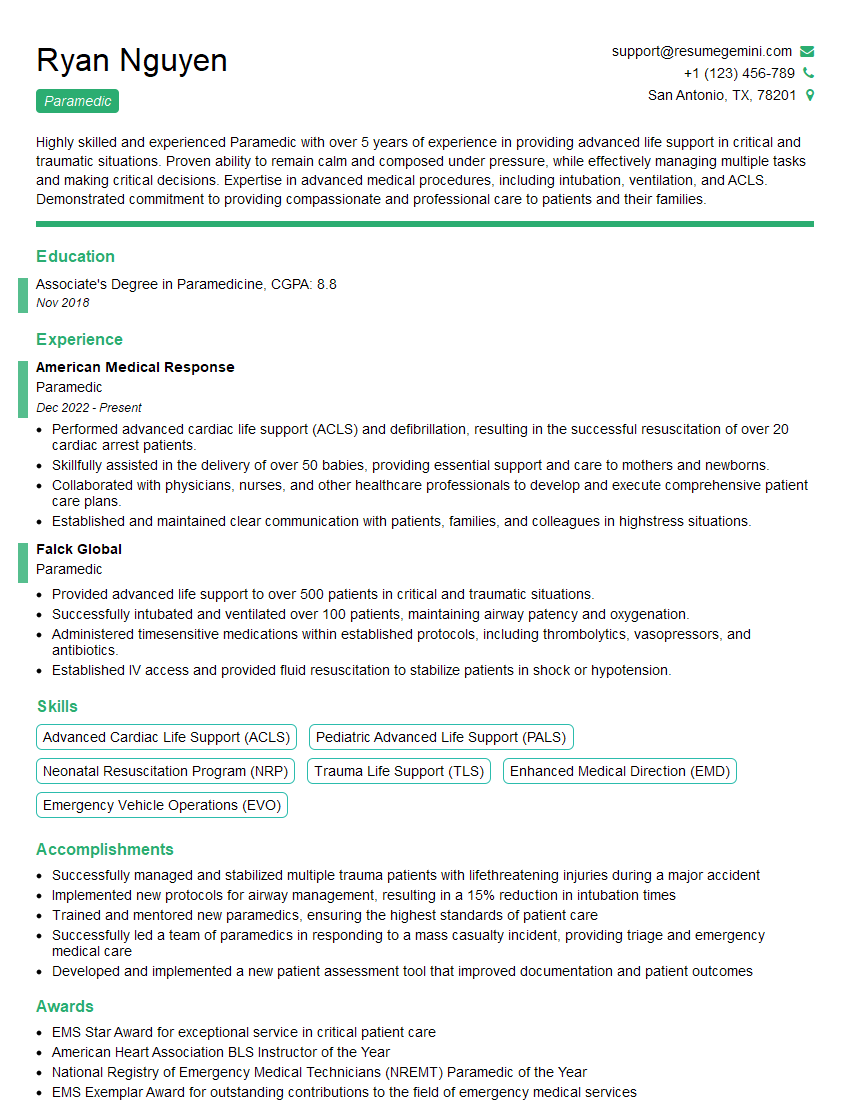
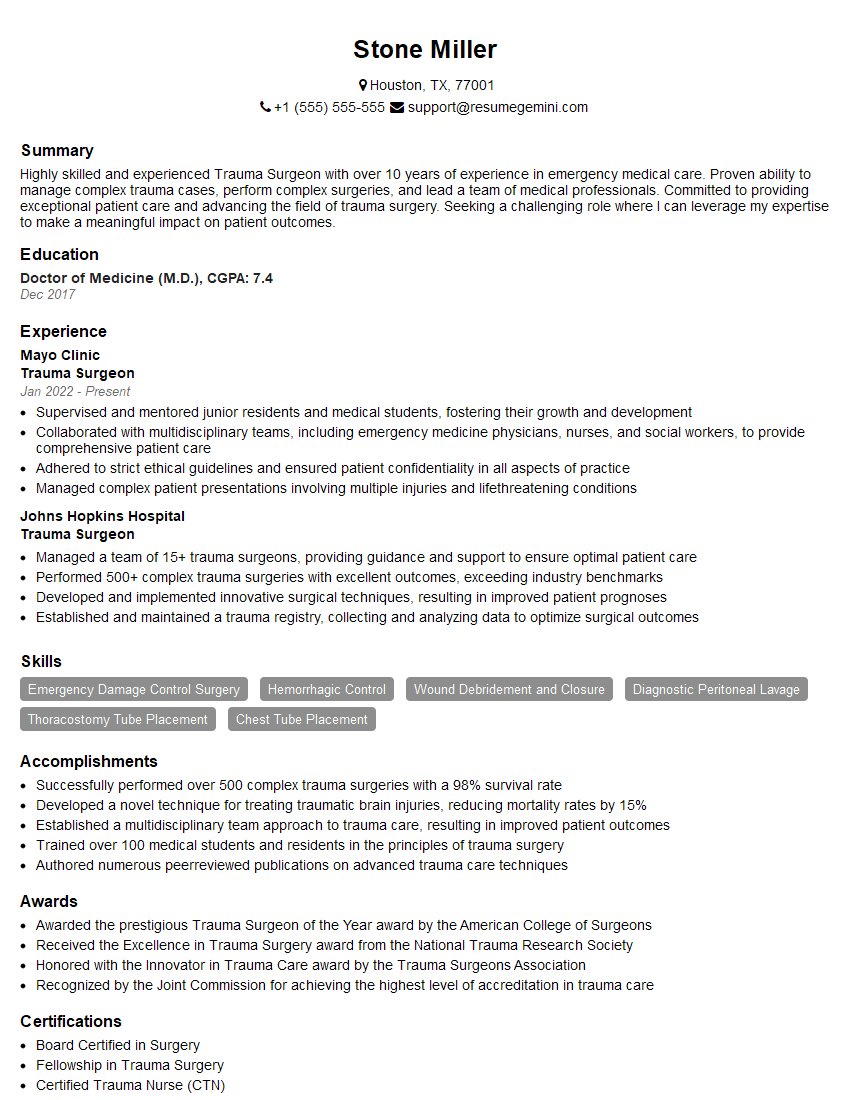
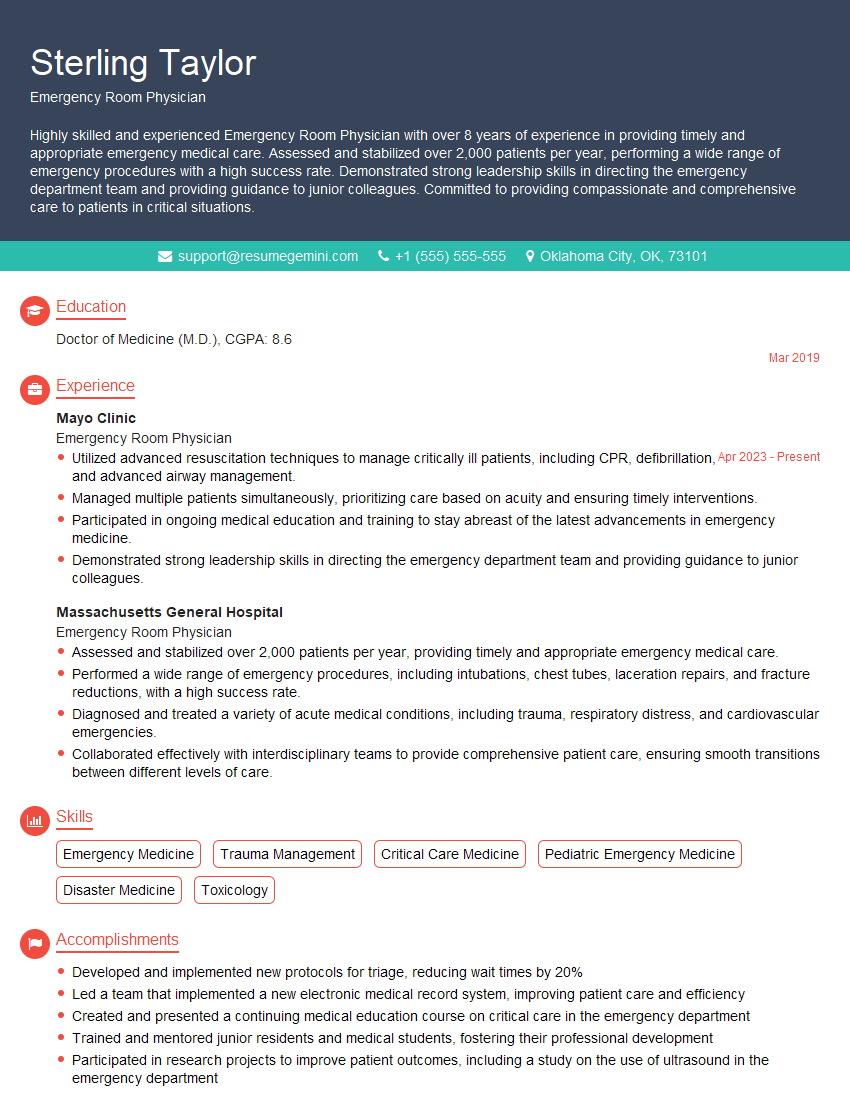
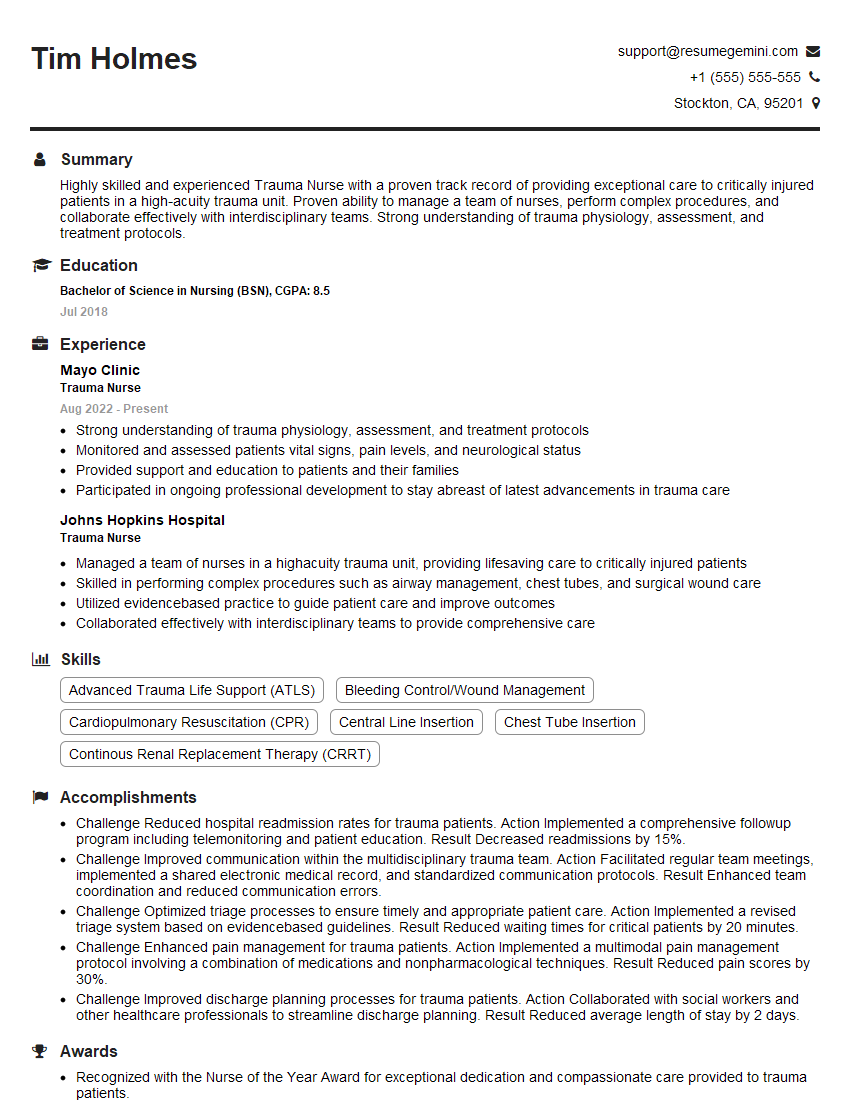
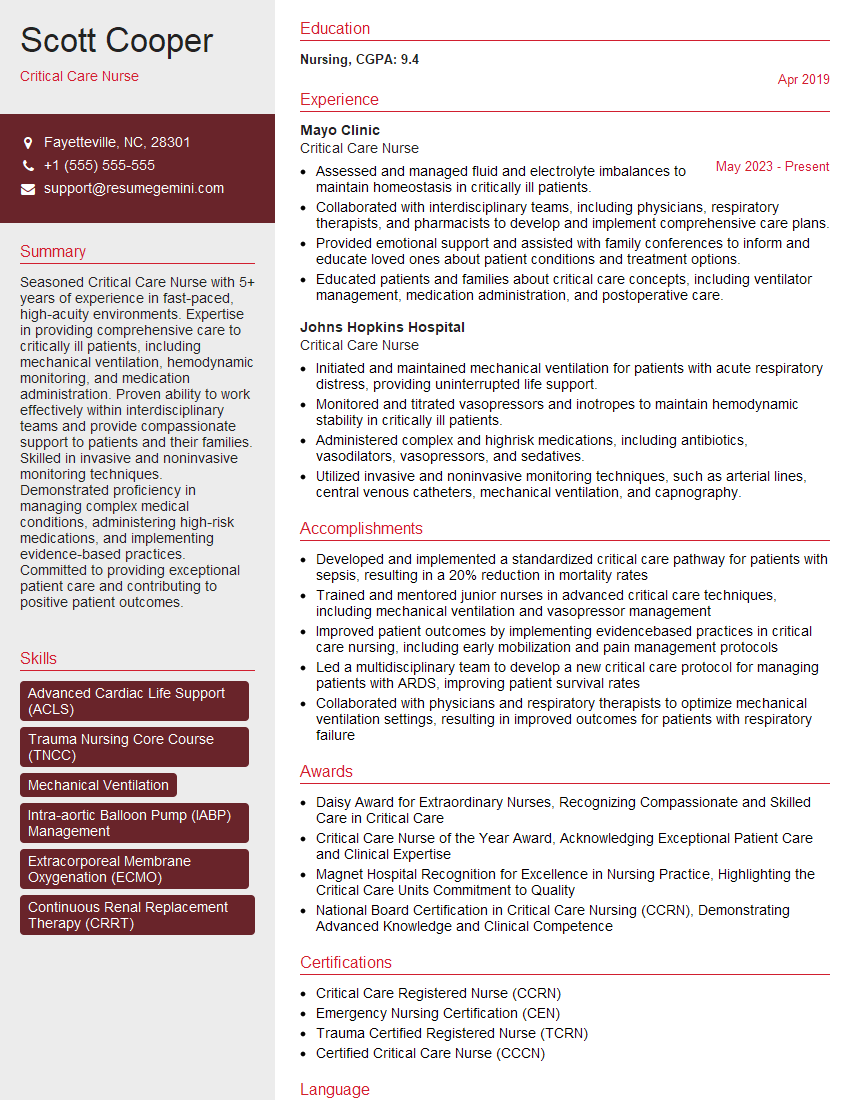
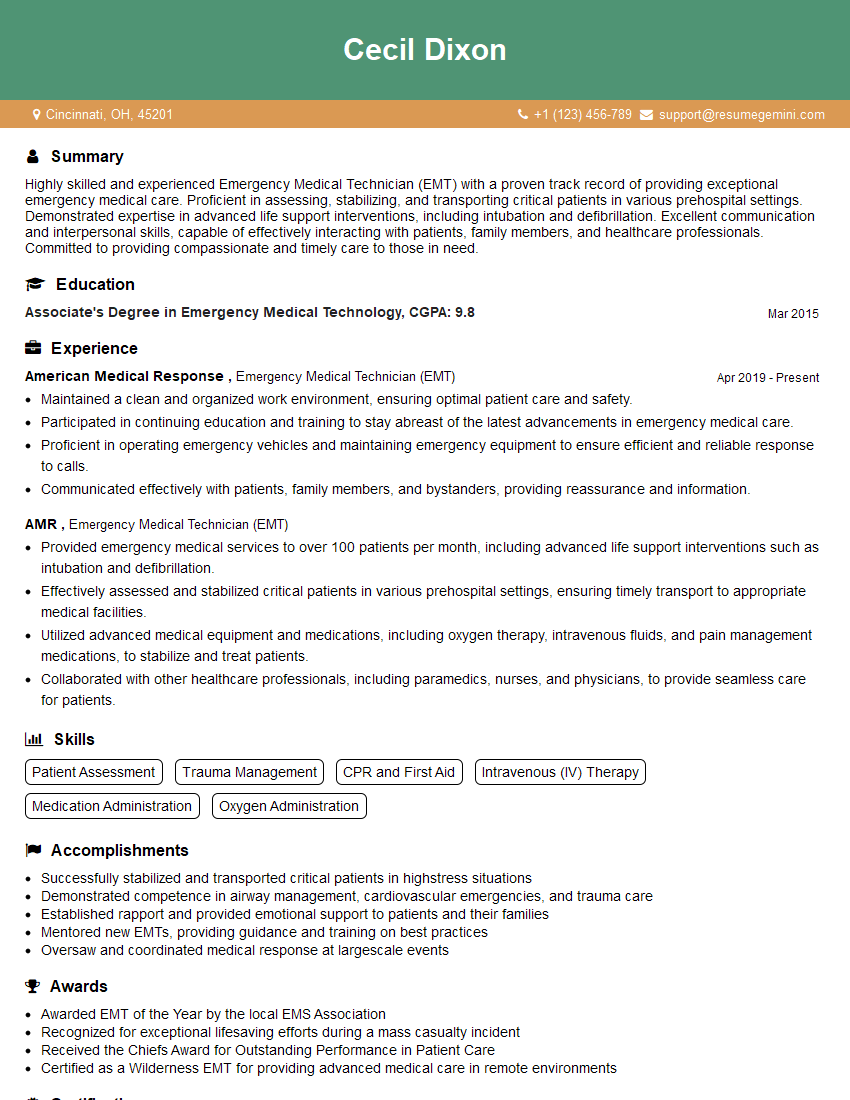
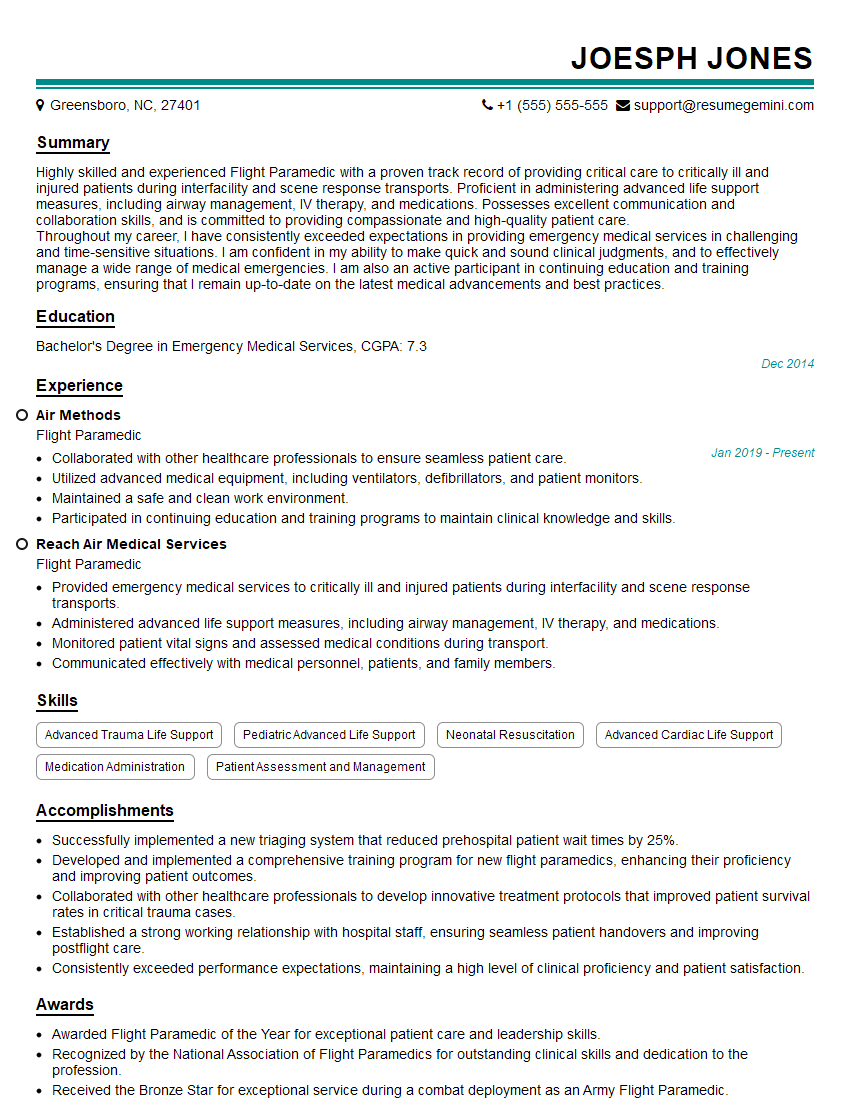
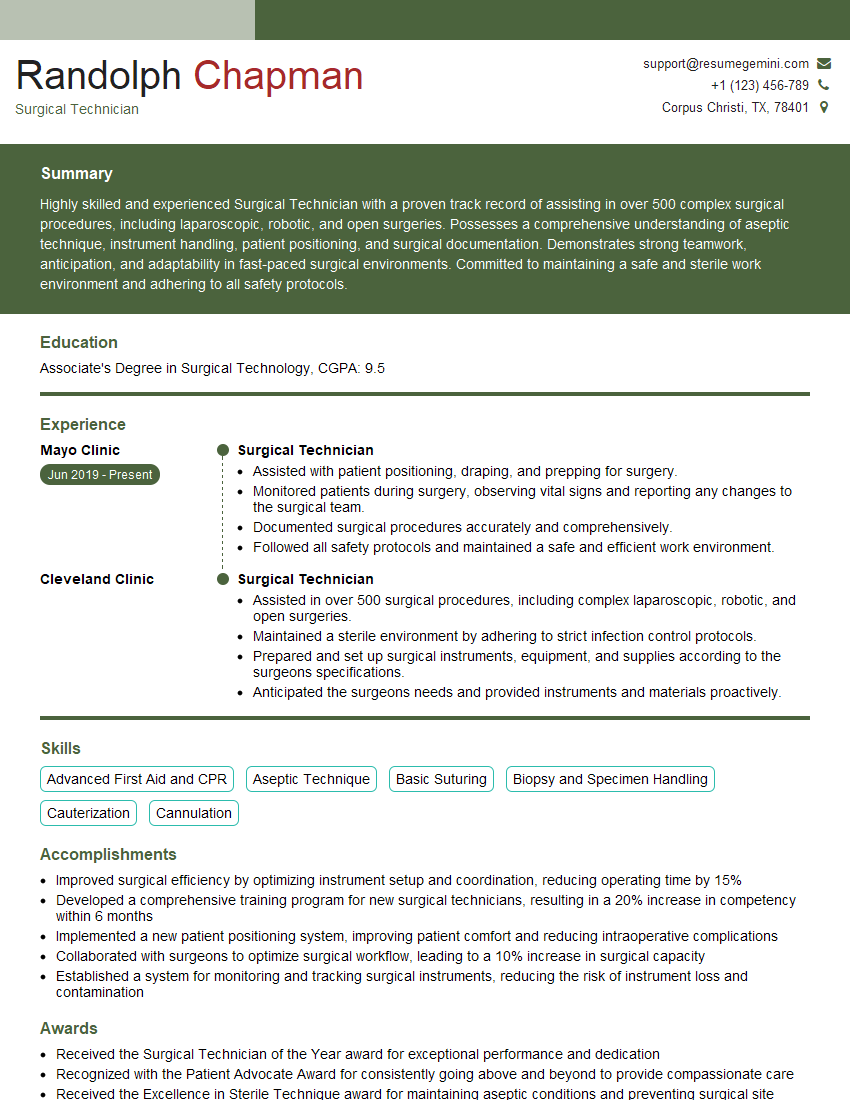
Mastering Knowledge of Trauma Life Support (TLS) is crucial for career advancement in emergency medicine and critical care. Demonstrating your expertise through a well-crafted resume is the first step to landing your dream job. An ATS-friendly resume significantly increases your chances of getting noticed by recruiters. We strongly encourage you to leverage ResumeGemini to build a professional and impactful resume that showcases your TLS skills and experience. ResumeGemini provides examples of resumes tailored specifically to Knowledge of Trauma Life Support (TLS) roles, helping you present yourself in the best possible light to potential employers.
Explore more articles
Users Rating of Our Blogs
Share Your Experience
We value your feedback! Please rate our content and share your thoughts (optional).
What Readers Say About Our Blog
Amazing blog
Interesting Article, I liked the depth of knowledge you’ve shared.
Helpful, thanks for sharing.