The thought of an interview can be nerve-wracking, but the right preparation can make all the difference. Explore this comprehensive guide to Ability to create innovative and functional patterns interview questions and gain the confidence you need to showcase your abilities and secure the role.
Questions Asked in Ability to create innovative and functional patterns Interview
Q 1. Describe your process for identifying recurring design problems.
Identifying recurring design problems starts with keen observation and a systematic approach. I begin by meticulously documenting design challenges encountered across various projects. This includes noting the specific context, the problem’s symptoms, and the impact on user experience or functionality. Then, I categorize these problems. Are they related to information architecture, user interface consistency, workflow inefficiencies, or something else? I use tools like affinity mapping to group similar problems, looking for underlying patterns. This process often reveals recurring issues that indicate a need for a new design pattern or a refinement of an existing one.
For instance, if I consistently see users struggling to understand the navigation structure across multiple web pages, I recognize a recurring problem with information architecture. Similarly, repeated difficulties with form completion might point to a pattern related to usability and input design. The key is to move beyond simply listing problems and identify the common root causes.
Q 2. Explain how you would approach creating a reusable design pattern.
Creating a reusable design pattern is an iterative process requiring careful planning and testing. It begins with a clear definition of the problem the pattern aims to solve. I’d then explore existing solutions, both within and outside the domain, to identify relevant concepts and best practices. I prioritize creating a concise, well-documented pattern that is easy to understand and implement. This involves sketching diagrams, writing clear specifications, and providing code examples, when applicable.
Next comes the crucial prototyping and testing phase. I create a prototype of the pattern, then rigorously test it in various scenarios. This helps identify edge cases and refine the design. Feedback from designers and developers is crucial. Iteration is key; I’ll revise the pattern based on the testing results, ensuring it’s adaptable and robust. Finally, I document the pattern thoroughly, including its purpose, context, structure, implementation details, and known limitations. This ensures it can be reused effectively by others, avoiding reinventing the wheel for future projects.
Q 3. What are some common pitfalls to avoid when implementing design patterns?
Several pitfalls can hinder the effectiveness of design patterns. One common mistake is forcing a pattern to fit a problem for which it’s not suitable. Over-engineering is another; implementing a complex pattern when a simpler solution would suffice. Lack of thorough documentation is also a significant problem, making reuse difficult and leading to inconsistencies. Furthermore, neglecting to thoroughly test the pattern in different contexts can expose unforeseen issues and limitations later on.
For example, using a complex state management pattern in a small application adds unnecessary complexity. Similarly, failing to document the assumptions or limitations of a pattern can lead to misuse and unexpected consequences down the line. Therefore, careful consideration, thorough testing, and clear documentation are vital to successfully implement and maintain design patterns.
Q 4. How do you balance innovation with the need for functional design?
Balancing innovation with functional design involves a delicate dance between creativity and practicality. While innovation drives progress, it should never compromise functionality or usability. I approach this by starting with a solid understanding of user needs and project requirements. Innovation becomes a tool to enhance the user experience and achieve functional goals, not a distraction from them.
I often use a phased approach. The first phase focuses on solving the core functional problem. The second phase then explores innovative ways to enhance the solution, such as incorporating novel interaction techniques or unique visual designs. Throughout this process, user feedback and usability testing are crucial to ensure that the innovation not only looks appealing but also functions smoothly and efficiently. The goal is to find the sweet spot where innovation adds value without sacrificing usability or robustness.
Q 5. Give an example of a time you created an innovative solution to a complex problem.
In a recent project involving a complex data visualization dashboard, we faced the challenge of presenting a large volume of dynamic data in a clear and intuitive manner. Traditional methods resulted in cluttered and confusing displays. My innovative solution involved developing a novel hierarchical filtering system combined with interactive data clustering. This allowed users to easily navigate and explore the data at different levels of detail, focusing on specific areas of interest.
The hierarchical filtering allowed users to progressively refine their view, eliminating irrelevant data. Simultaneously, the interactive clustering grouped similar data points, improving the visual clarity and allowing for quick identification of trends and patterns. User testing showed a significant improvement in comprehension and efficiency compared to traditional approaches. This solution demonstrated that innovative design could dramatically improve the user experience of complex data-driven systems.
Q 6. How do you evaluate the effectiveness of a design pattern?
Evaluating the effectiveness of a design pattern requires a multi-faceted approach. I start by analyzing its impact on development time and effort. Did it simplify the development process? Did it reduce code complexity? Then, I examine its contribution to the user experience. Does it enhance usability? Does it improve the overall design quality? Furthermore, I assess maintainability. Is the pattern easy to understand and modify? Is it well-documented? And finally, I track its reuse across different projects to gauge its adaptability and long-term value.
Metrics can be used where applicable. For example, if the pattern improved user task completion time, that would be quantifiable evidence of its success. Ultimately, a successful design pattern should not only solve a problem efficiently but also be sustainable and adaptable to evolving needs.
Q 7. Explain the difference between a design pattern and an anti-pattern.
A design pattern is a proven, reusable solution to a recurring design problem, offering a best practice approach. It’s a template that can be adapted to various contexts, promoting efficiency and consistency. An anti-pattern, on the other hand, is a commonly used solution that is ultimately ineffective, inefficient, or even harmful. It’s a recurring design approach that should be avoided.
For example, the Model-View-Controller (MVC) pattern is a well-established design pattern for software architecture. In contrast, using global variables excessively is an anti-pattern because it makes code difficult to maintain, debug, and understand. Identifying and avoiding anti-patterns is crucial for creating high-quality, maintainable designs.
Q 8. Describe your experience with different design pattern frameworks (e.g., MVC, MVVM).
My experience spans several design pattern frameworks, primarily MVC (Model-View-Controller) and MVVM (Model-View-ViewModel). MVC, a classic approach, neatly separates concerns into three interconnected parts: the Model (data and business logic), the View (user interface), and the Controller (handling user input and updating the Model and View). I’ve extensively used MVC in building traditional web applications, leveraging its clear structure for maintainability. For example, in a recent e-commerce project, the MVC architecture allowed different teams to work concurrently on the database (Model), the front-end design (View), and the user interaction logic (Controller). MVVM, on the other hand, is particularly well-suited for applications with complex user interfaces and data binding. It introduces the ViewModel, an intermediary between the Model and the View, simplifying data presentation and testing. I’ve successfully employed MVVM in developing responsive web applications and mobile apps, where its data binding capabilities significantly reduced development time and improved code testability. The ViewModel acts as a translator, converting complex model data into a format easily consumable by the View.
Q 9. How do you incorporate user feedback into the design pattern development process?
User feedback is paramount. I actively solicit feedback throughout the design pattern development process, not just at the end. This begins with early user research and prototyping to understand user needs and pain points. During development, I employ iterative design, incorporating feedback from usability testing and user surveys. For example, in a recent project involving a complex data visualization tool, initial user testing revealed that the chosen design pattern, while technically elegant, was difficult for non-technical users to understand. The feedback led to a complete redesign, switching to a simpler pattern that prioritized user experience over purely technical elegance. This iterative process, guided by user feedback, ensures that the patterns not only function well but also meet the actual needs of the users. Post-launch, I continue to monitor usage data and collect feedback to identify areas for improvement and refinement.
Q 10. How do you ensure scalability and maintainability when creating patterns?
Scalability and maintainability are achieved through careful design choices. Firstly, I prioritize loose coupling between components. This means that changes in one part of the system have minimal impact on other parts. For instance, using interfaces and abstract classes instead of concrete implementations allows for flexible extensibility. Secondly, I favor modularity, breaking down complex systems into smaller, independent modules. Each module can be developed, tested, and maintained independently, reducing complexity and promoting parallel development. This also facilitates easy replacement or upgrading of individual modules as needs evolve. Finally, thorough documentation is crucial. Clear, concise documentation of the pattern’s purpose, implementation details, and usage examples ensures that other developers can easily understand and maintain the code. This includes using descriptive variable and function names, and well-structured code comments.
Q 11. What are some common design patterns you’ve used in your past projects?
I’ve extensively used various patterns, including:
- Factory Pattern: Creating objects without specifying their concrete classes. This was instrumental in a recent project where we needed to support multiple database systems; the factory pattern allowed us to easily switch between them without modifying core application logic.
- Singleton Pattern: Ensuring that only one instance of a class exists. This was crucial for managing application-wide resources like a database connection pool.
- Observer Pattern: Defining a one-to-many dependency between objects. I used this in building a real-time data dashboard where updates to the data automatically propagated to all subscribed views.
- Strategy Pattern: Defining a family of algorithms, encapsulating each one, and making them interchangeable. This proved invaluable in a project where we needed to support different payment gateways.
The choice of pattern depends heavily on the specific problem and context. I carefully evaluate the trade-offs of each pattern before selecting the most appropriate one.
Q 12. How do you document and communicate design patterns to your team?
Effective documentation and communication are key. I utilize a combination of methods to ensure clarity. Firstly, I create detailed design documents that explain the pattern’s purpose, structure, and implementation. These documents include diagrams, code examples, and usage guidelines. Secondly, I conduct regular code reviews, discussing the pattern’s implementation and addressing any questions or concerns from team members. Finally, I maintain a central repository (wiki or similar) containing all design patterns used in the project, along with their documentation. This central repository acts as a single source of truth and helps prevent inconsistencies and ensures everyone is on the same page. I also encourage the use of consistent naming conventions and coding styles to enhance code readability and understanding.
Q 13. How do you handle conflicting design requirements when implementing patterns?
Conflicting design requirements are inevitable. I address them through a collaborative process involving stakeholders, developers, and users. The first step is to clearly identify and document all conflicting requirements. Then, I facilitate a discussion to understand the priorities and trade-offs involved. This might involve prioritizing features based on user impact, technical feasibility, and business value. Sometimes, compromises are necessary. For example, we might need to implement a less-than-ideal solution temporarily, with a plan to revisit and improve it later. Alternatively, we might explore alternative design patterns that better accommodate all the requirements. The key is to document all decisions and their rationale to ensure transparency and maintainability.
Q 14. How do you measure the success of a implemented design pattern?
The success of a design pattern is measured by several metrics. Firstly, I assess its impact on code maintainability, as measured by reduced code complexity, improved code readability, and fewer bugs. Secondly, I evaluate its impact on development speed, by tracking the time taken to implement new features and make changes. A successful pattern should lead to faster development cycles. Thirdly, I measure its impact on system scalability and performance. Finally, I consider user satisfaction. Has the pattern led to an improved user experience? Does the system perform as expected under load? By combining these qualitative and quantitative metrics, I can gauge the overall effectiveness of the implemented design pattern. Regular monitoring and analysis help identify areas for improvement and ensure the pattern remains effective over time.
Q 15. Describe a time you had to adapt an existing design pattern to a new context.
Adapting existing design patterns requires a deep understanding of both the pattern itself and the new context. It’s not simply a copy-paste operation; it’s about understanding the underlying principles and modifying them to fit the specific needs of the new problem. For example, I once worked on a project using the Model-View-Controller (MVC) pattern for a web application. We needed to integrate a real-time data feed, which presented challenges for the standard MVC approach because it demanded immediate updates without requiring a full page reload. To address this, we adapted MVC by incorporating a pub/sub (publish/subscribe) messaging system. The model would publish data updates, and the view would subscribe to these updates and dynamically render changes, thus keeping the UI responsive without affecting the core MVC structure. This involved careful consideration of data flow and the introduction of a new component – the messaging layer – but it avoided a complete overhaul of the architecture. The key was recognizing that the fundamental principles of MVC (separation of concerns) could be maintained even while adding a layer of real-time functionality.
Career Expert Tips:
- Ace those interviews! Prepare effectively by reviewing the Top 50 Most Common Interview Questions on ResumeGemini.
- Navigate your job search with confidence! Explore a wide range of Career Tips on ResumeGemini. Learn about common challenges and recommendations to overcome them.
- Craft the perfect resume! Master the Art of Resume Writing with ResumeGemini’s guide. Showcase your unique qualifications and achievements effectively.
- Don’t miss out on holiday savings! Build your dream resume with ResumeGemini’s ATS optimized templates.
Q 16. How do you stay current with the latest design patterns and trends?
Staying current in the ever-evolving world of design patterns requires a multi-faceted approach. I actively engage in several strategies: Firstly, I regularly read technical blogs and articles from reputable sources such as Martin Fowler’s website, and follow prominent software architects on social media platforms like Twitter and LinkedIn. These provide insights into emerging patterns and best practices. Secondly, I attend conferences and workshops, often focused on software architecture and design principles. This allows me to network with other experts and learn about real-world applications of patterns. Finally, I actively participate in open-source projects. Contributing to and reviewing code within open-source initiatives exposes me to various design choices and allows me to understand the practical implementation challenges associated with different patterns. The collaborative nature of open-source also facilitates learning from other developers’ experiences and perspectives.
Q 17. How do you identify opportunities to create new design patterns?
Identifying opportunities for new design patterns often stems from observing recurring problems within existing systems. It involves a keen eye for identifying code smells – areas of the code that indicate underlying architectural issues. For instance, I noticed a recurring issue in multiple projects where managing asynchronous operations with callbacks led to complex, hard-to-read code – callback hell. This led me to design a pattern built on promises and a fluent API to encapsulate and simplify the management of asynchronous operations. The key was to recognize the common problem, abstract the solution, and design an easily reusable structure. Similarly, when you see a pattern repeatedly emerging organically in various projects to solve the same problem, it suggests the need to formalize it into a documented and established design pattern for future consistency and efficiency. The process involves documentation, thorough testing, and evaluation of its effectiveness and scalability within different contexts.
Q 18. Explain your approach to designing for accessibility within a pattern-based system.
Accessibility is paramount, and it needs to be built into design patterns from the outset, not as an afterthought. My approach involves considering accessibility at each layer of the pattern. For example, when designing a pattern for user interface interaction, I ensure that it adheres to WCAG (Web Content Accessibility Guidelines) principles. This includes considerations for keyboard navigation, screen reader compatibility, sufficient color contrast, and alternative text for images. This is implemented via careful selection of appropriate HTML elements and ARIA attributes, allowing for semantic markup that screen readers can interpret effectively. For example, a pattern involving interactive elements will need to ensure proper focus management and the use of appropriate ARIA roles to convey the state of interactive components to assistive technology. I often involve accessibility experts early in the design process to perform accessibility reviews, ensuring that the patterns themselves are inherently accessible before they are implemented in the application.
Q 19. How do you balance consistency and flexibility when working with design patterns?
Balancing consistency and flexibility is crucial when using design patterns. Consistency ensures maintainability and predictability, while flexibility allows adaptation to evolving requirements. I achieve this balance by identifying the core principles of the pattern and allowing for variations in implementation details. For instance, consider the Factory pattern: the core principle is to abstract object creation. While the core mechanism remains consistent – a factory class creating objects – the implementation can vary. A simple factory might return objects directly, while an abstract factory might involve more complex hierarchies. This approach allows for customization based on context while maintaining the underlying design principle. Documentation is key; clearly defining the core principles, allowed variations, and constraints helps teams make consistent, informed decisions while allowing flexibility.
Q 20. Describe your understanding of the SOLID principles and their application to pattern design.
The SOLID principles are fundamental to robust and maintainable pattern design. They guide the creation of patterns that are extensible, reusable, and easy to understand.
- Single Responsibility Principle (SRP): Each class or module should have only one reason to change. Patterns should decompose complex tasks into smaller, more manageable units, adhering to SRP.
- Open/Closed Principle (OCP): Software entities (classes, modules, functions, etc.) should be open for extension, but closed for modification. Patterns often achieve this through interfaces and polymorphism.
- Liskov Substitution Principle (LSP): Subtypes should be substitutable for their base types without altering the correctness of the program. This principle guides the design of inheritance hierarchies within patterns.
- Interface Segregation Principle (ISP): Clients should not be forced to depend upon interfaces they don’t use. This principle promotes fine-grained interfaces, leading to more modular and flexible patterns.
- Dependency Inversion Principle (DIP): High-level modules should not depend on low-level modules. Both should depend on abstractions. Abstractions should not depend on details. Details should depend on abstractions. This principle is often applied to decouple different parts of the system in patterns.
Q 21. How do you address technical debt related to existing design patterns?
Addressing technical debt associated with existing design patterns requires a strategic approach. It begins with identifying patterns that are causing problems. This could be due to outdated implementations, poor performance, or a lack of flexibility. Once identified, a cost-benefit analysis is essential. Refactoring should be prioritized based on the impact of the debt on the system’s performance, maintainability, or extensibility. A phased approach is usually best. Start with the areas that have the most significant negative impact. For instance, a poorly performing pattern might be optimized first. Refactoring should be done incrementally, with thorough testing to ensure that changes don’t introduce new bugs. It’s important to document the refactoring process and communicate clearly with the team to ensure everyone is aware of the changes. Furthermore, establishing a process to prevent future technical debt is crucial. This involves regular code reviews, architectural reviews, and adhering to well-defined coding standards when implementing design patterns.
Q 22. Explain your experience with design pattern languages.
Design pattern languages are essentially collections of related design patterns that address a specific domain or problem space. Think of it like a well-organized toolbox – instead of individual tools, you have sets of tools designed for specific tasks, such as carpentry or plumbing. My experience encompasses working with several such languages, including those focused on enterprise application architecture (like those based on the Gang of Four patterns), and those tailored to specific technologies, such as patterns for microservices or event-driven architectures. I’ve used these languages to guide the design of large-scale systems, ensuring consistency and maintainability. For example, in a recent project involving a distributed system, we adopted a pattern language based on the Actor model, which streamlined the process of designing concurrent and fault-tolerant components. This led to significantly improved code clarity and easier maintenance compared to ad-hoc approaches.
Q 23. How do you prioritize the development of new design patterns?
Prioritizing new design pattern development is crucial. I use a multi-faceted approach. First, I identify recurring problems within projects. If a specific design challenge appears frequently across different projects, requiring similar solutions, it indicates a potential candidate for a new pattern. Second, I evaluate the potential impact. Will this new pattern significantly improve code reusability, maintainability, or performance? Third, I assess the complexity. Overly complex patterns can be counterproductive. Simplicity and clarity are paramount. Finally, I consult with stakeholders to ensure the new pattern aligns with overall architectural goals and team capabilities. The decision isn’t solely based on novelty; it’s a balance between addressing real-world needs and the potential for long-term value.
Q 24. How do you ensure the long-term sustainability of your design patterns?
Ensuring long-term sustainability of design patterns requires proactive measures. Documentation is key – clear, concise explanations, accompanied by illustrative examples and code snippets. This makes the pattern easily understood and adoptable by new team members. Furthermore, regular review and updates are necessary. As technologies and project needs evolve, the patterns might need adjustments to remain relevant and effective. We also establish clear ownership – identifying individuals or teams responsible for maintaining and updating specific patterns. This ensures that they remain well-maintained and adaptable over time. Finally, fostering a culture of sharing and feedback is critical. Encouraging team members to contribute to the improvement and refinement of existing patterns ensures continuous improvement and adaptability.
Q 25. Describe a time you failed to implement a design pattern successfully. What did you learn?
In one project, we attempted to implement the Strategy pattern for handling different payment gateways. Initially, it seemed ideal; we created separate strategy classes for each gateway. However, we underestimated the complexity of managing context-specific data across these strategies. This led to a tangled web of dependencies and significantly increased testing complexity. The lesson learned was to thoroughly analyze the context and dependencies before selecting a pattern. A simpler solution, perhaps a more modular approach without a full-fledged Strategy pattern, would have been more efficient and maintainable in that specific instance. We refactored the code, opting for a more straightforward approach with clear responsibilities, which significantly simplified maintenance and testing.
Q 26. How do you involve stakeholders in the design pattern creation process?
Involving stakeholders is crucial for effective design pattern creation. I begin by clearly communicating the problem the pattern aims to solve and its potential benefits. I utilize workshops and collaborative design sessions to gather input from developers, architects, and business users. This participatory approach fosters ownership and buy-in. Prototyping is essential – creating a working example allows stakeholders to experience the pattern firsthand, providing valuable feedback. Regular feedback loops and iterations are crucial to ensure alignment with project needs and overall goals. Ultimately, a successful design pattern is not just a technical solution but a collaborative outcome that meets the needs of all involved parties.
Q 27. How do you address the potential for over-engineering when using design patterns?
Over-engineering with design patterns is a common pitfall. The guiding principle is ‘Keep it Simple, Stupid’ (KISS). Before introducing a pattern, I thoroughly assess its necessity. Does the current complexity warrant the introduction of a pattern? Often, simpler solutions suffice. I also favor patterns that are readily understood and implemented by the team, avoiding overly complex or esoteric patterns. If a pattern adds unnecessary overhead or complexity, it’s a sign to reconsider. Prioritizing simplicity and readability is always preferred over unnecessary sophistication. A pattern should enhance, not complicate, the design.
Q 28. How do you balance the need for innovation with established design patterns?
Balancing innovation with established patterns requires a thoughtful approach. I start by understanding the limitations of existing patterns. Are they truly adequate for the current challenge, or do they require adaptation or extension? If established patterns are inadequate, I explore new approaches, keeping in mind that complete reinvention is rarely necessary. Often, slight modifications or combinations of existing patterns can be sufficient. Thorough documentation of any innovations is critical, ensuring that the new approaches can be understood and adopted by the team. The goal is not to discard established patterns, but to augment and improve them where necessary, while maintaining a balance between innovation and established best practices.
Key Topics to Learn for Ability to create innovative and functional patterns Interview
- Understanding Design Thinking: Explore the iterative process of design thinking, focusing on empathizing with users, defining problems, ideating solutions, prototyping, and testing. Consider how this framework applies to pattern creation.
- Functional Pattern Design Principles: Master core principles like modularity, reusability, scalability, and maintainability. Understand how to design patterns that are adaptable and easy to integrate into various systems.
- Innovative Pattern Generation Techniques: Learn methods for brainstorming and generating novel patterns. Explore techniques like mind mapping, lateral thinking, and combining existing patterns in creative ways.
- Pattern Implementation & Optimization: Focus on practical application. Discuss how to implement chosen patterns effectively, considering factors like performance, security, and user experience. Understand how to optimize patterns for efficiency.
- Pattern Documentation & Communication: Learn to clearly and concisely document your patterns for others to understand and utilize. Practice communicating your design choices and rationale effectively.
- Case Studies & Examples: Analyze successful examples of innovative and functional patterns in different domains (e.g., software design patterns, architectural patterns, UI/UX patterns). Identify best practices and common pitfalls.
- Problem-Solving with Patterns: Practice applying patterns to solve real-world problems. Focus on identifying the core issue, selecting appropriate patterns, and evaluating the effectiveness of your solutions.
Next Steps
Mastering the ability to create innovative and functional patterns is crucial for career advancement in many technical fields. It demonstrates your ability to solve complex problems creatively and efficiently, leading to more impactful contributions and higher-level opportunities. To enhance your job prospects, crafting an ATS-friendly resume is essential. ResumeGemini can help you build a professional and effective resume that highlights your skills and experience in creating innovative and functional patterns. Examples of resumes tailored to this specific skillset are available through ResumeGemini to provide you with further guidance.
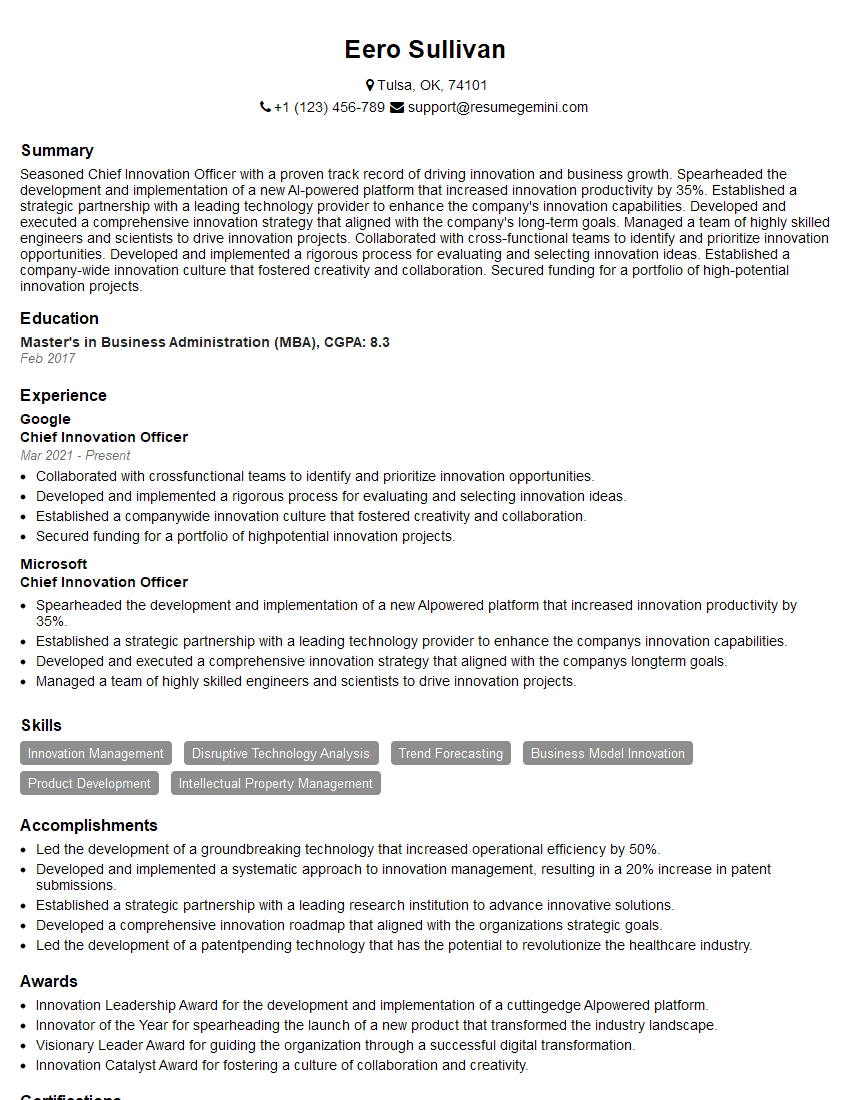
Chief Innovation Officer Resume Sample
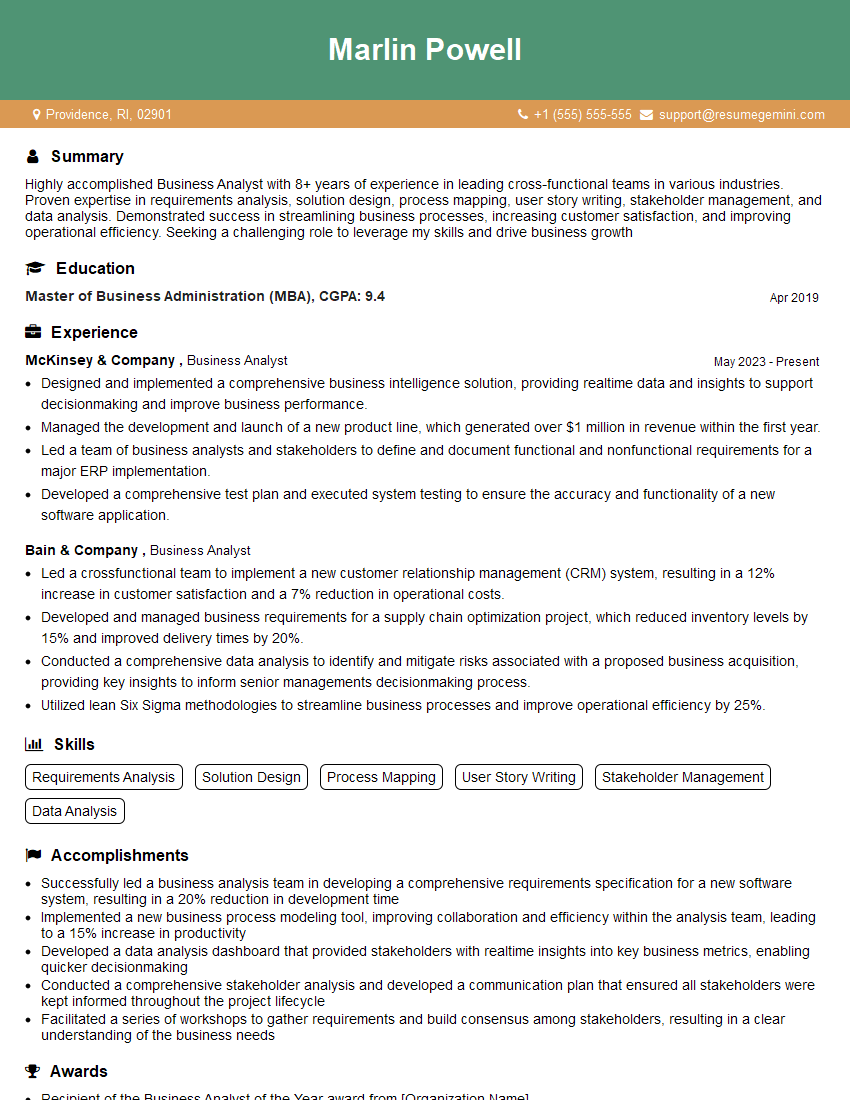
Business Analyst Resume Sample
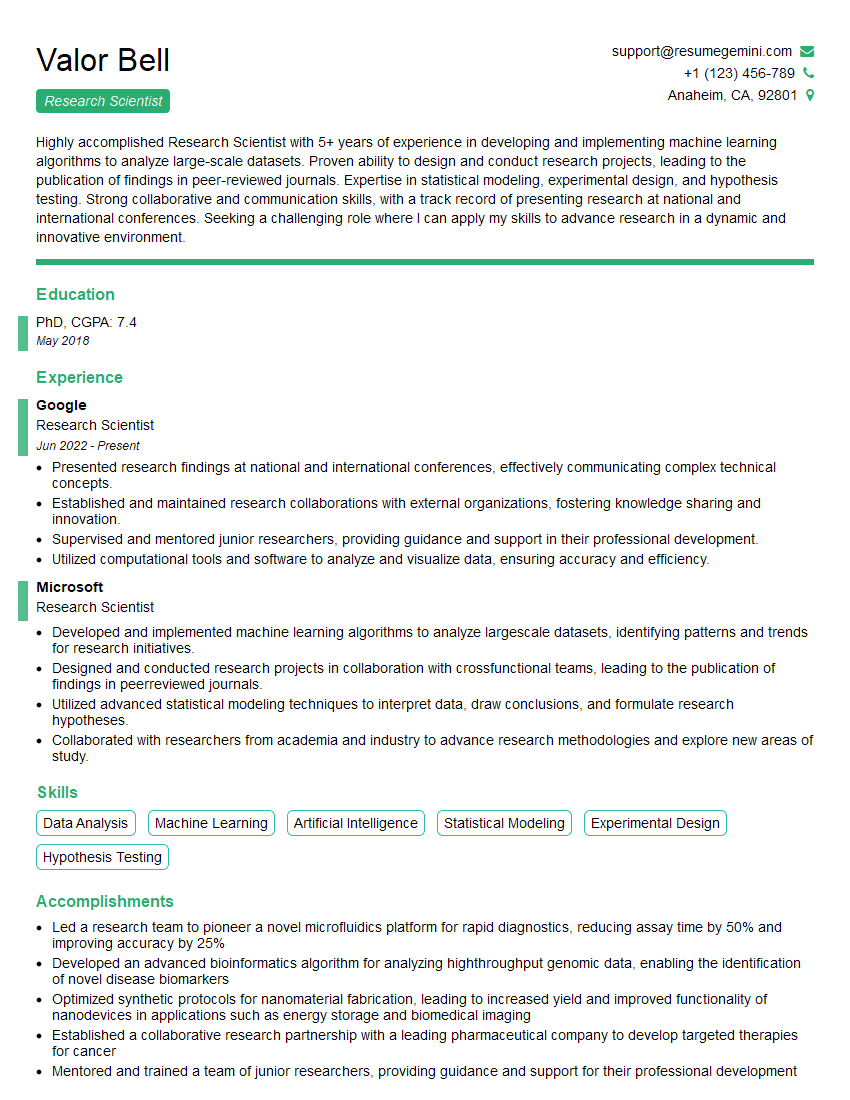
Research Scientist Resume Sample
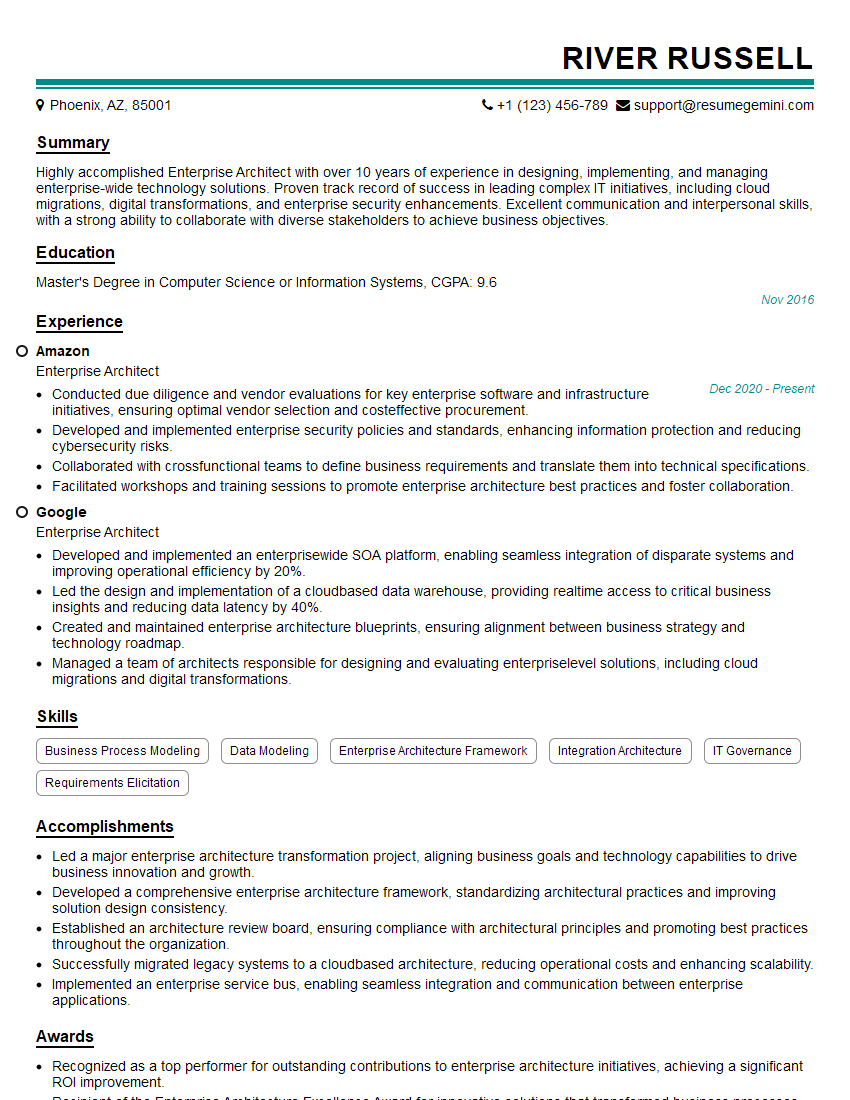
Enterprise Architect Resume Sample
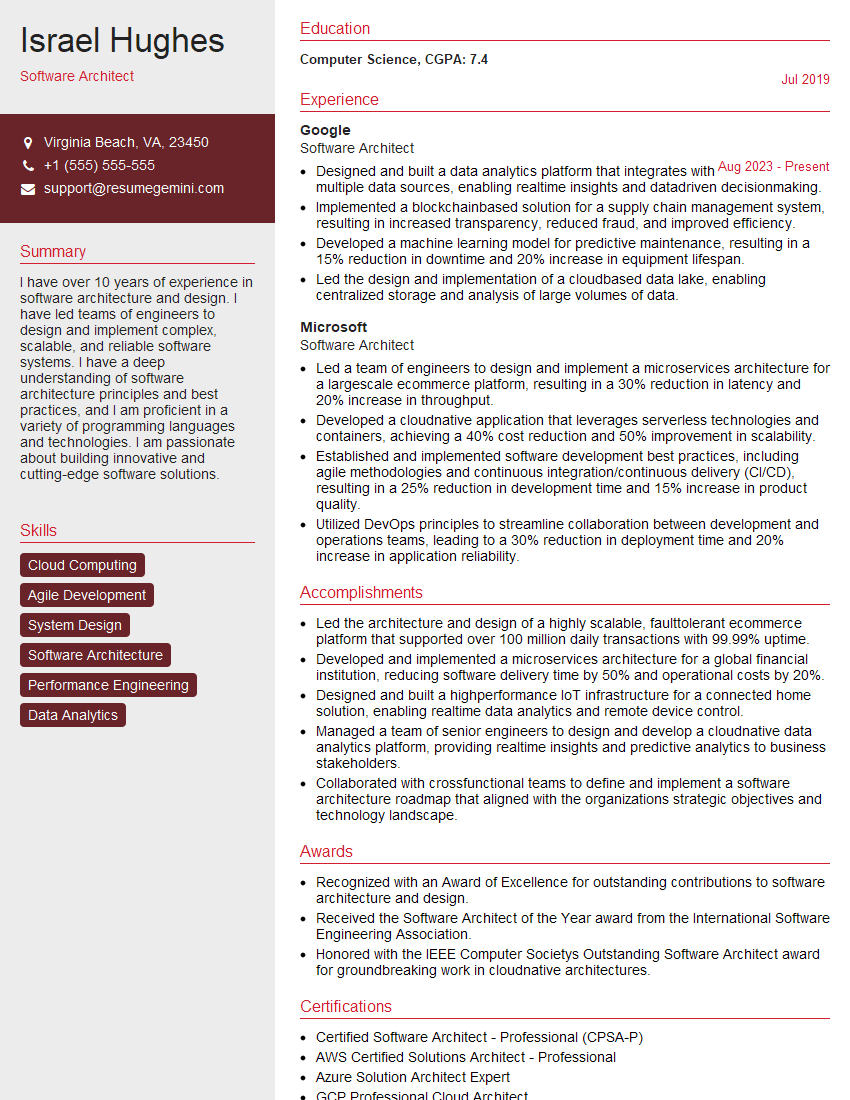
Software Architect Resume Sample

Information Architect Resume Sample
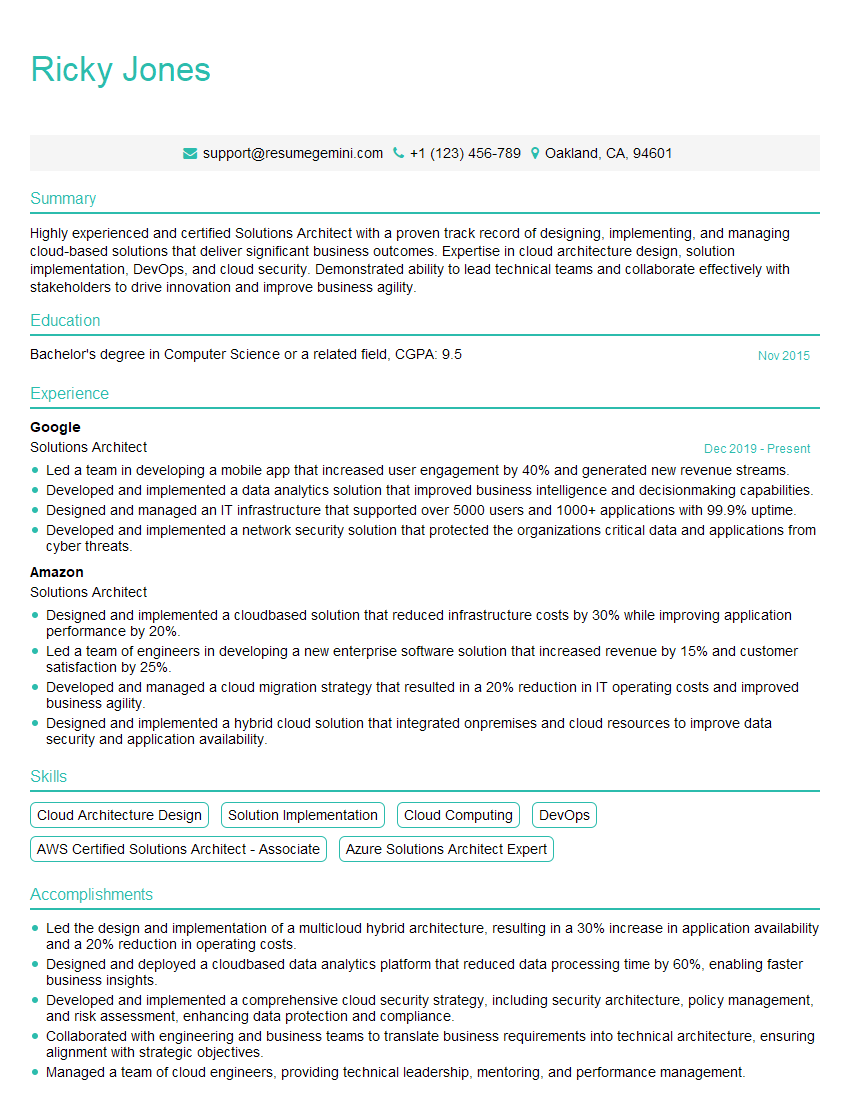
Solutions Architect Resume Sample
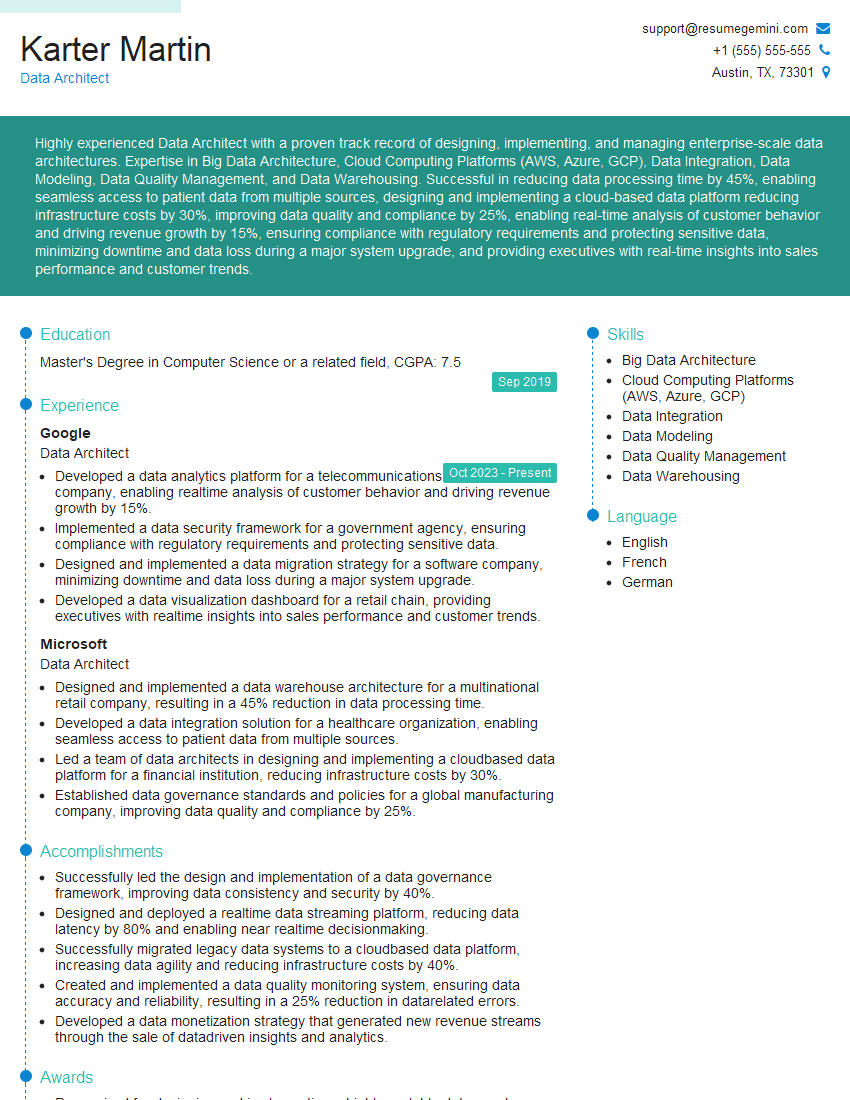
Data Architect Resume Sample
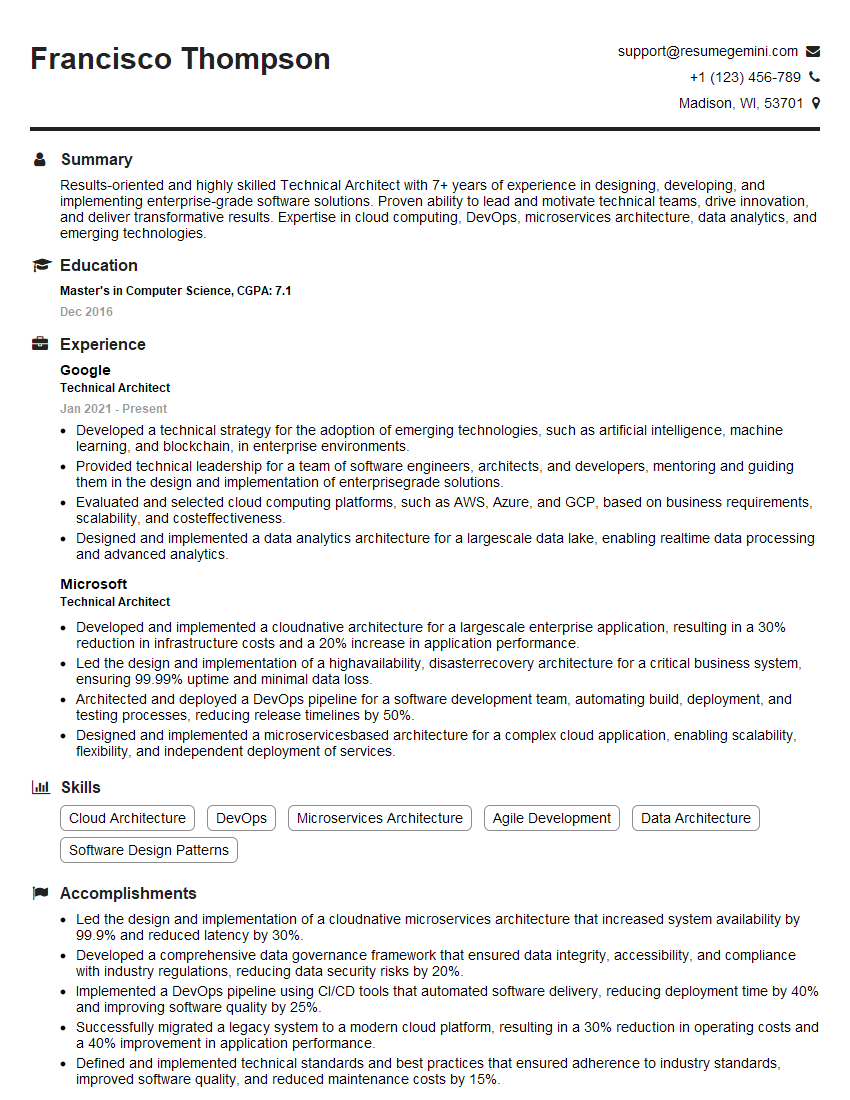
Technical Architect Resume Sample
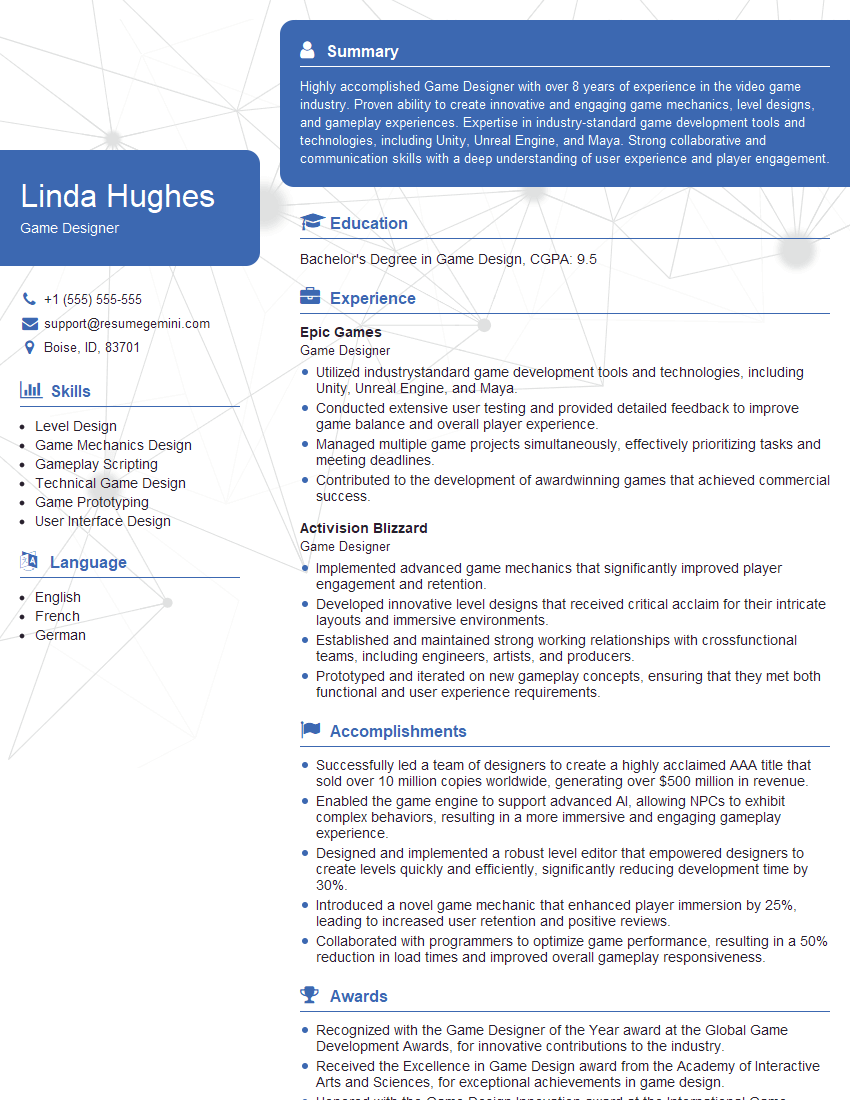
Game Designer Resume Sample
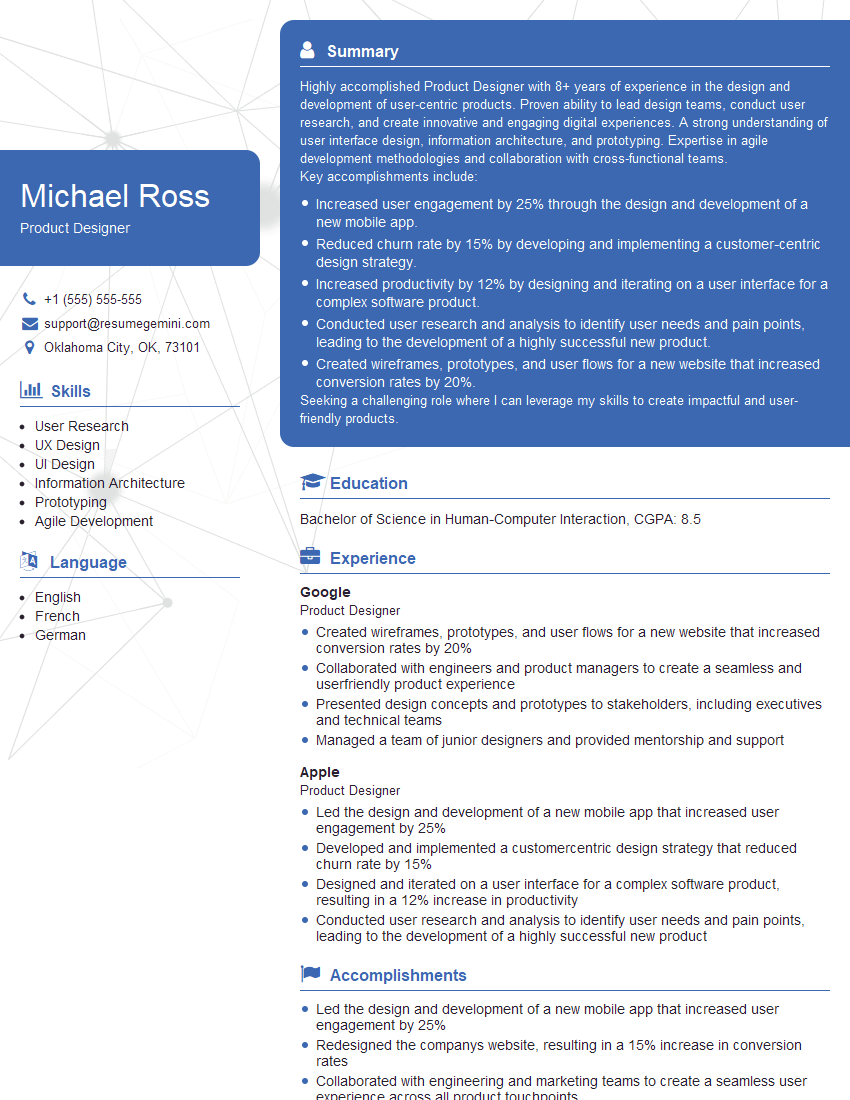
Product Designer Resume Sample
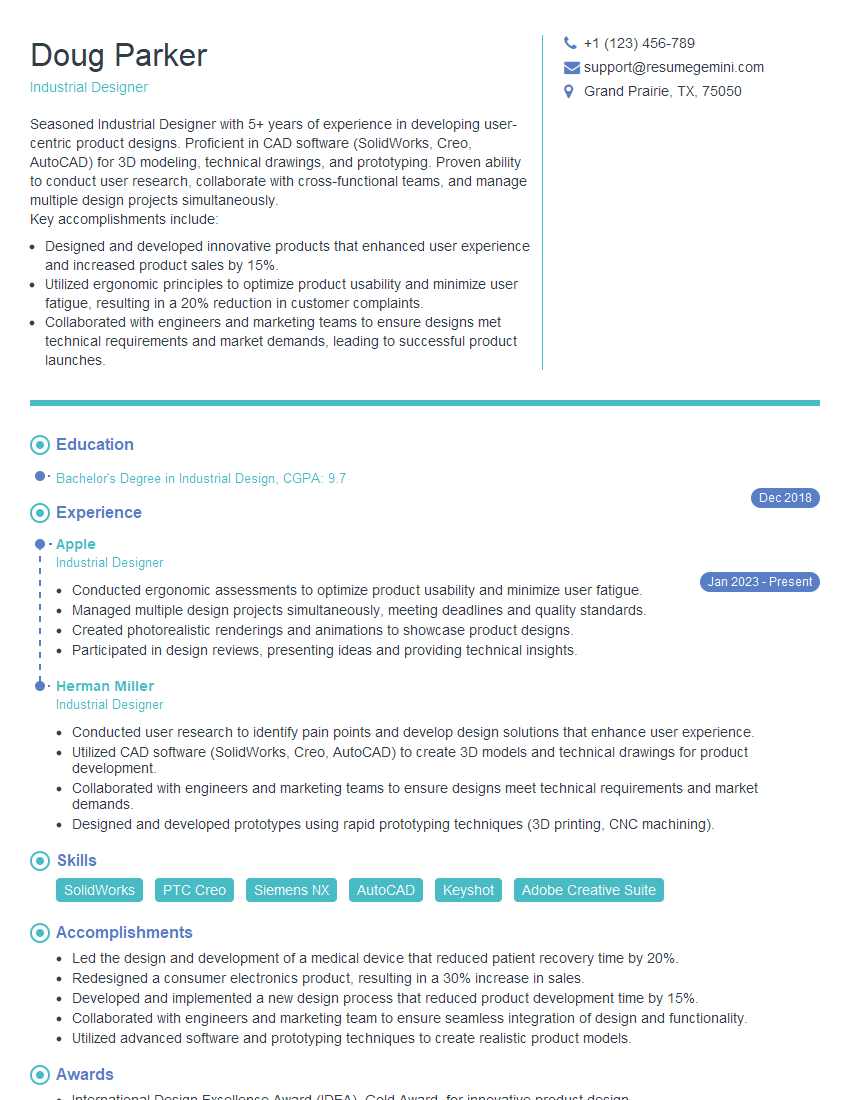
Industrial Designer Resume Sample
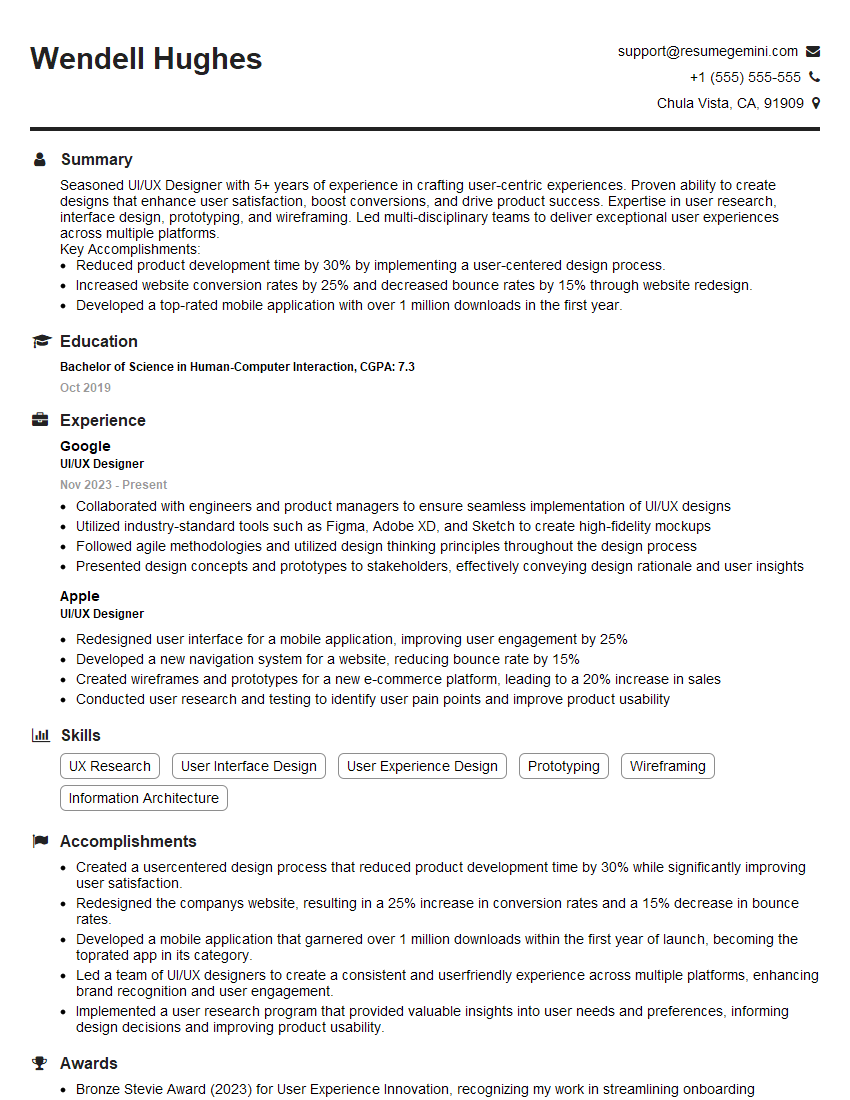
UI/UX Designer Resume Sample
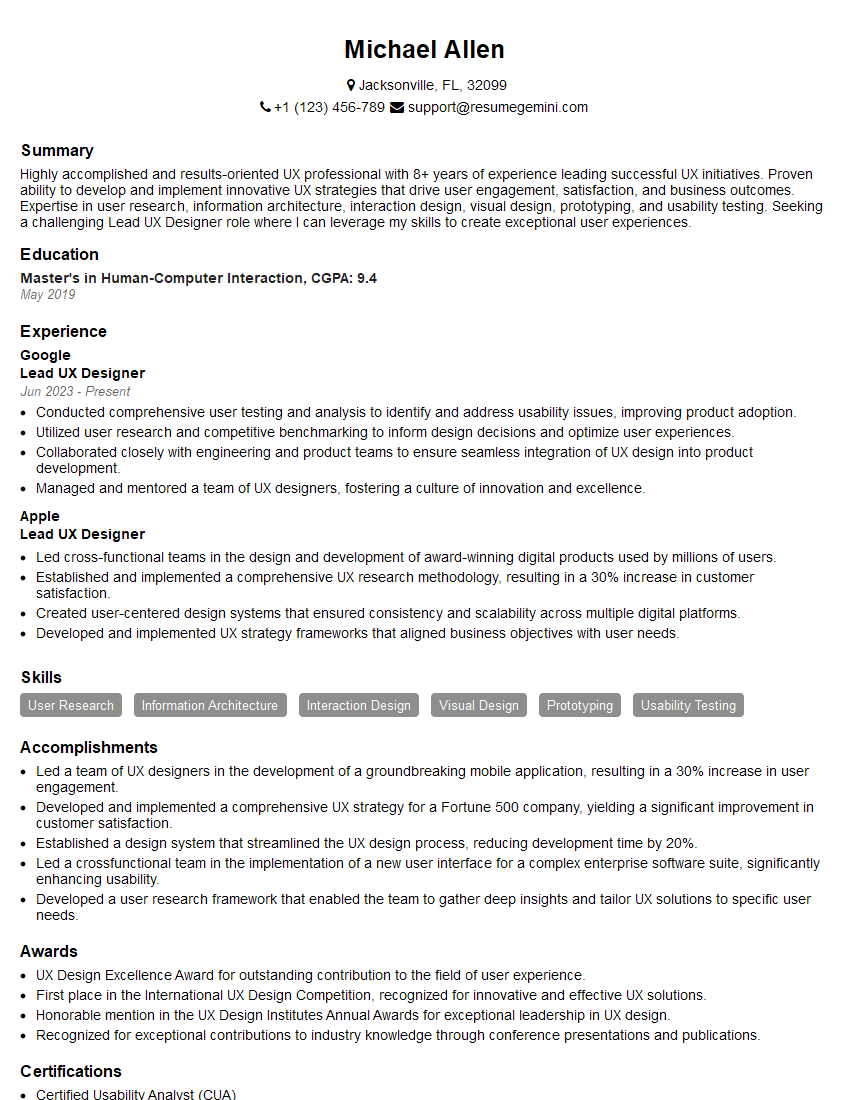
Lead UX Designer Resume Sample
Explore more articles
Users Rating of Our Blogs
Share Your Experience
We value your feedback! Please rate our content and share your thoughts (optional).
What Readers Say About Our Blog
Amazing blog
hello,
Our consultant firm based in the USA and our client are interested in your products.
Could you provide your company brochure and respond from your official email id (if different from the current in use), so i can send you the client’s requirement.
Payment before production.
I await your answer.
Regards,
MrSmith
hello,
Our consultant firm based in the USA and our client are interested in your products.
Could you provide your company brochure and respond from your official email id (if different from the current in use), so i can send you the client’s requirement.
Payment before production.
I await your answer.
Regards,
MrSmith
These apartments are so amazing, posting them online would break the algorithm.
https://bit.ly/Lovely2BedsApartmentHudsonYards
Reach out at BENSON@LONDONFOSTER.COM and let’s get started!
Take a look at this stunning 2-bedroom apartment perfectly situated NYC’s coveted Hudson Yards!
https://bit.ly/Lovely2BedsApartmentHudsonYards
Live Rent Free!
https://bit.ly/LiveRentFREE
Interesting Article, I liked the depth of knowledge you’ve shared.
Helpful, thanks for sharing.
Hi, I represent a social media marketing agency and liked your blog
Hi, I represent an SEO company that specialises in getting you AI citations and higher rankings on Google. I’d like to offer you a 100% free SEO audit for your website. Would you be interested?