Preparation is the key to success in any interview. In this post, we’ll explore crucial Anesthesia and Sedation interview questions and equip you with strategies to craft impactful answers. Whether you’re a beginner or a pro, these tips will elevate your preparation.
Questions Asked in Anesthesia and Sedation Interview
Q 1. Describe the different stages of general anesthesia.
General anesthesia is a medically induced coma, achieved through a carefully controlled sequence of stages. Think of it like a controlled descent into sleep, with specific physiological changes at each level.
Stage I: Analgesia: This is the initial stage where the patient experiences decreased pain sensation and may feel slightly drowsy. They are still conscious and responsive to commands. Imagine it as the feeling of slight relaxation after taking a mild pain reliever.
Stage II: Excitement: Characterized by irregular breathing, increased heart rate, and potential involuntary movements. Patients may become delirious or agitated. This stage is usually kept brief as it’s potentially the most volatile.
Stage III: Surgical Anesthesia: This is the desired state for surgery. Breathing becomes regular, the heart rate and blood pressure stabilize, and the patient is unconscious and unresponsive. Think of it as a deep, quiet sleep.
Stage IV: Medullary Depression: This is a dangerous stage representing extreme respiratory and circulatory depression. It’s a result of too much anesthetic and requires immediate intervention. This stage must be strictly avoided.
Understanding these stages is crucial for safe anesthesia practice. The goal is to smoothly transition the patient into Stage III surgical anesthesia and avoid the risks associated with other stages.
Q 2. Explain the principles of balanced anesthesia.
Balanced anesthesia is a modern approach that uses a combination of different anesthetic agents rather than relying on a single drug. This allows for a more tailored and effective approach to anesthesia, minimizing side effects and maximizing patient safety. It’s like building a perfect cake using multiple ingredients – each contributes unique characteristics to the final product.
Analgesia: Opioids (e.g., fentanyl, morphine) are used to manage pain.
Hypnosis: Drugs that induce unconsciousness (e.g., propofol, sevoflurane) are used to achieve the desired level of unconsciousness.
Muscle Relaxation: Muscle relaxants (e.g., rocuronium, vecuronium) are used to facilitate surgery and intubation.
Autonomic Control: Medications (e.g., anticholinergics) help manage involuntary bodily functions like heart rate and secretions.
The advantage is a reduction in the dose of any single agent, thereby lowering the risk of unwanted side effects while still effectively achieving the desired state of anesthesia. For example, using a small dose of multiple agents can produce the same level of anesthesia with fewer cardiovascular side effects compared to using a larger dose of a single drug.
Q 3. What are the common complications associated with regional anesthesia?
Regional anesthesia, while generally safe, carries potential complications. These complications can range from minor discomfort to severe, life-threatening events, emphasizing the need for careful patient selection and skilled administration.
Nerve damage: Accidental injury to nerves during needle insertion is a possibility, potentially causing temporary or permanent numbness, weakness, or pain. This is minimized by proper technique and ultrasound guidance.
Hematoma formation: Bleeding at the injection site can occur, leading to a collection of blood (hematoma). This can cause pressure on nerves and lead to pain.
Infection: As with any invasive procedure, there is a risk of infection at the injection site. Strict aseptic technique is critical to minimize this.
Hypotension (low blood pressure): Regional anesthesia can cause a drop in blood pressure due to vasodilation, especially with larger blocks. This requires careful monitoring and management.
Local anesthetic toxicity: High doses or accidental intravenous injection of local anesthetic can lead to seizures or cardiovascular collapse. It requires prompt treatment.
Post-dural puncture headache (PDPH): This can occur following spinal anesthesia, causing severe headache. This can be reduced by using smaller needles.
Careful patient selection, meticulous technique, and vigilant monitoring are essential in minimizing the risk of these complications.
Q 4. How do you manage a patient experiencing malignant hyperthermia?
Malignant hyperthermia (MH) is a rare but life-threatening genetic disorder that can be triggered by certain anesthetic agents. It’s a hypermetabolic crisis characterized by a rapid increase in body temperature, muscle rigidity, and metabolic acidosis. Think of it as the body’s furnace running uncontrollably.
Management involves a rapid, coordinated response:
Immediate cessation of triggering agents: Stop the administration of any suspected triggering anesthetic agents immediately.
Administer dantrolene: This is the primary treatment and works by relaxing muscles and reducing the metabolic crisis.
Cooling measures: Active cooling methods, such as iced saline lavage and cooling blankets, are used to lower the body temperature.
Supportive care: This includes monitoring vital signs, managing electrolyte imbalances, and supporting respiratory and cardiovascular function. It includes managing hyperkalemia.
Treat acidosis: Administering sodium bicarbonate to counteract the metabolic acidosis.
Early recognition and prompt treatment are crucial to survival. Delay in treatment significantly increases mortality.
Q 5. What are the different types of airway management techniques?
Airway management is a critical aspect of anesthesia, ensuring adequate oxygenation and ventilation. Different techniques are used based on the patient’s condition and the requirements of the surgery. It’s like choosing the right tool for a specific job.
Face mask ventilation: Simple and commonly used for initial airway assessment and in some short procedures. It’s the most basic form.
Laryngeal mask airway (LMA): A supraglottic airway device that provides a seal around the laryngeal inlet and allows for ventilation.
Endotracheal intubation: Insertion of an endotracheal tube into the trachea, providing a secure airway and allowing for controlled ventilation. This is the gold standard for many surgeries.
Difficult airway management: A range of advanced techniques and devices are used for patients with difficult airways, such as fiberoptic intubation and special airway adjuncts.
The choice of airway management technique is guided by several factors, including the patient’s anatomy, the expected duration of the procedure, and the anticipated need for controlled ventilation.
Q 6. Discuss the differences between intravenous and inhalational anesthetics.
Intravenous (IV) and inhalational anesthetics differ in their administration routes and their effects. IV anesthetics act quickly and are ideal for induction and rapid control, while inhalational agents are useful for maintaining anesthesia and fine-tuning the depth of anesthesia.
Intravenous Anesthetics: Administered directly into the bloodstream, providing rapid onset and offset of action. Examples include propofol, etomidate, and ketamine. These agents are generally preferred for the induction of anesthesia because of the fast onset.
Inhalational Anesthetics: Administered via the respiratory system, achieving a slower onset and offset. Examples include sevoflurane, desflurane, and isoflurane. These agents are more commonly used for maintenance of anesthesia.
The choice between IV and inhalational agents depends on several factors, including the type of surgery, the patient’s condition, and the anesthesiologist’s preference. Often, a combination of both is used for balanced anesthesia.
Q 7. Explain the process of pre-operative assessment for a patient undergoing surgery.
Pre-operative assessment is crucial for ensuring patient safety and optimizing the outcome of surgery. It’s a comprehensive evaluation of the patient’s overall health status to identify potential risks and formulate an appropriate anesthetic plan. Think of it as a detailed blueprint before starting construction.
The assessment typically involves:
Medical history: A complete review of past illnesses, surgeries, allergies, and current medications.
Physical examination: Assessment of vital signs, respiratory status, cardiovascular function, and neurological status.
Laboratory investigations: Blood tests (complete blood count, coagulation studies, electrolyte levels, renal and liver function tests) are often ordered to identify any abnormalities.
Imaging studies: Chest X-rays, electrocardiograms (ECGs), and other imaging studies may be ordered if necessary, based on the patient’s condition and the type of surgery.
Risk assessment: Identifying potential complications associated with anesthesia and surgery, such as cardiovascular or respiratory compromise.
Patient education: Explaining the procedures, risks, benefits, and potential complications to the patient and obtaining informed consent.
The results of this assessment guide the selection of the anesthetic technique, medications, and monitoring strategies, ensuring patient safety during and after the operation.
Q 8. How do you manage a patient’s pain post-operatively?
Post-operative pain management is crucial for patient comfort, recovery, and preventing complications. It’s a multi-modal approach, meaning we don’t rely on a single method but rather combine several techniques to optimize pain relief.
- Analgesics: This is the cornerstone. We might start with non-opioid analgesics like acetaminophen or ibuprofen for mild to moderate pain. For more severe pain, we’ll often use opioids like morphine, fentanyl, or oxycodone, carefully titrating the dose to provide adequate analgesia while minimizing side effects. We might use a patient-controlled analgesia (PCA) pump, which allows the patient to self-administer medication as needed, providing better pain control and reducing the risk of over-medication.
- Regional Anesthesia: Techniques like epidural or peripheral nerve blocks can provide excellent pain relief by targeting specific nerves in the area of surgery. This reduces the need for systemic opioids, minimizing side effects and improving patient mobility.
- Non-Pharmacological Methods: These are equally important. We encourage patients to use ice packs, elevation of the affected limb, and regular movement within the limits of their condition. Relaxation techniques, such as deep breathing and guided imagery, can also help manage pain.
- Adjunctive Therapies: In some cases, we might add other medications like gabapentinoids or antidepressants to help manage neuropathic pain or improve sleep.
For example, a patient recovering from abdominal surgery might receive a PCA pump with morphine, an epidural infusion of local anesthetic, and be instructed on deep breathing exercises. We regularly assess the patient’s pain level using a standardized scale, such as the numerical rating scale (NRS) or the visual analog scale (VAS), and adjust the treatment plan accordingly. The goal is to achieve optimal pain control while minimizing potential side effects.
Q 9. What are the considerations for administering anesthesia to elderly patients?
Anesthetizing elderly patients requires a more cautious and individualized approach due to age-related physiological changes. Their bodies may respond differently to anesthetic agents compared to younger individuals.
- Reduced Organ Function: The elderly often have reduced liver and kidney function, affecting the metabolism and excretion of anesthetic drugs. This means we need to adjust dosages accordingly to prevent drug accumulation and toxicity. We might choose drugs that are primarily metabolized by the liver or by the kidney, depending on the patient’s specific situation.
- Cardiovascular Changes: Age-related changes in the cardiovascular system increase the risk of hypotension or arrhythmias during anesthesia. We need to carefully monitor blood pressure, heart rate, and ECG to ensure cardiovascular stability.
- Respiratory Changes: Age-related decreases in lung capacity and respiratory function can make intubation and ventilation more challenging. We may choose less invasive techniques and closely monitor respiratory parameters.
- Increased Sensitivity to Medications: Older patients may be more sensitive to the effects of anesthetic medications, requiring lower doses to achieve the desired effect. They also might be taking multiple medications (polypharmacy) which can interact with anesthetics, causing unexpected complications. A careful review of their medication history is crucial.
- Co-morbidities: Elderly patients often have multiple co-morbidities (such as diabetes, heart disease, or chronic obstructive pulmonary disease) which impact the anesthetic plan, requiring specialized management for each co-morbidity. For example, a diabetic patient may be at higher risk for post-operative infection so that needs special consideration.
For example, an elderly patient undergoing a hip replacement might receive a regional anesthetic block to minimize systemic drug exposure and carefully monitor their cardiovascular and respiratory parameters throughout the procedure. A thorough pre-operative assessment and optimized medication management are paramount to ensure a safe and effective anesthetic experience.
Q 10. Explain the use of neuromuscular blocking agents.
Neuromuscular blocking agents (NMBA), also known as muscle relaxants, are drugs that temporarily paralyze muscles. They are used in anesthesia to facilitate endotracheal intubation (placing a breathing tube), provide muscle relaxation during surgery, and improve surgical conditions, making procedures easier to perform.
- Mechanism of Action: NMBAs work by blocking the transmission of nerve impulses at the neuromuscular junction, the point where nerves connect with muscles. This prevents muscle contraction.
- Types: There are two main types: depolarizing and non-depolarizing. Depolarizing agents, like succinylcholine, mimic acetylcholine (the neurotransmitter that causes muscle contraction), initially causing muscle fasciculations (brief muscle twitching), followed by paralysis. Non-depolarizing agents, such as rocuronium and vecuronium, compete with acetylcholine at the neuromuscular junction, preventing muscle contraction without initial fasciculations.
- Monitoring: The effects of NMBAs are carefully monitored using a peripheral nerve stimulator (PNS) to assess the degree of paralysis and guide the administration of reversal agents.
- Reversal Agents: Once the surgical procedure is complete, the effects of NMBAs need to be reversed using drugs such as neostigmine or sugammadex, allowing the patient to regain muscle function. The timing of reversal is crucial to allow safe extubation.
For example, during a laparoscopic cholecystectomy (gallbladder removal), a non-depolarizing NMBA might be administered to relax the abdominal muscles, facilitating the insertion of the laparoscope and surgical instruments. The depth of paralysis is carefully monitored using a PNS and subsequently reversed to allow the patient to breathe spontaneously after the procedure.
Q 11. Describe your experience with managing difficult airways.
Managing difficult airways is a critical skill in anesthesia. A difficult airway is defined as any clinical situation that anticipates or encounters difficulty with ventilation, oxygenation, or both during anesthesia or airway management.
- Predicting Difficult Airways: We use various predictors, including Mallampati classification (assessing the visibility of the posterior pharynx), thyromental distance (measuring the distance between the thyroid cartilage and the chin), and neck mobility, to assess the likelihood of a difficult airway. But no predictor is perfect.
- Strategies for Difficult Airways: Our approach depends on the specific challenge. It may involve using different laryngoscopes (like the Macintosh or the Miller laryngoscope), alternative airway devices (like laryngeal mask airways or supraglottic airway devices), or even performing a surgical airway (cricothyroidotomy) in extreme cases.
- Teamwork: Managing difficult airways always involves a team approach. Experienced colleagues, anesthesiologists, and surgeons collaborate to make the right decisions and interventions swiftly. Pre-operative planning of challenging airway cases is vital.
- Emergency Protocols: We adhere to strict emergency protocols to ensure patient safety. These protocols include having backup equipment readily available, knowing the location and access to advanced airway adjuncts, and a clear plan to escalate to senior staff.
I’ve personally managed several difficult airways, including cases where conventional laryngoscopy was impossible. In such situations, I have utilized alternative airway techniques, involving the use of fiberoptic bronchoscopes and supraglottic airway devices, and when necessary, collaborated with senior colleagues to perform a cricothyroidotomy. Successful navigation of these critical situations requires a combination of knowledge, skill, and quick decision-making. The focus is always on maintaining oxygenation and ventilation.
Q 12. How do you monitor a patient’s vital signs during anesthesia?
Continuous monitoring of vital signs is fundamental during anesthesia to ensure patient safety and promptly identify any adverse events. We use a variety of devices and techniques for this purpose.
- Heart Rate and Blood Pressure: These are continuously monitored using non-invasive blood pressure cuffs and electrocardiography (ECG). ECG also provides information on the heart rhythm.
- Pulse Oximetry: This measures the oxygen saturation (SpO2) in the blood, providing a quick assessment of oxygenation. Low values prompt immediate investigation.
- Capnography: This measures the carbon dioxide (CO2) concentration in exhaled breath, confirming proper ventilation and detecting any issues with breathing tube placement.
- Temperature: Body temperature is monitored to prevent hypothermia, a common complication of anesthesia.
- Electroencephalogram (EEG): While not always used routinely, EEG can be incorporated in situations requiring a deeper understanding of brain activity (e.g., neurosurgery).
- Muscle Relaxant Monitoring: As mentioned earlier, peripheral nerve stimulators are used to monitor the effects of neuromuscular blocking agents.
We use alarms to alert us to any significant changes in vital signs outside predetermined parameters. For example, if the SpO2 drops below 95%, we’ll investigate the cause and take appropriate actions, such as adjusting the oxygen flow rate or checking the positioning of the endotracheal tube. Continuous monitoring provides critical information, allowing for prompt intervention and improved patient outcomes.
Q 13. What are the common side effects of opioid analgesics?
Opioid analgesics are powerful pain relievers, but they come with potential side effects. The severity of these side effects varies depending on the opioid used, the dose, and the individual patient’s sensitivity.
- Respiratory Depression: This is the most serious side effect, particularly with higher doses of opioids. It involves slowed or shallow breathing and reduced respiratory rate. Close monitoring of respiratory function is essential.
- Nausea and Vomiting: These are common side effects, often managed with antiemetic medications.
- Constipation: Opioids slow down bowel movements, leading to constipation. Preventive measures, such as stool softeners or laxatives, are often used.
- Sedation: Opioids can cause drowsiness and impaired cognitive function. Patients should be advised not to drive or operate machinery while taking them.
- Itching: This is a less common side effect, but it can be quite bothersome for some patients.
- Tolerance and Dependence: With prolonged use, tolerance can develop, requiring higher doses to achieve the same level of pain relief. Physical dependence can also occur, meaning the body adapts to the presence of the opioid, and withdrawal symptoms can occur if the medication is stopped abruptly. This highlights the importance of careful opioid titration and wean-off protocols.
For example, a patient receiving morphine after surgery might experience nausea and constipation. We would address these side effects with antiemetics and laxatives, respectively, while carefully monitoring their respiratory status. We would also educate the patient about the potential side effects and provide strategies for managing them.
Q 14. Explain your understanding of the ASA physical status classification system.
The American Society of Anesthesiologists (ASA) physical status classification system is a standardized system used to assess a patient’s overall health status before surgery or anesthesia. It helps predict the risk of perioperative complications and guides the anesthetic management plan. The system categorizes patients into six classes, from ASA I (a healthy patient) to ASA VI (a brain-dead patient organ donor).
- ASA I: A normal healthy patient.
- ASA II: A patient with mild systemic disease; e.g., well-controlled hypertension or diabetes.
- ASA III: A patient with severe systemic disease that limits activity but is not incapacitating; e.g., poorly controlled hypertension, symptomatic heart failure.
- ASA IV: A patient with severe systemic disease that is a constant threat to life; e.g., recent myocardial infarction, unstable angina.
- ASA V: A moribund patient who is not expected to survive without the operation; e.g., ruptured abdominal aortic aneurysm.
- ASA VI: A declared brain-dead patient whose organs are being harvested for donation.
The ASA classification is just one factor considered when planning anesthesia. Other factors, such as the type of surgery, the patient’s age, and any other co-morbidities, are also taken into account. For example, a patient with well-controlled diabetes (ASA II) undergoing a minor procedure would have a relatively low risk, while a patient with severe heart failure (ASA III) undergoing major surgery would be considered high-risk and require a more comprehensive anesthetic plan, potentially involving close monitoring in an intensive care unit following the procedure.
Q 15. How do you manage a patient’s anxiety before surgery?
Managing a patient’s anxiety before surgery is crucial for a smooth perioperative experience. It involves a multi-faceted approach combining pharmacological and non-pharmacological interventions. Preoperative anxiety can significantly impact the patient’s physiological response to anesthesia and surgery, potentially increasing the risk of complications.
- Non-pharmacological methods: These include thorough pre-operative education about the procedure, providing clear and honest communication, and addressing the patient’s concerns and fears. Relaxation techniques like deep breathing exercises, guided imagery, or even music therapy can be very effective. A supportive presence from family or friends can also be beneficial.
- Pharmacological methods: For patients with significant anxiety, low-dose anxiolytics such as benzodiazepines (e.g., midazolam) or non-benzodiazepines (e.g., zolpidem) may be prescribed the night before or a few hours before surgery. The choice of medication and dosage depends on the patient’s medical history and the severity of their anxiety. It’s essential to carefully weigh the benefits against potential side effects, such as drowsiness and respiratory depression.
For example, I had a patient who was extremely anxious about an upcoming knee replacement. We spent time discussing the procedure, answering her questions, and teaching her some simple relaxation breathing techniques. We also prescribed a low dose of midazolam to be taken the night before. This combination of approaches significantly reduced her anxiety, leading to a smoother induction and recovery.
Career Expert Tips:
- Ace those interviews! Prepare effectively by reviewing the Top 50 Most Common Interview Questions on ResumeGemini.
- Navigate your job search with confidence! Explore a wide range of Career Tips on ResumeGemini. Learn about common challenges and recommendations to overcome them.
- Craft the perfect resume! Master the Art of Resume Writing with ResumeGemini’s guide. Showcase your unique qualifications and achievements effectively.
- Don’t miss out on holiday savings! Build your dream resume with ResumeGemini’s ATS optimized templates.
Q 16. Discuss your experience with conscious sedation.
Conscious sedation involves a controlled reduction in a patient’s level of consciousness, allowing them to respond to verbal commands and retain some degree of protective reflexes. It’s often used for procedures that don’t require complete loss of consciousness but still need patient comfort and cooperation. My experience with conscious sedation encompasses a wide range of procedures, from colonoscopies and dental work to minor surgical interventions.
The key to successful conscious sedation is careful patient selection and meticulous monitoring of vital signs, including heart rate, blood pressure, oxygen saturation, and respiratory rate. Commonly used agents include midazolam, propofol, and fentanyl, often administered intravenously. The depth of sedation is carefully titrated to the patient’s response and the demands of the procedure. I always prioritize maintaining the airway and ensuring the patient’s safety throughout the procedure and recovery period.
One particular case involved a patient undergoing a dental implant procedure. Using a combination of midazolam and local anesthesia, I was able to maintain her comfort and cooperation throughout the relatively long procedure while allowing her to easily respond to the dentist’s requests. Post-procedure, her recovery was smooth, with minimal side effects.
Q 17. Explain the difference between general and regional anesthesia.
General anesthesia and regional anesthesia are two distinct approaches to providing analgesia and loss of consciousness for surgical procedures. General anesthesia produces a state of unconsciousness, analgesia (loss of pain sensation), amnesia (loss of memory), and muscle relaxation, essentially putting the patient completely to sleep. Regional anesthesia, on the other hand, numbs a specific region of the body, allowing the patient to remain awake and conscious, though the area affected is insensitive to pain.
- General Anesthesia: This involves the administration of several drugs, including inhalational agents (e.g., sevoflurane, desflurane) or intravenous agents (e.g., propofol, etomidate) to induce and maintain unconsciousness. Muscle relaxants are often used to facilitate surgery. A dedicated anesthesia provider constantly monitors the patient’s vital signs throughout the procedure.
- Regional Anesthesia: Techniques include spinal anesthesia (injecting medication into the cerebrospinal fluid) or epidural anesthesia (injecting medication into the epidural space surrounding the spinal cord). These methods block nerve impulses in the targeted area, providing effective analgesia. Other methods include nerve blocks (injecting medication around specific nerves) and peripheral nerve catheters (allowing for continuous analgesia).
The choice between general and regional anesthesia depends on several factors, including the type of surgery, the patient’s medical history, and their preferences. For example, a patient undergoing a lower limb surgery might opt for spinal anesthesia, while a patient needing a major abdominal procedure would typically require general anesthesia.
Q 18. How do you calculate drug dosages for anesthesia?
Calculating drug dosages for anesthesia is a complex process that requires a thorough understanding of pharmacology, physiology, and patient-specific factors. There’s no single formula; it involves using established guidelines, considering the patient’s age, weight, body surface area, and underlying medical conditions, as well as the specific anesthetic agents being used.
Many factors influence dosage. These include:
- Patient factors: Age, weight, sex, pre-existing medical conditions (e.g., liver or kidney disease), and current medications all impact how the body metabolizes and responds to drugs.
- Anesthetic agent properties: Each anesthetic agent has its own pharmacokinetic and pharmacodynamic profile, influencing how it’s administered and its potential effects.
- Type of surgery: The duration and invasiveness of the procedure influence anesthetic requirements.
Dosage calculations often involve using body weight-based formulas or calculating doses based on ideal body weight, especially in patients who are obese or have significant muscle mass. Sophisticated software and nomograms (graphs used for calculation) may assist. However, clinical judgment and experience play a vital role. It is crucial to monitor the patient’s response closely and adjust dosages as needed based on physiological parameters.
For example, the dosage of propofol for induction of anesthesia might be calculated based on the patient’s weight (e.g., 2 mg/kg). However, this is a starting point, and the anesthesiologist will adjust the dose based on the patient’s response, aiming for a smooth induction while avoiding excessive sedation. This often requires continuous monitoring and titration of the anesthetic to find the optimal dosage.
Q 19. What are the safety precautions associated with anesthesia administration?
Safety precautions during anesthesia administration are paramount. These precautions aim to minimize risks and ensure patient safety throughout the entire process, from pre-operative evaluation to post-operative recovery.
- Preoperative assessment: A comprehensive assessment evaluates the patient’s medical history, current medications, allergies, and any potential risks. This includes a thorough physical examination and potentially further investigations such as blood tests or EKG.
- Monitoring: Continuous monitoring of vital signs (heart rate, blood pressure, oxygen saturation, respiratory rate, ECG), end-tidal CO2, and anesthetic depth is crucial. This ensures early detection and management of any complications.
- Airway management: Secure airway management is a top priority, especially during general anesthesia. This involves proper positioning, intubation, and monitoring of ventilation. Emergency equipment, such as laryngoscopes and endotracheal tubes, should always be readily available.
- Drug administration: Drugs are carefully administered according to established protocols and the patient’s individual needs. Precise dosing, proper dilution, and verification of medications are essential. Having multiple checks in place reduces the chance of medication errors.
- Emergency preparedness: The anesthesiologist must be prepared to handle emergencies, including cardiac arrest, hypotension, hypoxia, and malignant hyperthermia. Emergency equipment, drugs, and trained personnel must be immediately available.
For instance, ensuring proper patient positioning to avoid nerve damage, using appropriate techniques for airway management, and having readily available emergency medications and equipment are all crucial safety protocols. Adhering to these precautions is crucial in ensuring patient well-being and minimizing complications.
Q 20. How do you handle emergencies during anesthesia?
Handling emergencies during anesthesia requires a calm, decisive, and coordinated approach. The key is rapid assessment, efficient intervention, and effective teamwork. My training emphasizes proactive risk management, preventative strategies, and rapid response to unexpected events.
The steps involved in managing an emergency usually follow a systematic approach:
- Recognition and assessment: Rapid recognition of the emergency, whether it’s hypotension, hypoxia, airway obstruction, or cardiac arrest, is the first crucial step. Immediate assessment of the patient’s condition and vital signs determines the severity of the situation.
- Initiation of appropriate treatment: Based on the assessment, immediate treatment is initiated. This may include administering emergency drugs (e.g., epinephrine for cardiac arrest, vasopressors for hypotension, or reversal agents for opioid overdose), securing the airway, or initiating advanced cardiac life support (ACLS).
- Communication and teamwork: Clear and effective communication with the surgical team and other healthcare professionals is essential. A coordinated response ensures efficient and effective management of the situation.
- Post-event review and documentation: After the emergency, a thorough review of events is conducted to identify contributing factors, learn from the experience, and improve future practice. Comprehensive documentation of the events is crucial for legal and quality assurance purposes.
For example, if a patient experiences a sudden drop in blood pressure, immediate actions would include assessing the cause (e.g., bleeding, anaphylaxis), administering fluids, and potentially using vasopressors to increase blood pressure. Simultaneously, the situation would be communicated to the surgical team, and appropriate steps would be taken to address the underlying problem.
Q 21. Describe your experience with managing patients with co-morbidities.
Managing patients with co-morbidities (pre-existing medical conditions) requires a meticulous and individualized approach. These conditions can significantly impact the patient’s response to anesthesia and increase the risk of complications during and after surgery.
My experience includes managing patients with a wide range of co-morbidities, including:
- Cardiovascular disease: Patients with heart disease require careful assessment of their cardiac function and potential risks associated with anesthesia. This may involve adjusting the choice of anesthetic agents and close monitoring of vital signs during surgery.
- Pulmonary disease: Patients with lung conditions like asthma or COPD need careful airway management and consideration of their respiratory status during anesthesia. Oxygen supplementation and close monitoring of respiratory function are often necessary.
- Renal and hepatic dysfunction: Impaired kidney or liver function influences how the body processes anesthetic drugs. Dosage adjustments and careful selection of agents are essential to minimize the risk of toxicity.
- Diabetes: Maintaining blood glucose levels within a safe range is critical for patients with diabetes undergoing surgery. This requires close collaboration with the surgical team and potentially the administration of insulin or other glucose-regulating medications.
For instance, a patient with severe coronary artery disease undergoing a major surgical procedure would require meticulous preoperative cardiac assessment, careful selection of anesthetic agents to minimize cardiovascular stress, and continuous monitoring during and after surgery. This collaborative approach, involving cardiologists and other specialists, aims to maximize the patient’s safety and achieve a successful outcome.
Q 22. What is your experience with different types of anesthetic equipment?
My experience encompasses a wide range of anesthetic equipment, from basic anesthesia machines to sophisticated monitoring systems. I’m proficient with various vaporizers, including those utilizing different anesthetic agents like sevoflurane, desflurane, and isoflurane. I’m also familiar with different types of breathing circuits, including circle systems and Mapleson systems, and understand their advantages and disadvantages in various clinical scenarios. Furthermore, my experience extends to using and troubleshooting various infusion pumps, ventilators (both volume- and pressure-controlled), and neuromuscular monitoring devices. I’m comfortable with advanced equipment such as BIS monitors (Bispectral Index) for assessing depth of anesthesia and nerve stimulators for evaluating neuromuscular blockade. Regular maintenance and familiarity with the equipment’s operational limitations are crucial aspects of my practice, contributing to patient safety and optimal outcomes.
Q 23. How do you ensure patient safety during anesthesia?
Ensuring patient safety during anesthesia is paramount and a multifaceted process. It starts with a thorough pre-operative assessment, including a detailed medical history, physical examination, and relevant investigations to identify and mitigate potential risks. This is followed by meticulous preparation of the equipment and the operating room itself to minimize potential hazards. During the procedure, continuous monitoring of vital signs (heart rate, blood pressure, oxygen saturation, respiratory rate, ECG), along with assessment of the depth of anesthesia, is critical. I utilize various monitoring techniques, including capnography to confirm endotracheal tube placement and track ventilation, and arterial blood gas analysis for precise assessment of oxygenation and acid-base balance. The judicious use of medications and close attention to detail throughout the entire anesthetic process, including careful emergence and post-operative care, are integral parts of my patient safety protocol. A strong emphasis on teamwork and communication with the surgical team is also crucial.
Q 24. Explain your understanding of different monitoring techniques used during anesthesia.
Anesthesia monitoring encompasses a variety of techniques designed to assess a patient’s physiological status throughout the perioperative period. Standard monitoring includes ECG for cardiac rhythm and rate, pulse oximetry for oxygen saturation, non-invasive blood pressure measurement, and capnography to confirm endotracheal tube placement and assess ventilation. Advanced monitoring includes invasive blood pressure monitoring (arterial line) for continuous, beat-to-beat blood pressure readings, central venous pressure (CVP) monitoring to assess right-heart filling pressures, and pulmonary artery catheterization (Swan-Ganz catheter) for detailed hemodynamic information. Neuromuscular monitoring (using nerve stimulators) helps assess the depth of neuromuscular blockade during surgery. Finally, newer technologies such as BIS monitoring provide an objective measure of the depth of anesthesia, helping to optimize anesthetic delivery and reduce the risk of awareness during surgery. The choice of monitoring techniques depends on the individual patient’s needs, the type of surgery, and potential complications.
Q 25. Describe a challenging case involving anesthesia and how you resolved it.
One challenging case involved a patient with severe pre-existing cardiovascular disease undergoing an emergency abdominal surgery. The patient had a history of unstable angina and was on multiple medications. Maintaining hemodynamic stability during the procedure was extremely challenging. We used invasive arterial and central venous pressure monitoring to continuously assess cardiovascular function. We carefully titrated anesthetic agents and vasopressors to maintain adequate blood pressure and heart rate. The use of a specific anesthetic technique to minimize cardiovascular stress, along with a multidisciplinary approach involving cardiologists and critical care specialists, proved crucial. We encountered unexpected hypotension during induction, which was promptly managed with fluid resuscitation and vasopressor support. Close communication with the surgical team helped ensure a coordinated approach. Through careful monitoring and timely intervention, we successfully navigated the challenges and the patient made a full recovery.
Q 26. Explain your familiarity with different types of airway devices.
My familiarity with airway devices is extensive. I’m proficient with both supraglottic and endotracheal airway management techniques. Supraglottic airway devices, such as laryngeal masks and i-gels, provide a less invasive approach for airway management, particularly useful for short procedures or patients with difficult airways. However, endotracheal intubation remains the gold standard for securing the airway, especially in longer procedures or those requiring controlled ventilation. I’m skilled in various techniques for endotracheal intubation, including direct laryngoscopy, video laryngoscopy, and fiberoptic bronchoscopy, adapting my approach to the individual patient’s anatomy and clinical situation. I’m also adept at managing difficult airways and potential complications associated with airway management, such as airway obstruction and laryngospasm. Regular training and simulation exercises help maintain proficiency and readiness for various scenarios.
Q 27. What is your understanding of the principles of hemodynamic monitoring?
Hemodynamic monitoring involves assessing the circulatory system’s function, including the heart’s pumping ability, blood vessel tone, and blood volume. Understanding these principles is crucial for managing fluid balance, optimizing cardiac output, and preventing complications during anesthesia. Non-invasive methods such as blood pressure measurement and pulse oximetry provide basic information, but invasive techniques, such as arterial line placement, offer continuous and accurate blood pressure monitoring. Central venous pressure (CVP) monitoring provides information on right atrial pressure and venous return, while pulmonary artery catheterization (Swan-Ganz catheter) provides comprehensive hemodynamic data, including cardiac output, pulmonary artery pressures, and mixed venous oxygen saturation. Interpreting these data allows for effective management of blood volume, vasoactive medication administration, and optimization of cardiac performance during surgery. Understanding the limitations and potential complications associated with each monitoring technique is also vital.
Q 28. How do you assess and manage respiratory complications during anesthesia?
Respiratory complications during anesthesia can range from mild hypoventilation to severe respiratory failure. Assessment begins with monitoring respiratory rate, depth, and effort. Capnography provides continuous monitoring of end-tidal CO2, which is crucial for confirming adequate ventilation and detecting airway obstruction or disconnection. Pulse oximetry measures arterial oxygen saturation, but arterial blood gas analysis is necessary for a more comprehensive assessment of oxygenation, ventilation, and acid-base balance. Early detection of hypoventilation, hypercapnia, or hypoxemia is crucial. Management includes adjusting ventilator settings, providing supplemental oxygen, and addressing underlying causes such as airway obstruction, pulmonary edema, or pneumothorax. Bronchodilators may be needed for bronchospasm. In severe cases, advanced respiratory support such as mechanical ventilation may be required. Maintaining airway patency and ensuring adequate oxygenation and ventilation are critical for preventing and managing respiratory complications. Post-operative respiratory assessment is equally important.
Key Topics to Learn for Anesthesia and Sedation Interview
- Pharmacology of Anesthetic Agents: Understanding the mechanisms of action, pharmacokinetics, and pharmacodynamics of various anesthetic agents (inhalational, intravenous, local). Consider comparing and contrasting different agents and their suitability for various procedures.
- Airway Management: Mastering techniques for securing and managing the airway, including endotracheal intubation, laryngeal mask airway insertion, and difficult airway management strategies. Be prepared to discuss scenarios and problem-solving approaches.
- Monitoring Techniques: Thorough knowledge of vital sign monitoring (ECG, SpO2, blood pressure, capnography), hemodynamic monitoring, and neurologic monitoring during anesthesia and sedation. Discuss the interpretation of these parameters and how they guide clinical decision-making.
- Anesthesia Circuits and Equipment: Familiarity with the components and function of anesthesia machines, ventilators, and monitoring equipment. Understanding the principles of gas delivery and ventilation is crucial.
- Pain Management: Knowledge of various pain management techniques, including regional anesthesia (nerve blocks), multimodal analgesia, and opioid management. Be prepared to discuss different approaches to managing post-operative pain.
- Complications and Management: Understanding potential complications of anesthesia and sedation (e.g., hypotension, hypertension, respiratory depression, malignant hyperthermia) and the strategies for their prevention and management. This includes recognizing and responding to emergencies.
- Patient Assessment and Selection: Discuss the importance of thorough pre-operative patient assessment to identify potential risks and tailor the anesthetic plan accordingly. This includes understanding relevant medical history and physical examination findings.
- Ethical and Legal Considerations: Be prepared to discuss ethical dilemmas in anesthesia and sedation practice, as well as relevant legal aspects of informed consent and patient safety.
Next Steps
Mastering Anesthesia and Sedation is crucial for career advancement in this specialized field. A strong understanding of these principles will significantly enhance your clinical skills and open doors to various opportunities. To improve your job prospects, it’s essential to create an ATS-friendly resume that effectively highlights your skills and experience. ResumeGemini is a trusted resource to help you build a professional and impactful resume. We provide examples of resumes tailored specifically to Anesthesia and Sedation to guide you through the process. Take the next step toward your dream career today!
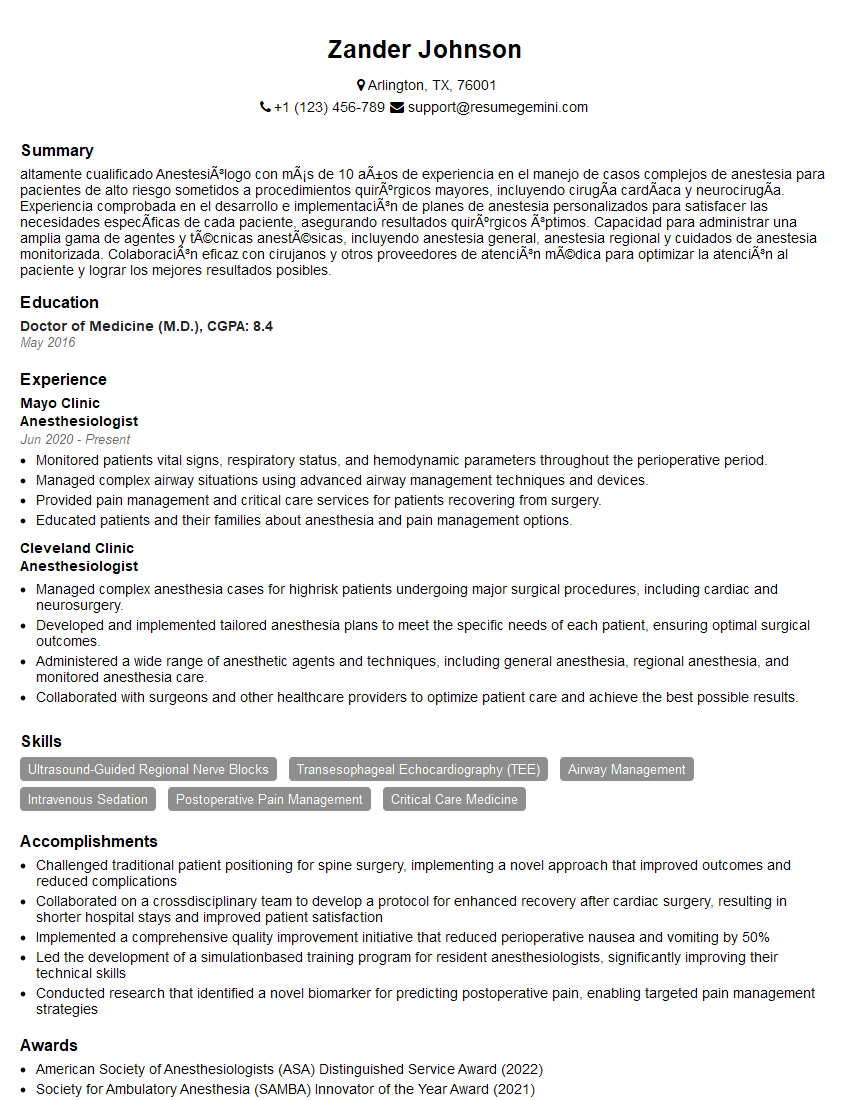
Anesthesiologist Resume Sample
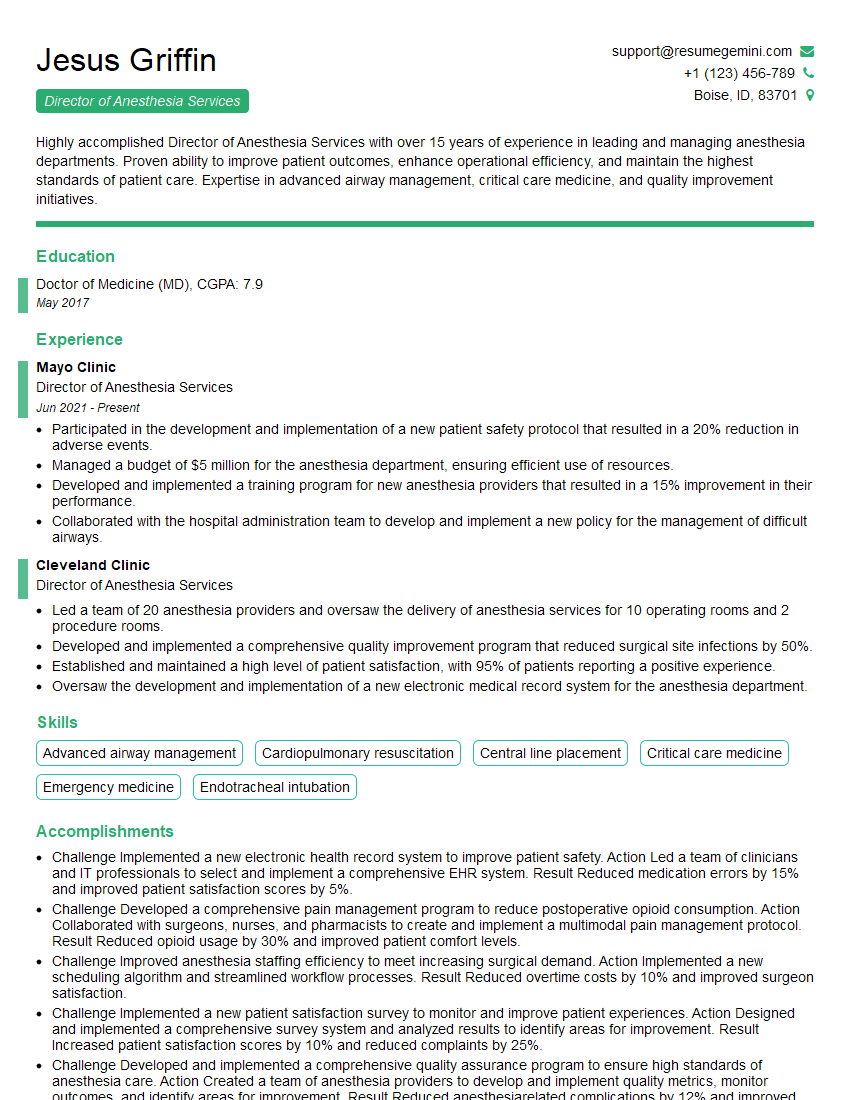
Director of Anesthesia Services Resume Sample
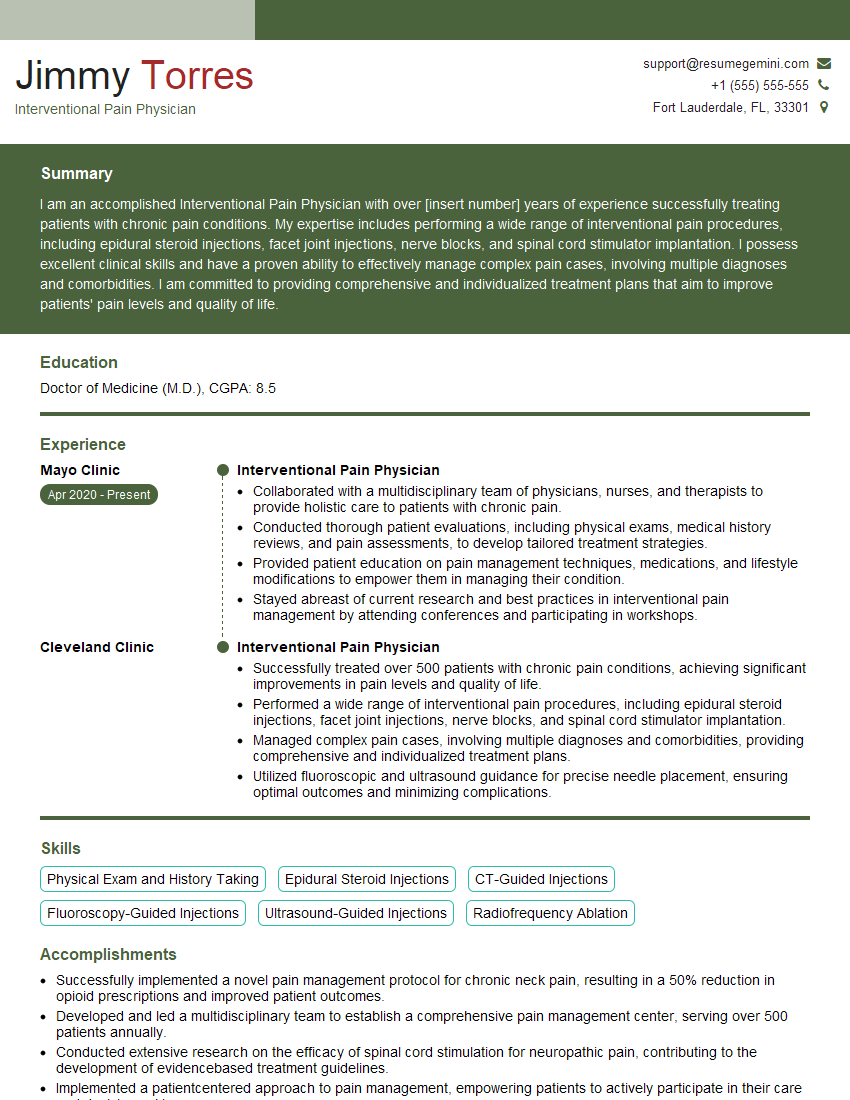
Interventional Pain Physician Resume Sample
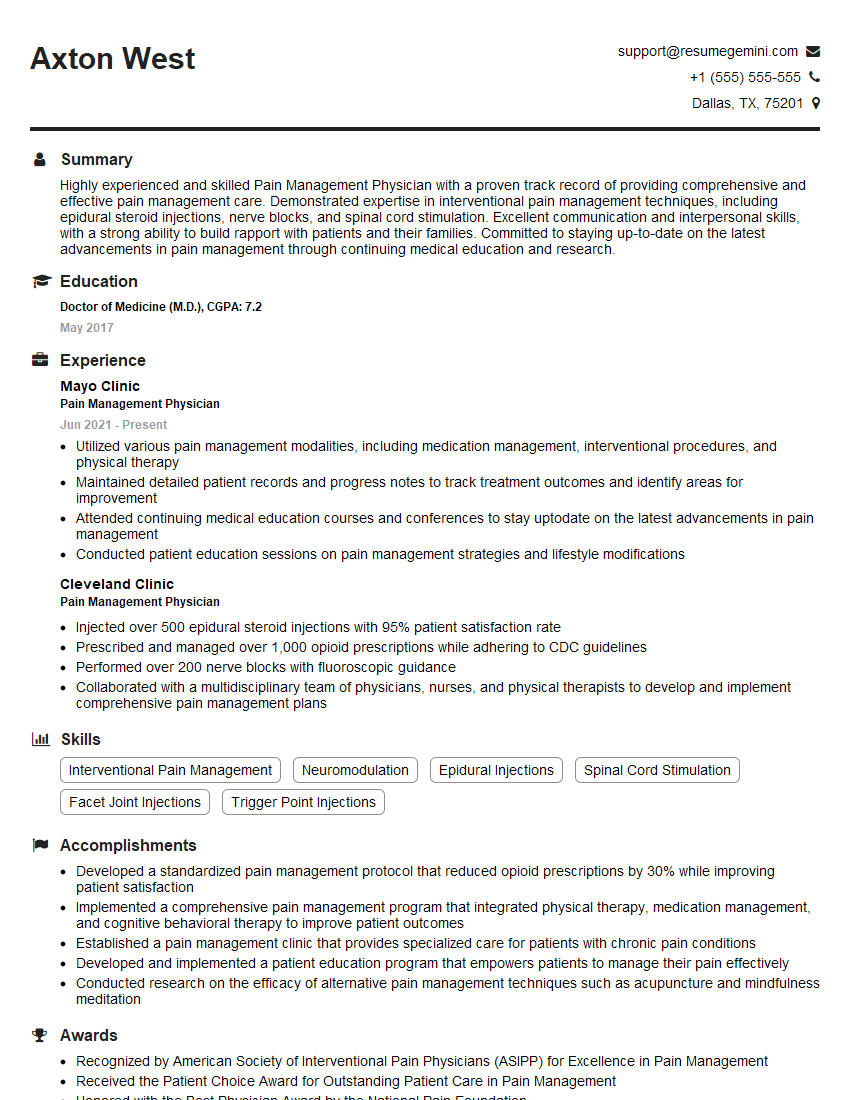
Pain Management Physician Resume Sample
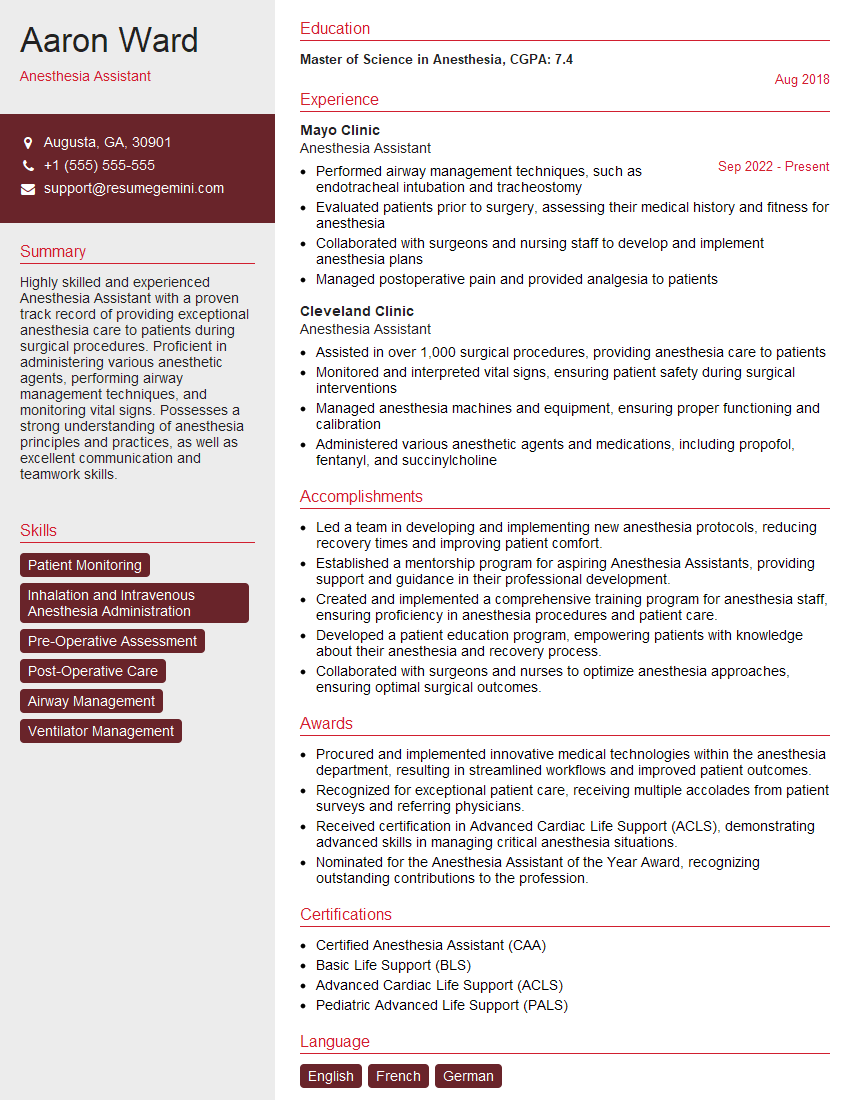
Anesthesia Assistant Resume Sample
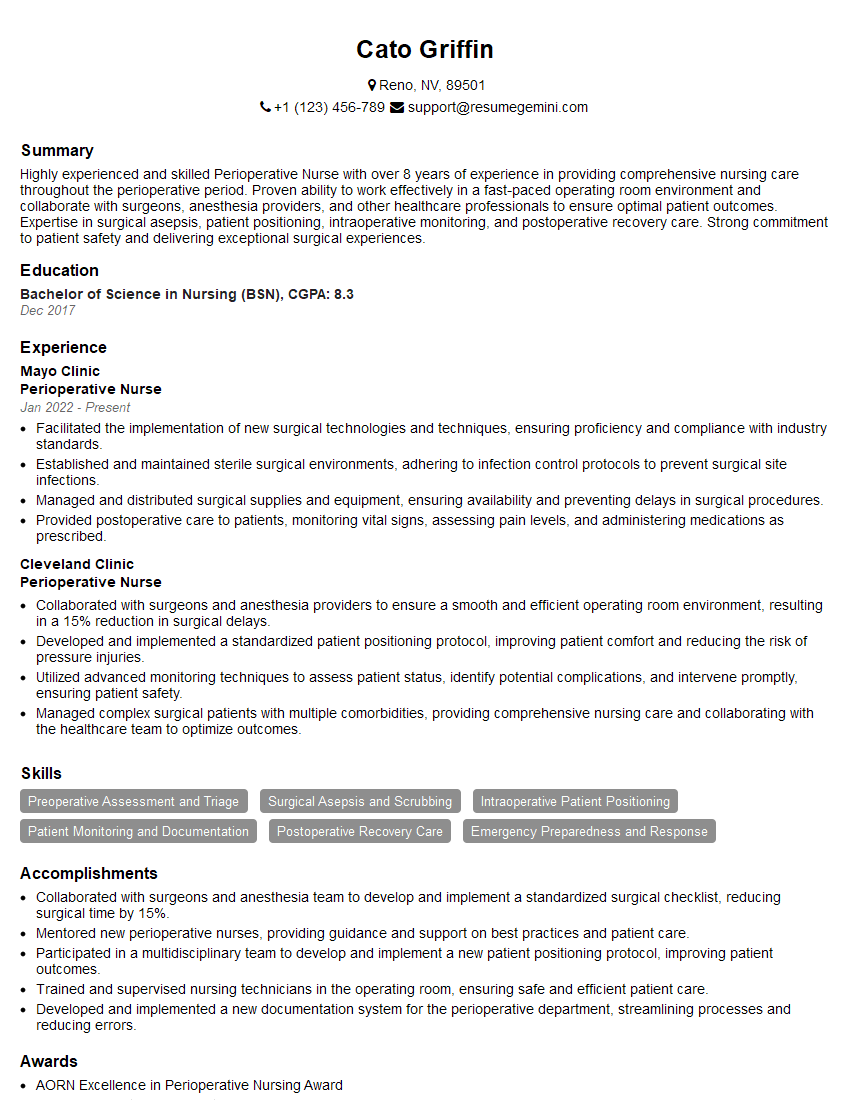
Perioperative Nurse Resume Sample
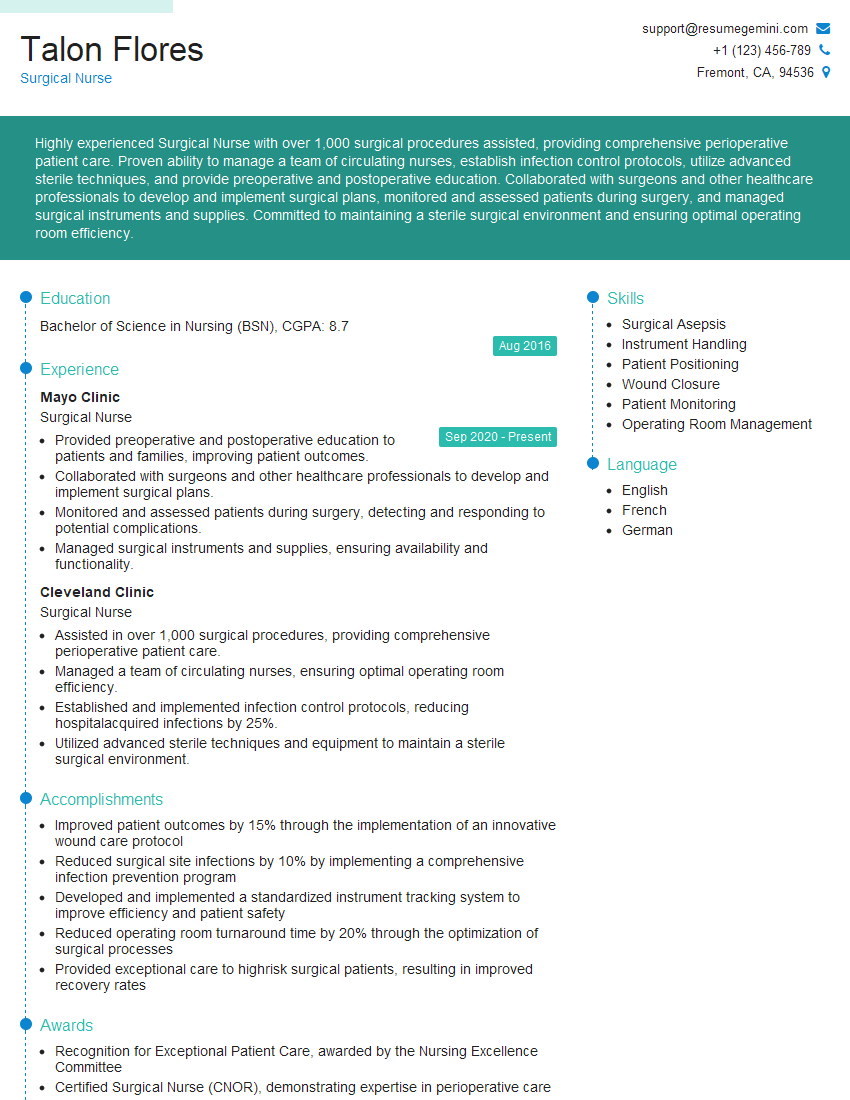
Surgical Nurse Resume Sample
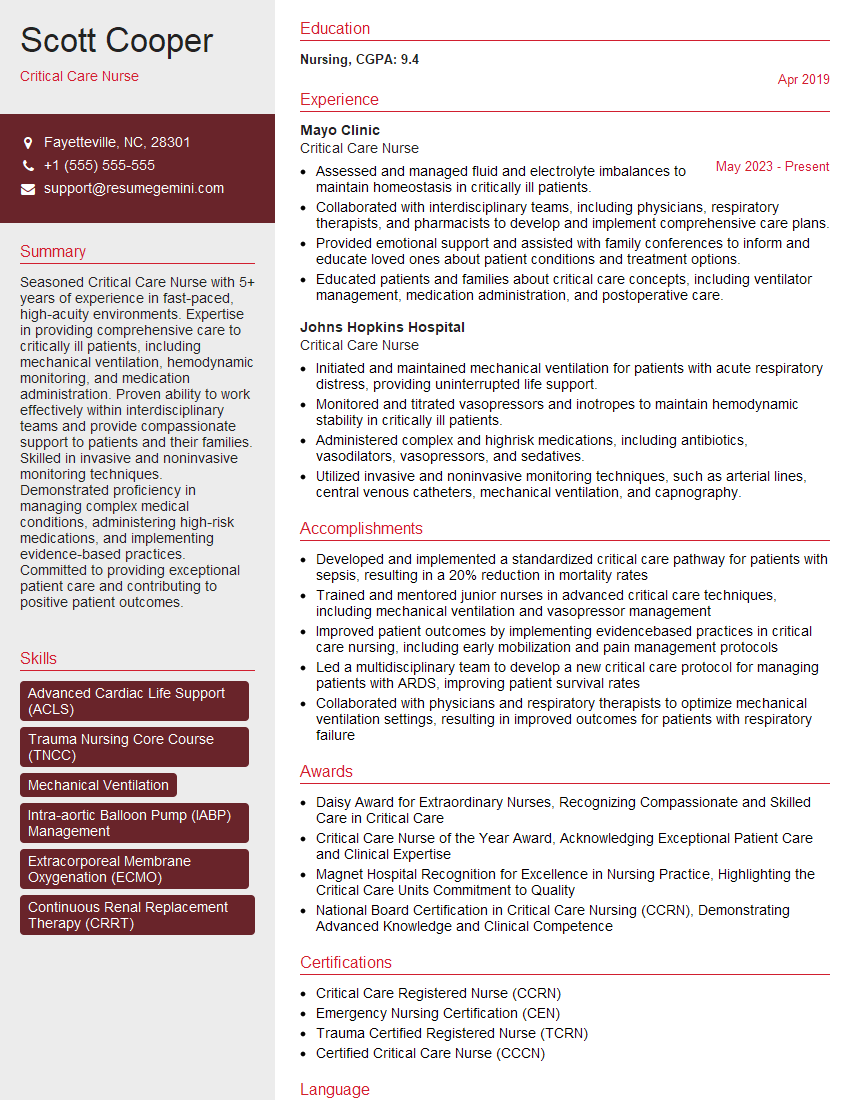
Critical Care Nurse Resume Sample
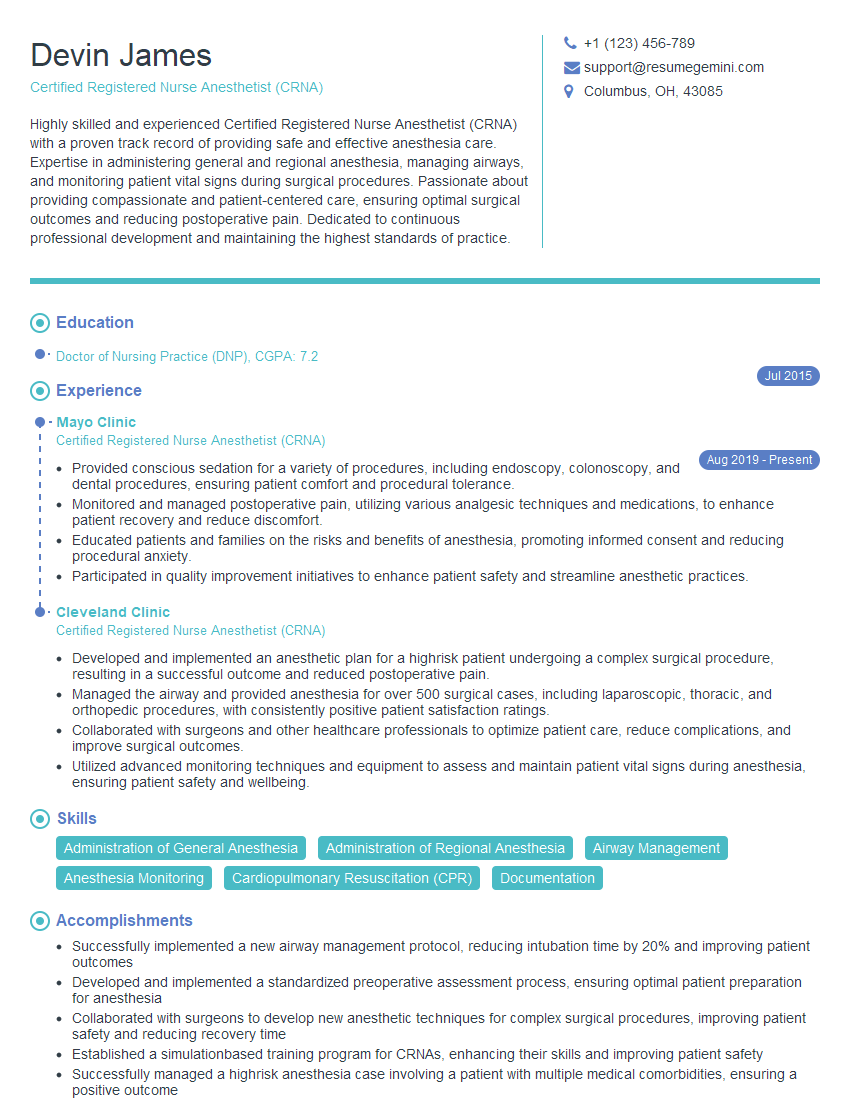
Certified Registered Nurse Anesthetist (CRNA) Resume Sample
Explore more articles
Users Rating of Our Blogs
Share Your Experience
We value your feedback! Please rate our content and share your thoughts (optional).
What Readers Say About Our Blog
hello,
Our consultant firm based in the USA and our client are interested in your products.
Could you provide your company brochure and respond from your official email id (if different from the current in use), so i can send you the client’s requirement.
Payment before production.
I await your answer.
Regards,
MrSmith
hello,
Our consultant firm based in the USA and our client are interested in your products.
Could you provide your company brochure and respond from your official email id (if different from the current in use), so i can send you the client’s requirement.
Payment before production.
I await your answer.
Regards,
MrSmith
These apartments are so amazing, posting them online would break the algorithm.
https://bit.ly/Lovely2BedsApartmentHudsonYards
Reach out at [email protected] and let’s get started!
Take a look at this stunning 2-bedroom apartment perfectly situated NYC’s coveted Hudson Yards!
https://bit.ly/Lovely2BedsApartmentHudsonYards
Live Rent Free!
https://bit.ly/LiveRentFREE
Interesting Article, I liked the depth of knowledge you’ve shared.
Helpful, thanks for sharing.
Hi, I represent a social media marketing agency and liked your blog
Hi, I represent an SEO company that specialises in getting you AI citations and higher rankings on Google. I’d like to offer you a 100% free SEO audit for your website. Would you be interested?