Interviews are opportunities to demonstrate your expertise, and this guide is here to help you shine. Explore the essential Building Customer Relationships interview questions that employers frequently ask, paired with strategies for crafting responses that set you apart from the competition.
Questions Asked in Building Customer Relationships Interview
Q 1. Describe your approach to identifying and prioritizing customer needs.
Identifying and prioritizing customer needs is the cornerstone of successful customer relationship management (CRM). My approach is multifaceted, combining proactive research with active listening and data analysis.
- Proactive Research: I begin by thoroughly researching the target market, analyzing demographics, psychographics, and buying behaviors. This provides a baseline understanding of common needs and pain points.
- Active Listening: During interactions, I focus intently on what customers say—both verbally and nonverbally. This includes paying attention to their tone, body language, and unspoken concerns. I ask open-ended questions to encourage them to elaborate and avoid leading them to specific answers.
- Data Analysis: I leverage CRM software and other analytical tools to track customer interactions, purchase history, feedback, and support requests. This data reveals patterns and trends that highlight frequently occurring needs and areas for improvement. For example, if a significant number of customers are requesting a specific feature, it indicates a high priority need.
- Prioritization: Once needs are identified, I prioritize them based on factors like frequency, impact on customer satisfaction, and potential business value. The Pareto Principle (80/20 rule) often guides this process—focusing on the 20% of needs that yield 80% of the impact.
For example, in a previous role, analyzing customer feedback revealed a consistent need for improved online support documentation. This led to a significant project focused on improving our online help center, resulting in a measurable reduction in support tickets and increased customer satisfaction.
Q 2. How do you handle challenging or difficult customer interactions?
Handling challenging customer interactions requires empathy, patience, and a structured approach. My strategy focuses on active listening, de-escalation, and finding mutually acceptable solutions.
- Active Listening and Empathy: I start by letting the customer fully express their concerns without interruption. I use active listening techniques like paraphrasing and summarizing to show I understand their perspective. Showing empathy, even when disagreeing, is key.
- De-escalation: If the interaction becomes heated, I use calming language, acknowledge their frustration, and avoid getting defensive. I might say something like, “I understand your frustration, and I want to help you resolve this.”
- Solution-Oriented Approach: Once the situation is calmer, I work collaboratively with the customer to find a solution. This may involve offering alternative options, making concessions where appropriate, or escalating the issue to a supervisor if necessary.
- Documentation: I thoroughly document the interaction, including the customer’s concerns, the steps taken to resolve the issue, and the final outcome. This ensures consistency and accountability.
For instance, I once dealt with a customer who was extremely upset about a delayed shipment. By actively listening, acknowledging their frustration, and offering a expedited shipping and a partial refund, I turned a potentially negative interaction into a positive one, reinforcing their loyalty to the company.
Q 3. Explain your experience with CRM software and its impact on customer relationships.
I have extensive experience using CRM software, including Salesforce and HubSpot. These tools have significantly enhanced my ability to manage and nurture customer relationships.
- Centralized Customer Data: CRM systems provide a centralized repository for all customer information, including contact details, purchase history, interaction logs, and feedback. This eliminates data silos and allows for a holistic view of each customer.
- Improved Communication: CRM software facilitates efficient communication through automated email sequences, personalized messaging, and integrated communication channels. This enables consistent and timely interaction with customers.
- Enhanced Segmentation and Targeting: CRM systems allow for customer segmentation based on various criteria (demographics, purchase history, behavior). This enables targeted marketing campaigns and personalized offers, increasing effectiveness and customer engagement.
- Performance Tracking and Analysis: CRMs provide robust reporting and analytics capabilities, enabling the monitoring of key metrics such as customer satisfaction, conversion rates, and retention rates. This data-driven approach allows for continuous improvement of CRM strategies.
In a previous role, implementing a new CRM system resulted in a 20% increase in customer retention within six months, demonstrating the positive impact of effective CRM software utilization. The ability to track customer interactions and tailor communications significantly improved customer satisfaction and loyalty.
Q 4. How do you measure the success of your customer relationship management efforts?
Measuring the success of customer relationship management efforts requires a multi-faceted approach, focusing on both quantitative and qualitative metrics.
- Customer Satisfaction (CSAT): Regularly measuring CSAT through surveys, feedback forms, and reviews provides a direct measure of customer happiness.
- Customer Effort Score (CES): CES gauges the ease with which customers can interact with the company. A lower score indicates easier interactions and higher satisfaction.
- Net Promoter Score (NPS): NPS measures customer loyalty and willingness to recommend the company to others. A higher score indicates stronger brand advocacy.
- Customer Retention Rate: Tracking the percentage of customers retained over time is a crucial indicator of CRM effectiveness.
- Customer Lifetime Value (CLTV): CLTV estimates the total revenue generated by a customer over their relationship with the company. Increasing CLTV signifies improved CRM performance.
- Qualitative Feedback: Analyzing open-ended feedback from surveys, reviews, and social media helps identify areas for improvement and gain a deeper understanding of customer needs.
By tracking these metrics and analyzing the data regularly, I can identify trends, measure the effectiveness of CRM strategies, and make data-driven adjustments to optimize performance. For instance, a consistent decline in NPS might signal the need for improvements in product quality or customer service.
Q 5. Describe a situation where you had to manage a customer’s expectations.
I once had to manage a customer’s expectations regarding a product launch delay. The customer had pre-ordered a highly anticipated product, and the launch was delayed due to unforeseen manufacturing issues.
My approach involved:
- Transparency and Honesty: I promptly informed the customer about the delay and explained the reasons behind it in clear and concise terms. I avoided making excuses and focused on providing accurate information.
- Empathy and Apology: I expressed empathy for their frustration and apologized for the inconvenience caused by the delay.
- Proactive Communication: I provided regular updates on the revised launch date and kept the customer informed about the progress. This demonstrated my commitment to resolving the situation.
- Offering Compensation: I offered a small compensation, like a discount on their next purchase, to show appreciation for their patience and understanding.
By proactively managing expectations and demonstrating empathy and transparency, I was able to maintain a positive relationship with the customer despite the disappointing delay. The customer appreciated the honesty and the extra effort made to keep them informed, resulting in continued loyalty.
Q 6. How do you build rapport with clients from diverse backgrounds?
Building rapport with clients from diverse backgrounds requires cultural sensitivity, active listening, and a genuine interest in understanding their perspectives.
- Cultural Awareness: I strive to be mindful of cultural differences in communication styles, body language, and values. This includes research and, when possible, learning about relevant cultural norms before engaging with clients.
- Active Listening and Empathy: I actively listen to understand their unique needs and preferences, paying attention to both verbal and nonverbal cues. I ask clarifying questions to ensure a shared understanding.
- Personalized Communication: I tailor my communication style to match the individual client’s preferences. Some clients prefer formal communication, while others appreciate a more informal and friendly approach.
- Respectful Communication: I ensure my communication is respectful and inclusive, avoiding language or assumptions that might be offensive or inappropriate.
- Seeking Feedback: I regularly seek feedback to ensure I am effectively communicating and building rapport. This involves asking clients directly how I can improve the interaction.
For example, when working with a client from a different country, I researched their cultural norms to understand their communication style and expectations. This showed respect and fostered trust, leading to a successful and positive working relationship.
Q 7. What strategies do you use to retain customers?
Customer retention is crucial for long-term business success. My strategies for retaining customers focus on providing exceptional value, building strong relationships, and proactively addressing potential issues.
- Exceptional Customer Service: Providing prompt, efficient, and friendly customer service is essential. Addressing customer issues quickly and effectively fosters loyalty.
- Personalized Communication: Regularly communicating with customers through personalized emails, newsletters, and targeted offers shows that they are valued.
- Loyalty Programs and Rewards: Implementing loyalty programs and offering rewards for repeat purchases incentivizes continued patronage.
- Proactive Customer Support: Reaching out to customers proactively to address potential issues or offer assistance builds trust and strengthens the relationship.
- Collecting and Acting on Feedback: Actively soliciting and responding to customer feedback demonstrates a commitment to improvement and customer satisfaction.
- Building Relationships: Going beyond transactional interactions to build genuine relationships with customers fosters loyalty and encourages repeat business.
For instance, in a previous role, implementing a personalized email campaign resulted in a significant increase in customer retention and repeat purchases. This highlighted the effectiveness of targeted communication in strengthening customer relationships.
Q 8. How do you identify opportunities to upsell or cross-sell products/services?
Identifying opportunities to upsell or cross-sell hinges on understanding the customer’s needs and past purchase history. It’s not about aggressively pushing additional products but about offering relevant solutions that enhance their experience or solve new problems.
- Analyzing Purchase History: I look for patterns. A customer frequently buying running shoes might benefit from high-quality running socks or a fitness tracker. This requires access to transactional data and a CRM system that allows for segmentation and targeted communication.
- Understanding Customer Needs: Active listening during interactions is crucial. If a customer mentions challenges with a specific product, it opens an opportunity to suggest a complementary product or an upgraded version that addresses the issue. For example, if a customer is struggling with photo editing software, I would suggest a more advanced version or a training course.
- Leveraging Customer Feedback: Surveys, reviews, and support tickets provide valuable insights into unmet needs. Negative feedback might point to areas where a different product or service could better meet customer expectations.
- Targeted Marketing Campaigns: Based on customer segmentation, we can create targeted email campaigns or website promotions that offer relevant upsells and cross-sells. For instance, customers who purchased a basic subscription might be offered an upgrade with premium features.
Ethical considerations are paramount. Upselling and cross-selling should always feel natural and beneficial to the customer, never pushy or manipulative.
Q 9. Describe your process for resolving customer complaints.
My process for resolving customer complaints focuses on empathy, efficiency, and a commitment to finding a fair resolution.
- Active Listening and Empathy: I start by actively listening to the customer’s complaint without interruption. I aim to understand their perspective and express empathy for their frustration.
- Information Gathering: I gather all relevant information, including the details of the issue, the customer’s expectations, and any previous attempts to resolve the problem. This often involves checking order history, support tickets, or contacting other departments if necessary.
- Finding a Solution: I propose a solution that addresses the customer’s concerns fairly and efficiently. This might involve a refund, a replacement product, a discount on future purchases, or a simple apology. I strive to empower the customer and ensure that they are satisfied with the outcome.
- Follow-up: I always follow up with the customer to ensure they are satisfied with the resolution and to gather feedback on their experience. This follow-up is crucial for improving our processes and preventing future problems.
For example, if a customer received a damaged product, I would apologize, arrange for a replacement to be shipped immediately, and offer a small discount on their next purchase as a gesture of goodwill. The key is to exceed their expectations in resolving the issue.
Q 10. How do you handle negative customer feedback?
Negative customer feedback, while initially uncomfortable, is a goldmine of valuable information. I view it as an opportunity for improvement and enhanced customer satisfaction.
- Acknowledge and Respond Promptly: I acknowledge the feedback publicly (if on a review site) and privately (via email or phone). A prompt and sincere response demonstrates that we value the customer’s opinion.
- Empathize and Apologize (if necessary): Even if the customer is wrong, acknowledging their frustration and offering an apology for the negative experience can diffuse tension. Empathy goes a long way.
- Investigate and Take Action: I thoroughly investigate the root cause of the negative feedback. This might involve reviewing internal processes, product performance data, or support logs. Based on the investigation, I take corrective actions to prevent similar issues in the future.
- Offer a Solution (if applicable): Depending on the nature of the feedback, I may offer a solution such as a refund, a discount, or a replacement product. The goal is to turn a negative experience into a positive one, if possible.
- Learn and Improve: I use negative feedback to identify areas for improvement in our products, services, and customer support processes. This feedback is invaluable for ongoing development.
For example, consistent negative feedback about a slow shipping process prompted us to partner with a different logistics company, significantly reducing shipping times and improving customer satisfaction.
Q 11. Explain how you prioritize customer requests and manage competing demands.
Prioritizing customer requests and managing competing demands requires a structured approach. I use a combination of techniques to ensure that urgent and important requests are addressed efficiently.
- Urgency and Importance Matrix: I categorize requests based on their urgency and importance. Urgent and important requests (e.g., critical system failures) take top priority. Important but less urgent requests (e.g., feature requests) are scheduled appropriately. Less important requests might be deferred.
- Service Level Agreements (SLAs): Setting clear SLAs for different types of requests ensures that customers have reasonable expectations regarding response times and resolution. This transparency improves customer satisfaction.
- Ticketing System and Workflow: Using a well-organized ticketing system helps to track requests, assign them to the appropriate team members, and monitor their progress. Workflow automation can streamline the process.
- Communication and Transparency: Regular communication with customers about the status of their requests is essential, especially for high-priority issues. Transparency builds trust and reduces frustration.
- Regular Review and Adjustment: I regularly review the prioritization process to ensure its effectiveness and make adjustments as needed. This might involve modifying SLAs or adjusting workflows based on feedback and observed patterns.
Imagine a scenario where a major system outage affects many customers alongside individual support tickets. The outage demands immediate attention, while individual requests are addressed according to their urgency once the outage is resolved. The ticketing system ensures we don’t lose track of any request.
Q 12. How do you utilize data analytics to inform customer relationship strategies?
Data analytics plays a vital role in shaping effective customer relationship strategies. By analyzing customer data, we gain valuable insights that enable us to personalize interactions, improve service delivery, and increase customer lifetime value.
- Customer Segmentation: Data analytics enables us to segment customers based on demographics, purchase history, behavior, and other relevant factors. This allows for targeted marketing campaigns and personalized recommendations.
- Predictive Modeling: We can use data analytics to predict customer churn, identify at-risk customers, and proactively address potential issues. This enables us to retain valuable customers and improve customer retention rates.
- Campaign Optimization: By analyzing the performance of marketing campaigns, we can optimize their effectiveness and improve ROI. This might involve A/B testing different messaging or targeting specific customer segments.
- Personalization and Recommendation Engines: Data analytics powers recommendation engines that suggest relevant products or services to customers based on their past purchases and behavior. This enhances the customer experience and drives sales.
- Customer Journey Mapping: Analyzing customer interactions across different touchpoints allows us to map their journey and identify areas for improvement. This enables us to create a seamless and efficient customer experience.
For example, by analyzing purchase history and browsing behavior, we might identify a segment of customers who are interested in sustainable products. This allows us to target them with specific marketing campaigns featuring environmentally friendly items.
Q 13. Describe your experience with customer segmentation and its benefits.
Customer segmentation is the practice of dividing your customer base into smaller groups based on shared characteristics. This allows for more targeted and effective marketing, improved customer service, and a deeper understanding of your customer base.
- Demographic Segmentation: Grouping customers based on age, gender, location, income, education, etc. This provides a broad overview of your customer profile.
- Behavioral Segmentation: Grouping customers based on their actions – purchase history, website activity, engagement with marketing emails, etc. This gives insights into customer preferences and buying habits.
- Psychographic Segmentation: Grouping customers based on their values, lifestyle, interests, and attitudes. This helps in understanding their motivations and connecting with them on a deeper emotional level.
- Benefits of Segmentation:
- Improved Targeting: Tailored messaging and offers resonate better with specific segments.
- Increased Conversion Rates: Relevant messaging converts better than generic messaging.
- Enhanced Customer Loyalty: Personalized experiences build stronger customer relationships.
- More Efficient Resource Allocation: Focus resources on the most valuable segments.
For instance, a clothing retailer might segment its customers based on style preferences (e.g., classic, trendy, bohemian). This allows them to create targeted marketing campaigns featuring clothing styles that appeal to each segment, leading to higher conversion rates and increased customer satisfaction.
Q 14. How do you ensure consistent service delivery across multiple channels?
Ensuring consistent service delivery across multiple channels (e.g., phone, email, chat, social media) requires a strategic approach that emphasizes training, technology, and standardized processes.
- Standardized Processes and Training: Establish clear procedures and protocols for handling customer inquiries across all channels. Comprehensive training for customer service representatives is critical to ensure everyone follows these processes consistently.
- Centralized Customer Data: A CRM system that consolidates customer information from all channels ensures that representatives have access to a complete view of the customer’s history and interactions, regardless of the channel used.
- Consistent Branding and Messaging: Maintain a consistent brand voice and messaging across all channels. This helps in creating a unified and recognizable customer experience.
- Multi-channel Integration: Integrate different channels seamlessly. For example, a customer who starts a chat conversation should be able to seamlessly transfer the conversation to a phone call if needed.
- Regular Audits and Feedback Mechanisms: Regularly audit customer service interactions across all channels to identify areas for improvement. Gather feedback from customers and employees to refine processes and enhance consistency.
Imagine a customer who first contacts a company via email, then needs to call for further assistance. A well-integrated system allows the representative to immediately access the email conversation and context, providing a seamless and efficient experience for the customer.
Q 15. How do you handle customer issues that fall outside your scope of responsibility?
When a customer issue falls outside my direct responsibility, my priority is to ensure the customer receives timely and effective support. I wouldn’t simply pass the buck; instead, I’d follow a structured approach. First, I’d acknowledge the issue and empathize with the customer’s frustration. Then, I’d identify the appropriate team or individual who can resolve the problem. I’d personally connect the customer with that team, providing all necessary context and ensuring a smooth handoff. This could involve sending a detailed email outlining the issue and attaching relevant documents, or scheduling a brief call to introduce the customer and the responsible party. I’d also proactively follow up to confirm the issue’s resolution and ensure the customer’s satisfaction. This shows commitment to the customer relationship even when the problem isn’t directly within my purview. For example, if a customer has a billing issue, while not my direct responsibility (let’s say I’m a product specialist), I would connect them with the billing department, explaining the specifics of their situation and then following up to ensure the issue was resolved to their satisfaction.
Career Expert Tips:
- Ace those interviews! Prepare effectively by reviewing the Top 50 Most Common Interview Questions on ResumeGemini.
- Navigate your job search with confidence! Explore a wide range of Career Tips on ResumeGemini. Learn about common challenges and recommendations to overcome them.
- Craft the perfect resume! Master the Art of Resume Writing with ResumeGemini’s guide. Showcase your unique qualifications and achievements effectively.
- Don’t miss out on holiday savings! Build your dream resume with ResumeGemini’s ATS optimized templates.
Q 16. How do you communicate effectively with customers at different levels of technical expertise?
Effective communication with customers of varying technical expertise is paramount. My approach involves adapting my language and explanations to match the customer’s understanding. With technically savvy individuals, I can use precise jargon and dive into detailed explanations. However, with less technically inclined customers, I simplify my language, use analogies, and avoid jargon. I focus on conveying the key information clearly and concisely, ensuring they understand the core message without getting lost in technical details. For example, when explaining a software bug, I might use technical terminology with a developer, explaining the code involved and the potential root causes. However, with a non-technical user, I’d focus on the impact of the bug on their workflow, the steps taken to fix it, and the timeline for resolution. I always prioritize clear, concise communication and actively seek confirmation that the customer understands. Visual aids, like screenshots or diagrams, can be incredibly helpful in bridging the communication gap regardless of the technical level.
Q 17. Describe your experience with developing and implementing customer relationship strategies.
In my previous role at [Previous Company Name], I was instrumental in developing and implementing a customer relationship management (CRM) strategy that significantly improved customer satisfaction and retention. This involved a multi-stage process. Firstly, we conducted thorough customer segmentation based on demographics, purchase history, and engagement levels. This allowed us to tailor our communication and marketing efforts to different customer groups. Secondly, we implemented a CRM system to centralize customer data, enabling personalized communication and targeted support. Thirdly, we created a comprehensive customer journey map to identify pain points and areas for improvement. This allowed us to develop targeted strategies to improve the customer experience at each stage of the journey. We also established key performance indicators (KPIs) such as customer satisfaction scores (CSAT) and Net Promoter Score (NPS) to track our progress and measure the effectiveness of our strategies. This data-driven approach allowed us to continuously refine our strategies and optimize our customer relationship management efforts. The result was a 15% increase in customer retention within six months of implementing the new strategy.
Q 18. How do you use technology to improve the customer experience?
Technology plays a crucial role in enhancing customer experience. We use a CRM system to track interactions, manage customer data, and provide personalized support. Self-service portals and knowledge bases empower customers to quickly find answers to their questions. Chatbots provide instant support and address common queries, freeing up human agents to handle more complex issues. Automated email sequences nurture leads and keep customers engaged. Live chat features enable real-time interactions, providing immediate assistance. Customer feedback tools, such as surveys and feedback forms, allow us to gather valuable insights to improve our services. For instance, the implementation of a chatbot reduced our average response time for simple queries by 50%, while simultaneously increasing customer satisfaction. Data analytics helps us understand customer behaviour and personalize their experience further. For example, by analyzing purchasing patterns, we can suggest relevant products or services, increasing sales and building stronger relationships.
Q 19. How do you maintain positive relationships with customers over an extended period?
Maintaining long-term relationships requires consistent effort and a genuine commitment to customer success. Regular communication, such as newsletters, personalized emails, or exclusive offers, helps keep customers engaged. Proactive check-ins and follow-ups demonstrate your attentiveness. Personalized experiences, tailored to individual customer preferences and needs, build stronger connections. Loyalty programs and reward systems incentivize continued engagement. Addressing customer concerns promptly and efficiently fosters trust. Building personal connections, getting to know customers on a personal level (where appropriate), demonstrates care and makes the relationship more meaningful. For example, a simple birthday email or a follow-up call after a purchase shows you value their business beyond transactions. Consistent, personalized communication and genuine care are key to maintaining these long-term relationships.
Q 20. Describe a time you had to adapt your approach to building customer relationships based on feedback.
In a previous project, we initially focused on a purely transactional approach to customer communication – sending out automated emails only when there was a problem or a new product release. However, customer feedback indicated a desire for more proactive and personalized communication. Based on this feedback, we adapted our strategy. We implemented a system of regular newsletters containing industry updates, exclusive content, and tips related to our products. We also started personalized email sequences based on customer activity and preferences. We included more opportunities for two-way communication, such as surveys and feedback forms. This shift resulted in significantly improved customer engagement and satisfaction. The key takeaway was the importance of actively listening to customer feedback and adapting your approach accordingly. Ignoring feedback can lead to lost opportunities for improvement and damage customer relationships.
Q 21. How do you identify and address customer pain points?
Identifying and addressing customer pain points requires a multi-faceted approach. First, we actively solicit feedback through surveys, feedback forms, reviews, and social media monitoring. Secondly, we analyze customer support tickets and interactions to identify recurring issues or complaints. Thirdly, we use website analytics and CRM data to understand customer behavior and identify areas of friction in the customer journey. Once pain points are identified, we prioritize them based on their impact on customer satisfaction and business goals. We then develop and implement solutions, which may include improving product features, streamlining processes, enhancing customer support, or updating training materials. Following implementation, we monitor the impact of our changes and make further adjustments as needed. A good example is when we discovered through customer feedback that our onboarding process was too complex. By simplifying the process and creating more intuitive tutorials, we reduced customer churn and improved overall satisfaction.
Q 22. Describe your experience with managing customer expectations around project timelines.
Managing customer expectations around project timelines is crucial for building trust and avoiding conflict. It’s not just about delivering on time; it’s about setting realistic expectations from the outset and maintaining transparent communication throughout the project lifecycle.
My approach involves a three-step process: 1. Collaborative Planning: I work closely with clients to define project scope, deliverables, and realistic timelines. This often involves breaking down large projects into smaller, manageable tasks with clearly defined milestones. We discuss potential risks and mitigation strategies upfront. 2. Transparent Communication: Regular updates are key. I utilize project management software to track progress and proactively communicate any delays or potential roadblocks. This includes explaining the reasons for any changes and exploring alternative solutions with the client. 3. Proactive Problem Solving: When issues arise (and they inevitably do!), I address them immediately, offering options and working collaboratively to find the best solution that minimizes impact on the timeline. I always prioritize open and honest communication, even when delivering difficult news.
For example, in a recent web development project, we encountered unforeseen complexities with the client’s existing database. Instead of hiding the issue, I immediately informed the client, explained the implications on the timeline, presented alternative solutions (simplifying the integration, extending the deadline, or adjusting the scope), and we collaboratively chose a solution that balanced cost, time, and functionality.
Q 23. What metrics do you use to track customer satisfaction?
Tracking customer satisfaction is vital for continuous improvement. I employ a multi-faceted approach using both quantitative and qualitative data.
- Quantitative Metrics: These provide measurable data. Examples include Customer Satisfaction Score (CSAT) surveys (measuring satisfaction with specific interactions), Net Promoter Score (NPS) (gauging customer loyalty and likelihood to recommend), and average resolution time for support tickets. I also track customer churn rate to identify areas needing improvement.
- Qualitative Metrics: These offer deeper insights into the why behind the numbers. Examples include customer feedback through surveys (open-ended questions), reviews, informal conversations, and social media monitoring. Analyzing this qualitative data helps uncover recurring themes and patterns that quantitative metrics might miss.
By combining both quantitative and qualitative data, I gain a comprehensive understanding of customer satisfaction, enabling data-driven decisions to enhance our service.
Q 24. How do you build trust and credibility with clients?
Building trust and credibility with clients is paramount. It’s about consistently demonstrating competence, integrity, and reliability. I achieve this through:
- Expertise and Deliverables: Delivering high-quality work that meets or exceeds client expectations is fundamental. This showcases my skills and builds confidence in my abilities.
- Transparency and Honesty: Open and honest communication, even about potential challenges, fosters trust. I believe in providing realistic expectations and keeping clients informed throughout the process.
- Responsiveness and Availability: Being readily available to answer questions and address concerns promptly demonstrates my commitment and dedication to the client’s success.
- Active Listening: I carefully listen to client needs and concerns, asking clarifying questions to ensure I fully understand their goals and perspectives. This demonstrates respect and shows I value their input.
- Following Through on Commitments: Keeping my promises, big or small, is crucial for building credibility. If something goes wrong, I take ownership and find a solution.
Q 25. How do you proactively identify and mitigate potential customer problems?
Proactive problem identification and mitigation involves anticipating potential issues before they arise and putting measures in place to prevent or minimize their impact. My strategy involves:
- Regular Check-ins: Frequent communication with clients helps to identify emerging problems early on.
- Risk Assessments: At the project initiation stage, I conduct a thorough risk assessment to identify potential challenges and develop contingency plans.
- Monitoring Key Metrics: Closely monitoring key project metrics (e.g., deadlines, budget, resource utilization) helps to detect deviations from the plan and allows for timely intervention.
- Feedback Loops: Regularly soliciting client feedback allows me to address concerns before they escalate into major problems. I encourage open communication and make myself readily available to address any questions or concerns.
- Continuous Improvement: Regularly reviewing past projects to identify recurring issues and improve processes helps minimize future problems.
For instance, in a marketing campaign, anticipating potential slowdowns in social media engagement during a particular holiday season allowed us to pre-schedule content and allocate additional resources to mitigate potential impact on campaign performance.
Q 26. How do you tailor your communication style to meet the needs of individual customers?
Tailoring communication style is essential for effective customer relationship management. Each client has unique communication preferences and expectations. I adapt my approach by:
- Understanding Communication Styles: I actively observe how clients communicate – are they direct and concise, or do they prefer a more detailed and collaborative approach? I adjust my communication style to match their preference.
- Choosing the Right Medium: Different mediums suit different situations. For quick updates, email or a brief phone call might suffice. For complex issues or sensitive information, a video call might be more appropriate. I choose the method that best suits the communication needs and context.
- Active Listening and Clarification: I focus on actively listening to understand the client’s perspective and ask clarifying questions to ensure I understand their needs.
- Using Clear and Concise Language: I avoid jargon and use language that’s easily understood by the client, regardless of their technical expertise.
- Personalization: When appropriate, I personalize my communication with small details that show I know and value the client as an individual.
For example, with a highly technical client, I might use more technical terminology, while with a less technical client, I would employ simpler, more accessible language.
Q 27. Describe a successful customer relationship you have cultivated and maintained.
One particularly successful customer relationship involved a long-term partnership with a small non-profit organization. They needed a complete website overhaul and ongoing marketing support. We started with a thorough discovery process, understanding their mission, target audience, and specific needs. I emphasized transparency and regular communication throughout the project. We used project management software to track progress and facilitate collaboration. The result was not just a new website but a strong, ongoing partnership. They consistently exceeded their fundraising goals, and their positive feedback led to referrals and increased trust in our services.
The key to this successful relationship was proactive communication, mutual respect, and a shared understanding of their goals. By consistently delivering value and exceeding expectations, we built a strong, trusting partnership that continues to thrive.
Q 28. How do you measure the return on investment (ROI) of customer relationship management activities?
Measuring the ROI of customer relationship management (CRM) activities requires a strategic approach, linking activities to tangible business outcomes. It’s not simply about counting interactions; it’s about demonstrating the financial value generated.
Here are some key metrics:
- Increased Customer Lifetime Value (CLTV): A higher CLTV indicates successful CRM activities leading to longer customer relationships and increased revenue per customer.
- Reduced Customer Churn: Lower churn rates directly translate to cost savings and increased revenue retention.
- Improved Customer Acquisition Cost (CAC): Effective CRM can lead to more referrals and repeat business, reducing the cost of acquiring new customers.
- Increased Sales Conversion Rates: Improved customer engagement through CRM activities can lead to higher sales conversion rates.
- Enhanced Customer Satisfaction (CSAT) and Net Promoter Score (NPS): High CSAT and NPS scores directly correlate with increased customer loyalty and positive word-of-mouth referrals, positively influencing ROI.
To calculate ROI, I track the costs of CRM activities (e.g., software, personnel, training) and compare them to the increase in revenue or cost savings attributed to improved customer relationships. This can be done by comparing key metrics before and after implementing CRM strategies.
Key Topics to Learn for Building Customer Relationships Interview
- Understanding Customer Needs: Learn to actively listen and identify both explicit and implicit customer needs through various communication channels. This includes recognizing unspoken needs and motivations.
- Effective Communication Strategies: Master clear, concise, and empathetic communication. Practice tailoring your communication style to different customer personalities and situations. Consider the impact of both verbal and non-verbal cues.
- Building Rapport and Trust: Explore techniques for establishing strong, positive relationships with customers based on trust, mutual respect, and understanding. Learn to handle objections and difficult conversations effectively.
- Conflict Resolution and Customer Retention: Develop strategies for resolving customer complaints and disagreements efficiently and fairly, transforming negative experiences into opportunities for loyalty. Practice de-escalation techniques.
- Customer Relationship Management (CRM) Systems: Familiarize yourself with the use of CRM systems for tracking customer interactions, managing data, and improving overall customer experience. Understand the benefits and applications of various CRM platforms.
- Measuring Customer Satisfaction: Learn different methods for gathering customer feedback, analyzing data, and using it to improve processes and products. Understand key metrics like Net Promoter Score (NPS) and Customer Satisfaction (CSAT).
- Ethical Considerations in Customer Relationships: Understand the importance of ethical conduct in building and maintaining customer relationships, including data privacy and transparency.
Next Steps
Mastering the art of building customer relationships is paramount for career advancement in virtually any field. Strong customer relationships translate to increased sales, improved customer retention, and a positive reputation, all of which are highly valued by employers. To significantly boost your job prospects, create an ATS-friendly resume that highlights your skills and experiences in this crucial area. ResumeGemini can be a trusted resource in building a professional resume that showcases your capabilities effectively. Examples of resumes tailored to Building Customer Relationships are available to help guide you.
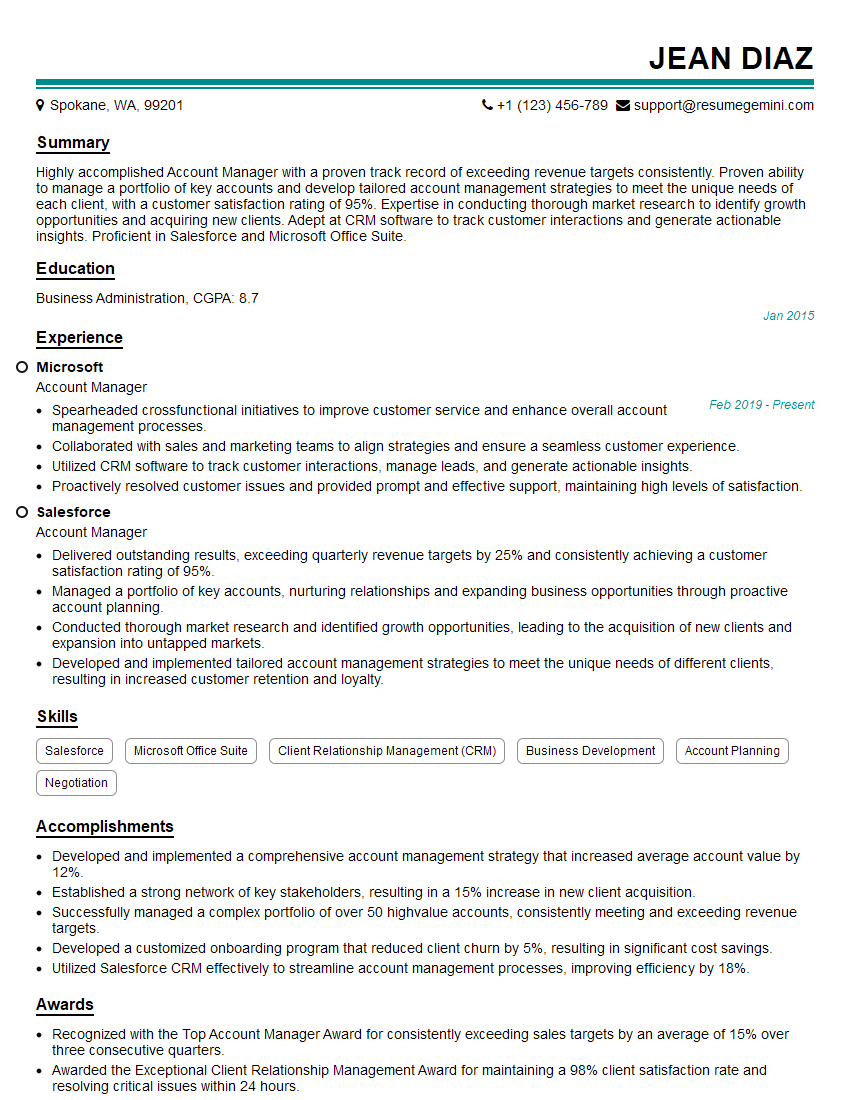
Account Manager Resume Sample
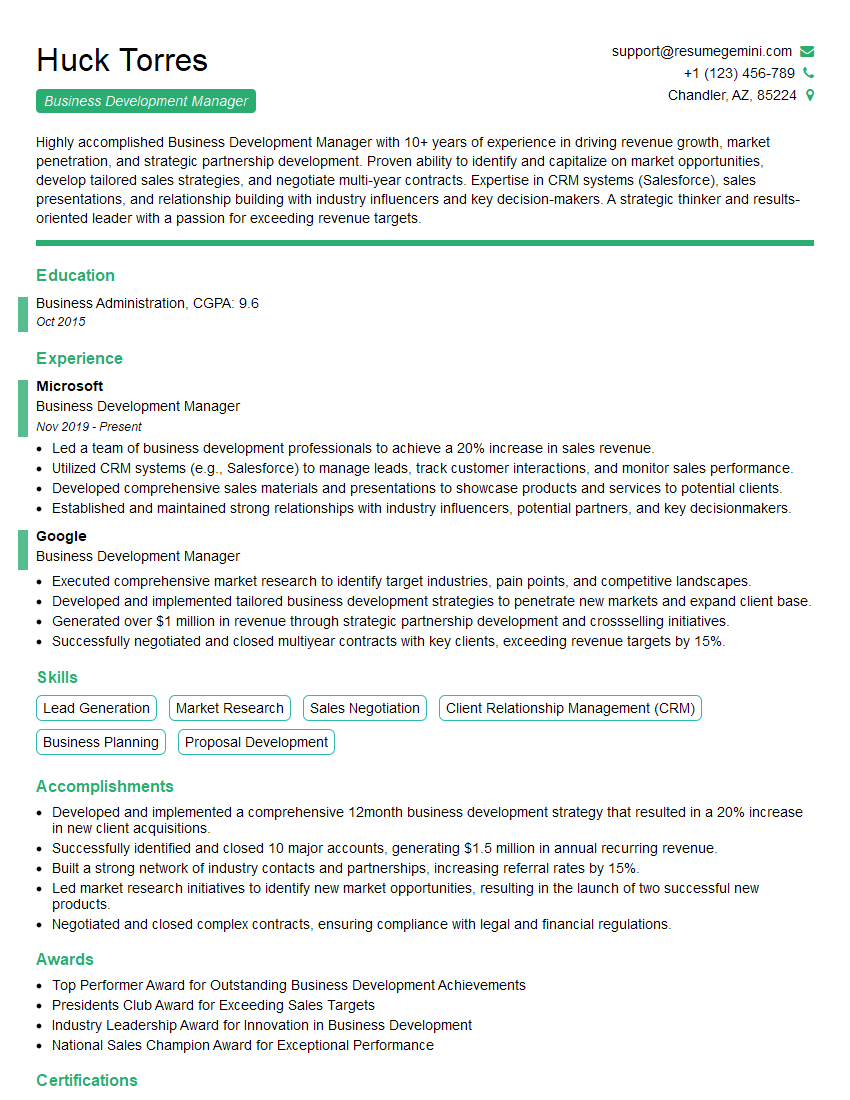
Business Development Manager Resume Sample
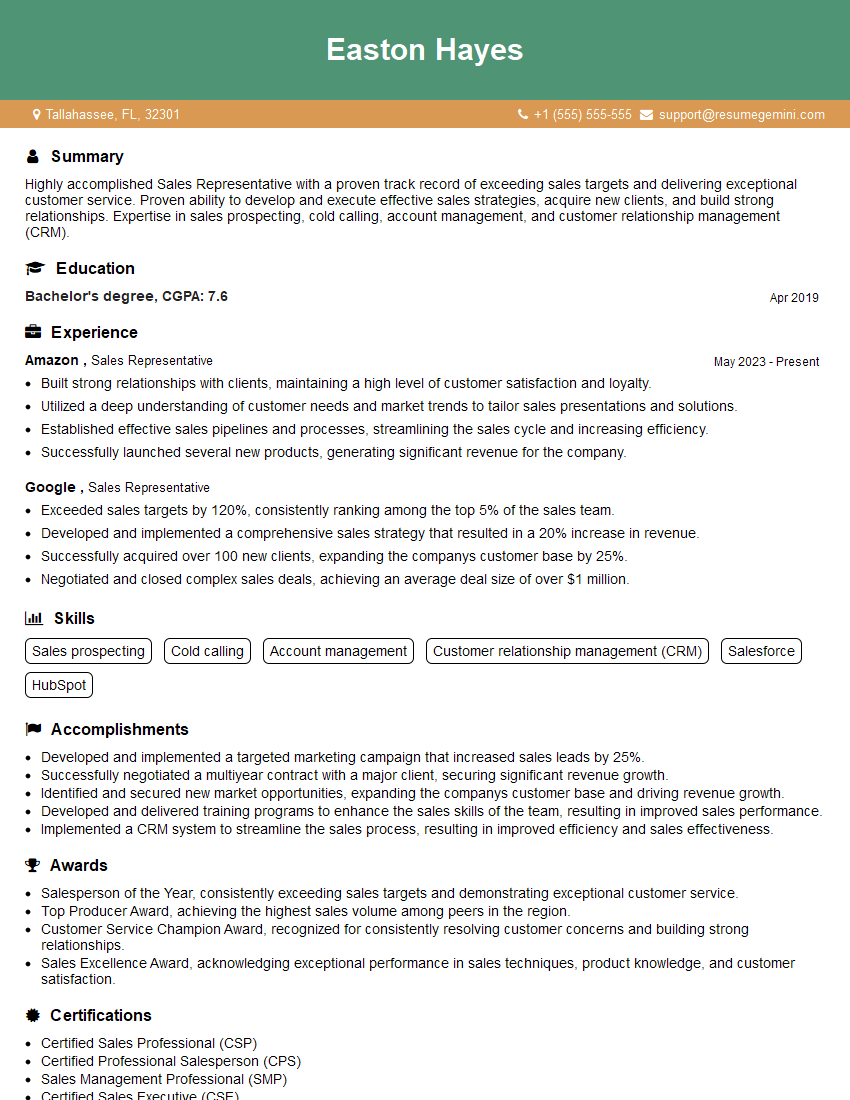
Sales Representative Resume Sample

Customer Service Manager Resume Sample
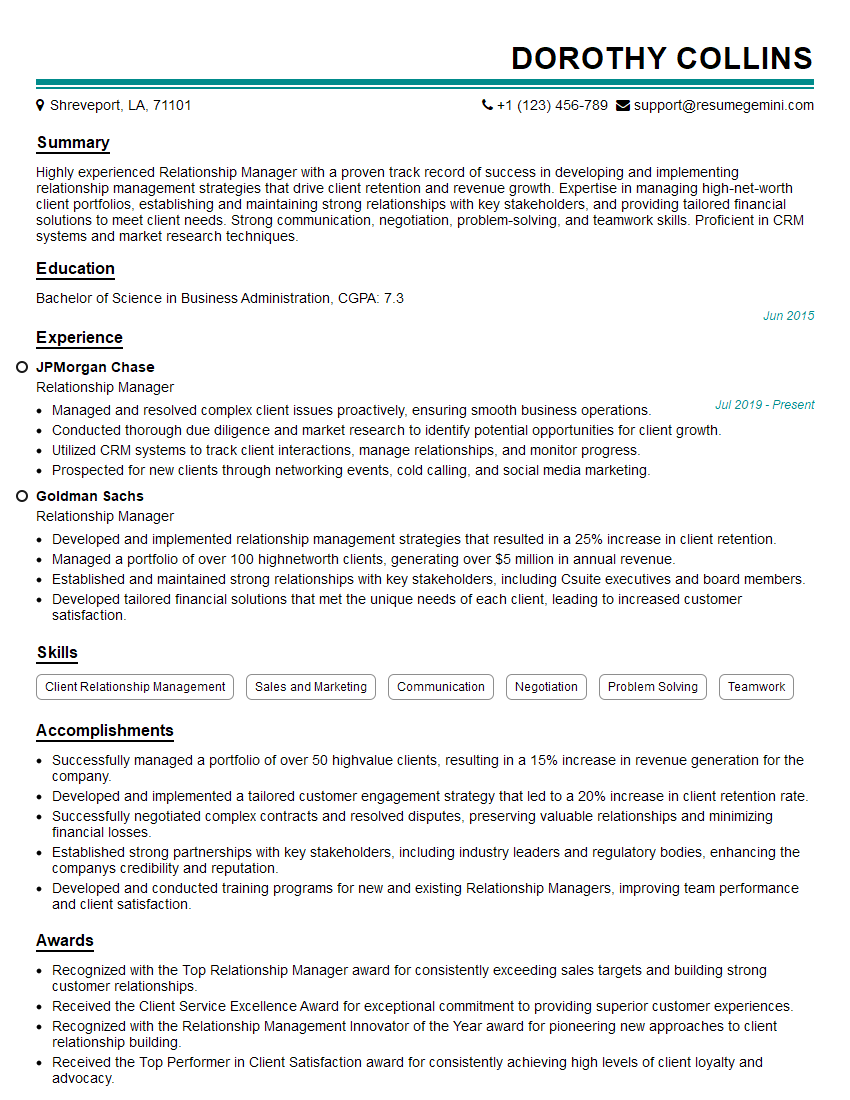
Relationship Manager Resume Sample
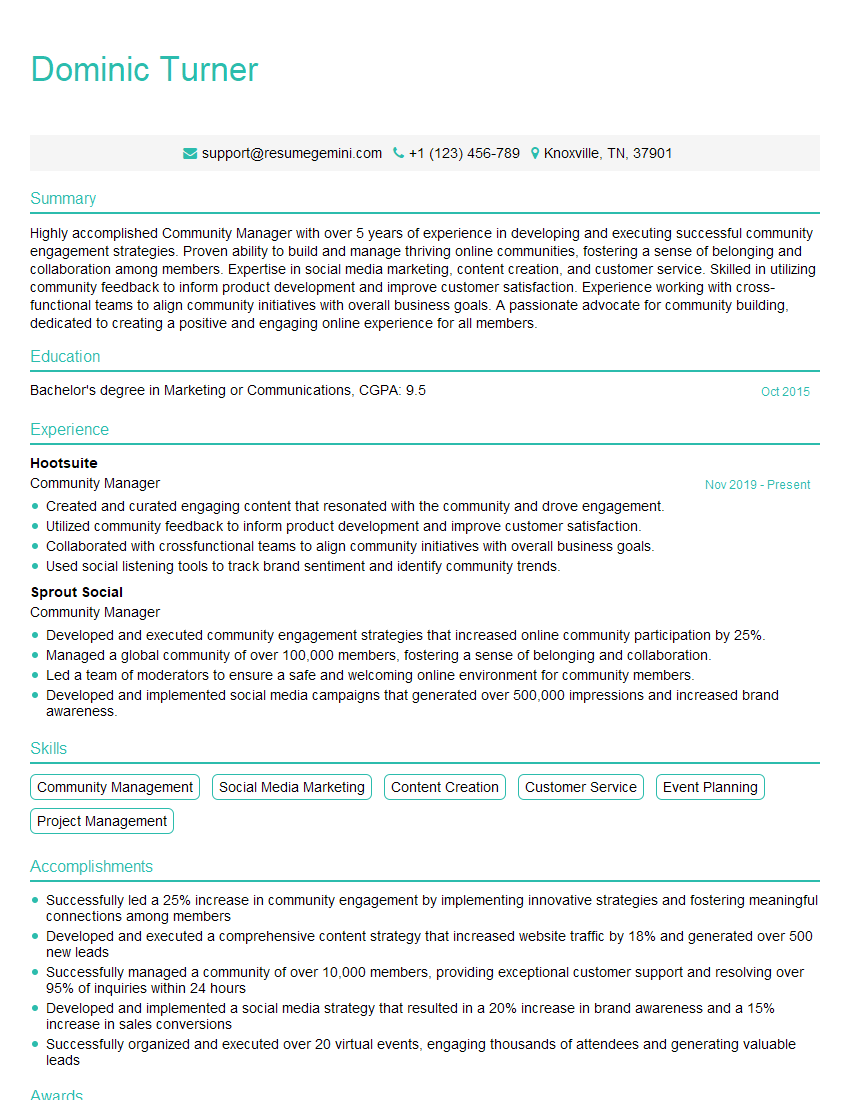
Community Manager Resume Sample
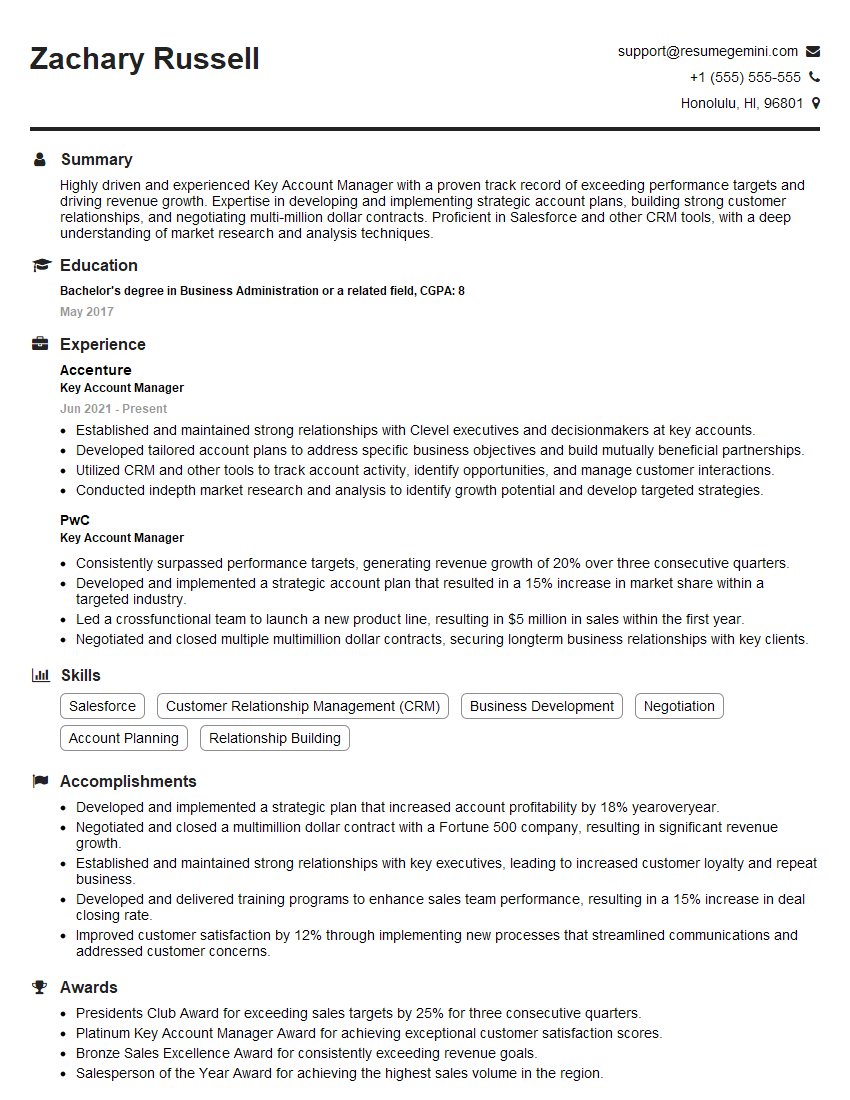
Key Account Manager Resume Sample
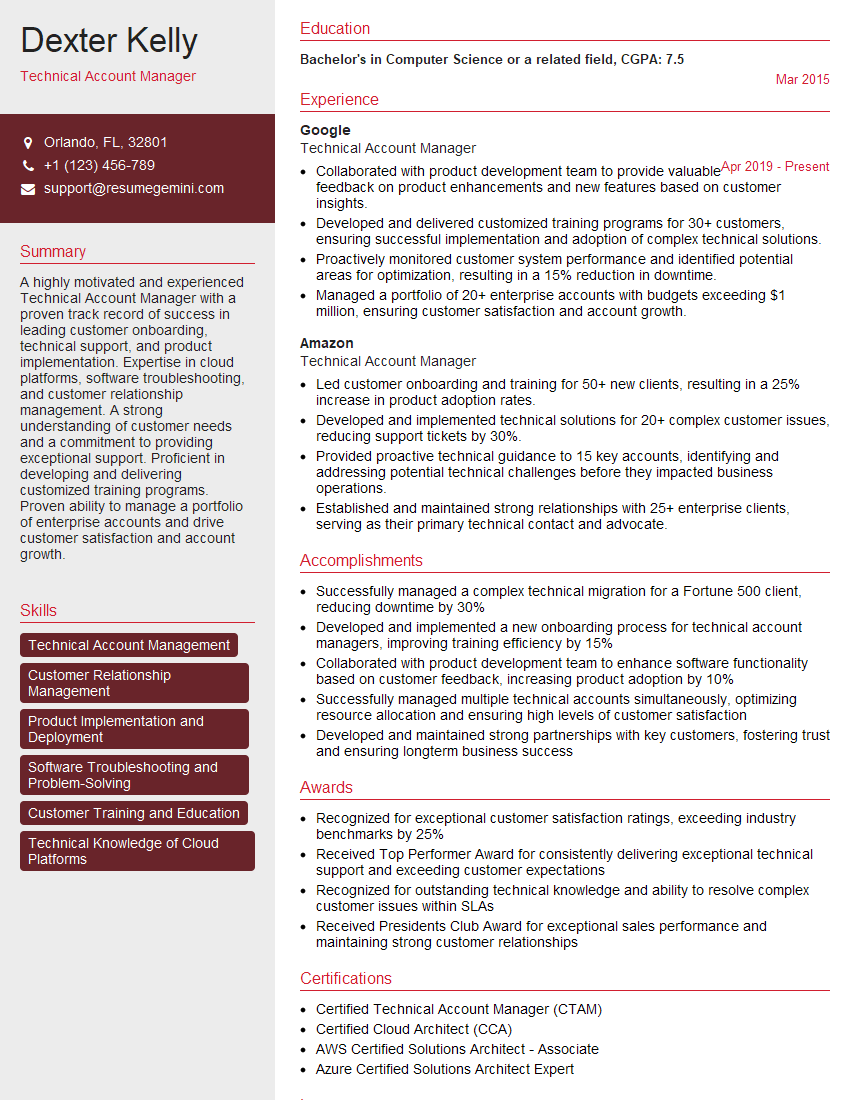
Technical Account Manager Resume Sample
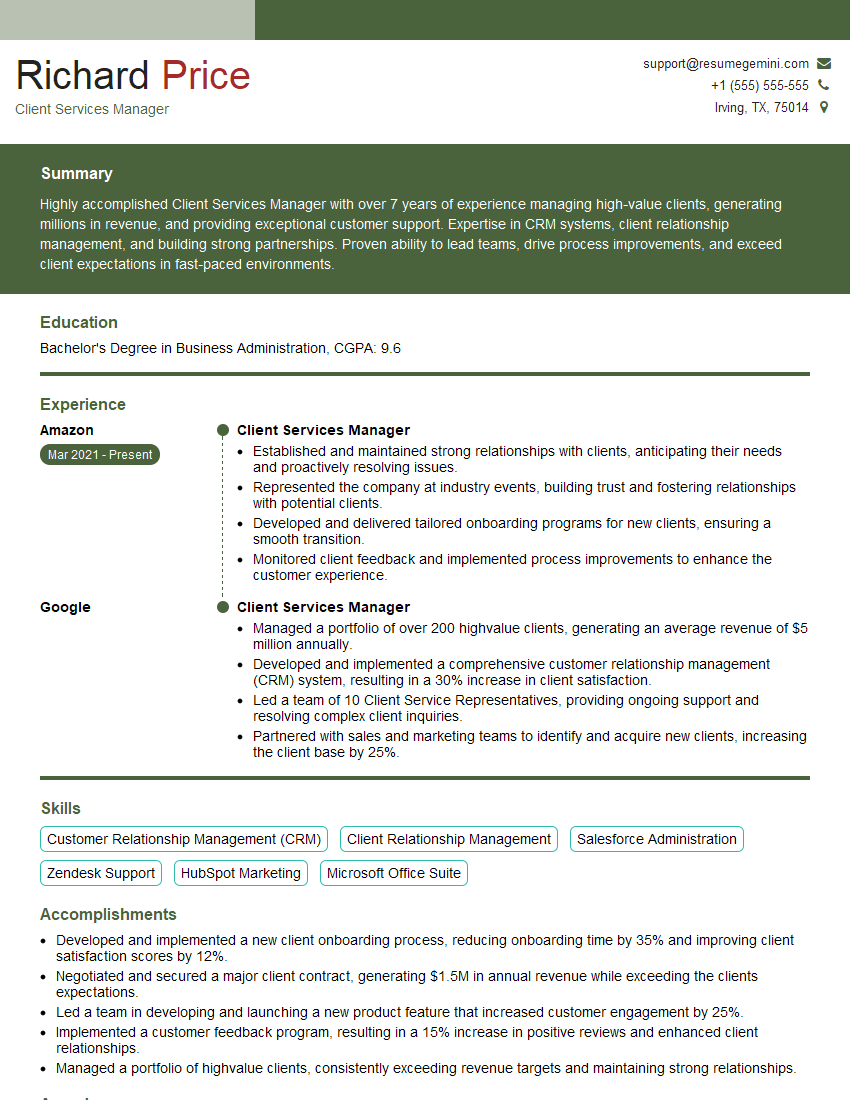
Client Services Manager Resume Sample
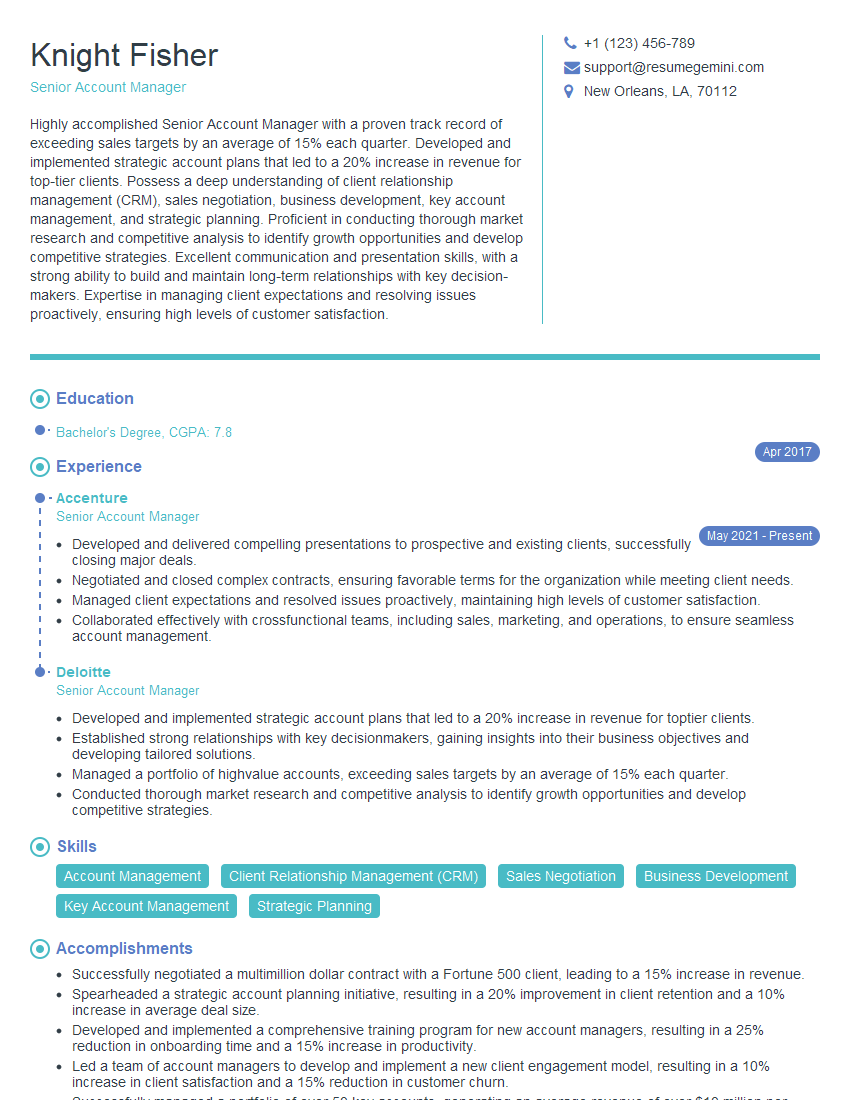
Senior Account Manager Resume Sample
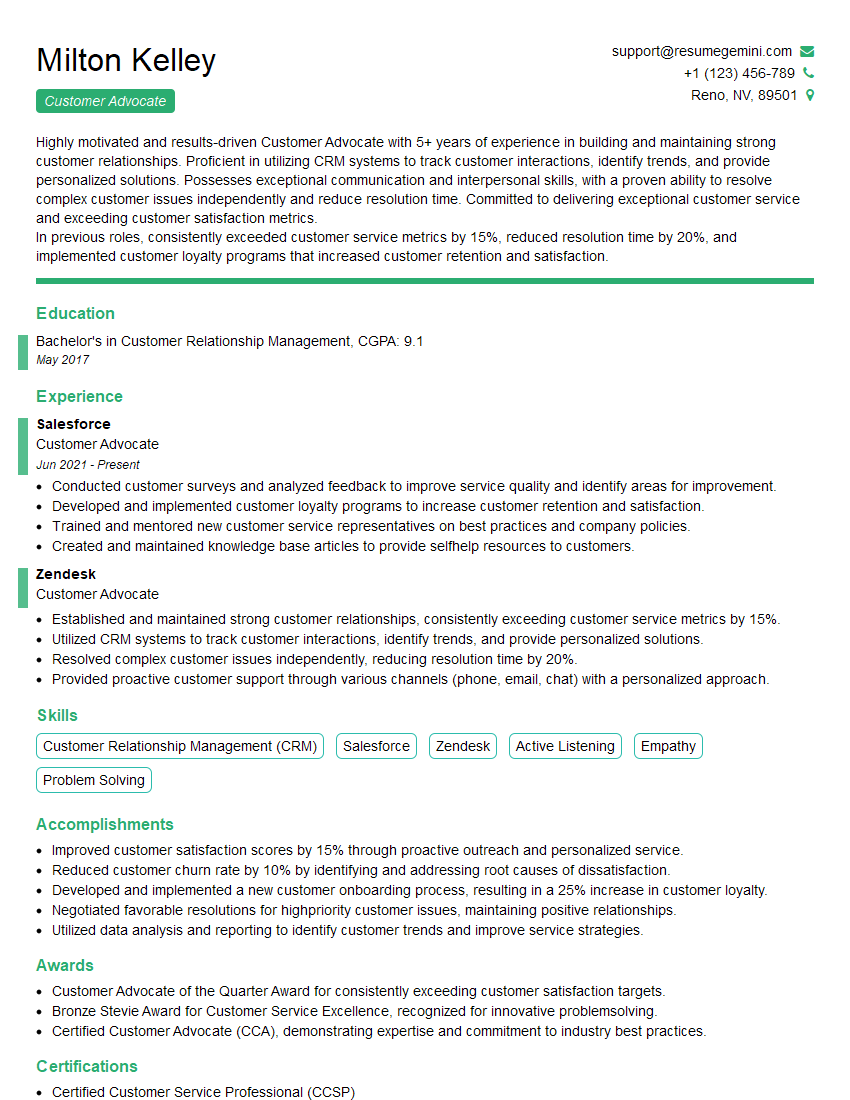
Customer Advocate Resume Sample
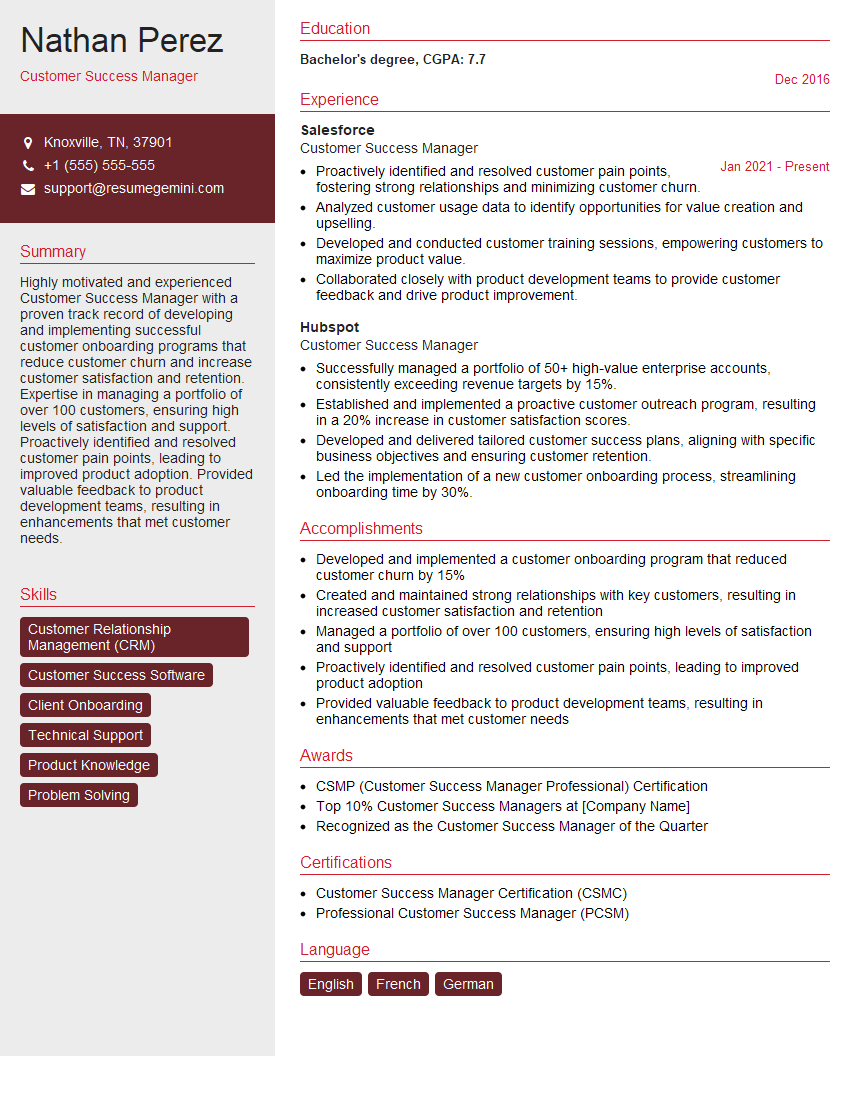
Customer Success Manager Resume Sample
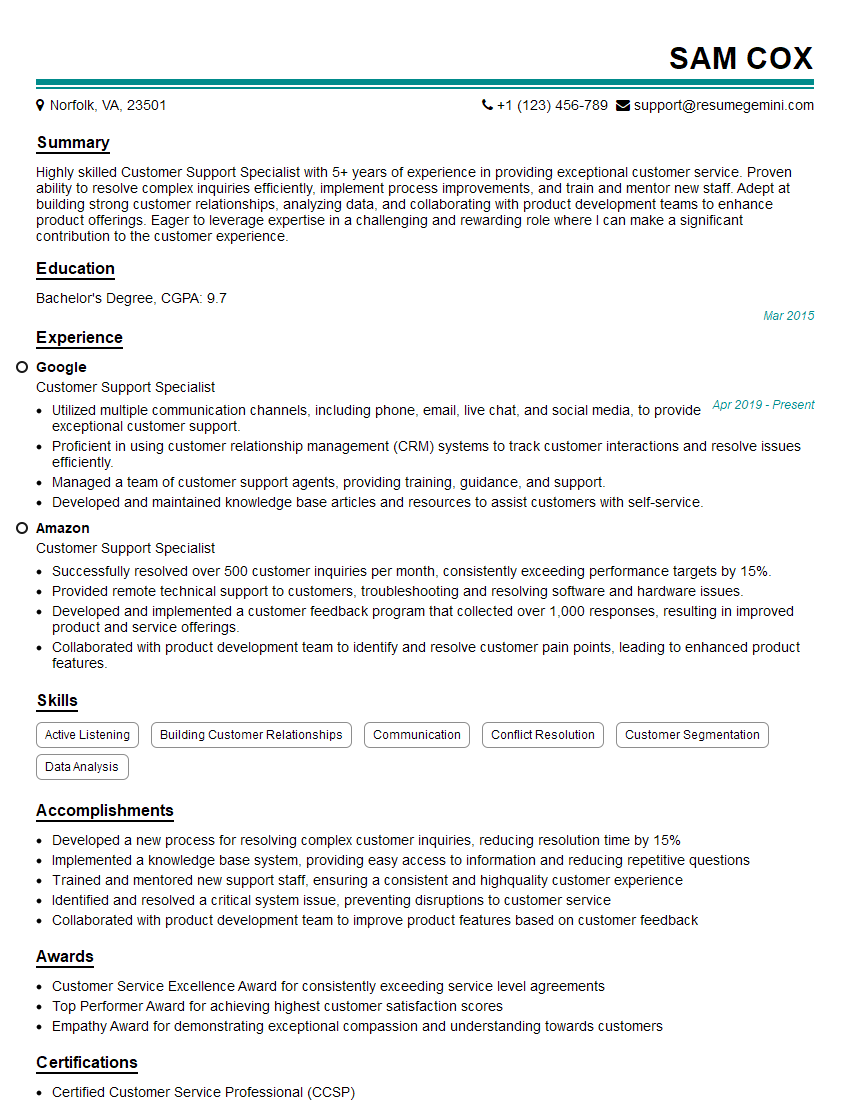
Customer Support Specialist Resume Sample
Explore more articles
Users Rating of Our Blogs
Share Your Experience
We value your feedback! Please rate our content and share your thoughts (optional).
What Readers Say About Our Blog
Amazing blog
Interesting Article, I liked the depth of knowledge you’ve shared.
Helpful, thanks for sharing.