Feeling uncertain about what to expect in your upcoming interview? We’ve got you covered! This blog highlights the most important CBRN Spill Cleanup interview questions and provides actionable advice to help you stand out as the ideal candidate. Let’s pave the way for your success.
Questions Asked in CBRN Spill Cleanup Interview
Q 1. Describe the different types of CBRN agents and their associated hazards.
CBRN stands for Chemical, Biological, Radiological, and Nuclear. Each category presents unique hazards:
- Chemical Agents: These can be toxic industrial chemicals (TICs) like chlorine gas (causing respiratory irritation and burns) or nerve agents (like Sarin, causing paralysis and death). Hazards depend on the specific chemical’s toxicity, volatility, and persistence.
- Biological Agents: These are disease-causing microorganisms like bacteria (e.g., anthrax), viruses (e.g., Ebola), or toxins (e.g., botulinum toxin). Hazards depend on the agent’s virulence, mode of transmission (airborne, contact), and incubation period.
- Radiological Agents: These involve radioactive materials emitting ionizing radiation (alpha, beta, gamma rays). Hazards include acute radiation sickness, long-term health effects like cancer, and environmental contamination.
- Nuclear Agents: These involve nuclear weapons or devices resulting in widespread radioactive fallout, thermal radiation burns, and blast effects. Hazards are catastrophic and far-reaching, requiring extensive and long-term response efforts.
Imagine a chlorine gas leak in a chemical plant versus an anthrax powder release in a mail facility. The immediate threats, long-term consequences, and required response strategies differ drastically.
Q 2. Explain the process of identifying and classifying a CBRN spill.
Identifying and classifying a CBRN spill involves a multi-step process prioritizing safety. It begins with:
- Initial Assessment: First responders visually assess the scene from a safe distance, noting the type of material involved (if known), the extent of the spill, and any immediate hazards (e.g., fire, explosion risk). This relies on initial reports and observations.
- Sampling and Analysis: Trained personnel using appropriate PPE collect samples of the spilled material. These samples are analyzed using portable detection equipment (e.g., gas chromatograph-mass spectrometer for chemical agents, biological detection kits) or sent to a laboratory for advanced analysis. The analysis definitively identifies the agent and its concentration.
- Classification: Based on the identification and concentration, the spill is classified according to its severity and potential impact. This involves considering the toxicity, volatility, persistence, and potential for spread of the agent. This classification guides the response strategy.
For example, a small spill of a low-toxicity chemical might be classified as a minor incident, while a large release of a highly volatile and toxic nerve agent would be a major catastrophic event demanding a wide-ranging response.
Q 3. What are the initial steps in responding to a CBRN spill?
Initial response to a CBRN spill hinges on the ‘ICS’ (Incident Command System) framework, emphasizing safety and controlled actions. Key initial steps are:
- Isolate the Area: Establish a perimeter to prevent further exposure. This involves evacuating people, halting traffic, and controlling access.
- Assess the Situation: Conduct a rapid hazard assessment to determine the nature and extent of the spill, potential threats, and available resources. This involves communication with emergency services and other responders.
- Alert Authorities: Immediately notify relevant agencies (e.g., police, fire department, HAZMAT teams, public health officials) and follow established reporting procedures.
- Establish Command Post: Set up a central command post to coordinate response efforts. This post will direct all activities in a coordinated manner and establish communication channels.
- Protect Responders: Ensure all personnel involved wear appropriate PPE, based on the identified hazard. This is paramount to prevent secondary contamination and injuries.
Imagine a scenario with a suspected anthrax release – rapid evacuation and isolation would be critical before any attempt to sample the area.
Q 4. Describe the personal protective equipment (PPE) required for CBRN spill cleanup.
PPE selection depends entirely on the identified CBRN agent. There’s no single solution. However, it often includes:
- Level A suits: Full-body, positive-pressure suits offering the highest level of protection against all types of CBRN agents. These are bulky and require extensive training.
- Level B suits: Offer less protection than Level A, but still provide a high degree of respiratory protection (SCBA – self-contained breathing apparatus) and chemical-resistant clothing. This is the likely PPE for many chemical spills.
- Level C suits: Use air-purifying respirators (APR) instead of SCBA, suitable for situations with known airborne hazards but with lower concentrations. This is less protective, so concentration must be known and controlled.
- Level D suits: Offer the least protection, usually consisting of work uniforms and gloves. Appropriate only for situations with minimal or no risk.
- Additional Equipment: Gloves, boots, eye protection, and often a full-face shield are essential, regardless of suit level.
The selection process involves careful consideration of the specific agent and the potential for exposure, reflecting a risk-assessment approach.
Q 5. Outline the procedures for containing and controlling a CBRN spill.
Containing and controlling a CBRN spill involves several key steps:
- Containment: This focuses on preventing further spread. Techniques include using absorbent materials (e.g., spill pads, booms) for liquid spills, covering solid spills with impermeable sheets, and damming waterways to control runoff.
- Control: This aims to neutralize or render the agent harmless. Methods depend on the agent’s nature: Chemical neutralization may involve using specific counteragents; biological agents might require disinfection or sterilization; radioactive materials might need shielding or containment.
- Ventilation: For airborne agents, ventilation can help disperse or dilute the contaminant, reducing exposure risks. This could involve using fans to create air currents or setting up temporary ventilation systems.
- Emergency Shelter: Depending on the severity of the situation, establishing a temporary shelter for those potentially affected could become necessary.
Remember, containment and control must always be carried out by trained personnel wearing appropriate PPE.
Q 6. Explain the decontamination process for personnel and equipment.
Decontamination is crucial to remove or neutralize CBRN agents from personnel and equipment. It is a systematic process:
- Initial Decontamination: This is the first step, usually performed on-site. It involves removing gross contamination using techniques such as washing with water, wiping with absorbent materials, or using specialized decontamination solutions. This reduces the contamination load before more thorough cleaning.
- Secondary Decontamination: This takes place in a controlled environment (e.g., a decontamination tent or shower unit). More rigorous methods are used to ensure complete removal or neutralization of the agent. This might involve using more powerful detergents or specialized cleaning agents.
- Equipment Decontamination: Equipment decontamination follows similar principles but needs consideration of material compatibility with decontamination solutions. Some equipment may need to be disposed of if it cannot be effectively decontaminated.
- Monitoring: Throughout the process, monitoring is crucial. This involves using detection devices to check the effectiveness of the decontamination procedure. This ensures personnel and equipment are indeed clean before re-entering normal operations.
Imagine a firefighter responding to a chemical spill: Initial decontamination would involve removing their outer gear and washing down their protective clothing; secondary decontamination would involve a full shower and a change of clothes.
Q 7. What are the different decontamination methods used in CBRN spill cleanup?
Decontamination methods vary depending on the CBRN agent and the level of contamination:
- Washing and rinsing with water: This is a simple and effective method for removing many chemical and biological agents.
- Using detergents and disinfectants: These can enhance the effectiveness of washing, especially for biological agents.
- Chemical neutralization: Specific chemicals can react with certain agents to neutralize their toxicity. For instance, sodium hypochlorite (bleach) can neutralize some chemical warfare agents.
- Physical removal: Techniques like brushing, scraping, or vacuuming are used to remove solid contaminants.
- Incineration or disposal: For severely contaminated items that cannot be effectively decontaminated, controlled incineration or safe disposal is necessary.
- Specialized decontamination units: Mobile decontamination units provide controlled environments for personnel and equipment decontamination. These use a combination of methods.
The choice of method requires careful consideration of the specific agent, the level of contamination, and the available resources.
Q 8. How do you assess the environmental impact of a CBRN spill?
Assessing the environmental impact of a CBRN (Chemical, Biological, Radiological, Nuclear) spill requires a systematic approach. We begin by identifying the specific agent involved – its toxicity, persistence, and potential pathways of spread. For example, a spill of Sarin nerve agent presents a drastically different challenge than a release of radioactive iodine.
Next, we consider the environmental setting. A spill in a confined space like a factory will have vastly different consequences than one in an open field or waterway. Soil type, water table depth, prevailing winds, and local ecosystems all play significant roles. We use sophisticated modeling tools, incorporating meteorological data and agent-specific properties, to predict the extent of contamination. This might involve simulations showing plume dispersion or groundwater contamination patterns.
Finally, we conduct field sampling and analysis to verify our models and understand the actual extent of contamination. We collect samples from soil, water, air, and vegetation, employing appropriate safety protocols and specialized equipment. Analysis provides quantifiable data on the concentration of the contaminant, allowing us to assess the potential harm to humans, wildlife, and the environment. This data then informs remediation strategies and risk mitigation plans.
For instance, during a simulated chlorine gas spill exercise, we used dispersion modeling software to predict the affected area. We then sampled air and soil within and outside this predicted area, confirming the model’s accuracy and revealing the levels of chlorine present. This allowed us to tailor our decontamination efforts efficiently and effectively.
Q 9. What are the regulatory requirements for reporting and managing CBRN spills?
Reporting and managing CBRN spills are governed by stringent national and international regulations. These regulations vary depending on the specific agent, the quantity spilled, and the potential impact. In the US, for example, the EPA (Environmental Protection Agency) and the Department of Transportation (DOT) have comprehensive guidelines. Internationally, organizations like the IAEA (International Atomic Energy Agency) play a significant role for radiological and nuclear materials.
Immediate reporting is crucial. Authorities must be notified immediately upon detection of a spill, allowing for prompt response and risk mitigation. Detailed information, including the nature of the agent, location, quantity spilled, and potential pathways of exposure, must be provided. This enables authorities to issue warnings to the public, initiate evacuations if necessary, and deploy appropriate resources.
Beyond initial reporting, ongoing management involves implementing strict containment and cleanup procedures, in accordance with relevant regulations. This often includes detailed documentation of all actions taken, monitoring of environmental parameters, and reporting of progress to regulatory agencies. Non-compliance can result in severe penalties, including fines and legal action.
Think of it like a layered security system. Initial reporting is the first line of defense. Then come the procedures and protocols. Finally, there’s ongoing monitoring, all meticulously documented to ensure compliance.
Q 10. Describe your experience with sampling and analysis of CBRN agents.
My experience with sampling and analysis of CBRN agents encompasses a wide range of techniques and technologies. I’ve worked extensively with both field-portable and laboratory-based instruments. Field-portable instruments, like chemical detectors, allow for rapid on-site assessment of contamination levels, providing real-time data for immediate decision-making. These can range from simple colorimetric tests to sophisticated gas chromatographs.
Laboratory-based analysis offers higher accuracy and sensitivity. Samples are collected in accordance with strict chain-of-custody procedures, ensuring sample integrity and traceability. Methods employed include chromatography (gas and liquid), mass spectrometry, and various immunoassay techniques. For radiological materials, specialized radiation detection and measurement equipment is used.
Safety is paramount during all phases of sampling and analysis. We use appropriate personal protective equipment (PPE), such as respirators, protective suits, and gloves, selected based on the specific agent involved. All procedures are performed in compliance with strict safety protocols to minimize the risk of exposure to personnel.
For example, in a recent exercise involving a simulated anthrax release, we used field-portable immunoassay kits for preliminary on-site detection. Subsequently, we sent samples to a certified laboratory for confirmation and quantification using more sophisticated techniques like PCR (Polymerase Chain Reaction).
Q 11. How do you manage the risks associated with working in a contaminated environment?
Managing the risks associated with working in a contaminated environment is a critical aspect of CBRN spill cleanup. This involves a multi-layered approach encompassing risk assessment, engineering controls, administrative controls, and personal protective equipment (PPE).
Risk assessment is the first step, involving careful identification and evaluation of all potential hazards. This process considers the nature of the contaminant, the concentration, the duration of exposure, and the susceptibility of personnel. Based on the assessment, appropriate control measures are implemented.
Engineering controls, like containment booms, ventilation systems, and specialized equipment, minimize exposure by physically isolating or removing the hazard. Administrative controls include establishing procedures, training personnel, and implementing strict work practices. PPE serves as the last line of defense, protecting personnel from direct contact with the contaminant.
Regular monitoring of personnel exposure levels is crucial, using devices like dosimeters for radiation exposure or bio-monitoring for chemical agents. Decontamination procedures are rigorously followed upon exiting the contaminated area, ensuring personnel safety and preventing the spread of contamination.
For instance, during the cleanup of a simulated chemical spill, we utilized engineering controls like containment berms and decontamination showers, alongside PPE like respirators and Tyvek suits to minimize exposure risks. Post-event medical surveillance of all personnel involved was also implemented.
Q 12. Explain your understanding of emergency response protocols for CBRN incidents.
Emergency response protocols for CBRN incidents are standardized and well-defined, typically adhering to the Incident Command System (ICS). ICS provides a flexible and adaptable framework for managing complex emergencies, irrespective of the specific incident type.
The initial phase involves scene assessment and hazard identification. Specialized teams are deployed to identify the agent involved, assess the extent of contamination, and determine the potential health risks. Simultaneously, perimeter security is established to prevent further spread of contamination and protect the public.
Evacuation and sheltering of the affected population are often necessary. This requires coordinated communication and collaboration with local authorities, emergency services, and healthcare providers. Decontamination procedures are established, and medical support is provided to those affected.
Cleanup and remediation are the final phases. This involves removing the contaminated material, decontaminating affected areas, and restoring the environment to a safe state. Post-incident investigations are crucial to identify the cause of the incident, learn from lessons, and improve future response capabilities.
Think of it like a coordinated orchestra: each section (police, fire, medical, etc.) plays their crucial part in a pre-defined way under the direction of an incident commander, ensuring a harmonious and effective response.
Q 13. What is your experience with using specialized equipment for CBRN spill cleanup?
My experience with specialized equipment for CBRN spill cleanup is extensive. This includes various types of protective clothing, respiratory equipment, decontamination systems, and sampling and detection devices.
Protective clothing ranges from simple coveralls to fully encapsulated suits with self-contained breathing apparatus (SCBA). Respirators are selected based on the specific agent involved, providing protection against inhalation hazards. Decontamination equipment includes showers, spray systems, and specialized cleaning agents.
Sampling and detection equipment is critical. This can range from handheld chemical detectors to sophisticated laboratory instrumentation. We use remote-operated vehicles (ROVs) and drones for surveying and sampling in hazardous areas, minimizing human exposure. Radiation detection equipment includes various types of dosimeters and spectrometers.
For example, in a simulated nuclear incident, we employed remotely operated robots to collect soil samples from highly radioactive areas, protecting human personnel from excessive radiation exposure. We then used specialized radiation detection instruments to analyze the samples.
Q 14. Describe your experience with incident command systems and their application in CBRN incidents.
Incident Command Systems (ICS) are essential for managing complex emergencies, including CBRN incidents. ICS provides a standardized framework for organizing, coordinating, and communicating within the response team. Its modular design allows it to adapt to incidents of any scale, from small spills to large-scale disasters.
The ICS structure typically includes a command post, with a designated Incident Commander (IC) responsible for overall management. The IC is supported by various sections, including Operations, Planning, Logistics, and Finance/Administration. Each section has a dedicated leader responsible for their specific area of expertise.
In CBRN incidents, ICS ensures coordinated actions among various agencies and personnel, including first responders, medical teams, environmental specialists, and regulatory authorities. Clear communication channels are established, with standardized reporting procedures and a common operational picture maintained throughout the incident.
My experience in utilizing ICS includes participation in numerous training exercises and real-world deployments. I’ve held various roles within the ICS structure, from Operations Section Chief to Planning Section Chief, gaining valuable experience in coordinating resources, managing personnel, and overseeing response operations.
During a simulated chemical spill response, I served as Operations Section Chief, coordinating the activities of various teams involved in containment, decontamination, and medical support. Using ICS principles, we ensured efficient deployment of resources and effective communication among all personnel.
Q 15. How do you ensure the safety of responders during CBRN spill cleanup operations?
Ensuring responder safety during CBRN spill cleanup is paramount. It’s a layered approach, starting with meticulous planning and risk assessment. This involves identifying the specific CBRN agent involved, predicting potential spread, and understanding meteorological conditions.
Next, we employ a robust personal protective equipment (PPE) protocol. This isn’t just about providing suits; it’s about ensuring the right level of protection for the task. For example, a Level A suit (fully encapsulating, self-contained breathing apparatus) would be used for high-hazard situations with highly toxic agents, while a Level B suit (air-purifying respirator) might suffice for lower risks. Regular checks of PPE integrity are crucial.
Training and competency are non-negotiable. Responders undergo rigorous training simulating various scenarios, emphasizing safe entry and exit procedures, emergency communication protocols, and recognizing signs of agent exposure. We also conduct regular refresher courses to keep skills sharp.
Finally, medical monitoring is a continuous process. Pre-deployment medical evaluations identify pre-existing conditions that might exacerbate exposure effects. Post-exposure medical assessments and decontamination procedures are crucial to mitigate any potential health problems. For instance, during a recent chlorine gas leak incident, we implemented strict monitoring of responders’ respiratory function and blood oxygen saturation levels, along with immediate decontamination procedures.
Career Expert Tips:
- Ace those interviews! Prepare effectively by reviewing the Top 50 Most Common Interview Questions on ResumeGemini.
- Navigate your job search with confidence! Explore a wide range of Career Tips on ResumeGemini. Learn about common challenges and recommendations to overcome them.
- Craft the perfect resume! Master the Art of Resume Writing with ResumeGemini’s guide. Showcase your unique qualifications and achievements effectively.
- Don’t miss out on holiday savings! Build your dream resume with ResumeGemini’s ATS optimized templates.
Q 16. Explain your experience with developing and implementing emergency response plans for CBRN incidents.
My experience in developing and implementing emergency response plans for CBRN incidents spans over 15 years. I’ve been involved in designing plans for various settings, from industrial facilities handling hazardous materials to large-scale public events. The process typically begins with a thorough hazard identification and risk assessment. This includes considering plausible scenarios, likely sources of contamination, and vulnerable populations.
Next, we establish a clear command structure and define roles and responsibilities. This usually involves a designated incident commander, safety officer, and specialized teams for decontamination, medical support, and communication.
The plan then outlines detailed emergency procedures, including protocols for containment, evacuation, decontamination, and waste management. I use a variety of tools, including Geographic Information Systems (GIS) mapping to model potential spread of contaminants, enabling informed decisions on evacuation zones and resource allocation. Crucially, plans incorporate specific communication protocols and regular drills and exercises are conducted to ensure that the response is swift and effective.
For example, I recently helped develop a response plan for a chemical plant, incorporating specific procedures for handling various chemical spills, based on the plant’s inventory of hazardous substances and the local environmental conditions. The plan includes detailed maps, evacuation routes, and decontamination procedures, regularly reviewed and updated to reflect any changes in the plant’s operations or regulatory updates.
Q 17. Describe your knowledge of different types of decontamination techniques (e.g., physical, chemical).
Decontamination techniques fall into several categories. Physical decontamination involves removing contaminants through physical means such as brushing, washing, or vacuuming. Think of simply washing off a spilled chemical from a surface. This is often the first step in the process and is effective for removing larger particles and less persistent contaminants.
Chemical decontamination uses chemical agents to neutralize or degrade the contaminant. This could involve using detergents, oxidizers, or reducing agents depending on the nature of the CBRN agent. For instance, sodium hypochlorite might be effective against certain biological agents.
There are also specialized techniques like thermal decontamination, which uses heat to destroy or inactivate contaminants. This method is especially useful for certain biological or chemical agents.
Finally, environmental decontamination addresses larger-scale contamination, perhaps involving the removal of contaminated soil or the use of in situ techniques to treat groundwater. The choice of technique always depends on the specific CBRN agent, the level of contamination, and environmental factors. The selection is a critical decision, often involving complex risk assessments and expert consultation.
Q 18. How do you assess the effectiveness of decontamination procedures?
Assessing decontamination effectiveness relies on a combination of methods. We use both qualitative and quantitative techniques.
Qualitative methods involve visual inspection of the decontaminated area. We check for visible residues and use indicator papers or swabs to test for the presence of contaminants. We would note any lingering odors or discoloration, for instance.
Quantitative methods involve using specialized instruments to measure the level of contamination. This could involve using radiation detectors for radiological agents, or employing gas chromatography-mass spectrometry (GC-MS) to detect and quantify chemical agents. Sampling techniques are vital here; we have to collect representative samples to ensure the results accurately reflect the overall decontamination success. The results guide further actions: are additional decontamination efforts needed, or are the levels low enough to declare the area safe?
For example, during the cleanup of a pesticide spill, we used both visual inspection and laboratory testing to confirm that the decontamination process had reduced the pesticide concentration to below acceptable levels. This involved testing soil and water samples at several locations to ensure thoroughness.
Q 19. Explain the importance of documentation and record-keeping in CBRN spill cleanup.
Documentation and record-keeping are crucial in CBRN spill cleanup for several reasons. First, it provides a complete and accurate record of the incident, including the type and quantity of the spilled agent, the location, the time of the event, and the actions taken.
Second, it supports hazard communication and investigation. Detailed records are essential for subsequent investigations to determine the cause of the incident and identify areas for improvement in safety procedures.
Third, good record-keeping is vital for liability and insurance purposes. Accurate documentation helps in determining responsibility for the spill and facilitates the claims process. This documentation may be required for legal compliance and can be critical in potential litigation.
Finally, effective documentation enables continuous improvement. A review of past incidents and their associated documentation provides valuable insights to help refine emergency response plans and improve future operations. For example, during a recent incident, we meticulously documented decontamination procedures, including personnel assignments, equipment used, and sample results. This detailed record enabled us to assess the effectiveness of our response and develop better decontamination strategies.
Q 20. How do you manage waste generated during CBRN spill cleanup operations?
Managing waste generated during CBRN spill cleanup is a complex process governed by stringent regulations. It starts with segregation of the waste according to its hazardous characteristics. For example, contaminated PPE is handled separately from contaminated soil or water.
Next, we focus on safe packaging and labelling of waste containers. This includes clear identification of the hazardous materials contained within and appropriate hazard warnings. The packaging must be robust enough to withstand transportation and disposal.
Then, transportation to an authorized disposal facility is arranged. We use specialized transportation vehicles and follow strict transportation regulations. We work with licensed waste disposal contractors who have the necessary expertise and permits to handle the hazardous waste.
Finally, the waste is disposed of according to regulatory requirements. This may involve incineration, landfilling, or other specialized treatment methods. The entire process is meticulously documented, ensuring full chain of custody and compliance with all applicable environmental regulations. For example, in a recent incident involving a radioactive spill, we followed very strict procedures for handling and disposal of the contaminated materials, adhering to national and international regulations.
Q 21. What is your understanding of the health effects of exposure to CBRN agents?
Understanding the health effects of exposure to CBRN agents is fundamental to effective response. The effects vary widely depending on the specific agent, the route of exposure (inhalation, ingestion, skin contact), the concentration, and the duration of exposure.
Chemical agents can cause a range of effects from minor irritation to severe organ damage or death. For example, exposure to chlorine gas can lead to respiratory problems, while nerve agents can cause paralysis and death.
Biological agents (bacteria, viruses, toxins) can cause infectious diseases, ranging from mild illness to life-threatening infections. The severity depends on the virulence of the agent and the individual’s immune status.
Radiological agents cause damage to living tissue through ionizing radiation, leading to radiation sickness, cancer, and other long-term health consequences. The severity depends on the type and amount of radiation received.
Nuclear agents (resulting from a nuclear explosion) cause immediate effects like blast injuries and thermal burns, as well as long-term effects due to radiation exposure and the release of radioactive materials.
My knowledge of these health effects informs my approach to risk assessment, PPE selection, decontamination protocols, and medical monitoring of responders. We use this understanding to make critical decisions that improve the safety of those involved in the response.
Q 22. Describe your experience in working with different stakeholders during a CBRN spill response.
Effective CBRN spill response hinges on seamless collaboration. My experience involves coordinating diverse stakeholders, including emergency responders (fire, police, HAZMAT), environmental agencies, medical personnel, and potentially, the facility’s management and affected community members. Each group has unique roles and responsibilities. For instance, I’ve worked alongside fire departments to establish a safe perimeter, while simultaneously liaising with environmental agencies to ensure proper containment and remediation procedures adhere to regulatory guidelines. Effective communication is key; we use clear, concise language, frequent updates, and established communication channels (e.g., dedicated radio frequencies, incident command system) to avoid confusion and ensure everyone is informed and working towards a common goal. A memorable case involved a chlorine leak at a water treatment plant. Successful mitigation hinged on my ability to quickly integrate the plant’s technical staff into the response team, leveraging their intimate knowledge of the facility’s infrastructure and the specific chemical properties of the spill.
A crucial aspect is managing expectations. Transparency with the community, through regular press briefings and community meetings, is vital to minimizing fear and misinformation. This involves translating complex technical information into layman’s terms, addressing concerns directly, and providing updates on the progress of the cleanup. Building trust is essential during times of crisis; it allows for smoother operations and reduces potential conflict.
Q 23. How do you handle unexpected challenges or complications during a CBRN spill response?
Unexpected challenges in CBRN spill response are inevitable. My approach involves a combination of preparedness, adaptability, and decisive action. Firstly, comprehensive pre-incident planning, including identification of potential hazards and development of contingency plans, significantly minimizes surprises. However, unforeseen circumstances—for instance, a change in weather patterns affecting dispersion modelling or the discovery of an unexpected secondary contaminant—demand flexibility. I utilize a structured problem-solving approach: Firstly, I assess the situation, gathering all relevant information. Next, I clearly define the new problem and its impact. Then, I brainstorm potential solutions, prioritizing those that address safety concerns first. Finally, I implement the chosen solution, meticulously documenting every step.
For example, during a nerve agent simulation exercise, a sudden downpour created unexpected runoff, changing the containment strategy. We quickly adapted by deploying additional absorbent booms and diverting the contaminated runoff into designated collection areas. Regular training exercises, tabletop simulations, and post-incident reviews are key in enhancing my ability to anticipate and handle the unexpected. The ability to remain calm under pressure, effectively prioritize tasks, and lead the team through uncertainty is essential.
Q 24. How do you ensure compliance with all relevant safety regulations and protocols?
Compliance with safety regulations and protocols is paramount in CBRN spill response. My approach involves a multi-layered strategy. Firstly, I ensure all personnel involved are adequately trained and equipped with the necessary personal protective equipment (PPE). This includes specialized suits, respirators, and monitoring devices, chosen based on the specific hazardous substance involved. Secondly, I meticulously adhere to all relevant local, state, and federal regulations, such as OSHA, EPA, and DOT guidelines. This involves maintaining accurate records of all activities, including personnel exposure monitoring, waste disposal, and decontamination procedures. I conduct regular safety briefings and utilize checklists to ensure every step of the cleanup process follows established procedures. Thirdly, I utilize specialized software and databases to track compliance and ensure all documentation is up-to-date and readily available for audits. Finally, I foster a strong safety culture among the team, emphasizing the importance of proactive risk assessment and reporting of any safety concerns.
In practice, this means using designated decontamination zones, ensuring proper waste disposal, and maintaining detailed documentation, including chain of custody for samples. Neglecting these aspects can lead to legal issues, environmental damage, and potentially, serious harm to responders and the public.
Q 25. Describe your experience with training and educating others on CBRN safety procedures.
Training and education are integral to effective CBRN spill response. My experience includes delivering training programs for first responders, industrial personnel, and community members. I employ a variety of methods, including classroom lectures, hands-on simulations, and interactive exercises. The curriculum is tailored to the audience’s needs and skill level, covering topics such as hazard identification, risk assessment, PPE use, decontamination procedures, emergency response protocols, and communication strategies. I believe in a practical approach. Real-life scenarios and case studies are integrated into the training, alongside the use of realistic simulations to reinforce learning and develop critical decision-making skills. Regular refresher courses are crucial to maintaining proficiency and adapting to advancements in technology and best practices. I also actively participate in developing and updating training materials, ensuring they align with the latest standards and address emerging challenges.
For example, I recently developed a training module specifically designed for community leaders on how to communicate effectively during a CBRN incident, addressing their specific information dissemination and public reassurance needs.
Q 26. What are your strengths and weaknesses in managing CBRN spill cleanup operations?
My strengths in managing CBRN spill cleanup operations lie in my strong leadership skills, problem-solving abilities, and extensive technical knowledge. I excel at coordinating diverse teams under pressure, making informed decisions based on available data, and ensuring strict adherence to safety protocols. I am also highly organized and adept at managing resources effectively. My experience with diverse CBRN agents and incidents equips me with the capacity to quickly assess a situation and develop a tailored response strategy.
However, like any professional, I recognize areas for improvement. While I am proficient in various aspects of CBRN response, staying completely abreast of all emerging research and the constantly evolving landscape of technologies can be a challenge. I actively combat this through continuous professional development, participation in conferences and workshops, and engagement with the wider CBRN community. I also acknowledge the value of seeking diverse perspectives and fostering a culture of continuous learning within my team.
Q 27. Explain your experience in post-incident analysis and lessons learned.
Post-incident analysis and lessons learned are critical for continuous improvement in CBRN response. My approach involves a structured review process, encompassing a thorough examination of all aspects of the incident, from initial response to final cleanup. This includes reviewing incident reports, data from monitoring devices, and feedback from involved personnel. A key part is identifying areas where procedures worked effectively and areas needing improvement. The goal is not to assign blame but to extract valuable insights for future preparedness and response efforts. These findings are then incorporated into updated protocols, training materials, and contingency plans.
For example, after a particularly challenging incident involving a complex mixture of chemical agents, our post-incident analysis revealed a need for improved inter-agency communication and a more robust approach to sample collection and analysis. This led to revised operational guidelines and the implementation of new data management systems, significantly enhancing our response capabilities for future similar events.
Q 28. How do you stay current with the latest advancements and best practices in CBRN spill cleanup?
Staying current in the dynamic field of CBRN spill cleanup requires ongoing dedication. I actively engage in several strategies. I regularly review scientific literature, industry publications, and government reports to stay abreast of advancements in detection technologies, remediation techniques, and regulatory changes. I also actively participate in professional organizations, attending conferences, workshops, and training courses. These events offer opportunities to network with other experts, share best practices, and learn about emerging challenges. Additionally, I maintain a network of colleagues and experts in the field, allowing for valuable knowledge exchange and collaboration. Continuous learning is not just about acquiring new information, but also about refining existing skills and adapting to new challenges. This ongoing process of learning and refinement allows me to remain at the forefront of the CBRN spill cleanup field and contribute to safer and more effective responses.
Key Topics to Learn for CBRN Spill Cleanup Interview
- Hazard Identification and Risk Assessment: Understanding the specific CBRN agent involved (chemical, biological, radiological, nuclear), its properties, and potential health effects. Practical application includes interpreting hazard data sheets and conducting site surveys.
- Personal Protective Equipment (PPE) and Decontamination Procedures: Selecting and properly using appropriate PPE based on the hazard. Understanding different decontamination methods (e.g., physical, chemical) and their effectiveness against various agents. This includes practical application of decontamination techniques and understanding the limitations of different methods.
- Spill Containment and Control Strategies: Implementing effective containment measures to prevent further spread of the contaminant. This includes understanding the principles of containment, choosing appropriate containment materials and techniques based on the spill’s nature.
- Emergency Response Procedures and Teamwork: Knowing your role within a response team, following established protocols, and communicating effectively with colleagues. Practical application involves understanding incident command systems and roles within a response team.
- Sampling and Monitoring Techniques: Collecting representative samples for laboratory analysis to determine the extent and nature of contamination. Understanding the limitations of various sampling methods and appropriate analytical techniques.
- Regulatory Compliance and Reporting: Adhering to relevant safety regulations and reporting procedures. Understanding the legal and regulatory frameworks surrounding CBRN spills and the appropriate reporting procedures.
- Health and Safety Regulations: Understanding and applying relevant health and safety regulations specific to CBRN response operations. This includes understanding risk assessments, emergency procedures, and post-incident health monitoring.
- Post-Incident Remediation and Disposal: Safe and effective cleanup and disposal of contaminated materials. Understanding the principles of waste management relevant to CBRN materials and the various disposal methods.
Next Steps
Mastering CBRN spill cleanup is crucial for a successful and rewarding career in a vital field that demands high skill and precision. Demonstrating your expertise through a strong resume is key to securing your ideal position. An ATS-friendly resume, optimized for applicant tracking systems, is essential for getting your application noticed. ResumeGemini is a trusted resource to help you build a compelling and effective resume that highlights your skills and experience. ResumeGemini provides examples of resumes tailored to CBRN Spill Cleanup to help you craft a document that showcases your unique qualifications.
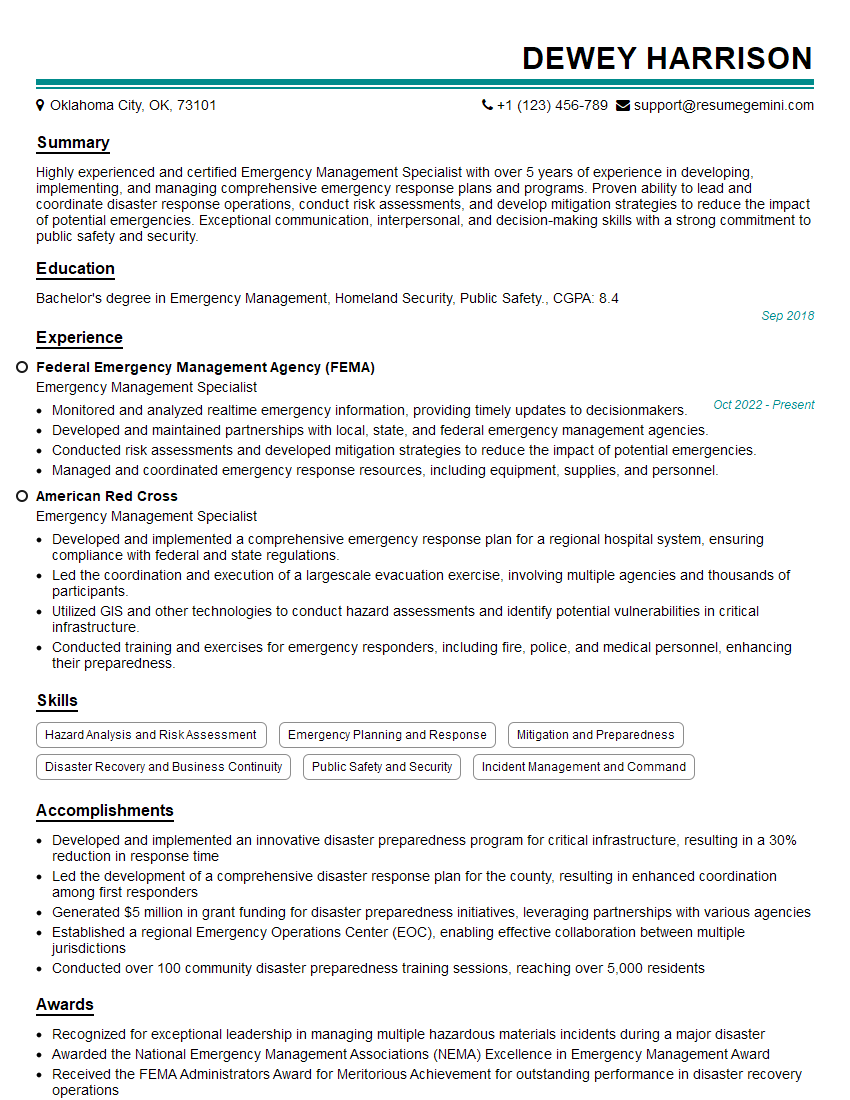
Emergency Management Specialist Resume Sample
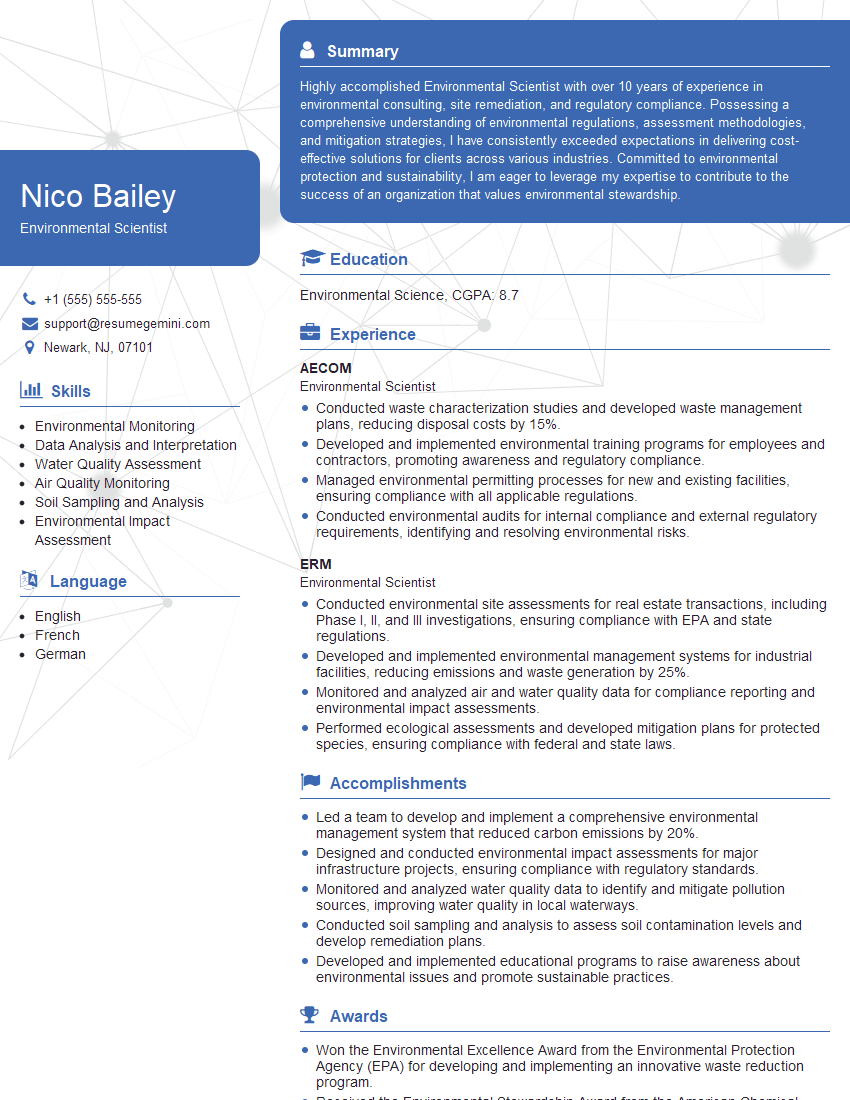
Environmental Scientist Resume Sample
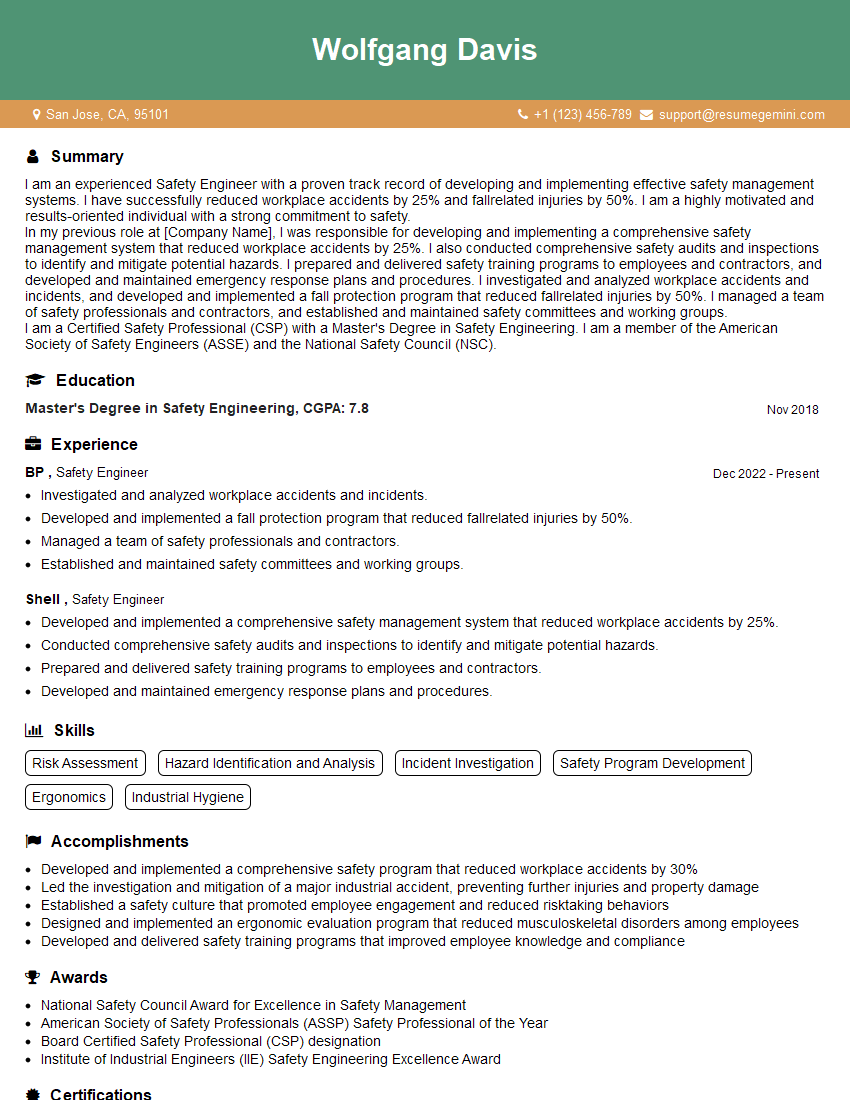
Safety Engineer Resume Sample
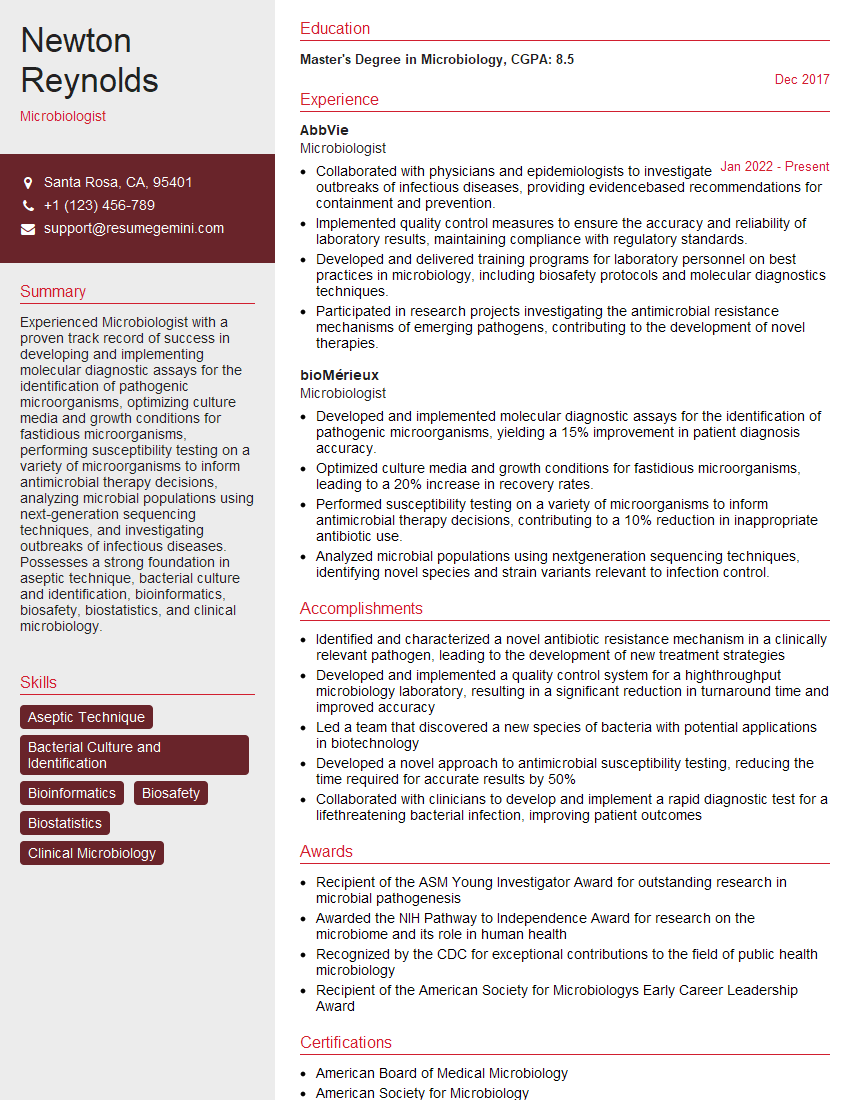
Microbiologist Resume Sample
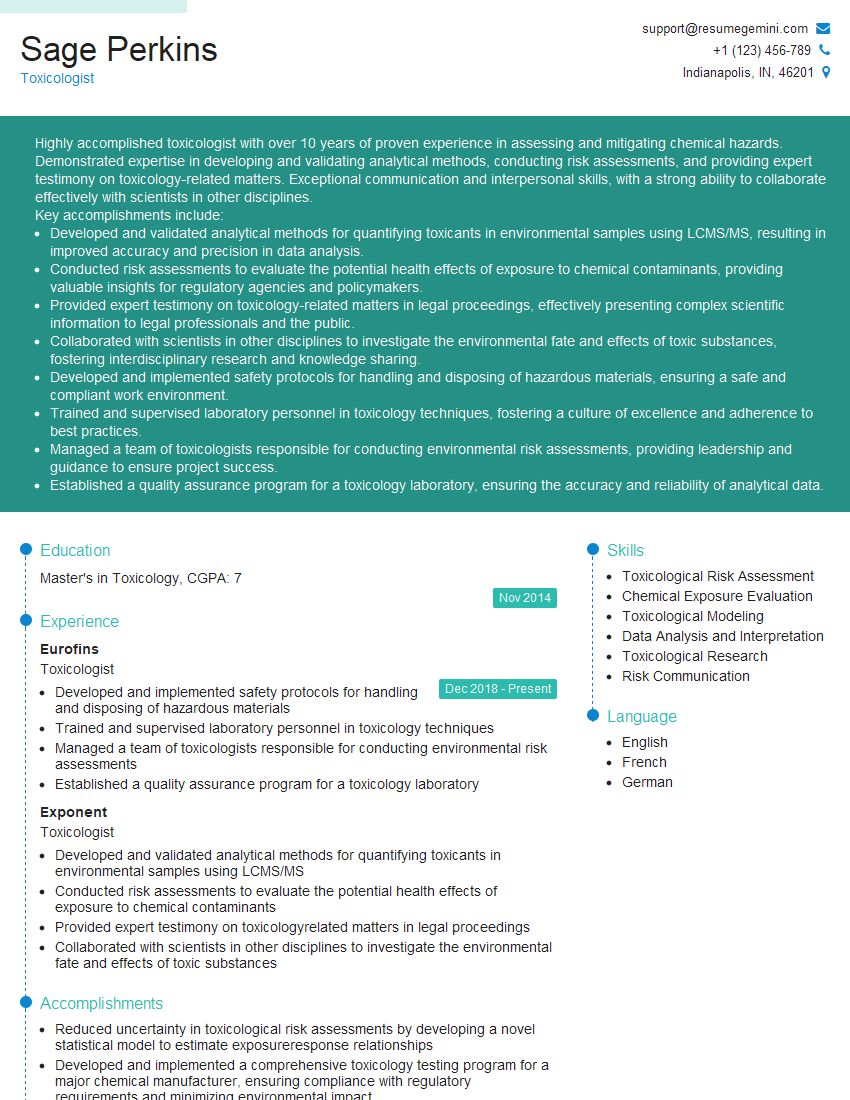
Toxicologist Resume Sample
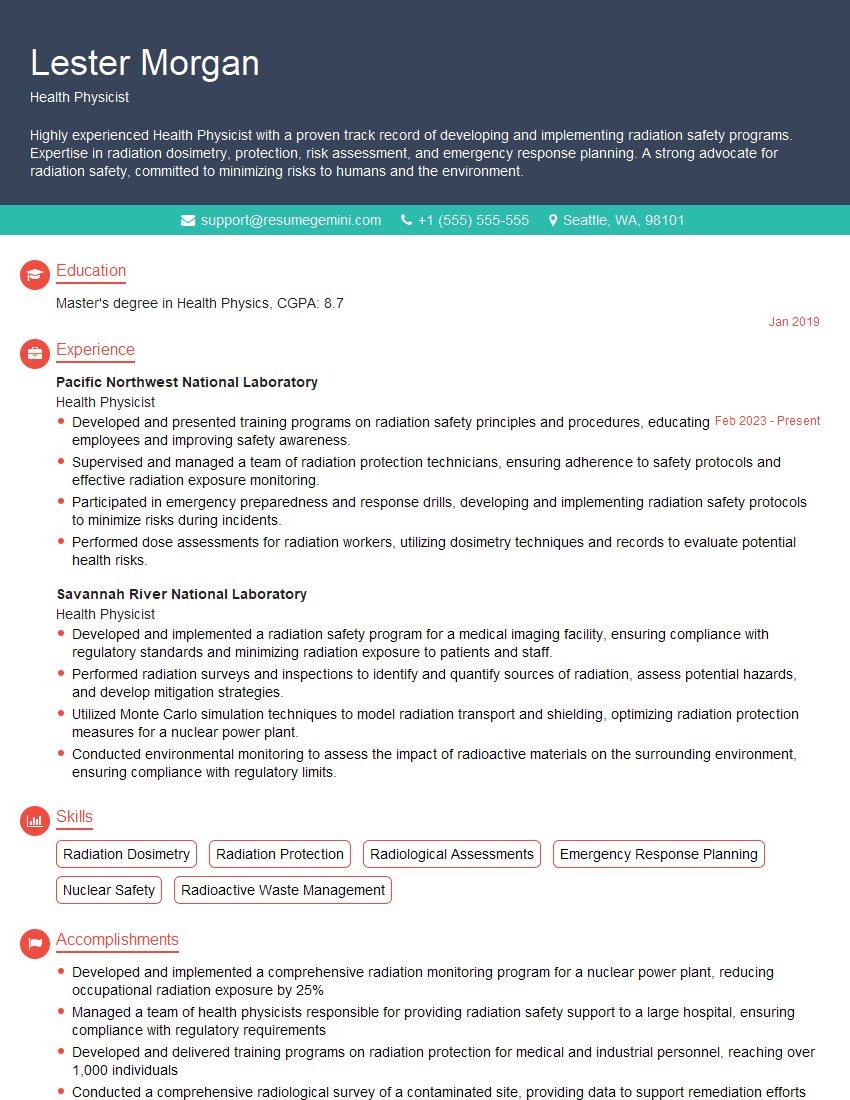
Health Physicist Resume Sample
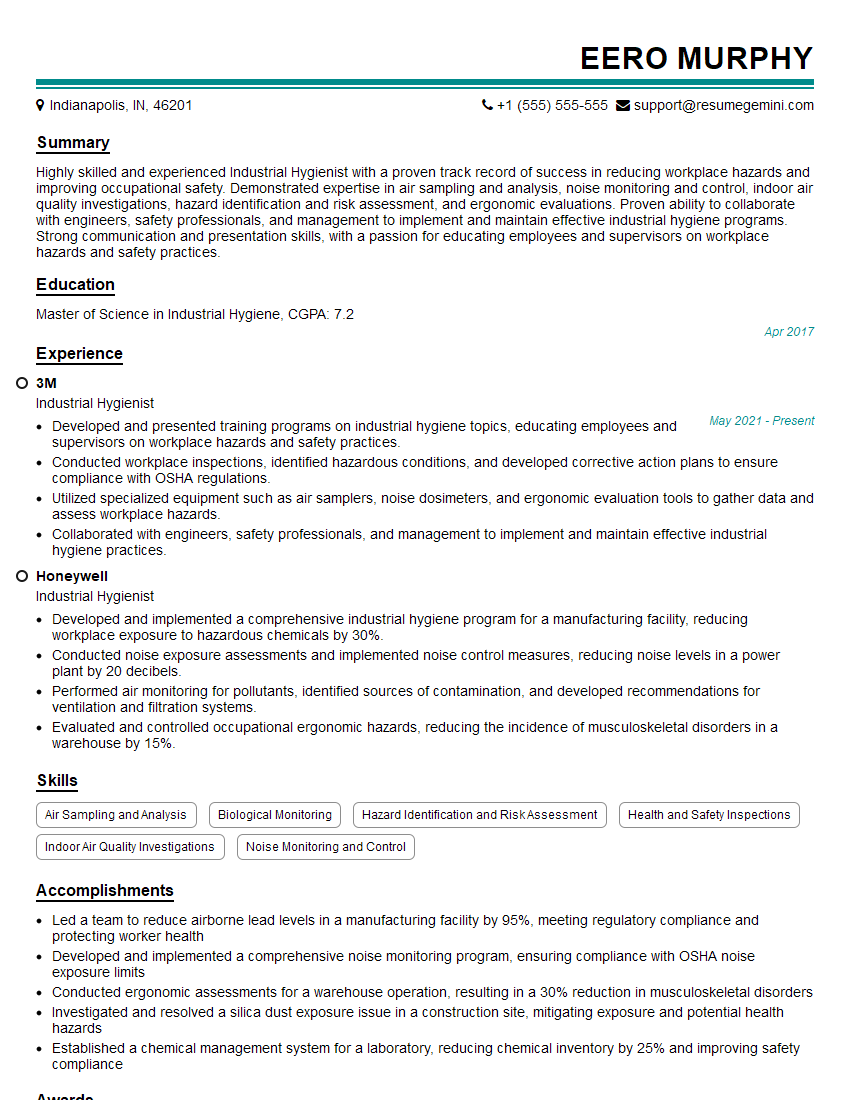
Industrial Hygienist Resume Sample
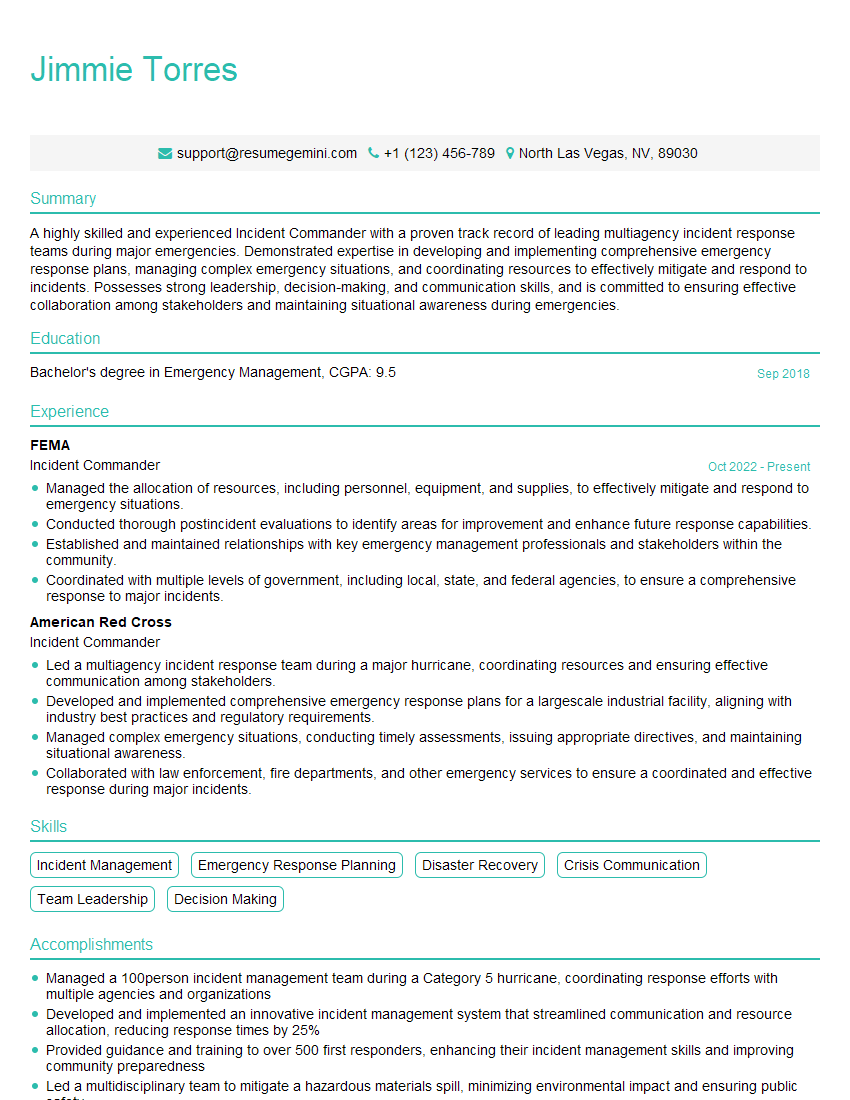
Incident Commander Resume Sample
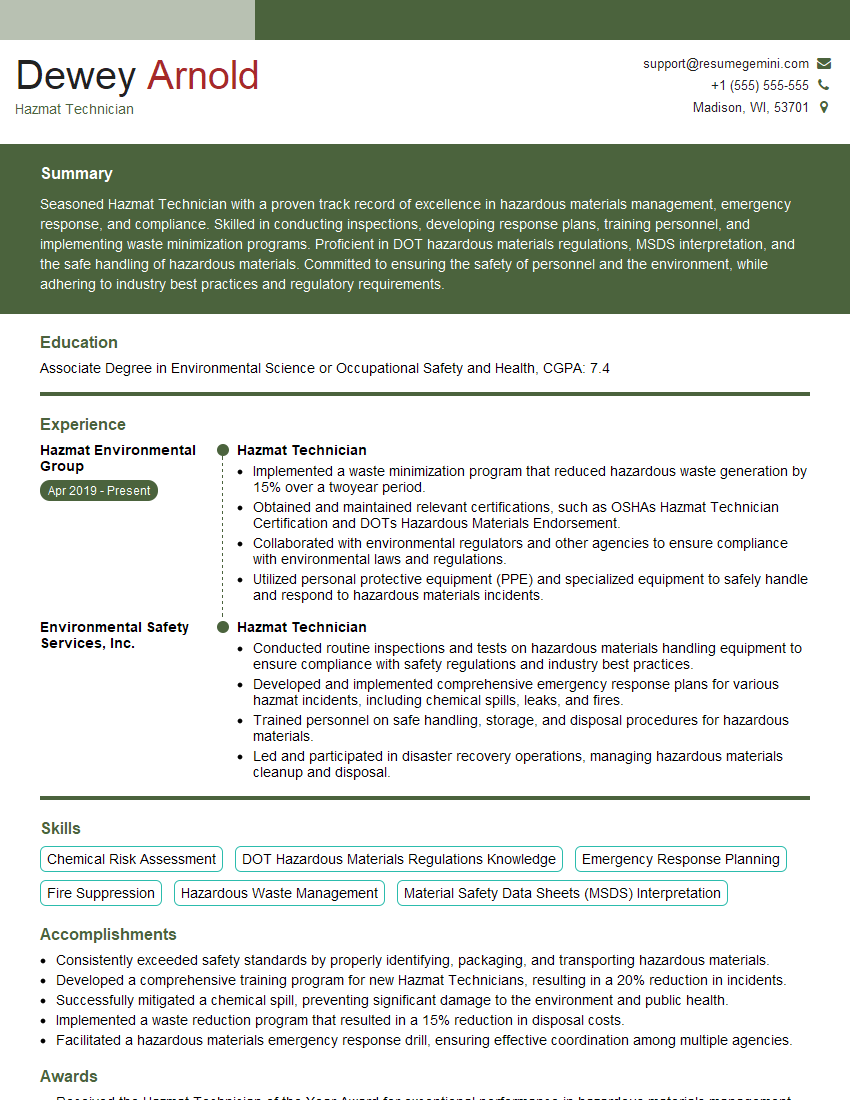
Hazmat Technician Resume Sample
Explore more articles
Users Rating of Our Blogs
Share Your Experience
We value your feedback! Please rate our content and share your thoughts (optional).
What Readers Say About Our Blog
Amazing blog
hello,
Our consultant firm based in the USA and our client are interested in your products.
Could you provide your company brochure and respond from your official email id (if different from the current in use), so i can send you the client’s requirement.
Payment before production.
I await your answer.
Regards,
MrSmith
hello,
Our consultant firm based in the USA and our client are interested in your products.
Could you provide your company brochure and respond from your official email id (if different from the current in use), so i can send you the client’s requirement.
Payment before production.
I await your answer.
Regards,
MrSmith
These apartments are so amazing, posting them online would break the algorithm.
https://bit.ly/Lovely2BedsApartmentHudsonYards
Reach out at BENSON@LONDONFOSTER.COM and let’s get started!
Take a look at this stunning 2-bedroom apartment perfectly situated NYC’s coveted Hudson Yards!
https://bit.ly/Lovely2BedsApartmentHudsonYards
Live Rent Free!
https://bit.ly/LiveRentFREE
Interesting Article, I liked the depth of knowledge you’ve shared.
Helpful, thanks for sharing.
Hi, I represent a social media marketing agency and liked your blog
Hi, I represent an SEO company that specialises in getting you AI citations and higher rankings on Google. I’d like to offer you a 100% free SEO audit for your website. Would you be interested?