Cracking a skill-specific interview, like one for Collaboration and Team Management, requires understanding the nuances of the role. In this blog, we present the questions you’re most likely to encounter, along with insights into how to answer them effectively. Let’s ensure you’re ready to make a strong impression.
Questions Asked in Collaboration and Team Management Interview
Q 1. Describe your experience leading a cross-functional team.
Leading cross-functional teams requires a unique blend of communication, coordination, and conflict resolution skills. My experience involves orchestrating teams composed of individuals from diverse departments, each with their own specialized knowledge and perspectives. In one instance, I led a team encompassing engineering, marketing, and sales to launch a new product. The key was establishing clear, shared goals and a collaborative environment from the outset. We utilized regular cross-functional meetings, leveraging tools like shared project management software (e.g., Asana, Jira) to maintain transparency and track progress. This ensured everyone understood their roles and how their contributions impacted the overall objective. I prioritized active listening to understand different perspectives and facilitated open communication, ensuring that each team member felt heard and valued. The successful launch was a direct result of this collaborative approach and effective communication across different departmental silos.
Q 2. How do you handle conflict within a team?
Conflict is inevitable in any team, but it’s how you handle it that determines success. My approach is proactive and focuses on addressing issues early and constructively. I believe in creating a psychologically safe space where team members feel comfortable expressing their concerns. My process usually involves:
- Active Listening: Understanding all sides of the conflict before offering solutions.
- Facilitation: Guiding the team through a structured discussion to identify the root cause of the conflict.
- Mediation: Helping team members find common ground and mutually acceptable solutions.
- Focus on Solutions: Shifting the conversation from blame to problem-solving.
- Follow-up: Checking in with the team after the conflict is resolved to ensure that the agreement is being upheld and to address any lingering concerns.
For example, when a disagreement arose between the design and development teams regarding a feature’s implementation, I facilitated a collaborative session where both teams presented their perspectives and brainstormed solutions together. We eventually reached a compromise that satisfied both parties and improved the final product.
Q 3. Explain your approach to delegating tasks effectively.
Effective delegation is about empowering team members while ensuring tasks are completed efficiently and effectively. It’s not just about assigning tasks; it’s about understanding individual strengths and providing the necessary resources and support. My approach involves:
- Assessing Team Member Skills: Matching tasks to individual capabilities and areas of expertise.
- Setting Clear Expectations: Providing detailed instructions, deadlines, and desired outcomes.
- Providing Resources and Support: Offering training, guidance, and access to necessary tools and information.
- Empowering Ownership: Giving team members autonomy to manage their tasks while providing regular check-ins.
- Regular Feedback: Providing constructive feedback and support throughout the process.
I once delegated a complex project to a junior team member who was eager to learn but lacked experience in a particular area. By providing mentoring and regular check-ins, I ensured the project was completed successfully, contributing to their professional development and boosting their confidence.
Q 4. What strategies do you use to foster team collaboration?
Fostering collaboration is crucial for team success. I employ a variety of strategies, including:
- Establishing a Shared Vision: Clearly defining team goals and ensuring everyone understands their contribution to the bigger picture.
- Open Communication Channels: Using various communication methods like daily stand-ups, regular team meetings, and project management software to keep everyone informed and connected.
- Team-Building Activities: Organizing activities that promote camaraderie and trust among team members.
- Creating a Culture of Psychological Safety: Encouraging open dialogue, constructive feedback, and a willingness to take risks.
- Collaboration Tools: Utilizing collaborative platforms for document sharing, project management, and communication.
For instance, to improve communication within a geographically dispersed team, I introduced daily stand-up meetings via video conferencing and a shared project management platform, resulting in significantly improved communication and coordination.
Q 5. How do you motivate team members to achieve common goals?
Motivating a team requires understanding individual needs and preferences. My approach focuses on:
- Recognition and Appreciation: Publicly acknowledging accomplishments and contributions.
- Providing Opportunities for Growth: Offering training, mentorship, and challenging assignments.
- Building Trust and Rapport: Creating a positive and supportive work environment.
- Promoting Autonomy and Ownership: Allowing team members to take ownership of their work and make decisions.
- Clear and Meaningful Goals: Ensuring that goals are challenging yet attainable and aligned with team members’ values.
In a past project, I noticed a team member struggling with motivation. By providing them with more challenging tasks aligned with their skills and offering mentorship from a senior team member, their productivity and engagement significantly increased.
Q 6. Describe a time you had to manage a team through a challenging project.
During the development of a new software application, we faced significant challenges due to unforeseen technical complexities and tight deadlines. The initial timeline was unrealistic and team morale was beginning to suffer. My response involved:
- Re-evaluation of the Project Scope: We prioritized essential features and decided to postpone less critical ones to meet the revised deadline.
- Open and Honest Communication: I communicated the challenges transparently with the team, explaining the changes and emphasizing the importance of collaboration and problem-solving.
- Resource Allocation: We adjusted resource allocation to address critical bottlenecks and provide additional support where needed.
- Regular Check-ins: Increased frequency of progress meetings to monitor progress, identify and address issues proactively.
- Team Support: Provided additional support to team members who were feeling the pressure.
Through proactive communication, realistic adjustments, and team support, we successfully launched a streamlined version of the application, delivering a functional product while building trust and strengthening team bonds during a challenging phase.
Q 7. How do you measure team performance and identify areas for improvement?
Measuring team performance requires a multi-faceted approach. I use a combination of quantitative and qualitative metrics, including:
- Project Metrics: On-time delivery, budget adherence, quality of deliverables.
- Individual Performance Reviews: Assessing individual contributions and identifying areas for growth.
- Team Surveys and Feedback: Gathering input from team members on team dynamics, processes, and areas for improvement.
- Client Satisfaction: Measuring client satisfaction with the team’s work.
- Process Efficiency: Analyzing workflow processes to identify inefficiencies and streamline operations.
By regularly reviewing these metrics, I can identify areas of strength and weakness, provide targeted support, and make data-driven decisions to improve team performance. For example, consistently low scores in client satisfaction surveys led us to implement additional training on client communication skills, resulting in a noticeable improvement in client feedback.
Q 8. What tools or techniques do you use to facilitate effective communication within a team?
Effective team communication hinges on choosing the right tools and techniques for the task at hand. It’s not a one-size-fits-all approach. My strategy involves a multi-pronged approach, adapting to the team’s size, project complexity, and individual preferences.
Regular Meetings: Stand-ups (short daily meetings focusing on progress and roadblocks), sprint reviews (in Agile methodologies, reviewing progress against sprint goals), and longer strategic planning sessions are all vital. I ensure agendas are clear, time is respected, and all members contribute.
Project Management Software: Tools like Asana, Trello, or Jira offer centralized task management, progress tracking, and communication channels. This ensures transparency and avoids crucial information being lost in email threads.
Instant Messaging & Video Conferencing: Slack, Microsoft Teams, or Google Chat are excellent for quick questions, informal discussions, and keeping the team connected. Video conferencing enhances engagement, particularly for remote or distributed teams.
Documentation & Knowledge Sharing: A well-maintained wiki or shared document repository makes it easy to find information, share best practices, and onboard new team members. I emphasize consistent updates and clear labeling.
Open Door Policy & Accessibility: I promote open communication by being readily available to team members for questions or concerns. I create a safe space where everyone feels comfortable voicing their opinions.
For example, in a previous project with a geographically dispersed team, we utilized a combination of daily stand-up calls via video conferencing, Asana for task management, and Slack for quick queries. This ensured seamless collaboration despite the distance.
Q 9. How do you handle disagreements among team members?
Disagreements are inevitable in teamwork; they often signify diverse perspectives and a commitment to finding the best solution. My approach is structured and focuses on constructive conflict resolution.
Active Listening & Understanding: The first step is to listen actively to each side, ensuring everyone feels heard and understood. I try to rephrase perspectives to confirm understanding, demonstrating empathy and respect.
Identifying the Root Cause: What’s the real issue behind the disagreement? Is it a misunderstanding, a clash of personalities, or a difference in approach? Pinpointing the root cause is crucial for an effective solution.
Collaborative Problem-Solving: Once the root cause is identified, we collaboratively brainstorm solutions. I encourage a respectful exchange of ideas, focusing on finding common ground and areas of agreement.
Mediation, if necessary: If the disagreement becomes too intense, I may act as a mediator, guiding the discussion and ensuring everyone stays focused on the problem, not on personal attacks.
Documentation & Follow-up: Once a solution is agreed upon, I document it to ensure clarity and accountability. I also follow up to check the solution’s effectiveness and address any lingering issues.
For instance, in a past project, two team members had a disagreement about the best approach to a design challenge. By actively listening to both perspectives and facilitating a brainstorming session, we found a solution that integrated the best elements of both approaches, resulting in a superior product.
Q 10. Explain your experience with different team structures (e.g., agile, hierarchical).
My experience encompasses a range of team structures, and I adapt my management style accordingly. Each structure presents unique strengths and challenges.
Agile Teams: I’ve extensively worked in Agile environments, utilizing Scrum or Kanban methodologies. I understand the importance of iterative development, daily stand-ups, sprint reviews, and retrospectives. In this setting, collaboration, flexibility, and rapid adaptation to change are paramount. The emphasis is on self-organizing teams and empowerment.
Hierarchical Teams: In more traditional hierarchical structures, clear lines of authority and reporting are established. Communication often flows upwards and downwards through established channels. My focus is on ensuring clear communication, providing guidance and support at appropriate levels, and fostering collaboration even within the defined hierarchy.
I recognize the advantages and disadvantages of each structure. Agile excels in dynamic environments needing rapid adaptation, while hierarchical structures provide stability and clear accountability in more stable contexts. My strength lies in understanding and adapting to the specific needs and context of the team.
Q 11. Describe your approach to providing constructive feedback to team members.
Constructive feedback is crucial for growth. My approach focuses on being specific, timely, and supportive.
Specific & Actionable: I avoid vague statements and instead provide concrete examples of behavior or performance that needs improvement. I focus on the impact of the behavior rather than making personal attacks. The feedback is tied to specific actions the team member can take to improve.
Timely & Regular: Feedback should be provided promptly, ideally as close to the event as possible. I aim for regular feedback sessions, not just during annual reviews, to facilitate continuous improvement.
Focus on Behavior, Not Personality: I separate the behavior from the person. For example, instead of saying “You’re lazy,” I might say, “I noticed the deadline was missed. Let’s discuss how we can better manage time constraints in the future.”
Two-Way Conversation: I encourage a two-way conversation, providing an opportunity for the team member to respond, share their perspective, and ask questions. This ensures understanding and allows for collaborative problem-solving.
Positive Reinforcement: I always start with positive reinforcement, highlighting achievements and strengths before addressing areas for improvement.
For example, instead of simply stating “Your code has bugs,” I might say, “I noticed a few logic errors in the recent code commit. Let’s go through them together, and I can help you implement more robust testing strategies in the future.”
Q 12. How do you manage expectations within a team?
Managing expectations is crucial for team morale and project success. My strategy involves clear communication, realistic planning, and consistent updates.
Clear Goals & Objectives: I ensure everyone understands the project goals, individual responsibilities, and expected deliverables. This involves clearly defining roles, responsibilities, and deadlines.
Realistic Planning & Scope Management: I work with the team to develop a realistic project plan, considering potential risks and challenges. We use tools like work breakdown structures to break down tasks into manageable components.
Regular Progress Updates & Communication: I provide regular updates on project progress, highlighting milestones achieved and challenges encountered. This ensures transparency and keeps everyone informed.
Open Communication & Feedback: I encourage open communication and feedback, providing opportunities for team members to voice their concerns or suggest adjustments to the plan.
Adaptability & Flexibility: I recognize that changes are inevitable. I am flexible in adapting the plan as needed, always communicating the changes clearly to the team.
In a previous project, we initially underestimated the complexity of a task. By openly communicating this to the team and adjusting the deadlines accordingly, we prevented frustration and ensured project success.
Q 13. How do you ensure that all team members feel valued and included?
Creating an inclusive and valued environment is essential for high-performing teams. My approach involves fostering psychological safety, recognizing individual contributions, and promoting diverse perspectives.
Psychological Safety: I cultivate a culture where everyone feels comfortable expressing their ideas, concerns, and even dissenting opinions without fear of judgment or retribution. This involves actively listening, valuing diverse perspectives, and showing respect for each team member’s contributions.
Recognition & Appreciation: I regularly acknowledge and appreciate individual and team accomplishments. This can involve formal recognition, informal praise, or highlighting successes in team meetings.
Delegation & Empowerment: I delegate tasks appropriately, empowering team members to take ownership and develop their skills. This shows trust and confidence in their abilities.
Diversity & Inclusion: I actively promote diversity and inclusion by ensuring that all voices are heard and respected. This involves creating an environment where individuals from different backgrounds and experiences feel welcome and valued.
Team-Building Activities: I occasionally incorporate team-building activities to strengthen relationships and foster a sense of camaraderie.
For instance, I once implemented a peer-recognition program where team members could nominate each other for outstanding contributions. This fostered a positive and supportive team environment.
Q 14. How do you handle underperforming team members?
Addressing underperformance requires a structured approach that combines support, clear expectations, and, if necessary, disciplinary action.
Identify the Root Cause: Is the underperformance due to a lack of skills, lack of motivation, lack of clarity around expectations, or external factors? Understanding the underlying cause is critical.
Performance Improvement Plan (PIP): If the underperformance is persistent and not due to external factors, a PIP might be necessary. This involves setting clear, measurable, achievable, relevant, and time-bound (SMART) goals for improvement, providing support and resources, and regularly monitoring progress.
Mentorship & Training: Providing mentorship or additional training can help address skill gaps or improve knowledge and efficiency.
Regular Check-ins & Feedback: Regular check-ins provide opportunities to track progress, provide support, and offer constructive feedback. This helps the team member feel supported and accountable.
Disciplinary Action (if necessary): If the team member fails to meet the expectations outlined in the PIP despite support and training, disciplinary action may be required, following company policy and procedures.
It’s crucial to remember that this process needs to be fair, transparent, and documented. The goal is to support the team member’s improvement while also protecting the team’s overall performance.
Q 15. What is your experience with remote team management?
My experience with remote team management spans over eight years, encompassing various project types and team sizes. I’ve successfully led and mentored distributed teams across multiple time zones, consistently delivering projects on time and within budget. My approach centers on fostering a strong sense of community and utilizing technology effectively to bridge geographical gaps. This includes leveraging collaborative tools like Slack for communication, Asana for task management, and Zoom for regular virtual meetings. For example, when leading a geographically dispersed software development team, I implemented daily stand-up meetings using Zoom, ensuring all team members remained aligned on project progress and any roadblocks encountered. We also utilized Asana to track tasks, ensuring transparency and accountability.
Beyond tools, I focus heavily on building strong interpersonal relationships through regular one-on-one virtual check-ins, ensuring individual team member needs and concerns are addressed proactively. This approach has consistently resulted in improved team morale, increased productivity, and a higher sense of belonging amongst team members, even when physically distant.
Career Expert Tips:
- Ace those interviews! Prepare effectively by reviewing the Top 50 Most Common Interview Questions on ResumeGemini.
- Navigate your job search with confidence! Explore a wide range of Career Tips on ResumeGemini. Learn about common challenges and recommendations to overcome them.
- Craft the perfect resume! Master the Art of Resume Writing with ResumeGemini’s guide. Showcase your unique qualifications and achievements effectively.
- Don’t miss out on holiday savings! Build your dream resume with ResumeGemini’s ATS optimized templates.
Q 16. Describe your experience with project planning and execution.
Project planning and execution are cornerstones of successful teamwork. My approach involves a phased methodology, starting with a clear definition of project goals, scope, and deliverables. I utilize Agile methodologies, specifically Scrum, to manage projects iteratively, allowing for flexibility and adaptation to evolving needs. This involves breaking down large projects into smaller, manageable tasks (sprints), regularly assessing progress and adjusting plans as needed.
For example, in a recent marketing campaign project, I employed a Scrum framework. We started by defining the campaign objectives (increase brand awareness by X%), identified key deliverables (website redesign, social media campaign, email marketing), and created a detailed project timeline broken into two-week sprints. Each sprint concluded with a sprint review to assess progress and adjust our strategy based on performance data. This iterative approach allowed us to adapt quickly to changing market conditions and ensure the campaign remained focused on achieving its primary goals.
Effective communication is crucial throughout execution. Regular progress updates, both within the team and to stakeholders, are critical to transparency and alignment. I use various methods, including weekly status reports, project management software, and frequent informal communication to ensure everyone is informed and involved.
Q 17. How do you prioritize tasks in a team setting?
Prioritizing tasks in a team setting requires a balanced approach that considers urgency, importance, and resource availability. I typically utilize a prioritization matrix, often based on the Eisenhower Matrix (Urgent/Important), to categorize tasks. This helps the team focus on high-impact activities first.
For instance, ‘Urgent and Important’ tasks – like addressing a critical bug in a live application – take precedence. ‘Important but Not Urgent’ tasks – such as long-term strategic planning – are scheduled proactively to prevent them from becoming urgent. ‘Urgent but Not Important’ tasks – like responding to less critical emails – are delegated or streamlined. ‘Neither Urgent nor Important’ tasks are often eliminated to free up resources for more crucial activities.
In addition to the matrix, I involve the team in the prioritization process, fostering a sense of ownership and shared responsibility. We discuss the rationale behind each prioritization decision, ensuring everyone is on the same page and understands the strategic goals.
Q 18. How do you handle competing priorities among team members?
Handling competing priorities among team members necessitates open communication, clear expectations, and effective resource allocation. I begin by clearly defining individual roles and responsibilities, ensuring everyone understands their contribution to the overall project goals.
When conflicts arise, I facilitate a collaborative discussion where team members can openly express their concerns and priorities. This may involve using a structured approach like a prioritization workshop, where we collectively evaluate the impact and urgency of competing tasks and reach a consensus on which tasks should be prioritized.
If necessary, I help to negotiate compromises or re-allocate resources to ensure that critical tasks are addressed. Transparency and fairness are essential throughout this process. It’s crucial to recognize that sometimes, saying ‘no’ to some tasks to focus on the most impactful ones is a necessary and responsible management decision.
Q 19. How do you build trust and rapport within a team?
Building trust and rapport within a team is an ongoing process requiring consistent effort and genuine engagement. I believe in leading by example, demonstrating integrity, honesty, and empathy in all interactions. I actively listen to team members’ concerns, celebrate successes, and provide constructive feedback.
Team-building activities – both formal and informal – are essential. These can range from virtual social gatherings to collaborative problem-solving exercises. For instance, I’ve facilitated online team trivia nights or virtual escape rooms to promote interaction and camaraderie outside of regular work tasks.
Open and honest communication is paramount. Creating a safe space where team members feel comfortable sharing ideas, concerns, and feedback without fear of judgment is crucial. By valuing individual contributions and fostering a supportive environment, I build a foundation of trust and mutual respect that strengthens team cohesion and collaboration.
Q 20. How do you facilitate decision-making within a team?
Facilitating effective decision-making within a team involves choosing the right approach for the situation. Sometimes a quick, top-down decision is necessary; other times, a collaborative approach is more effective.
For routine or straightforward decisions, I might delegate the decision-making authority to the appropriate team member. For more complex or strategic decisions, I often employ a structured decision-making process. This could involve brainstorming sessions, data analysis, cost-benefit assessments, and a voting process to arrive at a consensus. I make sure all perspectives are heard and considered.
Regardless of the method, ensuring all team members understand the rationale behind the decision is vital. Clear communication and documentation of the decision-making process help to avoid misunderstandings and maintain transparency. Post-decision follow-up is critical to review the outcome and learn from the process.
Q 21. What is your approach to building a positive team culture?
Building a positive team culture is about fostering an environment of psychological safety, mutual respect, and shared purpose. I begin by clearly defining the team’s values and goals, ensuring everyone understands their role in contributing to the overall success.
I actively promote open communication, encouraging team members to share ideas, feedback, and concerns freely. I celebrate both individual and team accomplishments to boost morale and reinforce positive behavior. Providing regular opportunities for professional development and skill enhancement also contributes to a positive and stimulating environment.
Recognizing and addressing any conflicts or issues promptly is also crucial. I use active listening and mediation techniques to resolve disputes fairly and constructively. Ultimately, creating a positive team culture is an ongoing effort; it requires consistent attention, proactive engagement, and a genuine commitment to fostering a supportive and inclusive environment for all team members.
Q 22. Describe a time you had to make a difficult decision impacting a team.
One of the toughest decisions I faced involved a team member consistently underperforming despite multiple coaching sessions. Initially, I focused on providing support and constructive feedback, adjusting their tasks to better suit their skills. However, performance didn’t improve, impacting team morale and project deadlines. The difficult decision was whether to offer further support and risk project failure or to let the team member go. I opted for a structured performance improvement plan (PIP) with clearly defined goals and timelines. This involved frequent check-ins, additional training resources, and mentorship from a senior team member. We documented all interactions transparently. Ultimately, despite our efforts, the PIP didn’t yield the desired results, and the difficult decision to let the team member go had to be made. This was carefully communicated, with support offered for their job search. This experience highlighted the importance of clear expectations, thorough documentation, and compassionate yet firm decision-making in challenging team situations.
Q 23. How do you adapt your leadership style to different team members?
My leadership style isn’t one-size-fits-all. I believe in adapting my approach based on individual team members’ needs and preferences. For example, some team members thrive with detailed instructions and regular check-ins (a more directive approach), while others prefer more autonomy and less supervision (a more delegative style). I assess each team member’s strengths, weaknesses, experience level, and personality to tailor my communication and management style. This includes considering their preferred communication methods – some prefer email, others instant messaging, while some benefit from face-to-face interactions. I also regularly solicit feedback from my team members on how I can better support their individual needs and enhance team collaboration. This ensures that everyone feels valued and empowered to contribute their best work.
Q 24. How do you ensure that team members have the resources they need to succeed?
Ensuring team members have the necessary resources is paramount to their success. This involves a proactive approach encompassing several key areas. Firstly, I regularly assess their needs, both individually and as a team. This includes necessary tools, software, training, budget, and information. Secondly, I advocate for these resources within the organization, presenting justified requests to management. Thirdly, I establish clear processes for resource allocation, ensuring fairness and transparency. Finally, I provide ongoing support, troubleshooting any resource-related issues promptly. For example, if a team member needs advanced software training to complete a project, I would arrange for that training, potentially even pairing them with a mentor already proficient in the software. Similarly, if budget constraints limit access to a vital tool, I’d explore alternative cost-effective solutions or justify the expense based on the project’s potential return on investment. This proactive approach minimizes roadblocks and empowers team members to focus on their tasks effectively.
Q 25. How do you stay organized and manage your workload while managing a team?
Managing my workload and the team’s requires a structured approach. I use project management tools (like Asana or Trello) to track tasks, deadlines, and individual responsibilities. Regular team meetings help to maintain focus, address challenges promptly, and ensure alignment on priorities. I also prioritize tasks effectively, focusing on high-impact activities and delegating appropriately. Time blocking is a key strategy; I schedule dedicated time slots for specific tasks, including time for focused work and team interaction. Regularly reviewing the project plan and adjusting it based on progress and unforeseen obstacles is critical. Finally, I encourage open communication within the team so that any roadblocks or bottlenecks are identified and addressed proactively. This avoids last-minute rushes and ensures a smoother workflow.
Q 26. Describe your experience with risk management in a team environment.
Risk management is an integral part of successful team projects. My approach involves a proactive and systematic process. First, I facilitate a risk assessment session with the team, identifying potential risks related to project scope, resources, timelines, and dependencies. We brainstorm possible risks using techniques like SWOT analysis. Next, we assess the likelihood and impact of each risk, prioritizing them based on their potential severity. For each high-priority risk, we develop mitigation strategies and contingency plans. These plans detail steps to minimize the likelihood of the risk occurring and the actions to take if it does. This involves documenting the plans and regularly reviewing them to ensure their effectiveness. For instance, if a key resource might be delayed, we’d explore alternative resources or adjust the project schedule to account for potential delays. Regular monitoring and communication are key throughout the project lifecycle to identify emerging risks and adapt plans as needed. This proactive approach protects the project from unexpected setbacks and ensures a smoother path to success.
Q 27. How do you measure the success of a team project?
Measuring the success of a team project goes beyond simply meeting deadlines. We define success criteria upfront, using a balanced scorecard approach. This incorporates qualitative and quantitative metrics. Quantitative metrics might include project completion rate, budget adherence, and key performance indicators (KPIs) specific to the project’s objectives. Qualitative metrics assess team collaboration, stakeholder satisfaction, and the project’s overall impact. We use surveys, feedback sessions, and project reviews to gather data on these aspects. For example, in a software development project, quantitative success could be measured by the number of bugs fixed and user adoption rate, while qualitative success might involve measuring user satisfaction and team morale. By considering both quantitative and qualitative factors, we obtain a more comprehensive understanding of the project’s overall effectiveness.
Q 28. How do you manage your own time effectively while leading a team?
Effective time management as a team leader requires a combination of planning, delegation, and prioritization. I utilize time-blocking techniques to allocate specific time slots for different activities, including focused work, meetings, and team communication. Prioritizing tasks is crucial; I focus on high-impact activities first and delegate less critical tasks where appropriate. I also set realistic expectations and avoid overcommitting. Regularly reviewing my schedule and making adjustments as needed helps to maintain balance and avoid burnout. Moreover, I delegate effectively, empowering team members with ownership over their tasks. This not only frees up my time but also develops their skills and boosts team morale. Finally, I protect my time from unnecessary interruptions by setting boundaries and utilizing communication tools efficiently. This structured approach ensures that I can effectively lead the team while also managing my personal time and responsibilities.
Key Topics to Learn for Collaboration and Team Management Interview
- Understanding Team Dynamics: Explore different team structures (e.g., self-managed, hierarchical), team roles (e.g., leader, follower, contributor), and the impact of individual personalities on group performance. Consider how to identify and leverage team strengths and address weaknesses.
- Effective Communication Strategies: Practice active listening, clear articulation of ideas, and constructive feedback techniques. Learn how to tailor communication to different audiences and situations (e.g., formal presentations, informal brainstorming sessions). Explore non-verbal communication and its role in team interaction.
- Conflict Resolution and Negotiation: Develop skills in identifying and addressing conflict constructively. Understand various conflict resolution styles and learn to choose the most appropriate approach for the given situation. Practice negotiation strategies to reach mutually beneficial outcomes.
- Project Management and Goal Setting: Learn how to define clear project goals, create actionable plans, and track progress effectively. Understand different project management methodologies (e.g., Agile, Waterfall) and their application in team settings. Practice delegating tasks effectively and monitoring team performance.
- Collaboration Tools and Technologies: Familiarize yourself with common collaboration platforms (e.g., project management software, communication tools) and their effective use in enhancing team productivity. Understand the benefits and limitations of various technologies.
- Building and Maintaining Team Cohesion: Explore strategies for fostering trust, respect, and positive relationships within a team. Learn how to motivate team members, celebrate successes, and provide constructive feedback in a supportive manner. Understand the importance of team building activities.
- Decision-Making Processes: Understand different approaches to group decision-making (e.g., consensus, voting, authority-based). Practice techniques for facilitating effective decision-making in team settings, considering diverse perspectives and potential biases.
Next Steps
Mastering Collaboration and Team Management is crucial for career advancement across virtually all industries. Strong team players are highly sought after, and showcasing your skills in this area will significantly improve your job prospects. To stand out, create an ATS-friendly resume that effectively highlights your relevant experience and accomplishments. ResumeGemini is a trusted resource to help you build a professional and impactful resume that catches the recruiter’s eye. We provide examples of resumes tailored to Collaboration and Team Management roles to guide you. Invest in crafting a strong resume—it’s your first impression!
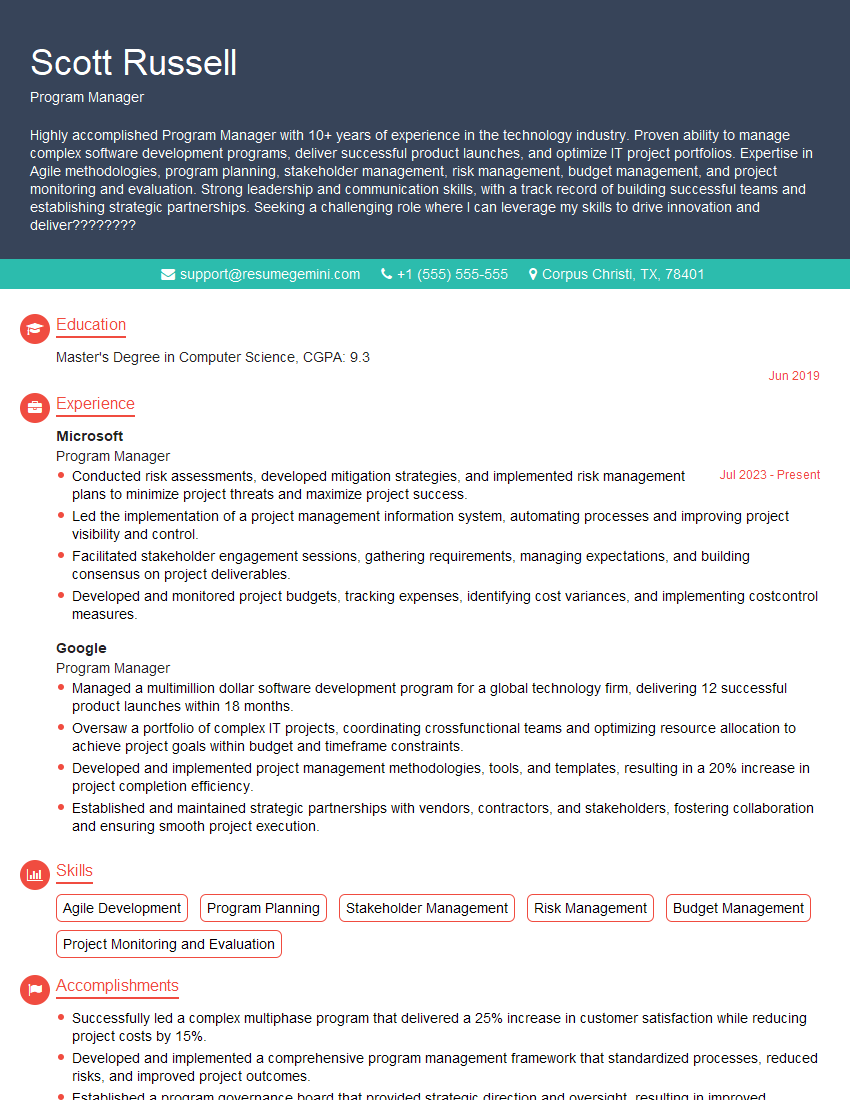
Program Manager Resume Sample
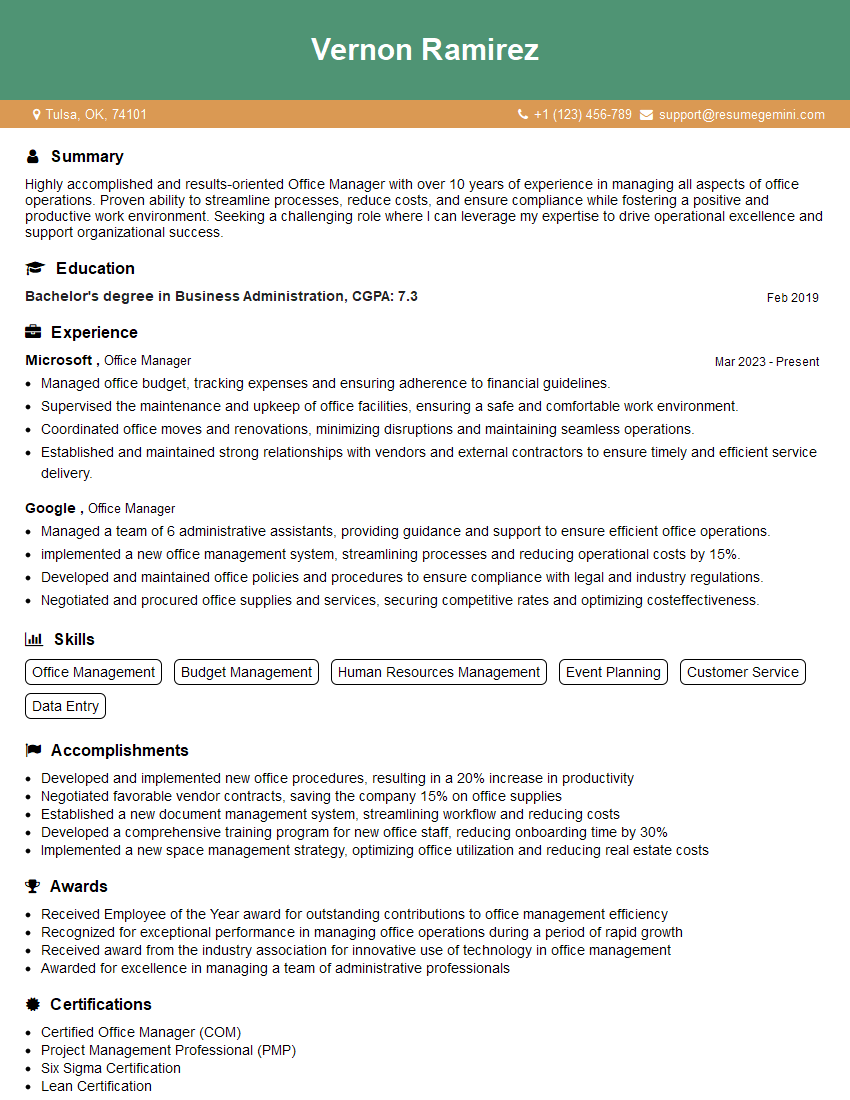
Office Manager Resume Sample
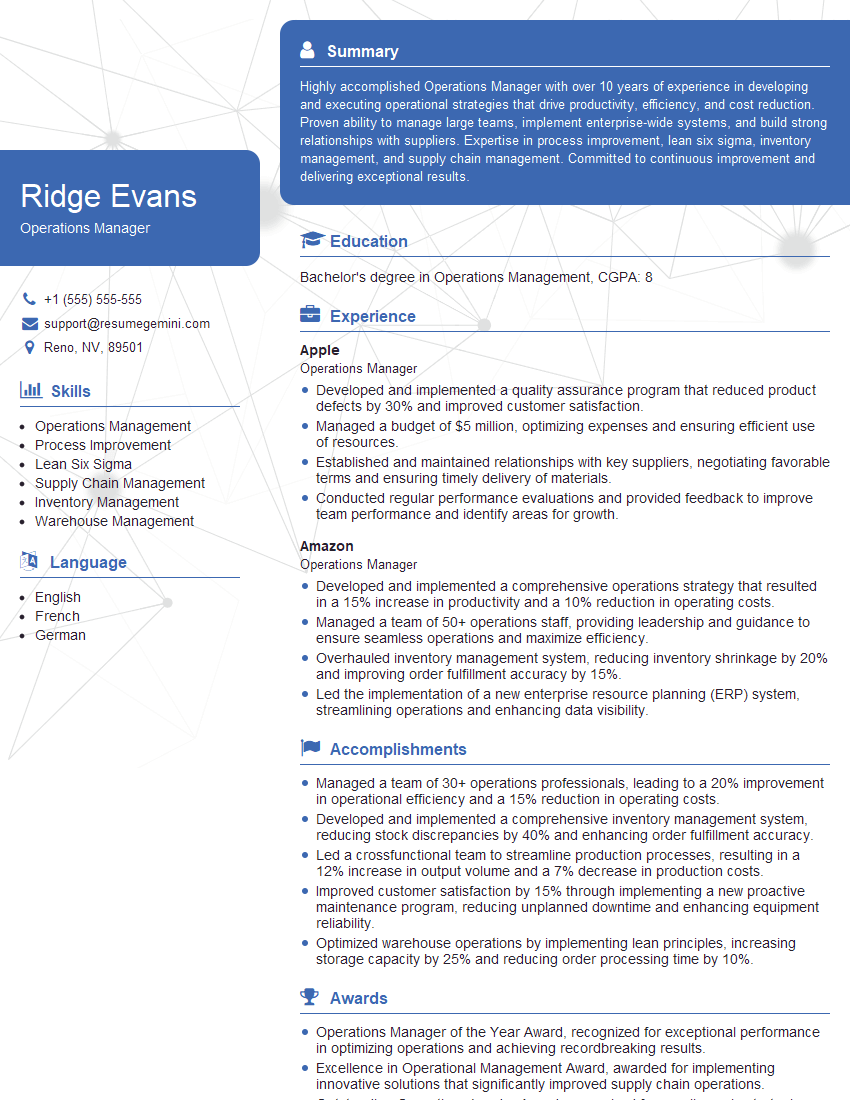
Operations Manager Resume Sample
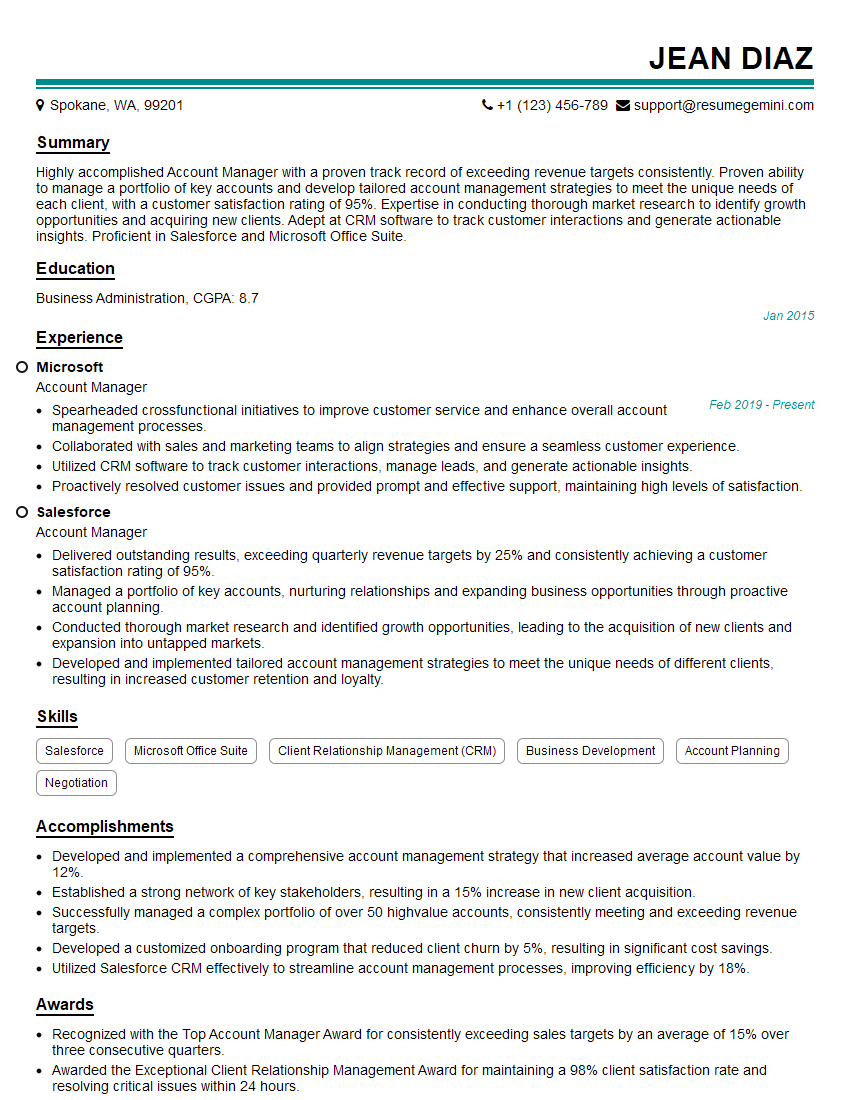
Account Manager Resume Sample
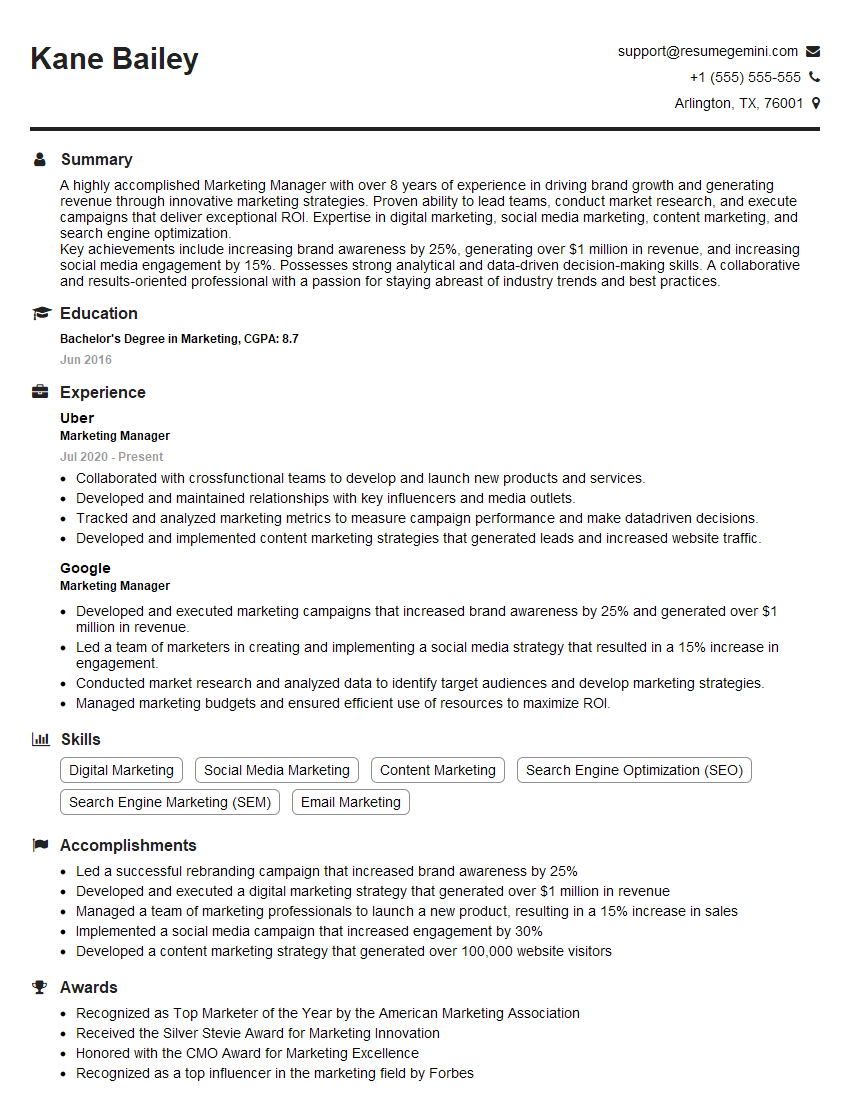
Marketing Manager Resume Sample
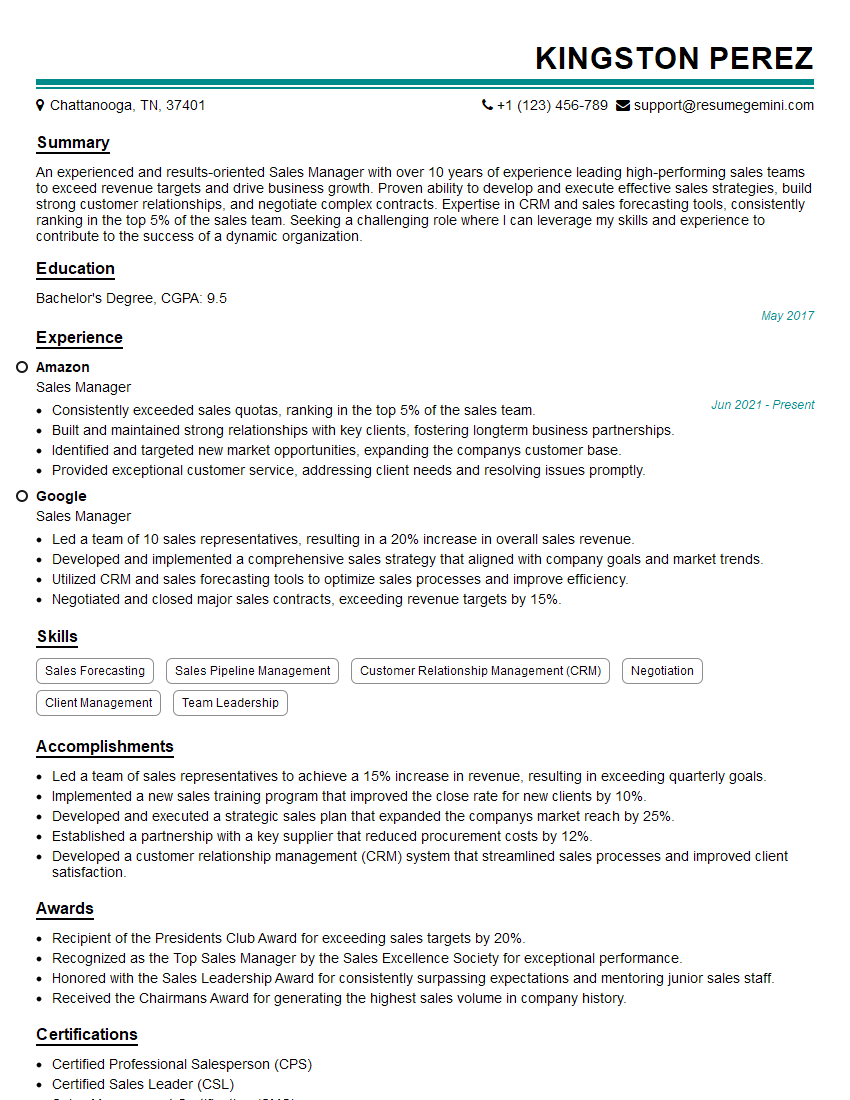
Sales Manager Resume Sample
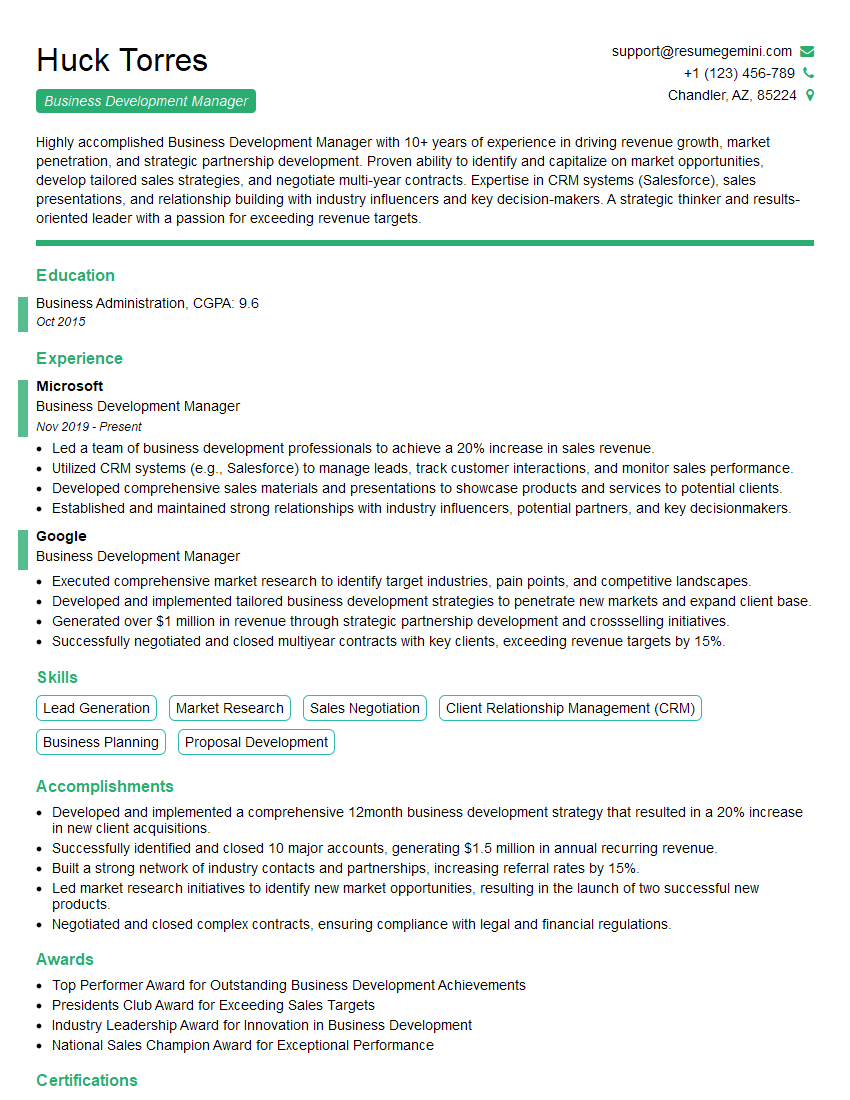
Business Development Manager Resume Sample
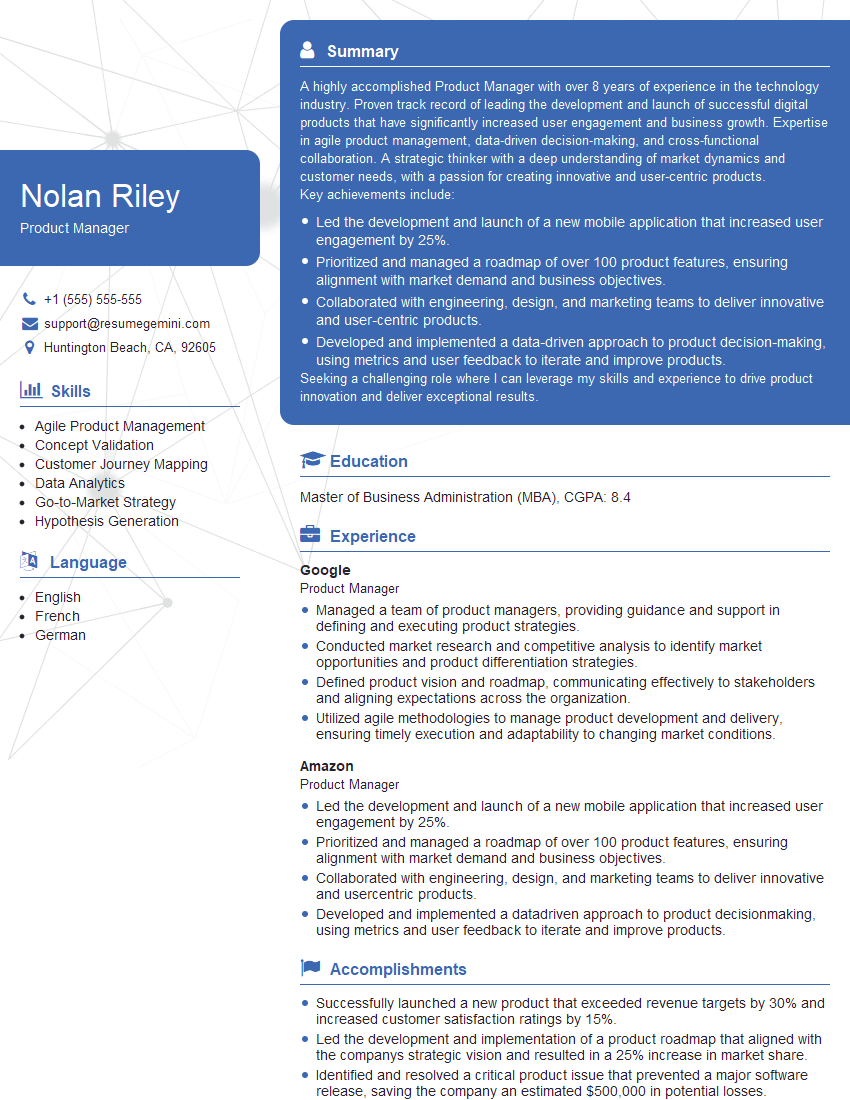
Product Manager Resume Sample
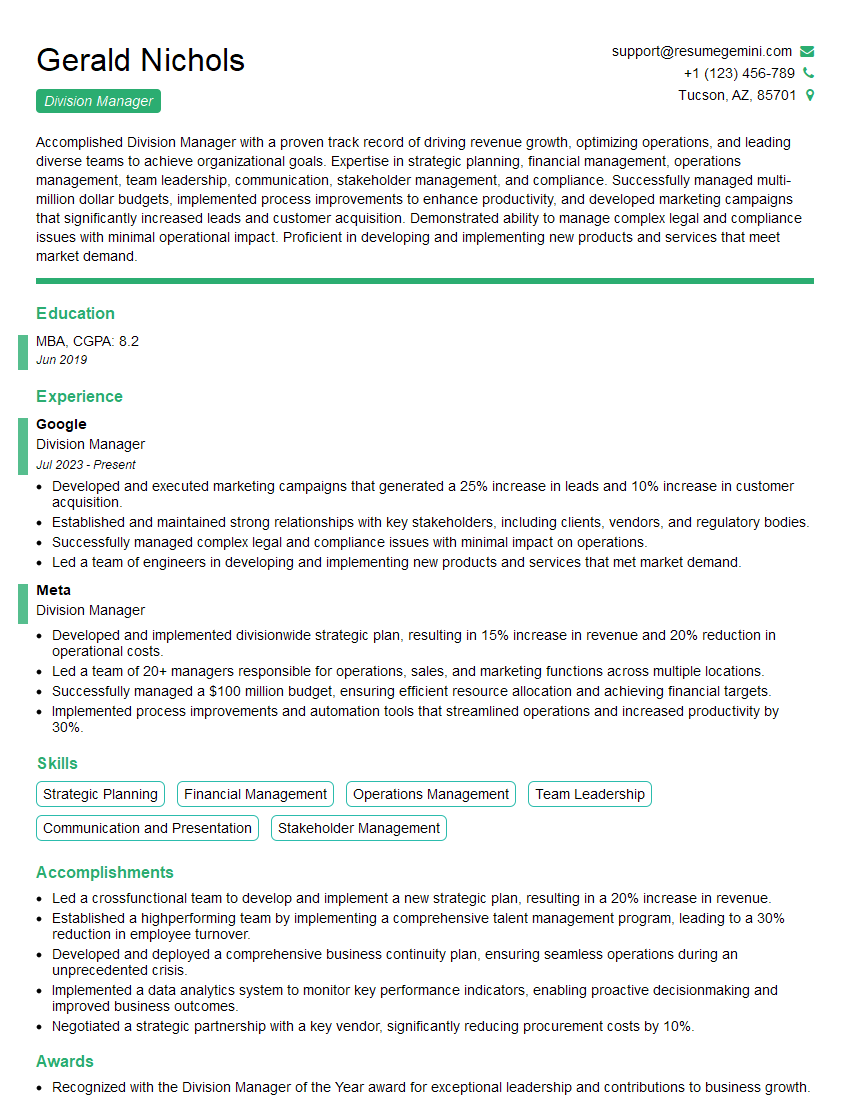
Division Manager Resume Sample
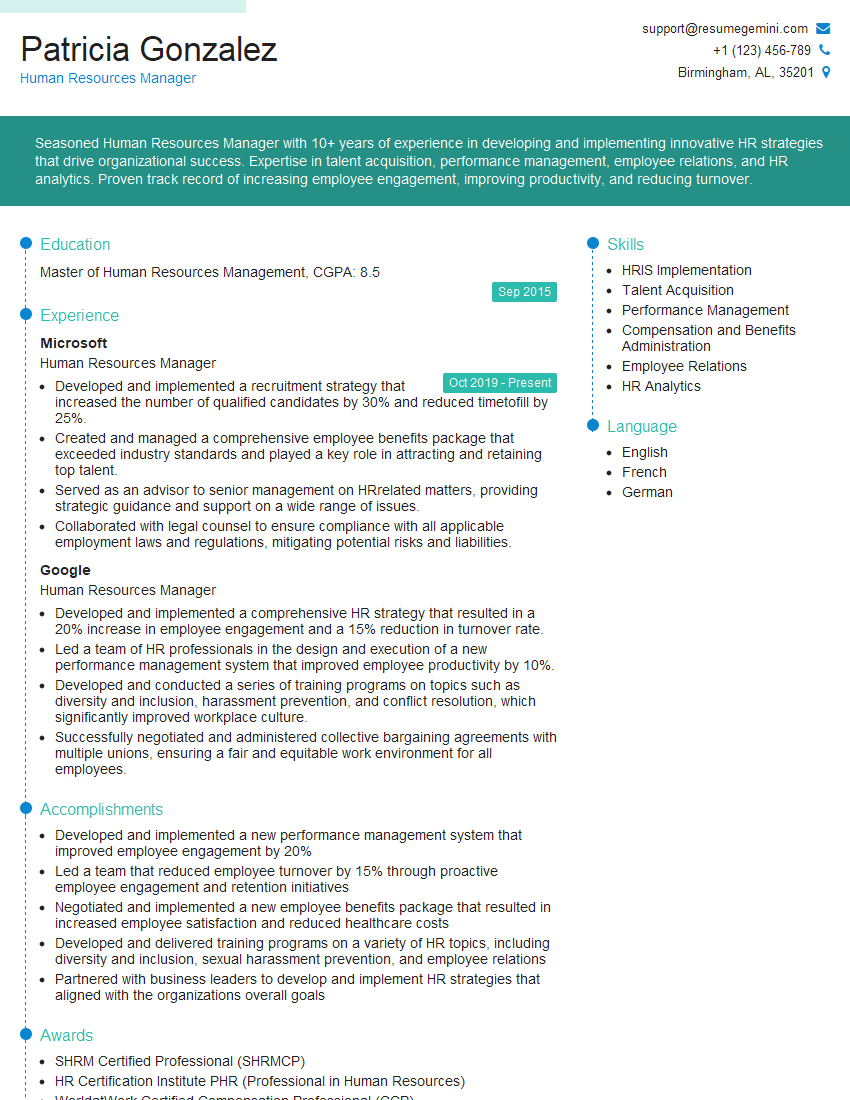
Human Resources Manager Resume Sample
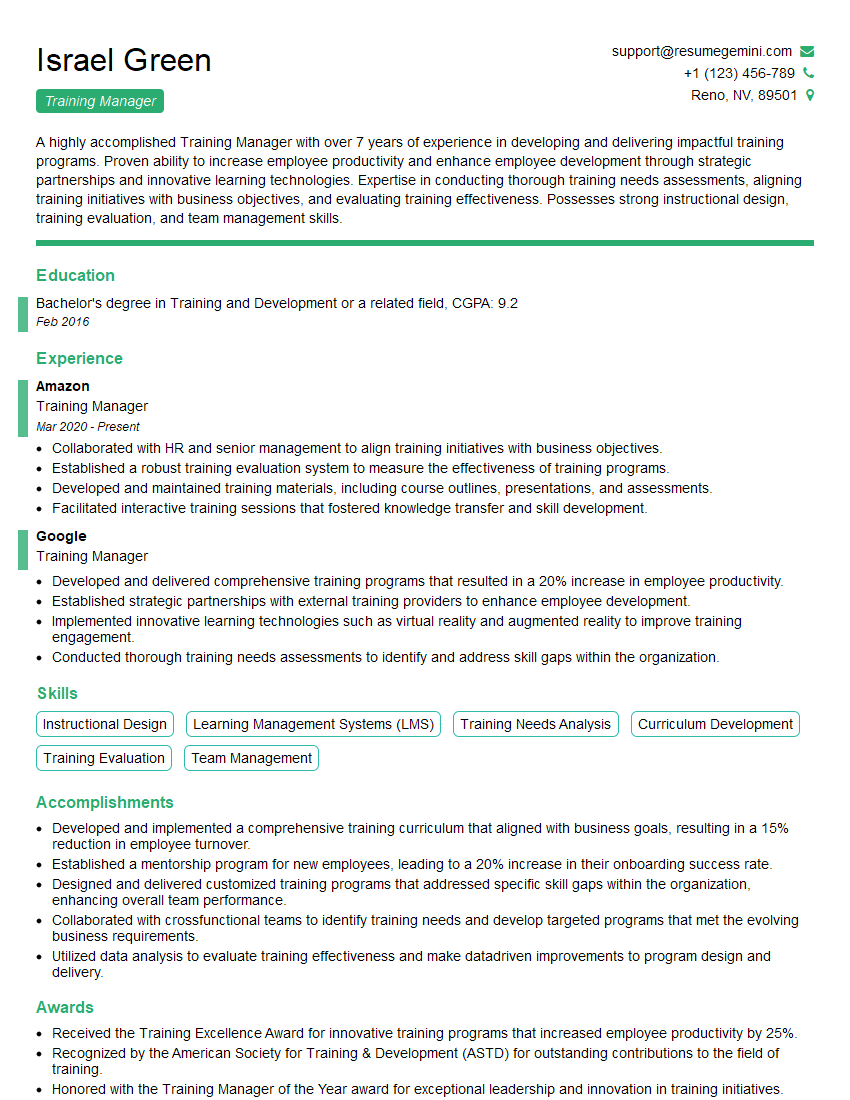
Training Manager Resume Sample
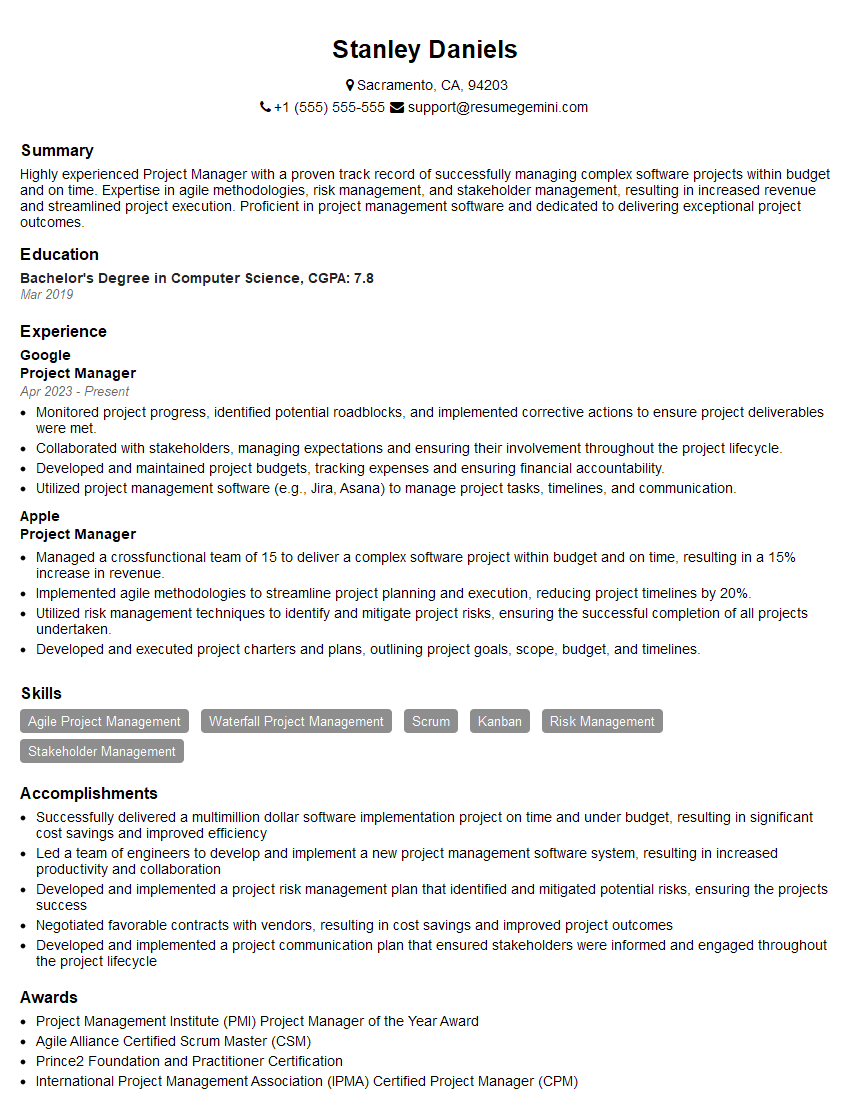
Project Manager Resume Sample
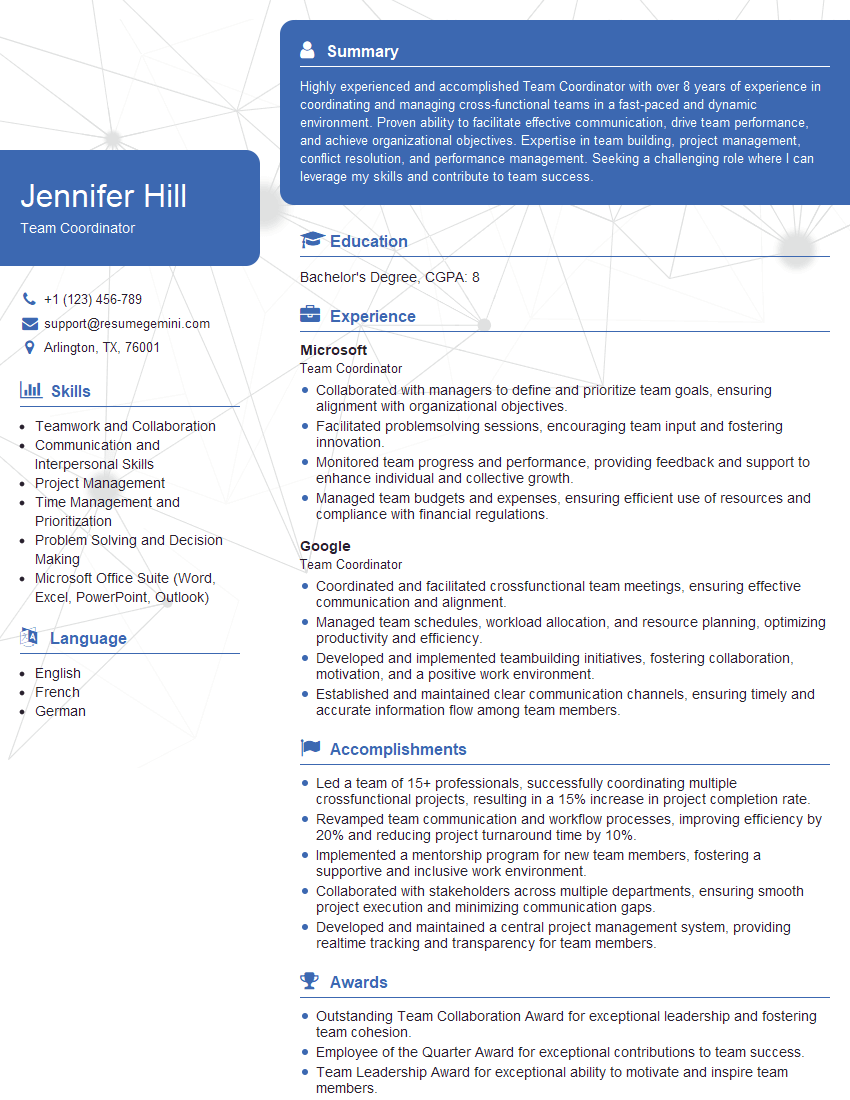
Team Coordinator Resume Sample
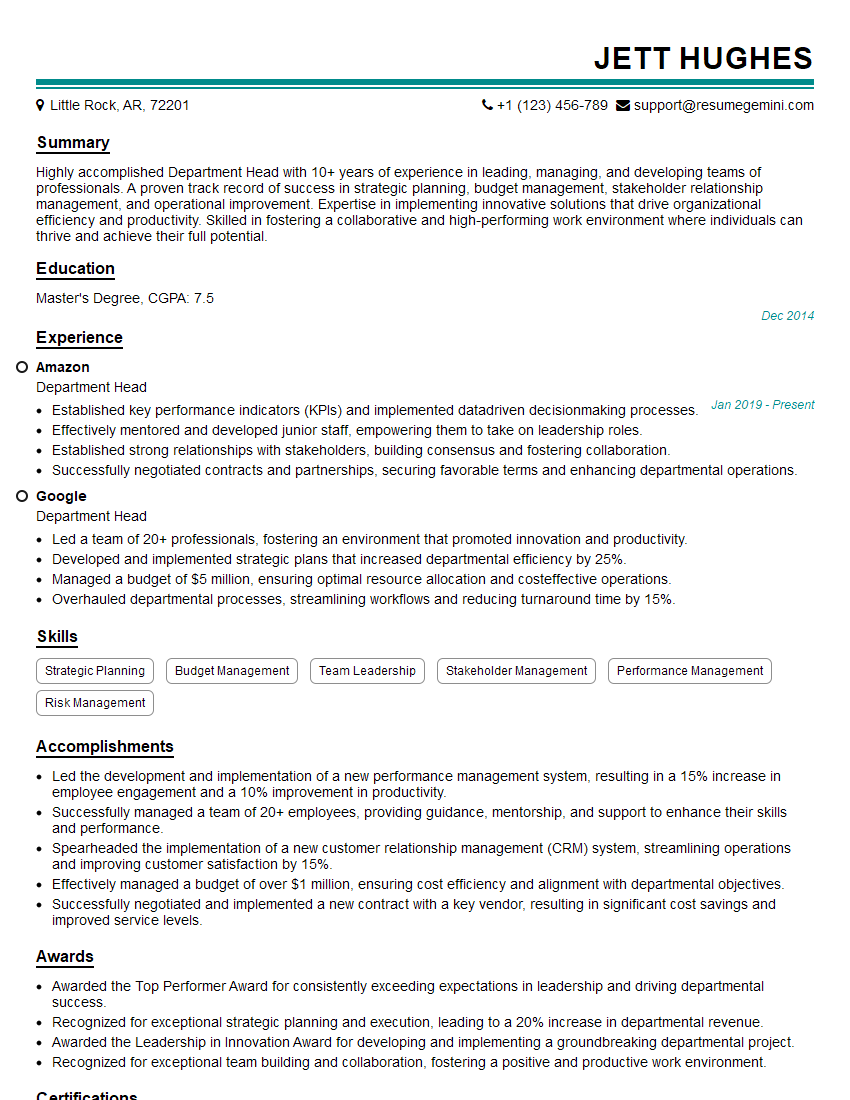
Department Head Resume Sample
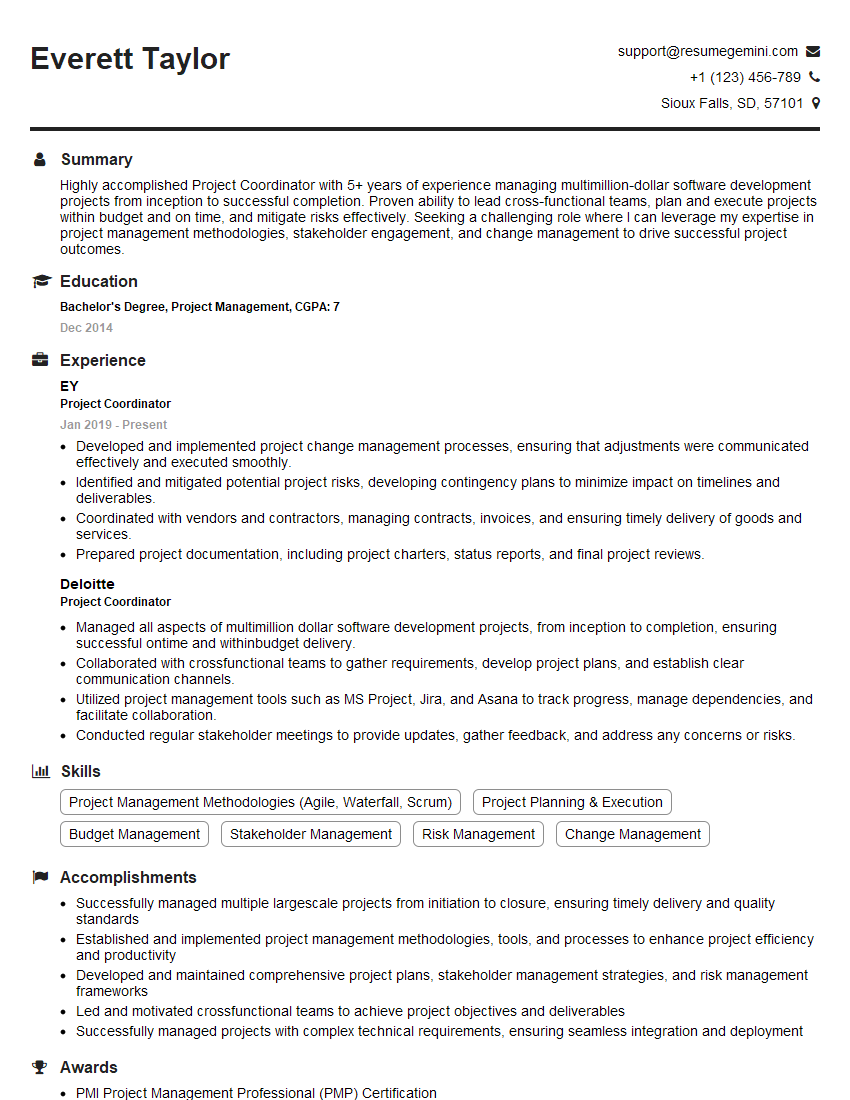
Project Coordinator Resume Sample
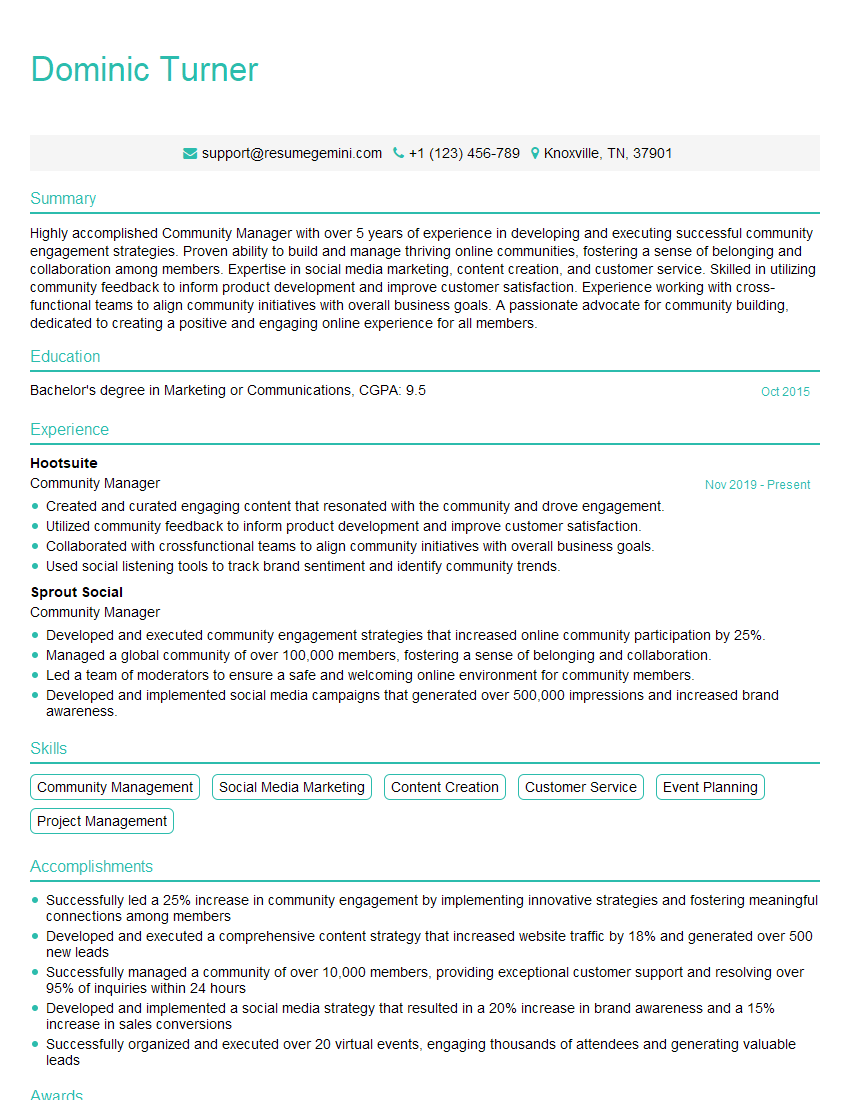
Community Manager Resume Sample
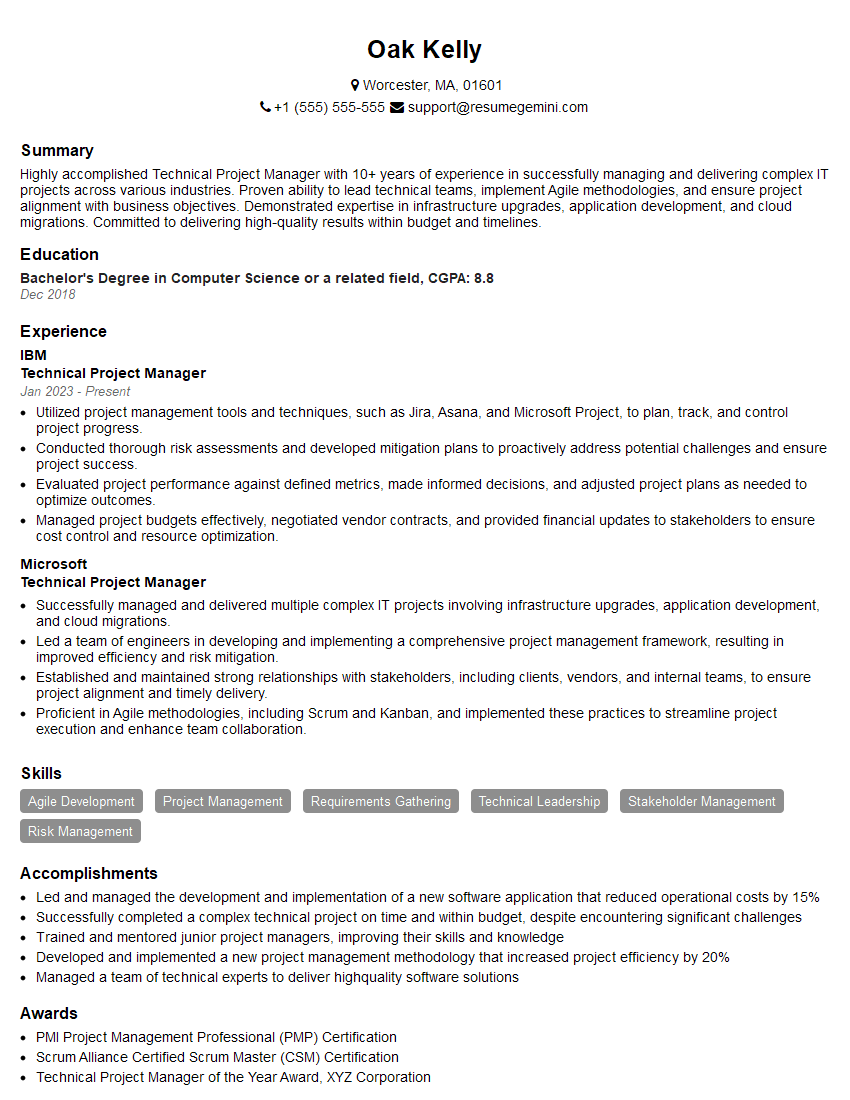
Technical Project Manager Resume Sample
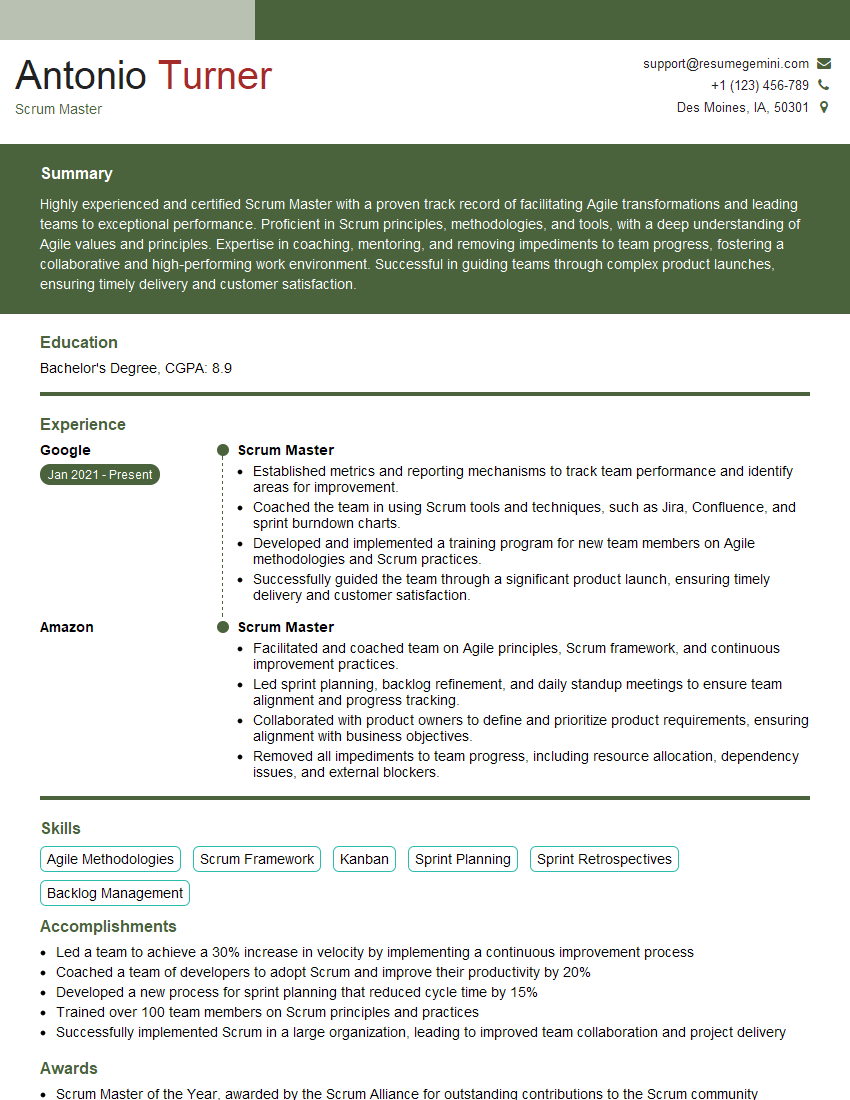
Scrum Master Resume Sample
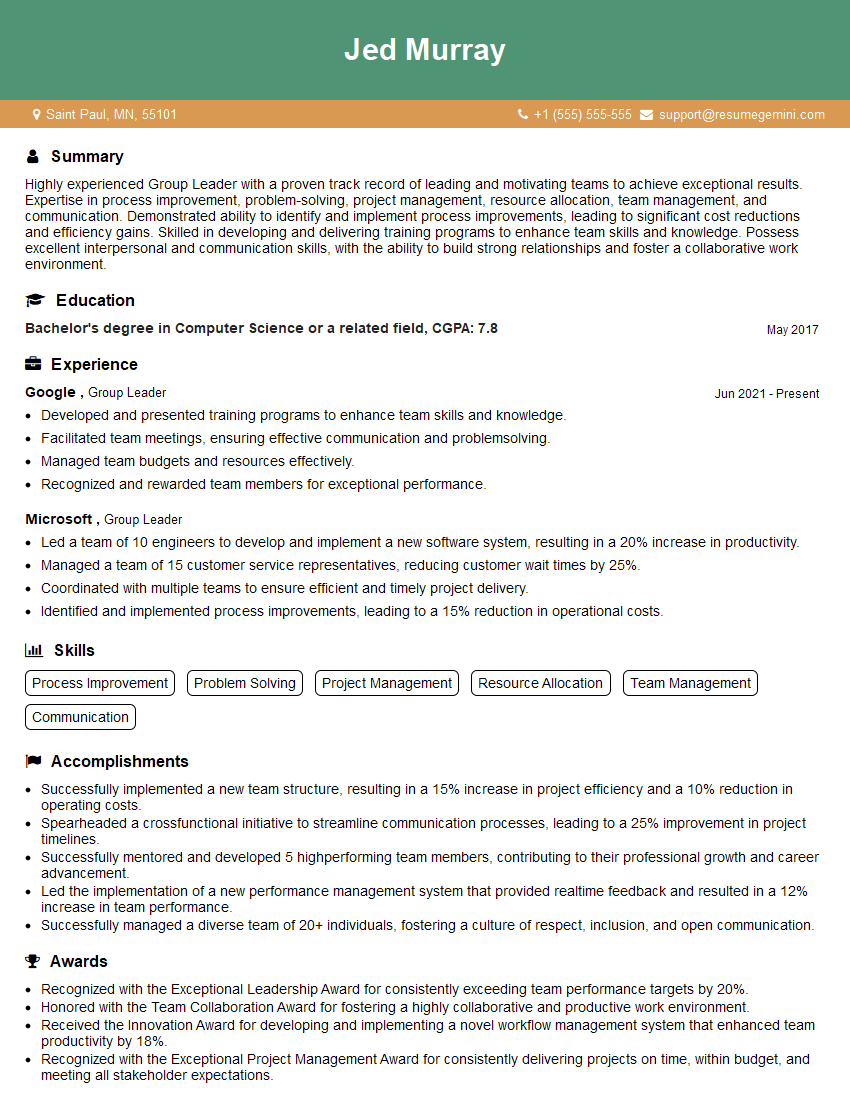
Group Leader Resume Sample
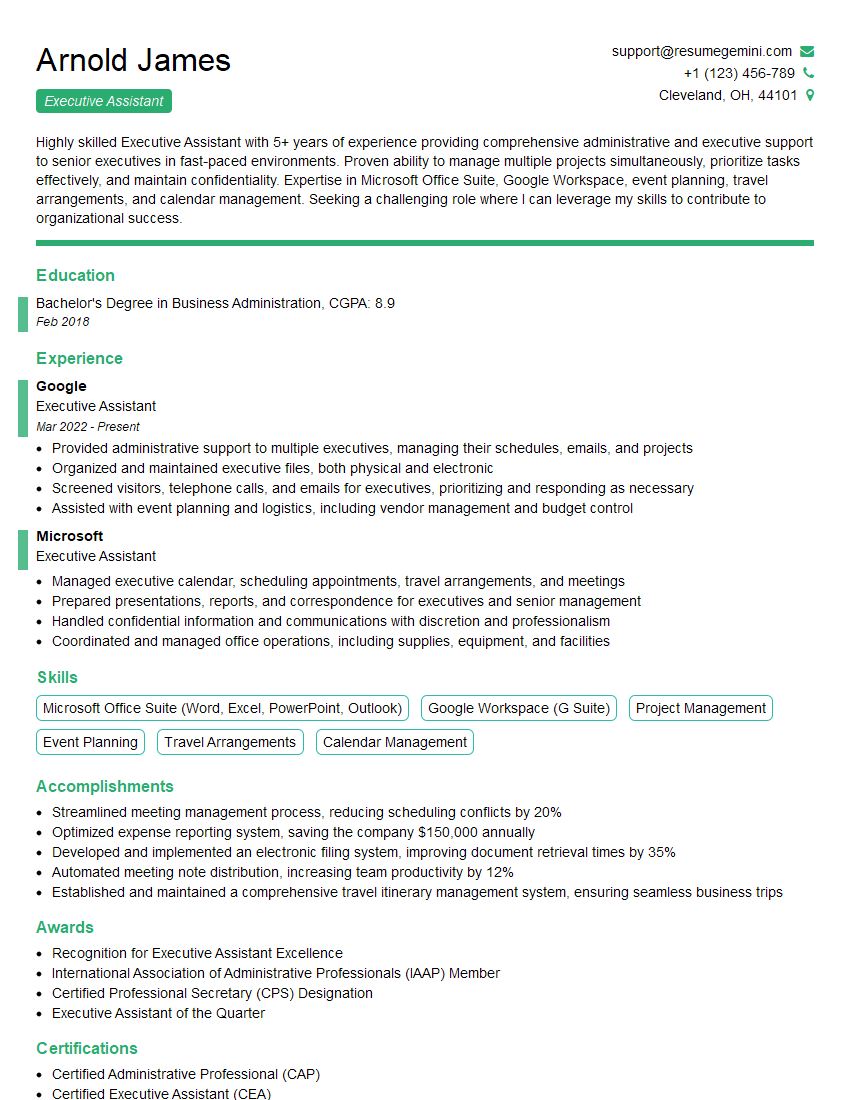
Executive Assistant Resume Sample
- Program Manager
- Office Manager
- Operations Manager
- Account Manager
- Marketing Manager
- Sales Manager
- Business Development Manager
- Product Manager
- Division Manager
- Human Resources Manager
- Training Manager
- Project Manager
- Team Coordinator
- Department Head
- Project Coordinator
- Community Manager
- Technical Project Manager
- Scrum Master
- Group Leader
- Executive Assistant
Explore more articles
Users Rating of Our Blogs
Share Your Experience
We value your feedback! Please rate our content and share your thoughts (optional).
What Readers Say About Our Blog
Amazing blog
Interesting Article, I liked the depth of knowledge you’ve shared.
Helpful, thanks for sharing.