Preparation is the key to success in any interview. In this post, we’ll explore crucial Data Interpretation and Statistical Analysis interview questions and equip you with strategies to craft impactful answers. Whether you’re a beginner or a pro, these tips will elevate your preparation.
Questions Asked in Data Interpretation and Statistical Analysis Interview
Q 1. Explain the difference between correlation and causation.
Correlation and causation are two distinct concepts in statistics. Correlation simply indicates a relationship between two variables – they tend to change together. Causation, however, implies that one variable directly influences or causes a change in another. A correlation doesn’t automatically mean one variable *causes* changes in the other; there might be a third, unseen factor (confounding variable) at play.
Example: Ice cream sales and crime rates might be positively correlated – both tend to increase during summer. However, this doesn’t mean that increased ice cream sales *cause* higher crime rates. The underlying causal factor is the warmer weather, which influences both ice cream consumption and potentially crime rates.
In essence, correlation is an observation of an association, while causation requires demonstrating a direct causal link through rigorous methods like controlled experiments or strong causal inferences.
Q 2. What are the assumptions of linear regression?
Linear regression, a statistical method for modeling the relationship between a dependent variable and one or more independent variables, rests on several key assumptions:
- Linearity: The relationship between the independent and dependent variables is linear. This means a straight line can reasonably approximate the relationship.
- Independence: Observations are independent of each other. The value of one observation doesn’t influence the value of another.
- Homoscedasticity: The variance of the errors (residuals) is constant across all levels of the independent variable(s). In simpler terms, the spread of the data points around the regression line is consistent.
- Normality: The errors are normally distributed. This means the residuals follow a bell curve.
- No or little multicollinearity: In multiple linear regression, independent variables should not be highly correlated with each other. High multicollinearity can inflate standard errors and make it difficult to interpret the individual effects of predictors.
Violation of these assumptions can lead to biased or inefficient estimates and inaccurate inferences. Diagnostic tools like residual plots and tests for normality are used to check these assumptions.
Q 3. How do you handle missing data in a dataset?
Handling missing data is crucial for maintaining data integrity and avoiding biased analyses. The best approach depends on the nature of the data, the amount of missingness, and the mechanism causing the missing data (missing completely at random (MCAR), missing at random (MAR), or missing not at random (MNAR)).
- Deletion: Listwise deletion (removing entire rows with missing values) is simple but can lead to significant data loss, especially if missing data is not MCAR. Pairwise deletion (using available data for each analysis) can lead to inconsistencies.
- Imputation: This involves filling in missing values with estimated values. Methods include mean/median/mode imputation (simple but can distort variance), regression imputation (predicting missing values based on other variables), k-nearest neighbor imputation (using values from similar data points), and multiple imputation (generating multiple plausible imputed datasets).
- Model-based approaches: Maximum likelihood estimation (MLE) and Expectation-Maximization (EM) algorithms can be used to estimate parameters and impute missing values simultaneously, particularly for specific data types.
The choice of method should be carefully considered. For instance, mean imputation is easy but can underestimate variability. Multiple imputation is more complex but is generally preferred for its better handling of uncertainty associated with missing data.
Q 4. Describe different methods for outlier detection.
Outliers are data points that significantly deviate from the overall pattern of the data. Detecting them is important because they can disproportionately influence analysis results. Several methods exist:
- Visual inspection: Box plots, scatter plots, and histograms can visually reveal outliers.
- Statistical methods: Z-score (values beyond a certain number of standard deviations from the mean), modified Z-score (less sensitive to extreme values), and Interquartile Range (IQR) (values beyond 1.5 * IQR from the quartiles).
- Clustering-based methods: Clustering algorithms can identify groups of similar data points; outliers might lie outside any well-defined cluster.
- DBSCAN (Density-Based Spatial Clustering of Applications with Noise): A density-based clustering algorithm particularly effective in identifying outliers as noise.
After detecting outliers, careful consideration is required. It’s not always appropriate to simply remove them. They might represent genuine extreme values or errors in data collection. Investigation into their causes is crucial before making any decisions about their inclusion or exclusion in the analysis.
Q 5. What is the central limit theorem and its significance?
The Central Limit Theorem (CLT) is a cornerstone of statistical inference. It states that the distribution of the sample means (or averages) from a large number of independent, identically distributed random variables will approximate a normal distribution, regardless of the original distribution’s shape, as the sample size increases.
Significance: The CLT allows us to make inferences about population parameters even if we don’t know the underlying population distribution. This is essential because it allows for the use of standard statistical tests, many of which rely on the assumption of normality, even when the underlying data is not normally distributed. For instance, we can use the CLT to construct confidence intervals and conduct hypothesis tests on the population mean, even if the original data is skewed.
Example: Imagine you’re measuring the height of students. The individual heights might not be normally distributed. However, if you take numerous samples of student heights and calculate the mean for each sample, the distribution of these sample means will tend towards a normal distribution as the sample size for each mean increases, according to the CLT.
Q 6. Explain the difference between Type I and Type II errors.
Type I and Type II errors are potential mistakes in hypothesis testing. They relate to the decision of whether to reject or fail to reject a null hypothesis.
- Type I Error (False Positive): Rejecting the null hypothesis when it is actually true. Think of it as a false alarm. The probability of committing a Type I error is denoted by α (alpha), often set at 0.05.
- Type II Error (False Negative): Failing to reject the null hypothesis when it is actually false. Think of it as a missed opportunity. The probability of committing a Type II error is denoted by β (beta). The power of a test (1-β) represents the probability of correctly rejecting a false null hypothesis.
Example: In a medical test for a disease, a Type I error would be diagnosing a healthy person as sick (false positive). A Type II error would be failing to diagnose a sick person as healthy (false negative). The consequences of each type of error differ and influence the choice of alpha and the design of the study. A lower α reduces the risk of Type I error, but increases the risk of Type II error.
Q 7. How do you interpret a p-value?
The p-value is the probability of observing results as extreme as, or more extreme than, the results actually obtained, assuming the null hypothesis is true. In simpler terms, it quantifies the evidence against the null hypothesis. A small p-value suggests that the observed data is unlikely to have occurred by chance alone if the null hypothesis were true.
Interpretation: A commonly used significance level (α) is 0.05. If the p-value is less than or equal to α (p ≤ α), the null hypothesis is rejected. This means the results are statistically significant, indicating strong evidence against the null hypothesis. If the p-value is greater than α (p > α), the null hypothesis is not rejected; there’s not enough evidence to reject it.
Important Note: The p-value does not indicate the magnitude of the effect or the practical significance of the results. A small p-value merely suggests that the observed effect is unlikely due to chance. The context and practical implications must be considered alongside the p-value.
Q 8. What is the difference between a t-test and a z-test?
Both t-tests and z-tests are used to compare means, but they differ in how they handle the population standard deviation. A z-test assumes you know the population standard deviation. This is rarely the case in real-world scenarios. Imagine you’re testing a new drug’s effectiveness; you wouldn’t know the standard deviation of the entire population’s response beforehand. A t-test, on the other hand, estimates the population standard deviation using the sample standard deviation. This makes it far more practical and commonly used. The t-distribution also accounts for the uncertainty introduced by estimating the standard deviation from the sample, making it wider (especially with smaller samples) than the normal distribution used by the z-test. In essence, the t-test is more robust when dealing with smaller sample sizes or unknown population standard deviations.
In short: Use a z-test when you know the population standard deviation and a t-test when you don’t (which is much more common).
Q 9. Explain ANOVA and its applications.
ANOVA, or Analysis of Variance, is a statistical test used to compare the means of three or more groups. Think of it like this: You’re testing three different fertilizers on plant growth. ANOVA helps determine if there’s a statistically significant difference in the average growth among the three groups, or if the differences are likely due to random chance. It does this by analyzing the variation within each group (how spread out the data is within each fertilizer group) and comparing it to the variation between groups (how different the average growth is across fertilizers). A large difference between group variation and within-group variation suggests the fertilizer types significantly impact plant growth.
Applications: ANOVA is incredibly versatile. It’s used in agriculture (like our fertilizer example), manufacturing (comparing the output of different machines), medicine (comparing the effectiveness of various treatments), and many other fields. Different types of ANOVA exist, such as one-way ANOVA (comparing means of groups based on one factor) and two-way ANOVA (comparing means based on two or more factors), allowing for complex comparisons.
Q 10. What are some common data visualization techniques and when would you use each?
Data visualization is crucial for communicating insights effectively. Here are some common techniques:
- Bar charts: Ideal for comparing categorical data, such as sales across different regions or product categories.
- Histograms: Show the distribution of numerical data. Useful for understanding the frequency of different values within a dataset, like the distribution of customer ages.
- Scatter plots: Illustrate the relationship between two numerical variables. For example, visualizing the correlation between advertising spend and sales revenue.
- Line charts: Track changes in data over time, such as website traffic over several months.
- Pie charts: Display proportions of a whole. For example, the market share of different companies.
- Box plots: Show the distribution of data, including median, quartiles, and outliers. Useful for comparing the distribution of multiple groups.
The choice depends on the type of data and the message you want to convey. For example, a bar chart is great for quick comparisons, while a scatter plot helps uncover relationships.
Q 11. How do you select appropriate statistical tests for different types of data?
Selecting the appropriate statistical test depends on several factors:
- Type of data: Is it numerical (continuous or discrete) or categorical (nominal or ordinal)?
- Number of groups being compared: Are you comparing means of two groups, or more than two?
- Research question: Are you testing for differences between means, correlations, or other relationships?
Examples:
- Comparing means of two groups (numerical data): Independent samples t-test (if groups are independent) or paired t-test (if data is paired).
- Comparing means of three or more groups (numerical data): ANOVA.
- Correlation between two numerical variables: Pearson correlation.
- Association between two categorical variables: Chi-square test.
It’s essential to carefully consider these factors to ensure the chosen test is appropriate and produces valid results. Incorrect test selection can lead to misleading conclusions.
Q 12. Explain the concept of hypothesis testing.
Hypothesis testing is a formal procedure for making decisions using data. Imagine you have a new marketing campaign and want to see if it increases sales. You start with a null hypothesis (H0) – a statement of no effect. For example, H0: The new campaign does not affect sales. Then, you formulate an alternative hypothesis (H1) – the opposite of the null hypothesis. H1: The new campaign increases sales. You then collect data, perform a statistical test (like a t-test or ANOVA), and calculate a p-value. The p-value represents the probability of observing your data (or more extreme data) if the null hypothesis were true. If the p-value is below a predetermined significance level (usually 0.05), you reject the null hypothesis in favor of the alternative hypothesis; otherwise, you fail to reject the null hypothesis. Remember, failing to reject the null hypothesis does not prove it’s true; it simply means you don’t have enough evidence to reject it.
Q 13. Describe different methods for data cleaning and preprocessing.
Data cleaning and preprocessing are crucial steps in any data analysis project. They involve handling missing values, outliers, and inconsistencies to ensure data quality. Common methods include:
- Handling missing data: This could involve deleting rows with missing values (if the amount is small), imputing missing values using the mean, median, or more sophisticated techniques (like k-Nearest Neighbors), or using model-based imputation.
- Outlier detection and treatment: Outliers can skew results. Techniques include visual inspection (using box plots or scatter plots), statistical methods (like the Z-score), and removing or transforming outliers based on context. Sometimes outliers are genuine and informative; removing them carelessly could lead to losing valuable information.
- Data transformation: This could involve scaling or normalizing data to improve model performance, converting data types, or handling skewed distributions (using log transformations or other methods).
- Data cleaning: This might involve correcting inconsistencies in data entry, removing duplicates, and standardizing formats.
The specific methods used will depend on the dataset and the analysis goals. It’s important to document all cleaning and preprocessing steps to ensure reproducibility.
Q 14. What is the difference between descriptive, inferential, and predictive statistics?
These three types of statistics serve different purposes:
- Descriptive statistics summarize and describe the main features of a dataset. Think of things like mean, median, standard deviation, and frequency distributions. They help you understand your data at a glance. For example, reporting the average age and income of your customers.
- Inferential statistics uses sample data to make inferences about a larger population. This includes hypothesis testing, confidence intervals, and regression analysis. For example, using a sample survey to estimate the voting preferences of an entire country.
- Predictive statistics aims to predict future outcomes based on past data. This is where machine learning techniques like regression, classification, and time series analysis come into play. For example, predicting future sales based on historical sales data or predicting customer churn based on customer behavior.
They build upon each other. Descriptive statistics provide the foundation for inferential statistics, which in turn informs predictive modeling. A complete data analysis project often involves all three.
Q 15. How do you evaluate the performance of a statistical model?
Evaluating a statistical model’s performance hinges on understanding its purpose. Is it for prediction, inference, or both? The metrics used vary accordingly. For predictive models, common metrics include:
- Accuracy: The percentage of correctly classified instances. Simple, but can be misleading with imbalanced datasets.
- Precision: Out of all the instances predicted as positive, what proportion was actually positive? Useful when the cost of false positives is high (e.g., spam detection).
- Recall (Sensitivity): Out of all the actual positive instances, what proportion was correctly identified? Crucial when the cost of false negatives is high (e.g., medical diagnosis).
- F1-Score: The harmonic mean of precision and recall, providing a balanced measure.
- AUC-ROC (Area Under the Receiver Operating Characteristic Curve): Measures the model’s ability to distinguish between classes across various thresholds. A higher AUC indicates better discrimination.
- RMSE (Root Mean Squared Error) or MAE (Mean Absolute Error): For regression models, these measure the average difference between predicted and actual values. RMSE penalizes larger errors more heavily.
For inferential models, we focus on evaluating the statistical significance of the results, using p-values, confidence intervals, and effect sizes. We also assess the model’s goodness of fit (e.g., R-squared for linear regression) and its assumptions (e.g., normality of residuals, independence of observations). Choosing the right metrics depends heavily on the context and the specific goals of the analysis. For example, in a fraud detection system, recall might be prioritized over precision, while in a spam filter, precision might be more important.
Career Expert Tips:
- Ace those interviews! Prepare effectively by reviewing the Top 50 Most Common Interview Questions on ResumeGemini.
- Navigate your job search with confidence! Explore a wide range of Career Tips on ResumeGemini. Learn about common challenges and recommendations to overcome them.
- Craft the perfect resume! Master the Art of Resume Writing with ResumeGemini’s guide. Showcase your unique qualifications and achievements effectively.
- Don’t miss out on holiday savings! Build your dream resume with ResumeGemini’s ATS optimized templates.
Q 16. Explain different methods for feature selection and engineering.
Feature selection and engineering are crucial steps in building effective models. They aim to improve model performance, reduce dimensionality, and enhance interpretability.
Feature Selection: This process aims to choose the most relevant features from the available dataset. Methods include:
- Filter Methods: These use statistical measures (e.g., correlation, chi-squared test) to rank features and select the top ones. They are computationally inexpensive but may miss interactions between features.
- Wrapper Methods: These use a model’s performance as a criterion to evaluate feature subsets. Recursive feature elimination (RFE) is a common example. They are more computationally expensive but often yield better results.
- Embedded Methods: These incorporate feature selection within the model building process. LASSO and Ridge regression are examples; they add penalties to the model’s coefficients, effectively shrinking less important features to zero.
Feature Engineering: This involves creating new features from existing ones to improve model performance. Techniques include:
- Creating interaction terms: Combining features to capture non-linear relationships (e.g., multiplying age and income).
- Polynomial features: Adding polynomial terms of existing features to capture curvature.
- Log transformations: Transforming skewed data to a more normal distribution.
- One-hot encoding: Converting categorical variables into numerical representations.
- Date/time features: Extracting day of week, month, or year from date variables.
Imagine analyzing customer churn. Feature engineering might involve creating a ‘days since last purchase’ feature or grouping customers based on their purchase history. Feature selection might then identify ‘days since last purchase’ and ‘average purchase value’ as the most impactful features.
Q 17. How do you handle imbalanced datasets?
Imbalanced datasets, where one class significantly outnumbers others, pose a challenge because models tend to be biased towards the majority class. Several techniques address this:
- Resampling:
- Oversampling: Increases the number of instances in the minority class (e.g., SMOTE – Synthetic Minority Over-sampling Technique creates synthetic samples).
- Undersampling: Reduces the number of instances in the majority class (e.g., random undersampling, Tomek links). Careful consideration is needed to avoid losing valuable information.
- Cost-sensitive learning: Assigns different misclassification costs to each class. This penalizes misclassifying the minority class more heavily.
- Ensemble methods: Combining multiple models trained on different subsets of the data or with different weights assigned to classes (e.g., bagging, boosting).
- Anomaly detection techniques: If the minority class represents anomalies, consider using techniques like isolation forests or one-class SVMs.
For instance, in fraud detection, fraudulent transactions (minority class) are far fewer than legitimate transactions. Using SMOTE to oversample fraudulent transactions and adjusting the classification threshold can help improve the model’s ability to detect fraud.
Q 18. What are some common challenges in data analysis?
Data analysis is fraught with challenges. Some common ones include:
- Data quality issues: Missing values, inconsistent data formats, outliers, and errors can significantly affect analysis results. Robust data cleaning and preprocessing are crucial.
- Data sparsity: Insufficient data can lead to unreliable results and limit the ability to build accurate models. Techniques like imputation or data augmentation can help.
- Data bias: Data may reflect existing biases, leading to unfair or inaccurate conclusions. Careful consideration of data sources and potential biases is vital.
- High dimensionality: Dealing with numerous features can slow down computations and lead to overfitting. Feature selection and dimensionality reduction techniques are necessary.
- Interpretability vs. Accuracy: The most accurate model may not always be the most interpretable. Balancing the need for accuracy with the ability to understand the model’s workings is a common trade-off.
- Confounding variables: Uncontrolled variables can influence the relationship between variables of interest, leading to misleading conclusions.
For example, analyzing the impact of a marketing campaign on sales might be confounded by seasonal effects. Proper experimental design or statistical techniques can help mitigate such issues.
Q 19. Describe your experience with different statistical software packages (e.g., R, Python, SAS).
I have extensive experience with R, Python, and SAS. R excels in statistical computing and visualization, with a vast ecosystem of packages for specialized analyses. I frequently use packages like ggplot2 for visualization, dplyr for data manipulation, and caret for machine learning. Python, with libraries like pandas, scikit-learn, and matplotlib, offers a versatile platform for data analysis and machine learning, particularly suitable for large-scale data processing and integration with other systems. SAS is a powerful tool for data management, statistical modeling, and reporting, especially in regulated environments. I’ve used it for complex analyses involving large datasets and report generation, particularly in the context of regulatory compliance in the pharmaceutical industry. My choice of software depends on the specific project requirements, data size, and the need for specific functionalities.
Q 20. How do you communicate statistical findings to a non-technical audience?
Communicating statistical findings to non-technical audiences requires careful consideration and clear, concise language. I avoid jargon and technical terms whenever possible. Instead, I focus on using visual aids like charts and graphs to illustrate key findings. I often use analogies and real-world examples to make the information relatable and easier to understand. I also highlight the practical implications of the findings and answer questions in a simple, non-technical manner. For example, instead of saying ‘the p-value was less than 0.05,’ I might say ‘our analysis shows a statistically significant result, suggesting a strong relationship between these variables.’
Storytelling is also crucial. Framing the analysis as a narrative with a clear beginning, middle, and end helps maintain audience engagement. By focusing on the ‘so what?’ aspect of the findings, I ensure that the audience understands the relevance and implications of the results.
Q 21. Explain your understanding of Bayesian statistics.
Bayesian statistics offers a different approach to statistical inference compared to frequentist methods. Instead of focusing solely on point estimates, Bayesian inference provides a probability distribution for the parameters of interest, reflecting our uncertainty about their true values. This is done by incorporating prior knowledge or beliefs about the parameters (the prior distribution) and updating them based on the observed data (the likelihood function) to obtain the posterior distribution.
Bayes’ theorem governs this update: P(θ|Data) = [P(Data|θ) * P(θ)] / P(Data) where:
P(θ|Data)is the posterior distribution – our updated belief about the parameters after observing the data.P(Data|θ)is the likelihood function – the probability of observing the data given specific parameter values.P(θ)is the prior distribution – our initial belief about the parameters.P(Data)is the marginal likelihood – a normalizing constant.
Bayesian methods are particularly useful when prior information is available or when dealing with small datasets. They allow us to quantify uncertainty and incorporate subjective knowledge into the analysis. For example, in medical diagnosis, a Bayesian approach might combine prior knowledge about disease prevalence with the results of a diagnostic test to estimate the probability of a patient having the disease.
Q 22. What is regularization and why is it used?
Regularization is a technique used in machine learning to prevent overfitting. Overfitting occurs when a model learns the training data too well, including its noise and outliers, resulting in poor performance on unseen data. Regularization addresses this by adding a penalty term to the model’s loss function. This penalty discourages the model from assigning excessively large weights to its features.
There are two common types: L1 (Lasso) and L2 (Ridge) regularization. L1 regularization adds a penalty proportional to the absolute value of the weights, while L2 regularization adds a penalty proportional to the square of the weights. L1 tends to produce sparse models (many weights are zero), while L2 produces models with smaller weights overall.
Example: Imagine you’re training a model to predict house prices based on features like size, location, and number of bedrooms. Without regularization, the model might overemphasize a small, noisy correlation in the training data (e.g., a correlation between house price and the specific type of paint used in one particular neighborhood), leading to poor predictions on new houses. Regularization helps the model focus on the more significant factors (size, location) and avoid being overly influenced by less important or noisy features.
Q 23. Explain the concept of confidence intervals.
A confidence interval provides a range of values within which we are confident a population parameter lies. It’s not a definitive statement about the true value, but rather a probabilistic estimate. For example, a 95% confidence interval for the average height of adult women might be 5’4″ to 5’6″. This means that if we were to repeatedly sample the population and calculate confidence intervals, 95% of those intervals would contain the true average height.
The width of the confidence interval depends on several factors: the sample size (larger samples lead to narrower intervals), the variability in the data (more variable data leads to wider intervals), and the desired confidence level (higher confidence levels lead to wider intervals). The formula for a confidence interval involves the sample statistic (e.g., sample mean), the standard error, and a critical value from the appropriate distribution (often the t-distribution or z-distribution).
Practical Application: Confidence intervals are crucial in hypothesis testing, providing a measure of the uncertainty surrounding our estimates. In medical research, for instance, a confidence interval might be used to estimate the effectiveness of a new drug, giving researchers a range of plausible values for the treatment effect.
Q 24. How do you interpret a confusion matrix?
A confusion matrix is a visualization tool used to evaluate the performance of a classification model. It displays the counts of true positive (TP), true negative (TN), false positive (FP), and false negative (FN) predictions.
- True Positive (TP): Correctly predicted positive cases.
- True Negative (TN): Correctly predicted negative cases.
- False Positive (FP): Incorrectly predicted positive cases (Type I error).
- False Negative (FN): Incorrectly predicted negative cases (Type II error).
From the confusion matrix, various metrics can be derived, including accuracy, precision, recall (sensitivity), and F1-score. These metrics provide a comprehensive understanding of the model’s performance across different classes.
Example: Imagine a model predicting whether an email is spam or not. A confusion matrix would show the number of spam emails correctly identified as spam (TP), the number of non-spam emails correctly identified as non-spam (TN), the number of non-spam emails incorrectly identified as spam (FP), and the number of spam emails incorrectly identified as non-spam (FN). By analyzing these counts, we can assess the model’s effectiveness in detecting spam.
Q 25. What is A/B testing and how is it used?
A/B testing, also known as split testing, is a controlled experiment used to compare two versions of a webpage, app, or other digital experience. The goal is to determine which version performs better based on a predefined metric, such as click-through rate, conversion rate, or engagement time.
In a typical A/B test, users are randomly assigned to either the control group (Group A, exposed to the original version) or the treatment group (Group B, exposed to the new version). The results are then analyzed to see if there’s a statistically significant difference in the chosen metric between the two groups.
Example: An e-commerce website might A/B test two different versions of its product page – one with a large hero image and another with a smaller image and more detailed product information. By tracking conversion rates (purchases), they can determine which page design leads to more sales.
Statistical Significance: It’s crucial to ensure the results are statistically significant, meaning the observed difference is unlikely to have occurred by chance. Statistical tests like t-tests or chi-squared tests are used to determine significance.
Q 26. Explain different sampling methods and their advantages and disadvantages.
Sampling methods are techniques used to select a subset of individuals from a larger population for analysis. Different methods offer varying advantages and disadvantages depending on the research question and the nature of the population.
- Simple Random Sampling: Each member of the population has an equal chance of being selected. Advantage: Unbiased estimate. Disadvantage: May not be representative if the population is heterogeneous.
- Stratified Sampling: The population is divided into strata (subgroups), and random samples are drawn from each stratum. Advantage: Ensures representation from all subgroups. Disadvantage: Requires knowledge of population strata.
- Cluster Sampling: The population is divided into clusters, and a random sample of clusters is selected. Advantage: Cost-effective for large populations spread over a wide geographical area. Disadvantage: Higher sampling error than simple random sampling.
- Systematic Sampling: Every kth member of the population is selected after a random starting point. Advantage: Simple to implement. Disadvantage: Can be biased if there’s a pattern in the population.
- Convenience Sampling: Selecting readily available individuals. Advantage: Easy and inexpensive. Disadvantage: Highly prone to bias and not generalizable.
The choice of sampling method depends heavily on the research goals, resources, and characteristics of the population being studied.
Q 27. Describe your experience working with large datasets.
I have extensive experience working with large datasets, often exceeding terabytes in size. My experience includes using distributed computing frameworks like Apache Spark and Hadoop to process and analyze these datasets efficiently. I’m proficient in techniques for data cleaning, transformation, and feature engineering at scale. I’ve worked with various data formats (CSV, Parquet, Avro) and used tools like SQL and NoSQL databases for data storage and retrieval.
One project involved analyzing a petabyte-scale dataset of user interactions on a social media platform. To handle this, we used Spark to distribute the processing across a cluster of machines, allowing us to perform complex aggregations and machine learning tasks in a reasonable timeframe. Challenges included handling data skew, optimizing query performance, and ensuring data consistency across the distributed system. We implemented various optimizations, such as data partitioning and caching, to improve performance. This project required a deep understanding of both the theoretical foundations of distributed computing and the practical skills needed to deploy and manage such systems.
In another project involving customer transaction data, I used SQL to efficiently query and aggregate the data to identify patterns and trends in customer behavior, helping inform business decisions about pricing, marketing campaigns, and customer retention strategies. This highlighted the importance of selecting the right tools for the job, understanding data structures, and optimizing query performance.
Key Topics to Learn for Data Interpretation and Statistical Analysis Interview
- Descriptive Statistics: Understanding measures of central tendency (mean, median, mode), dispersion (variance, standard deviation), and their interpretations. Practical application: Analyzing sales data to identify peak seasons and average customer spending.
- Inferential Statistics: Grasping concepts like hypothesis testing, confidence intervals, and p-values. Practical application: Determining if a new marketing campaign significantly increased website traffic.
- Regression Analysis: Familiarizing yourself with linear regression, multiple regression, and interpreting regression coefficients. Practical application: Predicting future sales based on historical data and marketing spend.
- Data Visualization: Mastering the creation and interpretation of various charts and graphs (histograms, scatter plots, box plots) to effectively communicate data insights. Practical application: Presenting key findings from a data analysis project to stakeholders.
- Probability Distributions: Understanding common distributions like normal, binomial, and Poisson, and their applications in modeling real-world phenomena. Practical application: Assessing the risk of a project failing based on historical success rates.
- Data Cleaning and Preprocessing: Developing skills in handling missing data, outliers, and transforming data for analysis. Practical application: Preparing messy datasets for accurate and reliable analysis.
- Statistical Software Proficiency: Demonstrating competency in at least one statistical software package (R, Python, SAS, SPSS). Practical application: Efficiently conducting statistical analysis and creating visualizations.
Next Steps
Mastering Data Interpretation and Statistical Analysis is crucial for career advancement in today’s data-driven world. Strong analytical skills are highly sought after across various industries, opening doors to exciting opportunities and higher earning potential. To maximize your job prospects, focus on building a compelling and ATS-friendly resume that showcases your expertise. ResumeGemini is a trusted resource to help you craft a professional resume that highlights your skills and experience effectively. We provide examples of resumes tailored specifically for Data Interpretation and Statistical Analysis roles to guide you in creating a winning application.
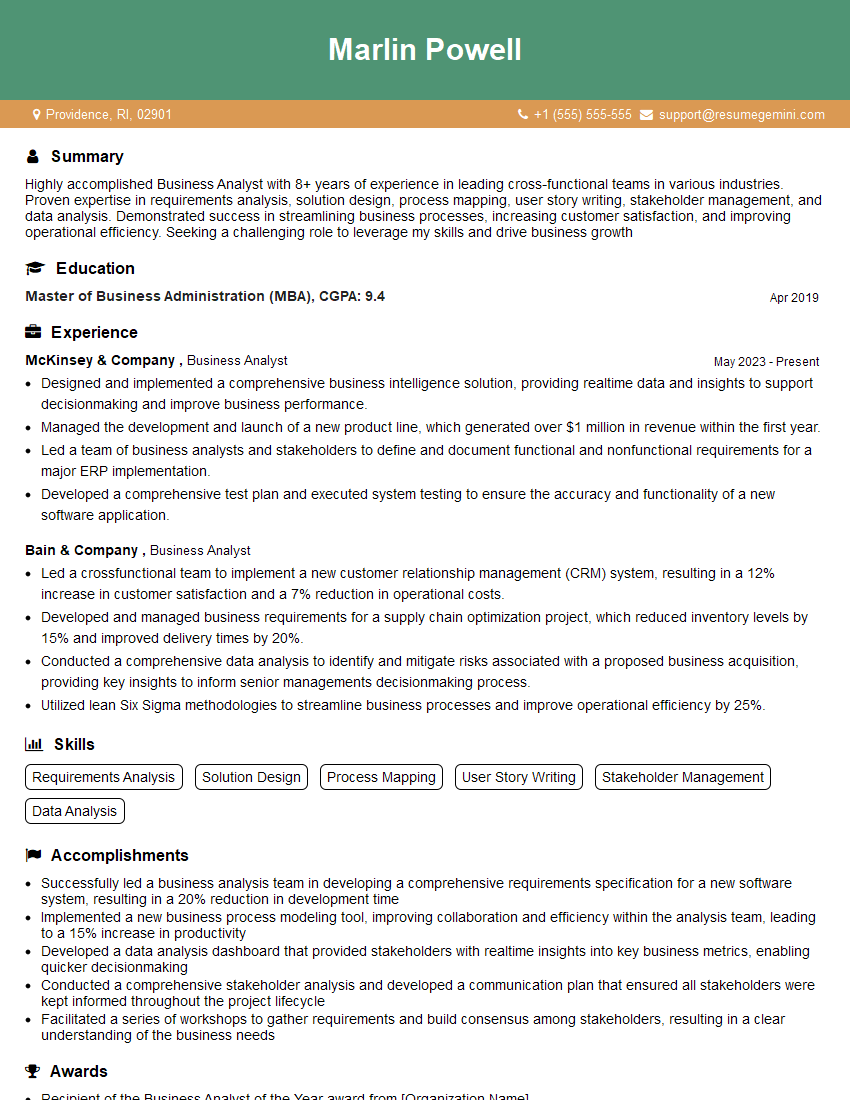
Business Analyst Resume Sample
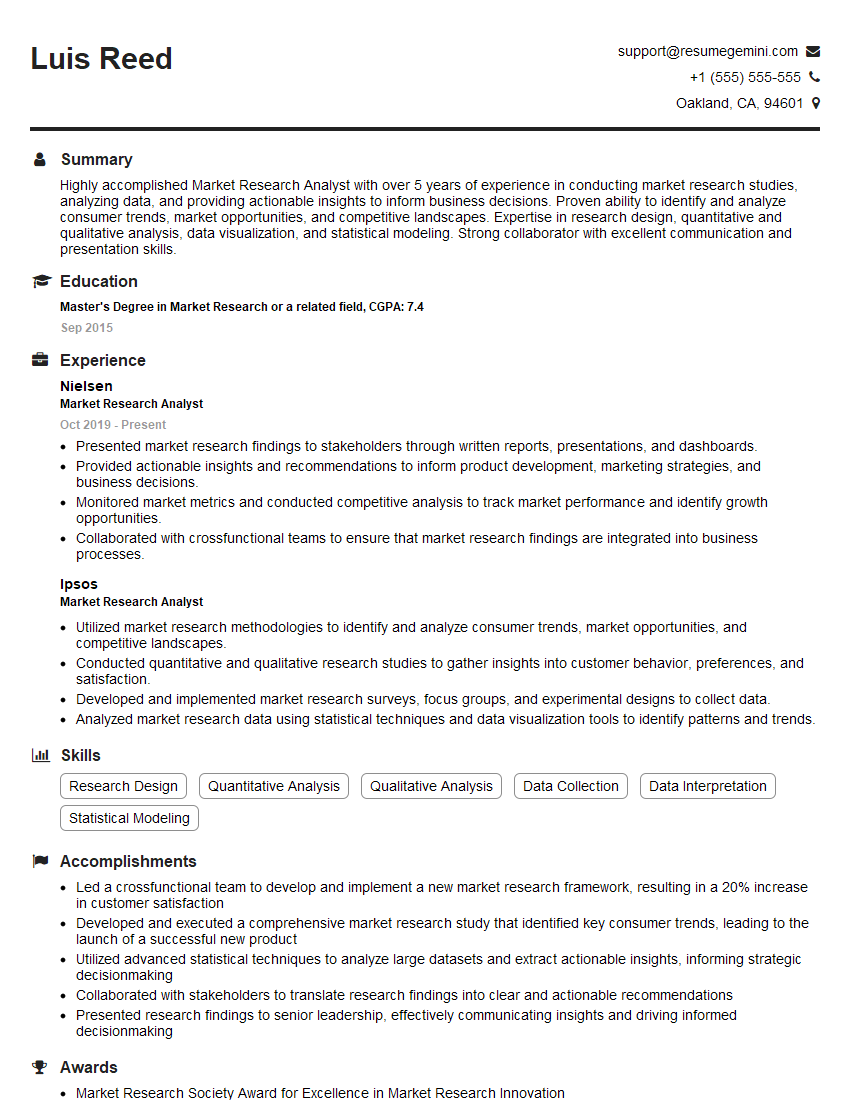
Market Research Analyst Resume Sample

Financial Analyst Resume Sample
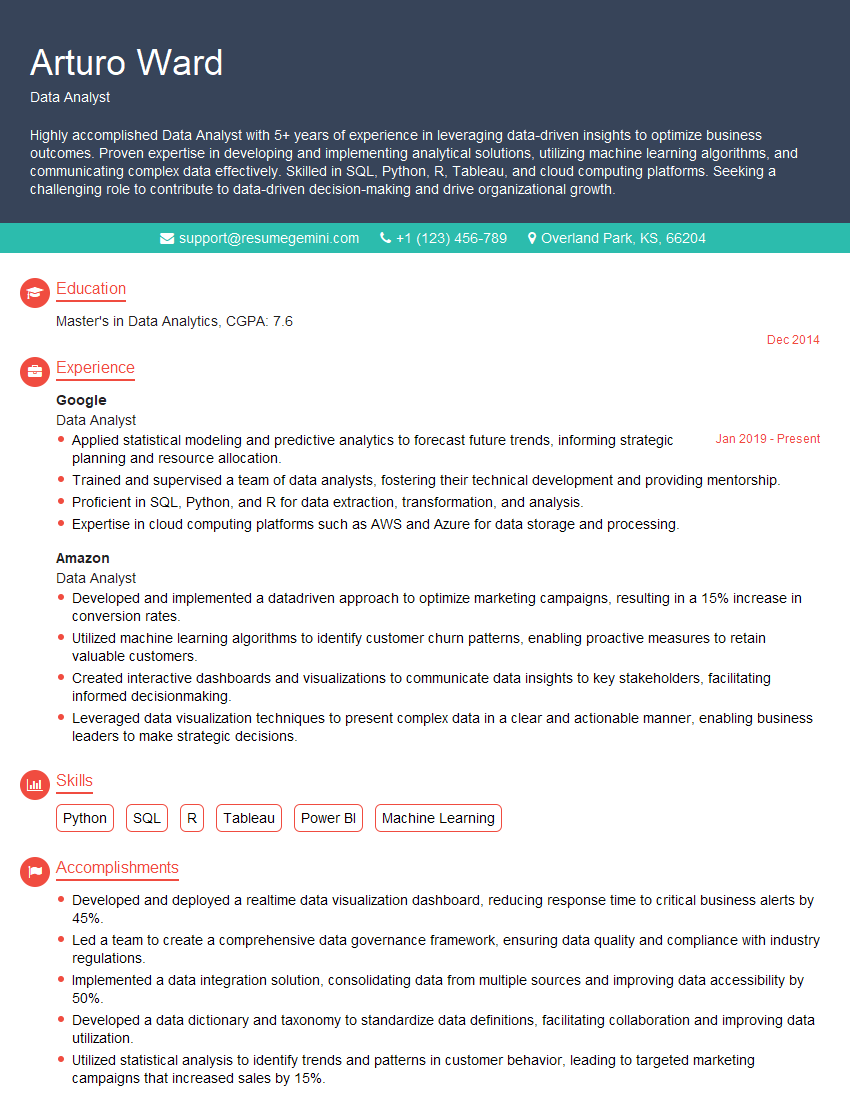
Data Analyst Resume Sample

Quantitative Analyst Resume Sample
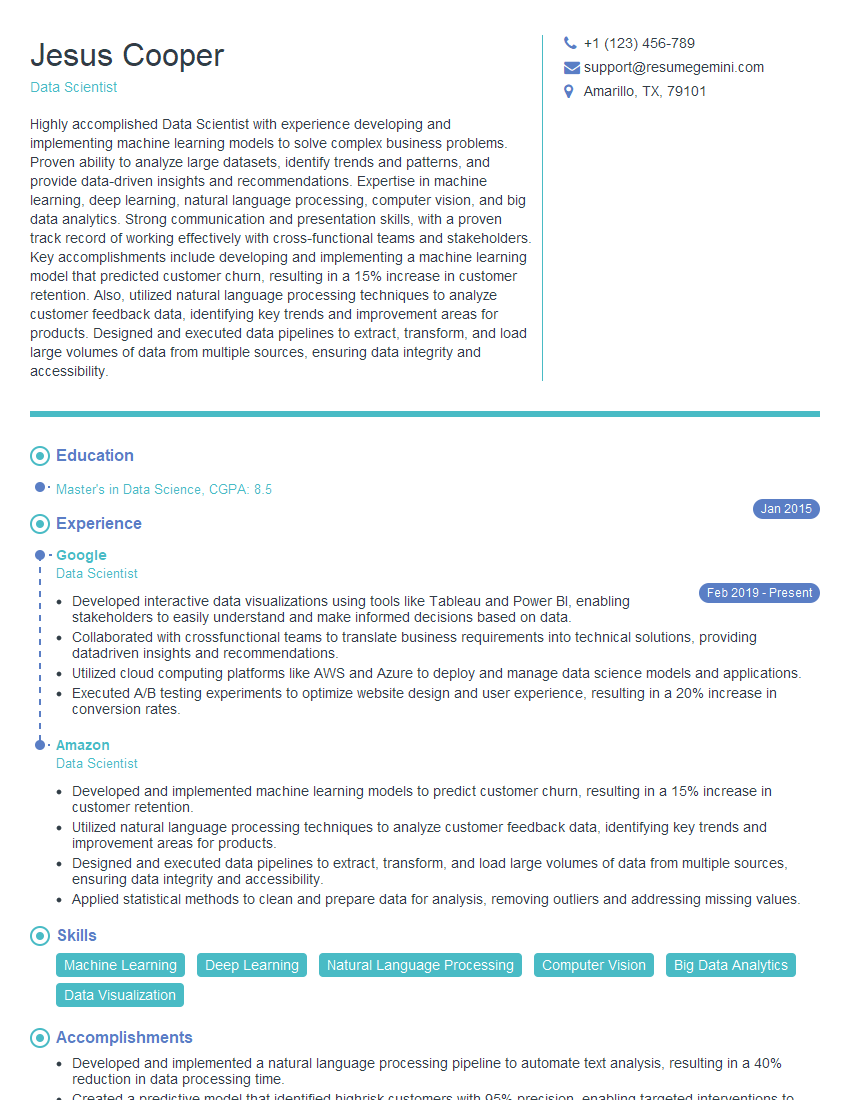
Data Scientist Resume Sample

Research Scientist Resume Sample

Data Architect Resume Sample
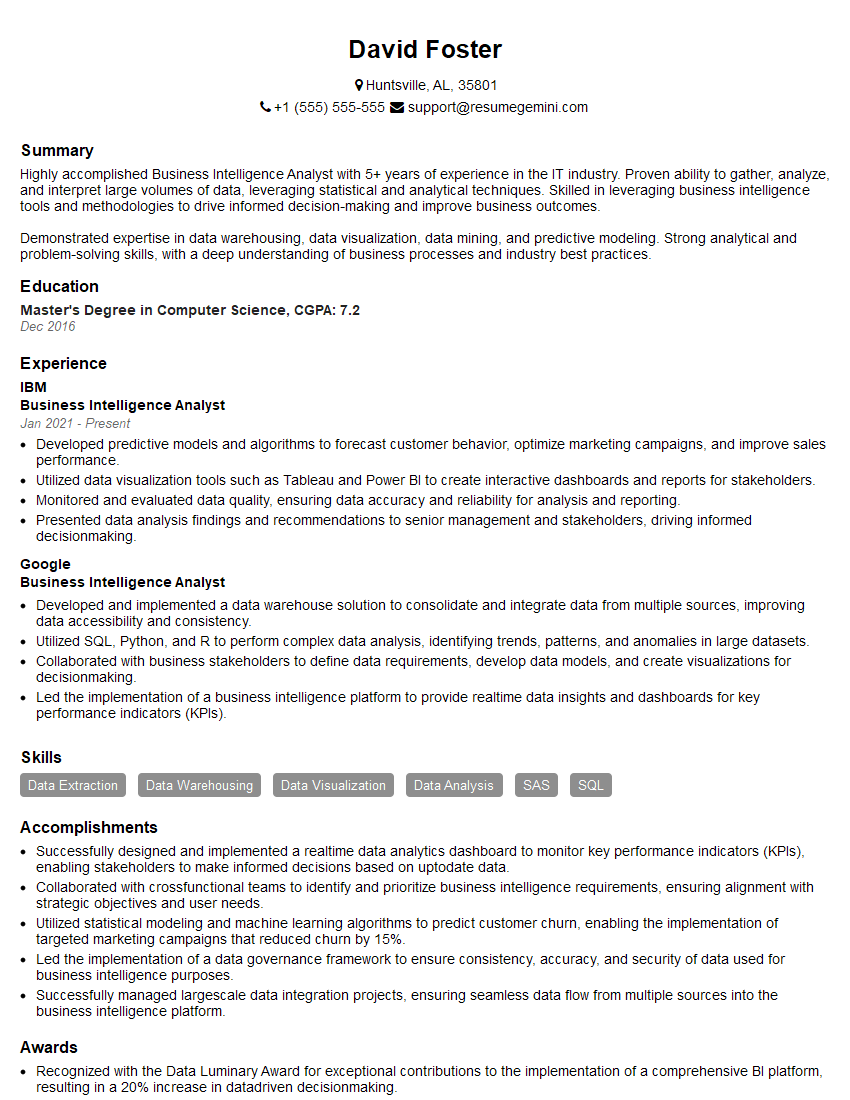
Business Intelligence Analyst Resume Sample

Actuary Resume Sample
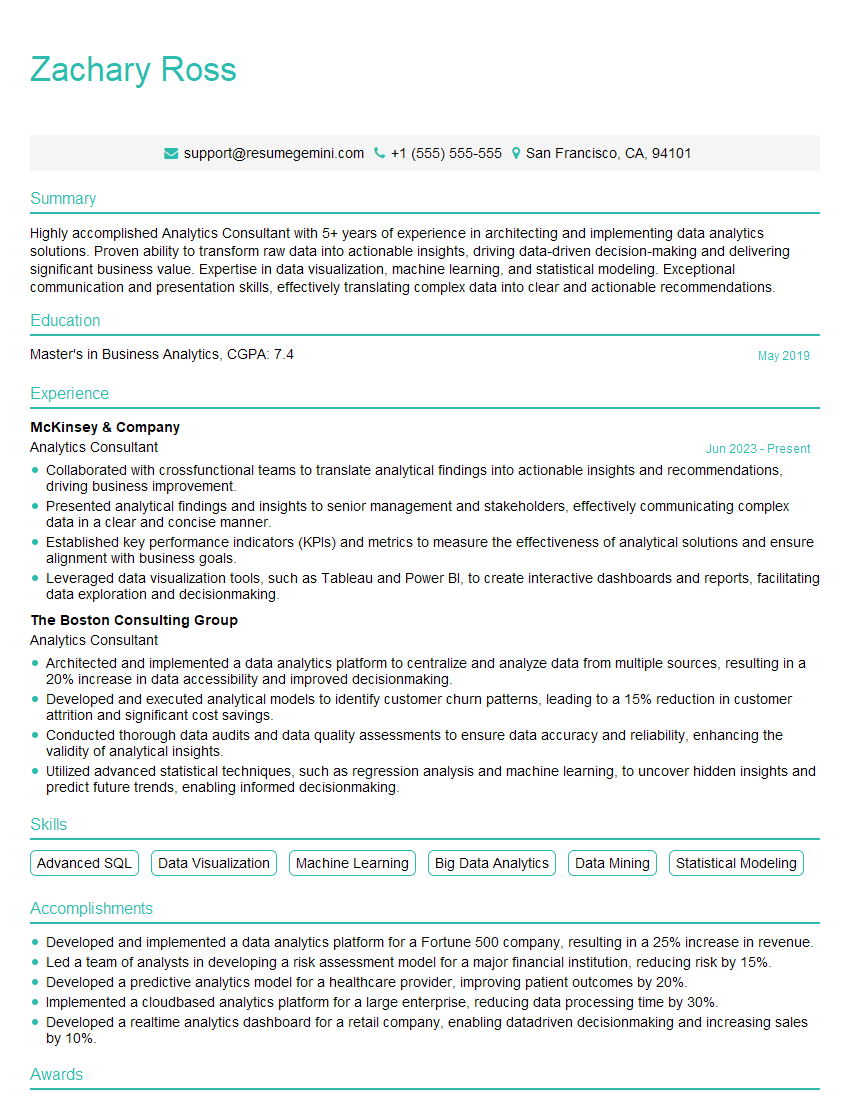
Analytics Consultant Resume Sample

Operations Research Analyst Resume Sample
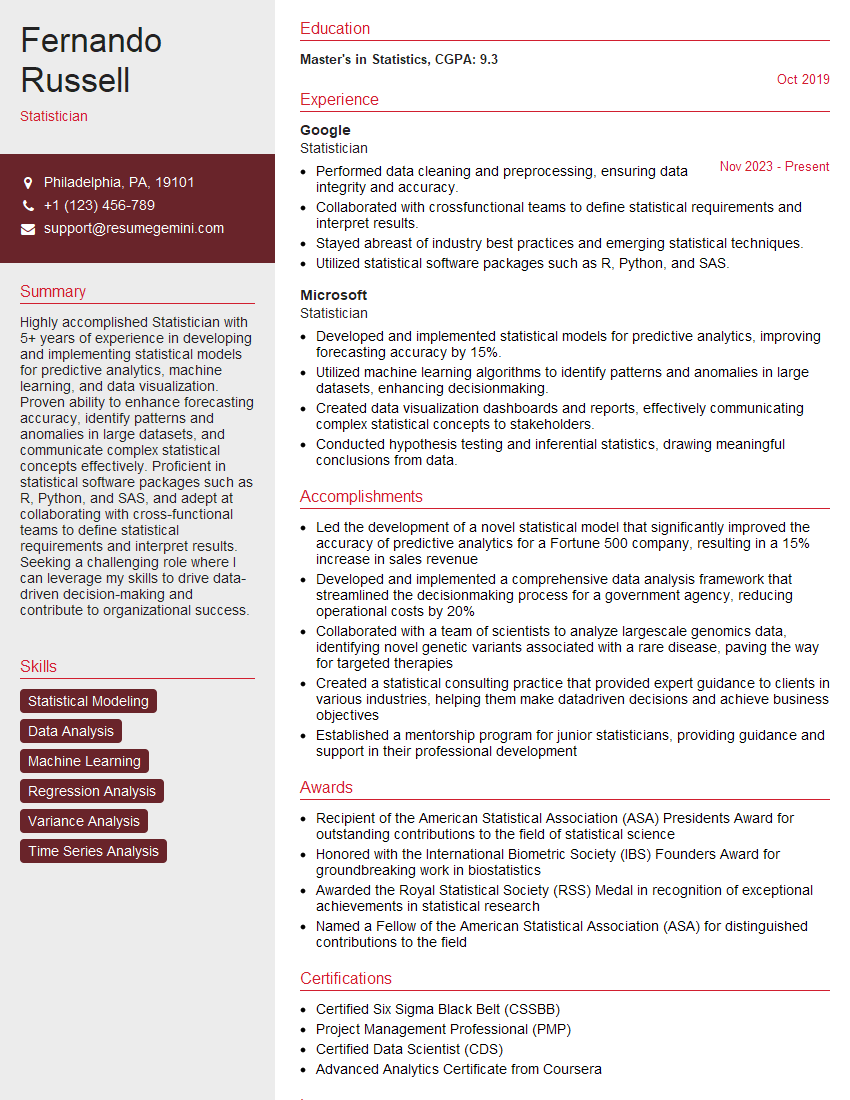
Statistician Resume Sample
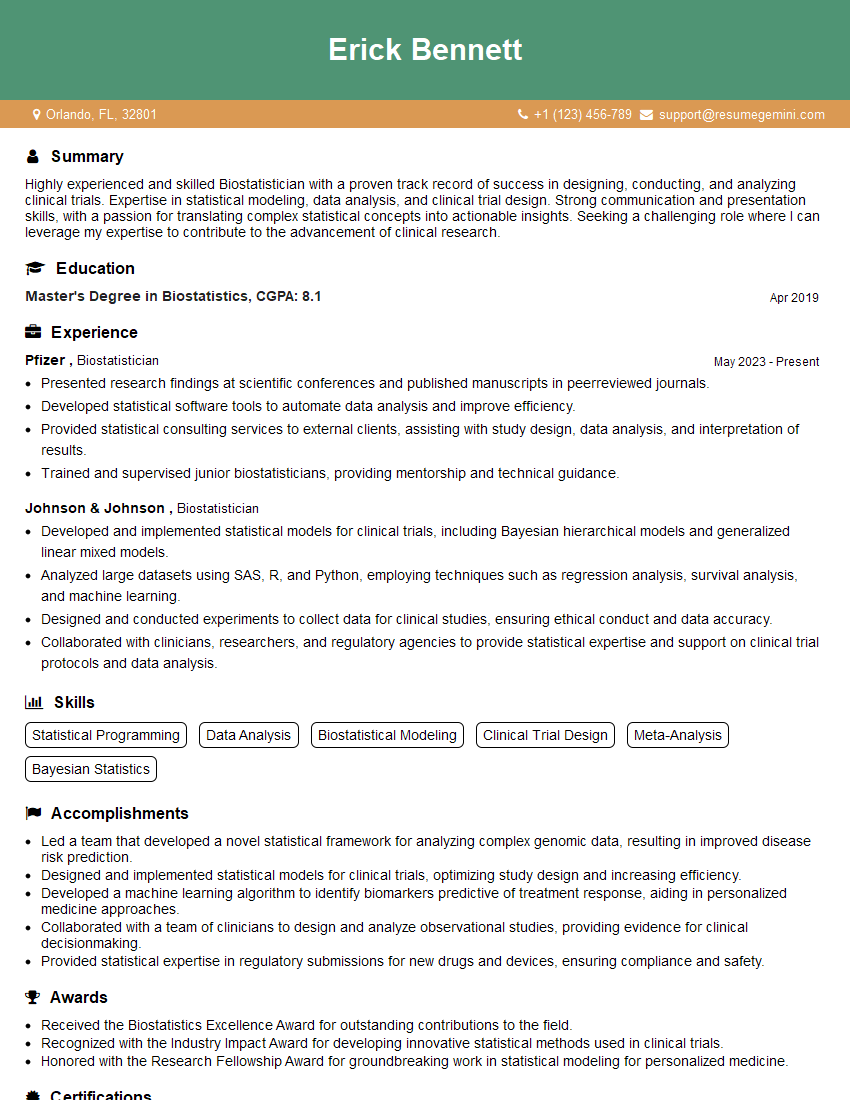
Biostatistician Resume Sample
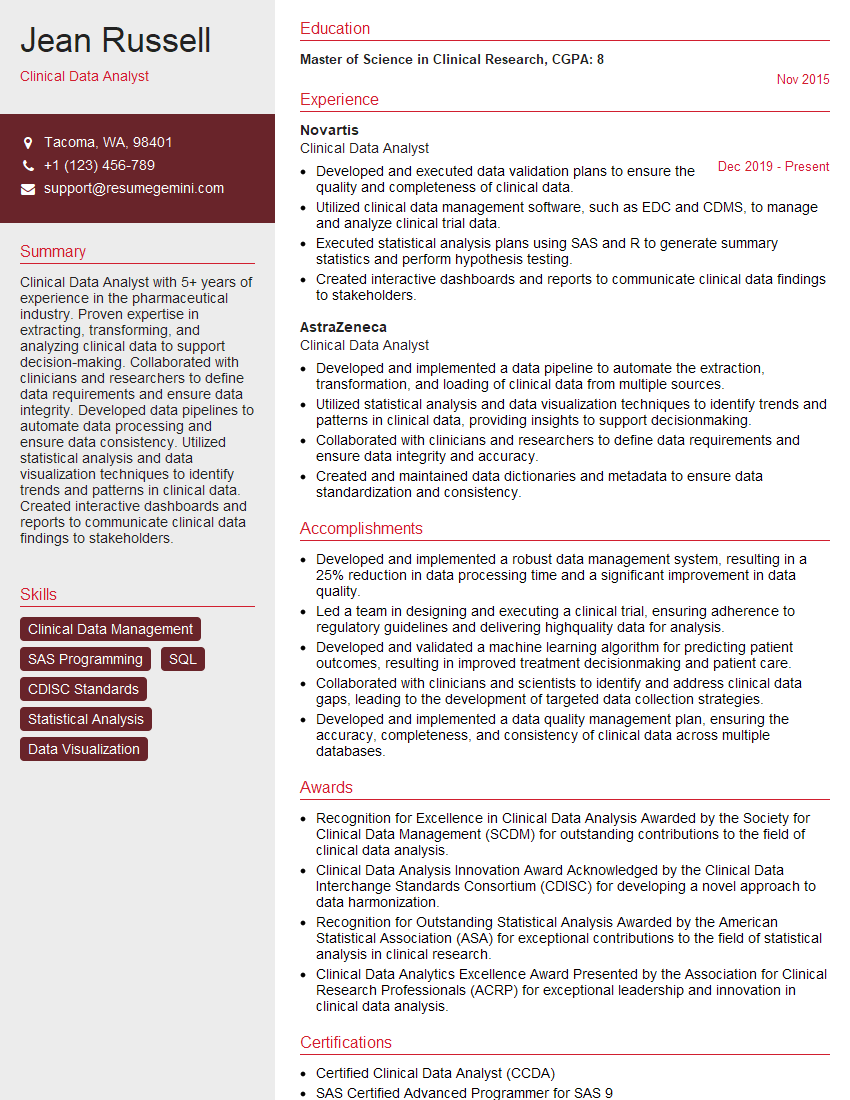
Clinical Data Analyst Resume Sample
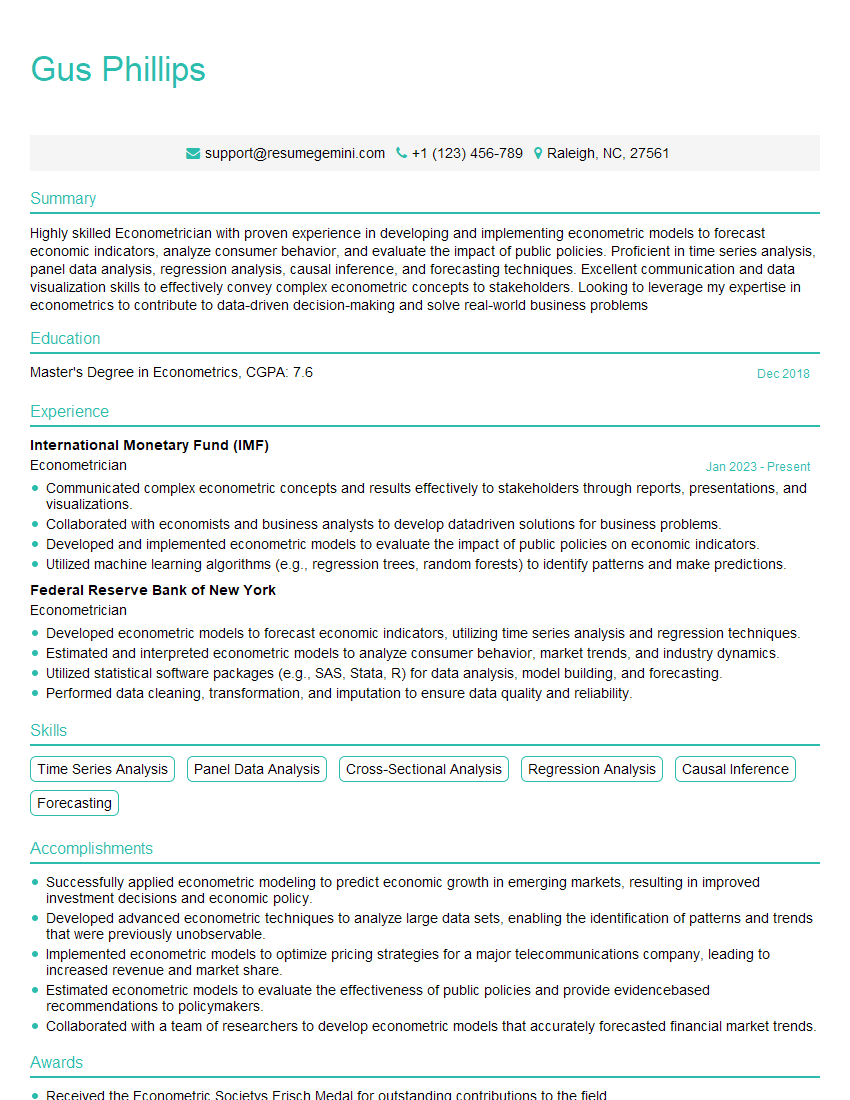
Econometrician Resume Sample

Survey Researcher Resume Sample
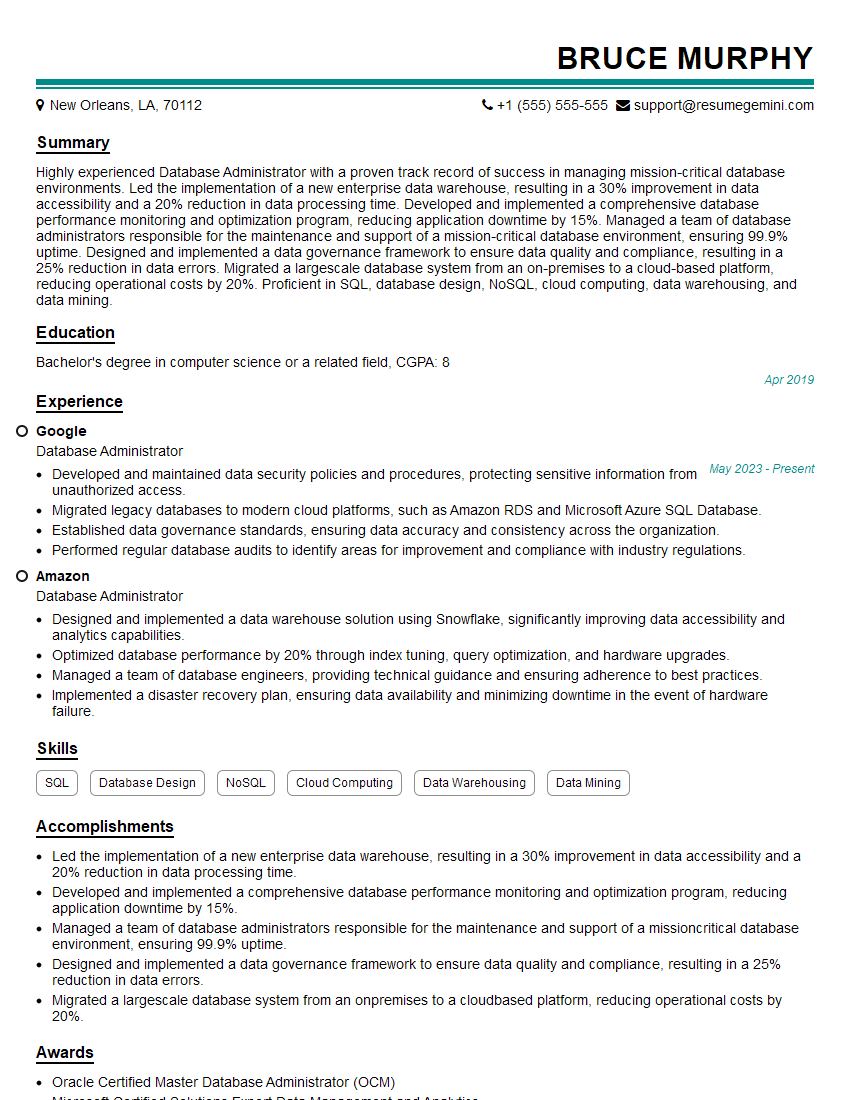
Database Administrator Resume Sample
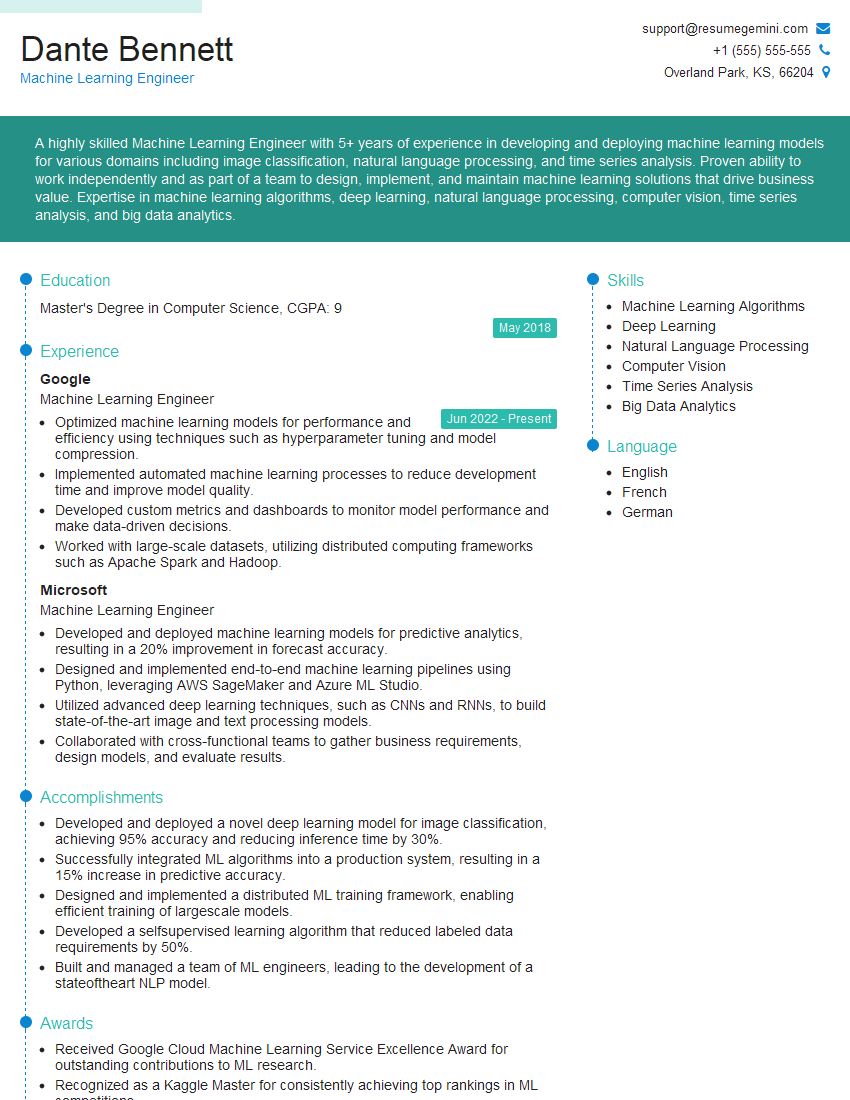
Machine Learning Engineer Resume Sample
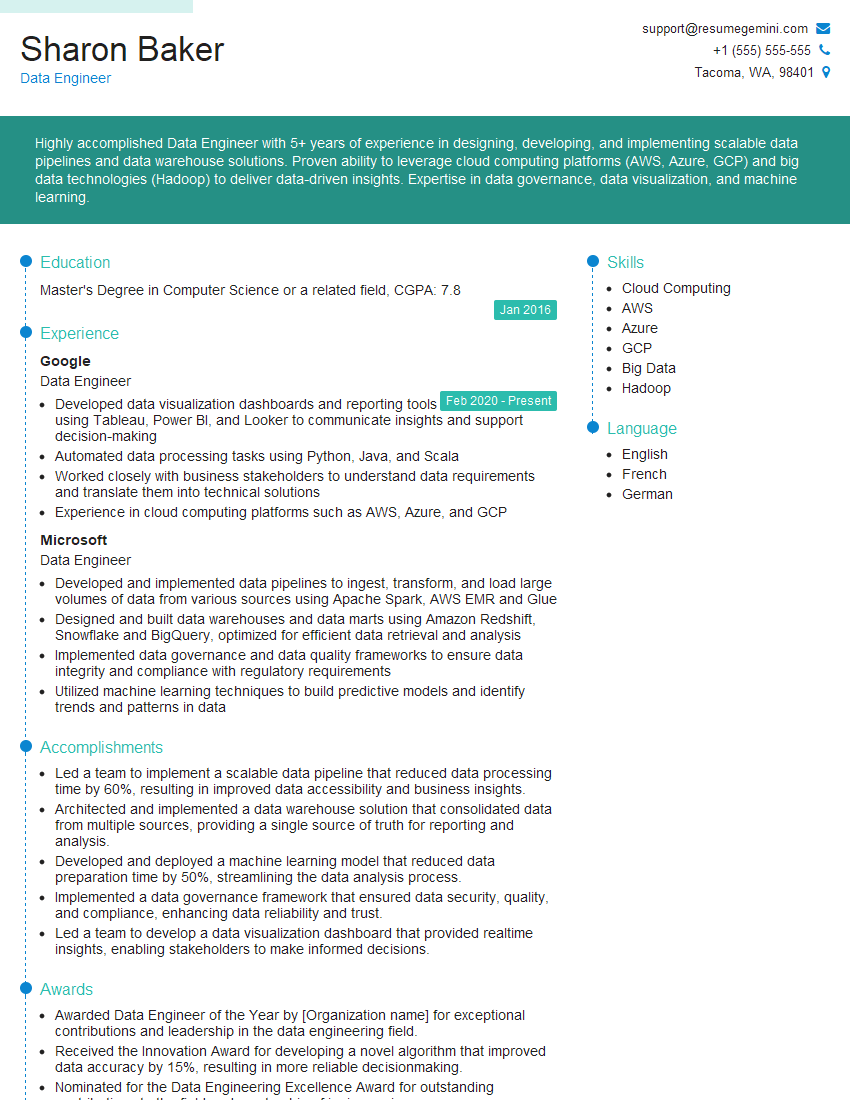
Data Engineer Resume Sample
- Business Analyst
- Market Research Analyst
- Financial Analyst
- Data Analyst
- Quantitative Analyst
- Data Scientist
- Research Scientist
- Data Architect
- Business Intelligence Analyst
- Actuary
- Analytics Consultant
- Operations Research Analyst
- Statistician
- Biostatistician
- Clinical Data Analyst
- Econometrician
- Survey Researcher
- Database Administrator
- Machine Learning Engineer
- Data Engineer
Explore more articles
Users Rating of Our Blogs
Share Your Experience
We value your feedback! Please rate our content and share your thoughts (optional).
What Readers Say About Our Blog
Amazing blog
hello,
Our consultant firm based in the USA and our client are interested in your products.
Could you provide your company brochure and respond from your official email id (if different from the current in use), so i can send you the client’s requirement.
Payment before production.
I await your answer.
Regards,
MrSmith
hello,
Our consultant firm based in the USA and our client are interested in your products.
Could you provide your company brochure and respond from your official email id (if different from the current in use), so i can send you the client’s requirement.
Payment before production.
I await your answer.
Regards,
MrSmith
These apartments are so amazing, posting them online would break the algorithm.
https://bit.ly/Lovely2BedsApartmentHudsonYards
Reach out at BENSON@LONDONFOSTER.COM and let’s get started!
Take a look at this stunning 2-bedroom apartment perfectly situated NYC’s coveted Hudson Yards!
https://bit.ly/Lovely2BedsApartmentHudsonYards
Live Rent Free!
https://bit.ly/LiveRentFREE
Interesting Article, I liked the depth of knowledge you’ve shared.
Helpful, thanks for sharing.
Hi, I represent a social media marketing agency and liked your blog
Hi, I represent an SEO company that specialises in getting you AI citations and higher rankings on Google. I’d like to offer you a 100% free SEO audit for your website. Would you be interested?