The right preparation can turn an interview into an opportunity to showcase your expertise. This guide to Door Wainscoting Installation interview questions is your ultimate resource, providing key insights and tips to help you ace your responses and stand out as a top candidate.
Questions Asked in Door Wainscoting Installation Interview
Q 1. Describe your experience with different types of wainscoting materials (e.g., wood, MDF, PVC).
My experience encompasses a wide range of wainscoting materials, each with its own strengths and weaknesses. Wood, particularly hardwoods like oak and cherry, offers unparalleled beauty, durability, and a classic look. However, it’s also the most expensive and requires more meticulous care. MDF (Medium-Density Fiberboard) provides a more affordable and readily available alternative. It’s easy to work with and accepts paint beautifully, making it a popular choice. However, it’s less durable than wood and can be susceptible to moisture damage. PVC wainscoting is incredibly durable, water-resistant, and relatively inexpensive. It’s perfect for high-moisture areas like bathrooms, but can lack the warmth and character of real wood. I’ve successfully used all three materials in numerous projects, adapting my techniques as needed to achieve the best results for each client and their specific design goals. For instance, I recently completed a project using reclaimed wood for a rustic farmhouse aesthetic and another where durable PVC was essential in a family bathroom.
Q 2. Explain the process of measuring and cutting wainscoting panels for a door installation.
Precise measuring and cutting are paramount for a clean, professional finish. I begin by meticulously measuring the door opening and surrounding wall area, accounting for any existing trim or molding. I always double-check these measurements! For each panel, I transfer the measurements to the wainscoting, carefully marking the cutting lines. I prefer using a miter saw for accurate cuts, especially for the angles around the door casing. For inside corners, I use a 45-degree miter cut on each panel to create a perfect join. Outside corners often require a coped cut on one panel to achieve a seamless fit over the other. Think of it like a perfectly fitting puzzle; each piece needs to be measured and cut with precision. I always make test cuts on scrap pieces of wainscoting before cutting the actual panel to avoid costly mistakes.
Q 3. How do you ensure proper alignment and level installation of wainscoting around doors?
Achieving proper alignment and level installation is crucial for a visually appealing and structurally sound installation. I begin by establishing a level baseline along the wall, using a laser level or a standard level and a pencil line. This serves as my reference point for installing the first panel. Each subsequent panel is carefully aligned with the previous one, ensuring that all vertical and horizontal lines are perfectly straight and level. I regularly check my work with a level to prevent any drift or misalignment. Around doors, this meticulous attention to level is especially important. Any slight misalignment becomes far more noticeable around an architectural feature such as a door. I often use shims to adjust for minor wall imperfections, ensuring each panel sits flush against the wall. Think of it as building with Lego bricks; each one needs to be precisely placed to make a perfect structure.
Q 4. What tools and equipment are essential for professional door wainscoting installation?
The right tools are essential for a professional finish. My toolkit includes a measuring tape, speed square, pencil, miter saw (with a fine-tooth blade for clean cuts), jigsaw (for intricate cuts), nail gun, hammer, shims, wood glue, caulk, putty knife, sanding block, safety glasses, and a level (both standard and laser). I also utilize a coping saw for intricate cuts around door casings, and clamps to hold the panels in place while the adhesive cures. Investing in quality tools is an investment in the quality of your work; the better your tools, the easier and more accurate the job will be. And always prioritize safety; safety glasses are non-negotiable.
Q 5. Describe your experience with installing chair rails and baseboards in conjunction with wainscoting.
Installing chair rails and baseboards in conjunction with wainscoting elevates the overall aesthetic and adds a touch of classic elegance. The process generally involves installing the wainscoting first, ensuring proper alignment. Then, the chair rail is carefully measured, cut, and installed above the wainscoting, usually at a height of approximately 36 inches from the floor (this can be customized based on client preference). Finally, the baseboards are installed at the bottom, meeting the wainscoting and chair rail. It’s important to use miter cuts and cope cuts to ensure seamless corners and transitions between the different components. The precise alignment of these three elements is key; imagine it as creating a beautifully framed picture—the wainscoting is the canvas, the chair rail a decorative frame and the baseboard the perfect mat.
Q 6. How do you handle irregularities in wall surfaces when installing wainscoting?
Irregular wall surfaces are a common challenge. I address them by first assessing the extent of the imperfections. For minor imperfections, shims are used to create a level surface behind the wainscoting panels. For more significant irregularities, I may need to use wood filler or other wall repair materials to level the surface before installing the wainscoting. In extreme cases, it may be necessary to carefully plan the panel layout to minimize the visibility of imperfections. The goal is always to create a smooth, even finish. It’s like working with a slightly uneven canvas; you need to prepare the canvas before you can start painting to ensure a flawless result.
Q 7. What are common problems encountered during wainscoting installation, and how do you address them?
Common problems include gaps between panels, uneven surfaces, and inaccurate cuts. Gaps can be addressed with wood filler and careful sanding. Uneven surfaces usually indicate improper preparation or shimming. Inaccurate cuts result from improper measuring or using dull blades. Preventative measures include meticulous planning, using sharp tools, and double-checking measurements. Problem-solving requires careful observation, patience, and attention to detail. Always remember to address the root cause of the problem, rather than just masking the symptom. For example, if you find gaps between panels it’s not enough to just fill them with caulk; you need to determine why the gaps are there in the first place and fix the underlying problem.
Q 8. Explain your understanding of different wainscoting designs and styles.
Wainscoting designs and styles are incredibly diverse, offering a wide range of aesthetic choices to complement any interior. Think of it like choosing a dress – you have many options to suit the occasion and personal taste. Some common styles include:
- Beaded Board: Characterized by vertical, narrow boards with a subtle beading detail, giving a classic and clean look. This is a timeless choice, versatile enough for traditional or modern homes.
- Panel Wainscoting: This style uses larger panels, often with raised or recessed detailing, creating a more formal and sophisticated appearance. It’s often seen in more elegant spaces.
- Board and Batten: This features wider vertical boards with narrower strips (battens) covering the seams, resulting in a rustic and charming look. It’s popular in farmhouses and cottage-style homes.
- Rail and Stile: A more intricate style with horizontal rails and vertical stiles, creating a grid-like pattern. This design allows for more decorative options, including intricate carvings or molding.
The choice depends on the overall style of the room, the architectural features, and the desired level of formality. For instance, a beaded board would work well in a casual dining area, while rail and stile might be better suited for a formal living room.
Q 9. How do you ensure a seamless transition between wainscoting and adjacent wall finishes?
Achieving a seamless transition between wainscoting and adjacent wall finishes is crucial for a professional finish. It’s about creating a visually cohesive look, preventing any jarring contrasts. My approach involves several key steps:
- Careful Measurement and Planning: Precise measurements are essential to ensure the wainscoting aligns perfectly with the wall and other finishes. I always double-check measurements to avoid any issues.
- Proper Preparation: Before installation, I ensure the wall is clean, smooth, and properly prepared to receive the wainscoting. This often involves filling any gaps or imperfections in the wall.
- Precise Cutting and Fitting: I carefully cut the wainscoting to fit snugly against the baseboards, crown molding, and other adjacent finishes, ensuring a tight and even fit. This requires attention to detail and precision cutting techniques.
- Caulking and Finishing: After installation, I use high-quality caulk to fill any gaps between the wainscoting and adjacent surfaces. This creates a seamless transition and prevents drafts.
For example, if the wainscoting meets wallpaper, I carefully trim the wainscoting to the exact edge of the wallpaper, ensuring a clean line. Then, I apply a thin bead of paintable caulk to conceal the joint and paint it to match the wall.
Q 10. Describe your experience working with various types of adhesives and fasteners for wainscoting.
My experience encompasses a wide range of adhesives and fasteners, each suited for different wainscoting materials and installation scenarios. The choice depends on factors such as the substrate (the surface being installed on), the weight of the wainscoting, and the desired level of permanence.
- Construction Adhesive: Excellent for larger, heavier panels and provides strong adhesion. I prefer using premium-grade construction adhesives, ensuring a strong and long-lasting bond.
- Liquid Nails: A popular choice for many applications. It’s important to follow the manufacturer’s instructions carefully for optimal performance.
- Finishing Nails: Used for securing smaller pieces, particularly in conjunction with adhesive. I use specialized nail guns to ensure precise placement and minimize damage.
- Screws: Preferred for heavier wainscoting, especially in applications where greater strength is required. I select screws that are appropriate for the substrate and wainscoting material.
I always prioritize the right adhesive and fastener combination based on the specific job requirements. For example, for a lightweight MDF wainscoting on a drywall surface, I might use liquid nails and finishing nails. For heavier solid wood wainscoting, I might opt for construction adhesive and screws.
Q 11. How do you maintain precision and accuracy during the installation process?
Maintaining precision and accuracy is paramount in wainscoting installation. It’s the difference between a professional-looking job and a haphazard one. My strategies include:
- Precise Measurement: As mentioned before, meticulous measurement is the foundation. I double-check every measurement to prevent costly mistakes.
- Level and Plumb Lines: I use levels and plumb lines extensively to ensure that the wainscoting is perfectly straight and vertical. This creates a clean, professional finish.
- Layout and Marking: I meticulously plan the layout before installation, marking the positions of panels and other components on the wall. This ensures accurate placement and minimizes waste.
- Specialized Tools: I use a variety of specialized tools, such as a miter saw, to make precise cuts, ensuring a perfect fit. A quality miter saw with a precise blade makes all the difference.
Think of it like building with LEGOs – each piece needs to be perfectly aligned for a stable and aesthetically pleasing structure. In wainscoting, this means using the right tools, techniques, and attention to detail to achieve the desired outcome.
Q 12. What safety precautions do you follow when working with power tools and sharp objects during wainscoting installation?
Safety is my top priority. Working with power tools and sharp objects demands constant vigilance. My safety procedures include:
- Proper Eye Protection: Safety glasses are always worn to protect my eyes from flying debris.
- Hearing Protection: Ear protection is essential when using power tools like nail guns or saws.
- Dust Masks: To avoid inhaling sawdust, I always wear a dust mask.
- Gloves: Gloves protect my hands from sharp edges and splinters.
- Proper Tool Maintenance: I regularly inspect and maintain my tools to ensure they are in good working order, minimizing the risk of accidents.
- Work Area Safety: I maintain a clean and organized work area to reduce the risk of tripping hazards.
I treat safety as a non-negotiable aspect of every project. It’s not just about following rules; it’s about having a proactive approach to prevent injuries.
Q 13. How do you handle customer requests or changes during the wainscoting installation process?
Handling customer requests and changes is a routine part of the installation process. Open communication is key. My process involves:
- Clear Communication: I ensure that the customer completely understands the process and their options before the work begins. We discuss timelines, potential challenges, and budgetary considerations.
- Flexibility: I’m flexible and adaptable to reasonable changes, keeping in mind that these changes may affect the project timeline or budget. I always discuss any potential implications with the customer.
- Professionalism: I maintain a professional attitude throughout the process, even when unexpected changes arise. I focus on finding solutions that meet the customer’s needs and maintain the project’s quality.
- Documentation: Any changes are documented thoroughly to ensure clarity and avoid misunderstandings.
For instance, if a customer decides to change the wainscoting height midway, I explain the implications (potential extra materials, time adjustments) and then work with them to find a solution that works for both of us. This transparency ensures a positive customer experience.
Q 14. What is your experience with finishing and painting wainscoting?
Finishing and painting wainscoting is a crucial step that enhances its beauty and durability. I’m experienced in various finishing techniques:
- Preparation: Before painting, I carefully prepare the surface by filling any nail holes or imperfections and sanding to achieve a smooth finish. This ensures a flawless paint job.
- Priming: I apply a high-quality primer to enhance paint adhesion and provide a uniform base for the topcoat. A good primer is essential for a long-lasting and beautiful finish.
- Painting: I use high-quality paints and brushes or rollers to achieve a smooth, even finish. I pay close attention to detail to ensure a consistent color and texture.
- Finishing Touches: This might include techniques like distressing or antiquing to enhance the overall aesthetic, depending on the customer’s preferences.
I am familiar with different paint types, including oil-based and water-based paints, and I choose the most appropriate option based on the customer’s needs and the type of wainscoting material. A well-painted wainscoting adds a touch of elegance and can significantly enhance the overall look of a room.
Q 15. How do you calculate the amount of wainscoting material needed for a given project?
Calculating the amount of wainscoting material requires careful measurement and consideration of waste. First, accurately measure the wall height and total length where wainscoting will be installed. Multiply these figures to get the total square footage. Then, add 10-15% to account for cuts, waste, and potential errors. This extra material is crucial – it’s better to have leftover than to run short mid-project.
Example: Let’s say you’re installing wainscoting on a wall that’s 8 feet high and 12 feet long. The total area is 96 square feet (8ft x 12ft). Adding a 15% waste factor, you’d need approximately 110.4 square feet of wainscoting (96 sq ft x 1.15 = 110.4 sq ft). Always round up to the nearest whole unit when purchasing materials.
Consider the wainscoting’s dimensions (panel width and length). If you’re using pre-made panels, you may need fewer panels than calculated by square footage because you’ll have less waste. Conversely, if you’re using larger sheets needing to be cut down, the waste percentage might be higher. Always double-check your calculations before purchasing.
Career Expert Tips:
- Ace those interviews! Prepare effectively by reviewing the Top 50 Most Common Interview Questions on ResumeGemini.
- Navigate your job search with confidence! Explore a wide range of Career Tips on ResumeGemini. Learn about common challenges and recommendations to overcome them.
- Craft the perfect resume! Master the Art of Resume Writing with ResumeGemini’s guide. Showcase your unique qualifications and achievements effectively.
- Don’t miss out on holiday savings! Build your dream resume with ResumeGemini’s ATS optimized templates.
Q 16. Describe your experience with different types of wood and their properties.
My experience encompasses a wide range of wood types, each with unique properties affecting workability and longevity. Hardwoods like oak and cherry offer exceptional durability and a rich aesthetic, but they’re more challenging to work with and more expensive. They are less prone to scratches and dings compared to softer woods. Softwoods such as pine are more affordable and easier to cut and shape, making them ideal for DIY projects or larger budgets, but they are more susceptible to damage. However, proper finishing techniques can mitigate this.
Example: I once worked on a project using reclaimed oak – the wood had beautiful character and patina, but required extra care during cutting to avoid splitting. Conversely, a recent project utilizing pine required more filler to hide minor imperfections but allowed for faster installation. MDF (Medium-Density Fiberboard) is also a common choice; it’s a cost-effective and easy-to-work-with alternative, though it’s not as durable as hardwood.
The choice of wood depends heavily on the client’s budget, desired aesthetic, and the intended lifespan of the wainscoting. I always discuss these options with clients and recommend the wood best suited to their needs and preferences.
Q 17. How do you manage time and resources effectively during a wainscoting installation project?
Effective time and resource management is paramount. Before starting any project, I create a detailed schedule outlining each step, including material procurement, wall preparation, installation, and finishing. I carefully estimate the time required for each task, factoring in potential delays. I also meticulously create a materials list, ensuring I have all necessary supplies – from nails and screws to primer and paint – readily available.
Resource allocation involves choosing the right tools and equipment for each task. For example, using a miter saw ensures precise cuts for a clean finish; a nail gun speeds up installation. Employing efficient techniques, like pre-drilling holes to prevent wood splitting, also saves time.
I consistently monitor progress against the schedule and adjust as needed. Open communication with clients is crucial, keeping them informed of any potential delays and solutions.
Q 18. How do you ensure the longevity and durability of your wainscoting installations?
Ensuring longevity involves meticulous attention to detail throughout the installation process. Proper preparation of the wall surface is key – ensuring it’s clean, dry, and level creates a solid foundation. Careful measurements and precise cuts minimize gaps and ensure a tight, professional fit. The use of high-quality materials, including appropriate adhesives and fasteners, contributes to the long-term durability.
Protective finishing is critical. I typically apply multiple coats of high-quality primer and paint, protecting the wood from moisture, scratches, and UV damage. Regular cleaning and maintenance will help preserve the wainscoting’s appearance and extend its lifespan.
I also educate clients on proper care and maintenance to prolong the life of their wainscoting. This includes recommendations for cleaning and addressing minor damage promptly.
Q 19. What are your preferred methods for cleaning up after a wainscoting installation?
Clean-up is as important as the installation itself. I maintain a clean work area throughout the project, minimizing debris buildup. I use drop cloths to protect floors and furniture, and I immediately remove scrap wood and other waste. After completion, I thoroughly sweep and vacuum the area, paying attention to corners and crevices. All leftover materials are properly disposed of, following local regulations.
For paint cleanup, I use appropriate solvents and cleaning materials. I always dispose of hazardous waste responsibly.
A final walk-through with the client to ensure their complete satisfaction concludes the process.
Q 20. Describe your approach to working in a team environment on a large-scale wainscoting project.
Teamwork is essential for large-scale projects. Effective communication and clear roles are paramount. I usually assign tasks based on each team member’s strengths and experience. Regular progress meetings ensure everyone is on the same page, addressing any challenges collaboratively. A shared understanding of the project goals and deadlines is crucial.
I foster a positive and respectful team environment, encouraging open communication and problem-solving. I believe in leading by example, maintaining high standards of work and encouraging continuous improvement.
On larger projects, a project manager is essential to oversee logistics and coordinate the team’s efforts.
Q 21. Explain your experience with troubleshooting common wainscoting installation issues.
Troubleshooting is an inherent part of the process. Common issues include uneven walls, improper measurements leading to gaps, and damaged panels. I address uneven walls by using shims and fillers to create a smooth surface. For gaps, I use wood filler, ensuring a seamless appearance. Damaged panels are replaced with care. Accurate pre-planning, careful measuring, and diligent work mitigate many problems.
Example: If a panel doesn’t fit correctly due to a slightly warped wall, I’ll use shims behind the panel to ensure a flush fit against the adjacent panel and wall. Then I caulk any gaps for a clean finish. I’m always prepared to adapt to unexpected challenges and find creative solutions to ensure a high-quality installation.
Q 22. What is your understanding of building codes and regulations related to wainscoting installation?
Building codes and regulations regarding wainscoting installation primarily focus on safety and structural integrity. They often address aspects like fire resistance, moisture resistance, and the proper attachment methods to ensure the wainscoting doesn’t become a hazard. For example, in areas prone to moisture, like bathrooms, specific water-resistant materials and installation techniques might be mandated. Similarly, in commercial settings, fire-rated materials may be required. I always consult the local building codes before starting any project to ensure compliance. This includes checking for any specific requirements concerning the type of adhesive used, the spacing of fasteners, and the overall structural soundness of the installation. Failing to comply with these regulations can lead to project delays, costly repairs, or even legal repercussions. A thorough understanding of these codes is essential for professional and responsible wainscoting installation.
Q 23. How do you handle difficult customers or unexpected problems during a job?
Handling difficult customers or unexpected problems requires a calm and professional approach. My strategy starts with active listening – understanding their concerns and validating their feelings. If a customer expresses dissatisfaction, I address their concerns directly, offering possible solutions and explaining the reasoning behind my actions. For unexpected problems, like discovering rotted studs during demolition, my approach is systematic. I thoroughly assess the issue, photograph the problem, and discuss potential solutions and their impact on cost and schedule with the client. Transparency is key. For instance, when I encountered a mismatch in the wood grain during a recent job, I honestly explained the situation to the customer, presented different options (e.g., using a different batch of wainscoting or carefully selecting panels for a more uniform look), and we worked together to find the best compromise, ensuring they were completely informed and comfortable with the solution. I believe that open communication and a collaborative problem-solving approach are the most effective ways to navigate difficult situations and maintain positive client relationships.
Q 24. Describe your process for preparing a work area for wainscoting installation.
Preparing the work area is crucial for a smooth and efficient installation. My process begins with a thorough cleaning of the wall surface to remove dust, debris, or old wallpaper. This ensures proper adhesion of the wainscoting. Next, I inspect the wall for any irregularities like bumps, cracks, or loose plaster. Any imperfections are addressed by patching and sanding to create a smooth, even surface. I then carefully measure the area to be covered, accounting for doors, windows, and any architectural features. This detailed measurement guides the precise cutting and placement of the wainscoting panels. Finally, I protect the floor and surrounding areas with drop cloths to prevent damage from debris or spills, maintaining a clean and safe working environment throughout the project. This meticulous preparation minimizes potential issues during installation and contributes to a high-quality final result.
Q 25. What are your strategies for preventing common wainscoting installation mistakes?
Preventing common mistakes is paramount. My strategies include precise measuring and cutting of wainscoting panels, ensuring consistent spacing between panels and maintaining straight vertical and horizontal lines. I use a level and plumb bob frequently. I also focus on proper preparation of the wall surface and using the correct adhesive and fasteners for the specific type of wainscoting and wall material. For instance, using the wrong adhesive can lead to poor adhesion and gaps. Careful planning and attention to detail throughout the process, from accurate measurements to the final finishing touches, greatly reduce the chances of errors. This includes double-checking all measurements before cutting and carefully following manufacturer’s instructions for adhesives and installation techniques. One example is to pre-assemble sections of wainscoting on the floor before mounting them on the wall to ensure a perfect fit. This ‘dry-fit’ approach helps prevent costly mistakes down the line.
Q 26. How do you prioritize tasks during a wainscoting installation project?
Prioritization in wainscoting installation follows a logical sequence. I begin with the preparation phase, ensuring the walls are clean, repaired, and measured accurately. Then, I move on to installing baseboards or chair rails – these often dictate the final panel placement. Next, I install the wainscoting panels, starting from a prominent corner and working my way across, always maintaining consistent spacing and alignment. I typically work from top to bottom to make sure the panels align seamlessly. Once the panels are installed, I proceed with caulking and filling any gaps or imperfections. Finally, painting or finishing the wainscoting is the last step. This structured approach ensures a smooth workflow and prevents bottlenecks. This method, while seemingly basic, avoids common issues like discovering problems late in the project and helps maintain a clean, consistent finish.
Q 27. How do you stay updated on the latest trends and techniques in wainscoting installation?
Staying updated is crucial in this ever-evolving field. I regularly attend industry workshops and conferences to learn about new products, techniques, and design trends. I subscribe to relevant trade publications and online forums, actively participating in discussions and exchanging knowledge with other professionals. Furthermore, I explore manufacturers’ websites to stay informed about innovations in materials and tools. I also maintain a network of colleagues and mentors who share their experiences and expertise. This continuous learning ensures I remain proficient in the latest advancements, from the use of new adhesives to the application of cutting-edge techniques in panel installation and finishing. Staying current not only enhances my skills but also allows me to offer my clients the best possible service and the most up-to-date solutions.
Q 28. Describe your experience with using different types of caulking and fillers for wainscoting.
My experience encompasses various caulking and fillers, each chosen based on the specific needs of the project. For gaps between wainscoting panels, I often use paintable caulk, selecting a high-quality formula that is flexible and paintable, providing a durable and aesthetically pleasing seal. For larger gaps or imperfections in the wall, I may use wood filler, ensuring it matches the color and grain of the wainscoting to create a seamless finish. The choice depends on the size of the gap and the type of wainscoting material. For example, when working with MDF wainscoting, I might opt for a paintable latex caulk due to its flexibility and compatibility with the material, whereas for solid wood, I might favor a wood filler that matches the grain perfectly for a more natural look. Proper preparation is key— ensuring the surface is clean and dry before application, and using the right tools for efficient application and smoothing of the filler/caulk.
Key Topics to Learn for Door Wainscoting Installation Interview
- Measuring and Planning: Accurately measuring door dimensions, calculating material needs, and creating detailed installation plans to ensure a precise fit.
- Material Selection and Preparation: Understanding different wainscoting materials (wood types, MDF, etc.), their properties, and preparing them for installation (cutting, sanding, priming).
- Installation Techniques: Mastering various installation methods (nail, adhesive, combination), understanding appropriate fastening techniques for different materials and wall types.
- Working with Different Door Styles: Adapting installation techniques for various door styles (paneled, flush, arched) and addressing unique challenges each presents.
- Finishing and Detailing: Proper application of caulking, painting, and staining to achieve a professional finish, including attention to detail around corners and edges.
- Troubleshooting and Problem-Solving: Identifying and resolving common installation issues (misaligned panels, gaps, damaged materials), demonstrating practical problem-solving skills.
- Safety Procedures and Practices: Understanding and adhering to safety regulations, using appropriate safety equipment (eye protection, gloves, etc.), and working efficiently to minimize risk.
- Tools and Equipment: Familiarity with relevant tools (measuring tapes, saws, nail guns, level, etc.) and their proper usage.
Next Steps
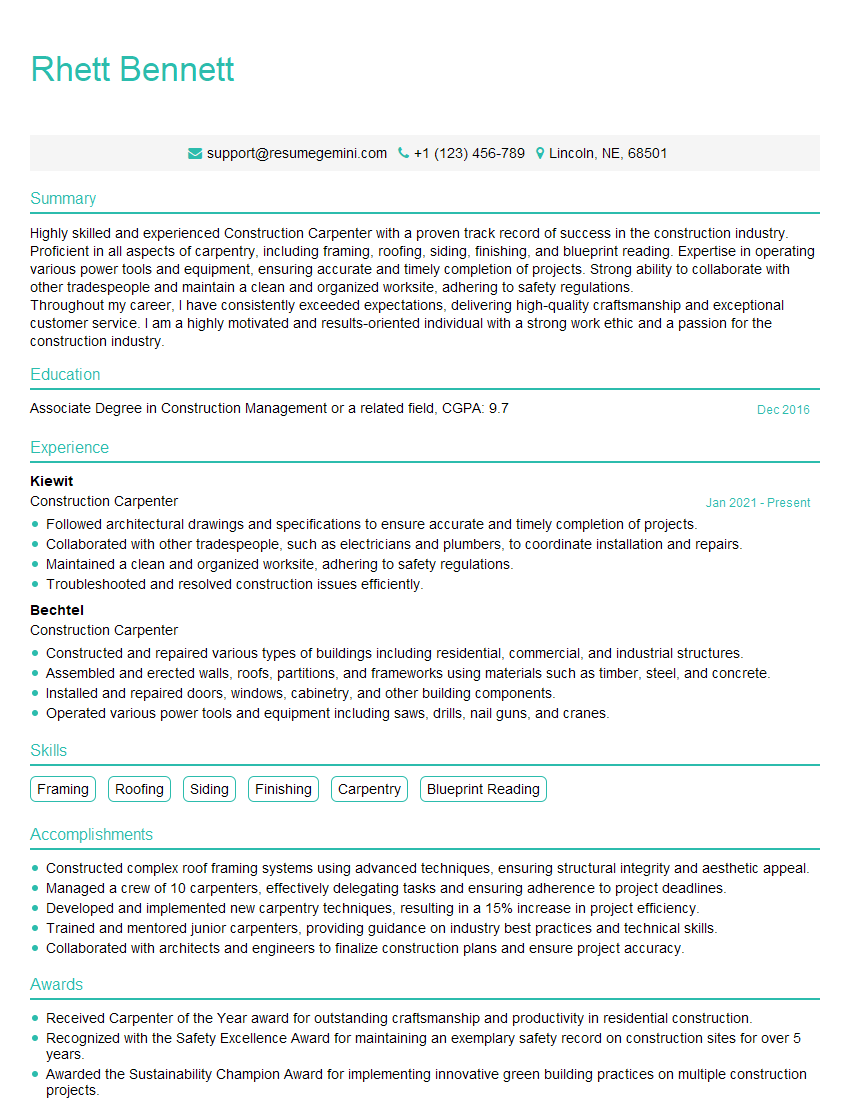
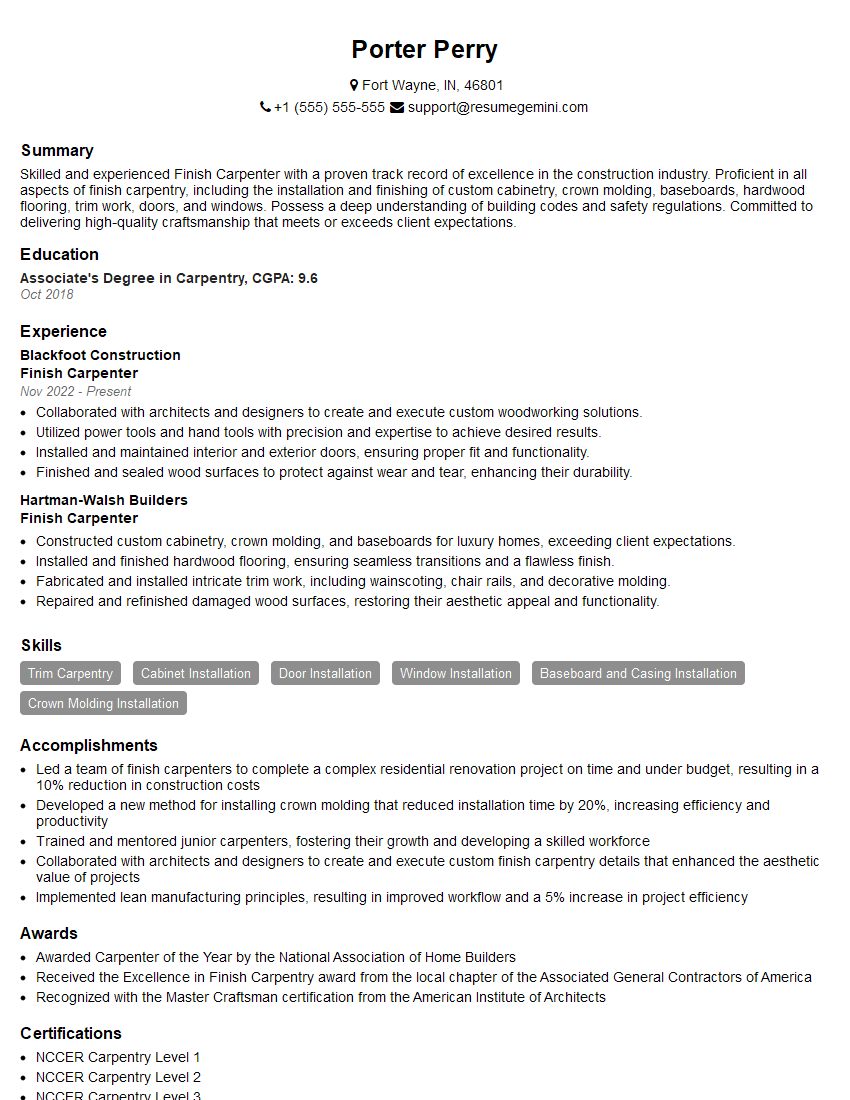
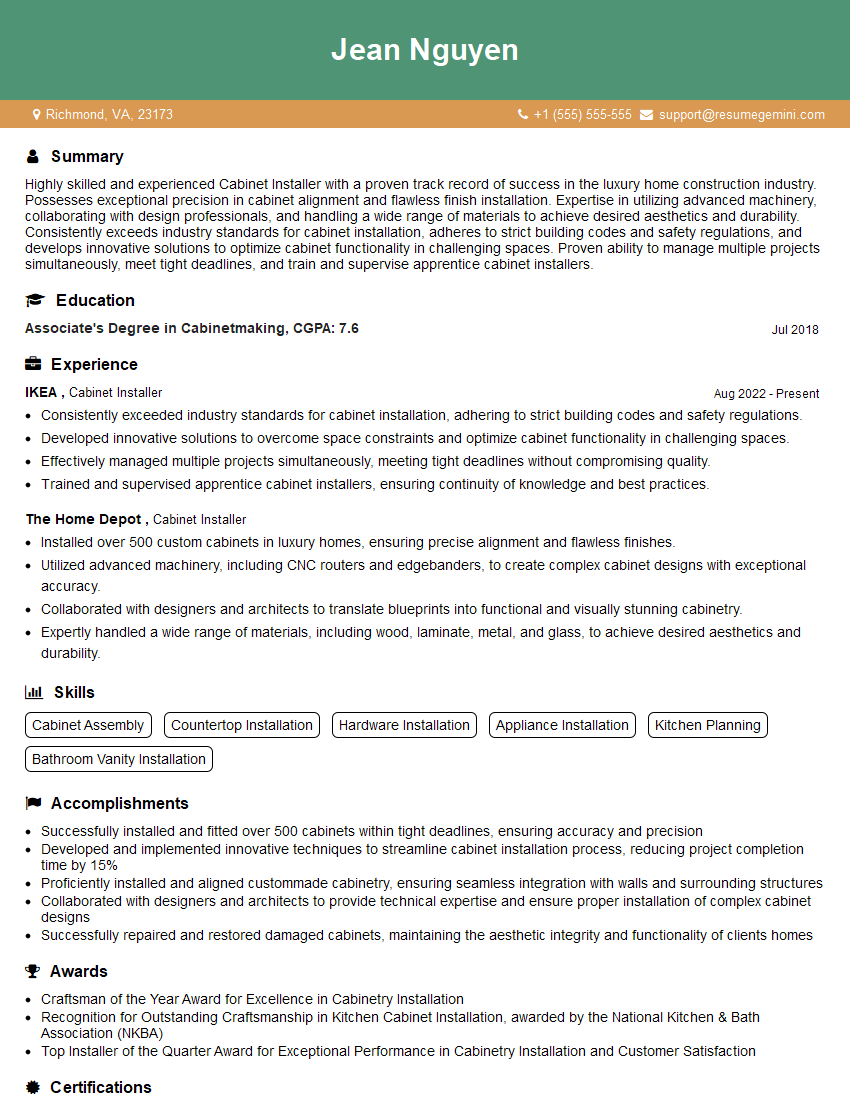
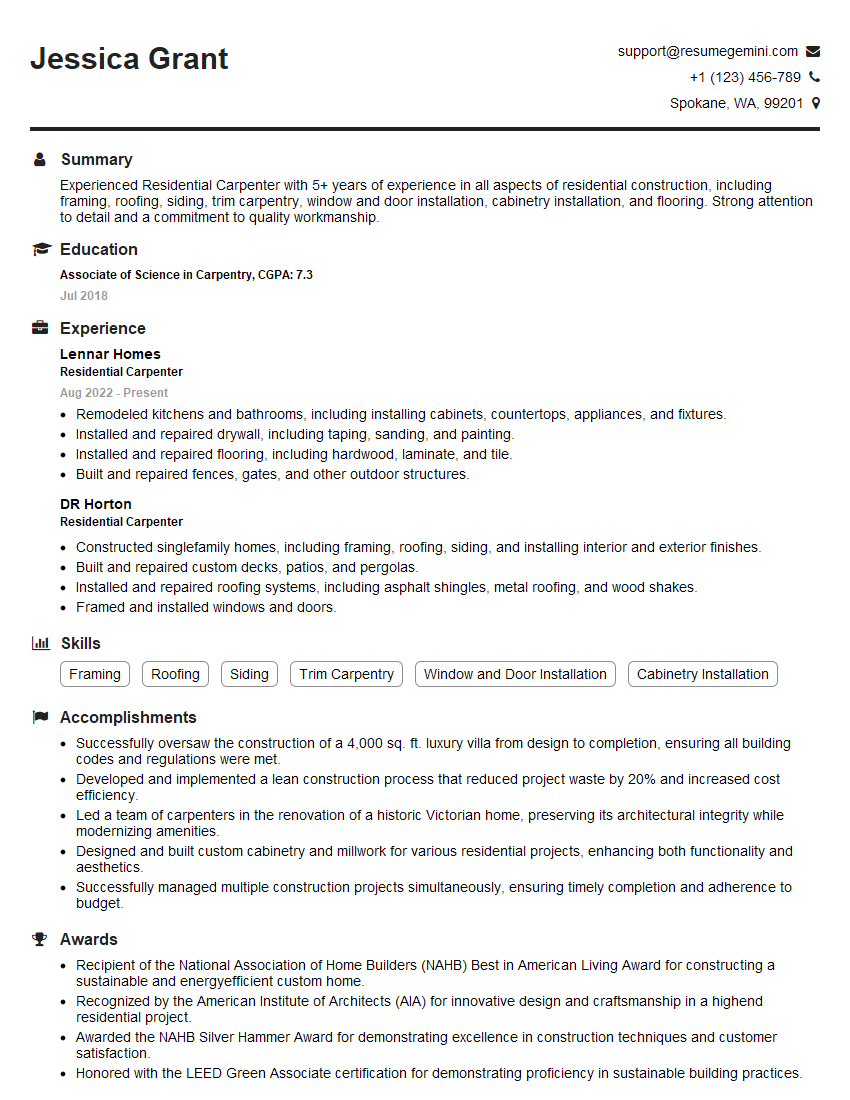
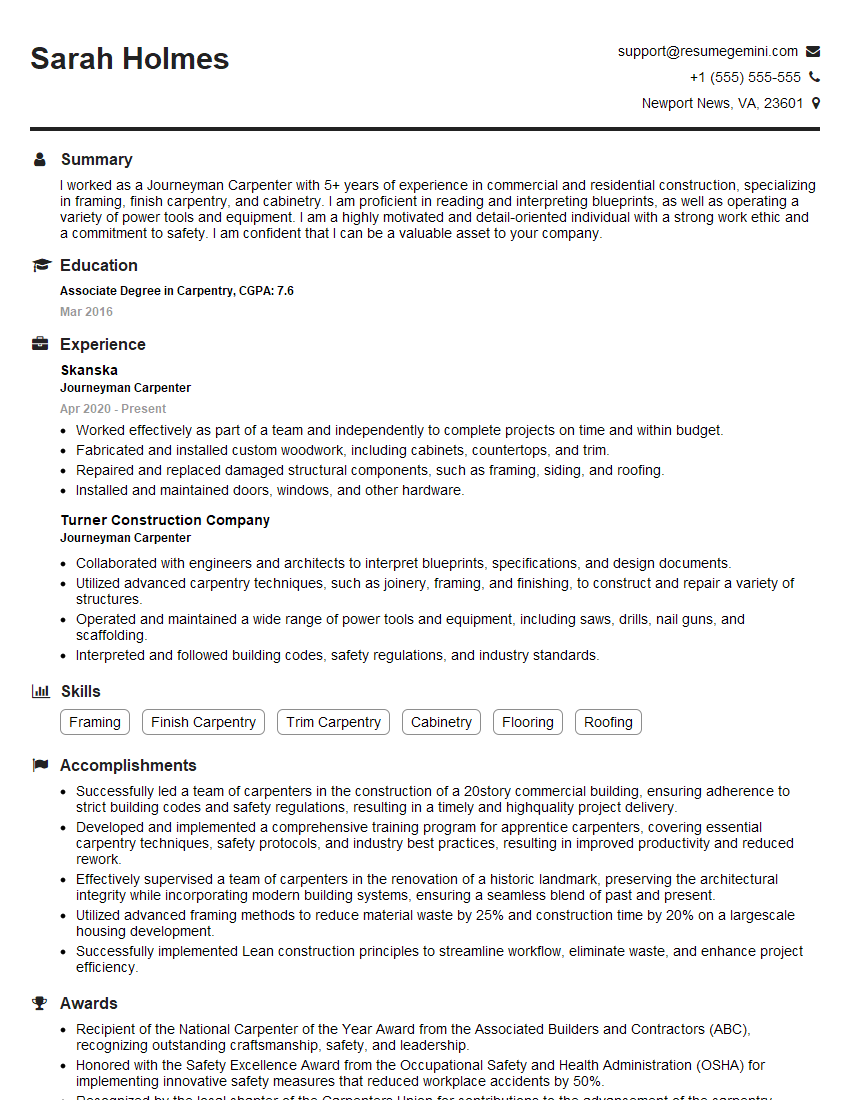
Mastering door wainscoting installation opens doors to exciting career opportunities in carpentry, home renovation, and interior finishing. A strong skill set in this area demonstrates precision, craftsmanship, and problem-solving abilities – highly valued attributes in the construction industry. To significantly boost your job prospects, crafting an ATS-friendly resume is crucial. ResumeGemini is a trusted resource that can help you build a professional and effective resume that showcases your expertise. Examples of resumes tailored to Door Wainscoting Installation are available through ResumeGemini, helping you present your skills in the best possible light.
Explore more articles
Users Rating of Our Blogs
Share Your Experience
We value your feedback! Please rate our content and share your thoughts (optional).
What Readers Say About Our Blog
Amazing blog
hello,
Our consultant firm based in the USA and our client are interested in your products.
Could you provide your company brochure and respond from your official email id (if different from the current in use), so i can send you the client’s requirement.
Payment before production.
I await your answer.
Regards,
MrSmith
hello,
Our consultant firm based in the USA and our client are interested in your products.
Could you provide your company brochure and respond from your official email id (if different from the current in use), so i can send you the client’s requirement.
Payment before production.
I await your answer.
Regards,
MrSmith
These apartments are so amazing, posting them online would break the algorithm.
https://bit.ly/Lovely2BedsApartmentHudsonYards
Reach out at BENSON@LONDONFOSTER.COM and let’s get started!
Take a look at this stunning 2-bedroom apartment perfectly situated NYC’s coveted Hudson Yards!
https://bit.ly/Lovely2BedsApartmentHudsonYards
Live Rent Free!
https://bit.ly/LiveRentFREE
Interesting Article, I liked the depth of knowledge you’ve shared.
Helpful, thanks for sharing.
Hi, I represent a social media marketing agency and liked your blog
Hi, I represent an SEO company that specialises in getting you AI citations and higher rankings on Google. I’d like to offer you a 100% free SEO audit for your website. Would you be interested?