Are you ready to stand out in your next interview? Understanding and preparing for Dust and Fume Protection interview questions is a game-changer. In this blog, we’ve compiled key questions and expert advice to help you showcase your skills with confidence and precision. Let’s get started on your journey to acing the interview.
Questions Asked in Dust and Fume Protection Interview
Q 1. Explain the difference between dust and fume.
Dust and fume are both airborne contaminants, but they differ significantly in their physical properties and formation. Dust consists of solid particles generated by mechanical processes like crushing, grinding, or demolition. These particles are relatively large, typically greater than 1 micron in diameter, and settle relatively quickly under gravity. Think of the dust created when sanding wood – visible, relatively large particles.
Fume, on the other hand, is a very fine aerosol of solid particles formed by the condensation of vapors from a molten or gaseous state. These particles are extremely small, often less than 1 micron in diameter, and remain suspended in the air for much longer periods. A common example is welding fume, which is produced when metal is heated to a high temperature and then cools, forming tiny particles.
Q 2. Describe common sources of dust and fume in industrial settings.
Industrial settings harbor numerous sources of dust and fume. The specific contaminants depend heavily on the industry.
- Mining and quarrying: Generate significant amounts of silica dust, posing a serious health risk.
- Construction: Produces various dusts from cement, wood, and other building materials.
- Manufacturing (e.g., metalworking): Leads to metalworking fumes, including welding fumes containing heavy metals and potentially harmful compounds.
- Pharmaceutical industries: Can generate dust from powders, particularly if these contain hazardous ingredients.
- Food processing: Often involves handling of flour, grains, and other particulate materials which can be airborne.
In all these cases, the presence of high-powered machinery often exacerbates the problem, increasing the quantity of airborne particles and creating larger dispersion patterns.
Q 3. What are the health risks associated with exposure to dust and fumes?
Exposure to dust and fumes carries a range of serious health risks, depending on the specific substances involved and the duration and level of exposure.
- Respiratory illnesses: Silicosis (from silica dust), asbestosis (from asbestos fibers), and other pneumoconioses are serious, often irreversible, lung diseases. Exposure can also trigger asthma, bronchitis, and other respiratory problems.
- Cancer: Exposure to certain metal fumes (e.g., nickel, chromium, cadmium) increases the risk of lung cancer and other cancers.
- Metal fume fever: A flu-like illness caused by inhalation of metal fumes, often seen in welders.
- Eye irritation and damage: Dust and fumes can irritate or damage the eyes, especially if they contain caustic or abrasive particles.
- Skin irritation and damage: Certain dusts and fumes can cause skin irritation, rashes, and even more serious skin conditions.
The severity of the health effects depends heavily on factors such as concentration, particle size, and duration of exposure.
Q 4. What are the primary methods for controlling dust and fume emissions?
Controlling dust and fume emissions requires a multi-pronged approach, incorporating engineering controls, administrative controls, and personal protective equipment (PPE).
- Engineering Controls: These are the most effective methods, aiming to prevent the generation or dispersion of contaminants at the source. Examples include:
- Enclosure and containment: Enclosing processes that generate dust or fume minimizes exposure.
- Local exhaust ventilation (LEV): A crucial control method that captures contaminants at the source.
- Process modification: Changing the process to reduce dust or fume generation, perhaps using wet methods instead of dry ones.
- Good housekeeping: Regular cleaning to prevent dust accumulation.
- Administrative Controls: These controls change work practices to reduce exposure. Examples include:
- Work rotation: Minimizes the duration of exposure for individual workers.
- Training and education: Ensures workers are aware of risks and control measures.
- Work practices: Procedures that minimize dust generation and dispersion.
- Personal Protective Equipment (PPE): While crucial, PPE should always be considered as a last line of defense. Respiratory protection is vital, as discussed later.
A well-designed control strategy integrates all these approaches for optimal protection.
Q 5. Explain the principle of local exhaust ventilation (LEV).
Local exhaust ventilation (LEV) is a highly effective engineering control that removes airborne contaminants at their source, preventing widespread dispersion in the workplace. It involves capturing contaminants directly at the point of generation using a hood or enclosure, and then drawing them away through a ductwork system to a filter or other treatment device.
Think of it like a giant vacuum cleaner, but designed specifically to capture hazardous dust and fumes. The design of the hood, ductwork, and fan is crucial to its effectiveness. Poorly designed LEV systems can be inefficient, leaving workers exposed to harmful contaminants. A well-designed system should have sufficient capture velocity to draw in the contaminants, efficient ductwork to prevent leaks, and a powerful enough fan to move the air effectively.
Q 6. Describe different types of respiratory protection equipment and their limitations.
Several types of respiratory protective equipment (RPE) are available, each with its strengths and weaknesses. The choice depends heavily on the specific hazard.
- Filtering facepieces (FFPs): These disposable respirators use filters to remove particles from inhaled air. They come in different classes (e.g., FFP1, FFP2, FFP3), indicating their filtration efficiency. Limitations include limited protection against gases and vapors, and potential discomfort during prolonged use.
- Half-mask respirators: Cover the nose and mouth. Can be used with replaceable filters offering protection against particles and/or gases/vapors, depending on the filter type. Limitations include potential leakage around the face seal, and may not be suitable for high concentrations of contaminants.
- Full-face respirators: Offer the greatest protection, covering the entire face and often including eye protection. Used with appropriate filters/cartridges. They are more comfortable for extended wear but can be more expensive and cumbersome.
- Supplied-air respirators: Provide breathing air from a separate source (e.g., a compressor), offering protection in environments with very high concentrations of contaminants. These are typically used for emergency rescue or in confined spaces. Limitations include bulkiness, requirement of compressed air supply, and potential reliance on a functioning external system.
It’s vital to remember that proper fit testing is critical to ensure effective protection with any RPE.
Q 7. How do you select appropriate respiratory protection for a specific hazard?
Selecting appropriate respiratory protection requires a thorough hazard assessment. This involves identifying the specific dusts and fumes present, their concentrations, and the associated health risks.
- Hazard Identification: Determine the specific contaminants present using air monitoring or other appropriate methods. Identify the nature and concentration of each contaminant.
- Risk Assessment: Evaluate the risk of exposure, considering factors such as contaminant concentration, duration of exposure, and worker susceptibility.
- RPE Selection: Choose an RPE that provides adequate protection based on the identified risks. Consider the type and level of protection required (e.g., particle vs. gas/vapor, filtration efficiency), comfort, and worker acceptance.
- Fit Testing: Ensure a proper fit to prevent leaks. Quantitative or qualitative fit testing may be required.
- Training and Use: Provide adequate training on the proper use, maintenance, and limitations of the chosen RPE.
- Regular Monitoring: Periodically check the effectiveness of the respiratory protection program by reviewing health surveillance, air monitoring, and accident reports.
Failure to follow this rigorous process can leave workers exposed to unacceptable levels of risk.
Q 8. What are the legal requirements for dust and fume control in your region?
Legal requirements for dust and fume control vary significantly by region and are often dictated by national and local health and safety regulations. In many jurisdictions, these regulations are based on internationally recognized standards like those set by OSHA (Occupational Safety and Health Administration) in the US or similar bodies in other countries. These regulations typically mandate the implementation of engineering controls, administrative controls, and personal protective equipment (PPE) to minimize worker exposure to hazardous dusts and fumes. Specific requirements often include permissible exposure limits (PELs) for various substances, regular monitoring of workplace air quality, maintenance records for control systems, employee training programs, and comprehensive risk assessments. For example, a welding shop might be required to use local exhaust ventilation (LEV) systems and provide respirators to welders, while a woodworking facility might need dust collection systems and regular air quality monitoring.
To find the exact legal requirements for your specific region, it’s crucial to consult the relevant government agencies responsible for workplace health and safety. These agencies typically provide detailed guidelines, regulations, and enforcement procedures. Ignoring these legal requirements can lead to hefty fines, potential business closure, and, more importantly, serious health risks for employees.
Q 9. Explain the importance of regular maintenance for dust and fume control systems.
Regular maintenance of dust and fume control systems is absolutely critical for their continued effectiveness and the safety of workers. Think of it like this: a car needs regular oil changes and tune-ups to run efficiently and safely; similarly, dust and fume control systems require regular attention to remain effective. Neglecting maintenance can lead to reduced efficiency, component failure, and ultimately, increased worker exposure to hazardous substances.
Regular maintenance tasks include checking for leaks in ductwork, cleaning or replacing filters, inspecting fans and motors for wear and tear, ensuring proper airflow, and calibrating monitoring equipment. A comprehensive maintenance schedule, often based on manufacturer recommendations and risk assessments, should be in place. Proper documentation of all maintenance activities is also crucial for demonstrating compliance with legal requirements and maintaining a safe working environment.
For instance, a clogged filter in a dust collection system will drastically reduce its effectiveness, allowing more dust to escape into the workspace. Regular filter changes prevent this scenario, guaranteeing continuous protection.
Q 10. How do you conduct a risk assessment for dust and fume exposure?
A risk assessment for dust and fume exposure is a systematic process to identify hazards, evaluate the risks, and determine appropriate control measures. It typically involves a multi-step approach:
- Hazard Identification: Identify all potential sources of dust and fumes in the workplace. This might include welding, grinding, sanding, spraying, or chemical processing.
- Risk Evaluation: Assess the likelihood and severity of exposure. This considers factors like the concentration of dust and fumes, the duration of exposure, and the toxicity of the substances involved. Consult relevant safety data sheets (SDS) for toxicity information.
- Control Measures: Develop and implement control measures to minimize exposure. This usually involves a hierarchy of controls, starting with engineering controls (e.g., enclosed systems, local exhaust ventilation), followed by administrative controls (e.g., work practices, rotation of tasks), and finally, personal protective equipment (PPE) as a last resort.
- Monitoring and Review: Regularly monitor air quality to ensure the effectiveness of control measures and revise the assessment as needed. This is crucial to ensure the controls remain appropriate and effective.
Imagine a metal fabrication shop: a risk assessment would identify welding as a significant source of fumes. The risk evaluation would consider the types of metals being welded, the ventilation system’s capacity, and the welders’ exposure time. Control measures might involve installing local exhaust ventilation at each welding station, implementing safe work practices, and providing respirators.
Q 11. Describe different types of air filtration systems used for dust and fume control.
Several air filtration systems are used for dust and fume control, each with its strengths and limitations:
- Bag filters: These use fabric bags to trap dust particles. They are effective for a wide range of dusts, but require regular cleaning or replacement of bags.
- Cartridge filters: Similar to bag filters, but use cylindrical cartridges for filtration. They are often more compact and easier to replace.
- HEPA filters (High-Efficiency Particulate Air): These filters are exceptionally efficient at removing very small particles, making them ideal for fine dusts and certain types of fumes. They are commonly used in cleanroom environments.
- Electrostatic precipitators: These use an electrical charge to attract and remove particles from the air stream. They are particularly effective for fine particles and can handle large air volumes.
- Scrubbers: These use a liquid to remove particles and gases from the air. They are effective for certain types of fumes and gases, but require liquid handling and disposal.
The choice of filtration system depends on factors such as the type and concentration of dust and fumes, the air volume to be handled, and the required level of filtration efficiency.
Q 12. What are the key performance indicators (KPIs) for effective dust and fume control?
Key Performance Indicators (KPIs) for effective dust and fume control help ensure the system is performing as intended and worker safety is maintained. These include:
- Air quality monitoring data: Regular measurements of dust and fume concentrations in the workplace, ensuring they remain below PELs.
- Filter pressure drop: Monitoring the pressure difference across filters indicates their effectiveness and when replacement is needed.
- System airflow rate: Maintaining adequate airflow is essential for effective dust and fume removal.
- Maintenance records: Documentation of regular maintenance activities demonstrates compliance and helps identify potential problems early.
- Incident rates related to dust and fume exposure: Tracking the number of respiratory illnesses or other health issues related to dust and fume exposure among workers.
- Employee feedback: Regular surveys or discussions with employees can help identify any concerns or problems with the dust and fume control system.
By tracking these KPIs, you can proactively identify and address any issues before they lead to worker exposure or system failure.
Q 13. How do you monitor and measure dust and fume concentrations?
Dust and fume concentrations are monitored and measured using various methods, depending on the specific substance and the required accuracy:
- Gravimetric analysis: This involves collecting dust samples on a filter and weighing them to determine the mass concentration.
- Direct-reading instruments: These instruments provide real-time measurements of dust and fume concentrations. Examples include light scattering photometers (for dust) and gas detectors (for fumes).
- Personal sampling pumps: These pumps are worn by workers to collect air samples over a specific period, providing a more accurate representation of individual exposure.
The choice of method depends on several factors, including the type of dust or fume, the required accuracy, the duration of sampling, and the cost of the equipment. Regular calibration and maintenance of monitoring equipment are essential to ensure accurate and reliable measurements.
Q 14. Explain the concept of permissible exposure limits (PELs).
Permissible Exposure Limits (PELs) are legally mandated limits on the concentration of airborne contaminants in the workplace. These limits are set by regulatory bodies (like OSHA in the US) to protect workers from the adverse health effects of exposure to hazardous substances. PELs are typically expressed as an average concentration over an eight-hour workday or a short-term exposure limit (STEL) for a shorter period. Exceeding these limits can lead to significant health risks, ranging from minor irritation to severe respiratory problems or even cancer, depending on the substance.
For example, the PEL for silica dust might be set at 50 µg/m³ as an eight-hour time-weighted average. This means that the average concentration of silica dust in the workplace air over an eight-hour workday should not exceed this value. Failure to comply with PELs can result in significant penalties and legal action.
It’s vital to understand that PELs are not absolute safety thresholds; they represent levels of exposure that are considered acceptable with appropriate control measures in place. Lowering exposure below PELs whenever feasible is always the best practice to ensure the highest level of worker safety.
Q 15. What are the emergency procedures for dust and fume incidents?
Emergency procedures for dust and fume incidents prioritize immediate safety and containment. The first step is always to evacuate personnel from the affected area, ensuring everyone follows established escape routes. This is followed by isolating the source of the dust or fume if possible, and preventing further dispersion.
- Alerting Emergency Services: Immediately contact emergency services (911 or your local equivalent) and your company’s emergency response team. Clearly communicate the nature of the incident, location, and number of affected personnel.
- Containment: If safe to do so, attempt to contain the spread of the dust or fumes, perhaps by shutting down equipment or closing vents. This might involve using emergency shut-off valves or deploying specialized containment equipment.
- Decontamination: Once the immediate danger is mitigated, decontamination procedures may be necessary for exposed personnel. This might involve showering, changing clothing, and using specialized cleaning agents to remove dust or fume residues.
- Medical Attention: Provide first aid as needed, and ensure all affected personnel receive appropriate medical attention. Monitor for symptoms such as respiratory distress, coughing, or skin irritation.
- Post-Incident Investigation: A thorough investigation should be conducted after the incident to determine the root cause, identify weaknesses in safety protocols, and implement corrective actions to prevent future occurrences.
For example, during a welding incident involving excessive zinc fumes, immediate evacuation of the workshop followed by shutting down the ventilation system and alerting emergency services would be crucial. Post-incident, we’d review our fume extraction systems and employee training to prevent future events.
Career Expert Tips:
- Ace those interviews! Prepare effectively by reviewing the Top 50 Most Common Interview Questions on ResumeGemini.
- Navigate your job search with confidence! Explore a wide range of Career Tips on ResumeGemini. Learn about common challenges and recommendations to overcome them.
- Craft the perfect resume! Master the Art of Resume Writing with ResumeGemini’s guide. Showcase your unique qualifications and achievements effectively.
- Don’t miss out on holiday savings! Build your dream resume with ResumeGemini’s ATS optimized templates.
Q 16. Describe your experience with different types of dust collection systems.
My experience encompasses a wide range of dust collection systems, from simple local exhaust ventilation (LEV) to complex, centralized systems. I’ve worked with:
- Local Exhaust Ventilation (LEV): This is the most common type, using hoods and ducts to capture dust and fumes at their source. I’ve designed and implemented LEV systems for various applications, including welding booths, grinding stations, and sanding areas. The effectiveness depends heavily on proper hood design and airflow.
- Centralized Dust Collection Systems: These systems collect dust and fumes from multiple sources and transport them to a central filter or cyclone separator. I have expertise in designing systems involving large diameter ductwork, high-volume fans, and automated filter cleaning mechanisms. This is particularly crucial in large industrial settings.
- Baghouse Filters: These filters employ a series of fabric filter bags to trap fine dust particles. I’ve specified and commissioned systems involving various types of filter bags, considering factors like particle size, dust loading, and the need for pulse-jet cleaning to maintain efficiency.
- Cyclone Separators: These are commonly used for coarser particles, utilizing centrifugal force to separate dust from the airflow. I’ve assessed numerous applications to see where the cyclone could be used in combination with other filtration systems to achieve optimal performance.
Choosing the right system depends on factors such as the type of dust, particle size, generation rate, and the overall work environment. For example, a woodworking shop might benefit from a centralized system with a baghouse filter, whereas a small welding shop might only need a properly designed LEV system.
Q 17. How do you ensure compliance with relevant health and safety regulations?
Compliance with health and safety regulations is paramount. This involves staying updated on relevant legislation, such as OSHA (in the US) or equivalent standards in other countries. I ensure compliance through:
- Regular Inspections: Conducting routine inspections of dust and fume control systems, including LEV, filters, and ductwork, to identify potential hazards and ensure proper functioning.
- Risk Assessments: Performing thorough risk assessments to evaluate potential dust and fume exposures, and implementing controls based on a hierarchy of controls, starting with elimination, then substitution, engineering controls, administrative controls and finally personal protective equipment (PPE).
- Record Keeping: Maintaining accurate records of inspections, maintenance, and air monitoring results. These records are essential for demonstrating compliance during audits.
- Training Programs: Developing and implementing comprehensive training programs for employees on safe work practices, the use of PPE, and emergency procedures.
- Air Monitoring: Regularly monitoring air quality using calibrated instruments to ensure exposure levels are below permissible limits.
For instance, I’d ensure that all LEV systems are regularly checked for leaks, fans are operating efficiently, and filter changes are scheduled based on dust loading. Air monitoring data would be used to verify the effectiveness of the controls.
Q 18. What is your experience with using air monitoring equipment?
I have extensive experience using a variety of air monitoring equipment, including:
- Direct-reading instruments: These provide immediate readings of dust or fume concentrations in the air. Examples include photometers for measuring respirable dust and gas detectors for specific fumes.
- Sampling pumps and filters: These are used for collecting air samples for later analysis in a laboratory. This allows for precise quantification of specific dust or fume components.
- Personal sampling pumps: These are worn by workers to measure their personal exposure to dust and fumes over a period of time. This provides a more accurate assessment of individual risk.
My experience encompasses calibrating instruments, selecting appropriate sampling methods, and interpreting the data to assess compliance with regulatory limits. I’m familiar with the limitations of different instruments and how to select the most appropriate one for a given situation. For example, I would use a personal sampler to monitor exposure for a welder over an entire work shift, while a direct-reading instrument might be used for quick checks around a grinding station.
Q 19. How do you interpret air monitoring data?
Interpreting air monitoring data involves comparing measured concentrations to established occupational exposure limits (OELs) set by regulatory bodies. I look for:
- Compliance with OELs: Determining if measured concentrations are below the permitted exposure limits for the specific dust or fume.
- Trends and Patterns: Identifying any trends or patterns in the data that may indicate a developing problem or the effectiveness of control measures.
- Sources of Exposure: Analyzing the data to pinpoint sources of high concentrations, allowing for targeted control measures.
- Effectiveness of Controls: Evaluating whether implemented controls (like LEV systems) are effectively reducing exposure levels.
For instance, if air monitoring shows consistently high levels of silica dust near a grinding operation, despite an LEV system being in place, it indicates the need for adjustments to the LEV system’s design or operational procedures, potentially by improving the hood capture velocity or replacing worn filters.
Q 20. What are the common challenges in implementing dust and fume control measures?
Implementing dust and fume control measures presents numerous challenges, including:
- Cost: Effective control systems can be expensive to install and maintain, especially in large facilities or when dealing with complex dusts or fumes.
- Space Constraints: Installing effective ventilation systems can be challenging in confined spaces or areas with limited access.
- Process Integration: Integrating dust and fume controls into existing processes can be disruptive and require careful planning.
- Maintenance: Regular maintenance is crucial to ensure the continued effectiveness of control measures, and this can be time-consuming and costly.
- Worker Compliance: Ensuring that workers follow safety procedures and use PPE correctly is essential for the effectiveness of control measures.
For example, retrofitting a dust collection system into an existing manufacturing plant might require careful planning to minimize disruption to production, and the selection of appropriate dust collectors and their effective integration will need to consider the existing plant layout and equipment. This would also require addressing the disruption to the existing workflow and retraining of the workers to ensure the best outcome.
Q 21. How do you address employee concerns and training related to dust and fume exposure?
Addressing employee concerns and providing training are crucial for effective dust and fume control. This involves:
- Open Communication: Creating a safe environment where employees can express concerns about dust and fume exposure without fear of reprisal.
- Regular Training: Providing regular training on safe work practices, the use of PPE, and emergency procedures. Training should be tailored to the specific hazards present in the workplace.
- Feedback Mechanisms: Establishing mechanisms for employees to provide feedback on safety procedures and suggest improvements to control measures.
- Health Monitoring: Providing regular health monitoring, including respiratory function tests, for employees exposed to dust and fumes.
- Personal Protective Equipment (PPE): Ensuring that employees have access to and are properly trained in the use of appropriate PPE, such as respirators, gloves, and protective clothing.
For example, we’d hold regular safety meetings where workers can voice their concerns about the effectiveness of the dust collection system, and I would regularly discuss any improvements that can be made and respond to any concerns openly and honestly. We would then use this feedback to improve safety protocols and training.
Q 22. Explain your experience with designing or implementing LEV systems.
My experience with designing and implementing Local Exhaust Ventilation (LEV) systems spans over 15 years. This involves a thorough understanding of the entire process, from initial risk assessment and design to installation, commissioning, and ongoing maintenance. I’ve worked on diverse projects, ranging from small-scale woodworking workshops to large-scale industrial manufacturing plants.
The design process typically begins with a detailed risk assessment identifying dust and fume sources, their nature (particle size, toxicity), and worker exposure levels. Based on this, I select appropriate LEV components – hoods (e.g., canopy, enclosure, downdraft), ductwork (considering material, diameter, and length), fans (calculating airflow requirements), and filtration systems (choosing appropriate filters for the specific dust/fume).
For example, in a welding shop, I’d design a system using source capture hoods positioned close to the welding arc to effectively remove welding fumes before they disperse. This would involve specifying a high-efficiency particulate air (HEPA) filter system to remove fine particulate matter. In a woodworking shop, we might opt for a downdraft table to capture wood dust at the source. The entire system’s performance is crucial, and I utilize computational fluid dynamics (CFD) modeling where necessary to optimize airflow and ensure effective contaminant removal.
Implementation involves overseeing the installation, ensuring compliance with relevant safety standards (e.g., OSHA, HSE), and performing thorough commissioning to verify the system’s effectiveness. Regular maintenance and testing are also key to maintaining optimal performance and worker safety.
Q 23. Describe your understanding of different types of dust suppressants.
Dust suppressants are crucial in controlling dust emissions, particularly in industries where dry processes generate significant airborne particulate matter. They work by binding dust particles together, reducing their ability to become airborne. There are several types, each with its own strengths and limitations.
- Water-based suppressants: These are the most common and often the most cost-effective. They can be applied via sprays, fogging systems, or even simple sprinkling. Effectiveness depends on the dust’s properties (hydrophilic vs. hydrophobic).
- Chemical suppressants: These bind dust particles chemically, providing longer-lasting suppression than water alone. They include products like polymers, lignosulfonates, and other binding agents. Selection depends on the specific dust and environmental conditions.
- Organic suppressants: These are often derived from natural materials and can be more environmentally friendly than some chemical suppressants. Examples include certain plant-based extracts or modified starches.
- Foam suppressants: These create a layer of foam that encapsulates dust, preventing it from becoming airborne. They are particularly useful in areas with significant dust generation or where water application is impractical.
The choice of suppressant must consider factors such as the type of dust, the application environment (indoor vs. outdoor), the presence of sensitive equipment or materials, and environmental regulations.
Q 24. How do you choose the appropriate dust suppressant for a specific application?
Choosing the right dust suppressant is a critical step in effective dust control. It’s not a one-size-fits-all approach. The selection process should be systematic and consider several key factors:
- Dust Characteristics: Analyze the dust’s physical and chemical properties – particle size, density, hygroscopicity (how it interacts with water), and chemical composition. Hydrophobic dusts (that repel water) might require chemical suppressants, whereas hydrophilic dusts (that attract water) could be effectively controlled with water alone.
- Application Environment: Indoor settings often have stricter regulations and might limit the use of certain chemicals. Outdoor applications need to account for wind and weather conditions.
- Equipment Compatibility: Some suppressants can damage equipment or create other hazards (e.g., corrosion). Ensure compatibility with existing machinery and processes.
- Environmental Regulations: Adhere to all relevant environmental regulations regarding dust suppression chemicals and their disposal.
- Cost-Effectiveness: Balance the cost of the suppressant with its effectiveness and long-term implications.
- Safety: Prioritize the safety of workers handling and applying the suppressant. Choose products with low toxicity and appropriate safety data sheets (SDS).
For instance, in a coal mine, a water-based spray system supplemented with a polymeric binder might be most effective. In a pharmaceutical manufacturing plant, a low-toxicity, food-grade suppressant would be essential due to stringent purity requirements.
Q 25. What is your experience with different types of personal protective equipment (PPE)?
My experience with various types of PPE for dust and fume protection is extensive. The choice of PPE depends on the specific hazards identified during a risk assessment. A layered approach is often most effective, combining different types of protection.
- Respiratory Protection: This is often the most crucial aspect. I have experience with various respirators, from simple dust masks (for low-level exposure) to powered air-purifying respirators (PAPRs) and supplied-air respirators (SARs) for high-concentration or toxic fumes. Proper respirator fit testing is critical to ensure effectiveness.
- Eye Protection: Dust and fumes can irritate and damage eyes. Safety glasses or goggles offering good side protection are essential.
- Skin Protection: Depending on the nature of the dust or fume, protective clothing such as coveralls, gloves, and boots might be necessary. The choice of material (e.g., chemical-resistant fabrics) is crucial.
- Hearing Protection: Some dust control equipment (e.g., large fans) can create significant noise levels. Hearing protection might be necessary.
I emphasize proper PPE training for workers, ensuring they understand how to correctly use and maintain their equipment. Regular inspections and replacements are vital for ensuring the continued effectiveness and safety of PPE.
Q 26. Describe your experience with conducting safety audits related to dust and fume control.
I regularly conduct safety audits related to dust and fume control. These audits are systematic evaluations designed to identify potential hazards, assess the effectiveness of existing control measures, and ensure compliance with relevant safety regulations. My approach involves a combination of observation, documentation review, and worker interviews.
The audit begins with a walk-through of the facility, observing the work processes and identifying potential dust and fume sources. I then review existing documentation, such as safety procedures, risk assessments, and maintenance logs. Worker interviews help identify any potential hazards or areas of concern that might not be immediately apparent. The audit focuses on several key areas, including:
- Effectiveness of LEV systems: I verify airflow rates, filter integrity, and the overall effectiveness of LEV systems in removing contaminants.
- Proper use of PPE: I observe whether workers are correctly using and maintaining their PPE.
- Housekeeping practices: Good housekeeping is essential for dust control. I assess the cleanliness of the work area and the effectiveness of dust collection practices.
- Emergency procedures: I review emergency response plans for dust-related incidents.
- Compliance with regulations: I ensure compliance with OSHA, HSE, or other relevant regulations.
The audit concludes with a report outlining findings, recommendations for improvement, and a timeline for corrective actions.
Q 27. How do you stay updated on best practices and regulations in dust and fume protection?
Staying updated on best practices and regulations in dust and fume protection is an ongoing process that requires a multi-faceted approach.
- Professional Organizations: I actively participate in professional organizations such as [mention relevant organizations], attending conferences, workshops, and webinars to learn about the latest advancements in dust control technologies and best practices.
- Regulatory Updates: I regularly monitor changes in relevant regulations from OSHA, HSE, and other regulatory bodies. Subscription to relevant newsletters and online resources is crucial.
- Industry Publications: Keeping abreast of industry publications, journals, and research papers keeps me informed about new research, technologies, and best practices.
- Networking: Networking with other professionals in the field through conferences and online forums provides valuable insights and opportunities for knowledge exchange.
- Continuing Education: I regularly participate in continuing education courses and training programs to maintain and enhance my expertise.
This continuous learning process ensures that my knowledge and practices remain aligned with the latest advancements and regulatory requirements in the dynamic field of dust and fume protection.
Key Topics to Learn for Dust and Fume Protection Interview
- Respiratory Protection: Understanding different respirator types (N95, half-mask, full-face), selection criteria based on hazard assessment, fit testing procedures, and limitations of respiratory protection.
- Engineering Controls: Discussing the principles of ventilation, local exhaust ventilation (LEV) systems, enclosure design, and their effectiveness in minimizing dust and fume exposure. Practical application: Analyzing a workplace scenario and suggesting appropriate engineering controls.
- Administrative Controls: Explaining the role of work practices, safety procedures, training programs, and permit-to-work systems in minimizing exposure. Practical application: Developing a safety plan for a specific dusty work environment.
- Personal Protective Equipment (PPE): Beyond respirators, discussing the use of other PPE such as gloves, eye protection, and protective clothing appropriate for dust and fume hazards. Practical application: Selecting appropriate PPE for a given task.
- Hazard Identification and Risk Assessment: Understanding methodologies for identifying dust and fume hazards (e.g., visual inspection, air monitoring), conducting risk assessments, and implementing control measures based on risk levels.
- Air Monitoring and Sampling Techniques: Familiarity with different air monitoring methods and their applications in assessing worker exposure to dust and fumes. Understanding data interpretation and reporting.
- Occupational Health and Safety Regulations: Knowledge of relevant legislation and standards related to dust and fume control in your region. This includes understanding compliance requirements and reporting procedures.
- Dust and Fume Characterization: Understanding the properties of different dusts and fumes (e.g., particle size, toxicity, flammability) and how these properties influence control strategies.
- Cleaning and Waste Disposal Procedures: Safe methods for cleaning up dust and fumes, proper disposal of contaminated materials, and waste management practices to minimize environmental impact.
- Emergency Response Procedures: Knowledge of emergency procedures for dust and fume incidents, including spill response, evacuation plans, and first aid measures.
Next Steps
Mastering Dust and Fume Protection demonstrates a commitment to workplace safety and opens doors to specialized roles with higher earning potential and greater responsibility. An ATS-friendly resume is crucial for getting your application noticed. Use ResumeGemini to craft a compelling resume that highlights your skills and experience in this critical field. ResumeGemini provides examples of resumes tailored to Dust and Fume Protection to help you present your qualifications effectively. Investing time in a strong resume significantly increases your job prospects.
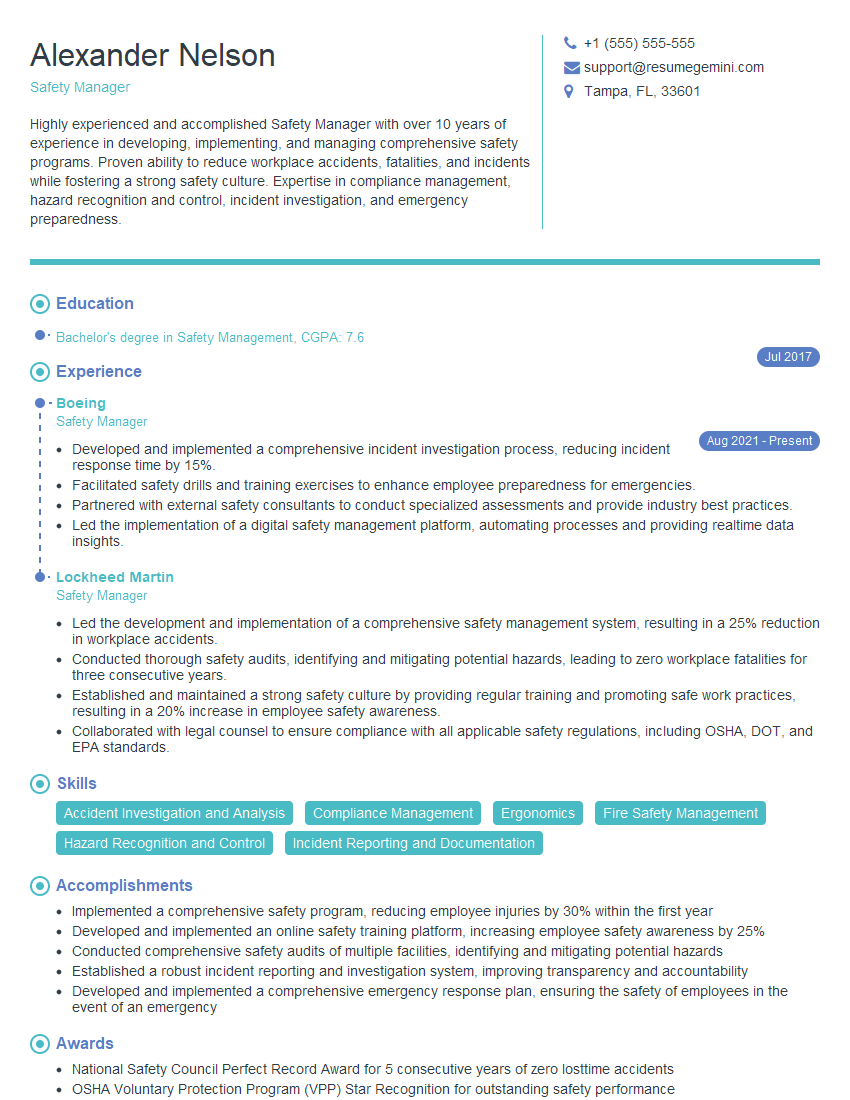
Safety Manager Resume Sample
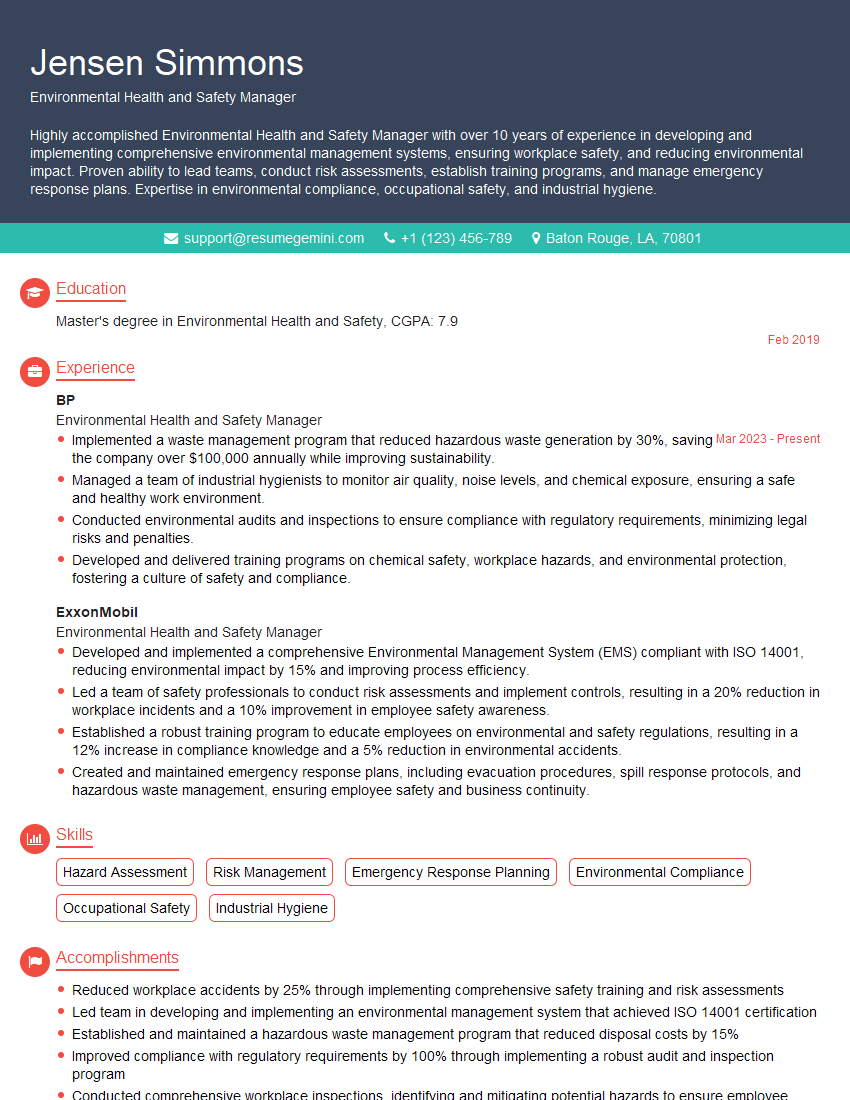
Environmental Health and Safety Manager Resume Sample
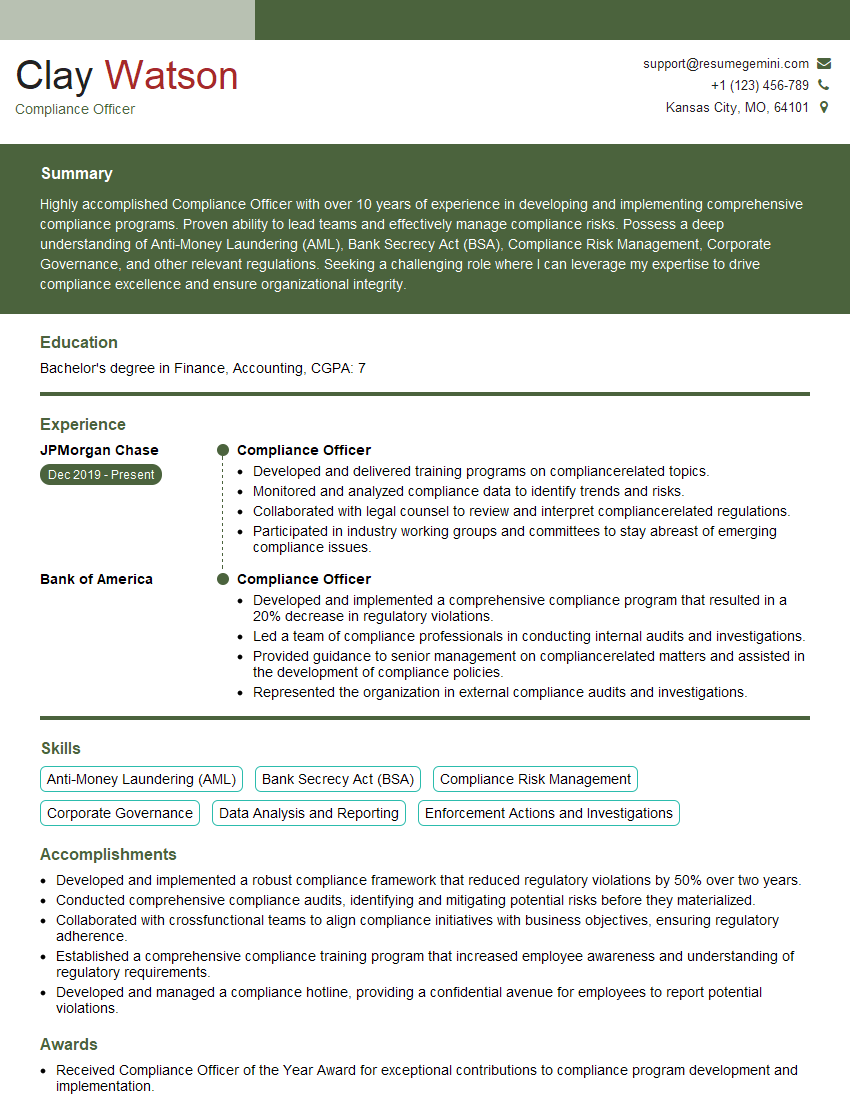
Compliance Officer Resume Sample
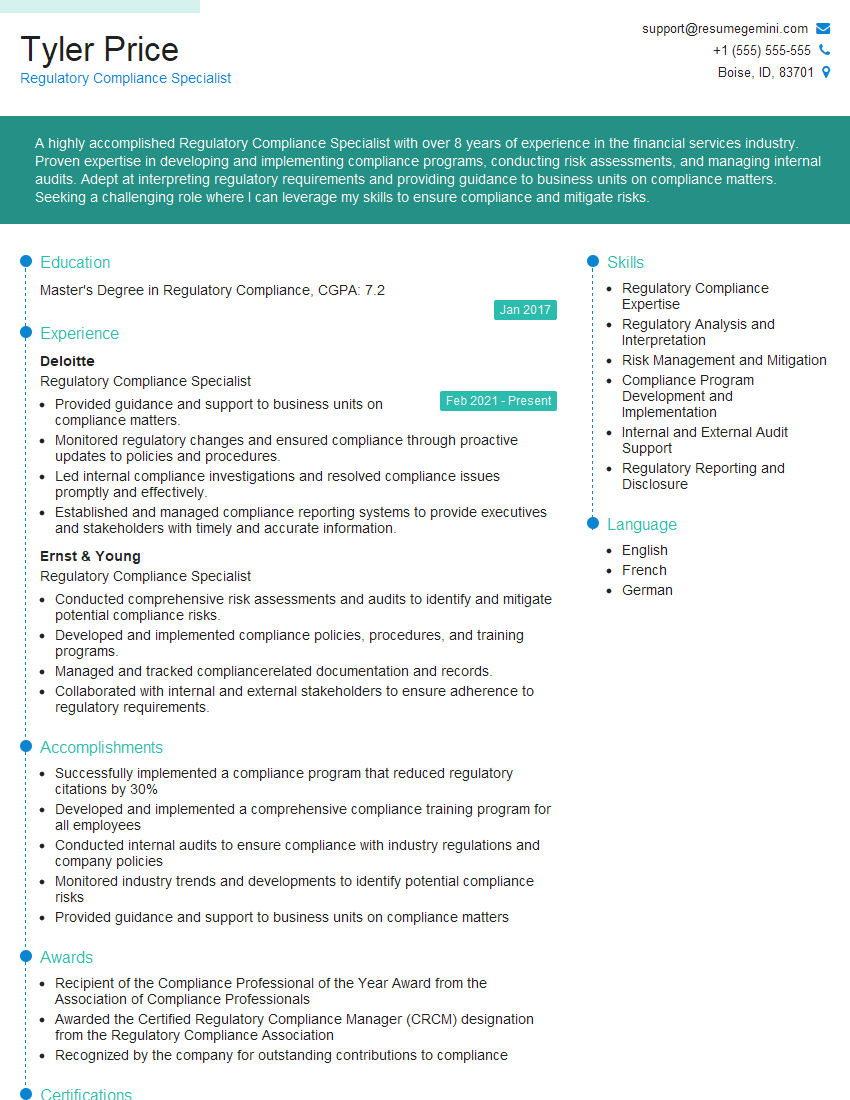
Regulatory Compliance Specialist Resume Sample
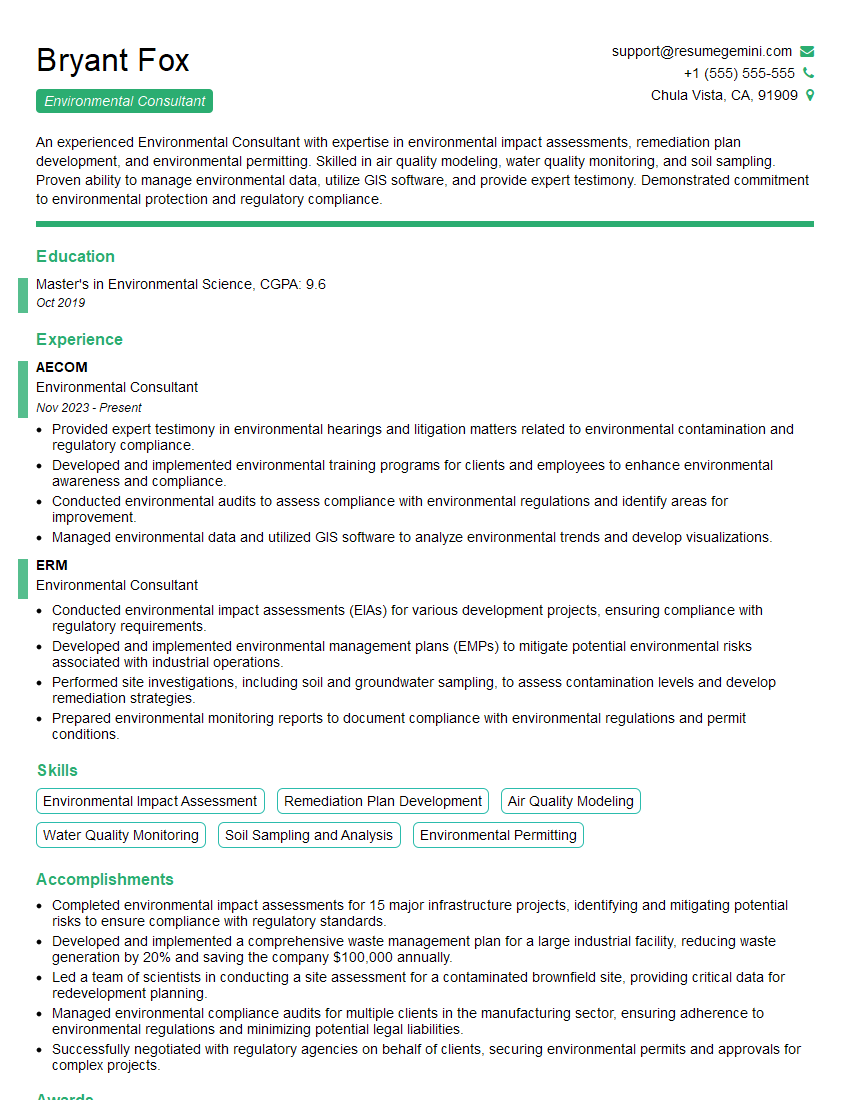
Environmental Consultant Resume Sample
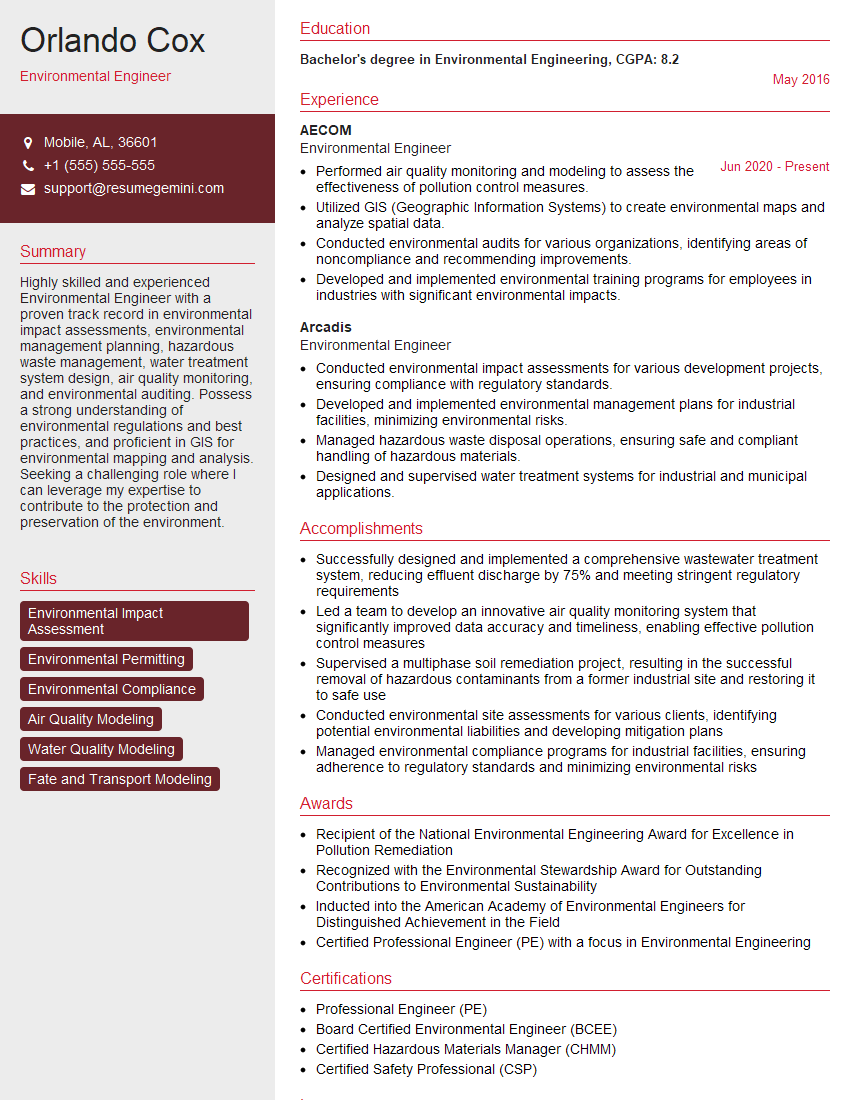
Environmental Engineer Resume Sample
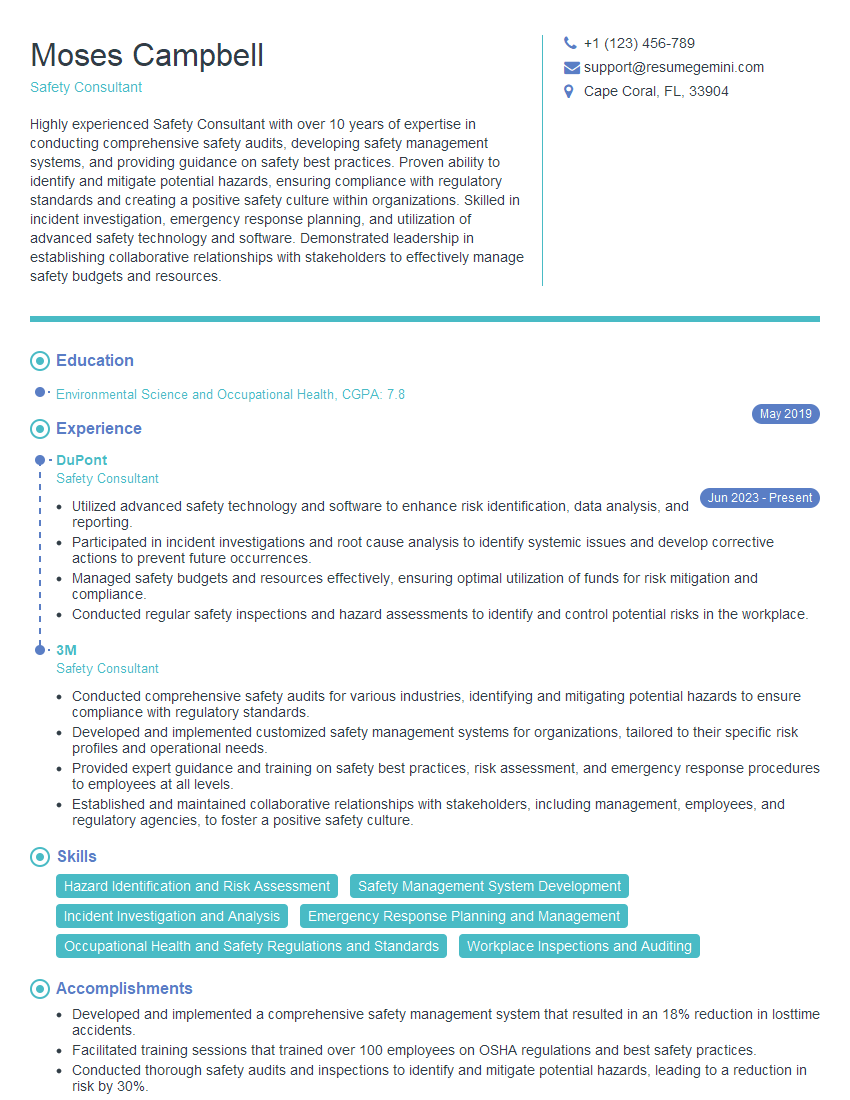
Safety Consultant Resume Sample
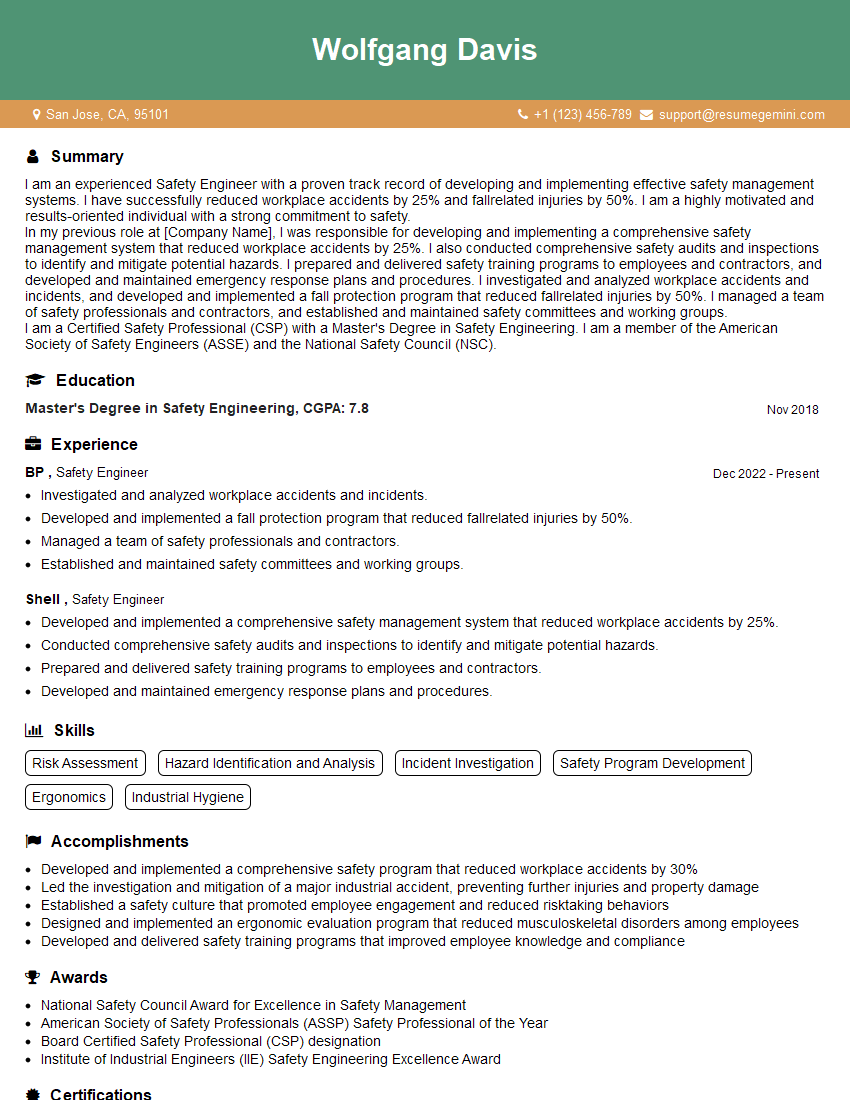
Safety Engineer Resume Sample
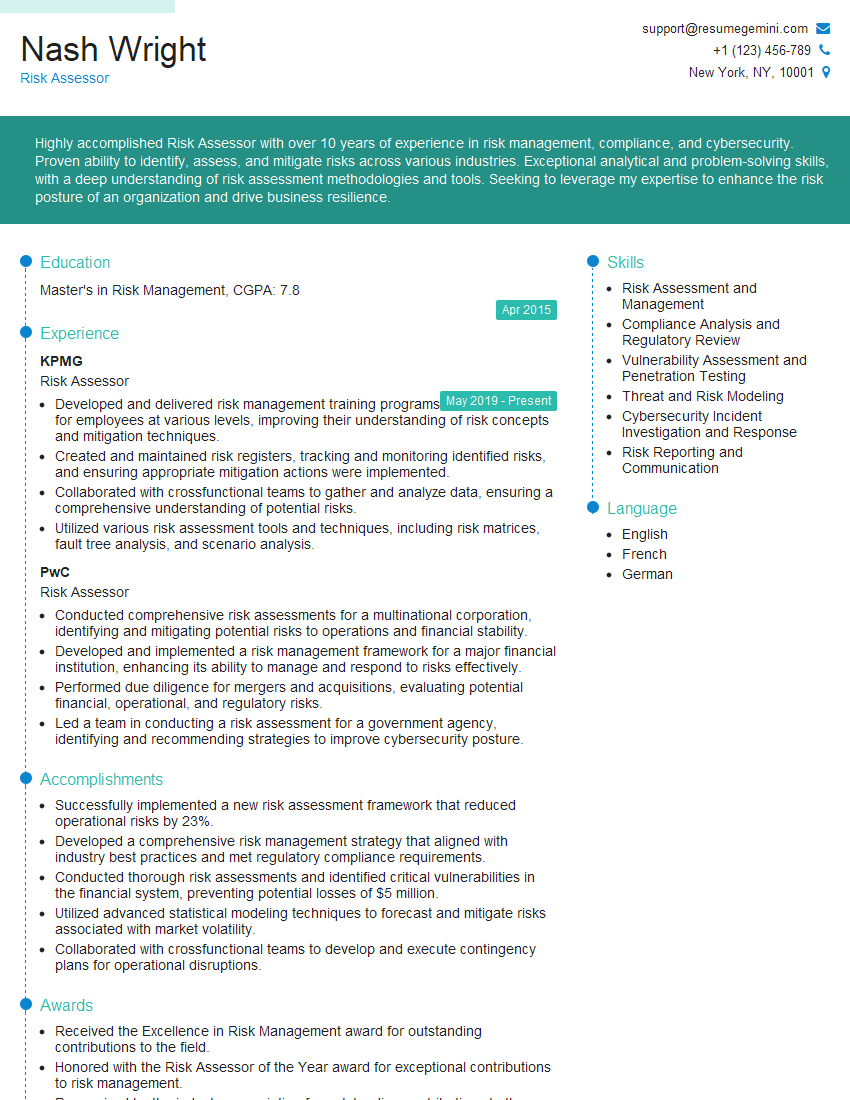
Risk Assessor Resume Sample
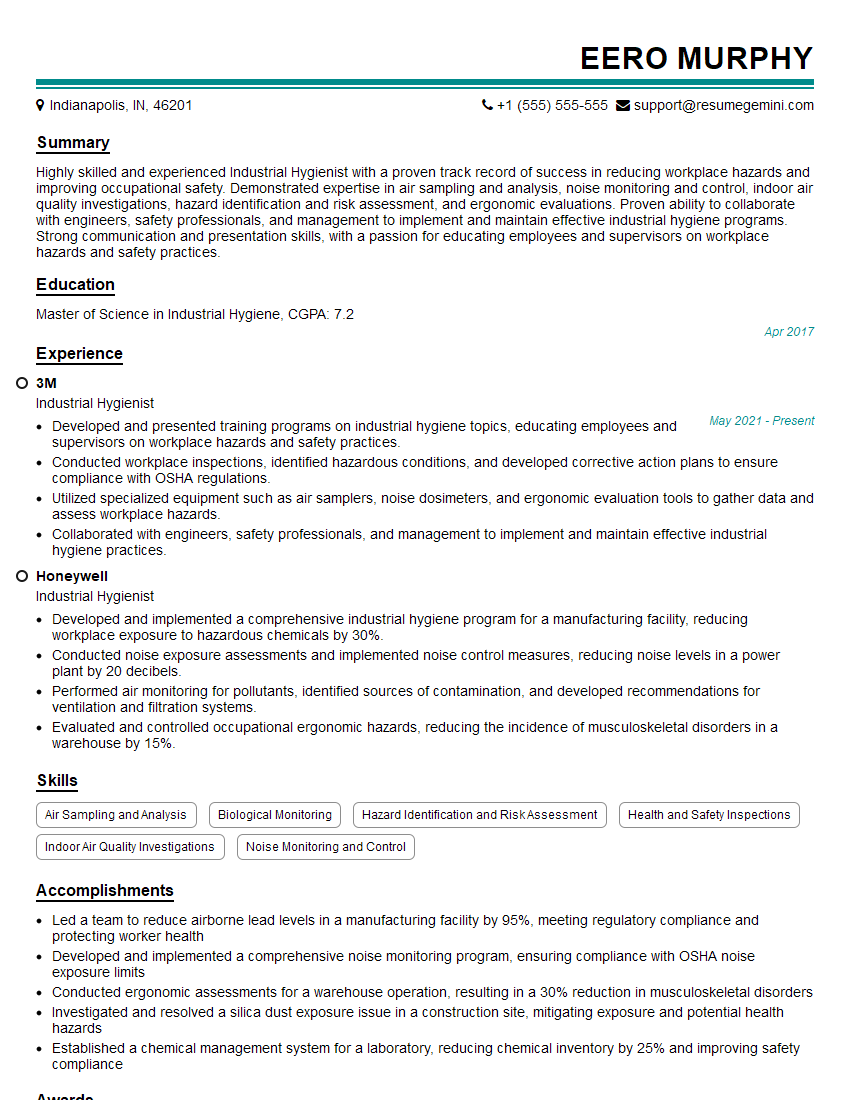
Industrial Hygienist Resume Sample
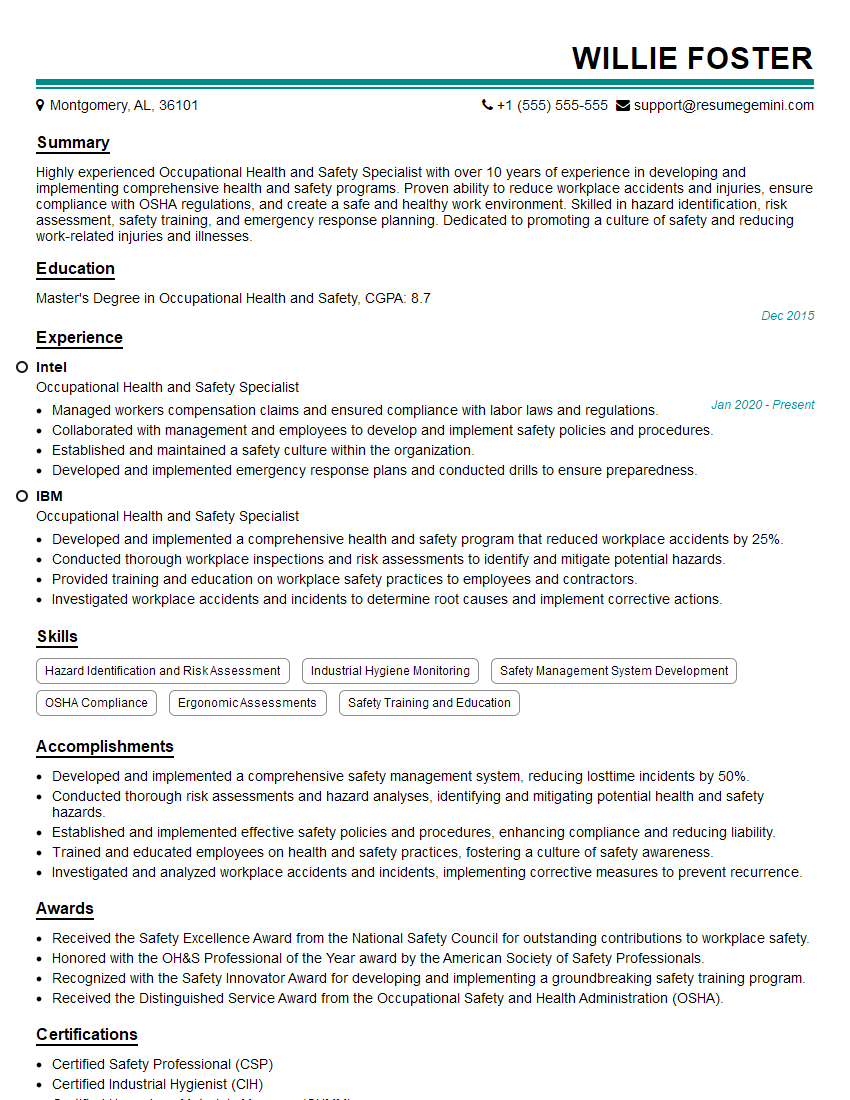
Occupational Health and Safety Specialist Resume Sample
Explore more articles
Users Rating of Our Blogs
Share Your Experience
We value your feedback! Please rate our content and share your thoughts (optional).
What Readers Say About Our Blog
hello,
Our consultant firm based in the USA and our client are interested in your products.
Could you provide your company brochure and respond from your official email id (if different from the current in use), so i can send you the client’s requirement.
Payment before production.
I await your answer.
Regards,
MrSmith
hello,
Our consultant firm based in the USA and our client are interested in your products.
Could you provide your company brochure and respond from your official email id (if different from the current in use), so i can send you the client’s requirement.
Payment before production.
I await your answer.
Regards,
MrSmith
These apartments are so amazing, posting them online would break the algorithm.
https://bit.ly/Lovely2BedsApartmentHudsonYards
Reach out at [email protected] and let’s get started!
Take a look at this stunning 2-bedroom apartment perfectly situated NYC’s coveted Hudson Yards!
https://bit.ly/Lovely2BedsApartmentHudsonYards
Live Rent Free!
https://bit.ly/LiveRentFREE
Interesting Article, I liked the depth of knowledge you’ve shared.
Helpful, thanks for sharing.
Hi, I represent a social media marketing agency and liked your blog
Hi, I represent an SEO company that specialises in getting you AI citations and higher rankings on Google. I’d like to offer you a 100% free SEO audit for your website. Would you be interested?